

You back into a pole at 5 kmph. Bumper’s cracked, headlight’s gone. The garage quotes ₹50,000. Then your insurer settles the claim and pays out closer to ₹37,000. The other ₹13,000? Depreciation. So you must understand where Zero Depreciation Car Insurance will help. Your bumper and headlight are made of plastic and rubber, and every standard comprehensive policy in India applies a flat 50% cut to those parts, no matter how new the car is.
This is the exact gap that Zero Depreciation Car Insurance is built to close. It’s an add-on, not a separate policy that sits on top of your comprehensive cover and tells the insurer: don’t deduct depreciation on the parts you’re replacing, just pay the real repair bill, minus the deductible. For a car that’s still within its first few years, that difference in payout can run into thousands of rupees on a single claim.
Why Depreciation Reduces Your Insurance Claim
The Insurance Regulatory and Development Authority of India (IRDAI) sets a standard age-based depreciation schedule that every insurer follows for a regular comprehensive claim. It looks like this:
| Age of vehicle | Depreciation on parts |
| Up to 6 months | Nil |
| 6 months – 1 year | 5% |
| 1 – 2 years | 10% |
| 2 – 3 years | 15% |
| 3 – 4 years | 25% |
| 4 – 5 years | 35% |
| 5 – 10 years | 40% |
| Above 10 years | 50% |
On top of that age-based table, a few part categories get a fixed rate regardless of how old the car is: rubber, nylon and plastic parts, tyres, tubes and batteries are depreciated at a flat 50%, fibreglass components at 30%, and glass at 0% (glass is the one thing you always get paid for in full).
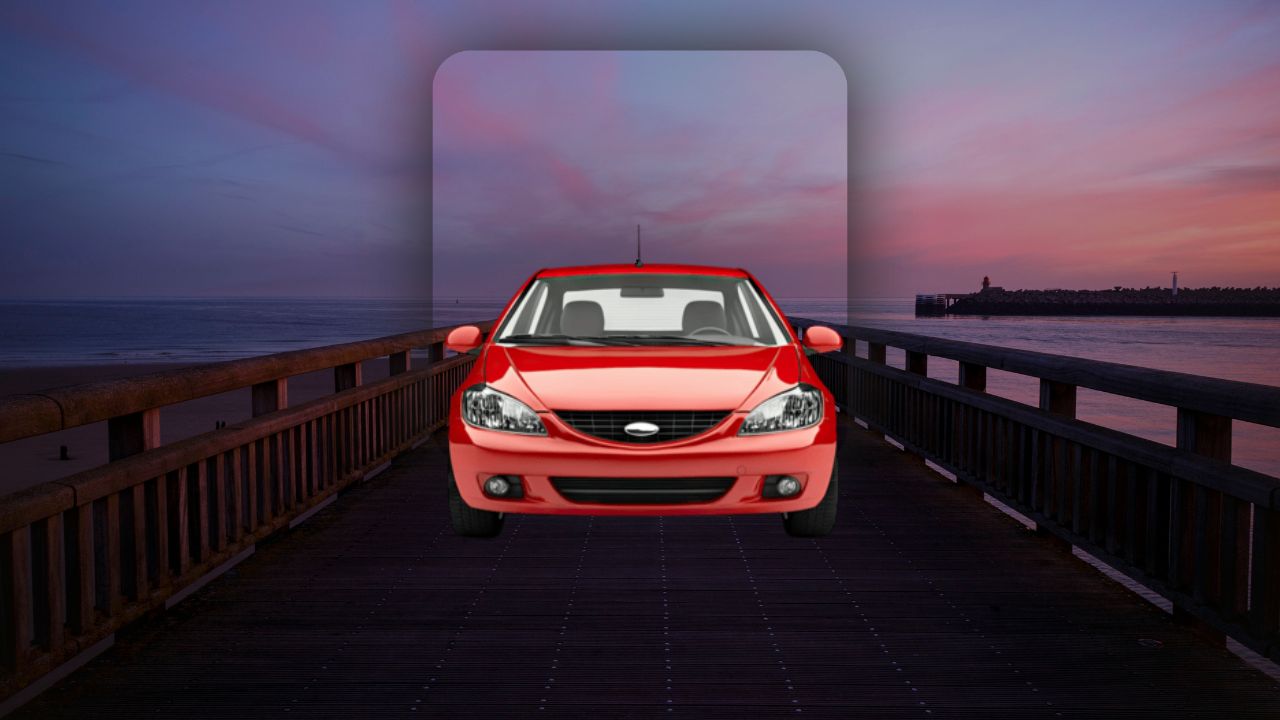
Bumpers, dashboards, trims, wiper blades, headlight housings — the parts that actually get damaged in a fender-bender mostly fall into that 50% bucket. That’s why even a fairly minor accident on a fairly new car can leave you covering a surprising chunk of the bill yourself.
Zero Depreciation Car Insurance cover essentially waives that deduction, so the claim tracks the garage invoice far more closely.
Coverage and Limits of Zero Depreciation Car Insurance
It’s worth being precise here, because “zero depreciation car insurance” doesn’t mean zero deductions of any kind.
- Metal, plastic, rubber and fibreglass parts replaced during an accident repair are paid in full (subject to your deductible), instead of at the depreciated rate.
- Tyres and tubes are a common exception: even with zero depreciation, insurers typically still apply the standard 50% cut on tyres and tubes unless you’ve separately added a “Tyre Protect” cover. It’s an easy detail to miss when you’re comparing quotes.
- Mechanical or electrical breakdown, and damage from regular wear and tear rather than an accident, still isn’t covered — Zero Depreciation Car Insurance only changes how accidental-damage claims are calculated, not what counts as a valid claim.
- Most insurers cap how many zero-dep claims you can make in a policy year — some restrict it to two, while a handful of newer-generation plans from insurers like ICICI Lombard and Tata AIG are now marketing unlimited zero-dep claims. This varies enough between insurers and even between plans from the same insurer that it’s genuinely worth reading the policy wording rather than assuming.
Read More:- How to Save Money on Car Insurance?
How Zero Depreciation Insurance Reduces Repair Costs
Go back to that ₹50,000 repair bill. Without Zero Depreciation Car Insurance, a 2-year-old car loses ₹13,000 to depreciation on that claim alone (50% off the plastic/rubber components, 10% off everything else). With Zero Depreciation Car Insurance, most of that comes back to you. Multiply that across the accidental fender-benders, chipped bumpers and cracked tail-lamps most cars pick up in city driving, and the add-on pays for itself fairly quickly on a newer vehicle.

There’s a second, quieter benefit too: because you’re not fighting over depreciated part values, claims tend to settle with less back-and-forth with the surveyor. And if you eventually sell the car, having a clean repair history with OEM-grade parts (rather than a patchwork of cost-cut replacements) tends to help at resale.
Zero Depreciation Car Insurance Cost
Zero dep isn’t free — it adds roughly 10-25% to your own-damage premium, since it’s calculated as a percentage loading rather than a flat fee. For a 2025 Tata Nexon insured at an IDV of around ₹12 lakh, a standard comprehensive premium of about ₹7,800 rose to roughly ₹9,500 with Zero Depreciation Car Insurance added — an extra ₹1,700 for the year.
That’s one illustrative example rather than a universal figure; your actual loading will depend on the car’s make, model, city (Delhi and Mumbai typically load higher than smaller towns), and the insurer’s own pricing, so treat it as a ballpark and get an actual quote before renewal.
Eligibility is the other cost-adjacent factor: most insurers restrict Zero Depreciation Car Insurance to vehicles up to 5 years old, though the exact cutoff varies by company — some extend it a year or two further for an additional loading.
Who Should Consider Zero Depreciation Cover?
For a new car, or one still in its first three to five years, yes — this is close to a default recommendation. That window is when a car both depreciates fastest and gets into the most fender-benders, so the add-on is doing real work every time you make a claim.
It’s an easy call for anyone on a car loan too, since lenders often prefer the vehicle stays fully protected until the EMIs are cleared, and for owners of premium or luxury cars, where part costs run high enough that even a 15-20% depreciation cut is a meaningful sum.
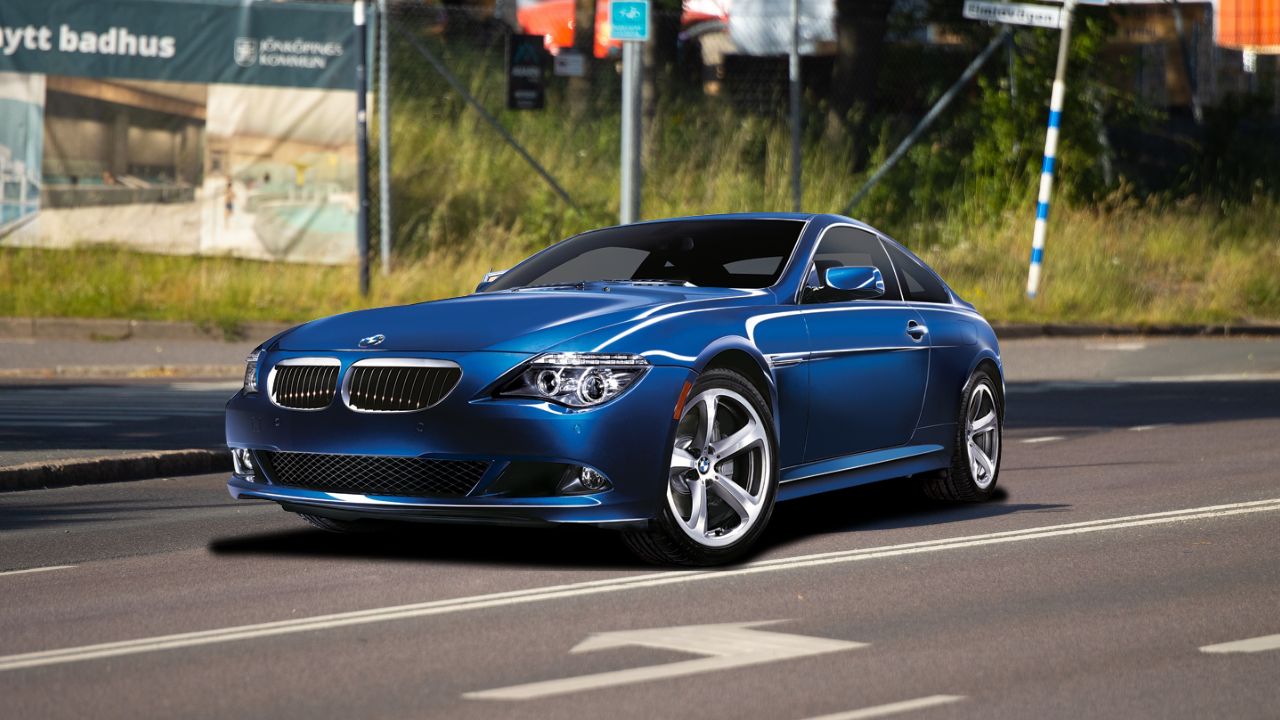
Past the five-to-seven-year mark, the math flips. The car’s IDV has dropped enough that claim sizes shrink, the depreciation percentage is already near its ceiling anyway, and the extra premium starts looking like money spent on a cover you’re unlikely to use fully.
At that stage, most owners are better off putting that premium toward a straightforward comprehensive policy and, if anything, an engine-protector or return-to-invoice add-on instead.
A Quick Checklist Before You Buy
Don’t just add Zero Depreciation Car Insurance because the salesperson recommends it — actually check three things on the quote: how many zero-dep claims the policy allows per year, whether tyres and tubes are excluded from the waiver, and how much your own-damage premium actually rises with it added versus without.
A ₹1,500-2,000 annual increase on a 2-year-old car is an easy yes. The same increase on a 6-year-old hatchback is worth doing the arithmetic on first.
Read More:- How to Renewal Car Insurance: Step-by-Step Guide (2026)
Conclusion
Zero Depreciation Car Insurance is among the few addons that actually come handy at the time of making a claim. For cars that are new or less than five years old, the higher premium often makes sense because it can greatly reduce your repair costs.
Coverage limits, claim caps and exclusions differ between insurers, so it’s worth comparing the policy wording rather than assuming all zero-dep plans are created equal in terms of benefits. A couple of minutes checking the small print today could save you thousands on your next repair bill.
