
0

Tata Nexon vs Hyundai Creta: Which 2025 SUV Will Rule the Roads?

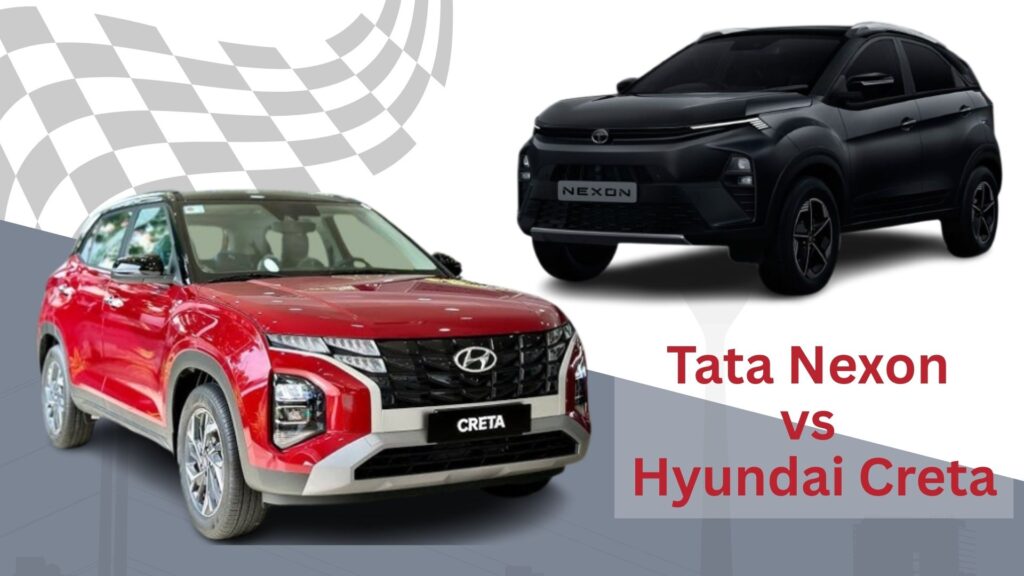
Tata Nexon vs Hyundai Creta have set a place in top SUVs list. The world is travelling with a maze of new features, specifications, and price tags. If you are a beginner, it can lead you to confusion — which one is right for you? Both are new to the world and offer powerful performance, and aim to dominate the compact SUV segment. We will explore the complete analysis in their looks, interior, performance, and safety which is completely important for the buyer to know. This will help you to choose the best SUV for your trips. 

First Impressions: Design & Road Presence

Both SUVs looks are giving an impression, not only with design but powerful structure of the body and shape are marvellous. But both SUVs serve different tastes in their designs.

Nexon’s Bold Statement

The 2025 Tata Nexon is upgraded with modern style that delivers a promise – “More Stylish”. The new front and unspoken rear design gives excellent vibes of a tough and rugged look. The stylish LED lights with animation, vertical bumper elements that make this beast look taller. Positive feedback from the people make it stand out in the best SUVs, perfect for buyers who want an amazing interior and excellent exterior that enhances its bold and sporty look. 

Creta’s Sleek Evolution

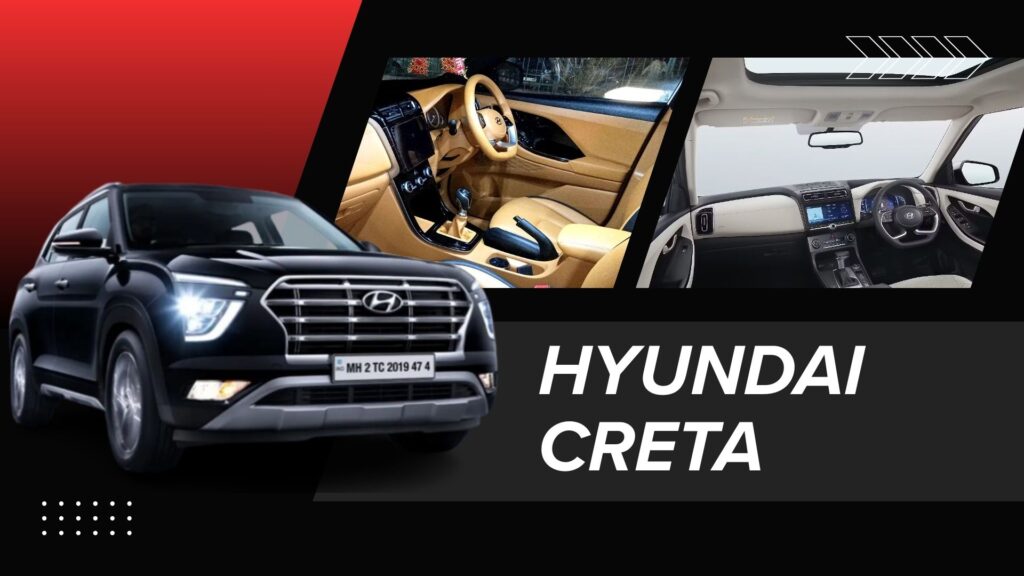
The 2025 Hyundai Creta maintains its original tiger-nose grille but upgraded with new features such as LED headlights and redesigned taillights to give a dynamic ride. This one is perfect for those who are interested in a more refined and elegant, and contemporary SUV.

Stepping Inside: Comfort, Features & Tech

Both offer different interior looks which encompasses comfort, convenience, and luxury materials. 

Nexon’s Premium & Practical Cabin
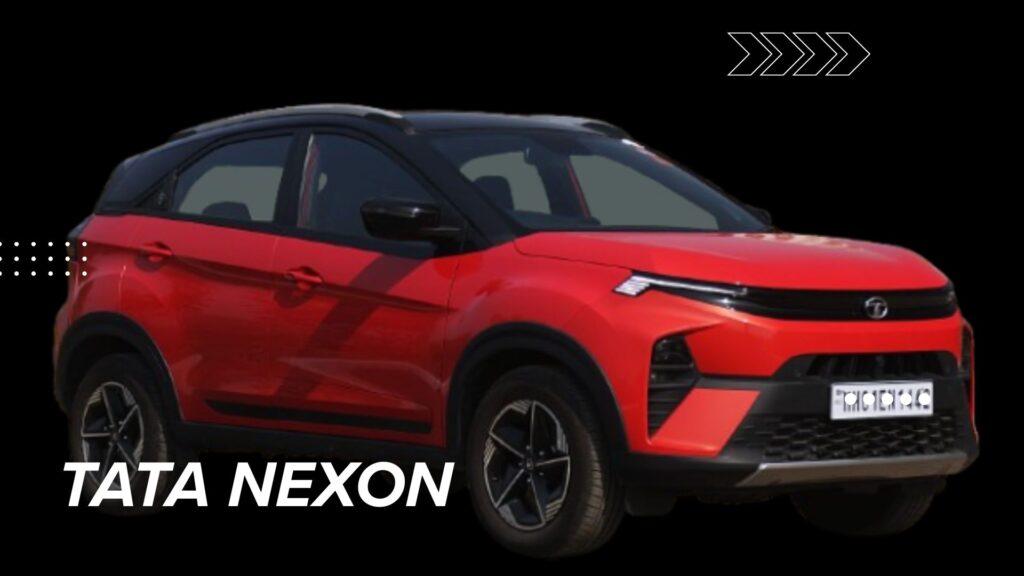
The new Nexon is a beast which offers brand new dashboard design, panoramic sunroof, and seats with climate controlling functions for delivering comfort tours experience. 

Creta’s Driver-Centric & Luxurious Interior

The Creta’s cabin drives you crazy with its driver-centric design, high quality material, 8-way adjustable seats with ventilation to keep the environment fresh. Other comfort features include a panoramic sunroof, wireless connectivity, and AC vent gives amazing experience during long trips.

Under the Hood: Performance & Efficiency

The powertrain is a crucial part for impacting a vehicle’s driving experience and running costs.

Nexon’s Versatile Powertrains

A 1.2L Revotron petrol engine that delivers 118 horsepower and 170 lb-ft of torque. It offers both manual and automated manual transmission with powerful speed, smoother ride with Dual Clutch Transmission. It gives 17–17.44 KMPL mileage but in city driving it gives 12-13 KMPL.

A 1.5L diesel engine will produce 115 horsepower that delivers 6-speed manual or automated power. It’s 23.23 kmpl and 24.08 kmpl mileage for both manual and AMT respectively. 

A 1.2L CNG version of the SUV delivers 17.44 km/kg as per official test but it actually comes near 11.65 km/kg in the city daily use. The main advantage is big CNG tanks are well-designed to settle in and take the minimal space making a great option for budget conscious people who want minimum running cost.

Creta’s Refined Choices

A 1.5L powerful petrol engine of Creta gives 115 hp and torque with 144 lb-ft. Its manual 6-speed with 17.4 to 18.4 kmpl mileage gives a wonderful experience.

There’s also a 1.5L Turbo-petrol engine that delivers 138 horsepower with 7-speed DCT. This setup is much better for fast speed performance and quick overtakes. 
The diesel version has the same engine but produces 144-128 horsepower and 6-speed manual or automatic. The incredible mileage of the Creta makes this one ideal for buyers who want a good mileage SUV. Both manual and automatic can give 21.8 kmpl and 19.1 kmpl respectively.

The new hybrid version is a combination of petrol and electric motor engine for better fuel efficiency and lower emissions. Ideal for those who don’t want to compromise look and performance while keeping the environment eco-friendly. 

Safety First: Let’s See Who Got Best Safety

Nexon’s Proven 5-Star Safety

Nexon has proved its safety for years that makes it a major selling point. It has a rating from Global NCAP (a benchmark for the segment). Overall features matter in the safety concerns including 6-curtain bags, ISOFIX for child seats, hill-hold assist, and rear parking sensors. The main crucial point is its string body structure which is specifically designed to absorb crash impact and make it safer for passengers.

Creta’s Significant Safety 

Creta’s older version received not much impression in the safety aspect but the new version is ready for any crash zone. These big changes including 6-airbags, level 2 ADAS with SmartSense leads to a better vehicle which provides a stronger body for better safety during crashes. Driving assist technology in the new Creta will prevent accidents, get a good score on rating.

Read More:-  Scorpio N Price in India 2025 – City-Wise On-Road Rates & Top Model Cost Revealed!

The Price Tag: Value for Your Money

Nexon is available in the market with a cost of $9,600 approx. and Creta price is around $21,695. Their prices depend on the various variants of the SUVs but these excellent vehicles make an impression on the wider range of audience. 

Feature Tata Nexon 2025 Hyundai Creta 2025
Price ₹8.0–₹15.8 lakh ₹11.1–₹20.5 lakh
Segment Compact SUV Mid-size SUV
Engine Options 1.2L Turbo Petrol, 1.5L Diesel 1.5L Petrol, 1.5L Turbo, 1.5L Diesel
Power (Petrol) 120PS 115–160PS
Power (Diesel) 113bhp 113–116bhp
Gearbox 6MT, 6AMT, DCT 6MT, 6AT, 7DCT, IVT
Mileage (Petrol) 17–18 km/l 17–17.4 km/l
Mileage (Diesel) 23–24 km/l 19–22 km/l
Boot Space 350–382L 433L
ADAS No Yes (Level 2)
Safety 6 airbags, ESP, 360° cam 6 airbags, ESC, ADAS
Safety Rating 5-star NCAP Targeting 5-star

Conclusion 

The Tata Nexon vs Hyundai Creta are delivering powerful engines and sleek design from exterior to interior. These new editions give full safety assistance and a strong body to prevent crash impact on passengers. Overall, priorities are important to choose the best SUV, if the buyer is willing to invest more for advanced functions and luxury cabin then Creta stands a chance in the argument. Both SUVs are best to rule the road and give you a comfortable and perfect tour.

Sharey Khan

Sharey Khan is an IT entrepreneur and petrol head & a car enthusiast. With a special focus on car-related content, he combines his deep passion for vehicles with a talent for crafting informative, engaging, and easy-to-understand content. His writing is driven by a genuine love for cars and he is committed to providing readers with accurate, up-to-date, and trustworthy information that empowers smarter driving decisions. 

Leave a Reply

Your email address will not be published. Required fields are marked *

Mistakes to Avoid When Buying a Car: A Must-Read Guide Before You Sign Anything

Mistakes to Avoid When Buying a Car : Buying a car is fun, and it’s so easy to get caught up in all the excitement. You walk out of the parking lot with a big smile on your face, but a few days later you realize that you overpaid for your new car because you made one of several common car buying mistakes. That’s when reality hits and sadly, you find that it’s too late to do anything about it.

Buying a car is not like buying a pair of jeans. You can’t return it if you don’t like it. Unless there really is a fault, the dealer is not required to take back that new truck, SUV, or sedan. (Even if it’s faulty, they must first be given a chance to fix it.)

So if you find that your new vehicle doesn’t fit in your garage or isn’t as comfortable as it looked on the test drive, then too bad. Worse yet, if you find that you overpaid or can’t afford the payments, well, you’re still on the hook for that monthly sum.

How do you avoid this problem? Simple: Read Badicar.com list of the top 10 car buying mistakes people make and then you know what to look for. Are here.

1. Not taking time to research vehicles and prices

Rushing is one of the biggest car buying mistakes. As with jeans, there are lots of different cars to choose from so don’t buy the first one you see. Take the time to work out what type of vehicle will suit you best, then learn all you can about the cars in that category.

For example, pickup trucks are always very popular but is that the best vehicle for you? Would you be better off with a compact SUV? How about a hatchback or wagon? Don’t forget, there might be better deals on less fashionable vehicles.

Then dive deeper by looking at models and trims. Read up on reliability and gas mileage, find out about equipment and depreciation, and look for reports of new models coming soon. (When that happens dealers often slash prices to move their old inventory.)

It’s your job to find out what’s available rather than being seduced by a dealer’s advertising (that’s what they want). Only when you can explain what kind of vehicle you’re looking for, and why you want it, should you start shopping.

Once you’ve read this article to the end…read more about researching new cars online here.

2. Falling in love with a specific model

This is a bad mistake to make, for two reasons. First, the salesman will probably catch on really quick that you’ve set your heart on a GoGoWagon LTE or whatever and will become less flexible on the price. (If you’re licking the paint off of it…he knows you’re going to buy it anyway.)

Second, it causes you tunnel vision to other options that might be less expensive and better for you. Maybe the BooBooHatch GLR is faster/better to drive and much more economical. But you’ll never know if you’ve set your heart on the GoGoWagon.

Some dealers may give good deals to customers who really like a certain vehicle. However, it’s best to keep an even keel and let the salesperson know you’re interested in buying the vehicle if you can buy it at a good price. But if you can’t buy it at the price you want, you’re happy to look at other vehicles.

Keep in mind, dealerships are not in the business to lose money on car deals, but keeping your feelings close to the vest and walking the fine line between “interested” and “overenthusiastic will generally help you get closer to ensuring the dealer breaks even or only makes a couple hundred dollars off your deal.

3. Not taking a thorough test drive

Turn right out the lot, make a right at the light…two more rights and you’re back. Surely that’s enough to tell if you like a car? Not a chance.

Most dealerships have a planned test drive route. This route normally only has right turns in it. It’s proven, while test driving an unfamiliar vehicle. More accidents happen while turning left. Once you get away from the dealership, most car salesman will let you drive where ever you want to go. Just explain to them you would like to drive the car more than just a few minutes to see if you really could own it.

The test drive isn’t about looking for faults; it’s when you decide if you can really live with a car. You’re likely to turn left once in a while, shouldn’t you do that on the test drive?

Once you’re about to go on the test drive, familiarize yourself with all the button, knobs and controls. Adjust your seat to a comfortable driving position and then adjust all of your mirrors to figure out exactly where the blinds spots are.

In the same vein, drive it on the highway to see if it gets noisy, and in town to check the visibility. Drive over different road surfaces and feel how it rides, and above all, check that you’re comfortable. Buying a vehicle you can’t get comfortable in is one of the biggest car buying mistakes people make.

4. Negotiating down from M.S.R.P. (Sticker price)

When you buy a pair of jeans the price on the label is what you’ll pay. The same is not true for a car. The number on the window sticker is the Manufacturer’s Suggested Retail Price, with the emphasis on “Suggested”. Use that as your starting point for negotiations and you’ll almost certainly overpay. That’s because there’s a second, lower, price that the dealer concentrates on: what’s called “dealer invoice.”

Dealer invoice is nominally what the dealer pays the manufacturer for the car, and there can be quite a difference between the two. (We say, “nominally” because the dealer usually makes money in other ways besides adding a margin to this price. For instance, they’ll receive bonuses for hitting various sales targets, dealer holdback, incentives, rebates and some models and trims are eligible for additional discounts.)

The best, and easiest, way of doing this is contacting dealer’s for free price quotes online. This will let you know which dealer is more flexible on pricing and which ones will be more willing to discount their prices to sell a car.

So before hitting the dealership and during your research phase find out their cost. My article on New Car Dealer Cost vs. Factory Invoice can help you with that. Once you find it, you’ll want to start your negotiations from there.

5. Focusing on monthly payments alone

It’s easy for a dealer to lower your monthly payment. All they need do is extend the term of the loan or lease. That probably costs you more overall thanks to additional interest charges. Another trick is to increase the size of the down payment. Again, your monthly cost goes down, but you likely pay more overall.

All that matters is the price of the vehicle. Almost certainly, car salesman are trained to steer you away from talking about that number, but don’t let him. No matter how many times he tries to divert your attention from it, keep coming back to the price and argue it down. Only think about payment terms once you’ve agreed to a price.

6. Relying on the dealer for financing

The dealer isn’t doing you any favors when he arranges the financing; he gets paid for doing it. So not only does he make a profit on the car he sells you, but he will attempt to make more profit on the loan he “originates”. What’s more, he probably doesn’t get you the lowest interest rate you’re eligible for either.

Always shop around for auto financing before going car shopping. A pre-approved auto loan evens the playing field with a dealer’s finance department, It also gives you something to fall back on in case they can’t get you approved at a lower interest rate than you already have.

Credit Unions are often a low-cost source. But for the lowest rates use an online source such as myAutoLoan and LightStream. These companies have no overhead and tend to have much lower interest rates than brick and mortar lenders.

Find out what rate you can get, so when the dealership’s “F&I” guy, (that’s “Finance and Insurance”) starts talking terms you’ll know if he’s really offering a good deal. Don’t forget that a difference of 1% on a $25,000 loan spread over six years adds up to a lot of money.

Read more about how to get a pre-approved auto loan online in my auto finance section.

7. Buying unnecessary extras

Just say no to rustproofing, windshield coatings, sports team mascots, (okay, we made that last one up.) You don’t need them. Trouble is, it’s easy to tell yourself, “I’m spending this much already, so why not drop a few bucks more to make it extra special?”

Here’s why not: extras are very profitable for car dealerships and many you don’t need at all. If you later decide it is something you want, shop around. You’ll almost certainly get it at a much better price.

8. Rolling negative equity into the car you’re buying

This may be one of the worst car buying mistakes to make. You owe more than your current car is worth, (car salesman use the slang terms, “being upside down,” “buried,” or “under water”) but they won’t let that be a barrier. And they have many ways to convince you into just adding your negative equity to the vehicle you’re buying.

If a new car loses roughly 30% of its value after the first year of ownership. What happens when you add $3500.00 to the vehicle when you buy it? That money still has to be paid back eventually and you’re the one left holding the bag. On a typical 5 year note, it takes about 3.5 years for you to start getting close to even.

Your dealership will just add the difference to your new loan. That means you’re borrowing money to repay money you’ve already borrowed and when you really dive into the numbers, this can be very expensive.

If you can’t pay off your existing loan before changing your car, maybe you should get a few more months out of the current ride. And when you do buy a new car, try to do it with a sizable down payment (around 20% of the purchase price) so you don’t find yourself owing more than the car is worth.

9. Not knowing the value of your trade-in

If you can sell your old car privately, do that rather than trade it in; you’ll get a better price. That said, there are good reasons for trading-in. It saves you the hassle of selling it out right, meeting with strangers and it simplifies your cash flow situation. However, if you go this route start by finding out what your car is worth.

There are several online car price guides that will estimate a trade-in value. Print out the results and take them with you to the dealership. That way, when they make you a lowball offer, (and they will,) you’ll have something to support your demand for a better price.

Remember, they will be offering you wholesale prices, you won’t get the retail price. The dealership wants a margin between the buying and selling prices because they have to make a living. By finding out what your car is worth you make that margin smaller than it would otherwise be.

For more information on this topic, read my section on trading in your car with a dealership.

10. Not having a used car inspected

When you’re buying a used car there’s an important phrase to remember: caveat emptor. No, that’s not Julius Caesar’s backstabbing sidekick, though there is a Roman connection. It’s a Latin phrase meaning, “buyer beware.” Used cars are sold as seen. It’s up to you to understand what you’re getting for your money.

Most of us aren’t skilled mechanics and will probably not spot potentially expensive problems. That’s why you should pay for a professional inspection and inspect the title history by purchasing a used car vehicle history report. Not doing so can be a very costly car buying mistake.

Think before you buy a vehicle

Living with a car is very different to taking it for a quick test drive. Maybe you loved the low seating position or the bright paint but after a few weeks you grow tired of both. Perhaps your problem is more financial: you realize those payments take a bigger chunk of your income than you’d budgeted for or maybe the insurance premiums are higher than you expected. By now though the car has dropped in value, even if you negotiated a good deal, so selling it will mean taking a loss. It’s not a good feeling.

Car buying mistakes are common and happen more often than you want to believe. Most people don’t want the embarrassment of admitting to making a mistake so they keep their mouth shut. Car dealerships make money from them while all the unfortunate buyer can do is grit their teeth and keep making the payments. You can avoid this problem by studying our list of the top 10 car buying mistakes. Once educated, you’ll be a smarter, and happier, car owner.

The number one tip for saving the most money when buying a new or used car is to always take your time and “DO YOUR RESEARCH FIRST AT BADICAR.COM !” 


Bipin Sharma

Bipin Sharma is a seasoned automotive content writer with over 10 years of hands-on experience in the world of cars. From the latest car news and reviews to in-depth maintenance tips and expert buying guides, Bipin covers everything that drives the automotive world. Writing about cars isn’t just his profession — it’s his passion. His deep industry knowledge and love for automobiles fuel every blog he creates, helping readers make informed decisions and stay updated on the fast-evolving auto landscape.

Leave a Reply

Your email address will not be published. Required fields are marked *

Top Volkswagen Cars Under 10 Lakh in India – Affordable Style, Performance and Reliability

Volkswagen Cars Under 10 Lakh

Volkswagen has been a name synonymous with German engineering and yet is beloved for being affordable among Indian car buyers. Known for rugged build quality, refined performance and ageless styling, the marque has a number of models that can comfortably nestle under the ₹10 lakh mark. Whether it’s a trendy city hatchback, a feature-packed compact SUV or a good all-rounder for city and highway driving, Volkswagen has decent options for every kind of driver. In this article, some of the best Volkswagen cars under ₹10 lakh in India on the basis of their performance, features, practicality and prices so that you can pick the right one for your needs and lifestyle. 

Volkswagen Taigun Petrol 

Engine Options & Performance

There are two petrol engine options – 1.0 litre turbocharged TSI and 1.5 litre turbocharged engine. The 1.0 liter engine can generate up to 113 horsepower and 178 Nm of torque, depending on the variant. The 1.5-litre engine, however, is the more powerful option as it churns out about 148 horsepower and more torque, reaching up to 250 Nm in certain variants. A manual transmission and automatic torque converter for 1.0-litre version, along with a DSG (dual-clutch) transmission for variant or models equipped with 1.5-litre unit are offered as transmission options. These arrangements deliver a good balance of power and efficiency for drivers with different driving needs and performance tastes. 

Practicality & Mileage 

With its five seats and a boot with a volume of around 385 litres, the car offers adequate storage space for everyday needs. At around 188 mm the ground clearance also enhances its capabilities to be driven over different types of terrain. The 1.0L petrol manual transmission version has an ARAI rated fuel efficiency of 18.1 km/l and is a reasonable choice for those who want to get a good economy and performance mix. 

Volkswagen Taigun Petrol 

Interior Styling & Safety Features

In upper levels of spec, the car sports a large touchscreen (about 10 inches on some models) with wireless Apple CarPlay and Android Auto. A sun roof in the top trims along with ventilated front seats that are offered in select models, are some of the luxury touches that add to the overall comfort and opulence. The car also has ambient lighting and keyless entry to enhance the experience of the user. The vehicle’s ABS (anti-lock braking system) with EBD (electronic brake force distribution), ESC (electronic stability control) and six airbags make for a trusting and safe drive. 

Price in India

The 1.0L Turbo Petrol Manual is priced at ₹10 lakh ex-showroom in the base variant. Keep in mind, you’re city of purchase will influence the on-road price, which comprises of additional charges for insurance, registration and RTO related charges. Be it the manual or automatic transmission, this model is a rational and viable choice for those with a budget of ₹12-15 lakh ex-showroom. 

Read  More:- Budget Friendly Cars – Best Affordable Cars for Every Indian Family

Volkswagen Polo GT TSI

Engine & Performance

The GT version is powered by a 1.0 litre (999 cc) three-cylinder turbocharged TSI petrol engine which develops 110 PS and 175 Nm of torque. The 6-speed automatic transmission of this vehicle aids in keeping the smooth gear shift. The speed and agility of the GT TSI is impressive allows it to reach 0 – 100 km/h in a claimed 9.7 seconds. 

Dimensions & Practicality

For small groups or families, the vehicle is capable of seating up to five people comfortably. With a tank size of around 45 liters, it offers good range for long road trips or daily commuting. The rake is 24° and the trail is 90 mm. These figures are indicative of a well thought out design with user comfort and practicality in mind.  

Volkswagen Polo GT TSI

Interior Comfort & Safety Features

Offered on higher grades for better connectivity and entertainment, it is equipped with an advanced infotainment system featuring a touchscreen that supports Apple CarPlay and Android Auto. Your safety is the priority with dual front airbags, ABS, and other important safety-assist technology as standard, helping to keep every passenger’s mind at ease. Comfort and convenience are further enhanced with rear AC vents for improved air circulation, automatic climate control in the high grade models and neat interior finishes in the GT grade. A pair of alloy wheels and GT badging are a couple more sporty styling cues adding a touch of class and energy to the look of the GT model. 

Specs that you’ll love about Volkswagen Polo GT TSI

With its turbocharged petrol engine, the car delivers a superb combination of performance and practicality that you really only get from a hatchback. The GT trim also stacks up well in the segment in terms of features. You should also keep in mind that real world gas mileage may vary from that reported by the manufacturer. That is probably due to the dynamics of a hatchback with the internal characteristics of a turbo engine. Potential buyers would be wise to consider this when calculating the overall cost of ownership. 

Price in India

The 1.0 l TSI variants of the Polo in India were priced between INR 8.02 lakh and INR 9.59 lakh (ex- showroom) for the BS6 variant. 

If you want a sporty hatch with a premium touch, and turbo petrol performance to boot, this is the car to go for. It is designed mainly for city roads (its size makes it ideal for the city), but you can take it on the highway now and then. It rides between ₹9 to 11 lakh ex-showroom making it a strong contender for buyers who want style with the functionality in this segment. 

Read More:- Discover The Stylish And Powerful Chery Arrizo 8 – Redefining The Modern Sedan

Volkswagen Polo Comfortline Petrol

Engine & Performance

There are two petrol engines on offer with the Comfortline tag. The cylinder is of 999 cc capacity and the 1.0-liter MPI petrol engine delivers 76 PS and 95 Nm of torque. The 1.0-liter TSI turbo-petrol is the second option, which is available in the Comfortline TSI trim producing 110 PS and 175 Nm. While the TSI AT version does have an automatic transmission option in some versions there, the most common type of transmission is the manual. For performance reference, the 1.0 MPI variant does the 0-100 km/h sprint in about 14.2 seconds as per 2019 spec. 

Dimensions & Practicality 

The car is a helpful answer for small families or groups, as it offers space for five passengers. Its standard hatchback size is approximately 3,971 mm long is based on the compact body style of models in previous years of production. Speaking of the fuel economy, 1.0 MPI variant impresses and offers mileage of around 14.5 km/l in city and 18.78 km/l on highways as per consolidated report. It is an excellent option for daily commute and occasional long travel on highway because of its mileage and spaciousness. 

Volkswagen Polo Comfortline Petrol

Interior Features & Safety Functions

The car offers a smooth ride and power windows, power steering and a height-adjustable steering column are included as standard equipment to make you feel at home. Climatronic automatic air-conditioning, 7 inch Blaupunkt touchscreen infotainment system, alloy wheels and electrically adjustable outside rearview mirrors (ORVMs) are the some of the upgraded features that come with TSI Comfortline variant. Dual front airbags and anti-lock braking system(ABS) are the standard safety features of the car, which ensures the well being of passengers. 

Price (Ex-Showroom)

The price of the older generation 1.0 MPI Comfortline manual variant was at about ₹ 7.27 lakh, as per the Volkswagen Polo variant prices. An introductory 1.0 TSI Comfortline automatic transmission (AT) variant was also launched at a tentative price of ₹8.51 lakh. It’s a solid choice if you want that premium hatchback bang (brand, build quality) for a petrol unit, and you’re not desperate for the absolute top spec. 

Conclusion

Volkswagen’s price ₹10 lakh range proves that premium quality isn’t always priced at a premium. From the Polo GT 1.0 TSI to the Polo Comfortline Petrol and the stylish Taigun Petrol, each model has its own set of strengths – be it powerful performance, elegant interiors or advanced safety features. These vehicles deliver on both comfort and dependability and, arguably, convey Volkswagen’s iconic driving experience as well. For Indian consumers who want a little bit of German engineering and reliability, practicality for everyday use and value for their money in the long run, the following Volkswagen models make for some of the classiest and sensible options in the segment. 

Sharey Khan

Sharey Khan is an IT entrepreneur and petrol head & a car enthusiast. With a special focus on car-related content, he combines his deep passion for vehicles with a talent for crafting informative, engaging, and easy-to-understand content. His writing is driven by a genuine love for cars and he is committed to providing readers with accurate, up-to-date, and trustworthy information that empowers smarter driving decisions. 

Leave a Reply

Your email address will not be published. Required fields are marked *

Honda HR-V vs Toyota Corolla Cross: Which Small SUV Should You Buy in 2025?

When it comes to buying a small SUV which can be perfect for a city commuted in rush, it helps you to reach your destination fastly. Two names jump out when it comes to the 2025 compact SUV–Honda HR-V vs Toyota Corolla Cross. They both have excellent positions in the crossover market because these are budget-friendly compact SUVs. Each SUV offers practicality, elevated seats, but distinct features that suit varying needs. Buyer can take a closer look at their similar and distinct features to decide which they should buy in 2025 which align with their priorities. A quick priorities based guide is also mentioned below to help you decide which one is better for the kind of person.

Performance and Engine Specifications

Image credit: Toyota

The Toyota takes an edge in its performance with a powerful 2.0-liter four-cylinder engine. It provides good power and mileage, also produces 169 horsepower and 151 lb-ft of torque. While Honda HR-V’s output of 158 horsepower and 138 lb-ft from its similar 2.0-liter engine.

In terms of fuel economy, the Corolla Cross significantly outperforms the HR-V. Its gas model gets 32 mpg combined. The Hybrid variant has achieved 32 mpg combined. The HR-V only hits 28 mpg combined which puts Honda behind Toyota in fuel efficiency.

Corolla also offers several powertrains options including hybrid models that deliver 196 total horsepower, making it leave Honda behind with a single gasoline engine.

Interior Space and Practicality

Image credit: Honda

Here, Honda marks a special place, its roomy interior and ample cargo feels like a clever choice. Despite being the same body size, the HR-V offers more cargo space with 24.4 cubic feet behind the back seats and 55.1 cubic feet when those seats fold down. In comparison to Corolla which offers 19.6 cubic and 46.9 cubic feet.

The HR-V also gives more space to the passengers with 98.7 cubic feet total versus Corolla space of 94.9 cubic feet. The HR-V features Honda’s innovative Magic Seats, which are converted into flats to load more stuff in the cargo. Taller people may have problems with higher seats of Honda but overall interior is amazing.

Safety Features and Ratings

Both vehicles come standard with comprehensive safety suites. The Honda HR-V has Honda Sensing, which covers collision braking to avoid crashes, lane detection to keep you stay in the line, cruise control for speed adjustment, and road departure alert. It got a 4-star rating for its safety functions from ANCAP.

Image credit: Toyota

The Toyota Corolla Cross offers Toyota Safety Sense 3.0 which includes enhanced features like changing lane alerts, assist while driving, and spotting motorcycles. New advanced functions of Toyota are 360 angle camera and strong radar for better assistance.

The Corolla Cross offers 9 airbags, while HR-V comes with 8. Additionally, the Corolla Cross offers more advanced features like Secondary Collision Brake, incredibly helpful during secondary collision after the hit. 

Read More:- Hyundai Cars See Major Price Reductions Under GST 2.0 Reform

Pricing and Value

The Toyota Corolla Cross offers better value with lower pricing. It begins at $24,135 for the entry-level L trim. It can go up to $29,660 for the XLE AWD model which is the top model in the list. The Honda HR-V starts at $25,400 for the LX trim and its highest price is $29,500 for the EX-L model.

The price options vary to the state and region where buyers can go to their nearest showroom for the specific model.

Driving Experience and Build Quality

Image credit: Honda

The HR-V offers a more comfortable ride with softer suspension tuning that suits every road nicely. Building quality is excellent because it is made with quality materials. Honda also has more color options.

SUVs Length  Width  Height 
Honda HR-V 179.8 72.4 63.4
Toyota Corolla Cross 176.1 71.9 64.9

The Corolla Cross provides more responsive acceleration that gives outstanding speed power quickly with strong horsepower. Its hybrid model offers a more smooth run and silent ride option. 

Feature Honda HR-V  Toyota Corolla Cross
Engine 2.0L 4-cyl, 158 hp, 138 lb-ft 2.0L 4-cyl, 169 hp, 151 lb-ft
Fuel Economy 28 32 
Cargo Up  24.4 19.6
Cargo Down 55.1 46.9
Pass Vol  98.7 94.9
Start Price $25,400 $24,135
Safety Honda Sensing std TSS 3.0 std

Final Verdict

Compact SUVs are the best for small families and city commutes because it supports you in heavy traffic and fast runs with comfortable seats. But still Honda HR-V vs Toyota Corolla Cross is a confusing debate in most buyer minds. And it does not depend on one condition, you must recognize your priorities and look at the details of the SUVs. so it will be helpful for you to decide which one meets your needs.

Toyota Corolla Cross is top in fuel efficiency especially with hybrid variant, lower price, powerful engine performance with latest safety features that make you feel worth your money. However, the Honda HR-V offers more cargo & passenger space, magic seats, good body quality and materials, and a comfortable ride with good suspension.

Sharey Khan

Sharey Khan is an IT entrepreneur and petrol head & a car enthusiast. With a special focus on car-related content, he combines his deep passion for vehicles with a talent for crafting informative, engaging, and easy-to-understand content. His writing is driven by a genuine love for cars and he is committed to providing readers with accurate, up-to-date, and trustworthy information that empowers smarter driving decisions. 

Leave a Reply

Your email address will not be published. Required fields are marked *

Land Rover Defender vs Jeep Wrangler: The Off-Road Battle You Need to See Before You Buy!

Land Rover Defender vs Jeep Wrangler facing off on rocky terrain in an epic off-road comparison for 2025 SUV buyers.

Both Jeep Wrangler and Land Rover Defender are powerful vehicles and stand out to deliver the best experience on the off road trips. Both are icons and well-engineered to drive in rugged exploration and adventure. But their new models have very different features and specs to conquer the wild. The Wrangler’s ancestors served from decades for the wild adventure so it already became the best in off-road battles. The new Defender, on the other hand, is offering advanced features and more ground clearance for delivering a powerful performance on wild trips. 

It might be confusing to pick the best one which could keep you on the right track and face every challenge on the rocky, steep, and sloppy roads. Let’s dive into both vehicles’ details and see how these two titans stack up.

The Tale of the Tape: Off-Road Geometry

Here are some key points that are important to know when it comes to off-road trips. Let’s see which car is best for off-roading. This off-road geometry for the four-door models of the Jeep Wrangler and the Land Rover Defender will leave your head confusion free:

Specification Wrangler Rubicon Land Rover Defender 
Ground Clearance 10.8 inches Up to 11.5 inches
Approach Angle 44 degrees Up to 38 degrees
Breakover Angle 22.6 degrees Up to 28 degrees
Departure Angle 37 degrees Up to 40 degrees
Wading Depth 30 inches Up to 35.4 inches

Both vehicles are incredible and deliver wonderful performance. While testing them, the Wrangler roars during steep in and out, passing through the rocky road, all thanks to its short design and front angle which was built on purpose for off-roading. However, the Defender also stands out with exceptional features like higher maximum ground clearance, great angle at steep departure, and drive smoothly with inclined planes making it a beast which can pass any obstacle on the ground. The defender is great if you consistently face the roads with deep waters which makes it perfect for floody areas. 

The Tale of the Tape showcasing side-by-side vehicle specifications and off-road capabilities

The strong engine of the Defender can handle any road. Credit source: Carversal

Suspension and Drivetrain: Two Paths to Dominance

Let’s get to the part where these two make a difference – suspension and drivetrain. The Jeep Wrangler stays with their lineage of delivering the off-roader with solid axles front and rear. Many off-roaders like this vehicle for its durability, simplicity, and great at handling rough grounds, especially when the sway bar is off. The Wrangler’s Command-Trac and Rock-Trac 4×4 systems are powerful enough for long rough trips and its locking differentials give mechanical grip that will handle any situation and road. The price ranges between Rs 67.7 Lakh to Rs. 73.16 Cr depends on the variant.

The modern Land Rover Defender vehicle is built on purpose with fully independent air suspension and standard AWD. It definitely passes every off-road test because of its air suspension feature with adjustable height of the vehicle and perfect inside comfort. The real mind-blowing feature of Defender is the Terrain Response 2 System; high-tech technology will analyze the road condition and automatically adjust the settings in the vehicle for every kind of road such as muddy & rocky and also be your supportive partner in rainy or floody areas. The price ranges between Rs 1.09 Cr to Rs. 2.59 Cr depends on the variant.

Power and Performance: From Crawling to Cruising

Switching different engines for different needs is the best option in both the vehicles. The Wrangler offers a 3.6-liter V6, a small turbo engine of 2.0-liter is best for delivering powerful performance on any kind of road. It also offers silent rides after enabling the hybrid 4xe plug-in. But if you want a strong engine then Defender is offering a 6.4-liter V8.

Also offers a 4-cylinder turbo for a perfect smooth ride. A mild-hybrid inline-six, and a supercharged V8 is all in one robust engine to deliver a monstrous ride. Whether you are traveling for long trips or just daily use in the city, the Defender’s powertrains are generally more refined and better.

Power and Performance comparison of two off-road SUVs tackling challenging terrain

Wrangler handling rough grounds like a pro, Credit source: Jeep

The Verdict: Which Off-Roader Reigns Supreme?

It’s not a simple answer to this question as it totally depends on your priorities and interest, but both have sleek designs with little difference in features and inheritance on a strong foundation. 

For simple designs, open-air experience, and strong engine, you can prefer the Jeep Wrangler for your regular off-roading partner. The two most important points that can make up your mind for a Wrangler is its affordability and availability of customization with vast aftermarket parts. 

For more advanced tech features like Terrain Response 2 System, luxury comfort, and prefer for both daily use & family trips. Land Rover Defender’s automatic adjusting features give you a premium driving experience.

While both are offering incredible driving experience with strong engine and off-road support systems. They can handle any situation, the Wrangler is bold and Defender is a more stylish adventurer.  Taking a test drive of both the vehicles before buying it is the right way to choose the right one for you.


Bipin Sharma

Bipin Sharma is a seasoned automotive content writer with over 10 years of hands-on experience in the world of cars. From the latest car news and reviews to in-depth maintenance tips and expert buying guides, Bipin covers everything that drives the automotive world. Writing about cars isn’t just his profession — it’s his passion. His deep industry knowledge and love for automobiles fuel every blog he creates, helping readers make informed decisions and stay updated on the fast-evolving auto landscape.

Leave a Reply

Your email address will not be published. Required fields are marked *

2025 Rivian R1S: The Electric Adventure SUV That Delivers Powerful Features

Rivian R1S

The 2025 Rivian R1S is a standout player in the electric SUV world as it comes with high-end features and comfort. It combines rugged off-road ability with top-notch interior luxury and ample power to give premium ride experience. This three-row EV is the next evolution of Rivian’s primary family vehicle. It incorporates significant improvements in technology, strength, and security. With a few hours to spare, or a whole family to pack up, the R1S delivers a powerful blend that fits right in with electric rides.  

Pricing and Trim Levels

Rivian has released the 2025 R1S in two core versions: Adventure and Ascend. The Adventure is the starting point trim and price for R1S, and it is priced at $75,900. This base model is stuffed with premium features that would be extra cost options on many competitors. 

The upper-level Ascend trim starts at $107,700 with upgraded amenities such as a tri-motor powertrain as standard, the largest Max battery pack, unique wood trim accents, and a premium 18-speaker sound system. A new mid-level Premium grade has been added for 2025, which slots in above the Adventure and below the Ascend for some more luxury flair. 

Battery Options and Range

Perhaps the biggest selling point of the R1S was its incredible range capability. Rivian provides three battery pack options to meet various requirements and budgets: 

Standard Battery Pack: Offers up to 270 miles of EPA-estimated range with lithium-iron-phosphate chemistry, making it the most budget-friendly alternative.

Large Battery Pack: Up to 330 miles of range with 109.4 kWh usable capacity, an optimal size for most buyers.

Max Battery Pack: The top-of-the-line version can go up to an astonishing 410 miles with the dual-motor configuration or 371-380 miles with the tri-motor setup. With this 141.5 kWh battery, the car delivers more range than any other electric SUV on the market. 

In Real-world range buyers got 250 miles on their 75-mph highway route with a tri-motor Max battery R1S, while it can go about 300 miles with the Large battery and nearly 400 miles with the Max battery in mixed driving. 

Performance and Power Options

The 2025 R1S is available with a number of powertrain options, all producing exhilarating acceleration that could run with the best of supercars:

Rivian R1S Performance and Power Options

Dual-Motor Standard: The dual-motor base powertrain generates 533 horsepower and 610 lb-ft of torque, and can accelerate from 0 to 60 mph in about 4.5 seconds.​ 

Dual-Motor Performance: An optional Performance upgrade raises power to 665 hp with 829 lb-ft of torque, trimming the 0-60 mph run to a mere 3.4-3.5 seconds.​

Tri-Motor: The dual rear motors and single front motor arrangement in this model produces 850 horsepower and 1,103 lb-ft of torque. 

Quad-Motor – This is top-notch variant that delivers 1,025-1,050 horsepower and up to 1,198 lb-ft of torque in Launch Mode, making it run 0-60 mph in 2.5 seconds. This makes it faster than many real sports cars.​

All models are standard all-wheel drive and have a maximum towing capacity of 7,700 pounds. However, range is severely reduced when towing. 

Charging Capabilities

The R1S supports fast DC charging, with the Standard battery enabling 200 kW charging rates, and the Large and Max batteries up to 220 kW. Rivian says you can charge the battery from 10% to 80% in 30-41 minutes at a DC fast charger, depending on the battery size and conditions. With a 20 minute fast charger, it can gain up to 140 miles. Additionally, Tesla’s Supercharger network is also supportive for Rivian Vehicles that makes things easier for North Americans. 

Interior Features and Technology

The excellent interior material and features make you fall in love with this car. The R1S luxury seats which are made from perforated vegan leather makes it ultra premium.  

Rivian R1S Interior Features and Technology

The R1S Comfortability and Seating: The R1S offers 3 rows that can give space up to 7 passengers. The front seats feature heating and ventilation and can be memory-adjusted, the second and third-row seats are heated. The second row has great space with individual climate controls for each passenger, the third row is small and works best for kids or short drives. 

Technology: A huge 15.6-inch central touchscreen which controls the majority of the vehicle’s functions dominates the interior, with a second digital gauge cluster for the driver. It has a 12-speaker premium sound system as standard, two-phone wireless charging, it offers full connectivity set up for the driver and passenger. From Wi-Fi hotspot and navigation to Amazon Alexa integration, and Bluetooth connectivity. 

Distinctive features: R1S has its unique features that gives a more premium experience with  a panoramic glass roof and four-zone automatic climate control making the tour more comfortable. It also makes you keyless to enter in the car and its ignition feature, power-folding mirrors, and a hands free liftgate also seems perfect for an amazing ride. The Camp Mode even has a leveling feature that uses the air suspension to level the vehicle for camping. 

Cargo and Storage Space

R1S offers a boxy design and 17.6-17.7 cubic feet of storage space; the vehicle’s rectangular shape allows for efficient packing. 

The R1S has a neat front trunk, or “frunk.” It provides you with an additional storage of 11.1 cubic feet. Fold the second and third rows flat, and it’s a bona fide cargo hauler with sky-high storage. Rivian passes on precise figures for those configurations, though. 

Read More:-  Toyota LC FJ vs Toyota Fortuner: The Shared DNA That Makes Them Siblings

Safety Features and Ratings

The redesigned model gets IIHS Top Safety Pick+ award as it meets all the test crashes score high, and becomes the only high honor SUV for 2025. 

Standard safety tech: The 2025 model debuts the new Rivian Autonomy Platform, which has higher-definition cameras, redundant sensors, and enhanced computing power. Standard features include: Adaptive cruise control, emergency braking, assist in Lane centering, cross traffic warning, Blind-spot monitoring, sensors for parking, and Excellent pedestrian crash prevention systems which are good for families.

The Rivian Autonomy Platform+ is an option and adds Enhanced Highway Assist and Lane Change on Command, which can automatically change lanes when safe after you activate the turn signal. 

Off-Road Capability

Unlike the majority of luxury electric SUVs, the R1S is actually competent off-road. A standard adjustable air suspension offers up to 15 inches of ground clearance, which will enable you to handle some rough terrain. This air suspension system can raise and lower the ride height of the vehicle and the ride quality and handling stability are adjusted for both up and down motion and for the specific conditions. 

Rivian R1S Off-Road Capability

The independent motors on each wheel allow for fine torque vectoring, which helps to keep traction on icy or uneven terrain. With the vehicle’s extreme approach and departure angles, the R1S can go places most luxury SUVs would not dream of. 

Efficiency and Real-World Performance

The highest efficiency dual-motor R1S reaches up to 85 MPGe combined on EPA ratings, a 3 MPGe increase over the 2024 model. Depending on wheel size and configuration, EPA estimated combined MPGe for the dual-motor variants is between 72 and 84. The standard dual-motor setup provides the best combination of efficiency and performance for the majority of customers. 

Who Should Consider the R1S?

2025 Rivian R1S is the ideal choice for buyers seeking a capable, luxurious electric SUV that can double as a daily driver for family duties and a weekend off-road warrior. It’s a great long-distance cruiser with its mad range, offers thrilling sports-car-level performance, and has bona fide off-road chops that most rivals can’t match. 

Conclusion

The 2025 Rivian R1S is an inspiring glimpse of the electric SUV to come. It’s an amazing feat to bundle all of these things – breath-taking acceleration, best in segment range, true off-roading capability and a stunningly designed interior – into one package. Recent safety ratings, improved efficiency, and new powertrain options make it an even better pick for 2025. 

Whether you’re attracted by its blistering speed, its off-road adventure-ready chops, or just want the longest range electric SUV available, the R1S offers an experience that few rivals can touch. For families that want a truly do it all electric vehicle for school runs and ski trips and weekend camping jaunts, the Rivian R1S is hands down one of the most versatile and capable models you can buy today. 

Sharey Khan

Sharey Khan is an IT entrepreneur and petrol head & a car enthusiast. With a special focus on car-related content, he combines his deep passion for vehicles with a talent for crafting informative, engaging, and easy-to-understand content. His writing is driven by a genuine love for cars and he is committed to providing readers with accurate, up-to-date, and trustworthy information that empowers smarter driving decisions. 

Leave a Reply

Your email address will not be published. Required fields are marked *