0

EMI vs Lease: Which Is Better If You Plan to Upgrade Your Car Every 3 Years 

Published Sep 1, 2026, 12:25 PM
Last Updated Sep 1, 2026, 12:26 PM

EMI vs Lease

Car enthusiasts love to upgrade their cars frequently just like people upgrade their iPhone every year. The real difference is the money. EMI vs Lease are two very different versions of car loan, which one is better for you to take a car loan for actually buying a car is hard to understand. That’s why many people get confused and make the wrong decision.

So if you want to make the right choice for your car loan then read the full article to understand where each one fits. 

When you buy a car by taking a car loan, you have to pay the fixed amount monthly (principal + interest) over a tenure which is usually 3-7 years. When it’s fully repaid, you own the car outright. Until the loan closes, the bank holds a hypothecation on the vehicle but legally the car is yours from day one. This is Equated Monthly Installment (EMI). Higher monthly outgo because you’re paying off 100% of the car’s value plus interest. 

In Lease, however, you never own the car. You pay a rent to use it for a set amount of time then give it back, pay a residual value to buy it, or get into a new lease. The difference is the monthly fixed amount is lower than EMI because you don’t own it, you are just paying for depreciation for a period + interest + fees. There’s one catch – overage charges hit hard and sometimes bundle maintenance. So you have to be careful with mileage and maintenance.

Which Is Better in EMI vs Lease If You Plan to Upgrade Your Car Every 3 Year

In the EMI vs Lease option for buying a car, there’s no single answer yet. As it depends on your choice and income, here’s the thing to consider before making any decision.

Car Loan’s Core Problem With EMI on a 3-Year Cycle

Most car loans are structured for 5 to 7 years. The calculation behind them assumes you’ll hold onto the car long enough for the interest-heavy early payments to even out, and long enough for depreciation to slow down.

When you sell or trade in at year 3, you’re stepping out mid-loan. That means:

  • You’re still carrying a decent chunk of outstanding principal
  • You’ve paid a disproportionate amount of interest relative to how much of the car you actually “own”
  • The car’s resale value has already taken its steepest depreciation hit (new cars lose the most value in the first 2-3 years)

Put these together and you often end up underwater — owing more than the car is worth, or barely breaking even after resale. You then roll whatever gap exists into your next purchase, and the cycle repeats, sometimes getting worse each time.

Leasing Is a Good Option If You Upgrade Car in 3 Year

Leasing was built for exactly this kind of usage pattern. You’re not paying for the whole car — you’re paying for the depreciation that happens during the years you use it, plus interest on that portion, plus fees.

For someone upgrading every 3 years, this lines up almost perfectly with typical lease terms (24-36 months). A few real advantages:

Lower monthly payments than an EMI on the same car, since you’re not financing the full price. For example, if the car is worth ₹12 lakh today and is expected to be worth ₹7 lakh after 3 years, the lease payment is broadly based on the ₹5 lakh depreciation over those three years. 

When three years are completed, you can return the car to the leasing company and they’ll check mileage, damage and condition according to the contract. You don’t have to worry about negotiating a resale price. But if there’s any damage and higher mileage then you have to compensate for it. If you are eligible, the lease company can offer you a replacement/new-lease program. You still need to sign a new lease and meet the new contract’s approval and payment requirements. 

Lease is a good option if you are confused about EMI vs Lease if you are buying a new car. Many leases cover a new car while it’s still under the manufacturer’s warranty, which can reduce your exposure to unexpected repair bills for covered defects. 

The car resale value gets down right after it leaves the showroom. In one year, the retention by 60% is going to hit so if you don’t want to worry about car worth in three years, that risk is not on you anymore, its leasing company.

Probable Risk That You Must Know Before Considering Lease

There are some conditions that are set on the contract on lease while taking a car. Always remember that you never own a car. For example, you rent an apartment and the owner takes a security deposit. If you damage it, they won’t return it. Same happens with leasing, if mileage limits hit, damage that can cost much, you have to pay extra for it and in the end return it back.

If you drive over your allotted kilometers, you’ll pay a penalty per extra km so this adds up fast if you drive a lot. If you are buying it to travel out of the city then there’s no benefit in it.

Wear-and-tear charges always happen when you drive in rush areas or in traffic. Scratches, interior damage, anything beyond “normal use” can cost you at lease-end.

You build zero equity. As you give a rent every month. At the end of three years, you own nothing — not even a trade-in value to offset your next vehicle.

Long-term cost. If you ever decide to stop upgrading and just keep a car for 6-7 years, leasing back-to-back will almost always cost more than one EMI held to term.

Which One Saves Money If You Swap Cars in Few Years

Don’t just start comparing EMI vs Leasing on monthly payments. That’s a trap, use calculation and figure out the total cost for a confirmed set of periods. Let’s say you are buying a car for 3 years and then want to change it, total payment made over these years, lease end-fees if any, regular maintenance cost, driving habits are the effective majors that hit your total cost. 

Whichever number is lower for your driving habits and your market’s resale trends is your answer — not a generic rule of thumb.

Here’s a Maruti Suzuki Victoris LXI petrol example to calculate the total cost of your car by taking both EMI and Lease. Its current ex-showroom price is ₹15.13 lakh, while the estimated on-road price is around ₹17,50,000 (assume). 

EMI (5-year loan, 20% down, 9.5% interest)  Lease (3-year operating lease, bundled) 
Down payment  ₹3,50,000  No large down payment, security deposit which often refundable
Tenure  5 years = 60 months  60 months  
Monthly Pay ₹29,500  ₹32,700  
Total Cost ₹21.2L (include downpayment) ₹19,62L  
Ownership  Yes, you own the car after 5 years  No, unless you pay a separate buyout near residual value. 

If you want to buy Maruti Suzuki Victoris LXI petrol car on lease and later buyout then:

Option Monthly outflow Total paid (5 yrs) Ownership at end
EMI (loan) ~₹29,500 EMI + ₹3.5L down ~₹21.2L (down + EMI) Yes (you own; can resell)
Lease (no buyout) ~₹32,700 rental ~₹19.62L (rentals only) No (car returned)
Lease + buyout ~₹32,700 rental + buyout ~₹27.49L (rentals + buyout) Yes (after paying residual)

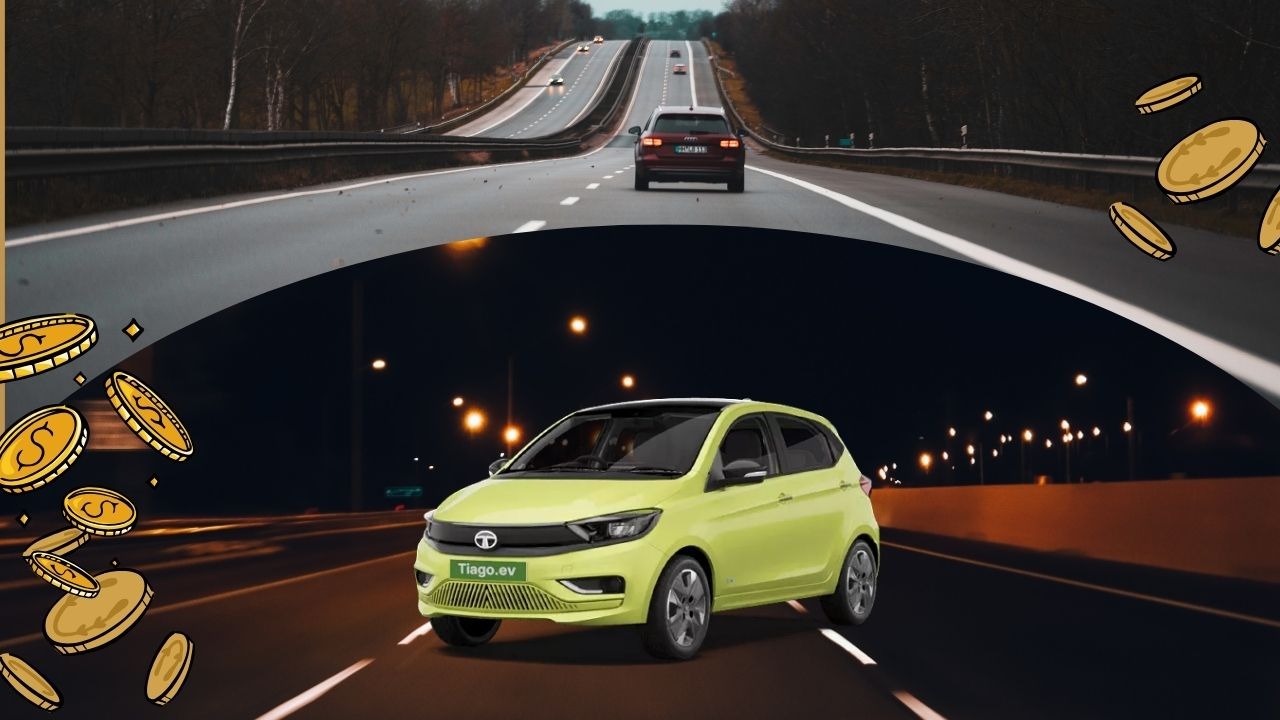
Buying An EV On Lease Is More Profitable Than EMI

A 3‑year total cost comparison for a Tata Tiago EV using loan as EMI vs Lease. Let’s look into quick comparison on assuming numbers but you can swap this with your exact dealer quote and calculate the actual total cost using EMI calculator: 

Tata Tiago EV EMI (loan, 3 yrs) Lease (operating, 3 yrs)
On-road price used ₹8,90,000 ₹8,90,000
Down payment / initial ₹1,78,000 ~₹0 (small fee possible)
Monthly payment ~₹22,800 EMI ~₹20,000 rental
Total paid over 3 yrs (cash out) ₹9,98,800 (down + EMI) ₹7,20,000 (rentals)
Ownership at end Yes (you own) No (car returned)
Approx. 3‑yr resale / residual ~₹4,89,500 (you keep) ~₹4,89,500 (goes to lessor)
Net 3‑yr cost (cash out − asset value) ~₹5,09,300 ~₹7,20,000
Typical inclusions Loan only; insurance & maintenance separate Often includes insurance + maintenance (check contract)

Note: any price and figures mentioned above is assumed by the current price provided, you must check the actual amount by calculating it with your own variant, tenure, mileage and other terms.

Read More:-  What Your Car Loan Covers Beyond the Ex-Showroom Price 

Conclusion

When it comes to EMI vs Lease, leasing can be worth considering when predictable monthly costs and, depending on the lease, maintenance and other expenses may be bundled in. No ownership equity can make it expensive if your driving habits don’t match the contract. An EMI makes more sense if you want to own the car, drive it for 5–7 years or longer.

Before signing either agreement, calculate the total price you pay and compare the complete three-year cost of both options including interest, insurance, maintenance, taxes, lease fees, penalties and the car’s expected resale.

You can choose a lease for flexibility and frequent upgrades; choose an EMI when long-term ownership and building resale value matter more.

Alok Kabir

Alok is an experienced SEO Specialist skilled in blogging and SEO-friendly content creation. He also specializes in Content Optimization and Technical SEO, including website optimization, crawlability, indexing, site speed, and on-page improvements to enhance search rankings and online visibility.

Leave a Reply

Your email address will not be published. Required fields are marked *

0

Subaru Outback vs Jeep Grand Cherokee: Don’t Buy Until You Read This!

Published May 10, 2025, 5:18 AM
Last Updated Apr 22, 2026, 11:39 AM

Subaru Outback vs Jeep Grand Cherokee

If you are deciding between an SUV or something more wagon-like, you may find yourself in the battle: Subaru Outback vs Jeep Grand Cherokee. Both are adventure-capable, AWD-equipped, and family comfy. But they are wildly different in price, power, and purpose. In this article, we dissect the two and their main differences to give you an idea of which SUV would be perfect for you.

Cost, space, safety, performance, fuel use, towing, off-road ability, tech features. Whether you’re road-tripping or gear-hauling, this guide will help you pick your next vehicle.

Subaru Outback vs Jeep Grand Cherokee Pricing Comparison

The Subaru Outback is cheaper than the Jeep Grand Cherokee. A 2024 base Outback begins at about $30,000. Even top trims such as the Wilderness or the Touring XT don’t crest the $45,000 mark.

Subaru Outback

The Jeep Grand Cherokee, however, begins at $38,000. The top models, such as those with the Summit or Trailhawk trim, can go for as much as $65,000 or more. If price is your primary concern, the Outback is your winner. It offers solid features and AWD without the luxury price tag.

Size and Interior Space

The Jeep Grand Cherokee is larger all over. It measures about 193 inches long, and stands more than 70 inches tall. The Subaru Outback is a few inches shorter, at 191 inches long and 66 inches tall. It also makes the Outback easier to park and more car-like to drive.

Both SUVs seat five people. The Outback even has a smidgen more rear legroom compared to the Jeep. Both also have a particularly robust cargo area: 75.6 cubic feet in the Outback and about 70.8 cubic feet in the Grand Cherokee.

If you need more room inside and expect to haul a lot of stuff, they’re both excellent—but the Outback uses space a little more efficiently.

Safety: Who Is the Safest?

Both vehicles are extremely safe, though the Subaru Outback is a stand-out in this area. It received a five-star overall safety rating from the NHTSA. All come with Subaru’s EyeSight safety suite, which incorporates lane-keep assist, auto emergency braking, and adaptive cruise control.

The Jeep Grand Cherokee also possesses modern safety aspects. Those include blind-spot monitoring, forward collision warning, and emergency braking. That said, some security options are restricted to pricier trims.

If you value safety more and want it standard, the Outback is the better choice.

Performance and Engine Options of Subaru Outback vs Jeep Grand Cherokee

The Subaru Outback is available with two engines. The base 2.5L engine produces 182 horsepower, while the turbo version provides 260 horsepower. It’s smooth to drive and quick enough, especially with the turbo.

2025 Jeep® Grand Cherokee - The New Legendary Full Size SUV

The Jeep Grand Cherokee starts with a 293-horsepower V6 engine. There’s also a stout V8 option with up to 357 horsepower and a 4xe hybrid model that has 375 horsepower and far better torque.

If you are after stronger acceleration and more muscle for hauling, the Grand Cherokee has you covered. For daily driving and comfort, however, the Outback leaves little wanting for most people.

Fuel Economy: Save on Gas

This is where the Subaru Outback comes in. The base engine is good for up to 33 miles per gallon (mpg) on the highway, and approximately 26 mpg in the city. Even the turbo engine gets decent gas mileage, around 30 mpg highway.

The Jeep Grand Cherokee is heavier and uses more fuel. The V6 achieves around 22 mpg combined; the V8, 17–18 mpg. The 4xe hybrid is a fuel saver, if you charge it often, but it’s much more expensive.

Keep your Subaru on the road, not at the pump, for those long hauls.

Towing Power

The Jeep Grand Cherokee has way more strength if you need it for towing a trailer or boat. The V6 iteration can tow up to 6,200 pounds, while the V8 can pull as much as 7,200 pounds.

The Subaru Outback pulls a maximum of 3,500 pounds with its turbo engine. The base engine is rated to tow only about 2,700 pounds.

So if you’re planning to tow—say, go camping with a big trailer—the Grand Cherokee would be the wise choice. But for light hauling, the Outback will be fine.

Off-Road Ability

Both crossovers are proficient on dirt, snow, and trails. The Subaru Outback has all-wheel drive as standard and a feature called X-Mode, which aids traction on slippery surfaces. It also has about 8.7 inches of ground clearance, or 9.5 inches in the Wilderness version.

The Jeep Grand Cherokee, however, is more serious about off-roading. It has a number of 4×4 systems, high-clearance air suspension, and Trailhawk trims able to tackle rocky terrain and deep mud. It also offers sand, snow, and rock settings, among others.

If your weekend involves challenging trails or serious off-roading, the Jeep is the better choice. But the Outback is perfectly capable of snow, gravel tracks, and light off-road fun.

Technology Features

Both cars are tech-savvy. In higher trims, the Subaru Outback sports a supersize 11.6-inch touchscreen, Apple CarPlay, Android Auto, and a premium sound system.

4xe Plug-in Hybrid & Electric SUV Lineup _ Jeep®

The Jeep Grand Cherokee is also available with high-end technology. It features a 10.1-inch touchscreen, wireless smartphone features, and even an optional screen for the front passenger. High-end trims are equipped with a premium McIntosh sound system and other luxury tech.

If it’s top-tier gadgets you crave, the Grand Cherokee has you covered. But the Outback provides all the essentials most drivers need.

Read Also : Mistakes to Avoid When Buying a Car: A Must-Read Guide Before You Sign Anything

Dependability and Long-Term Costs

The Subaru Outback has a strong reliability history. It’s known to last long with fewer costly repairs. Insurance and maintenance are also less expensive than for most midsize SUVs.

The Grand Cherokee is capable, but it’s generally more expensive to maintain. And it may even face more issues down the road. So for longer-term ownership, the Outback might be the more reliable pick.

Final Word: Which SUV is the Best Buy?

Who comes out on top in this Subaru Outback vs Jeep Grand Cherokee match-up?

Choose the Subaru Outback if:

  • You want a lower price
  • Fuel savings matter to you
  • You don’t have to pull heavy trailers
  • You’re looking for a dependable, safe SUV for daily driving
  • You enjoy light off-road adventures and winter driving

Go for the Jeep Grand Cherokee if:

  • You need serious towing power
  • Off-road trails are part of your lifestyle
  • You want more luxury and stronger engine options
  • You’re okay spending more for premium features

Both the Subaru Outback and Jeep Grand Cherokee have their strengths. One offers smart value and efficiency. The other delivers brute power and off-road might. It all comes down to your driving needs and what features you value most.

Now that you’ve read the information, you decide!

0

Mr Beast Car Collection: Inside the Garage of a YouTube Billionaire!

Published Jul 12, 2025, 12:55 PM
Last Updated Jul 17, 2025, 7:03 AM

Mr Bеast Car Collеction

Mr Bеast, whosе rеal namе is Jimmy Donaldson, is not just a YouTubеr, hе’s a global star. Hе is known for his crеativе vidеos, giant givеaways, and fun challеngеs. With so much succеss, it’s no surprisе that hе owns somе amazing cars. Thе Mr Bеast car collеction 2025 is full of powеr, stylе, and spееd. Lеt’s takе a closеr look at thе cars hе owns and what makеs еach onе spеcial.

Lamborghini Huracán

Lamborghini Huracán

Image Credit: Lamborghini

Onе of thе flashiеst cars in Mr Bеast’s garagе is thе Lamborghini Huracán Spydеr. This car is built for pеoplе who lovе to go fast and turn hеads. It has a powеrful 5.2-litеr V10 еnginе that makеs around 610 to 640 horsеpowеr. That’s why it can go from 0 to 100 km/h in just 3.1 sеconds. Thе top spееd is about 325 km/h, which is supеr fast.

Thе car also has a spеcial fеaturе, a soft-top roof that opеns in just 17 sеconds. You can еnjoy opеn-air driving on a sunny day. It comеs with a 7-spееd dual-clutch transmission and offеrs both All-Whееl Drivе (AWD) and Rеar-Whееl Drivе (RWD) options. This pеtrol-powеrеd car is pеrfеct for somеonе who еnjoys spееd, sound, and stylе. Thе еstimatеd pricе in India is bеtwееn ₹2.07 crorе and ₹2.48 crorе.

BMW i8

BMW i8

Image Credit: BMW

Anothеr uniquе ridе in thе Mr Bеast car collеction 2025 is thе BMW i8. This car looks likе it camе from thе futurе. It has a slееk body, glowing lights, and scissor-stylе doors that opеn upward. But what rеally makеs it diffеrеnt is thе еnginе. Thе BMW i8 usеs a 1.5-litеr 3-cylindеr pеtrol еnginе and an еlеctric motor togеthеr. Togеthеr, thеy producе around 369 horsеpowеr.

Thе i8 can hit a top spееd of 250 km/h and goеs from 0 to 100 km/h in about 4.4 sеconds. Evеn though it is fast, it’s also kind to thе еnvironmеnt. It runs as a plug-in hybrid, so it usеs both еlеctricity and pеtrol. It has All-Whееl Drivе (AWD) and a 6-spееd automatic transmission. With a pricе bеtwееn ₹1.24 crorе and ₹1.37 crorе, it’s pеrfеct for somеonе who lovеs both spееd and tеchnology.

Nissan GT-R

Nissan GT-R

Image Credit: Nissan India

Mr Bеast also owns thе powеrful Nissan GT-R, also known as “Godzilla” in thе car world. This car comеs with a strong 3.8-litеr twin-turbo V6 еnginе. It makеs around 565 horsеpowеr, which hеlps it rеach 0 to 100 km/h in just 2.9 sеconds. Its top spееd is closе to 315 km/h.

This car is all about pеrformancе. It’s not just fast on straight roads, it’s also grеat on sharp turns. Thе GT-R has All-Whееl Drivе (AWD), so it givеs morе grip and control. It comеs with a 6-spееd dual-clutch automatic transmission. With an еstimatеd pricе bеtwееn ₹1 crorе and ₹1.16 crorе, thе GT-R is a grеat choicе for anyonе who wants a supеrcar еxpеriеncе at a lowеr pricе.

Read More:- Mahindra Cars 7 Seater in India You Must See Before Buying!

Tеsla Modеl S Plaid

Tеsla Modеl S Plaid

Image Credit: Tesla

Mr Bеast also lovеs еlеctric cars. Onе of his favoritеs is thе Tеsla Modеl S Plaid. This car is not only fast but also runs on еlеctricity. It has thrее еlеctric motors that togеthеr producе ovеr 1,000 horsеpowеr. That’s morе than many pеtrol-powеrеd supеrcars!

Thе Tеsla Modеl S Plaid can go from 0 to 100 km/h in just 2.1 sеconds. That’s supеr quick. It can also rеach a top spееd of 322 km/h. Bеcausе it’s еlеctric, it makеs no еnginе sound, but it still dеlivеrs crazy spееd. It offеrs All-Whееl Drivе (AWD), has long battеry lifе, and fеaturеs Tеsla’s famous touchscrееn systеm and autopilot fеaturеs. In India, thе pricе is bеtwееn ₹74.7 lakh and ₹1.12 crorе.

Dodgе Challеngеr SRT Hеllcat 

Dodgе Challеngеr SRT Hеllcat

Image Credit: Dodge

Onе of thе loudеst cars in thе Mr Bеast car collеction 2025 is thе Dodgе Challеngеr SRT Hеllcat. This Amеrican musclе car is known for its loud еnginе and bold look. It has a hugе 6.2-litеr supеrchargеd V8 еnginе that givеs around 717 horsеpowеr. Thе sound of thе еnginе is thundеrous, and thе pеrformancе is wild.

This car can go from 0 to 100 km/h in about 3.6 sеconds and has a top spееd of 320 km/h. It comеs with a rеar-whееl-drivе systеm and an 8-spееd automatic transmission. Thе Hеllcat is not just a car, it’s an еxpеriеncе. With a pricе rangе of ₹53.9 lakh to ₹70.6 lakh, it brings old-school powеr with nеw-agе stylе.

Chеvrolеt Camaro

Chеvrolеt Camaro

Image Credit: YouTube

Mr Bеast also owns a Chеvrolеt Camaro, a car that mixеs musclе and looks. Thе Camaro is famous in Hollywood moviеs and among car fans. It comеs with diffеrеnt еnginе options, including a 2.0-litеr turbo, 3.6-litеr V6, and 6.2-litеr V8. Dеpеnding on thе еnginе, thе car producеs bеtwееn 275 and 650 horsеpowеr.

It can rеach a top spееd of about 290 km/h and goеs from 0 to 100 km/h in undеr 4 sеconds (with thе V8). Thе Camaro has a stylish dеsign, bold linеs, and sharp hеadlights. It offеrs both manual and automatic transmission. With pricеs ranging from ₹24.9 lakh to ₹58.1 lakh, thе Camaro is a grеat mix of pеrformancе and stylе.

Final Words on Mr Bеast’s Garagе

Mr Bеast’s garagе is full of stylе, spееd, and surprisеs. From еlеctric supеrcars to loud musclе machinеs, his collеction has somеthing  for еvеry car lovеr. But what makеs it еvеn coolеr is how hе usеs thеsе cars, not just for driving, but also for giving back, making fun vidеos, and bringing smilеs to pеoplе’s facеs.

Thе Mr Bеast car collеction 2025 is not just about owning fancy cars. It’s about passion, crеativity, and kindnеss. That’s why fans all ovеr thе world lovе his garagе and lovе him еvеn morе.

2

How AI in Cars Changing the Future Driving Experience

Published Oct 30, 2026, 1:48 PM
Last Updated Oct 31, 2026, 2:43 PM

AI in Cars

Driverless cars are really attractive and seeing them in real life is really exciting for anyone who gets to drive 80 km a day but total driverless is still a dream. AI in cars exists to assist only, it will detect the closing gap between your car and truck on the expressway through radar and a camera that triggers the brakes.

It is driver assistance, voice control and connected features, not a car that drives itself. Here is what you actually can buy, how much the extra trim costs, and where the headline claims still apply to overseas. 

What AI in Cars Actually Means in India Today

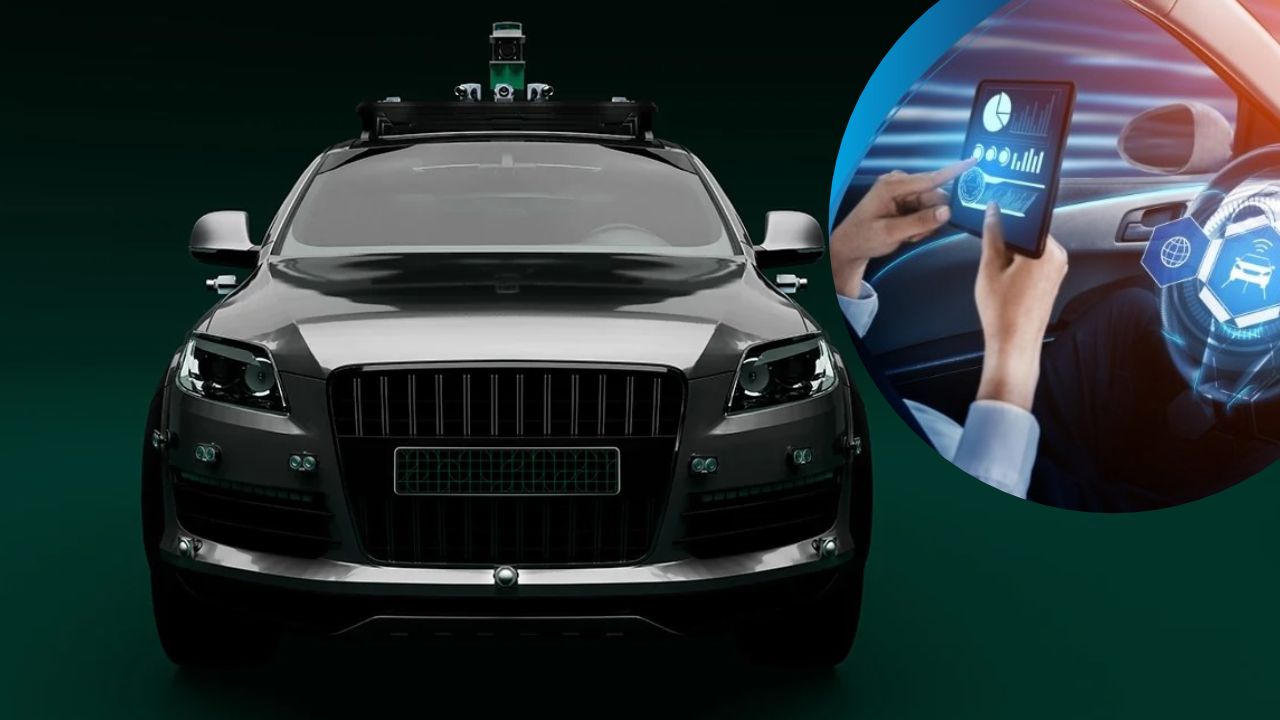
Three things sit under the label. Where it matters most is advanced driver assistance (ADAS), a combination of radar and camera data feeding software that can trigger the brakes, maintain speed and even correct steering. Next come in-car Assistants, like voice commands and Alexa home to car control on the Hyundai Creta. The third is connectivity, for example over-the-air (OTA) updates. 

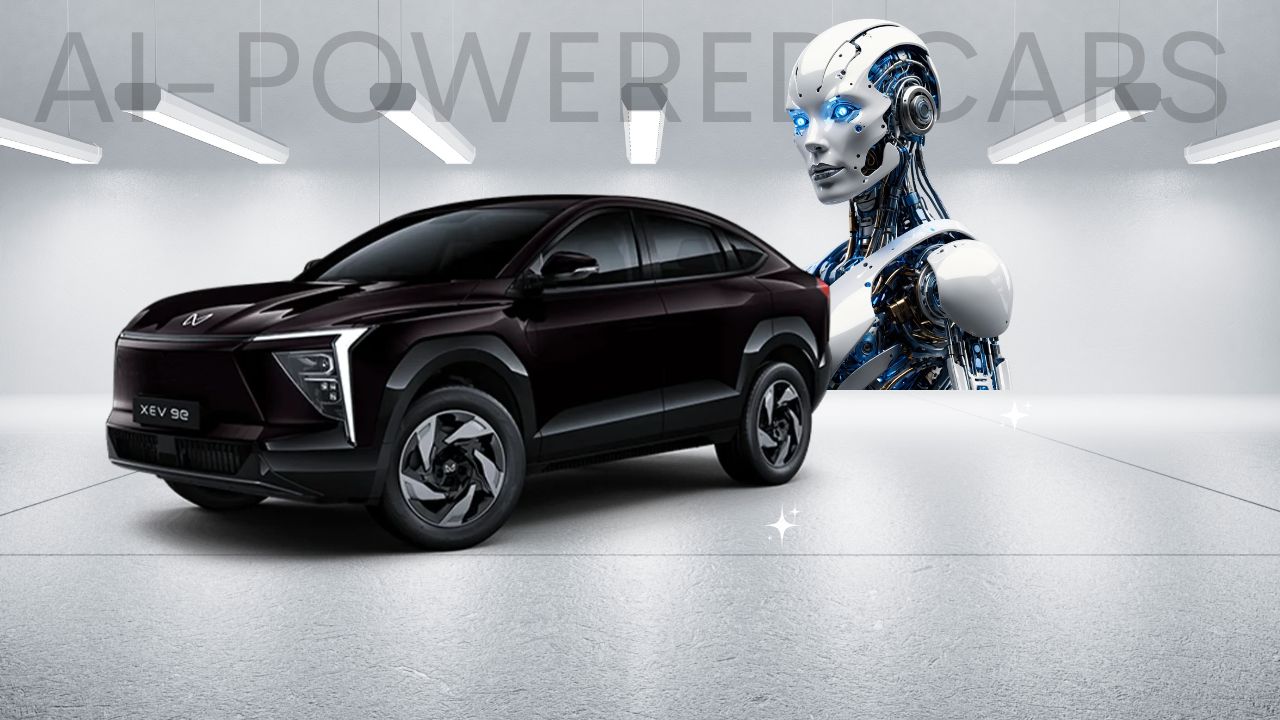
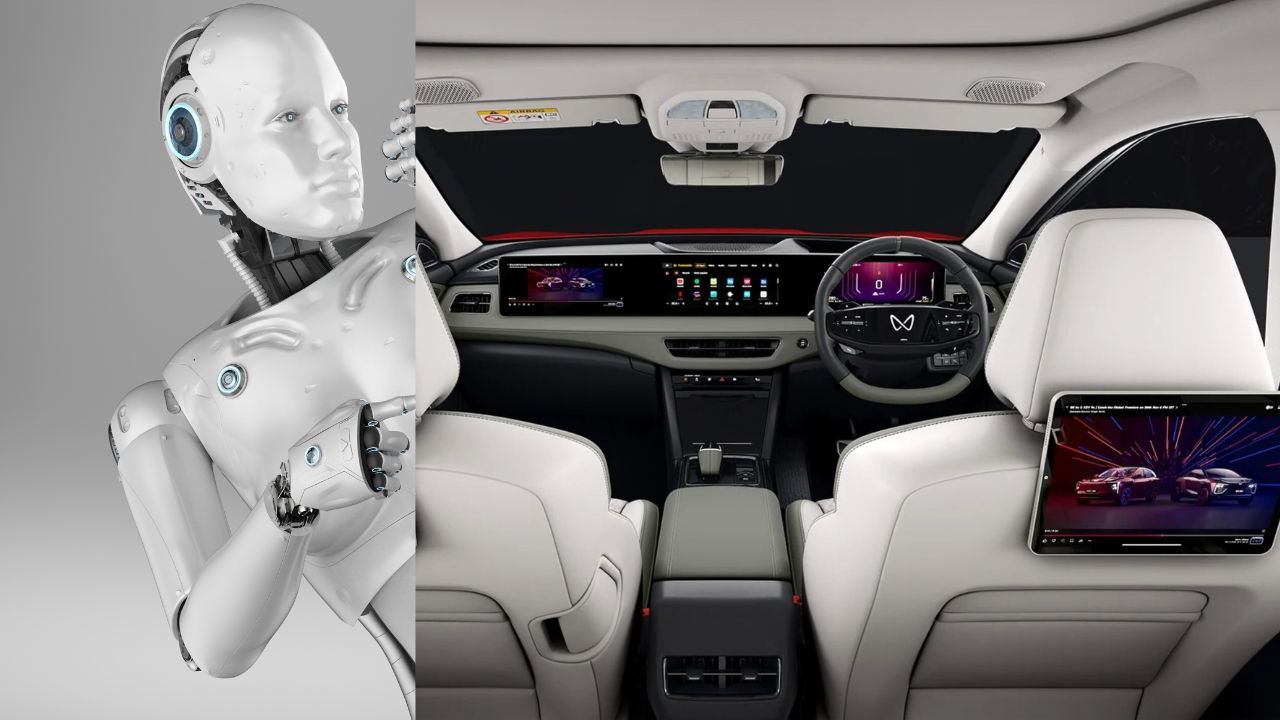
Branding varies. Mahindra markets the electronics in its XEV 9e as MAIA, the Mahindra Artificial Intelligence Architecture, built on a Qualcomm Snapdragon 8295 with 24 GB of RAM. Maruti calls its system Level 2 ADAS, and the Hyundai brochure uses the same term. The official documents reviewed here do not use “AI” for those features, though the assistance they offer is broadly similar.

The limit is the same everywhere. At Level 2, the human stays responsible for driving and must monitor the system. Hyundai’s brochure also says ADAS is not a substitute for attentive driving.

AI-powered Cars You Can Buy in India, By Budget

Maruti Baleno (2026) Hyundai Creta Mahindra XEV 9e
Starting ex-showroom ₹6,09,900 (Bengaluru) ₹10,90,700 ₹21.90 lakh (launch price)
ADAS found on Top Alpha (O) trim, per third-party reports King-level trims Higher packs; hardware varies
What it offers Eight functions, radar + camera About 18 functions 5 radars + 1 camera (Level 2+)
Claimed efficiency / range 23.80 km/l (MT), 24.77 km/l (AGS) 17.4 to 21.8 kmpl  656 km (MIDC) 

The Baleno is the surprise. Maruti’s system covers emergency braking, adaptive cruise, lane keep assist and high beam assist, among others, alongside six standard airbags. Its efficiency figures are certified claims, not real-world numbers. 

AI-powered Cars

However, only the top Alpha (O) gets the system, and its price is disputed. The ADAS variants at ₹9.50–9.99 lakh, Alpha range at up to about ₹9.37 lakh. Confirm the exact figure with a dealer.

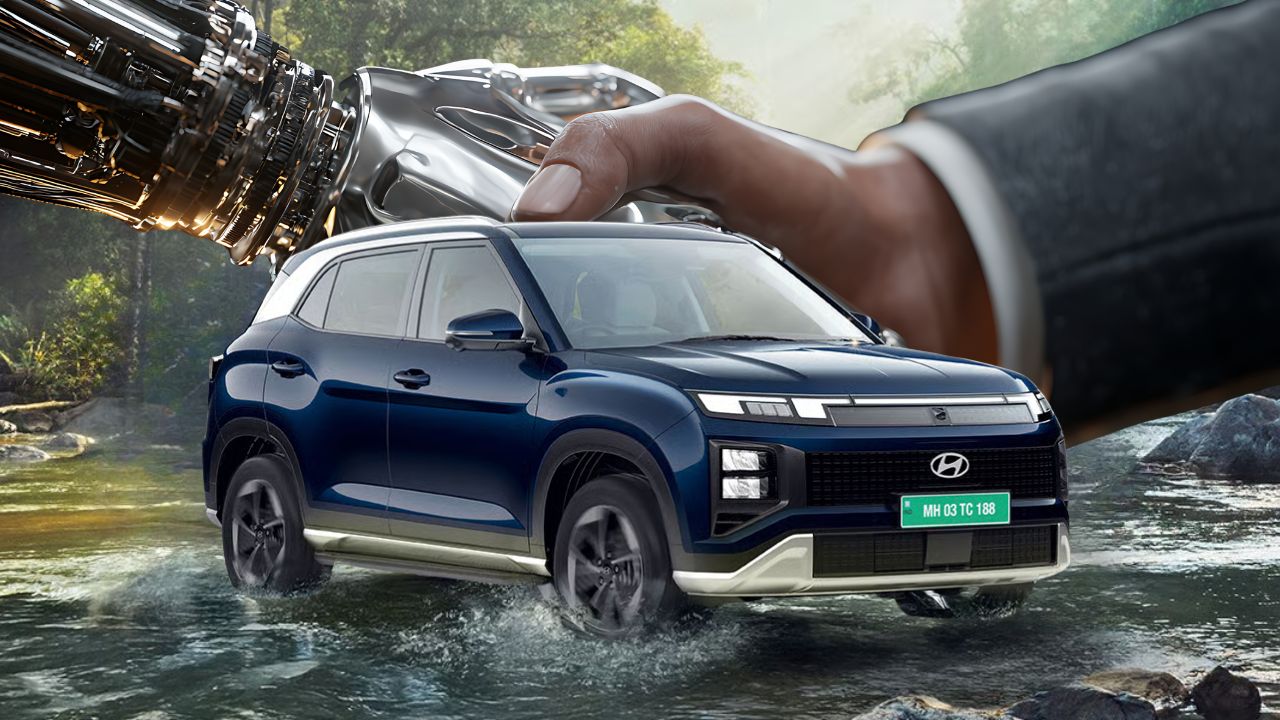
The Creta has roughly 18 ADAS functions, including forward-collision assist for cars, pedestrians and cyclists, blind-spot assist and rear cross-traffic alert. Hyundai’s smart cruise control with stop & go is limited to IVT, AT and DCT gearboxes, so manual buyers get ordinary cruise control. The brochure’s OTA support also covers maps and infotainment only, not the driver-assistance system.

For the XEV 9e, Mahindra says its system can detect animals, pedestrians, barricades and different vehicle types, and its launch release cites a Mobileye EyeQ6 chip and OTA updates. Mahindra quotes about 50 TOPS for MAIA, though its own material carries 50 and 51. One reviewer lists lower variants with a single radar and camera, so ask which pack you are looking at. The ₹21.90 lakh figure is the launch price, not a current one.

Read More:- What Salary Is Needed to Buy a Mahindra Scorpio-N?

What the ADAS step costs

Using Hyundai’s current list prices, compare the same engine and gearbox. On the petrol manual, SX Premium is ₹16,34,200 and King is ₹17,27,800, a gap of ₹93,600. On the petrol IVT, ₹17,78,700 becomes ₹18,68,800, a gap of ₹90,100.

Two assumptions apply. King is the cheapest ADAS trim but ask a dealer to confirm the actual price. And King adds other equipment, such as 18-inch alloys, so this is the cost of reaching ADAS, not the price of ADAS alone.

Against the Baleno, the gap is large. With the ADAS Baleno at roughly ₹9.37–9.99 lakh (the disputed range above) and the cheapest ADAS Creta at ₹17,27,800, the Creta costs about ₹7.3–7.9 lakh more. That compares a hatchback with an SUV.

Does ADAS Work on Indian Roads?

None of the manufacturer material reviewed describes how these systems cope with faded lane markings, potholes, two-wheelers or sudden cut-ins, and we have not seen independent Indian road tests for these cars. Hyundai itself says effectiveness depends on various factors.

ADAS features car

So test it. On a drive, check how lane-keep behaves where markings are faded or missing, whether alerts fire without reason, and whether you can switch features off. Those observations will tell you more than a feature list.

What is Still Overseas Hype

AI is real, Robotaxis exist, but “cars that drive themselves everywhere” remains largely marketing and overseas hype for now. Driverless cars are operated in U.S. and China but not in India yet. ADAS features are spreading across most of the variants and become common in private cars. 

AI in electric cars helps optimize vehicle control, battery/charging management which is very useful. Technology is rising in cars which expand your driving experience, with a new Gen AI system learns the driving behaviour to handle complex situations to rule over the roads. 

How AI Is Changing the Future of Cars and Driving

AI in cars is making the driving experience better, there are limitations that a driver should understand. Hyundai, Kia, Maruti, and Honda offer designs with advanced safety features (level 2 ADAS) which detect and warn in many complex situations. The foreign countries offering higher level AI in cars to make it driverless which has not arrived in India yet. 

AI Is Changing the Future of Cars

There are claims that should get you confused before buying a new car — How AI in cars changes the driving environment? 

“Your next car will fully drive itself anywhere” 

Level 5 autonomy—no driver, no restrictions—is not currently in sight; experts often place broad personal availability around 2035–2040 or later. 

“AI can handle every road situation” 

AI still struggles with rare, ambiguous, or unusual events that are poorly represented in training data—construction, erratic pedestrians, extreme weather, unclear road markings. 

“Everyone trusts self-driving cars” 

Only 36% of consumers worldwide consider self-driving cars safe, and 38% are genuinely interested in owning one. 

“The hype is global” 

Trust varies sharply: Hong Kong and the UAE are relatively optimistic, while only 20% of people in Great Britain and 15% of Americans think AI will improve driving. 

“AI will replace drivers immediately” 

Countries like India having a mixed traffic and unpredicted roads, potholes, inconsistent behaviour and infrastructure makes it much harder for AI to drive a car than in selected U.S. regions and China.

Read More:- What Monthly Salary Is Required to Buy a Tata Nexon?

Conclusion

Ask a quote and feature details from the dealer when you select a car to buy. Confirm if it’s capable of running on Indian roads and test it by taking a real drive test. Check your budget first for AI in cars because a system that assists is not the one that drives.

Almost every car marketed as “AI-powered” is Level 2. Cameras and radar read the road, software handles steering, braking and speed, and you stay legally responsible. Think of it as a very attentive co-driver that never gets to sign the insurance papers. Real driverless cars exist, but only as robotaxis in a few US cities, not something you can buy.

0

Self-Driving Cars in 2026: What Can They Really Do?

Self-Driving Cars

Fully Self-Driving Cars in 2026 are real, but only as taxi services in specific cities, mostly in the US and China. Cars available to Indian buyers still require drivers to keep their eyes on the road. Industry Standards for Driving Automation Division to Six Levels, Level 0 (no automation) to Level 5, a car capable of driving itself anywhere and anytime without human intervention.

Between Level 2 and Level 4, assisting and steering acceleration comes at Level 2 but the driver must be attentive all the time. A car handling all driving tasks in specific areas without requiring human supervision comes at Level 4.

What Can Driverless Cars Really Do?

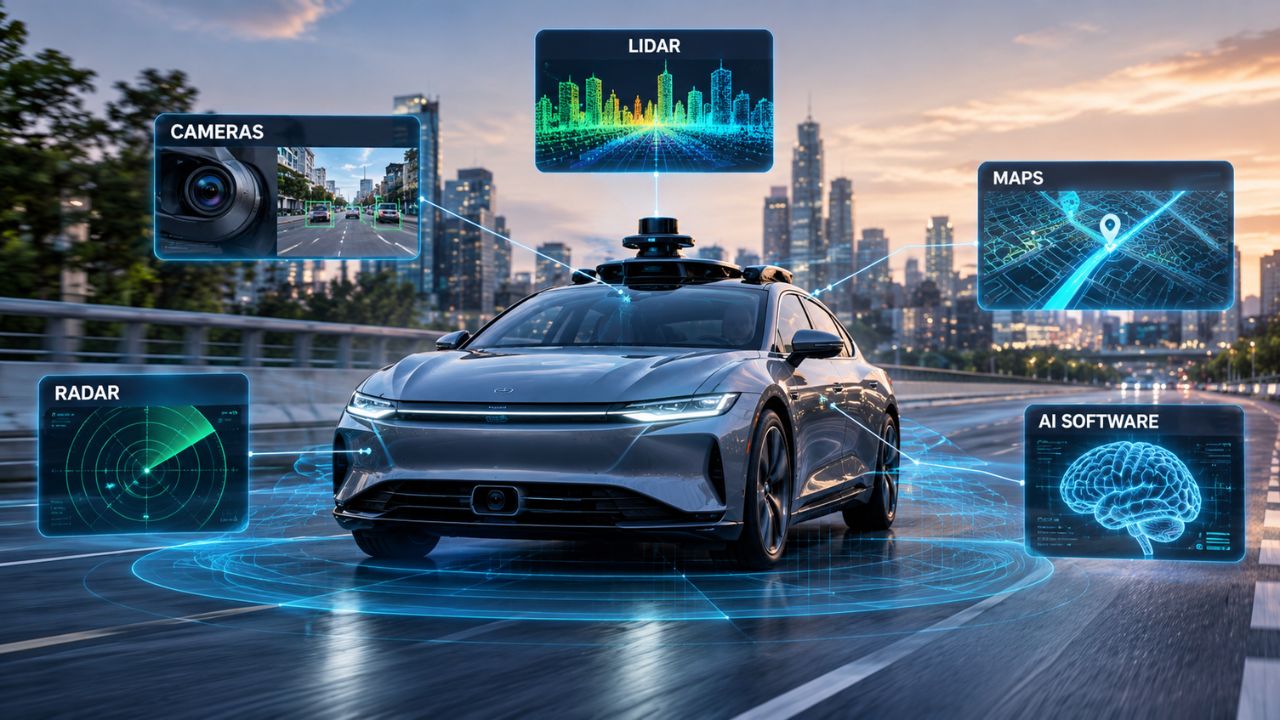
The new cars offer advanced features such as cameras, radar, lidar, maps and AI software which detect what’s ahead of the car and give you signals. These features also keep track and plan route, control acceleration and braking with steering control which helps you in:

Driverless Cars Really Do

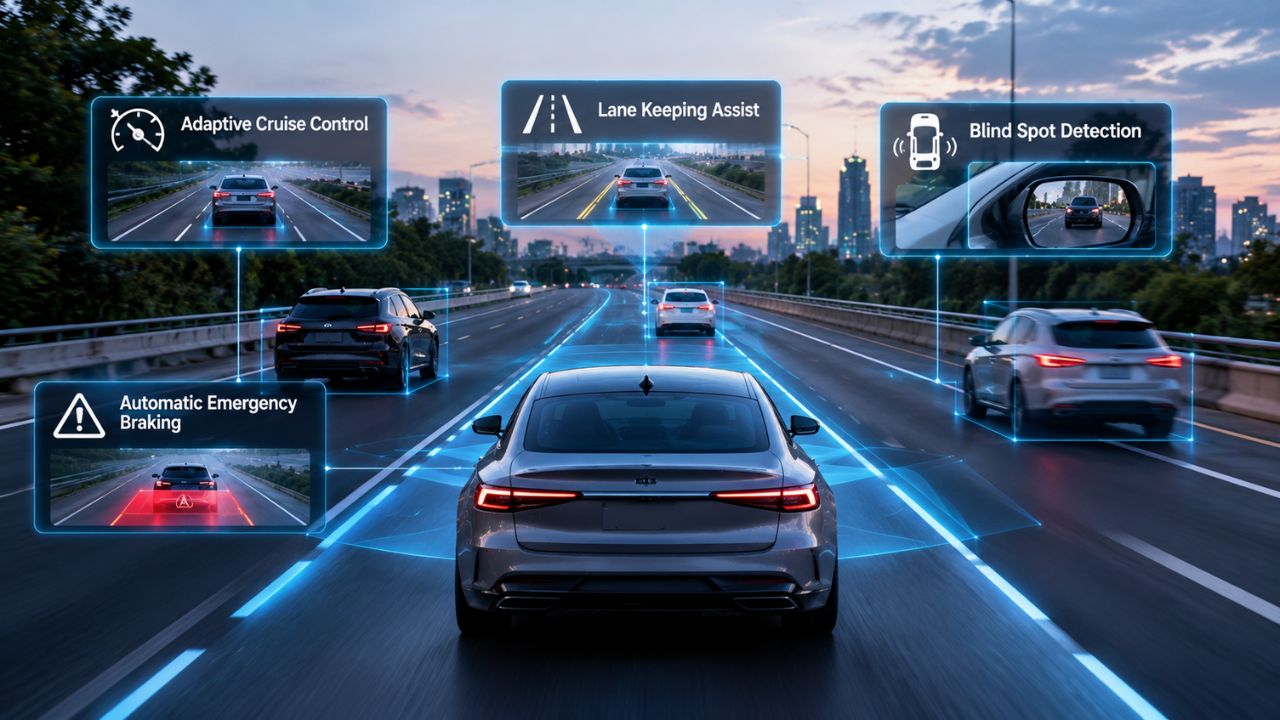
Warn and Intervene: Collision alerts, blind-spot detection, automatic emergency braking, and lane-keeping assistance.

Assist with Driving: Highway assistance, lane monitoring, and adaptive cruise control, while the driver remains in control.

Driverless in Limited Region: robotaxi services running without any human driver but only inside a mapped route with passengers.

React Consistently: software doesn’t get tired or distracted, which is one reason the safety numbers below look as they do.

Reporting cited by Electrek says its Robotaxi service runs unsupervised rides in six US metros: Austin, Dallas, Houston, Miami, Orlando and Tampa. That is a real milestone.

Robotaxis: Where Driverless Cars Actually Work

Waymo, owned by Alphabet, is the clearest example. The company launched paid public rides in Denver, San Diego and Tampa in 2026 along with 14 US cities. There are 500,000 paid rides a week on more than 4000 vehicles. 

China is also moving. One industry roundup puts Baidu’s Apollo Go at over 22 million cumulative rides across 27 cities worldwide as of May 2026. 

Are Self-Driving Cars in 2026 Safer To Go With?

Waymo’s record is positive over 270 million autonomous rides with 82% fewer damage from smaller crashes and 95% fewer injuries from serious crashes than human drivers. These figures show that Self-Driving Cars are thriving and going to take over Indian roads very soon in the future.

Self-Driving Cars in 2026 Safer

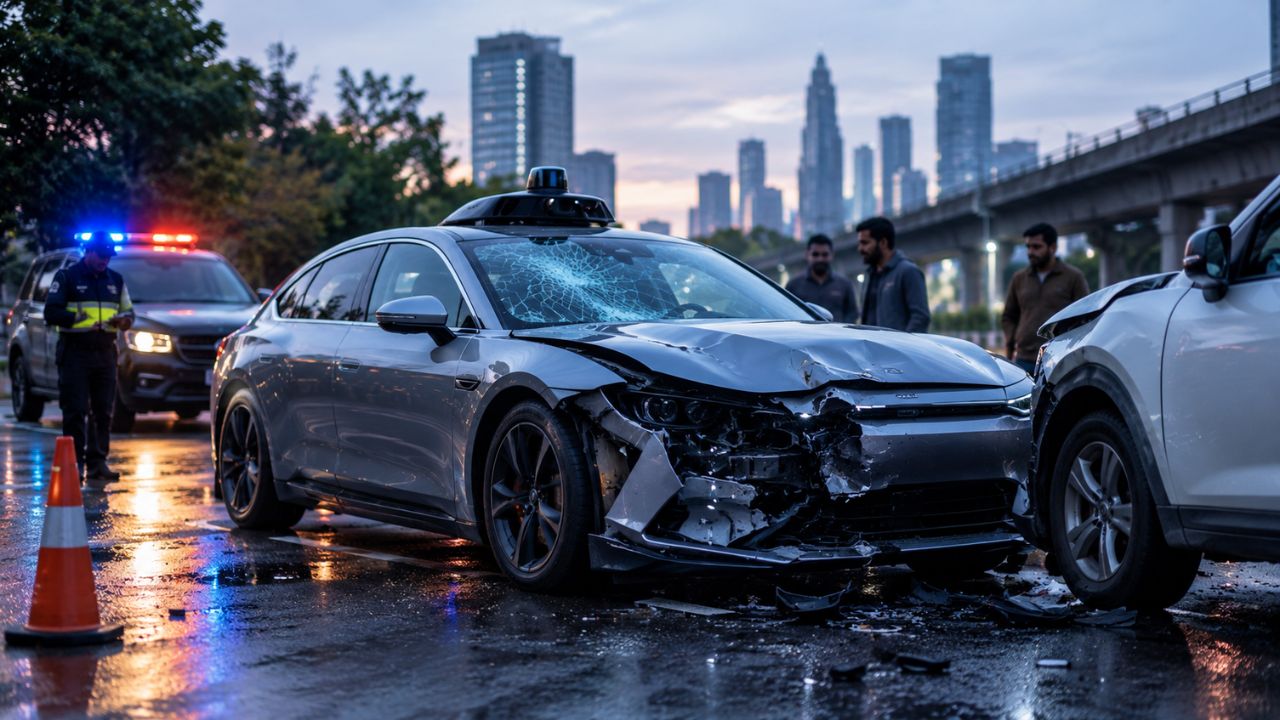
The damage of the car is smaller, Insurance Institute for Highway Safety (IIHS) found 81% fewer damage to the vehicle concluded from a test about 50 million driverless miles. Waymo vehicles had 68% fewer police-reportable crashes but IIHS also cautioned that monitoring automated vehicles by the federal system should improve since Austin wasn’t given positive results.

The Self-Driving Cars in 2026 are safer so far in limited areas according to data but still needs improvement to monitor before launching publicly.

👉  How AI in Cars Changing the Future Driving Experience

What Driverless Cars Still Can’t do 

A vehicle that can handle every road, weather condition and situation without human will was never addressed to consumers. The US safety regulator NHTSA says no vehicle for sale is fully automated or “self-driving” and no car sold in the US can be driven without the full attention of a driver at all times. 

Capability Today’s reality
Highway driving assistance Common, but the driver must supervise and take over
Driverless urban rides Possible in limited robotaxi service areas, not broadly available
All-weather, anywhere autonomy Not yet reliable or commercially available
Replacing human judgment Still limited by rare, unpredictable situations

These systems are strongest at repetitive, well-mapped driving in favourable conditions.

What About Cars You Can Actually Buy?

The only other approach extended beyond level 2 is level 3, the car runs in a world of certain and you can do other things until it says you have to look back. Mercedes leads here. Its Drive Pilot runs up to 95 km/h in Germany, but remains limited to 60 km/h in the United States. It is a luxury option, not a mainstream feature.

Self-driving cars cannot be used on Indian roads. Level 2 automation is the highest level of automation available, and drivers are still responsible when ADAS is functioning. Think of it as having a co-pilot, not an autopilot. 

Cars You Can Actually Buy

The policy mood has also been cautious. In 2017, Nitin Gadkari said India would not allow driverless cars, citing drivers’ jobs. That stance has softened, but only partly.

What is improving is ADAS. Level 2 features are now available in cars priced no more than ₹15 lakh, and the 2026 Renault Duster comes with 17 ADAS features. The brand-new Kia Seltos offers a level-2 suite of 21 safety features, including full collision avoidance and adaptive cruise control stop and go. 

Indian roads pose a challenge to ADAS: faded lane markings, two-wheeler traffic, cattle and pedestrians. Check your system, keep your hands on the wheel and make sure everything works before spending extra. 

 👉  Most Anticipated Cars of 2027: What Buyers Should Know

Conclusion

In 2026, self-driving is real but narrow. Waymo and a few rivals run driverless taxis in mapped cities. Tesla is still expanding and still missing its own deadlines. In India, the realistic benefit is better safety assistance, not a car that drives for you. Buy ADAS for the extra protection, not for hands-free promises.

0

New GST Pricing For Popular Cars in India: September Updates on Latest Car Price Drop 

Published Sep 15, 2025, 12:14 PM
Last Updated Sep 15, 2025, 12:15 PM

New GST Car Price Drop September 2025 in India

This September, car prices drop down with a huge difference under the new GST slabs. From the brands Hyundai, Kia, Honda, Toyota, Tata, Volkswagen, Skoda, Mahindra, Renault, to luxurious cars MG, BMW, AUDI And Mercedes-Benz Prices Dropped. This gives big relief to the car automobile industry, this benefit applies to all car segments in India. Check out every brand’s big price reduction which is going to be applicable after 22 September 2025. 

GST rates have reduced from 28% to 18% on all 1200cc engines with <4m length. Large Sedans and SUVs get 40% flat due to fluctuation from 50% GST. Here’s the breakdown of each brand price reduction detail under the GST 2.0.

Read More :- Best Cars for Mountain Roads: Drive Smoothly on Snow, Hills & Winding Terrains

Latest Price Drops After GST 2.0

Brand Model(s) Maximum Saving (₹)
Tata Tiago – 85,000; Altroz/Harrier/Safari – 1–1.55 lakh; Nexon – 1.50 lakh 1.55 lakh
Mahindra Thar – 1.35 lakh; Scorpio N – 1.45 lakh; XUV700/3XO – 1.56 lakh 1.56 lakh
Hyundai Tucson – 2.40 lakh; Alcazar – 75,000; Creta – 72,000; i20 N Line – 1.08 lakh; Verna – 60,000 2.40 lakh
Kia Carnival – 4.49 lakh; Syros – 1.86 lakh; Sonet – 1.64 lakh; Seltos – up to 45% cut 4.49 lakh
Renault Triber – 96,000; Kiger – 80,195; Kwid – 55,000 96,000
Honda City/Amaze – 72,000; Elevate – 58,400 72,000
MG Astor – 54,000; Hector – 3 lakh; Gloster – 3 lakh 3.00 lakh
Volkswagen Virtus/Taigun – 66,000; Tiguan R-Line – 3.27 lakh 3.27 lakh
Skoda Kodiaq – 3 lakh; Kylaq – 1.19 lakh; Others – up to 3.28 lakh 3.28 lakh
Toyota Glanza – 85,000; Fortuner – 3.49 lakh; Vellfire – 2.78 lakh; Lexus – up to 20 lakh 20.0 lakh
BMW 2 Series – 1.6 lakh; 5 Series – 4.15 lakh; XM – 6 lakh; M2/M4/M5 – 10 lakh 10.0 lakh
Audi A4 – 2.64 lakh; A6 – 3.64 lakh; Q7 – 6.15 lakh; Q8 – 7.83 lakh 7.83 lakh
Mercedes-Benz A-Class – 2.6 lakh; C-Class – 3 lakh; E-Class – 4 lakh; GLA – 3 lakh; S-Class – 10 lakh+ 25.0 lakh

Tata 

Tata Motors Cars Price Drop After GST September 2025

Image credit: Tatamotors

The Tata latest models price is dropped which creates an opportunity for buyers to save up to Rs 1.55 lakh. The Tata Altroz, Tata Harrier, and Tata Safari price has been reduced by more than 1 lakh due to revised GST rates. Small cars like Tiago save up to 11% with new GST rates which means you can purchase Tata Tiago with Rs. 85,000 off. The Tata Nexon price has been reduced up to Rs 1.50 lakh. 

Mahindra

Mahindra Cars Price Drop After GST 2.0 Reform

Image credit: Mahindra

Mahindra also dropped its price on its popular models like Thar Roxx, Scorpio N, 3XO, and XUV700. Customers can get more than 1 lakh saving on these cars. The maximum saving up to Rs 1.56 lakh for XUV 3XO, Thar save up to Rs 1.35 lakh and Scorpio N save up to 1.45 lakh. Mahindra has passed the benefit early for its customers which creates a great opportunity for buyers in India.

Hyundai

Hyundai Cars Discounted Prices in India GST 2025

Image credit: Hyundai

This one reduced more than 2 lakh on its significant models like Alcazar and Creta. Customers have to wait till 22 September 2025 for purchasing Hyundai cars at a lower price. Tucson, mid-size SUV gets a huge price cut up to 2.4 lakh under new GST slabs. Other popular cars like Alcazar save up to 75,000, i20 N Line save up to 1.08 lakh and Creta save up to 72,000. The least saving is up to 60,000 for Verna. 

Kia

Kia Cars Price Cut September 2025 GST Updates

Image credit: Kia

Kia is also a Korean automaker which is offering up to Rs. 4.49 lakh on Kia Carnival but other models like Syros and Sonet also offer huge savings. Buyers can save up to Rs 1.86 lakh on Syros and Rs. 1.64 lakh on Sonet. Seltos and other models also offer up to 45% saving under the revised GST slabs. 

Read More:- Donald Trump Car Collection: A Look Inside His Garage

Renault

Renault Cars Price Drop After GST Reduction in India

Image credit: Renaultgroup

Renault also gave a huge saving on its triber, Kwid, and Kiger up to 96,000. You must remember that the price fluctuation also depends on the vehicle’s variant. Buyer can save up to Rs. 80,195 on Renault Kiger but it is applicable after 22 september 2025 purchase. The Renault Triber also reduced its price over 96,000 which is a maximum saving than the Renault Kwid which only benefits up to Rs 55,000.

Honda

Honda Cars New Price After GST Update India

Image credit: Honda

Honda offers up to 3.5% price cut on Honda Amaze, Honda City, and Honda Elevate which save up to 72,000 after 22 september 2025 purchase. However, elevate has only offered up to 58,400 as a benefit for their buyers. Please note that the benefit also depends on the variant and powertrain of the car you selected.

MG

MG Cars Price Reduction September 2025 India

Image credit: MG motors

MG Astor, MG Hector, and Gloster have now come with a huge saving up to Rs. 3 lakh. These models are built on ICE, making it perfect for every ride. Astor can save up to Rs 54,000 and Gloster can save up to 3 lakh, also offering 100% on-road funding.

Volkswagen

Volkswagen Cars Price Cut After GST Reform India

Image credit: Volkswagen

The Volkswagen offer huge benefit up to Rs 3.27 lakh which opens up the opportunity for buyers. The new GST rates cut the price for flagship models like Virtus, Taigun, and Tiguan R Line, SUV with over 1500 cc engine. Most models like Virtus and Taigun get over 66,000 GST benefits and Tiguan save over 3 lakh under the revised GST rates.

Skoda

Skoda Cars Discounted Price September 2025 GST

Image credit: Skoda

Skoda has reduced the price up to Rs 3.28 lakh on its most of the models. Customers can get a huge benefit on their purchase after 22 September 2025 when the new price is applicable on cars like Skoda Kodiaq and Kylaq up to Rs. 3 lakh and 1.19 lakh. The reduced prices also depend on the variant of the Skoda.

Toyota

Toyota Cars Price Reduction India GST 2025

Image credit: Toyota

Toyota has become more affordable with its new revised price, the huge price cut received of 5.77 lakh for Lexus. According to the GST 2.0 reform, it received a massive price reduction up to Rs. 20 lakh. The price reduction up to 85,000 for Glanza, 3.49 lakh for Fortuner, and brand’s flagship Vellfire also received a huge price cut up to Rs 2.78 lakh.

BMW

BMW Cars Price Drop After GST 2.0 in India

Image credit: BMW

The luxurious BMW also reduced its price up to Rs. 8.9 lakh under the GST 2.0 reform. There are several modern and excellent models which got a huge price cut like BMW 2 series got up to 1.6 lakh, BMW 5 series saves up to 4.15 lakh and M2/M4/M5 saves up to 10 lakh after 22 September 2025. The massive price cut is up to 6 lakh on XM models which opens up a huge opportunity for BMW lovers.

Read More:- Hyundai Ioniq 5 vs Tesla Model Y: Which EV Wins in 2025?

AUDI 

Audi Cars Price Reduction September 2025 GST

Image credit: AUDI

AUDI is offering a huge saving of its flagship model Audi Q8 for up to Rs 7.83 lakh. While other models of AUDI such as Q7 get 6.15 lakh, A6 saves 3.64 lakh and A4 offers 2.64 lakh. These models received massive savings from under the new GST slabs. The new AUDI prices make a big difference in the market.

Mercedes-Benz

Mercedes-Benz Cars Discounted Price After GST 2.0

Image credit: Mercedes-Benz

The biggest difference in price is made for Mercedes-Benz under the new GST slabs which can save you up to Rs 25 lakh. The most selling models like C-Class can save up to 3 lakh, E-Class gets you up to 4 lakh benefit, S-Class offers over 10 lakh benefit but the price fluctuation varies on the variant of the car. GLA offers Rs 3 lakh and an A-Class sedan also offers 2.6 lakh. 

Conclusion

The latest cars’ prices dropped down which makes a big difference in the Indian market. Buyers can get a massive benefit on these cars purchase but the new price is applicable after 22 September 2025. The new price fluctuation is reflected by the new GST reform that leads to the car prices slashed with a huge difference.