
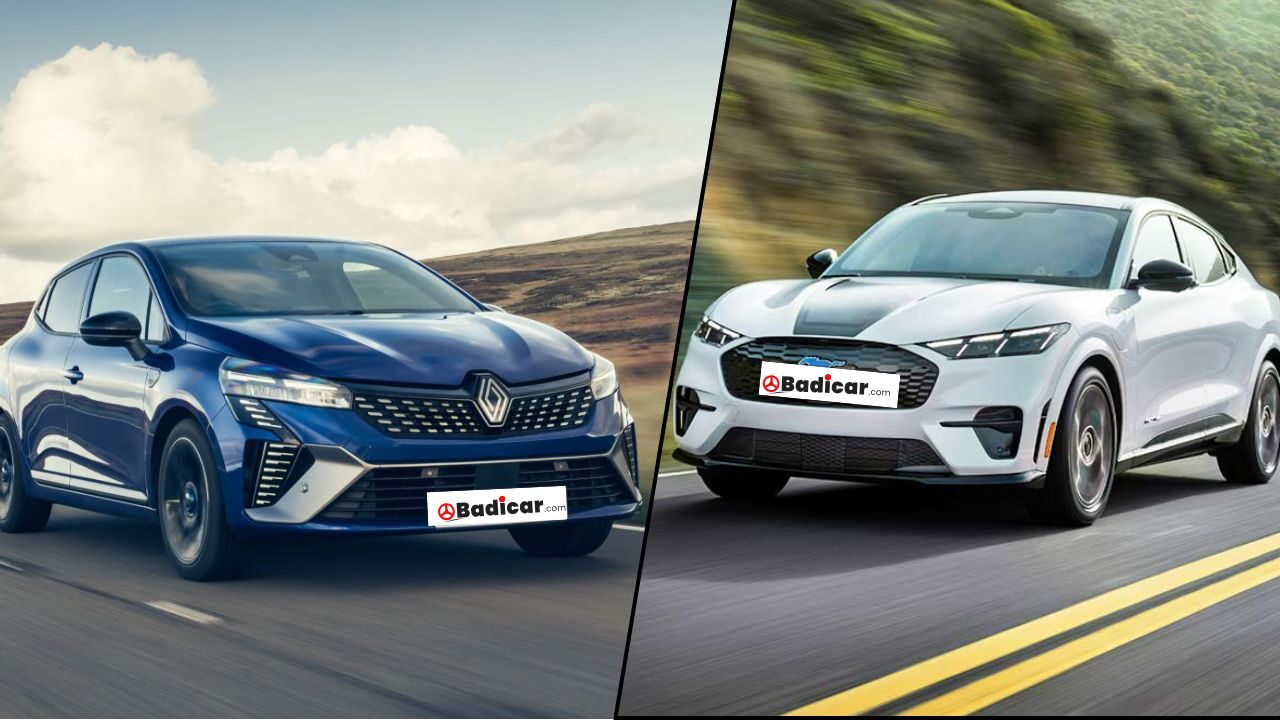
The transition from traditional cars to electric and hybrid cars is happening fast. If you are also thinking of changing your car and adapting to serve nature then Hybrid & Electric Cars are ideal for you. But deciding what’s right for you is confusing, understanding the difference between hybrid and electric cars might help you decide.
There are Plug-in hybrid, Full hybrid, Battery electric, Range extender which seems like automakers created a new language specifically to confuse car buyers. So, let’s understand the difference to help you choose the right car for you. Which one actually makes sense for your life needs details on what these cars are, how they work, what they cost you.
How Many Types of Car In The Market?
A traditional petrol or diesel car runs entirely on fuel which burns to move that car. All the old models of cars are basically built on the engine which needs petrol or diesel to run.
A hybrid car built on two motors, one for petrol and other for electricity. Hybrid cars are most reliable because they can be used for both short and long drives. A small battery contains the energy that gets charged up while you drive so you can drive a few kilometers without burning your fuel. Most hybrids never need to be plugged in, they charge themselves though regenerative braking at low speed.
An electric car or BEV has no petrol engine at all. They built an engine which moves on energy from a larger battery. They need large batteries because there is no fuel option. But you must have a charging point at your home or nearby public network.
Most people prefer Hybrid cars because it is a bridge of old and new era of cars. This new world experience of owning these two types of car is quite different.
Read Also: Car Insurance Guide ,Cost & Best Policy Tips
Difference Between Hybrid & Electric Cars at a Glance
| Feature | Hybrid | Electric |
| Fuel type | Petrol + electric | Electricity only |
| Need to plug in? | No (or optional for PHEVs) | Yes |
| Range | 500–700 km (full tank) | 300–600 km (full charge) |
| Refuel/recharge time | 5 minutes (petrol) | 20 min–8 hours |
| Running costs | Lower than petrol | Lowest overall |
| Upfront cost | Moderate | Higher (falling fast) |
| Emissions | Lower than petrol | Zero tailpipe |
| Maintenance | Moderate | Low |
| Infrastructure needed | Petrol stations (everywhere) | Charging network (less) |
How Do Hybrid and Electric Cars Work in Daily Life?
Living with a Hybrid
Hybrid cars don’t let you feel different from a regular car. Travel to a petrol pump to fill the tank and drive with the same experience until it’s needed to switch between electric motor and the petrol engine.
At low speeds, in traffic, or when you’re cruising gently, the electric motor often takes over. It makes hybrid an ideal version for city commutes. They shine over huge stop-start traffic, stepping on for more power, the petrol engine joins in seamlessly. The fuel tank is smaller than a regular car, which is quite understandable because you’re using less fuel overall.
Plug-in hybrids (PHEVs) are a step further. They won’t charge by themselves, you need to go to the charging station or your garage. These are most reliable for longer trips as it provides longer electric-only range (usually between 30 to 70 kilometres). Shorter trips might not give you a chance to switch the petrol engine, but on longer trips, the petrol engine is always there as a backup.
Living with an Electric Car
It’s a little hard to change the habit of driving when you’re behind the wheel which moves by fuel. The biggest change is remembering to plug in before you go to bed, so you can get a fully charged car to go to the office. If you have a garage, then it is more convenient than going to a fuel station.
The driving experience is also different in a way that almost everyone finds pleasurable. The engine is not taking too long to rev up, turn the key and get ready to accelerate. This instant torque makes even modest electric cars feel punchy and responsive.
There is no sound while starting and driving the car, peak silence is also pleasurable, no vibration at all. Sometimes it gets tough when you want to go on longer trips because an electric car can take from 20 minutes to several hours to recharge. Petrol cars take 5-minute fill-ups and give you 500+ kilometres, which seems pretty easy.
Comparing Cost, Range, and Efficiency
Purchase Price
Electric cars tend to cost more upfront than equivalent hybrid models. Hybrid cars have a starting price range between ₹20–25 lakh in India, whereas an electric car can cost you ₹25–45 lakh or more. The price can go higher with large battery packs in EVs because it is expensive to manufacture.
However, prices are falling. The technology is moving forward faster than ever, manufacturers are launching more affordable electric options every year. In the upcoming years, electric cars will be more affordable. Meanwhile Plug-in hybrids filled the gap until then, but it is more expensive than normal hybrids but often cheaper than full EVs.
The higher to lower costs:
- Full EVs
- Plug-in hybrid
- Hybrid
- Petrol or Diesel
Running Costs
This is where electric cars start winning back their premium price. Petrol is more expensive than electricity in terms of range. Charging at home costs a fraction of what you’d spend on petrol for the same distance — often 60 to 80% less. Once you spend a large amount, you can save a substantial amount within 3–5 years of ownership.
Hybrids are also less expensive on running than normal cars, usually saving 20–40%. Your driving style and charging station also affects the running cost on hybrid cars. But fully electric vehicles still save your money more than Hybrid.
Electric vehicles are cleaner and clearer, there’s no need to change engine oil, exhaust system, or clutch (in most cases) which makes electric cars more cheaper to service. Hybrids have both a petrol engine and an electric system, making it more complex for maintenance. More parts in a car means it needs more time and money for their service.
Range – How Far Can They Go?
Modern electric cars have improved enormously. They provide 300–500 kilometres rigorously on full charge. Premium models exceed up to 600 km. Daily commuters of 30–80 km a day find it more efficient than petrol cars.
Hybrids that charge externally are profitable because most of the hybrids usually cannot drive far on electric power alone. Their batteries are not large enough to depend on, that’s why they mainly run on petrol. The total driving range is around 500–700+ km.
Hybrid or plug-in hybrid is less stressful in the matter of range. EV is the best option, if you mostly drive short distances and can charge at home.
Which Option Is Better for the Environment?
Electric cars produce zero tailpipe emissions. No burning fuel to suffocate the air with black clouds. Air quality and health will be maintained in the cities. EVs produce significantly less carbon dioxide than petrol cars. EVs produce much less carbon dioxide in manufacturing and the electricity used for charging than petrol cars hum alone makes.
Hybrids are cleaner than traditional cars but not as clean as electric cars. They still burn petrol, exhaust pipes, but they still burn petrol and can be more supportive for nature because they depend on owner choice. If you do most driving on electricity by regularly charging them.
Larger battery production has an environmental effect because it requires lithium and cobalt which is a big concern. But studies consistently show EVs still stand by serving lifetime environmental effects as compared to petrol cars.
Charging vs Refuelling: The Practical Reality
Are Hybrid Cars More Convenient Right Now?
Hybrids are more convenient at this time because changing from petrol to fully electric may take time to adapt new habits. It is most popular with “transition” vehicles, as it gives improved efficiency without requiring huge change.
Plug-in hybrids add the option to charge, if you wanna adapt eco-friendly. If you forgot to charge then there is no problem running on petrol.
Is EV Charging Easy Enough in India?
A basic 3-pin plug works but is slow so it takes time, overnight charging is best for EVs. If you have a home wallbox charger then using an electric vehicle is more easy and convenient. Public charging stations are expanding everywhere now and you can find nearby charging points through PlugShare, Tata Power EV.
Fast chargers can offer 100–200 km of range in 20–30 minutes but still hybrid makes more practical sense right now. You’ll need fuel sometime to run somewhere urgently because charging infrastructure is not fully developed in India.
Who Should Buy a Hybrid?
- For consistent long distance commuters, hybrid cars make particular sense.
- charging infrastructure isn’t available in your area.
- You couldn’t charge overnight if you don’t have a private parking space.
- Hybrids offer fuel efficiency without changing your habits from traditional cars.
- Budget is a big issue while buying a full EV but you can afford a Hybrid.
Who Should Buy an Electric Car?
- Daily drivers who commute daily for school, office or delivery can find this efficient and eco-friendly.
- You can charge at home and give you lower running costs.
- You care deeply about reducing your environmental impact but enjoy technology and driving experience.
- You live in a city where charging infrastructure is available easily.
Conclusion
Hybrid & Electric Cars have their pros and cons, but neither is inherently “better.” It depends on your needs, lifestyle and driving habits. If you have home charging, then there’s not a problem in switching to EVs but standard hybrids are ideal if you don’t want to change habits, going on long trips frequently.
Both hybrids and electric cars represent the future of personal transport. Because fuel prices are increasing which makes them more reliable and eco-friendly to use. Difference between hybrid and electric cars let you understand which one is right for you.
