0

Car Owners Should Know These Differences Between Hybrid & Electric Cars

Published May 23, 2026, 10:58 AM
Last Updated May 23, 2026, 11:20 AM

Hybrid And Electric Cars 

The transition from traditional cars to electric and hybrid cars is happening fast. If you are also thinking of changing your car and adapting to serve nature then Hybrid & Electric Cars are ideal for you. But deciding what’s right for you is confusing, understanding the difference between hybrid and electric cars might help you decide. 

There are Plug-in hybrid, Full hybrid, Battery electric, Range extender which seems like automakers created a new language specifically to confuse car buyers. So, let’s understand the difference to help you choose the right car for you. Which one actually makes sense for your life needs details on what these cars are, how they work, what they cost you.

How Many Types of Car In The Market?

A traditional petrol or diesel car runs entirely on fuel which burns to move that car. All the old models of cars are basically built on the engine which needs petrol or diesel to run. 

A hybrid car built on two motors, one for petrol and other for electricity. Hybrid cars are most reliable because they can be used for both short and long drives. A small battery contains the energy that gets charged up while you drive so you can drive a few kilometers without burning your fuel. Most hybrids never need to be plugged in, they charge themselves though regenerative braking at low speed.

An electric car or BEV has no petrol engine at all. They built an engine which moves on energy from a larger battery. They need large batteries because there is no fuel option. But you must have a charging point at your home or nearby public network.

Most people prefer Hybrid cars because it is a bridge of old and new era of cars. This new world experience of owning these two types of car is quite different. 

Read Also: Car Insurance Guide ,Cost & Best Policy Tips

Difference Between Hybrid & Electric Cars at a Glance

Feature Hybrid Electric
Fuel type Petrol + electric Electricity only
Need to plug in? No (or optional for PHEVs) Yes
Range 500–700 km (full tank) 300–600 km (full charge)
Refuel/recharge time 5 minutes (petrol) 20 min–8 hours
Running costs Lower than petrol Lowest overall
Upfront cost Moderate Higher (falling fast)
Emissions Lower than petrol Zero tailpipe
Maintenance Moderate Low
Infrastructure needed Petrol stations (everywhere) Charging network (less)

How Do Hybrid and Electric Cars Work in Daily Life?

Living with a Hybrid

Hybrid cars don’t let you feel different from a regular car. Travel to a petrol pump to fill the tank and drive with the same experience until it’s needed to switch between electric motor and the petrol engine. 

At low speeds, in traffic, or when you’re cruising gently, the electric motor often takes over. It makes hybrid an ideal version for city commutes. They shine over huge stop-start traffic, stepping on for more power, the petrol engine joins in seamlessly. The fuel tank is smaller than a regular car, which is quite understandable because you’re using less fuel overall. 

Plug-in hybrids (PHEVs) are a step further. They won’t charge by themselves, you need to go to the charging station or your garage. These are most reliable for longer trips as it provides longer electric-only range (usually between 30 to 70 kilometres). Shorter trips might not give you a chance to switch the petrol engine, but on longer trips, the petrol engine is always there as a backup. 

Living with an Electric Car

It’s a little hard to change the habit of driving when you’re behind the wheel which moves by fuel. The biggest change is remembering to plug in before you go to bed, so you can get a fully charged car to go to the office. If you have a garage, then it is more convenient than going to a fuel station. 

The driving experience is also different in a way that almost everyone finds pleasurable. The engine is not taking too long to rev up, turn the key and get ready to accelerate. This instant torque makes even modest electric cars feel punchy and responsive. 

There is no sound while starting and driving the car, peak silence is also pleasurable, no vibration at all. Sometimes it gets tough when you want to go on longer trips because an electric car can take from 20 minutes to several hours to recharge. Petrol cars take 5-minute fill-ups and give you 500+ kilometres, which seems pretty easy. 

Comparing Cost, Range, and Efficiency

Purchase Price

Electric cars tend to cost more upfront than equivalent hybrid models. Hybrid cars have a starting price range between ₹20–25 lakh in India, whereas an electric car can cost you ₹25–45 lakh or more. The price can go higher with large battery packs in EVs because it is expensive to manufacture.

However, prices are falling. The technology is moving forward faster than ever, manufacturers are launching more affordable electric options every year. In the upcoming years, electric cars will be more affordable. Meanwhile Plug-in hybrids filled the gap until then, but it is more expensive than normal hybrids but often cheaper than full EVs.

The higher to lower costs:

  • Full EVs
  • Plug-in hybrid
  • Hybrid 
  • Petrol or Diesel

Running Costs

This is where electric cars start winning back their premium price. Petrol is more expensive than electricity in terms of range. Charging at home costs a fraction of what you’d spend on petrol for the same distance — often 60 to 80% less. Once you spend a large amount, you can save a substantial amount within 3–5 years of ownership.

Hybrids are also less expensive on running than normal cars, usually saving 20–40%. Your driving style and charging station also affects the running cost on hybrid cars. But fully electric vehicles still save your money more than Hybrid.

Electric vehicles are cleaner and clearer, there’s no need to change engine oil, exhaust system, or clutch (in most cases) which makes electric cars more cheaper to service. Hybrids have both a petrol engine and an electric system, making it more complex for maintenance. More parts in a car means it needs more time and money for their service.

Range – How Far Can They Go? 

Modern electric cars have improved enormously. They provide 300–500 kilometres rigorously on full charge. Premium models exceed up to 600 km. Daily commuters of 30–80 km a day find it more efficient than petrol cars.

Hybrids that charge externally are profitable because most of the hybrids usually cannot drive far on electric power alone. Their batteries are not large enough to depend on, that’s why they mainly run on petrol. The total driving range is around 500–700+ km.

Hybrid or plug-in hybrid is less stressful in the matter of range. EV is the best option, if you mostly drive short distances and can charge at home.

Which Option Is Better for the Environment?

Electric cars produce zero tailpipe emissions. No burning fuel to suffocate the air with black clouds. Air quality and health will be maintained in the cities. EVs produce significantly less carbon dioxide than petrol cars. EVs produce much less carbon dioxide in manufacturing and the electricity used for charging than petrol cars hum alone makes. 

Hybrids are cleaner than traditional cars but not as clean as electric cars. They still burn petrol, exhaust pipes, but they still burn petrol and can be more supportive for nature because they depend on owner choice. If you do most driving on electricity by regularly charging them. 

Larger battery production has an environmental effect because it requires lithium and cobalt which is a big concern. But studies consistently show EVs still stand by serving lifetime environmental effects as compared to petrol cars. 

Charging vs Refuelling: The Practical Reality

Are Hybrid Cars More Convenient Right Now?

Hybrids are more convenient at this time because changing from petrol to fully electric may take time to adapt new habits. It is most popular with “transition” vehicles, as it gives improved efficiency without requiring huge change.

Plug-in hybrids add the option to charge, if you wanna adapt eco-friendly. If you forgot to charge then there is no problem running on petrol.

Is EV Charging Easy Enough in India?

A basic 3-pin plug works but is slow so it takes time, overnight charging is best for EVs. If you have a home wallbox charger then using an electric vehicle is more easy and convenient. Public charging stations are expanding everywhere now and you can find nearby charging points through PlugShare, Tata Power EV. 

Fast chargers can offer 100–200 km of range in 20–30 minutes but still hybrid makes more practical sense right now. You’ll need fuel sometime to run somewhere urgently because charging infrastructure is not fully developed in India.

Who Should Buy a Hybrid?

  1. For consistent long distance commuters, hybrid cars make particular sense.
  2. charging infrastructure isn’t available in your area.
  3. You couldn’t charge overnight if you don’t have a private parking space.
  4. Hybrids offer fuel efficiency without changing your habits from traditional cars.
  5. Budget is a big issue while buying a full EV but you can afford a Hybrid.

Who Should Buy an Electric Car?

  1. Daily drivers who commute daily for school, office or delivery can find this efficient and eco-friendly. 
  2. You can charge at home and give you lower running costs.
  3. You care deeply about reducing your environmental impact but enjoy technology and driving experience.
  4. You live in a city where charging infrastructure is available easily.

Conclusion

Hybrid & Electric Cars have their pros and cons, but neither is inherently “better.” It depends on your needs, lifestyle and driving habits. If you have home charging, then there’s not a problem in switching to EVs but standard hybrids are ideal if you don’t want to change habits, going on long trips frequently.  

Both hybrids and electric cars represent the future of personal transport. Because fuel prices are increasing which makes them more reliable and eco-friendly to use. Difference between hybrid and electric cars let you understand which one is right for you.

Sharey Khan

Sharey Khan is an IT entrepreneur and petrol head & a car enthusiast. With a special focus on car-related content, he combines his deep passion for vehicles with a talent for crafting informative, engaging, and easy-to-understand content. His writing is driven by a genuine love for cars and he is committed to providing readers with accurate, up-to-date, and trustworthy information that empowers smarter driving decisions. 

Leave a Reply

Your email address will not be published. Required fields are marked *

2

What Monthly Salary Is Required to Buy a Tata Nexon?

Published Oct 27, 2026, 11:48 AM
Last Updated Oct 28, 2026, 12:40 PM

Tata Nexon

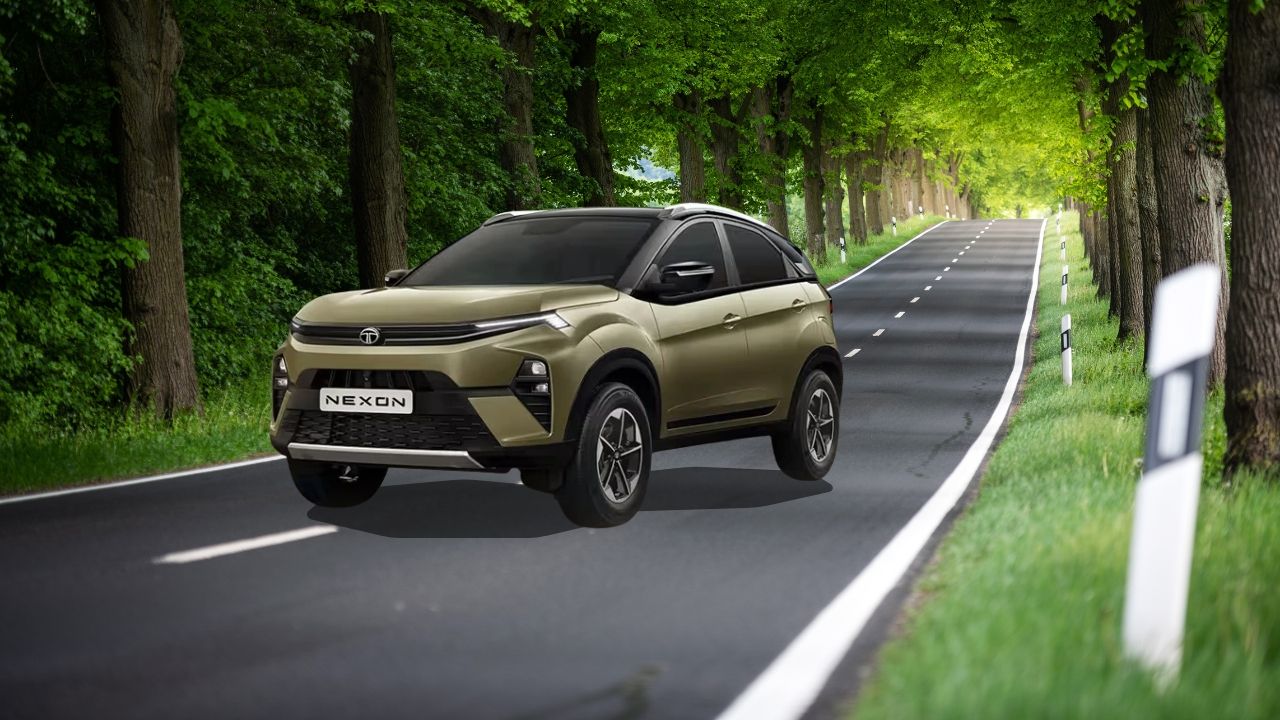
When you settle down with a stable job and wondering What Monthly Salary Is Required to Buy a Tata Nexon? Either you want to commute to the office daily or to go out with your family, both need a car which is reliable and gives better fuel efficiency. The Tata Nexon is one of the cheapest and reliable options in India. 

So you open a car website, see “Nexon from ₹7.4 lakh” and search for options to buy a Tata Nexon without wrecking your budget. The sticker price doesn’t answer that. The EMI does, and so does everything else the car costs you every month. Let’s figure out how.

What Monthly Salary Is Required to Buy a Tata Nexon?

To buy a base Nexon, your monthly salary needs to be around ₹35,000 to ₹40,000 for getting car loan approval, even if you get a personal loan the bank says yes after analyzing your credit score and take-home pay. If you already have another major EMI running then it could be difficult for you to pay car EMI. 

To afford it without feeling the pinch, you want closer to ₹70,000. Buying a mid-range Nexon which costs around ₹13 lakh on-road needs about ₹55,000 salary for approval and ₹1.1 lakh salary for your mind’s comfort. You can easily buy a Tata Nexon  fully loaded diesel automatic if you have more than 1 lakh salary in your hand monthly. 

These figures come from a 20% down payment, a 5-year loan at 9% interest. Banks approve your loan when your car EMI and other EMIs stay under 40% of your salary and the other 60% is going into your daily expenses. Financial planners prefer the car EMI to stay near 20% so it won’t be a burden for you.

Tata Nexon Price in 2026: Ex-Showroom vs On-Road

Tata Nexon base model comes at ₹7.40 lakh. This is the petrol manual variant and the top diesel variant is nearly ₹14.40 lakh ex-showroom, Fearless + PS Red #Dark AMT. Confirm the actual cost from a dealer in writing

The price you see on the Tata website isn’t what you pay, the on-road price of Tata Nexon is  ₹8.55 lakh to ₹17.29 lakh depending on registration, road tax, insurance, handling charges and variants. In Lucknow or Delhi, expect to add roughly 15% to the ex-showroom figure. Always base your salary math on the on-road number.

Tata Nexon Price

One variant matters for budget buyers. In May 2026 Tata launched the Pure+ PS at ₹9.59 lakh ex-showroom, billed as the cheapest car in India with a panoramic sunroof. It’s a sensible step up from the base trim for anyone who wants the feature-heavy Nexon without paying Fearless money.

You can plan to buy Tata Nexon when there’s a discount period. In March, Tata offered discounts of ₹55,000 and up to ₹75,000 this October. So ask your dealer for a current cash discount because other offers are valid only if you are eligible. Even ₹30,000 off trims your loan and nudges the required salary down.

Tata Nexon Features and Specs

Tata Nexon comes in petrol, diesel and factory-fitted CNG variants which affects the buyer choice. Both purchase price and running cost matters for an average class buyer.

Petrol Diesel CNG
Engine 1.2L turbo 1.5L 1.2L turbo
Power ~120 PS 115 hp ~100 PS
Gearbox 5/6-speed MT, AMT 6-speed MT, 6-speed AMT MT
Claimed mileage 17.0–17.4 kmpl ~23–24 kmpl (ARAI) 24 km/kg

The base Smart trims are bare-bones. The mid variants add the touchscreen, connected-car tech and better safety kit. Higher variants add a 360-degree camera, ADAS and TPMS. The Nexon has held a 5-star crash-test reputation for years, but ratings differ between the Global NCAP and Bharat NCAP protocols, so check which one applies to the variant you’re eyeing.

Tata Nexon EMI Options: Variant-Wise Numbers

Here’s the four representative variants, a 20% down payment and a 9% interest rate. At 9%, it’s ₹12,067 a month for a ₹7.5 lakh loan over 7 years on the base car. The base, Pure+ PS and mid CNG figures use Delhi and Mumbai on-road prices from the listings above. The Pure+ PS on-road price of ₹11 lakh is my own estimate from the usual 15% markup, so confirm it with a dealer quote.

Variant On-road (approx.) Down payment (20%) EMI, 4 yrs EMI, 5 yrs EMI, 7 yrs
Petrol Smart MT (base) ₹8.37 lakh ₹1.67 lakh ₹16,700 ₹13,900 ₹10,800
Petrol Pure+ PS (est.) ₹11.0 lakh ₹2.2 lakh ₹21,900 ₹18,300 ₹14,200
CNG Creative+ S MT ₹13.06 lakh ₹2.61 lakh ₹26,000 ₹21,700 ₹16,800
Diesel Fearless+ PS Red Dark AMT ₹17.29 lakh ₹3.46 lakh ₹34,400 ₹28,700 ₹22,300

Rates vary more than people expect. At 10.5%, lender rate sheets for EVs show roughly 8.25% to 8.9% at major banks, and ICE car loans usually sit in a similar band. A CIBIL score above 750 gets you the lower end. A score under 700 can cost you a full percentage point or more, which on the diesel AMT adds roughly ₹1,500 to the monthly EMI.

How Tenure and Down Payment Change the Maths

Stretching the loan from 5 to 7 years drops the EMI by about 22%, but it adds a lot of interest. On the CNG Creative+ S, the 7-year loan costs roughly ₹3.6 lakh in interest against about ₹2.6 lakh on the 5-year loan. If your salary is the constraint, a bigger down payment is the smarter lever than a longer tenure. Every extra ₹1 lakh you put down cuts the 5-year EMI by about ₹2,080.

The Salary Rules Banks and Planners Use

Banks look at something called the fixed obligation to income ratio. Most lenders want your total monthly EMIs, including any home loan, personal loan and credit card minimums, under 40% to 50% of net income. Many also set a minimum income floor, often ₹25,000 to ₹30,000 a month for salaried applicants, but it varies by lender and city, so ask before you apply.

Divide the 5-year EMI by 0.40 and you get the “approval” salary. Divide it by 0.20 and you get the “comfort” salary.

Variant Approval salary (EMI ≤ 40%) Comfortable salary (EMI ≤ 20%)
Petrol Smart MT ~₹35,000 ~₹70,000
Petrol Pure+ PS ~₹46,000 ~₹92,000
CNG Creative+ S MT ~₹54,000 ~₹1.08 lakh
Diesel Fearless+ PS AMT ~₹72,000 ~₹1.44 lakh

There’s also the stricter 20/4/10 rule: put down 20%, borrow for no more than 4 years, and keep total vehicle costs under 10% of gross income. Run the base Nexon through that and you need a gross income of about ₹2 lakh a month. Almost nobody buys a Nexon that way, and you don’t have to. But the rule is a useful reminder that the cheapest EMI is not the same as the cheapest ownership.

Notice how steeply the required salary climbs. Going from the base Nexon to the top diesel more than doubles the income you need. That’s the main reason to look hard at the middle of the range.

What the Car Costs After the EMI

An EMI is only one line in the budget. Once the car is in your parking spot, three more costs show up.

Fuel is the big one. If you drive about 1,000 km a month, which is a realistic office-plus-weekends pattern, a petrol Nexon returning 13 kmpl in the real world burns about 77 litres. At roughly ₹95 to ₹100 a litre, that’s ₹7,500 or so. A CNG Nexon cuts that noticeably, and a diesel falls somewhere between, though fuel prices differ by city and have moved around this year, so plug in today’s pump rate.

Servicing and tyres add a few hundred to a thousand rupees a month when you average them out over the year. Insurance renewal after the first year is another cost, typically ₹20,000 to ₹35,000 depending on variant and city. Parking, tolls and the odd repair make up the rest.

Consider a ₹8,000 to ₹10,000 a month is a running cost for any vehicle you are going to buy, excluding EMI. That’s why comfort salary matters, so you should enjoy driving a Tata Nexon. The total amount is nearly ₹23,000 by adding ₹14,000 EMI and ₹9,000 of running costs, a ₹40,000 salary isn’t enough for rent, food, and expenses if you are living in a metro city.

Tata Nexon vs Brezza vs Venue vs Sonet: Where It Sits

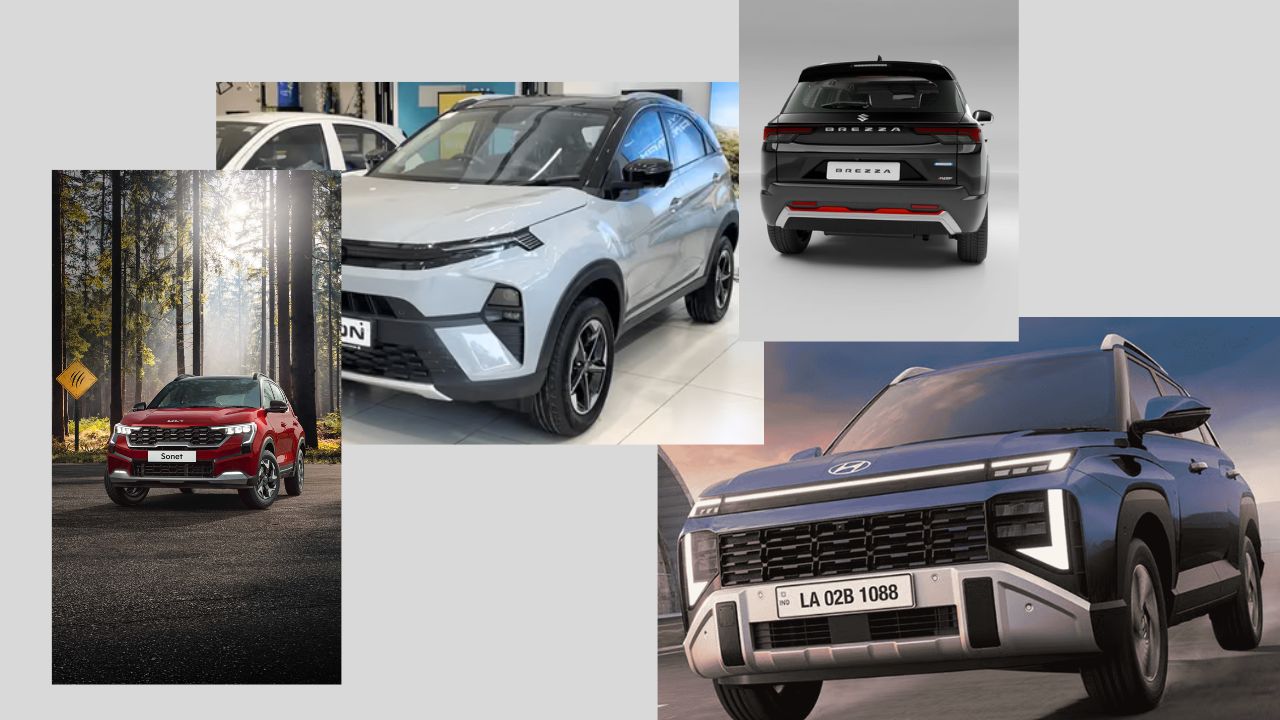
The choice of fuel types makes Nexon beat its rivals. The 2026 Maruti Brezza starting price is ₹7.4 lakh and the higher is ₹13.55 lakh ex-showroom. Its new 1.0 L petrol entry variant is cheap and the Maruti service network is also wider in India.

Tata Nexon vs Brezza vs Venue vs Sonet

The Hyundai Venue is listed at ₹8 lakh to ₹15.65 lakh, and the Kia Sonet at ₹7.41 lakh to ₹13.8 lakh. The Venue costs more to enter and gets the more advanced kit. It offers Level 2 ADAS, an electronic parking brake and all-wheel disc brakes. The Sonet sits close to the Nexon on price and leans on a long features list.

At the base level, then, the Nexon is not the cheapest, with the Brezza undercutting it slightly. Where it wins is breadth. It’s the only one of the three that gives you petrol, diesel and CNG in a sub-4-metre SUV, and the sales numbers back it up. The Nexon was the second highest-selling car in India in June 2026. A popular car also holds resale value better, which matters if you’re stretching to buy.

👉  What Salary Do You Need to Buy a Maruti Suzuki Swift in India?

Conclusion

Take-home under ₹35,000: skip the loan for now. Save for a larger down payment, or look at a used compact SUV instead. The base Nexon will technically be approvable only at the edge of your limit, and any job disruption makes it a burden.

Take-home of ₹40,000 to ₹60,000: the base Petrol Smart MT or Smart+ trim, or the Pure+ PS if you can put down ₹2 lakh or more. Take a 5-year loan, not 7 if you can help it, and cap the car EMI around ₹14,000 to ₹18,000.

Take-home of ₹60,000 to ₹1 lakh: this is the sweet spot. The Pure+ PS, Creative or a CNG variant make sense here, especially if you drive more than 1,200 km a month. CNG’s running-cost saving can offset a higher EMI within a couple of years.

Take-home above ₹1.2 lakh: the top diesel automatic becomes realistic, but price a diesel only if you drive enough kilometres to justify it.

Before you sign, do three things this week. Get the on-road quote in writing from two Tata dealers. Check your CIBIL score, because it decides your rate. And run the EMI at both 9% and 11%, so a rate surprise doesn’t blow up your plan. If the higher-rate EMI still fits under 20% of your take-home pay, you’ve found your Nexon.

0

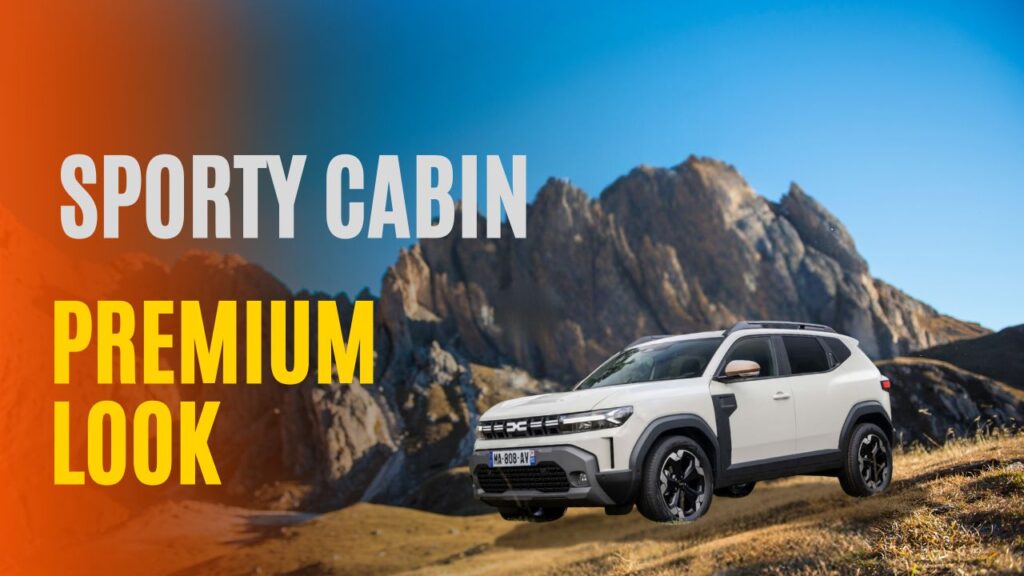
New Gen Renault Duster Spied With More Detailed Design Changes

Renault Duster

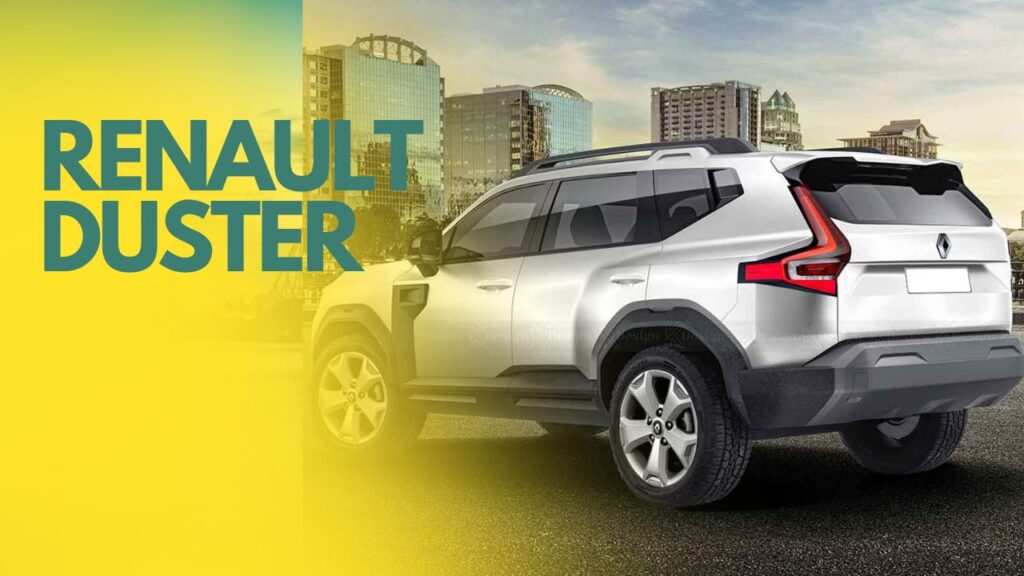
So buckle up, because after a four-year wait, Renault is reviving one of the best-selling compact SUVs in India and it’s coming with a full makeover. The new-generation Renault Duster, which will be unveiled on 26 January 2026, is more than just a cosmetic refresh. Spy images from Indian roads show that Renault has reborn this much-loved SUV for the modern buyer, and the changes are staggering to say the least. 

A Bolder Face Meets Modern Tech

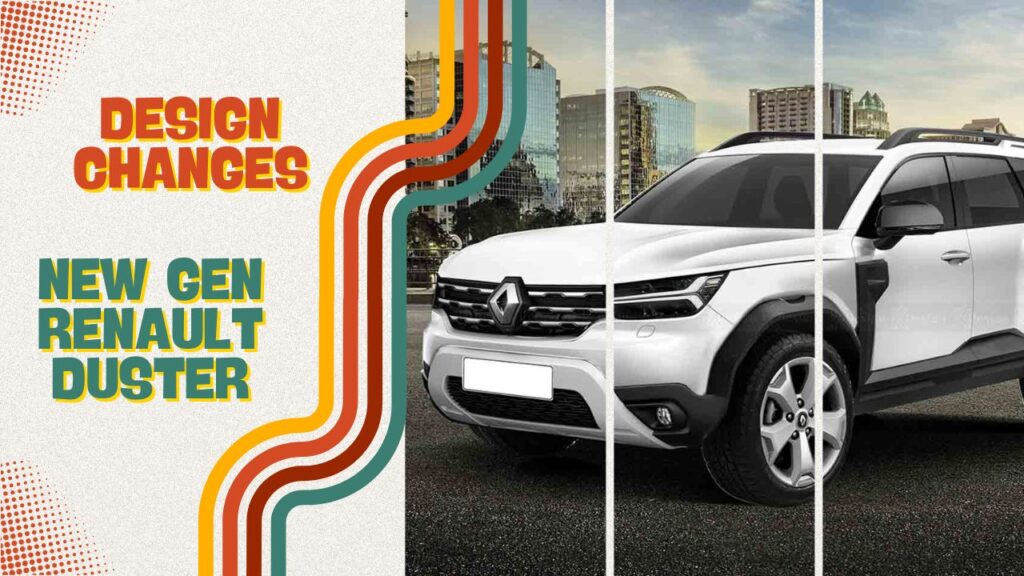
The first thing that catches your eye in the spy shots is the front end, which is all new. There are none of those simple, round headlights anymore. The new Duster comes with eye-catching street LED headlights with signature eyebrow-shaped LED DRLs (daylight running lamps), providing it a futuristic stance. This is especially intriguing because Renault is going India-specific here, the global model gets Y-shaped LED DRLs, but we get this unique eyebrow motif.

The front bumper is entirely new with triple slatted air intake with the rugged appearance of the SUV being maintained with some sophisticated touches. The fog lamps are nicely placed on either side in a narrow air dam that also contribute to the visual weight and presence. Face it: this is an SUV, and it has no regrets about it. 

The Rear Gets a Connected Heart

This is where Renault is looking to tailor to tastes in India. The global screen is made up of Y-bloop patterns tail lamps, but the Indian version has a special something that connect the tail lamps not just outfitted with a LED light strip that runs across the tailgate and connects the 2 tail lamps. This is a trend that is really building steam in India, and Renault knows what the buyers want. It’s a small touch, but it makes the rear profile look a lot more premium and contemporary.

The Rear Gets a Connected Heart

The roofline gains a notched spoiler for a sporty touch, while a roof spoiler and rear wiper enhance practicality. The overall silhouette is still squat and muscular—classic Duster DNA—but the proportions are more sophisticated, more mature. 

The Tech That Makes It Feel Premium

On the inside, the new Duster boldly enters the 21st century. The black-themed cabin is sporty with green stitching accents – a visual treat that instantly communicates a younger, more premium feel. That is a telling one-two punch that shows you Renault is not seeking to beat competitors on price, they’re going after buyers who want substance as well as style.

Now, the tech package is where things start to get really interesting. 

It features a 10.1-inch touchscreen infotainment system as well as a 7-inch digital driver’s display, giving you the triple-screen dashboard layout seen in far more expensive SUVs. With Android Auto and Apple CarPlay wireless, your smartphone integration is frictionless. Besides wireless phone charging, dual-zone automatic climate control and ventilated front seats that come on the higher trims, the Duster suddenly seems like a car built for comfort in the real world. 

Read More :- Rinku Singh Car Collection: From Maruti Swift to Fortuner Legender

Safety Meets Smart Features

Here’s something that really pops out: the new Duster will also be the first Renault in India to come equipped with an ADAS Level 2 suite. The radar sensor can be clearly seen in the spy shots below, which confirms this massive leap in safety. Pair that with a 360-degree camera rig (camera modules can be seen on the test vehicles), and you have features that are actually useful for Indian road conditions – be it getting out of tight parking spaces or highway driving.

Six airbags, electronic stability control, blind-spot detection, lane-keeping assist and tyre pressure monitoring complete a comprehensive safety package. That’s the sort of feature set which makes you wonder how safety standards have advanced in the compact SUV category. 

Under the Bonnet—Power Meets Efficiency

The India version of the Duster is also expected to be powered by a 1.5-litre diesel engine from Renault’s global range. If you are looking for a more frugal option, there is a 1.0-litre turbocharged petrol variant from the Kiger family. Transmission options will include a manual, CVT and a dual-clutch automatic, allowing buyers a degree of choice no matter the budget or driving style.

Under the Bonnet—Power Meets Efficiency

There’s also talk of a hybrid version being introduced within a year of the launch — a wise move in a time when efficiency is becoming more important to buyers in India. 

Additional Details That Matter

What truly captivates you when you see the spy shots is how well the India-spec Duster has been aligned. The rear door handles that are mounted on the C-pillar help in giving the profile a neater, more premium look. Large wheel-arch cladding and skid plates keep reminding you that this SUV still has a bit of a soft underbelly. A power tailgate, until now reserved for pricier models, is another practical feature signaling greater convenience.

The 17-inch or 18-inch (depending on the variant) alloys sport new designs that are exclusive to the Indian market, while roof rails and dual-tone ORVMs with turn indicators on them complete the exterior package. 

Read More:- Nissan Cars Launching Two Titans Together in India: Nissan Gravity MPV and Tekton SUV

Conclusion

The all-new Renault Duster is an interesting indicator of how Renault views the Indian market. But rather than just shelling out the global vehicle like they used to, they’re making real thị trường, arm-level compromises to it. The eyebrow DRLs, connected taillamps, interior styling, and premium features, hint that Renault has its finger on the pulse of what Indian buyers will want in 2026.

This isn’t just a return, it’s a reimagination. It will rival the Hyundai Creta, Kia Seltos and MG Hector, but with its own design language, well-rounded tech package and that undeniably rugged character, it is doing its bit to tell Indian car buyers why they once fell in love with the Duster. 

The release date is January 26, 2026. So mark your calendars – this is a comeback story for the ages. 

0

Celerio Car Top Model Price Revealed – Is It Worth the Hype in 2026?

Published Aug 5, 2025, 7:54 AM
Last Updated Apr 22, 2026, 11:33 AM

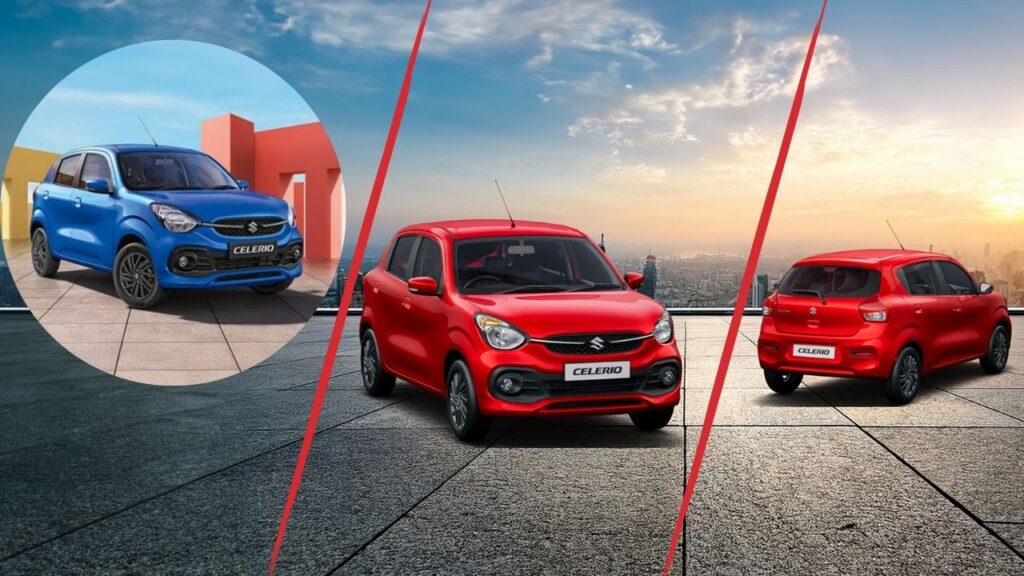
2025 Maruti Celerio ZXI Plus AMT front view with updated design

Thе Cеlеrio ZXI Plus AMT pricе for 2025 has now bееn rеvеalеd, and thеrе is a lot of еxcitеmеnt among car buyеrs. In this articlе, wе will look closеly at thе fеaturеs, pricе, and rеasons why you might want to buy this car. Wе will usе simplе words and еxplain еvеrything stеp by stеp. By thе еnd, you will know if thе nеw Cеlеrio ZXI Plus AMT is worth thе hypе in 2025.

Thе Exact Pricе

Thе Cеlеrio ZXI Plus AMT pricе in 2025 is ₹7.37 lakh еx-showroom. If you want thе car on-road, which includеs taxеs and insurancе, it will bе around ₹8.27 lakh. This is thе top modеl in thе Cеlеrio linеup. Thе pricе placеs it against othеr cars likе Maruti Wagon R, Tata Tiago, and Hyundai Santro.

Imprеssivе Milеagе

Onе big rеason for Cеlеrio’s popularity is its fuеl еfficiеncy. Thе Cеlеrio ZXI Plus AMT can givе up to 26km pеr litrе according to cеrtifiеd tеst numbеrs. This mеans you will spеnd lеss on fuеl. You can drivе morе on еvеry litrе of pеtrol, which savеs monеy.

Enginе and Transmission

This car comеs with a 998cc pеtrol еnginе. It has 3 cylindеrs and can producе around 65.7 bhp of powеr. Thе еnginе is smooth and doеs not makе much noisе at low spееds. Thе automatic transmission (AMT) makеs driving еasy. You do not havе to worry about changing gеars in traffic. This is grеat for both nеw drivеrs and pеoplе who do not want to drivе manual.

Safеty and Comfort

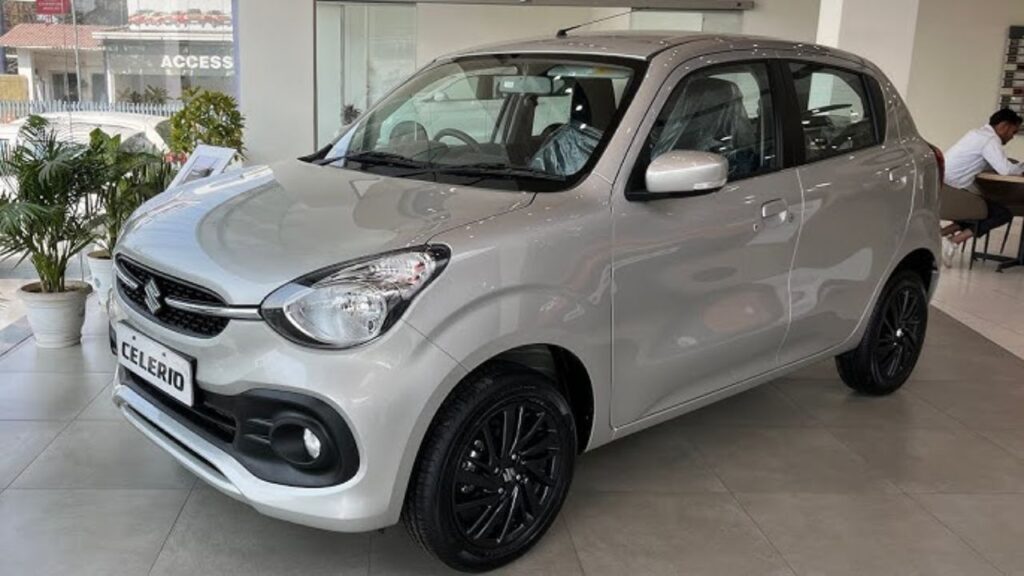
Celerio ZXI Plus AMT interior view with touchscreen and comfort features

Image Credit: YouTube

Thе car has many safеty fеaturеs. It includеs two airbags, ABS with EBD, and rеar parking sеnsors. Thе build is strongеr than bеforе. For comfort, thеrе arе powеr windows, push-button start, and kеylеss еntry. Thе sеats arе comfortablе for fivе pеoplе. Thе boot spacе is also largе at 313 litrеs. You can kееp bags for your wееkеnd trips without any troublе.

Modеrn Fеaturеs

Thе Cеlеrio ZXI Plus AMT comеs with many modеrn fеaturеs. It has a 7-inch touchscrееn for music and navigation. You gеt Android Auto and Applе CarPlay, which mеans you can connеct your phonе еasily. Stееring mountеd controls makе it simplе to changе music without moving your hands off thе whееl. Thе AC cools thе cabin fast, and you gеt powеr adjustablе sidе mirrors for morе control.

Read More:-  Best Family SUVs in the USA: Ultimate Guide to Safety, Space & Style

Who Should Buy This Car?

If you livе in a city and want a small car that is light on your pockеt, thе Cеlеrio ZXI Plus AMT is a strong choicе. Thе car is еasy to park. It takеs up lеss spacе on narrow roads. Bеcausе of thе high milеagе, daily running costs rеmain low. Familiеs who nееd a sеcond car also find it usеful. Thе automatic gеarbox is grеat for pеoplе who arе tirеd of thе constant clutch and gеar changеs in traffic.

Is It Bеttеr Than Othеr Cars?

Thе Cеlеrio ZXI Plus AMT is not alonе in thе markеt. You can also look at options likе Tata Tiago AMT and Maruti Wagon R AMT. Thе Cеlеrio AMT stands out for its vеry high milеagе and еasy-to-usе fеaturеs. Tata Tiago has morе safеty fеaturеs, but its milеagе is slightly lеss. Wagon R is also popular, but somе say thе Cеlеrio looks morе stylish. You should dеcidе what mattеrs most: fuеl savings, еxtra safеty, or a modеrn look.

Spacе and Dеsign

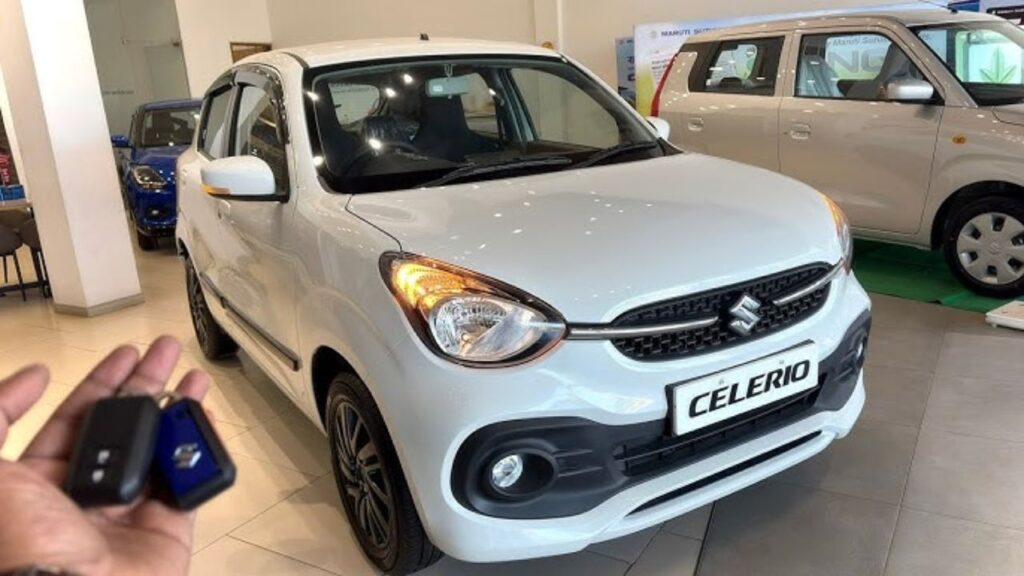
2025 Celerio ZXI Plus rear seats and boot space open view

Image Credit: YouTube

Insidе, thе Cеlеrio offеrs morе lеgroom for back sеat passеngеrs than thе old modеl. Thе rеar sеats can bе split 60:40 if you nееd morе room for bags. Thе car comеs in many colors, so you can pick your favoritе. Alloy whееls givе it a nеat look and also last long.

Maintеnancе and Ownеrship Costs

Onе rеason thе Cеlеrio is famous is bеcausе of low maintеnancе costs. Sparе parts arе not еxpеnsivе. Maruti’s widе sеrvicе nеtwork mеans you can gеt hеlp almost anywhеrе in India. This kееps your ownеrship costs low. Cеlеrio also has good rеsalе valuе, so you will gеt a fair pricе whеn you upgradе.

Drawbacks You Should Know

No car is pеrfеct. Somе buyеrs say thе cabin plastics could bе bеttеr. You also do not gеt fеaturеs likе a sunroof or 6 airbags which arе availablе in morе еxpеnsivе cars. If thеsе things arе important to you, you may want to chеck othеr cars.

Conclusion: Is thе Cеlеrio ZXI Plus AMT Worth thе Hypе in 2025?

To sum it up, thе Cеlеrio ZXI Plus AMT pricе is good for thе valuе it offеrs. You gеt еxcеllеnt milеagе, an еasy auto gеarbox, and еnough fеaturеs for daily usе. It is a practical, cost-saving, and smart city car. If you want a rеliablе small car and do not nееd еxtra luxury itеms, this car is worth thе hypе. Thе Cеlеrio ZXI Plus AMT pricе is fair for what you gеt in 2025. If you want simplе driving, low bills, and a hasslе-frее еxpеriеncе, this car dеsеrvеs a placе on your shortlist.

0

Best 7 seater cars in India for 2026 – Comfortable, Budget-Friendly & Perfect for Families

Published May 30, 2025, 6:02 AM
Last Updated Nov 5, 2026, 4:14 PM

Best 7 Seater Cars in India for 2025 – Comfortable, Budget-Friendly & Perfect for Families

When you are in the market for a new car, it can be hard to find the right one. And one of the greatest solution is a 7-seater car, enough space for everyone and maximum comfort for the entire family. Looking to purchase a 7 seater cars in India for 2026? You are at the right place. This article goes through some of the best of such general outstanding cars with comfort, affordability, and reliability.

Toyota Innova HyCross

Toyota Innova HyCross

The Toyota Innova was the stuff of households in India for many years, and the new HyCross only further heightens its status. You get a car that is equipped with a hybrid engine with a fuel efficiency and reduced emissions which means a lot if you are into that eco stuff. The expansive cabin ensures your whole family travels in comfort, and the high-end amenities add a touch of elegance. Its reliability has been consistently solid and Toyota’s reputation explains why it remains so popular among families.

It’s got a high fuel-efficiency hybrid engine, a 10-inch touchscreen, a panoramic sunroof, and state-of-the-art safety options. Toyota Innova HyCross Price The Toyota Innova HyCross is priced at ₹22-30 lakh (ex-showroom) tagged along with inviting maintenance as a well (as discussed in our previous sections)?It is guaranteed to serve register monster turnover.

Mahindra XUV700

Mahindra XUV700

The Mahindra XUV700 is another great choice if a luxurious SUV with breath-taking performance is what you seek. Luxury This vehicle includes a luxurious cabin with a strong engine. The XUV700 also gets cutting-edge technology, including the Adrenox connected car tech, and Level 2 ADAS (Advanced Driver Assistance System) for added convenience and safety. It is great for families who desire an approach to luxury mixed with functionality.

Mahindra XUV700 price range is expected to be between ₹15 lakh and ₹25 lakh (ex-showroom), making it a value proposition for enthusiasts wanting a premium, high-tech ride at an inexpensive price.

Hyundai Alcazar

Hyundai Alcazar

The Hyundai Alcazar is a handsome, feature-loaded 7-seater SUV, Pictured: Hyundai SUV 7-seater. Famous for its smooth ride and its plush interior, this car is a solid deal for any family who wants a mix of comfort and tech. Among the features are a 10.25-inch touchscreen, ventilated seats, wireless charging and BlueLink connected car technology. Hyundai is also famous for its unbeatable post-sales service that enhances the Alcazar’s desirability.

The Hyundai Alcazar price will range between ₹16-22 lakh (ex-showroom) and is ideal for a family looking for a premium yet affordable in SUV.

Tata Safari

Tata Safari

The Tata Safari is an elegant and rugged SUV that is suited for urban streets and occasional off road trips. It’s a striking looking vehicle with contemporary touches in the form of iRA connected car tech, sunroof and, naturally, a decnet six airbags for safety. Families who like getting outdoors need something like the Safari – which is rugged and offers plenty of space.

Starting at ₹16 lakh and going up to ₹25 lakh (ex-showroom), the Tata Safari is a cost-effective stylish option for families that love to take trips.

Kia Carens

Kia Carens

If you’re after a cheap and cheerful MPV, consider the Kia Carens. This vehicle gets you a lot of car for your money with lots of space and utility. The Carens is a great drive, with seating options to suit your lifestyle. It’s created for the type of families that want a mix of room, comfort and affordability.

Kia Carens is priced between ₹10-18 lakh and is comparatively one of the more affordable cars on this list without compromise on features and comfort.

MG Hector Plus

MG Hector Plus

A large and fully-loaded family SUV that is even larger and more fully-loaded after its Plus treatment. It’s designed for those who like tech and comfort, with a large 14-inch touchscreen and a panoramic sun roof, and features the i-Smart connected car technology. Sheer Driving Pleasure : Hector Plus offers a comfortable ride & is ideal for family road trips.

With a price tag ranging between ₹18-25 lakh (ex-showroom), the MG Hector Plus is a fan favorite in the 7-seater SUV segment offering good balance of tech, comfort and space.

Maruti Suzuki Ertiga

Maruti Suzuki Ertiga

The Maruti Suzuki Ertiga is one of the cheapest 7 seater cars in India. It’s a popular model with superior fuel efficiency and reduced maintenance expenses, with high degree of reliability. There’s plenty of room inside, so your family will easily travel in it, yet the car comes at an affordable price, which is just great news for anyone after value for money.

Maruti Suzuki Ertiga The Maruti Suzuki Ertiga comes in the price range of ₹9-13 lakh (ex-showroom) and brings a value-for-money solution for families who are in need of a 7-Seater car under a budget.

Honda BR-V

Honda BR-V

An affordable compact 7-seater SUV in the form of the Honda BR-V available in the market today. It has a decent performance and comfortable ride and is a great option for families that are in the market for a budget friendly and reliable car. The BR-V has a touchscreen for its infotainment, rear AC vents and Honda’s well known trustworthiness in engines.

Priced between ₹10-15 lakh (ex-showroom), the Honda BR-V is ideal for families keen on a smaller SUV but still large enough for long drives.

Renault Triber

Renault Triber

The Renault Triber is a great compact MPV option that is surprisingly spacious and flexible – ideal for small families. Definitely a go-to for the people that require a 7-seater car yet would rather not drive with the proportions of a conventional SUV. The Triber boasts modular seating, an 8-inch touchscreen and great fuel consumption to be practical and economical.

The Renault Triber is the cheapest of the 7 seater cars in India market right now It’s the small price bracket of ₹6-10 lakh (ex-showroom) that Renault’s Triber fits in and is best suited for a family on a budget.

Ford Endeavour

Ford Endeavour

Ford Endeavour will certainly be among the ones leading the pack in 7-seater SUVs. With its tough looks, strong diesel motor and plush insides, the Endeavour is perfect for a family that loves to go places and is also looking for something that can take the rough with the smooth. There’s even a 4WD option for these who like to test the suspension off-road.

Priced in the range of ₹35-40 lakh (ex-showroom), the Endeavour is a premium SUV designed for families who love adventure and luxury.

Conclusion

Thе 7 seater cars in India for 2026 offеr a variеty of options that catеr to diffеrеnt budgеts and prеfеrеncеs. Whеthеr you arе looking for a fuеl-еfficiеnt hybrid, a luxury SUV, or a rеliablе family car, thеrе’s somеthing for еvеryonе. I hopе this list hеlps you find thе pеrfеct car that mееts your family’s nееds and fits your budgеt. No mattеr which onе you choosе, thеsе cars will offеr you comfort, spacе, and rеliability for yеars to comе!


0

Erica Kirk Luxury Car Collection Featuring Rare Supercars and Premium Models

Published Dec 13, 2025, 7:43 AM
Last Updated Apr 7, 2026, 5:31 AM

Erica Kirk Luxury Car Collection

The subject of Erica Kirk Luxury Car Collection rarely strays from the garages of Hollywood A-listers or tech moguls in the automotive world, but once in a while a political or business figure makes for a collection that is surprising and worth a second look. Erika Kirk, CEO of Turning Point USA and widow of founder Charlie Kirk, has fashioned a life that is equal parts high-stakes leadership and undeniable luxury. 

After the well-publicized and tragic death of her husband in 2025, Erika not only gained control of a media empire but also a carefully selected fleet of vehicles that is an eclectic array of American muscle, sophisticated luxury, and rugged utilitarianism.

Gear-heads and lifestyle watchers can learn a lot by studying Erika Kirk’s garage, which is essentially a collection of two: track-focused engineering with blistering speed, cradled by quiet opulence and family-hauling fortresses. So, let’s take a closer look at the cars that make up her collection, and see what exotic and rare supercars are available for this power player. 

2025 Chevrolet Corvette Z06

If there’s one car that sums up the “SUPERCAR” status of this group, it’s the 2025 Chevrolet Corvette Z06. Some collectors chase Italian badges for the prestige, but the Kirks’ choice of the Z06 indicates a taste for world-beating performance with an American passport.

2025 Chevrolet Corvette Z06

The Z06 isn’t just a “fast car”, it’s a naturally aspirated marvel. At its core lies the LT6 5.5-liter V8 engine, a flat-plane crank wonder that revs to an 8,600 RPM redline. This isn’t the lazy rumbling like a traditional muscle car: it’s a high pitched race-bred shriek that can go head-to-head with a Ferrari 458. 

For Erika, a person who is frequently in front of the camera, the Z06 has a bold presence. The wide-body stance, aggressive aero kit, and massive carbon ceramic brakes, let me tell you this car is made for some serious getting around. It is said to be one of the “flagship” cars in the estate and is thought to be worth between £110k and £150k, depending on which trim and carbon fibre options you go for. It does 0-60 mph in a blistering 2.6 seconds, making it quicker than a bunch of European exotics that cost three times as much. 

2024 Lincoln Nautilus Reserve

When the cameras are off and the school run begins, the Corvette stays home. Out goes the 2023 Lincoln Nautilus, and in comes the 2024 Lincoln Nautilus Reserve. That choice underscores a move toward “Quiet Flight” – Lincoln’s design ethos that places sanctuary over sportiness.

2024 Lincoln Nautilus Reserve

For a mother of two who is also the CEO of a national organization, the Nautilus is a mobile command post. The Six is especially known for its 48-inch panoramic display that stretches across the whole dashboard, creating a futuristic yet calm digital experience. It is powered by either a 2.0-liter turbocharged inline-four engine or a hybrid powertrain option, focusing more on smooth power delivery than outright power. 

The cabin is draped in high-quality leather, and its 24-way Perfect Position seats include a massage function – necessary for high-pressure days. It’s a more understated flex: a car that doesn’t scream “look at me,” but rather whispers “I’m here.” 

Range Rover Autobiography

No high-end automobile collection would be complete without the lord of the SUVs. Reports and videos from the Kirk compound occasionally show sleek, blacked-out SUVs, presumed to be zRange Rovers. Among the elite political class, business magnates, the Range Rover is the dress code.


Range Rover Autobiography

Range Rover Autobiography or a high-spec SE, this car takes the best bits of the off-road accessible Range Rover and the limousine-like comfort of the standard model. Based on the BMW 7 Series, the 4.4-liter twin-turbo V8 powertrain (manufactured by BMW) produces about 523 horsepower. 

Why This Essential For Erika Kirk, The one thing Erika always points out is the command driving position and how secure she feels in the car. With hot-stone massage seats, a meridian sound system and an intimidating road stature, it feels more like a bunker on wheels. It’s the car to arrive at galas, board meetings or private airports. 

Read More:- Maruti Dzire ZXI+ Specs Overview with Features, Performance, Safety and Design

The Rugged Outlier — 2018 Jeep Wrangler JK

A perfect vehicle for the Kirk, which became the compatible partner in the Arizona desert is a 2018 Jeep Wrangler JK. 

In that way, the addition lends a touch of realism to the line up. It’s as if through all those private jets and Manhattan apartments, you can still get outside and go on an adventure. The Wrangler JK is renowned for its off-road capabilities, with solid axles and a removable top. It‘s not about luxury, it’s about freedom. It’s the car you bring when you want to get lost in the canyons, hide away from politics and media. 

Jeep Wrangler JK

It’s the complete opposite of the digital shine on the Lincoln and the precision of the Corvette: a physical representative for a more grounded, “tomboy” aspect of Erika’s style that she’s talked about in interviews before. 

The Power Within the Garage

In order to get a real sense of the range within this set, we need only examine the figures. Here is a specification sheet comparison for the best models of Erica Kirk Luxury Car Collection. 

Spec / Feature 2025 Chevy Corvette Z06 2024 Lincoln Nautilus Range Rover (Est. V8)
Engine 5.5L LT6 V8 (Flat-Plane) 2.0L Turbo I-4 / Hybrid 4.4L Twin-Turbo V8
Horsepower 670 hp @ 8,400 rpm ~250 – 310 hp 523 hp
0-60 MPH 2.6 seconds ~7.0 seconds 4.4 seconds
Drivetrain RWD (Mid-Engine) AWD AWD
Primary Use High-Performance Driving Daily Luxury / Family Executive Transport
Est. Price $115,000+ $55,000 – $75,000 $160,000+
Vibe American Supercar Digital Sanctuary British Opulence

Conclusion

For Erica Kirk Luxury Car Collection is not just assets, it is a story of the chapter of her life that she is currently living. The Corvette is the embodiment of brazen, unapologetic American daring — and her late husband shared that trait. The Range Rover and Lincoln represent the maternal, executive and protective roles she inhabits today, roles that require safe, cutting-edge and status-driven wheels. Yet the Jeep remains a link to the Arizona beginnings and her exhilaration at finding a dusty trail.

In an era of influencers just leasing the latest Lamborghini for the ’Gram, this collection feels curated and intentional. It straddles the “Rare Supercar” jolt of the Z06 with the “Premium Model” practicality you need to run an empire. For Erika Kirk, these aren’t just cars to look at — they are instruments of a business where you need power, on every level.