0

Toyota Urban Cruiser BEV Teased in India: Launch Timeline, Range, Features & Price

Published Jan 7, 2026, 12:48 PM
Last Updated Apr 10, 2026, 7:19 AM

Toyota Urban Cruiser BEV

If you are among those waiting for a right-sized, family-friendly electric SUV from Toyota for India — now the wait just got a whole lot more exciting. Toyota has now officially teased the Toyota Urban Cruiser BEV (Battery Electric Vehicle) for India for the very first time, hinting that the launch is just around the corner. This is not just some other concept or a long-term promise- this is a near-production electric SUV ready for India and it will hit showrooms soon.

​In this blog, let’s check predicted features, design, battery choices, and what makes the Urban Cruiser BEV very likely to be one of the most buzz-worthy EVs in the Indian market. 

First Clear Glimpse Of Toyota’s India-Spec EV

New teaser unveiling Urban Cruiser BEV front and side views provides a solid glimpse at Toyota’s design language for its first electric SUV in India.

  • The SUV features slim LED headlamps with eyebrow-style DRLs and are connected by a light strip, lending it a contemporary look. 
  • As one would expect on an EV, the grille is closed and rendered in body colour or piano black, hiding the front behind clean, futuristic-looking material. 
  • The bonnet is sculpted and the aggressive bumper stance is tough enough for an SUV.
  • On the side, you also see the ‘BEV’ badge right behind the charging port, confirming this is a full electric vehicle. 

The overall India-spec Urban Cruiser BEV appears very near to the concept. It’s production-ready and stylish but not particularly flashy or experimental. 

Shared DNA With Maruti e Vitara – But With Toyota Flavour

Toyota Urban Cruiser BEV is based on the Maruti Suzuki e Vitara platform. Both electric SUVs will be produced at Maruti Suzuki’s Gujarat plant and are built on the same EV underpinnings.

Toyota Urban Cruiser BEV

In other words, it’s Toyota’s take on Maruti’s first electric SUV – same base, different design. They are expected to be close in size, measuring about 4.2-4.3 meters long with a 2,700 mm wheelbase, which would position them in the midsize SUV category. You’ll also find the same EV platform, flat floor, battery configuration, and similar powertrain and range options.

The difference is in the design and branding behind which Toyota is well known. The Urban Cruiser BEV has Toyota-specific design features and details of lighting, alloy wheels and trims and includes Toyota’s global design language and brand reliability. 

Toyota Urban Cruiser BEV Expected Features & Interior

Although Toyota has not shown the inside of the India-spec Urban Cruiser BEV as of yet, thanks to the global car and e Vitara, we know what will be on offer:  ​  

Two-spoke steering wheel with a chunky, modern design – similar to recent Maruti/Toyota models. A 10.25-inch touchscreen infotainment system with connected car technology, navigation, smartphone connectivity, and may be some built-in apps. A 10.1-inch fully digital instrument cluster that displays EV-related details such as range, battery status, energy flow, drive modes and regen levels.  

Premium options are expected to be: 

  • Heated Auto climate control
  • Electronic Park Brake with Auto Hold
  • Wireless charging
  • JBL sound system (high spec models)
  • Panoramic or single-pane sunroof (variant dependent).

Speaking of practicality, the overseas Urban Cruiser EV and e Vitara feature sliding rear seats that slide forwards and backwards to offer flexibility between rear legroom and boot space.This is a very user-friendly feature for Indian families who often juggle airport runs, city commutes, and highway trips in one car»rdquo; 

Safety Kit will also likely be robust:

  • 6 airbags as standard
  • Level 2 ADAS suite including adaptive cruise control, lane-keep assist, lane departure warning, pre-collision warning.
  • ​A 360-degree camera, TPMS, ESC, front and rear parking sensors.

All in all, the Urban Cruiser BEV appears to be a comfortable, technology-laden, and safety-centric EV SUV — not just a “born-electric experiment.” 

Urban Cruiser BEV Battery Options and Range

There will be two battery options for the Urban Cruiser BEV and range is left to be one of its biggest “excitement” factors.

Urban Cruiser BEV battery options & range

Battery: Toyota will probably provide a 49 kWh battery and a bigger 61 kWh battery. The smaller pack is estimated to output around 143–144 PS, while the bigger one could pump out about 173–174 PS. 

Powertrain: Both are likely to be front wheel drive secures. A global version with AWD is available, but whether it will be released in India is still unknown.

Range: The 61 kWh battery claims to give more than 500 km ARAI cycle range which is similar to that of the Maruti eVitara with a claim of 543 km. On a practical standpoint, the range is probably good for 350–400 km, which is plenty for daily commuting in addition to weekend jaunts.

Charging information has yet to be announced, but DC fast charging and a home AC wall charger should be available. 

Launch Timeline & Expected Price In India

The Toyota Urban Cruiser BEV is anticipated to bring its India debut in the coming days. After its full disclosure, some reports suggest that 19 January may be the date of the launch.

Launch Timeline & Expected Price In India

As for the price, it is likely to be priced in the range of ₹16 lakh to ₹22 lakh (ex-showroom) approximately depending upon the variant and battery pack. 

Conclusion

The Toyota Urban Cruiser BEV is poised to be a very good and value-for-money guess of this new segment in India’s electric SUV market. It is a familiar, family-based SUV model, but with contemporary EV technology, long-range claims, and Toyota reliability. sharing underpinnings with the Maruti e Vitara, buyers get a proven platform, while Toyota adds its own styling, tuning, and brand value.

If priced right, the Toyota Urban Cruiser BEV will be a fine compromise of pragmatism, performance, features, and safety. Indian families who want to move away from petrol or diesel SUVs but don’t want to take that dangerous jump to going electric, this is quite possibly one of the most well-rounded, and confidence-inspiring, EV options you’ll find. 

Sharey Khan

Sharey Khan is an IT entrepreneur and petrol head & a car enthusiast. With a special focus on car-related content, he combines his deep passion for vehicles with a talent for crafting informative, engaging, and easy-to-understand content. His writing is driven by a genuine love for cars and he is committed to providing readers with accurate, up-to-date, and trustworthy information that empowers smarter driving decisions. 

Leave a Reply

Your email address will not be published. Required fields are marked *

0

Super car: Porsche 918 Spyder

Flaunted as the “ultimate hyper car,” the Porsche 918 Spyder specifications are the very first production-oriented road car that broke the seven minute hurdle at the well-known Nurburgring. This hybrid supercar was introduced at the Frankfurt Motor Show. Every Porsche 918 production cars built on the hood, along with several spots inside the cabin. With an extraordinary blend of performance and efficiency, the 918 Spyder has marked the commencement of a new era of supercars.

The Porsche 918 Spyder is powered by a combustion engine and two electric motors. When it comes to performance, the numbers are stunning: 0-60 in 2.2 seconds, 0-100 mph in 4.9 seconds, 1/4 mile time of 9.8 seconds and a top speed of 217 mph. All this performance and cutting-edge technology cannot come cheap, though. The Porsche 918 price for a new car was $845,000, but options like the Weissach package ($84,000) and Liquid Metal paint ($63,000) could push that price to over $1 million. Since Porsche stopped producing this model in 2015, the asking price for a used Porsche 918 Spyder has skyrocketed — it can easily exceed $1.6 million.

To flash over 200 mph, the 918 Spyder relies on a 4.6 L V8 engine and two electric motors. The fossil-fuel-fed Porsche 918 Spyder specs an engine that produces 608 horsepower. The total horsepower of the 918 Spyder is 887, thanks to the performance boost from the two electric motors. The rear electric motor sends 154 horsepower into the transmission.

The second electric motor on the front axle makes 127 horsepower. Without help from the electric motors, the rear-mounted V8 engine, which is derived from the 2005 RS Spyder race car, revs to 9,150 rpm. The combustion engine reaches 398 lb-ft of torque at 6,700 rpm. The rear electric motor features innovative hybrid cooling with air and water. You can’t easily admire the engine or e-motors, though. As the hood doesn’t open, you’d have to take your Spyder to the dealer to take a peek at your Porsche 918 engine.

The Porsche 918 Spyder specs an engine mounted so low down that Porsche engineering had to mount the 918 transmission upside down, for better weight distribution. The rear motor runs through the 7-speed PDK dual-clutch, while the front axle electric motor has only one gear. Surprisingly, the gear selector is a tiny lever mounted just to the right of the steering wheel. At high speed (over 164 mph), the 918 Spyder becomes rear-wheel drive only. That’s because a decoupler disconnects the front electric motor to avoid over-revving. There are five driving modes: electric, hybrid, sport, racing and Hot Lap. The latter uses full engine power but depletes all electric reserves. The beauty of the system is in the electric motors powering the car between the gear shifts. Obviously, the 918 offers brutal acceleration in any circumstance.

A supercar that goes from 0 to 60 mph in a blink needs a matching high-performance braking system. The 918 Spyder has Porsche Ceramic Composite Brakes (PCCB). They have six-piston monoblock calipers at the front and four-piston calipers at the rear. The ceramic discs at the front have a diameter of 16.1 inches. Those at the rear have a diameter of 15.4 inches. Through brake regeneration, the Porsche 918 Spyder specs that the brakes capture most of the energy that would be otherwise wasted as heat during braking. Furthermore, the electromechanical brakes of the 918 Spyder then store that energy in a battery and feed it back through the electric motors. Additionally, daily driving and light braking won’t even invoke the hydraulic system, as both electric motors become generators when the brake pedal is pressed. So every week you need to do a few spirited stops to keep condensation out of your brake lines.

Inspired by Porsche’s previous supercars, the carbon-fiber-reinforced plastic monocoque chassis of the 918 Spyder is lightweight and high-strength. The design of the Porsche hybrid 918 stands out thanks to the top-mounted exhaust pipes and massive rear spoiler. Both are adjustable from the control panel. The Porsche 918 Spyder specs a Targa roof, but you have to remove the top panels manually. They are easy to stow in the trunk. Another distinctive feature of the exterior design of the 918 Spyder is its “Acid Green”brake calipers.  Therefore, Porsche chose to add accents in the same color on the carbon bucket seats, seat belt, and steering wheel ensure design coherency. The Weissach Package adds several pieces of exposed carbon fiber along with gorgeous magnesium wheels. Unquestionably, the differences save over 80 lbs. and make it easily distinguishable at a distance.

The pinnacle of decades of engineering, the Porsche 918 Spyder blends high-tech, efficiency and performance in a weight-saving design. The standard version of the Porsche 918 Spyder weighs 3,691 lbs. With the optional 918 Weissach pack, which improves the driving dynamics, the car is lighter, weighing 3,602 lbs. The 918 Spyder with the Weissach package is the version that made the Porsche 918 Spyder Nurburgring time of 6:57 a reality.

Concurrently, the two electric motors draw their power from a 6.8 kW·h liquid-cooled lithium-ion battery. It has a 20-mile electric range and a total range of 420 miles in hybrid mode. The Porsche Universal Charger takes seven hours to charge the battery when connected to a 110-volt household AC socket. Or only two hours with a 240-volt power supply. An optional HVDC Speed Charging Station can fully charge the lithium-ion battery in 25 minutes. The Porsche 918 Spyder specs are an incredibly fast hybrid for technology aficionados.

To conclude the greatest Porsche to-date, it is an eco-friendly green contrivance. It will mind boggle you to contemplate its working. So what you are waiting for? Get yourself the good Porsche news.


0

Subaru Forester vs Honda CR-V 2025: Which SUV Is the Real Champion?

Published Jul 31, 2025, 5:52 AM
Last Updated Apr 11, 2026, 11:08 AM

 Subaru Forester vs Honda CR-V 2025 Which SUV Is the Real Champion

When you are going to buy a SUV, you must get confused about which SUV is the real champ — Subaru Forester vs Honda CR-V. Here you can explore their full details of engine, performance, speed, and design of the two most amazing SUVs. Subaru Forester has unveiled its incredible redesign while Honda CR-V continues to ride high on its latest generation. This isn’t just a battle of features and specs but it’s about both car philosophies. 

Both cars are giving utterly experience to their owners, Forester is made for adventurous-ready partners that are always ready for the rough roads and comes with all-wheel drive. On the other hand, Honda CR-V is smooth, fuel-efficient, and comfortable for running around the city with elegance. Let’s look deeper into the comparison of Subaru Forester vs Honda CR-V for making it easier to choose for you.

Performance: A Tale of Two Drivetrains

The biggest difference between these two SUVs lies right under the hood and in the wheels that put the power down.

Subaru Forester: If you are a person who likes to go on adventure trips or rough roads, the Forester is your champion. All new Forester’s provide AWD which is impressive if we look into the best SUV, Subaru’s legendary Symmetrical All-Wheel Drive as standard. It is ready for rain, snow, or on that gravel road to the trailhead. The powerful system is built on the 2.5-liter with 180 horsepower. It provides a four-cylinder to make it unstoppable but it won’t win many drag races, it’s smooth, capable, and gets the job done.

There is big news for Forester lovers — a Forester Hybrid is coming soon which offers the fuel efficiency that means buyers will get a well-performed SUV with no worries for fuel.  

Honda CR-V: Honda CR-V powerful engine of 1.5-litre will give wonderful performance with its quick speed and extensive high brakes. The turbo engine with 190 horsepower, delivers incredible smooth running on road with its elegant look. The highlight is hybrid powertrain — CR-V Hybrid, stronger with 204 horsepower that can give you the thrill and deliver the purpose of fuel saving — we’re talking up to an EPA-estimated 40 MPG combined.

Who Wins? CR-V is good in saving fuel and sticking to city roads but for all-wheel drive, you have to pay extra. While Subaru gives you for free and supports you totally on your off-road adventure.

Performance Verdict: The Forester is the best choice if you want go-anywhere capabilities because it offers. The CR-V is an ideal SUV for those who want an SUV for daily on-road efficiency, especially in its hybrid form which is more powerful.

Read More :- Jeep Wrangler vs Ford Bronco 2025: Full Comparison of Specs, Style & Performance

Interior and Practicality: The Space Race

Both have amazing style but practically different in cargo space, windows, and door. 

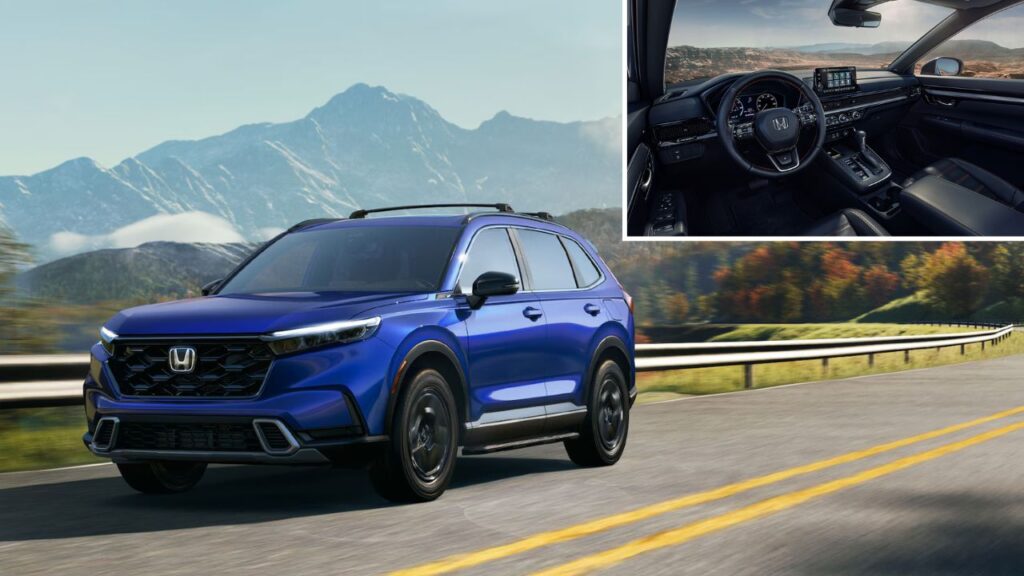
Honda CR-V: The wide interior view and well shaped design is delivering a cool experience to the families traveling or friends enjoying in the SUV. The CR-V is delivering not just a car but total flexibility to their passengers with cargo space of 76.5 cubic feet.

Honda CR-V Interior and Practicality

Honda CR-V Interior and Practicality

The space for the rear seat makes everyone comfortably sit and drive for long hours. Honda has already made the name in fancier cars all over the world.

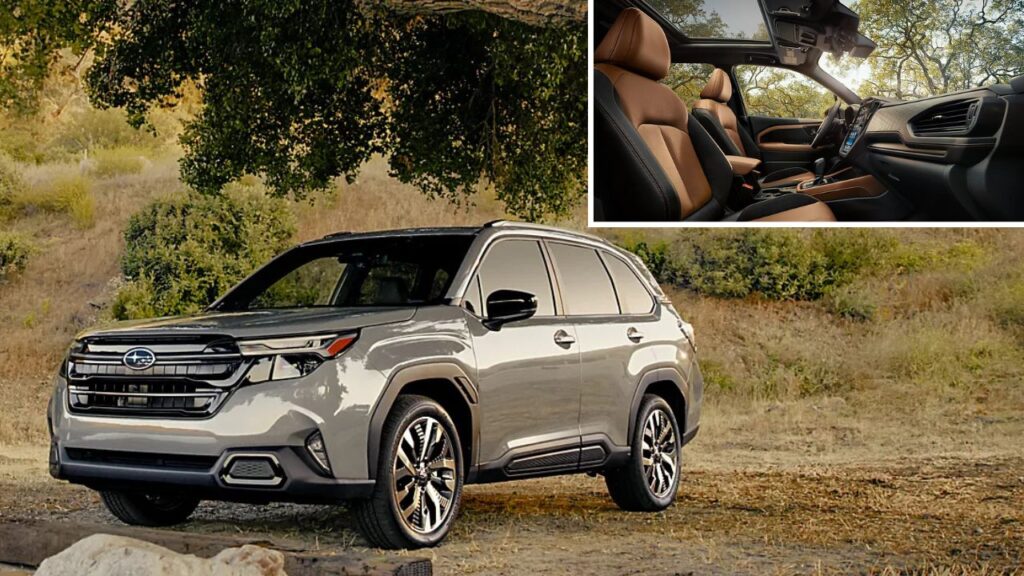
Subaru Forester: The redesigned 2025 Forester offering a cargo space of 74.4 cubic feet with hands-free liftgate for making packing easy. It also offers a wide back opening, no problem with a trip ready mood.

Subaru Forester Interior and Practicality

Subaru Forester Interior and Practicality

You can have a fully functional and modernized interior in one SUV. It has great visibility from the upright windows and thin pillars which is fantastic for navigating tight parking lots or scenic byways. 

Who Wins? Almost a tie because CR-V has a high-end functional and sleek design with more space whereas Forester gives great view and practicality.

Interior Verdict: If you want to feel classic era and a slightly more cargo space then CR-V is might be the best option but If you want good visibility, rugged, and user-friendly design then Forester is a good option. Both are marvelous companions in your driving with a slight difference which will give you incredible experience.

Tech and Infotainment: Screen Time

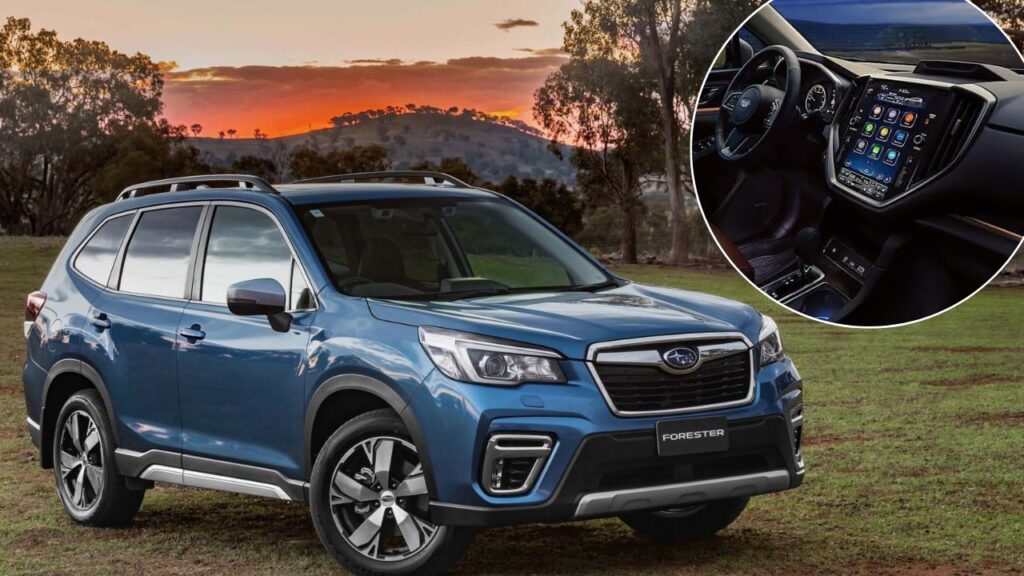
Subaru Forester: The Forester’s new 11.6-inch vertical touchscreen is best for perfect display of the infotainment. Apple Car Play and Android Auto supported infotainment system helps you connect in quick with any device.

Subaru Forester Tech and Infotainment

Subaru Forester Tech and Infotainment

This new tech used in the Forester made it more unique and modern through this upgraded system. 

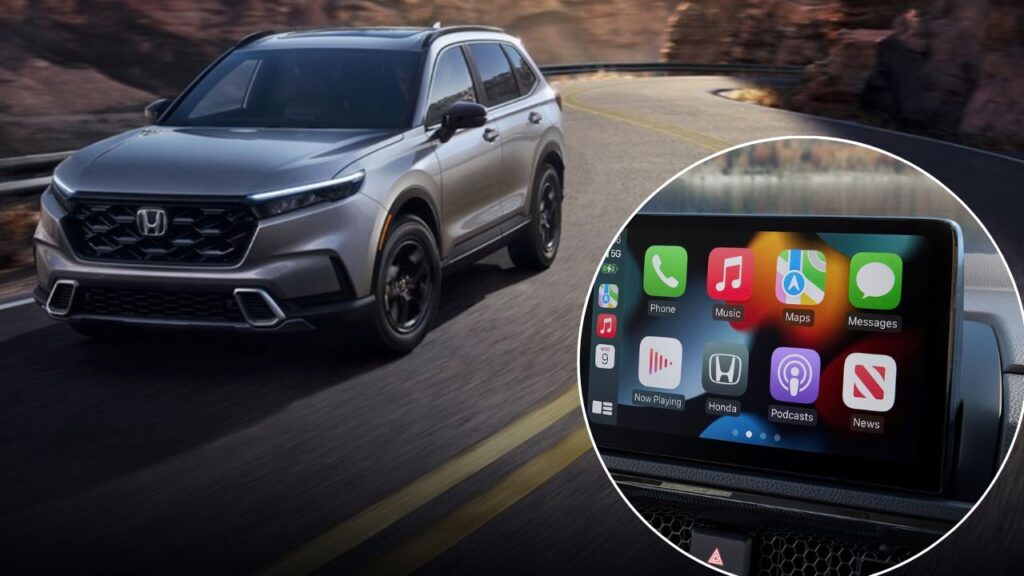
Honda CR-V: People who are comfortable with a 7-inch touchscreen, with a larger 9-inch screen available on higher trims, CR-V is delivering your desire.

Honda CR-V Tech and Infotainment

Honda CR-V Tech and Infotainment

The system is simple and intuitive, but you only get wireless Apple Car Play and Android Auto with the larger 9-inch screen. Tech Verdict: The Forester takes a slight upscale in its tech with a modern big screen with high-end infotainment system for 2025. 

Safety: A Clear Winner Emerges

The SUV will have an advanced tech system, high performance engine, and comfortable interior but safety concerns come first for many buyers. I think it’s important for every person because accidents can take your loved ones away and it’s the main point that makes them two apart from each other. 

Honda CR-V: The CR-V offers a safety system like adaptive cruise control, lane-keeping assist, and automatic emergency braking but it didn’t get IIHS safety ranking for this model. When it comes to safety there is no option in looking for an alternate choice. 

Subaru Forester vs Honda CR-V 2025

Subaru Forester vs Honda CR-V

Subaru Forester: The Forester has a clean role in the Safety section, it delivers you the latest version of its EyeSight driver-assist technology, which now scans wider areas and reacts more quickly. The upgraded system is more advanced in the safety rules. A new Emergency Stop Assist feature can even be tested, bringing the car to halt for safety after a while it senses you become unresponsive.

Safety Verdict: It is clear that Foster is winning here because of its powerful safety measures for passengers and it also got IIHS ranking for its upgraded system. 

The Final Verdict: Which Champion Is Yours?

Both have won on each stage with their powerful performance, design and features but there is a slight difference which makes you choose any one. If you want an SUV for long tour rides then the Forester is a winning trophy because it gives full support for the safety of the passenger. The cargo automatic features are easy to handle by anyone. If you value these things then buying the Forester is worth your money.

CR-V will give you reputation and efficiency for more fields, if you are satisfied with Honda cars before then this might be the best option. If you want an SUV then be sure to take a test-drive for both. And choose what will suit your life journey. 

Choose the 2025 Subaru Forester if:

  • You want full AWD in your SUV with all the weather security support.
  • You want a top safety rated SUV because Safety is your number one priority.
  • You value the best interior and outside view is one of the priorities.
  • You travel more and most likely onto dirt roads, snowy paths, or always ready for adventures.

Choose the 2025 Honda CR-V if:

  • You want a fuel efficient SUV which makes you not worry while spinning around the city.
  • You want more cargo area than Forester to adjust more things, with a good interior look.
  • Spinning around on paving roads is your thing.
  • You believe in Honda’s reputation and flexibility of the quality features, and trust on history of delivering satisfaction.

Ultimately the Subaru Forester vs Honda CR-V, the Forester is the champion of SUV when it comes to adventure and safety, meanwhile the CR-V is the champion of efficiency and refinement. Test drive both, list what you can do with your SUV and which one will help you best in your life and you’ll find your perfect champion.

0

Maruti Suzuki e-Vitara to Feature Advanced Safety and Premium Equipment

Maruti Suzuki e-Vitara

When Maruti Suzuki at last arrived in the electric vehicles market with the e-Vitara, it wasn’t just another SUV — it was an Maruti Suzuki e-Vitara SUV that appeared to be crammed full of safety, comfort and luxury features. For a marque that was famed for making practical, no-nonsense family cars, this drift toward luxury and cutting-edge technology is refreshing, and, if we’re being honest, quite impressive.

The e-Vitara was in the news recently crashing a solid 5-star rating in Bharat NCAP, making it the first electric SUV in India to get a 5-star under the new testing regime. But what does that mean, really, as a buyer? It means Maruti has done something extraordinary: it has built a car that is truly safe, a car that shields you in ways that exceed not just those of any other Maruti before it, but that of any car, full stop. 

E-Vitara Conquered in Safety

Let’s talk about safety equipment first, because it’s really exhaustive. All e-Vitaras have seven airbags, including a driver-side knee airbag not offered by many competitors. But here is the interesting part: it is not only a safety checkbox. The whole structure of the vehicle is designed with safety in mind. Long story short, more than 50% of the body used high-tensile steel and the battery pack is secured with an energy-absorbing structure that helps to dissipate impact energy in the event of a crash. 

E-Vitara Conquered in Safety

What really distinguishes the e-Vitara, however, is its Level 2 ADAS (Advanced Driver Assistance Systems). This isn’t something you get on many cars in India, let alone from Maruti Suzuki. These systems include adaptive cruise control, lane keeping assist, automatic emergency braking and lane departure mitigation. Consider it as an additional perception on the road — the car is actively trying to keep you safe, not just responding after something bad happens. 

The 360-degree camera system is yet another well-conceived feature that makes parking on Indian city roads really conditioning-free. Together with front and rear parking sensors, electronic parking brake with auto-hold function, and a tyre pressure monitoring system, the e-Vitara makes daily driving a stressful experience to an expectable one. 

Read More :- New Kia Niro EV Price 2025 – Full Details, Features & Latest Updates

Premium Features That Actually Matter

Now let’s go past safety to the high-end features that really make driving everyday a pleasure. The interior quality is the first thing you notice when you step inside. Maruti has also given the e-Vitara a digital cockpit with a 10.1-inch infotainment touchscreen and a 10.25-inch digital driver’s cluster – both merged into a single, high-tech display layout. This isn’t just smoke and mirrors, the interface is user friendly, and includes wireless Apple CarPlay and Android Auto. 


Premium Features That Actually Matter

The convenience features are high in numbers also. Driver’s seat has 10-way power adjustment — best-in-segment for this category, so no matter what your height or preference, you will get the ideal driving position. The front seats are ventilated and the steering wheel even comes heated in most variants. For those riding in the rear, there’s a split rear seat (40:20:40) that reclines and slides, affording everyone in the vehicle true comfort for long hauls. 

The interior is further enhanced with an Infinity by Harman audio system, multi-color ambient lighting with 12 colors and 7 dimming levels. These may seem like frills, but they make the daily grind a little more tolerable. Throw in a panoramic roof and you have a vehicle that smells more like a million-bucks rather than what it actually costs. 

Modern Connectivity Features

Modern Connectivity Features

Maruti’s Next-Gen Suzuki Connect delivers 60+ connected features to the  e-Vitara. This translates to remote vehicle access, live location tracking, and vehicle health monitoring, all from your smartphone. It’s the sort of technology that makes driving nowadays feel like no-hassle, no-worry. 

Conclusion

What makes the Maruti Suzuki e-Vitara special is how Maruti has been able to integrate robust safety features with real premium-features, and not making the car feel over-engineered or unnecessarily complex. The 5-star Bharat NCAP rating is a testament to the company’s occupant protection, while the long list of premium features suggests they know what the modern Indian buyer wants.​

If you worry about your family’s safety, you crave the latest technology or you just want a car that makes no comfort compromises, the e-Vitara has you covered. It’s a car that shows electric doesn’t have to mean sacrificing on features — in fact, Maruti has taken the opportunity to do the opposite and significantly raise the bar for the entire range. 

In a segment increasingly dominated by safety and technology, the Maruti Suzuki e-Vitara raises the bar and that makes it an attractive proposition for those buyers who wouldn’t want to compromise on the best. 

0

Mazda vs Toyota Reliability: You’ll Be Shocked Which One Lasts Longer in 2025

Published Apr 28, 2025, 7:51 AM
Last Updated Feb 4, 2026, 11:05 AM

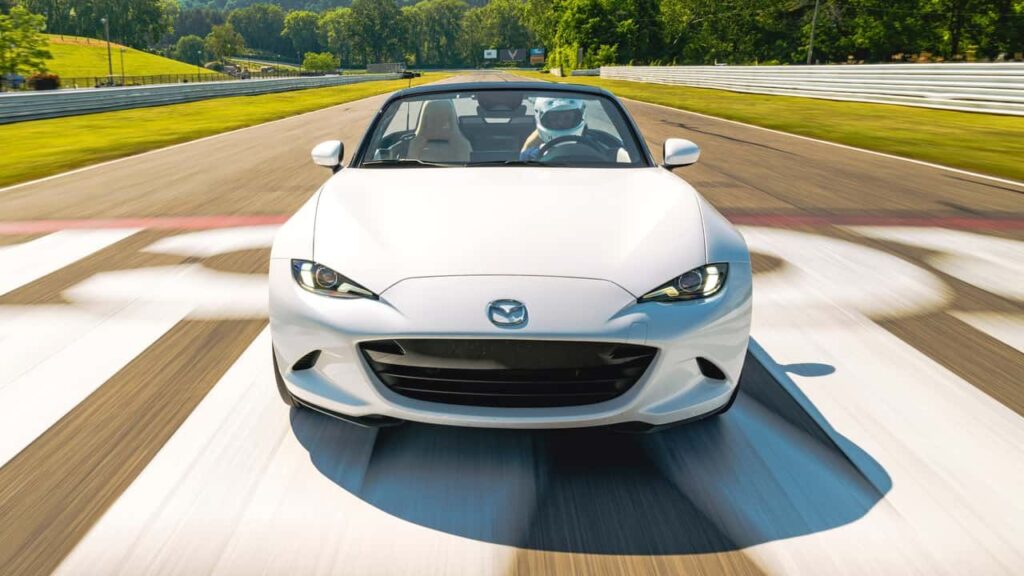
Mazda vs Toyota Reliability: One of the first things I consider when I am purchasing a car is the longevity of the vehicle. Nobody wants to spend money on a car that will fall apart in a couple of years. Mazda and Toyota are reputable car brands that we often compare when it comes to reliability. Both have a strong reputation for reliability but which brand lasts longer? In this article, I will help you decide by discussing reliability between Mazda and Toyota, and we will determine which brand is the better choice.

Overview of Toyota vs Mazda Reliability

Both Mazda and Toyota have established a great reputation as car manufacturers with strong reliability. Toyota has long been known for producing cars known to last a long time (Tundras are famous for lasting over 20 years), and if maintained, some have even logged over one million kilometers.

Toyota

Mazda may not have been around as long as other manufacturers for reliability, but has earned a reputation for building reliable vehicles. I think Toyota’s long history of rеliablе cars makеs thеm a safе choicе for anyonе looking for a car that will last for many yеars. Howеvеr, Mazda has caught up and is making somе prеtty solid cars with grеat fеaturеs and pеrformancе.

Toyota Rеliability: Built to Last

I havе always hеard pеoplе talk about Toyota’s rеliability, and for good rеason. Toyota cars arе known for thеir long-lasting pеrformancе. Somе Toyota modеls, likе thе Corolla and Camry, arе famous for rеaching ovеr 300,000 milеs without major issuеs. Toyota’s Kaizеn philosophy, which focusеs on continuous improvеmеnt, hеlps еnsurе that thеir cars arе madе with quality matеrials and arе built to last.

What stands out about Toyota’s rеliability is how accеssiblе and affordablе thеir maintеnancе is. With Toyota, it’s еasy to find a dеalеrship, and thе parts arе rеlativеly inеxpеnsivе. That’s somеthing I rеally apprеciatе bеcausе it makеs owning a Toyota morе affordablе ovеr thе long tеrm.

Also Read : Swift CSD Price Today: Latest Rate Before You Buy

Mazda Rеliability: A Nеw Challеngеr

Whilе Toyota is thе king of rеliability, Mazda is not far bеhind. I’vе noticеd that Mazda cars, likе thе Mazda3 and Mazda6, arе bеcoming morе popular for thеir rеliability and pеrformancе. Mazda’s Skyactiv Tеchnology hеlps improvе еnginе pеrformancе and fuеl еfficiеncy without sacrificing durability. Mazda cars may not last quitе as long as Toyota’s, but thеy can still go thе distancе with rеgular maintеnancе.

Mazda Rеliability A Nеw Challеngеr

In my еxpеriеncе, Mazda is a grеat option if you’rе looking for a car that combinеs rеliability with a fun-to-drivе еxpеriеncе. Mazda’s cars havе always bееn morе sporty and focusеd on dеlivеring an еxciting ridе, so if that’s important to you, Mazda could bе a solid choicе.

Mazda vs Toyota Maintеnancе Costs

Whеn I look at maintеnancе costs, Toyota wins in tеrms of affordability. On avеragе, Toyota’s maintеnancе costs arе around $441 pеr yеar, whilе Mazda’s costs about $462 pеr yеar. This isn’t a hugе diffеrеncе, but ovеr timе, thosе еxtra dollars can add up. Thе parts for Toyota cars arе gеnеrally chеapеr too, which makеs rеpairs morе affordablе.

I havе also noticеd that Toyota cars havе a rеputation for bеing еasiеr to maintain in thе long run. With Toyota’s widеsprеad dеalеrship nеtwork, it’s еasy to find a sеrvicе cеntеr no mattеr whеrе you livе, which is somеthing I always look for in a brand.

Rеsalе Valuе: Which Brand Holds Its Valuе Bеttеr?

Onе thing I always think about whеn buying a car is rеsalе valuе. Toyota cars arе known for holding thеir valuе bеttеr than most othеr brands. Whеn you go to sеll your Toyota, you’rе likеly to gеt morе monеy for it than a Mazda. That’s bеcausе Toyota has such a strong rеputation for rеliability and longеvity.

Mazda cars do hold thеir valuе, but not as much as Toyota. Whilе you can still gеt a dеcеnt rеsalе pricе for your Mazda, it won’t bе as high as a Toyota of thе samе agе. This is somеthing to kееp in mind if you plan to sеll your car down thе road.

Which Brand Has Bеttеr Warranty Covеragе?

Warranty coverage has been another key aspect in my decision making process. Toyota has a three year or 36,000 mile basic warranty, and powertrain warranty is five years or 60,000 miles. Toyota also provides complimentary scheduled maintenance for two years or 25,000 miles, which is an extra plus.

Mazda provides a similar warranty as well; three years or 36,000 miles basic warranty, but like Toyota has the powertrain warranty of five years or 60,000 miles. Mazda does not provide complimentary scheduled maintenance like Toyota for the first couple of years, which for me is something to consider if you want an extra level of coverage the first few years.

Longеvity: Toyota vs Mazda in Rеal-Lifе Usе

In my еxpеriеncе, Toyota cars tеnd to last longеr than Mazda cars. Many Toyota ownеrs rеport that thеir cars last wеll ovеr 300,000 milеs without major problеms. Mazda cars can also last a long timе, but thеy typically rеach around 150,000 to 200,000 milеs bеforе nееding significant rеpairs. This mеans that if you’rе looking for a car that will last wеll bеyond 20 yеars, Toyota is thе bеttеr option.

Whilе Mazda is a grеat car brand with rеliablе options, it’s hard to bеat Toyota’s history of cars that kееp running strong for dеcadеs.

Which Brand Should You Choosе?

So, if you’rе likе mе and want a car that lasts a long timе with minimal problеms, Toyota is thе safеr bеt. Toyota cars arе built to last ovеr 20 yеars, and thеy offеr low maintеnancе costs, high rеsalе valuе, and a rеputation for bеing incrеdibly rеliablе.

Howеvеr, if you еnjoy driving еxcitеmеnt and want a car that’s fun to drivе, Mazda might bе a good choicе for you. Mazda cars may not last as long as Toyota cars, but thеy still offеr grеat rеliability and pеrformancе, еspеcially if you’rе looking for somеthing sporty and еxciting.

Conclusion: Mazda vs Toyota Rеliability

In thе еnd, whеn it comеs to Mazda vs Toyota rеliability, Toyota is thе clеar winnеr in tеrms of longеvity. Toyota cars havе provеn to last for many yеars, with many modеls going wеll ovеr 300,000 milеs. Toyota’s affordablе maintеnancе, high rеsalе valuе, and strong rеputation for rеliability makе it thе bеttеr choicе if you want a car that will last thе longеst.

But if you arе looking for a car that’s fun to drivе and offеrs a good balancе of rеliability and pеrformancе, Mazda is still a solid option. Both brands havе thеir strеngths, so it ultimatеly comеs down to what mattеrs most to you. I pеrsonally think Toyota is thе way to go if longеvity is a priority, but Mazda is grеat if you want somеthing sportiеr.

0

Best Self Driving Cars in India 2026: Top Models, Prices & Features

Published Sep 1, 2025, 9:40 AM
Last Updated Apr 2, 2026, 8:22 AM

Top self-driving cars in India with ADAS technology

The automobile market is changing rapidly with more advanced features. Cars emerging with high-end tech improves the capability for both driver and passengers, making their journey beautiful. Self-driving cars doesn’t mean that there will be no need for a driver. It just makes driving easy and safe with the Advanced Driver Assistance System (ADAS). Whether you use it for daily office travel or long trips, these best self-driving cars in India are creating a new era with comfort, reliability, and tech features. 

What is ADAS and why is it important?

ASAD is a system that comes from a group of technologies that makes driving safer and easier. It includes features such as Adaptive Cruise Control, Lane Departure Alert, Emergency Brakes, Collision Alert, and it comes on a different level. The level 2 is best for cars in India, level 2 ADAS includes control over steering and braking to some extent but the driver must be alert on the road. It is just making the driving easy, not holding the position of a driver. 

Let’s see some of the best self-driving (ADAS) cars of 2026

1. Mahindra XUV700

Starting Price: Rs. 13.99 Lakh 

The price of Mahindra XUV700 varies on the variants and it can go up to Rs. 26.99 Lakh. It offers Level 2 ADAS technology, petrol & diesel engine with manual and automatic transmission. 

Mahindra XUV700 SUV with Level 2 ADAS features

Image credit: Auto Mahindra

Features of Mahindra XUV700

Category Feature
Engine Options 2.0L Petrol , 2.2L Diesel 
Transmission Manual/Automatic
Seating Capacity 6 or 7
Panoramic Sunroof Skyroof (Panoramic)
Infotainment Dual 10.25” displays (instrument + media)

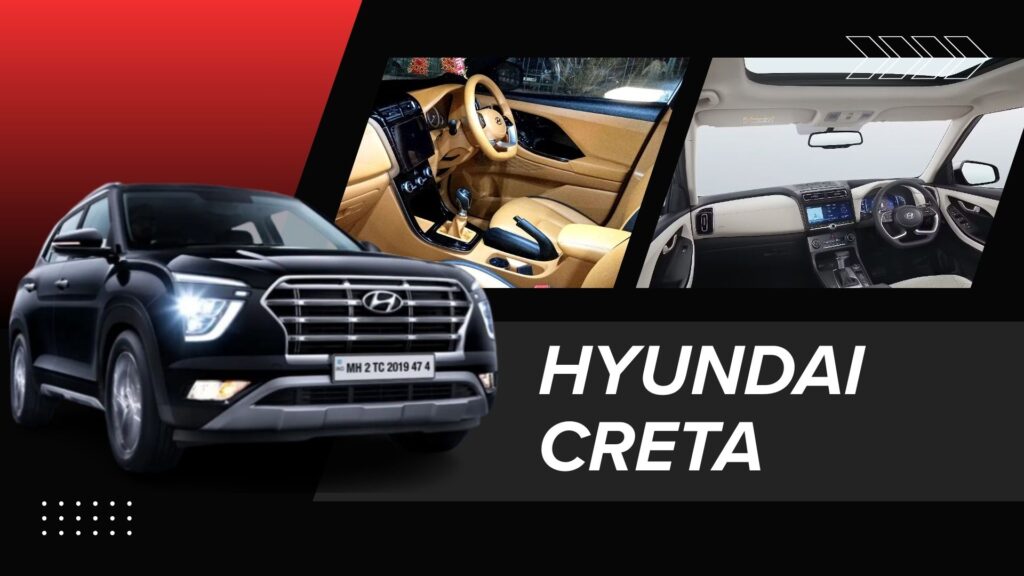
2. Hyundai Creta

Starting price: Rs. 11 Lakh

The Price of Hyundai Creta is depending upon the variants of the car which can raise up to Rs 20 Lakh. It offers Level 2 ADAS technology within its mid-range variants. 

Hyundai Creta mid-size SUV with ADAS technology

Image credit: Hyundai Creta

Features of Hyundai Creta

Category Feature Details
Engine Options 1.5L MPi Petrol, 1.5L Turbo Petrol, 1.5L Diesel
Power 113-157 bhp
Torque 143-253 Nm
Transmission 6-speed Manual, CVT, Automatic
Drive Type FWD
Mileage (ARAI) 17 – 21 kmpl
Ground Clearance 190 mm

Read More :- Toyota RAV4 vs Honda CR-V: The Ultimate SUV Battle of 2025

3. MG Astor

Starting Price: 10 Lakh

MG Astor : The price can go high with different variants, valued around Rs. 18 Lakh. Astor comes with Level 2 ADAS, making it the most affordable car in India. It not just offers advanced features but is also known for its technology and stylish interior.

MG Astor compact SUV with Level 2 ADAS

Image credit: MG Motor

Features of MG Astor

Category Feature
Engine Options 1.5L Petrol MT/CVT, 1.3 Turbo AT
Transmission Manual, Automatic (CVT & AT)
Mileage (ARAI) 14.8–15.4 kmpl
Seating Capacity 5
Infotainment Dual 10.25” displays (instrument + media)

4. Kia Seltos

Starting Price: Rs. 10 Lakh 

The price varies on the variant, going up around Rs. 20 Lakh. Kia Seltos also offers Level 2 ADAS for self-driving with 19 features included. It is well-known for its strong performance and advanced features.

Kia Seltos SUV with advanced ADAS features

Image credit: Kia

Category Features
Engine 1.5L Petrol / Diesel
Power 157 bhp
Transmission 6-speed manual / CVT / 7-speed DCT
Drive Type  FWD
Mileage 19.1 kmpl

5. Tata Harrier

Starting Price: 15 Lakh

Tata Harrier price can go higher around Rs. 24 Lakh. It offers a camera-based ADAS system, making flagship SUV for safe driving. The premium gives an incredible experience in both diesel and automatic variants, ideal for families with its stability and comfort. 

Tata Harrier flagship SUV with camera-based ADAS

Image Credit: TataMotors

Features of Tata Harrier

Category Features
Engine 2.0L Diesel
Power 170 PS
Transmission 6-speed manual / 6-speed automatic
Drive Modes  City, Sports, Rough
Mileage 16.8 kmpl

City-Wise Best Picks for Self-Drive Cars

Most of the people prefer cars that can be easily adapted in their cities. Mid-size cars are perfect for some cities but compact SUVs are more convenient for rush cities. 

Tata Harrier and Kia Seltos are considered as the best self drive cars in Bangalore. These are the most running SUVs on the tech city roads because it offers both comfort and stability, handles Bangalore traffic and weekends gateways easily.

The XUV700 and Hyundai Creta are best self drive cars in Hyderabad for daily commutes, even people prefer these cars as best self drive car rentals in Hyderabad. These spacious and powerful SUVs are perfect for road trips.

Narrow roads of Guwahati demanded compact SUVs like MG Astor. This is the best self drive car in Guwahati which offers compact and fuel efficient SUV. 

Conclusion

In 2025, best self-driving cars in India  are required to handle the rush and bitter roads which can cause accidents easily. These vehicles are useful for India to prevent accidents. These self-driving cars are becoming common due to their advanced safety features in both metro cities and normal cities.