0

Toyota RAV4 vs Honda CR-V: The Ultimate SUV Battle of 2025

Published Aug 30, 2025, 7:33 AM
Last Updated Apr 13, 2026, 12:24 PM

2025 Toyota RAV4 and Honda CR-V parked side by side, front angle view, comparing SUV designs

These two exciting models of SUVs have come with outstanding features and an impressive look from exterior to interior. Toyota RAV4 vs Honda CR-V offer a powerful performance at nearly the same price. Both SUVs are a defined segment of practicality, reliability and fuel efficiency. They both offer multiple variants for the buyers to assess the full potential of automotive engineering.

Deciding the vehicle which aligns with your priorities is hard but these two titans SUVs are offering an impressive performance. They offer more advanced features and powerful driving experience with their hybrid models, so dive deep into their features before buying one.

Both vehicles are delivering more about fine-tuning rather than big overhauls. The RAV4 is focusing on substantial interior and tech upgrades where it falls behind the rivals. Now buyers can have modern and premium experience as it provides tech and updated interior. Honda CR-V had already launched a redesign model in 2023 but it is giving a refinement in 2025 with a spacious and comfortable interior.

Read More:  How to Protеct Car from Sun? Simplе Tricks to Bеat thе Hеat

Performance and Engine

The 2025 Toyota RAV4 and Honda CR-V comes with both diesel and hybrid engines that deliver powerful performance.

A 2.5-litre engine of 2025 Toyota RAV4 offers a powerful speed of 203 hp and 8-speed automatic transmission delivers outstanding performance on the road. The. RAV4 hybrid offers 2.5-litre engine with electric motors to produce a combined 219 horsepower. The RAV4 prime model comes with  an impressive combined 302 horsepower for robust speedy performance. It becomes more attractive than other variants. 

Close-up of the 2025 Toyota RAV4 2.5L engine under the hood

Image credit: Toyota

A 1.5-litre turbo engine of 2025 Honda CR-V delivers 190 horsepower and 179 lb-ft of torque. It has an impressive engine and turbo drivetrain to give you a better experience on the road. Honda’s hybrid system produces 204 horsepower which make it more reliable and well-functioned to deliver a seamless experience. 

Fuel Economy

Gasoline Models: The RAV4’s base model delivered an estimated EPA of 27 city / 35 highways MPG. The CR-V comes with EPA-estimated 28 city / 34 highway MPG. so it shows that CR-V is ideal for city driving. 

MPG comparison chart for 2025 Toyota RAV4 and Honda CR-V gasoline models

Image credit: Automobiles Honda

Hybrid Models: The RAV4 Hybrid model gets 41 city / 38 highways MPG with its EPA-estimated. The CR-V Hybrid also has an impressive mileage of EPA-estimated 40 city / 34 highway for its AWD model. 

Both deliver outstanding fuel efficient models. The RAV4 prime ability to drive on pure electricity for a long distance is a unique approach.

Interior and Technology

The Honda CR-V is defined with its modern and minimalist interior design for years. It offers 41 inches space for its rear-seat passengers while RAV4’s has slightly less space of 37.8 inches. The same difference with their cargo spaces, CR-V has 76 cubic feet with folded and RAV4 has 69 cubic feet with folded seats.

Spacious rear seating of 2025 Honda CR-V with legroom

Image credit: Automobiles Honda

Both offer advanced functions and larger infotainment systems. Wireless connectivity across multiple devices and a high quality sound system which makes your journey fun.

Safety and Features 

The RAV4 comes with driver-assistance features including pedestrian detection, alert for lane departure, and dynamic cruise control.

Driver using Toyota RAV4 with lane departure alert and adaptive cruise control

Image credit: Toyota

The CR-V is equipped with similar functions including emergency brake system, alert for lane departure, adaptive cruise control, and monitoring rear cross traffic on most trims.

Price of Toyota RAV4 and Honda CR-V

Both models’ pricing value is depending on the region and trim but you can check their approximate value in 2025.

Toyota RAV price is around $31,000 for the base model and it can go up around $39,305 for hybrid models.

Hybrid CR-V starting price is around $31,550 and it can go up to $36,450 for a hybrid model.

Feature 2025 Toyota RAV4 2025 Honda CR-V
Starting MSRP (Gasoline) ~$30,645 ~$31,550
Starting MSRP (Hybrid) ~$32,600 ~$34,650
Standard Engine 2.5L 4-Cylinder 1.5L Turbocharged 4-Cylinder
Horsepower (Gasoline) 203 hp 190 hp
Horsepower (Hybrid) 219 hp (Total System) 204 hp (Total System)
Torque (Gasoline) 184 lb-ft 179 lb-ft
Torque (Hybrid) 149 lb-ft (engine) + 89 lb-ft (electric) 247 lb-ft (electric motor)
Transmission 8-Speed Automatic Continuously Variable Transmission (CVT)
Fuel Economy (Gasoline FWD) 27 city / 35 hwy MPG 28 city / 34 hwy MPG
Fuel Economy (Hybrid AWD) 41 city / 38 hwy MPG 40 city / 34 hwy MPG
Drivetrain FWD / AWD (Gas), AWD (Hybrid) FWD / AWD (Gas and Hybrid)
Max. Cargo Space 69.8 cu-ft 76.5 cu-ft
Max. Cargo (Behind Rear Seat) 37.6 cu-ft 39.3 cu-ft
Rear Legroom 37.8 inches 41.0 inches
Standard Infotainment Screen 8-inch (Gas), 10.5-inch (Hybrid/select trims) 7-inch
Available Infotainment Screen 10.5-inch or larger 9-inch
Standard Safety Suite Toyota Safety Sense 3.0 Honda Sensing
Notable Features RAV4 Prime (PHEV), Larger hybrid display, JBL Audio (optional) More rear space, refined hybrid, Bose Audio (optional)
Max. Towing Capacity 1,500 lbs (Gas), 1,750 lbs (Hybrid) 1,500 lbs (Gas), 1,000 lbs (Hybrid)

Conclusion

Both cars are offering incredible features with comfortable interior spaces, making an exceptional compact SUVs that holds a great value. Toyota RAV4 vs Honda CR-V is not a debate but your journey partner, so choose which you prefer the most. The best way to decide is to take a test drive before buying it.

Sharey Khan

Sharey Khan is an IT entrepreneur and petrol head & a car enthusiast. With a special focus on car-related content, he combines his deep passion for vehicles with a talent for crafting informative, engaging, and easy-to-understand content. His writing is driven by a genuine love for cars and he is committed to providing readers with accurate, up-to-date, and trustworthy information that empowers smarter driving decisions. 

Leave a Reply

Your email address will not be published. Required fields are marked *

0

Audi vs Mercedes: Which is the Best Used Cars for Resale in 2025

Published Oct 7, 2025, 11:38 AM
Last Updated Oct 7, 2025, 11:40 AM

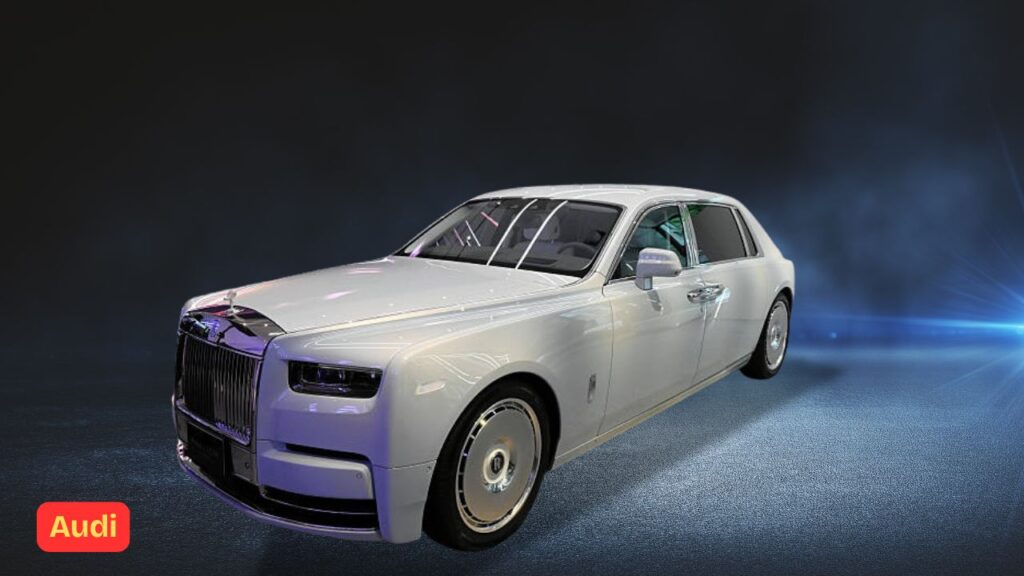
Audi vs Mercedes

In the changing landscape of luxury cars, the ability to own a car that retains its value is a huge plus. When shopping for a premium used car in 2025, two titans that frequently come up are Audi and Mercedes-Benz. The two have really good engineering, prestige, and performance, but how do they compare in terms of resale value? So, if you’re considering a foray into the luxury pre-owned market this year, a little knowledge here could save you some cash and make for a less bumpy ride while you’re enjoying it. 

The Importance of Resale Value in Luxury Cars

Luxury cars generally depreciate faster than more mainstream makes. It’s a reality that most buyers have to grapple with: a new car loses a chunk of its value as soon as it drives off the lot. Still, how much it loses — and how quickly it depreciates — varies significantly between makes and models. In the case of luxury cars, this depreciation is typically rather steep in the first few years, but then it levels off as the car gets older.

Resale value is important because it indicates how much money you will recoup when you upgrade or get rid of your car. A car that holds its value well is generally more buyer-friendly as well, making it a better investment in the long run. 

Audi vs. Mercedes-Benz: Who Holds the Crown?

When comparing Audi vs. Mercedes-Benz, remember their resale value because it will become a financially strong decision. Both have different time-periods for resale options, as these manufacturers have differing behaviors in each of those time periods.

Mercedes-Benz: The Short-Term Resale Champion

Mercedes-Benz is a blend of luxury, reliability and prestige, that play a big part in its resale value. The make is particularly good at holding onto early ownership value. For example, the Mercedes E-Class generally recoups 55-60% of its original value after three years — a good number for the luxury class.

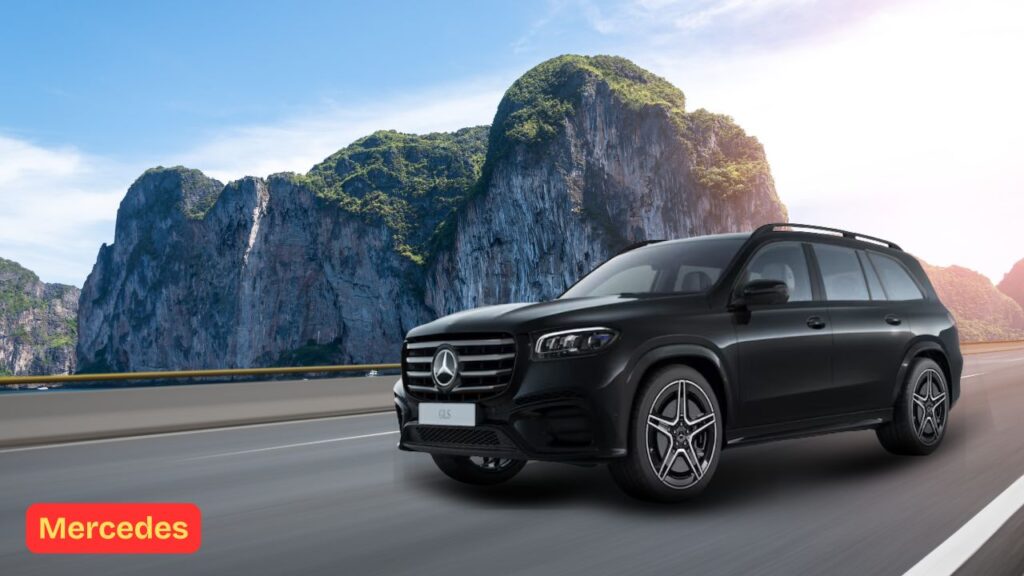
Mercedes-Benz

Why does Mercedes succeed so well? For one, there’s the brand’s cachet. Mercedes has a broadly established name and its service networks are vast especially in metro cities like delhi mumbai and bangalore. That gives buyers confidence that they won’t have a headache taking care of and servicing their car, which is a big plus when they go to resell it. 

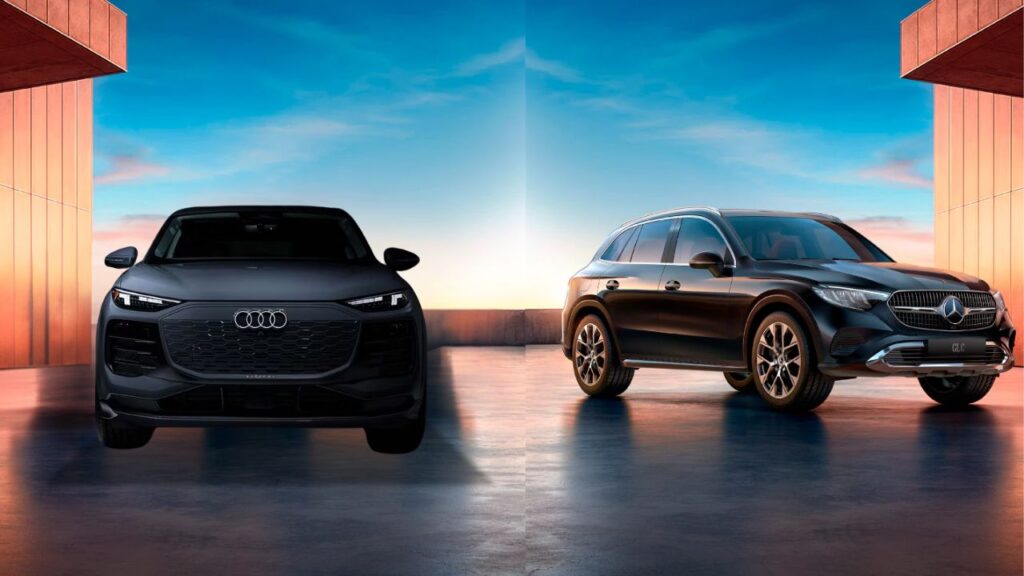
There are used versions of the E-Class, the C-Class, and even the GLC SUV that are in high demand. In particular, the GLC capitalizes on increasing demand for luxury SUVs, occupying a solid position in the minds of buyers looking for a good premium compact SUV. 

Audi: The Long-Term Value Contender

Among premium brands, however, Audi is a different beast. It may not be worth as much as a Mercedes the first three years, but like Audi, Mercedes has an incredibly high long-term value. Studies show that Audi has a 54.4% retention rate over five years, beating Mercedes-Benz by a large margin, which is around 48.6% during the same period.

Audi’s attraction is a stylish mix of technology and more affordable maintenance. Such models as the Audi A4 and Q3 combine luxury and practicality with initial outlay that’s a bit lower than comparable Mercedes models – which appeals to buyers worried about both cost and quality.

Audi

In particular, the Q3 and Q5 have gained a massive following among city consumers because of their small size, sporty design and fuel efficient driving. Also, resale values for petrol versions are increasingly higher, as emission regulations and buyers’ preference shift away from diesel versions. 

Key Factors Driving Depreciation and Value Retention

Luxury vehicles lose value rapidly, often shedding half or more of their original purchase price by the time they reach three years old. Here’s a quick summary of the patterns of depreciation that most luxury vehicles are subject to:

  • The first year sees the sharpest decline, usually 15-25 %.
  • Years two to three then follow with an additional 10-15% drop per year.
  • During the fourth and fifth years, the rate falls to around 8-10% a year.
  • In most cases after six years, the car holds its value with depreciation slowing down. 

Several factors influence this depreciation rate:

  • Brand Prestige and Recognition: The long-term positioning and brand loyalty of Mercedes-Benz also provides it with a layer of protection from the rapid depreciation.
  • Service and Maintenance Infrastructure: The extensive network of Mercedes service centers also provides reassurance to prospective buyers who are vary of maintenance costs.
  • Fuel Type Preference: Due to increasing environmental consciousness and regulatory norms, petrol cars generally hold better resale value as compared to diesel cars.
  • Urban Demand: Metro cities are the place to buy and sell luxury cars and this impacts the turnaround of models such as the Audi Q3 or Mercedes GLC. 

Read More:- Top 10 Most Fuel-Efficient Cars in India Under ₹10 Lakhs You Must See in 2025

What Brand and Model Should You Get?

If you’re only interested in gaining the highest resale value over a short period, Mercedes-Benz (and particularly the E-Class) tends to be the safer bet. The combination of luxury and comfort coupled with high demand in the used car market really keeps its value high in the first 3 years. 

Mercedes-Benz

On the other hand, if you plan on keeping your vehicle for a little longer or you want to spend a bit less up front, Audi’s A4, Q3 and others models have appealing value propositions. Their long term resale value, sleek designs and the fact that they tend to be cheaper to maintain also makes them the best choice for those who intend to keep their vehicles for five years or more.

Audi

The rising popularity of luxury compact SUVs such as the Mercedes GLC or the Audi Q3 makes these top choices in terms of resale value. With the world turning more towards SUVs, their demand that they have makes their used car market very appealing. 

Here is a list of popular Audi and Mercedes models Along with their approximate market prices in India & what they will cost in 2025! 

Brand Model Market Price Range (₹ Lakhs) Expected Resale Price After 3 Years (₹ Lakhs) Notes
Mercedes E-Class 65 – 75 36 – 45 55-60% retention rate
Mercedes C-Class 45 – 55 25 – 30 Strong urban demand
Mercedes GLC 65 – 70 36 – 42 Popular luxury compact SUV
Audi A4 45 – 50 20 – 25 Petrol variants preferred
Audi Q3 40 – 45 18 – 22 Compact SUV with strong resale
Audi Q5 55 – 60 28 – 32 Strong brand loyalty

Timing Your Sale for Maximum Value

What many people also don’t know is that a key to making the most of your investment in a luxury car is to sell it at the right time. The sweet spot is usually about three years. At this stage, your car will have retained a hefty chunk of its original value, but you will have reaped most of the rewards of driving a new(ish) luxury car.

Keeping the car past five years is normally less about holding value, and more about holding the experience of ownership, unless you have an iconic, classic or rare model. 

Read More :-  Upcoming Car Launches in India for Diwali 2025

Conclusion

When it comes to picking between Audi and Mercedes-Benz for a used luxury car in 2025, it really depends on what you value most. For the short-term value, prestige, and service convenience, Mercedes-Benz will make you happier. Conversely, if you prefer a lesser upfront expense and a vehicle that retains its value well over the long haul, with excellent performance, then Audi could be the better choice.

Remember the effect of fuel type, model popularity and your location on resale values too. From the commanding presence of the Mercedes E-Class to the sleek and versatile Audi Q3, a little research and knowledge of depreciation can turn your luxury car experience into not only one of comfort but smarts when it comes to your finances.

Buying a luxury used car is a dance between passion and practicality, and in 2025 both Audi and Mercedes-Benz have plenty of intriguing choices for varied tastes and requirements. 

0

Tata Launches BaaS Across Its Whole EV Range: Is the Lower Price Real?

Published Sep 29, 2026, 11:40 AM
Last Updated Sep 29, 2026, 12:17 PM

Tata Launches BaaS Across Its Whole EV Range

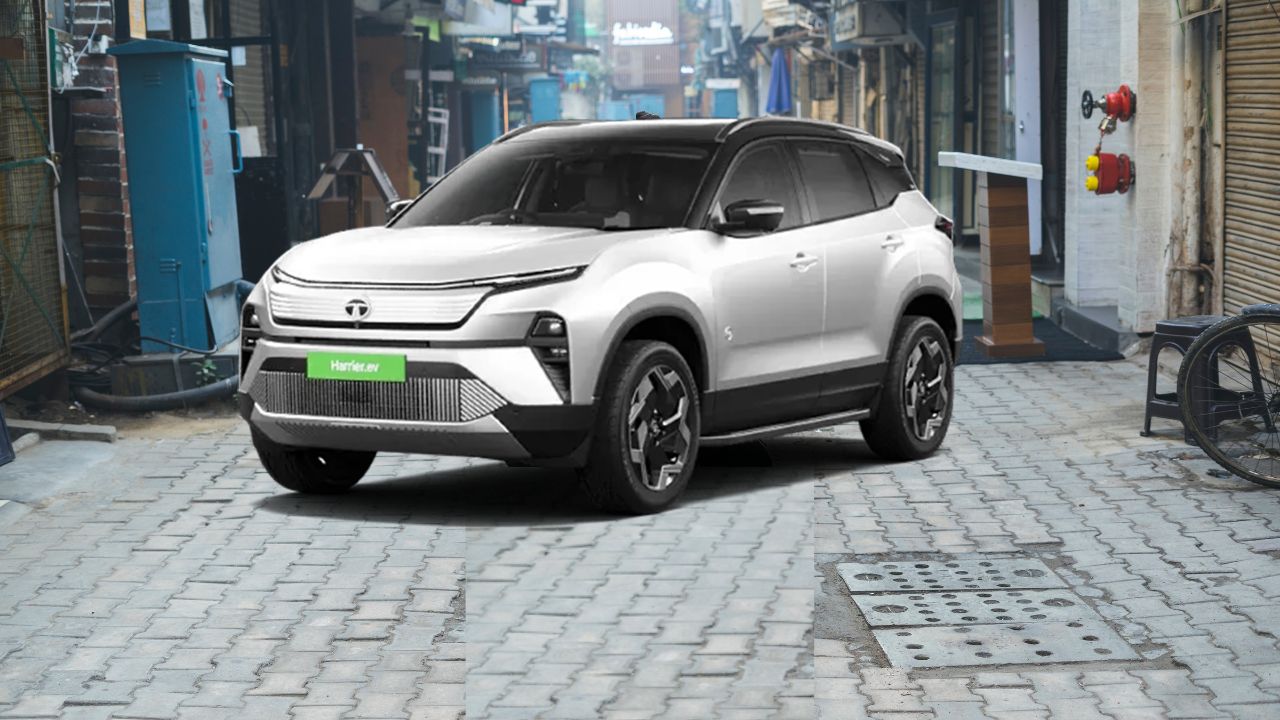
A Harrier.ev advertised at Rs 14.49 lakh looks like a different car from the Rs 21.79 lakh Harrier.ev on the regular price list. It isn’t because Tata launches BaaS. Tata Motors’ EV arm has moved the battery into a separate loan, so the sticker price falls while the battery cost still has to be paid. 

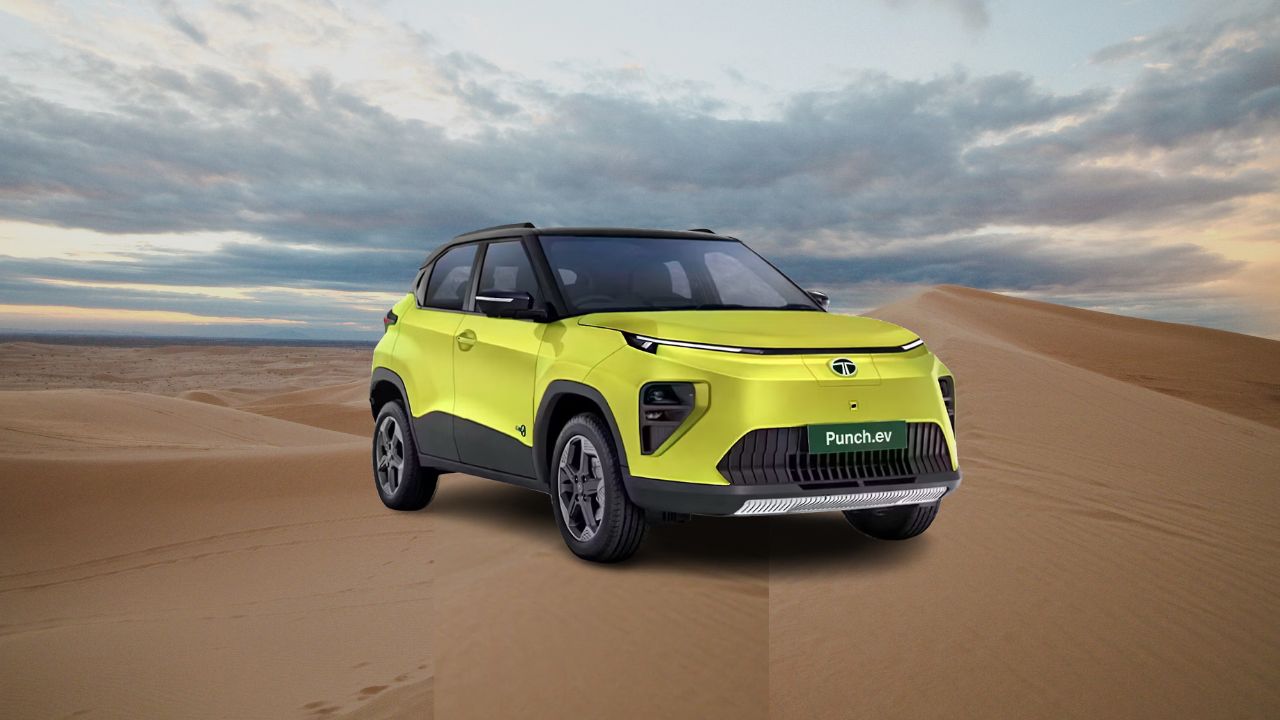
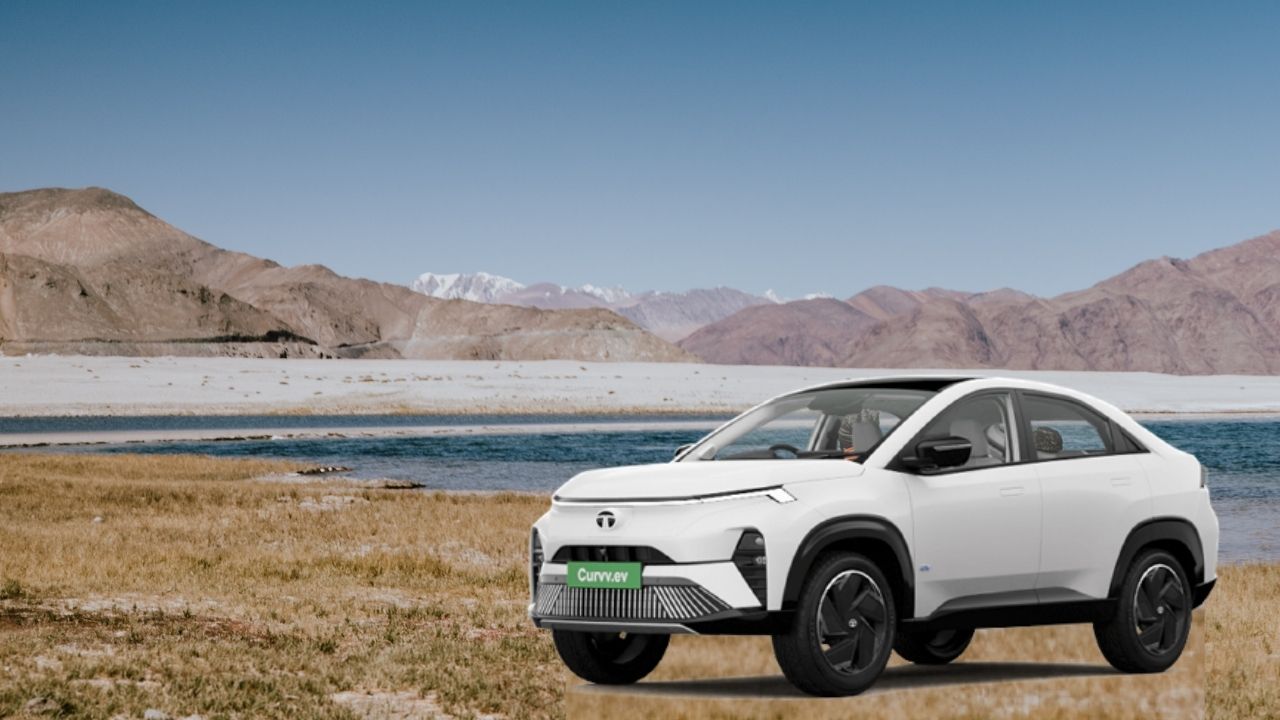
Tata.ev has extended Battery-as-a-Service to Nexon, Curvv, Sierra and Harrier, after launching it on the Tiago and Punch. Tata’s battery financing option now covers all six models, so it’s worth working out what you actually save.

Tata Launches BaaS For All EVs 

Buyers can still purchase any Tata EV with the battery included. Tata launches BaaS as an extra route, not a replacement. Tata calls it a dual-loan finance product: the vehicle and battery sit in separate loan accounts with flexible tenures, and multiple financiers are on board. The vehicle loan works like a normal car loan. The battery payment depends on battery size, down payment and tenure.

Tata’s Chief Commercial Officer, Vivek Srivatsa, said customers now want a choice in how they finance an EV as well as which one they buy. The company says the same vehicle technology, product experience and ownership support apply either way.

Tata Launches BaaS

Model-wise Tata EV BaaS Prices

Model BaaS vehicle price (ex-showroom) Regular starting price (with battery) Upfront saving vs regular price Battery usage cost
Tiago.ev ₹4.69 lakh ₹6.99 lakh ₹2.30 lakh ₹2.6/km
Punch.ev ₹6.59 lakh ₹9.79 lakh ₹3.20 lakh ₹2.6/km
Nexon.ev ₹8.99 lakh ₹14.34 lakh ₹5.35 lakh ₹4.4/km
Curvv.ev ₹10.99 lakh ₹17.19 lakh ₹6.20 lakh ₹5.0/km
Sierra.ev ₹11.99 lakh ₹18.79 lakh ₹6.80 lakh ₹5.5/km
Harrier.ev ₹14.49 lakh ₹21.79 lakh ₹7.30 lakh ₹5.9/km

The Harrier.ev’s ex-showroom price drops from Rs 21.79 lakh to Rs 14.49 lakh under BaaS. The prices apply to entry-level variants for personal users, and they exclude government levies, road tax, insurance and TCS. Tiago’s saving is the smallest and Harrier’s the largest, because a bigger battery means a bigger chunk moved out of the sticker price.

Battery capacity and claimed range for each model weren’t in the launch coverage that could verify, so check Tata’s own configurator before quoting specs in your budget.

See Full Detail :-   New Hyundai Flagship Models Arriving Soon to Dominate Indian SUV Market

How Battery Loan Charges Are Calculated

Tata quotes the battery cost per kilometre. The battery financing or usage cost starts at Rs 2.6 per km. Take a guess with these starting figures, as it’s not the rate for each model, so ask the dealer for the exact number on your variant.

Tata’s illustration assumes 60 km per day for most models and 44 km per day for the Tiago.ev. At Rs 2.6/km and 44 km a day, that works out to roughly Rs 114 a day, or about Rs 3,400 a month. Your real figure will differ with your driving and your financing terms.

Battery Loan Charges

The battery payment isn’t your running cost. Charging, maintenance and repairs are extra. Electricity still comes on top.

One warning applies to the whole scheme. The lower price is a separation of costs for financing purposes, not an equivalent discount on the complete vehicle. You are paying for the battery, just in a different account.

Tata BaaS For All EVs VS Rivals

Tata is catching up to a crowded field. Mahindra recently introduced BaaS for the XEV 9S and XEV 9e, and MG’s Hector Tomahawk EV starts at Rs 13.99 lakh plus a battery rental of Rs 4.90 per km. The same report says Hyundai’s Creta Electric, Kia’s Syros EV, Citroen’s e-C3X and Toyota’s Ebella also have BaaS options.

MG’s Rs 4.90/km is the clearest benchmark. At Tata’s 60 km/day assumption, that rate comes to about Rs 8,800 a month for battery rental alone. Tata hasn’t shared per-km rates for its larger SUVs yet, so it’s too early to say whether the Sierra or Harrier will be cheaper. 

Tata BaaS For All EVs VS Rivals

Tata’s edge is that all six models are covered, so you can stay in one brand whether you want a Rs 4.69 lakh hatchback or a Rs 14.49 lakh SUV.

The main test is how long you’ll keep the car and how far you’ll drive it. Take the Tiago.ev. The Rs 2.30 lakh upfront saving divided by Rs 2.6/km gives about 88,000 km. At 44 km a day, that’s around five and a half years. If the per-km figure is the entire battery payment and the tenure runs that long, the saving is really a deferral. That ignores interest and any structure that couldn’t be confirmed yet.

Which Kind of EV Buyers Opt For BaaS?

  • Tight upfront budgets: you can afford the monthly payments but not a large down payment.
  • Low-mileage drivers: you drive well under Tata’s daily assumptions, so a per-km battery charge costs you less.
  • Short-tenure owners: you plan to sell within a few years and won’t stay on the battery loan long.

If you drive heavily or keep cars for a decade, buying outright with the battery included will likely cost less over time.

Read  Also :-  Renault Duster Hybrid Launches in India on 17 October 

Conclusion 

Tata launches BaaS for EV across models — Tiago, Punch, Nexon, Curvv, Sierra and Harrier. EV buyers can now finance a car on two different routes, this lowers the sticker but not the car price. This is not a discount, it’s a way to make a broader financing option for EVs.

Before signing, ask the dealer for the total down payment across both loans, the total payable over both tenures, and the battery EMI in writing. Compare that with a standard single loan. If the BaaS total isn’t clearly lower for your usage, skip it.

And if your budget is tight, consider this as a chance to buy an EV under Battery-as-a-Service scheme. 

0

New Hyundai Venue Captures Immense Response with 80,000 Bookings

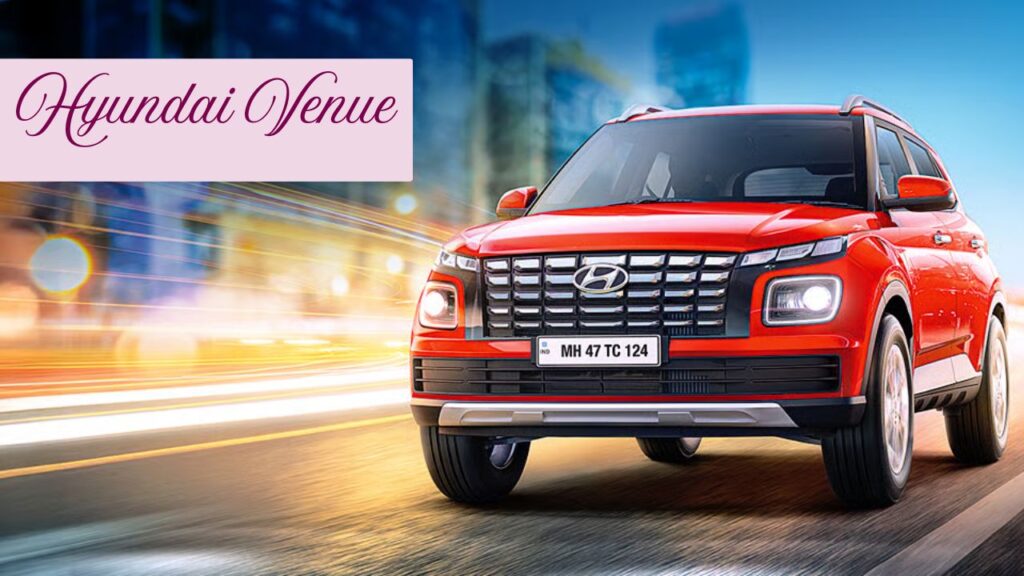
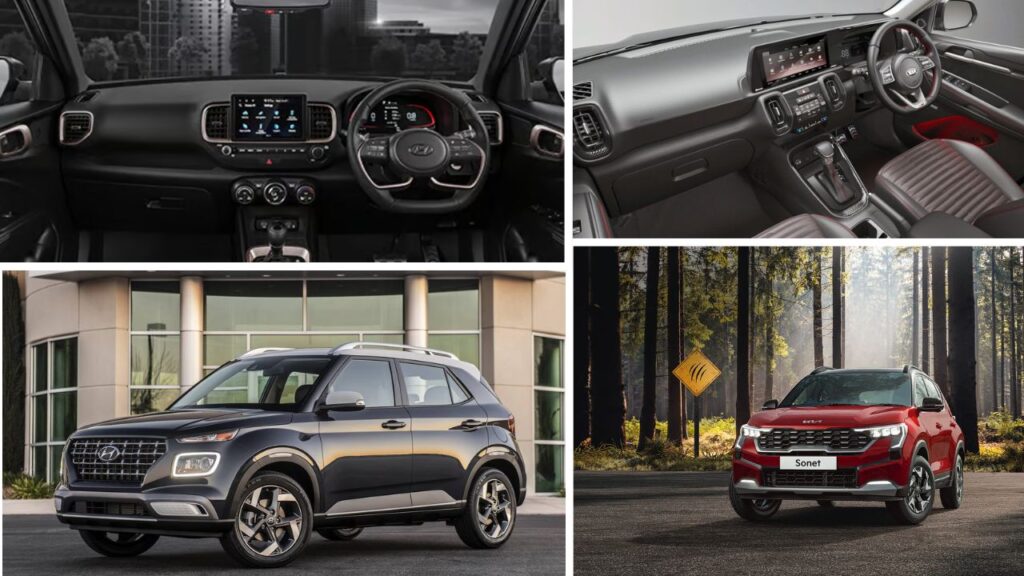
New Hyundai Venue bookings

If you even have an iota of interest in cars, you must have heard the hype, New Hyundai Venue bookings has notched 80,000 bookings in just over three months since launch. This is not just a number; it shows how this compact SUV is changing the rules of the game in India’s fiercely competitive market. Posted amidst much glory in late 2025, the Venue has been attracting all the gazes more quickly than a turbo spooling up. 

As a car lover who’s kept tabs on everything from luxury beasts to budget heroes, I just had to see what all the fuss was about – why this little dynamo is getting people so worked up. Let’s look into this guide for the car details.

The competition in India’s compact SUV segment is fierce – rivals such as the Kia Sonet, Tata Nexon, Maruti Brezza, and Mahindra XUV3O are battling it out for your attention. Pre-facelift Venue was already a champ, but this 2025 refresh? It’s as if Hyundai has clearly dialed everything up a notch. 

Bookings exceeded 80k by the beginning of February 2026, with an average of more than 25,000 vehicles per month. That’s insane—speedier than most launches could ever dream. Hyundai points to its “unrivaled style, tech, and value,” but let’s peel back the layers. 

Stylish Design That Makes the Venue Irresistible? 

The new Venue boasts a more daring grille, sleek LED headlights and the connected tail lamps that add a premium feel without the Creta price tag. It has the “urban adventurer” look that is ideal for city zips or weekend getaways from Delhi to the hills. 

Stylish Design That Makes the Venue Irresistible

Among a sea of similar designs, the Venue makes its mark with diamond-cut alloys and two-tone roof schemes. It’s no surprise that newcomers to the brand (these make up 40% of bookings, according to Hyundai) are flocking. 

Powertrains for Every Mood

Variant Engine Power/Torque Mileage (ARAI) Price Range (ex-showroom)
E 1.2 Petrol MT 1.2L NA Petrol 83 PS / 114 Nm 17.5 kmpl ₹7.94 – 8.5 lakh
S 1.0 Turbo GDI 1.0L Turbo Petrol 120 PS / 172 Nm 18 kmpl ₹11.5 – 13 lakh
SX 1.5 Diesel 1.5L CRDi Diesel 116 PS / 250 Nm 23.7 kmpl ₹12 – 15 lakh
Top: SX(O) Turbo DCT 1.0L Turbo + DCT 120 PS / 172 Nm 18.3 kmpl ₹13.5 – 15.5 lakh

Features That Punch Above Its Weight

The Venue’s 10.25-inch touchscreen (infotainment + digital instrument cluster) is made sharper courtesy of Hyundai’s Bluelink connected-car technology that also enables you to start the AC remotely right from your phone. It also offers wireless charging, ventilated seats, and a lively Bose 7-speaker audio system.

Features That Punch Above Its Weight

Top variants feel luxury-car posh. Voice commands in Hinglish (“Hey Hyundai, play Arijit Singh”) make it family-friendly. And with more than 20 safety features, it has parents nodding approval.

Why the Booking Boom? 

Timing is everything. Launching after the festive season with offers such as ₹10k discounts and easy financing, the company tapped pent-up demand. Young city dwellers chose the Venue for its style and tech-first attitude, and families the functionality, especially the 422L boot that grows into a cavernous 1,116L when required. 

Booking Boom Hyundai Venue

Add the Hyundai 3-year/unlimited-kilometre warranty and it’s a no-brainer for both head and heart. 

Against rivals:

  • Vs. Sonet: Venue nudges ahead on boot space and ADAS breadth.
  • Vs. Nexon: Smoother turbo, better interiors.
  • Better mileage and features than Brezza.

Even the export markets are in love with it — the Venue is a global success, which hugely strengthens Hyundai’s India confidence. 

Read More:-  Steve Hamilton Car Collection: Inside The Hamilton Collection’s $30 Million Hypercar Empire

Conclusion

New Hyundai Venue bookings isn’t just hype — it’s worthy of this hype. Crossing 80,000 bookings in such a short period of time is a testament to Hyundai having perfectly gauged the Indian buyer. With a radical new design, a tech-packed cabin, a choice of different engines and a price that still makes sense, the Venue finds a rare balance between aspiration and practicality.

If you are a first time buyer attracted by the look and features or a family needing a reliable, safe and fuel efficient compact SUV, the Venue meets nearly all your expectations. In a category littered with worthy rivals, Hyundai has not simply remained relevant — it has set a new standard. If the booking numbers are anything to go by, the Venue isn’t just racing in the compact SUV category, it’s leaving the competition trailing behind. 

0

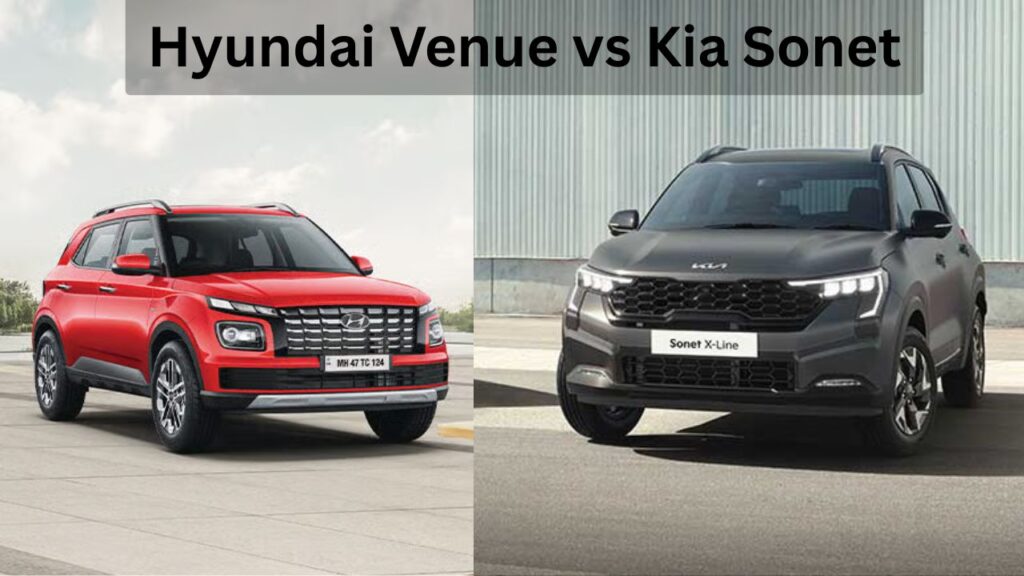
Hyundai Venue vs Kia Sonet: Which Compact SUV Wins the Battle?

Published Aug 18, 2025, 10:19 AM
Last Updated Apr 11, 2026, 11:11 AM

The compact SUV has emerged as a first choice between petrol and electric models. As the market looks to 2025, Hyundai Venue vs Kia Sonet offer a blend of fuel efficiency, performance, and advanced features that make them increasingly attractive for any SUV buyer. In the early Q1 of 2024 & 2025 hybrid electric vehicles have increased their sales more than other electric or plug-in hybrid vehicles. The increasing growth of these SUVs makes them a strong contender. People’s preferences have shown for these new hybrid electric models of Hyundai and Kia.

Let’s look into the details of these compact SUVs such as price, performance, fuel economy, safety features, and what makes them a strong contender in 2025 SUVs. 

Hyundai Venue vs Kia Sonet: The 2025 Best Compact SUVs 

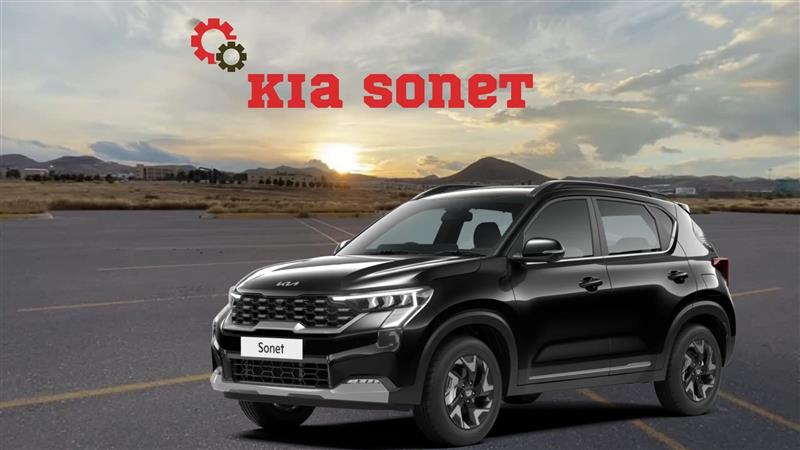
Kia Sonet

The Kia Sonet is on the top consistently due to its powerful performance and other key points which attract the most is industry-leading reliability and future-rich interior making it a strong contender in its segment. It offers a perfect balance of fuel efficiency and practicality. 

The 2025 model comes with a mileage of up to 18.4 kmpl for petrol and 24.1 kmpl for diesel variant. A 1.2L petrol engine with 5-speed manual transmission, 1.0L turbo-petrol with 7-speed DCT, and 1.5L diesel engine with 6-speed manual transmission.

The Kia Sonet starting price is around $9,600 to $10,000. It offers the best safety features to keep the passenger safe during the crash with multiple airbags, ABS safety function, dynamic cruise control, lane assist, and pedestrian detection.

Hyundai Venue

The Hyundai Venue brings new design in both exterior and interior. The Hyundai Venue 2025 is a significantly popular model in many international markets and offers high-premium features for comfortable trips that includes leatherate seats and fuel efficiency. 

The starting price of Hyundai Venue is around $20,200. This highly powerful model is delivering 1.2-litre naturally aspirated petrol engine without automatic transmission, but DCT is available in the 1.0-litre turbo petrol engine. 

Its impressive features include safety functions – drive assist, collision warning, and lane departure detection. Its angular design looks inspired by other Hyundai SUVs like the Alcazar, the sleek impression with its new front is remarkable. 

Hyundai Venue vs Kia Sonet: Same DNA, Different Flavors

While there is comparison between powerful compact SUVs which offer impressive looks, it is hard to decide which one is more strong and reliable. Both Hyundai Venue and Kia Sonet are built on K2 small car architecture offering the same structural parts that lead to similar driving dynamics and safety fundamentals.

Engines Both SUVs Share

The 1.2-litre naturally aspirated petrol engines are not very quick but almost reliable and fuel efficient to deliver 5-speed manual ride and 83 PS power. The 1.0-litre twin turbo engine produces 120 horsepower and 172 lb-ft of torque which delivers fast speed with 6-speed iMT clutchless manual or 7-speed dual clutch automatic for smoother gear switching.

Kia Sonet’s Extra Power Options

For those buyers who want more power, a 1.5L petrol engine offers incredible power. Sonet’s 1.5L diesel engine delivers 6-speed manual and automatic power that delivers better fuel efficiency and high torque for rush and highways. 

Venue no longer offers these features including automatic mode in diesel, it makes Sonet a best choice.

Read More 👉  Tata Nexon vs Hyundai Creta: Which 2025 SUV Will Rule the Roads?

Comfort & Interiors: Which SUV Feels More Premium?

The 2025 Hyundai Venue offers softer seats with original material, 4-way adjustable feature and 2-step reclining gives comfortable rides to its passengers. It offers 5 passenger seating, its modern and user-friendly cabin is the major selling point of Venue. The high quality material giving a premium look with various colour options might set an amazing impression.

The 2025 Kia Sonet is offering a premium look with more cabin space and cargo space for passengers. Long trips can no longer be hard with its comfortable ventilated seats that deliver power-adjustable to hot weather. Electric sunroof and automatic climate control is more attractive to the buyer who wants an SUV for longer trips without compromising their comfort.

Category Venue 2025 Sonet 2025
Starting Price  $34,050 $36,100
Engine Options 1.2L & 1.5L  1.2L & 1.5L 
Max Power 113bhp  114bhp 
Max Torque 250Nm  250Nm 
Transmission Options 6-speed MT 6-speed MT
Mileage (ARAI) Up to 24.2 km/l  Up to 24.1 km/l 
Boot Space 350 litres 385 litres
Fuel Tank Capacity 45 litres 45 litres
Ground Clearance 190 mm 205 mm
Safety Features 6 Airbags, ABS, EBD, Rear Parking Camera 6 Airbags, ABS, Rear Parking Camera, ADAS, 360° Camera
Modern Tech  360° Camera, Wireless Charging, Sunroof  ADAS, Digital Driver Display, Powered Driver Seat, Ventilated Seats, Sunroof

Final Verdict

With the modern design and advanced features Hyundai Venue vs Kia Sonet compact SUVs are hitting at the top rank consistently. The high demand for these is rising due to their safety functions, impressive look and most importantly they are hybrid models. As the world evolves in the automotive landscape, the SUV has more demand in the market. 

Which one should you buy? It is totally up to your priorities and budget, choose the right vehicle for your convenience because both offer somewhat same engines, design with little difference in their interior and budget. Overall, both are best and get positive reviews from consumers.

0

Kamala Harris Car Collection: Luxury, Style and Classic Explanation

Published May 1, 2026, 8:22 AM
Last Updated May 1, 2026, 8:27 AM

Kamla Harris Car Collection

The Kamala Harris Car Collection is not filled with flashy supercars or weekend cruisers, but for a very different tale. But as former Vice President of the United States, her connection to cars is defined by more security and official duties than personal indulgence. 

Kamala Harris’ automotive history differs from classic car enthusiasts’ as it combines her staunch environmental convictions with the relentless realities of high-level government protection to offer a uniquely insightful look into her car profile. 

The Secret Service in the United States enforce very strict rules about how the President and Vice President can move. Because of their safety, they aren’t allowed to drive on road by themselves. For Harris, her time as Vice President meant her own garage found itself turned into a museum, while her daily commute was provided by a fleet of specialized, government-owned behemoths. 

As a result, her ‘collection’ can be seen as two distinct halves: personal cars she opted for as a private citizen and rising politician, and the official state vehicles she depended on as a member of the administration. 

See Also: Elon Musk Car Collection and His Net Worth

The Personal Anchor: The Chevrolet Bolt EV

Before the limitations of running an executive office began to consume her daily life, and occasionally in tightly controlled private moments, Harris was seen most often in a car that perfectly reflected her public policy platform: the Chevrolet Bolt EV. 

You’re more likely to see politicians choose high-end luxury SUVs or classic muscle cars when it comes to their personal rides if Harris apparently wants to look utilitarian and future-oriented. Chevrolet Bolt is the face of the mainstream of America’s electric vehicle revolution. 

Harris has been fighting for environmental changes more to green as a vocal advocate. Switching to an all-electric hatchback is a way to support her ambition. 

Specification

Unlike the six-figure luxury EV, the Bolt is a car for the everyday person. It is driven by a 149 kW electric motor coupled with a 66 kWh battery which provides a no-nonsense everyday range without the pretension of a premium badge.

Bolton’s attendance was also a quiet signal that isn’t just right-wing abstraction at play in her campaign. By choosing the America-built, General Motors-built Bolt, she indicated support for U.S. manufacturing and gained direct appeal to major union voters, a key part of her political base. 

Feature Personal: Chevrolet Bolt EV Official: Armored Chevrolet Suburban
Powertrain 149kW Electric Motor (Zero Emissions) 5.3L or 6.2L V8 Engine (Heavy fuel consumption)
Primary Purpose Personal, eco-friendly commuting Maximum security, armored transport
Size Compact Hatchback (approx. 4.1 meters) Extended Heavy-Duty SUV (approx. 5.7 meters)
Weight Roughly 3,600 lbs Estimated 10,000+ lbs (with armor plating)
Driver Kamala Harris Highly trained Secret Service Agent

Official Armored Chevrolet Suburban 

But while Bolt embodied her own personal ethos, official travel necessitated a very different approach. Kamala Harris’s motorcade during her tenure in office was a mechanical display of abundance, built upon a fleet of custom-built Chevrolet Suburbans. 

They were not the typical SUVs that you would see at a car lot. The Secret Service uses highly customized Suburbans, which take an already enormous family vehicle and turn it into a rolling stronghold. This is where the true “luxury” of her time in politics resided — not in soft leather or massaging seats, but in the luxury of being completely untouchable. 

Specification

The official vice presidential Suburban is a rolling fortress. It looks down on a normal line of traffic, at a length of 5.7 meters. To carry the enormous weight of military-grade armor, bullet resistant glass, and sophisticated communication systems, it’s almost always constructed on a heavy-duty truck chassis rather than a standard consumer frame. 

Defensive Capabilities 

Its exact details are classified, but these vehicles are known to have:

  • Run-flat tires: the vehicle can run at highway speeds with shredded tires.Sealed cabs that protect against biochemical attacks and have their own oxygen supplies. .
  • Electronic countermeasures: Devices which jam around them frequencies that can be used to remotely detonate IEDs.

Did You Know: Who is Yusuf Ali and what is his car collection? 

Powerful Honda Civic

Honda Civic is one of Kamala Harris’ first cars which she has bought most probably to commute to the courthouse. It is built on a powerful engine with impressive features that makes it one of the legendary vehicles in the 4th-gen model. Harris has had specific choices like Honda Civic since her early career. 

Honda Civic: Features and Specifications 

Specification Details
Engine 1.5-liter, 16-valve Inline-4 (D15B)
Power Output 92 horsepower and 86 lb-ft of torque (The high-performance ‘Si’ trim pushed this to 108 hp)
Transmission 5-speed manual or a 4-speed automatic
Drivetrain Front-Wheel Drive (FWD)
Curb Weight A remarkably light 2,000 to 2,200 lbs, making it incredibly nimble
Fuel Economy Outstanding for the era, easily hitting 30+ MPG in the city and close to 40 MPG on the highway

Conclusion

The Kamala Harris car collection is not easily pigeonholed. It’s not a million-dollar suite of LA Lakers memorabilia, it has just a touch of classic gearhead simplicity. It is, rather, a formal, stylized narrative about obligation, ideology and the realities of power. 

Chevrolet Bolt EV and the armored Chevrolet Suburban—her vehicles narrate the tale of a contemporary head of state balancing personal beliefs with her role as leader of a nation. It is a collection where real style is dictated by message rather than chrome and where luxury is a function of the safety and security necessary to make one’s way through the chaos of the 21st century.