0

Tesla Cybercab: How Much Will the Driverless Robotaxi Cost?

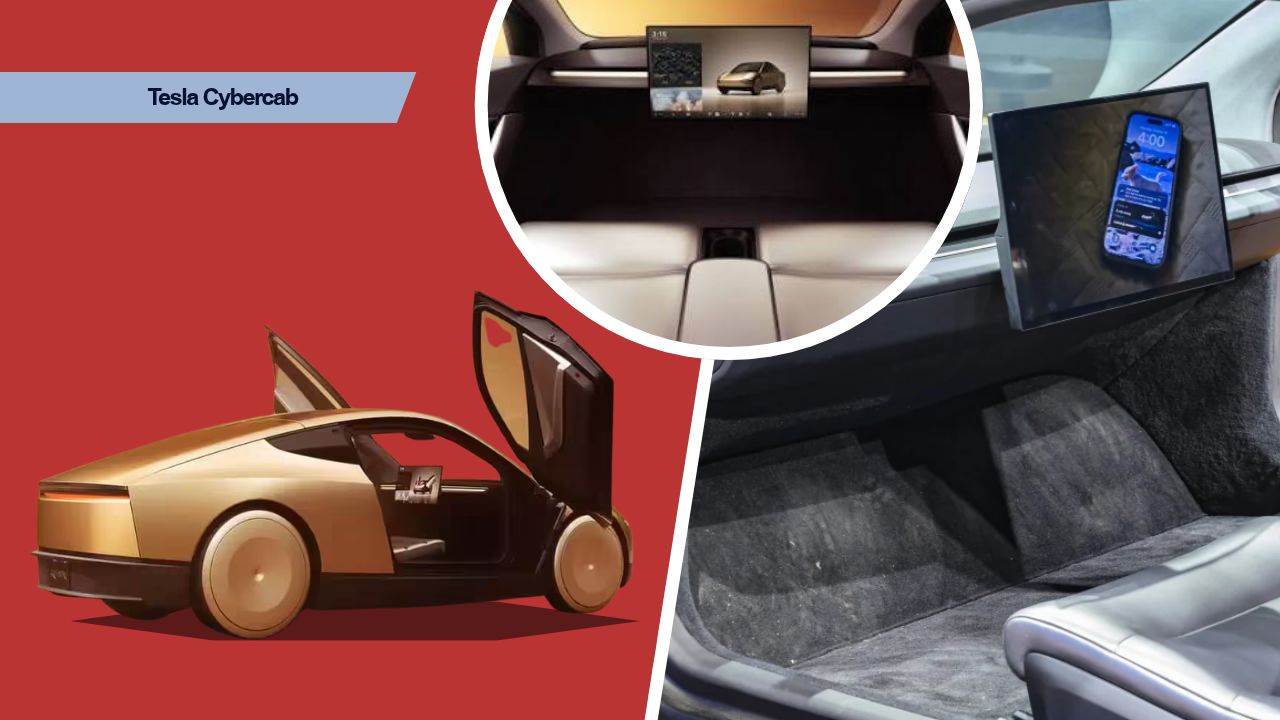
Tesla Cybercab

Driverless Robotaxi, Tesla Cybercab is cost around $29,990, plus a $299-a-month “Autonomy Subscription.” At roughly ₹95 to the dollar, that’s about ₹28.5 lakh before anything else is added. The Tesla Cybercab is specifically designed by Tesla as a two-seat autonomous robotaxi. The vehicle comes without pedals and a steering wheel. It is designed to utilize Tesla’s robotaxi service.

Presently, it is offered in limited areas of Austin, Texas instead of being made available to the general public. Tesla hasn’t announced the Cybercab for India. Let’s take a look at Tesla Cybercab Costs and features.

How Much Does the Tesla Cybercab Cost in the US?

Tesla is inviting select customers to order, with an estimated December 2026 delivery in Austin. The $29,990 is before taxes, and the first month of the subscription is included. The pricing reportedly makes it Tesla’s cheapest car.

Tesla Cybercab Cost in the US

The subscription changes the math. At $299 a month, you pay about $3,588 a year, or roughly ₹3.4 lakh. Over five years, car and subscription together come to about $47,930, or around ₹45.5 lakh. Treat the five-year figure as a working estimate.

👉  Mahindra Scorpio-N vs XUV 7XO: Price, Features and Mileage Compared 

What Tesla Offers For the Money?

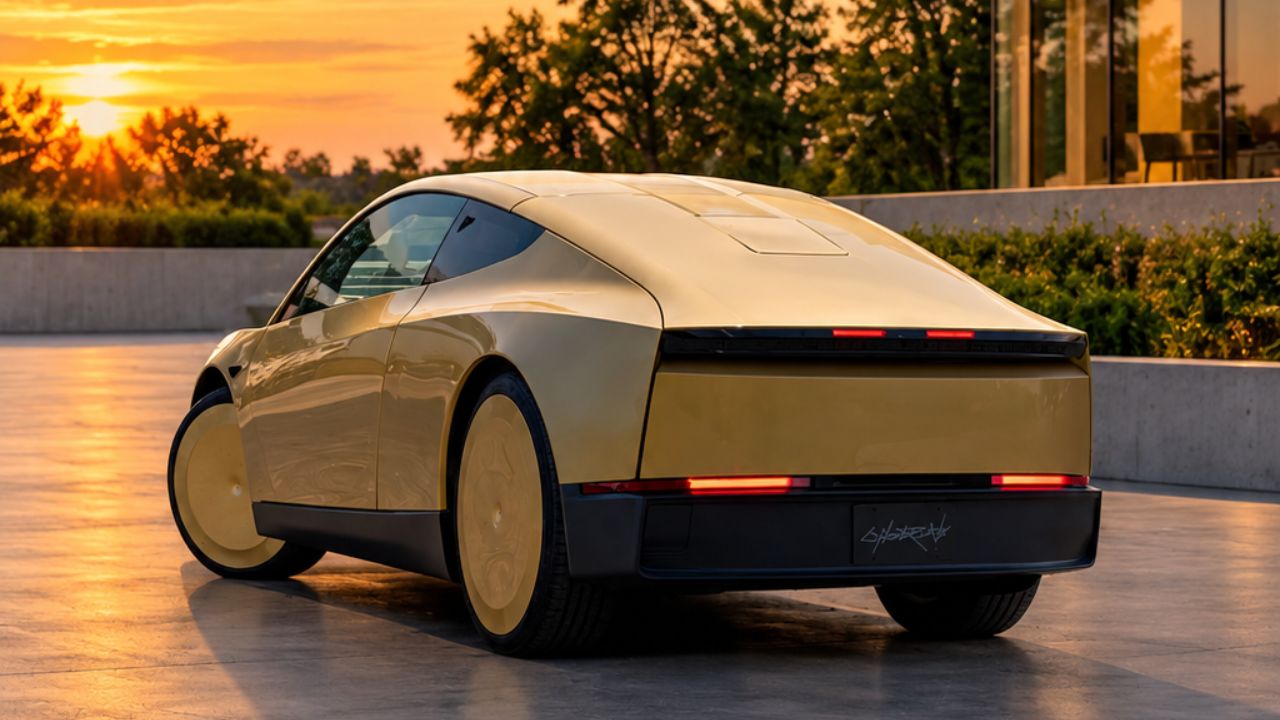
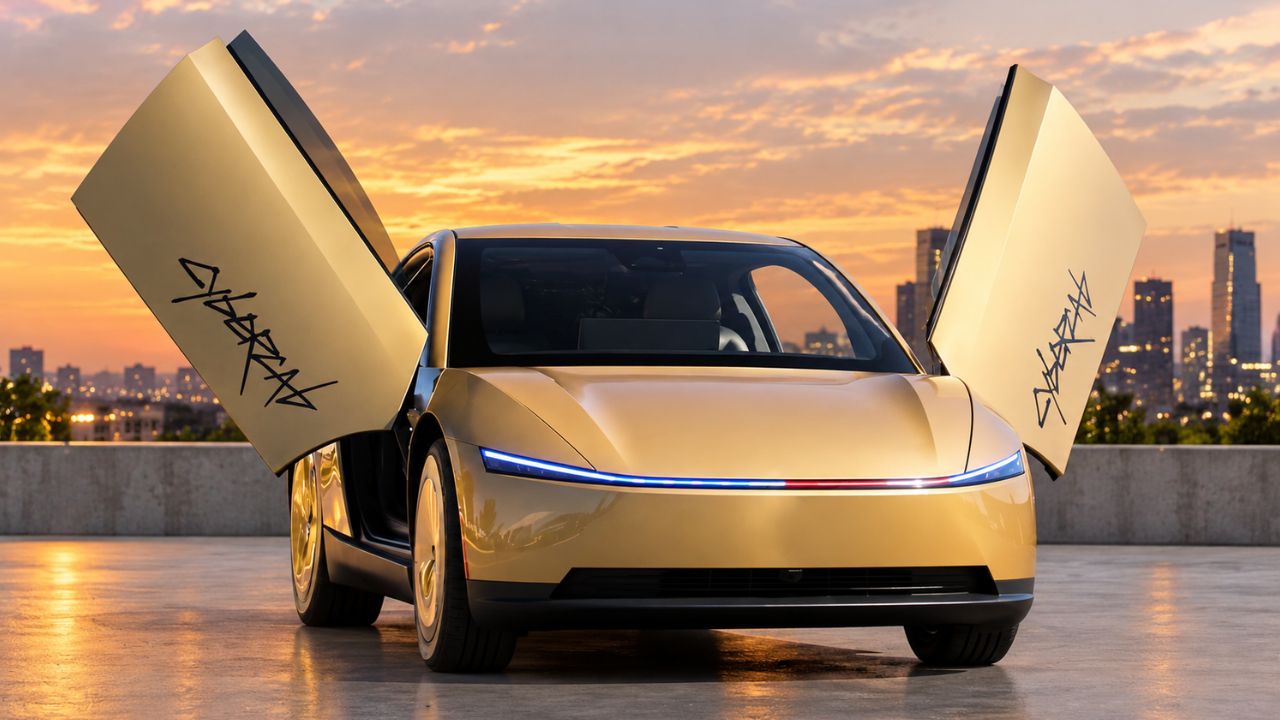
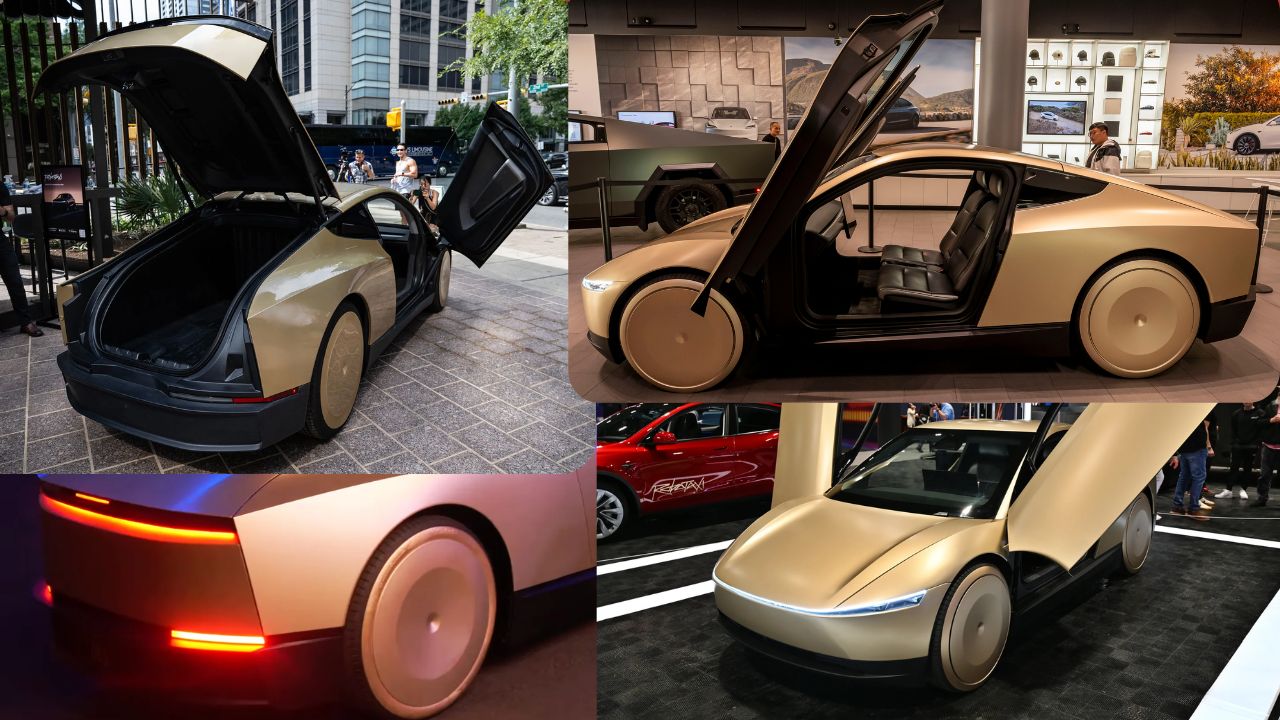
A two-seat, gold-finished car with butterfly doors and no steering wheel or pedals. It is built at Giga Texas using Tesla’s “unboxed” process. Pilot production began in February 2026, and paid Cybercab rides started in Austin on 3 September 2026. Tesla tells customers it will drive unsupervised only in the same geofenced areas as its robotaxi service. Tesla hasn’t published range or battery figures yet.

Customer-owned Cybercabs are reportedly set to join Tesla’s ride network from the second quarter of 2027. The US safety regulator, NHTSA, is also investigating whether a car without manual controls meets federal standards. That could slow sales even in the US.

Tesla Cybercab is not available to purchase in India. A Model Y imported to India starts at ₹59.89 lakh, and Tata’s Nexon EV sits in the low-to-mid teens of lakhs. The Model Y Robotaxi is dissimilar because it was developed from the beginning without equipment for a driver, thus it is not equipped with steering, brake pedal, accelerator, glove compartment, front trunks, and rear windshield.

Tesla Offers

A car at ₹48 lakh that can’t legally drive itself would sit between a premium import and a mainstream EV, with none of the autonomy it was built for. Treat any Indian price you see as a guess.

Tesla Cybercab are fully autonomous, using camera vision and sensors to navigate streets, highways, intersections, and parking areas. An electric vehicle that boasts a usable battery pack of 47.6 kWh, along with an engine of 163 kW and a claimed driving range of 293 miles. Please bear in mind that battery figures and range may be considered preliminary until updated by the Tesla itself.

The vehicle also incorporates user-friendly features like low bench seating for easy transfers to a wheelchair, provisions for transport of mobility aids, Braille text, and assistance from service animals.

Feature Cybercab
Seating Up to 2 passengers
Driver controls No steering wheel or pedals
Doors Butterfly doors; automatic opening/closing
Cargo 20.2 cubic feet rear trunk; Tesla says it fits two checked bags plus two carry-ons
Step-in height 16.5 inches
Ground clearance 5.8 inches
Interior room 38.3 inches headroom, 43.4 inches legroom, 51.9 inches shoulder room, 50.4 inches hip room
Charging Tesla has discussed inductive/wireless charging; final customer-facing charging details remain less clear than the vehicle’s rider features

Inside the cabin

The interior of the Tesla Cybercab has minimal design: two seats, USB-C charge outlets, air conditioning vents, lights, a camera, and a screen that controls the doors, seat position, climate, music.

Tesla Offers For the Money

A STOP button is located in the middle of the lights. Pressing it will halt the journey, contact the support team, and require a stop request to Tesla. The touchscreen also displays safety indicators, including door-lock status, cabin camera and microphone status, and passenger-airbag status.

 👉  Kia India Confirms New ICE & Electric Cars With a Second Plant in Anantapur

Conclusion

The Tesla Cybercab is Tesla’s first vehicle that is specifically designed to be used as an autonomous taxi rather than a regular vehicle with the feature of autonomy. Its immediate meaning is the fact that it is a limited Austin Robotaxi service vehicle, while its wider availability, price model, and real-life performance are still being developed.

Alok Kabir

Alok is an experienced SEO Specialist skilled in blogging and SEO-friendly content creation. He also specializes in Content Optimization and Technical SEO, including website optimization, crawlability, indexing, site speed, and on-page improvements to enhance search rankings and online visibility.

Leave a Reply

Your email address will not be published. Required fields are marked *

0

How to Claim Car Insurance for Own Damage: A Step-by-Step Guide

Published Jul 22, 2026, 9:04 AM
Last Updated Jul 22, 2026, 12:06 PM

How to Claim Car Insurance for Own Damage

Whether it’s a major accident or a minor scratch, damage to your car can leave you wondering what your insurance actually covers. That’s where understanding the Own Damage Cover section becomes important, as many car owners are not fully aware of how it works. Learning How to Claim Car Insurance for Own Damage can help you save money and ensure a hassle-free claims experience.

If you already have a comprehensive car insurance policy, you can claim compensation for damage to your own vehicle—not for damage caused to someone else’s. This is known as an Own Damage (OD) claim. However, simply having coverage isn’t enough. Understanding How to Claim Car Insurance for Own Damage correctly is essential to ensure your claim is processed smoothly and you receive the benefits you’re entitled to.

See Best Cars for Daily Office Commute.

What Counts as “Own Damage”

When your car gets damaged due to reasons that aren’t someone else’s fault or if it is but you are using your own damage cover to get your car repaired instead of relying on the other party’s insurance. 

For instance, your car faces situations including road accidents, collisions, fire, theft, natural disasters like floods, storms, or earthquakes. And even malicious damage like vandalism. That’s where Own Damage covers for repairs.

It is distinct from third-party liability, which covers damage you cause to another person’s vehicle or property. If you want coverage to repair your own vehicle, you need a comprehensive policy (with own damage included) – a third-party-only policy will not assist you in this matter. 

How to Claim Car Insurance for Own Damage

Step 1: Inform Your Insurer Immediately

When car trouble strikes, call your insurer or agent. Many companies allow for damage to be reported within 24-48 hours after the fact, and waiting can make your claim more complicated, or potentially even deny it. Have your policy number ready when you dial — it makes a big difference. 

If another vehicle is involved, or if your vehicle has been stolen or you suffered major damage, report it to the police too. Insurance companies frequently require such documentation, particularly for theft and hit-and-run, so it’s not wasted time even if it seems like you’re doing too much paperwork. You Know that Which Engine Oil is best for Your Car?

Step 2: Get the Vehicle Inspected

When you have reported the claim, the insurer will either arrange for a surveyor to inspect your car or ask you to take your car to a network garage for inspection. Don’t drive the vehicle or do any repairs until this happens — it’s an inspection prior to repair which validates your claim. If you go ahead of time and just fix it, you run the risk of your insurer denying the claim completely. 

Take photos or video of the damage from several angles before anything is touched. Seems like a simple step, but a lot of people forget it in the heat of the moment, and it really helps if there is any argument later on. 

Step 3: Choose Cashless or Reimbursement Claims

You’ll typically have two routes to get your car repaired.

Cashless claim: You bring your car to a garage in your insurer’s network. The insurer pays the garage bill directly, and you only pay the deductible and anything else your policy doesn’t cover. This is the easier, less stressful method and what the majority of people want. 

Reimbursement claim: You have the vehicle fixed at a garage of your choice, pay the full amount and then send the bills to your insurer for reimbursement. This option is good if your favorite garage is not in the insurer’s network, but that means you are paying first and then waiting for the money to come back to you. 

Step 4: Submit the Required Documents

Each insurer requires a unique set of documents, but the standard documents required are:

  • Your policy copy 
  • A filled and signed claim form 
  • Your driving license 
  • Vehicle’s registration certificate 
  • And the repair estimate or bill

In case a third party though or theft is involved, include the FIR or police report as well. 

Missing or incorrect documentation is also a frequent cause of claims being held up, so it’s worth making sure everything’s in order before you submit rather than doing it in dribs and drabs. 

Step 5: Claim Settlement

Once the surveyor approves the damage assessment and your documents are verified, the insurer settles the claim. For cashless claims, they pay the garage directly. For reimbursement claims, the amount is transferred to your account after you’ve paid the garage.

Keep in mind your No Claim Bonus (NCB) will reset if you file an own damage claim, and you’ll have to pay the compulsory deductible plus any voluntary deductible you opted for when buying the policy. For minor damage where repair costs are close to your deductible amount, it’s worth calculating whether filing a claim is even worth it — sometimes paying out of pocket protects your NCB and saves you more in the long run.

A Few Things That Trip People Up

Own damage claims get rejected more often than people expect, usually for avoidable reasons. Driving without a valid license, being under the influence at the time of the accident, using the vehicle for a purpose outside what’s declared in the policy (like using a private car for commercial purposes), or letting your policy lapse before renewal are all common grounds for rejection.

It also helps to know your Insured Declared Value (IDV) going in. This is the maximum amount your insurer will pay in case of total loss or theft, and it directly affects your premium and your payout. Setting it too low to save on premium can leave you underinsured exactly when you need the cover most.

Conclusion for 

Filing an own damage claim isn’t complicated once you know the sequence — report fast, get it inspected before repairs, pick the claim route that suits you, submit clean documentation, and stay aware of how it affects your NCB. The part that actually saves people money and stress isn’t the claim process itself, it’s understanding How to Claim Car Insurance for Own Damage and your policy terms before you’re standing next to a damaged car needing answers immediately.

0

Toyota Hilux Price, Images, Colours & Reviews – Latest Updates & Full Details

Published Dec 1, 2025, 11:54 AM
Last Updated Apr 11, 2026, 11:04 AM

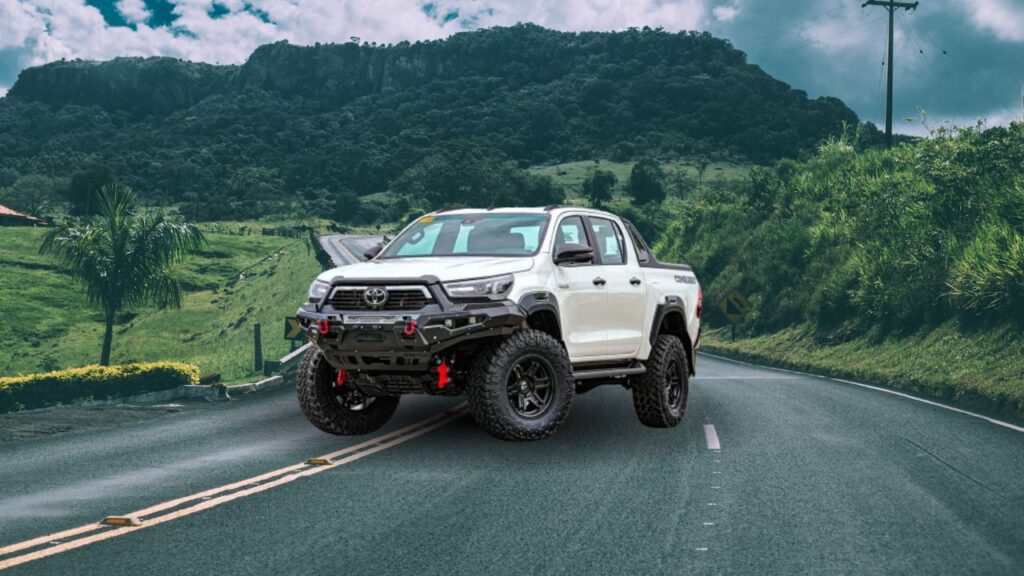
Toyota Hilux

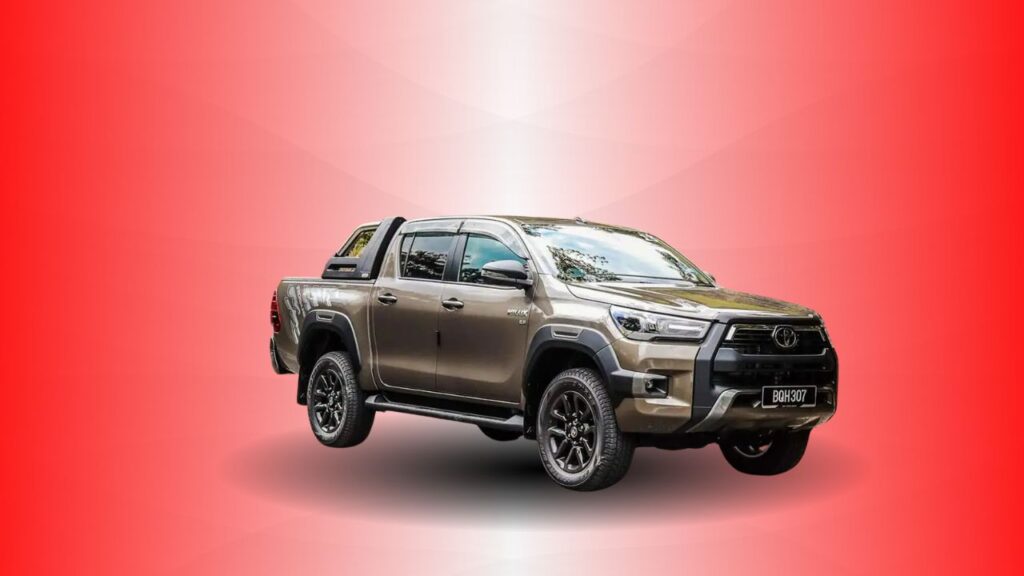
If you want a ride that’s more substance than steel and rubber, the Toyota Hilux is the right car for you. This is no ordinary pickup truck – it’s a four-wheeled legend that snowballed its way over decades of unrelenting performance, rock solid dependability and quality of construction that could only be described as quitting is not an option. Whether you’re an intrepid explorer, a hard-working tradesman, or just someone looking for a ride that will outlast your mortgage, the 2025 Hilux deserves every second of your consideration and dollar. 

Pricing That Reflects Quality

2025 Toyota Hilux Price in India The starting ex-showroom price of the 2025 Toyota Hilux in India is an attractive ₹28.02 lakh for the base Standard variant and climbs up to ₹35.37 lakh for the High automatic transmission variant. 

Toyota Hilux Pricing That Reflects Quality

Additionally, on-road price for this variant can be from ₹33.05 lakh to ₹41.7 lakh depending on your location and the model variant. Now, the best part — owners of Toyota suddenly reduced prices as much as ₹2.53 lakhs in light of GST 2.0 beginning on September 22, 2025. The Hilux ‘generalises’ a lot more without losing any of its famous prowess. 

Multiple Colors Are Available

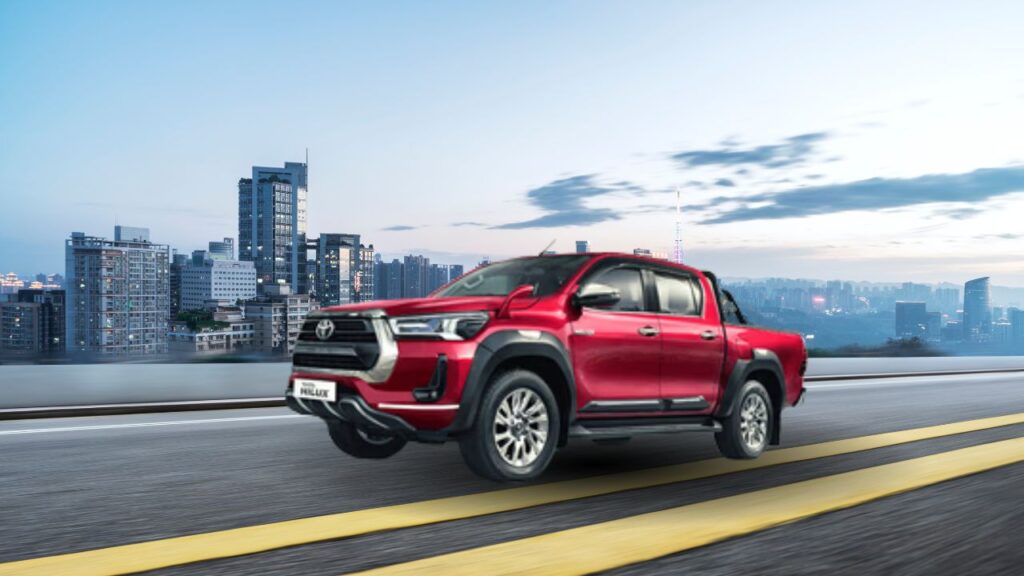
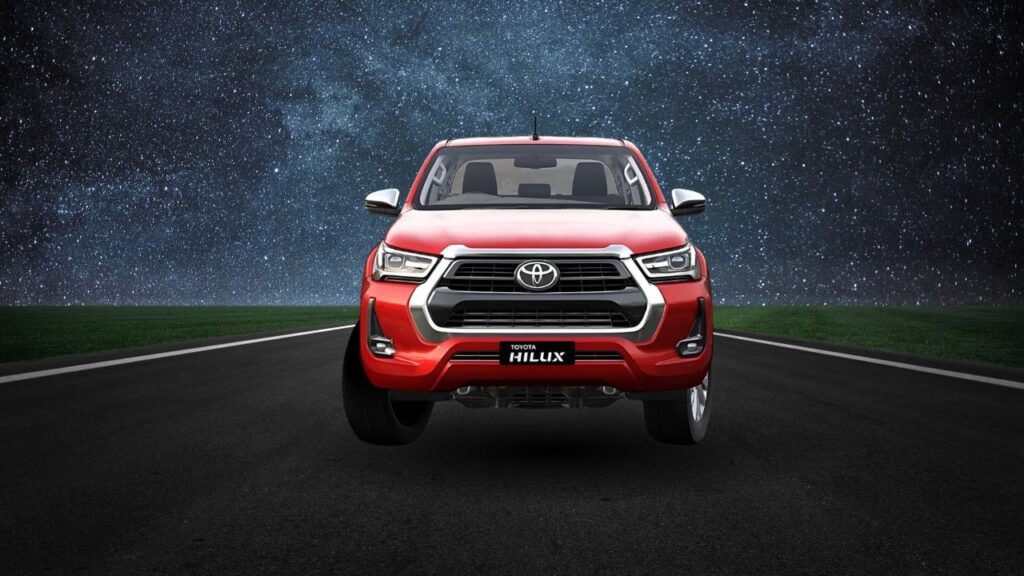
The Hilux is not only available in plain colors – it also comes in stunning versions that allow your personality to shine through. You can pick from four stunning colors: Emotional Red for those who want to stand out, White Pearl Crystal Shine for an elegant look, Grey Metallic for a subtle sophistication, and Super White for a crisp and clean professional look. Every shade is expertly crafted to enhance the pâté of your truck’s bold design and fierce posture. 

Performance That Keeps Your Ride Smooth

This is where the Hilux really comes alive. This pickup truck has a 2.8-liter turbo-diesel engine, which generates 201.15 bhp and 369 lb-ft of torque that makes it a monster on the road or off the road. You can choose between a 6-speed manual gearbox and a 6-speed automatic gearbox based on your variant.​

Toyota Hilux Performance That Keeps Your Ride Smooth

What is it with this engine that’s so special? It makes for excellent real life use. Everyday users claim to get 10-12 kmpl with a highway mileage of 12-13 kmpl. The engine seems smooth, alert and completely reliable. The power is smooth at all rpm and because you really need to know with loaded up with goods, so is the torque at the bottom-end or? 

Comfortable Interior With Modern Technology

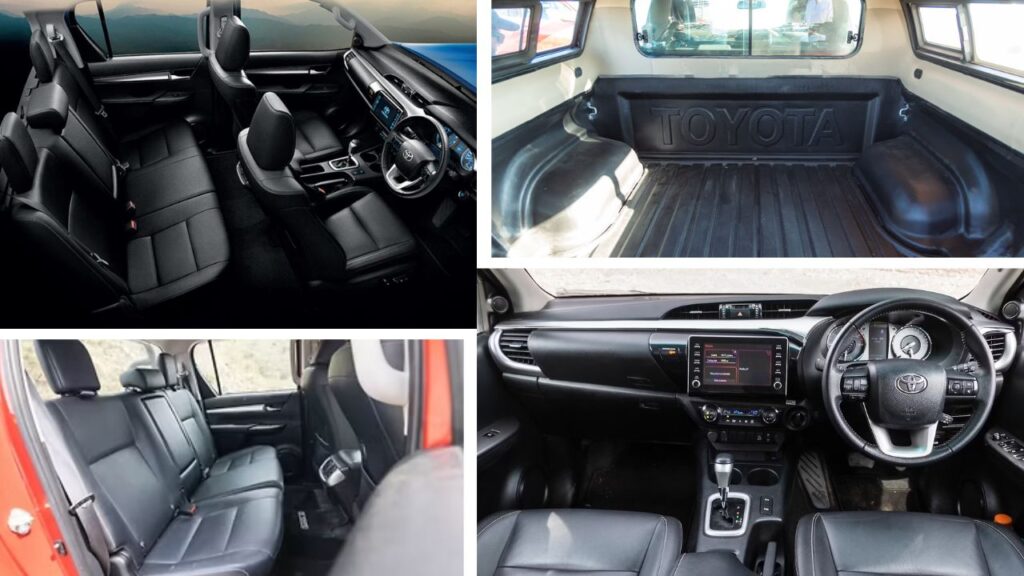
If Honda got the ridged plastics just right the first time, Toyota went a little further on the Hilux interior. It clings to its work-truck origins, but the cab has soft faux-leather seats, straightforward climate controls, and a few modern technology distractions. 

Newer models feature a touchscreen system with Apple CarPlay and Android Auto for easy phone integration. A digital dash display monitors diesel consumption all the way to car health checks.  

Toyota Hilux Comfortable Interior With Modern Technology

The interior really feels sturdy and utilitarian. It isn’t an SUV that pretends to be a truck – it’s a truck that is comfortable, and that’s the space it occupies in the auto market these days. The seats provide a fair amount of support for long journeys and the engine noise is well sealed away from the cabin. Not skimping there either – multiple airbags, stability control and hill descent control in high-riders. 

Off-Road Capability That Sets Benchmarks

This is the point at which the Hilux becomes iconic. It is equipped with a hardy 4WD system that includes locking differentials and Active Traction Control (A-TRAC) that proactively controls traction without hindering velocity. The suspension is specially modified for off-road use, it’s firmer than what you’ll find in ordinary SUVs, which in practice equates to more-control and better stability when you’re rattling around on tough terrain.

Toyota Hilux Off-Road Capability That Sets Benchmarks

The towing capacity is a respectable 3,500 kg and the payload capacity a massive 1,100 kg. Tow a trailer, livestock carrier, or boat – Hilux performs with confidence. The off-road processing powers of the Real-world users regularly praise its off-road capabilities, many remarking that the truck plows ahead fully-laden as if there’s nothing in the bed. 

Price Range (Ex-showroom) ₹28.02 Lakh – ₹35.37 Lakh
Engine 2.8L Turbo Diesel
Power 201.15 bhp
Torque 500 Nm 
Transmission 6-Speed Manual / Automatic
Drive Type 4WD
Mileage  10 kmpl
Safety  5 Star Global NCAP

What Makes It Special?

The Hilux’s beauty is in its reality check. It never gets things too complicated – it just does what it says on the tin, year in, year out, year in, year out. Users say the engine is truly “underrated” with great low end torque and a very responsive delivery of power. This vehicle is far better suited to smooth surfaces and with its stiffer suspension it handles well therein, and rough roads will require a bit more finessing than with passenger vehicles, but this translates into more stable load carrying.

With strong resale values, and maintenance costs that are reasonable, the long term ownership equation tilts heavily in Toyota’ s favor. 

Read More:- Renault Duster Specs and Features: Complete Guide to Design, Performance and Features

Conclusion

The 2025 Toyota Hilux embodies everything expected in a pickup truck: rugged capability and legendary dependability with authentic off-road capability and an expanding list of convenience features. With the recent price adjustments from above now making it more accessible, we can’t think of a better time to become a part of the worldwide community of Hilux owners who have always known that true quality is timeless. 

If you’re going to a worksite, taking an off-road trip, or maybe you simply want a vehicle that will support you through everything life throws your way, the Hilux delivers, uncompromised. 

0

How to Buy a New Car in India – Step by Step Car Buying Guide

Buy a New Car in India

Whenever you are going to buy a car you can get confused because of the sheer volume of choices. Don’t let your excitement make your wallet empty, carefully check the prices of the car then calculate them by adding RTO charges, insurance add-ons, etc. that surely seems hard to buy a new car in India. You will feel the sudden joy of owning a new car and getting buried under a pile of paperwork and pressure tactics.

If you’re planning to Buy a New Car in India, you should know your budget for driving the car home so you don’t end up overpaying. You can’t just go and buy a car from your neighbourhood showroom, choosing the right body style and brand to fit specific lifestyle needs is also important. 

This Car Buying Guide will help you understand what you should look for before buying a new car for yourself or your family member.

Why Buying a New Car is Hard?

There are tons of choices that attract you first but you get confused and never able to choose one right car for you. The fear that you might regret later so you are going to ask your friends and family members. 

What’s the catch? Car makers are upgrading features and variants each year so your friend who knows about the car which launched last year, but doesn’t know the latest launch of another car with the same price. The value of a car depreciates after one year, but if you want the right one which helps you commute places without burning your fuel and cause you expensive maintenance then look closely on the Car Buying Guide.

Why You Can’t Trust Car Dealership

Sales staff have pressure enough that they want to sell off the models which maximize profit. They know inside details from invoice pricing to backend profit margins but there are platforms like CarDekho that calculate it for you.

Dealerships often disguise the real amount of a car and often try to shift the focus to the monthly payment which costs you more than the total price of the car. This is a tactic to disguise inflated interest rates or extended loan terms. 

Financial Structure is Rarely Straightforward 

One thing you must understand is that a car price is just an approx amount, when you end up in a showroom then there are other charges that add-on and increase its value. Buyers have to account for taxes, registration fees of a car, dealership documentation fees along with add-ons charges.

Read More:- Best Automatic Cars in India Under 10 Lakhs – Easy Driving Options

How to Buy a New Car in India With Complete Car Buying Guide 

Step 1: Decide Your Budget 

Most people start by falling in love with a car model and then trying to “make the budget work.” Flip that approach.

Calculate your other commitments like mobile EMI, house rent, school fees and saving goals. After you put them aside, what’s your monthly take-home income will decide which car you can afford. A safe rule of thumb is to keep your total car-related EMI under 15-20% of your monthly income. Just make sure that those 15% includes the insurance, maintenance, and fuel cost too.

Don’t depend on the ex-showroom price that you see in ads. Search for on-road price of the car or calculate them with your state, RTO registration, road tax, and insurance. Overall, these charges are different across India but likely it’s somewhere between ₹80,000 to over ₹2 lakh.

Step 2: Decide Between Petrol, Diesel, CNG, Hybrid, or Electric

Where you wanna drive your car and upfront cost is a factor to decide which variant is best for you. It also matters on what purpose you are buying a car for:

Petrol cars are good for those who drive less than 1,000-1,200 km a month which means you wanna drive in a city. Maintenance cost is lower but fuel expenses can be higher over time. While diesel cars are good for drivers who run on highways because it can give you better fuel efficiency only at higher usage. 

CNG cars are a strong choice for those who want to switch from petrol or diesel cars. CNG cars offer great fuel efficiency but boot space and access to CNG stations are still a major problem. Hybrid cars offer both— better fuel efficiency and no worries on charging access but they are expensive.

Electric vehicles are best for those who have charging access at their home. City commuters can buy EV for their daily use within a predictable range. But if you live outside metro cities then it is still an issue for charging.

There’s no single car that comes as the best fuel type, only the one that matches your actual driving pattern.

Step 3: Shortlist 3-4 Cars, Not 1

It’s easy to get attached to a particular car after seeing an advertisement but make a decision after you’ve driven it yourself. It’s totally a different experience once you’re behind the wheel. 

Take a three–four cars test drive within the same budget and segment. Then compare their features to decide which one fits you. If the roads are rough, check if the car offers enough ground clearance. If you are looking for a car for your family then boot space and rear-seat comfort matters.

If you prefer CNG or electric cars then the service network in your city must be wider. It’s also wise to consider resale value trends and independent safety ratings since these can have a significant impact on long-term satisfaction. 

Spend time reading real owner reviews, not just marketing brochures. Forums and YouTube long-term review videos often reveal issues that don’t show up in a 15-minute test drive.

Step 4: Take a Proper Test Drive

Many buyers take a decision right after a 5-minute spin around the showroom parking lot which is just a waste of time. Real test driving must be performed in everyday conditions like rough roads, and traffic jams.

It will let you know ride comfort and suspension quality. Try reverse parking as well to assess visibility, turning radius, and the effectiveness of parking sensors or cameras. Also check features, air conditioning and cabin. Give a few minutes to check the comfort from every seat. Since the person who drives isn’t always the only person who matters in that car.

Step 5: Compare On-Road Prices Across Dealerships

Compare offers from multiple dealerships is the easiest way to stop overpaying. Many buyers think that there is a fixed price on a car but dealership margin, discount, and monthly sales targets can all influence the final amount you pay. 

Check out 3–4 dealerships and collect written on-road quotations. Don’t trust on words, just research about the RTO charges, Insurance deals, Add-ons, Accessories and warranty. Then add to the Ex-showroom price to get the actual price of the car. 

This single step alone can save you anywhere from ₹10,000 to ₹50,000, especially toward the end of a sales quarter when dealers are more flexible on discounts.

Step 6: Decide How You’ll Pay — Cash, Loan, or Lease

The way you finance your car can also affect the total cost of the car, buying at once can eliminate interest expenses. In the case of a car loan, choose the best offer among two–three lenders. 

If you’re paying upfront, you skip a lot of paperwork and interest cost — but make sure you’re not draining your emergency savings to do it. Dealership financing is convenient but they aren’t always the most cost-effective option. 

A few things to check before signing any loan agreement:

  • Processing fees and foreclosure charges
  • Whether the interest rate is fixed or floating
  • Loan tenure (shorter tenure means higher EMI but lower total interest)
  • Down payment requirement (usually 10-20% of on-road price)

If you change cars frequently or want lower monthly outflow without ownership hassles, a car lease through your employer (if available) is worth exploring too.

Read More:- How Electric Cars Are Changing the Future of Transportation

Step 7: Choose the Right Insurance — Don’t Just Take What the Dealer Offers

Dealers often bundle insurance into the on-road price, and it’s rarely the cheapest option available. You’re free to buy insurance from any insurer, not just the one the dealer pushes.

Compare:

  • Comprehensive vs. third-party-only cover (comprehensive is strongly recommended for a new car)
  • Zero depreciation add-on (almost essential for the first 3-5 years)
  • If you live in a city where roads are getting floody then engine protection is useful for you. 
  • Engine protection cover can also be beneficial, especially in cities that frequently experience flooding or waterlogging 
  • Other features such as No Claim Bonus protection and Roadside assistance can take away the financial burden of unexpected repairs or emergency assistance.

Step 8: Understand the Paperwork Before You Sign

This is where most first-time buyers get rushed. Take your time and check:

  • Booking receipt – confirms variant, color, and price locked in
  • Sales invoice – should match the agreed on-road price exactly
  • RC (Registration Certificate) application – usually handled by the dealer, but confirm the timeline
  • Verify that the policy details, coverage, and Insured Declared Value (IDV) are correct and match what was promised. 

Take care of document verification by yourself and never sign incomplete or blank forms.

Step 9: Do a Thorough Pre-Delivery Inspection (PDI)

Check everything before the car officially becomes yours. A final check is always a smart move even if the dealer has completed an inspection. Examine exterior and interior of the car, look for paint, panel gaps, tyres manufacturing dates, read odometer, and all the inside features and sensors. 

Confirm that all promised items have been delivered including extra tyre, manual and toolkit that listed in the invoice. Any missing item, tell the dealer before confirming the delivery. Solve every issue before the paperwork is completed so there is no headache after you completely own the car.

Step 10: Register the Car and Get RTO Formalities Done

You must know what’s happening even if the dealer is handling all the RTO registration for you. So there are no surprises after delivery. 

  • Temporary registration is usually valid for 30 days
  • Permanent registration and the RC book typically follow within a few weeks
  • HSRP (High Security Registration Plate) is mandatory and should be fitted before or shortly after delivery
  • FASTag activation is required before you take the car on toll roads

Organizing and keeping physical copies of key records such as the invoice, insurance policy, registration documents is necessary when roadside checks happen or during insurance.

A Few Things People Often Overlook

  • Resale value matters even on day one. Some brands and colors tend to retain their value better. If you might sell within 3-5 years, it can help you recover more of your investment.
  • Maintenance cost over 5 years, It’s also important to look beyond the sticker price, determining the real cost of ownership. A cheaper car with expensive spare parts can cost more in the long run.
  • Festive season discounts Dealerships often offer their most attractive discounts during festive season (Navratri, Diwali, year-end) are often the best time to buy. 
  • GST and cess on cars in India are already baked into the ex-showroom price, so don’t expect any further reduction there — buyers can often secure better deals through dealer discounts, complimentary accessories.

Conclusion of How to Buy a New Car in India

When there are a lot of cars around you that capture your eyes, how to Buy a New Car in India is the question that gets stuck into your mind. Why is it so hard and a Car Buying Guide will help you understand which car is right for you to buy.

There are reasons such as your budget, finance, variant, and design that reflects your decision. So choose 3–4 cars and compare them to buy a car, who rushed through one of these steps because they got excited or got pressured by a sales pitch regret later.

Take your time, ask for everything in writing, and remember that the dealer’s job is to sell you a car — your job is to make sure it’s the right car, at the right price, with the right paperwork. Do that, and buying your new car in India can actually be the smooth, satisfying experience it’s supposed to be.

0

Ralph Lauren Car Collection: Iconic Classics, Ferraris & Hypercars

Published Mar 26, 2026, 11:35 AM
Last Updated Apr 1, 2026, 9:58 AM

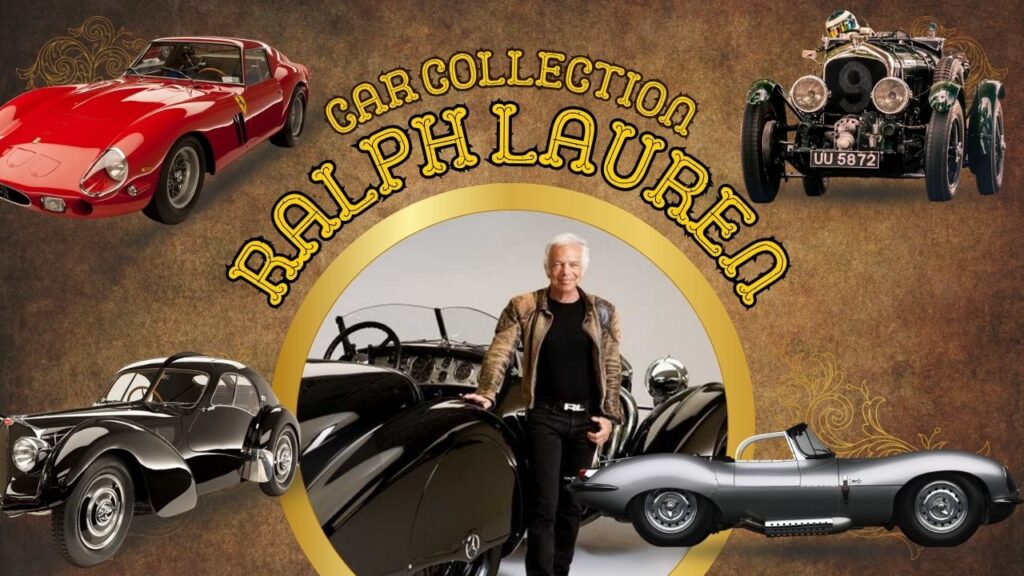
Ralph Lauren Car Collection

Ralph Lauren Car Collection is the most desirable collection in the world and even It is admired by experts such as historians and designers for its exceptional and iconic cars. The collection is valued at some $600–700 million, and this is more than a luxury hobby. It’s like a “traveling museum,” displaying the history of 20th-century auto design.

For Ralph Lauren, these are not cars to be shown or driven. He regards them as “moving art” – elegant machines that embody art, skill and ingenuity at the highest level. 

Ralph Lauren Car Collection History

Ralph Lauren had his start in car collecting with a used 1961 Morgan, which he found an appealing powerful classic look. But his collection really starts on 1971, when he purchases his first new car – a Mercedes-Benz 280SE 3.5 Cabriolet. 

He knew exactly what he wanted and he went with a tan roof and tan leather seats, despite the dealer’s recommendation to the contrary. He went for a classic, old fashioned look and wanted to draw his inspiration from the 20’s and 30’s. This early on showed that he used his enthusiasm for design and details. 

And as Lauren grew in the fashion industry, so did his car collection. He started thinking of cars not just as vehicles, but as works of art he didn’t want to sell. Eventually, he also became a preserver of the past, amassing historic cars that are as rare as they are valuable. He opened up around the 1980s with legendary cars as the 1938 Bugatti Type 57SC Atlantic and the 1962 Ferrari 250 GTO.  

Ralph Lauren Iconic Collections 

1938 Bugatti 

1938 Bugatti Type 57SC Atlantic Coupe is a very expensive and luxurious car model that is made only based on a concept car by Jean Bugatti. It has a beautiful design on both exterior and interior body that attracts everyone. 

Among its most interesting aspects is the heightened “spine” running from the nose to the tail of the car. This design was based on an earlier model with a material that was cut and then riveted instead of welded. Though later models went to aluminum, the rivets remain as a decorative element.

Ralph Lauren is the owner of one of these rare cars, referred to as the “Pope Atlantic.” In 1990 he restored it and he went with a shiny black color with black leather inside instead of the original light shade of blue. He felt black added elegance and strength to a car’s form.

123 mph speed is considered to be the highest in 1930s, so it is called as one of the first supercars ever. 

1930 Mercedes-Benz SSK 

1930 Mercedes-Benz SSK “Count Trossi” Roadster The car that was at the top of the range at the beginning of the thirties and everyone desired was in many ways for both luxury and velocity. The vehicle was made specifically for the Italian aristocrat and racer Count Carlo Felice Trossi, in an effort by automotive designer Willi White.

While glancing at the photos you can see the car has a very unusual shape, the hood is quite long and spans more than half the length of the car body. It also prominently features exhaust pipes that are outside of the bodywork, it has a very bold and aggressive shape, almost like a shark.

1930 Mercedes-Benz SSK 

Its huge 7.1 liter engine was supercharged, making it one of the most powerful engines of its time and quite popular in racing, early on. Ralph Lauren’s is unique and has taken the top prize at Pebble Beach.

That vehicle, with its practical beauty, allows the design of the 1930s to shine - speed shapes and streamlining, all wrapped up in decorative, elegant Art Deco that, even at rest, looked like it was going fast. 

1929 Bentley Blower

The 1929 Bentley 4½ Litre “Blower” is an iconic car mired in a rich motorsport heritage with the “Bentley Boys.” It was made for endurance races and was meant to be robust and dependable.

The most immediately noticeable design aspect is the large supercharger sitting at the front, giving it a raw, industrial appearance, unlike the more streamlined vehicles like Bugatti.

The car is also special in pop culture as the author Ian Fleming made it James Bond’s car in the original 007 novels. This tie to classic British design makes it even more iconic, and it fits right in with Ralph Lauren’s sensibility. 

Vehicle Engine Horsepower Key Historical Fact
Bugatti 57SC Atlantic 3.3L Inline-8 200 hp Only 2 authenticated survivors.
Mercedes-Benz SSK 7.1L Inline-6 250 hp (Supercharged) One-off design by Count Trossi.
Bentley Blower 4.4L Inline-4 175-240 hp Iconic Le Mans racer; Bond connection.

Ralph Lauren Ferrari Collection

The 1962 Ferrari 

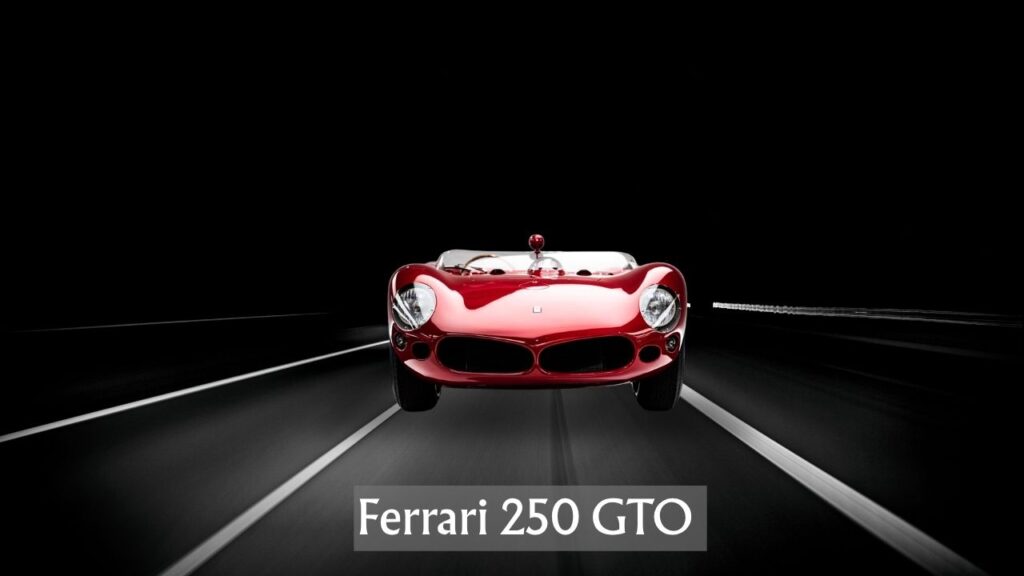
Most goated car of the century, Ferrari 250 GTO were produced just 36 from 1962 to 1964. Ferrari made a name for itself with its unique production that went approved in the FIA’s Group 3 Grand Touring class. Gran Turismo Omologato is GTO for short. #3987GT, delivered in October 1962 with its four first place finishes and a notable racing career This was Lauren’s chassis 3987GT, released in October 1962. 

The 1962 Ferrari 

The GTO offers a 3.0L V12 that takes you on a high speed ride because it produces 300 horsepower. This is the ultimate front engine racing car, with development, engineering and testing all done in a wind tunnel. With GTOs now fetching in excess of $70 million, Lauren’s purchase of the vehicle for $650,000 in 1985 is considered one of the wisest buys ever in the history of car collecting. 

The 1958 Ferrari 

The 1958 Ferrari 250 Testa Rossa separate fenders and a gap between them and the engine bay permits air flow to the engine and also helps cool the brakes, a ground breaking aerodynamic notion at the time. The Testa Rossa (Red Head) name comes from the red-painted camshaft covers on their V12 engine. Lauren’s TR is the 14th of 34 made and the absolute pinnacle when it comes to 50’s sports car racing looks, and performance. 

The 1954 Ferrari 

1954 Ferrari 375 Plus offers 4.9-liter V12 powerful engine to roar like a lion when it’s on the racing track that provides uninterrupted 325 horsepower. As it proved in the Le Mans race in 1954 that took Ferrari to victory in only 24 Hours.

This aluminum based hand-crafted vehicle made five of these cars. Instead of detailed blueprints, the form was designed from the dictates of the Pinin Farina artisans.

For its rarity and past, one of these cars went for $18.3 million in 2014, proving just how valuable and special it is. 

British and German Engineering 

The Jaguar D-Type and XKSS

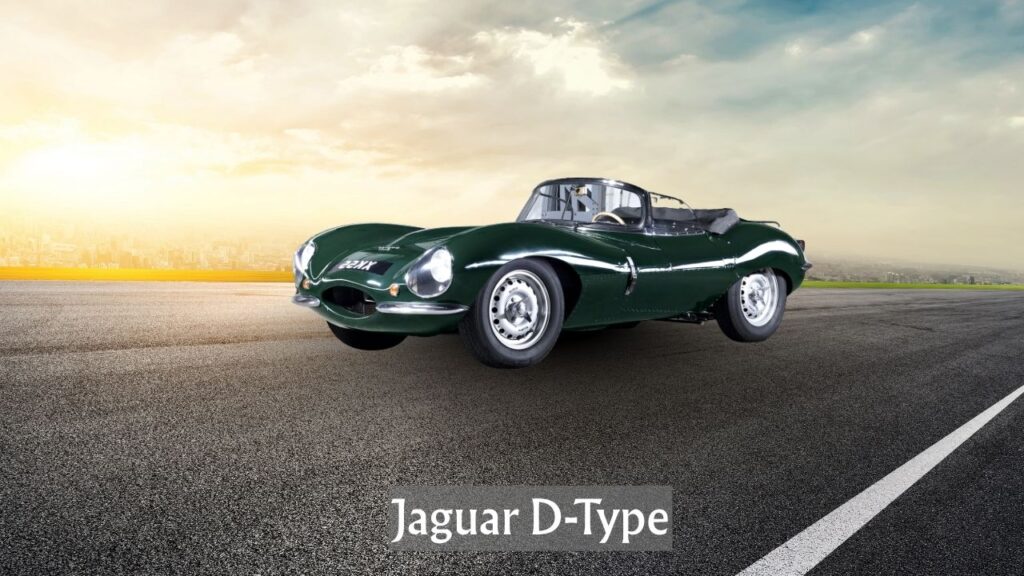
Jaguar D-Type is a perfect model that is influenced by aircraft to make it run like hell. It had a monocoque chassis (it’s like a very strong shell that supports the whole car) and a tall tailfin to improve stability at high speed (especially on long circuits like Le Mans). Ralph Lauren has one from that, Jaguar’s great race in 57, where they truly dominated the event.

The Jaguar D-Type

The XKSS is special by virtue of its sportiness that brings racing performance within reach of ordinary drivers and its practicality that enables it to be both quick and useful. 

The 1955 Mercedes-Benz 

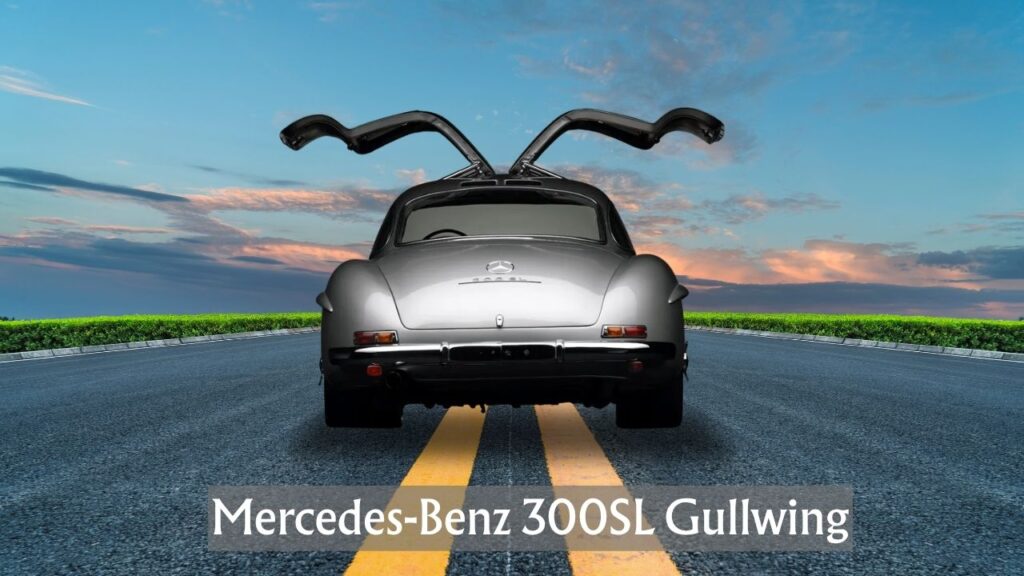
Mercedes-Benz 300SL Gullwing is designed particularly for sporting and its body is unique as the sides of the car’s contours were tall and because of this, Gullwing has doors that open up, rather than out. 

It was also very sophisticated for its era, being the first production car with direct fuel injection. This made it the fastest car of its time.

1955 Porsche 

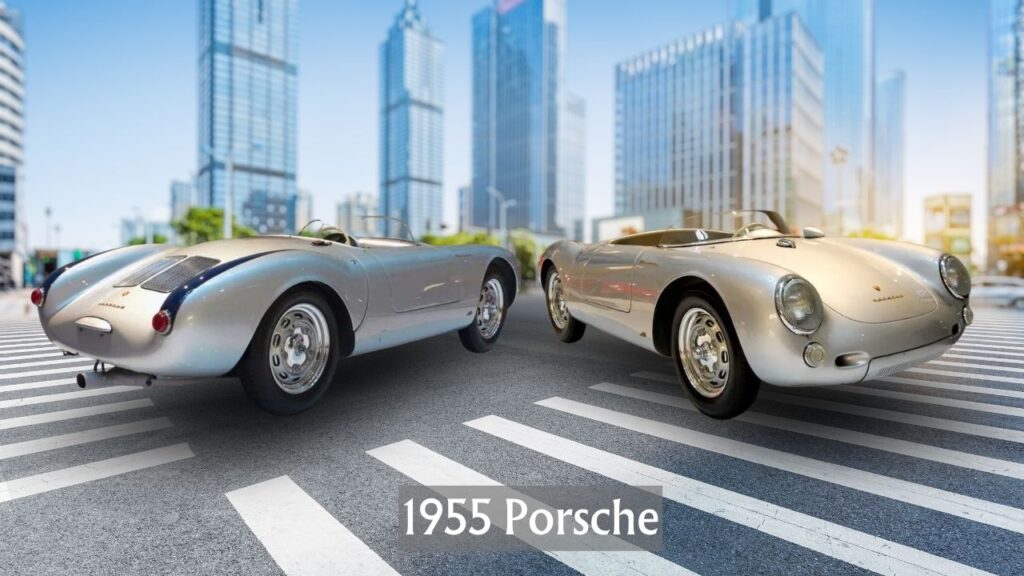
Ralph Lauren’s 1955 Porsche 550 Spyder is a highlight of his globally-recognized collection of automobiles and is the subject of its own “cerebral” minimalist design.

1955 Porsche

Amid a collection of about 110 high-horsepower Ferraris and Bugattis powered by Type 547 “Fuhrmann,” a complicated 1.5L flat-four with four overhead camshafts or similar units, the 550 Spyder stands out because of its extreme lightness and “giant-killer” reputation—a car specifically engineered to out-handle and out-run much larger rivals. 

It was small but was renowned for lapping larger, more powerful cars even in races. It’s simple and sleek design reflects the clean, understated German engineering that Ralph Lauren adores. 

Ralph Lauren Modern Hypercars

Ralph Lauren’s passion for design extends beyond vintage age. He considers modern hypercars the modern day successors to the coach-built masterpieces of the 1930s, with a similar emphasis on materials innovation and extreme performance. 

Read More:-  Toyota Land Cruiser FJ: India’s Unsung Off-Road Legend

The McLaren F1 and F1 LM

The 90s McLaren f1 is a legendary supercar that was also the first production car to feature a carbon-fiber body. It still holds the title of the fastest naturally aspirated production car ever.

Ralph Lauren has two regular F1′s and a very rare F1 LM. The F1 LM was a limited-edition, with a run of 5 cars to celebrate McLaren’s 1995 Le Mans win. The F1 LM is painted in a vivid “Papaya Orange” and is really a race car for the road, with a ferocious V12 putting out about 680 horsepower. 

The Lamborghini Reventón

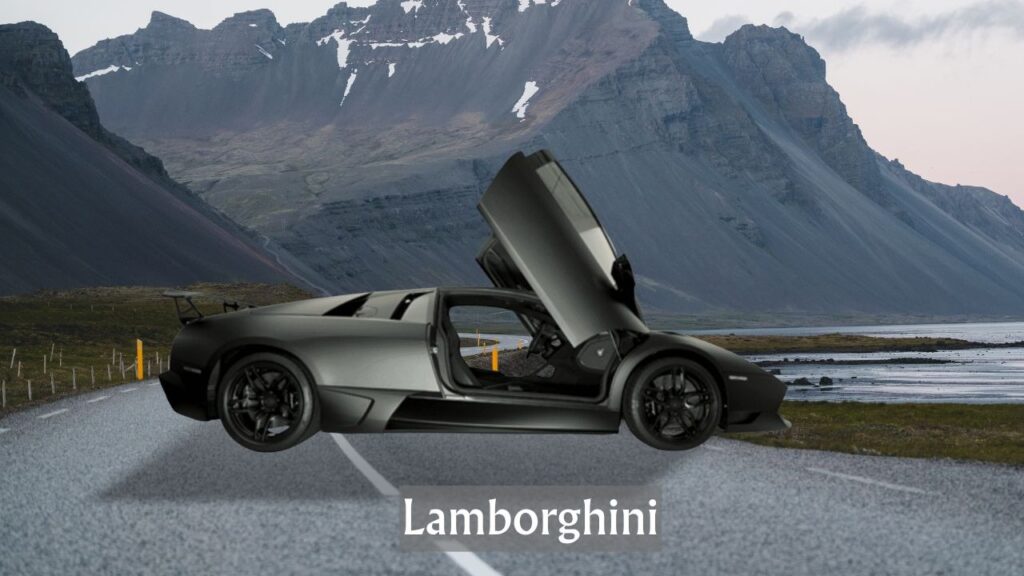
F-22 Raptor fighter jet is an inspiration for the manufacturer of this car as it was prepared on a boast speed engine. Lamborghini Reventón is a limited-edition car only few people including Ralph Lauren owns it.

The Lamborghini Reventón

Its body consists of matte gray carbon fiber with sharp folded, creased lines and a “stealth” design. Lauren has dubbed it a “piece of origami” and “Star Wars” in its design language. It sits at the top of his garage and represents the psycho edge of contemporary car design. 

Hybrid Hypercars

Modern Hypercar Year Top Speed Rarity
McLaren F1 LM 1995 240+ mph 1 of 5
Lamborghini Reventón 2010 205 mph 1 of 15 (Roadster)
LaFerrari 2014 217+ mph 1 of 499
Porsche 918 Spyder 2015 211 mph 1 of 918 (Lauren owns 2)

Conclusion

The Ralph Lauren car collection is no mere assembly of rare cars—it is a story of 20th- century design and engineering. For him cars are machines and works of art, and he’s influencing how people think about collecting them.

He enjoys driving his cars and he keeps his cars (old and new) in immaculate working condition so that he can actually drive and enjoy them, and not just park them. That’s why he calls them “moving art.” 

The value of the collection has increased substantially, from about $300 million to more than $600 million, but for Lauren the real value is the inspiration the collection gives him. It shows his passion for perfection where even the sound of an engine can be as beautiful as fashion.

Even as he has aged, people are still curious as to what will happen to the collection, but it is already firmly established as the greatest car collection in the world. 

0

Citroen Basalt X 1.2 Turbo Specs and Price Details Guide

Citroen Basalt X

There have been great launches in the Indian automotive world this year and the Citroën Basalt X 1.2 Turbo is one of the best-suited options in the compact SUV-coupe segment. If you were wondering if this turbocharged beauty might be deserving of your gaze, we’ve got the details on everything you need to know – specs, pricing and what makes it special from the pack. 

Understanding the Citroën Basalt X

When Citroën revealed the Basalt X in September 2025, they didn’t just throw on an ‘X’ badge and call it a day. This is a carefully cultivated special edition that combines premium design, leading-edge technology and high-caliber performance all in one package. The Basalt X is essentially a higher-spec version of the regular Basalt, catering for buyers who want that little bit extra in life without selling a kidney to afford it.​

the Citroën Basalt X

So consider it Citroën’s response to the burgeoning market for stylish, feature-packed small SUVs that don’t make practical or performance compromises. The real star here is the 1.2-liter turbocharged petrol engine, and we will tell you why it is so important. 

Powerful Engine and Powertrain:

The 1.2-liter turbo petrol engine that lies under the bonnet of the Basalt X is truly awe-inspiring. It develops a decent 108 horsepower at 6000 RPM and the torque ranges from 190-205 Nm based on which transmission you select. For perspective, that’s just enough punch to make city driving feel spirited and to ensure you’re never underpowered on highways.​

the Citroën Basalt X

You have a choice of two transmissions to suit your driving style - a 6 speed manual for those who want the traditional driving involvement, or a 6 speed torque converter automatic for easy urban living. The torque converter automatic deserves special mention as it strikes a happy medium between fuel efficiency and convenience — a combination that a lot of compact SUVs fail to achieve. 

Mileage That Really Matters to Buyers

Now that we have given you the overview, let’s talk about what really matters when you’re at the gas pump. The Basalt X 1.2 Turbo offers 18.7 to 19.5 km/l based on the transmission. Yes, you did read that right. A twin-scroll turbocharged engine with around 20 kilometers per liter is really praiseworthy. The manual is a bit more fuel efficient, which makes it the ideal choice if you do a lot of highway driving. 

Read More :- Lexus RX 350h Exquisite Grade: Price, Features & Specifications

The Basalt X Pricing

That’s where the Basalt X makes a great argument. The 1.2 Turbo variants are available at a starting price of ₹10.82 lakh and the top- end price is ₹13.11 lakh (ex-showroom).

Let’s go through each variant to know where each price point is: 

Variant Transmission Price Mileage
Plus 1.2 Turbo Manual ₹10.82 Lakhcartrade​ 19.5 km/lcartrade​
Max 1.2 Turbo (MT) Manual ₹11.63 Lakhcartrade​ 19.5 km/lcartrade​
Max 1.2 Turbo (MT) Dual Tone Manual ₹11.84 Lakhcartrade​ 19.5 km/lcartrade​
Plus 1.2 Turbo Automatic (TC) ₹12.07 Lakhcartrade​ 18.7 km/lcartrade​
Max 1.2 Turbo (AT) Automatic (TC) ₹12.90 Lakhcartrade​ 18.7 km/lcartrade​
Max 1.2 Turbo (AT) Dual Tone Automatic (TC) ₹13.11 Lakhcartrade​ 18.7 km/l

Features That Make a Difference

Why the Basalt X truly stands out is not only on account of the engine. That list of features looks like a who’s who of modern-day conveniences. There’s a 10.2-inch floating touchscreen infotainment system with wireless Android Auto and Apple CarPlay, a 7-inch digital instrument cluster, and automatic climate control with rear AC vents.​

the Citroën Basalt X

The luxury Max variants add ventilated front seats, cruise control, wireless phone charging and a 360-degree camera system, the best in its class. A stylish black and tan color scheme with bronze trim accents makes the interior look more upscale compared to the regular Basalt. 

Safety: Because Comfort Means Nothing Without Security

Citroën has bundled the Basalt X with a robust safety suite that includes 6 airbags, hill-hold assist, rear parking camera with sensors, TPMS, and ISOFIX child seat anchorages.

the Citroën Basalt X

It may not yet have been NCAP tested, but these features ensure a rounded safety package when out on the road each day. 

Physical Dimensions and Tank Capacity

With a length of 4352mm, width of 1765mm and height of 1593mm, the Basalt X stretches solid road presence. The fuel tank holds 45 liters, which provides an impressive range between fill-ups, particularly with the turbo engine that is so efficient. 

Conclusion

The turbocharged performance, modern technology, thoughtful design and good value are all wrapped up in one package. The Manual or the Automatic, whichever you elect to use to engage the gears, it warrants to provide you a premium ownership experience that you notice without breaking your wallet. 

But if you’re in the market for a turbocharged compact SUV that’s fun to drive without sacrificing daily utility, the Citroën Basalt X 1.2 Turbo is definitely one to keep an eye on.