0

Buy Tata Curvv Series X At Rs. 9.99 Lakh With Advanced Features Pack

Published Sep 4, 2026, 12:55 PM
Last Updated Sep 7, 2026, 12:17 PM

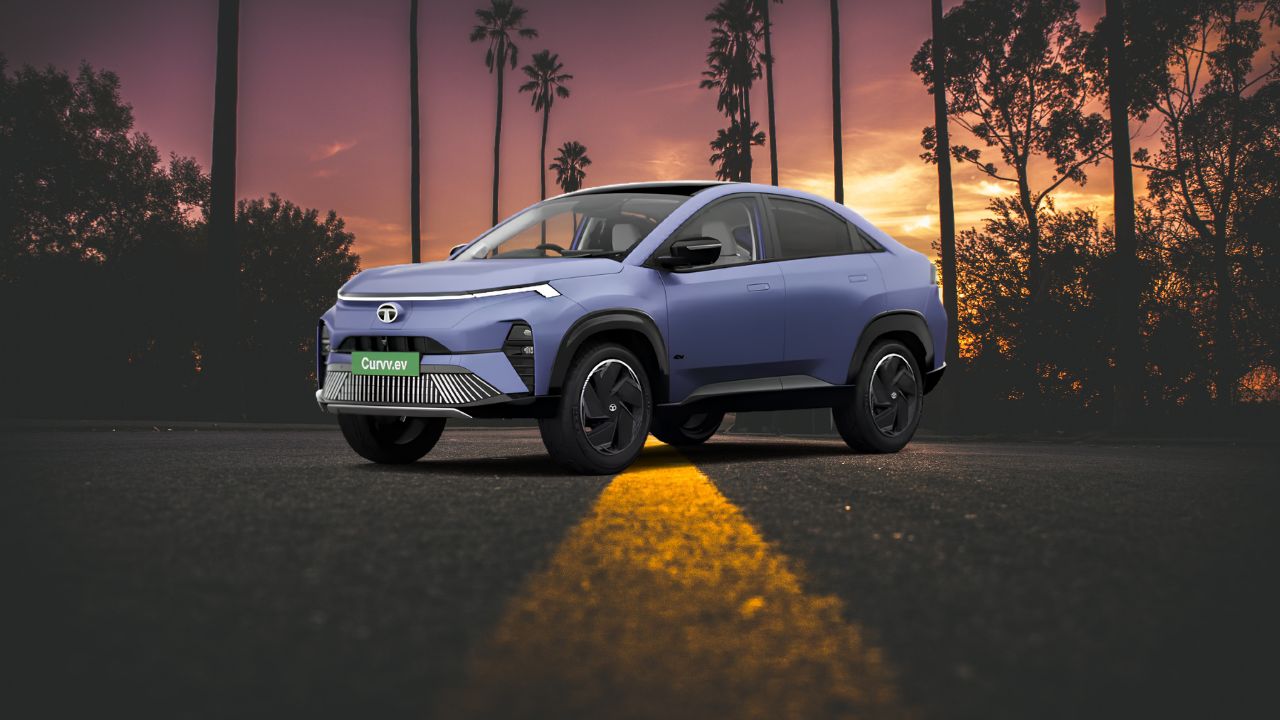
Tata Curvv Series X

Tata motors bringing the new Curvv Series X with an affordable price range from 9.99 lakh to 18.99 lakh. Tata Curvv Series X offers a combine petrol and diesel powertrain with power-packed features while focusing on its safety, design and durability at this price point, making it accessible to a wider range of buyers. 

It’s not a facelift — the sheet metal is untouched but the pricing and equipment list have moved enough that the buying calculus for this coupe-SUV is genuinely different from what it was in August.

Here’s what actually changed, what you get at each price point, and where the Curvv Series X still loses ground to the cars parked next to it in the showroom.

What Changed With the Tata Curvv Series X Price and Variant Reshuffle

Tata has trimmed the lineup from eight variants down to six, and renamed every one of them to carry an “X” — Smart X, Pure X, Pure X Plus, Creative X Plus, Accomplished X, and Accomplished X Plus. The turbo-petrol T-GDI engine has also lost its manual gearbox option; it’s automatic-only now.

Smart X base variant starting at ₹9.99 lakh ex-showroom. Variant-by-variant price table rounds this up to ₹10 lakh, which is likely just a rounding convention rather than a genuine pricing discrepancy but if you’re quoting an exact figure, it’s worth cross-checking against Tata’s official price list for your city, since ex-showroom prices also shift slightly by state due to local taxes.

Here’s the full price ladder as reported at launch:

Variant Petrol MT Petrol DCA (auto) T-GDI DCA Diesel MT Diesel DCA
Smart X ₹9.99 lakh — — — —
Pure X ₹11.00 lakh ₹12.30 lakh — ₹12.30 lakh —
Pure X Plus ₹11.80 lakh ₹13.10 lakh — ₹13.10 lakh —
Creative X Plus ₹12.91 lakh ₹14.21 lakh — ₹14.21 lakh —
Accomplished X ₹14.00 lakh ₹15.30 lakh — ₹15.30 lakh —
Accomplished X Plus — — ₹18.50 lakh — ₹18.75 lakh

From the Pure X Plus trim upward, you can also spec the #DARK Edition — blacked-out exterior and interior trim for an extra ₹25,000, which is a genuinely cheap way to make the Curvv’s already unusual silhouette look meaner.

The petrol-diesel price gap has also been trimmed from ₹1.5 lakh to ₹1.3 lakh, and the automatic gearbox premium has dropped by the same margin. If you were on the fence about the diesel purely because of the price jump, that fence just got shorter.

Engine and Transmission Options: Same Motors, Smarter Packaging

Tata hasn’t touched the powertrains because the Series X update is entirely about pricing and equipment, not what’s under the hood. You still get three engine choices:

Engine Power Torque Transmission
1.2L Turbo-petrol 120 PS 170 Nm 6-speed MT / 7-speed DCA
1.2L Turbo-petrol T-GDI 125 PS 225 Nm 7-speed DCA only
1.5L Turbo-diesel 118 PS 260 Nm 6-speed MT / 7-speed DCA

The diesel is the torque king here by a wide margin, and it’s also the mileage pick. Autocar India’s figures put the diesel at an ARAI-claimed 22.4 km/l across both manual and automatic versions, with real-world owner reports settling closer to 17-19 km/l depending on driving style. 

The petrol variant ARAI figures anywhere from 12 to 17 km/l for the same 1.2L Revotron unit, which is a wider spread than you’d expect from a single certified test. Treat any petrol mileage number you see — including the ones in this article as approximate until you’ve checked the specific variant’s spec sheet at a Tata dealership, because the discrepancy across sources is large enough that it matters if fuel cost is a deciding factor for you.

The Curvv has previously carried waiting periods of up to 12 weeks on petrol and diesel variants. A brand-new variant launch typically resets that clock, so ask your dealer for a current delivery timeline rather than assuming last quarter’s wait applies.

 Read More 👉 Kia Carnival Hybrid Price In India And Additional Cost For Accessories

Features You Get in Curvv Series X at Every Price Point

This is where Series X earned the respect, it doesn’t just arrive with more features — it is worth being specific because redistribution is uneven across trims.

The Pure X — one step above the stripped-down Smart X — now comes with a 10.25-inch touchscreen running wireless Android Auto and Apple CarPlay, cruise control, a 6-speaker Harman Kardon sound system, a panoramic sunroof, automatic climate control, and selectable drive modes. A year ago, several of these were reserved for trims two rungs higher. If you’re a buyer who wants a sunroof and a proper sound system without stretching into the ₹13-14 lakh bracket, that’s a real shift.

Move up to Creative X Plus and you add a 10.25-inch digital instrument cluster, ventilated front seats, rain-sensing wipers, and automatic headlamps which are a genuinely useful kit for anyone doing serious highway distances in Indian heat.
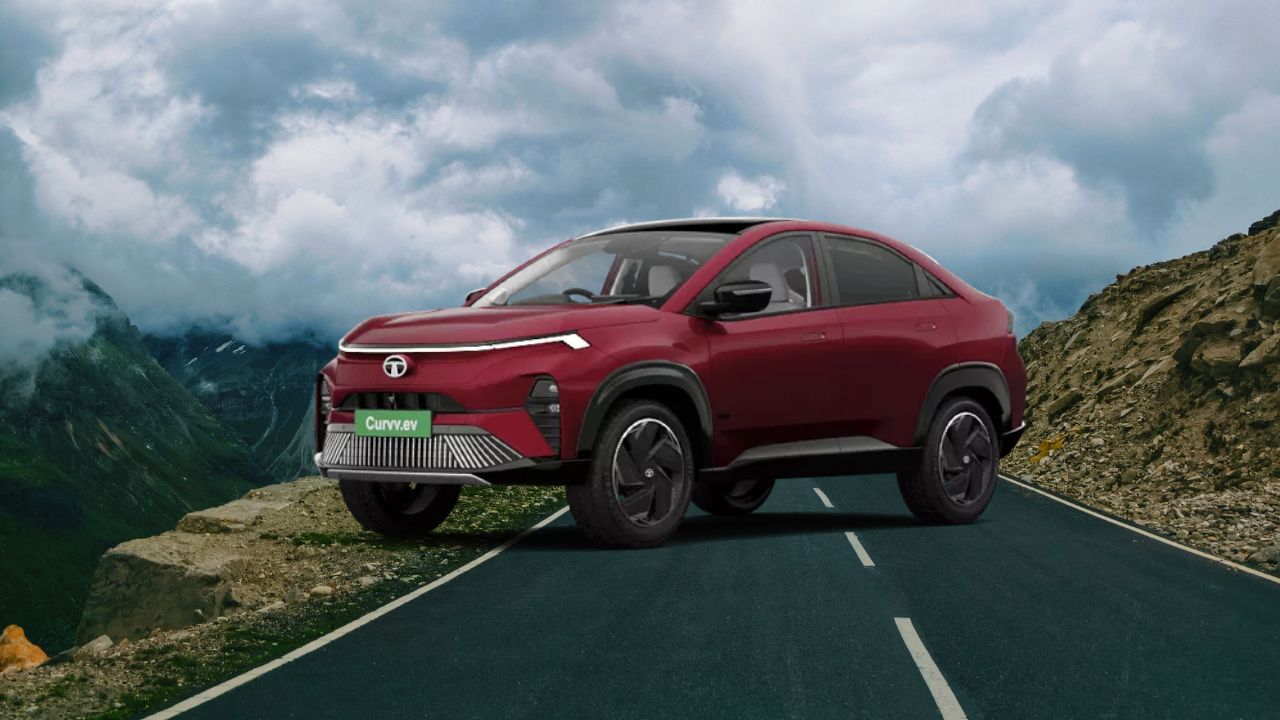
Curvv Series X

The Accomplished X Plus, at the top, keeps its powered tailgate, 6-way power-adjustable driver’s seat, connected-car features, auto-dimming inside rear-view mirror, a 12.3-inch digital cluster, and Level 2 ADAS — none of that has trickled down, so the top trim still justifies its price gap over Accomplished X.

On the interior itself, Tata has also introduced an Oyster White leatherette upholstery option from Pure X Plus onward, and rear passengers get a small but real comfort bump: the front seats have been scooped out to free up 10mm more knee room, and the rear bench itself has shifted 20mm rearward and 10mm lower.

Safety Kit on the Curvv Series X

Standard across the entire range — safety kit is the most reliable thing Tata Motors have offered to their buyers. Even in the Smart X — you get 6 airbags, rear parking sensors, ISOFIX child-seat anchors, electronic stability control, and hill-hold control. That’s a stronger baseline than several rivals still offer only on mid-spec trims.

Step up to Pure X and you add a reversing camera and a tyre pressure monitoring system. Creative X Plus brings a 360-degree camera, front parking sensors, and a rear defogger. Level 2 ADAS — adaptive cruise, lane-keep assist, forward collision warning — remains exclusive to the range-topping Accomplished X Plus, unchanged from before.

The Curvv holds a 5-star Bharat NCAP rating, tested alongside the Nexon and Curvv EV, all three of which cleared the assessment with the same score. For a segment where safety ratings vary wildly between rivals, that’s a genuine selling point Tata can lean on without exaggeration.

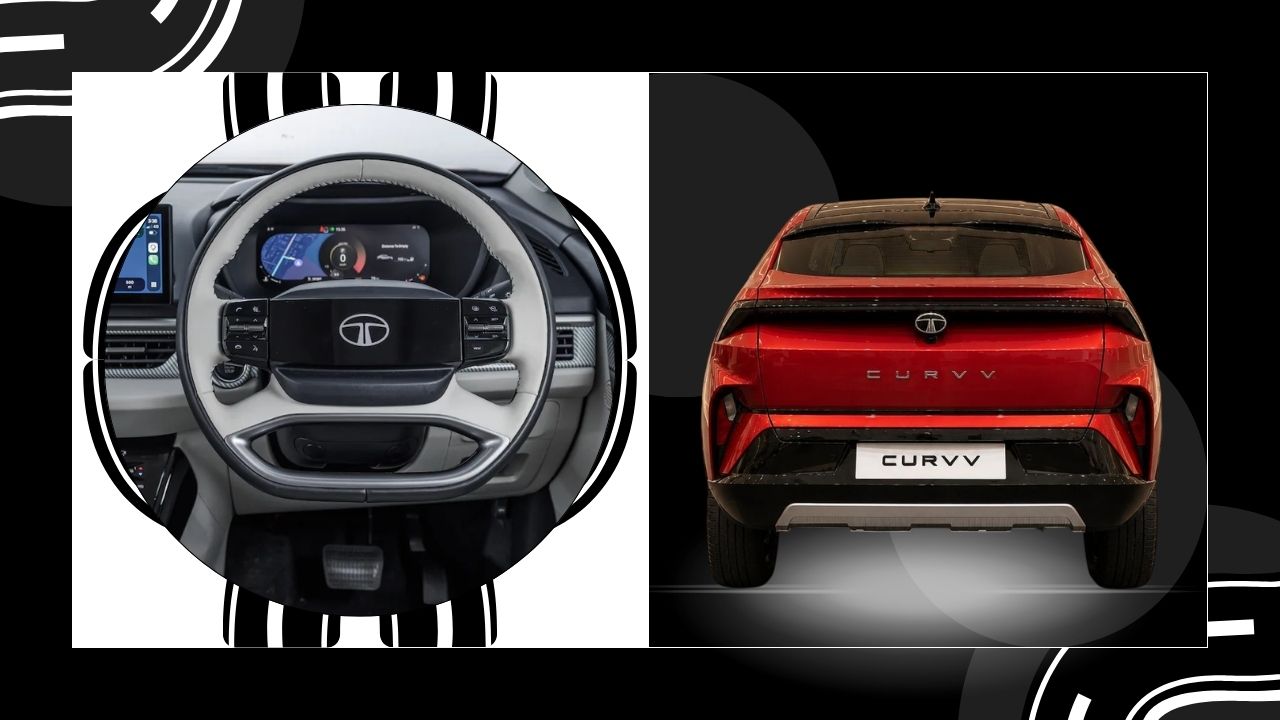
Tata Curvv Series X vs Citroen Basalt X: The Real Coupe-SUV Face-off

The Basalt X is the only other coupe-SUV in this exact price bracket, priced from ₹8.55 lakh to ₹14.11 lakh — meaningfully cheaper at both ends than the Curvv Series X, which tops out near ₹18.75 lakh. If your budget caps out around ₹12-13 lakh, the Basalt X undercuts the equivalent Curvv trim while offering a similar coupe roofline and a genuinely comfortable ride, built on the same platform underpinning the C3 and eC3.
Tata Curvv Series X vs Citroen Basalt X

Where the Curvv pulls ahead is feature depth at the top end and brand pull in the Indian market — Tata’s service network and resale perception still run ahead of Citroen’s in most Indian cities, which matters more than a spec sheet once you’re two years into ownership. 

The Basalt X also doesn’t offer anything close to the Curvv’s Level 2 ADAS suite, so if driver-assist tech is a priority, the comparison ends there.

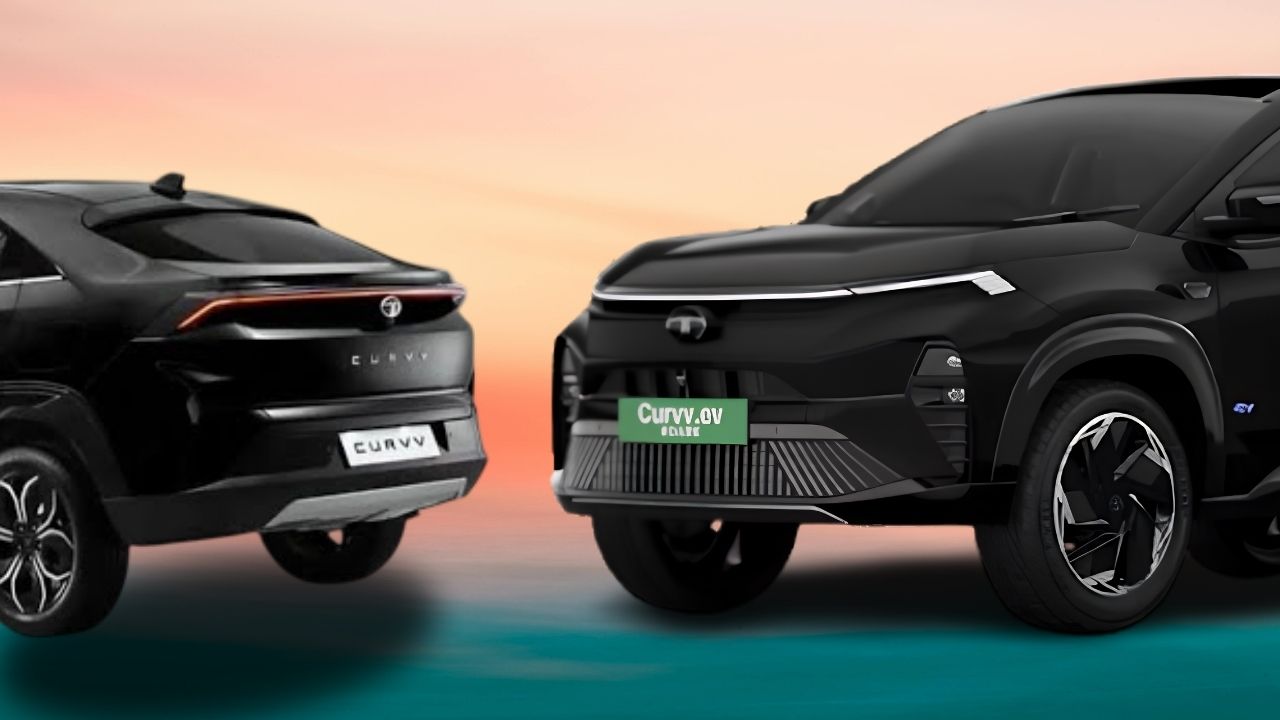
Tata Curvv Series X vs Hyundai Creta: Style Versus Substance

The Hyundai Creta remains the benchmark this segment gets measured against, priced from ₹10.91 lakh to ₹20.06 lakh — almost dead-level with the Curvv Series X band-for-band. The Creta wins on rear headroom and visibility (no sloping coupe roofline eating into either), a larger and more configurable boot, and a resale value that’s hard for any Tata product to match yet, simply because Hyundai has a longer track record in this exact segment.
Tata Curvv Series X vs Hyundai Creta

Nobody buys a coupe-SUV because it’s the most practical shape, they buy it because it doesn’t look like every other compact SUV on the road. If that visual distinctiveness matters to you more than an extra few centimetres of rear headroom, the Curvv Series X now competes on price too, not just looks which wasn’t quite true before this update.

Read More 👉 Ceramic Coating vs PPF For Kia Carnival Hybrid 2026

Conclusion

If you were previously considering the Curvv but talked yourself out of the base variant because it felt bare, that objection is largely gone — the Pure X at ₹11-12.3 lakh now carries a sunroof, wireless CarPlay, and a proper sound system that used to cost you a trim or two more. That’s the variant most buyers in the ₹11-13 lakh bracket should actually be cross-shopping against the Creta and Seltos, not the Smart X, which still feels like a fleet-spec entry point.

Skip the Tata Curvv Series X if rear-seat space and outright practicality outrank styling on your priority list — the coupe roofline is a real compromise on headroom and visibility that no amount of feature-list padding fixes, and the Creta or a Grand Vitara will serve a family of four more comfortably on a daily basis.

The diesel-DCA combination is the pick if you’re covering serious highway distance and want the torque advantage; the turbo-petrol makes more sense for city-first driving where the mileage gap narrows and the lower price wins out. Either way, get the exact ARAI mileage figure and on-road price for your city from a dealer before signing.

Alok Kabir

Alok is an experienced SEO Specialist skilled in blogging and SEO-friendly content creation. He also specializes in Content Optimization and Technical SEO, including website optimization, crawlability, indexing, site speed, and on-page improvements to enhance search rankings and online visibility.

Leave a Reply

Your email address will not be published. Required fields are marked *

1

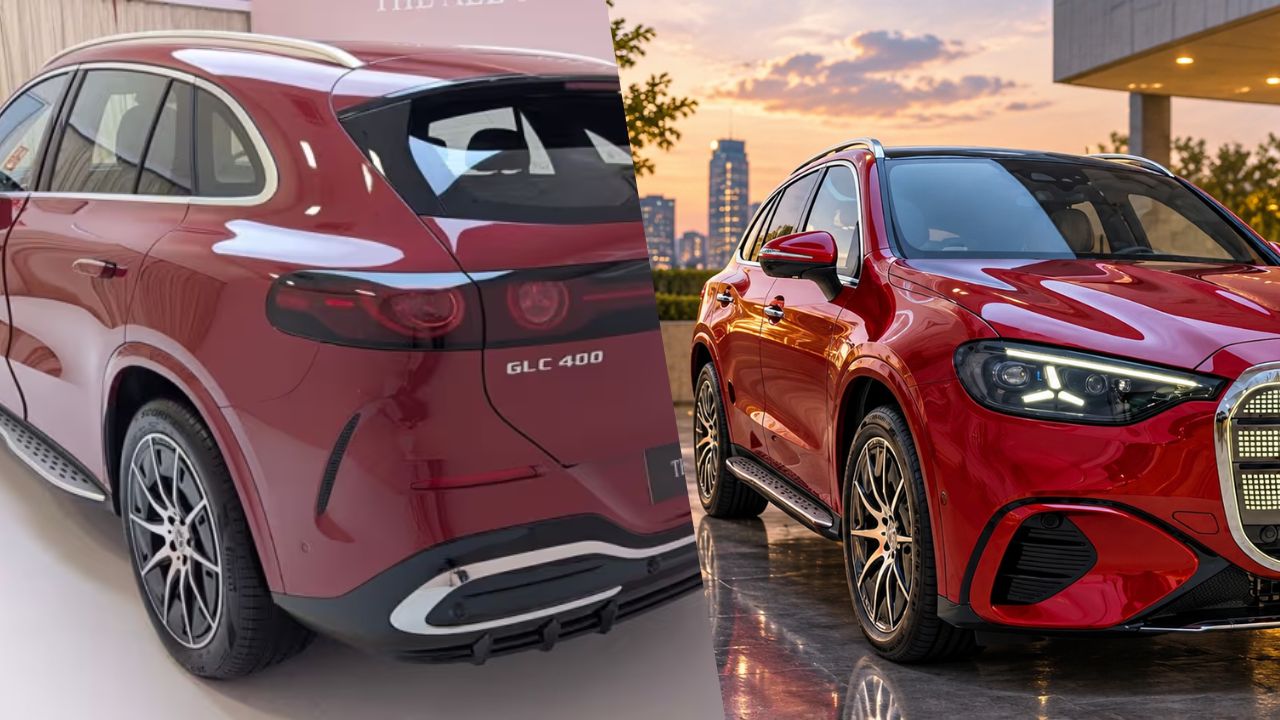
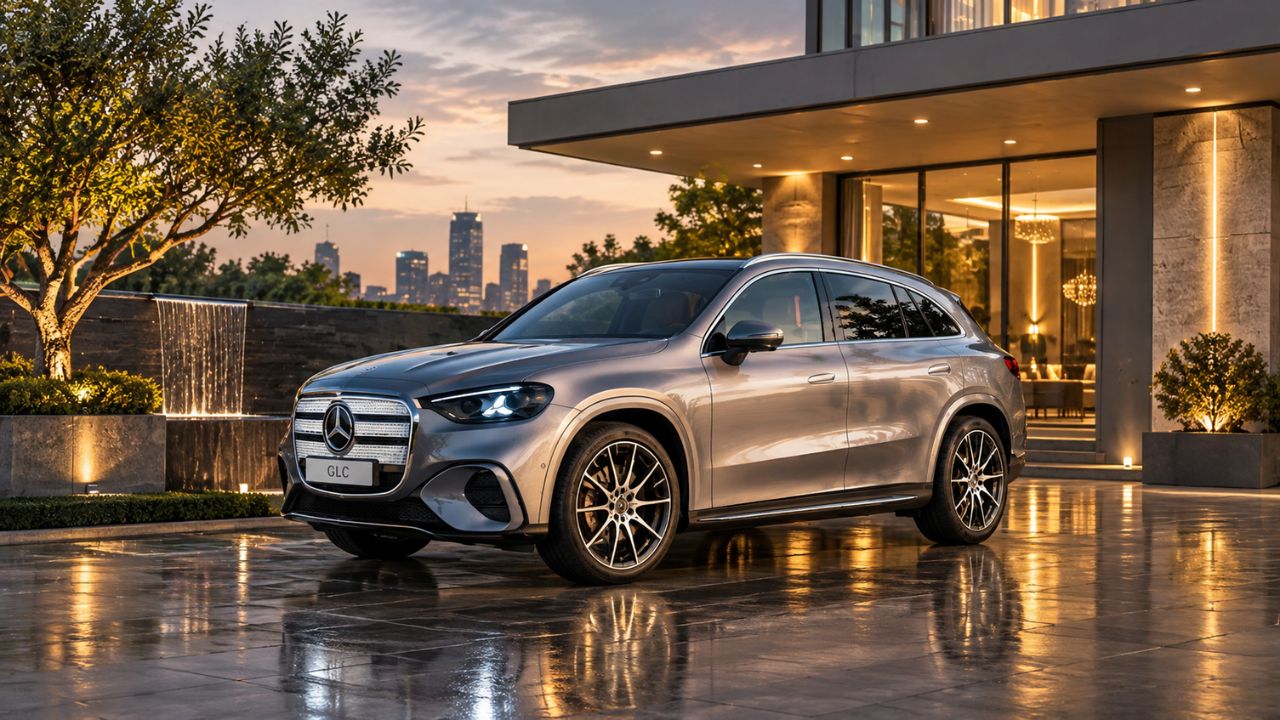
Mercedes-Benz GLC Electric: Premium Performance Meets Practical Compromises

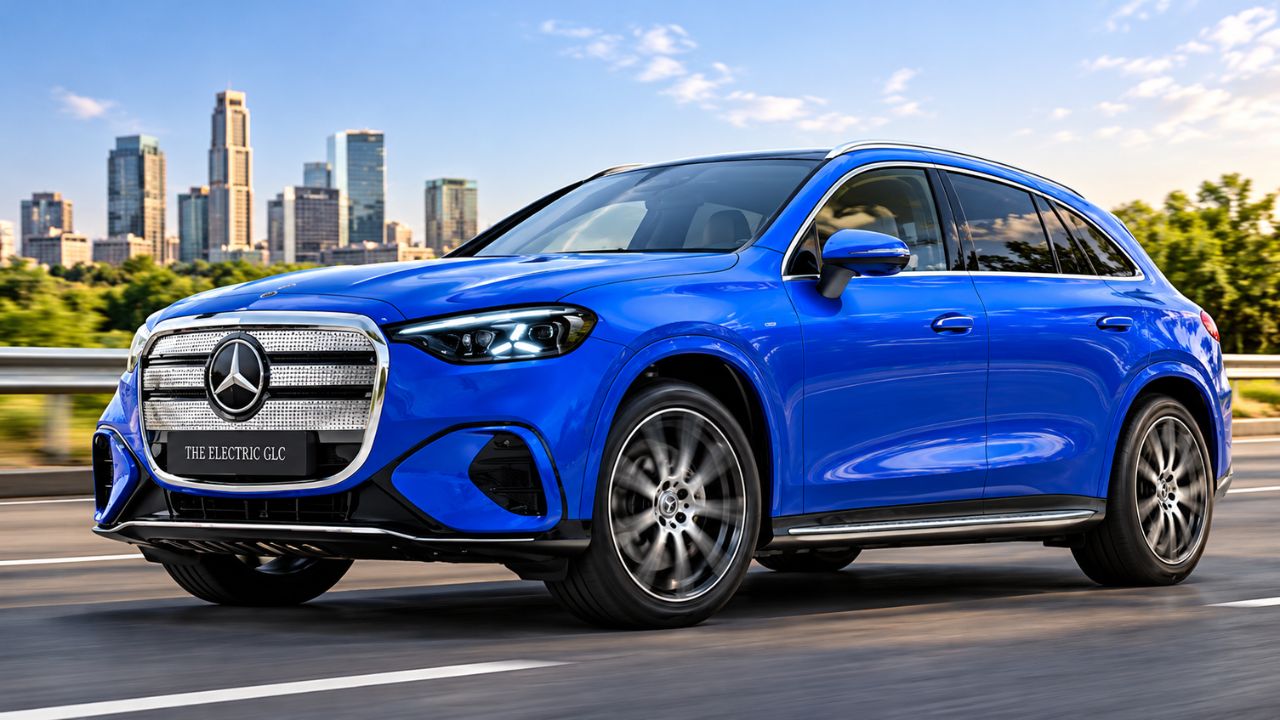
Mercedes-Benz GLC Electric

Mercedes-Benz has just lowered the entry price for its electric SUVs in India. The GLC Electric is priced at Rs 78.5 lakh (ex-showroom), is assembled locally, and is now the entry point to Mercedes-Benz GLC Electric SUV line-up here. It is built at the Chakan plant in Pune from completely knocked-down kits. 

Price and availability

Only one variant is on sale, the top-spec GLC 400 4Matic. CarDekho reports it works out nearly Rs 8.95 lakh cheaper than the combustion GLC on-road. Demand looks strong. Mercedes says it has over 1,000 bookings, the car is sold out till March 2027, and deliveries start around Diwali.

Battery, range and performance

The Mercedes-Benz GLC 400 offers a 94 kWh battery and two motors for all-wheel drive. Together they make 490 hp and 800 Nm, and Mercedes claims 0-100 kph in 4.3 seconds. That is quick for a family SUV that weighs nearly 2.5 tonnes.

Mercedes-Benz GLC Electric Battery, range and performance

Real-world range of Mercedes-Benz GLC Electric might be lower than a claimed 711 km WLTP-certified range, depending on speed, AC use and traffic.

Charging is also worth a closer look. A 22 kW AC charger comes as standard, and a 330 kW DC charger can add 300 km in 10 minutes. That fast figure needs a very powerful charger, so check what is actually available on your usual routes.

Inside the cabin

The centrepiece is a 39.1-inch hyperscreen that stretches across the dashboard as one continuous panel. The trade-off is that there are barely any physical controls, even for the climate system. Some drivers will love that, others will miss real buttons.

The equipment list is long:

Comfort & Interior

  • 15-speaker Burmester 3D surround-sound system with Dolby Atmos
  • Panoramic glass roof with illuminated stars and electronically adjustable opacity
  • Two wireless smartphone chargers
  • Front seats with massage and heating
  • No front-seat ventilation
  • Multi-colour ambient lighting
  • Powered tailgate and power-folding rear seats

Safety & Driver Assistance

  • Level 2 ADAS
  • 8 cameras and 5 radars
  • 9 airbags
  • 360-degree surround-view camera
  • Automated parking assistance

Mercedes-Benz GLC Electric Practicality

  • 570-litre boot
  • 128-litre front trunk (frunk)
  • Total luggage capacity: 698 litres

What you don’t get

This India-spec car has no rear-wheel steering or air suspension and instead rides on passive dampers. There is no sunshade on the roof, Mercedes-Benz GLC Electric cloudiness is electronically controlled. 

Mercedes-Benz GLC Electric Practicality

Who is it for?

At launch the Mercedes-Benz GLC Electric has no direct rival in India, though the BMW iX3 is due next year. If you want to own a Mercedes of a particular type, a big screen, phone integration, and a long claimed range, this is the cheapest route to that. If you cannot charge the car at home, it’s best to plan this one first. 

Category Details
Model Mercedes-Benz GLC 400 4MATIC Electric
Position in line-up Entry point to Mercedes-Benz India’s electric SUV range
Mercedes-Benz GLC Electric Price ₹78.5 lakh, ex-showroom
Assembly Locally assembled at Chakan, Pune, from completely knocked-down kits
Variants One variant only: top-spec GLC 400 4MATIC
Value vs petrol/diesel GLC About ₹8.95 lakh cheaper on-road than the combustion GLC, as reported by CarDekho
Bookings / availability Over 1,000 bookings; sold out until March 2027; deliveries expected around Diwali
Battery 94 kWh
Drivetrain Dual-motor all-wheel drive
Power / torque 490 hp / 800 Nm
0–100 kph 4.3 seconds, claimed
Claimed range 711 km, WLTP-certified; real-world range will likely be lower
AC charging 22 kW charger standard
DC fast charging Up to 330 kW; claimed 300 km added in 10 minutes, subject to charger availability
Infotainment 39.1-inch Hyperscreen spanning the dashboard
Controls Very few physical controls, including for climate functions
Audio 15-speaker Burmester 3D surround system with Dolby Atmos
Roof Panoramic glass roof with illuminated stars and electronically adjustable opacity; no separate sunshade
Phone charging Two wireless smartphone chargers
Front seats Massage and heating; no ventilation
Ambience / convenience Multi-colour ambient lighting, powered tailgate, power-folding rear seats
ADAS Level 2 ADAS
Sensors 8 cameras and 5 radars
Airbags 9
Cameras / parking 360-degree surround-view camera and automated parking assistance
Boot space 570 litres
Frunk 128 litres
Total luggage capacity 698 litres
Not available in India Rear-wheel steering, air suspension, front-seat ventilation, and a physical roof sunshade
Suspension Passive dampers
Rivals No direct rival at launch; BMW iX3 expected next year
Best suited for Buyers wanting a locally assembled Mercedes EV with a large screen, strong performance, long claimed range, and premium features
Key caveat Home charging access and reliable high-power DC charging on regular routes should be checked before buying

Conclusion

Mercedes-Benz GLC Electric caters mostly to the buyers who want a luxurious, quick, and technologically advanced Mercedes EV and can charge it at home. With 1,000 bookings and out of stock until March 2027, early demand shows that it has made a significant impact in the Indian premium EV market. 

0

Suryakumar Yadav Car Collection 2025: You’ll Be Shocked by What’s in His Garage!

Published May 31, 2025, 9:25 AM
Last Updated Apr 10, 2026, 7:17 AM

Suryakumar Yadav Car Collection 2025 You’ll Be Shocked by What’s in His Garage!

Suryakumar Yadav Car Collection makes fans look twice. The cricketer loves strong and fast cars. He shows them off with pride. His garage holds some of the best cars in India. It has both luxury and power. You will find big SUVs and sleek sports cars there. He has paid crores of rupees for these cars. He cares for each car with regular service. His love for cars matches his love for cricket. He keeps each car clean and ready to drive. Check out the rich collection of his cars below:

Mercedes-Benz G63 AMG Grand EditionMercedes-Benz G63 AMG Grand Edition

G63 AMD Grand Edition is his top car by price and power. It has a 4.0-liter V8 engine. It makes 585 brake-horsepower. This model of Mercedes-Benz can go from 0 to 100 km/h in about 4.5 seconds. The car costs about ₹2.45 crore in India. The body is boxy and bold. It has a rich black paint finish that looks sharp. Gold accents add extra style. He drives it in Mumbai traffic or on open roads. This car shows both strength and luxury.

Porsche 911 TurboPorsche 911 Turbo

Next is the sleek Porsche 911 Turbo. It has a 3.8-liter flat-six petrol engine. It makes around 580 hp and 750 Nm of torque. You can reach 100 km/h in just 2.7 seconds. The top speed is about 330 km/h. The car costs roughly ₹3.64 crore. It has a low ride height and wide body. The seats fit close to the ground. It hugs curves tightly on mountain roads. He uses it when he wants speed and style.

Mercedes-Benz GLS

Mercedes-Benz GLS

He also owns a large Mercedes-Benz GLS SUV. It has a 3.0-liter six-cylinder engine. The engine makes about 367 hp. The GLS seats seven people. He can take family and friends along. It costs about ₹1.3 crore in India. The interior feels like a living room. It has leather seats and wood trim. He uses it for long trips on highways. The ride feels smooth and calm.

Land Rover Defender

Land Rover Defender

The Land Rover Defender brings a sense of adventure to his collection. It is powered by a 3.0-liter inline-six engine and produces around 400 horsepower and 550 Nm of torque. It costs between ₹80.7 lakh and ₹1.22 crore. It can cross rivers and mud roads. It has high ground clearance and big tires. He can take it off-road in the Western Ghats or on beach trails. The seats are comfy for long drives. Its boxy shape is both old-school and modern.

Skoda Superb

Skoda Superb

He gives his parents a Skoda Superb. It costs about ₹39–42 lakh. It has a 2.0-liter turbo petrol engine. The engine makes 190 hp and 320 Nm of torque. The cabin feels big and bright. It has a wide backseat with leg room. He drives it to school matches or family events. It runs quietly on city roads. It shows he cares for family as well as speed.

Why Does He Loves These Cars?

Surya Kumar picks cars for fun and style. He plays cricket with bold moves. He drives cars with the same bold mind. He likes power under the hood. He likes the comfort inside too. He drives SUVs when he needs space. He drives sports cars when he wants speed. He cares for each car with regular checkups. He washes them by hand every week. He keeps the tyres and oil in top shape. He checks lights and brakes before every long trip.

Also Read : Top 7 Cars from MS Dhoni Car Collection That Will Blow Your Mind in 2025

Conclusion

Surya Kumar Yadav Car Collection shows his passion. It shows he likes both power and style. His garage has strong SUVs and fast sports cars. He owns cars that cost from ₹39 lakh to over ₹3 crore. He uses them for family trips, matches, and fun drives. He cares for each vehicle like a prized tool. His collection inspires young fans to dream big. It proves that hard work can buy the cars you love.

Frеquеntly Askеd Quеstions

Q.1. Which is thе most еxpеnsivе car in thе Surya Kumar Yadav Car Collеction?

Thе most еxpеnsivе car in his collеction is thе Porschе 911 Turbo. It costs around ₹3.64 crorе and offеrs top spееd, grеat dеsign, and world-class pеrformancе.

Q.2. How much is thе total worth of thе Surya Kumar Yadav Car Collеction?

Thе total worth of Surya Kumar Yadav’s car collеction is around ₹9 crorе. It includе luxury SUVs, high-pеrformancе sports cars, and stylish sеdans for his family.

Q.3. Doеs Surya Kumar Yadav buy nеw cars еvеry yеar?

No, Surya Kumar Yadav doеs not buy nеw cars еvеry yеar. Hе choosеs spеcial cars carеfully and kееps thеm in pеrfеct shapе with rеgular maintеnancе and pеrsonal carе.

0

Nissan Frontier vs Toyota Tacoma: Which Truck Should You Choose in 2025?

Published Sep 16, 2025, 9:25 AM
Last Updated Apr 10, 2026, 7:23 AM

2025 Nissan Frontier and Toyota Tacoma trucks compared for performance, towing, technology, and value

In 2025, it is getting more difficult to make a choice between these updated Nissan Frontier vs Toyota Tacoma. It is not just about the best truck but rather a choice between two distinct engineering philosophies tailored to different buyer profiles. The Nissan Frontier is a solid upgraded and value-driven truck. The Toyota Tacoma is an all new futuristic, multi-powertrain truck which prioritizes advanced technology. 

We are going to look at their performances, ability, tech and costs that helps you to decide what you should choose in 2025.

Car lovers who have spent years with tech-featured engines can look for Toyota Tacoma. It offers modern engines like a solid hybrid. Its more advanced tech suite offers impressive features, making it a forward looking investment and it will be beneficial over time. 

A simple and valuable Nissan Frontier is the best option for straightforward buyers who want to pick strong contenders. It offers a V6 engine with good towing at an affordable price, making it a more reliable truck. Good rating and positive results of Frontier machine providing a sense of security that is valuable for a buyer.

Market Context and Platform Philosophy

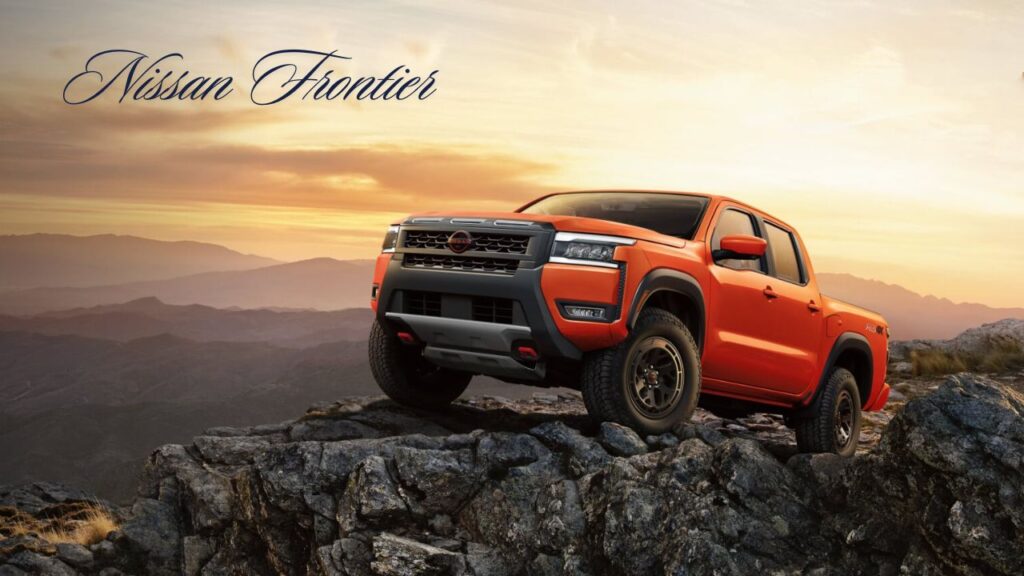
Nissan’s Frontier is simple but offers a strong V6 engine that produces enough power to run smoothly. This deliberate choice provides a simple and robust product while relying on a single naturally aspirated engine is the top choice for buyers who are interested in low budget quality products.

Nissan Frontier 2025 mid-size truck with strong V6 engine and simple design

Image credit: Nissan

The new Tacoma uses TNGA-F platform for delivering reinvention of Toyota including turbocharged and hybrid powertrain options. This evolution is emerging the market of mid-sized trucks into more choices, Toyota aims for capturing a wider market and saving fuel.

Powertrain and On-Road Performance Analysis

The 2025 Nissan Frontier is an incredible machine beast which offers a naturally aspirated 3.8L V6 powerful engine that generates 310 horsepower to run with 9-speed automatic transmission. It reaches from 0 to 60 mph in 7.3 seconds with its PRO-4X model and smooth gear shifts. 

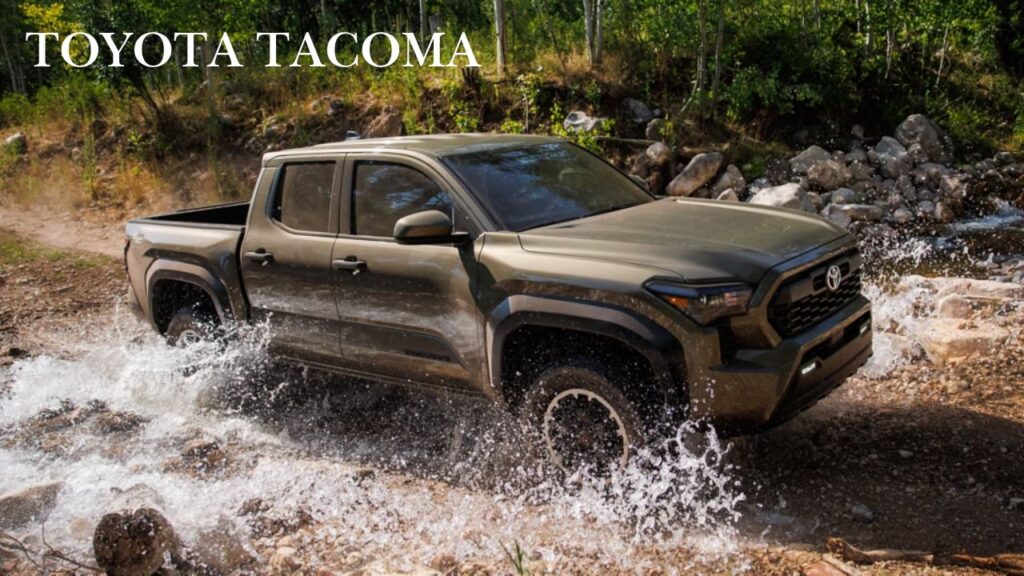
However, The 2025 Toyota Tacoma builds on a multi-powertrain strategy. It offers a turbocharged 2.4L four-cylinder which delivers 278 hp to run faster with 317 of torque. Its other variant i-FORCE MAX hybrid powertrain offers 326 horsepower and a class-leading 465 lb-ft of torque. 

Toyota Tacoma 2025 with turbocharged and hybrid powertrain options

Image credit: Toyota

The crucial difference they have is their torque, the Tacoma’s engine offers a turbocharged and hybrid powertrain which delivers maximum torque at low speed. Its i-Force max hybrid delivers 465 lb-ft of torque at just 1700 RPM. The Frontier also provides a strong engine but it requires more pulling strength to achieve the same power. A Tacoma TRD off-road test proved to run from 0 to 60 mph in 6.8 seconds more than Frontier PRO-4X.

Quick Comparison Table for Nissan Frontier vs Toyota Tacoma

Feature 2025 Nissan Frontier 2025 Toyota Tacoma (i-FORCE) 2025 Toyota Tacoma (i-FORCE MAX Hybrid)
Engine 3.8L DOHC V6 2.4L Turbo I4 2.4L Turbo I4 with Hybrid
Horsepower 310 hp 228–278 hp 326 hp
Torque 281 lb-ft 243–317 lb-ft 465 lb-ft
Max Towing Capacity Up to 7,150 lbs Up to 6,500 lbs Up to 6,000 lbs
Max Payload Capacity Up to 1,620 lbs Up to 1,705 lbs Up to 1,680 lbs
Max EPA Estimated MPG (City/Hwy) 19/24 21/26 23/24

Capability: A Deep Dive into Utility

The 2025 Nissan Frontier is offering more towing capacity up to 7,150 pounds for specifically RWD configuration. Its maximum towing capacity is up to 1,620 pounds.

Nissan Frontier 2025 towing 7,150 lbs vs Toyota Tacoma 2025 towing 6,500 lbs

Image credit: Toyota

The 2025 Toyota Tacoma maximum capacity for towing up to 6,500 pounds. This limit is applied to different trims but its common maximum payload capacity is up to 1,705 pounds, making it useful for different works.

Read More :-  New GST Pricing For Popular Cars in India: September Updates on Latest Car Price Drop 

Technology and Interior: The Modern Truck Experience

The Tacoma offers more defining technology and interior than Frontier. Every Tacoma trims come with advanced tech features like display, connectivity, and audio system. But some advanced technology isn’t available in Frontier, only higher trims offer wireless connectivity. 

In safety features, Nissan topped the list with Nissan Safety Shield 360 which included an automatic braking system to prevent crashes. The Tacoma comes with safety sense 3.0 that includes a crash alert system and cruise control for making a distance to avoid accidents.

Off-Road Prowess: A Battle of the Specialists

These two trucks stand a chance to tackle tough trails, becoming a first choice for off-road fans. The Frontier PRO-4X has Bilstein, locking rear end and skid plates for safety, making a pro choice for off-roads. The Tacoma hybrid engine offers massive power to tackle rough terrain with its special FOX shocks and big 33-inch tires. It provides 11.5 inches ground clearance smoothly which is a good option for driving on rocky roads.

The True Cost of Ownership

It is important that your vehicle should be fuel efficient because resale value and fuel use is shaping the true cost of these trucks. The 2025 Toyota Tacoma starts at $31,590 less than the Frontier’s $32,050. The Tacoma is consumed more fuel, gas engine EPA-estimated 21 miles in city and 26 miles on the highway. The Frontier tops out at an EPA-estimated 19 MPG city and 24 MPG highway. This fuel economy is drowning ownership towards Tacoma.

Conclusion

When it comes to buying a powerful truck which gives you long-term benefit and better performance then Nissan Frontier vs Toyota Tacoma is fighting at the top of the list. Choosing the right one for you totally depends on your budget and requirements. The Frontier is ideal for those who want proven design, simple, and reliable trucks. The Tacoma is featuring bold, new technology, and powertrains to provide high-value performance. But both have specialized experience in their field.


0

Latest Hyundai Cars Offers on Verna, Exter & i20 in India

Hyundai Cars Offers on Verna

The 2026 Indian Car Market Spins with New Twists, there are Latest Hyundai Cars which can amazed you totally. Although supply chain hysteria has started to subside in a post-pandemic world, a new issue has come around: a significant change in the types of cars that people want to drive. If you’ve been out on the roads in India these days, you will have noticed it—SUVs have become the majority on the road, and the traditional sedan and the small hatchback are struggling to hold onto the spotlight.

Against this backdrop, Hyundai Motor India (HMIL) has come out all guns blazing with a huge “February Discount.” Explore all the cars with massive offers to buy in 2026.

Why February is “Deal Month”

To get an idea of why Hyundai is suddenly so generous, look at the January sales figures. On the face of it, all is well — 9% growth year-on-year. But if we take a closer look, there is the SUV Fortress. The Venue and Creta sales are skyrocketing.

However, sales of TCS-heavy flagship sedan, Hyundai Verna tanked 44% in the last month. That’s not because the car is bad, it’s because Indian buyers are flocking en masse to high-riding vehicles. In order to take on this challenge from measures, Hyundai has introduced the “Pride of India” scheme, with its sights set on the Indian middle class: government employees, and PSU bankers. To these specific corporate bonuses, they add huge cash discounts, making even a sedan difficult to refuse for an SUV-lover. 

The Verna — a Mid-Size Sedan

If you have been looking at a mid-size sedan, then the February deals on the Verna are just too good to miss. It’s about total benefits of up to ₹98,000. 

The Verna — a Mid-Size Sedan

Benefit Category MY25 Petrol MT MY25 Petrol AT MY26 Petrol MT
Cash Discount ₹25,000 ₹40,000 ₹25,000
Scrappage/Exchange ₹70,000 ₹50,000 ₹45,000
Pride of India ₹3,000 ₹3,000 ₹3,000
Total Benefit ₹98,000 ₹93,000 ₹73,000

Driving sensation: Relaxed vs. Energetic

Verna has two different personalities:

The 1.5L Naturally Aspirated: Ideal for the daily grind. Its IVT (Hyundai’s take on a CVT) transmission contributes to butter smooth driving amid stop-and-go traffic.

The 1.5L Turbo GDi: This is for the enthusiast. It has more power (160 HP), the VW Virtus is no match in a sprint. If you’ve found yourself stuck on the in India, remember to shift to Neutral during long halts to leave that clutch! 

The Exter: Punching Back at the Competition

The Hyundai Exter is Hyundai’s answer to the Tata Punch in the Micro-SUV segment. It’s boxy, it’s useful, and right now it’s going for a ₹43,000 discount. 

The Exter Punching Back at the Competition

Why the Exter Works

The Exter is designed to be as big on the inside as possible, and as small on the outside as humanly possible. It has a “segment-best” 391 liter boot, which matters for a small family going out on a weekend trip. 

Its suspension is fantastic at absorbing the city bumps and potholes, but the stock headlights are a tad on the weak side for unlit stretches of highway. A bulb upgrade might be the first “mod” you make, if you drive a lot at night. 

With a steady CNG cost of about ₹ 95.75/kg, the running cost is less than ₹4 per km. That’s more economical than a few auto-rickshaws! 

The Enthusiast’s Corner: i20 N Line

Normal i20 is still the “Comfort King” (it remains the only one in its segment with a Bose sound system), but the N Line is where the heart is.

The Enthusiast’s Corner i20 N Line

Hyundai has sensibly revived the 6-speed Manual for the N Line, replacing the outdated iMT. It feels mechanical, tactile, and smells wonderful thanks to that twin-tip exhaust. With a ₹ 58,000 discount this month, it is still one of the very few cars which can make you believe that driving is not only hard work but also great fun. 

Should You Buy Now?

The askings in these February editions being particularly aggressive hints at a “stock clearance” event for the March fiscal-year end, with a Verna facelift expected in late 2026.

If you are not a “must have 2026” stamp on your regplate type of person, then getting a Model Year 2025 (MY25) vehicle right now is one of the best financial decisions you can make. You have the same engineering, the same warranty, and even the same features, but now with nearly ₹1 Lakh in your pockets. 

Read More:-  Verna vs Slavia vs Virtus: Which Midsize Sedan Should You Buy in 2026?

Conclusion

Hyundai’s February 2026 deals aren’t just festive discounts—they’re a savvy play for shoppers to get more for their money in an SUV-led market. Be it the feature-packed Verna, the practical and fuel-efficient Exter or the performance oriented i20 N Line, Latest Hyundai Cars make each segment truly difficult to overlook. For the deepest discounts without sacrificing quality, performance, or long-term dependability, this is one of the best times in 2026 to bring home a Hyundai. 

2

What Monthly Salary Is Required to Buy a Tata Nexon?

Published Oct 27, 2026, 11:48 AM
Last Updated Oct 28, 2026, 12:40 PM

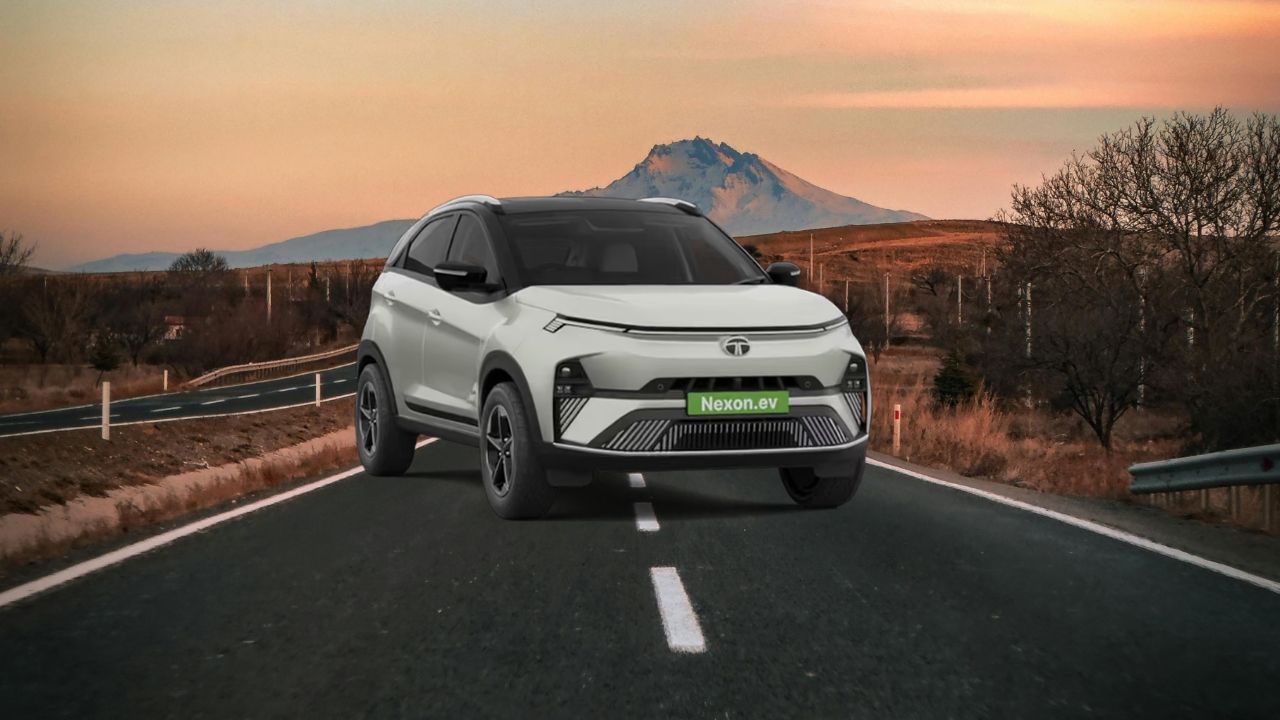
Tata Nexon

When you settle down with a stable job and wondering What Monthly Salary Is Required to Buy a Tata Nexon? Either you want to commute to the office daily or to go out with your family, both need a car which is reliable and gives better fuel efficiency. The Tata Nexon is one of the cheapest and reliable options in India. 

So you open a car website, see “Nexon from ₹7.4 lakh” and search for options to buy a Tata Nexon without wrecking your budget. The sticker price doesn’t answer that. The EMI does, and so does everything else the car costs you every month. Let’s figure out how.

What Monthly Salary Is Required to Buy a Tata Nexon?

To buy a base Nexon, your monthly salary needs to be around ₹35,000 to ₹40,000 for getting car loan approval, even if you get a personal loan the bank says yes after analyzing your credit score and take-home pay. If you already have another major EMI running then it could be difficult for you to pay car EMI. 

To afford it without feeling the pinch, you want closer to ₹70,000. Buying a mid-range Nexon which costs around ₹13 lakh on-road needs about ₹55,000 salary for approval and ₹1.1 lakh salary for your mind’s comfort. You can easily buy a Tata Nexon  fully loaded diesel automatic if you have more than 1 lakh salary in your hand monthly. 

These figures come from a 20% down payment, a 5-year loan at 9% interest. Banks approve your loan when your car EMI and other EMIs stay under 40% of your salary and the other 60% is going into your daily expenses. Financial planners prefer the car EMI to stay near 20% so it won’t be a burden for you.

Tata Nexon Price in 2026: Ex-Showroom vs On-Road

Tata Nexon base model comes at ₹7.40 lakh. This is the petrol manual variant and the top diesel variant is nearly ₹14.40 lakh ex-showroom, Fearless + PS Red #Dark AMT. Confirm the actual cost from a dealer in writing

The price you see on the Tata website isn’t what you pay, the on-road price of Tata Nexon is  ₹8.55 lakh to ₹17.29 lakh depending on registration, road tax, insurance, handling charges and variants. In Lucknow or Delhi, expect to add roughly 15% to the ex-showroom figure. Always base your salary math on the on-road number.

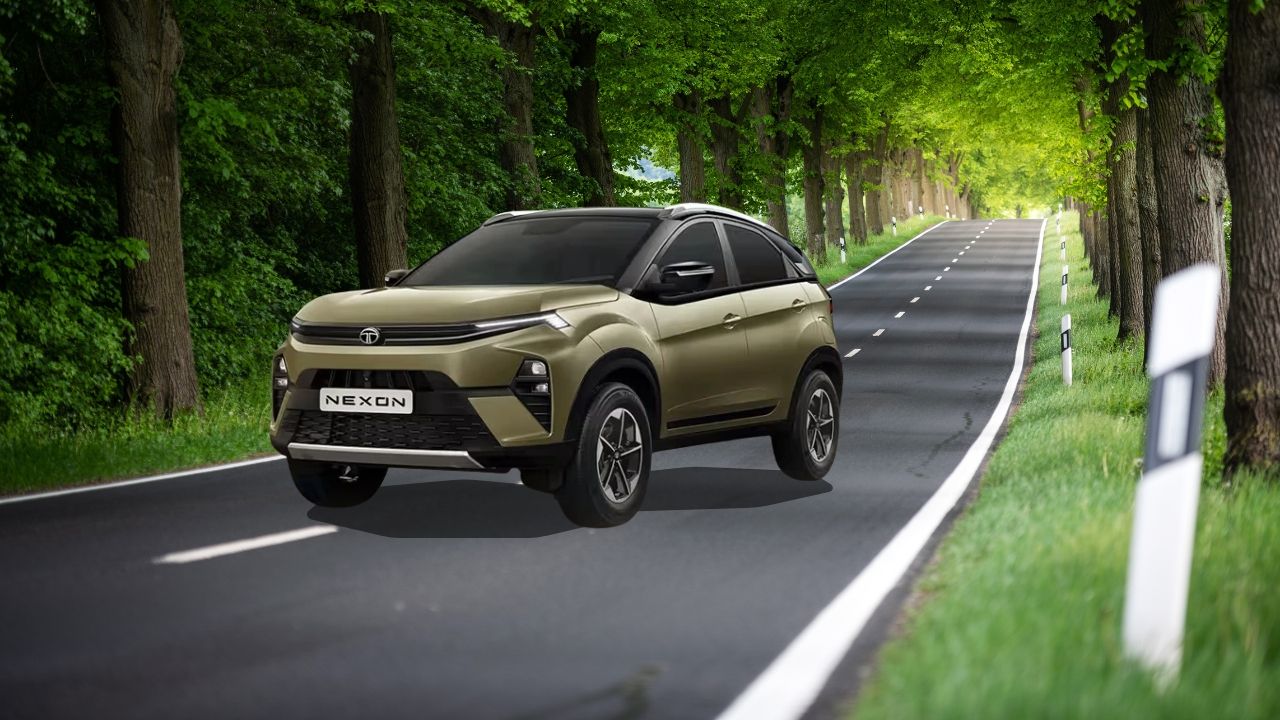
Tata Nexon Price

One variant matters for budget buyers. In May 2026 Tata launched the Pure+ PS at ₹9.59 lakh ex-showroom, billed as the cheapest car in India with a panoramic sunroof. It’s a sensible step up from the base trim for anyone who wants the feature-heavy Nexon without paying Fearless money.

You can plan to buy Tata Nexon when there’s a discount period. In March, Tata offered discounts of ₹55,000 and up to ₹75,000 this October. So ask your dealer for a current cash discount because other offers are valid only if you are eligible. Even ₹30,000 off trims your loan and nudges the required salary down.

Tata Nexon Features and Specs

Tata Nexon comes in petrol, diesel and factory-fitted CNG variants which affects the buyer choice. Both purchase price and running cost matters for an average class buyer.

Petrol Diesel CNG
Engine 1.2L turbo 1.5L 1.2L turbo
Power ~120 PS 115 hp ~100 PS
Gearbox 5/6-speed MT, AMT 6-speed MT, 6-speed AMT MT
Claimed mileage 17.0–17.4 kmpl ~23–24 kmpl (ARAI) 24 km/kg

The base Smart trims are bare-bones. The mid variants add the touchscreen, connected-car tech and better safety kit. Higher variants add a 360-degree camera, ADAS and TPMS. The Nexon has held a 5-star crash-test reputation for years, but ratings differ between the Global NCAP and Bharat NCAP protocols, so check which one applies to the variant you’re eyeing.

Tata Nexon EMI Options: Variant-Wise Numbers

Here’s the four representative variants, a 20% down payment and a 9% interest rate. At 9%, it’s ₹12,067 a month for a ₹7.5 lakh loan over 7 years on the base car. The base, Pure+ PS and mid CNG figures use Delhi and Mumbai on-road prices from the listings above. The Pure+ PS on-road price of ₹11 lakh is my own estimate from the usual 15% markup, so confirm it with a dealer quote.

Variant On-road (approx.) Down payment (20%) EMI, 4 yrs EMI, 5 yrs EMI, 7 yrs
Petrol Smart MT (base) ₹8.37 lakh ₹1.67 lakh ₹16,700 ₹13,900 ₹10,800
Petrol Pure+ PS (est.) ₹11.0 lakh ₹2.2 lakh ₹21,900 ₹18,300 ₹14,200
CNG Creative+ S MT ₹13.06 lakh ₹2.61 lakh ₹26,000 ₹21,700 ₹16,800
Diesel Fearless+ PS Red Dark AMT ₹17.29 lakh ₹3.46 lakh ₹34,400 ₹28,700 ₹22,300

Rates vary more than people expect. At 10.5%, lender rate sheets for EVs show roughly 8.25% to 8.9% at major banks, and ICE car loans usually sit in a similar band. A CIBIL score above 750 gets you the lower end. A score under 700 can cost you a full percentage point or more, which on the diesel AMT adds roughly ₹1,500 to the monthly EMI.

How Tenure and Down Payment Change the Maths

Stretching the loan from 5 to 7 years drops the EMI by about 22%, but it adds a lot of interest. On the CNG Creative+ S, the 7-year loan costs roughly ₹3.6 lakh in interest against about ₹2.6 lakh on the 5-year loan. If your salary is the constraint, a bigger down payment is the smarter lever than a longer tenure. Every extra ₹1 lakh you put down cuts the 5-year EMI by about ₹2,080.

The Salary Rules Banks and Planners Use

Banks look at something called the fixed obligation to income ratio. Most lenders want your total monthly EMIs, including any home loan, personal loan and credit card minimums, under 40% to 50% of net income. Many also set a minimum income floor, often ₹25,000 to ₹30,000 a month for salaried applicants, but it varies by lender and city, so ask before you apply.

Divide the 5-year EMI by 0.40 and you get the “approval” salary. Divide it by 0.20 and you get the “comfort” salary.

Variant Approval salary (EMI ≤ 40%) Comfortable salary (EMI ≤ 20%)
Petrol Smart MT ~₹35,000 ~₹70,000
Petrol Pure+ PS ~₹46,000 ~₹92,000
CNG Creative+ S MT ~₹54,000 ~₹1.08 lakh
Diesel Fearless+ PS AMT ~₹72,000 ~₹1.44 lakh

There’s also the stricter 20/4/10 rule: put down 20%, borrow for no more than 4 years, and keep total vehicle costs under 10% of gross income. Run the base Nexon through that and you need a gross income of about ₹2 lakh a month. Almost nobody buys a Nexon that way, and you don’t have to. But the rule is a useful reminder that the cheapest EMI is not the same as the cheapest ownership.

Notice how steeply the required salary climbs. Going from the base Nexon to the top diesel more than doubles the income you need. That’s the main reason to look hard at the middle of the range.

What the Car Costs After the EMI

An EMI is only one line in the budget. Once the car is in your parking spot, three more costs show up.

Fuel is the big one. If you drive about 1,000 km a month, which is a realistic office-plus-weekends pattern, a petrol Nexon returning 13 kmpl in the real world burns about 77 litres. At roughly ₹95 to ₹100 a litre, that’s ₹7,500 or so. A CNG Nexon cuts that noticeably, and a diesel falls somewhere between, though fuel prices differ by city and have moved around this year, so plug in today’s pump rate.

Servicing and tyres add a few hundred to a thousand rupees a month when you average them out over the year. Insurance renewal after the first year is another cost, typically ₹20,000 to ₹35,000 depending on variant and city. Parking, tolls and the odd repair make up the rest.

Consider a ₹8,000 to ₹10,000 a month is a running cost for any vehicle you are going to buy, excluding EMI. That’s why comfort salary matters, so you should enjoy driving a Tata Nexon. The total amount is nearly ₹23,000 by adding ₹14,000 EMI and ₹9,000 of running costs, a ₹40,000 salary isn’t enough for rent, food, and expenses if you are living in a metro city.

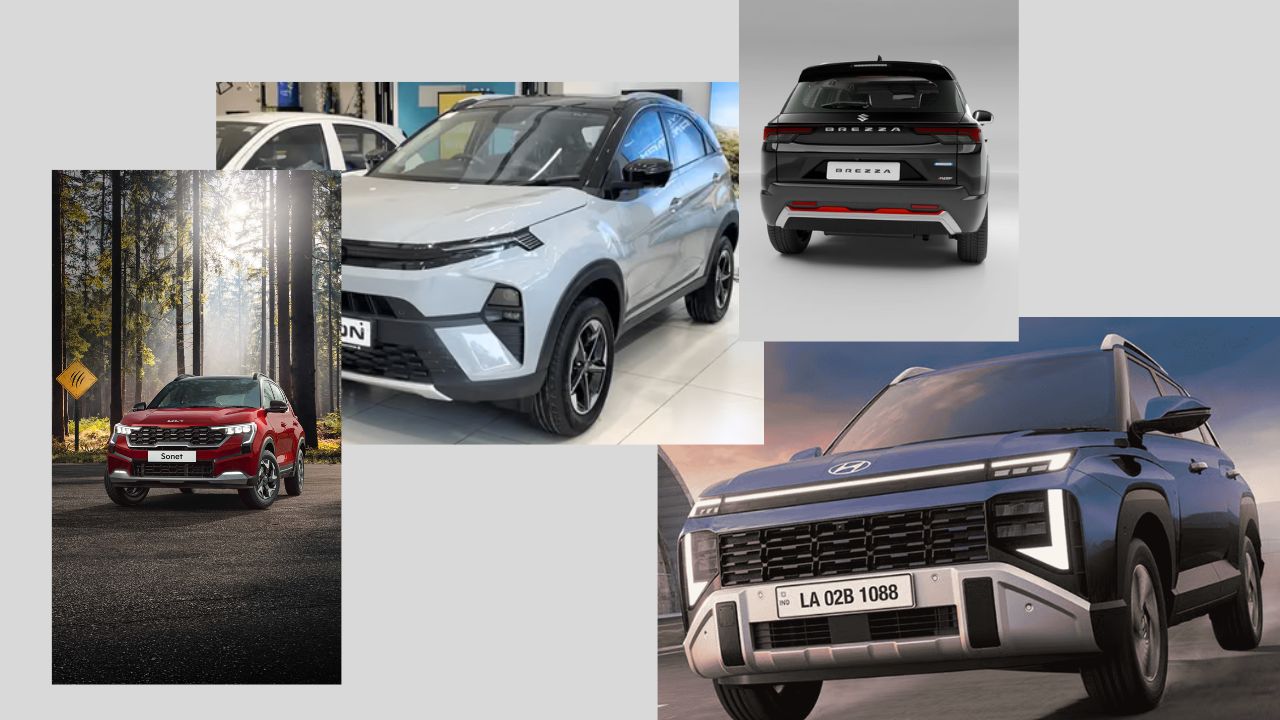
Tata Nexon vs Brezza vs Venue vs Sonet: Where It Sits

The choice of fuel types makes Nexon beat its rivals. The 2026 Maruti Brezza starting price is ₹7.4 lakh and the higher is ₹13.55 lakh ex-showroom. Its new 1.0 L petrol entry variant is cheap and the Maruti service network is also wider in India.

Tata Nexon vs Brezza vs Venue vs Sonet

The Hyundai Venue is listed at ₹8 lakh to ₹15.65 lakh, and the Kia Sonet at ₹7.41 lakh to ₹13.8 lakh. The Venue costs more to enter and gets the more advanced kit. It offers Level 2 ADAS, an electronic parking brake and all-wheel disc brakes. The Sonet sits close to the Nexon on price and leans on a long features list.

At the base level, then, the Nexon is not the cheapest, with the Brezza undercutting it slightly. Where it wins is breadth. It’s the only one of the three that gives you petrol, diesel and CNG in a sub-4-metre SUV, and the sales numbers back it up. The Nexon was the second highest-selling car in India in June 2026. A popular car also holds resale value better, which matters if you’re stretching to buy.

👉  What Salary Do You Need to Buy a Maruti Suzuki Swift in India?

Conclusion

Take-home under ₹35,000: skip the loan for now. Save for a larger down payment, or look at a used compact SUV instead. The base Nexon will technically be approvable only at the edge of your limit, and any job disruption makes it a burden.

Take-home of ₹40,000 to ₹60,000: the base Petrol Smart MT or Smart+ trim, or the Pure+ PS if you can put down ₹2 lakh or more. Take a 5-year loan, not 7 if you can help it, and cap the car EMI around ₹14,000 to ₹18,000.

Take-home of ₹60,000 to ₹1 lakh: this is the sweet spot. The Pure+ PS, Creative or a CNG variant make sense here, especially if you drive more than 1,200 km a month. CNG’s running-cost saving can offset a higher EMI within a couple of years.

Take-home above ₹1.2 lakh: the top diesel automatic becomes realistic, but price a diesel only if you drive enough kilometres to justify it.

Before you sign, do three things this week. Get the on-road quote in writing from two Tata dealers. Check your CIBIL score, because it decides your rate. And run the EMI at both 9% and 11%, so a rate surprise doesn’t blow up your plan. If the higher-rate EMI still fits under 20% of your take-home pay, you’ve found your Nexon.