1

Mercedes-Benz GLC Electric: Premium Performance Meets Practical Compromises

Mercedes-Benz GLC Electric

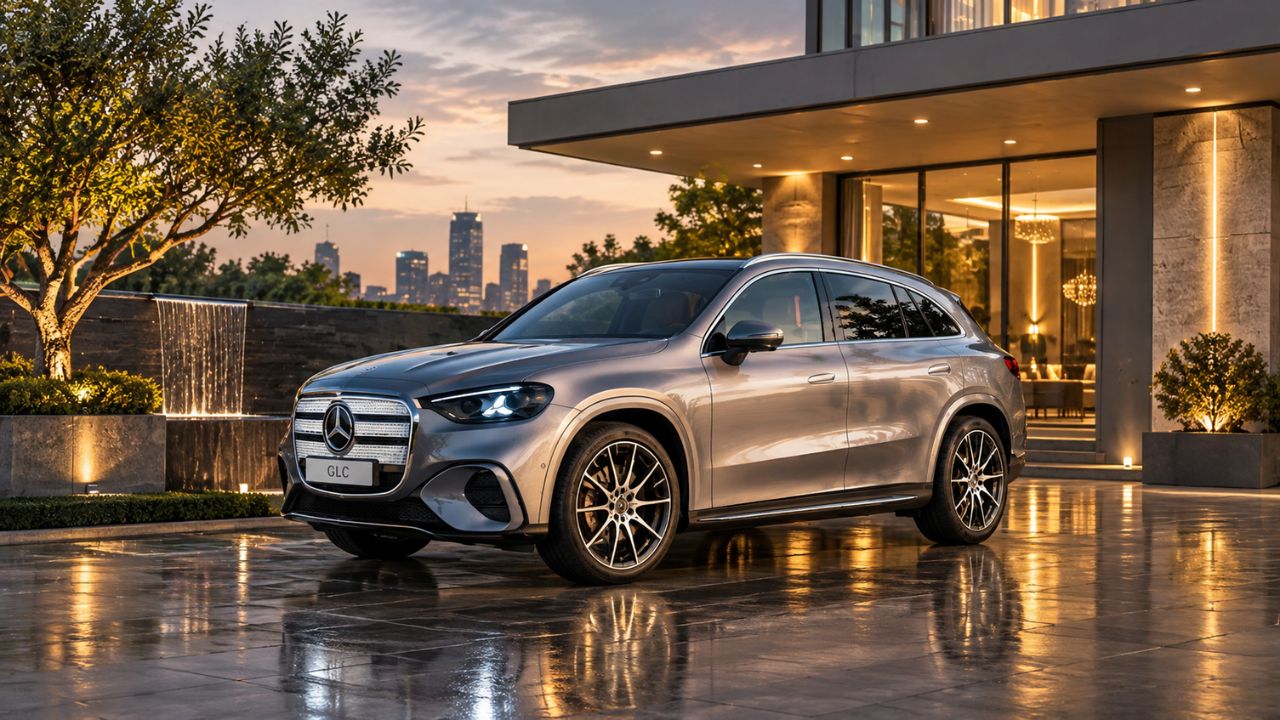
Mercedes-Benz has just lowered the entry price for its electric SUVs in India. The GLC Electric is priced at Rs 78.5 lakh (ex-showroom), is assembled locally, and is now the entry point to Mercedes-Benz GLC Electric SUV line-up here. It is built at the Chakan plant in Pune from completely knocked-down kits. 

Price and availability

Only one variant is on sale, the top-spec GLC 400 4Matic. CarDekho reports it works out nearly Rs 8.95 lakh cheaper than the combustion GLC on-road. Demand looks strong. Mercedes says it has over 1,000 bookings, the car is sold out till March 2027, and deliveries start around Diwali.

Battery, range and performance

The Mercedes-Benz GLC 400 offers a 94 kWh battery and two motors for all-wheel drive. Together they make 490 hp and 800 Nm, and Mercedes claims 0-100 kph in 4.3 seconds. That is quick for a family SUV that weighs nearly 2.5 tonnes.
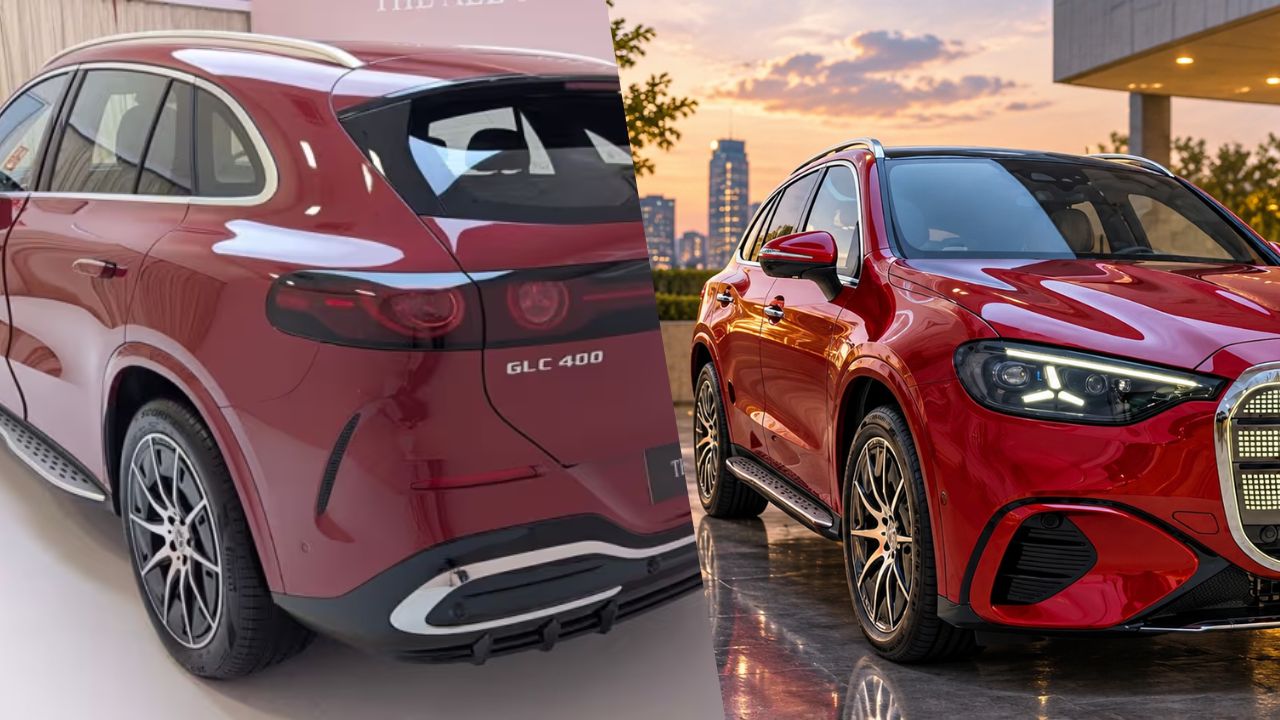
Mercedes-Benz GLC Electric Battery, range and performance

Real-world range of Mercedes-Benz GLC Electric might be lower than a claimed 711 km WLTP-certified range, depending on speed, AC use and traffic.

Charging is also worth a closer look. A 22 kW AC charger comes as standard, and a 330 kW DC charger can add 300 km in 10 minutes. That fast figure needs a very powerful charger, so check what is actually available on your usual routes.

Inside the cabin

The centrepiece is a 39.1-inch hyperscreen that stretches across the dashboard as one continuous panel. The trade-off is that there are barely any physical controls, even for the climate system. Some drivers will love that, others will miss real buttons.

The equipment list is long:

Comfort & Interior

  • 15-speaker Burmester 3D surround-sound system with Dolby Atmos
  • Panoramic glass roof with illuminated stars and electronically adjustable opacity
  • Two wireless smartphone chargers
  • Front seats with massage and heating
  • No front-seat ventilation
  • Multi-colour ambient lighting
  • Powered tailgate and power-folding rear seats

Safety & Driver Assistance

  • Level 2 ADAS
  • 8 cameras and 5 radars
  • 9 airbags
  • 360-degree surround-view camera
  • Automated parking assistance

Mercedes-Benz GLC Electric Practicality

  • 570-litre boot
  • 128-litre front trunk (frunk)
  • Total luggage capacity: 698 litres

What you don’t get

This India-spec car has no rear-wheel steering or air suspension and instead rides on passive dampers. There is no sunshade on the roof, Mercedes-Benz GLC Electric cloudiness is electronically controlled. 
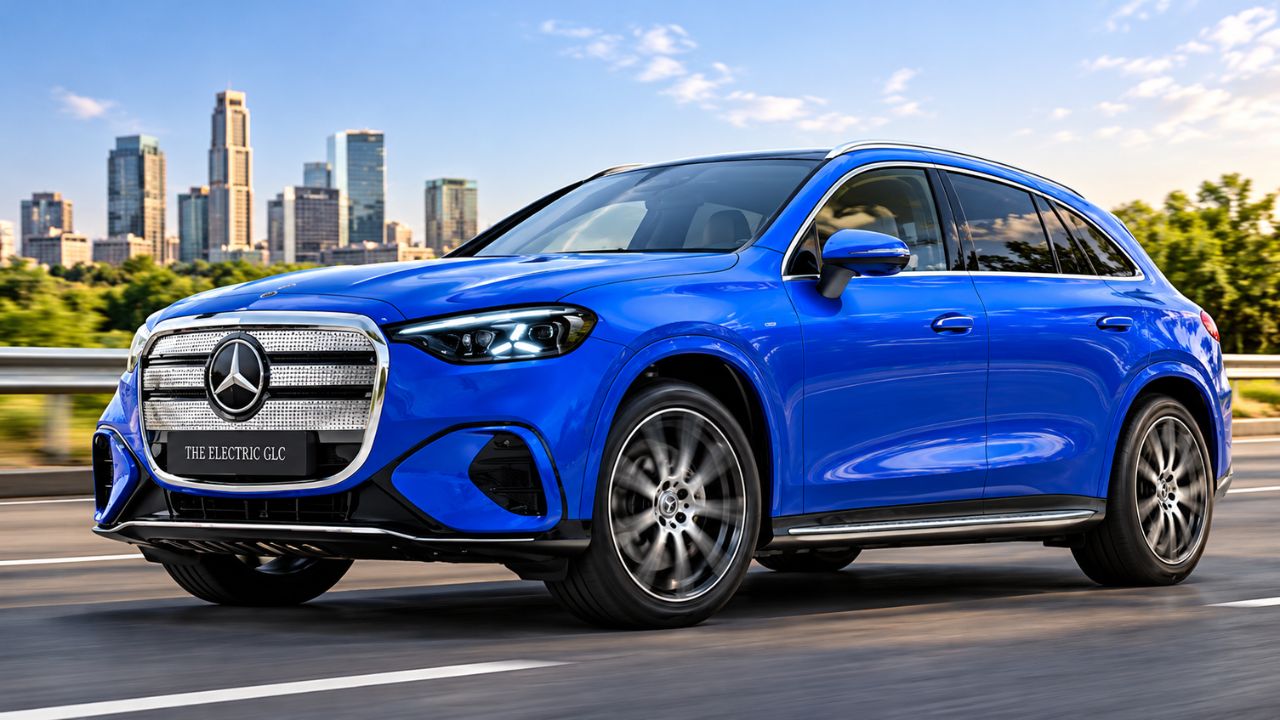
Mercedes-Benz GLC Electric Practicality

Who is it for?

At launch the Mercedes-Benz GLC Electric has no direct rival in India, though the BMW iX3 is due next year. If you want to own a Mercedes of a particular type, a big screen, phone integration, and a long claimed range, this is the cheapest route to that. If you cannot charge the car at home, it’s best to plan this one first. 

Category Details
Model Mercedes-Benz GLC 400 4MATIC Electric
Position in line-up Entry point to Mercedes-Benz India’s electric SUV range
Mercedes-Benz GLC Electric Price ₹78.5 lakh, ex-showroom
Assembly Locally assembled at Chakan, Pune, from completely knocked-down kits
Variants One variant only: top-spec GLC 400 4MATIC
Value vs petrol/diesel GLC About ₹8.95 lakh cheaper on-road than the combustion GLC, as reported by CarDekho
Bookings / availability Over 1,000 bookings; sold out until March 2027; deliveries expected around Diwali
Battery 94 kWh
Drivetrain Dual-motor all-wheel drive
Power / torque 490 hp / 800 Nm
0–100 kph 4.3 seconds, claimed
Claimed range 711 km, WLTP-certified; real-world range will likely be lower
AC charging 22 kW charger standard
DC fast charging Up to 330 kW; claimed 300 km added in 10 minutes, subject to charger availability
Infotainment 39.1-inch Hyperscreen spanning the dashboard
Controls Very few physical controls, including for climate functions
Audio 15-speaker Burmester 3D surround system with Dolby Atmos
Roof Panoramic glass roof with illuminated stars and electronically adjustable opacity; no separate sunshade
Phone charging Two wireless smartphone chargers
Front seats Massage and heating; no ventilation
Ambience / convenience Multi-colour ambient lighting, powered tailgate, power-folding rear seats
ADAS Level 2 ADAS
Sensors 8 cameras and 5 radars
Airbags 9
Cameras / parking 360-degree surround-view camera and automated parking assistance
Boot space 570 litres
Frunk 128 litres
Total luggage capacity 698 litres
Not available in India Rear-wheel steering, air suspension, front-seat ventilation, and a physical roof sunshade
Suspension Passive dampers
Rivals No direct rival at launch; BMW iX3 expected next year
Best suited for Buyers wanting a locally assembled Mercedes EV with a large screen, strong performance, long claimed range, and premium features
Key caveat Home charging access and reliable high-power DC charging on regular routes should be checked before buying

Conclusion

Mercedes-Benz GLC Electric caters mostly to the buyers who want a luxurious, quick, and technologically advanced Mercedes EV and can charge it at home. With 1,000 bookings and out of stock until March 2027, early demand shows that it has made a significant impact in the Indian premium EV market. 

Alok Kabir

Alok is an experienced SEO Specialist skilled in blogging and SEO-friendly content creation. He also specializes in Content Optimization and Technical SEO, including website optimization, crawlability, indexing, site speed, and on-page improvements to enhance search rankings and online visibility.

One Comment

Leave a Reply

Your email address will not be published. Required fields are marked *

0

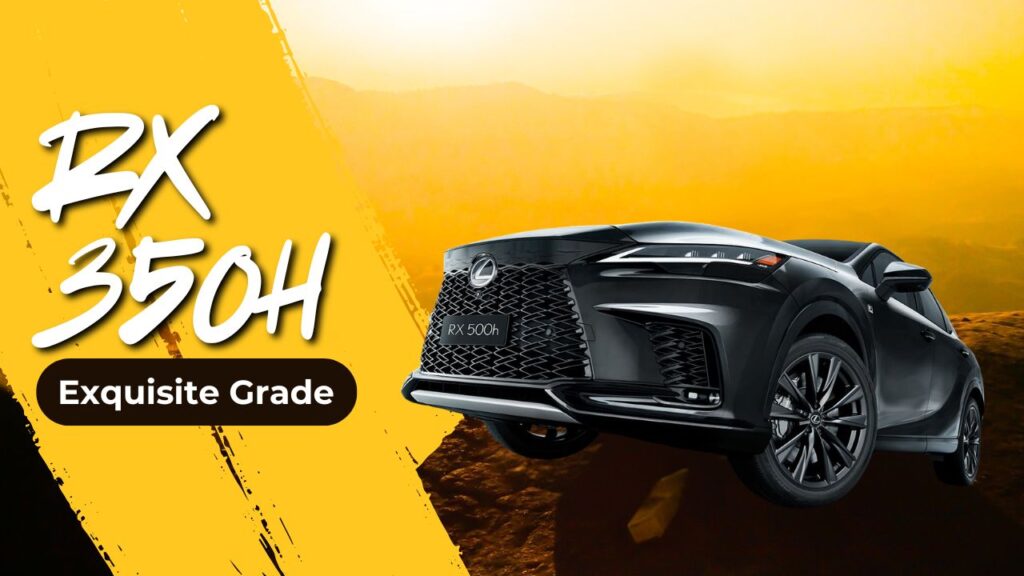
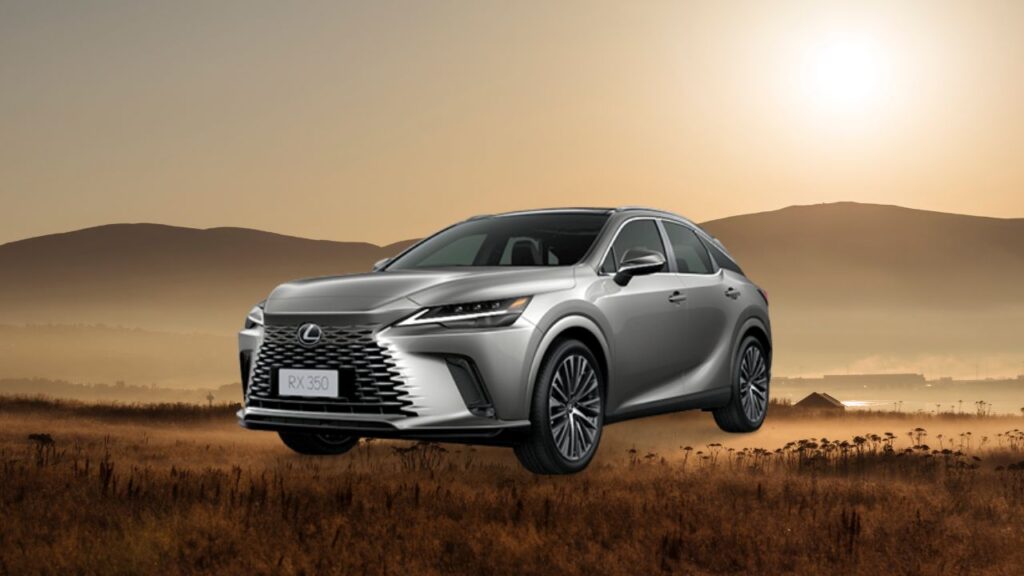
Lexus RX 350h Exquisite Grade: Price, Features & Specifications

Lexus RX 350h price in India

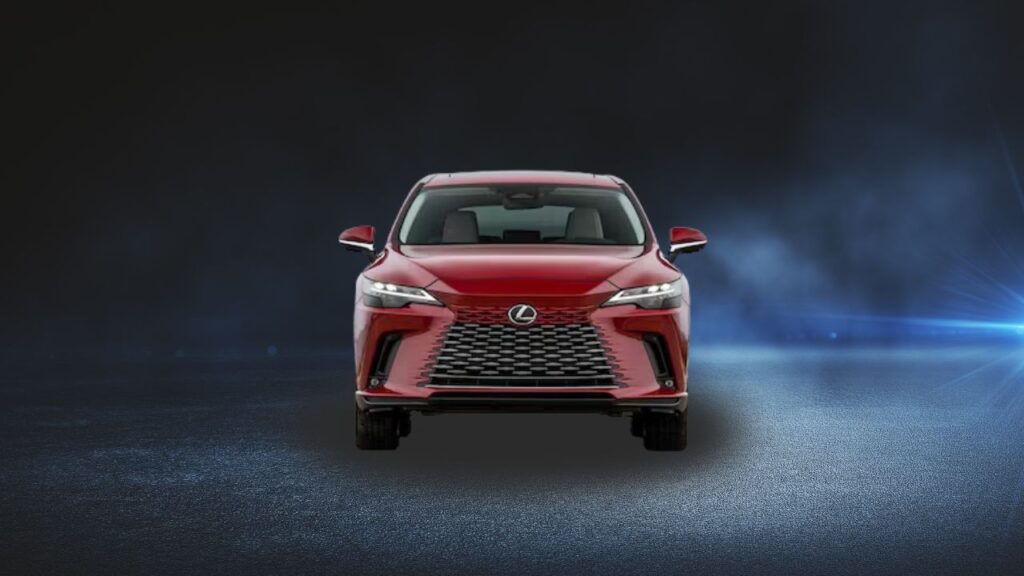
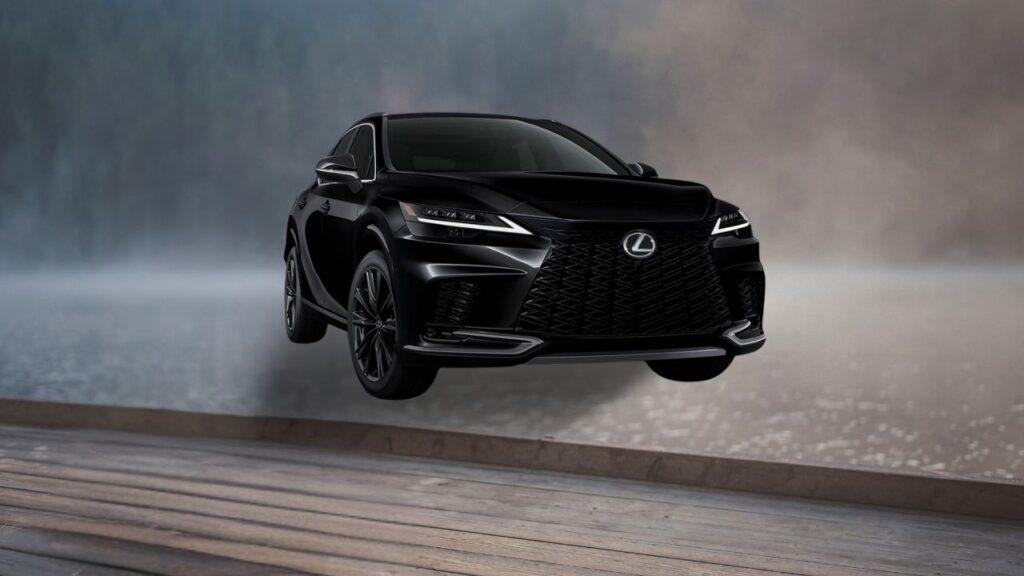
Lexus has introduced a new RX 350h Exquisite Grade model which is aimed at providing an easy access into the premium hybrid range. The model is being offered in India at Rs. 89.99 lakh (ex-showroom), which is a premium yet balanced way to combine luxury with performance. It gives customers the opportunity to enjoy the brand’ renowned quality and innovation, without having to make concessions on must-have features. 

A Smart Price for New RX 350h  Premium Expectations

Here is where Exquisite Grade starts to get interesting. This new variant makes way for the existing Luxury trim as the entry level offering, and is priced Rs 89 lakh, the Luxury trim. For Indian buyers who want finer things in life but do not have (unlimited) budgets, this is big news. 

You get all the features that made the now outgoing Luxury trim so desirable, but at a price that’s a little easier to swallow. If you want the optional Mark Levinson premium audio system than that takes the price to Rs 92.02 lakh. Whichever way you slice it, you’re getting a truly opulent hybrid SUV without breaking the bank. 

Read More :- BYD Sealion 7 Prices in India: Expected Cost, Features & Launch Updates

The Hybrid Powertrain in RX 350h

The RX 350h Exquisite can only be had with a refined 2.5-litre hybrid system—and frankly, that’s all you’d want. This naturally aspirated four-cylinder engine pairs excellently with a self-charging electric motor, making for a total combined output of 246 horsepower and 238 Nm of torque. Don’t be intimidated by the numbers; this hybrid arrangement is surprisingly quick. The car accelerates from 0-100 km/h in only 7.9 seconds, so it’s fast enough for daily use without the guilt of chugging gas like a 20-year-old SUV. 

The Hybrid Powertrain in RX 350h

The efficiency is the star feature here. Due to Lexus’ well established hybrid technology and said electric motor integration, the RX 350h manages to achieve a remarkable 18.6 kilometers per liter (WLTP certified) – a number that really makes a difference when running the numbers for long-term ownership costs. Combined with an eCVT automatic transmission designed for smooth, effortless shifting, this powertrain makes driving a luxurious SUV responsibly a new experience. 

Refine Interior That Meets Modern Technology

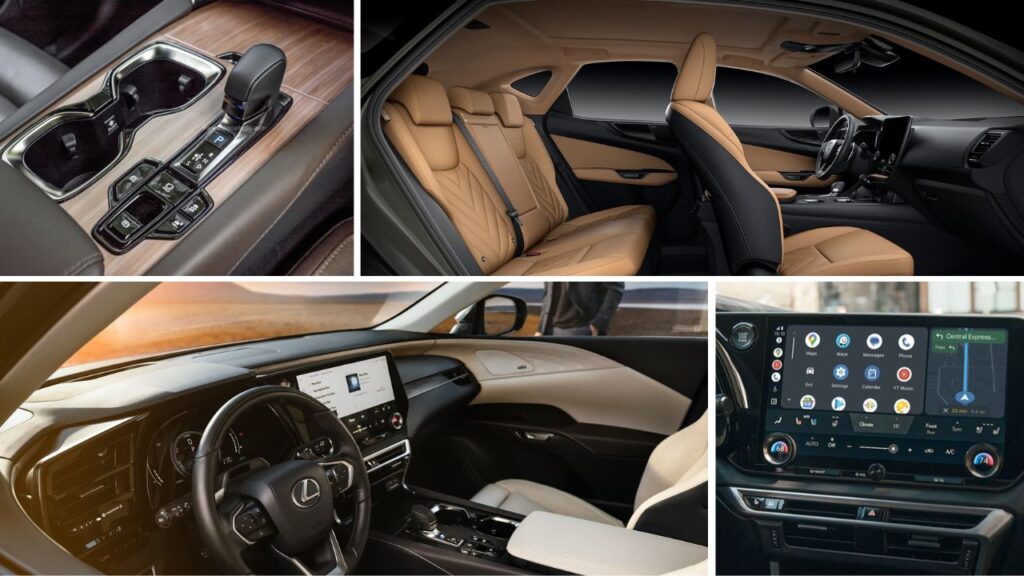
Step inside Lexus, and you can tell right away that the brand gets the fact that luxury isn’t just about the price of the materials—it’s about the design details. The interior is dominated by a 14-inch touchscreen infotainment system, which is one of the largest in its class and sits within the driver-centric ‘Tazuna’ cockpit layout. Now, you’re spending less time wrestling with menus and more time driving. 

Refine Interior That Meets Modern Technology

What constitutes comfort is different for everyone, which is why the Exquisite comes with 10-way power front seats with memory functions. They remember your preferred seating position, so each time you sit down the car is adjusted to your liking. Add heating and ventilation – front and rear – and you end up with a cabin that can cater to your physical well-being all 12 months of the year, whether you’re baking in the summer sun or freezing your knuckles off come winter. Power recline on the rear seats means your passengers get pampering too. 

Lexus RX That Meets Modern Technology

The ambiance is important, and that’s what makes the ambient lighting system so welcoming. Set your mood with adjustable lights and all of a sudden, that night road trip becomes therapy. The three-zone climate system allows you, your co-driver and the rear-seat travellers to each have their own preferred temperatures. No more fighting over it being too hot or too cold! 

Technology & Safety Provide by New RX 350h

What truly sets the RX 350h apart is the serious level of safety Lexus delivers. The Elegant Grade features Level 2 ADAS (Advanced Driver Assistance Systems), which actively assists in driving safety. There is also a 360-degree camera that provides a bird’s-eye view when parking or driving in confined spaces.

Technology & Safety Provide by New RX 350h

The pre-collision system, lane departure alert and blind spot monitoring all team up to be your invisible co-pilot, imparting gentle guidance away from potential hazards.​ Connected car technology lets you stay connected to your car even when you are not in it. An optional smartphone app allows you to remotely perform select functions—such as starting the air conditioning on a hot day before you get to your car. 

Practical Dimensions & Cargo Space

With 192.5 inches in overall length and 112.2 inches in wheelbase, the RX 350h Exquisite delivers a bold presence on the road, yet does not feel cumbersome. The 29.6 cu. ft. of cargo space with the rear seats up expands to a massive 46.2 cu. ft when you fold them down — ideal for weekend escapes or a run for emergency supplies. Ground clearance is a sonorous 8.2 inches, so you’re not grinding undercarriage on every speed bump.

Read More :- Best Sedan Under 20 Lakhs: Luxury Buys with Premium Features

Conclusion

The Lexus RX 350h Exquisite Grade is an intelligent combination of luxury, efficiency and value. It’s not attempting to be all things to all people, but rather recognizes that consumers are more discerning and want greatness without bells and whistles. Whether you’re attracted by its smooth hybrid powertrain, ease-of-use interior technology or surprisingly affordable price, this SUV lives up to the promise of luxury living — one planned kilometer at a time.  

0

Best Dash Cam for Cars | Top Features, Reviews & Buying Guide

Best Dash Cam for Cars

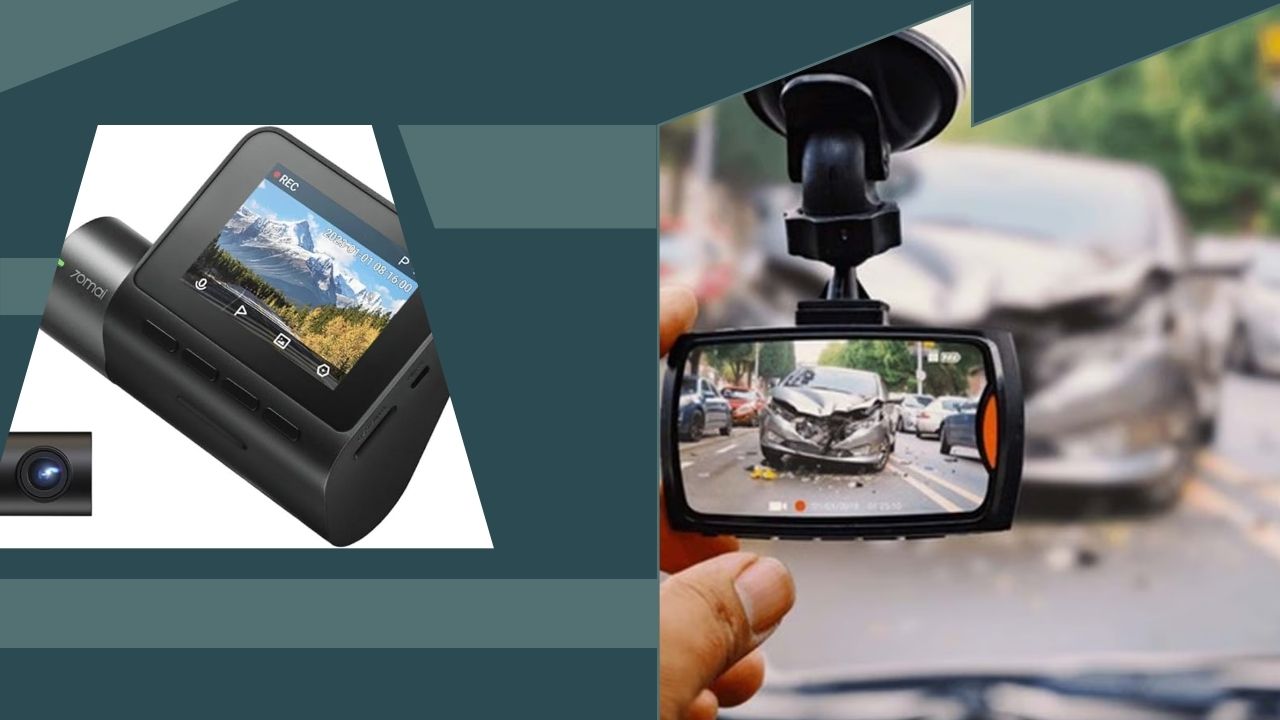
Your claim is denied because you can’t prove the other driver ran the red light. It happens more than most people think and it is the largest reason why Indian car owners are now actually considering dash cams rather than treating them as an accessory-store impulse buy. So if you’re looking for the Best Sash Cam for Cars in India today, then you must have to know that it depends on where you park, how much footage quality do you really need and if you’re buying for evidence or because you want real 24/7 security. 

Why a Dash Cam Matters More in India Than It Used To

There is no provision in the Motor Vehicles Act, 1988 or the Central Motor Vehicles Rules, 1989 which prohibits use of dash cam in private vehicles. What has changed is what the footage means in the eyes of the law. Section 63, Full text of Bharatiya Sakshya Adhiniyam, 2023 Electronic records (such as dash cam video) are now admissible in court provided the device was operating properly and the recording was made in the normal course of business. That is a radical change from a few years ago, when video was considered a luxury and not something an insurance company or a traffic court would actually look at. 

Add that up to increasing hit-and-run incidents and chaotic lane discipline in cities such as Bengaluru, Mumbai, Uttar Pradesh and Delhi, and a dash cam is no longer optional. A handful of newer cars — the Hyundai Exter and Venue among them, now come factory-fitted with one, which tells you where the industry is heading even for owners who have to retrofit.

What Actually Determines the Best Dash Cam for Cars

Before comparing models, three things separate a dash cam that survives an Indian summer from one that dies in a year.

  1. Supercapacitor over battery. A dashboard behind glass can cross 70°C in peak May heat. Lithium-battery dash cams swell and fail under that kind of sustained heat; capacitor-based units don’t have that failure mode and handle parking mode far more reliably.
  2. Sensor quality beats raw resolution. A 4K camera with a weak sensor can produce inferior night footage to a well-designed 1080p or 2.5K camera. Sony’s STARVIS 2 sensor can be found on almost all the best-rated units in 2026 and is the one spec that you should be prioritizing over megapixels.
    Best Dash Cam for Cars
  3. Parking mode isn’t automatic. Almost every model needs a separate hardwire kit, typically ₹1,500–2,500, to monitor your car while it’s off. Without it, most dash cams only record while the ignition is on.
  4. One more line item people under-budget for: the memory card. A dash cam writing continuous loop footage needs a high-endurance card, not a standard one — Kingston Canvas Go Plus (₹600–900) or SanDisk High Endurance (₹700–1,200), 128GB minimum if you want more than 3–4 hours before overwriting. Format it monthly through the camera’s menu, or you risk corrupted files exactly when you need them.

Top Dash Cam Picks in India, by Budget

Model Price (approx.) What it’s for
70mai A200 ₹4,999 First-time buyers; voice control, 1080p single-channel
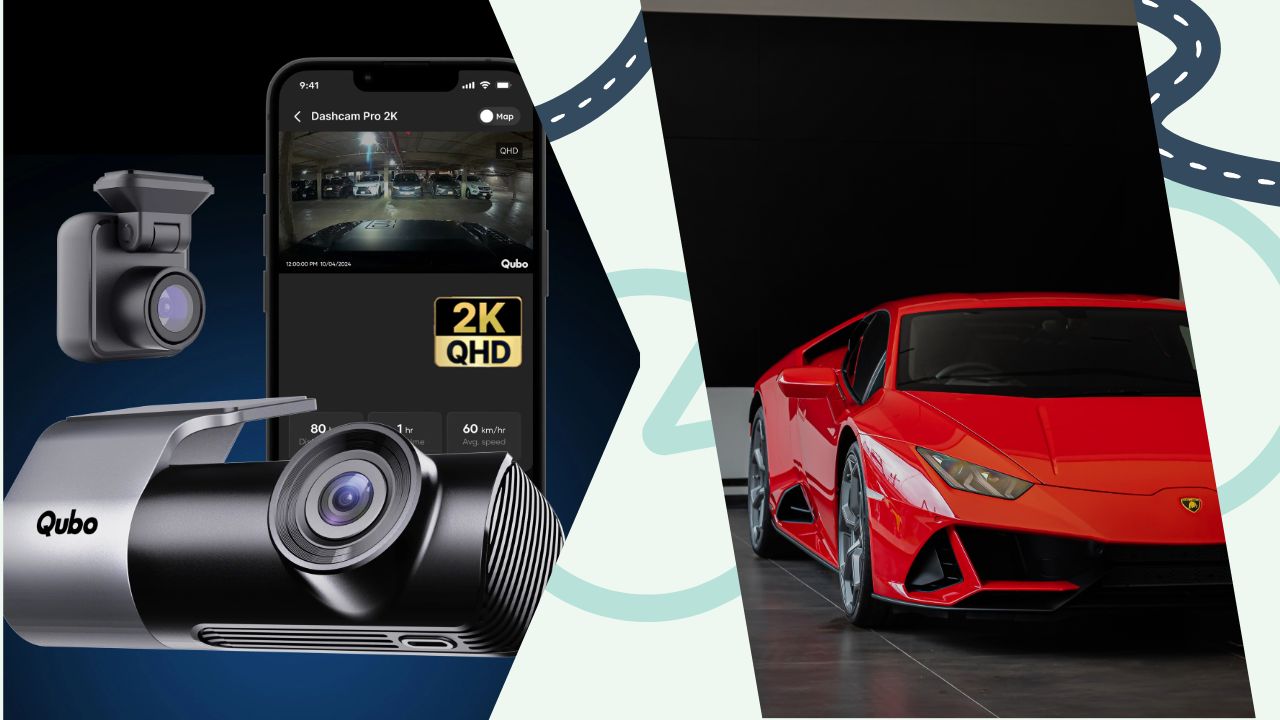
Qubo Dashcam Pro 3K STARVIS 2 Dual ₹4,499–₹12,990 Best overall value; 3K front + 1080p rear, built-in GPS
70mai A510 HDR 3K Dual ₹11,439 Tightest budget for dual-channel with STARVIS 2
REDTIGER F7NT 4K Dual ₹12,990–₹13,550 True 4K front, WiFi + GPS, 64GB card included
Viofo A229 Plus Price varies by retailer — check current listing Three-channel (front/rear/cabin), STARVIS 2, capacitor-based

Prices above are pulled from current Indian retail listings as of mid-2026 and shift with Amazon sales and festive discounting, so treat them as a range rather than a fixed number — check the best dash cam for cars listing before you decide.

70mai A200 — around ₹7,499

This is the one to buy if you’ve never owned a dash cam and don’t want to think too hard about it. Single-channel, 1080p, and honestly that’s plenty for reading a number plate within 10 metres in daylight. The party trick is voice control — say “Hey 70mai” and it starts recording or snaps a photo, which matters more than it sounds like it should when you’re stuck in Mumbai signal traffic and don’t want to take a hand off the wheel. It ships with a 32GB card, which is nowhere near enough — budget an extra ₹800 or so for a proper 64GB or 128GB card on day one, because 32GB gets overwritten in a few hours of driving.

Read More :-  How Often Should You Service Your Car? | Complete Maintenance Guide

Qubo Dashcam Pro 3K STARVIS 2 Dual — ₹4,499 to ₹12,990 

Qubo (Hero Group’s electronics arm) sells this at a few different tiers, which is why the range is wide — check which configuration you’re actually looking at before comparing it to anything else. At the upper end you get 2.7–3K front resolution paired with a 1080p rear camera, a Sony STARVIS 2 sensor for low light, built-in GPS logging, and a small onboard display so you can review footage without pulling out your phone. It’s the pick that shows up most often as “best overall” in Indian buying guides this year, mainly because the night footage holds up on the kind of unlit stretches you get on Bengaluru’s outer ring roads.

70mai A510 HDR 3K Dual — around ₹11,439

The tightest dual-channel option under ₹12,000, and it carries the same STARVIS 2 sensor as the pricier picks on this list. Where it seems to fall a little short, based on how it’s reviewed, is heat resilience — it reads as a better fit for someone who parks in a garage or covered spot than someone leaving a car in direct sun all day, so if you’re in that second category, weigh it against the REDTIGER below before deciding.

REDTIGER F7NT 4K Dual — ₹12,990 to ₹13,550

True 4K on the front camera (not upscaled), 1080p on the rear, and it uses a supercapacitor instead of a battery — which is the detail that actually matters if your car bakes on a Delhi or Chennai street through May and June. Batteries swell and die under that kind of sustained heat; capacitors don’t. It also comes with WiFi, built-in GPS, and a 64GB card already in the box, so there’s no immediate add-on cost like there is with the 70mai A200.

Viofo A229 Plus  

Price isn’t stable enough across retailers to quote a single number, so check the current listing before you commit. This is the outlier on the list because it adds a third channel: front, rear, and cabin-facing, all recording at once. Sony STARVIS 2 sensor, capacitor-based, GPS with a speed overlay baked into the footage. The cabin channel is the reason to consider it at all — if you drive for a ride-hailing platform or just want a record of what happened inside the car during a dispute, none of the other four models on this list cover that angle.

70mai A200 vs Qubo Dashcam Pro 3K

The A200 wins on simplicity and price — 1080p footage is enough to read a number plate within 10 metres in daylight, and “Hey 70mai” voice commands are genuinely useful in heavy traffic where you don’t want to touch a screen. The Qubo pulls ahead the moment you care about night driving or rear coverage: its 3K front feed and dual-channel setup handle Bengaluru’s poorly lit ring roads noticeably better, and the built-in display lets you review footage without pulling out your phone.

REDTIGER F7NT 4K vs Viofo A229 Plus

The REDTIGER is the better pick if front-camera sharpness is your priority — true 4K with a supercapacitor means it survives a car parked in direct sun without the battery swelling. The Viofo A229 Plus goes a step further with a third, cabin-facing channel, which matters if you drive for a ride-hailing platform or want a passenger-side record for disputes. It costs more and is harder to find at a stable price point, so it’s the enthusiast pick rather than the default recommendation.

Installation and the Costs Nobody Mentions Upfront

Mount it behind the rearview mirror. That’s not just a preference — it’s the placement least likely to obstruct your view or run into any ambiguity if footage is ever questioned. Most dash cams ship with a cigarette-lighter adapter for basic operation, but hardwiring to the fuse box is what actually gives you parking mode and low-voltage cutoff protection, so the camera stops drawing power before your battery drains. 

Best Dash Cam for Cars

Professional installation runs ₹1,000–1,500 in Delhi and Mumbai, and ₹500–800 in smaller cities like Indore or Kochi. Budget for the hardwire kit and the card separately — they rarely come bundled, and skipping them is how people end up with a dash cam that only half-works.

Which Dash Cam for Cars Should You Actually Buy?

If you drive daily in city traffic and just want proof when something goes wrong, the 70mai A200 or Qubo Dashcam Pro covers it without overspending. If you park on the street or in a public lot overnight, don’t skip the supercapacitor models with parking mode — the REDTIGER F7NT 4K is the stronger buy here. 

And if you’re driving for hire, ferrying passengers, or simply want the most complete legal record possible, the three-channel Viofo A229 Plus is the only option on this list built for that specific job. Match the camera to how you actually park and drive, not to whichever spec sheet has the biggest number on it.

Read More:-   How Often Should You Change Oil in Your Car? What Actually Matters in India

Conclusion 

The Best Sash Cam for Cars in India is not necessarily the one with the best resolution but the one that fits your driving habits, the place where you park and of course your budget. A good sensor, supercapacitor design, proper parking mode and a high-endurance memory card will make a bigger impact on your daily life than just picking the 4K tag. 

A dual-channel dash cam provides most private car owners with an adequate balance of cost and car insurance protection. If you park your car outside regularly, a supercapacitor unit with hardwired parking mode is definitely worth the extra money. 

For commercial drivers or those who desire the most complete evidence, a three channel system offers the best coverage. Consider a dash cam a safety and evidence tool, rather than just an accessory — it can save you much more than its purchase price when an accident or insurance claim gets complicated. 

0

Latest Hyundai Cars Offers on Verna, Exter & i20 in India

Hyundai Cars Offers on Verna

The 2026 Indian Car Market Spins with New Twists, there are Latest Hyundai Cars which can amazed you totally. Although supply chain hysteria has started to subside in a post-pandemic world, a new issue has come around: a significant change in the types of cars that people want to drive. If you’ve been out on the roads in India these days, you will have noticed it—SUVs have become the majority on the road, and the traditional sedan and the small hatchback are struggling to hold onto the spotlight.

Against this backdrop, Hyundai Motor India (HMIL) has come out all guns blazing with a huge “February Discount.” Explore all the cars with massive offers to buy in 2026.

Why February is “Deal Month”

To get an idea of why Hyundai is suddenly so generous, look at the January sales figures. On the face of it, all is well — 9% growth year-on-year. But if we take a closer look, there is the SUV Fortress. The Venue and Creta sales are skyrocketing.

However, sales of TCS-heavy flagship sedan, Hyundai Verna tanked 44% in the last month. That’s not because the car is bad, it’s because Indian buyers are flocking en masse to high-riding vehicles. In order to take on this challenge from measures, Hyundai has introduced the “Pride of India” scheme, with its sights set on the Indian middle class: government employees, and PSU bankers. To these specific corporate bonuses, they add huge cash discounts, making even a sedan difficult to refuse for an SUV-lover. 

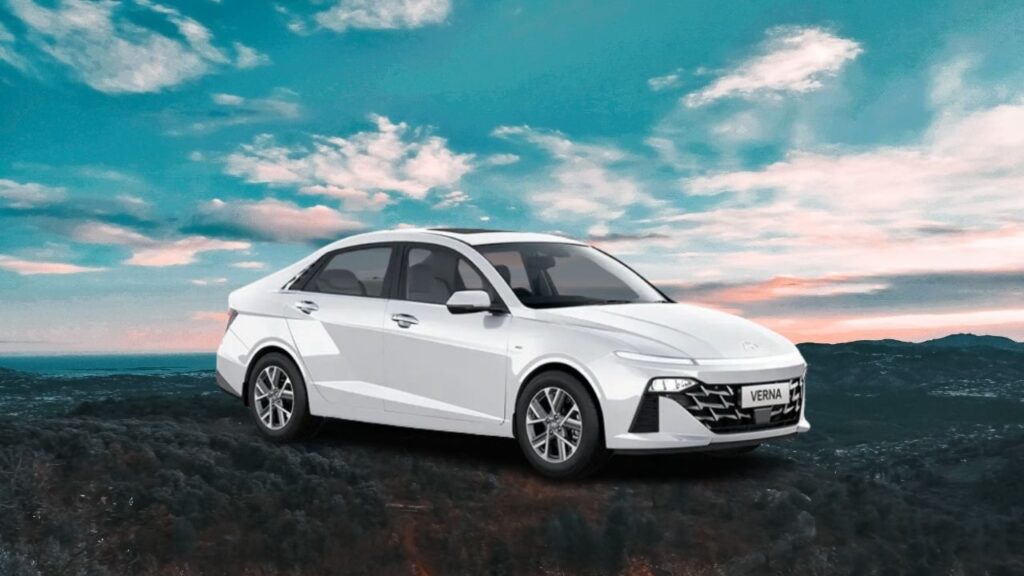
The Verna — a Mid-Size Sedan

If you have been looking at a mid-size sedan, then the February deals on the Verna are just too good to miss. It’s about total benefits of up to ₹98,000. 

The Verna — a Mid-Size Sedan

Benefit Category MY25 Petrol MT MY25 Petrol AT MY26 Petrol MT
Cash Discount ₹25,000 ₹40,000 ₹25,000
Scrappage/Exchange ₹70,000 ₹50,000 ₹45,000
Pride of India ₹3,000 ₹3,000 ₹3,000
Total Benefit ₹98,000 ₹93,000 ₹73,000

Driving sensation: Relaxed vs. Energetic

Verna has two different personalities:

The 1.5L Naturally Aspirated: Ideal for the daily grind. Its IVT (Hyundai’s take on a CVT) transmission contributes to butter smooth driving amid stop-and-go traffic.

The 1.5L Turbo GDi: This is for the enthusiast. It has more power (160 HP), the VW Virtus is no match in a sprint. If you’ve found yourself stuck on the in India, remember to shift to Neutral during long halts to leave that clutch! 

The Exter: Punching Back at the Competition

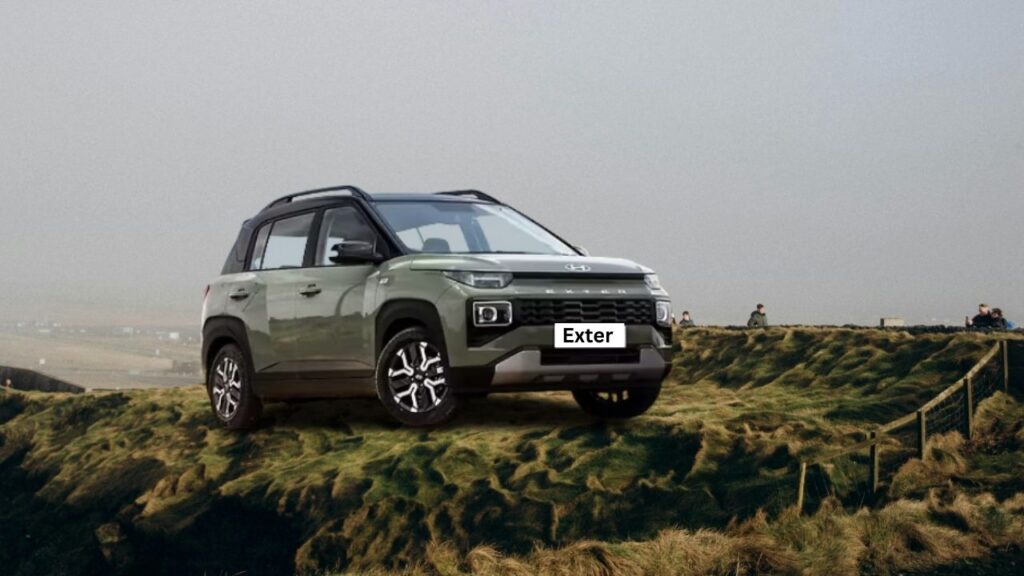
The Hyundai Exter is Hyundai’s answer to the Tata Punch in the Micro-SUV segment. It’s boxy, it’s useful, and right now it’s going for a ₹43,000 discount. 

The Exter Punching Back at the Competition

Why the Exter Works

The Exter is designed to be as big on the inside as possible, and as small on the outside as humanly possible. It has a “segment-best” 391 liter boot, which matters for a small family going out on a weekend trip. 

Its suspension is fantastic at absorbing the city bumps and potholes, but the stock headlights are a tad on the weak side for unlit stretches of highway. A bulb upgrade might be the first “mod” you make, if you drive a lot at night. 

With a steady CNG cost of about ₹ 95.75/kg, the running cost is less than ₹4 per km. That’s more economical than a few auto-rickshaws! 

The Enthusiast’s Corner: i20 N Line

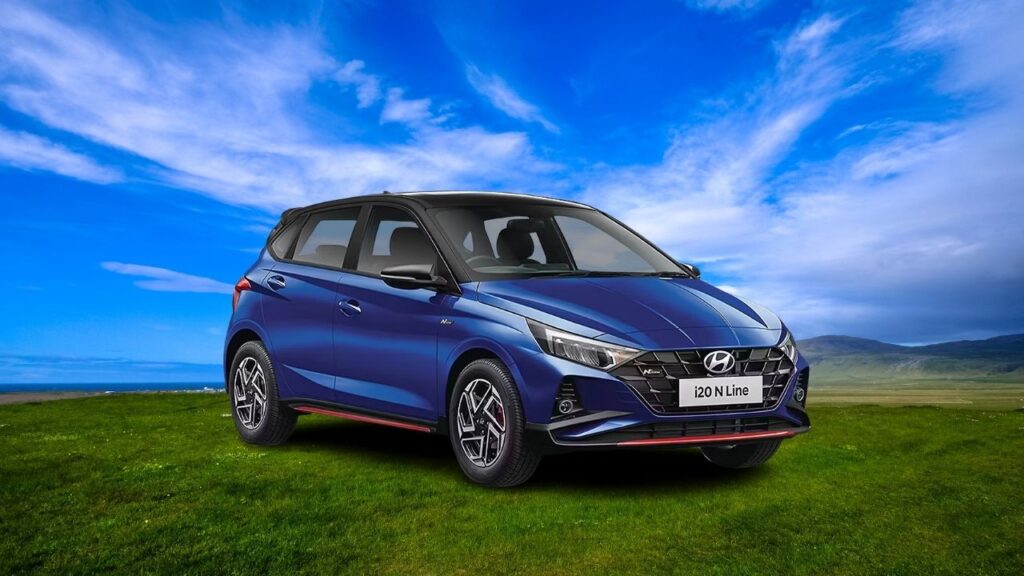
Normal i20 is still the “Comfort King” (it remains the only one in its segment with a Bose sound system), but the N Line is where the heart is.

The Enthusiast’s Corner i20 N Line

Hyundai has sensibly revived the 6-speed Manual for the N Line, replacing the outdated iMT. It feels mechanical, tactile, and smells wonderful thanks to that twin-tip exhaust. With a ₹ 58,000 discount this month, it is still one of the very few cars which can make you believe that driving is not only hard work but also great fun. 

Should You Buy Now?

The askings in these February editions being particularly aggressive hints at a “stock clearance” event for the March fiscal-year end, with a Verna facelift expected in late 2026.

If you are not a “must have 2026” stamp on your regplate type of person, then getting a Model Year 2025 (MY25) vehicle right now is one of the best financial decisions you can make. You have the same engineering, the same warranty, and even the same features, but now with nearly ₹1 Lakh in your pockets. 

Read More:-  Verna vs Slavia vs Virtus: Which Midsize Sedan Should You Buy in 2026?

Conclusion

Hyundai’s February 2026 deals aren’t just festive discounts—they’re a savvy play for shoppers to get more for their money in an SUV-led market. Be it the feature-packed Verna, the practical and fuel-efficient Exter or the performance oriented i20 N Line, Latest Hyundai Cars make each segment truly difficult to overlook. For the deepest discounts without sacrificing quality, performance, or long-term dependability, this is one of the best times in 2026 to bring home a Hyundai. 

2

Kia Seltos Earns a 5-Star Crash-Test Rating: A Big Win for Safety

Kia Seltos Earns a 5-Star

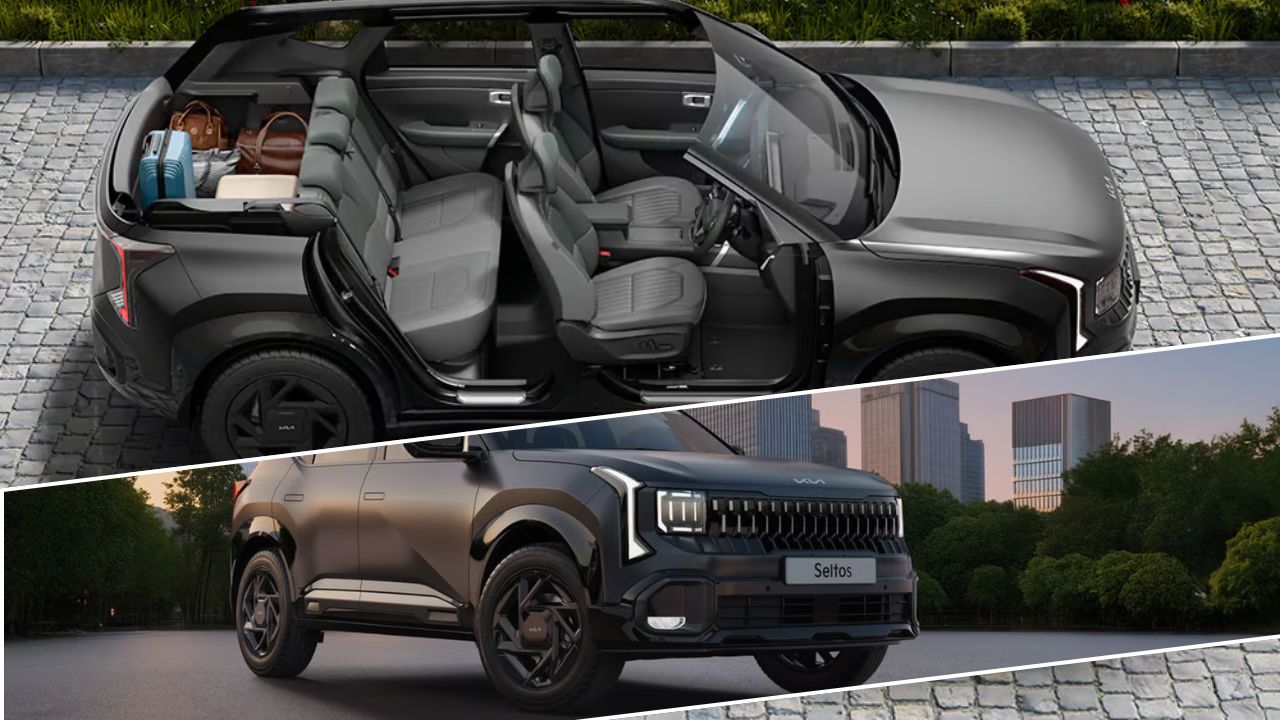
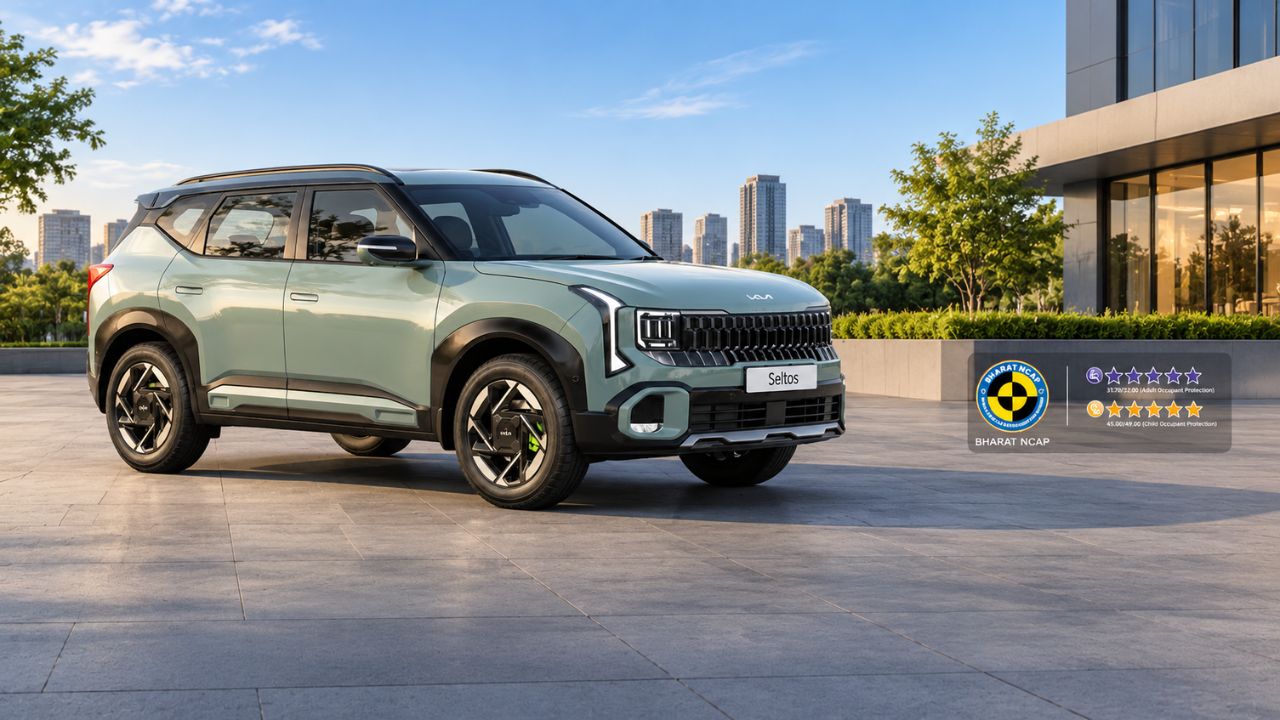
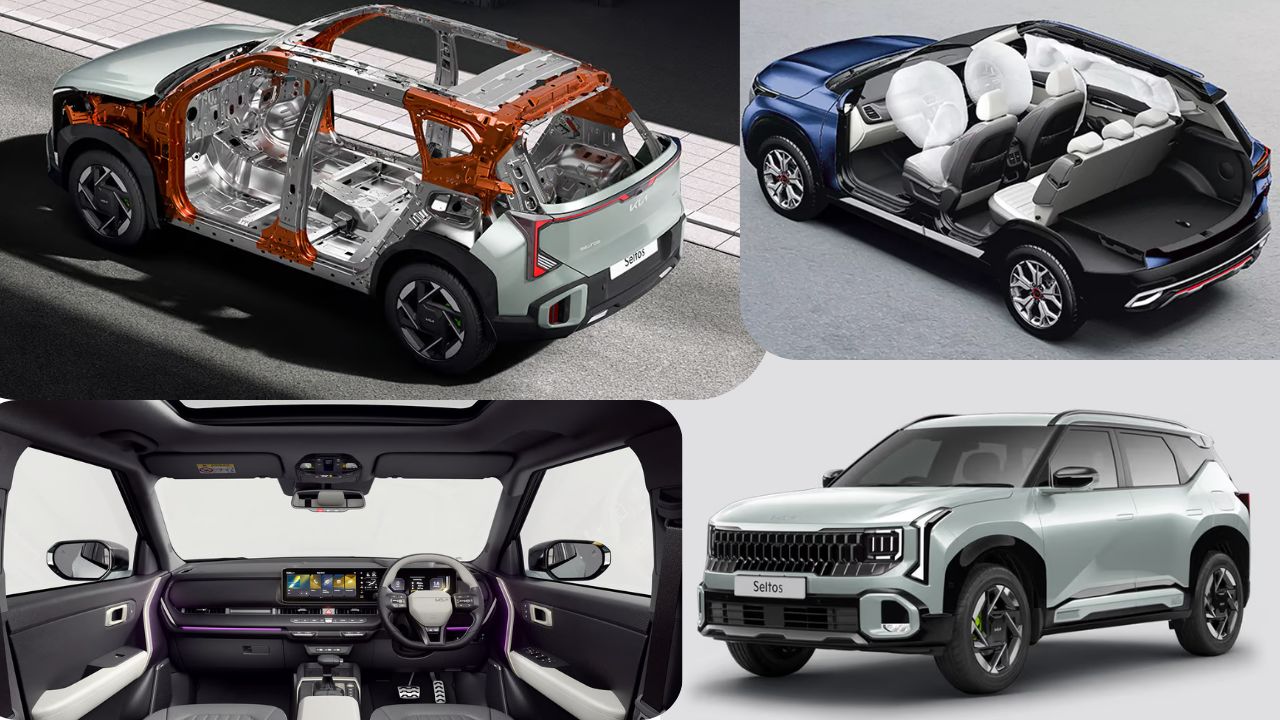
Kia Seltos Earns a 5-Star Rating from crash tests, providing another compelling reason for buyers to think about it. It got 31.70 out of 32 for adult occupant safety, and 45 out of 49 for child occupant safety in the new round of Bharat NCAP tests. You will be surprised by what these numbers say when you’re in search of an SUV for family. 

How Kia Seltos Earns a 5-Star in Bharat NCAP Crash Tests

Bharat NCAP tested the diesel-automatic HTE (O) and GTX trims. The agency says the rating applies to every variant in the range.

Adult protection came in at 31.70 out of 32. The frontal offset test earned 15.70 of 16, and the side barrier test earned a full 16 of 16. Child protection scored 45 out of 49, helped by full marks for the dynamic test and for child seat installation.

5-Star in Bharat NCAP

Kia says this is the highest adult score among petrol and diesel cars tested under the programme so far. That is Kia’s claim, so check the Bharat NCAP site for the current leaderboard. It’s also only the second Kia in India to earn five stars, after the Syros.

Why the Seltos’ Five-Star Safety Rating Matters for Buyers

Crash-test ratings are often overlooked when people choose a car. Many buyers focus on design, features, mileage, or price—but safety should always come first, especially for families.

This also demonstrates that the Seltos has demonstrated superior durability and restraint system performance in a controlled collision test, which means it turns out to be fair to its passengers that the interior cabin has been built with safety as its primary consideration in case of collision. 

The fact that the Seltos has got a high adult protection rating means that not only the driver but the front passenger also is protected very well.

Safety Features That Support the Rating

The Seltos comes with a comprehensive safety package that helps support its crash-test performance. Standard equipment includes six airbags, electronic stability control, ABS with EBD, and tyre-pressure monitoring.

These features work together in different ways:

  • Airbags help reduce impact forces during a collision.
  • ESC helps the driver maintain control during sudden manoeuvres or slippery conditions.
  • ABS and EBD improve braking stability.
  • Tyre-pressure monitoring helps prevent tyre-related risks before they become dangerous.

The Seltos also offers advanced driver-assistance features in higher variants, adding another layer of protection for everyday driving.

A Major Improvement for Kia

Kia Seltos Earns a 5-Star and it is especially important because the previous-generation Seltos had faced criticism for its Global NCAP performance. The new five-star Bharat NCAP result signals a clear shift in Kia’s approach to safety and structural engineering.

Kia Seltos Earns

This is a comforting move for the Indian buyers because Seltos has always been known to be popular due to its style, comfort, features, and presence on the roads. According to the official statement by Kia India, the Seltos achieved the maximum adult occupant protection rating among the internal combustion engine cars tested under the Bharat NCAP, as well as one of the maximum child protection ratings.

What This Means for Buyers

If you are planning on buying a midsize SUV, the Seltos is now known not just as a car loaded with features and style, but as a car that also puts safety first. The Kia Seltos Earns a 5-Star rating assures parents that their car has been independently tested for safety of its occupants.

Yet, there is no rating that will be able to replace safe driving. The use of seat belts, child safety seats, correct seating posture, and attentive driving is still crucial. Safe cars offer protection, but responsible driving avoids many accidents.

Explore👉 Tesla Cybercab: How Much Will the Driverless Robotaxi Cost?

Conclusion

The Kia Seltos Earns a 5-Star Rating from a crash test. With an adult safety score of 31.70 out 32 and a 45 out of 49 for child safety, it proves that not only is this a great looking vehicle but it is a great family vehicle with great safety features.

For buyers who want style, comfort, technology, and safety in one package, the new Seltos has made a very strong case for itself.

2

How AI in Cars Changing the Future Driving Experience

Published Oct 30, 2026, 1:48 PM
Last Updated Nov 5, 2026, 3:27 PM

AI in Cars

Driverless cars are really attractive and seeing them in real life is really exciting for anyone who gets to drive 80 km a day but total driverless is still a dream. AI in cars exists to assist only, it will detect the closing gap between your car and truck on the expressway through radar and a camera that triggers the brakes.

It is driver assistance, voice control and connected features, not a car that drives itself. Here is what you actually can buy, how much the extra trim costs, and where the headline claims still apply to overseas. 

What AI in Cars Actually Means in India Today

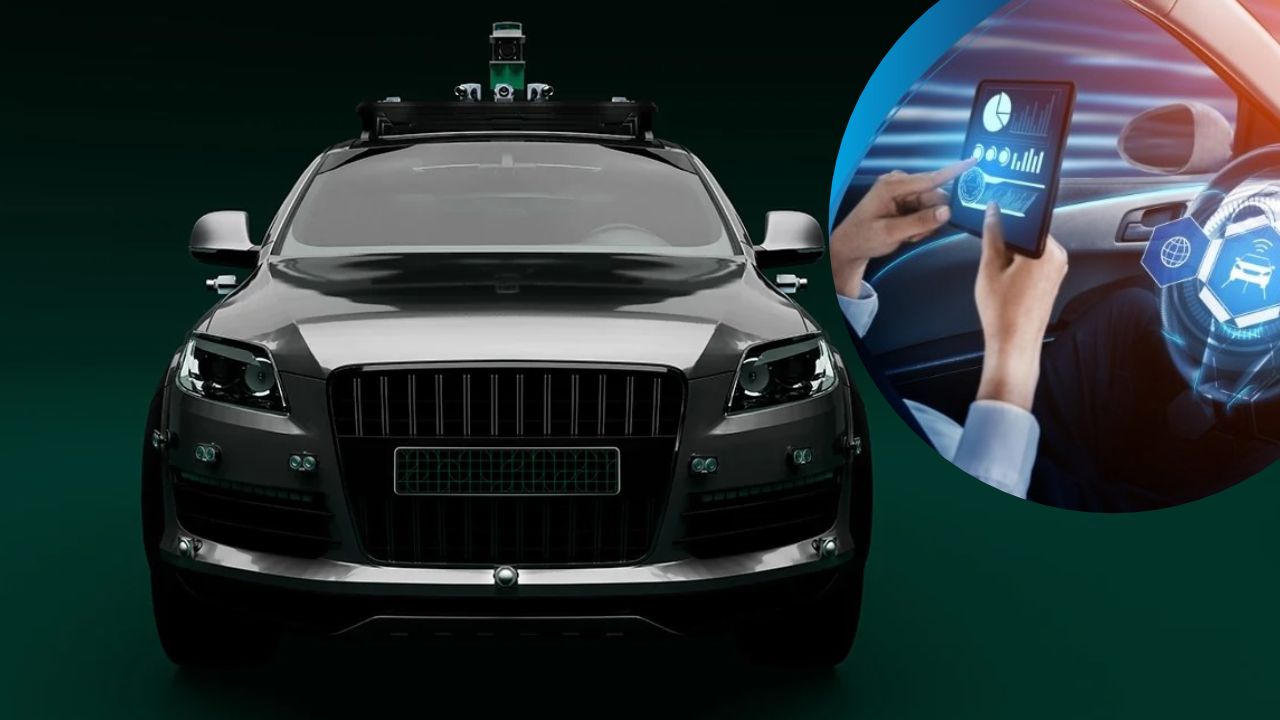
Three things sit under the label. Where it matters most is advanced driver assistance (ADAS), a combination of radar and camera data feeding software that can trigger the brakes, maintain speed and even correct steering. Next come in-car Assistants, like voice commands and Alexa home to car control on the Hyundai Creta. The third is connectivity, for example over-the-air (OTA) updates. 

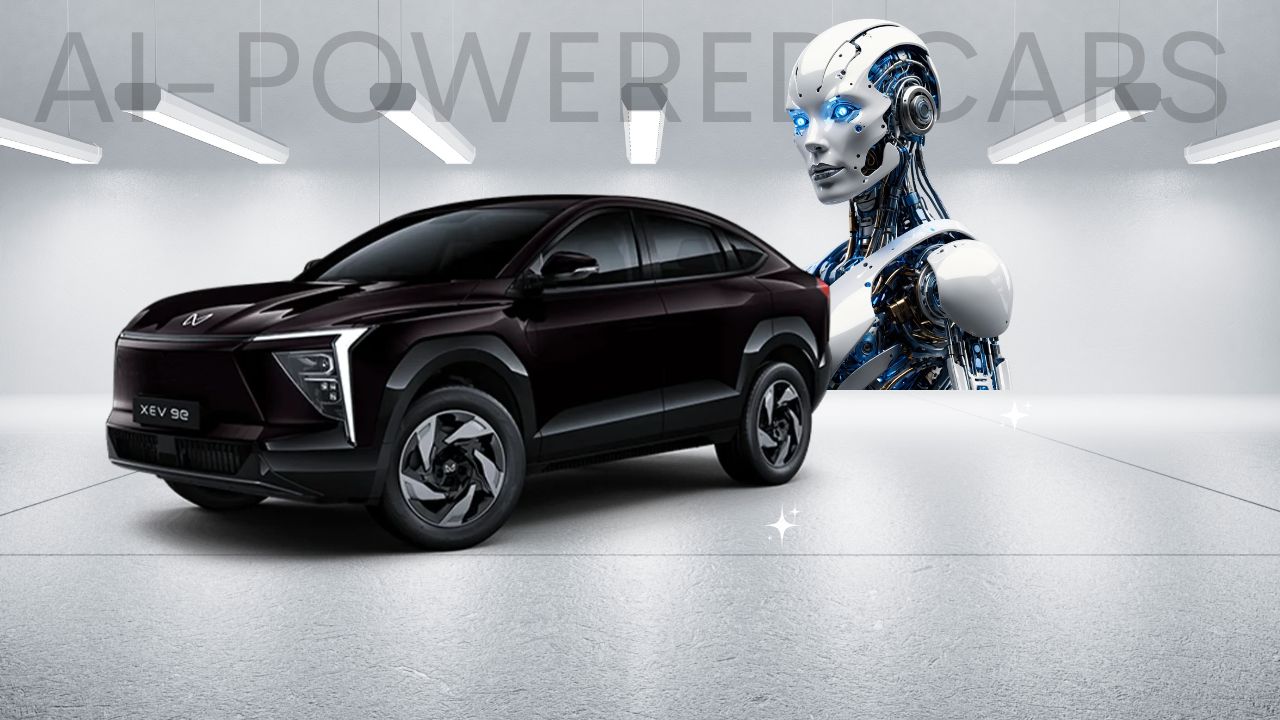
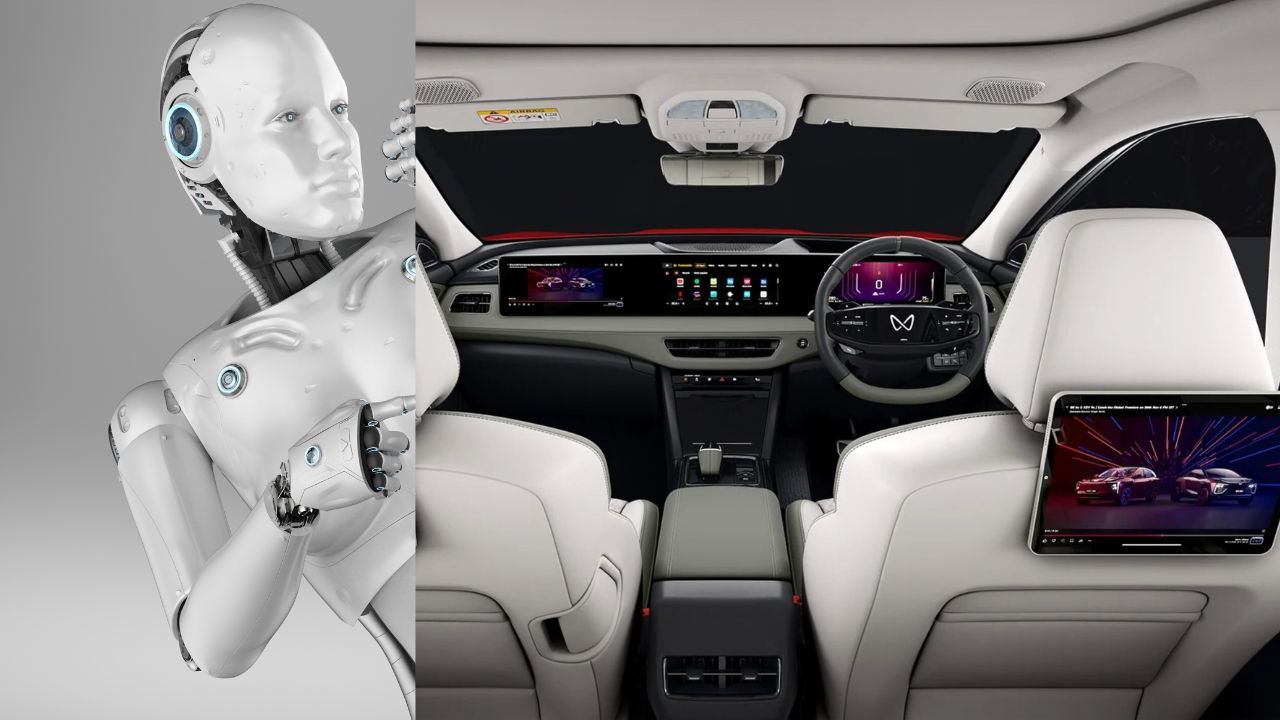
Branding varies. Mahindra markets the electronics in its XEV 9e as MAIA, the Mahindra Artificial Intelligence Architecture, built on a Qualcomm Snapdragon 8295 with 24 GB of RAM. Maruti calls its system Level 2 ADAS, and the Hyundai brochure uses the same term. The official documents reviewed here do not use “AI” for those features, though the assistance they offer is broadly similar.

The limit is the same everywhere. At Level 2, the human stays responsible for driving and must monitor the system. Hyundai’s brochure also says ADAS is not a substitute for attentive driving.

How AI Is Changing the Future of Cars and Driving

AI in cars is making the driving experience better, there are limitations that a driver should understand. Hyundai, Kia, Maruti, and Honda offer designs with advanced safety features (level 2 ADAS) which detect and warn in many complex situations. The foreign countries offering higher level AI in cars to make it driverless which has not arrived in India yet. 

There are claims that should get you confused before buying a new car — How AI in cars changes the driving environment? 

“Your next car will fully drive itself anywhere” 

Level 5 autonomy—no driver, no restrictions—is not currently in sight; experts often place broad personal availability around 2035–2040 or later. 

“AI can handle every road situation” 

AI still struggles with rare, ambiguous, or unusual events that are poorly represented in training data—construction, erratic pedestrians, extreme weather, unclear road markings. 

“Everyone trusts self-driving cars” 

Only 36% of consumers worldwide consider self-driving cars safe, and 38% are genuinely interested in owning one. 

“The hype is global” 

Trust varies sharply: Hong Kong and the UAE are relatively optimistic, while only 20% of people in Great Britain and 15% of Americans think AI will improve driving. 

“AI will replace drivers immediately” 

Countries like India having a mixed traffic and unpredicted roads, potholes, inconsistent behaviour and infrastructure makes it much harder for AI to drive a car than in selected U.S. regions and China.

AI-powered Cars You Can Buy in India, By Budget

Maruti Baleno (2026) Hyundai Creta Mahindra XEV 9e
Starting ex-showroom ₹6,09,900 (Bengaluru) ₹10,90,700 ₹21.90 lakh (launch price)
ADAS found on Top Alpha (O) trim, per third-party reports King-level trims Higher packs; hardware varies
What it offers Eight functions, radar + camera About 18 functions 5 radars + 1 camera (Level 2+)
Claimed efficiency / range 23.80 km/l (MT), 24.77 km/l (AGS) 17.4 to 21.8 kmpl  656 km (MIDC) 

The Baleno is the surprise. Maruti’s system covers emergency braking, adaptive cruise, lane keep assist and high beam assist, among others, alongside six standard airbags. Its efficiency figures are certified claims, not real-world numbers. 

AI-powered Cars

However, only the top Alpha (O) gets the system, and its price is disputed. The ADAS variants at ₹9.50–9.99 lakh, Alpha range at up to about ₹9.37 lakh. Confirm the exact figure with a dealer.

The Creta has roughly 18 ADAS functions, including forward-collision assist for cars, pedestrians and cyclists, blind-spot assist and rear cross-traffic alert. Hyundai’s smart cruise control with stop & go is limited to IVT, AT and DCT gearboxes, so manual buyers get ordinary cruise control. The brochure’s OTA support also covers maps and infotainment only, not the driver-assistance system.

For the XEV 9e, Mahindra says its system can detect animals, pedestrians, barricades and different vehicle types, and its launch release cites a Mobileye EyeQ6 chip and OTA updates. Mahindra quotes about 50 TOPS for MAIA, though its own material carries 50 and 51. One reviewer lists lower variants with a single radar and camera, so ask which pack you are looking at. The ₹21.90 lakh figure is the launch price, not a current one.

Read More:- What Salary Is Needed to Buy a Mahindra Scorpio-N?

What the ADAS step costs

Using Hyundai’s current list prices, compare the same engine and gearbox. On the petrol manual, SX Premium is ₹16,34,200 and King is ₹17,27,800, a gap of ₹93,600. On the petrol IVT, ₹17,78,700 becomes ₹18,68,800, a gap of ₹90,100.

Two assumptions apply. King is the cheapest ADAS trim but ask a dealer to confirm the actual price. And King adds other equipment, such as 18-inch alloys, so this is the cost of reaching ADAS, not the price of ADAS alone.

Against the Baleno, the gap is large. With the ADAS Baleno at roughly ₹9.37–9.99 lakh (the disputed range above) and the cheapest ADAS Creta at ₹17,27,800, the Creta costs about ₹7.3–7.9 lakh more. That compares a hatchback with an SUV.

Does ADAS Work on Indian Roads?

None of the manufacturer material reviewed describes how these systems cope with faded lane markings, potholes, two-wheelers or sudden cut-ins, and we have not seen independent Indian road tests for these cars. Hyundai itself says effectiveness depends on various factors.

ADAS features car

So test it. On a drive, check how lane-keep behaves where markings are faded or missing, whether alerts fire without reason, and whether you can switch features off. Those observations will tell you more than a feature list.

What is Still Overseas Hype

AI is real, Robotaxis exist, but “cars that drive themselves everywhere” remains largely marketing and overseas hype for now. Driverless cars are operated in U.S. and China but not in India yet. ADAS features are spreading across most of the variants and become common in private cars. 

AI in electric cars helps optimize vehicle control, battery/charging management which is very useful. Technology is rising in cars which expand your driving experience, with a new Gen AI system learns the driving behaviour to handle complex situations to rule over the roads. 

AI Is Changing the Future of Cars

Read More:- What Monthly Salary Is Required to Buy a Tata Nexon?

Conclusion

Ask a quote and feature details from the dealer when you select a car to buy. Confirm if it’s capable of running on Indian roads and test it by taking a real drive test. Check your budget first for AI in cars because a system that assists is not the one that drives.

Almost every car marketed as “AI-powered” is Level 2. Cameras and radar read the road, software handles steering, braking and speed, and you stay legally responsible. Think of it as a very attentive co-driver that never gets to sign the insurance papers. Real driverless cars exist, but only as robotaxis in a few US cities, not something you can buy.