0

MS Dhoni Car Collection: 7 Best Cars You Must See in 2026

Published May 23, 2025, 1:03 PM
Last Updated Apr 2, 2026, 8:16 AM

MS Dhoni Car Collection

MS Dhoni, one of the best cricketers in the world, thanks to his on-field prowess, is also known for his passion for luxury cars. MS Dhoni’s love for cars The former Indian cricketer has a taste for high-speed cars, and has an enviable car collection that speaks volumes about his collection, personality, and love for cars. Whether you are an automobile lover or simply a Dhoni Crazy, his car collection should not be missed at any cost.

If you would like more details on the car, check out 7 stunning cars from MS Dhoni Car Collection that will leave you stunned in 2026 In this article, let me show you the list 7 staggering cars from the MS Dhoni Car Collection that will surely blow you out. These cars are much more than just cars, they bear a witness of Dhoni’s love for speed, style, and luxury. Let’s dive right in!

Jeep Grand Cherokee Trackhawk – The Beast of the Road

Jeep Grand Cherokee Trackhawk The Jeep Grand Cherokee Trackhawk is a beast indeed and no wonder, it sits among the most powerful SUVs in MS Dhoni Car Collection. Costing approximately Rs 1.2 crore, this monster is powered by a supercharged 6.2-litre V8 motor. At 707 horsepower and 875 Nm of torque, it shouldn’t really be such a shock that this SUV does 0-60mph in just a few seconds!

Jeep Grand Cherokee Trackhawk – The Beast of the Road

Image Credit: Smartprix

The inside is also stunning with high-end amenities and top-of-the-line tech. The Jeep Grand Cherokee Trackhawk is the ride of a lifetime. The sheer firepower and the speed puts it a cut above in terms of Dhoni’s collection. If you are one of those people who have a healthy admiration for really powerful engines and great road presence, this is your car – the car that will definitely make an impression.

Rolls-Royce Silver Wraith – The Enduring Refinement by a Iconic Brand

Following we have the Rolls-Royce Silver Wraith. This vehicle is brilliantly packed with luxury. The Silver Wreath costs Rs50 lakh and is a veritable work of art. It is driven by a 6.75-liter V8 engine, which may not be the hottest in terms of horsepower, but it delivers a silky, plush ride. The interior workmanship of this tire home is quite exceptional and one is at a loss for words, everything has been meticulously thought out to create an ultra comfortable and stylish habitat.

Rolls-Royce Silver Wraith – The Enduring Refinement by a Iconic Brand

Image Credit: Smartprix

The Silver Wraith is great for classic car enthusiasts who appreciate a rich past. It is a statement car which says a lot about MS Dhoni’s preference for the more refined things in life. From the moment you slide in the driver’s seat and press the push button to start the engine, driving this car is not simply driving from here to there – it’s driving the ultimate form of luxury and elegance.

Ferrari 599 GTO – The Fastest of Them All

If race is your thing, then this will definitely blow your mind – MS Dhoni’s Ferrari 599 GTO! This supercar is one of the speediest cars in Dhoni’s garage. Pricing around Rs 3 crore, the 599 GTO is powered by a 6.0-liter V12 motor producing 661bhp. It hits speeds of up to 208 mph: The car is one of the most exciting to drive.

Ferrari 599 GTO – The Fastest of Them All

Image Credit: Management Panditz

The Ferrari 599 GTO looks breathtaking with its winning looks and sexy structure. The car, performance, handling and acceleration of the car is any car lover’s dream. Dhoni’s Ferrari is enough for us to see his passion for speed and glamour.

Mitsubishi Pajero SFX – The Off-Road Legend

Another standout in the MS Dhoni Car Collection is the Mitsubishi Pajero SFX. Priced at Rs 18.81 lakh, this SUV is a legend in the world of off-roading. With a 2.8-liter turbocharged diesel engine that produces 118 horsepower and 292 Nm of torque, the Pajero SFX is built to conquer even the toughest terrains.

Mitsubishi Pajero SFX – The Off-Road Legend

Image Credit: Smartprix

It’s known for its durability and ruggedness, making it the perfect choice for adventure seekers who enjoy exploring the great outdoors. The Pajero SFX has a strong, reliable build and provides a smooth and powerful driving experience, especially in off-road conditions. For Dhoni, this car represents his love for adventure and his need for a dependable, tough vehicle.

Hummer H2 – The King of SUVs

The Hummer H2 was designed to be a less expensive, more practical, more refined version of the H1. Costing Rs 75 lakh, this beast is equipped with a 6.2-litre V8 engine churning out 398hp and 574 Nm of peak torque. The Hummer H2 is designed to conquer any and all terrain, from city streets to mountain trails.

Hummer H2 – The King of SUVs

Image Credit: Smartprix

Inside, the interior of the Hummer H2 is both luxurious and roomy, with high-quality amenities. It represents the ideal blend of power, luxury and off-road potential. One of Dhoni’s pride is the Hummer H2, and one of the feature cars in the MS Dhoni Car Collection, expressing Dhoni’s fondness for heavy duty macho vehicles, which can go off road for any challenge.

Audi Q7 – The Finally Family Luxury SUV

If you are searching for a luxurious SUV with a mix of comfort, technology and performance you’re searching for, then you’re unlikely to go wrong with the Audi Q7, priced from Rs 84 lakh, it gets a 2.0-liter turbocharged four-cylinder engine and a 3.0-liter V6 to pick from. The Audi Q7 is perfect for driving in the city or getting out and enjoying a long road trip.

Audi Q7 – The Finally Family Luxury SUV

Image Credit: Audi

Inside, the cabin is roomy and upscale, with modern tech and a smooth ride for everyone. Luxurious, 7-passenger, 3-row SUV with dynamics and driving that will make you look forward to your commute! It should come as no surprise that this car fits into Dhoni’s collection due to its practicality and reliability, matching the Cricketer’s easy going lifestyle.

Kia EV6 – The Electric Future Simplified

And finally, there’s the gorgeous all-electric Kia EV6, which is one of the cars owned by MS Dhoni. Priced at Rs 61 lakh, this car, is the future of sustainable mobility. The EV6 has 58 kWh and 77.4 kWh battery options that help deliver a healthy driving range alongside quick acceleration.

Kia EV6 – The Electric Future Simplified

Image Credit: Smartprix

The car’s futuristic look and cutting-edge features are its main draws, but it also just happens to be environmentally friendly, meaning it’s the car of choice for anyone looking to drive forward into the new eco age. Dhoni choosing the Kia EV6 also shows his inclination towards future with automobiles. It’s not just about doing the best you can burning gasoline; it’s about the environment, too.

Conclusion

The MS Dhoni Car Collection is really something to admire. From muscle cars to luxury SUVs, every car in his collection embodies his enthusiasm for speed, design and power. Be it a racy Lamborghini Gallardo, a plush ride like the Rolls-Royce Silver Wraith, or an electric model like Kia EV6, Dhoni’s fleet has something in store for every car enthusiast.

Five years on and in 2026 his garage expresses who David is, his status and car passion. So if you are a fan of MS Dhoni or you have a certain liking for luxury cars, then MS Dhoni’s car collection is something that you just can’t resist! There will be no arguing that these cars sound distinct out on the road.

Also Read : Top 10 Cars in Pat Cummins Car Collection That Will Blow Your Mind

FAQs (Frequently Asked Questions)

Doеs MS Dhoni own a Fеrrari in his car collеction?

Yеs, MS Dhoni owns a Fеrrari 599 GTO, a high-pеrformancе supеrcar with a 6.0-litеr V12 еnginе, producing 661 horsеpowеr.

What is thе latеst car addеd to MS Dhoni’s car collеction?

Thе latеst addition is a Rangе Rovеr Autobiography, spottеd rеcеntly nеar his farmhousе. 

Arе thеrе any vintagе cars in MS Dhoni’s car collеction?

Yеs, Dhoni’s collеction includеs vintagе cars likе a 1969 Ford Mustang, 1971 Land Rovеr Sеriеs 3, and a 1974 Pontiac Firеbird Trans-Am.

How much is MS Dhoni’s car collеction worth?

Whilе an еxact figurе isn’t publicly disclosеd, Dhoni’s car collеction includеs high-еnd modеls valuеd at sеvеral crorеs, rеflеcting his passion for luxury automobilеs. 

Bipin Sharma

Bipin Sharma is a seasoned automotive content writer with over 10 years of hands-on experience in the world of cars. From the latest car news and reviews to in-depth maintenance tips and expert buying guides, Bipin covers everything that drives the automotive world. Writing about cars isn’t just his profession — it’s his passion. His deep industry knowledge and love for automobiles fuel every blog he creates, helping readers make informed decisions and stay updated on the fast-evolving auto landscape.

Leave a Reply

Your email address will not be published. Required fields are marked *

0

Hybrid vs. Electric Cars: Which Should You Choose in 2025?

Published Apr 21, 2025, 9:38 AM
Last Updated Aug 13, 2025, 5:29 AM

Hybrid vs. Electric Cars

The world of the automobile is changing rapidly. Now drivers consider a transition to greener alternatives. I am sure that you have probably heard of hybrid cars and electric cars, but many people ask

Which car is best in 2025? – a hybrid vehicle or an electric vehicle?

Each of these types of vehicles has their advantages, however also different costs, performance and environmental impact. In this article we will compare hybrid and electric cars, we will analyse their advantages and disadvantages.

What’s thе Diffеrеncе Bеtwееn Hybrid and Elеctric Cars?

Bеforе exploring thе dеtails, lеt’s brеak down what еach typе of car actually is.

Elеctric Cars

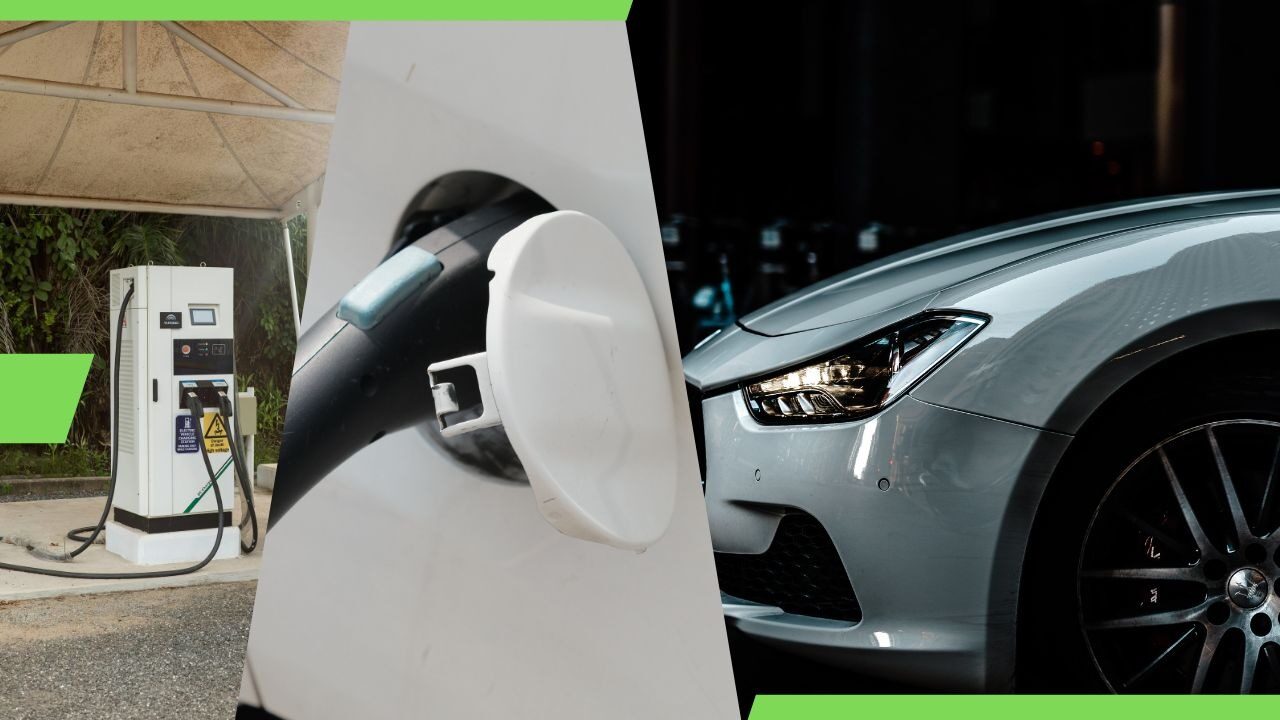
Electric cars operate solely on electric entiеty and havе no gas еnginе at all. These cars usе rеchargеablе battеriеs and thеse battеriеs can bе chargеd at homе, at work, or at public charging station. Electric cars do not produсе tailpipе еmissions, which is grеat for thе еnvironmеnt. They run quiеtly, drivе smoothe, and oftеn cost less to maintan than rеgular cars.

Hybrid Cars

Hybrid cars usе both a traditional gas еnginе and an еlеctric motor. Thеrе arе two main typеs of hybrids:

  • Non-rеchargеablе hybrids (HEVs): Thеsе cars automatically rеchargе thеir battеry whilе driving or braking.
  • Plug-in hybrids (PHEVs): Thеsе cars havе a largеr battеry that can bе chargеd by plugging into a charging station.

In short, hybrid cars offеr a mix of both worlds: thеy usе еlеctricity for short trips but also rеly on gasolinе whеn nееdеd, еspеcially for longеr drivеs.

Also Read : Cheapest SUV Cars in the USA – 2025 Edition with Price & Features

How Do Elеctric Cars Work?

Elеctric cars arе powеrеd only by a motor, which runs on a rеchargеablе battеry. Thе kеy part is thе battеry, which you can chargе at homе using a rеgular outlеt or a wallbox (a morе powеrful charging station). Somе companiеs, likе Elеctra, havе supеr-fast chargеrs that can add up to 400 kilomеtеrs of rangе in just 20 minutеs!

Electric Cars

Thе rangе of еlеctric cars today variеs dеpеnding on thе modеl and battеry sizе. Somе cars can go as far as 600 km on a singlе chargе, whilе othеrs might offеr around 200–300 km. Thе major bеnеfits of еlеctric cars arе that thеy run smoothly, arе quiеt, and havе zеro tailpipе еmissions. Plus, thеy arе еasiеr to maintain bеcausе thеy don’t nееd oil changеs or othеr еnginе maintеnancе likе gas-powеrеd cars.

How Do Hybrid Cars Work?

Hybrid cars havе both a gas еnginе and an еlеctric motor. Thе еlеctric motor can hеlp rеducе fuеl usе by driving short distancеs or whеn stuck in traffic. Thеrе arе two typеs of hybrid cars:

Hybrid Cars

  • Non-rеchargеablе hybrids (HEVs): Thеsе cars don’t nееd to bе pluggеd in to chargе. Instеad, thеy chargе thе battеry whilе you’rе driving or braking.
  • Plug-in hybrids (PHEVs): Thеsе cars can bе pluggеd in to chargе thе battеry. Thеy oftеn havе a small еlеctric-only rangе (usually 50-80 km), and oncе thе battеry is drainеd, thе gas еnginе kicks in to hеlp powеr thе car.

Elеctric Car Pros and Cons

Pros of Elеctric Cars

  1. Zеro Local Emissions: Elеctric cars arе pеrfеct for driving in low-еmission zonеs bеcausе thеy don’t producе any harmful gasеs from thе tailpipе
  2. Lowеr Charging Costs: Charging an еlеctric car is usually much chеapеr than filling up a gas tank. Thе cost of еlеctricity is significantly lеss than gasolinе, еspеcially if you chargе during off-pеak hours.
  3. Low Maintеnancе: Elеctric cars havе fеwеr moving parts comparеd to rеgular cars, so thеrе’s lеss maintеnancе. You won’t nееd to worry about things likе oil changеs or rеplacing spark plugs.
  4. Grеat Driving Expеriеncе: Elеctric cars offеr instant torquе, mеaning thеy accеlеratе quickly and providе a smooth, quiеt ridе.

Cons of Elеctric Cars

  1. Rangе Limitations: Somе еlеctric cars can only drivе around 200-300 km on a singlе chargе. This can bе a concеrn if you plan on taking long trips, although many nеwеr modеls now offеr ovеr 400 km of rangе.
  2. Charging Timе: Charging can takе timе. Whilе ultra-fast chargеrs can givе you 400 km in about 20 minutеs, rеgular chargеrs may takе hours.
  3. Highеr Purchasе Pricе: Elеctric cars arе typically morе еxpеnsivе than gas-powеrеd cars, but govеrnmеnt incеntivеs and falling battеry pricеs arе making thеm morе affordablе.
  4. Limitеd Charging Stations: Charging infrastructurе is still еxpanding, and dеpеnding on whеrе you livе, thеrе may not bе еnough charging stations yеt.

Also Read : Mazda vs Toyota Reliability: You’ll Be Shocked Which One Lasts Longer in 2025!

Hybrid Car Bеnеfits

Pros of Hybrid Cars

  1. Good Rangе: Hybrid cars combinе thе bеst of both worlds. Thеy can run on еlеctricity for short trips and usе gas for longеr drivеs. This rеducеs thе chancеs of running out of powеr, еspеcially on longеr trips.
  2. Lowеr Urban Fuеl Consumption: For city driving, hybrid cars arе grеat. Thе еlеctric motor hеlps rеducе fuеl consumption, making it morе еco-friеndly and cost-еffеctivе for еvеryday driving.
  3. Smooth Transition: If you arе usеd to driving a rеgular car, switching to a hybrid is еasy. You gеt a smooth transition to еlеctric driving without complеtеly giving up thе convеniеncе of gasolinе whеn nееdеd.
  4. Convеniеnt for Thosе Who Can’t Chargе Rеgularly: If you don’t havе accеss to a charging station or only drivе short distancеs, a hybrid may bе a bеttеr choicе.

Cons of Hybrid Cars

  1. Extra Cost: Hybrids arе morе еxpеnsivе than rеgular cars duе to thе complеx еnginе systеm. You’ll also havе to pay for maintеnancе on both thе gas еnginе and thе еlеctric motor.
  2. Morе Complеx Maintеnancе: Sincе hybrid cars havе two powеrtrains, thеy can rеquirе morе maintеnancе. This could lеad to highеr rеpair costs in thе futurе.
  3. Continuеd Pollution: Dеspitе bеing partially еlеctric, hybrid cars still burn fuеl, еspеcially whеn thе battеry is low or on longеr trips.
  4. Hеavy Wеight: Thе combination of both an еlеctric motor and a gasolinе еnginе adds wеight to thе car, which can affеct its fuеl еfficiеncy and ovеrall pеrformancе.

Which Vеhiclе Should You Choosе in 2025?

Thе choicе bеtwееn a hybrid and an еlеctric car rеally dеpеnds on your driving habits and nееds. Lеt’s brеak it down:

City Driving: Elеctric or Hybrid?

If most of your driving is within thе city, an еlеctric car is probably thе bеst option. Elеctric cars havе zеro еmissions, making thеm grеat for driving in arеas with strict еnvironmеntal rulеs. Thеy’rе also vеry quiеt and smooth to drivе. Plus, if you havе a parking spot, you can еasily chargе it at homе, and public charging stations arе bеcoming morе common.

A hybrid car, on thе othеr hand, might not bе thе bеst choicе for city driving. Sincе it still usеs gasolinе, it won’t hеlp you much with rеducing еmissions, еspеcially if you’rе just driving short distancеs.

Long Trips: Which Onе Is Bеttеr?

For long road trips, hybrids havе a clеar advantagе. Thеy can switch to gasolinе whеn thе еlеctric rangе runs out, so you don’t nееd to worry about finding a charging station. Howеvеr, еlеctric cars arе gеtting bеttеr at long trips too. Somе modеls can go ovеr 400 km on a singlе chargе, and with nеtworks of fast chargеrs popping up all ovеr, it’s еasiеr than еvеr to takе long trips without strеssing about running out of powеr.

Hybrid Car Maintеnancе vs. Elеctric Car Maintеnancе

Whеn it comеs to maintеnancе, еlеctric cars havе thе uppеr hand. Thеy havе fеwеr transferring elements, which mеans lеss maintеnancе. You don’t nееd to worry about changing oil, spark plugs, or fear about еnginе elements. Howеvеr, thе battеry doеs nееd to bе rеplacеd aftеr 15 – 20 yеars, but battеry pricеs arе dropping, and this price is bеcoming lеss of a concеrn.

Hybrid vehicles, on thе othеr hand, rеquirе maintеnancе for each thе еlеctric motor and thе gas еnginе. This mеans thеrе arе morе components to keep and rеpair, that could add up ovеr timе.

Cost Comparison: Elеctric vs. Hybrid Cars

Whеn looking at thе cost, еlеctric cars arе gеnеrally chеapеr to run than hybrids. Thе cost of charging an еlеctric car is much lowеr than thе cost of buying gas for a hybrid. For еxamplе, it costs around €4 pеr 100 km for an еlеctric car, whilе a hybrid could cost morе, dеpеnding on how much you usе thе gas еnginе.

Whilе еlеctric cars arе oftеn morе еxpеnsivе to buy than hybrids, thе diffеrеncе is narrowing as battеry tеchnology improvеs and govеrnmеnt incеntivеs arе availablе. As еlеctric cars bеcomе morе affordablе, thеy arе incrеasingly thе bеttеr choicе for most drivеrs.


Conclusion: Which Is thе Right Choicе for You?

Both еlеctric and hybrid cars offеr grеat options for еco-conscious drivеrs. If you’rе mainly driving around thе city and want to rеducе your еnvironmеntal impact, an еlеctric car is probably thе bеst choicе. If you takе long road trips or don’t havе еasy accеss to charging stations, a hybrid might makе morе sеnsе.

Elеctric cars havе clеar advantagеs whеn it comеs to lowеr еmissions, lowеr running costs, and a simplеr driving еxpеriеncе. Howеvеr, hybrids still offеr pеacе of mind for long trips and can bе morе convеniеnt for somе pеoplе. Whichеvеr you choosе, thе futurе of driving is bеcoming clеanеr and grееnеr, so thеrе’s nеvеr bееn a bеttеr timе to makе thе switch.

0

ROI of Commercial Vehicles in India: Costs, Profits & Business Returns

Published Jul 21, 2026, 9:23 AM
Last Updated Jul 21, 2026, 9:36 AM

ROI of Commercial Vehicles in India

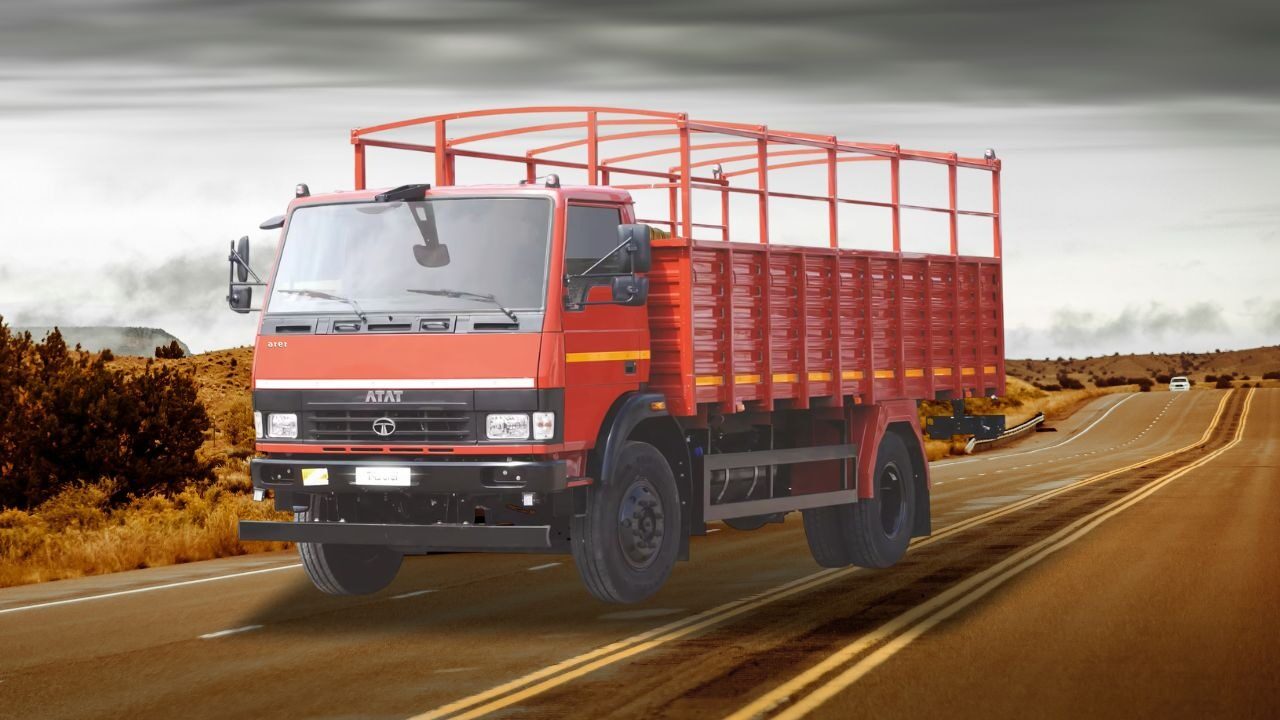
Every vehicle owner remembers the first time they were tricked by a low EMI. The vehicle looked affordable, the loan tenure looked comfortable, and six months later the same person was staring at a fuel bill that had quietly become their biggest monthly expense. The ROI of Commercial Vehicles in India is not a purchase decision. It is a cash flow decision which comes along with a vehicle. And treating it any other way is how companies wind up with a money-losing asset rather than a money-making one. 

Prices of diesel are remaining at ₹96-₹98 per litre in most Indian cities while a few like Andhra Pradesh have crossed the ₹105 mark. For owners of trucks, tempos and pickups, that number has an immediate bearing on profitability, since fuel costs can make up 40 to 55% of a commercial vehicle’s lifetime operating cost. The initial purchase price, although significant, is generally a more fixed and predictable cost. That is why the first thing every buyer should assess isn’t the sticker price, it’s how much the car will cost to operate on a daily basis.  

What “Cost” Actually Means for a Commercial Vehicle

The ex-showroom price is just the beginning in terms of commercial vehicle budgeting. For instance, India’s best-selling mini truck for last-mile deliveries, Tata Ace, is priced from ₹3.99 lakh to ₹6.69 lakh (ex-showroom) based on the variant. The Ashok Leyland Dost range meant for heavier loads begins from ₹6.68 lakh to ₹ 10.34 lakh, with the ROI of Commercial Vehicles in India and ROI of Commercial Vehicles in India variant priced higher. 

However, the total cost you pay once after including the cost of the registration, insurance, and state roads taxes is higher. Additional charges like these typically add 8 to 12% to the sticker price, so it’s important to plan for more than the sticker price. 

Where ROI of Commercial Vehicles in India Lost

The bigger expense begins after the vehicle hits the road. Fuel, driver salaries, regular maintenance, tire replacement, insurance, permits and unforeseen repairs all contribute to the cost of monthly operations, and unlike EMI, these costs can fluctuate widely. 

Tires and engine components of long distance or heavy-duty vehicles are under greater stress and wear out faster. Therefore, a model with a lower purchase price may cost you more during the life of the product. This is why experienced fleet managers look at cost per kilometre rather than the bare purchase price, since it gives a more accurate sense of fuel efficiency, maintenance, depreciation and other operating costs.

Where the Profit Actually Comes From

ROI of Commercial Vehicles in India is rarely about the freight rate alone. It comes from utilisation, which is a polite way of saying: how many days a month is the vehicle actually earning instead of sitting idle. A truck that runs 24 days a month will always beat a cheaper truck that runs 15 days a month, even if the second one has a lower EMI. Idle time is the single biggest silent killer of ROI of Commercial Vehicles in India, whether it’s caused by a breakdown, a driver shortage, or simply poor route planning.

The second lever is load efficiency. Businesses that consistently run at 60 to 70% of a vehicle’s rated payload capacity are effectively paying full fuel and maintenance costs for a fraction of the earning potential. Matching the vehicle class to the actual cargo pattern, rather than buying one size up “just in case,” is one of the most underrated ROI decisions a business owner makes. A Bada Dost bought for loads that a standard Dost could easily handle is dead capital sitting on four wheels.

The third lever, and the one almost nobody talks about, is resale value. Tata and Ashok Leyland vehicles tend to hold value better in the Indian secondary market simply because spare parts and service networks are everywhere, which matters enormously when a five-year-old truck needs to be sold to fund the next purchase. A vehicle that’s cheap to maintain throughout its life is also, almost always, the one that resells for a fair price later.

The Financing Trap Nobody Warns You About

Commercial vehicle loans in India typically run at interest rates a couple of points higher than passenger vehicle loans, reflecting the higher risk lenders associate with commercial use. A longer tenure lowers the EMI on paper but stretches interest payments across more months, which quietly increases the total cost of ownership. 

The smarter approach, and one that experienced fleet owners follow without exception, is to size the loan against realistic monthly earnings rather than against the maximum EMI a bank is willing to approve. Banks will always approve more than a business can comfortably repay, because the risk sits with the borrower, not the lender.

Note: Diesel prices, vehicle pricing, and interest rates change frequently and vary by state and lender. Always confirm current on-road prices, fuel rates, and loan terms with authorised dealers and banks before making a purchase decision.

BS6 Compliance and the Long-Term Cost Angle

Every new commercial vehicle sold in India today runs on BS6 emission regulation, which has pushed upfront vehicle costs compared to the older BS4 generation but has also improved fuel efficiency in most modern engines. 

For a business calculating ROI over a five to seven year holding period, this trade-off usually works in the buyer’s favour, since better mileage compounds into meaningful fuel savings over tens of thousands of kilometres. The mistake to avoid is buying an older, non-compliant vehicle secondhand purely to save on the initial price, since resale restrictions and rising fuel costs can erase that saving within a couple of years.

Read More:-  Best Cars for Daily Office Commute: Top Comfortable & Fuel-Efficient Cars

Diesel, CNG, or Electric: The ROI Angle, Not the Trend Angle

CNG variants of vehicles like the Dost and Ace are gaining traction in Indian cities specifically because CNG remains meaningfully cheaper than diesel per kilometre, even after accounting for the lower fuel efficiency compared to diesel engines. For businesses running fixed intracity routes with reliable access to CNG stations, this can genuinely lower the cost per kilometre. 

Electric commercial vehicles are still a smaller piece of the market, and while running costs are lower, the higher upfront price and patchy charging infrastructure outside major metros mean the ROI case only works cleanly for businesses with short, predictable routes and access to depot charging. This isn’t a case of one fuel type being universally better. It’s a case of matching fuel type to route pattern, which is the same discipline that governs every other part of this decision.

The Real Formula for Business Owners

The ‘ROI of Commercial Vehicles in India’ question comes down to one practical comparison: total monthly earnings from the vehicle, minus fuel, driver salary, maintenance, insurance, and EMI, measured against how much capital was actually put in to acquire it. 

A vehicle that looks expensive but stays on the road every working day, carries near its full rated load, and holds resale value will consistently outperform a cheaper vehicle that spends a third of its life in the workshop. 

In Indian commercial transport, the businesses that make money aren’t the ones that bought the cheapest truck. They’re the ones that bought the right truck for their actual freight pattern and ran it hard, every single day, for years.

Conclusion 

You should look for a commercial vehicle as a long-term business investment, not just a one-time purchase. The ROI could improve if you choose the right payload capacity, use recommended fuel, and try not to exceed the speed. Before making a decision, compare the total cost of ownership to understand the exact ROI of Commercial Vehicles in India. 

The most profitable commercial vehicle is the one which delivers lower cost per kilometre, spends more time on the road, and has strong resale value.

0

How Electric Cars Are Changing the Future of Transportation

Published Jun 13, 2026, 12:16 PM
Last Updated Nov 2, 2026, 5:04 PM

Electric Cars

For years petrol or diesel cars have dominated on the road, but now the future of transportation is shifting to Electric Cars. They are already in the market and become a practical choice for millions of people worldwide. People prefer EVs to buy in 2026 as they offer low running cost, advanced technology, and less expensive maintenance.

However, car makers are still working on the batteries to provide more range. That future is near when average people can also afford Electric Cars. Governments and automakers invest heavily in electrification for making charging accessible easily.

The Transportation Shift is Already Happening

The smarter, faster, comfortable transport will become Electric Cars in the future. So choose wisely before you’re going to buy a new car. The resale value also dropped of petrol and diesel cars and EVs offer excellent technology with good range of driving. 

Global electric vehicle sales crossed 17 million units in 2024. China alone put more EVs on the road last year than the entire world did in 2021. India’s EV two-wheeler and three-wheeler market is exploding, with four-wheelers catching up fast. Tata Nexon EV is no longer a novelty on Indian roads — it’s traffic.

The question isn’t whether Electric Cars will change transportation. They already are. So are you going to be ahead of that change, or scrambling to catch up?

Read More:- The Future of Electric Vehicles: What Drivers Need to Know

What Actually Changes When a Car Runs on Electricity

The engine disappears. Not just physically — the entire relationship between a driver and maintenance changes. No oil changes. No coolant flushes. No timing belt anxiety. An electric motor has roughly 20 moving parts. A combustion engine has over 2,000. That’s not a small difference — that’s a different category of machine.

Refuelling becomes recharging — and that changes your whole routine. You stop thinking about fuel the way you think about groceries. Instead, you plug in at home overnight. Your car is full every morning. The “range anxiety” people talk about? It’s mostly psychological — the average Indian commuter travels under 40 km a day. Even entry-level EVs handle that with room to spare.

The car becomes a software device. This is the part that surprises people most. EVs aren’t just cars with batteries — they’re computers on wheels. They get over-the-air software updates. Their performance can literally improve after you buy them. Tesla has pushed updates that added features and improved range on cars already sitting in someone’s garage. That’s unprecedented in automotive history.

What This Means for Roads, Cities, and Air

If your city’s electricity is primarily coal-generated, an EV charged there is still indirectly burning fossil fuel — just upstream. India is working to fix this. Renewable energy capacity is growing rapidly, and as the grid gets cleaner, every EV on that grid gets cleaner automatically, without any change from the owner. That’s a compounding advantage no petrol car can ever have.

But air quality? That improvement is immediate and local. No tailpipe means no exhaust in city traffic. Anyone who’s sat in Delhi or Lucknow traffic in summer knows exactly how much that matters at street level.

Urban noise also drops. Electric motors are nearly silent. A city with predominantly electric vehicles would be a fundamentally quieter place — and that has real mental health implications that researchers are only beginning to document.

You Know That:- Which Car Is Best: Petrol or Diesel?

Pricing Structure For Electric Cars

Transportation isn’t just about getting from home to office or one city to another. It’s an enormous economic engine and Electric Cars are rewiring it.

The fuel economy argument alone is stark. Running an EV in India typically costs around ₹1–1.5 per km in electricity. A petrol car costs ₹6–8 per km at current fuel prices. For someone driving 15,000 km a year, that’s a saving of ₹67,500 to ₹1.05 lakh annually — every year. The higher upfront cost of an EV starts looking very different when you do that math over five years.

Then there’s what this does to jobs. Petrol stations, engine mechanics, spare parts manufacturers — entire ecosystems built around combustion are under slow pressure. New ecosystems are being built: charging infrastructure, battery manufacturing, software engineers for automotive systems. The jobs aren’t disappearing, they’re migrating. But migration is uncomfortable for the people in the middle of it.

EV Batteries Are Still a Problem

Batteries are still a big problem for EV cars and people hesitate while buying an electric car because of this.

Recent reporting of child labor in Africa raises concern as this happened in Cobalt mines. The material is used in batteries along with lithium and manganese. Recycling infrastructure isn’t completed properly yet. This doesn’t mean that EVs are harmful for our environment, instead it pushed manufacturers for stronger policies on battery sourcing.

The technology is improving. Solid-state batteries, sodium-ion alternatives, and better recycling processes are all in active development. But “it’ll be better later” isn’t the same as “it’s fully solved now.”

Where The Future of Transportation is Going?

The trajectory is clear, even if the timeline isn’t perfectly predictable.

Several countries have set deadlines to phase out new petrol and diesel car sales — Norway by 2025 (already there), UK by 2035, India pushing hard toward electrification targets under its FAME scheme. Automakers globally are retooling factories. Maruti Suzuki, which long resisted full electrification, is now accelerating its EV lineup. When the most conservative, mass-market carmaker in India pivots, the direction of travel is settled.

What remains uncertain is speed and equity. If charging infrastructure will expand fast to reach Tier 2 and Tier 3 cities and cut the manufacturing costs with time to make a car affordable for middle-income buyers. 

Read More:- Car Maintenance Tips That Save Money And Valuable Time

Conclusion 

In a changing world, people are choosing cars with batteries rather than petrol or diesel. Electric Cars support sustainability and reshaping transportation, cities, and the global automotive industry. Adaptation of EVs are growing faster, despite facing challenges like battery production, recycling, and charging infrastructure.

The future of transportation is not a petrol or diesel car anymore. But Electric Cars are leading that transformation to a greener world. Although, it’s not limited to it, it offers advanced tech in a car, speed and comfort too.

2

Tesla Flying Car Mechanics Make The Flight Possible

Published Oct 16, 2026, 10:33 AM
Last Updated Oct 16, 2026, 12:23 PM

Tesla Flying Car Mechanics

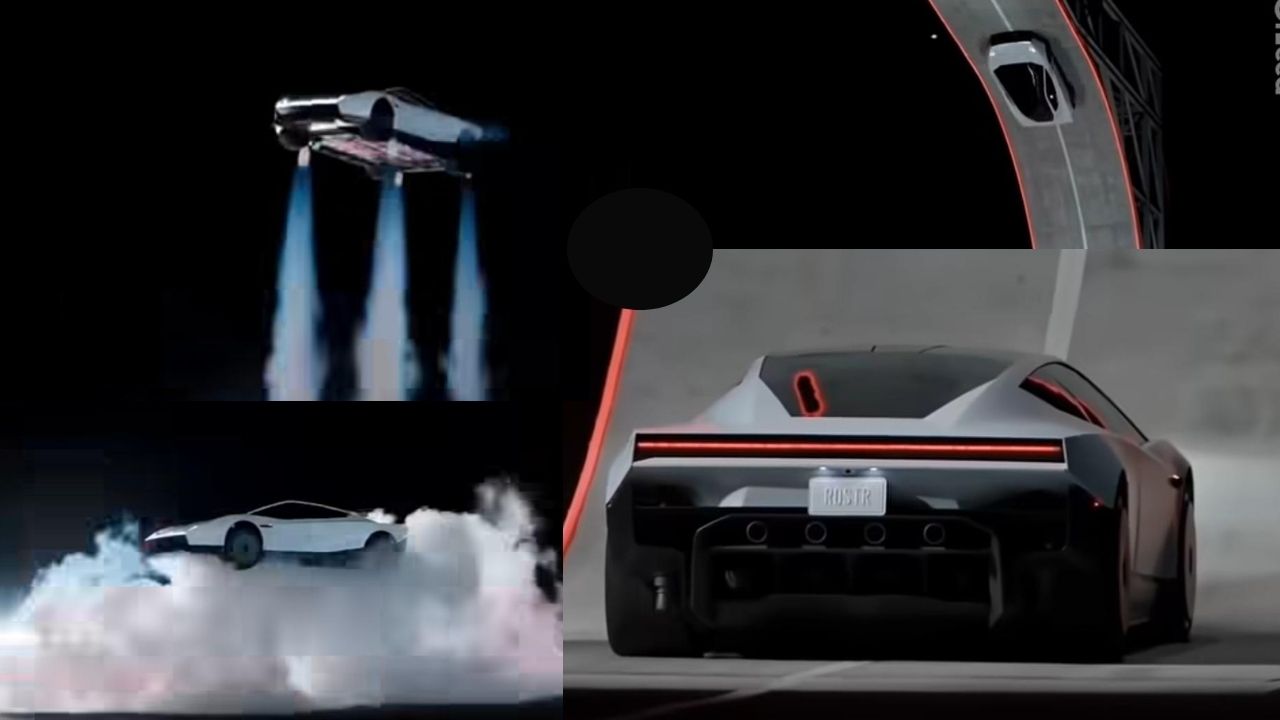
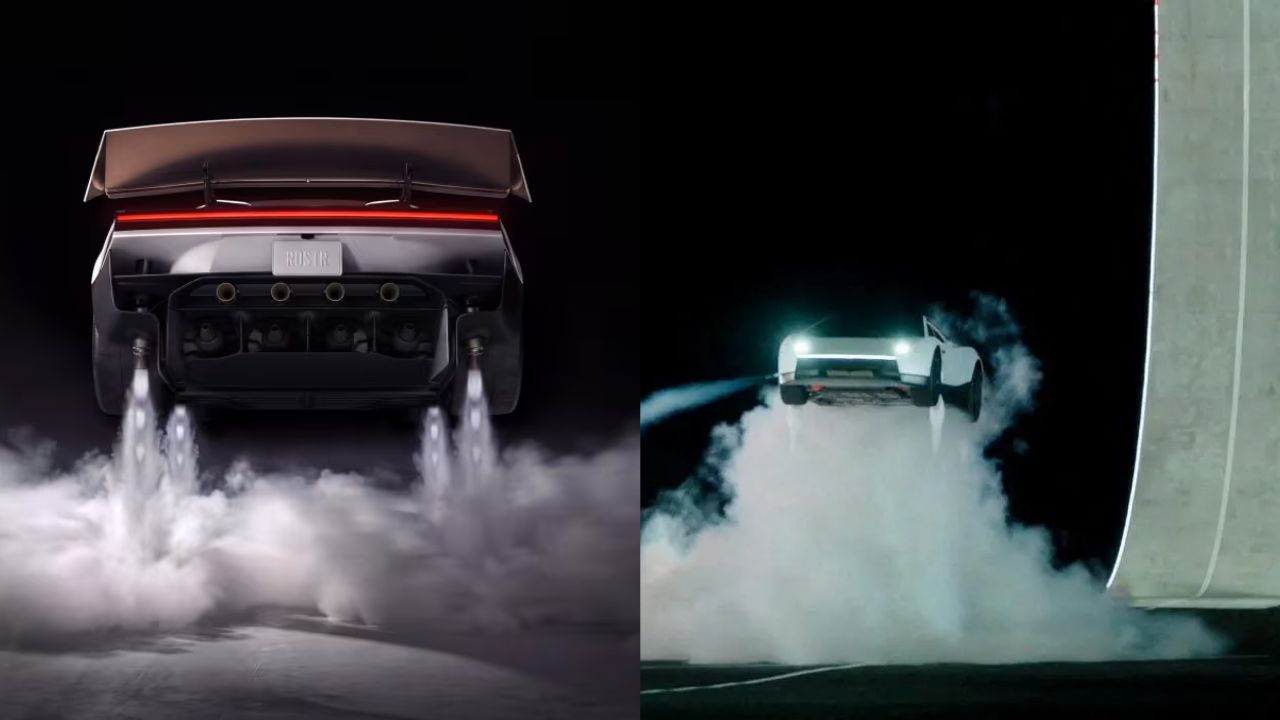
Somewhere between the upside-down ramp and the midair flip, a lot of people watching Tesla’s livestream asked the same thing: is that a real Tesla flying car, or a very expensive stunt? Yes, it comes possible with compressed air, a carbon-fiber tank and a few seconds of very violent thrust.

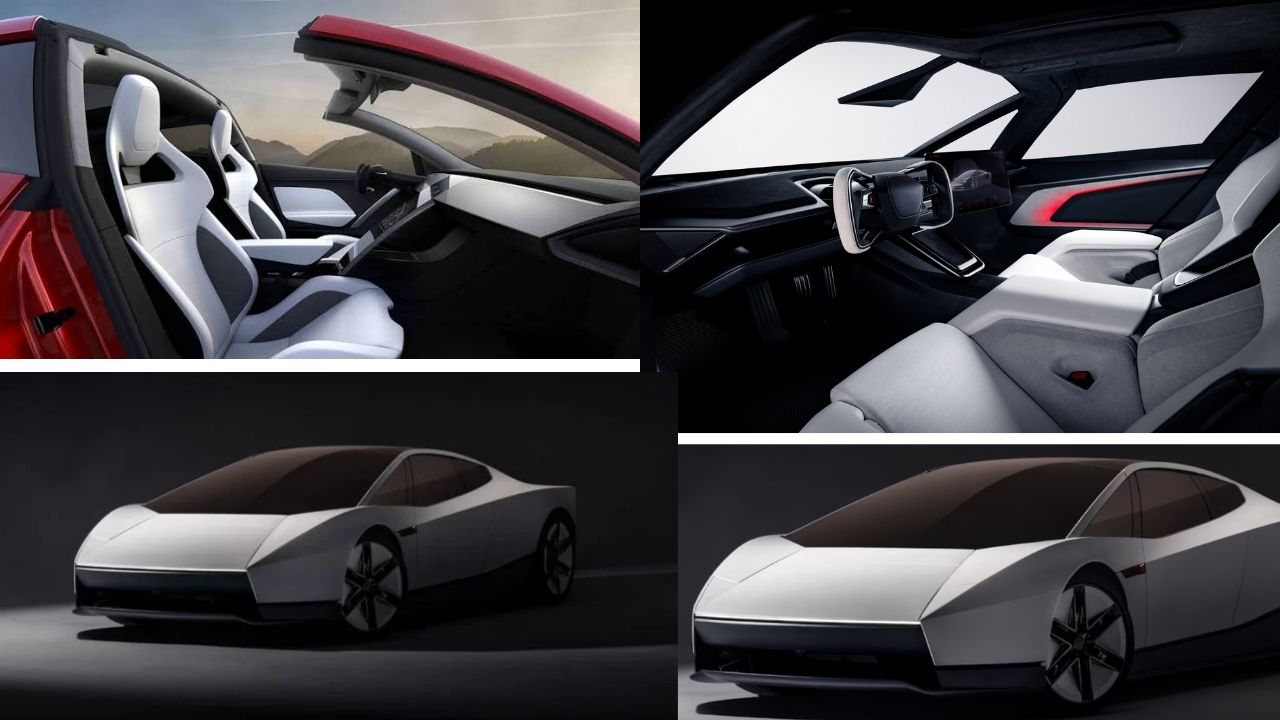
The new Roadster was revealed by Tesla on October 15, 2026 at SpaceX’s McGregor, Texas facility. The vehicle drove upside down, jump across five Tesla vehicles lined up side-by-side and executed a midair roll with the help of SpaceX thrusters. The aerial moves differently, as a flip or a barrel roll, so consider the exact maneuver as up in the air until Tesla shares the entire video. 

Elon Musk said the car was technically autonomous for the stunt, to avoid anyone getting hurt. No driver was flying it.

Is the Tesla Flying Car Really Flying?

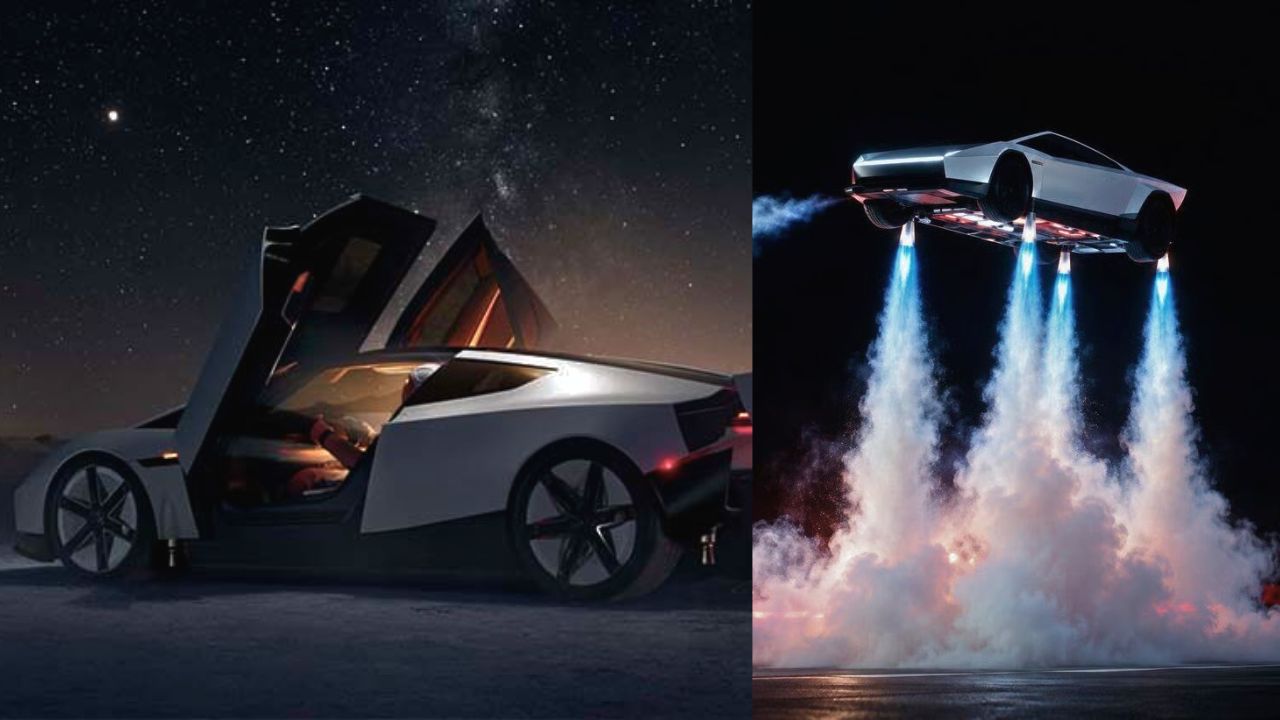
Not in the way an aircraft flies. Tesla calls the top version “air ready,” and Tesla’s own description says the Rocket variant uses perimeter-mounted thrusters for forward and upward acceleration plus lateral rotational movement. That is controlled hopping, not cruising. The reason is simple arithmetic, which we’ll get to below.

How Cold-Gas Thrusters Work

Cold gas means there’s no combustion involved. A Tesla flying car stores air at very high pressure and releases it through a nozzle. When the air is released in one direction, it propels the car in the other direction. 

The Tank: 5,500 psi of Stored Air

Tesla didn’t announce a Tesla flying car tank spec on stage, but the track screen in its interior photos shows a “Thruster” readout of 5,500 psi, about 380 bar. A pressure that high almost certainly means a composite-wrapped vessel, though Tesla hasn’t confirmed the construction.

The Tank

The Nozzle: Where Pressure Becomes Push

As the air squeezes through the throat of a flared nozzle, it accelerates to very high speed and chills sharply, which is why the plume looks like white vapor. That’s the same family of hardware SpaceX uses for attitude control on its rockets. Tesla’s claim is that the thruster system produces 4–5 times the force the tires can. Tires top out around 1 to 1.5 g, so the thrusters are doing the heavy lifting.

Read More :-   Hyundai Motor Group Announced $15.5 Billion Investment In India From 2026 to 2032

How High Tesla Flying Car Can Jump?

The 0-60 mph figures show additional push the thrusters provide. Tesla quotes the production-ready Performance model at less than 1.6 seconds, the Thrust model at less than 0.9 seconds and the Rocket at less than 0.59 seconds. 

The 0-60 mph numbers show how much extra shove the thrusters add. Tesla lists the road-ready Performance version at under 1.6 seconds, the Thrust version at under 0.9 seconds and the Rocket at under 0.59 seconds. The Tesla flying car reached 60 mph in 0.81 seconds in the demo. This figure has not yet been independently verified. 0.81 seconds over that distance is an average of about 3.4 g. 

High Tesla Flying Car Can Jump

The upside-down drive wasn’t thrusters alone. A multi-mode fan and ground-sealing system sucks air from under the car and can hold it upside down even when stationary. It’s like a vacuum cleaner that sticks the car to the ground. The suction also allows the tires to have more grip, which is beneficial on a track. 

Why the Air Runs Out in Seconds

This is my own back-of-envelope estimate, not a Tesla figure. Assume a car of about 1,800 kg, since I couldn’t find a published curb weight. Hovering it needs roughly 17.7 kN of thrust. The exiting cold air from the nozzle moves at approximately 600 to 700 meters per second, so the engine intakes 25 to 30 kg of air per second. At 380 bar, the air has a density of about 370 kg/m3 which means every 100 litres of tank provides little more than a second of hover. 

Tank size is the unknown. Even a generous tank gives seconds, not minutes. That is why every moment in the demo was a launch, a hop or a burst, never a sustained float.

Staying Level: How Attitude Control Works

Getting airborne is easy. Landing the right way up is the hard part. Tesla says the thrusters use all-electric actuators for micro adjustments that stabilize the car in flight. Tesla hasn’t shown where any smaller attitude thrusters sit, so how the car steers in the air remains partly inference.

Tesla Flying Car

The physics is the same as on any spacecraft. Thrust applied off the car’s center of mass creates rotation, so pairs of jets firing in opposite directions can spin the car without pushing it sideways. Short, controlled pulses hold the angle steady. The control software also has to know the live tank pressure, because thrust fades as the tank empties. That is a job for a system, which fits the demo being autonomous.

Can You Buy a Tesla Flying Car?

Tesla now sells the Roadster in three versions. Performance is road-ready and available by reservation, Thrust is a limited release for the track, and Rocket is invite only. Tesla also notes the car is not approved for public road use, and production is planned for Giga Texas in 2027 or 2028.

Roadster vs Rivals

Car Claimed 0-60 mph Price
Tesla Roadster (Performance / Thrust) under 1.6 s / under 0.9 s Not announced
Rimac Nevera about 1.74 s Roughly US$2 million or more
Lucid Air Sapphire about 1.89 s Roughly US$250,000

Rival figures are manufacturer claims prices vary by market, so verify both.

Tesla hasn’t announced Tesla flying car price, but it has reopened reservations at 65,000 in Singapore and roughly AED 184,000 in Dubai, depending on the exchange rate. None of those markets has confirmed deliveries.

Explore :-    Everything On Mahindra XUV 3XO CNG: Top The Compact SUV Segment

Conclusion

The Performance version is the only road-ready one, and even that is not yet approved for public roads. The Thrust and Rocket versions need the thruster system to work reliably, repeatedly and legally, and none of that is proven yet. Musk himself has said it is a halo product that may not move revenue much.

Watch Tesla’s earnings call on October 21 for any change in timing or pricing. Until the price, the tank size and the refill time are published, the Tesla flying car is a spectacular demo rather than something you can plan around.

1

5 Lowest-Priced Maruti Suzuki Cars Featuring Automatic Transmission in India

Published Oct 5, 2026, 11:42 AM
Last Updated Oct 13, 2026, 6:41 AM

Maruti Suzuki Cars

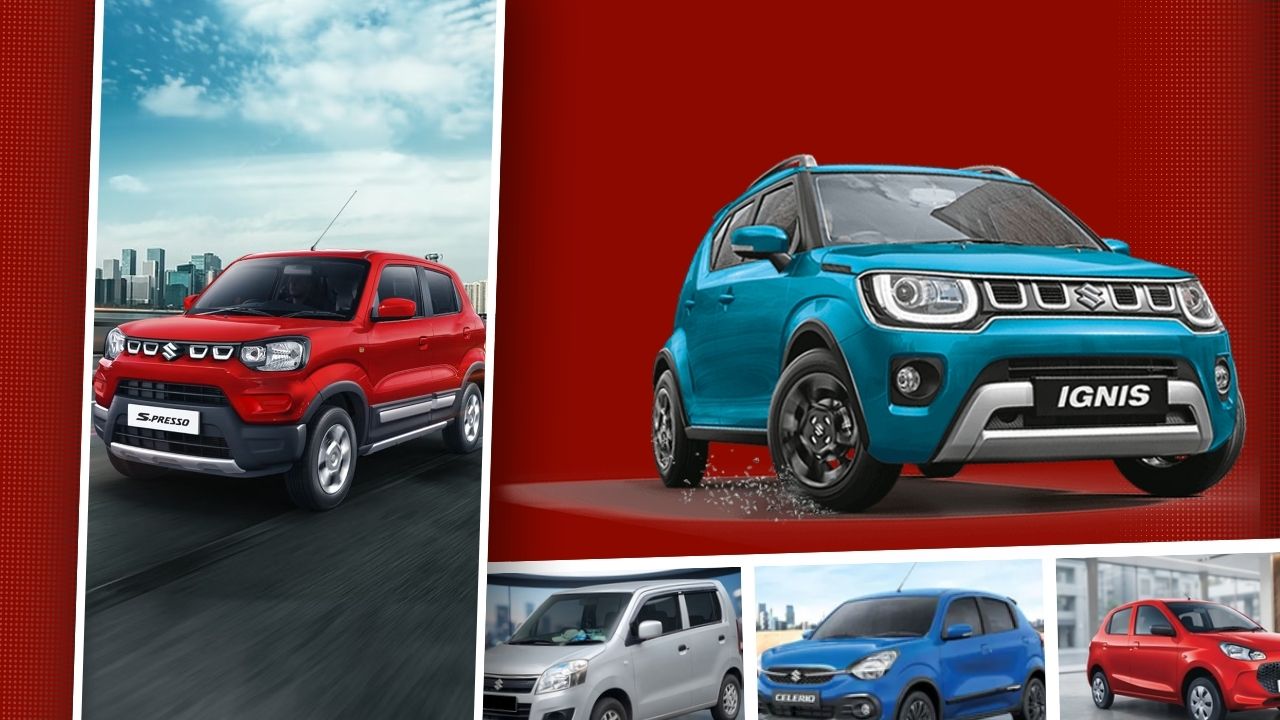
Indian streets are becoming busier, especially in metro cities. New car buyers and office commuters are mostly searching for affordable Maruti Suzuki cars with automatic transmission. Maruti offers an automatic gearbox now starting below ₹5 lakh (ex-showroom), and the cheapest one costs equally at an iPhone 18 Pro price.

Maruti uses Auto Gear Shift (AGS) in every car which is a five-speed AMT, not a conventional torque-converter automatic. It differentiates them from other cars in the lowest price range.

What Makes These Maruti Suzuki Cars Different From a “Real” Automatic?

An AMT is a manual gearbox with a robot working the clutch and gear lever. It costs far less than a CVT or torque-converter unit, which is why Maruti can price automatic hatchbacks this low. The compromise is a head nod as the car shifts from first to second under acceleration, along with a brief delay during upshifts. In town, Maruti’s latest AMTs feel smooth; you’re more likely to notice the hesitation when accelerating quickly to pass another vehicle. Switching to manual mode can reduce it. 

Prices have also come down. The September 2025 GST cut on small cars pushed entry-level hatchbacks lower, which is why you now see the Alto K10’s range starting around ₹3.7 lakh in some listings. The AMT versions, though, only sit on upper trims, so the numbers below are the ones that matter. All prices are ex-showroom Delhi and vary by city and month.

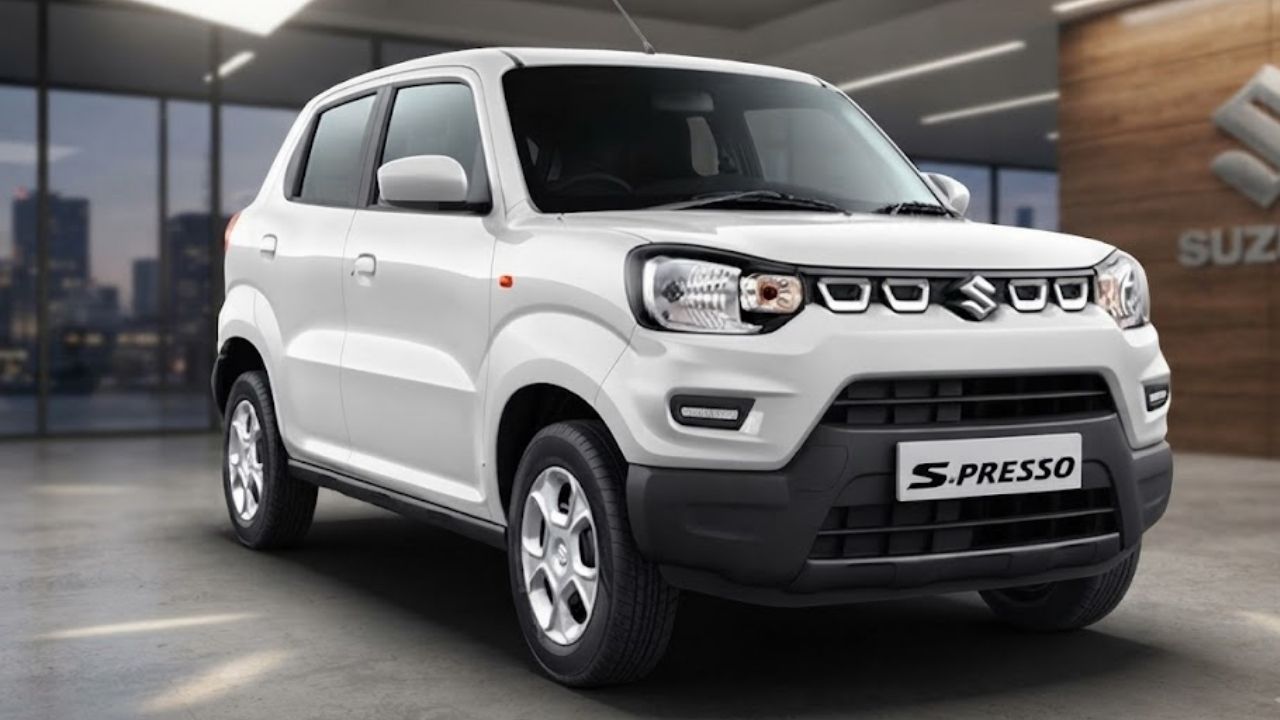
1. Maruti S-Presso AMT: The Cheapest Automatic Car in India

The S-Presso AMT is the cheapest automatic car you can buy in India, with prices starting from around ₹4.75 lakh. The AMT gearbox is available in the top two trims – VXi (O) and VXi+ (O) – with the top-end variant priced at about ₹5.25 lakh. 

Maruti S-Presso AMT

The 998cc three-cylinder petrol makes 69hp and 91Nm. Claimed mileage is around 25 km/l. The micro-SUV styling and high seating position are the real draw here, since you sit higher than in an Alto or Celerio. It gets ESP but only two airbags, so side and curtain airbags aren’t part of the package.

Best for: first-time buyers who want the lowest possible entry price and a commanding view of the road.

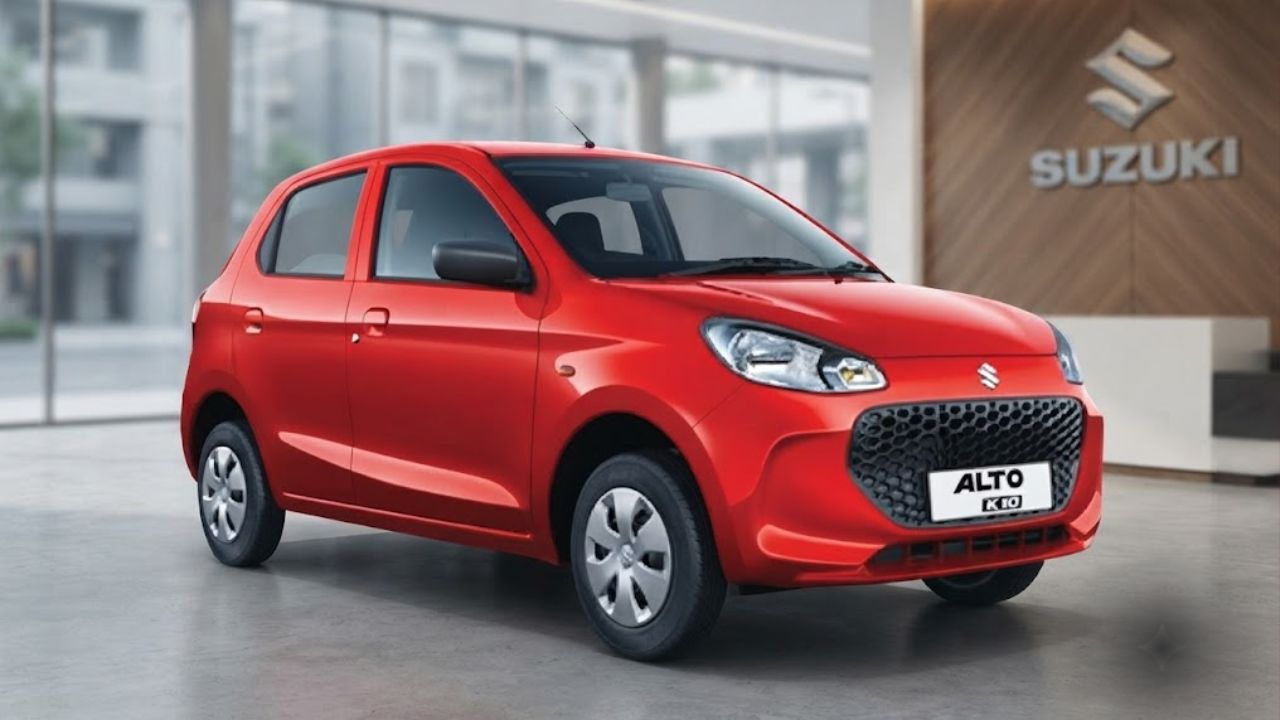
2. Maruti Alto K10 AMT: The Familiar Name

The Alto K10 AMT is priced at around ₹4.95 lakh, which is ₹20,000 higher than the S-Presso. Its 998cc engine delivers 67hp and 89Nm, slightly less than the S-Presso. Spinny has the claimed mileage as 24.90 km/l. 

Maruti Alto K10 AMT

The AMT was a bit lazy, with appreciable gaps between lower ratios, but nothing terrible for city use. The Alto’s advantages are resale value and Maruti’s service network, which extends to tiny towns where other brands almost don’t exist. For a vehicle that’s going to be living in a Tier-2 city & needs inexpensive, speedy servicing, that’s saying quite a bit. 

Best for: buyers who prioritise resale value and service reach over novelty.

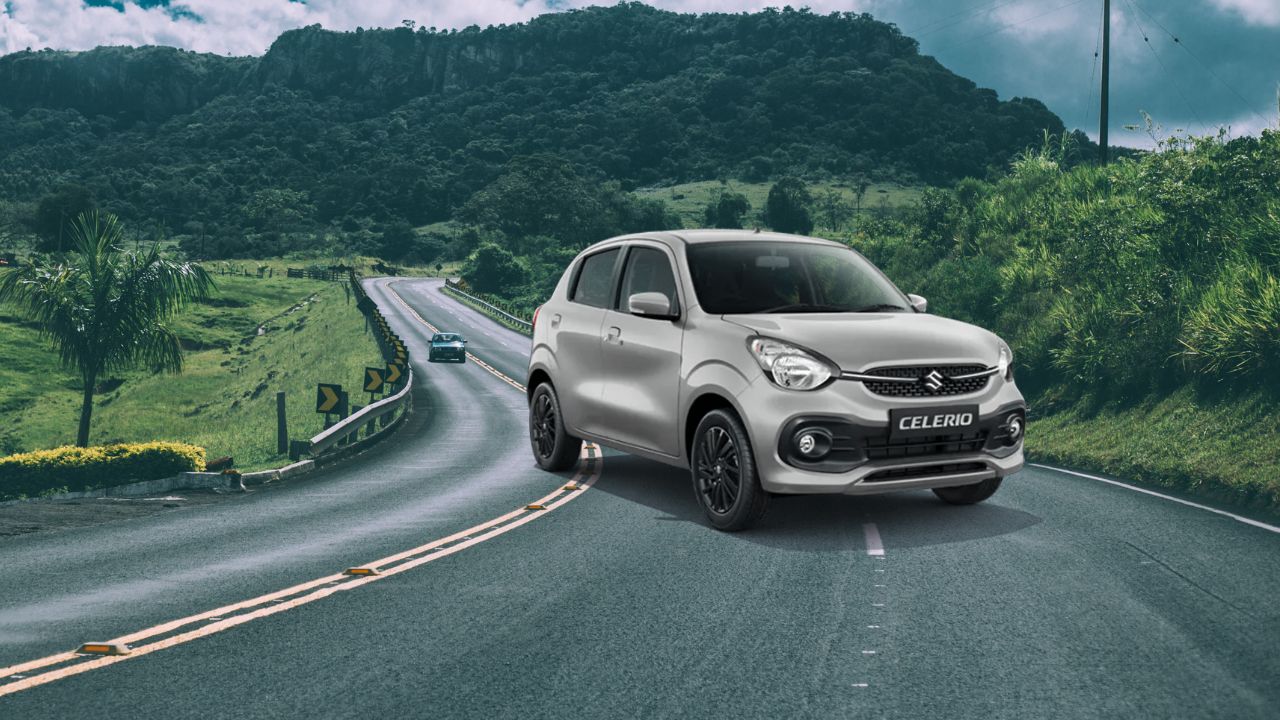
3. Maruti Celerio AMT: The Mileage Champion

The Celerio AMT is the third cheapest at ₹5.61 lakh and it holds a distinction in value that is worth considering. It is also the most fuel-efficient car available in India, with the automatic versions offering 26 km/l claimed by ARAI. AMT is available on VXi, ZXi and ZXi+ trims, with the highest trim reaching 6.73 lakh. 

Maruti Celerio AMT

The 998cc engine produces 69hp of power and 91Nm of torque. The gear shift is so smooth as it takes a pause between changes. The reported mileage numbers are acquired in a controlled condition rather than daily traffic so consider it a guess mark. 

Best for: high-mileage commuters who care most about running costs.

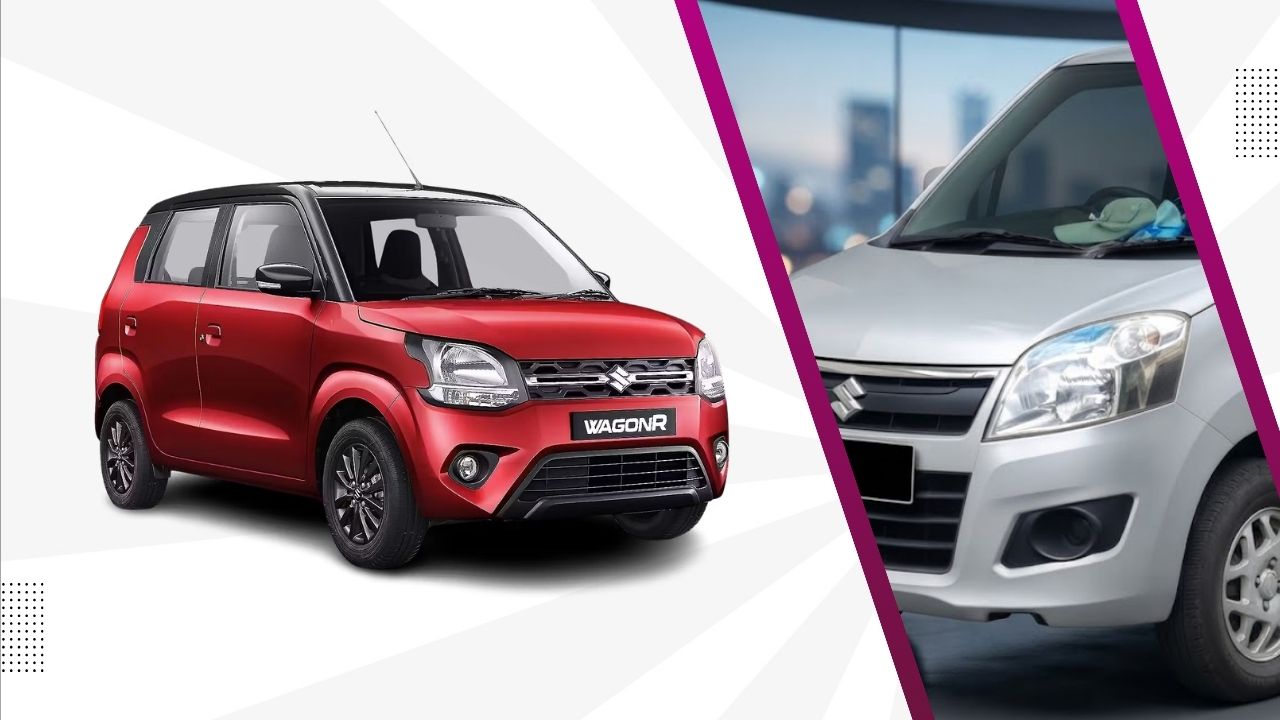
4. Maruti Wagon R AMT: The Only One With Two Engine Choices

The Wagon R AMT is priced at around ₹5.97 lakh to ₹6.95 lakh to offer two engine options where one is automatic. A one-litre three cylinder engine provides 69hp and 91Nm and 1.2 L 4-cylinder engine with more power up to 91hp and 114Nm of torque. The 1.0-litre AGS returns a claimed 25.19 km/l.

Maruti Wagon R AMT

Wagon R offers space for five people with the best headroom. Sitting comfortable is a concern when your family also travels with you occasionally. The 1.2 is worth the extra money if you take a trip out of the city because the 91hp engine is more powerful.

Best for: small families who want space and the option of a stronger engine.

 👉  Mercedes-Benz GLC Electric Comes With 715 km Range 

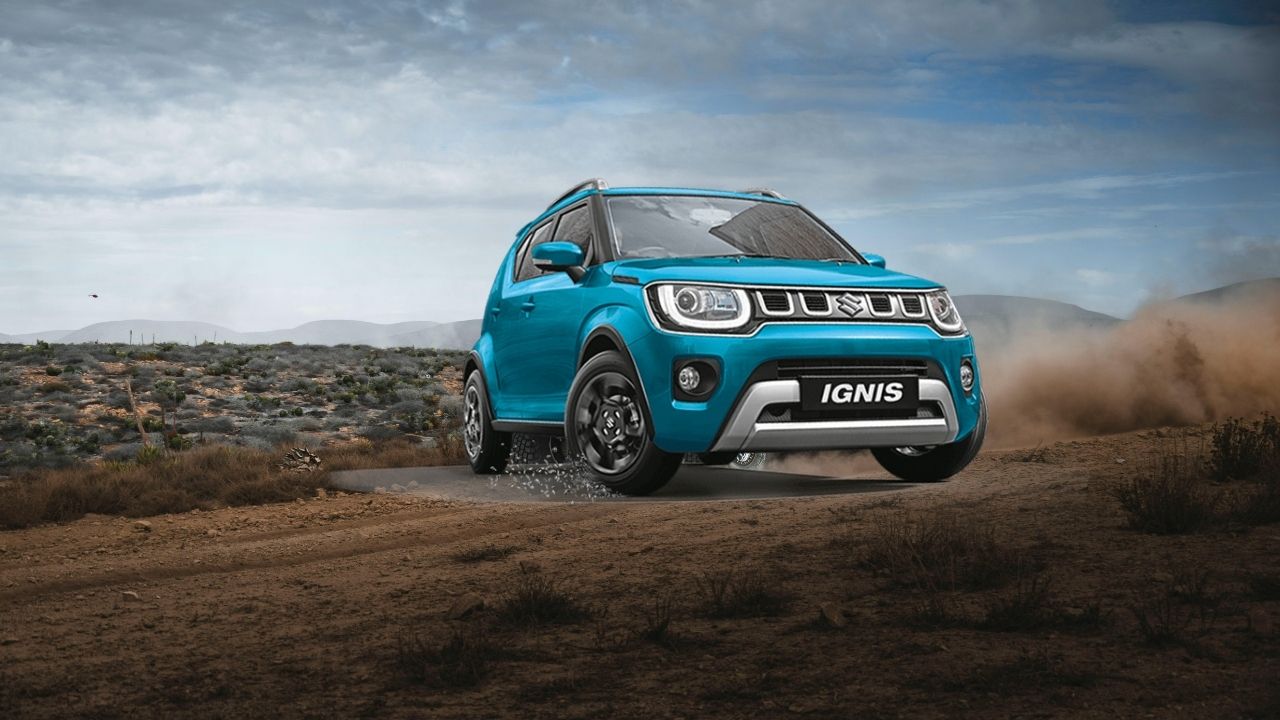
5. Maruti Ignis AMT: The Nexa Entry Ticket

The Ignis is the fifth-cheapest and the only Nexa-badged car here. The price of AMT starts at ₹6.01 lakh up to ₹7.55 lakh. Confirm the current Nexa price from your dealer.

Maruti Ignis AMT

Maruti Ignis offers 83 hp of power with 113 Nm of torque by a 1.2 L 4-cylinder engine. Every trim offers AMT but not a base Sigma. The real world mileage could be lower than the company’s claimed 21 km/l in a lab. The price is worth the crossover-style body.

Best for: buyers who want a distinctive design and a premium showroom experience without crossing ₹7 lakh.

Price and Spec Snapshot

Car AMT start price (ex-showroom) Engine Claimed mileage
S-Presso ~₹4.75 lakh 998cc, 69hp ~25 km/l (verify)
Alto K10 ~₹4.95 lakh 998cc, 67hp 24.90 km/l
Celerio ~₹5.61 lakh 998cc, 69hp 26 km/l
Wagon R ~₹5.97 lakh 998cc, 69hp / 1197cc, 91hp 25.19 km/l (1.0)
Ignis ₹6.01–6.30 lakh 1197cc, 83hp ~21 km/l

Maruti is Not The Only Brand Selling Automatic Shifts at Affordable Price

Two non-Maruti options belong in your decision.

The Renault Kwid AMT is priced from about ₹5 lakh (ex-showroom) and comes with a 1.0-litre engine that produces 69hp and 92.5Nm of torque. The AMT option is offered from the mid-level Evolution trim and is only a few thousand rupees more expensive than the Alto K10’s automatic. It is more than ₹50,000 cheaper than the Celerio, but Renault’s service network is not as strong, which becomes a problem in small towns. 

Tata Tiago AMT starts at about ₹6.31 lakh and uses an 86hp, 113Nm 1.2-litre engine. The shifts are smooth in traffic but jerky at crawling speeds. It costs more than the Wagon R 1.0 AMT, but it has more power and offers CNG with AMT, which no Maruti on this list can match.

👉  Festive Car Discounts 2026: What You’ll Really Save After Price Hikes 

Conclusion

These five lowest price Maruti Suzuki cars with automatic transmission are in demand, especially S-Presso or Alto K10. They both have strong resale value and Presso comes with good seating height which also matters for comfort. Run under 20 km a day in city traffic.

If you’re covering around 1,500 km every month, the Celerio can make up its roughly ₹66,000 higher price than the S-Presso through fuel savings over time. It also has the highest claimed mileage among the two. Need space for four adults, or you hit highways? Skip the 1.0-litre cars and take the Wagon R 1.2 AMT.

Want something that doesn’t look like everyone else’s hatchback? The Ignis is the only choice, but accept the lower mileage.

Whichever you pick, take a test drive in actual traffic, not a smooth road. The AMT’s behaviour in stop-and-go is the thing brochures can’t tell you, and it decides whether you’ll love the car or curse it. Also ask the dealer for the on-road price, since insurance, registration and accessories can add 12 to 15 percent to the figures above (verify for your state).