0

Best Sunroof Cars Under 12 Lakh: Affordable Models With Premium Features

Best Sunroof Cars Under 12 Lakh

If you want to buy the best car under ₹12 lakh with a sunroof without burning a hole in your pocket, you’re in for a treat. While there used to be a scarcity of steam-powered appliances, there is now a plethora of feature packed hatchbacks, micro SUVs and compact SUVs in the Indian automobile market that offer style, comfort and technology at place which can be described as affordable. From voice-enabled electric sunroofs and huge touchscreens, to high-tech safety ratings and fuel-efficient engine choices, sub-12 lakh cars today offer far more than just a “premium look.”

This list covers the best sunroof cars in India you can get under ₹12 lakh — comparing prices, features and what makes each sunroof car worth considering for you. From city friendly easy to wheel car, fuel efficient or even loaded with rich features—a right pick would be found for every need. 

1. Tata Altroz – Premium Hatchback with Value
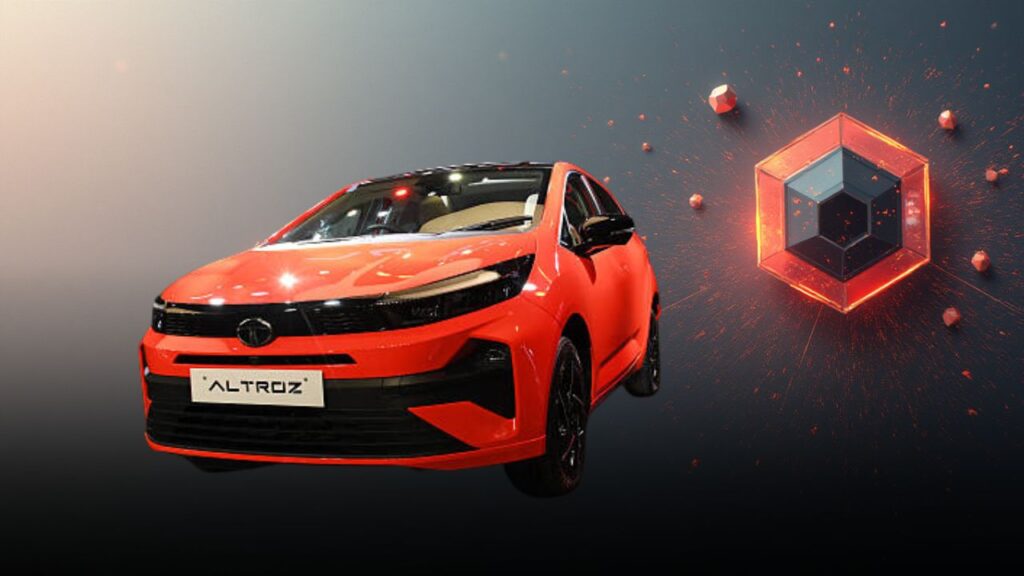
Tata Altroz

Image Credit : Badicar

For the price, the Tata Altroz is indeed one of the best affordable mass-­market hatchbacks with a sunroof in India. It also has a voice-enabled electric sunroof across various variants with CNG, diesel and petrol engines.

Ex-showroom price range ₹6.30 lakh to ₹10.51 lakh
With Sunroof  ₹7.36 lakh in India For the Pure S trim
Highlights  360-degree cameras are among the key features in a cabin that also includes rear air-con vents and automatic climate control. 

The spacious interiors of the hatchback, combined with its 10.25-inch touchscreen with wireless Android Auto and Apple CarPlay and its 5-star Global NCAP safety rating, add more value. There are 3 engine options– a 1.5-litre diesel (1497 cc), a turbo-petrol variant and a 1.2-litre petrol (1199 cc) developing 72.49 bhp. 

2. Tata Punch – Micro SUV Practicality
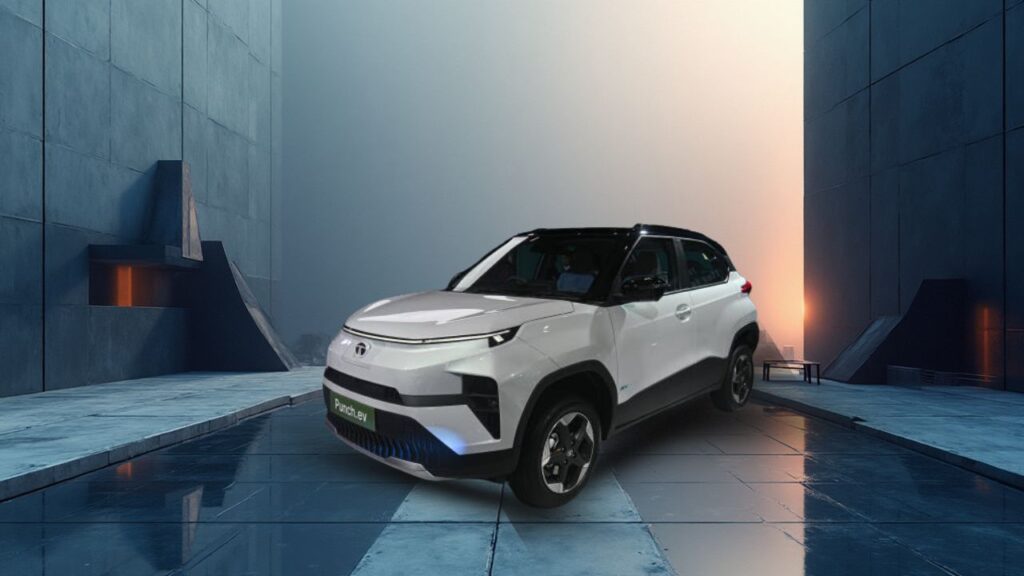
Tata Punch

Image Credit : Badicar

With eye­‐catching aesthetics and solid safety packages the Tata Punch has brought sunroof Parentage to the micro SUV segment.

With Sunroof  Adventure S and Accomplished variants come with a sunroof for ₹8.35 lakh
Highlights  six airbags, rear parking sensors, Android Auto/Apple CarPlay and compact size ideal for City driving.

It gives 20.09 kilometres per gallon with its 1.2 litre petrol engine. Buyers on a budget looking for upscale things will be drawn to the Punch because it’s five-star NCAP ratings and features such as traction control and rear parking sensors.

3. Tata Nexon – Powerful Compact SUV
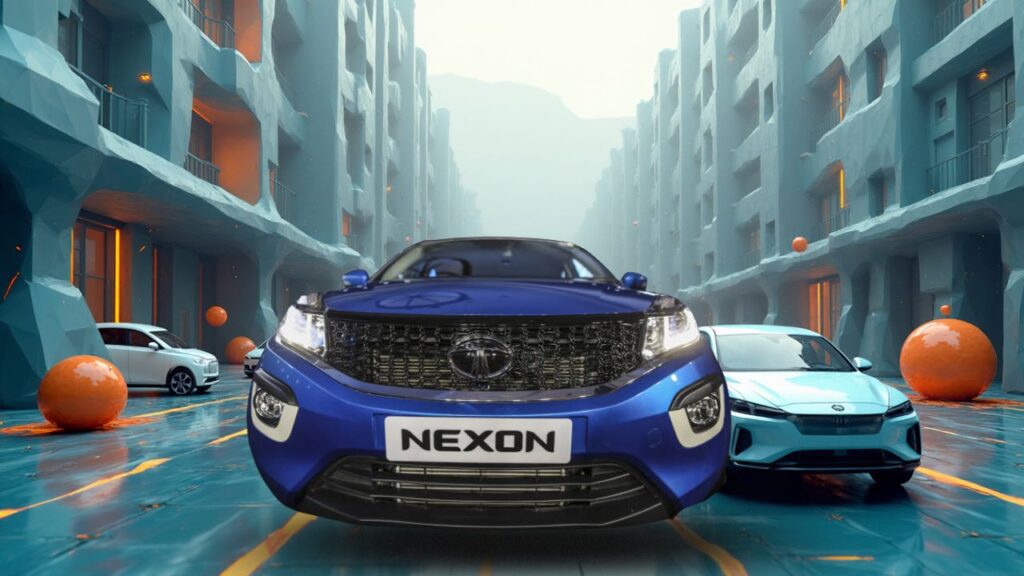
Tata Nexon

Image Credit : Badicar

Tata Nexon is one of the best-selling models in the segment which offers good performance with a sunroof option on the lower variants.

Ex-showroom price range ₹7.32 to ₹14.05 lakh
With Sunroof  ₹8.30 lakh for the Smart Plus S variant
Highlights  A 1.2-litre turbo petrol or a 1.5-litre diesel mill, six airbags, a 360-degree camera and ventilated front seats.

There are 44 variants of the voice-enabled electric sunroof, from the Smart Plus S (1.2-litre petrol manual at ₹8.30 lakh) to diesel and CNG variants. The 10.25-inch touchscreen, 10.25-inch driver display and JBL sound system make the driving experience richer.

4. Kia Sonet – Feature-Rich Compact SUV
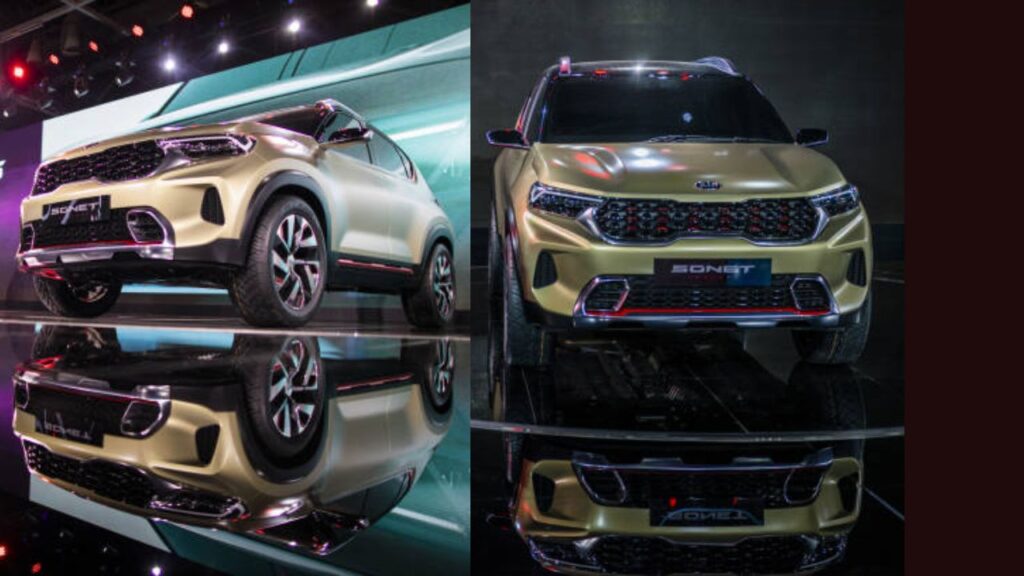
Kia Sonet

Image Credit : Badicar

Starting with the HTE Optional variant, the Kia Sonet delivers good value with a sunroof as an option.

Ex-showroom price range ₹7.30 lakh to ₹14.09 lakh
With Sunroof  HTE (O) variant at ₹8.29 lakh
Highlights  10.25-inch touchscreen, wireless Android Auto/Apple CarPlay, six airbags, rear parking sensors, and cruise control.

It comes with a savory 1.2 litre petrol engine that returns 18.4 kmpl and has a premium interior which in no way look dull or mismatched. Tech-savvy consumers will also appreciate that it comes with four different engines and, in some markets, ADAS Level 1 technology.

5. Hyundai Exter – Budget-Friendly Micro SUV
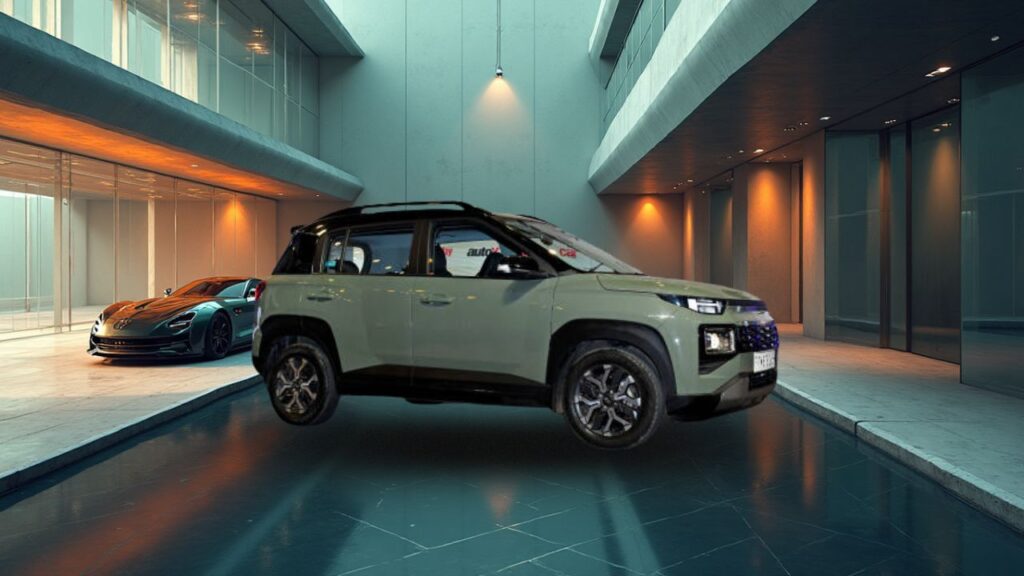
Hyundai Exter

Image Credit : Badicar

Being an inexpensive sunroof car in India at present, the Hyundai Exter offers promising value for money.

Ex-showroom price range ₹5.68 lakh to ₹9.61 lakh
With Sunroof  S Voice activated intelligent variant
Highlights  voice activated sunroof, 6 airbags, rear parking sensors, Android Auto/Apple Car Play as well as petrol and CNG options.

For such a low price, the voice-enabled intelligent electric sunroof transforms the atmosphere of the compact cabin and the digital cluster and state-of-the-art safety features bring premium features. 

Read More :-  Mahindra XUV700 Facelift 2026 – New Features, Design Updates & Latest Details

6. Hyundai i20 – Premium Hatchback

Hyundai i20 With Sunroof  The Hyundai i20 does offer a sunroof option in specific variants below the 12 lakh mark, and the vehicle sports a design that is the pièce de résistance of contemporary aesthetics and cutting-edge technologies.

Ex-showroom price range ₹6.87 to 10.43 lakh
With Sunroof  Voice-packed lower trims available for under ₹10 lakh. Sunroof 
Highlights  a large infotainment screen, motor-driven electric power steering, advanced safety features, and a 10.25-inch touchscreen

The smart electric sunroof, which can be voice-activated, adds to the experience of everyday driving, and a diverse range of engines and transmissions let you choose the one that best meets your needs. 

7. Mahindra XUV 3XO – Stylish Sub-4m SUV

Ex-showroom price range ₹7.79 – ₹15.49 lakh
With Sunroof  AX7 with panoramic sunroof at ₹11.84 lakh,

MX2 Pro with single-pane sunroof at ₹9.24 lakh

Highlights  10.25-inch touchscreen, dual-zone climate control, seven airbags and a five-star BNCAP rating

At 12+ lakh, Mahindra’s XUV 3XO offers the sunroof options as well as style at multiple price points Higher AX7 models gain a panoramic sunroof (still fairly pricey for a few configurations), MX2 Pro comes with an electric sunroof. It delivers 18.06 km/l with 1.5-litre diesel or 1.2-litre turbocharged petrol engine.

8. Skoda Kylaq – Modern Entry SUV

Ex-showroom price range ₹7.55 lakh – 12.80 lakh (expected)
With Sunroof  Prestige model is priced at ₹11.84 lakh
Highlights  six airbags, ESC, ISOFIX mounts, a 10-inch touchscreen and rain-sensing wipers (Prestige)

Although the top Prestige variant is the only one with a sunroof, Baleno is definitely a trendy pick for those who want to splurge a little. The sunroof version features 17-inch alloy wheels, ventilated front seats, ambient lighting and wireless charging. For 19.76 kmpl, it delivers a 1.0-liter turbo petrol engine to make this vehicle competent.

9. In Compact SUV — Maruti Suzuki Brezza 

In the enhanced ZXi variant, Maruti Suzuki Brezza adds functionality to a well-balanced ride quality by serving sunroof option.

Ex-showroom price range ₹8.26 lakh to ₹13.01 lakh
With Sunroof  ZXi variant priced at ₹11.04 lakh
Highlights  six airbags, a 9-inch touchscreen with HUD, rear air-conditioning vents, wireless Android Auto/Apple CarPlay and a proven Maruti service network.

With Trusted Mileage 17.38–25.51 kmpl, the 1.5-litre petrol engine (or CNG option) delivers reliable power. Practical customers are attracted by its long list of features including wireless connectivity and a 360-degree camera and it has a 4-star Global NCAP safety rating.

Consider These Points Before Buying A Car Under 12 Lakh With Sunroof

  • On the value for money front, only the Tata Altroz and Tata Punch are riders included options with a sunroof. 
  • Tech and comfort lovers would do well to look at the Hyundai Venue and Tata Nexon as they are the most feature dense cars in this segment by a huge margin. 
  • City slickers who want excellent mileage can also look at the CNG variants of Punch and Nexon as these can offer a good amount of savings in the long run. 
  • Safety minded buyers will like the Tata Nexon and Altroz both star rated by Bharat/Global NCAP for Best in class crash protection. 
  • Also, Maruti and Tata provide hassle free maintenance with their pan-India service network. 

Conclusion

The best car under ₹12 lakh with a sunroof has really evolved and now offers real quality upgrades instead of just cosmetic upgrades. Each variant offers a sweet spot between price and equipment level, enabling customers to choose according to their choice of body style, fuel efficiency requirements and specific feature needs, and still enjoy the luxury of outdoor driving. 

Sharey Khan

Sharey Khan is an IT entrepreneur and petrol head & a car enthusiast. With a special focus on car-related content, he combines his deep passion for vehicles with a talent for crafting informative, engaging, and easy-to-understand content. His writing is driven by a genuine love for cars and he is committed to providing readers with accurate, up-to-date, and trustworthy information that empowers smarter driving decisions. 

Leave a Reply

Your email address will not be published. Required fields are marked *

Nissan Cars Launching Two Titans Together in India: Nissan Gravity MPV and Tekton SUV

Nissan Gravity MPV and Tekton SUV

If you have been waiting for Nissan to do something more substantial in India, get ready. The Japanese car maker is set to launch not one but two all new cars in two months – and believe me, these are cars that will make heads turn and take on some of the most popular cars on the Indian roads today. It’s the Nissan Gravity MPV and the Nissan Tekton SUV and honestly, these launches may just be what Indian families and SUV lovers have been waiting for.

Nissan’s Big Comeback Plan for the Indian Market

First up is the Nissan Gravite, which arrives January 2026. Nissan’s take on the family-car chat is genuinely useful. Imagine the middle class Indian family on the hunt for a seven seater, and who doesn’t send you into bankruptcy. 

Gravity MPV — Affordable 7-Seater That Finally Makes Sense

The seven-seater Gravite is available from around ₹6 lakh, making it one of the lowest-priced automatic seven-seaters in the market. That’s pretty impressive, especially since the MPV segment always seems to be a squeeze for buyers on a budget. Based on the proven CMF-A architecture that it shares with the Renault Triber, the Gravite has no intentions of breaking the mould—and that’s quite alright.

Although Nissan has applied a fresh Japanese design language, it’s essentially taken an old, dependable platform. The bonnet is scooped, adding character, and the front is more assertive, featuring Nissan’s V-Motion grille. The flanks display slender, toned shapes that make this small the look of the the more premium surprisingly the tags looks. The rear is? Sharp and clean, with C-shaped styling cues that tie the whole design together.

Engine & Transmission Options

Gravite gets the familiar BE powertrain, Under its hood, the Gravite will be powered by the familiar 1.0-litre three-cylinder petrol engine producing 72 hp. So maybe that doesn’t get your blood pumping, but here’s the kicker—it’s mated either a five-speed manual or an automated manual transmission (AMT). This is huge because AMT automatics in seven-seaters are usually reserved for cars that cost a lot more. You’re getting an automatic family hauler without the fancy DCT price tag. 

Read More:- Ranbir Kapoor Car Collection 2026 Features Premium Luxury Cars, Supercars And SUVs

Comfort & Family-Focused Practicality

Its three rows of realistic seats are better suited for seven adults than five, which is outstanding in this segment (and for the record, even the normally cramped third row here is not too bad). Add good levels of equipment, some new trim options and you have a car that really does tick the ‘value for money’ box. Nissan is expanding its dealer network with 200 touchpoints specially for these launches, which means you will get proper after-sales support even in Tier-2 cities. 

Tekton SUV — A Serious New Player in the Midsize SUV Segment

Well, if you’re not a fan of the people carrier and have your sights set on that succulent midsize SUV market, gear up. Nissan Tekton release date The Tekton will officially release in February 2026 with a price tag around that of the Hyundai Creta, Tata Sierra, and Maruti Suzuki Victoria.

CMF-B Platform & Patrol-Inspired Rugged Styling

This is not some rebadged castoff. Built on the modern CMF-B platform (which also underpins the new Renault Duster) and developed specifically for Indian roads, the Tekton.

Tekton SUV

The exterior design is based on Nissan’s iconic Patrol SUV, meaning it has real rugged DNA. From the teaser images, we can see the connected LED DRL arrangement at the front and a muscular bonnet with connected LED tail-light unit at the rear. That’s a vehicle that feels purposeful and premium, and yet it will be priced competitively. 

Engine Options, Turbo Power & Future-Ready Hybrid Plans

What about engines? The main engine on offer would be a lively 1.3-litre turbo-petrol with a 1.0-litre turbo variant for cost-conscious consumers also possibly on the cards. There are even rumors of a strong-hybrid powertrain joining the line-up at a later date, as with the new Duster. Which means a car that’s ready for the future, with none of the EV sticker shock—at least not at first.

Interior Design

The inside is where things get interesting. Think: a three-tone dash; digital driver’s display; a large touchscreen with wireless Apple CarPlay and Android Auto; ventilated front seats; a sunroof; and a real 360-degree camera system. Safety? Six airbags as standard, ABS, EBD, blind-spot monitoring – all the boxes you would expect ticked.

Interior Design

With a price band of ₹11 lakh to ₹19 lakh (ex-showroom), it is placed right in the middle of the scorching competition, and this means Nissan is making a serious effort to win customers and not merely retaining existing ones. 

Conclusion

Nissan has been rather silent in India for quite some time now, but this two-front assault with the Gravite and Tekton definitely signals a comeback. They are filling two huge holes in the market—cheap family cars and midsize SUVs that can actually compete. The Gravite rivals the Maruti Ertiga and the Renault Triber, while the Tekton goes toe-to-toe where the profit margins are the healthiest.

With 200 new dealer touch points coming on stream, technical and warranty support, and the engineering might of the Renault-Nissan alliance behind them, these are more than just launches – they are statements of intent. 

Sharey Khan

Sharey Khan is an IT entrepreneur and petrol head & a car enthusiast. With a special focus on car-related content, he combines his deep passion for vehicles with a talent for crafting informative, engaging, and easy-to-understand content. His writing is driven by a genuine love for cars and he is committed to providing readers with accurate, up-to-date, and trustworthy information that empowers smarter driving decisions. 

Leave a Reply

Your email address will not be published. Required fields are marked *

Hyundai Cars See Major Price Reductions Under GST 2.0 Reform

Hyundai Motor India has significantly benefited from the GST 2.0 reforms that took effect on September 22, 2025. The company passes all the perks of lower taxes right away with buyers. The updates rates of GST cuts down the real price of Hyundai Cars, buyers can save from ₹60,640 up to ₹2.40 lakh. GST 2.0 changes mark India’s biggest tax update since the 2017 GST launch. The government has simplified the complex four-tier structure (5%, 12%, 18%, 28%) into simplified form (5% on basics and 18% on regular items). And the luxury rate with 40%, let’s look what it means to Hyundai cars:

Small cars with 1200cc petrol, 1500cc diesel, and ≤4m length get a reduction from 28% to 18% GST.

Larger Cars and SUVs get down to 50% including cess, now GST rate set at 40%

Electric vehicles continues at 5% GST rate

Model-wise Price Reductions

Hyundai’s price cuts in different ways for various vehicle types with SUVs receiving the most substantial reductions. 

Premium SUVs

Tucson Up to ₹2.40 lakh reduction (highest across the lineup)
Alcazar Up to ₹75,376 cheaper
Creta Up to ₹72,145 reduction
Venue Up to ₹1.24 lakh lower
Exter Up to ₹89,209 price drop

Sedans

Verna Up to ₹60,640 reduction
Aura Up to ₹78,465 cheaper

Hatchbacks

i20 Up to ₹98,053 reduction
Grand i10 Nios Up to ₹73,808 price cut

Market Impact and Sales Performance

Image credit hyundai

GST 2.0’s launch during the festive period sparked huge market energy. Hyundai recorded 11,000 dealer billings on September 22, 2025 making a huge single-day performance than the five years of sales. This remarkable hit emphasizes how price cuts boosted buyer interest towards Hyundai cars. 

Tarun Garg, Whole-Time Director and COO at Hyundai Motor India welcoming the positive market response. “Navaratri’s lucky beginning, boosted by GST 2.0, changed the company’s sales growth and brought real energy to the market.

GST Rate Categories for Hyundai Models

The rates are decreased as per the new GST structures, there are several Hyundai Models which are represented here with saving percentage that applied on it.

Image credit: hyundai

Vehicle Category Savings GST rate cuts
Sub-4 meter petrol vehicles 11% savings from 29% to 18%
Sub-4 meter diesel vehicles 13% savings from 31% to 18%
Larger cars with engines up to 1,500cc 5% savings from 45% to 40%
SUVs above 4m with engines 1,500cc 10% savings from 50% to 40%

From Old Price To New Price After Reduction + Festive Offer

Models Old Ex-Showroom Price GST Reduction New Ex-Showroom Price Additional Offer Up To
VENUE ₹7,94,100 ₹67,719 ₹7,26,381 ₹50,000
EXTER ₹6,20,990 ₹52,957 ₹5,68,033 ₹70,000
i20 ₹7,50,900 ₹64,035 ₹6,86,865 ₹50,000
AURA ₹6,54,100 ₹55,780 ₹5,98,320 ₹40,000
Grand i10 NIOS ₹5,98,300 ₹51,022 ₹5,47,278 ₹55,000
ALCAZAR ₹14,99,000 ₹51,695 ₹14,47,305 ₹65,000

Industry-wide Transformation

Image credit: hyundai

The GST 2.0 changes have wider impacts through India’s car sector. All the big companies—car manufactures offer huge price cuts as Hyundai gives to its customers. Dropping the compensation cess cuts rates. The new GST structures simplified things and made it clear for the buyers.

Read More:-  Maruti Suzuki Victoris: The Family SUV Everyone’s Waiting for in 2025

Effective Date and Implementation

All revised prices became effective from 22 September 2025, clashing into the festive season in India. This combination boosts the sales for all the vehicle manufacturers.The holiday time has always been prime for buying cars.

Conclusion

This comprehensive price reduction across Hyundai’s lineups combined with additional festive offers, making its brand compete better in India. The GST 2.0 changes bring big benefits to buyers and let more people afford cars. Those buyers who are interested in basic and mid-range models become more happy because the price reductions are most substantial in that segment.

Sharey Khan

Sharey Khan is an IT entrepreneur and petrol head & a car enthusiast. With a special focus on car-related content, he combines his deep passion for vehicles with a talent for crafting informative, engaging, and easy-to-understand content. His writing is driven by a genuine love for cars and he is committed to providing readers with accurate, up-to-date, and trustworthy information that empowers smarter driving decisions. 

Leave a Reply

Your email address will not be published. Required fields are marked *

Affordable CNG Cars Under 20 Lakhs in India

CNG Cars Under 20 Lakhs

Finding the right CNG car that balances your needs can be worth your money. With the plethora of choices available in the Indian car market, the affordable CNG cars under 20 lakhs which offer fuel efficiency and good performance are hard to find. CNG cars offer good value whether you are a family looking for reliable transport or a daily commuter eager to cut fuel costs. All the CNG cars under 20 lakh are included in this article with detailed specs and analysis to help you choose the best. 

Why Choose a CNG Car?

It is important to understand the reasons for the popularity of CNG among automobile buyers in India before we discuss individual models. With an average mileage of 17.44km/kg to 35.6 km/kg (based on the model), CNG vehicles consume less fuel compared to petrol vehicles. Besides, CNG is also cheaper than petrol, which makes it a great option for the family or business owner on a budget. The engines are dual-fuel flexible (CNG and gasoline) which allow you to switch according to your availability and preference. 

Tata Nexon

The car offers 5-star safety rating by both global NCAP and Bharat NCAP ensuring passengers are provided with best possible protection. Its stylish 16-inch dimple Dual-tone alloy wheels along with its sleek LED lights are inspired enough to attract young hearts. With three powered options – a 1.2L turbo-petrol, a 1.2L turbo-petrol CNG, and a 1.5L diesel, and multiple transmission options – manual (5/6-speed), AMT, and a 7-speed DCT for petrol variants, and manual and AMT variants for diesel. 

Tata Nexon

The infotainment system is easily synced to the driver with a 10.25-inch touch screen and an accompanying driver’s display. It comes with a panoramic sunroof, front seats which are ventilated, a high-end JBL audio system and an air purifier. Advanced technology contributes to convenience and safety, including a wireless charger, around view monitor, cruise control, dual zone climate control, rear air ventilation, and advanced internet features. Also, the blind spot camera adds to the driver’s peace of mind. 

The Tata Nexon comes in a range of Rs. 8.4 lakh to Rs. 16.58 lakh. Buyer can get this feature packed compact SUV in 2025.

Maruti Grand Vitara

There are powertrain options in a Maruti Grand Vitara, it comes with a 1.5-litre mild-hybrid petrol engine, a 1.5-litre strong-hybrid petrol engine paired with an electric motor and dedicated CNG variants. You can get CVT and automatic transmissions, both with AWD. The cabin is spacious five-seater with premium materials used and thoughtful design.  

Maruti Grand Vitara

Occupant protection is better with now six standard airbags across all versions of the car. Panoramic sunroof (only on high spec variants) adds to the open and airy feel of the cabin. More comfort and convenience are added with 9-inch touchscreen, ventilated seats, head-up display, 360-degree camera, air purifier, and wireless charging. Front-wheel drive (FWD) and all-wheel drive (AWD) are offered, with the addition of a new AWD automatic version. 

With a 5-speed manual gearbox and a fuel efficiency of 21.11 kmpl, the Base Sigma Petrol variant is priced at ₹10.77 lakh. The cost of the Delta CNG variant is ₹13 lakh. The cost of the high-end Alpha Plus Opt Hybrid CVT DT variant is ₹19.72 lakh. 

Maruti Ertiga 

There are two engines options available for the car, a 1.5L petrol engine offers 102 horsepower and 136.8 Nm of torque and a 1.5L CNG engine delivers 87 horsepower and 121.5 Nm of torque. The gasoline version is available with a 5-speed manual and a 6-speed torque converter automatic transmission, while the CNG version is only a manual. The fuel consumption figures are fact – the CNG variant delivers 22.75 km/kg while the petrol variant delivers 20.3 – 20.51 kmpl as per ARAI. 

A 7-inch touchscreen infotainment system with Android Auto and Apple CarPlay, automatic climate control, paddle shifters (AT), cruise control, 40+ linked car features, rear AC vents, tumble fold seats, rear parking sensors and cameras, and ventilated seats in upper trims are just some of the highlights. Safety also benefits from dual airbags, ABS with EBD, rear sensors and a 3-star Global NCAP rating. The 209-liter boot is handy for all sorts of storage and can be extended by folding down the third-row seats. 

For 2025, the Ertiga gets a reduction in its GST price, making it more affordable, with prices beginning at ₹8.80 lakh (ex-showroom), while the top variants touch around ₹12.94 lakh

Toyota Rumion

A 1.5-litre naturally aspirated petrol engine gives 103 PS of horsepower with 137 Nm of torque which is ready to hit the road at a speed. The CNG version comes with a 1.5L engine to generate 88 PS and 121.5 Nm which is ready to give 26.11 km/kg impressive mileage. The petrol version is available with two transmission options, a 5-speed manual and a 6-speed torque converter automatic.  

Toyota Rumion

The 2025 Toyota Rumion is starting at ₹10,44,000 but choosing more options in the car will cost you around ₹13,62,000. The S variant is the lowest-priced option, while the automatic one tops the list of the non-CNG models. With recent GST price cut, the CNG variant is priced at ₹11.39 lakh (ex-showroom). 

Maruti XL6

The vehicle is offered with two engine options that comply with BS6 Phase II standards – a 1.5L mild-hybrid petrol engine producing 102hp and 137Nm of torque, and a 1.5L CNG engine producing 87hp and 121.5Nm of torque. A 5-speed manual transmission would be available for both variants and the petrol variant would get a 6-speed automatic (torque converter) only. That’s good fuel economy, too, with the petrol versions delivering 20.27–20.97 kmpl and CNG model delivering 26.32 km/kg. The infotainment system includes a 7-inch touchscreen (with wireless charging), a 360° camera, Apple CarPlay, Android Auto, and Suzuki Connect. 

Nexa is the exclusive channel for buying Maruti Suzuki’s premium, 6-seater, MUV the XL6. The 2025 prices of the top Alpha Plus AT Dual Tone trim and Zeta petrol variant of the car are ₹14.48 lakh and ₹11.52 lakh, respectively. 

Read More:-  The Best Skoda Cars Under 10 lakh In India – Stylish, Reliable And Budget-Friendly Options

Toyota Urban Cruiser Hyryder

Engine options for the car include a 1.5L mild-hybrid petrol, a 1.5L strong hybrid petrol with a CVT, and a 1.5L CNG variant. Transmission options include 5-speed manual, 6-speed automatic torque converter (for petrol and CNG variants) and CVT (gasoline-only for the high-output hybrid model). Be it for fuel economy of 21.11 kmpl, petrol-manual and 20.58 kmpl, automatic, an incredible 27.97 kmpl in hybrid mode as per ARAI certification and 26.6 kg per km with CNG variant, this automobile draws all eyes. 

Toyota Urban Cruiser Hyryder

Toyota Urban Cruiser Hyryder technically comes with FWD but some of the high-end trims provide All-wheel drive (AWD). The modern built cabin ensures passengers comfort and convenience. 

In 2025, the price of the V Hybrid Dual Tone top variant (automatic, strong hybrid) ex-showroom is ₹19.76 lakh and the E base variant (manual, mild hybrid petrol) begins at ₹10.95 lakh.  

Hyundai Alcazar CNG

The 1.5L petrol engine of the upcoming model that has been adapted for compressed natural gas generates 130–135 hp and 170 Nm of torque. This is a 15% drop from its petrol counterpart. It is expected to come with a 6-speed manual transmission as standard; an automatic variant could be in the offing. With awesome mileage of over 25 km/kg, the CNG variant is a pocket friendly option for long distance travellers. 

Its 6 and 7 seater configurations are on offer, same as petrol and diesel trims. We expect premium features such as ADAS, wireless charging, air purifier, powered driver seat, third row a/c, ABS with EBD, hill assist, TPMS, and ISOFIX. The expected price range is between Rs 15 and 20 lakh (ex-showroom), depending on the variant and features you select. 

Conclusion

In India, CNG cars under ₹20 lakh are now redefining efficient driving without compromising on features and comfort. The CNG models available today are practical, safe and affordable, from premium MPVs like the Toyota Rumion and Maruti XL6 to compact SUVs such as the Tata Nexon CNG. For 2025, these affordable CNG cars under 20 lakhs will be a good option to buy but take a test drive for a vehicle you are going to buy because each model brings something unique that should match with your vibe.

Sharey Khan

Sharey Khan is an IT entrepreneur and petrol head & a car enthusiast. With a special focus on car-related content, he combines his deep passion for vehicles with a talent for crafting informative, engaging, and easy-to-understand content. His writing is driven by a genuine love for cars and he is committed to providing readers with accurate, up-to-date, and trustworthy information that empowers smarter driving decisions. 

Leave a Reply

Your email address will not be published. Required fields are marked *

Lexus RX vs BMW X5: Which Luxury SUV Dominates 2025?

The debate is never going to end between best SUVs because the automotive companies are delivering more new models with high end features and comfortable cabins that make them more attractive. Lexus RX vs BMW X5 are current models of luxury SUV which offer mostly the same features with a slight distinct price & tech. Well, if you are going to buy a luxury SUV which dominates in 2025 then both have positioned themselves in the list. Check out the features and price of these models to understand what can be matched with your taste.

Everyone’s choice is different— not everyone wants a fuel efficient SUV but more speedy and powerful rides. So, there is no single yes or no in this because overall both cars have outstanding features and amazing design which marks your presence anywhere you ride on it.

Still, The BMW X5 beats the Lexus RX in speed, power, and cargo room. The Lexus RX offers superior fuel economy and a lower starting price. Go for the X5 if you want top performance and space. Those prioritizing efficiency and value will lean toward the RX.

Pricing & Positioning

Lexus RX 350 price starts at $49,125 while BMW X5 xDrive40i starting price is $69,775

The RX’s base price is roughly $20,000 less than the X5. This makes it an easier way to get into the luxury midsize SUV market.

Powertrain & Performance 

Image credit: Lexus


Model Engine Power/Torque 0–60 mph
Lexus RX 350 2.4 L turbo-4 6,000 rpm with 275 hp; 1,700 rpm with 317 lb-ft   6.8–7.6 s 
BMW X5 xDrive40i 3.0 L turbo-inline-6 with 48 V mild-hybrid 5,200 rpm with 375 hp; 1,850 rpm with 398 lb-ft 5.2 s 

The X’s powerful inline-6 setup delivers 100 hp that makes it more favorite for speed seekers, it also offers sharper acceleration over the RX. These SUVs stand out at the top positions side-by-side because of their powertrain and outstanding performance. 

Also Read: Honda HR-V vs Toyota Corolla Cross: Which Small SUV Should You Buy in 2025?

Fuel Economy

Lexus RX 350 delivers more fuel efficiency with 25 mpg combined that can run up to 22 city and 29 highways with unstoppable speed. For people seeking a long-trip model, RX can be a better option for them.

BMW X5 xDrive40i offers all-wheel drive with 19 mpg combined that can run up to 17 city and 22 highway. It is also a better option for folks who are interested in AWD rides. 

Interior Space & Cargo

Image credit: BMW


Metric Lexus RX BMW X5
Passenger Volume (cu ft) 52–55 (front) / 45–47 (rear) 56 (front) / 50 (rear) 
Cargo Capacity (cu ft) 30–46  34–72


The X5 is offering more passenger space up to 10% and nearly 60% more cargo volume which makes it the best family SUV in 2025.


Chassis & Ride

Lexus RX offers a unibody SUV where the MacPherson struts used in Front and rear uses multilink setup that make this one look more cool. It marks presence with fluent speed and dynamic transmission up to 8-speed automatic.

BMW X5 has a different approach, with four-wheel independent suspension and 8-speed Steptronic automatic transmission giving a powerful ride without compromising comfort. 

Technology & Safety


Features Lexus RX 
Screen 14-inch touchscreen
Audio Mark Levinson 21-speaker audio
Connectivity Apple CarPlay/Android Auto
Lexus Safety System+ 3.0 pedestrian detection, lane-tracing assist, adaptive cruise


Features BMW X5
Screen Dual 12.3-inch digital displays, Available head-up display
Active Driving Assistant Pro lane-keep assist, Evasion Aid, Stop & Go

Both SUVs offer advanced diver-assist suites and an amazing sound system for a wonderful journey. BMW is giving more options in screening with a modern infotainment interface.

Final Verdict

This is not a static selection but choice is dynamically made for both SUVs because they both offer amazing features and incredible safety features. Whether you decide to buy a BMW or Lexus, the decision depends on the performance, space, design, and price of the SUVs. For better performance, more cargo space and premium cabin features, you can choose BMW X5. For lower entry cost, fuel efficiency, refined ride comfort, you can choose Lexus RX.


Sharey Khan

Sharey Khan is an IT entrepreneur and petrol head & a car enthusiast. With a special focus on car-related content, he combines his deep passion for vehicles with a talent for crafting informative, engaging, and easy-to-understand content. His writing is driven by a genuine love for cars and he is committed to providing readers with accurate, up-to-date, and trustworthy information that empowers smarter driving decisions. 

Leave a Reply

Your email address will not be published. Required fields are marked *

New Tata Sierra 2025 – Price, Features, Launch Date, and Electric SUV Details

New Tata Sierra 2025

Tata is coming up with a bold comeback of an Indian automotive icon — New Tata Sierra 2025, re-imagined in the modern era of mobility. Packed with old-school cool and new-school tech, this Tata SUV blends the numb nostalgia for big SUVs with the company’s vision for a sustainable future. Based on Tata’s new design philosophy, the Sierra fuses retro aesthetics with futuristic technology and comes with top-notch safety features, the company claims luxury interiors, and smart connectivity. 

Launching electric variants highlights Tata Motors’ focus on enabling sustainable mobility and the future. With this eagerly awaited new model, the brand will captivate a whole new segment of forward-looking drivers, while also offering a true classic for the enthusiasts – a significant step in the brand’s rich heritage. 

Launch And Price Details

The Sierra is scheduled to be officially released on November 25, 2025, for both the internal combustion engine (ICE) models and prospective electric vehicle (EV) versions. At first, petrol and diesel variants will be offered, and an all-electric version, the Sierra EV, coming soon. 

Variant Estimated Price (₹)
Sierra Pure (Petrol) 15 lakh
Sierra Accomplished (Petrol) 25 lakh
Sierra EV (Electric) Starts at ~25 lakh

Excellent New Features of Tata Sierra 2025

Excellent New Features of Tata Sierra 2025

Image credit: Tatamotors

Amazing Exterior & Design

Inspired by the legendary Sierra, including modern interpretation, the design represents a glitchy retro-modern fusion. It sports a prominent black grille that grabs attention, smoked headlamps, and a daring LED light bar. Its smooth yet robust body is complemented by recessed door handles and thick body cladding, and the unique Sierra rear glasshouse brings a futuristic glint of nostalgia.

The design is complemented by big dual-tone alloy wheels which enhance its sportier stance. The connected LED tail lamps and clean rear design make this vehicle both timeless and forward looking. 

Interior

With a triple screen for the driver, the front passenger and infotainment, the Tata vehicle boasts a luxurious interior. It has a premium and sophisticated atmosphere, with a four-spoke steering wheel with the illuminated Tata logo. The cabin is treated to ambient lighting and quality materials for an upscale ambiance.

New Tata Sierra 2025 Interior

Image credit: Badicar

Rather than introducing a third row, the five-seater layout prioritizes comfort and room. Other features include a panoramic sunroof, multi-color ambient lighting, wireless charging, power and ventilation seats, JBL audio system and rear window sunshades that enhance the luxurious and comfortable driving experience. 

Safety

The vehicle Sports advanced safety features like up to 7 airbags, ABS with EBD, electronic stability control (ESC), and hill hold assist. And it has Level 2 ADAS features including adaptive cruise control, lane-keep assist, blind spot detection and autonomous emergency braking. 

Other features include a 360-degree camera, front and rear parking sensors, tire pressure monitoring system (TPMS), and it is expected to be Bharat NCAP 5-star compliant. 

Technology & Features

The car also boasts of modern-day features such as advanced infotainment systems with wireless Apple CarPlay and Android Auto connectivity. Comfortable living is ensured with dual-zone climate control and electrically operated, ventilated seats. Added convenience: It comes with electric ORVMs with an auto-folding function, a wireless charging pad and multiple drive modes.  

In addition, the vehicle features several drive modes to deliver different driving experiences, a wireless charger for convenience, and electrically adjustable and foldable side mirrors with heating option for practical application. 

Powertrains and Performance Of The Vehicle

Powertrains and Performance Of The Vehicle

Image credit: Badicar

Petrol & Diesel Engines

Components Petrol Diesel
Engine 1.5-litre turbo, 1.5-litre unit
Power 170 PS 118 PS
Torque 280 Nm  260 Nm
Speed 6-speed manual & 7-speed DCT automatic. similar

Electric (Sierra EV)

The car is for sale in two battery pack sizes, 55kWh and 65 kWh, with a possible 75 kWh pack in the higher trims. It is designed to compete with top electric SUV models and has a claimed range of around 450–500 km on a single charge. It also has fast charging technology that can charge the battery fully in 4-8 hours depending on the charger. 

As for its performance, front wheel drive comes as standard on the base model, and dual-motor all-wheel drive (AWD) is expected on higher trims. Distinct design touches for the electric vehicle (EV)- including a sealed grille, wheels optimized for aerodynamics and other EV-specific styling elements. 

Read More :- Honda Elevate – Price, Features, Mileage, and All You Need to Know

Conclusion

The Tata Sierra 2025 is bringing back an Indian automotive legend, but with completely modern sensibilities and the latest technology in safety and comfort. The ICE models are tailored for versatility and performance, whereas the Sierra EV provides an attractive electric range along with a host of cutting-edge features, making it stand out in the burgeoning mid-size premium SUV and electric SUV markets in India. 

Sharey Khan

Sharey Khan is an IT entrepreneur and petrol head & a car enthusiast. With a special focus on car-related content, he combines his deep passion for vehicles with a talent for crafting informative, engaging, and easy-to-understand content. His writing is driven by a genuine love for cars and he is committed to providing readers with accurate, up-to-date, and trustworthy information that empowers smarter driving decisions. 

Leave a Reply

Your email address will not be published. Required fields are marked *