0

Best Sunroof Cars Under 12 Lakh: Affordable Models With Premium Features

Best Sunroof Cars Under 12 Lakh

If you want to buy the best car under ₹12 lakh with a sunroof without burning a hole in your pocket, you’re in for a treat. While there used to be a scarcity of steam-powered appliances, there is now a plethora of feature packed hatchbacks, micro SUVs and compact SUVs in the Indian automobile market that offer style, comfort and technology at place which can be described as affordable. From voice-enabled electric sunroofs and huge touchscreens, to high-tech safety ratings and fuel-efficient engine choices, sub-12 lakh cars today offer far more than just a “premium look.”

This list covers the best sunroof cars in India you can get under ₹12 lakh — comparing prices, features and what makes each sunroof car worth considering for you. From city friendly easy to wheel car, fuel efficient or even loaded with rich features—a right pick would be found for every need. 

1. Tata Altroz – Premium Hatchback with Value
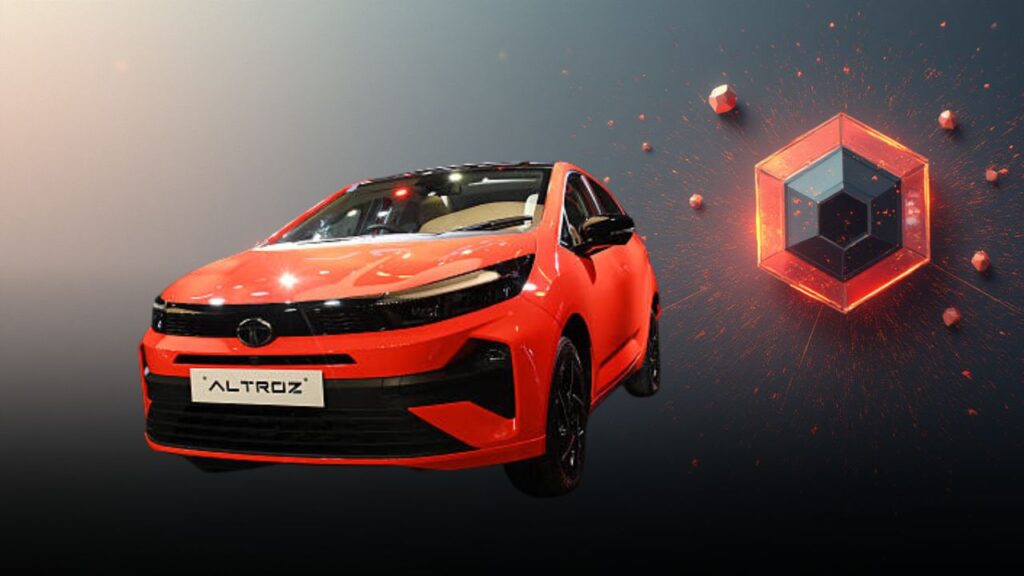
Tata Altroz

Image Credit : Badicar

For the price, the Tata Altroz is indeed one of the best affordable mass-­market hatchbacks with a sunroof in India. It also has a voice-enabled electric sunroof across various variants with CNG, diesel and petrol engines.

Ex-showroom price range ₹6.30 lakh to ₹10.51 lakh
With Sunroof  ₹7.36 lakh in India For the Pure S trim
Highlights  360-degree cameras are among the key features in a cabin that also includes rear air-con vents and automatic climate control. 

The spacious interiors of the hatchback, combined with its 10.25-inch touchscreen with wireless Android Auto and Apple CarPlay and its 5-star Global NCAP safety rating, add more value. There are 3 engine options– a 1.5-litre diesel (1497 cc), a turbo-petrol variant and a 1.2-litre petrol (1199 cc) developing 72.49 bhp. 

2. Tata Punch – Micro SUV Practicality
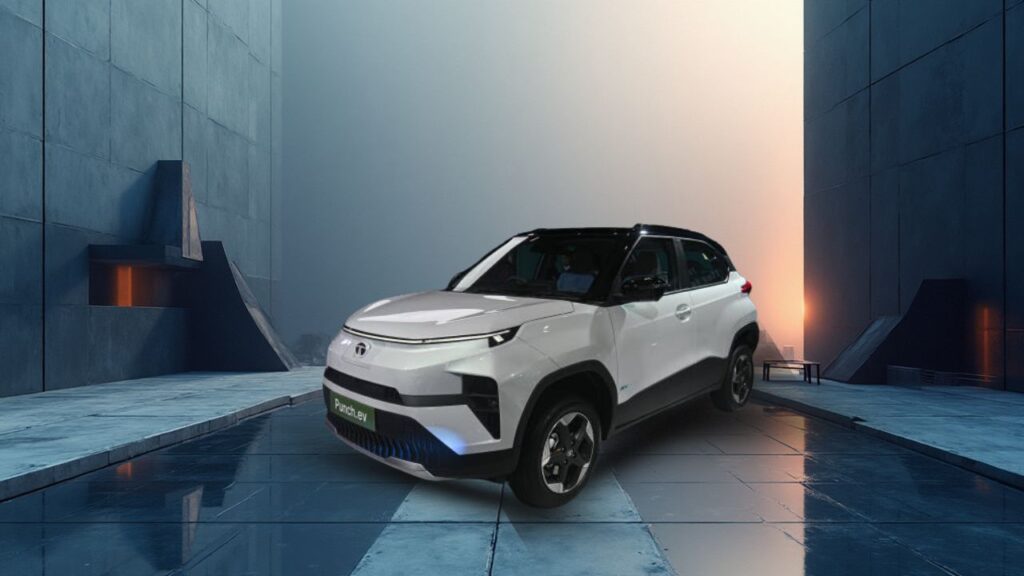
Tata Punch

Image Credit : Badicar

With eye­‐catching aesthetics and solid safety packages the Tata Punch has brought sunroof Parentage to the micro SUV segment.

With Sunroof  Adventure S and Accomplished variants come with a sunroof for ₹8.35 lakh
Highlights  six airbags, rear parking sensors, Android Auto/Apple CarPlay and compact size ideal for City driving.

It gives 20.09 kilometres per gallon with its 1.2 litre petrol engine. Buyers on a budget looking for upscale things will be drawn to the Punch because it’s five-star NCAP ratings and features such as traction control and rear parking sensors.

3. Tata Nexon – Powerful Compact SUV
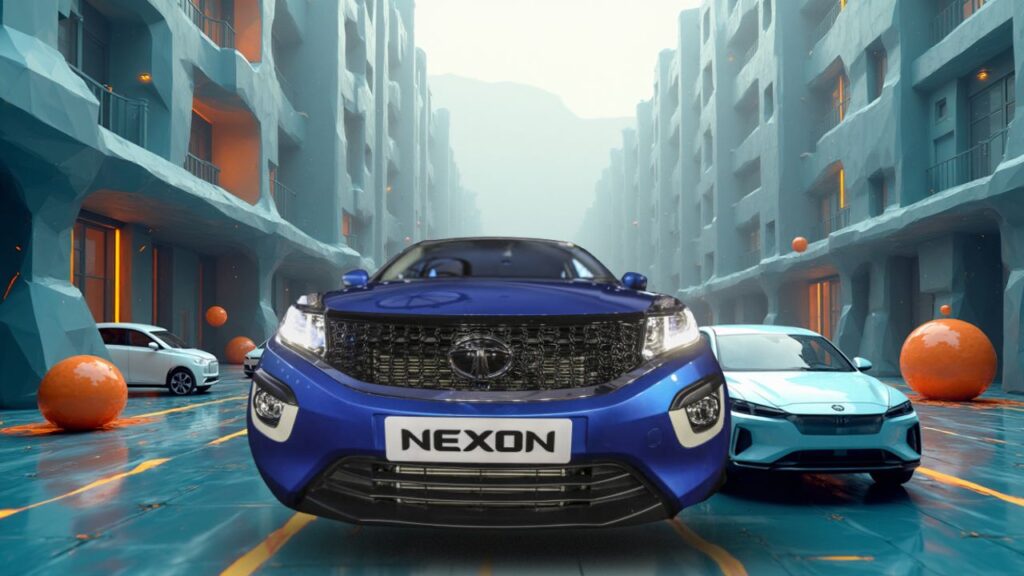
Tata Nexon

Image Credit : Badicar

Tata Nexon is one of the best-selling models in the segment which offers good performance with a sunroof option on the lower variants.

Ex-showroom price range ₹7.32 to ₹14.05 lakh
With Sunroof  ₹8.30 lakh for the Smart Plus S variant
Highlights  A 1.2-litre turbo petrol or a 1.5-litre diesel mill, six airbags, a 360-degree camera and ventilated front seats.

There are 44 variants of the voice-enabled electric sunroof, from the Smart Plus S (1.2-litre petrol manual at ₹8.30 lakh) to diesel and CNG variants. The 10.25-inch touchscreen, 10.25-inch driver display and JBL sound system make the driving experience richer.

4. Kia Sonet – Feature-Rich Compact SUV
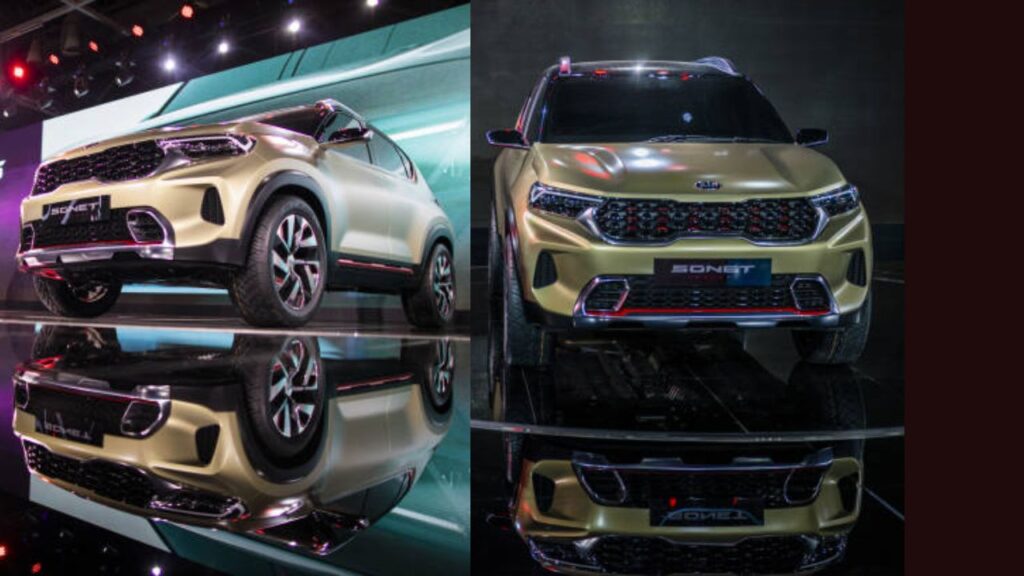
Kia Sonet

Image Credit : Badicar

Starting with the HTE Optional variant, the Kia Sonet delivers good value with a sunroof as an option.

Ex-showroom price range ₹7.30 lakh to ₹14.09 lakh
With Sunroof  HTE (O) variant at ₹8.29 lakh
Highlights  10.25-inch touchscreen, wireless Android Auto/Apple CarPlay, six airbags, rear parking sensors, and cruise control.

It comes with a savory 1.2 litre petrol engine that returns 18.4 kmpl and has a premium interior which in no way look dull or mismatched. Tech-savvy consumers will also appreciate that it comes with four different engines and, in some markets, ADAS Level 1 technology.

5. Hyundai Exter – Budget-Friendly Micro SUV
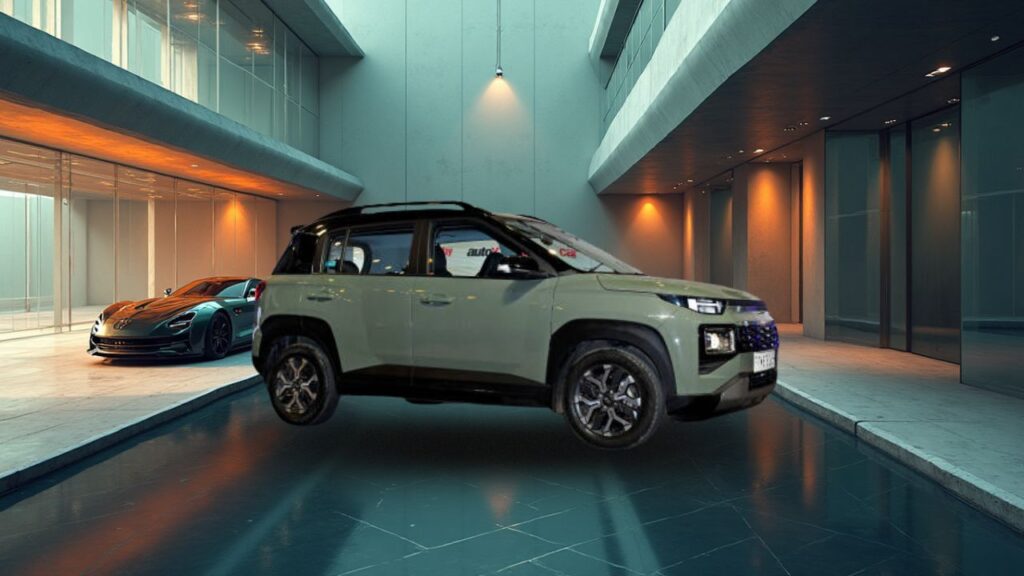
Hyundai Exter

Image Credit : Badicar

Being an inexpensive sunroof car in India at present, the Hyundai Exter offers promising value for money.

Ex-showroom price range ₹5.68 lakh to ₹9.61 lakh
With Sunroof  S Voice activated intelligent variant
Highlights  voice activated sunroof, 6 airbags, rear parking sensors, Android Auto/Apple Car Play as well as petrol and CNG options.

For such a low price, the voice-enabled intelligent electric sunroof transforms the atmosphere of the compact cabin and the digital cluster and state-of-the-art safety features bring premium features. 

Read More :-  Mahindra XUV700 Facelift 2026 – New Features, Design Updates & Latest Details

6. Hyundai i20 – Premium Hatchback

Hyundai i20 With Sunroof  The Hyundai i20 does offer a sunroof option in specific variants below the 12 lakh mark, and the vehicle sports a design that is the pièce de résistance of contemporary aesthetics and cutting-edge technologies.

Ex-showroom price range ₹6.87 to 10.43 lakh
With Sunroof  Voice-packed lower trims available for under ₹10 lakh. Sunroof 
Highlights  a large infotainment screen, motor-driven electric power steering, advanced safety features, and a 10.25-inch touchscreen

The smart electric sunroof, which can be voice-activated, adds to the experience of everyday driving, and a diverse range of engines and transmissions let you choose the one that best meets your needs. 

7. Mahindra XUV 3XO – Stylish Sub-4m SUV

Ex-showroom price range ₹7.79 – ₹15.49 lakh
With Sunroof  AX7 with panoramic sunroof at ₹11.84 lakh,

MX2 Pro with single-pane sunroof at ₹9.24 lakh

Highlights  10.25-inch touchscreen, dual-zone climate control, seven airbags and a five-star BNCAP rating

At 12+ lakh, Mahindra’s XUV 3XO offers the sunroof options as well as style at multiple price points Higher AX7 models gain a panoramic sunroof (still fairly pricey for a few configurations), MX2 Pro comes with an electric sunroof. It delivers 18.06 km/l with 1.5-litre diesel or 1.2-litre turbocharged petrol engine.

8. Skoda Kylaq – Modern Entry SUV

Ex-showroom price range ₹7.55 lakh – 12.80 lakh (expected)
With Sunroof  Prestige model is priced at ₹11.84 lakh
Highlights  six airbags, ESC, ISOFIX mounts, a 10-inch touchscreen and rain-sensing wipers (Prestige)

Although the top Prestige variant is the only one with a sunroof, Baleno is definitely a trendy pick for those who want to splurge a little. The sunroof version features 17-inch alloy wheels, ventilated front seats, ambient lighting and wireless charging. For 19.76 kmpl, it delivers a 1.0-liter turbo petrol engine to make this vehicle competent.

9. In Compact SUV — Maruti Suzuki Brezza 

In the enhanced ZXi variant, Maruti Suzuki Brezza adds functionality to a well-balanced ride quality by serving sunroof option.

Ex-showroom price range ₹8.26 lakh to ₹13.01 lakh
With Sunroof  ZXi variant priced at ₹11.04 lakh
Highlights  six airbags, a 9-inch touchscreen with HUD, rear air-conditioning vents, wireless Android Auto/Apple CarPlay and a proven Maruti service network.

With Trusted Mileage 17.38–25.51 kmpl, the 1.5-litre petrol engine (or CNG option) delivers reliable power. Practical customers are attracted by its long list of features including wireless connectivity and a 360-degree camera and it has a 4-star Global NCAP safety rating.

Consider These Points Before Buying A Car Under 12 Lakh With Sunroof

  • On the value for money front, only the Tata Altroz and Tata Punch are riders included options with a sunroof. 
  • Tech and comfort lovers would do well to look at the Hyundai Venue and Tata Nexon as they are the most feature dense cars in this segment by a huge margin. 
  • City slickers who want excellent mileage can also look at the CNG variants of Punch and Nexon as these can offer a good amount of savings in the long run. 
  • Safety minded buyers will like the Tata Nexon and Altroz both star rated by Bharat/Global NCAP for Best in class crash protection. 
  • Also, Maruti and Tata provide hassle free maintenance with their pan-India service network. 

Conclusion

The best car under ₹12 lakh with a sunroof has really evolved and now offers real quality upgrades instead of just cosmetic upgrades. Each variant offers a sweet spot between price and equipment level, enabling customers to choose according to their choice of body style, fuel efficiency requirements and specific feature needs, and still enjoy the luxury of outdoor driving. 

Sharey Khan

Sharey Khan is an IT entrepreneur and petrol head & a car enthusiast. With a special focus on car-related content, he combines his deep passion for vehicles with a talent for crafting informative, engaging, and easy-to-understand content. His writing is driven by a genuine love for cars and he is committed to providing readers with accurate, up-to-date, and trustworthy information that empowers smarter driving decisions. 

Leave a Reply

Your email address will not be published. Required fields are marked *

0

Brezza vs Nexon 2026: Battle of the Compact SUVs in 2026

Published Feb 3, 2026, 6:24 AM
Last Updated Apr 6, 2026, 12:27 PM

Brezza vs Nexon 2026

When you visit a car dealer with your gaze flitting between a pair of shiny new SUVs that are daring, stylish and dependable. Whenever it comes to Brezza vs Nexon 2026, people always get confused. At ₹8 to ₹14 lakh ex-showroom, the Tata Nexon and the Maruti Suzuki Brezza are two industry behemoth competing for the top slot, and known for stellar performance. 

Brezza impresses with its simple, functional qualities and vast service network, Nexon boasts premium features and highest safety ratings. Let’s get into this face-off as if we were driving through India’s potholes, practical, fun and coming straight from the heart. 

Price and Variants Breakdown

Both start out at a reasonable price, but your wallet is going to depend on your choices. The starting price of Brezza (LXi petrol MT) is ₹8.26 lakh and the top-end ZXi+ AT DT is ₹13.01 lakh.

Price and Variants Breakdown

Nexon misses out narrowly at ₹7.32 — 14.15 lakh, with fuel options of petrol, CNG and diesel across Smart to Fearless+ model ranges. 

Here’s a quick glance at top sellers:

Aspect Brezza (ZXi CNG) Nexon (Creative CNG/Petrol)
Ex-Showroom ₹11.31 lakh ₹10-12 lakh
On-Road (Delhi) ~₹13 lakh ~₹12-14 lakh
Waiting Period 2 months 1-3 months

Power Under the Hood

Brezza’s 1.5L K15C petrol (101 bhp, 137 Nm) and CNG (87 bhp) variants feel quite peppy in stop-and-go traffic and 19.8 kmpl is the figure with the AT. Smooth and elegant, like sipping chai on a slow breeze but it just doesn’t have the turbo punch to overtake comfortably (0-100 in about 12 seconds). 

Power Under the Hood

Nexon fights back with a 1.2L turbo-petrol (118 bhp, 170 Nm), a diesel (115 bhp), and a CNG option, mated to the 17–24 kmpl. Because of the torque surge, it runs faster and it keeps running at 120 kmph. It is a thrill to have such a vehicle. If you want to fly past trucks on NH24, Nexon is your pal. Brezza rules the mileage marathons, though. 

Design and Road Presence

Brezza’s tough lines, aggressive grille and 198mm ground clearance say “city jungle hunter.” Nexon offers Futuristic LED DRLs, connected taillamps, and 208mm ground clearance whips heads— it’s the bolder peacock.

Design and Road Presence

Dimension-wise, Brezza (3995x1790x1685 mm) and Nexon (marginally wider/taller) are quite similar. Both are five seater vehicles, but with a better boot space of 382L Nexon can carry weekend bags more comfortably than Brezza’s 328L. 

Inside the Cabin: Comfort Clash

Brezza is roomy from inside, functional with rear AC vents, 9-inch touchscreen, wireless charging and sunroof in top variants. The soft-touch plastics are premium enough but a few hard and scratchy bits demonstrates its budget-consciousness. Ride drinks potholes like a champ.

Nexon offers 10.25-inch Harman screen, JBL audio, ventilated seats, panoramic sunroof, and 360-cam. Sure, the digital cluster dazzles but the ergonomics are a disaster—no real cupholders, panels that don’t line up. Rear space is similar, yet Nexon seems airy. 

Safety is Priority

When it comes to safety then only reliable cars can actually get into the head like The Brezza’s 4-star GNCAP (6 airbags, ESP, hill-hold) is rock solid.

Safety is Priority

Nexon with the same gear and a blind-spot monitor in high res, I am a proud 5-star king. In crash tests, the Nexon also provides better protection which is essential while running families around. 

Features Face-Off

Category Brezza Wins Nexon Wins
Infotainment Simple, responsive 9″ 10.25″ + JBL, wireless AA/CP
Convenience Cooled glovebox, HUD Ventilated seats, paddle shifters
Safety Tech 360-cam, 6 bags 5-star + ADAS basics

Read More:- Hyundai Exter Facelift: Smarter Looks, Bigger Tech, Same City-Friendly Charm

Conclusion

It will be a hard choice of Brezza vs Nexon 2026. If your pulse rate increases at the thought of peace of mind, low running expenses, silky-smooth city drives, and Maruti’s unmatched service network, the Brezza seems like the more stable long-term partner. It is smart, comfortable and easy to live with, ideal for daily commuting and hassle free ownership.

However, if you’d like your SUV to make you feel a bit special each time you turn it on, boast strong performance, a bold design, richly appointed interiors and best-in-class safety, the Tata Nexon sounds like the better choice. That 5-star safety rating, turbo punch and premium tech gives it a future-ready and emotional appeal that is unmatched.

In short:

  • Go for Brezza if you prefer reliability and simplicity to flashiness.
  • Go for Nexon if safety, features, & driving excitement are on top of your checklist.

They’re both good compact SUVs — but the one that steals your heart is going to come down to whether you prefer to think with your head or drive with your heart. 

0

5 Upcoming compact SUVs in India 2026-27 – Hyundai to Renault

Published Feb 10, 2026, 12:09 PM
Last Updated Feb 10, 2026, 12:10 PM

Upcoming compact SUVs in India

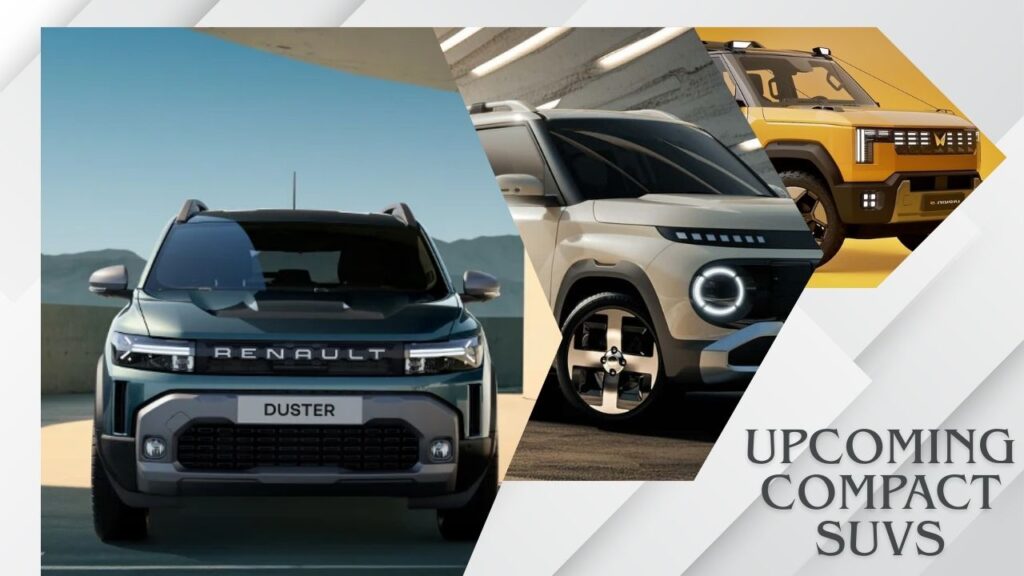
Upcoming compact SUVs in India in 2026, the Indian auto industry is not just evolving but having a “glow-up”. The sub-4-metre tax regulation, which let automakers play Tetris with their car designs, had us pinned down for ages. That is if you craved an SUV, you usually had to settle for a “raised hatchback” that seemed like a compromise.

But that era of compromise will now be over with the 2026 and 2027 models up for inspection. “Compact SUV” is now a graduate. They’ve traded nostalgia, not to mention the “cheap” option, for high-tech, luxury powerhouse. If you’re an early electric vehicle adopter, a tech-obsessed city dweller or a weekend thrill-seeker, the next year and a half has something in store for you. 

The Return of the King: Renault Duster (Gen 3)

Release schedule: March 2026 for ICE | Late 2026 for strong hybrid

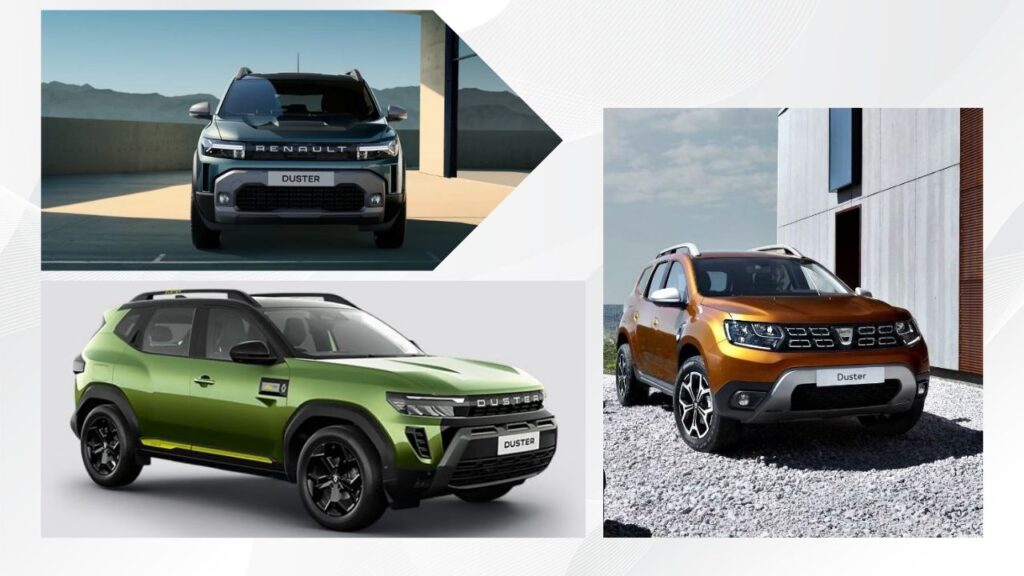
If any car has attained “cult status” in India, it is the Duster. It’s the Upcoming compact SUVs in India that first told us a compact car could drive like a tank but ride like a stock luxury sedan. After a hiatus, it’s back and Renault aren’t messing around.

Renault Duster

The new Duster will be based on the latest CMF-B platform, shedding its old dated bones. It is rugged looking—complete with Y-shaped LEDs and recycled „Starkle“ plastic cladding that taunts scratches—yet the magic is really under the hood. Renault is going all in on a 1.8L Strong Hybrid system. It is built to take 80% of your daily urban runs in seam electric mode, offering you diesel-like fuel efficiency without the “dirty” vibrations. For long-distance touring, it’s the ultimate ‘no regrets’ SUV. 

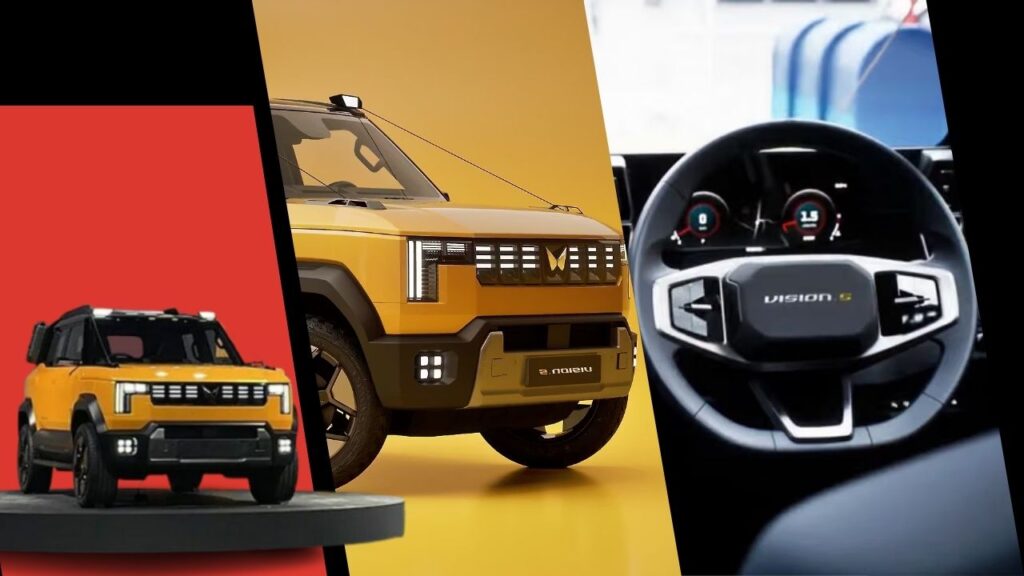
The Brute Baby: Mahindra Vision S

To Release: Early 2027

Mahindra has spent the past few years trying to be the “cool parents” of the SUV world. The Vision S (murmured around the clock as the “Baby Scorpio”) is their latest masterstroke. It’s for the person who craves the “get out of my way” road presence of a Scorpio-N but must tuck into a narrow mall parking space.

Mahindra Vision S

Going against the grain of many rivals who are adapting more rounded, “urban chic” looks, Mahindra is holding fast with a very boxy, upright shape and a tailgate-mounted spare wheel. The one thing traditionalists want: Diesel is not dead here. While the rest are ditching the oil burner, Mahindra is carrying forward the 1.5L mHawk engine for the new Vision S, making it the choice for high-mileage commuters in Tier-2 and Tier-3 towns. 

A Legend Reborn: Tata Sierra EV

Launch Date: March 2026

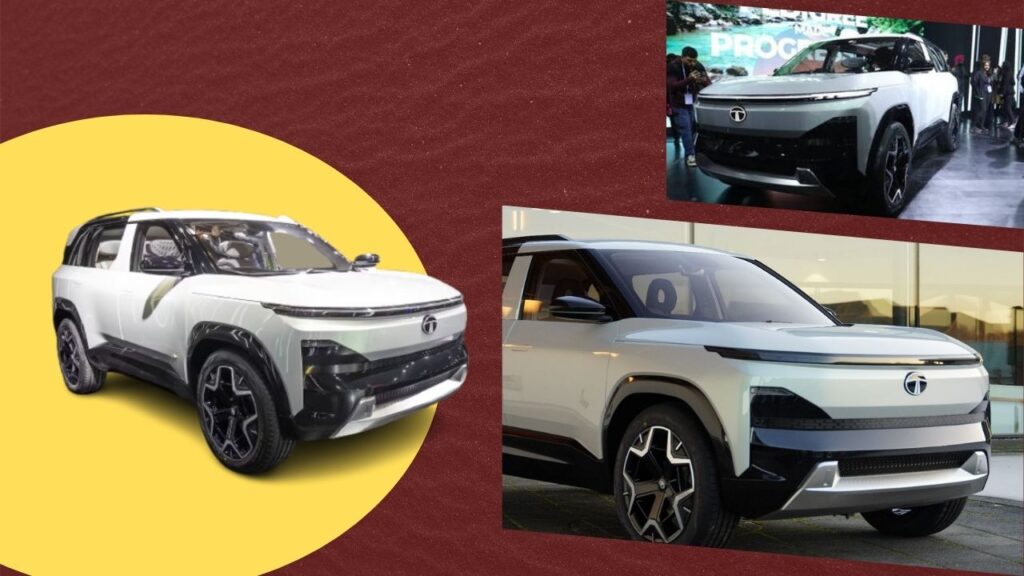
If you grew up in the 90s, then the word “Sierra” must bring back some lovely memories. It changed the landscape in the SUV segment being India’s first real lifestyle offering. Tata is bringing back the glory days for that legend, this time, it’s powered by lightning.

Tata Sierra EV

The Sierra EV isn’t simply a Nexon in a new body, it is based on the Acti.ev (Active Intelligent Electric Vehicle) “skateboard” platform. The floor is completely flat, the cabin is massive, and there’s even a “frunk” for charging cables. Tata is marketing this as a “Lounge On Wheels” with the iconic wrap-around “Alpine Windows” and reclining rear seats. With a claimed range of over 400 km and All-Wheel Drive (AWD) as an option, this luxury cruiser doesn’t mind getting a little dirty. 

Functional Masterpiece: Kia Syros 

Scheduled Release Date: Mid- 2026

Kia is instead “zigging” where everyone else seems intent on “zagging,” making their Upcoming compact SUVs in India look like sporty coupes with sloping roofs. The Syros (internally referred to as the Clavis) is a futuristic box you can be proud of.

Kia Syros 

Why a box? Because practicality applies to boxes. The Syros prioritizes vertical space, so even six-foot-tall riders get plenty of headroom in the rear cabin. Inside, Kia is introducing its “Trinity” cockpit – a giant, seamless glass console that integrates three different displays. It’s the “gadget on wheels” for Gen Z buyers, who prioritize interior space and high-speed connectivity over sleek profiles, he said. It is scheduled to go on sale as an EV first, with petrol variants to follow soon thereafter. 

The Bengal-barren EV: Hyundai Inster

Schedule Release: Q4 2026

Hyundai’s have a straight aim to make electric cars affordable. The Inster is an ingenious version of the global Casper EV, but Hyundai has extended it by 230mm just for India. Why? Because we want our legroom.

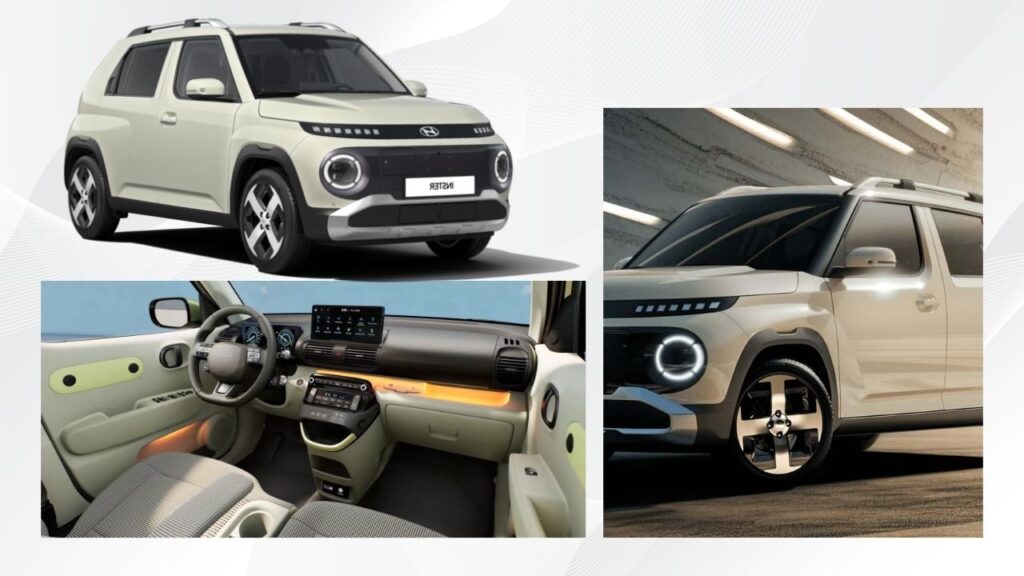
Hyundai Inster

The Inster is the ideal city “pod.” It’s tiny enough to plunge into holes in traffic yet techie enough to seem upscale. It has a “Pixel” design (inspired by its larger sibling, the Ioniq 5) and modular seats that can be folded completely flat — ideal for a quick car-camping trip or a nap between appointments. With a price target below ₹10 lakh, this is the vehicle that may finally turn EVs into a household staple in India. 

Read More:- Saurabh Ahuja Luxury Car Collection: Prices, Models and Features

Conclusion:- Upcoming compact SUVs in India

Upcoming compact SUVs in India: What the next two years really turn on is so-called hyper-segmentation, as the auto market moves beyond the era when cars were “one-size-fits-all.” Now, each is a lifestyle choice: 

  • Duster is comfort and ability to cover 500 km without getting tired 
  • Vision S is a rugged, reliable workhorse 
  • Sierra EV is for design-conscious professionals who want their car to say something 
  • Syros is the ultimate family-and-tech hub, while Inster is the clean, concise future of city commuting. 

It’s not a decision about what you can afford anymore — it’s a decision about who you want to be on the road. 

0

Creta vs Seltos: The Battle of Korean Siblings That’s Tearing Car Buyers Apart

Published Jan 30, 2026, 7:17 AM
Last Updated Apr 6, 2026, 4:39 AM

Creta vs Seltos

If you’ve been lurking on car forums or asking friends about purchasing an SUV, you’ve likely encountered the mandatory query: Creta vs Seltos? Both the models are quite similar as they are based on the same platform, however, each one is distinct in its own way. It’s tricky to choose between them.

This is more than a feature and figure comparison. It’s designed to give you a feel of how each car drives in the real world, since purchasing a car isn’t just a practical decision—it’s an emotional one. 

Creta vs Seltos — First Impression

When the Seltos rolls through, it demands a second look. The 2026 Kia Seltos lays down a sharper, more aggressive attitude on-road. It has come of age in stature and size – stretching 4,460 mm in length on a generous 2,690 mm wheelbase that actually puts it ahead of its Hyundai rival. Flush door handles, a bold front grille and razor-sharp LED headlights all announce its arrival confidently. That’s the car that makes you look back twice before you walk away.

The Creta adopts a different tone: elegant versus loud. While the more premium model measures just 4,330 mm in length with a wheelbase of 2,610 mm, it pitches itself as a more sophisticated and premium product that will attract buyers who prefer a muted rather than a loud design statement. 

Put it this way: the Seltos stakes out the space with vibrancy, but the Creta commands the space with classic styling.  

Inside the Cabin: Your Daily Environment

This is where the real story begins, Behind the scenes, however, the two SUVs are virtually the same —

  • They offered a powerful 1.5L turbo engine to drive you crazy with 160 hp and 260 Nm of Torque. 
  • They are mechanical siblings, with both averaging in the 21.8 kmpl range. Climb inside though, and the divergence is evident.
  • The new Seltos offers a segment-first 10-way power adjustable driver’s seat with memory function – an absolute bonanza for multi-driver families. 
  • No memory function, though, for the Creta comes with an 8-way power seat that’s comfortably sufficient. 
  • Recent head-to-heads have the Seltos GTX variant surprisingly edging out the Creta King when it comes features, with more digital touch points for comparable money. 

Interior Feels inside Creta and Seltos

That’s where the Creta fights back: cabin refinement. The soundproofing is genuinely better. It’s hushed, calm — the kind of cabin where road conversations can keep pace, rather than shouting matches over road noise. For drivers who long for that library-quiet serenity on long drives, the Creta comes out well ahead.  

Comfort vs Sportiness

The Creta uses a softer suspension setup. bumps and craters are absorbed with an ease, as if the car is gliding over India’s chaotic road surface. It’s brilliantly tuned for family towing and long distance comfort. Elderly parents or fidgety kids in the backseat won’t feel every imperfection in the tarmac or grumble about yet another speed bump.

Creta uses a softer suspension setup

The Seltos is firmer when it comes to ride quality. It’s not punishing—just more connected and athletic. Enthusiastic drivers will appreciate how the Seltos remains composed and predictable when pushed hard into corners and when the handling is sufficiently responsive and spirited enough to hold the attention of such drivers. Up at speed, it’s taut and solid, and the sense of command it imparts—one that makes driving really fun instead of just something you have to do—is comforting. 

Read More:- The MG Majestor launch: India’s New Flagship SUV Set to Shake Up the Premium Game

The Price Tag: What’s Your Money Buying?

Here is where it becomes difficult. The Hyundai Creta E variant price starts at Rs 10.79 lakh ex-showroom while Kia Seltos HTE variant price starts at Rs 10.99 lakh —which makes the Seltos a bit on pricier side at the entry point. But as you move up the variant tree, Seltos usually gives you more features for your money, especially in the mid-level trims.

Price for 2026 Creta vs Seltos

But there is another issue to take into account: resale value. Multiple sources agree that Creta tends to retain its resale value better than Seltos – attributed to the fact that Hyundai has a more reliable after-sales reputation and far-reaching service network across India.”If you are thinking in terms of five years down, when you have to upgrade, that could be real money in your pocket. 

Conclusion

After all that, you’re probably still baffled — and, honestly, that’s fair. Both are unique in their own way.

  • If you want a bolder look, a bit more features, more space inside and a sportier ride and handling than the Kia Seltos. It’s for anyone who wants their car to make a statement and isn’t worried about paying a little more for the latest tech. 
  • Opt for the Hyundai Creta if: Comfort is your religion, you care about resale value and you like a more refined, quieter cabin. It’s the reliable choice that will never let you down and which will probably age better when it comes to retaining value.

In the final count, these two Korean siblings are both winners. You really can’t go wrong — you’re just picking between Creta vs Seltos flavors of excellence. 

My advice? Take both for a spin, bring your family, and trust your gut after you turn the key. For sometimes the best choice isn’t on paper — it’s in what the car makes you feel. 

0

How to Claim Car Insurance for Own Damage: A Step-by-Step Guide

Published Jul 22, 2026, 9:04 AM
Last Updated Jul 22, 2026, 12:06 PM

How to Claim Car Insurance for Own Damage

Whether it’s a major accident or a minor scratch, damage to your car can leave you wondering what your insurance actually covers. That’s where understanding the Own Damage Cover section becomes important, as many car owners are not fully aware of how it works. Learning How to Claim Car Insurance for Own Damage can help you save money and ensure a hassle-free claims experience.

If you already have a comprehensive car insurance policy, you can claim compensation for damage to your own vehicle—not for damage caused to someone else’s. This is known as an Own Damage (OD) claim. However, simply having coverage isn’t enough. Understanding How to Claim Car Insurance for Own Damage correctly is essential to ensure your claim is processed smoothly and you receive the benefits you’re entitled to.

See Best Cars for Daily Office Commute.

What Counts as “Own Damage”

When your car gets damaged due to reasons that aren’t someone else’s fault or if it is but you are using your own damage cover to get your car repaired instead of relying on the other party’s insurance. 

For instance, your car faces situations including road accidents, collisions, fire, theft, natural disasters like floods, storms, or earthquakes. And even malicious damage like vandalism. That’s where Own Damage covers for repairs.

It is distinct from third-party liability, which covers damage you cause to another person’s vehicle or property. If you want coverage to repair your own vehicle, you need a comprehensive policy (with own damage included) – a third-party-only policy will not assist you in this matter. 

How to Claim Car Insurance for Own Damage

Step 1: Inform Your Insurer Immediately

When car trouble strikes, call your insurer or agent. Many companies allow for damage to be reported within 24-48 hours after the fact, and waiting can make your claim more complicated, or potentially even deny it. Have your policy number ready when you dial — it makes a big difference. 

If another vehicle is involved, or if your vehicle has been stolen or you suffered major damage, report it to the police too. Insurance companies frequently require such documentation, particularly for theft and hit-and-run, so it’s not wasted time even if it seems like you’re doing too much paperwork. You Know that Which Engine Oil is best for Your Car?

Step 2: Get the Vehicle Inspected

When you have reported the claim, the insurer will either arrange for a surveyor to inspect your car or ask you to take your car to a network garage for inspection. Don’t drive the vehicle or do any repairs until this happens — it’s an inspection prior to repair which validates your claim. If you go ahead of time and just fix it, you run the risk of your insurer denying the claim completely. 

Take photos or video of the damage from several angles before anything is touched. Seems like a simple step, but a lot of people forget it in the heat of the moment, and it really helps if there is any argument later on. 

Step 3: Choose Cashless or Reimbursement Claims

You’ll typically have two routes to get your car repaired.

Cashless claim: You bring your car to a garage in your insurer’s network. The insurer pays the garage bill directly, and you only pay the deductible and anything else your policy doesn’t cover. This is the easier, less stressful method and what the majority of people want. 

Reimbursement claim: You have the vehicle fixed at a garage of your choice, pay the full amount and then send the bills to your insurer for reimbursement. This option is good if your favorite garage is not in the insurer’s network, but that means you are paying first and then waiting for the money to come back to you. 

Step 4: Submit the Required Documents

Each insurer requires a unique set of documents, but the standard documents required are:

  • Your policy copy 
  • A filled and signed claim form 
  • Your driving license 
  • Vehicle’s registration certificate 
  • And the repair estimate or bill

In case a third party though or theft is involved, include the FIR or police report as well. 

Missing or incorrect documentation is also a frequent cause of claims being held up, so it’s worth making sure everything’s in order before you submit rather than doing it in dribs and drabs. 

Step 5: Claim Settlement

Once the surveyor approves the damage assessment and your documents are verified, the insurer settles the claim. For cashless claims, they pay the garage directly. For reimbursement claims, the amount is transferred to your account after you’ve paid the garage.

Keep in mind your No Claim Bonus (NCB) will reset if you file an own damage claim, and you’ll have to pay the compulsory deductible plus any voluntary deductible you opted for when buying the policy. For minor damage where repair costs are close to your deductible amount, it’s worth calculating whether filing a claim is even worth it — sometimes paying out of pocket protects your NCB and saves you more in the long run.

A Few Things That Trip People Up

Own damage claims get rejected more often than people expect, usually for avoidable reasons. Driving without a valid license, being under the influence at the time of the accident, using the vehicle for a purpose outside what’s declared in the policy (like using a private car for commercial purposes), or letting your policy lapse before renewal are all common grounds for rejection.

It also helps to know your Insured Declared Value (IDV) going in. This is the maximum amount your insurer will pay in case of total loss or theft, and it directly affects your premium and your payout. Setting it too low to save on premium can leave you underinsured exactly when you need the cover most.

Conclusion for 

Filing an own damage claim isn’t complicated once you know the sequence — report fast, get it inspected before repairs, pick the claim route that suits you, submit clean documentation, and stay aware of how it affects your NCB. The part that actually saves people money and stress isn’t the claim process itself, it’s understanding How to Claim Car Insurance for Own Damage and your policy terms before you’re standing next to a damaged car needing answers immediately.

0

Shubman Gill Car Collection: Inside the Luxury Garage of India’s Cricket Star

Published Dec 23, 2025, 12:22 PM
Last Updated Dec 23, 2025, 12:24 PM

Shubman Gill Car Collection

Shubman Gill doesn’t just rule the cricket ground with his elegant cover drives and calm attitude towards batting, he is also quite graceful when it comes to selection of vehicles. The Gujarat Titans captain has tied his love for speed and the open road to one of Indian cricket’s most intriguing collections and Shubman Gill’s Car Collection speaks he has clearly got the dirigible ambition, as well as the success, and can certainly taste refined motor running. 

Let’s take you inside his private garage, where every car marks a moment in his stunning rise from a small-town kid to the future of India’s cricket. 

A Collection That Reflects His Journey

The Shubman Gill car collection is not random, it is intentional. From the dream-realized Range Rover Velar to the opulent Mahbach GLS 600 each vehicle signifies a plot in his unprecedented ascent. Gill has already got what at most people would take a lifetime to achieve at an age when many are just graduating. These aren’t cars to throw away—they’re rewards for discipline, talent, and a kind of calm that makes his cricket.

Gill can afford to live the luxuries of life with a salary of ₹16.50 crore from IPL, a Grade B BCCI Contract of ₹3 crore yearly and endorsements with Nike, Gillette, TATA Capital, and more. And his garage, yet another testament to his faultless style off the pitch. 

Range Rover Velar

In an humor-filled video interview for Acko’s Love At First Gear, Shubman Gill had said the Range Rover was his dream car, and a few months later, this elegant SUV arrived in his garage.  

Range Rover Velar

The car has a strong 2.0L turbocharged engine outputting 246 horsepower, but is also outfitted with comfort amenities that would make you believe you are sitting in your living room during a long trip. The massage seats, panoramic sunroof and 12.3-inch digital instrument cluster are not simply extras. With a 5-star Global NCAP safety rating, this car is a perfect reflection of Gill’s own ethos: solid, dependable and hard-wearing. 

The Gift That Carries Gratitude: Mahindra Thar

Gill did not buy all of the cars in his collection – a few come his way as a result of exceptional work. The Mahindra Thar is really special, and this is because it is a gift vehicle from industrialist Anand Mahindra himself. In 2021 when Shubman Gill was making his maiden appearance in the historic Border-Gavaskar Test series in Australia (2020-21), he scripted the extraordinary. Mahindra pledged to gift cars to the young cricketers who delivered, and he lived up to that promise to celebrate the young cricketing stars the match had produced.

Mahindra Thar

The Thar is more than just its sticker price of₹ 13.87—21.32 lakhs. Think of it as a rugged, capable off-road SUV with a four-star NCAP safety rating, that has been getting young adventure seekers hooked on the great outdoors. Meanwhile, Gill was busy cricketing and his family got to bring home this beautiful red coloured Thar as a proof that national pride does pay! 

The Mercedes Obsession: Where Luxury Meets Ambition

This is where the polished Shubman Gill from our compilation shines through and there is no doubt that the man is a Mercedes fan. 

Mercedes-Benz E350

Mercedes-Benz E350

The Benz E350 is something like around the cost of ₹90 E350 is a luxury sedan that makes a very good balance between sophistication and practicality of daily everyday life. Its 3.0L V6 engine with 255 horsepower and 370 Nm torque also made the long journey from his Firozpur residence to Mumbai for IPL matches a smooth ride. 

Maybach GLS 600 Night Series

Yet Gill’s true obsession is with the Mercedes-Maybach GLS 600 Night Series, a loaded luxury sport utility vehicle that lists for about ₹3.88 crore on-road — nearly five times the cost of his initial luxury acquisition. This is no ordinary vehicle. The Maybach version takes the GLS 600 to stratospheric levels of extravagance, powered by a 4.0L V8 Biturbo engine producing an astounding 557 horsepower and 730 Nm of torque. Paired with a 48-volt mild-hybrid system, executive rear seats that would induce envy in first-class airline cabins, and a Burmester 3D surround sound system, this SUV makes each journey a thrill. 

Read More :-  Mahindra XUV 7XO Specs and Features: Engine, Mileage, Safety, Interior Details Overview

Mercedes-AMG G63

The G-Wagon is a staple in every celebrity car collection and Gill’s Mercedes-AMG G63 is no different. This angular, iconic SUV is brought to life by a 4.0L V8 turbo with mild-hybrid system, producing 585 horsepower and an earth-shattering 850 Nm of torque. Whenever this monster gains speed, it shouts power and glory. 

Toyota Innova Crysta

While the Mercedes and Range Rover make the headlines, Gill’s garage is not without the Toyota Innova Crysta (₹23.83-31.50 lakhs), a no-nonsense family SUV that more often than not ferries him to Mumbai’s Bandra eateries and Mumbai airport.

Toyota Innova Crysta

Clearly money and value for everyday and reliability over flash things up - it’s refreshing that despite being worth somewhere in the region of ₹34 crore he still thinks like that, and if he needs to take a stroll he’s wearing flip-flops and socks! 

Conclusion

Shubman Gill’s car collection is reflective of the man himself: humble but aspirational and stylish but practical. From the dream-come-true Range Rover Velar and the thankful Mahindra Thar to the uber-luxurious Mercedes-Maybach GLS 600 and the beastly AMG G63, each car has a story of hard work, discipline and success dusted off in style. 

What really jumps out, however, is the fact that Gill balances it so well: sitting next to the multi-crore luxury cars is a simple Toyota Innova Crysta, clearly Gill’s fame hasn’t taken away his grounding in everyday values. Much like and His batting, his garage exudes a calm, assured, and mature presence, but all that is only the beginning of his journey.