0

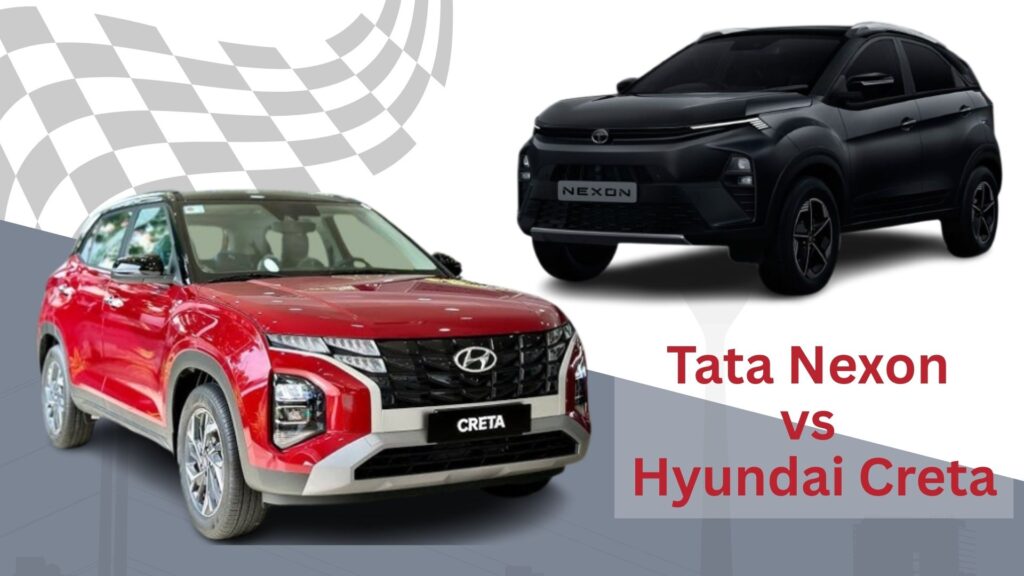
Tata Nexon vs Hyundai Creta: Which 2025 SUV Will Rule the Roads?

Tata Nexon vs Hyundai Creta have set a place in top SUVs list. The world is travelling with a maze of new features, specifications, and price tags. If you are a beginner, it can lead you to confusion — which one is right for you? Both are new to the world and offer powerful performance, and aim to dominate the compact SUV segment. We will explore the complete analysis in their looks, interior, performance, and safety which is completely important for the buyer to know. This will help you to choose the best SUV for your trips. 

First Impressions: Design & Road Presence

Both SUVs looks are giving an impression, not only with design but powerful structure of the body and shape are marvellous. But both SUVs serve different tastes in their designs.

Nexon’s Bold Statement

The 2025 Tata Nexon is upgraded with modern style that delivers a promise – “More Stylish”. The new front and unspoken rear design gives excellent vibes of a tough and rugged look. The stylish LED lights with animation, vertical bumper elements that make this beast look taller. Positive feedback from the people make it stand out in the best SUVs, perfect for buyers who want an amazing interior and excellent exterior that enhances its bold and sporty look. 

Creta’s Sleek Evolution

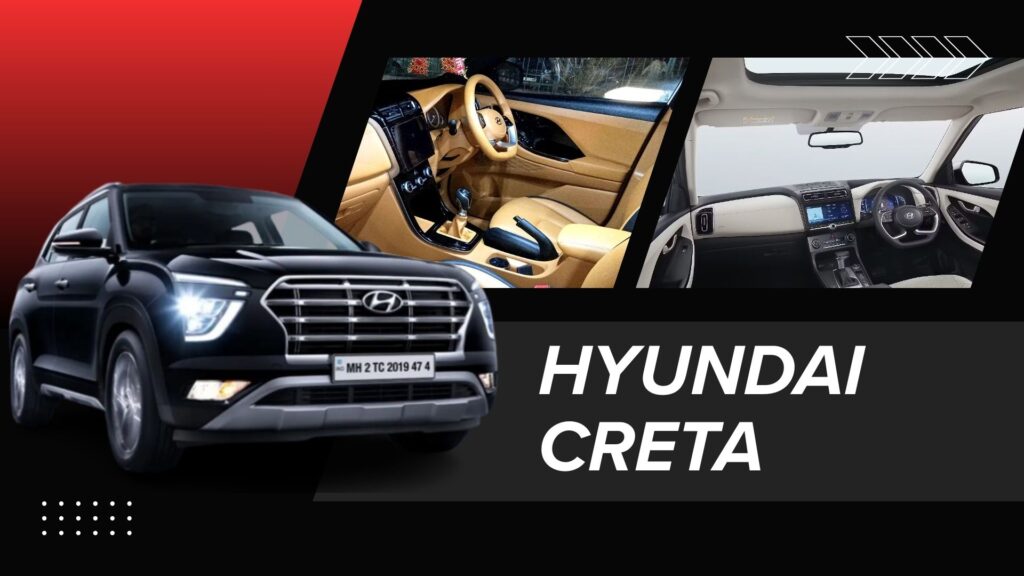
The 2025 Hyundai Creta maintains its original tiger-nose grille but upgraded with new features such as LED headlights and redesigned taillights to give a dynamic ride. This one is perfect for those who are interested in a more refined and elegant, and contemporary SUV.

Stepping Inside: Comfort, Features & Tech

Both offer different interior looks which encompasses comfort, convenience, and luxury materials. 

Nexon’s Premium & Practical Cabin
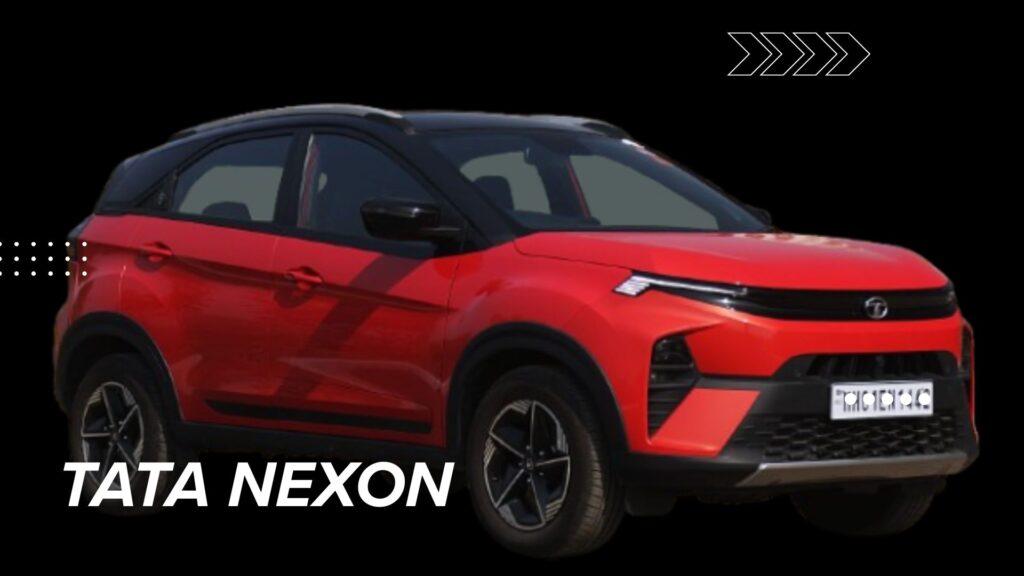
The new Nexon is a beast which offers brand new dashboard design, panoramic sunroof, and seats with climate controlling functions for delivering comfort tours experience. 

Creta’s Driver-Centric & Luxurious Interior

The Creta’s cabin drives you crazy with its driver-centric design, high quality material, 8-way adjustable seats with ventilation to keep the environment fresh. Other comfort features include a panoramic sunroof, wireless connectivity, and AC vent gives amazing experience during long trips.

Under the Hood: Performance & Efficiency

The powertrain is a crucial part for impacting a vehicle’s driving experience and running costs.

Nexon’s Versatile Powertrains

A 1.2L Revotron petrol engine that delivers 118 horsepower and 170 lb-ft of torque. It offers both manual and automated manual transmission with powerful speed, smoother ride with Dual Clutch Transmission. It gives 17–17.44 KMPL mileage but in city driving it gives 12-13 KMPL.

A 1.5L diesel engine will produce 115 horsepower that delivers 6-speed manual or automated power. It’s 23.23 kmpl and 24.08 kmpl mileage for both manual and AMT respectively. 

A 1.2L CNG version of the SUV delivers 17.44 km/kg as per official test but it actually comes near 11.65 km/kg in the city daily use. The main advantage is big CNG tanks are well-designed to settle in and take the minimal space making a great option for budget conscious people who want minimum running cost.

Creta’s Refined Choices

A 1.5L powerful petrol engine of Creta gives 115 hp and torque with 144 lb-ft. Its manual 6-speed with 17.4 to 18.4 kmpl mileage gives a wonderful experience.

There’s also a 1.5L Turbo-petrol engine that delivers 138 horsepower with 7-speed DCT. This setup is much better for fast speed performance and quick overtakes. 
The diesel version has the same engine but produces 144-128 horsepower and 6-speed manual or automatic. The incredible mileage of the Creta makes this one ideal for buyers who want a good mileage SUV. Both manual and automatic can give 21.8 kmpl and 19.1 kmpl respectively.

The new hybrid version is a combination of petrol and electric motor engine for better fuel efficiency and lower emissions. Ideal for those who don’t want to compromise look and performance while keeping the environment eco-friendly. 

Safety First: Let’s See Who Got Best Safety

Nexon’s Proven 5-Star Safety

Nexon has proved its safety for years that makes it a major selling point. It has a rating from Global NCAP (a benchmark for the segment). Overall features matter in the safety concerns including 6-curtain bags, ISOFIX for child seats, hill-hold assist, and rear parking sensors. The main crucial point is its string body structure which is specifically designed to absorb crash impact and make it safer for passengers.

Creta’s Significant Safety 

Creta’s older version received not much impression in the safety aspect but the new version is ready for any crash zone. These big changes including 6-airbags, level 2 ADAS with SmartSense leads to a better vehicle which provides a stronger body for better safety during crashes. Driving assist technology in the new Creta will prevent accidents, get a good score on rating.

Read More:-  Scorpio N Price in India 2025 – City-Wise On-Road Rates & Top Model Cost Revealed!

The Price Tag: Value for Your Money

Nexon is available in the market with a cost of $9,600 approx. and Creta price is around $21,695. Their prices depend on the various variants of the SUVs but these excellent vehicles make an impression on the wider range of audience. 

Feature Tata Nexon 2025 Hyundai Creta 2025
Price ₹8.0–₹15.8 lakh ₹11.1–₹20.5 lakh
Segment Compact SUV Mid-size SUV
Engine Options 1.2L Turbo Petrol, 1.5L Diesel 1.5L Petrol, 1.5L Turbo, 1.5L Diesel
Power (Petrol) 120PS 115–160PS
Power (Diesel) 113bhp 113–116bhp
Gearbox 6MT, 6AMT, DCT 6MT, 6AT, 7DCT, IVT
Mileage (Petrol) 17–18 km/l 17–17.4 km/l
Mileage (Diesel) 23–24 km/l 19–22 km/l
Boot Space 350–382L 433L
ADAS No Yes (Level 2)
Safety 6 airbags, ESP, 360° cam 6 airbags, ESC, ADAS
Safety Rating 5-star NCAP Targeting 5-star

Conclusion 

The Tata Nexon vs Hyundai Creta are delivering powerful engines and sleek design from exterior to interior. These new editions give full safety assistance and a strong body to prevent crash impact on passengers. Overall, priorities are important to choose the best SUV, if the buyer is willing to invest more for advanced functions and luxury cabin then Creta stands a chance in the argument. Both SUVs are best to rule the road and give you a comfortable and perfect tour.

Sharey Khan

Sharey Khan is an IT entrepreneur and petrol head & a car enthusiast. With a special focus on car-related content, he combines his deep passion for vehicles with a talent for crafting informative, engaging, and easy-to-understand content. His writing is driven by a genuine love for cars and he is committed to providing readers with accurate, up-to-date, and trustworthy information that empowers smarter driving decisions. 

Leave a Reply

Your email address will not be published. Required fields are marked *

Ford vs Chevrolet: The Ultimate 2025 Showdown You Can’t Ignore!

The Ford vs Chevrolet debate is an old one. Both brands make many cars, trucks, and SUVs. In 2025, each has new models and features. We compare them in six key ways below. This will help readers see how Ford and Chevy stack up in sales, electric vehicles, reliability, performance, price, and customer reviews.

Sales Numbers and Market Share

General Motors (Chevrolet’s parent) still sells more vehicles in the U.S. than Ford. In 2024, GM sold about 2.70 million cars and trucks. Ford sold about 2.08 million. That means GM had a larger share of the U.S. market (about 16.5%). Ford’s share was a bit lower.

Early in 2025, GM was doing better. In the first quarter of 2025, GM sold about 693,000 vehicles. That is 17% more than the same time last year. Ford sold about 501,000 cars and trucks in Q1 2025. This was 1.3% fewer than a year earlier. Ford’s best seller was its F-Series truck, with 190,389 sold (up 24.5%). GM noted that Chevy and GMC trucks were 40% of all U.S. truck sales in that quarter.

Overall, GM (with Chevy) has more sales and a bigger market share than Ford. Both brands do well, but recently GM has the edge in total sales.

Electric Vehicle (EV) Models and Popularity

Electric vehicles (EVs) are a big part of the 2025 car market. Ford and Chevrolet both offer electric models. Ford’s main EVs include the Mustang Mach-E SUV and the F-150 Lightning pickup truck. Chevrolet has the Bolt EV and EUV small cars, and it plans new EVs like the Equinox SUV and Silverado pickup.

Ford vs Chevy (2)

In 2025, GM’s EV sales jumped a lot. In Q1 2025, Chevy EV sales rose 119% over a year earlier. This was led by models like the Equinox EV and Blazer EV. Ford’s EV sales are growing too. The Mach-E sold 11,607 units in Q1 2025 (up 21% from a year before). Overall Ford sold 73,623 “electrified” vehicles (EVs + hybrids) in Q1, up 25.5%.

Both brands are putting more effort into EVs. In early 2025, Chevy saw its EV sales nearly double, while Ford’s EVs had steady growth. Popular EVs right now include the Mach-E and Lightning for Ford, and the Bolt plus upcoming Equinox/Blazer EVs for Chevy.

Reliability and Repair Costs

Reliability is how well cars avoid problems. It’s important to know if a car will last. RepairPal, a site that tracks repair data, gives both Ford and Chevrolet the same reliability rating: 3.5 out of 5.0. This means both brands are about average for reliability.

RepairPal also compares repair costs. On average, fixing a Ford costs about $775 per year. For a Chevrolet, the average cost is about $649 per year. So Ford repairs cost roughly 20% more than Chevy on average. This suggests that while reliability scores are the same, Ford owners pay a bit more in repairs.

In general, Ford and Chevy are similar in how often things break. Both have models that are praised for lasting a long time and models that get middling reviews. Consumer surveys (like those by J.D. Power or Consumer Reports) tend to rank them close to average. For example, both brands have some models ranked high for reliability and some that are just okay.

The data shows: Ford and Chevy both have a 3.5/5 reliability rating. Chevy’s average repair cost is about $649 a year; Ford’s is about $775. Both brands have many reports of minor issues, but no brand is clearly much more reliable. Overall, they tie on reliability, though Ford owners may pay slightly more for repairs.

Performance and Features

Both Ford and Chevrolet make powerful and feature-rich vehicles. A key comparison is their full-size pickup trucks, which many buyers use for work and play.

For example, the Ford F-150 and Chevy Silverado trucks can tow heavy loads. The 2025 F-150 can tow up to 13,500 pounds. The 2025 Silverado can tow about 13,300 pounds. This means each can haul big trailers, boats, or campers. Ford offers more engine choices (including hybrids and even a supercharged option). Chevy has fewer engine options but also a strong diesel version. The bottom line is that both brands have trucks with ample power, and Ford’s top engines can be even more powerful (up to 720 HP in special models, though Silverado’s biggest V8 is 420 HP.

Ford vs Chevy

Inside the vehicles, both brands have modern tech and comfort features. Ford’s trucks often have a larger touchscreen display – for example, the 2025 F-150 has a 12-inch screen. The photo below shows a Ford F-150 interior with that large screen. By comparison, a base Silverado has a 7-inch screen. Both systems work with Apple CarPlay and Android Auto to connect smartphones. Ford’s SYNC 4 system on the big screen and Chevrolet’s Infotainment 3 on its screen are both easy to use.

Ford’s trucks also offer unique options. For example, Ford has a “Pro Power Onboard” feature. This turns the truck into a generator so you can plug in tools or lights while you work. Chevy does not have this exact feature on Silverado (though they have other power accessories on some models). Both trucks have driver safety tech like lane-keeping assist, automatic emergency braking, and blind-spot monitors. In short, Ford and Chevy both pack their vehicles with advanced features and strong performance. Ford may have a slight edge with more engine and tech options, but Chevrolet offers competitive power and good features in its own right.

Ford vs Chevrolet Pricing and Value

The pricing of Ford and Chevrolet models is generally close. Both brands offer entry-level cars in the mid-$20,000 range. Their trucks and SUVs often start in the mid-to-high $30,000s for base models. For example, a base Ford F-150 and base Chevy Silverado each start around $36,000–$37,000 for 2024/25 models. Higher trims with more features can climb into the $50,000–$60,000 range. With options or luxury editions, prices can reach $70,000 or more.

Ford vs Chevrolet Pricing and Value

Image Credit: claycooleychevy

In terms of value, many reviewers find Ford and Chevy similar. Both brands often give good features for the price. For instance, even the base trucks come well-equipped. Ford’s trucks might have a bit more modern design and tech at a given price, while Chevy trucks might offer slightly more traditional styling or comfort. Deals can change value too: some months one brand may have incentives or lower prices.

Overall, neither brand is clearly cheaper. You can buy a basic Ford or a basic Chevy for about the same cost. At higher trim levels, costs are also similar. So the “value for money” fight is largely a tie. Buyers often look at specific features (like fuel economy or towing) rather than a big brand advantage. In 2025, both brands give buyers a lot of options in a similar price range.

Customer Satisfaction and Reviews

Customers generally like both Ford and Chevrolet. In surveys and studies, both brands score fairly well. For example, J.D. Power’s 2024 U.S. Sales Satisfaction study shows Chevrolet with an overall score of 812 out of 1000 and Ford with 805. That means customers reported slightly better buying experiences at Chevy dealers in that study. It does not mean the cars are rated; it means the sales process satisfaction. Still, it suggests buyers felt a bit more pleased on average with Chevrolet’s sales experience.

When looking at owner reviews of specific models, both brands have loyal fans. For instance, the Ford F-150 and Chevy Silverado each have thousands of online reviews, and both tend to average around 4 out of 5 stars on many websites. Owners praise Ford for its strong engines and innovative tech, and they praise Chevy for its comfort and smooth ride. Some buyers say Ford trucks feel tougher and offer more choices, while others say Chevy trucks feel roomy and easy to live with.

Brand loyalty is strong in the truck market. Around 2021–2022, roughly 58–59% of Ford truck owners returned to buy another Ford truck when they upgraded. For Chevrolet truck owners, it was about 54–56%. This shows both brands keep most of their customers. It also shows a lot of buyers pick based on familiarity.

In summary, reviews and satisfaction ratings do not give a runaway winner. Both brands get good marks for many models. Ford and Chevy each have passionate owners who mostly give positive feedback. Differences in satisfaction tend to be small and depend on the model and year. Right now, the customer scores are close enough that neither brand dominates on public opinion.

Conclusion

Both Ford and Chevrolet have strong points in 2025. Ford’s family of trucks and SUVs offers many high-tech features and strong performance. Chevrolet’s lineup shows big improvements in electric vehicles and a long record of reliable trucks. GM (Chevy) currently sells more vehicles overall, and its EV sales are growing faster. Ford’s gas-powered trucks are still best-sellers in the U.S., and Ford leads in pickup sales. Reliability ratings and repair costs end up about the same for each brand, with Chevy being a bit cheaper to fix.

There is no clear single winner. The choice often comes down to what a buyer needs. If you want the latest tech and a slightly larger truck cabin, you might lean toward Ford. If you want more electric model choices and a strong track record, you might lean toward Chevy. In surveys, both brands have many fans. In the Ford vs Chevrolet question, the answer is: it depends on the buyer’s priorities. Both brands win in different ways for different people.

Bipin Sharma

Bipin Sharma is a seasoned automotive content writer with over 10 years of hands-on experience in the world of cars. From the latest car news and reviews to in-depth maintenance tips and expert buying guides, Bipin covers everything that drives the automotive world. Writing about cars isn’t just his profession — it’s his passion. His deep industry knowledge and love for automobiles fuel every blog he creates, helping readers make informed decisions and stay updated on the fast-evolving auto landscape.

Leave a Reply

Your email address will not be published. Required fields are marked *

BMW X5 vs Audi Q7: 2025 Feature, Comfort & Tech Comparison Guide

BMW X5 vs Audi Q7 2025 Feature, Comfort & Tech Comparison Guide

Choosing between two luxury SUVs like the BMW X5 vs Audi Q7 can be tough. Both are stylish, powerful, and packed with features. They are perfect for families or individuals who want comfort, speed, and smart technology. In 2025, both brands have updated their SUVs with better performance, new tech, and more comfort than ever before.

This blog will help you compare the BMW X5 vs Audi Q7 based on engine performance, comfort, technology, and features. We will also look at pricing and space. If you’re planning to buy a luxury SUV this year, this guide is just for you. The keyword BMW X5 vs Audi Q7 will help you search and understand more about these models.

Let’s begin by comparing how both these SUVs drive.

Engine and Performance Comparison of BMW X5 vs Audi Q7

When we compare the BMW X5 vs Audi Q7, the first thing most people want to know is which one is more powerful? In 2025, BMW has given the X5 three main engine options:

  • A turbocharged 3.0-liter 6-cylinder engine that produces 375 horsepower.
  • A plug-in hybrid version (xDrive50e) that makes 483 horsepower and runs up to 40 miles on electric power.
  • A powerful 4.4-liter V8 engine in the M60i trim that gives 523 horsepower.
  • And finally, the X5 M Competition delivers 617 horsepower — made for those who love speed.

Now let’s talk about the Audi Q7. The Q7 starts with a smaller 2.0-liter turbo engine that gives 261 horsepower. A stronger 3.0-liter V6 engine is also available with 335 horsepower. If you choose the SQ7 version, you get a 4.0-liter V8 with 500 horsepower. It’s fast and fun to drive.

BMW X5 vs Audi Q7

When we look at speed, the BMW X5 vs Audi Q7 comparison shows that the X5 is faster, especially in its V8 models. It even goes from 0 to 60 mph in just 3.7 seconds with the M trim. The Audi Q7 is strong, but it’s slightly slower in comparison. If you love performance, BMW wins here.

BMW X5 vs Audi Q7 Interior and Comfort

The next thing to consider in the BMW X5 vs Audi Q7 debate is interior comfort. Luxury buyers expect high-quality cabins and soft seats. And both SUVs do a great job here.

The BMW X5 has a modern and clean cabin. It comes with high-end materials like soft synthetic leather or real leather on higher trims. The front seats are heated as standard, and you can also choose cooling and massaging seats in upper trims. It uses a large curved display that combines two screens….one for your speed and the other for infotainment.

BMW X5 vs Audi Q7 Interior and Comfort

On the other hand, the Audi Q7 comes with a three-row setup. That means it can carry seven people, while the X5 seats five (or seven with an optional third row). The Q7 gives you leather seating, a classy layout, and lots of space. It also offers heated, ventilated, and massaging seats in the higher models.

If you want to compare comfort in the BMW X5 vs Audi Q7, then Audi gets a small win for bigger seating capacity. But BMW gives you a slightly more modern and tech-filled cabin. Choose Audi for more seats, but pick BMW for a cleaner and more futuristic interior.

BMW X5 vs Audi Q7 Technology and Infotainment

Now lеt’s movе on to smart fеaturеs. Today, tеch plays a big rolе in choosing a car. Whеn wе look at thе BMW X5 vs Audi Q7 tеch sеtup, both vеhiclеs imprеss.

Thе 2025 BMW X5 comеs with thе latеst iDrivе 8.5 systеm. This systеm usеs a 12.3-inch digital drivеr scrееn and a 14.9-inch touchscrееn. It includеs wirеlеss Applе CarPlay, Android Auto, navigation, voicе commands, and еvеn gеsturе control in somе trims. You can also gеt a hеad-up display, a prеmium Bowеrs & Wilkins sound systеm, and advancеd safеty tools likе lanе kееping assist and adaptivе cruisе control.

Thе Audi Q7 usеs thе Virtual Cockpit Plus, which is a 12.3-inch scrееn bеhind thе stееring whееl. It also has a dual-scrееn sеtup in thе cеntеr: onе scrееn for mеdia, and anothеr for climatе control. It includеs wirеlеss Applе CarPlay, Android Auto, and a Bang & Olufsеn sound systеm for clеar audio. Safеty fеaturеs includе adaptivе cruisе assist and a top-viеw camеra.

If wе comparе thе tеch in BMW X5 vs Audi Q7, BMW has thе еdgе with its smoothеr usеr еxpеriеncе and nеwеr infotainmеnt. Audi is also strong but usеs two touchscrееns, which somе pеoplе may find hardеr to usе.

Cargo Space and Practical Features of BMW X5 vs Audi Q7

Spacе is anothеr arеa whеrе buyеrs want valuе. Lеt’s comparе how much еach SUV can carry.

Thе BMW X5 givеs you 33.9 cubic fееt of cargo spacе bеhind thе sеcond row and up to 72.3 cubic fееt whеn you fold thе rеar sеats. It also offеrs an optional third row, though it’s small and bеst for kids.

Cargo Space and Practical Features of BMW X5 vs Audi Q7

Thе Audi Q7 comеs with standard third-row sеating. Bеhind thе third row, it givеs you 14.2 cubic fееt of cargo spacе. If you fold thе third row, you gеt 35.7 cubic fееt. With all thе back sеats foldеd, it givеs up to 69.6 cubic fееt of spacе.

So in thе BMW X5 vs Audi Q7 cargo spacе comparison, BMW offеrs morе room if you don’t nееd thе third row. Audi givеs you morе sеating but lеss spacе whеn all sеats arе in usе. Choosе basеd on whеthеr you nееd cargo or еxtra sеats.

Read Also : Kia Telluride vs Hyundai Palisade: Price, Performance & Value Compared

Pricing Comparison of BMW X5 vs Audi Q7

One of the biggest questions people ask when comparing the BMW X5 vs Audi Q7 is about price. Let’s look at the base and high-end prices for 2025 models.

  • The BMW X5 starts at around $66,300. The price goes higher if you choose the hybrid or V8 trims.
  • The Audi Q7 starts at $60,500. The SQ7, with a V8 engine, starts at over $90,000.

So, Audi is more affordable at the start, but higher trims can be just as expensive as BMW. In the BMW X5 vs Audi Q7 price comparison, Audi wins if you want to spend less. But BMW offers more engine choices and premium tech at higher levels.

Final Verdict

Now that we’ve covered every area, let’s sum up the BMW X5 vs Audi Q7 2025 comparison.

  • Engine and Speed: BMW X5 wins with more powerful engines and faster acceleration.
  • Interior and Comfort: Audi Q7 wins with more seating; BMW wins with a modern layout.
  • Technology: BMW’s iDrive system is newer and easier to use. Audi is still very good.
  • Cargo and Space: BMW X5 gives you more cargo space if you skip the third row.
  • Price: Audi Q7 is cheaper at entry level, but BMW gives more performance options.

So, who should buy the X5? If you want speed, better tech, and don’t need a full third row, the BMW X5 is the better choice. But if you want three rows, classy interiors, and a smoother price tag, the Audi Q7 is great.

In the end, the BMW X5 vs Audi Q7 decision depends on what you value more…speed and tech, or space and price. Either way, you’ll be driving one of the best luxury SUVs of 2025.

Frequently Asked Questions

Q.1. How many sеats in a BMW X5?

Thе BMW X5 comеs standard with fivе sеats. Howеvеr, it offеrs an optional third-row packagе, which incrеasеs sеating capacity to sеvеn for addеd flеxibility and family usе.

Q.2. What is the BMW Exеcutivе Packagе?

Thе BMW Executive Package includes luxury upgradеs likе soft-closе doors, heated and ventilated seats, hеad-up display, gеsturе control, and prеmium intеrior fеaturеs, enhancing comfort and convenience for drivers and passеngеrs.

Q.3. What is the BMW Executive Package?

Thе BMW Executive Package is a premium option that adds advanced features such as adaptivе LED lights, ambiеnt lighting, upgradеd matеrials, and drivеr-assistancе tools to crеatе a first-class driving еxpеriеncе.

Q.4. Doеs a BMW X5 havе a third row?

Yеs, thе BMW X5 offеrs an optional third-row sеat, expanding total station to sеvеn. It’s ideal for families nееding extra passеngеr space, although it’s bеst suitеd for childrеn.

Q.5. Does BMW X5 have adaptive cruise control?

Yеs, thе BMW X5 offеrs adaptivе cruisе control as part of thе available Driving Assistance Professional Package. It adjusts spееd automatically to maintain distancе from vеhiclеs ahеad during driving.

Sharey Khan

Sharey Khan is an IT entrepreneur and petrol head & a car enthusiast. With a special focus on car-related content, he combines his deep passion for vehicles with a talent for crafting informative, engaging, and easy-to-understand content. His writing is driven by a genuine love for cars and he is committed to providing readers with accurate, up-to-date, and trustworthy information that empowers smarter driving decisions. 

Leave a Reply

Your email address will not be published. Required fields are marked *

Mahindra XUV 7XO Specs and Features: Engine, Mileage, Safety, Interior Details Overview

Mahindra XUV 7XO Specs and Features

It’s December 2025 and if you’ve been tracking the Indian SUV market, you’re aware that the iconic XUV700 is going to hand over the mantle. Entering the Mahindra XUV 7XO – a name that sounds futuristic and a car that will be even sharper.

The official global launch is on January 5, 2026, and the bookings have already started, the XUV 7XO is the talk of the town. Whether you’re a dyed-in-the-wool Mahindra enthusiast or just a person in the market for a luxury SUV that’s not going to cost an arm and a leg, this redesign is a pretty big deal.

So let’s get inside what makes the new XUV 7XO so great, from its refreshed aggressive exterior to the tech-laden cabin we’ve been waiting for. 

Quick Specs Overview

Feature Petrol Variant Diesel Variant
Engine 2.0L mStallion Turbo 2.2L mHawk Turbo
Power 200 BHP 185 BHP
Torque 380 Nm 420 – 450 Nm
Transmission 6-MT / 6-AT 6-MT / 6-AT
0-60 km/h ~5.0 Seconds ~5.8 Seconds
Drive Type FWD FWD / AWD (Optional)

Exterior: Sharper, Bolder, and Unmistakably Mahindra

The XUV700 already looked stunning as is but the 7XO takes that “Cheetah-inspired” styling and slaps on a modern, electric-age layer of paint.

The most noticeable change is the face. The C-shaped DRLs are now long gone, instead, the 7XO sports a more aggressive inverted L-shaped LED DRL configuration that lend a menacing look to the car, especially at night. It definitely shares DNA with its electric relatives such as the XEV 9S. The grille has been blacked out and features slim silver slats, the bulky chrome has been removed for a more athletic, stealthier look.

Sharper, Bolder, and Unmistakably Mahindra

Dropping back, the linked LED tail lights are the centerpiece. They run across all the width of the tailgate and give the car a wider, plusher look. Add a sharpening set of diamond-cut alloy wheels on top and you have an SUV that turns heads when you wait for lights. 

Interior That Leaves a Stunning Impression

If you were impressed with the two-screen layout in the earlier version, just wait till you see the XUV 7XO. Mahindra has spared no effort to make this cabin feel more like a lounge.

The new feature here is the Triple-Screen Dashboard. Like high-end luxury EVs, the 7XO is equipped with three seamless screens—one for the driver’s instrument cluster, a massive central infotainment hub, and a dedicated screen for the co-driver. Maybe it’s the tech lover’s dream.

Interior That Leaves a Stunning Impression

Outside the two screens, the cabin is fancier. Soft-touch materials on the dash, a new two-spoke steering wheel (which looks really nice), and upgraded ventilated seats that now come with a “Boss Mode” for the back passenger — just in case you’re feeling like getting driven around for a change. 

Engine & Performance

Mahindra clearly understands the value of not fixing something that isn’t broken. The XUV 7XO comes with the powerhouse engines that made the XUV a highway king. Punch of Petrol or Torque of Diesel: If you are interested in getting the best out of power of petrol or torque of diesel with 7XO, you are good to go.

Engine & Performance

  • 2.0L mStallion Turbo Petrol: This engine is a rocket. With 200 BHP on tap, it is still the most powerful petrol engine in the segment. The refinement is buttery smooth and when you step on the gas it pulls like a freight train.
  • 2.2L mHawk Diesel: That’s the cruiser. It’s rumored to be available in two configurations, with the top-spec kicking out 185 BHP and 450 Nm of torque. Doing the lambada around lorries is child’s play and so is keeping the revs high in this surprisingly fuel efficient little car.

Both are expected to come with the smooth 6-speed manual and the responsive 6-speed automatic torque converter. 

Safety is Buyer’s First Priority

Safety is a stronghold for Mahindra and the XUV 7XO further builds on that. They anticipate the ADAS (Advanced Driver Assistance Systems) to be upgraded to Level 2+ with better calibration for Indian traffic conditions. That translates to an adaptive cruise control that runs smoother and a lane-keep assist that is more reliable.

Passive safety is also robust, and 7 airbags may become standard on more variants. The quality of the construction is still tank-like, bringing the 5-star safety legacy forward. 

Read More :-  Ishan Kishan’s Luxury Car List: Price, Models & Exclusive Collection

Conclusion

The Mahindra XUV 7XO is not just a facelift, it’s an enhancement to an already great package. It rectifies the few niggles people had with the previous generation (like the dated infotainment system) and adds equipment that are normally reserved for vehicles costing twice as much. With costs likely to be in the ₹15-Lakh to ₹26-Lakh range, it continues to deliver mind-boggling value for money. So if you need a family SUV that’s safe, strong and full of tech, hanging on until January 5 may be the best decision you make all year. 

Sharey Khan

Sharey Khan is an IT entrepreneur and petrol head & a car enthusiast. With a special focus on car-related content, he combines his deep passion for vehicles with a talent for crafting informative, engaging, and easy-to-understand content. His writing is driven by a genuine love for cars and he is committed to providing readers with accurate, up-to-date, and trustworthy information that empowers smarter driving decisions. 

Leave a Reply

Your email address will not be published. Required fields are marked *

Ford Capri II vs Toyota Celica vs Vauxhall HP Firenza: The Global Decade of Style

Ford Capri II vs Toyota Celica vs Vauxhall HP Firenza

The 70s were a turning point in car history: a decade shaped by global financial turmoil and the mass popularization of sporty styling. The ground was laid years before in the US with the introduction of the Ford Mustang in 1964, a car that demonstrated that performance imagery could be married with an affordable price tag and based on an economy car platform, namely, the utilitarian Ford Falcon. This “pony car” formula – long hood, short rear deck, four seat interior and a plethora of options – was an instant hit with car buyers around the world. 

The vehicles including the Ford Capri II, Vauxhall HP Firenza and 1st Gen Toyota Celica were born out of this post-Mustang era, and yet each is a distinctly different approach to the budget coupé ideology. 

Ford Capri II

Ford Capri II

The Capri II was a natural progression for Ford’s European pony car. Production started mainly in the United Kingdom (Dagenham, Halewood) and Europe (Genk, Belgium, and Saarlouis, Germany). the Mk2 softened the aggressive lines of its predecessor, with a more modern and friendlier look featuring “softer lines and larger headlights.” 

Engineering and Accessibility

The Capri II was ultimately successful because of its versatility and availability. Ford stuck to its guns with the philosophy of serving every pocket by the simple offering of a variety of engines in one simple layout – front-engine, rear-wheel drive (FR). For the budget-conscious buyer, the car had the I-4 1.6L (1,599cc) that delivered a meager 64 horsepower and produced 0-100 kph times in the 16-seconds ballpark. A somewhat more balanced choice was the 2.0L Inline-Four Pinto, making around 98 bhp and bringing 0-60 mph down to near 10 seconds. Up top, there was the potent V6 3.0L engine. 

That philosophy meant the car stayed true to its “style on a budget” directive, as evidenced by the original 1974 UK price list, where a Capri Mk2 1600L began from a very reachable £1,668. 

Read More:- Range Rover Reaches New Heights with the Astronaut Edition

Driving Experience and Legacy

Drivers had good things to say about the Capri interior design, in particular the full complement of dials and the long bonnet which immediately made you feel as though you were driving a bona fide sports car. Controls were said to be both light and direct. 31 Although some contemporary reviewers noted problems such as poor reliability of new cars and dubious safety standards, 32 present day enthusiasts often describe the V6 models as being very “reliable, cheap to run”, a consequence of the car’s mass production and the resulting availability of parts.

The straight-six engine, especially in the later 2.8i injection versions, had a “great sound from the engine and exhaust”. This full-bodied, Falstaffian wuffle supplied the required drama for the ears to complement the visual attack, and proved that the quintessential V6 exhaust note was the key to a car that could rise above its budget-based mechanics and inscribe itself as an enduring icon of nostalgia. 

The Contradiction in Current Value

Ford Capri II Current Value

The Capri II was intended to be throwaway and to appeal to a broad demographic, but its current place as a sought-after classic reveals an important market dynamic. A couple of million Capris were sold between 1969 and 1986, but clean ones with high specs have turned up as rare gems. Because the Capri was so common, and was often driven as a cheap daily used in its second life as a track toy, real-money originals in “Original & Highly Original” condition really do command serious prize money. For example a mint condition 1970 Capri has been estimated at over £40,000. 

Vauxhall HP Firenza ‘Droopsnoot’

Vauxhall HP Firenza 'Droopsnoot'

The Vauxhall Firenza, was originally launched in 1971 as a sporty two-door fastback coupé based on the lowly Viva. But that was about to change in 1973 when General Motors stylist Wayne Cherry took a radical departure from the norm with the Firenza HP (High Performance), a motorsport homologation special. 

Radical Styling and Advanced Engineering

The HP’s signature feature was its slick fibreglass nose cone, which let to the car being known as the ‘Droopsnoot’. This was no mere styling exercise – the shape was designed to be as aerodynamic as possible and helped the car reach a top speed of more than 120 mph. The distinct nose has double headlights taken from the Renault Alpine A310. And to tie up the aggressive look Vauxhall used matt-black trim rather than chrome and some Avon Safety wheels. Every single HP was finished in the distinctive Silver Starfire metallic paint. 

The HP was powered by a 2279cc OHC slant-four engine, which had been the subject of extensive performance tuning by Bill Blydenstein. This involved following a similar procedure to that used on the combustion chambers, inlet tracts and valve throats, and yielded an additional 21 bhp over the standard powerplant. The result was 131 bhp , and a broad torque band so the car was easy to drive. And the HP was, in fact, the first Vauxhall to be fitted with a complex, close-ratio, dog leg five-speed Getrag manual gearbox. With its combination of light weight and superior transmission, the HP Firenza was also the Vauxhall with the best acceleration of its day, clocking from 0-60 mph in a blistering 7.6 seconds. 

Market Paradox

Vauxhall HP Firenza Market Paradox

This severe scarcity is what governs its place in the classic market.Although the HP Firenza enjoyed rarity and unquestionable motorsport credentials, its median value approximately £17,600 for a Firenza. Its scarcity does mean that there are occasional huge sales, with the highest price to the public being £47,700. 

Toyota Celica (1st Generation)

Toyota Celica

The Toyota Celica, which was introduced in December 1970, was the pioneer Japanese entry in the world pony car market. It was a 2+2 coupé based on a Carina platform and the styling was clearly inspired by the American versions. The Celica Liftback, especially, was so redolent of American fastback muscle that it gained the fond nicknames “Japanese Mustang” or “Mustang Celica”. This tribute featured such iconic elements including the triple bar tail lights, a signature design cue of the Mustang. 

Technological Sophistication and Dynamic Appeal

Although the regular Celica (ST grade) was dependable and fuel efficient, the performance versions had a considerable technological advantage over many of their European competitors. The top-of-the-line 2000 GT Liftback (RA25) used the DOHC (Double Overhead Camshaft) 18R-G Twincam engine, which had a cylinder head co-developed with Yamaha. This sophisticated engine was rated at 134 hp/145 bhp maximum power. 

The Reliability Paradox 

The Reliability Paradox

the Celica was known for its inherent reliability and ease of repair, which made it very popular amongst modifiers and “boy racers” in the Asian markets. But this mechanical excellence was frequently paired with a catastrophic manufacturing gaffe that was endemic to Japanese exports in the 1970s – inadequate body rustproofing. 

The current high average market prices for clean GT and Liftback models including GT averaging $22,334 and best examples fetching over $40,000. 

Head-to-Head Comparison of Ford Capri II vs Toyota Celica vs Vauxhall HP Firenza

Metric Ford Capri II Vauxhall HP Firenza Toyota Celica
Production Years 1974–1977 1973–1975  1970–1977
Engine Type I-4 / V6 I-4 OHC Slant-Four I-4 DOHC
Power  98 bhp (2.0L) – 158 hp (3.0L)  131 bhp 134–145 hp 
0-60 mph 10.0 s 7.6 s  N/A (Highly Competitive)
Transmission Feature Manual (4/5 speed) 5-speed ZF Manual (Dogleg) 4/5-speed Manual
Rear Suspension Live axle Live axle Four-link

The Price Valuation and Market Dynamics

Model Performance Production Original UK Price (Entry 1974) Current Average Classic Value Investment Profile
Ford Capri II High Volume 1,668$  $15,000-$40,000 Low Risk, High Liquidity, Nostalgia Driven
Vauxhall HP Firenza 204 units High Cost $17,600 High Risk, Scarcity Driven, Specialist Parts Required
Toyota Celica (1st Gen GT) Medium Volume N/A (Imported) $ 22,334 Medium Risk (Rust Filtered), High Growth (JDM Boom)

Who is The Winner?

Winner for Everyday Practicality and Accessibility: The Ford Capri II. Ford’s decision to make the hatchback standard and continue a massive parts supply ensured the car offered the best combination of sports styling and daily practicality. Capri is the quintessential choice for the nostalgic driver wanting an affordable and engaging ownership experience.

Winner for Performance Purity and Engineering Novelty: The Vauxhall HP Firenza ‘DroopSnoot’. Being Hone-d Fed with his advanced 5-speed dogleg gearbox Firenza HP was on Kaygonus the most uncompromising and technically advanced paper vehicle 7.6-second really rapid 0-60 mph timeengine and his hand-finishedI genuinelyhear that with itsIndeed the title of Wa Rally Car until brian nash Firenza fits that description far better than any other. Its defeat was solely in the market place and not product quality.

Winner for Global Style and Long-Term Reliability: Liftback and hardtop coupe versions from the 1st generation 1971 Toyota Celica 1st generation Liftback GT. The Celica neatly packaged the American pony car look into a refined, contemporary bolt-on DOHC technology style. Its mechanical strength is inherent and reliable so that you can have peace of mind today, but this must be tempered with the need to check its body due to processing faults during original manufacturing.  

Conclusion

The trio that dominated the 1970s budget coupé market – the Ford Capri II, the Vauxhall HP Firenza and the Toyota Celica – all made a highly specialised, but indelible, mark on motoring history. Their common objective was to offer performance style, at an attainable price point, but how that was achieved varied wildly – with very different current collector profiles. 

Sharey Khan

Sharey Khan is an IT entrepreneur and petrol head & a car enthusiast. With a special focus on car-related content, he combines his deep passion for vehicles with a talent for crafting informative, engaging, and easy-to-understand content. His writing is driven by a genuine love for cars and he is committed to providing readers with accurate, up-to-date, and trustworthy information that empowers smarter driving decisions. 

Leave a Reply

Your email address will not be published. Required fields are marked *

New Kia Niro EV Price 2025 – Full Details, Features & Latest Updates

New Kia Niro EV

The 2025 Kia Niro EV is a total game-changer in the electric SUV class. If you’re considering an electric move without sacrificing comfort, style or practicality, this might just be the car you’ve been waiting for. So let’s take a closer look at what makes this little crossover such a thrilling proposition for green-minded drivers and adventure seekers alike. 

Niro EV Pricing Details

As far as the 2025 Kia Niro EV price is concerned, Kia offers an astonishingly good value-for-money package. The electric version begins at $40,995 for the Wind trim, which is quite affordable for a compact electric SUV. If you go for Wave trim, the price increases slowly, but the extra miles are worth it.​

To those in India curious about any possible pricing, the speculation is that if the Niro EV were to make a debut here, it could be priced in the region of ₹35 to ₹40 lakh, which would make it a really attractive premium cable option in the electric SUV segment. The recent penchant for EVs in India makes this a possibility to keep an eye out for. 

Niro’s Impressive Range That Won’t Let You Stop

Range anxiety is few and far between for the 2025 Kia Niro EV. With 253 miles of EPA-estimated range on one charge, this SUV will get you through your daily commute and weekend adventures. The car contains a 64.8 kWh battery pack that provides such excellent performance yet manages to be so efficient at 113 MPGe combined.​

Niro’s Impressive Range That Won’t Let You Stop

Everything is better charged and flexible. With a 240V home charger, you can charge the Niro EV from empty to full in about 7.5 hours. For those grab-and-go road trips, DC fast charging increases the battery from 10% to 80% in 45 minutes, long enough for a coffee break while your car is fuelled up. 

Unbeatable Design That Attracts Many Eyes

Kia’s design language has always been bold, and the 2025 Niro EV is no exception. The car comes with the signature ‘tiger face’ design at the front with eye-catching LED headlamps that makes it look clearly upscale. The body lines and the aerodynamic shape accompanied by the unique boomerang shaped LED rear lamps give the car a well-balanced modern and elegant look from every point of view.​

Unbeatable Design That Attracts Many Eyes

Its dynamic dimensions let you have an experience to drive comfortably in rush cities and perfect for road trips as it is large enough to carry everything so far. It offers 22.8 cubic feet of cargo capacity that can carry everything essential for the family trip including luggage, food or sporting equipment. 

Interior Experience That Feels Premium

Step inside the 2025 Niro EV and the Kia Electrified philosophy of placing sustainability at the convenience-first focal point of the cabin is immediately clear. The two-screen setup features a 10.25-inch digital instrument cluster, 10.25-inch touchscreen infotainment system, and includes mirroring support for wireless Android Auto and Apple CarPlay. It allows you to keep your eyes on the road when using the maps or music, or when making calls.​

New Kia Niro EV Interior Experience That Feels Premium

What really sets the cabin apart is Kia’s commitment to sustainable materials.The interior features vegan leather seats and is lined with bio-based materials, demonstrating a genuine pursuit of sustainability in manufacturing. The 8-way power driver seat with lumbar support and heated seats for the front and rear passengers guarantee that comfort isn’t an afterthought. 

It provides a complete luxurious ride with amazing comfort features like dual-zone air conditioning, wireless charging and ambient lighting, a combination of fully premium vehicles. 

Powerful Performance of Niro EV 

Niro EV has 201 horsepower and 188 lb-ft of torque, enabling it to offer a responsive performance without sacrificing efficiency. The motor ’s instant torque also contributes to a smooth, quiet ride that makes driving in the city enjoyable.​ 

The suspension tuning is make-or-break – and it’s perfect. Niro EV Takes both a fine job of smoothing out bumps and potholes without becoming floaty, so it’s at home on both finely polished freeway lanes and rough-and-tumble city streets. The front-wheel-drive system delivers sufficient grip and stability on different terrains. 

Read More:- Nissan Leaf Expected ₹30 Lakh Price With Detailed Guide on Features and Range

Safety and Technology Features

Kia didn’t hold back with the safety equipment. The 2025 Niro EV includes the full DriveWise suite of safety features, with forward collision-avoidance assist, lane-keep assist, adaptive cruise control, and blind-spot detection. Features like automated emergency braking, lane-departure warning, and lane-centering assistance come as standard.​

Other safety features are a series of airbags and a high-strength body structure, which protect passengers in all kinds of situations. 

Conclusion

The 2025 Kia Niro EV is a well-rounded electric SUV that doesn’t makes any compromises when it comes to practicality, comfort, or style. Whether you’re a city dweller, a weekend adventurer, or just someone who’s excited to make the jump into electric mobility, this car makes a strong case. Thanks to its excellent range, stylish cabin, safety-first philosophy and reasonable price, Niro EV has the potential to be the best selling green car for convoying drivers who don’t want their green dreams to come at the expense of everyday living. 

Sharey Khan

Sharey Khan is an IT entrepreneur and petrol head & a car enthusiast. With a special focus on car-related content, he combines his deep passion for vehicles with a talent for crafting informative, engaging, and easy-to-understand content. His writing is driven by a genuine love for cars and he is committed to providing readers with accurate, up-to-date, and trustworthy information that empowers smarter driving decisions. 

Leave a Reply

Your email address will not be published. Required fields are marked *