0

Ralph Lauren Car Collection: Iconic Classics, Ferraris & Hypercars

Published Mar 26, 2026, 11:35 AM
Last Updated Apr 1, 2026, 9:58 AM

Ralph Lauren Car Collection

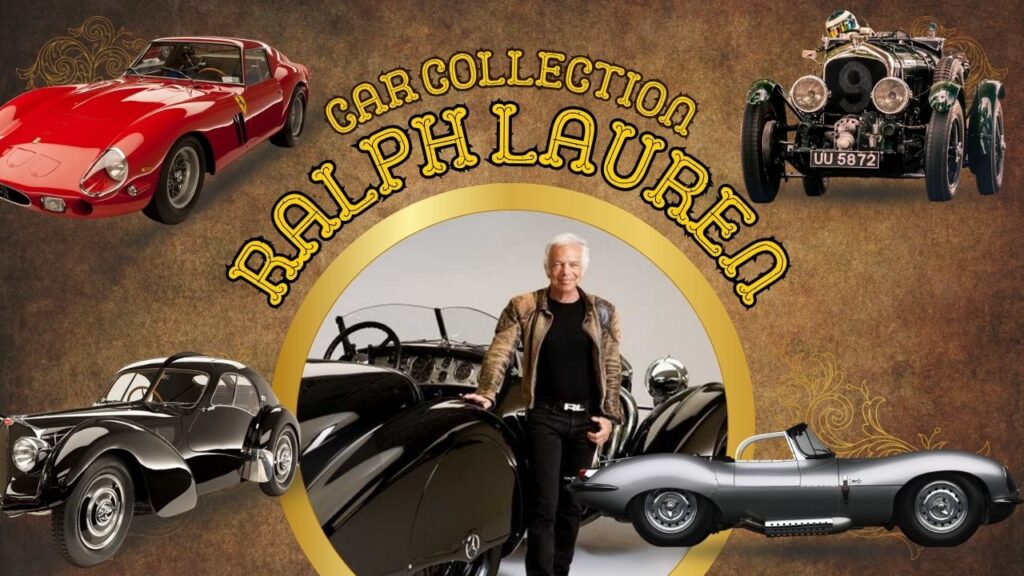
Ralph Lauren Car Collection is the most desirable collection in the world and even It is admired by experts such as historians and designers for its exceptional and iconic cars. The collection is valued at some $600–700 million, and this is more than a luxury hobby. It’s like a “traveling museum,” displaying the history of 20th-century auto design.

For Ralph Lauren, these are not cars to be shown or driven. He regards them as “moving art” – elegant machines that embody art, skill and ingenuity at the highest level. 

Ralph Lauren Car Collection History

Ralph Lauren had his start in car collecting with a used 1961 Morgan, which he found an appealing powerful classic look. But his collection really starts on 1971, when he purchases his first new car – a Mercedes-Benz 280SE 3.5 Cabriolet. 

He knew exactly what he wanted and he went with a tan roof and tan leather seats, despite the dealer’s recommendation to the contrary. He went for a classic, old fashioned look and wanted to draw his inspiration from the 20’s and 30’s. This early on showed that he used his enthusiasm for design and details. 

And as Lauren grew in the fashion industry, so did his car collection. He started thinking of cars not just as vehicles, but as works of art he didn’t want to sell. Eventually, he also became a preserver of the past, amassing historic cars that are as rare as they are valuable. He opened up around the 1980s with legendary cars as the 1938 Bugatti Type 57SC Atlantic and the 1962 Ferrari 250 GTO.  

Ralph Lauren Iconic Collections 

1938 Bugatti 

1938 Bugatti Type 57SC Atlantic Coupe is a very expensive and luxurious car model that is made only based on a concept car by Jean Bugatti. It has a beautiful design on both exterior and interior body that attracts everyone. 

Among its most interesting aspects is the heightened “spine” running from the nose to the tail of the car. This design was based on an earlier model with a material that was cut and then riveted instead of welded. Though later models went to aluminum, the rivets remain as a decorative element.

Ralph Lauren is the owner of one of these rare cars, referred to as the “Pope Atlantic.” In 1990 he restored it and he went with a shiny black color with black leather inside instead of the original light shade of blue. He felt black added elegance and strength to a car’s form.

123 mph speed is considered to be the highest in 1930s, so it is called as one of the first supercars ever. 

1930 Mercedes-Benz SSK 

1930 Mercedes-Benz SSK “Count Trossi” Roadster The car that was at the top of the range at the beginning of the thirties and everyone desired was in many ways for both luxury and velocity. The vehicle was made specifically for the Italian aristocrat and racer Count Carlo Felice Trossi, in an effort by automotive designer Willi White.

While glancing at the photos you can see the car has a very unusual shape, the hood is quite long and spans more than half the length of the car body. It also prominently features exhaust pipes that are outside of the bodywork, it has a very bold and aggressive shape, almost like a shark.
1930 Mercedes-Benz SSK 

Its huge 7.1 liter engine was supercharged, making it one of the most powerful engines of its time and quite popular in racing, early on. Ralph Lauren’s is unique and has taken the top prize at Pebble Beach.

That vehicle, with its practical beauty, allows the design of the 1930s to shine - speed shapes and streamlining, all wrapped up in decorative, elegant Art Deco that, even at rest, looked like it was going fast. 

1929 Bentley Blower

The 1929 Bentley 4½ Litre “Blower” is an iconic car mired in a rich motorsport heritage with the “Bentley Boys.” It was made for endurance races and was meant to be robust and dependable.

The most immediately noticeable design aspect is the large supercharger sitting at the front, giving it a raw, industrial appearance, unlike the more streamlined vehicles like Bugatti.

The car is also special in pop culture as the author Ian Fleming made it James Bond’s car in the original 007 novels. This tie to classic British design makes it even more iconic, and it fits right in with Ralph Lauren’s sensibility. 

Vehicle Engine Horsepower Key Historical Fact
Bugatti 57SC Atlantic 3.3L Inline-8 200 hp Only 2 authenticated survivors.
Mercedes-Benz SSK 7.1L Inline-6 250 hp (Supercharged) One-off design by Count Trossi.
Bentley Blower 4.4L Inline-4 175-240 hp Iconic Le Mans racer; Bond connection.

Ralph Lauren Ferrari Collection

The 1962 Ferrari 

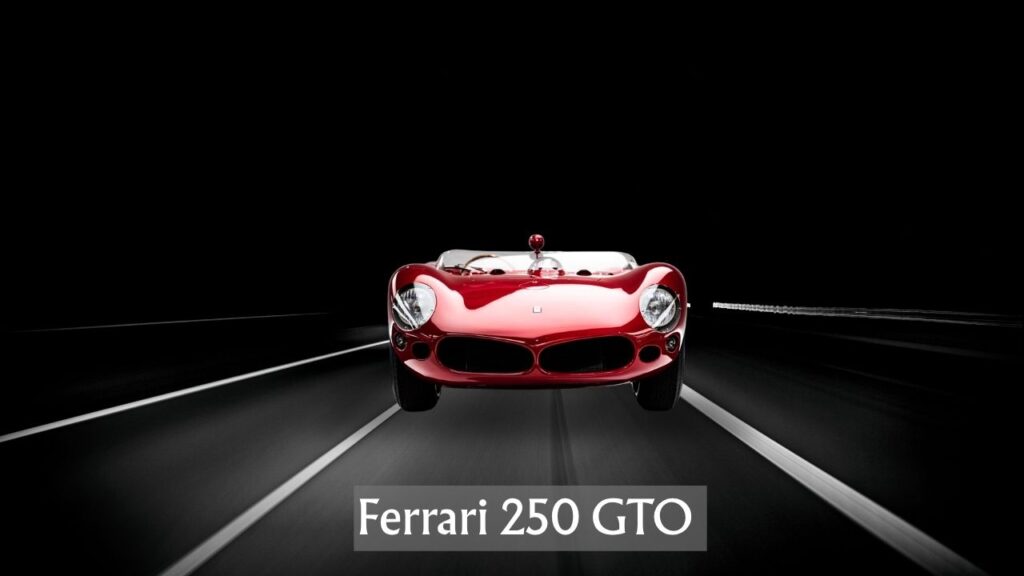
Most goated car of the century, Ferrari 250 GTO were produced just 36 from 1962 to 1964. Ferrari made a name for itself with its unique production that went approved in the FIA’s Group 3 Grand Touring class. Gran Turismo Omologato is GTO for short. #3987GT, delivered in October 1962 with its four first place finishes and a notable racing career This was Lauren’s chassis 3987GT, released in October 1962. 
The 1962 Ferrari 

The GTO offers a 3.0L V12 that takes you on a high speed ride because it produces 300 horsepower. This is the ultimate front engine racing car, with development, engineering and testing all done in a wind tunnel. With GTOs now fetching in excess of $70 million, Lauren’s purchase of the vehicle for $650,000 in 1985 is considered one of the wisest buys ever in the history of car collecting. 

The 1958 Ferrari 

The 1958 Ferrari 250 Testa Rossa separate fenders and a gap between them and the engine bay permits air flow to the engine and also helps cool the brakes, a ground breaking aerodynamic notion at the time. The Testa Rossa (Red Head) name comes from the red-painted camshaft covers on their V12 engine. Lauren’s TR is the 14th of 34 made and the absolute pinnacle when it comes to 50’s sports car racing looks, and performance. 

The 1954 Ferrari 

1954 Ferrari 375 Plus offers 4.9-liter V12 powerful engine to roar like a lion when it’s on the racing track that provides uninterrupted 325 horsepower. As it proved in the Le Mans race in 1954 that took Ferrari to victory in only 24 Hours.

This aluminum based hand-crafted vehicle made five of these cars. Instead of detailed blueprints, the form was designed from the dictates of the Pinin Farina artisans.

For its rarity and past, one of these cars went for $18.3 million in 2014, proving just how valuable and special it is. 

British and German Engineering 

The Jaguar D-Type and XKSS

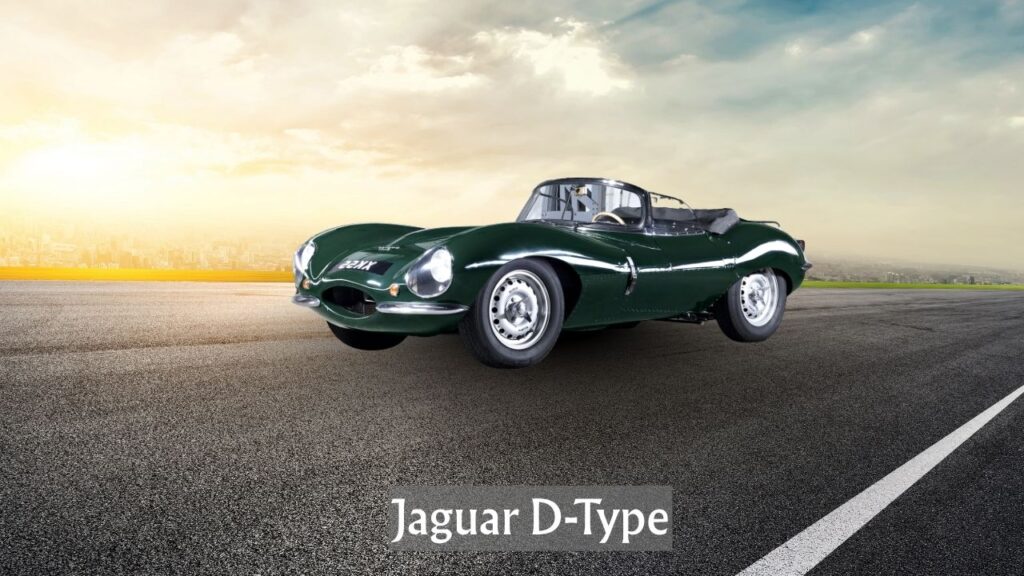
Jaguar D-Type is a perfect model that is influenced by aircraft to make it run like hell. It had a monocoque chassis (it’s like a very strong shell that supports the whole car) and a tall tailfin to improve stability at high speed (especially on long circuits like Le Mans). Ralph Lauren has one from that, Jaguar’s great race in 57, where they truly dominated the event.
The Jaguar D-Type

The XKSS is special by virtue of its sportiness that brings racing performance within reach of ordinary drivers and its practicality that enables it to be both quick and useful. 

The 1955 Mercedes-Benz 

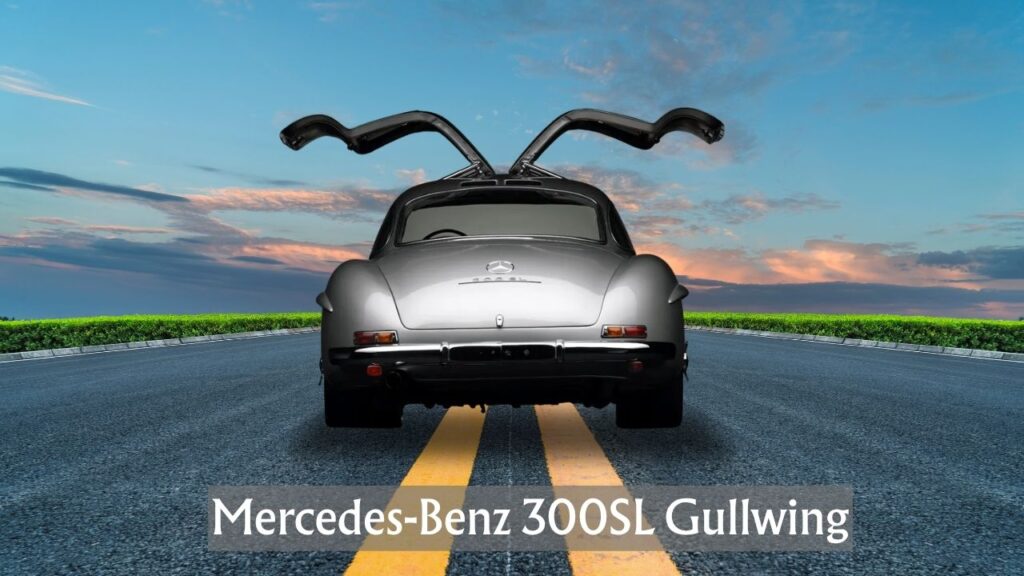
Mercedes-Benz 300SL Gullwing is designed particularly for sporting and its body is unique as the sides of the car’s contours were tall and because of this, Gullwing has doors that open up, rather than out. 

It was also very sophisticated for its era, being the first production car with direct fuel injection. This made it the fastest car of its time.

1955 Porsche 

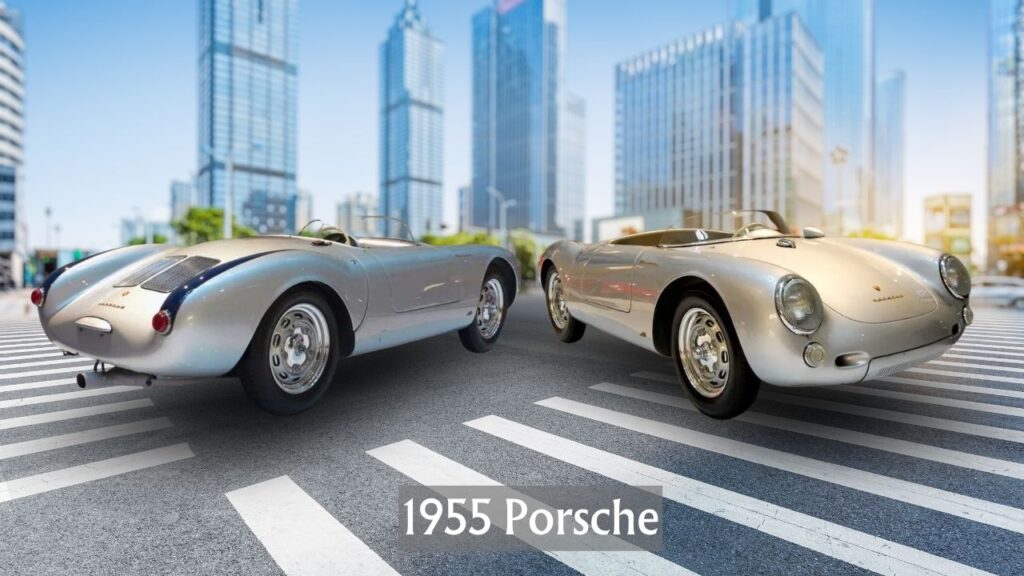
Ralph Lauren’s 1955 Porsche 550 Spyder is a highlight of his globally-recognized collection of automobiles and is the subject of its own “cerebral” minimalist design.
1955 Porsche

Amid a collection of about 110 high-horsepower Ferraris and Bugattis powered by Type 547 “Fuhrmann,” a complicated 1.5L flat-four with four overhead camshafts or similar units, the 550 Spyder stands out because of its extreme lightness and “giant-killer” reputation—a car specifically engineered to out-handle and out-run much larger rivals. 

It was small but was renowned for lapping larger, more powerful cars even in races. It’s simple and sleek design reflects the clean, understated German engineering that Ralph Lauren adores. 

Ralph Lauren Modern Hypercars

Ralph Lauren’s passion for design extends beyond vintage age. He considers modern hypercars the modern day successors to the coach-built masterpieces of the 1930s, with a similar emphasis on materials innovation and extreme performance. 

Read More:-  Toyota Land Cruiser FJ: India’s Unsung Off-Road Legend

The McLaren F1 and F1 LM

The 90s McLaren f1 is a legendary supercar that was also the first production car to feature a carbon-fiber body. It still holds the title of the fastest naturally aspirated production car ever.

Ralph Lauren has two regular F1′s and a very rare F1 LM. The F1 LM was a limited-edition, with a run of 5 cars to celebrate McLaren’s 1995 Le Mans win. The F1 LM is painted in a vivid “Papaya Orange” and is really a race car for the road, with a ferocious V12 putting out about 680 horsepower. 

The Lamborghini Reventón

F-22 Raptor fighter jet is an inspiration for the manufacturer of this car as it was prepared on a boast speed engine. Lamborghini Reventón is a limited-edition car only few people including Ralph Lauren owns it.
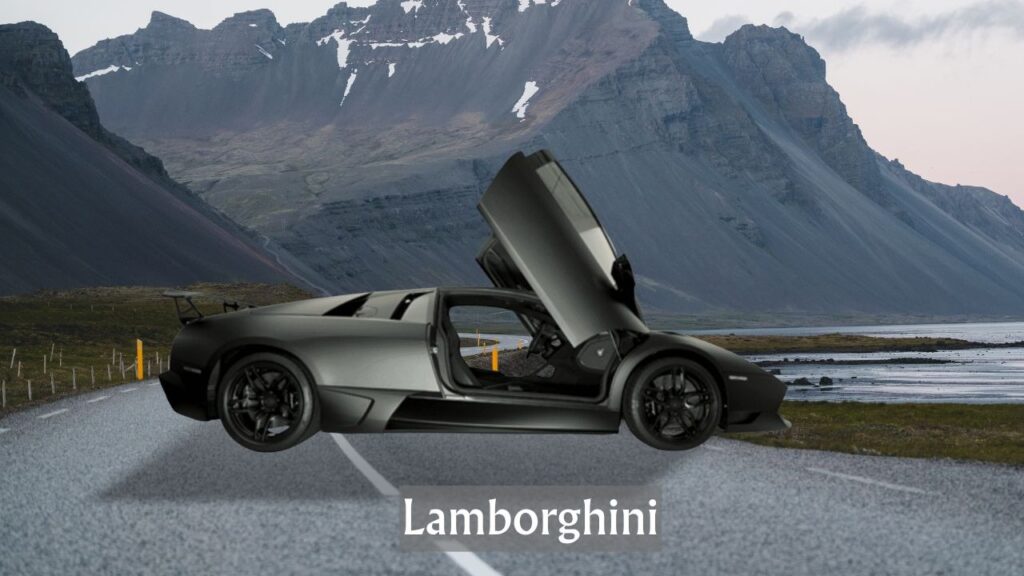
The Lamborghini Reventón

Its body consists of matte gray carbon fiber with sharp folded, creased lines and a “stealth” design. Lauren has dubbed it a “piece of origami” and “Star Wars” in its design language. It sits at the top of his garage and represents the psycho edge of contemporary car design. 

Hybrid Hypercars

Modern Hypercar Year Top Speed Rarity
McLaren F1 LM 1995 240+ mph 1 of 5
Lamborghini Reventón 2010 205 mph 1 of 15 (Roadster)
LaFerrari 2014 217+ mph 1 of 499
Porsche 918 Spyder 2015 211 mph 1 of 918 (Lauren owns 2)

Conclusion

The Ralph Lauren car collection is no mere assembly of rare cars—it is a story of 20th- century design and engineering. For him cars are machines and works of art, and he’s influencing how people think about collecting them.

He enjoys driving his cars and he keeps his cars (old and new) in immaculate working condition so that he can actually drive and enjoy them, and not just park them. That’s why he calls them “moving art.” 

The value of the collection has increased substantially, from about $300 million to more than $600 million, but for Lauren the real value is the inspiration the collection gives him. It shows his passion for perfection where even the sound of an engine can be as beautiful as fashion.

Even as he has aged, people are still curious as to what will happen to the collection, but it is already firmly established as the greatest car collection in the world. 

Bipin Sharma

Bipin Sharma is a seasoned automotive content writer with over 10 years of hands-on experience in the world of cars. From the latest car news and reviews to in-depth maintenance tips and expert buying guides, Bipin covers everything that drives the automotive world. Writing about cars isn’t just his profession — it’s his passion. His deep industry knowledge and love for automobiles fuel every blog he creates, helping readers make informed decisions and stay updated on the fast-evolving auto landscape.

Leave a Reply

Your email address will not be published. Required fields are marked *

0

Best 7 seater cars in India for 2026 – Comfortable, Budget-Friendly & Perfect for Families

Published May 30, 2025, 6:02 AM
Last Updated Nov 5, 2026, 4:14 PM

Best 7 Seater Cars in India for 2025 – Comfortable, Budget-Friendly & Perfect for Families

When you are in the market for a new car, it can be hard to find the right one. And one of the greatest solution is a 7-seater car, enough space for everyone and maximum comfort for the entire family. Looking to purchase a 7 seater cars in India for 2026? You are at the right place. This article goes through some of the best of such general outstanding cars with comfort, affordability, and reliability.

Toyota Innova HyCross

Toyota Innova HyCross

The Toyota Innova was the stuff of households in India for many years, and the new HyCross only further heightens its status. You get a car that is equipped with a hybrid engine with a fuel efficiency and reduced emissions which means a lot if you are into that eco stuff. The expansive cabin ensures your whole family travels in comfort, and the high-end amenities add a touch of elegance. Its reliability has been consistently solid and Toyota’s reputation explains why it remains so popular among families.

It’s got a high fuel-efficiency hybrid engine, a 10-inch touchscreen, a panoramic sunroof, and state-of-the-art safety options. Toyota Innova HyCross Price The Toyota Innova HyCross is priced at ₹22-30 lakh (ex-showroom) tagged along with inviting maintenance as a well (as discussed in our previous sections)?It is guaranteed to serve register monster turnover.

Mahindra XUV700

Mahindra XUV700

The Mahindra XUV700 is another great choice if a luxurious SUV with breath-taking performance is what you seek. Luxury This vehicle includes a luxurious cabin with a strong engine. The XUV700 also gets cutting-edge technology, including the Adrenox connected car tech, and Level 2 ADAS (Advanced Driver Assistance System) for added convenience and safety. It is great for families who desire an approach to luxury mixed with functionality.

Mahindra XUV700 price range is expected to be between ₹15 lakh and ₹25 lakh (ex-showroom), making it a value proposition for enthusiasts wanting a premium, high-tech ride at an inexpensive price.

Hyundai Alcazar

Hyundai Alcazar

The Hyundai Alcazar is a handsome, feature-loaded 7-seater SUV, Pictured: Hyundai SUV 7-seater. Famous for its smooth ride and its plush interior, this car is a solid deal for any family who wants a mix of comfort and tech. Among the features are a 10.25-inch touchscreen, ventilated seats, wireless charging and BlueLink connected car technology. Hyundai is also famous for its unbeatable post-sales service that enhances the Alcazar’s desirability.

The Hyundai Alcazar price will range between ₹16-22 lakh (ex-showroom) and is ideal for a family looking for a premium yet affordable in SUV.

Tata Safari

Tata Safari

The Tata Safari is an elegant and rugged SUV that is suited for urban streets and occasional off road trips. It’s a striking looking vehicle with contemporary touches in the form of iRA connected car tech, sunroof and, naturally, a decnet six airbags for safety. Families who like getting outdoors need something like the Safari – which is rugged and offers plenty of space.

Starting at ₹16 lakh and going up to ₹25 lakh (ex-showroom), the Tata Safari is a cost-effective stylish option for families that love to take trips.

Kia Carens

Kia Carens

If you’re after a cheap and cheerful MPV, consider the Kia Carens. This vehicle gets you a lot of car for your money with lots of space and utility. The Carens is a great drive, with seating options to suit your lifestyle. It’s created for the type of families that want a mix of room, comfort and affordability.

Kia Carens is priced between ₹10-18 lakh and is comparatively one of the more affordable cars on this list without compromise on features and comfort.

MG Hector Plus

MG Hector Plus

A large and fully-loaded family SUV that is even larger and more fully-loaded after its Plus treatment. It’s designed for those who like tech and comfort, with a large 14-inch touchscreen and a panoramic sun roof, and features the i-Smart connected car technology. Sheer Driving Pleasure : Hector Plus offers a comfortable ride & is ideal for family road trips.

With a price tag ranging between ₹18-25 lakh (ex-showroom), the MG Hector Plus is a fan favorite in the 7-seater SUV segment offering good balance of tech, comfort and space.

Maruti Suzuki Ertiga

Maruti Suzuki Ertiga

The Maruti Suzuki Ertiga is one of the cheapest 7 seater cars in India. It’s a popular model with superior fuel efficiency and reduced maintenance expenses, with high degree of reliability. There’s plenty of room inside, so your family will easily travel in it, yet the car comes at an affordable price, which is just great news for anyone after value for money.

Maruti Suzuki Ertiga The Maruti Suzuki Ertiga comes in the price range of ₹9-13 lakh (ex-showroom) and brings a value-for-money solution for families who are in need of a 7-Seater car under a budget.

Honda BR-V

Honda BR-V

An affordable compact 7-seater SUV in the form of the Honda BR-V available in the market today. It has a decent performance and comfortable ride and is a great option for families that are in the market for a budget friendly and reliable car. The BR-V has a touchscreen for its infotainment, rear AC vents and Honda’s well known trustworthiness in engines.

Priced between ₹10-15 lakh (ex-showroom), the Honda BR-V is ideal for families keen on a smaller SUV but still large enough for long drives.

Renault Triber

Renault Triber

The Renault Triber is a great compact MPV option that is surprisingly spacious and flexible – ideal for small families. Definitely a go-to for the people that require a 7-seater car yet would rather not drive with the proportions of a conventional SUV. The Triber boasts modular seating, an 8-inch touchscreen and great fuel consumption to be practical and economical.

The Renault Triber is the cheapest of the 7 seater cars in India market right now It’s the small price bracket of ₹6-10 lakh (ex-showroom) that Renault’s Triber fits in and is best suited for a family on a budget.

Ford Endeavour

Ford Endeavour

Ford Endeavour will certainly be among the ones leading the pack in 7-seater SUVs. With its tough looks, strong diesel motor and plush insides, the Endeavour is perfect for a family that loves to go places and is also looking for something that can take the rough with the smooth. There’s even a 4WD option for these who like to test the suspension off-road.

Priced in the range of ₹35-40 lakh (ex-showroom), the Endeavour is a premium SUV designed for families who love adventure and luxury.

Conclusion

Thе 7 seater cars in India for 2026 offеr a variеty of options that catеr to diffеrеnt budgеts and prеfеrеncеs. Whеthеr you arе looking for a fuеl-еfficiеnt hybrid, a luxury SUV, or a rеliablе family car, thеrе’s somеthing for еvеryonе. I hopе this list hеlps you find thе pеrfеct car that mееts your family’s nееds and fits your budgеt. No mattеr which onе you choosе, thеsе cars will offеr you comfort, spacе, and rеliability for yеars to comе!


0

How to Find the Best Used Car Near Me: A Step-by-Step Guide

Published Apr 23, 2025, 8:02 AM
Last Updated Nov 5, 2026, 4:05 PM

Buying a car is a big step. For many people in India, a car means comfort, freedom, and a better lifestyle. But buying a brand-new car is expensive. This is why many people look for a Used Car Near Me instead. Used cars are cheaper and can still be in very good condition.

In this guide, you will learn how to find the best Used Car Near You. You will also learn expert tips that will help you avoid bad deals. We will talk about prices, quality, paperwork, and more. So let’s get started.

Why Do People Choose Used Cars?

A used car is not always old or broken. Many used cars are in great shape. Some people sell their cars because they move to a new city. Some want a new model. And others want to upgrade to a bigger car. That means you can find a good used vehicle near you if you search the right way.

Used cars are much cheaper than new cars. The price of a new car drops fast after it is used. This is called depreciation. A new car loses 15% to 30% of its value in just one year. But a used car has already gone through that. So you do not lose much when you buy it.

Where Can I Find a Used Car Near Me?

There are many ways to find a used car near you. You can ask your friends or neighbors. You can check online. You can visit a nearby dealer. You can also check special websites that sell only used cars.

Let us look at all the places where you can find one.

1. Direct Owner Sale

Some people sell their cars directly. You may see signs on cars in your neighborhood. Or your friend may tell you about someone selling their car. This way is cheap because you don’t pay any dealer. But there is also a risk.

The seller may not tell you the full truth about the car. The car may have problems. So always bring a trusted mechanic when you go to check the car.

2. Local Used Car Dealers

This is a common way to find a used car nearby. These dealers have many cars in one place. You can look at them all and choose one. The dealer also handles paperwork. But the prices are a bit high. Also, not all dealers are honest. Some may hide car problems. So ask many questions and check the car well.

3. Online Classifieds

Websites like OLX and Quikr show many used cars for sale. These sites are easy to use. You can filter by city, price, and model. Just search “Used Car Near Me” and many options will show up.

But be careful. Some listings may be fake. Always meet the seller in a safe place. Check the car before you decide anything. Don’t send money before seeing the car.

4. OEM Certified Dealers

OEM means Original Equipment Manufacturer. Brands like Maruti, Hyundai, and Mahindra sell certified used cars. These cars go through full checks. The company also gives you a warranty. That means if something goes wrong, they will help you fix it.

The cars cost more. But you get peace of mind. If you want a safe choice, try an OEM brand dealer.

5. Online Used Car Retailers

This is a new and smart way to find a used car near you. Companies like Spinny, Cars24, and CarDekho let you buy used cars online. You can book a test drive, choose a car, and even get a loan—all from your phone.

These platforms inspect each car using a 200-point checklist. They also offer warranties, return options, and fixed resale value. They are safe, easy to use, and very transparent. This is one of the best options for busy people who want to buy from home.

How to Choose the Right Car for Your Needs

Before you buy, think about why you want the car. Do you drive a lot? Do you have a big family? Do you live in a city or a village?

If you are single and live in the city, a small hatchback is a smart choice. If you have a big family or love road trips, an SUV or sedan may be better. Don’t just buy a car because it looks nice. Pick one that matches your lifestyle.

Check the Car Carefully Before You Buy


When you find a car you like, don’t rush. You must test it. Here’s how to do it the right way.

Start the car. The engine should start quickly and sound smooth. Drive it for at least 5 kilometers. Try city roads and open roads. Watch how it feels. The gears should shift easily. The clutch should not feel too hard. The brakes should stop the car in a straight line.

Check if the steering is firm. It should not shake. Also, check if the air conditioning works well. Drive on a slope to test the cooling.

After driving, park the car and look under it. There should be no oil leaks. Check the tires. They should not be too worn out. A new set of tires costs a lot. If tires are bad, you can ask for a price cut.

Look for Certified Used Cars

Certified used cars are checked fully before they are sold. The seller gives a report and sometimes even a warranty. This means if something breaks, they will help fix it.

Companies also offer a 5-day return policy. If you don’t like the car, you can return it and get your money back. That is why more people now search for a certified used car near you.

Check All the Documents Required

Paperwork is very important. Even if the car looks perfect, do not buy it without checking documents. You must ask for these:

  • Registration Certificate (RC): This shows who owns the car. The engine number and chassis number must match the car.
  • Insurance: This helps you know if the car had any accidents. You also need it to transfer ownership.
  • Pollution Certificate (PUC): This proves that the car is safe for the environment.
  • Road Tax Receipts: These show if the tax has been paid.
  • No Objection Certificate (NOC): If the car had a loan, the NOC shows it is now fully paid.

Without these, you may face trouble later. Always double-check every document.

Get the Car Checked by a Mechanic

Even if the seller says the car is fine, bring a trusted mechanic. A mechanic can find hidden problems. They can check the engine, brakes, suspension, battery, and more. This step will save you from buying a car with hidden faults.

If the car is in good shape, your mechanic will say so. If not, you can ask the seller to fix the problems or lower the price.

Compare Car Loan Options

If you need a loan, compare banks and NBFCs. The interest rate on a used car loan is higher than a new car loan. But it is still better than paying a huge amount all at once.

Try to make a big down payment. This will lower your loan amount and interest. Some online used car sellers offer loan help. This makes the process easier. When you search for a budget used car near you, check if loan help is also available.

Transfer Ownership the Right Way

Once you pay, the seller must give you all papers to transfer the car to your name. You need to visit the RTO office for this. You will need:

  • The original RC
  • Sale transfer forms 29 and 30 signed by buyer and seller
  • NOC from the financer, if there was a loan
  • Insurance documents
  • Your ID and address proof

Once the car is in your name, you become the full owner. Now the car is truly yours.

Why Online Retailers Are the Future of Used Cars

Platforms like Spinny, CarDekho, and Cars24 have changed the game. You can search “best Used Car Near Me” and find hundreds of good cars in seconds. You can also:

  • Book test drives
  • Get warranties
  • Return the car if not satisfied
  • Get loan and insurance help
  • See service history

These features make them more trusted than local dealers. The only drawback is that some cities may not have these services yet.

Conclusion

Buying a used car near you can save you a lot of money. But you must be smart. Do your research. Always test the car. Check all the documents. Ask many questions. And don’t rush.

If you are careful, you will find a great deal. Whether you choose a dealer, online retailer, or a direct owner, follow these expert tips.

Soon, you’ll be driving your own car—one that fits your needs, budget, and dreams.

2

Tesla Flying Car Mechanics Make The Flight Possible

Published Oct 16, 2026, 10:33 AM
Last Updated Oct 16, 2026, 12:23 PM

Tesla Flying Car Mechanics

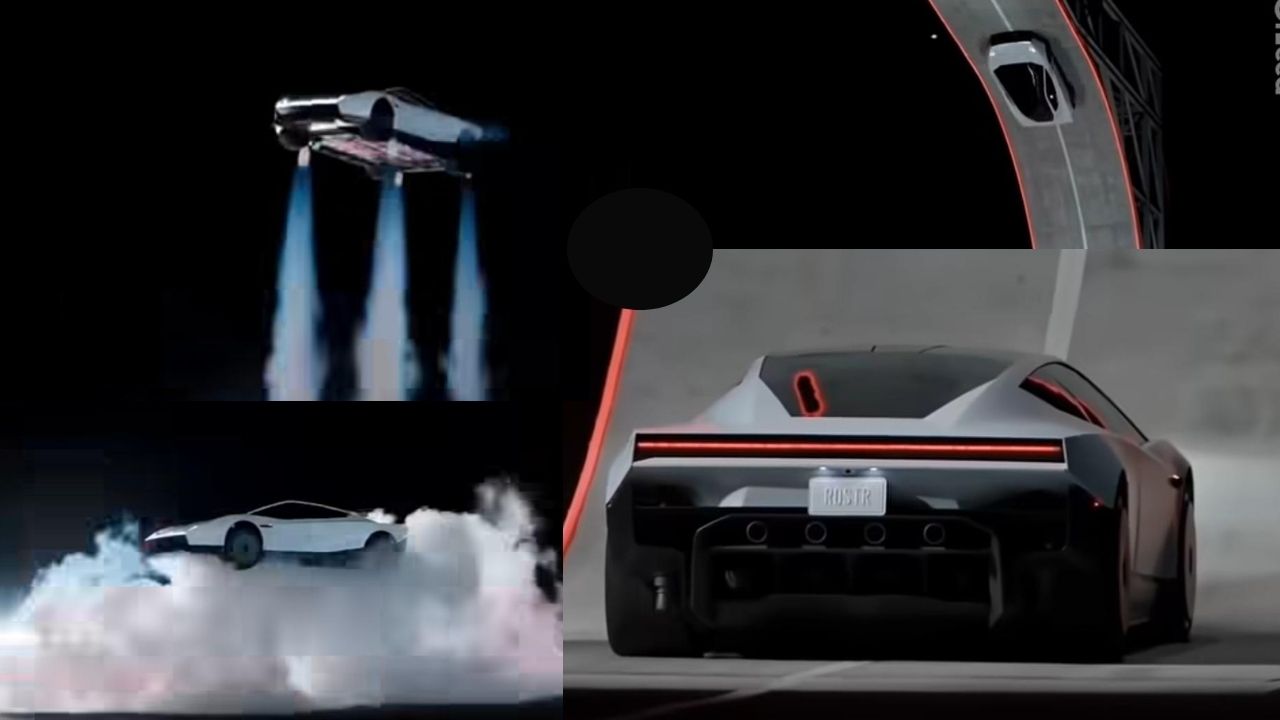
Somewhere between the upside-down ramp and the midair flip, a lot of people watching Tesla’s livestream asked the same thing: is that a real Tesla flying car, or a very expensive stunt? Yes, it comes possible with compressed air, a carbon-fiber tank and a few seconds of very violent thrust.

The new Roadster was revealed by Tesla on October 15, 2026 at SpaceX’s McGregor, Texas facility. The vehicle drove upside down, jump across five Tesla vehicles lined up side-by-side and executed a midair roll with the help of SpaceX thrusters. The aerial moves differently, as a flip or a barrel roll, so consider the exact maneuver as up in the air until Tesla shares the entire video. 

Elon Musk said the car was technically autonomous for the stunt, to avoid anyone getting hurt. No driver was flying it.

Is the Tesla Flying Car Really Flying?

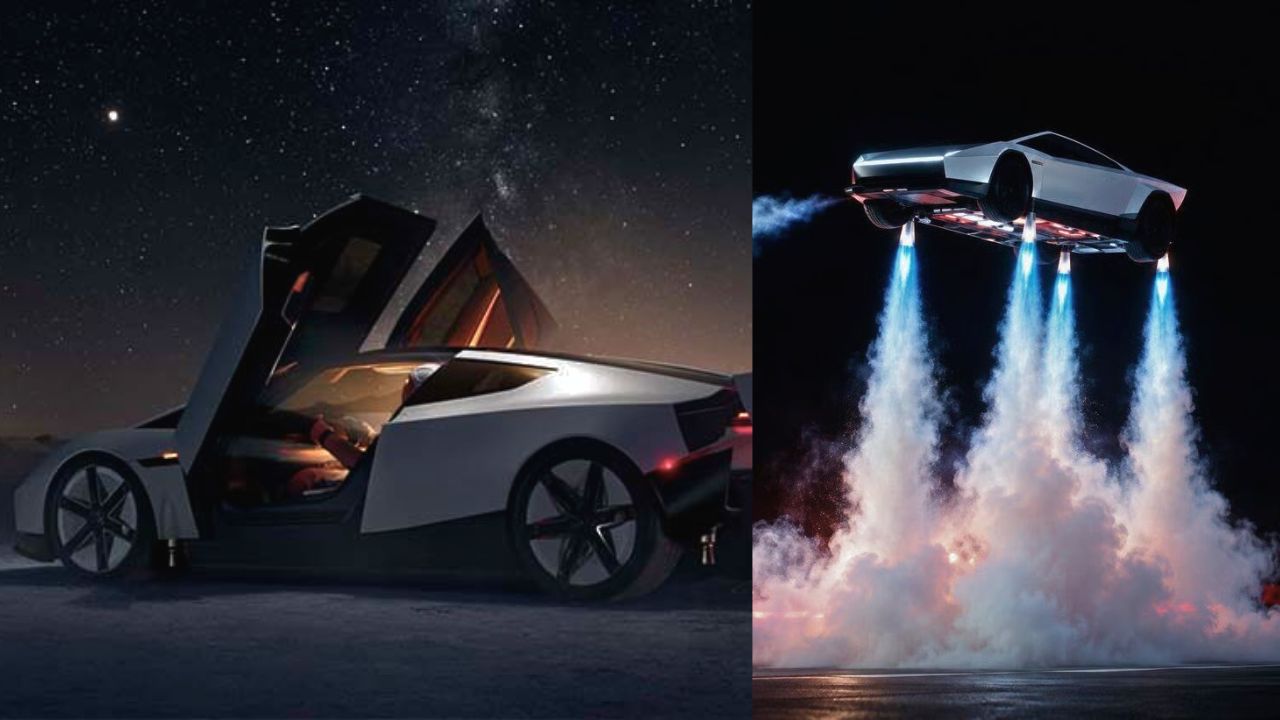
Not in the way an aircraft flies. Tesla calls the top version “air ready,” and Tesla’s own description says the Rocket variant uses perimeter-mounted thrusters for forward and upward acceleration plus lateral rotational movement. That is controlled hopping, not cruising. The reason is simple arithmetic, which we’ll get to below.

How Cold-Gas Thrusters Work

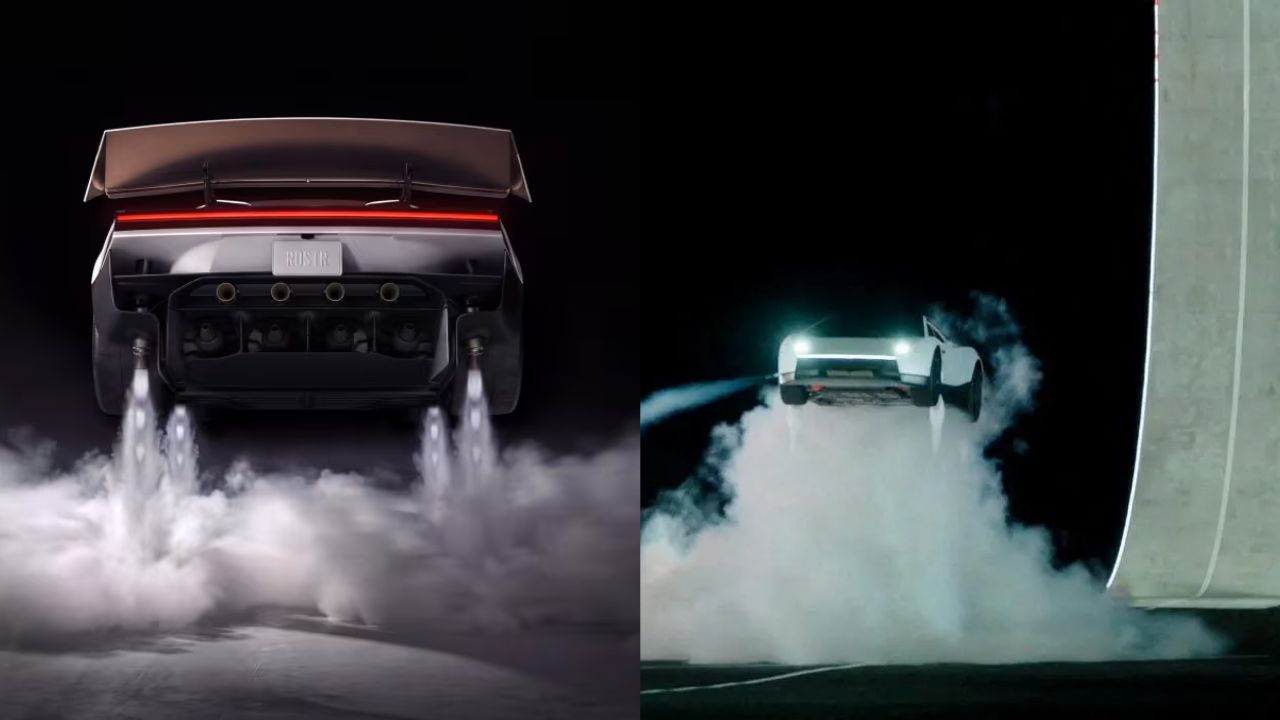
Cold gas means there’s no combustion involved. A Tesla flying car stores air at very high pressure and releases it through a nozzle. When the air is released in one direction, it propels the car in the other direction. 

The Tank: 5,500 psi of Stored Air

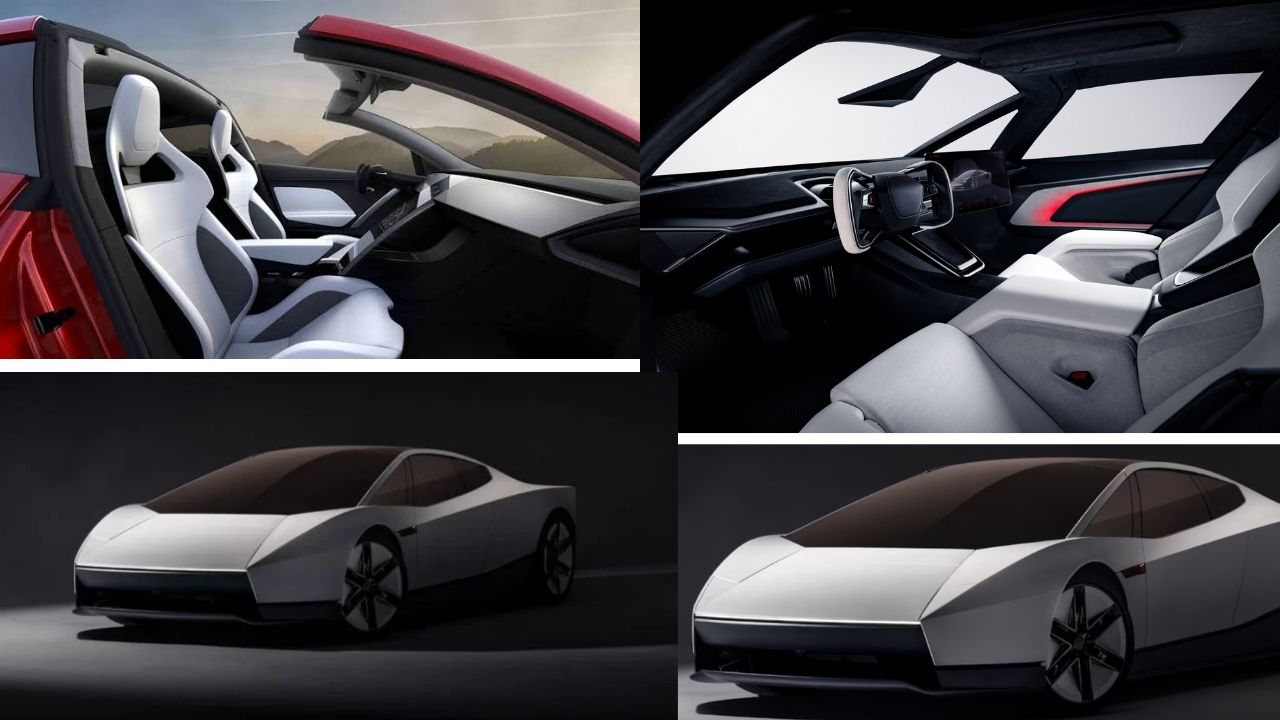
Tesla didn’t announce a Tesla flying car tank spec on stage, but the track screen in its interior photos shows a “Thruster” readout of 5,500 psi, about 380 bar. A pressure that high almost certainly means a composite-wrapped vessel, though Tesla hasn’t confirmed the construction.

The Tank

The Nozzle: Where Pressure Becomes Push

As the air squeezes through the throat of a flared nozzle, it accelerates to very high speed and chills sharply, which is why the plume looks like white vapor. That’s the same family of hardware SpaceX uses for attitude control on its rockets. Tesla’s claim is that the thruster system produces 4–5 times the force the tires can. Tires top out around 1 to 1.5 g, so the thrusters are doing the heavy lifting.

Read More :-   Hyundai Motor Group Announced $15.5 Billion Investment In India From 2026 to 2032

How High Tesla Flying Car Can Jump?

The 0-60 mph figures show additional push the thrusters provide. Tesla quotes the production-ready Performance model at less than 1.6 seconds, the Thrust model at less than 0.9 seconds and the Rocket at less than 0.59 seconds. 

The 0-60 mph numbers show how much extra shove the thrusters add. Tesla lists the road-ready Performance version at under 1.6 seconds, the Thrust version at under 0.9 seconds and the Rocket at under 0.59 seconds. The Tesla flying car reached 60 mph in 0.81 seconds in the demo. This figure has not yet been independently verified. 0.81 seconds over that distance is an average of about 3.4 g. 

High Tesla Flying Car Can Jump

The upside-down drive wasn’t thrusters alone. A multi-mode fan and ground-sealing system sucks air from under the car and can hold it upside down even when stationary. It’s like a vacuum cleaner that sticks the car to the ground. The suction also allows the tires to have more grip, which is beneficial on a track. 

Why the Air Runs Out in Seconds

This is my own back-of-envelope estimate, not a Tesla figure. Assume a car of about 1,800 kg, since I couldn’t find a published curb weight. Hovering it needs roughly 17.7 kN of thrust. The exiting cold air from the nozzle moves at approximately 600 to 700 meters per second, so the engine intakes 25 to 30 kg of air per second. At 380 bar, the air has a density of about 370 kg/m3 which means every 100 litres of tank provides little more than a second of hover. 

Tank size is the unknown. Even a generous tank gives seconds, not minutes. That is why every moment in the demo was a launch, a hop or a burst, never a sustained float.

Staying Level: How Attitude Control Works

Getting airborne is easy. Landing the right way up is the hard part. Tesla says the thrusters use all-electric actuators for micro adjustments that stabilize the car in flight. Tesla hasn’t shown where any smaller attitude thrusters sit, so how the car steers in the air remains partly inference.

Tesla Flying Car

The physics is the same as on any spacecraft. Thrust applied off the car’s center of mass creates rotation, so pairs of jets firing in opposite directions can spin the car without pushing it sideways. Short, controlled pulses hold the angle steady. The control software also has to know the live tank pressure, because thrust fades as the tank empties. That is a job for a system, which fits the demo being autonomous.

Can You Buy a Tesla Flying Car?

Tesla now sells the Roadster in three versions. Performance is road-ready and available by reservation, Thrust is a limited release for the track, and Rocket is invite only. Tesla also notes the car is not approved for public road use, and production is planned for Giga Texas in 2027 or 2028.

Roadster vs Rivals

Car Claimed 0-60 mph Price
Tesla Roadster (Performance / Thrust) under 1.6 s / under 0.9 s Not announced
Rimac Nevera about 1.74 s Roughly US$2 million or more
Lucid Air Sapphire about 1.89 s Roughly US$250,000

Rival figures are manufacturer claims prices vary by market, so verify both.

Tesla hasn’t announced Tesla flying car price, but it has reopened reservations at 65,000 in Singapore and roughly AED 184,000 in Dubai, depending on the exchange rate. None of those markets has confirmed deliveries.

Explore :-    Everything On Mahindra XUV 3XO CNG: Top The Compact SUV Segment

Conclusion

The Performance version is the only road-ready one, and even that is not yet approved for public roads. The Thrust and Rocket versions need the thruster system to work reliably, repeatedly and legally, and none of that is proven yet. Musk himself has said it is a halo product that may not move revenue much.

Watch Tesla’s earnings call on October 21 for any change in timing or pricing. Until the price, the tank size and the refill time are published, the Tesla flying car is a spectacular demo rather than something you can plan around.

0

Personal Loan vs Car Loan: What is the Better Choice for Buying a Car? 

Published Aug 18, 2026, 11:48 AM
Last Updated Aug 31, 2026, 7:00 AM

Personal loan vs Car Loan

You decided the car model and color to buy, now negotiating its on-road price and decided to take a car loan. There’s two options for you — Personal Loan vs Car Loan, one from the dealership’s tie-up bank, another a pre-approved personal loan sitting in your net banking app. They just seem to be two versions of the same product until you see the fine print, and that is generally where people get it wrong. 

Car loans and personal loans are two very different types of products, structurally, and the distinction reflects in your EMI calculation, not just in the fine print. Your car serves as a collateral for the car loan – the bank holds hypothecation on the vehicle until you repay the loan, which is why the risk for the lender is lower and the interest rate is lower. A personal loan is unsecured. Nothing backs it except your income and credit score, so the bank prices that extra risk, and you pay for it every month.

Personal Loan vs Car Loan: The Interest Rate Gap Is Bigger Than Most People Assume

The new car loan rate for Indian banks as on August 2026 stands at 7.45 — 7.85% p.a. from the likes of UCO Bank, Canara Bank, and Punjab National Bank, with the majority of PSU banks bunching between 7.6% – 9.7% based on your CIBIL score. Private banks such as HDFC and ICICI charge marginally higher, usually 8.15 – 9.75% for new cars. Rates are reviewed monthly and are dependent on the loan scheme, so consider these as August 2026 rates and not a permanent rate. 

Personal loans start meaningfully higher. The bottom rates of top private banks — HDFC, ICICI, Axis, IndusInd hover around 9.99% p.a. for borrowers having outstanding credit (CIBIL 750+) and belonging to the preferred employer category. Most of the salaried individuals are approved around 11% to 16% and NBFCs that sanction loans more quickly and require lesser paperwork charge is 14% to 16% and at times it reaches up to 20% to 22% for weak credit files. 

Personal Loan vs Car Loan

That 2–3 percentage point gap sounds small until you run it through an EMI calculator. On a ₹5 lakh loan over 5 years, an 8% car loan works out to roughly ₹10,140 a month. The same amount as a personal loan at 12% comes to around ₹11,120 — nearly ₹1,000 more every month, and over ₹58,000 more in total interest by the time you’re done. Scale that to a ₹10 lakh loan and the interest gap widens to well over a lakh rupees. If the goal is purely to minimize what you pay for the car, the car loan usually wins on cost, and it’s not close.

Aspect Car Loan Personal Loan
Interest Rate Range 7.45% – 9.75% p.a. (PSU banks: 7.6%–9.7%; Private: 8.15%–9.75%) 9.99% – 22% p.a. (Top private banks: ~9.99% for CIBIL 750+; NBFCs: 14%–22%)
Typical Approved Rate (Salaried) ~8% – 9% ~11% – 16%
Rate Review Frequency Monthly Monthly
Dependency Loan scheme, CIBIL score, bank type CIBIL score, employer category, lender type
EMI on ₹5 Lakh (5 years) ~₹10,140 at 8% ~₹11,120 at 12%
Total Interest on ₹5 Lakh (5 years) ~₹1.08 lakh at 8% ~₹1.67 lakh at 12%
Total Interest on ₹10 Lakh (5 years) ~₹2.17 lakh at 8% ~₹3.35 lakh at 12%
Best For Minimizing cost when buying a car Flexibility (no end-use restriction), faster disbursal

Read More:-  How to Get a Car Loan in 2026: Know Everything Before Purchasing

Where a Personal Loan Makes Sense in Buying a Car

None of this means the car loan is automatically the right call. A personal loan earns its place in a few specific situations, and it’s worth being honest about them rather than defaulting to “cheaper interest rate always wins.”

Buying a used car older than what your lender’s car loan policy allows is one. Most banks cap car loans on vehicles that are 3–8 years old depending on the lender, and beyond that window, financing options dry up fast. A personal loan doesn’t care how old the car is.

Personal Loan

Buying from a private seller with incomplete paperwork is another. Car loans require the vehicle to be registered as collateral, which means clean ownership documents, a valuation, sometimes an RC transfer before disbursement. A personal loan skips all of that — the money lands in your account and what you do with it is your business.

There’s also the ownership angle. With a car loan, the bank’s name sits on the RC as a financier until the loan closes, and selling or modifying the car before that requires a No Objection Certificate. A personal loan gives you the car free and clear from day one, which matters if you plan to sell, swap, or modify it sooner than the loan term would normally allow.

And if you’re topping up a car loan that only covers 80–90% of the on-road price — many lenders cap the loan-to-value ratio, especially on used cars — a smaller personal loan to bridge the down payment can sometimes work out cheaper than stretching a used-car loan at 11–16% for the whole amount.

The Down Payment and Loan-to-Value Difference

Car loans can fund up to 100% of the on-road price for new vehicles from some lenders, though a 10–20% down payment usually gets you a better rate, since a lower loan-to-value ratio means less risk for the bank. Used car loans are stingier — most banks finance only 70–75% of the vehicle’s assessed valuation, not what you actually agreed to pay the seller, so budget for a bigger chunk from your own pocket if you’re buying second-hand.

Personal loans don’t tie themselves to the vehicle’s value at all. The amount you qualify for depends on your income and existing obligations, which gives you flexibility car loans don’t — useful if you’re also covering insurance, accessories, or extended warranty costs that a car loan wouldn’t typically finance.

Read More:- Best Car Air Filters for Better Engine Performance & Save Your Repair Cost

Conclusion

If you have good credit on Personal Loan vs Car Loan, the car is new or within your lender’s used-car age limit, and your only aim is to pay the least each month, the car loan is the best option for you  — the rate gap is too large to ignore for most buyers. Get a personal loan when the vehicle doesn’t fit a car loan’s criteria, when you want to be free and clear from day one, or when you need a little extra to fill a gap a car loan won’t fill by itself. 

Either way, get actual quotes from three or more lenders before you sign on anything. A 1.5% rate difference on two car loan offers can be just as important as the type of loan itself, and rates fluctuate frequently, so what was competitive last quarter may not be this one. 

0

Tata Launches BaaS Across Its Whole EV Range: Is the Lower Price Real?

Published Sep 29, 2026, 11:40 AM
Last Updated Sep 29, 2026, 12:17 PM

Tata Launches BaaS Across Its Whole EV Range

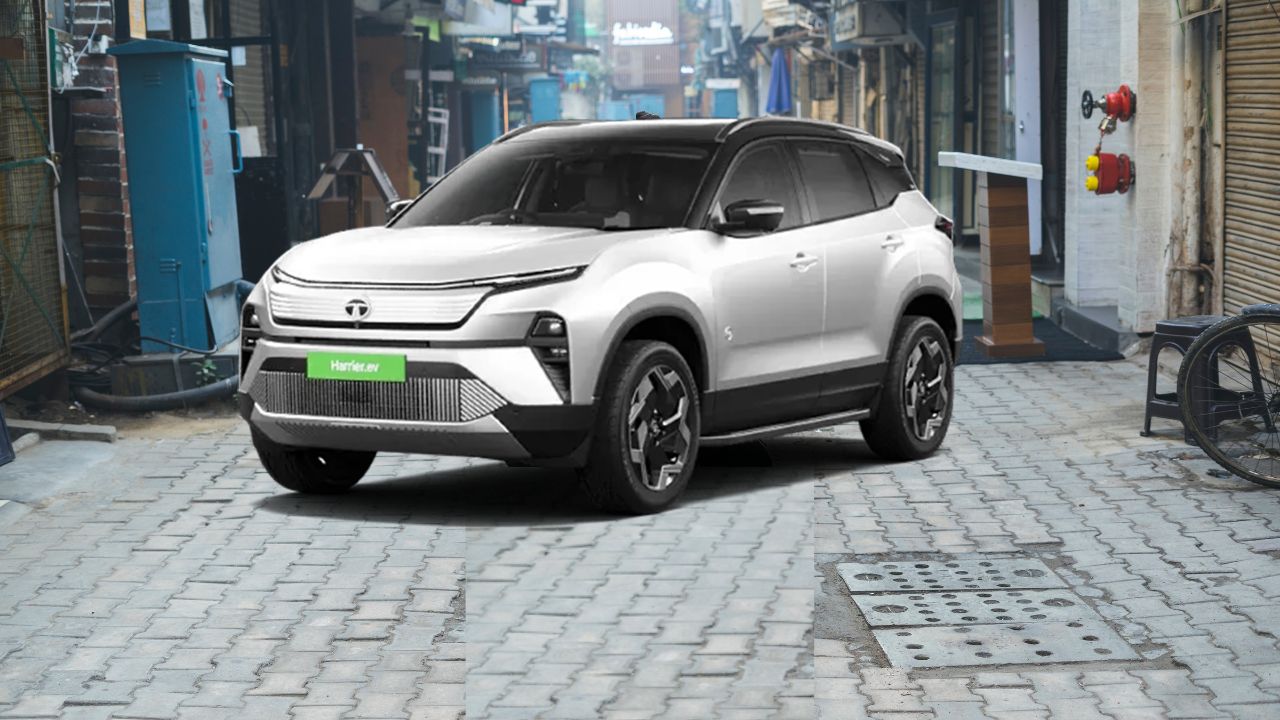
A Harrier.ev advertised at Rs 14.49 lakh looks like a different car from the Rs 21.79 lakh Harrier.ev on the regular price list. It isn’t because Tata launches BaaS. Tata Motors’ EV arm has moved the battery into a separate loan, so the sticker price falls while the battery cost still has to be paid. 

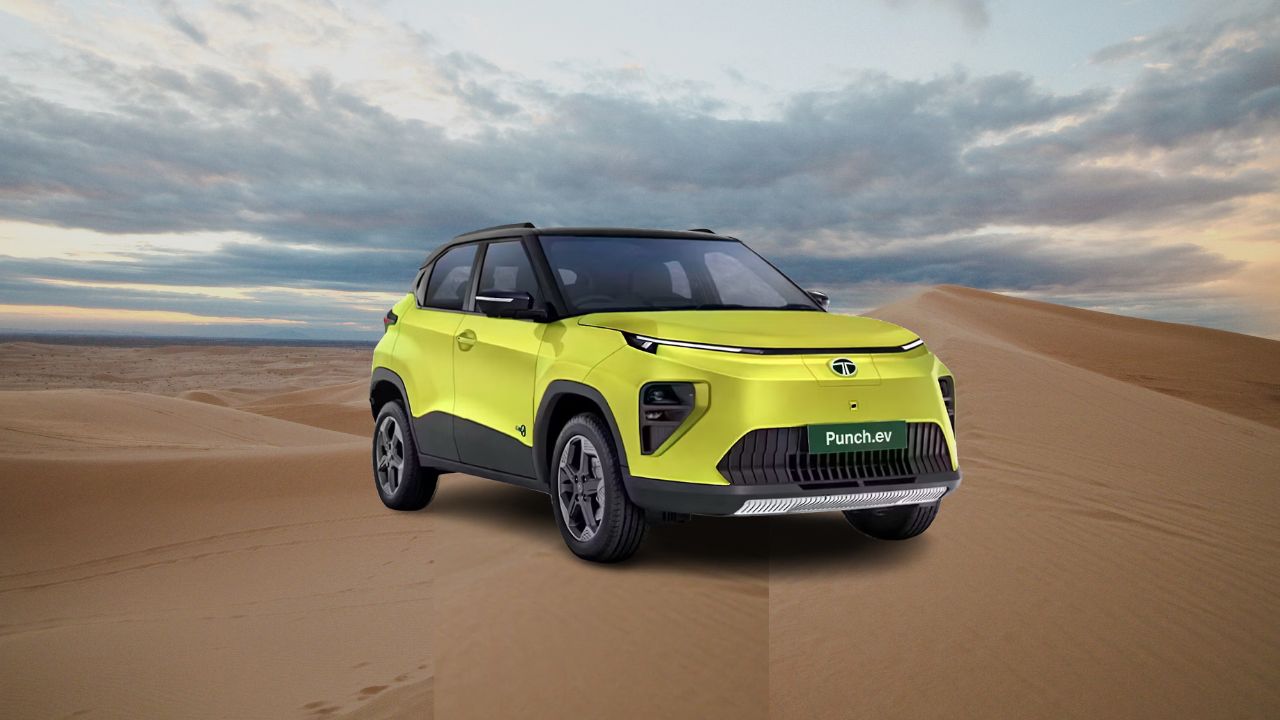
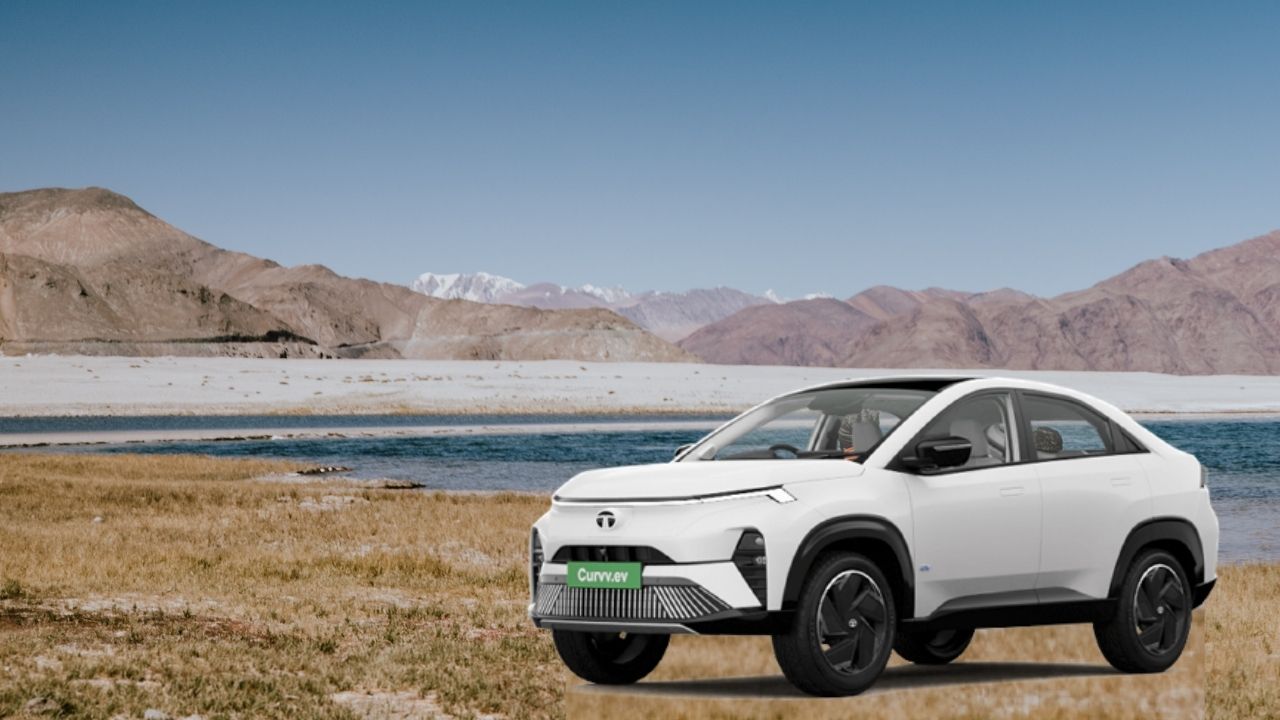
Tata.ev has extended Battery-as-a-Service to Nexon, Curvv, Sierra and Harrier, after launching it on the Tiago and Punch. Tata’s battery financing option now covers all six models, so it’s worth working out what you actually save.

Tata Launches BaaS For All EVs 

Buyers can still purchase any Tata EV with the battery included. Tata launches BaaS as an extra route, not a replacement. Tata calls it a dual-loan finance product: the vehicle and battery sit in separate loan accounts with flexible tenures, and multiple financiers are on board. The vehicle loan works like a normal car loan. The battery payment depends on battery size, down payment and tenure.

Tata’s Chief Commercial Officer, Vivek Srivatsa, said customers now want a choice in how they finance an EV as well as which one they buy. The company says the same vehicle technology, product experience and ownership support apply either way.

Tata Launches BaaS

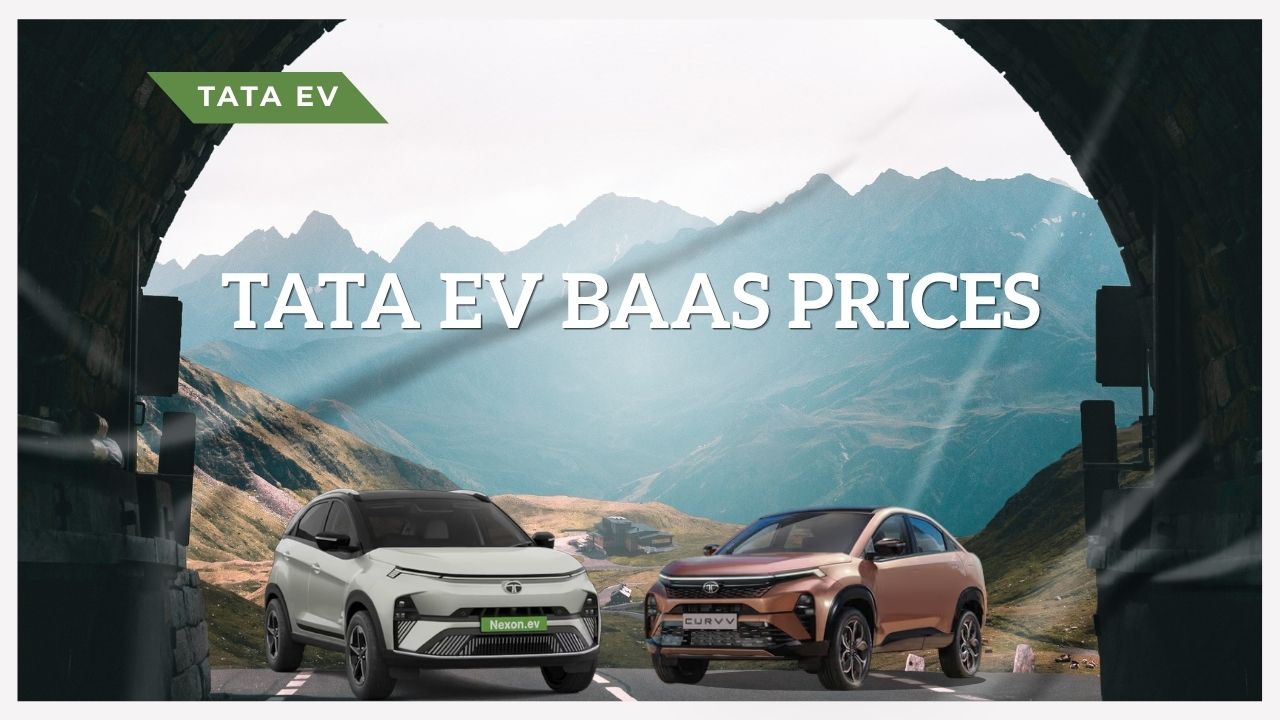
Model-wise Tata EV BaaS Prices

Model BaaS vehicle price (ex-showroom) Regular starting price (with battery) Upfront saving vs regular price Battery usage cost
Tiago.ev ₹4.69 lakh ₹6.99 lakh ₹2.30 lakh ₹2.6/km
Punch.ev ₹6.59 lakh ₹9.79 lakh ₹3.20 lakh ₹2.6/km
Nexon.ev ₹8.99 lakh ₹14.34 lakh ₹5.35 lakh ₹4.4/km
Curvv.ev ₹10.99 lakh ₹17.19 lakh ₹6.20 lakh ₹5.0/km
Sierra.ev ₹11.99 lakh ₹18.79 lakh ₹6.80 lakh ₹5.5/km
Harrier.ev ₹14.49 lakh ₹21.79 lakh ₹7.30 lakh ₹5.9/km

The Harrier.ev’s ex-showroom price drops from Rs 21.79 lakh to Rs 14.49 lakh under BaaS. The prices apply to entry-level variants for personal users, and they exclude government levies, road tax, insurance and TCS. Tiago’s saving is the smallest and Harrier’s the largest, because a bigger battery means a bigger chunk moved out of the sticker price.

Battery capacity and claimed range for each model weren’t in the launch coverage that could verify, so check Tata’s own configurator before quoting specs in your budget.

See Full Detail :-   New Hyundai Flagship Models Arriving Soon to Dominate Indian SUV Market

How Battery Loan Charges Are Calculated

Tata quotes the battery cost per kilometre. The battery financing or usage cost starts at Rs 2.6 per km. Take a guess with these starting figures, as it’s not the rate for each model, so ask the dealer for the exact number on your variant.

Tata’s illustration assumes 60 km per day for most models and 44 km per day for the Tiago.ev. At Rs 2.6/km and 44 km a day, that works out to roughly Rs 114 a day, or about Rs 3,400 a month. Your real figure will differ with your driving and your financing terms.

Battery Loan Charges

The battery payment isn’t your running cost. Charging, maintenance and repairs are extra. Electricity still comes on top.

One warning applies to the whole scheme. The lower price is a separation of costs for financing purposes, not an equivalent discount on the complete vehicle. You are paying for the battery, just in a different account.

Tata BaaS For All EVs VS Rivals

Tata is catching up to a crowded field. Mahindra recently introduced BaaS for the XEV 9S and XEV 9e, and MG’s Hector Tomahawk EV starts at Rs 13.99 lakh plus a battery rental of Rs 4.90 per km. The same report says Hyundai’s Creta Electric, Kia’s Syros EV, Citroen’s e-C3X and Toyota’s Ebella also have BaaS options.

MG’s Rs 4.90/km is the clearest benchmark. At Tata’s 60 km/day assumption, that rate comes to about Rs 8,800 a month for battery rental alone. Tata hasn’t shared per-km rates for its larger SUVs yet, so it’s too early to say whether the Sierra or Harrier will be cheaper. 

Tata BaaS For All EVs VS Rivals

Tata’s edge is that all six models are covered, so you can stay in one brand whether you want a Rs 4.69 lakh hatchback or a Rs 14.49 lakh SUV.

The main test is how long you’ll keep the car and how far you’ll drive it. Take the Tiago.ev. The Rs 2.30 lakh upfront saving divided by Rs 2.6/km gives about 88,000 km. At 44 km a day, that’s around five and a half years. If the per-km figure is the entire battery payment and the tenure runs that long, the saving is really a deferral. That ignores interest and any structure that couldn’t be confirmed yet.

Which Kind of EV Buyers Opt For BaaS?

  • Tight upfront budgets: you can afford the monthly payments but not a large down payment.
  • Low-mileage drivers: you drive well under Tata’s daily assumptions, so a per-km battery charge costs you less.
  • Short-tenure owners: you plan to sell within a few years and won’t stay on the battery loan long.

If you drive heavily or keep cars for a decade, buying outright with the battery included will likely cost less over time.

Read  Also :-  Renault Duster Hybrid Launches in India on 17 October 

Conclusion 

Tata launches BaaS for EV across models — Tiago, Punch, Nexon, Curvv, Sierra and Harrier. EV buyers can now finance a car on two different routes, this lowers the sticker but not the car price. This is not a discount, it’s a way to make a broader financing option for EVs.

Before signing, ask the dealer for the total down payment across both loans, the total payable over both tenures, and the battery EMI in writing. Compare that with a standard single loan. If the BaaS total isn’t clearly lower for your usage, skip it.

And if your budget is tight, consider this as a chance to buy an EV under Battery-as-a-Service scheme.