0

Toyota Land Cruiser FJ: India’s Unsung Off-Road Legend

Toyota Land Cruiser FJ

Toyota Land Cruiser FJ gets a second look every time. It’s not the glare of a brand new luxury SUV ripping through the streets of a city. No, it’s a calm appreciation, reminiscence and respect for a vehicle that really made history. 

In India, where the car market has long been the land of the fuel-efficient hatchback and, more recently, the compact SUV, the Land Cruiser FJ is almost a mythical animal — glimpsed rarely, revered profoundly, and comprehended fully by an exceedingly small number of souls who truly know what off-roading means. 

Toyota Land Cruiser FJ India Heritage 

The FJ Land Cruiser is built on the robust IMV platform – which stands for International Multi-purpose Vehicle. Its ladder-frame underpins, for instance, the Fortuner, Hilux and Innova Crysta, Toyota’s global top sellers. 

For the FJ, Toyota has taken a variant of this platform, with major underpinnings shared with the Hilux Champ, a beast designed for hard work and rugged use. 

Dimensions Specifications

The Land Cruiser FJ body is shaped to provide adequate interior space while meeting “approach and departure” angle requirements for off-road use. Unlike its bigger brothers, the FJ is made to skate around in tight places, on trail and in dense Indian urban areas. 

Specification Measurement
Overall Length 4,575 mm to 4,610 mm
Overall Width 1,855 mm
Overall Height 1,890 mm to 1,960 mm
Wheelbase 2,580 mm
Ground Clearance 215.3 mm to 245 mm

Design Philosophy

Toyota unveils Land Cruiser FJ “Playful Dice” concept. Inspired by the original FJ40, the design features clean geometric shapes, a beveled square body, and a tall stance that is immediately recognizable. The look works well beyond style. Its boxy shape and flat sides increase the interior cargo space and give drivers excellent views of all four corners. 

Toyota

Land Cruiser FJ has sporty and rugged looks. Aggressive fender flares pop out. Bold black cladding extends from front to back. Now front and rear corner bumpers break away into removable pieces. This modular system enables owners to exchange damaged modules after off-road excursions. They can install aftermarket parts, such as winch mounts. No major body repairs required. 

The front end has a rectangular gloss black grille with a “TOYOTA” tag reminiscent of our heritage, in place of the standard logo on the passenger cars. Reduced beltlines and a lowered cowl enhance the driver’s downward line of sight, which is crucial for seeing blockages straightaway. Lighting is part of the FJ character, with the availability of either heritage-inspired round LED headlamps or contemporary C-shaped LED arrays. 

The rear styling is dominated by a tailgate-hinged spare wheel, a must-have for bona fide off-roaders if they’re to maximize departure angles and interior room. 

Powertrain Dynamics: Petrol and Hybrid Engine

The 2TR-FE Petrol Engine

The naturally aspirated base gas engine is the 2.7L 2TR-FE I4 at launch. It has a long place in Toyota’s lineup, and its key features were reliability and easy maintenance, rather than huge power. 

Specification Details
Engine Parameter 2.7L Petrol (2TR-FE)
Configuration Inline 4-cylinder, DOHC, Dual VVT-i
Displacement 2,694 cc
Maximum Power 163 PS / 166 hp @ 5,200 rpm
Peak Torque 245 Nm @ 4,000 rpm
Compression Ratio 10.2 : 1
Transmission 6-speed Super ECT Automatic

It offers 6-speed Electronically Controlled Transmission which delivers smoother rides and an impressive level of torque (which is especially beneficial when climbing tough slopes). 

Toyota Land Cruiser FJ of Future Hybrids

Toyota’s green mobility initiative brings strong hybrid and plug-in hybrid (PHEV) versions to the FJ. TNGA-based systems will enable the FJ to comply with the tougher CAFE fuel efficiency standards in India. Low-end torque? Electric motors have that too. 

Off-Road Engineering of Toyota Land Cruiser FJ

This vehicle has a part-time 4WD to allow its driver to adjust according to the conditions. It also offers speed that shifts into 4H or 4L very quickly whenever you need extra control and torque.

Advanced Off-Road Systems

It offers an advanced driving system that holds everything that you need to go off-road. Multi-Terrain Select will help you to switch modes on different kinds of roads (muddy, rocky, Gravel). The system adjusts throttle, brake and traction control to the terrain.

Land Cruiser

And then there is Crawl Control, which is pretty much a cruise control for off-road driving. It controls The throttle and brakes at slow speeds, That way you can pay 100 percent attention to navigating through challenging obstacles without having to worry about Losing control.

On upper-level models, you also get the Stabilizer Disconnect System (SDM). With the simple press of a button, the anti-roll bars disengage, letting the wheels flex more freely – ideal for crawling over big rocks and rough terrain.

Active Traction Control is popular to use on icy roads because (A-TRC) controls the wheel by applying brakes when it starts spinning to slow it down. And transfers power to the wheel that has more grip, so that you can keep going even in difficult conditions. 

Suspension Level

The FJ is equipped with a double-wishbone front suspension with coil springs, a stabilizer bar and a 4-link rear suspension with coil springs and a stabilizer. The system is tuned for “Land Cruiser-worthy” wheel articulation, meaning that chassis stability and tire contact patch with the ground are maintained, even on very bumpy terrain. 

Impressive Interior: Function Meets Modernity

The Land Cruiser FJ cabin is designed very carefully, which means it combines rugged materials with intelligent ergonomics to provide exceptional utility and visibility. The dashboard’s flat layered design helps keep drivers focused on the road — or trail — when off-roading. 

Technology and Comfort Features

Despite the FJ’s tough mission, there is no compromise when it comes to what modern technology users expect. The centerpiece is a 12.3-inch or 12.5-inch freestanding infotainment screen. This comes with a 7-inch digital driver’s display that shows live information about pitch, roll and drivetrain condition. 

interior features of FJ

The following key interior features have been confirmed for different markets:

  • Climate control gives an amazing experience especially with rear AC vents.
  • Leatherette seats with reclining feature option in second row.
  • Tactile physical buttons for AC and 4WD, so they are user-friendly even off-road or when you’re wearing gloves.
  • Safety Sense 3.0 package, with Level 2 ADAS (Advanced Driver Assistance Systems) including Pre-Collision Safety with Pedestrian Detection, Dynamic Radar Cruise Control and Lane Tracing Assist.
  • Totally 7 airbags of front, side, curtain and driver knee ensure full protection for occupants. 

Pricing of Land Cruiser FJ

Toyota has to ensure that the Land Cruiser FJ pricing does not dent the Fortuner sales. The starting price is Rs 20-25 lakh that goes up to Rs 30-35 lakh for top-end hybrid or diesel variants. 

This makes the FJ a premium lifestyle product for those who truly want the Land Cruiser experience without the footprint and price tag of an LC300. 

Conclusion

The Toyota Land Cruiser FJ is a risky wager that the world’s most dependable off-road nameplate can be scaled back without being watered down. With manufacture going to roll at the new Maharashtra plant, “baby” Land Cruiser is all set to deliver on the promise of “Freedom and Joy” for a new generation of Indian adventurers as J-series legacy continues to trail through 21st century changing terrains. 

Sharey Khan

Sharey Khan is an IT entrepreneur and petrol head & a car enthusiast. With a special focus on car-related content, he combines his deep passion for vehicles with a talent for crafting informative, engaging, and easy-to-understand content. His writing is driven by a genuine love for cars and he is committed to providing readers with accurate, up-to-date, and trustworthy information that empowers smarter driving decisions. 

Leave a Reply

Your email address will not be published. Required fields are marked *

0

2025 Rivian R1S: The Electric Adventure SUV That Delivers Powerful Features

Published Oct 25, 2025, 4:47 AM
Last Updated Apr 13, 2026, 12:20 PM

Rivian R1S

The 2025 Rivian R1S is a standout player in the electric SUV world as it comes with high-end features and comfort. It combines rugged off-road ability with top-notch interior luxury and ample power to give premium ride experience. This three-row EV is the next evolution of Rivian’s primary family vehicle. It incorporates significant improvements in technology, strength, and security. With a few hours to spare, or a whole family to pack up, the R1S delivers a powerful blend that fits right in with electric rides.  

Pricing and Trim Levels

Rivian has released the 2025 R1S in two core versions: Adventure and Ascend. The Adventure is the starting point trim and price for R1S, and it is priced at $75,900. This base model is stuffed with premium features that would be extra cost options on many competitors. 

The upper-level Ascend trim starts at $107,700 with upgraded amenities such as a tri-motor powertrain as standard, the largest Max battery pack, unique wood trim accents, and a premium 18-speaker sound system. A new mid-level Premium grade has been added for 2025, which slots in above the Adventure and below the Ascend for some more luxury flair. 

Battery Options and Range

Perhaps the biggest selling point of the R1S was its incredible range capability. Rivian provides three battery pack options to meet various requirements and budgets: 

Standard Battery Pack: Offers up to 270 miles of EPA-estimated range with lithium-iron-phosphate chemistry, making it the most budget-friendly alternative.

Large Battery Pack: Up to 330 miles of range with 109.4 kWh usable capacity, an optimal size for most buyers.

Max Battery Pack: The top-of-the-line version can go up to an astonishing 410 miles with the dual-motor configuration or 371-380 miles with the tri-motor setup. With this 141.5 kWh battery, the car delivers more range than any other electric SUV on the market. 

In Real-world range buyers got 250 miles on their 75-mph highway route with a tri-motor Max battery R1S, while it can go about 300 miles with the Large battery and nearly 400 miles with the Max battery in mixed driving. 

Performance and Power Options

The 2025 R1S is available with a number of powertrain options, all producing exhilarating acceleration that could run with the best of supercars:

Rivian R1S Performance and Power Options

Dual-Motor Standard: The dual-motor base powertrain generates 533 horsepower and 610 lb-ft of torque, and can accelerate from 0 to 60 mph in about 4.5 seconds.​ 

Dual-Motor Performance: An optional Performance upgrade raises power to 665 hp with 829 lb-ft of torque, trimming the 0-60 mph run to a mere 3.4-3.5 seconds.​

Tri-Motor: The dual rear motors and single front motor arrangement in this model produces 850 horsepower and 1,103 lb-ft of torque. 

Quad-Motor – This is top-notch variant that delivers 1,025-1,050 horsepower and up to 1,198 lb-ft of torque in Launch Mode, making it run 0-60 mph in 2.5 seconds. This makes it faster than many real sports cars.​

All models are standard all-wheel drive and have a maximum towing capacity of 7,700 pounds. However, range is severely reduced when towing. 

Charging Capabilities

The R1S supports fast DC charging, with the Standard battery enabling 200 kW charging rates, and the Large and Max batteries up to 220 kW. Rivian says you can charge the battery from 10% to 80% in 30-41 minutes at a DC fast charger, depending on the battery size and conditions. With a 20 minute fast charger, it can gain up to 140 miles. Additionally, Tesla’s Supercharger network is also supportive for Rivian Vehicles that makes things easier for North Americans. 

Interior Features and Technology

The excellent interior material and features make you fall in love with this car. The R1S luxury seats which are made from perforated vegan leather makes it ultra premium.  

Rivian R1S Interior Features and Technology

The R1S Comfortability and Seating: The R1S offers 3 rows that can give space up to 7 passengers. The front seats feature heating and ventilation and can be memory-adjusted, the second and third-row seats are heated. The second row has great space with individual climate controls for each passenger, the third row is small and works best for kids or short drives. 

Technology: A huge 15.6-inch central touchscreen which controls the majority of the vehicle’s functions dominates the interior, with a second digital gauge cluster for the driver. It has a 12-speaker premium sound system as standard, two-phone wireless charging, it offers full connectivity set up for the driver and passenger. From Wi-Fi hotspot and navigation to Amazon Alexa integration, and Bluetooth connectivity. 

Distinctive features: R1S has its unique features that gives a more premium experience with  a panoramic glass roof and four-zone automatic climate control making the tour more comfortable. It also makes you keyless to enter in the car and its ignition feature, power-folding mirrors, and a hands free liftgate also seems perfect for an amazing ride. The Camp Mode even has a leveling feature that uses the air suspension to level the vehicle for camping. 

Cargo and Storage Space

R1S offers a boxy design and 17.6-17.7 cubic feet of storage space; the vehicle’s rectangular shape allows for efficient packing. 

The R1S has a neat front trunk, or “frunk.” It provides you with an additional storage of 11.1 cubic feet. Fold the second and third rows flat, and it’s a bona fide cargo hauler with sky-high storage. Rivian passes on precise figures for those configurations, though. 

Read More:-  Toyota LC FJ vs Toyota Fortuner: The Shared DNA That Makes Them Siblings

Safety Features and Ratings

The redesigned model gets IIHS Top Safety Pick+ award as it meets all the test crashes score high, and becomes the only high honor SUV for 2025. 

Standard safety tech: The 2025 model debuts the new Rivian Autonomy Platform, which has higher-definition cameras, redundant sensors, and enhanced computing power. Standard features include: Adaptive cruise control, emergency braking, assist in Lane centering, cross traffic warning, Blind-spot monitoring, sensors for parking, and Excellent pedestrian crash prevention systems which are good for families.

The Rivian Autonomy Platform+ is an option and adds Enhanced Highway Assist and Lane Change on Command, which can automatically change lanes when safe after you activate the turn signal. 

Off-Road Capability

Unlike the majority of luxury electric SUVs, the R1S is actually competent off-road. A standard adjustable air suspension offers up to 15 inches of ground clearance, which will enable you to handle some rough terrain. This air suspension system can raise and lower the ride height of the vehicle and the ride quality and handling stability are adjusted for both up and down motion and for the specific conditions. 

Rivian R1S Off-Road Capability

The independent motors on each wheel allow for fine torque vectoring, which helps to keep traction on icy or uneven terrain. With the vehicle’s extreme approach and departure angles, the R1S can go places most luxury SUVs would not dream of. 

Efficiency and Real-World Performance

The highest efficiency dual-motor R1S reaches up to 85 MPGe combined on EPA ratings, a 3 MPGe increase over the 2024 model. Depending on wheel size and configuration, EPA estimated combined MPGe for the dual-motor variants is between 72 and 84. The standard dual-motor setup provides the best combination of efficiency and performance for the majority of customers. 

Who Should Consider the R1S?

2025 Rivian R1S is the ideal choice for buyers seeking a capable, luxurious electric SUV that can double as a daily driver for family duties and a weekend off-road warrior. It’s a great long-distance cruiser with its mad range, offers thrilling sports-car-level performance, and has bona fide off-road chops that most rivals can’t match. 

Conclusion

The 2025 Rivian R1S is an inspiring glimpse of the electric SUV to come. It’s an amazing feat to bundle all of these things – breath-taking acceleration, best in segment range, true off-roading capability and a stunningly designed interior – into one package. Recent safety ratings, improved efficiency, and new powertrain options make it an even better pick for 2025. 

Whether you’re attracted by its blistering speed, its off-road adventure-ready chops, or just want the longest range electric SUV available, the R1S offers an experience that few rivals can touch. For families that want a truly do it all electric vehicle for school runs and ski trips and weekend camping jaunts, the Rivian R1S is hands down one of the most versatile and capable models you can buy today. 

0

Best Sedan Under 20 Lakhs: Luxury Buys with Premium Features

Best Sedan Under 20 Lakhs

The Indian car market has matured a lot when it comes to buying a sedan that is offering a perfect balance of budget and luxury. The Best Sedan Under 20 Lakh segment is no longer just about getting from here and there but it’s about buying vehicles that are loaded with premium features, sophisticated technology and driving dynamics that can challenge rival models that cost a lot more. Whether you’re a young professional, a new family or just someone who needs a good mix of style and substance, sedans in this price range cover all bases. 

The great thing about purchasing a sedan under ₹20 lakhs in 2025 is that vendors have upped their game significantly in terms of feature content. You are getting cars with relatively sophisticated infotainment systems, advanced driver assistance systems (ADAS), premium audio systems, and design elements that make these cars look much more expensive than they really are. Those days when budget was synonymous with compromise is over; today, it means intelligent selection. 

The Top Contenders Under 20 Lakhs

Hyundai Verna

Hyundai Verna continues to rule the roost in this segment. From a mere ₹10.69 lakh, the Verna has changed the expectation customers can have under this price bracket. The top-end models have turbo petrol engines, sportier performance, and a cabin that is genuinely premium. 

Hyundai Verna

Image credit: Hyundai

The Verna’s 10.25-inch touchscreen infotainment system, coupled with an 8-speaker Bose audio system in top variants, delivers the kind of acoustic experience you expect in much higher cost vehicles. 

What really makes the Verna stand out is its Level 2 ADAS capability on the top variants – features like Forward Collision Warning, Collision Avoidance Assist and Lane Keep Assist that make even your day-to-day driving a safer and more relaxed experience.

Skoda Slavia 

The Skoda Slavia brings European engineering to the mass-market sedan segment, and it really shows. Priced from ₹10 lakh, the Slavia exudes a personality that sets it markedly apart from the competition. 

Skoda Slavia 

Two-tone color schemes, perforated leatherette seats and a two-spoke steering wheel add to a more premium feel for the interior. Apple CarPlay, a standard iPhone feature for information, navigation and entertainment is now available through a larger 10.0-inch infotainment display with wireless connectivity and an 8-speaker audio system. 

The Skoda Slavia is an exciting prospect for the driving enthusiast as it comes with Skoda’s hallmark build quality, polished turbo petrol motors and superb ride dynamics.  

Volkswagen Virtus

The Volkswagen Virtus makes an entry with ₹12.77 at characteristic German efficiency and pragmatism. Fuel efficiency is very good with some versions giving more than 20 kmpl which makes it very economical to own and run. 

Volkswagen Virtus

Image credit: Volkswagen

Higher variants even get a sunroof, wireless charging, cruise control and ventilated seats. The Virtus adds real-world practicality and long-term reliability (backed by Volkswagen’s service network) is perfect for buyers. 

Honda City

The Honda City is a genuine luxury sedan that wears an affordable price tag, beginning at ₹11.95 lakhs. The spacious cabin of the Honda and the premium leatherette upholster combined with the smallest details on the interiors make the vehicle look and feel as if it belongs to a much higher segment. 

Honda City

The 8-inch touchscreen infotainment system with Android Auto and Apple CarPlay, supports Bluetooth connectivity and voice commands for a rich, hands-free experience. It’s especially impressive that certain variants receive the Honda Sensing ADAS suite as standard, which includes collision mitigation braking, adaptive cruise control, and lane keeping assist features that take safety to a premium level. 

The Honda also boasts a powerful hybrid option delivering an outstanding mileage of approximately 20 kpl, which is a perfect match for green-friendly consumers who don’t want to have the pleasure of driving it actually trimmed down. 

Toyota Belta

Toyota Belta is dense enough in features to offer great value for money, the starting price of ₹10 lakhs makes it one of the cheapest sedans in this segment. The Belta doesn’t cut corners on necessities, even with its budget pricing. 

Toyota Belta

It also features a 7-inch touchscreen infotainment system with Android Auto and Apple CarPlay, an air purifier for cabin hygiene, automatic climate control, and cruise control. For daily commutes, the Belta is an easy choice as it churns out a fuel economy of 20.04-20.65 kmpl. 

The Belta is an appealing option to buyers who want a reliable car above everything else, as Toyota’s legendary reliability and strong service network throughout India also make it an excellent choice for that. 

Premium Features That Matter

Luxury features today aren’t simply about flashy technology—they’re about real comfort or safety improvements that enhance the driving experience. Earlier a sunroof or a panoramic roof was an attribute limited only to premium cars, now you can find it on many variants in this price band. 

Ventilated front seats help you stay cool during hot Indian summers, with automatic climate control providing consistent temperature in the cabin. Wireless charge pads, they seem trivial, but they can save you from cluttered dashboard and tangled cables on your day to day commute. 

Safety is now more important than ever and these sedans impress. Most variants of the models have six airbags in the higher variants, with some snagging 5-star Global NCAP or ASEAN NCAP safety ratings. 

Electronic Stability Control (ESC), Anti-lock braking system (ABS) with Electronic Brakeforce Distribution (EBD) along with traction control (TCS) and hill start assist are now more standard than luxury features. The addition of ADAS technology, especially in the Verna and City, introduces autonomous emergency braking and lane-keeping assist features that were unthinkable at this price point just a few years ago. 

Infotainment Systems have now come to dominate modern­­ vehicle cabins and it’s the manufacturers who now have to take the strain. The displays on these models range from 7 to 10.25 inches and provide seamless smartphone integration, voice controls, and easy-to-use interfaces. 

Wireless Apple CarPlay and Android Auto make it easy not to fumble with cables on the road. The air cleaner, that was earlier considered after market option for the costly cars, is standard on a couple of variants and this should help keep the quality of air in the cabin good during those dusty Indian road conditions.  

Read More:- Toyota Hilux Price, Images, Colours & Reviews – Latest Updates & Full Details

What Should You Buy

Comparing these five sedans means knowing what you want to get out of a car. If you are into the latest technology, have some ADAS safety features, and the brand recognition of a worldwide known manufacturer, the Hyundai Verna it is. Those who care about driving dynamics, build quality and that European vibe on a budget will find a lot to love in the Skoda Slavia. If you’re after fuel-efficiency, useful features and the dependability of Volkswagen, the Volkswagen Virtus will not let you down. 

If you are looking for the feeling of luxury, spacious seats, advanced safety features and a premium overall experience, the Honda City is the best choice. Its hybrid version is also attractive to green buyers. In the end, the Toyota Belta is perfect for new car buyers or those who want the best bang for the buck with Toyota reliability and after sales service.

The five sedans also have good resale value, strong service networks and solid warranties. With sub-20-lakh sedans firmly entrenched as the playground where luxury features are not just aspirational, but readily available. Your luxury sedan is waiting and you don’t have to spend a fortune to get one. 

Overall Comparison Among Best Sedan Under 20 Lakhs

Feature Hyundai Verna Skoda Slavia Volkswagen Virtus Honda City Toyota Belta
Starting Price ₹10.69 Lakh ₹10.00 Lakh ₹11.16 Lakh ₹11.95 Lakh ₹10.00 Lakh
Top Variant Price ₹16.98 Lakh ₹18.69 Lakh ₹18.73 Lakh ₹16.19 Lakh ₹16.00 Lakh
Engine Options 1.5L MPI / 1.5L Turbo GDi 1.0L TSI / 1.5L TSI 1.0L Turbo / 1.5L Turbo 1.5L Petrol / Hybrid 1.462L Petrol
Mileage 18.6-20.6 kmpl 19.36-20.29 kmpl 18.12-20.8 kmpl 17.8-20 kmpl 20.04-20.65 kmpl
Sunroof Available Available Available Available (ZX) Not Available
ADAS Level 2 (top variants) No No Yes (select variants) No
Safety Rating 5-Star NCAP 5-Star NCAP 5-Star NCAP Not Rated 4-Star ASEAN NCAP
Transmission Manual / Automatic Manual / Automatic Manual / Automatic Manual / e-CVT Manual / Automatic

Conclusion

Pick the best sedan under ₹20 lakhs in 2025 and your choice depends on what you value the most — tech, safety, mileage, performance or comfort. The team has worked to elevate the segment to the point where now you don’t have to give up luxury just to stay on budget. 

Every sedan on this list brings something different: the Hyundai Verna boasts next-gen ADAS and premium features, the Skoda Slavia offers unmatched European driving dynamics, the Volkswagen Virtus continues to impress with practicality and efficiency, the Honda City is still the segment’s bar for comfort and sophistication, and the Toyota Belta is low-tech, dependable, and frugal. 

Whichever you choose, you’ll be getting a car laden with features, modern, and future proof whose genuinely premium-feeling for its price. Your dream sedan isn’t just affordable but it’s absolutely attainable. 

0

Mercedes Benz CLA 250+ Real-World Range Tested

Published Jul 6, 2026, 12:31 PM
Last Updated Jul 22, 2026, 12:08 PM

Mercedes Benz

Every EV launch in India comes with a big, shiny range figure on the poster. The Mercedes Benz CLA 250+ arrived with one of the biggest yet — 792 km on the WLTP cycle. However, experienced EV buyers already know that these figures are just lab results, because it hasn’t been recorded with real-world conditions. 

So how much Mercedes Benz CLA 250+ can give you range on a Delhi-to-Jaipur road trip with AC on and the weightage of luggage. That’s what this blog covered so you will know exactly what you can get before buying it.

What Exactly is the CLA 250+

The CLA 250+ is the top electric variant of Mercedes Benz’s all-new CLA — the car that now replaces the A-Class Limousine, the EQA, and the EQB as the brand’s entry point in India. This car is built on Mercedes’ dedicated Modular Mercedes Architecture (MMA) platform, totally engineered from the ground-up electric architecture rather than adapted from a traditional petrol car, and that shows in almost every number on the specification sheet.

The CLA 250+ comes with an 85 kWh NMC battery and accelerates from 0 to 100 kmph in 6.7 seconds with an actual two-speed gearbox in CLA 250+ that helps the car accelerate quickly which is unusual in EVs. It offers a single rear-mounted electric motor that gives a total 272 horsepower and 335 Nm of torque. 

Mercedes Benz

And when you speed up on the highway, the taller second gear helps the motor spin more efficiently for that. It’s the same trick Porsche uses on the Taycan, except Mercedes has designed it mainly to increase driving range rather than boost performance. 

Mercedes Benz CLA 250+ making a fantastic appearance with a sleek four-door-coupe body. The CLA 250+ has a drag coefficient of just 0.21 — genuinely class-leading and helped along by flush door handles, a low coupe roofline, and a fastback tail. Add the 142-LED illuminated star grille, the connected LED light bars front and back, and a 101-litre frunk under the bonnet, and it’s clear Mercedes designed this car to be efficient first and dramatic second.

The Real-World Mercedes Benz CLA 250+ Range 

Mercedes’ claimed 792 km comes from the WLTP test cycle, which is a controlled, best-case scenario. Nobody actually drives like that. So look at what independent test drives have recorded instead:

Autocar India’s test drive averaged 6.3 km/kWh in real conditions, which works out to a real-world range of around 535 km on a full charge — still comfortably enough for most intercity trips in India without a single charging stop.

Evo India’s test, done over 65 km of mixed highway and countryside driving in the morning, returned a much stronger 8.1 km/kWh, translating to roughly 693 km of usable range. The car started that test showing 684 km on the cluster at 100% charge — already short of Mercedes’ claimed figure before a single kilometre was driven, which tells you how much WLTP numbers inflate expectations even before real-world driving comes into play.

Edmunds’ US test, run on the American-spec CLA 250+ using a strict 60% city / 40% highway cycle, recorded 434 miles (about 698 km) against an EPA estimate of 374 miles, meaning the car beat its own official number by 16%, which is the opposite of what usually happens with EVs.

A European test by electrive.com told a different story in cold weather: after 210 km of mostly motorway driving in Eco mode at 120 kmph with winter tyres fitted, the battery dropped from 91% to 44% working out to roughly 485 km of range on a full charge, and closer to 340 km if you’re only using the practical 10-80% charging window.

Overall, CLA 250+ can give you 500 — 690 km of range in real-world Indian driving conditions. Your city and highways trip, AC, and how much load you carry on your car is affecting the car. That’s still one of the longest real-world ranges available in this segment, even if it’s a fair distance from the number on the brochure.

Mercedes Benz

Charging Speed Matters As Much As Range

The 800V electrical architecture of the CLA 250+ is what allows it to support DC fast charging at up to 320 kW. In practical terms, a 10-80% charge takes about 20-22 minutes, and 10 minutes on a powerful charger gives you between 300 and 400 kilometers of range. This is genuinely useful on long drives — you’re not waiting an hour at a highway charging point, you’re grabbing a coffee and getting back on the road.

Home charging is a different, slower story — expect roughly 9-11 hours for a full charge on an 11 kW AC setup, which is fine for overnight charging but not something you’d rely on mid-journey.

Price and Variants in India

Mercedes Benz

All-electric CLA is introduced by Mercedes Benz now in India, there are three variants:


  • CLA 200 (Standard Range) — built on 58 kWh battery, offers a 542 km WLTP range, with producing 221 bhp, priced from ₹55 lakh (ex-showroom)
  • CLA 250+ (Long Range) — provides 85 kWh battery, powered up with 792 km WLTP range, this version claimed to give 268-272 bhp, priced from ₹59 lakh (ex-showroom)
  • CLA 250+ Launch Edition — same battery and motor as above but with the triple-screen MBUX Superscreen setup, the Launch Edition priced at ₹64 lakh (ex-showroom).

All versions are covered by an 8-year/160,000 km battery warranty, have a 5-star Euro NCAP safety rating, the same Level 2 ADAS package, a panoramic sunroof and run Mercedes’ new MB.OS software on an Nvidia Orin chip. Kick-off of deliveries for the CLA 250+ took place in April 2026, with the coupe already raking in 400-strong bookings before its official India launch.

Mercedes Benz CLA 250+ vs Other Premium Electric Sedans 

Against the BYD Seal, which sits close in price around ₹55 lakh, the CLA 250+ wins comfortably on outright range and charging speed, though the Seal remains the sharper value pick if range isn’t your top priority. Against the Tesla Model 3, which posted 339 miles (roughly 546 km) in Edmunds’ identical test cycle, the CLA pulled ahead by nearly 150 km — a meaningful gap for anyone doing frequent long drives. 

The Audi A6 e-tron Sportback came closer, at 402 miles (about 647 km) in the same test, making it the CLA’s nearest real competitor on range rather than the Tesla. And against the BMW iX1, which is smaller and less range-focused, the CLA is the better choice for anyone who drives themselves and wants to cover serious distance on a single charge — the iX1 makes more sense if you’re usually chauffeur-driven and want a smaller footprint in city traffic.

Conclusion 

The Mercedes Benz CLA 250+ won’t hit 792 km in your driveway, and no EV with a WLTP claimed range ever does. But even its more conservative real-world figure around 535 km — beats what most rivals manage at this price point, and its best-case figure of nearly 700 km puts it in territory very few electric sedans reach at all. 

If you’re cross-shopping electric luxury sedans in India right now, the CLA 250+ isn’t just a range leader on paper, it’s one of the few EVs where the real-world number still leaves you with range to spare.

0

Ford Mustang vs Chevrolet Camaro: The Legendary Muscle Car War of 2025

Published Sep 4, 2025, 7:52 AM
Last Updated Apr 22, 2026, 11:45 AM

Ford Mustang vs Chevrolet Camaro 2025 comparison

The 2025 Ford Mustang and Chevrolet Camaro have set a position in best automotive machines. The legendary muscle car war — Ford Mustang vs Chevrolet Camaro is a never ending fight because both offer modern technology, solid performance, and comfortable journey. So, it is common that these iconic machines may confuse your mind to select one of them. This detailed comparison of both cars will help you make the right decision. 


Design & Heritage

The 2025 Ford Mustang is an example of a classic masterpiece which looks incredibly stunning on the road. Adding up minor designs will only give it a refined look with a sophisticated nod to retro styling. Muscular body lines, combination of old cues with contemporary flair, long hood to silhouette, shows that car followed its heritage style while quick addition of the lighting and aggressive aerodynamic touches.

Ford Mustang vs Chevrolet Camaro design and heritage comparison 2025

Ford Mustang, image credit: Ford

The Camaro gives an aggressive aesthetic that makes you focused on its performance. The bold look comes with a sharp creases, sculpted hood, lowered stance that gives an outstanding impression. Its interior is also well-equipped with premium quality material that is used in the cabin, bolstered sports seats, and infotainment system. 

Also Read: Toyota RAV4 vs Honda CR-V: The Ultimate SUV Battle of 2025

Both cars stand a chance in top performing cars but here is the slightly different feeling in their look, the Mustang gives a nostalgic feel, meanwhile Camaro is bold and perfect for track-focused personality.


Engine Option & Performance

Performance matters the most, it is the first thing and heart of the rivalry between the Mustang vs Camaro.


Ford Mustang

  • 2.3L EcoBoost
  • 5.0L V8
  • 5.2L Supercharged V8 

Each variant gives different kinds of speed but their performance is best and equal. A 2.3L is providing 310 horsepower, 5.0L is giving a 450 horsepower, and 5.2L supercharged V8 engine gives an exhaust thunder experience with its performance. Nothing can stop these cars to run like hell from 0 to 60 mph in 4.4 seconds.

Ford Mustang vs Chevrolet Camaro engine option & performance comparison 2025

Ford Mustang, image credit: Ford


Chevrolet Camaro

  • 2.0L Turbo
  • 3.6L V6
  • 6.2L V8
  • 6.2L Supercharged V8

The Camaro is becoming the quickest car as it leaves Mustang behind. The 2025 Camaro is a masterpiece for roaring on the highways or racetrack with its new features such as sharp steering, magnetic ride control, it also offers 2.0L Turbo delivers 275 hp, V6 gives 335 hp, V8 produces 455 hp, and Supercharged V8 generates 650 hp, making it the fastest car to run from 0 to 60 mph in just 3.5 seconds. 

Chevrolet Camaro 2025 muscle car

Chevrolet Camaro, image credit: Chevrolet


Technology & Safety

Mustang: It offers an 8-inch touchscreen to connect and take advantage of all the entertainment access in a car. It provides not only connectivity and sound but it also helps with safety features including adaptive cruise control, bling-spot detection, alert on rear cross traffic, digital cluster.

Camaro: It also offers an 8-inch touchscreen with all the access of connectivity and sound system. Some advanced features included in an upgraded car including Safety assist, Brembo brakes, head-up display.

Interior Comfort & Practicality

Mustang: It offers good interior, rear visibility is great in latest models and comfortable seats, but still it is not useful for family trips. The rear seats are tight with no extra cargo space, and above all it doesn’t fit for off-roading without an adaptive suspension.

Ford Mustang vs Chevrolet Camaro interior comfort & practicality comparison

Image credit: Ford & Chevrolet


Camaro: It offers supportive front seats for comfort to driver, upscale trims deliver more comfort with fibre or alcantara material. Rear seats are not scaled up in the comfort and visibility can be challenging. Still magnetic ride control improves comfort but not practicality.


Fuel Economy 

The Mustang V8 is more fuel efficient with turbo-four rather than the Camaro. Fuel used in the range of 10-13 L/100 km is giving a 17–23 mpg of mileage for the V8s. It is slightly better in fuel efficiency for base engines.

Which Muscle Car Wins 2025?

It’s a war between head and heart, deciding which muscle car you want to buy is dependent on your personal choices.


Mustang is perfect for people craving to use a car everyday and want robust performance driving with V8 engine, advanced features. Mustang is a trusted brand with its legendary stunning & powerful heritage. 

Ford Mustang vs Chevrolet Camaro which muscle car wins 2025

Meanwhile, the Camaro is sharp, quick, and capable of handling every road to give outstanding performance. Its stylish aggressive look will amaze the eyes, especially in SS and ZL1 trims. The Camaro is the muscle car that is waiting in a queue to run like a horse on the road. 


Features Ford Mustang Chevrolet Camaro
Engine 2.3L Ecoboost 2.0L Turbo
Top V8 Engine 5.0L V8 6.2L V8
0-60 mph 4.4 second 2.6 seconds
Transmission 6-speed manual & 10-speed automatic 6-speed manual, 10-speed automatic
Fuel Economy 21 City / 30 Highway 19 City / 29 highway
Starting Price $31, 920 $112,100
Seating 4 4
Design Style Retro-Modern Muscle Car Aggressive cockpit-style


Conclusion

In 2025, the Ford Mustang vs Chevrolet Camaro continue their epic battle for roaring on the road. Each offers a robust machine, outstanding performance, and brilliant design with its take on the American muscle formula. Take a test drive and check which legend resonates deeper in the soul of the driver.


0

What Your Car Loan Covers Beyond the Ex-Showroom Price 

Published Aug 31, 2026, 7:05 AM
Last Updated Sep 26, 2026, 8:44 AM

What Your Car Loan Covers

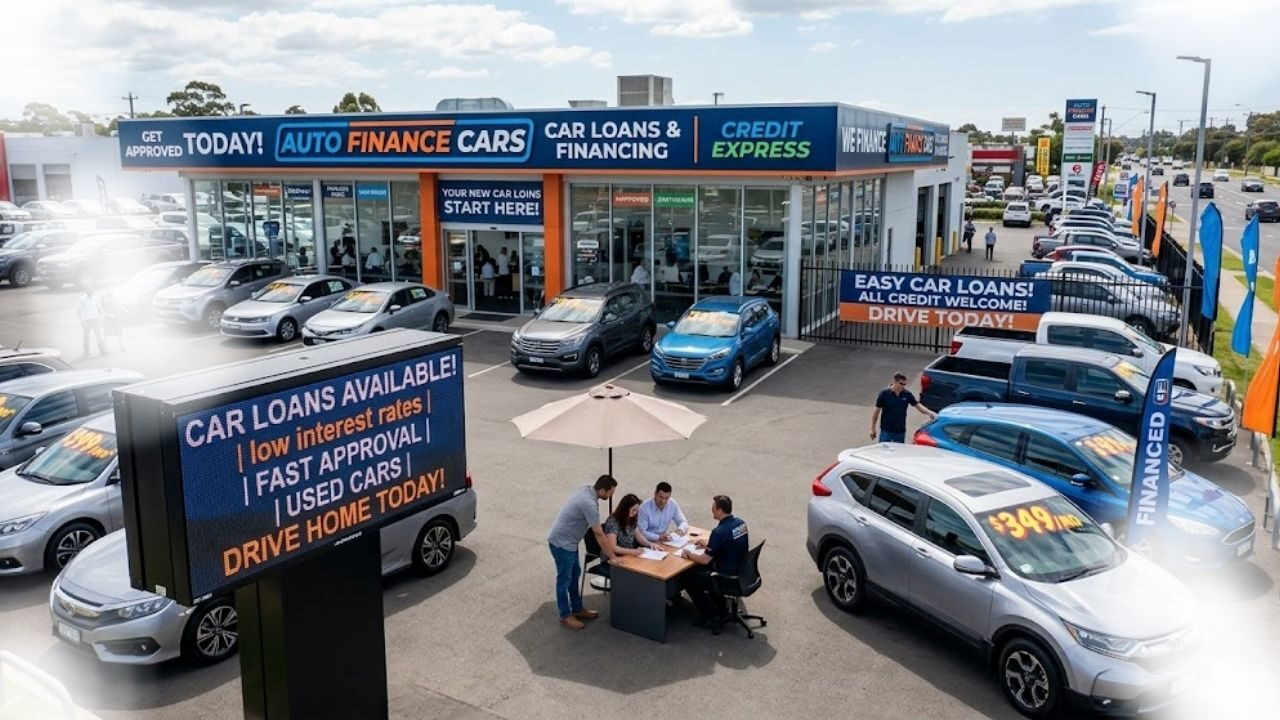
You’ve picked the car, negotiated the discount, and the dealer has quoted you an on-road price. The loan gets approved. Then, a day before delivery, the finance desk asks you to arrange another ₹80,000 to ₹1.5 lakh in cash because Your Car Loan Covers only ex-showroom price. Nobody lied to you, technically, but nobody told you that “Car Loan approved” and “on-road price covered” are two different sentences.

This is where most first-time car buyers in India get caught out, and it comes down to one thing: banks don’t lend against the same number you think they do.

Why Your On-Road Price Is Higher Than the Ex-Showroom Price 

The ex-showroom price is a manufacturing rate which the dealer has to pay to bring the car in. The on-road price involves RTO registration charges, road tax (depends on the city), insurance package, and handling fees.

In some cities, this extra cost can be up to 12-20% over the ex-showroom figure, so it depends on the state tax which is different everywhere in India. Check your state rates with your dealer. A car with ₹8 lakh on the ex-showroom price can easily cost you up to ₹9.2-9.5 lakh on-road commitment once you’re standing at the RTO counter.

The loan amount vs on-road price gap starts right here, because most buyers budget against the smaller number.

Car Loan Rate Depends on Your Ex-Showroom Price Mostly

Every lender will offer you different benefits and discounts so it’s worth checking specifically that your lender gives cash on what price before signing the deal.

Do not flatter the lender’s ad of 100% financing, can be calculated against the ex-showroom price. Federal Bank and ICICI Bank both structure their Car Loan schemes this way. And you have to pay RTO-and-insurance from your pocket.

Your On-Road Price

Other lenders finance against the on-road price directly, but cap the loan-to-value ratio below 100%. Union Bank of India, for instance, requires a minimum 10% margin against the vehicle’s on-road price — meaning you’re arranging that 10% yourself regardless of how the rest is structured.

Neither approach is wrong. But “up to 100% financing” and “90% of on-road price” can produce a down payment difference of tens of thousands of rupees on the same car, and dealership finance desks rarely spell out which formula applies until you ask.

Read More :-  Pre-Approved Car Loan Gains Dealership Discounts on Launch Day

Does Your Car Loan Covers RTO and Insurance? 

Registration and insurance don’t get uniform treatment across lenders. Several NBFCs and banks fold both into an on-road-price loan by default. Others exclude them entirely and finance only the ex-showroom component, treating RTO and insurance as the buyer’s responsibility from day one.

There’s a cost hiding inside the version where insurance does get bundled in: your loan principal goes up by the premium amount, and you pay interest on that premium for the entire loan tenure. 

On a five-year loan at 9-10% interest, financing a ₹35,000 insurance premium instead of paying it upfront can add a few thousand rupees in extra interest by the time you’re done — not a lot on its own, but it’s a cost nobody puts in the brochure.

Accessories Are Almost Never Part of the Loan

If you’re adding a sunroof kit, seat covers, or an infotainment upgrade at the dealership, don’t expect the loan to stretch to cover it. Most financiers, including Mahindra Finance, explicitly exclude aftermarket accessories from the loan amount and will only fund fittings that come standard from the factory, like built-in air conditioning. 

Financing Difference Changes

A handful of lenders will finance higher-value factory-approved add-ons on a case-by-case basis, but that’s the exception, not the rule. Budget for accessories the same way you’d budget for fuel — outside the loan, in cash or on a card.

How the Financing Difference Changes Your Down Payment 

Take a car with an ex-showroom price of ₹8,00,000. Add RTO, insurance, and handling, and the on-road price lands around ₹9,20,000 — again, this varies by state, so treat it as illustrative rather than a fixed rule.

  • If the lender finances 100% of ex-showroom: you get ₹8,00,000, and you’re arranging the remaining ₹1,20,000 yourself.
  • If the lender finances 90% of on-road price: you get ₹8,28,000, and you’re arranging ₹92,000.

Same car, same “high financing” pitch from two different lenders, and a ₹28,000 difference in what lands in your pocket versus what you pay upfront. That gap is the entire reason this question is worth asking before you’re standing at the delivery counter with a shortfall.

What to Ask Your Lender Before Taking a Car Loan 

Before you commit, get three answers from the lender in writing, not verbally from the dealership’s finance desk:

  1. Is the sanctioned loan amount calculated against the ex-showroom price or the on-road price? 
  2. Does that on-road figure, if used, already include RTO and insurance, or are those excluded? 
  3. And if insurance is being financed as part of the loan, what does that add to your total interest outgo over the full tenure?

None of this changes whether you should buy the car. Your Car Loan Covers changes whether the down payment you’ve budgeted for is the one you’ll actually be asked for. Ask the question at the sanction stage, not the delivery stage — that’s the only point where it’s still free to find out.

Read More :-  Best Car Accessories for Thar Roxx You Should Buy in 2026

Conclusion

Your Car Loan Covers more than just the ex-showroom price, but you should never assume that the entire on-road cost is financed. RTO charges, insurance, accessories, and the lender’s margin requirements can significantly change the amount you need to pay upfront.

Before signing the loan agreement, confirm exactly what Your Car Loan Covers, how much you need to contribute, and what the total interest will be. The loan with the highest financing percentage isn’t always the cheapest or most convenient option. What matters is the actual amount you receive, the cash you need on delivery day, and the total cost of borrowing.