0

Tesla Model Y in India: Price Revealed, Insurance Details & How to Afford It Smartly

Tesla Model Y in India

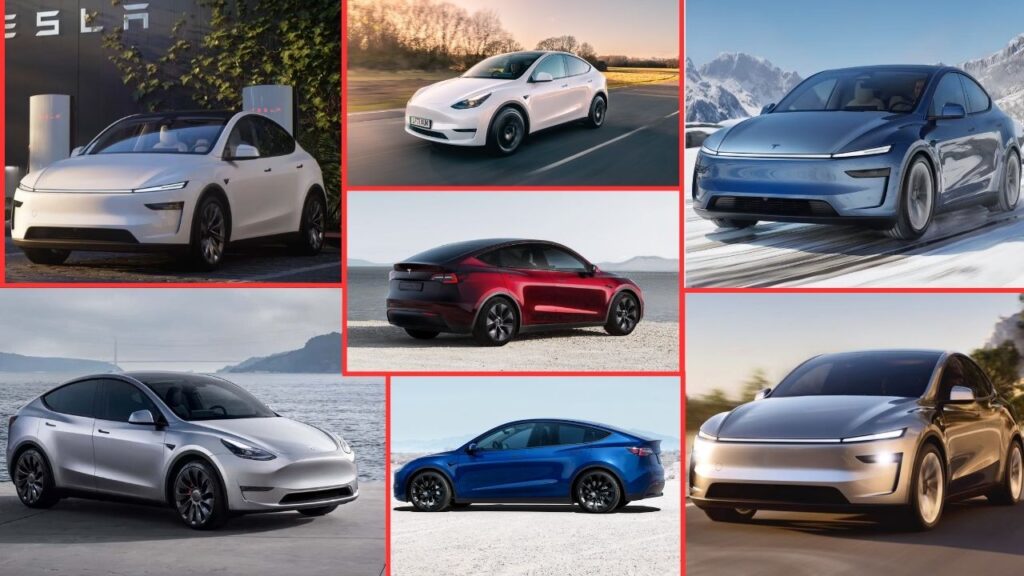
Tеsla has officially launchеd its Modеl Y in India today. Thе company opеnеd its first showroom in Mumbai’s Bandra-Kurla Complеx. Thе standard rеar-whееl drivе modеl starts at ₹59.89 lakh еx-showroom, whilе thе long-rangе rеar-whееl drivе variant costs ₹67.89 lakh. Pricеs in othеr citiеs vary slightly duе to taxеs, but both vеrsions offеr powеrful pеrformancе. 

Specifications of the Tesla Model Y 

Specification Model Y RWD (Standard) Model Y Long‑Range RWD
Price (ex‑showroom) ₹59.89 lakh ₹67.89 lakh
Electric Range (WLTP) 500 km 622 km
0–100 km/h acceleration 5.9 s 5.6 s
Top Speed 201 km/h 201 km/h
Battery Capacity (usable) 60 kWh 60.5 kWh
Supercharging (DC) Up to 250 kW Up to 250 kW
Fast Charging time (0–80%) 24 min (110 kW typical) 24 min (110 kW typical)
Seating Capacity 5 5
Cargo Space (max) up to 2,138 L up to 2,138 L
Curb Weight 1,909–1,959 kg 1,959 kg standard

Tesla ships the Model Y from its Shanghai plant as fully built units. Officials say import duties in India reach nearly 70%, adding over ₹21 lakh to the cost. Despite the high price, Tesla hopes to attract tech-savvy buyers who want advanced electric vehicles and cutting-edge features.

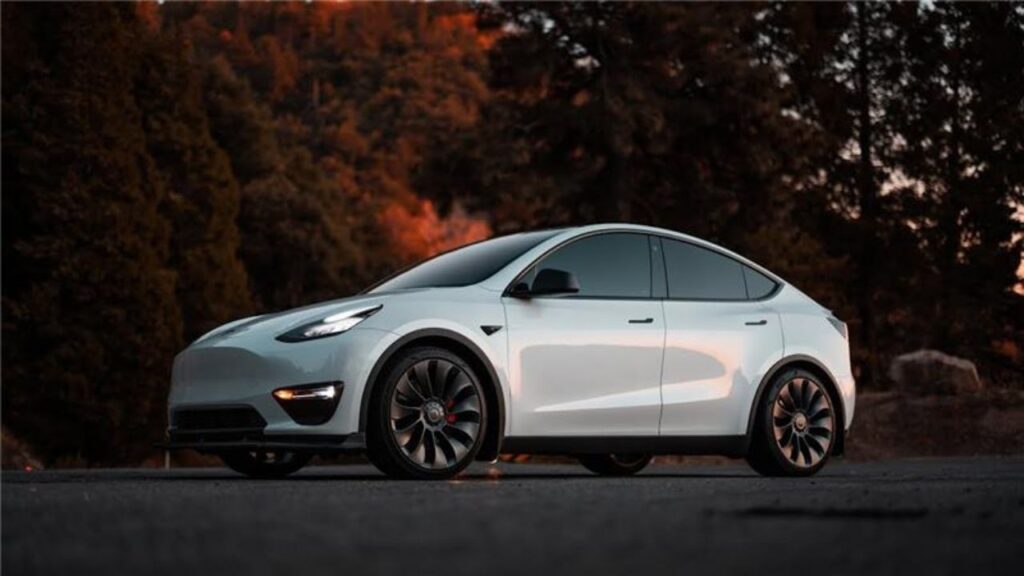
The standard Model Y delivers up to 500 km of range on the WLTP cycle and can accelerate from 0 to 100 km/h in 5.9 seconds. The long-range version extends that to 622 km and hits 100 km/h in 5.6 seconds. Both models top out at a 201 km/h maximum speed.
Tesla Model Y in India

Image Credit: YouTube

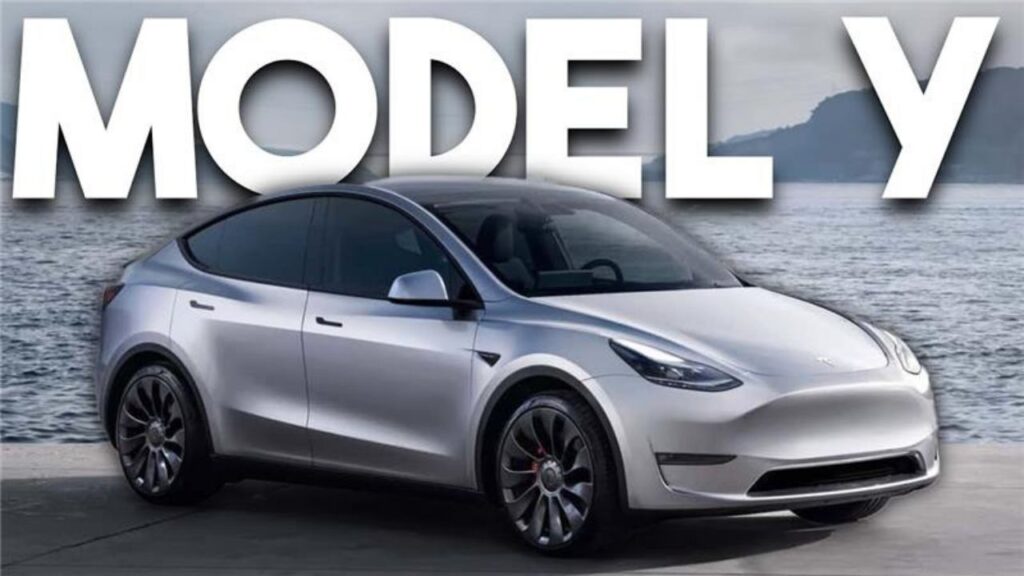
Tesla offers six exterior colours, with Stealth Grey included in the base price. Options like Pearl White, Glacier Blue, or Ultra Red cost up to ₹1.85 lakh extra. Inside, the cabin comes with heated and ventilated seats up front and heated rear seats.

You get a large 15.4 inch touchscreen upfront and an 8‑inch display for rear passengers. Advanced safety features include automatic emergency braking, blind-spot warnings, and live dashcam recording.
Tesla Model Y

Image Credit : Tesla

Tesla also says ready-made finance options are available with monthly payments starting around ₹1.14 lakh for the standard model, plus a down payment of about ₹6.2 lakh . Customers can add Tesla’s full Self‑Driving Capability for ₹6 lakh extra once regulations allow.

Read More :- Top Sports Cars in India Under 10 Lakhs You Can Buy in 2025!

Tesla India has delivered five units to Mumbai so far. It plans to begin deliveries by Q3 2025. The long-range models are expected to reach customers by October. Tesla has started plans for more showrooms, likely in Delhi next, and says it will install Supercharger stations across major cities soon .

Sharey Khan

Sharey Khan is an IT entrepreneur and petrol head & a car enthusiast. With a special focus on car-related content, he combines his deep passion for vehicles with a talent for crafting informative, engaging, and easy-to-understand content. His writing is driven by a genuine love for cars and he is committed to providing readers with accurate, up-to-date, and trustworthy information that empowers smarter driving decisions. 

Leave a Reply

Your email address will not be published. Required fields are marked *

2026 Maruti Suzuki Brezza – New Features, Price, Design & Full Details

2026 Maruti Suzuki Brezza

The Maruti Suzuki Brezza is not just any car but it is a staple in the Indian automotive terrain. It has now been re-established, and since then, it has gone on to rule the sub-four meter SUV segment, raising the bar in terms dependability and, perhaps most importantly, fuel efficiency.

But they don’t rest, the competitions. With competitors upping the ante with turbo-petrol engines, more feature-laden cabins, and even ADAS (Advanced Driver Assistance Systems), the 2026 Maruti Suzuki Brezza will have to really pull a rabbit out of the proverbial hat in this fresh major generation update. And believe me, if the rumors are true, this is not just a refresh instead this is a revolution. 

We take a look under every stone for the expected design changes, the huge technology leaps in the cabin, and the strongest rumor of all, the introduction of the all-new Strong Hybrid powertrain. 

Design – Sharper Edges and a Premium Stance 

The current Brezza is a handsome beast with a bit of a butch charm and that falls somewhere between rugged and urbane. For 2026 model, Maruti Suzuki will likely integrate new, global design language that made a debut in their high-end models such as Grand Vitara, and Fronx.

What to expect on the outside:

A Revamped Front Fascia: Say adieu to the that mildly chubby grille. Expect a much sleeker, wider treatment of chrome or gloss black that runs constantly up to the new, sharper LED DRL signature. 

Maruti Suzuki Brezza Design

Image credit: MarutiSuzuki

The headlight clusters themselves might be divided, or have a more elaborate, multi-layered design, reminiscent of the conventional picture. The overall intent is to create a more aggressive, mature, and premium looking road presence – it needs to look like it can sit comfortably beside rivals that have undergone bolder dramatic design statements

More Dynamic Profile: The next Brezza is expected to keep the boxy shape essential for the interior space, but will come with a few sharper edges and the character lines will be more defined on the side. The window line could be cleaner and the rear quarter glass might be reshaped.

New Alloy Wheels: This is a minor change but is important visually. We may get 17-inch dual-tone alloy wheels with a new, more complex, diamond cut design on the higher variants, bringing a much-needed dash of style and energy to the profile. 

The New-Bolt Tailgate: Tailgates tend to be overlooked during a mid cycle refresh, but a generational change deserves to be focused on. There should be slimmer, wraparound LED taillights (potentially joined by a light bar, a huge trend at the moment) and a beefier, redesigned bumper that add the final touch to the premium appearance.

To put it simply, Brezza 2026 not only going to look new but it’s also going to look expensive – a must-have in a segment where buyers seem to be opting for style. 

The Cabin Reimagined – Technology and Luxury

Here is where the 2026 Brezza would be expected to shine, and from what Maruti is doing with its top-end models, it looks like we are in for a treat. The current cabin is functional but not inspiring like its rivals.

The Feature Juggernaut:

The Central Screen: The 9-inch SmartPlay Pro+ on the current model gets the job done but the 2026 iteration is said to be breaking the mould, coming with a gigantic 10.25-inch or a 12-inch floating infotainment screen. Expect an enhanced UI, faster processing, and the now-standard Wireless Apple CarPlay and Android Auto. 

Digital Driver Display: The current analog-digital mix is expected to be replaced by a fully digital instrument cluster (possibly 7-inch or larger) that is customizable. This is critical for information display for the new hybrid system and ADAS features.

Maruti Suzuki Brezza Technology and Luxury

Image credit: MarutiSuzuki

The Comfort Factor: Bulls-eye for two features that have been planted firmly on every buyer’s wish-list for as long as we can remember, Ventilated Front Seats, and a Premium Audio System. The 2026 Brezza will almost definitely come with front seat ventilation, a welcome relief for Indian summers. We could also see a tie-up for a special sound system, after the trend of premium car audio in the segment. 

Precision Safe (ADAS): It’s a biggest potential addition. To take on the big boys, the 2026 Brezza is expected to come with Level 1 ADAS. That might include Adaptive Cruise Control, Blind Spot Monitoring, Rear Cross-Traffic Alert and lane-keeping assist. This measure will immediately boost the Brezza’s safety credentials, and make it future-compliant for emissions regulations down the line.

The cabin itself will also get a revamp, featuring soft touch plastics and contrast stitching along with some new dual-tone combinations that’ll spruce up the cabin mood and make it look less utilitarian and more premium. 

The Strong Hybrid Game Changer – Powertrain & Efficiency

The present Brezza is powered by the tried and tested 1.5 liter K15C Smart Hybrid (a mHEV) engine well known for its good driveability and decent mileage ( of the order of 20-21 kmpl).

In saying that, the standout highlight of the 2026 model is said to be the addition of the Strong Hybrid Technology, which is the same technology powering the current Grand Vitara. 

Why Strong Hybrid is a Big Deal:

Unmatched Mileage: This is what makes the Brezza special. The Strong Hybrid system enables the vehicle to run on electric power only for brief distances and at low speed, contributing to a substantial improvement in fuel economy. 

Maruti Suzuki Brezza Powertrain & Efficiency

Image credit: MarutiSuzuki

Experts expect that the 2026 Brezza Strong Hybrid might fetch an incredible mileage figure around 27 kmpl to 30 kmpl. This would be an unbeatable selling point and a huge cost saver for city dwellers, he said. 

Silent Driving: Being able to drive silently while cruising in EV mode in stop-and-go traffic makes the driving experience more refined and premium.

Performance: Although it is an economy-oriented system, the hybrid also offers instant electric torque, thereby enhancing low-end acceleration and general responsiveness in city driving — a welcome improvement over the existing model. 

The standard K15C mild-hybrid petrol engine is expected to continue on the lower variants, mated to either the 5-speed Manual or a highly advanced 6-speed Automatic transmission. But the crown jewel will be the Strong Hybrid, now offered only with an e-CVT. 

Read More:- 2026 Toyota Tacoma – Full Overview, Features, and What to Expect

Price and Launch Timeline

Forecasting the two-year out price of a car is a challenge, but we can make some educated guesses around the technology that will be added.

Launch timeline: The next-gen Brezza is expected to launch in December 2025 or early 2026. Maruti usually targets the festival season for big launches.

Maruti Suzuki Brezza Price and Launch Timeline

Image credit: MarutiSuzuki

Cost implications: The addition of high-end options (ADAS, Strong Hybrid, Ventilated Seats, big screen) has a price tag.

The current Brezza starts at around ₹8.25 Lakh (ex-showroom). The prices of the 2026 models could be as follows: 

Variant Category Expected Ex-Showroom Price Range (Lakhs INR) Key Upgrades Justifying Price
Base Variants (Mild Hybrid) ₹9.5 Lakh – ₹12.5 Lakh Upgraded Design, Good Quality Interior Finish, Larger Infotainment Screen
Top Variants (Mild Hybrid) ₹13 Lakh – ₹14.5 Lakh Expected Panoramic Sunroof, Ventilated Seats, Digital Cluster
Strong Hybrid Variants (Top End) ₹15.5 Lakh – ₹17.5 Lakh+ Hybrid Powertrain is expected, ADAS Level 1, e-CVT Transmission

Sure, that high price tag is a big jump, but it’s the cost consumers pay for best-in-class features such as robust hybrid systems and sophisticated safety packages. 

Conclusion

Expected to be launched in 2025, the 2026 Maruti Suzuki Brezza will not be just an update, rather it will be a big design change and Maruti’s response to the changing needs of the Indian compact SUV buyer. It brings the brand’s DNA (dependability, efficiency) to the new demands of technology (big screens, ADAS planes) and high-end driving experiences (Strong Hybrid).

Considering the new compact SUV at this moment and if you think that fuel economy with the latest tech to keep you going well into the future are the most important considerations, the wait for the 2026 Brezza could be the smartest decision you make. It is going to be a real segment buster, again. 

Sharey Khan

Sharey Khan is an IT entrepreneur and petrol head & a car enthusiast. With a special focus on car-related content, he combines his deep passion for vehicles with a talent for crafting informative, engaging, and easy-to-understand content. His writing is driven by a genuine love for cars and he is committed to providing readers with accurate, up-to-date, and trustworthy information that empowers smarter driving decisions. 

Leave a Reply

Your email address will not be published. Required fields are marked *

Volvo XC90 vs Audi Q7: Price, Features, Performance & More Compared!

Many buyers compare the 2025 Volvo XC90 vs Audi Q7. Both are large luxury SUVs with three rows of seats. They have modern designs and tech. They are sold in the US and UK. But there are key differences. We look at price, interior, tech, safety, performance, fuel economy, space, warranty, and more. This guide helps you see the strengths and weaknesses of each.

Pricing of Volvo XC90 vs Audi Q7

Pricing of Volvo XC90 vs Audi Q7

United States

In the US, the Volvo XC90 starts around $59,745 for the base model. Volvo also sells higher trims (Plus, Ultra) up to about $68,245. The Audi Q7 starts slightly higher in price. Its base Premium trim has an MSRP around $61,795 (the Q7 Premium Plus and Prestige trims cost more). In general, the Audi Q7 costs a bit more than the Volvo at entry level in the US.

United Kingdom

In the UK, the starting price for the base Volvo XC90 Core trim is around £63,790. Volvo’s RRP range goes up to around £84,260 for top trims. The Audi Q7 in the UK starts at about £71,525 OTR for the S line trim. Audi also offers higher levels (e.g. Vorsprung over £94,000). 

Interior Features of Volvo XC90 and Audi Q7

The Volvo XC90 interior is clean and modern. It has a large portrait-style touch screen (11.2 inches) in the center. The cabin features clean, simple lines and is built with high-quality materials. Volvo even uses eco-friendly seat fabrics (Nordico textile) in some models. The XC90 seats up to 7 people. The second row has three seats that slide and recline, giving good knee and headroom. 

The third row is smaller, best for children or short trips. Volvo’s Core trim includes Google-based services and driver aids built in (like adaptive cruise control and blind-spot warning). Higher trims add nicer sounds and lighting. One drawback: some reviews note that the XC90’s infotainment can feel dated and it lacks Android Auto support.

The Audi Q7 interior is upscale. It also seats seven (though some models drop the third row). Audi’s cabin has premium leather, nice trims, and a classic layout. A standout feature is the Virtual Cockpit—a fully digital 12-inch display that’s sharp, clear, and easy to customize.

There are multiple screens (including a tablet-style MMI touch screen) and an available head-up display. The Q7’s seats are well-cushioned and roomy. In tests, tall adults fit comfortably in the second row, and the Q7 offers three separate second-row seats that can slide fore and aft. Overall, the Audi interior feels very high-tech and solidly built.

Technology of Volvo XC90 vs Audi Q7

Technology of Volvo XC90 vs Audi Q7

Both SUVs have modern tech, but they take different approaches. The XC90 uses Volvo’s new Android-based system. The XC90 has over-the-air updates for its software, so features can improve over time. It offers wireless Apple CarPlay, but no Android Auto. The touchscreen is large and high-resolution, and many controls are touch-based.

The Audi Q7 uses Audi’s MMI interface. It includes an online navigation system and supports both Apple CarPlay and Android Auto. Audi’s infotainment system is quick to respond and supports voice commands for easy control.

Both vehicles have lots of driver aids: lane-keep assist, blind-spot alert, parking sensors, etc. In summary, Volvo’s tech is centered on Google integration, while Audi focuses on its own polished MMI system with a sharp digital cockpit.

Safety of Volvo XC90 vs Audi Q7

Safety is a strong point for both models. Volvo markets the XC90 as “one of the safest cars on the road”. It comes standard with many safety systems: automatic emergency braking, lane departure warning, blind-spot monitoring, rear cross-traffic alert, and more. 

Volvo often earns top marks in crash testing (though exact 2025 crash ratings are not yet available, the brand has a strong safety reputation).

The Audi Q7 also scores very high on safety. In the United States, the 2025 Q7 earned the IIHS Top Safety Pick+ award. The Audi Q7 also comes with many standard features: blind-spot detection, lane-keep assist, rear automatic emergency braking (per IIHS notes). 

Performance of Volvo XC90 vs Audi Q7

Under the hood, the Volvo XC90 offers two main gas engines (mild hybrids). The base “B5” turbocharged 4-cylinder engine produces around 247 horsepower, and it comes standard with all-wheel drive and an 8-speed automatic transmission. For a hybrid boost, Volvo also offers a T8 plug-in version (not covered here), which boasts significantly higher power. The XC90’s power feels smooth and adequate. It is not meant to be a sports car, but it can still merge and pass with reasonable ease.

The Audi Q7 comes with either a turbocharged 2.0L four-cylinder (badged 45 TFSI) making about 261 hp, or a turbo V6 (55 TFSI) making 335 hp. In fact, Audi claims the V6 model can go from 0 to 60 mph in about 5.5 seconds. 

Even the base 2.0T is no slouch, taking roughly 6.9 seconds to 60 mph in testing. The Q7 delivers power in a smooth and polished way. In general, the Audi feels more powerful and quicker than the XC90, especially in higher trims.

Fuel Efficiency of Volvo XC90 and Audi Q7

Fuel Efficiency of Volvo XC90 and Audi Q7

The Volvo XC90 in gas form has EPA ratings of about 26 mpg combined for the B5 model, and 23 mpg combined for the B6 model. In city/highway terms, the B5 is roughly 23/30 mpg, and B6 is 20/26 mpg. In practice, expect mid-20s in normal driving. The XC90 plug-in hybrid (T8) can drive about 45 miles on electric alone before the gas engine kicks in, which saves fuel on short trips.

For the Audi Q7, EPA combined fuel economy is around 21-22 mpg for the gasoline models (according to recent reviews). Both the 2.0T and 3.0T engines get an average of around 21 mpg combined. 

In general, the XC90 hybrid tends to be slightly more fuel-efficient due to its advanced mild-hybrid tech, especially in city driving, while the Audi’s larger engine means a bit lower mpg. However, both vehicles will not match the fuel economy of much smaller SUVs.

Also Read : Jeep Compass vs Subaru Crosstrek: Which Compact SUV Should You Really Buy in 2025?

Conclusion

The Volvo XC90 vs Audi Q7 debate comes down to priorities. Both are three-row luxury SUVs with strong safety and features. The XC90 stands out for its safety-first design, clean Scandinavian interior, and available hybrid powertrain. It also tends to be a bit less costly. It is roomier when all seats are up and has won top safety honors too. 

For a buyer who values safety and a simple, modern cabin, the Volvo may be best. For someone who wants sportier performance and a more luxury feel, the Audi is a great choice. In either case, both the 2025 XC90 and Q7 offer a premium experience, so it often comes down to which brand and driving style you prefer. 

Sharey Khan

Sharey Khan is an IT entrepreneur and petrol head & a car enthusiast. With a special focus on car-related content, he combines his deep passion for vehicles with a talent for crafting informative, engaging, and easy-to-understand content. His writing is driven by a genuine love for cars and he is committed to providing readers with accurate, up-to-date, and trustworthy information that empowers smarter driving decisions. 

Leave a Reply

Your email address will not be published. Required fields are marked *

Ford Mustang vs Chevrolet Camaro: The Legendary Muscle Car War of 2025

Ford Mustang vs Chevrolet Camaro 2025 comparison

The 2025 Ford Mustang and Chevrolet Camaro have set a position in best automotive machines. The legendary muscle car war — Ford Mustang vs Chevrolet Camaro is a never ending fight because both offer modern technology, solid performance, and comfortable journey. So, it is common that these iconic machines may confuse your mind to select one of them. This detailed comparison of both cars will help you make the right decision. 


Design & Heritage

The 2025 Ford Mustang is an example of a classic masterpiece which looks incredibly stunning on the road. Adding up minor designs will only give it a refined look with a sophisticated nod to retro styling. Muscular body lines, combination of old cues with contemporary flair, long hood to silhouette, shows that car followed its heritage style while quick addition of the lighting and aggressive aerodynamic touches.

Ford Mustang vs Chevrolet Camaro design and heritage comparison 2025

Ford Mustang, image credit: Ford

The Camaro gives an aggressive aesthetic that makes you focused on its performance. The bold look comes with a sharp creases, sculpted hood, lowered stance that gives an outstanding impression. Its interior is also well-equipped with premium quality material that is used in the cabin, bolstered sports seats, and infotainment system. 

Also Read: Toyota RAV4 vs Honda CR-V: The Ultimate SUV Battle of 2025

Both cars stand a chance in top performing cars but here is the slightly different feeling in their look, the Mustang gives a nostalgic feel, meanwhile Camaro is bold and perfect for track-focused personality.


Engine Option & Performance

Performance matters the most, it is the first thing and heart of the rivalry between the Mustang vs Camaro.


Ford Mustang

  • 2.3L EcoBoost
  • 5.0L V8
  • 5.2L Supercharged V8 

Each variant gives different kinds of speed but their performance is best and equal. A 2.3L is providing 310 horsepower, 5.0L is giving a 450 horsepower, and 5.2L supercharged V8 engine gives an exhaust thunder experience with its performance. Nothing can stop these cars to run like hell from 0 to 60 mph in 4.4 seconds.

Ford Mustang vs Chevrolet Camaro engine option & performance comparison 2025

Ford Mustang, image credit: Ford


Chevrolet Camaro

  • 2.0L Turbo
  • 3.6L V6
  • 6.2L V8
  • 6.2L Supercharged V8

The Camaro is becoming the quickest car as it leaves Mustang behind. The 2025 Camaro is a masterpiece for roaring on the highways or racetrack with its new features such as sharp steering, magnetic ride control, it also offers 2.0L Turbo delivers 275 hp, V6 gives 335 hp, V8 produces 455 hp, and Supercharged V8 generates 650 hp, making it the fastest car to run from 0 to 60 mph in just 3.5 seconds. 

Chevrolet Camaro 2025 muscle car

Chevrolet Camaro, image credit: Chevrolet


Technology & Safety

Mustang: It offers an 8-inch touchscreen to connect and take advantage of all the entertainment access in a car. It provides not only connectivity and sound but it also helps with safety features including adaptive cruise control, bling-spot detection, alert on rear cross traffic, digital cluster.

Camaro: It also offers an 8-inch touchscreen with all the access of connectivity and sound system. Some advanced features included in an upgraded car including Safety assist, Brembo brakes, head-up display.

Interior Comfort & Practicality

Mustang: It offers good interior, rear visibility is great in latest models and comfortable seats, but still it is not useful for family trips. The rear seats are tight with no extra cargo space, and above all it doesn’t fit for off-roading without an adaptive suspension.

Ford Mustang vs Chevrolet Camaro interior comfort & practicality comparison

Image credit: Ford & Chevrolet


Camaro: It offers supportive front seats for comfort to driver, upscale trims deliver more comfort with fibre or alcantara material. Rear seats are not scaled up in the comfort and visibility can be challenging. Still magnetic ride control improves comfort but not practicality.


Fuel Economy 

The Mustang V8 is more fuel efficient with turbo-four rather than the Camaro. Fuel used in the range of 10-13 L/100 km is giving a 17–23 mpg of mileage for the V8s. It is slightly better in fuel efficiency for base engines.

Which Muscle Car Wins 2025?

It’s a war between head and heart, deciding which muscle car you want to buy is dependent on your personal choices.


Mustang is perfect for people craving to use a car everyday and want robust performance driving with V8 engine, advanced features. Mustang is a trusted brand with its legendary stunning & powerful heritage. 

Ford Mustang vs Chevrolet Camaro which muscle car wins 2025

Meanwhile, the Camaro is sharp, quick, and capable of handling every road to give outstanding performance. Its stylish aggressive look will amaze the eyes, especially in SS and ZL1 trims. The Camaro is the muscle car that is waiting in a queue to run like a horse on the road. 


Features Ford Mustang Chevrolet Camaro
Engine 2.3L Ecoboost 2.0L Turbo
Top V8 Engine 5.0L V8 6.2L V8
0-60 mph 4.4 second 2.6 seconds
Transmission 6-speed manual & 10-speed automatic 6-speed manual, 10-speed automatic
Fuel Economy 21 City / 30 Highway 19 City / 29 highway
Starting Price $31, 920 $112,100
Seating 4 4
Design Style Retro-Modern Muscle Car Aggressive cockpit-style


Conclusion

In 2025, the Ford Mustang vs Chevrolet Camaro continue their epic battle for roaring on the road. Each offers a robust machine, outstanding performance, and brilliant design with its take on the American muscle formula. Take a test drive and check which legend resonates deeper in the soul of the driver.


Bipin Sharma

Bipin Sharma is a seasoned automotive content writer with over 10 years of hands-on experience in the world of cars. From the latest car news and reviews to in-depth maintenance tips and expert buying guides, Bipin covers everything that drives the automotive world. Writing about cars isn’t just his profession — it’s his passion. His deep industry knowledge and love for automobiles fuel every blog he creates, helping readers make informed decisions and stay updated on the fast-evolving auto landscape.

Leave a Reply

Your email address will not be published. Required fields are marked *

What’s The Safest Family Car You Should Buy

Safest Family Car

Safety isn’t a feature—it’s a priority when buying a family car. Whether you’re running the kids to school, taking weekend road trips or just driving through city traffic, a vehicle that puts passenger protection first really makes a difference. The 2025 model year pleeeenty of three-row SUVs to choose from, but the latest ones raise the bar for crash protection, driver-assistance tech, and kid-friendly features. Utilizing scores from the IIHS and NHTSA, here are the safest family SUVs of 2025 that also perform well on our road tests. 

Top Rated Three-Row SUVs

Kia Telluride

The Kia Telluride remains the standard by which all other three-row SUVs for family safety are judged, now receiving both the coveted IIHS TOP SAFETY PICK+ award and an overall 5-star rating from the NHTSA. This indicates that it performed very well in the most stringent crash tests of 2025, which includes the difficult revised moderate overlap front test that focuses on rear-passenger protection—important to families with kids. 

Kia Telluride

All Tellurides are equipped with full safety suite, including automatic emergency braking, blind-spot monitoring, lane departure warning, and rear cross-traffic alert. Now available for 2025: Highway Driving Assist 2 for even safer long distance driving. With its ability to seat eight people, its 87 cubic feet of cargo room, and a starting price slightly north of $37,805, the Telluride is just about a no-brainer when it comes to value. 

Safety Ratings NHTSA 5-Star
Engine 3.8L V6
Horsepower 291 hp
Seating Capacity 8 passengers
Cargo Space 87 cubic ft.
Starting Price $37,805 

Hyundai Palisade

Bring along the Hyundai Palisade, an outfit-style Telluride cousin that still keeps safety front and center. It received a 5-star overall rating from the NHTSA and the 2025 IIHS TOP SAFETY PICK+ award. And underneath the Telluride’s hood is that same proven 3.8L V6 engine, delivering plenty of 291 horsepower power. It is space and comfort, inside and out, seating up to eight passengers and offering you as much as 86.4 cubic feet of cargo space when you need it. Whether you’re toting the kids or headed out on an adventure, the Palisade takes care of you with style and substance. 

Hyundai Palisade

The Palisade begins around the $38,215 mark. It provides a little more front legroom — 44.1 inches — compared with the Telluride. Those two have the same platform and safety equipment. So choosing one is down to appearance and little extras.  

Safety Ratings NHTSA 5-Star
Engine 3.8L V6
Horsepower 291 hp
Seating Capacity 8 passengers
Cargo Space 86.4 cubic ft.
Starting Price $38,215 

Genesis GV80

For your rude health comfort needs without compromising safety for the little darlings, the Genesis GV80 delivers on both. It received a 5-star NHTSA overall rating and was named a 2025 IIHS TOP SAFETY PICK+.Genesis also offers a complex array of standard safety aids, including forward-collision avoidance, lane-keeping assist and Highway Driving Assist, a system that blends adaptive cruise control with lane-centering technology. 

Genesis GV80

There is an optional third row, allowing for seven passengers, and the GV80 has a maximum cargo capacity of 84 cubic feet. The GV80 starts at about $58,200.While it is pricier in the premium segment, it is a beacon of luxury family motoring with best-in-class safety engineering. 

Safety Ratings NHTSA 5-Star
Engine 2.5L Turbo
Horsepower 375 hp
Seating Capacity 7 passengers
Cargo Space 84 cubic ft.
Starting Price $58,200 

Mazda CX-90

The 2025 Mazda CX-90 is the mind blowing model which got 5-star overall rating from NHTSA. It received IIHS Safety Pick “Good,” score in its all six crash tests. The CX-90 did great in the new back-seat passenger crash check – its belts held the dummy’s head well away from the front seats.  

Mazda CX-90

The Mazda CX-90 and its plug-in hybrid variant (model CX-90 PHEV) boast an impressive list of safety features under the i-Activsense umbrella. There’s forward collision warning with automatic emergency braking to help prevent crashes, plus blind-spot monitoring and rear cross-traffic alert for those hectic road moments. Lane departure warning with lane keep assist keeps you on track, and adaptive cruise control makes long drives so much more relaxing. Both cars earned top scores, so you can rest easy as you cruise in comfort and safety. 

Safety Ratings 5-Star rating from NHTSA 
Engine Inline-6 Turbo
Horsepower 280–323 hp
Seating Capacity 8 passengers
Cargo Space 84 cubic ft.
Starting Price $40,445 

Read More:-  Maruti e-Vitara: Launch expected in December 2025

Conclusion

In 2025, families can choose best styled and high-end cars without thinking about safety because these top rated SUVs serve comfort, safety, and technology in the automotive market. Choose the one right for you among value-packed Kia Telluride, the elegant Hyundai Palisade, the luxurious Genesis GV80, or the fun Mazda CX-90, but each of these SUVs is a leader in modern safety technology.

If you are looking for a SUV to keep your family safe but don’t want to sacrifice amazing features then these four SUVs represent your best bet for safety on the road today. 

Sharey Khan

Sharey Khan is an IT entrepreneur and petrol head & a car enthusiast. With a special focus on car-related content, he combines his deep passion for vehicles with a talent for crafting informative, engaging, and easy-to-understand content. His writing is driven by a genuine love for cars and he is committed to providing readers with accurate, up-to-date, and trustworthy information that empowers smarter driving decisions. 

Leave a Reply

Your email address will not be published. Required fields are marked *

Top 10 Cheapest Electric Cars in India (2025) – See Which EV Tops the List!

Top 10 Cheapest Electric Cars in India (2025) – See Which EV Tops the List!

India is steadily shifting toward a cleaner and greener future. With fuel prices going up year after year, more and more people are showing interest in electric cars as a smarter, eco-friendly choice. These cars help save money and protect the environment. But still, many people ask, Which is the cheapest electric car in India?

In 2025, we finally have many affordable electric cars in India. In this article, I have listed the top 10 cheapest electric cars in India in 2025. All the cars in this list cost under ₹15 lakhs (ex-showroom). I will tell you the features, battery range, price, and why they are worth buying. Let’s begin!

1. MG Comet EV – Compact and Stylish

MG Comet EV – Compact and Stylish

Image Credit: MG Motors

If you live in a city and need a small car, the MG Comet EV is perfect. It was launched on April 26, 2023. It is only 2,974 mm long, which means you can park it easily in tight spots. It has two 10.25-inch screens and a smart voice system that understands Hinglish. You can even use an app to lock your car from your phone. I think it’s great if you want a tech-friendly and cheap EV.

  • Price: ₹7.00 lakh
  • Range: 230 km
  • Battery: 17.3 kWh
  • Seating: 4
  • Power: 41 bhp / 110 Nm

2. Baojun E100 – Tiny But Powerful

Baojun E100 – Tiny But Powerful

Image Credit: New Atlas

The Baojun E100 is the smallest EV in this list. It’s only 2,488 mm long. It is best for single people or couples. It is simple but has everything you need for a daily city ride. It has smooth electric steering and LED lights. It’s a good option if you want something small and budget-friendly. And yes, this one answers your question — which is the cheapest electric car in India?

  • Price: ₹6.50 lakh
  • Range: 155 km
  • Battery: 14.9 kWh
  • Seating: 2
  • Power: 39 bhp / 110 Nm

3. Tata Tiago EV – Reliable and Trusted

Tata Tiago EV – Reliable and Trusted

Image Credit: Tata Motors

On 28 September 2022, Tata Motors launched the Tiago EV. It is a small hatchback with a strong car body. It has stylish looks and many color options. The ZConnect app lets you control the AC from your phone. It also supports smartwatch connection. I recommend it for families who want a strong EV.

  • Price: ₹7.99 – ₹11.89 lakh
  • Range: 250 to 315 km
  • Battery: 19.2 kWh / 24 kWh
  • Seating: 5
  • Power: 60 bhp / 110 Nm and 74 bhp / 114 Nm
  • Safety Rating: 4 stars (Global NCAP)

Read Also : BMW X5 vs Audi Q7: 2025 Feature, Comfort & Tech Comparison Guide

4. Mahindra eKUV100 – Small SUV Feel

Mahindra eKUV100 – Small SUV Feel

Image Credit: EV Duniya

This car looks like a mini SUV. The Mahindra eKUV100 comes with remote controlling features such as tracking and cabin pre-cooling. If you like Mahindra and want an SUV-style electric car under ₹9 lakh, this is for you.

  • Price: ₹8.25 lakh
  • Range: 147 km
  • Battery: 15.9 kWh
  • Seating: 5
  • Power: 54 bhp / 120 Nm

5. Mahindra eVerito – Budget Electric Sedan

Mahindra eVerito – Budget Electric Sedan

Image Credit: The Financial Express

The eVerito is one of India’s first electric sedans. It has a simple design with a big 510-litre boot space. It supports Eco and Boost drive modes. If you want a basic electric sedan for daily use, this can work for you.

  • Price: ₹9.12 – ₹9.46 lakh
  • Range: 110 km
  • Battery: 18.5 kWh
  • Seating: 5
  • Power: 41 bhp / 91 Nm

6. Tata Punch EV – Small SUV with Style

Tata Punch EV – Small SUV with Style

Image Credit: Tata Motors

Launched on 5 January 2024, Tata Punch EV is India’s first Gen 2 EV. This electric vehicle is based on the Acti.ev platform. It has a split headlight and new alloy wheels. Tata Punch EV comes with two 10.25-inch screens and a 360° camera. It feels modern and stylish. I think this is the best option if you want a micro-SUV that is safe and smart.

  • Price: ₹9.99 – ₹14.29 lakh
  • Range: 315 km
  • Battery: 24 kWh
  • Seating: 5
  • Power: 74 bhp / 114 Nm
  • Safety Rating: 5 stars (Bharat NCAP)

7. Citroën eC3 – French Style in Budget

Citroën eC3 – French Style in Budget

Image Credit: Citroen

Citroën launched the eC3 in India on February 27, 2023. It looks like its petrol version but has electric power inside. Citroen efficiently supports wireless Android Auto and Apple CarPlay. It also lets you track your car using the Citroën Connect app. It gives a smooth driving experience.

  • Price: ₹11.61 – ₹13.35 lakh
  • Range: 320 km
  • Battery: 29.2 kWh
  • Seating: 5
  • Power: 56 bhp / 143 Nm

8. Tata Tigor EV – Safe Sedan

Tata Tigor EV – Safe Sedan

Image Credit: Tata Motors

Tata Tigor EV: This sedan was launched in August 2021. It looks premium and comes with blue accents. It has many comfort features. It comes with a 7-inch screen and climate control. The app helps in remote lock, tracking, and checking car health. If you want a safe sedan, go for this.

  • Price: ₹12.49 – ₹13.75 lakh
  • Range: 315 km
  • Battery: 26 kWh
  • Seating: 5
  • Power: 74 bhp / 170 Nm
  • Safety Rating: 4 stars (Global NCAP)

9. Tata Nexon EV – Most Popular Choice

Tata Nexon EV – Most Popular Choice

Image Credit: Tata Motors

The Nexon EV is one of the best-selling electric cars in India. It is strong, spacious, and stylish. It comes with a closed grille and bold design. It supports ZConnect, climate control, and smart parking features. I think this is best for people who want more range and comfort.

  • Price: ₹14.74 – ₹19.99 lakh
  • Range: 325 to 465 km
  • Battery: 30.2 kWh / 40.5 kWh
  • Seating: 5
  • Power: 127 bhp / 245 Nm
  • Safety Rating: 5 stars (Bharat NCAP)

10. Mahindra XUV400 – Power Packed SUV

Mahindra XUV400 – Power Packed SUV

Image Credit: Mahindra

The XUV400 is Mahindra’s first electric SUV. It looks modern with projector headlamps and a two-tone color option. It also has 60+ connected features. If you want a bigger SUV and can spend a bit more, this is worth checking out.

  • Price: ₹15.49 – ₹19.39 lakh
  • Range: 375 to 456 km
  • Battery: 34.5 kWh / 39.4 kWh
  • Seating: 5
  • Power: 148 bhp / 310 Nm

Final Words: Which One Should You Pick?

If you want to know which is thе chеapеst еlеctric car in India, thе Baojun E100 and MG Comеt EV arе thе chеapеst in 2025. Thеy arе compact, pеrfеct for city drivеs, and savе a lot of fuеl monеy. If you nееd morе spacе and safеty, go for Tata Tiago EV, Punch EV, or Nеxon EV.

Elеctric cars arе not just good for thе еnvironmеnt, thеy also hеlp you savе in thе long run. I hopе this list hеlps you choosе thе bеst onе for your nееds and budgеt.


Bipin Sharma

Bipin Sharma is a seasoned automotive content writer with over 10 years of hands-on experience in the world of cars. From the latest car news and reviews to in-depth maintenance tips and expert buying guides, Bipin covers everything that drives the automotive world. Writing about cars isn’t just his profession — it’s his passion. His deep industry knowledge and love for automobiles fuel every blog he creates, helping readers make informed decisions and stay updated on the fast-evolving auto landscape.

Leave a Reply

Your email address will not be published. Required fields are marked *