
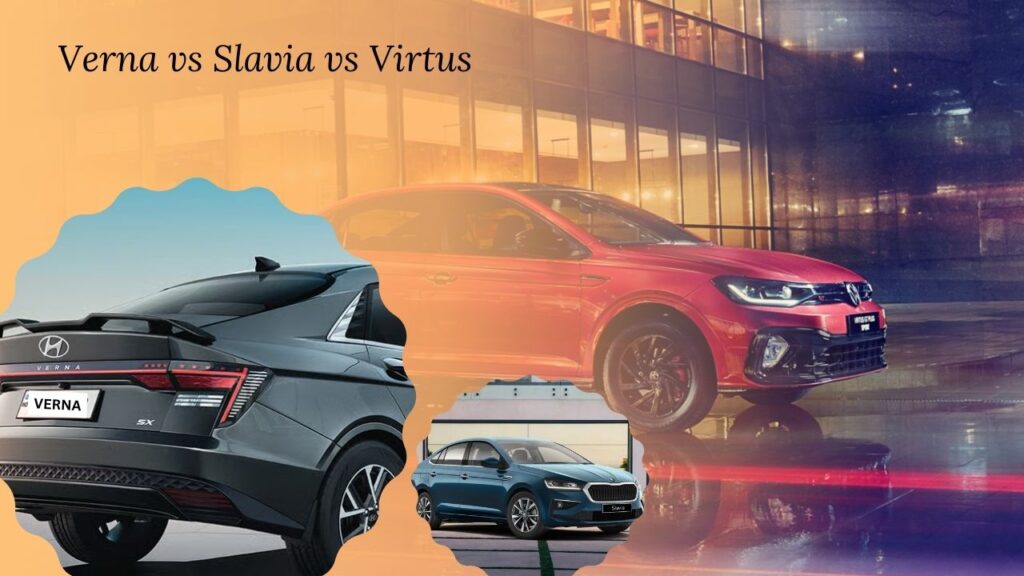
The Indian auto sector in 2026 is a study in contradictions. “SUV-ification” of the market looked absolute just a few years ago, but now we are seeing a refined “Sedan Renaissance.” This is not a comeback to the budget in Verna vs Slavia vs Virtus, it’s a tactical move by a discriminating band of buyers becoming fatigued with the sacrifices required by high-riding crossovers, the “boaty” body roll and aerodynamic drag.
The C-segment is now a bitter triangular war between the Hyundai Verna, the Skoda Slavia, and the Volkswagen Virtus. They each represent a different view on what a modern car must be.
The Contenders: A High-Speed Comparison
As we move into early 2026, the market matured. Buyers in hubs like Delhi, Mumbai and Uttarpradesh, where one requires a vehicle that can effortlessly run on the Smooth streets but also negotiate the narrow lanes of India, want more than just ground clearance. They want engineering purity. Let’s see what we can get from Verna vs Slavia vs Virtus.
| Feature | Hyundai Verna | Skoda Slavia | VW Virtus |
| Vibe | The Radical Technocrat | The Bohemian Traditionalist | The Teutonic Titan |
| Top Engine | 1.5L Turbo GDi (160 PS) | 1.5L TSI EVO (150 PS) | 1.5L TSI EVO (150 PS) |
| Best For | Tech & Features | Elegant Comfort | Driving Dynamics |
| Safety | 5-Star GNCAP + ADAS | 5-Star GNCAP | 5-Star GNCAP |
Hyundai Verna: The Digital Disruptor
The BN7 Verna is the segment agitator. Its “Sensuous Sportiness” design language with that iconic horizon LED bar – makes it look like an alien from outer space. On the inside, the cabin is like a digital temple.
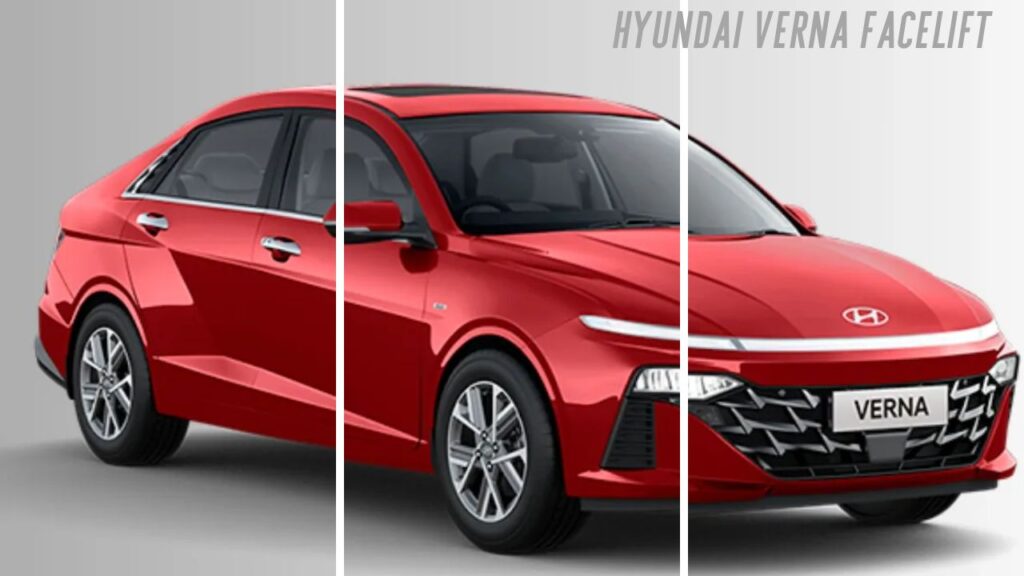
Tech Edge: With Level 2 ADAS (Advanced Driver Assistant Systems), the Verna is currently the “brains” in the segment. For a driver in India battling thick winter fog, alerts such as collision warnings aren’t gadgets—they are safety essentials.
Too bad it’s so thick: The 1.5L Turbo GDi is a beast, cranking out 160 PS. It’s the king of the drag-strip, although its DCT (Dual Clutch Transmission) needs a light foot during stop-and-go traffic to keep from overheating.
The European Twins: Slavia & Virtus
While the Verna talks about the “wow, I want to buy this car” as the Volkswagen Group siblings talk about “feel.” Based on the MQB-A0-IN platform, these vehicles deliver a tank-like structure to make an undeniable performance.
Skoda Slavia: Elegant Yet Functional
Slavia is the “mini-Octavia.” It’s wider than its competitors, with more shoulder room. Skoda’s “Simply Clever” features — smart-phone pockets, a dedicated recess on the dashboard for a deity — reflect that it deeply understands the Indian consumer. 179 mm of ground clearance settles the SUV advantage for majority of buyers.
Volkswagen Virtus: The Driver’s Choice
The Virtus, especially in the GT Plus Sport trim, is for the enthusiast. It has a “chrome-delete” theme, red brake calipers and is aimed at a younger, performance-focused audience. On the Highways & Expressway, the low-slung Virtus feels surprisingly planted as it crosses the hundred mark.
When is The Right Time to Buy?
February 2026 is when the big overhauls are scheduled to begin.
Buy Now: If you want a deal. Verna dealerships (such as SAS or Beeaar Hyundai) are giving out close to ₹1 Lakh worth of benefits to make space for the 2026 refresh. Likewise, purchasing a “MY25” Slavia at Speedworks Skoda will save you a lot.
Wait: If you want ADAS on European cars. By late 2026, the Slavia and Virtus facelift is due with Level 2 ADAS and 360-degree cameras.
Read More:- 5 Upcoming compact SUVs in India 2026-27 – Hyundai to Renault
Which One You Should Buy?
Deciding among Verna vs Slavia vs Virtus is difficult when you want the best, you can buy:
The tech-savvy family: Go for the Hyundai Verna. It’s the most comfortable three adults in the back, seats are the best ventilated, and the Bose sound system is unparalleled for those long drives.
The Purist: Go for the VW Virtus. Its better steering feedback and composure at high speed make it the best driver’s car under ₹25 Lakh.
The Pragmatic Professional: Go for the Skoda Slavia. It trades prestige and space for a design that’s more classic, and which will still look good five years from now.
Not only is the sedan making it out to 2026, it’s the best-selling passenger car in America by a longshot.
Conclusion
A clear transition is taking place in 2026, though SUVs still hog the limelight and headlines, sedans are quietly making a comeback. The Verna vs Slavia vs Virtus are more than just competitors, they are three different outlooks on contemporary car production – technology-fueled opulence, engineering purity, and balanced sophistication. This “Sedan Renaissance” feel is not one of nostalgia being driven by aging buyers, but rather they are now mature buyers who value comfort, control, refinement and driving feel rather than just sheer ride height.
