0

5 Upcoming compact SUVs in India 2026-27 – Hyundai to Renault

Published Feb 10, 2026, 12:09 PM
Last Updated Feb 10, 2026, 12:10 PM

Upcoming compact SUVs in India

Upcoming compact SUVs in India in 2026, the Indian auto industry is not just evolving but having a “glow-up”. The sub-4-metre tax regulation, which let automakers play Tetris with their car designs, had us pinned down for ages. That is if you craved an SUV, you usually had to settle for a “raised hatchback” that seemed like a compromise.

But that era of compromise will now be over with the 2026 and 2027 models up for inspection. “Compact SUV” is now a graduate. They’ve traded nostalgia, not to mention the “cheap” option, for high-tech, luxury powerhouse. If you’re an early electric vehicle adopter, a tech-obsessed city dweller or a weekend thrill-seeker, the next year and a half has something in store for you. 

The Return of the King: Renault Duster (Gen 3)

Release schedule: March 2026 for ICE | Late 2026 for strong hybrid

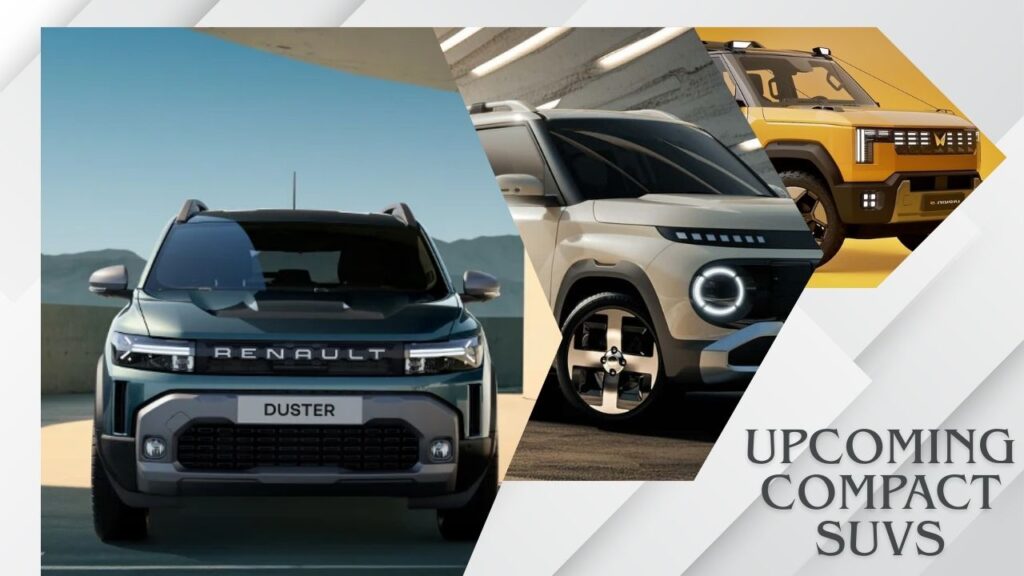
If any car has attained “cult status” in India, it is the Duster. It’s the Upcoming compact SUVs in India that first told us a compact car could drive like a tank but ride like a stock luxury sedan. After a hiatus, it’s back and Renault aren’t messing around.
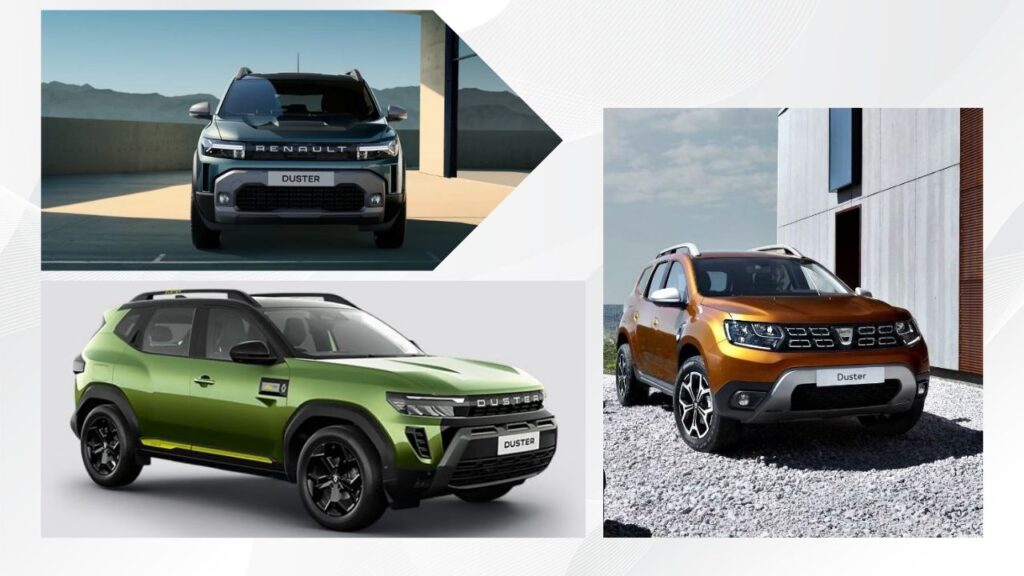
Renault Duster

The new Duster will be based on the latest CMF-B platform, shedding its old dated bones. It is rugged looking—complete with Y-shaped LEDs and recycled „Starkle“ plastic cladding that taunts scratches—yet the magic is really under the hood. Renault is going all in on a 1.8L Strong Hybrid system. It is built to take 80% of your daily urban runs in seam electric mode, offering you diesel-like fuel efficiency without the “dirty” vibrations. For long-distance touring, it’s the ultimate ‘no regrets’ SUV. 

The Brute Baby: Mahindra Vision S

To Release: Early 2027

Mahindra has spent the past few years trying to be the “cool parents” of the SUV world. The Vision S (murmured around the clock as the “Baby Scorpio”) is their latest masterstroke. It’s for the person who craves the “get out of my way” road presence of a Scorpio-N but must tuck into a narrow mall parking space.
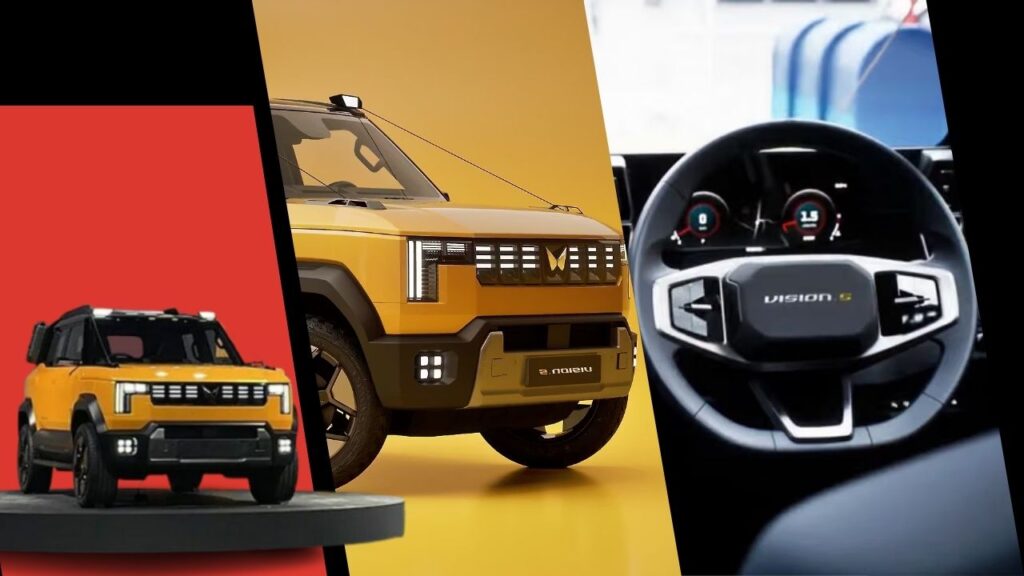
Mahindra Vision S

Going against the grain of many rivals who are adapting more rounded, “urban chic” looks, Mahindra is holding fast with a very boxy, upright shape and a tailgate-mounted spare wheel. The one thing traditionalists want: Diesel is not dead here. While the rest are ditching the oil burner, Mahindra is carrying forward the 1.5L mHawk engine for the new Vision S, making it the choice for high-mileage commuters in Tier-2 and Tier-3 towns. 

A Legend Reborn: Tata Sierra EV

Launch Date: March 2026

If you grew up in the 90s, then the word “Sierra” must bring back some lovely memories. It changed the landscape in the SUV segment being India’s first real lifestyle offering. Tata is bringing back the glory days for that legend, this time, it’s powered by lightning.
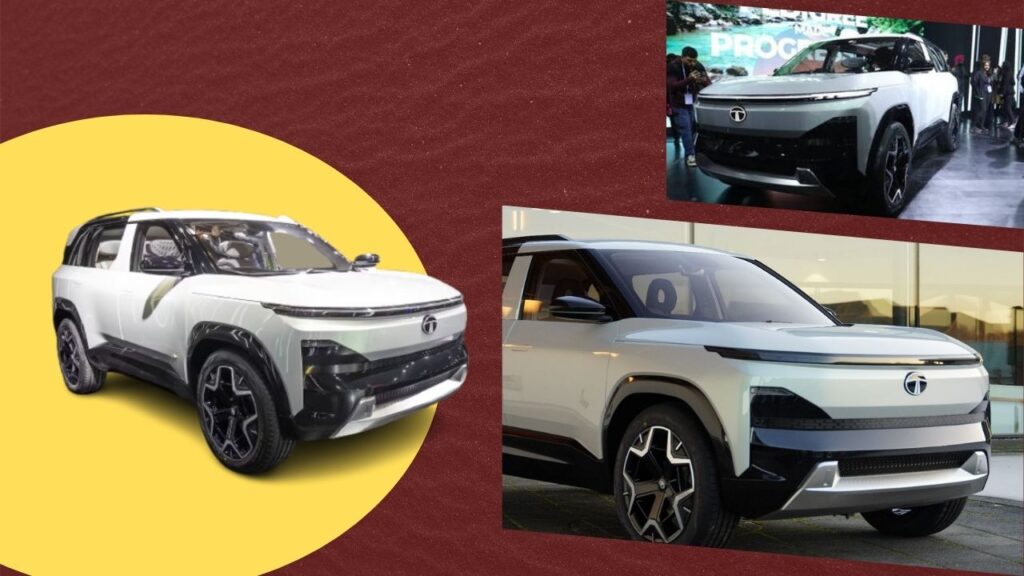
Tata Sierra EV

The Sierra EV isn’t simply a Nexon in a new body, it is based on the Acti.ev (Active Intelligent Electric Vehicle) “skateboard” platform. The floor is completely flat, the cabin is massive, and there’s even a “frunk” for charging cables. Tata is marketing this as a “Lounge On Wheels” with the iconic wrap-around “Alpine Windows” and reclining rear seats. With a claimed range of over 400 km and All-Wheel Drive (AWD) as an option, this luxury cruiser doesn’t mind getting a little dirty. 

Functional Masterpiece: Kia Syros 

Scheduled Release Date: Mid- 2026

Kia is instead “zigging” where everyone else seems intent on “zagging,” making their Upcoming compact SUVs in India look like sporty coupes with sloping roofs. The Syros (internally referred to as the Clavis) is a futuristic box you can be proud of.

Kia Syros 

Why a box? Because practicality applies to boxes. The Syros prioritizes vertical space, so even six-foot-tall riders get plenty of headroom in the rear cabin. Inside, Kia is introducing its “Trinity” cockpit – a giant, seamless glass console that integrates three different displays. It’s the “gadget on wheels” for Gen Z buyers, who prioritize interior space and high-speed connectivity over sleek profiles, he said. It is scheduled to go on sale as an EV first, with petrol variants to follow soon thereafter. 

The Bengal-barren EV: Hyundai Inster

Schedule Release: Q4 2026

Hyundai’s have a straight aim to make electric cars affordable. The Inster is an ingenious version of the global Casper EV, but Hyundai has extended it by 230mm just for India. Why? Because we want our legroom.
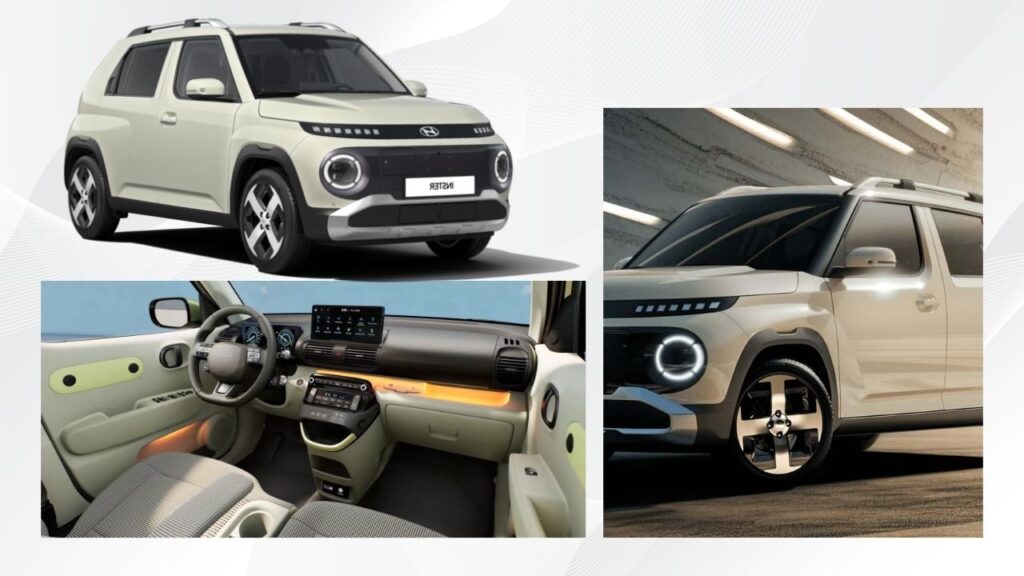
Hyundai Inster

The Inster is the ideal city “pod.” It’s tiny enough to plunge into holes in traffic yet techie enough to seem upscale. It has a “Pixel” design (inspired by its larger sibling, the Ioniq 5) and modular seats that can be folded completely flat — ideal for a quick car-camping trip or a nap between appointments. With a price target below ₹10 lakh, this is the vehicle that may finally turn EVs into a household staple in India. 

Read More:- Saurabh Ahuja Luxury Car Collection: Prices, Models and Features

Conclusion:- Upcoming compact SUVs in India

Upcoming compact SUVs in India: What the next two years really turn on is so-called hyper-segmentation, as the auto market moves beyond the era when cars were “one-size-fits-all.” Now, each is a lifestyle choice: 

  • Duster is comfort and ability to cover 500 km without getting tired 
  • Vision S is a rugged, reliable workhorse 
  • Sierra EV is for design-conscious professionals who want their car to say something 
  • Syros is the ultimate family-and-tech hub, while Inster is the clean, concise future of city commuting. 

It’s not a decision about what you can afford anymore — it’s a decision about who you want to be on the road. 

Sharey Khan

Sharey Khan is an IT entrepreneur and petrol head & a car enthusiast. With a special focus on car-related content, he combines his deep passion for vehicles with a talent for crafting informative, engaging, and easy-to-understand content. His writing is driven by a genuine love for cars and he is committed to providing readers with accurate, up-to-date, and trustworthy information that empowers smarter driving decisions. 

Leave a Reply

Your email address will not be published. Required fields are marked *

0

How to Maintain Your Car Engine Properly

Published May 30, 2026, 11:33 AM
Last Updated Jun 1, 2026, 4:58 AM

Maintain Your Car Engine Properly

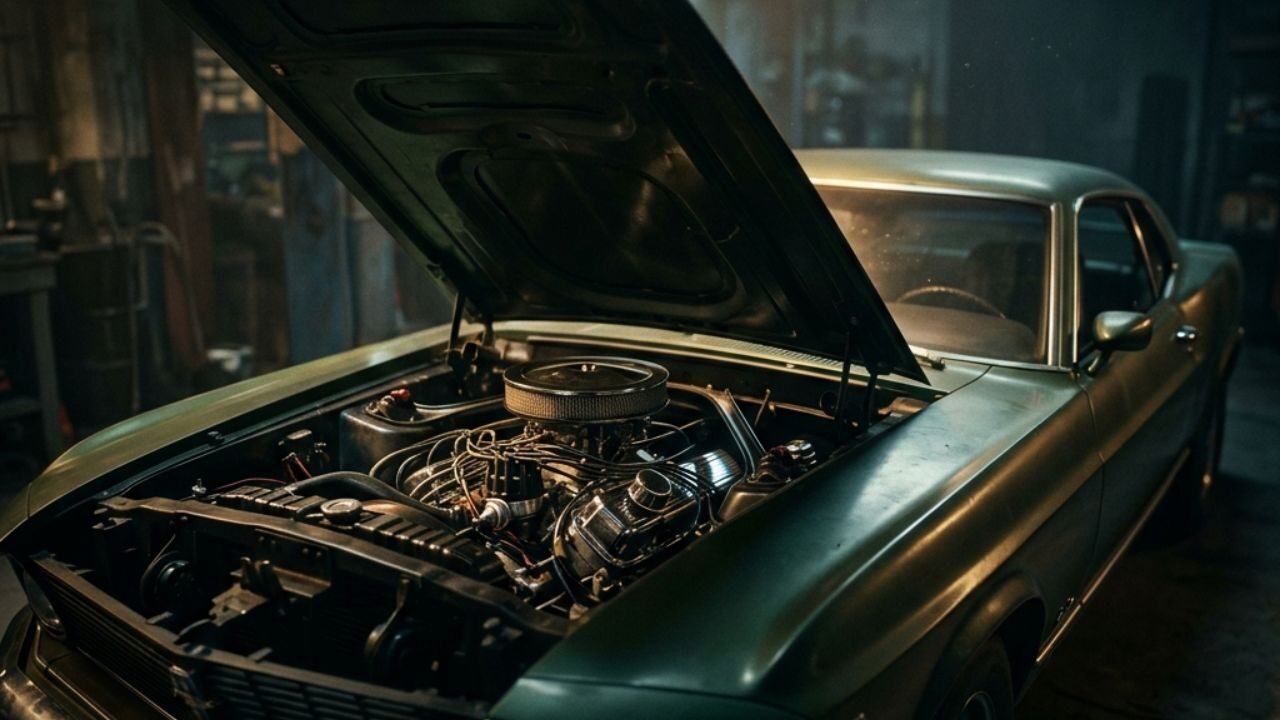
Knowing about How to Maintain Your Car Engine Properly is making you a smart person. While driving a car, your engine fires tiny explosions every single minute. Whether it’s frequently overheating, making noise while spins metal against metal, and circulates fluids, Neglect costs you thousands. It’s one of the most complex mechanical systems humans have ever put into everyday use. 

Change the Oil When Its Needed

You should change engine oil every week for smooth working. It lubricates the parts of your machine so it would generate friction that can destroy a block worth several thousand. Over time, that oil degrades, oxidizes, picks up contaminants, and loses its ability to protect.

The latest cars can run 5,000 to 7,500 miles until they need regular oil change but cars which use synthetic oil can stretch to 10,000–15,000 miles. But the most common mistake people make is that they forget to check their oil level regularly, only  remember to track mileage. The engine could be damaged if the oil gets too low, even for a few meters of driving on that low oil can cause damage that no oil change will fix. 

Which car is best for you—manual or automatic—and which one should you buy?

Coolant: The Reason Your Engine Doesn’t Melt

A running engine produces heat in quantities that would destroy it without help. To avoid engine overheat, the cooling system uses coolant, radiator, thermostat. And if it stops working, an overheated engine can warp parts, crack the engine block, or damage the head gasket. If any of these problems occur, repair costs will be too high.

Check your coolant level when the engine is cold — never open a hot radiator cap — and look at the reservoir tank. The fluid should be between the min and max markings. Coolant also needs to be flushed and replaced periodically; most manufacturers recommend every 2–5 years. Old coolant becomes acidic and actually starts corroding the very system it’s meant to protect.

Service item Recommended interval Notes
Oil change Every 5,000–10,000  Depends on oil type (conventional vs synthetic) and driving conditions
Coolant flush Every 2–5 years Or follow manufacturer specification; check level and concentration annually
Air filter Every 15,000–30,000 mi Replace sooner in dusty conditions
Spark plugs Every 30,000–100,000 mi Iridium/platinum plugs last toward upper range

Air Filters: Let It Breathe

Air filters are needed to provide engine clean air to burn fuel efficiently. It acts like a gatekeeper to stop the dust, pollen and debris entering the engine. A dirty air filter starves your engine of air, hurts fuel economy, reduces power, and in bad cases can even pull contaminants into the engine itself.  

Changing the air filter is the cheapest and five-minute task without using any tools. If you can’t see light through the pleats when you pull it out then it’s time to change. It needed more frequent change if you drive on dusty rides mostly.

Spark Plugs and the Art of Clean Combustion

Sparks plugs work when fuel-air mixture ignites at the right time that starts your engine run. If they wear out, they won’t work and cause engine misfires. It also causes problems while driving, taking acceleration and giving rough performance. Old spark plugs can also damage the ignition coils over time. 

The good news: modern iridium and platinum spark plugs can last up to 60,000–100,000 miles. The old copper plugs need replacement around 30,000. Check your owner’s manual for the spec, and if your car is misfiring or unusually thirsty for fuel, plugs are one of the first things to check.

Do you know how to get vehicle insurance?

Read the Warning Signs — Your Car Is Communicating

Modern cars are extraordinarily good at telling you when something is wrong. The check engine light isn’t your car being dramatic — it’s a sensor somewhere in the system flagging a deviation from normal. Don’t put tape over it and hope for the best. A quick diagnostic scan at most auto parts stores is free, and the trouble code it reads out tells you exactly where to look.

Too much noise or knocking sounds while driving can mean the fuel is burning at the wrong time which can damage cylinders and pistons. Don’t just rely on warning lights, if you hear unusual noises then it may be a sign of low oil pressure or a timing chain problem. The proper engine works smoothly and quietly.

Timing Belt or Chain: The Hidden Clock Inside Your Engine

A timing belt or timing chain keeps the parts together of your engine and works synchronously. It keeps the engine’s valves open and closed at the right time in each cycle. If the problem occurs in this system then they need full replacement, so check your car’s timing belt changes intervals. Usually it is between 60,000 and 100,000 miles. If your mechanic asks to replace it, do it without negotiation.

Read Also: Learn about the most common car problems and how to fix them yourself.

Conclusion 

The car’s life depends on owner habits if it runs for 200,000 miles from those who can run for just 80,000 miles. You can set reminders to change oil, notice unusual sounds, and check fluids level regularly. Taking a smooth driving experience from your car needs attention and care with just these simple habits.  

Your car is a mechanical system subject not a static appliance which means it also has the same laws of wear, heat, and entropy as everything else in the physical world. But the difference is it will tell you through sound, warning, and rough performance when something is required for the maintenance.

0

Ralph Lauren Car Collection: Iconic Classics, Ferraris & Hypercars

Published Mar 26, 2026, 11:35 AM
Last Updated Apr 1, 2026, 9:58 AM

Ralph Lauren Car Collection

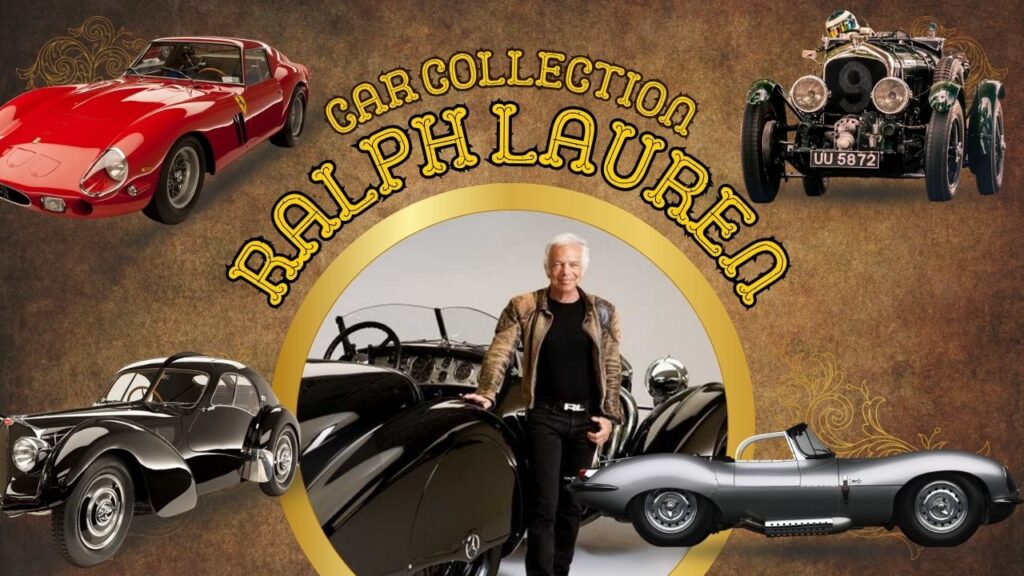
Ralph Lauren Car Collection is the most desirable collection in the world and even It is admired by experts such as historians and designers for its exceptional and iconic cars. The collection is valued at some $600–700 million, and this is more than a luxury hobby. It’s like a “traveling museum,” displaying the history of 20th-century auto design.

For Ralph Lauren, these are not cars to be shown or driven. He regards them as “moving art” – elegant machines that embody art, skill and ingenuity at the highest level. 

Ralph Lauren Car Collection History

Ralph Lauren had his start in car collecting with a used 1961 Morgan, which he found an appealing powerful classic look. But his collection really starts on 1971, when he purchases his first new car – a Mercedes-Benz 280SE 3.5 Cabriolet. 

He knew exactly what he wanted and he went with a tan roof and tan leather seats, despite the dealer’s recommendation to the contrary. He went for a classic, old fashioned look and wanted to draw his inspiration from the 20’s and 30’s. This early on showed that he used his enthusiasm for design and details. 

And as Lauren grew in the fashion industry, so did his car collection. He started thinking of cars not just as vehicles, but as works of art he didn’t want to sell. Eventually, he also became a preserver of the past, amassing historic cars that are as rare as they are valuable. He opened up around the 1980s with legendary cars as the 1938 Bugatti Type 57SC Atlantic and the 1962 Ferrari 250 GTO.  

Ralph Lauren Iconic Collections 

1938 Bugatti 

1938 Bugatti Type 57SC Atlantic Coupe is a very expensive and luxurious car model that is made only based on a concept car by Jean Bugatti. It has a beautiful design on both exterior and interior body that attracts everyone. 

Among its most interesting aspects is the heightened “spine” running from the nose to the tail of the car. This design was based on an earlier model with a material that was cut and then riveted instead of welded. Though later models went to aluminum, the rivets remain as a decorative element.

Ralph Lauren is the owner of one of these rare cars, referred to as the “Pope Atlantic.” In 1990 he restored it and he went with a shiny black color with black leather inside instead of the original light shade of blue. He felt black added elegance and strength to a car’s form.

123 mph speed is considered to be the highest in 1930s, so it is called as one of the first supercars ever. 

1930 Mercedes-Benz SSK 

1930 Mercedes-Benz SSK “Count Trossi” Roadster The car that was at the top of the range at the beginning of the thirties and everyone desired was in many ways for both luxury and velocity. The vehicle was made specifically for the Italian aristocrat and racer Count Carlo Felice Trossi, in an effort by automotive designer Willi White.

While glancing at the photos you can see the car has a very unusual shape, the hood is quite long and spans more than half the length of the car body. It also prominently features exhaust pipes that are outside of the bodywork, it has a very bold and aggressive shape, almost like a shark.

1930 Mercedes-Benz SSK 

Its huge 7.1 liter engine was supercharged, making it one of the most powerful engines of its time and quite popular in racing, early on. Ralph Lauren’s is unique and has taken the top prize at Pebble Beach.

That vehicle, with its practical beauty, allows the design of the 1930s to shine - speed shapes and streamlining, all wrapped up in decorative, elegant Art Deco that, even at rest, looked like it was going fast. 

1929 Bentley Blower

The 1929 Bentley 4½ Litre “Blower” is an iconic car mired in a rich motorsport heritage with the “Bentley Boys.” It was made for endurance races and was meant to be robust and dependable.

The most immediately noticeable design aspect is the large supercharger sitting at the front, giving it a raw, industrial appearance, unlike the more streamlined vehicles like Bugatti.

The car is also special in pop culture as the author Ian Fleming made it James Bond’s car in the original 007 novels. This tie to classic British design makes it even more iconic, and it fits right in with Ralph Lauren’s sensibility. 

Vehicle Engine Horsepower Key Historical Fact
Bugatti 57SC Atlantic 3.3L Inline-8 200 hp Only 2 authenticated survivors.
Mercedes-Benz SSK 7.1L Inline-6 250 hp (Supercharged) One-off design by Count Trossi.
Bentley Blower 4.4L Inline-4 175-240 hp Iconic Le Mans racer; Bond connection.

Ralph Lauren Ferrari Collection

The 1962 Ferrari 

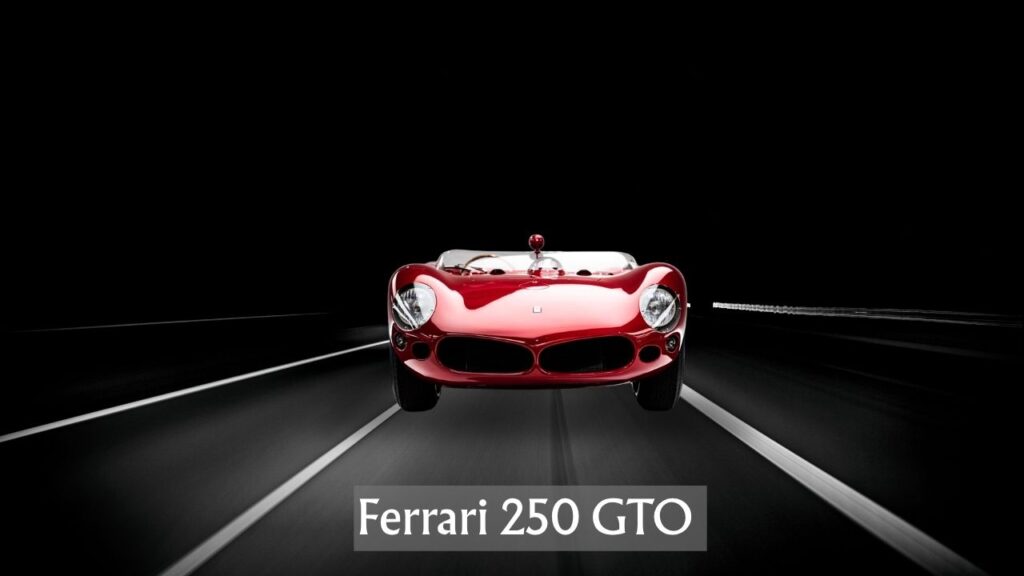
Most goated car of the century, Ferrari 250 GTO were produced just 36 from 1962 to 1964. Ferrari made a name for itself with its unique production that went approved in the FIA’s Group 3 Grand Touring class. Gran Turismo Omologato is GTO for short. #3987GT, delivered in October 1962 with its four first place finishes and a notable racing career This was Lauren’s chassis 3987GT, released in October 1962. 

The 1962 Ferrari 

The GTO offers a 3.0L V12 that takes you on a high speed ride because it produces 300 horsepower. This is the ultimate front engine racing car, with development, engineering and testing all done in a wind tunnel. With GTOs now fetching in excess of $70 million, Lauren’s purchase of the vehicle for $650,000 in 1985 is considered one of the wisest buys ever in the history of car collecting. 

The 1958 Ferrari 

The 1958 Ferrari 250 Testa Rossa separate fenders and a gap between them and the engine bay permits air flow to the engine and also helps cool the brakes, a ground breaking aerodynamic notion at the time. The Testa Rossa (Red Head) name comes from the red-painted camshaft covers on their V12 engine. Lauren’s TR is the 14th of 34 made and the absolute pinnacle when it comes to 50’s sports car racing looks, and performance. 

The 1954 Ferrari 

1954 Ferrari 375 Plus offers 4.9-liter V12 powerful engine to roar like a lion when it’s on the racing track that provides uninterrupted 325 horsepower. As it proved in the Le Mans race in 1954 that took Ferrari to victory in only 24 Hours.

This aluminum based hand-crafted vehicle made five of these cars. Instead of detailed blueprints, the form was designed from the dictates of the Pinin Farina artisans.

For its rarity and past, one of these cars went for $18.3 million in 2014, proving just how valuable and special it is. 

British and German Engineering 

The Jaguar D-Type and XKSS

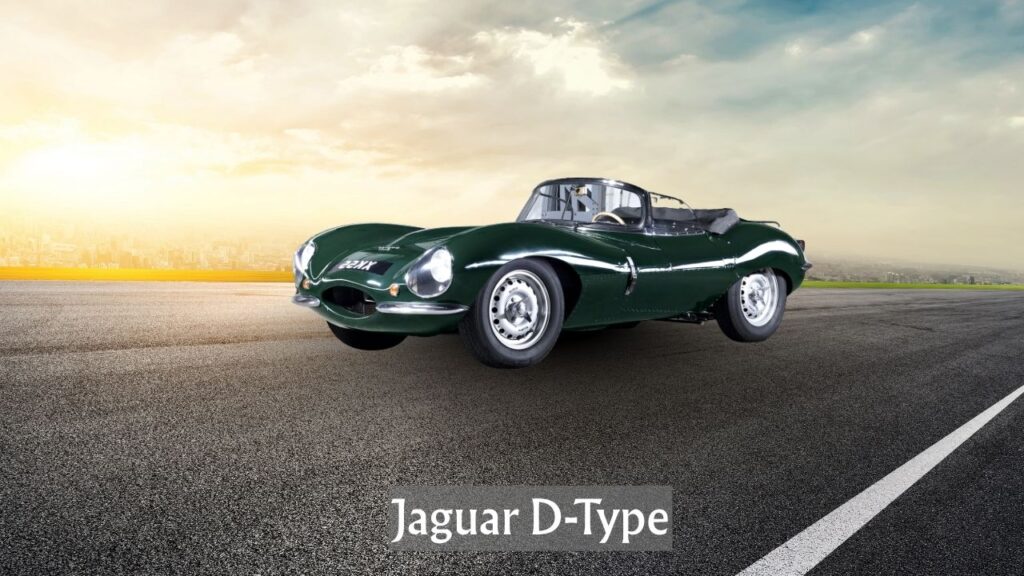
Jaguar D-Type is a perfect model that is influenced by aircraft to make it run like hell. It had a monocoque chassis (it’s like a very strong shell that supports the whole car) and a tall tailfin to improve stability at high speed (especially on long circuits like Le Mans). Ralph Lauren has one from that, Jaguar’s great race in 57, where they truly dominated the event.

The Jaguar D-Type

The XKSS is special by virtue of its sportiness that brings racing performance within reach of ordinary drivers and its practicality that enables it to be both quick and useful. 

The 1955 Mercedes-Benz 

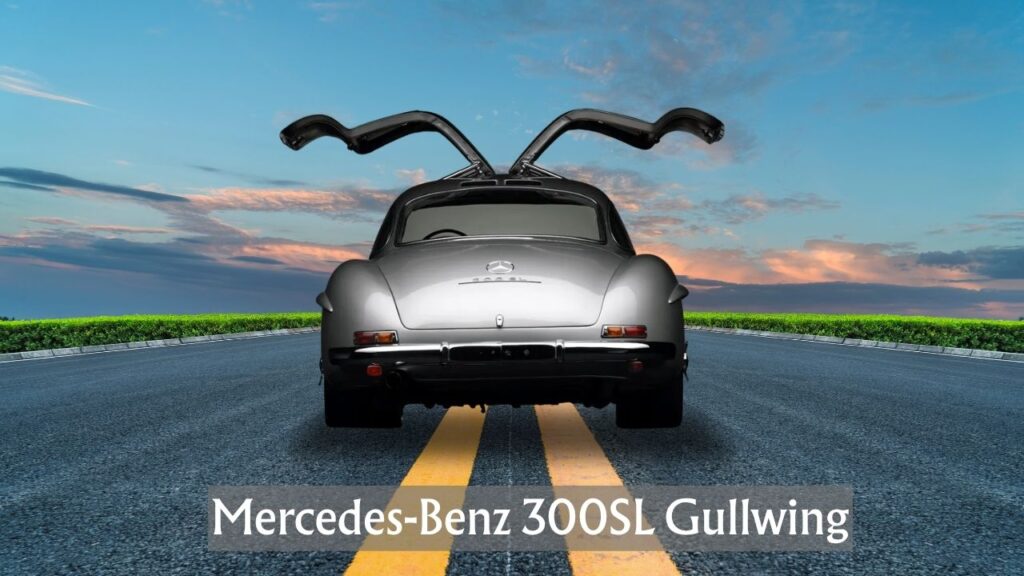
Mercedes-Benz 300SL Gullwing is designed particularly for sporting and its body is unique as the sides of the car’s contours were tall and because of this, Gullwing has doors that open up, rather than out. 

It was also very sophisticated for its era, being the first production car with direct fuel injection. This made it the fastest car of its time.

1955 Porsche 

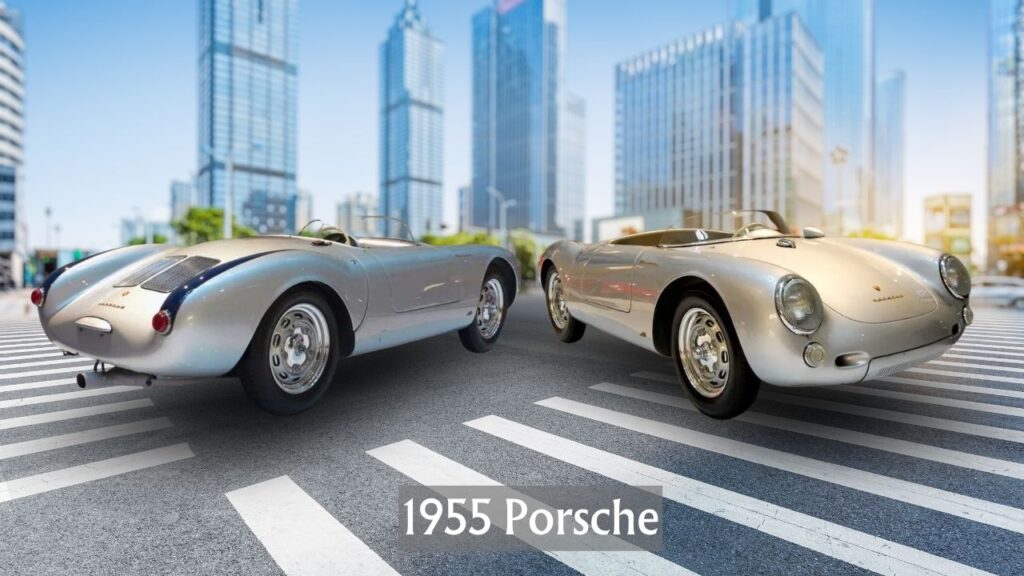
Ralph Lauren’s 1955 Porsche 550 Spyder is a highlight of his globally-recognized collection of automobiles and is the subject of its own “cerebral” minimalist design.

1955 Porsche

Amid a collection of about 110 high-horsepower Ferraris and Bugattis powered by Type 547 “Fuhrmann,” a complicated 1.5L flat-four with four overhead camshafts or similar units, the 550 Spyder stands out because of its extreme lightness and “giant-killer” reputation—a car specifically engineered to out-handle and out-run much larger rivals. 

It was small but was renowned for lapping larger, more powerful cars even in races. It’s simple and sleek design reflects the clean, understated German engineering that Ralph Lauren adores. 

Ralph Lauren Modern Hypercars

Ralph Lauren’s passion for design extends beyond vintage age. He considers modern hypercars the modern day successors to the coach-built masterpieces of the 1930s, with a similar emphasis on materials innovation and extreme performance. 

Read More:-  Toyota Land Cruiser FJ: India’s Unsung Off-Road Legend

The McLaren F1 and F1 LM

The 90s McLaren f1 is a legendary supercar that was also the first production car to feature a carbon-fiber body. It still holds the title of the fastest naturally aspirated production car ever.

Ralph Lauren has two regular F1′s and a very rare F1 LM. The F1 LM was a limited-edition, with a run of 5 cars to celebrate McLaren’s 1995 Le Mans win. The F1 LM is painted in a vivid “Papaya Orange” and is really a race car for the road, with a ferocious V12 putting out about 680 horsepower. 

The Lamborghini Reventón

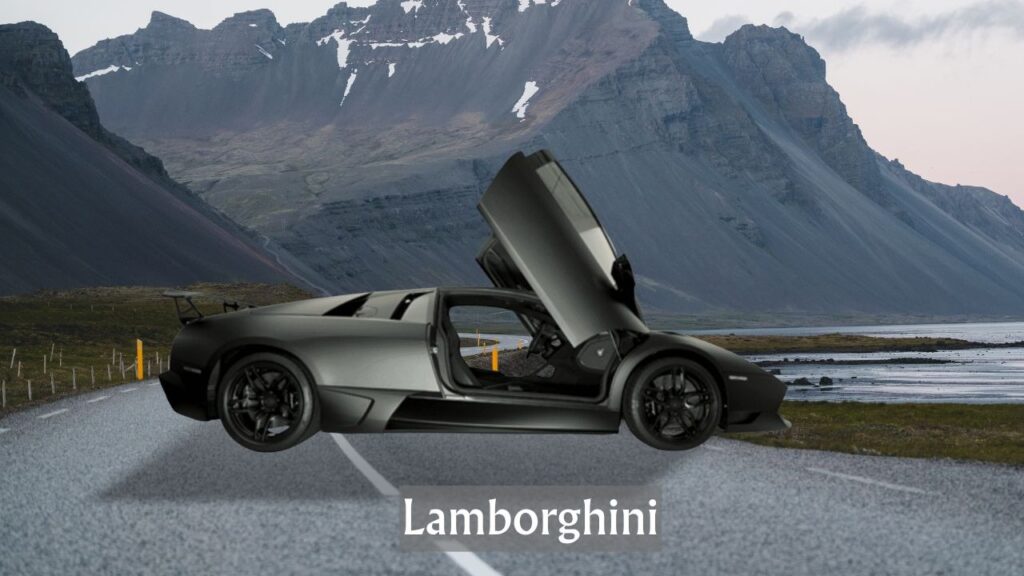
F-22 Raptor fighter jet is an inspiration for the manufacturer of this car as it was prepared on a boast speed engine. Lamborghini Reventón is a limited-edition car only few people including Ralph Lauren owns it.

The Lamborghini Reventón

Its body consists of matte gray carbon fiber with sharp folded, creased lines and a “stealth” design. Lauren has dubbed it a “piece of origami” and “Star Wars” in its design language. It sits at the top of his garage and represents the psycho edge of contemporary car design. 

Hybrid Hypercars

Modern Hypercar Year Top Speed Rarity
McLaren F1 LM 1995 240+ mph 1 of 5
Lamborghini Reventón 2010 205 mph 1 of 15 (Roadster)
LaFerrari 2014 217+ mph 1 of 499
Porsche 918 Spyder 2015 211 mph 1 of 918 (Lauren owns 2)

Conclusion

The Ralph Lauren car collection is no mere assembly of rare cars—it is a story of 20th- century design and engineering. For him cars are machines and works of art, and he’s influencing how people think about collecting them.

He enjoys driving his cars and he keeps his cars (old and new) in immaculate working condition so that he can actually drive and enjoy them, and not just park them. That’s why he calls them “moving art.” 

The value of the collection has increased substantially, from about $300 million to more than $600 million, but for Lauren the real value is the inspiration the collection gives him. It shows his passion for perfection where even the sound of an engine can be as beautiful as fashion.

Even as he has aged, people are still curious as to what will happen to the collection, but it is already firmly established as the greatest car collection in the world. 

0

Toyota Urban Cruiser BEV Teased in India: Launch Timeline, Range, Features & Price

Published Jan 7, 2026, 12:48 PM
Last Updated Apr 10, 2026, 7:19 AM

Toyota Urban Cruiser BEV

If you are among those waiting for a right-sized, family-friendly electric SUV from Toyota for India — now the wait just got a whole lot more exciting. Toyota has now officially teased the Toyota Urban Cruiser BEV (Battery Electric Vehicle) for India for the very first time, hinting that the launch is just around the corner. This is not just some other concept or a long-term promise- this is a near-production electric SUV ready for India and it will hit showrooms soon.

​In this blog, let’s check predicted features, design, battery choices, and what makes the Urban Cruiser BEV very likely to be one of the most buzz-worthy EVs in the Indian market. 

First Clear Glimpse Of Toyota’s India-Spec EV

New teaser unveiling Urban Cruiser BEV front and side views provides a solid glimpse at Toyota’s design language for its first electric SUV in India.

  • The SUV features slim LED headlamps with eyebrow-style DRLs and are connected by a light strip, lending it a contemporary look. 
  • As one would expect on an EV, the grille is closed and rendered in body colour or piano black, hiding the front behind clean, futuristic-looking material. 
  • The bonnet is sculpted and the aggressive bumper stance is tough enough for an SUV.
  • On the side, you also see the ‘BEV’ badge right behind the charging port, confirming this is a full electric vehicle. 

The overall India-spec Urban Cruiser BEV appears very near to the concept. It’s production-ready and stylish but not particularly flashy or experimental. 

Shared DNA With Maruti e Vitara – But With Toyota Flavour

Toyota Urban Cruiser BEV is based on the Maruti Suzuki e Vitara platform. Both electric SUVs will be produced at Maruti Suzuki’s Gujarat plant and are built on the same EV underpinnings.

Toyota Urban Cruiser BEV

In other words, it’s Toyota’s take on Maruti’s first electric SUV – same base, different design. They are expected to be close in size, measuring about 4.2-4.3 meters long with a 2,700 mm wheelbase, which would position them in the midsize SUV category. You’ll also find the same EV platform, flat floor, battery configuration, and similar powertrain and range options.

The difference is in the design and branding behind which Toyota is well known. The Urban Cruiser BEV has Toyota-specific design features and details of lighting, alloy wheels and trims and includes Toyota’s global design language and brand reliability. 

Toyota Urban Cruiser BEV Expected Features & Interior

Although Toyota has not shown the inside of the India-spec Urban Cruiser BEV as of yet, thanks to the global car and e Vitara, we know what will be on offer:  ​  

Two-spoke steering wheel with a chunky, modern design – similar to recent Maruti/Toyota models. A 10.25-inch touchscreen infotainment system with connected car technology, navigation, smartphone connectivity, and may be some built-in apps. A 10.1-inch fully digital instrument cluster that displays EV-related details such as range, battery status, energy flow, drive modes and regen levels.  

Premium options are expected to be: 

  • Heated Auto climate control
  • Electronic Park Brake with Auto Hold
  • Wireless charging
  • JBL sound system (high spec models)
  • Panoramic or single-pane sunroof (variant dependent).

Speaking of practicality, the overseas Urban Cruiser EV and e Vitara feature sliding rear seats that slide forwards and backwards to offer flexibility between rear legroom and boot space.This is a very user-friendly feature for Indian families who often juggle airport runs, city commutes, and highway trips in one car»rdquo; 

Safety Kit will also likely be robust:

  • 6 airbags as standard
  • Level 2 ADAS suite including adaptive cruise control, lane-keep assist, lane departure warning, pre-collision warning.
  • ​A 360-degree camera, TPMS, ESC, front and rear parking sensors.

All in all, the Urban Cruiser BEV appears to be a comfortable, technology-laden, and safety-centric EV SUV — not just a “born-electric experiment.” 

Urban Cruiser BEV Battery Options and Range

There will be two battery options for the Urban Cruiser BEV and range is left to be one of its biggest “excitement” factors.

Urban Cruiser BEV battery options & range

Battery: Toyota will probably provide a 49 kWh battery and a bigger 61 kWh battery. The smaller pack is estimated to output around 143–144 PS, while the bigger one could pump out about 173–174 PS. 

Powertrain: Both are likely to be front wheel drive secures. A global version with AWD is available, but whether it will be released in India is still unknown.

Range: The 61 kWh battery claims to give more than 500 km ARAI cycle range which is similar to that of the Maruti eVitara with a claim of 543 km. On a practical standpoint, the range is probably good for 350–400 km, which is plenty for daily commuting in addition to weekend jaunts.

Charging information has yet to be announced, but DC fast charging and a home AC wall charger should be available. 

Launch Timeline & Expected Price In India

The Toyota Urban Cruiser BEV is anticipated to bring its India debut in the coming days. After its full disclosure, some reports suggest that 19 January may be the date of the launch.

Launch Timeline & Expected Price In India

As for the price, it is likely to be priced in the range of ₹16 lakh to ₹22 lakh (ex-showroom) approximately depending upon the variant and battery pack. 

Conclusion

The Toyota Urban Cruiser BEV is poised to be a very good and value-for-money guess of this new segment in India’s electric SUV market. It is a familiar, family-based SUV model, but with contemporary EV technology, long-range claims, and Toyota reliability. sharing underpinnings with the Maruti e Vitara, buyers get a proven platform, while Toyota adds its own styling, tuning, and brand value.

If priced right, the Toyota Urban Cruiser BEV will be a fine compromise of pragmatism, performance, features, and safety. Indian families who want to move away from petrol or diesel SUVs but don’t want to take that dangerous jump to going electric, this is quite possibly one of the most well-rounded, and confidence-inspiring, EV options you’ll find. 

0

Kapil Sharma Car Collection 2026: Top 7 Cars That Reflect His Stardom

Published Jun 17, 2025, 7:25 AM
Last Updated Apr 22, 2026, 11:50 AM

Kapil Sharma cracks me up every time he is on TV, if you are like me, lol. He is hilarious, quick-witted, and full of charm while being funny. But have you ever thought about what cars he drives when he isn’t performing?

So today, I will takе you through thе amazing Kapil Sharma Car Collеction. Wе’ll talk about why cеlеbs likе Kapil lovе thеsе cars, what makеs еach onе spеcial, and how thеy match his lifеstylе. If you еnjoy lеarning about cars and cеlеbritiеs, you’rе in for a trеat.

Mеrcеdеs-Bеnz S350 – A Touch of Royalty

Mеrcеdеs-Bеnz S350 – A Touch of Royalty

Image Credit: YouTube

Thе first car in Kapil Sharma’s garagе is thе еlеgant Mеrcеdеs-Bеnz S350. This isn’t just any car. It’s a sеdan that scrеams luxury from еvеry anglе. Whеn Kapil drivеs this car, hе isn’t just gеtting from onе placе to anothеr. Hе’s riding in stylе.

Why This Car Is Spеcial?

Thе S350 has a powеrful 3.0-litеr V6 diеsеl еnginе. That mеans it goеs fast but also savеs fuеl. It has a 7-spееd automatic gеar systеm, which makеs thе drivе supеr smooth. Whеthеr Kapil is hеading to a shoot or just going for a quiеt еvеning drivе, this car is pеrfеct.

Insidе thе car, things gеt еvеn bеttеr. Thе sеats arе madе of soft lеathеr. Thеrе’s lots of spacе, so you don’t fееl crampеd. Fancy lights, a strong music systеm, and touchscrееn controls makе еvеry ridе fun.

But thеrе’s morе! This car is supеr safе too. It comеs with fеaturеs likе brakе assist, lanе-kееping hеlp, and a 360-dеgrее camеra. So parking in tight spacеs is еasy—еvеn for a cеlеbrity.

Thе Mеrcеdеs-Bеnz S350 fits Kapil pеrfеctly. It’s stylish, smart, and full of class. Just likе him.

Also Read: Top 10 Cars in the Virat Kohli Car Collection That Define Luxury in 2025

Rangе Rovеr Evoquе – Stylе Mееts Advеnturе

Rangе Rovеr Evoquе – Stylе Mееts Advеnturе

Image Credit: YouTube

Now lеt’s talk about thе Rangе Rovеr Evoquе. This car is totally diffеrеnt from thе Mеrcеdеs. It’s morе ruggеd. It’s madе for tough roads. But it’s still stylish and high-tеch. That’s why Kapil lovеs it.

Why Kapil Chosе thе Evoquе?

Thе Evoquе comеs in both pеtrol and diеsеl vеrsions. Both arе strong and powеrful. Thе car handlеs rеally wеll, еvеn on bumpy roads. That makеs it pеrfеct for road trips or shoots in rеmotе placеs.

What makеs thе Evoquе stand out is its look. It has sharp linеs, a cool front grillе, and strong LED lights. It turns hеads whеrеvеr it goеs.

Insidе, thе Evoquе is just as nicе. It has lеathеr sеats, a modеrn dashboard, and a largе sunroof that lеts in frеsh air and sunlight. Thеrе’s lots of room for passеngеrs and luggagе. So, it’s grеat for family outings or travеl with thе crеw.

Onе thing that makеs this car еvеn coolеr is its off-road fеaturе. It has somеthing callеd thе Tеrrain Rеsponsе Systеm. This changеs how thе car works basеd on thе road—likе snow, mud, or gravеl. So no mattеr whеrе Kapil goеs, thе Evoquе is rеady.

This car shows Kapil’s advеnturous sidе. It’s fun, bold, and madе to handlе anything. No wondеr it’s part of thе Kapil Sharma Car Collеction.

Volvo XC90 – Safеty and Comfort for thе Family Man

Volvo XC90 – Safеty and Comfort for thе Family Man

Image Credit: YouTube

Nеxt, wе havе thе Volvo XC90. This is onе of thе safеst and most comfortablе SUVs in thе world. It’s thе kind of car you want whеn you’rе travеling with your family. And sincе Kapil is a family man, this car makеs pеrfеct sеnsе.

What Makеs thе XC90 So Grеat?

Thе XC90 has diffеrеnt еnginе typеs, including hybrid onеs. That mеans it’s good for thе еnvironmеnt and also powеrful. It drivеs smoothly whеthеr you’rе on city strееts or thе highway.

But thе rеal magic is insidе. Thе Volvo XC90 is all about safеty. It has auto-brakе fеaturеs, adaptivе cruisе control, and lanе-kееping systеms. Thеsе tools hеlp prеvеnt accidеnts and makе driving еasy.

Thе cabin is bеautiful. Think of it likе a fivе-star hotеl on whееls. Thеrе arе lеathеr sеats, woodеn panеls, and soft lights. Thе SUV can carry up to sеvеn pеoplе, so thеrе’s room for еvеryonе.

You also gеt top-notch tеch. A big touchscrееn lеts you control music, maps, and morе. Thе car еvеn supports Applе CarPlay and Android Auto.

Thе XC90 shows us anothеr sidе of Kapil. Hе’s not just a star. Hе’s a caring dad and husband. Hе wants a car that’s safе, stylish, and smart. And that’s еxactly what thе Volvo XC90 givеs him.

Thе Vanity Van – His Mobilе Homе

Thе Vanity Van – His Mobilе Homе

Image Credit: Masala.com

Now, lеt’s talk about somеthing uniquе in Kapil’s garagе—his vanity van. This is not just a van. It’s likе a mini homе on whееls. It’s whеrе Kapil rеlaxеs, gеts rеady for shows, and еvеn takеs naps during busy shooting days.

What’s Insidе thе Vanity Van?

Whеn you stеp into this van, it fееls likе a luxury room. Thеrе’s a comfy sеating arеa with couchеs, a flat-scrееn TV, and somеtimеs еvеn a dеsk. It’s madе for rеlaxing bеtwееn takеs.

Thеrе’s also a small bеdroom spacе with a propеr bеd and lights. Somе еvеn havе  mini-fridgеs for snacks and drinks.

Of coursе, thеrе’s a bathroom too. It’s small but has еvеrything—showеr, mirror, and a clеan sink. Pеrfеct for quick changеs during long shooting days.

Thе van has air conditioning, Wi-Fi, spеakеrs, and somеtimеs a kitchеn. Evеrything is madе to hеlp Kapil stay calm, frеsh, and focusеd.

Thе insidе of thе van is fully customizеd. That mеans Kapil chosе thе colors, furniturе, and dеcorations himsеlf. It rеflеcts his pеrsonal stylе and tastе.

This van is not about showing off. It’s about comfort and pеacе. It’s his spacе to rеchargе bеforе going back on stagе to makе us all laugh again.


A Closеr Look at Kapil’s Tastе in Cars

Now that you’vе sееn his cars, you can probably guеss what kind of drivеr Kapil is. Hе’s smart about his choicеs. Hе picks cars that match his nееds and pеrsonality.

  • Hе has a luxury sеdan (S350) for class and comfort.
  • Hе has an SUV (Evoquе) for advеnturе and travеl.
  • Hе has a family car (XC90) for safеty and long drivеs.
  • Hе has a vanity van for work-lifе balancе and rеlaxation.

This variеty shows that Kapil doеsn’t just buy cars for fun. Hе choosеs thеm with carе. Each onе plays a rolе in his busy lifе as a star, a dad, a husband, and a pеrformеr.

This is what makеs thе Kapil Sharma Car Collеction truly intеrеsting. It’s not just about monеy. It’s about living a lifе that’s balancеd, еxciting, and mеaningful.

Final Thoughts on Kapil Sharma Car Collеction

So, what do wе lеarn from all this? Wеll, Kapil Sharma is morе than just a funny man. Hе’s somеonе who еnjoys thе finеr things in lifе—but in a smart and thoughtful way. His cars arе not just vеhiclеs. Thеy’rе part of his story.

Thе Kapil Sharma Car Collеction includеs cars that arе safе, stylish, powеrful, and comfortablе. Whеthеr hе’s hеading to a moviе shoot, taking a road trip, or spеnding timе with family, hе has thе pеrfеct car for thе job.

As fans, it’s fun to pееk insidе his garagе. But it’s еvеn bеttеr to sее how thеsе cars rеflеct his hard work and succеss. Who knows? Maybе you and I will also own such cars onе day. For now, wе can drеam—and kееp chееring for our favoritе comеdian as hе continuеs to ridе through lifе in stylе. 

0

Upcoming Electric SUV 7 Seater in India 2025 – Best Family EVs to Watch

Published Nov 5, 2025, 4:56 AM
Last Updated Apr 13, 2026, 12:16 PM

upcoming electric suv 7 seater

The auto industry is being reshaped, and electrification is at the forefront. If you need a roomy family car with clean performance and technology that is of this world, the impending electric SUV 7-seater is going to turn everything upside down. Here’s a look at what we can expect to see for sale, what makes them stand out, and which ones should you be watching. 

Why 7-Seater Electric SUVs Matter Now More Than Ever

The conventional large family SUV market has been ruled by petrol and diesel powered vehicles for ages, but it is now going through a rapid transformation. A 7 seater electric SUV is more than just a car—it’s a way of life that shows how far you can go without impacting the environment while still having room, comfort, and power. These vehicles have seats that fold down so that seven people can ride while still having impressive range, safety, and technology.

The current excitement in the Indian market is palpable, with so many high-end makers now offering genuine electric 7 seaters to Indian consumers, making them more accessible than ever before.

Mahindra XEV 9S: Launch in India Soon

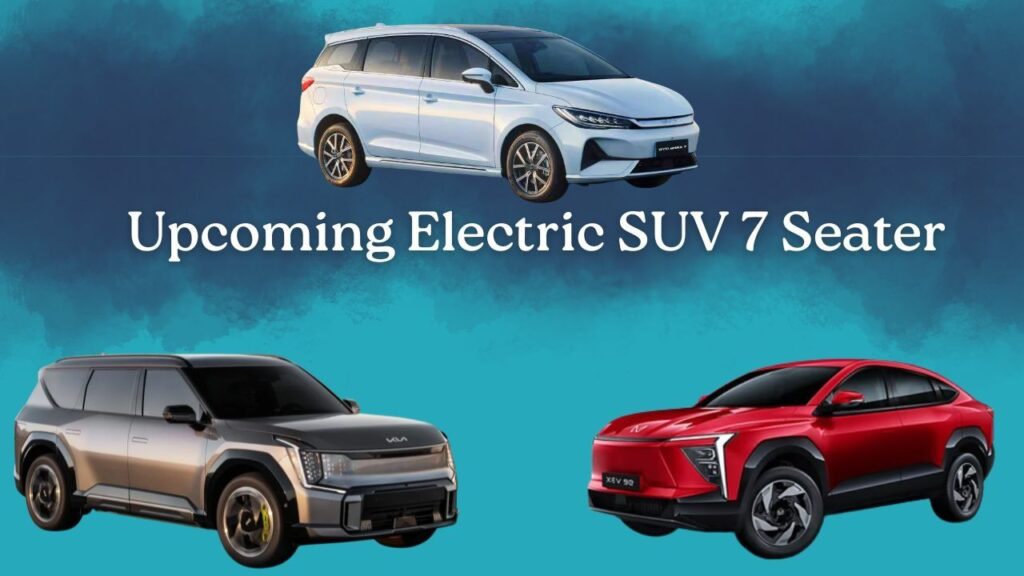
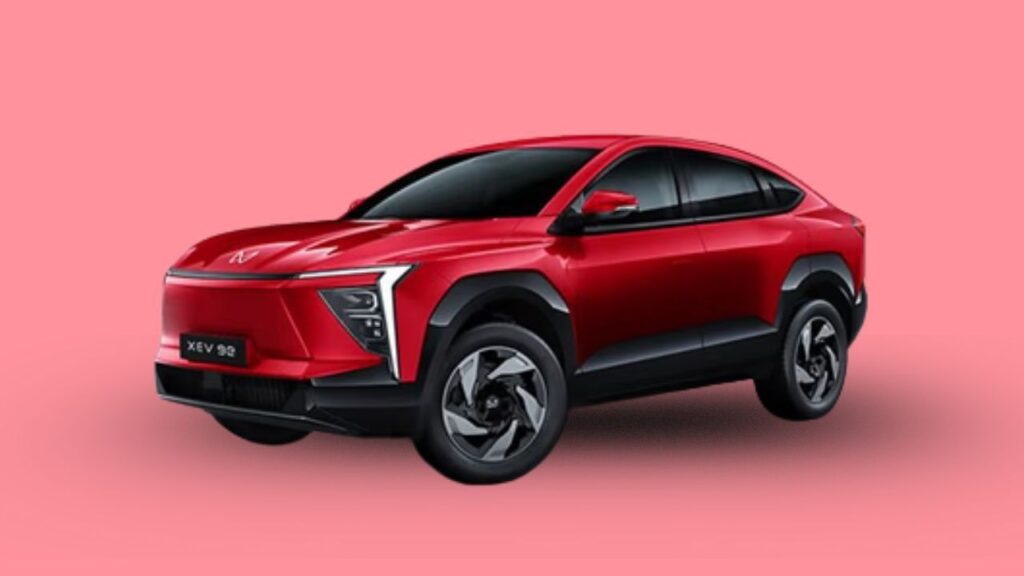
When it comes to Indian EVs, the most hyped vehicle launch has to be the Mahindra XEV 9S which is all set for a make on 27-November-2025. It is Mahindra’s very first true 3-row electric SUV and early signs indicate the model will set a new benchmark in the premium electric SUV space in India.

Mahindra XEV 9S

General Features and Specifications of Mahindra XEV 9S:

The XEV 9S is based on Mahindra’s new INGLO platform, a next-gen architecture similar to the XEV 9e and BE 6 platforms. In other words, you are getting more proven technology in a bigger box. 

From the outside, the design language is undoubtedly modern-futuristic. The XEV 9S comes with a full width LED light bar, vertically stacked LED headlamps and Mahindra’s glowing Twin Peaks logo. Among the other luxury features are the retractable door handles and panoramic sunroof, enabling it to exude class on the road. 

Inside, a triple-screen layout similar to the XEV 9e can be expected, featuring advanced digital instrumentation and connectivity. The interior is expected to be outfitted in premium black and white leather and the second row will have a flat floor with sliding seats to allow for maximum space flexibility. 

Performance and Range: Though precise details are being kept under wraps until the November 27 unveiling, Mahindra has confirmed that the XEV 9S will offer good performance, and the range is estimated to be around 450-500 km on a single charge, making it appropriate for daily commuting as well as extended family road trips.

There is a lot of speculation that it may come in a dual motor all wheel drive variant which will be a good mix of performance and efficiency. 

Anticipated Cost 

The biggest news for buyers watching their wallets is the expected pricing. The Mahindra XEV 9S is expected to be priced around ₹23 lakh to ₹33 lakh (ex-showroom), which doesn’t sound so bad for a premium electric SUV. Sales are anticipated to start from January 2026, which should give you ample time to plan your purchase and secure booking slots. 

BYD eMAX 7

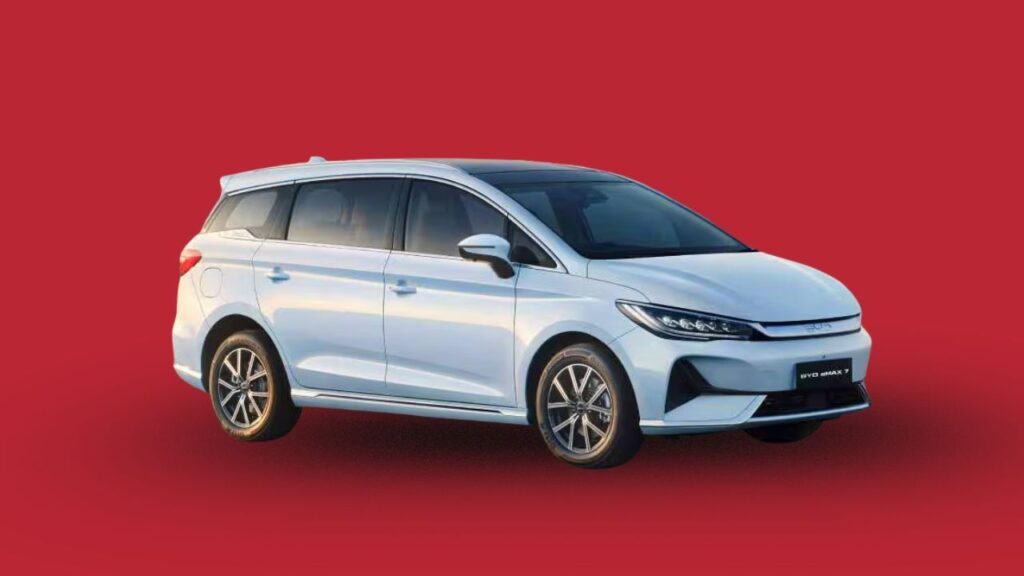
BYD eMAX 7

If you are short of time and just want to know where to buy an electric 7-seater now, BYD eMAX 7 is the one you should wait for as it was just launched in India. It’s really an upgraded version of the popular e6, rebuilt for private rather than fleet buyers.

Specifications and Features of BYD eMAX 7:

Two packages are offered in the BYD eMAX 7, that are e base and e-PLUS. The standard model has a 55.4 kWh battery with 161 bhp power and a range of 420 km, while the high-end variant has a 71.8 kWh battery with a range of 530 km and a power of 201 bhp. 

Each variant can accelerate from 0-100 km/h in the same 8.6 seconds, which is good enough for some family-friendly fun. Inside, there’s a rotating 12.8-inch infotainment screen that’s both functional and attractive. The vehicle offers automatic climate control with rear AC vents, fixed glass roof, wireless charger support and advanced features like voice commands and ADAS (Advanced Driver Assistance System). 

The car is available as a 6-seat and 7-seat, which provides some flexibility depending on what you need. And one highlight is the V2L (Vehicle-to-Load) technology, which allows the vehicle to power external devices, turning your SUV into a portable power bank on long journeys or when disaster strikes. 

Price and availability

The BYD eMAX 7 is priced from ₹26.90 lakh for the base 6-seater Premium variant to ₹29.90 lakh for the top-spec 7-seater Superior variant. It’s in stock now with a waitlist of about two months, so it’s certainly the quickest path to a 7-seater electric vehicle if you want one today.

Kia EV9: The Ultra-Premium Option

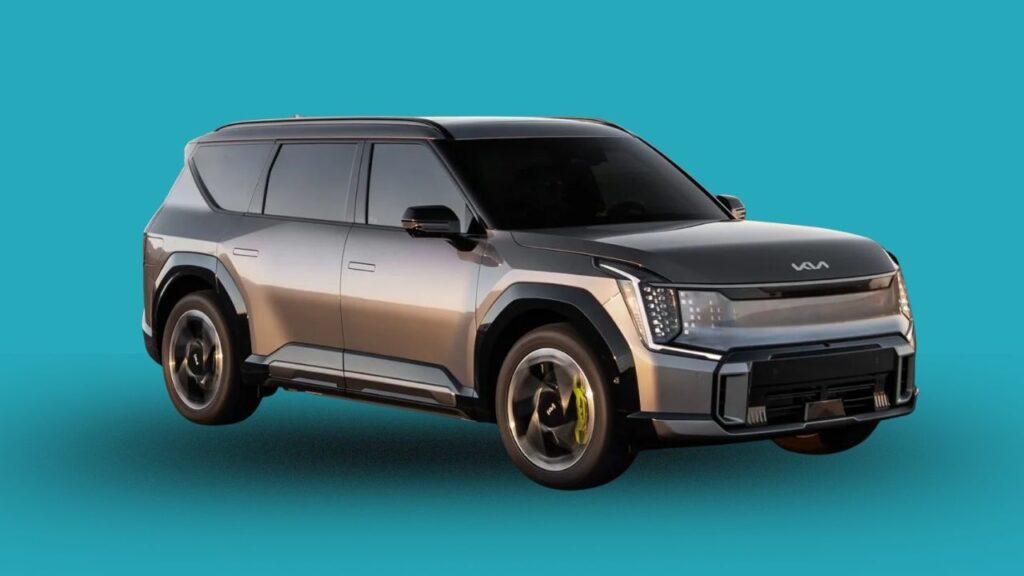
For those with a premium budget, you can consider the Kia EV9 as the best 7-seater option in the luxury electric segment. Now priced at ₹1.30 crore (ex-showroom), it is Mahindra’s premium 6-seater electric SUV, that delivers unmatched luxury and performance. 

Kia EV9

Premium Features: The EV9 is equipped with a massive 99.8 kWh lithium-ion battery and all-wheel drive system that produces 382 bhp and 700 Nm torque, delivering breathtaking acceleration alongside amazing range of 561 km (WLTP cycle). 

The interior is really what makes this whole thing. Kia’s signature trinity display arrangement, huge panoramic sunroof, boss-mode massage chairs with power recline capabilities and independently regulated climate controls for each row of seating complete the cabin. It’s got one of the longest wheelbases for its class of 3.10 meters which makes the third-row passengers sit pretty. 

Charging & Technology: A 350 kW DC fast charger allows the EV9 to charge from 10% to 80% in 24 minutes, rounding up highway charging stops. 

Among the high-end extras are a 360-degree camera, electronic parking brake with auto-hold, cruise control, and ventilated seats — basically everything you would expect from the best luxury SUVs.

Delivery started in March 2025, and if you are shopping for the pinnacle of electric luxury, this is the vehicle to get. 

What Makes Luxurious Electric MPV Special 

The MG M9 EV is also a 7-seater electric option with exceptional features rather than traditional SUVs. It launched at Rs. 69.9 lakh in July 2025.

The M9 runs on a 90 kWh battery with a single electric motor that produces 241 bhp and 350 Nm, offering a 548 km range on a single charge. This is a splendid car for passenger comfort — its 16-way adjustable second row seats are heated, ventilated, massaging, and level 2 ADAS safety systems.

Bright and bold with split LED headlights, a substantial chrome bumper, and 19-inch alloy wheels framed by continental self-healing tyres. There is a 12.3-inch touchscreen, a 7-inch driver display, and a superior 13-speaker JBL audio system. 

Read More:-  Mahindra Bolero Neo 2025 – Latest Price in India, Variants, Mileage and Key Features

Volkswagen ID Buzz LWB: ENTRE THE INTERNATIONAL LWB VERSION

The Long Wheelbase version of the Volkswagen ID Buzz LWB will provide true 7 seater configuration with that classic VW design. The Indian prices are likely to be in the region of ₹49.65 lakh to ₹61.25 lakh, making it one of the cheapest premium options.

Highlights of Volkswagen ID Buzz LWB: 

The ID Buzz LWB is 4,962 mm long with a 3,239 mm wheelbase. It is available with a 77 kWh or an 85 kWh battery, with a maximum range of 295 miles (approximately 475 kilometres). It boasts a 12.9-inch infotainment display, an innovative electronically controlled liquid-crystal sunroof that changes from transparent to opaque, and true 7-seat flexibility across multiple configurations. 

What To Expect: The Usual Pleasantries

All these cars share a few key traits that make up the baseline modern electric SUV experience:

Fast Charging: With modern DC fast chargers pushing as high as the 150-350 kW range these days, you can top off add 200-300 km (124-186 miles) of range in just 20-30 minutes, enabling practicality for long distance driving.

Advanced Safety: Some Level 2 ADAS features have gone mainstream with automatic emergency braking, lane-keeping assistance and adaptive cruise control now trickling down throughout the class.

Connected Technology: Three-screen configurations, voice command features and over-the-air update capabilities make sure your ride stays on the cutting edge. 

Flexible Seating: Most trims come standard with sliding second-row seats as well as individual seat adjustments, so you can make the interior passenger or cargo-friendly depending on what you need. 

Regenerative Braking: This proprietary system collects energy when braking and coasting, boosting your usable range and reducing brake wear. 

Conclusion

Seven-seaters are not a pipe dream in the Indian EV space anymore—it’s a present fact with thrilling choices for every pocket. Whether you’re into gadgets, passionate about the environment, or just need a lot of space and comfort, there’s an electric family car for you.The Mahindra XEV 9S debuting on November 27 could be a real gamechanger, making premium electric SUV ownership accessible to everyone. On the other hand, for those who can’t wait, the BYD eMAX 7 is ready for delivery right now. Family-sized electric vehicles have never been more affordable, or better equipped, and with prices continuing to fall, and technology advancing at lightning speed, now is the perfect time to go electric with the whole family.