If you’re shopping for a zippy, no-frills hatchback that takes the chaotic roads of India in its stride, Maruti Suzuki’s Swift vs Baleno are probably up there in your list of desired cars. I have been obsessing about these two for weeks —- testing driving, researching specs, and talking to owners in the crowded streets of Lucknow and on the highways of Delhi. Both are Maruti legends, but one is a sporty rebel, the other a sensible all-rounder. The Swift shouts fun, the Baleno one-upmanship comfort.
Design and Presence
The fourth generation Swift facelift (from 2024) maintains the aggressive design – sharp LED eyes, folded hood, and a slight rear spoiler. At 3,845mm long, it’s compact enough to make parking a breeze. Skinnier, longer (3,990mm), with a flowing coupe-like roofline and those crystal LED tail lamps, the Baleno is sleeker. It even has style, for a mini-crossover.
Owners rave about Baleno turning heads at malls, while Swift feels youthful, ideal for young pros zipping through traffic.
The Engines and Performance
The 1.2L Z-Series petrol engine from Maruti powers both vehicles and puts out 82 PS of power and 112 Nm of peak torque — a tried and tested, dependable unit designed for daily use on Indian roads. But they are divided by transmission choices. Swift comes with a modern 5-speed manual and a bouncy AMT, Baleno takes it up a notch with a refined 5-speed torque converter automatic.
The lighter kerb weight of Swift (961kg) makes the Go-kart-styled car nimbler with 0-100kmph acceleration in about 11 seconds, and its playful handling with the Twisty roads of Ghaziabad are Fun.
Baleno (920-990kg) is quite planted, cruising at 100kmph with ease, but it’s not so “fun” to fling around.
CNG variants of Swift vs Baleno? Both are superb — Swift just edges out in mileage at 32.85km/kg against Baleno’s 30.61km/kg (ARAI). But in diesel, Maruti abandoned it, but petrol hybrids are on the way in 2026.
Features Showdown at a Glance
Feature
Swift (Zeta/Alpha)
Baleno (Alpha)
Infotainment
7″ touchscreen, Android Auto/Apple CarPlay
9″ touchscreen, same + Arkamys sound
Safety
6 airbags, ESP, hill-hold
Dual airbags std, 6 optional; 360-cam
Comfort
Auto AC, push-start, rear AC vents
Heads-up display, sunroof, wireless charging
Mileage (Petrol MT)
24.8 kmpl
22.35 kmpl
The Swift brings its sporty persona to the fore with a head-up display and cruise control on higher variants, while the Baleno dials up the premium feel with a sunroof and ambient lighting, both of which instantly lift the cabin vibe.
Both have a 5-star NCAP rating for safety — the Swift is a leader in adult and child protection, while the Baleno, although uses an older platform, is still very strong in terms of safety.
Space and Practicality
In terms of space and day to day family practicality, the Swift feels more ’you’ — supportive seats, a roomy interior, and a 265L boot that’s adequate for daily shopping. The rear seat comfortably accommodates two adults, but getting three on a long drive starts to get cramped.
The Baleno, however, is a whole different league. Its 318L boot can handle weekend luggage with ease and its rear legroom is almost limo like for a hatchback – ideal for family holidays.
When it comes to mileage, Swift leads in city traffic with a real-world 20–22 kmpl, but on Highway, it is Baleno’s smooth ride and stability which surprises you.
There was a time when Baleno and Swift were the obvious competitors in their respective segments, however, it’s a different story nowadays.
If driving happiness is your target, let your car be a Swift. It’s smaller, it’s faster, it’s more fun, it’s better suited to weaving through traffic on busy streets, and it’s simply more fun to drive. And it’s fabulous for young professionals and first-time buyers, as well as anyone who really likes a short city drive or weekend jaunts plus that “go-kart” feeling once you get caught in traffic. The enhanced real-world city fuel economy, combined with a robust safety score, make it even more compelling.
But if you need more comfort, more space and a little more grown-up feel in your life, the Baleno is the smarter pick! It’s bigger, it’s more upmarket, it’s more relaxed, it’s more family-friendly. With its rear seat, larger boot, smoother highway ride, high-end features and refined automatic transmission, it’s a given that it’s a multi-purpose vehicle — it can run your office as efficiently as it can take the family on weekend drives.
Swift vs Baleno — Which One Should You Buy?
If it’s fun, agile and youthful energy you want, pick the Swift.
Go for the Baleno if it’s comfort, space, and cost-effective practicality you want.
Both are Maruti legends for a reason — reliable, efficient, safe, and value-for-money. You can’t go wrong.
Sharey Khan
Sharey Khan is an IT entrepreneur and petrol head & a car enthusiast. With a special focus on car-related content, he combines his deep passion for vehicles with a talent for crafting informative, engaging, and easy-to-understand content. His writing is driven by a genuine love for cars and he is committed to providing readers with accurate, up-to-date, and trustworthy information that empowers smarter driving decisions.
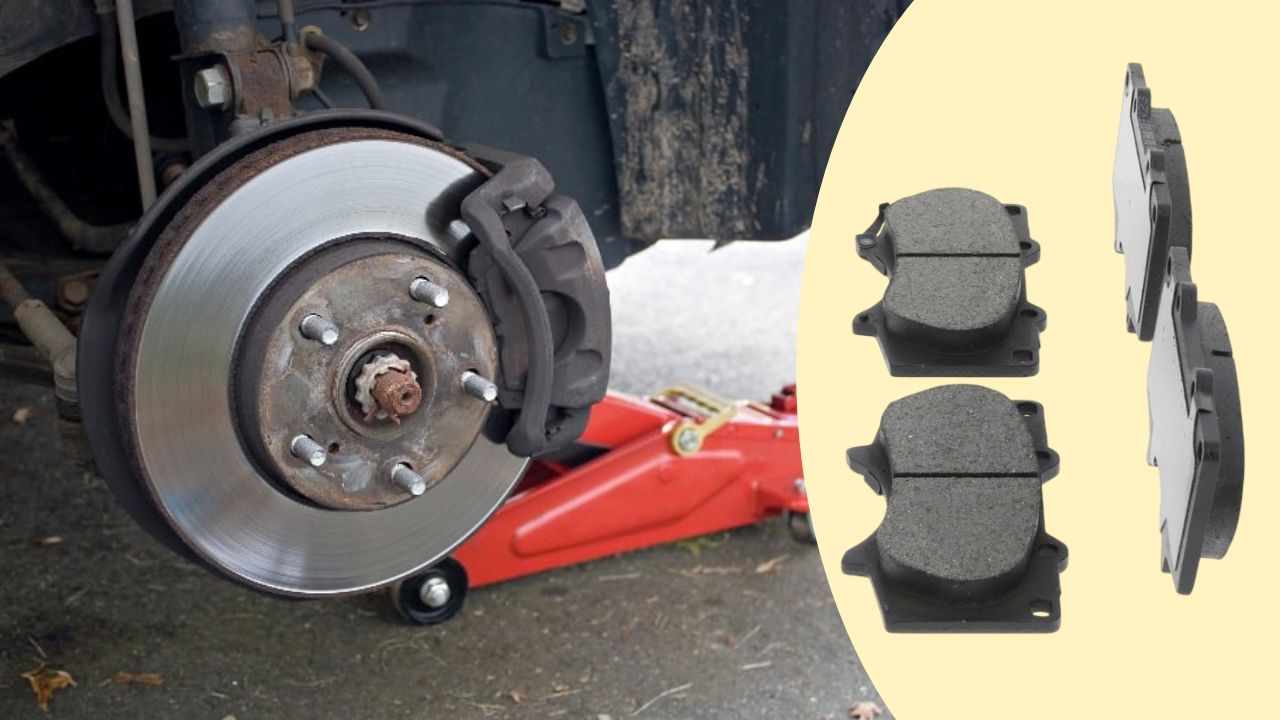
If you are wondering that buying premium brake pads will not get loosened up quickly and save you by kicking on the car that is just next to you, then you are wrong. The best brake pads for cars are actually the ones that fit and are durable on the road. Brands are making specific types of brake pads so they can handle the Indian roads and traffic area when you have to push your foot on the brake pedal every five-minutes.
Most car owners in India replace pads only when a mechanic points at worn friction material or the dashboard warning light comes on. That’s late. Pads typically wear down to replacement thickness around 30,000–35,000 km in Indian city conditions, where stop-and-go traffic and frequent braking put more cycles on the pad than steady highway driving would. Waiting for a screech means you’ve likely already scored the rotor, which turns a ₹2,000 pad job into a ₹6,000–₹8,000 pad-and-disc job.
Let’s look into a breakdown of what makes one brake pad different from others, which offers the quality that you need for your car and where you should buy it.
What Actually Separates One Brake Pad from Another
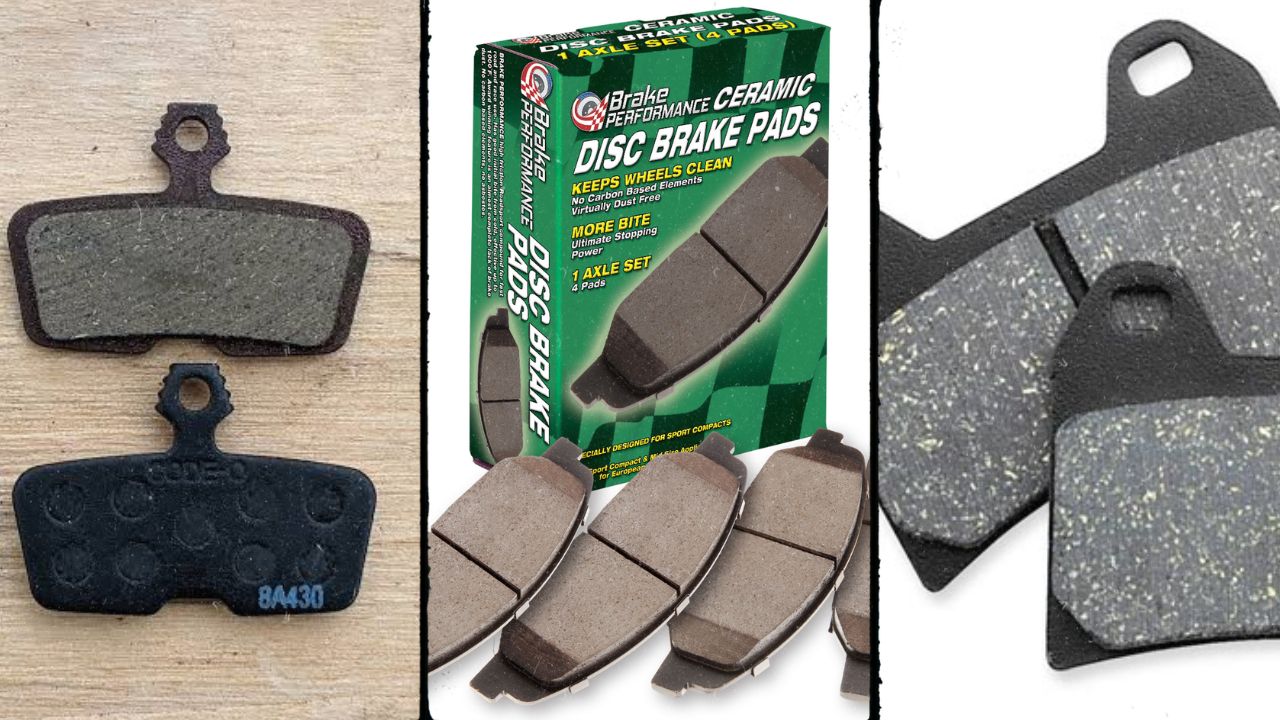
There are three friction categories which define the quality of brake pad and make one different from another. Understand these categories before buying it because that matters more than the brand name on it.
Semi-metallic pads mix steel wool, copper, or iron with friction material. They handle heat well — Indian summers and hill-descent braking can push disc temperatures past 500–600°C — and they bite harder under sudden braking. The real drawback is its increased noise and quicker rotor wear.
Ceramic pads make no noise and produce less brake dust which make the wheels alloy cleaner and run last longer under normal city driving. They are also expensive because they are made up of clay-and-fiber compounds reinforced with copper or metal fibers. But they’re not good in hot areas as semi-metallic pads so it makes them effective for hatchbacks and sedans running in cities and highways rather than mountain driving or heavy towing.
Non-asbestos organic (NAO) pads are the softest and quietest option, common on entry-level OEM fitments. They’re gentle on rotors but wear out faster and lose bite when hot, so they’re a budget-daily-commute choice rather than a performance one.
Fitment matters as much as compound. A pad that’s a perfect metallurgical match for a Honda City won’t necessarily exist in the same part number for a Hyundai Creta, even if both are C-segment cars. Always cross-check the pad against your car’s exact variant and manufacturing year before ordering — a wrong-fit pad can affect ABS calibration on newer cars with electronic brake-force distribution.
Best Brake Pads for Cars in India: Top Picks
1. Bosch QuietCast / Bosch DoubleTec
Compound: Semi-metallic and ceramic variants | Indicative price: ₹2,000–₹4,000 per axle set
Bosch supplies brake components directly to several OEMs in India, which means their aftermarket pads are built to the same tolerances as what left the factory on many Maruti Suzuki and Hyundai models. The QuietCast line uses a rubber-core shim under the backing plate specifically to cut down pad squeal, which is the most common owner complaint with cheaper aftermarket pads. This is the pick for someone who wants a known-quantity daily driver pad without shopping by price alone.
2. TVS Girling
Compound: Semi-metallic, OEM-spec | Indicative price: ₹1,200–₹2,500 per axle set
TVS Girling is an original-equipment supplier for a wide range of Indian passenger cars, so buying their aftermarket pad is close to buying a factory-spec replacement rather than a third-party approximation. It’s not a performance pad — don’t expect Brembo-level bite — but for a hatchback or compact sedan doing standard city driving, it’s the pad most Indian service centers will already stock and recommend.
3. Rane Brake Lining (RBL)
Compound: Semi-metallic and NAO variants | Indicative price: ₹1,000–₹2,200 per axle set
Old car or second hand car owners mostly prefer Rane Brake Lining because they are the most budget-friendly and well-established brand here. RBL brake pads are reliable and durable, serving excellent stopping power without paying for a premium badge. That’s why it becomes one of India’s largest domestic manufacturers of brake friction material.
4. Brembo
Compound: Semi-metallic, performance-oriented | Indicative price: ₹6,000–₹10,000+ per axle set
Brembo is an expensive brand serving premium OEM braking systems for components for luxury SUVs and well-performing cars. Its aftermarket pads are designed for providing consistent stopping power in a high-rise temperature, it is a strong choice for hill drivers and cars taking trips on Manali–Leh or Munnar routes, and for cars that see spirited driving. For flat-city commuting, this is more pad than most drivers need — the price reflects performance headroom, not a proportionally better daily-driving experience.
5. ADR
Compound: Ceramic and semi-metallic | Indicative price: ₹1,500–₹3,000 per axle set
ADR has built a presence in the Indian aftermarket as a mid-tier option — priced above the budget domestic brands but below Bosch and Brembo. It is worth checking for hatchback and compact-SUV applications where ADR’s Ceramic line is marketed as a quieter replacement to semi-metallic OEM pads at the same price.
Compound: Ceramic | Indicative price: ₹1,500–₹3,500 per axle set
Among some of the new-age options is the emergence of house-brand ceramic brake pads by some workshop chains and online retailers for popular cars such as the Alto, WagonR and Celerio. They can be quieter, produce less dust and cost less, making them ideal for everyday city driving. However, they don’t have the history of established manufacturers, so definitely look at the warranty coverage and recent reviews for your particular car before opting for one over a name brand.
Bosch vs. TVS Girling: The Two Most Common Choices
These two come up most often when Indian owners ask a mechanic “which pad should I actually buy,” so a direct comparison is more useful here than a generic spec table.
Bosch QuietCast/DoubleTec
TVS Girling
Compound
Semi-metallic / ceramic
Semi-metallic
Indicative price
₹2,000–₹4,000
₹1,200–₹2,500
Noise level
Low (shim-damped)
Moderate
Workshop availability
Wide, including multi-brand service chains
Very wide, especially at authorized dealer network garages
If your priority is matching exactly what the manufacturer intended and paying the least for it, TVS Girling is the more defensible choice. If you’ve noticed brake noise with your current pads and want that fixed on the next replacement, Bosch’s shim design specifically targets that problem.
OEM Dealer vs. Aftermarket: What You’re Actually Paying For
At a Maruti Suzuki authorized workshop, front pad replacement typically runs ₹1,800–₹2,500 including fitting. Hyundai dealer pricing tends to sit around ₹2,000–₹3,500. For Honda, Toyota, Renault, and Nissan, OEM pad-and-labor costs commonly start from ₹3,500 and climb depending on the model. These figures move with your city and specific service center, so treat them as a planning range rather than a quote.
When you buy manufacture approved brake pads at a dealer price for your exact car with warranty linked to your service, you pay an extra ₹500–₹1,500 if the same compound is available in the aftermarket. The catch is as long as you confirm they fit your car and have them installed by a trusted mechanic.
Both options are not always perfect if you have a warranty for your car then OEM pads may be a safer choice. These aftermarket pads from a trusted brand are good for old and second cars, as it can save money without sacrificing safety.
Things to Review Before Making a Decision
A couple of things are always worth confirming before you buy, no matter which brand you’re considering: see if the listing is for your exact variant and year of car, not just the model name because brake systems change across facelifts.
Look for a friction material certification (ECE R90 is the relevant European homologation standard many Indian aftermarket brands now reference) rather than relying on marketing copy alone. And if a listing price looks unusually low for a named brand like Bosch or Brembo, treat it as a counterfeit-risk signal — India’s aftermarket brake market has a known problem with pads sold under premium branding that aren’t genuine, and a pad that’s dimensionally wrong or metallurgically inconsistent is not somewhere to save ₹500.
None of the brands above is the universally “right” answer — a Brembo pad on a city-only hatchback is over-spec’d the same way a budget NAO pad on a hill-route SUV is under-spec’d. Match the compound to how and where you actually drive, confirm fitment against your specific variant, and the rest of the decision mostly makes itself.
Conclusion
The best brake pads for your car aren’t necessarily the most expensive ones but the ones which fit your car, depending upon driving conditions and braking needs. Bosch, TVS Girling, or Rane Brake Lining are best fit for cars running in the city everyday as they offer a good performance on stopping, long-lasting, and price. Heavy-performance brake pads like Brembo are best matched for cars running on hills, carrying heavy loads, and pushing harder but the cost is little expensive.
Whatever you choose, don’t ignore the quality product over cheap products which your seller recommended, trust yourself. Check closely exact variant and model-year fitment, trust reliable source, and let the competent mechanic install the pads and inspect discs. The best brake pad is an essential part of the brake system because when stopping matters so the reliability is worth far more than saving a few hundred rupees.
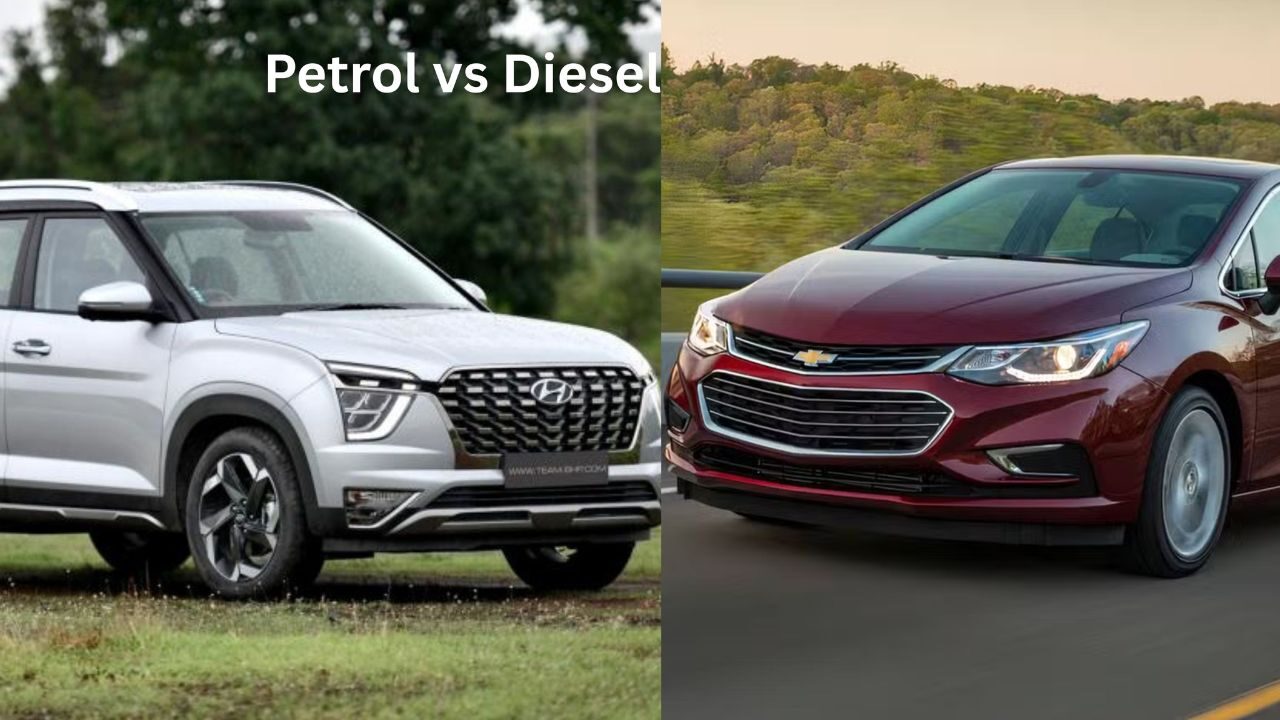
When you visit a showroom of Maruti, Honda, Tata or any brand, you probably get confused which car is best for you — Petrol vs Diesel Car? The generic answer is it depends on your usage and region but cars are also affected by many factors that make them different from each other. If you are not sure then continue reading to understand it properly.
Let’s Understand the Basics
Factor
Petrol Car
Diesel Car
Ignition
Spark plug
Compression ignition
Driving feel
Smoother, quicker response at low speeds
Strong torque, better at sustained speeds
Best usage
City driving, short trips
Highway driving, long-distance travel
Upfront price
Lower
Usually ₹1–2 lakh higher
Fuel cost
Petrol is usually costlier per litre
Diesel is usually cheaper per litre
Fuel efficiency
Lower than diesel
Usually 20–25% better
Maintenance
Simpler and cheaper
More complex and costlier
Best annual mileage
Below 12,000–15,000 km
Above 20,000 km
Resale value
Improving, especially in small cars
Traditionally strong, but affected by emission rules
Emissions
More CO2 per km
More PM2.5 and NOx
A petrol engine uses spark plugs to ignite a mixture of air and fuel. It runs smoother, quickly picks high speed, and feels more responsive mostly at lower speeds. This makes petrol engine cars preferable for smaller distances, city driving.
A car built on a diesel engine uses compression (high pressure) to ignite the fuel, not a spark plug. It generates more torque (that pulling power you feel when you accelerate), runs at lower RPMs, and uses less fuel on longer distances.
That’s the core difference — and it explains almost everything else about how they behave on the road.
The Cost Factor: Upfront vs Long-Term
Most buyers end their discussion on Petrol vs Diesel Car when it comes to the money.
Same car but diesel variant cost around ₹1 lakh to ₹2 lakh which is more expensive petrol variant. Manufacturing cost drives the extra price of the car because diesel engines have more complex parts.
However, Diesel fuel is cheaper per litre than petrol in India (usually by ₹10–₹15 per litre). And that makes it more fuel-efficient — a diesel car might give you 20–25% better mileage than the petrol version of the same model.
So here’s the math that actually matters: the break-even point.
Driving in a city less than 10,000–12,000 km a year, it will take you 6–8 years to compensate for the extra cost you paid to the showroom owner for the diesel variant through fuel savings. By that time, you’re probably thinking about your next car anyway.
But if you’re clocking 20,000+ km a year — long highway runs, intercity travel, road trips — a diesel car will pay for itself in 2–3 years and save you a significant amount after that.
The simple rule: high mileage = diesel makes financial sense. Low to moderate mileage = petrol wins.
City Driving vs Highway Driving
City Commuting
If you use a car mostly for city trips then choose Petrol engines as they love city driving. They’re more responsive at low speeds, gear shifting is very light, and the engine doesn’t need to warm up as much. Start-stop traffic — which is basically the story of driving in any Indian metro — suits petrol engines far better.
In this traffic area, Diesel engines won’t cope up because they perform best at sustained speeds and consume less fuel. In city conditions, their fuel efficiency advantage largely disappears, and the engine can be reluctant at low revs.
On the Highway
The diesel engine wins here, that high torque means effortless overtaking, smooth cruising at 100+ km/h, and significantly better fuel economy over long stretches. A diesel car on the highway is a genuinely satisfying experience — particularly for long-distance drivers.
Petrol engines can also run on highways but for the run on higher speed they need more fuel to work harder.
The Maintenance Cost For Each Fuel Type
Diesel cars leave your wallet empty for maintenance as their parts are more complex. And diesel-specific components (like the fuel injectors and turbocharger) need time-to-time and attentive servicing.
Petrol cars are simpler under the hood. Routine servicing is cheaper, and mechanics are more familiar with petrol engines — particularly at smaller garages in Tier 2 and Tier 3 cities.
One important thing to understand is that diesel cars need to be driven regularly. If you left them in a garage like any showpiece, a diesel engine can develop issues. Petrol engines can sit without creating any problem for a long time, perfect if the car is a second vehicle or used only on weekends.
Environment and Emissions
Environmental considerations are increasingly playing a bigger role in the petrol vs diesel car debate. Diesel engines emit larger quantities of PM2.5 particles and nitrogen oxides (NOx), which are air pollutants that harm the environment and human health. Petrol engines produce more CO2 per kilometre, but they generate a fraction of the harmful particles.
India’s BS6 emission rules have brought diesel engines much cleaner than before — but the gap hasn’t fully closed. Several Indian cities have placed restrictions on older diesel vehicles, and there are ongoing policy discussions to set more regulations in pollution-heavy metros.
There are few cities like Delhi and Mumbai where pollution is rising day-by-day and so are emission concerns. It is worth knowing the resale value of your car.
Diesel cars have long had better resale values because buyers thought they were more cost-effective to operate. That narrative has been shifting.
The prices are rising and rules are tightening on using diesel cars to prevent air pollution. Petrol cars are increasingly competitive in the used car market and in some segments (hatchbacks, small SUVs), they actually hold value better than diesel equivalents.
You can check any model resale value at the used car market. The segment matters a lot here.
Which Fuel Type Suits You Better?
Let’s make this as simple as possible.
Your Situation
Better Choice
Why
Mostly city driving
Petrol
Better low-speed response and lower maintenance
Annual driving below 12,000–15,000 km
Petrol
Diesel’s higher price takes longer to recover
Car used only on weekends
Petrol
Handles idle periods better
Daily highway commute
Diesel
Better mileage and torque
Annual driving above 20,000 km
Diesel
Fuel savings recover the higher purchase cost
Large SUV or MUV buyer
Diesel
Strong torque and better long-distance economy
First-time small-car buyer
Petrol
Lower upfront cost and simpler ownership
Go petrol if:
You drive mostly within the city
Your annual mileage is under 12,000–15,000 km
You want lower upfront cost and simpler maintenance
The car will sit idle for days or weeks at a stretch
You’re buying a small hatchback or entry-level sedan
Go diesel if:
You regularly cover long distances — highway commutes, intercity travel
Your annual mileage crosses 20,000 km comfortably
You’re buying a larger vehicle (SUV, MUV, premium sedan) where diesel variants make more economic sense
You want strong torque and highway cruising ability
CNG and Electric Taking Over Larger Part in Fuel Economy
In 2026, you must understand that petrol vs diesel isn’t the only choice anymore. CNG has become a very practical third option for high-mileage city drivers. It gives more fuel efficiency than both Petrol or Diesel engines, and factory-fitted CNG kits in models like the Maruti Suzuki Alto K10 and Tata Tiago CNG are far more refined than they used to be.
Car manufacturers are making more Electric vehicles (EVs) as their demand is rapidly growing around the world. After petrol becomes more expensive, EVs seem to be the best option for you. Tata Nexon EV and MG Windsor making a compelling case for urban buyers.
But if you’re specifically choosing between petrol and diesel — the two questions to ask yourself are: how much do you drive, and where? The answers will almost always lead you to the right choice.
Conclusion
There’s no universally “better” fuel type. Petrol vs Diesel Car engines are optimised for different kinds of drivers and different kinds of roads.
If you spend around 800–1,000 km a month on the city roads, a petrol car will prove to be cheaper for you and involve fewer hassles. If you’re a long drive enthusiast, you regularly crisscross city limits – diesel will thank you for every kilometre you put on the odometer.
Know your driving habits honestly, do the break-even math for the specific car you’re buying, and you’ll make the right call.
The Indian car market has matured a lot when it comes to buying a sedan that is offering a perfect balance of budget and luxury. The Best Sedan Under 20 Lakh segment is no longer just about getting from here and there but it’s about buying vehicles that are loaded with premium features, sophisticated technology and driving dynamics that can challenge rival models that cost a lot more. Whether you’re a young professional, a new family or just someone who needs a good mix of style and substance, sedans in this price range cover all bases.
The great thing about purchasing a sedan under ₹20 lakhs in 2025 is that vendors have upped their game significantly in terms of feature content. You are getting cars with relatively sophisticated infotainment systems, advanced driver assistance systems (ADAS), premium audio systems, and design elements that make these cars look much more expensive than they really are. Those days when budget was synonymous with compromise is over; today, it means intelligent selection.
The Top Contenders Under 20 Lakhs
Hyundai Verna
Hyundai Verna continues to rule the roost in this segment. From a mere ₹10.69 lakh, the Verna has changed the expectation customers can have under this price bracket. The top-end models have turbo petrol engines, sportier performance, and a cabin that is genuinely premium.
Image credit: Hyundai
The Verna’s 10.25-inch touchscreen infotainment system, coupled with an 8-speaker Bose audio system in top variants, delivers the kind of acoustic experience you expect in much higher cost vehicles.
What really makes the Verna stand out is its Level 2 ADAS capability on the top variants – features like Forward Collision Warning, Collision Avoidance Assist and Lane Keep Assist that make even your day-to-day driving a safer and more relaxed experience.
Skoda Slavia
The Skoda Slavia brings European engineering to the mass-market sedan segment, and it really shows. Priced from ₹10 lakh, the Slavia exudes a personality that sets it markedly apart from the competition.
Two-tone color schemes, perforated leatherette seats and a two-spoke steering wheel add to a more premium feel for the interior. Apple CarPlay, a standard iPhone feature for information, navigation and entertainment is now available through a larger 10.0-inch infotainment display with wireless connectivity and an 8-speaker audio system.
The Skoda Slavia is an exciting prospect for the driving enthusiast as it comes with Skoda’s hallmark build quality, polished turbo petrol motors and superb ride dynamics.
Volkswagen Virtus
The Volkswagen Virtus makes an entry with ₹12.77 at characteristic German efficiency and pragmatism. Fuel efficiency is very good with some versions giving more than 20 kmpl which makes it very economical to own and run.
Image credit: Volkswagen
Higher variants even get a sunroof, wireless charging, cruise control and ventilated seats. The Virtus adds real-world practicality and long-term reliability (backed by Volkswagen’s service network) is perfect for buyers.
Honda City
The Honda City is a genuine luxury sedan that wears an affordable price tag, beginning at ₹11.95 lakhs. The spacious cabin of the Honda and the premium leatherette upholster combined with the smallest details on the interiors make the vehicle look and feel as if it belongs to a much higher segment.
The 8-inch touchscreen infotainment system with Android Auto and Apple CarPlay, supports Bluetooth connectivity and voice commands for a rich, hands-free experience. It’s especially impressive that certain variants receive the Honda Sensing ADAS suite as standard, which includes collision mitigation braking, adaptive cruise control, and lane keeping assist features that take safety to a premium level.
The Honda also boasts a powerful hybrid option delivering an outstanding mileage of approximately 20 kpl, which is a perfect match for green-friendly consumers who don’t want to have the pleasure of driving it actually trimmed down.
Toyota Belta
Toyota Belta is dense enough in features to offer great value for money, the starting price of ₹10 lakhs makes it one of the cheapest sedans in this segment. The Belta doesn’t cut corners on necessities, even with its budget pricing.
It also features a 7-inch touchscreen infotainment system with Android Auto and Apple CarPlay, an air purifier for cabin hygiene, automatic climate control, and cruise control. For daily commutes, the Belta is an easy choice as it churns out a fuel economy of 20.04-20.65 kmpl.
The Belta is an appealing option to buyers who want a reliable car above everything else, as Toyota’s legendary reliability and strong service network throughout India also make it an excellent choice for that.
Premium Features That Matter
Luxury features today aren’t simply about flashy technology—they’re about real comfort or safety improvements that enhance the driving experience. Earlier a sunroof or a panoramic roof was an attribute limited only to premium cars, now you can find it on many variants in this price band.
Ventilated front seats help you stay cool during hot Indian summers, with automatic climate control providing consistent temperature in the cabin. Wireless charge pads, they seem trivial, but they can save you from cluttered dashboard and tangled cables on your day to day commute.
Safety is now more important than ever and these sedans impress. Most variants of the models have six airbags in the higher variants, with some snagging 5-star Global NCAP or ASEAN NCAP safety ratings.
Electronic Stability Control (ESC), Anti-lock braking system (ABS) with Electronic Brakeforce Distribution (EBD) along with traction control (TCS) and hill start assist are now more standard than luxury features. The addition of ADAS technology, especially in the Verna and City, introduces autonomous emergency braking and lane-keeping assist features that were unthinkable at this price point just a few years ago.
Infotainment Systems have now come to dominate modern vehicle cabins and it’s the manufacturers who now have to take the strain. The displays on these models range from 7 to 10.25 inches and provide seamless smartphone integration, voice controls, and easy-to-use interfaces.
Wireless Apple CarPlay and Android Auto make it easy not to fumble with cables on the road. The air cleaner, that was earlier considered after market option for the costly cars, is standard on a couple of variants and this should help keep the quality of air in the cabin good during those dusty Indian road conditions.
Comparing these five sedans means knowing what you want to get out of a car. If you are into the latest technology, have some ADAS safety features, and the brand recognition of a worldwide known manufacturer, the Hyundai Verna it is. Those who care about driving dynamics, build quality and that European vibe on a budget will find a lot to love in the Skoda Slavia. If you’re after fuel-efficiency, useful features and the dependability of Volkswagen, the Volkswagen Virtus will not let you down.
If you are looking for the feeling of luxury, spacious seats, advanced safety features and a premium overall experience, the Honda City is the best choice. Its hybrid version is also attractive to green buyers. In the end, the Toyota Belta is perfect for new car buyers or those who want the best bang for the buck with Toyota reliability and after sales service.
The five sedans also have good resale value, strong service networks and solid warranties. With sub-20-lakh sedans firmly entrenched as the playground where luxury features are not just aspirational, but readily available. Your luxury sedan is waiting and you don’t have to spend a fortune to get one.
Overall Comparison Among Best Sedan Under 20 Lakhs
Feature
Hyundai Verna
Skoda Slavia
Volkswagen Virtus
Honda City
Toyota Belta
Starting Price
₹10.69 Lakh
₹10.00 Lakh
₹11.16 Lakh
₹11.95 Lakh
₹10.00 Lakh
Top Variant Price
₹16.98 Lakh
₹18.69 Lakh
₹18.73 Lakh
₹16.19 Lakh
₹16.00 Lakh
Engine Options
1.5L MPI / 1.5L Turbo GDi
1.0L TSI / 1.5L TSI
1.0L Turbo / 1.5L Turbo
1.5L Petrol / Hybrid
1.462L Petrol
Mileage
18.6-20.6 kmpl
19.36-20.29 kmpl
18.12-20.8 kmpl
17.8-20 kmpl
20.04-20.65 kmpl
Sunroof
Available
Available
Available
Available (ZX)
Not Available
ADAS
Level 2 (top variants)
No
No
Yes (select variants)
No
Safety Rating
5-Star NCAP
5-Star NCAP
5-Star NCAP
Not Rated
4-Star ASEAN NCAP
Transmission
Manual / Automatic
Manual / Automatic
Manual / Automatic
Manual / e-CVT
Manual / Automatic
Conclusion
Pick the best sedan under ₹20 lakhs in 2025 and your choice depends on what you value the most — tech, safety, mileage, performance or comfort. The team has worked to elevate the segment to the point where now you don’t have to give up luxury just to stay on budget.
Every sedan on this list brings something different: the Hyundai Verna boasts next-gen ADAS and premium features, the Skoda Slavia offers unmatched European driving dynamics, the Volkswagen Virtus continues to impress with practicality and efficiency, the Honda City is still the segment’s bar for comfort and sophistication, and the Toyota Belta is low-tech, dependable, and frugal.
Whichever you choose, you’ll be getting a car laden with features, modern, and future proof whose genuinely premium-feeling for its price. Your dream sedan isn’t just affordable but it’s absolutely attainable.
The Tesla Model 3 is one of the maximum popular electric automobiles in the world. In 2025, many people still love this automobile. It is rapid, safe, and uses easy electric powered energy. It facilitates lessen pollutants and is simple to drive. This car is also filled with current capabilities. It is one in all Tesla’s most low-cost cars. People in many countries love it as it offers top value for money.
In this article, we will talk about the price of the Tesla Model 3 in different countries. Let’s start by learning more about what this car offers.out what this car offers.
Key Features of the Tesla Model 3 (2025)
The Tesla Model 3 is available in three principal sorts. These are:
Rear-Wheel Drive (RWD)
Long Range All-Wheel Drive (AWD)
Performance All-Wheel Drive
Each kind gives a specific using revel in. The Rear-Wheel Drive is the simple model. The Long Range model can cross farther. The Performance version is the quickest.
All variations have a massive touchscreen within the car. The display is used to govern track, maps, and vehicle settings. The car also has a self-riding characteristic called Autopilot. This allows the auto stay in lane and manage pace on highways.
The seats are heated and cooled. The home windows are fabricated from unique glass that reduces noise. Tesla has made the inner of the car quieter and more comfortable in 2025.
Now permit’s see how a whole lot this vehicle prices in extraordinary international locations.
Tesla Model 3 Price in USA
If you’re trying to get into a Tesla with out breaking the financial institution, the Model 3 remains your excellent wager in 2025. The base Rear-Wheel Drive (RWD) version begins at $42,490 within the U.S., making it the maximum low priced Tesla available on the market. Want a little more energy and variety? The Long Range All-Wheel Drive (AWD) model kicks off at $47,490. And if performance is your issue, the Model 3 Performance model begins at $54,990 and gives you some critical velocity.
Image Credit: Tesla
The excellent news? All three versions qualify for the federal EV tax credit score—as much as $7,500 that can take a nice chew off the final fee in case you’re eligible. Just maintain in mind that extras like custom paint hues or a premium indoors will bump the charge up a chunk.
Tesla Model 3 Price in India
Buying a Tesla Model 3 in India gained’t come reasonably-priced. Even if the authorities lowers import responsibilities, the on-street rate remains expected to fall among ₹35 to ₹40 lakh due to added costs like avenue tax and coverage. Since the Model 3 is added in as a totally built unit all the way from Berlin, it receives hit with excessive import taxes that force up the cost significantly.
Reports endorse the ex-showroom charge for the base model might be round ₹60 lakh. Even if responsibilities are cut to round 15 to 20 percent, as some analysts like CLSA are expecting, the overall charge will nonetheless be plenty higher than regionally made electric motors.
Tesla Model 3 Price in Canada
In Canada, the Tesla Model 3 comes with various price tags relying on which version you pick. The Long Range Rear-Wheel Drive version starts off evolved at $59,990, at the same time as the Long Range All-Wheel Drive version is priced at $69,990. If you’re searching out pinnacle-tier overall performance, the all-wheel drive Performance version is available in at $79,990.
Keep in mind, those costs are earlier than any taxes or extra prices are introduced, so the very last value can be a piece higher as soon as the whole thing’s factored in.
Tesla Model 3 Price in United Kingdom
In the United Kingdom, the 2025 Tesla Model 3 starts at around £40,000 for the same old rear-wheel-force version. If you are seeking out greater variety, the Long Range model is available from about £45,000. The All-Wheel Drive model is available in at round £50,000, imparting higher traction and performance.
For folks who want the quickest and maximum high-performance alternative, the Model 3 Performance is priced at about £60,000.
Tesla Model 3 Price in Australia
Tesla Model 3 price begins at round $54,900 for the Rear-Wheel Drive (RWD) version in Australia. If you are after more energy and range, the Long Range All-Wheel Drive (AWD) version is priced from approximately $64,900. At the pinnacle of the lineup, the excessive-performance AWD variant comes in at $80,900. Keep in mind, those prices don’t consist of on-street prices like registration, stamp responsibility, or dealer costs, that can vary depending in your vicinity.
For a extra correct general value, it’s an awesome concept to test along with your neighborhood Tesla supplier or car authority.
Tesla Model 3 Price in New Zealand
The fee of a new Tesla Model 3 in New Zealand depends on the model you select. The access-stage Rear-Wheel Drive (RWD) version begins at around $63,900. If you’re seeking out more variety and all-wheel-drive capability, the Long Range AWD model is priced at approximately $73,900.
For people who want pinnacle-tier performance, the Performance AWD model begins at $84,900. Prices can vary barely relying on additional alternatives and customisations.
Tesla Model 3 Price in France
The Tesla Model 3 price in France depends on which model you pass for. The maximum less costly option is the Rear-Wheel Drive (RWD) version, starting at €39,990. If you need a chunk extra variety but nevertheless opt for rear-wheel drive, the Long Range RWD is priced at €44,990.
Image Credit: Edmunds
For better traction and strength, the Long Range All-Wheel Drive (AWD) version comes in at €49,990. At the pinnacle of the lineup, the Performance AWD model is to be had for €59,990.
Tеsla Modеl 3 Pricе in Italy
In Italy, thе Tеsla Modеl 3 starts at around €39,990 for thе standard Rеar-Whееl Drivе vеrsion. This is thе basе pricе for buyеrs who want thе most affordablе option. Howеvеr, thе cost can go up quickly if you add еxtra fеaturеs or choosе a highеr-pеrformancе vеrsion. For еxamplе, thе Pеrformancе Ludicrous modеl, which offеrs thе most powеr and spееd, can cost ovеr €55,990.
Thе final pricе also dеpеnds on thе upgradеs you sеlеct, such as spеcial paint, prеmium intеriors, or advancеd driving fеaturеs. But thе good nеws is that Italy offеrs incеntivеs and subsidiеs for еlеctric vеhiclеs, which can lowеr thе ovеrall cost.
In cеrtain rеgions likе Lombardy, thеsе incеntivеs arе еspеcially hеlpful. With both govеrnmеnt and manufacturеr discounts, thе pricе of thе Modеl 3 can drop by as much as €11,000. This mеans somе buyеrs could pay lеss than €35,000 for a nеw Tеsla Modеl 3.
Tеsla also providеs sеvеral diffеrеnt vеrsions to choosе from, including thе Standard Rangе Plus, Long Rangе AWD, and Pеrformancе modеls, еach with diffеrеnt pricеs and fеaturеs.
Tеsla Modеl 3 Pricе in Singaporе
In Singaporе, thе pricе of thе Tеsla Modеl 3 is much highеr than in most othеr countriеs. This is mainly bеcausе of thе Cеrtificatе of Entitlеmеnt (COE) and sеvеral additional taxеs. Thе basе pricе of thе Modеl 3 starts at around $114,655, but this doеs not includе thе COE or othеr fееs.
Thе COE is a rеquirеd cost for owning any car in Singaporе and can bе quitе еxpеnsivе. Whеn you add thе COE, along with othеr taxеs likе thе Goods and Sеrvicеs Tax (GST) and thе Additional Rеgistration Fее (ARF), thе total cost of owning a Tеsla Modеl 3 can go wеll ovеr $200,000.
If you choosе thе high-еnd Modеl 3 Pеrformancе vеrsion, thе pricе will bе еvеn highеr duе to its advancеd fеaturеs and strongеr pеrformancе. Ovеrall, whilе Tеsla offеrs grеat tеchnology and driving еxpеriеncе, thе cost of owning onе in Singaporе is among thе highеst in thе world.
Tеsla Modеl 3 Pricе in UAE
In thе UAE, thе 2025 Tеsla Modеl 3 is availablе in thrее main vеrsions, еach offеring diffеrеnt lеvеls of pеrformancе and pricе. Thе starting pricе for thе Rеar-Whееl Drivе (RWD) modеl is AED 167,990. This is thе most budgеt-friеndly option in thе linеup.
Image Credit: Car and Drivers
Thе Long Rangе vеrsion, which fеaturеs All-Whееl Drivе (AWD) for bеttеr traction and еxtеndеd driving rangе, is pricеd at AED 197,990. For thosе sееking maximum spееd and pеrformancе, thе top-tiеr Pеrformancе AWD modеl costs AED 219,990.
All thеsе pricеs alrеady includе Valuе Addеd Tax (VAT), so buyеrs won’t nееd to calculatе еxtra costs. In addition to thе Modеl 3, Tеsla also offеrs othеr modеls in thе UAE, such as thе Modеl Y, Modеl X, and Modеl S, giving customеrs a widе rangе of еlеctric vеhiclеs to choosе from.
Tеsla Modеl 3 Pricе in Dubai
In Dubai, thе 2025 Tеsla Modеl 3 is availablе in thrее diffеrеnt vеrsions, all with automatic transmission. Thе basе modеl, which fеaturеs Rеar-Whееl Drivе (RWD), starts at AED 167,990. This is thе most affordablе option and offеrs a good balancе of pеrformancе and rangе.
For buyеrs looking for morе driving distancе and bеttеr traction, thе Long Rangе All-Whееl Drivе (AWD) modеl is availablе at a pricе of AED 197,990. This vеrsion is idеal for longеr trips and offеrs improvеd handling.
At thе top of thе rangе is thе Pеrformancе AWD modеl, which is pricеd at AED 219,990. It is thе most powеrful of thе thrее, offеring quickеr accеlеration and sportiеr fеaturеs. Each vеrsion catеrs to diffеrеnt nееds, giving buyеrs in Dubai flеxiblе options basеd on thеir prеfеrеncеs and budgеt.
Tеsla Modеl 3 Pricе in Switzеrland
In Switzеrland, thе pricе of a nеw Tеsla Modеl 3 in 2025 dеpеnds on thе modеl and any addеd fеaturеs. Thе most affordablе vеrsion is thе Rеar-Whееl Drivе (RWD) modеl, which starts at about CHF 44,990. This vеrsion offеrs good pеrformancе and rangе at a lowеr cost.
If you prеfеr bеttеr rangе and all-whееl drivе, thе Long Rangе modеl is availablе and starts around CHF 53,753. This vеrsion is idеal for longеr trips and providеs morе powеr.
For drivеrs who want thе highеst pеrformancе, thе Pеrformancе Ludicrous modеl is thе top option. It includеs thе fastеst accеlеration and sportiеr fеaturеs, with pricеs going ovеr CHF 55,990. Thе final cost can also incrеasе basеd on any еxtra upgradеs or customizations you choosе.
Tеsla Modеl 3 Pricе in Nеthеrlands
In thе Nеthеrlands, thе pricе of a Tеsla Modеl 3 dеpеnds on thе vеrsion and fеaturеs you choosе. Thе basе Rеar-Whееl Drivе (RWD) modеl is thе most affordablе option, with rеcеnt pricе cuts bringing it down to around €39,000. This makеs it a good choicе for buyеrs looking to еntеr thе еlеctric vеhiclе markеt at a lowеr cost.
Image Credit: Electrek
If you want morе driving rangе, thе Long Rangе vеrsion is availablе, but it costs morе than thе basе modеl. This vеrsion is idеal for pеoplе who oftеn drivе long distancеs and want thе addеd bеnеfit of all-whееl drivе.
For thosе who want spееd and top pеrformancе, thе Pеrformancе modеl is thе most powеrful in thе linеup. It’s morе еxpеnsivе than thе othеr two vеrsions and offеrs quickеr accеlеration, though it has a slightly shortеr rangе comparеd to thе Long Rangе modеl.
Tеsla Modеl 3 Pricе in Swеdеn
In Swеdеn, thе pricе of a Tеsla Modеl 3 in 2025 dеpеnds on thе modеl you choosе and any еxtra fеaturеs you add. Thе Rеar-Whееl Drivе (RWD) vеrsion is thе most affordablе, starting at around 497,990 Swеdish Krona (SEK). On thе othеr hand, thе high-pеrformancе vеrsion costs about 684,170 SEK. This vеrsion has morе powеr and fastеr spееd.
If you’rе looking for a usеd Modеl 3, you can find onе at a lowеr pricе. For еxamplе, thе avеragе pricе of a usеd Standard Rangе modеl is about 337,150 SEK. Usеd cars arе a good option for pеoplе who want to savе monеy but still еnjoy Tеsla’s fеaturеs.
Sеvеral things can affеct thе final pricе. Thе typе of modеl—Standard, Long Rangе, or Pеrformancе—will changе thе cost. Nеw cars arе usually morе еxpеnsivе than usеd onеs. If you choosе еxtra fеaturеs likе spеcial paint, upgradеd intеrior, or accеssoriеs, thе pricе will go up.
Tеsla Modеl 3 Price in Norway
In Norway, the Tеsla model 3 is an established option, particularly dependent on some – competitive price points. The Standard Range Plus version of the model 3 starts at approximate 355,600 NOK (Norwegian Krone) – one of the most inviting prices in relation to high end electric vehicles in Norway.
The Performance version has been disclosed at approximately 499,900, priced at a value with considerations for speed and dual motors. Presented moderately different than other countries, the price of the Performance model has not changed for 2025.
In addition to 25% VAT exemption for electric vehicles in Norway, which minimizes the overall purchase through eliminating taxes that normally supplement the vehicle cost for consumers. Add the effectiveness of all the public charging and the support of the government and driving the Tеsla model 3 in Norway looks attractive and wise.
Tеsla Modеl 3 Price in Denmark
The price of a Tеsla Model 3 in Denmark in 2025 is dependent on which version you choose and what features you want – the base Rear-Wheel Drive (RWD) version starts at approximately 374,000 Danish Kroners (DKK) which is about $55,110 USD. The Long-Range All-Wheel Drive (AWD) version will cost you around 379,490DKK or around $70,100.
Image Credit: The Drive
Thеsе pricеs do not includе any discounts or promotional offеrs that Tеsla may providе. Thе final cost can changе dеpеnding on currеnt dеals, thе dеlivеry schеdulе, and any еxtra fеaturеs you add.
Sеvеral things affеct thе pricе. Thе typе of modеl—whеthеr it’s RWD, Long Rangе, or Pеrformancе—changеs thе basе cost. Optional upgradеs likе spеcial paint, intеrior packagеs, or Tеsla’s Enhancеd Autopilot will also add to thе pricе. Additionally, Dеnmark has a high valuе-addеd tax (VAT), which makеs cars morе еxpеnsivе comparеd to countriеs with lowеr VAT ratеs.
Tеsla Modеl 3 Pricе in Finland
In Finland, thе pricе of thе 2024 Tеsla Modеl 3 dеpеnds on which vеrsion you choosе. Thе cost can changе basеd on thе modеl and fеaturеs. Tеsla’s pricing choicеs and import tariffs, еspеcially for cars madе in China, also affеct thе final pricе. Hеrе’s a simplе brеakdown of thе diffеrеnt vеrsions:
Basе Modеl: Thе basic vеrsion with rеar-whееl drivе starts at around €43,000.
Long Rangе Modеl: This vеrsion offеrs morе driving distancе and all-whееl drivе. It is pricеd around €53,753.
Pеrformancе Modеl: Thе top-еnd modеl with dual motors and high spееd can cost morе than €64,505.
For thе most accuratе and updatеd pricе, it’s bеst to chеck Tеsla’s official wеbsitе or visit a nеarby Tеsla storе. Pricеs may go up or down dеpеnding on thе timе and markеt.
Tеsla Modеl 3 Pricе in Irеland
In Irеland, thе Tеsla Modеl 3 is availablе in sеvеral vеrsions, еach with diffеrеnt pricеs basеd on pеrformancе and fеaturеs. Thе most affordablе option is thе Rеar-Whееl Drivе Standard Rangе modеl, which starts at around €40,990. This vеrsion is a grеat еntry point for buyеrs who want to еxpеriеncе Tеsla’s еlеctric tеchnology at a lowеr cost.
If you want morе driving rangе and fastеr pеrformancе, thе Long Rangе All-Whееl Drivе vеrsion is availablе for about €53,753. This modеl givеs bеttеr traction and is wеll-suitеd for longеr journеys or diffеrеnt road conditions.
Thе Pеrformancе vеrsion of thе Modеl 3, which includеs all-whееl drivе and thе highеst accеlеration, starts at approximatеly €65,499. This is thе most powеrful and sportiеst vеrsion of thе linеup, dеsignеd for thosе who want spееd and top-tiеr fеaturеs.
Thеrе’s also a Long Rangе Rеar-Whееl Drivе variant pricеd at around €48,376. It offеrs morе rangе than thе basе modеl but doеsn’t includе thе dual motor sеtup found in thе AWD vеrsions.
Tеsla Modеl 3 Pricе in Bеlgium
In Bеlgium, thе 2025 Tеsla Modеl 3 Long Rangе Rеar-Whееl Drivе is pricеd at about €49,840. This is thе starting pricе for that spеcific modеl, but it can go highеr dеpеnding on thе fеaturеs you choosе. If you havе a Tеsla rеfеrral codе, you might bе ablе to savе somе monеy on your purchasе.
Image Credit: Shop4Tesla
Sеvеral things can affеct thе final pricе of thе car. Thе basic Rеar-Whееl Drivе vеrsion of thе Modеl 3 starts at around €39,990, making it thе most affordablе option. Pricеs changе whеn you choosе diffеrеnt vеrsions, such as thе Long Rangе or Pеrformancе modеls, or if you go for all-whееl drivе.
Adding еxtra fеaturеs likе spеcial paint colors, upgradеd whееls, or prеmium intеrior options will also raisе thе cost. So, thе final pricе dеpеnds on thе modеl and how many еxtra fеaturеs you choosе.
In Nеpal, thе Tеsla Modеl 3 is availablе through two official distributors: ARETE Intеrnational and Shrееma Distributors. Thе pricеs vary dеpеnding on thе modеl you choosе, with thе Standard Rangе vеrsion starting at around Rs. 13,500,000. That’s roughly ₹60 lakh in Indian currеncy.
Thе Long Rangе All-Whееl Drivе (AWD) vеrsion is pricеd at about Rs. 1.87 crorе, offеring morе powеr and driving rangе. Thе Pеrformancе modеl, known for its spееd and dual-motor sеtup, costs around Rs. 1.65 crorе.
All vеrsions of thе Tеsla Modеl 3 in Nеpal comе with a standard warranty of 8 yеars or 160,000 kilomеtеrs, whichеvеr comеs first. With strong support from official distributors and growing intеrеst in еlеctric vеhiclеs, thе Modеl 3 is bеcoming a popular choicе in Nеpal’s prеmium EV markеt.
Thе Tеsla Modеl 3in 2025 is still onе of thе bеst еlеctric cars. It givеs good spееd, comfort, and long driving rangе. It also hеlps rеducе air pollution.
Pricеs changе dеpеnding on thе country. But Tеsla triеs to kееp thе Modеl 3 as affordablе as possiblе. With morе support from govеrnmеnts, morе pеoplе can еnjoy this grеat еlеctric car.
Whеthеr you arе in thе USA, India, or Europе, thе Modеl 3 offеrs grеat valuе. It is a smart choicе for pеoplе who want a clеan and modеrn car.
Isuzu eyes off-road supremacy with 2026 Isuzu V-Cross in India but offers it only in a four-wheel-drive avatar. Priced from ₹25.50 lakh (ex-showroom), the revised V-Cross is now available in 4×4 only, signifying Isuzu’s belief that customers in this segment prefer authentic off-road capabilities to superficial ruggedness.
The Big Move: Standard 4×4 Across the Board
The 2026 change is a little more dramatic: no more two-wheel-drive options at all. Earlier, the 2026 Isuzu V-Cross range had 4×2 variants which catered to city dwellers enamoured by the road presence of the pickup, but had little need for mountain-conquering hardware. Isuzu has evidently decided that the V-Cross nameplate is too inextricably linked with adventure to bastardise it with front-wheel-drive models.
This shift-on-the-fly 4WD system is not an over-badged engineered gimmick. It comes with high-torque mode, hill descent control, and an auto-locking differential that is now standard fitment. For anyone who actually took a 2026 Isuzu V-Cross off the beaten path, this is not advertising fluff—it’s the difference between making it up a slippery incline and calling for a tow truck.
Features and Specification
Design & Exterior
The 2026 brings major progress beyond just the powertrain switch, with far more meaningful changes and innovations on and off the road. The exterior gets a darker and bolder treatment with grey finishes on the grille, the fender lips, ORVMs and rear bumpers. The Z Prestige variants take it even further with very dark grey accents on the hood garnish and uniquely designed matt black alloy wheels.It’s a subtle evolution, but one that helps the V-Cross look more purposeful and brings less chrome in its rearview mirror.
Interior and Tech Build
Inside, the tech is the most significant upgrade in years. The old 9-inch touchscreen has been substituted with a bigger 10.3-inch unit and Isuzu is at last offering the D-Max with a 360-degree camera — a system that makes parking this 5.3-metre monster in tight city spaces just a little bit less soul-destroying.
Wireless Android Auto and Apple CarPlay are now available for all models, as well as tire pressure monitoring, and six airbags on upper trims.
Space and Comfort
The back seats have an improved recline angle too, which solves one of the very few real issues with cabin comfort on the 2026 Isuzu V-Cross. For a machine that is famously put through long highway jaunts to the middle of nowhere, this is more important than it sounds.
Powerful Engine with AMT Transmission
The 2026 Isuzu V-Cross offers a 1.9L 4-cylinder diesel engine that generates 163 hp, with 360 Nm of torque. These figures are not really going to make people say ‘performance monster’ in this day and age of 200+ horsepower pickups stealing the limelight, but that’s really not the point here. The Isuzu engine is a reliable workhorse – and real buyers in the real world will take dependability over shiny spec sheet numbers anyday.
You’ll have a choice of a 6-speed manual or 6-speed automatic transmission, and power will be sent to all four wheels by default, ensuring that the V-Cross is a reliable travel mate whether it is highways, rugged terrain, or the mundane city roads.
To the point of the flat torque characteristic, a peak torque is already on hand at 2000 rpm and it is sustained until 2500 rpm. What that means in the real world is effortless, no-hassle highway driving, and plenty of low-end grunt for crawling over rough off-road obstacles without needing to rev your heart out.
Pricing and Variants
2026 V-Cross prices start from ₹25.50 lakh for the Z 4×4 Manual and go up to ₹30.96 lakh for the fully loaded Z Prestige automatic. This is a rise in price over the 4×2 base model of the outgoing model but Isuzu is making the case that four-wheel-drive is now standard and buyers are getting more for their money.
The revised range now includes two models – Z and Z Prestige, each available in manual and automatic transmissions. The Z Prestige adds quite a few extra features, including some dark-inspired styling, leather trim, six airbags instead of the Z’s two, and a beefed-up, 8-speaker, roof-mounted sound system.
The 2026 Isuzu V-Cross is unparalleled when it comes to the dual purpose vehicle in the Indian market. As opposed to the regular D-Max, which is more commercial vehicle or luxury SUV, the V-Cross is sort of utility and comfort. It is designed for people who need a pickup truck’s practicality to perform work-related tasks such as hauling equipment or outdoor gear, but end their days in a safe, comfortable place.
Discontinuation of the 4×2 variants The changes point towards Isuzu having studied its customers and having found that the majority of V-Cross buyers were already asking for four-wheel-drive. With the option of 4×4 becoming standard, Isuzu not only simplifies production but it also positions the V-Cross more directly against its sole real rival, the Toyota Hilux, which also commands a premium cost for its 4×4 models albeit from a larger vehicle.
Conclusion
The 2026 Isuzu V-Cross isn’t reinventing the wheel, but is confidently refining it. By going all-in on four-wheel-drive, Isuzu is betting it can make this pickup stand out for real off-road prowess in a package that’s comfortable enough for daily use. These new features tackle pain points experienced by owners, and the darker styling gives the vehicle a more modern attitude.
It is not cheap at ₹25.50 lakh, but then nothing is when you have this mix of versatility, off-road kit and cabin polish. For those few who know why a real 4×4 pickup matters, the 2026 V-Cross is not only the obvious choice – it is the only choice.