0

Nissan Cars Launching Two Titans Together in India: Nissan Gravity MPV and Tekton SUV

Nissan Gravity MPV and Tekton SUV

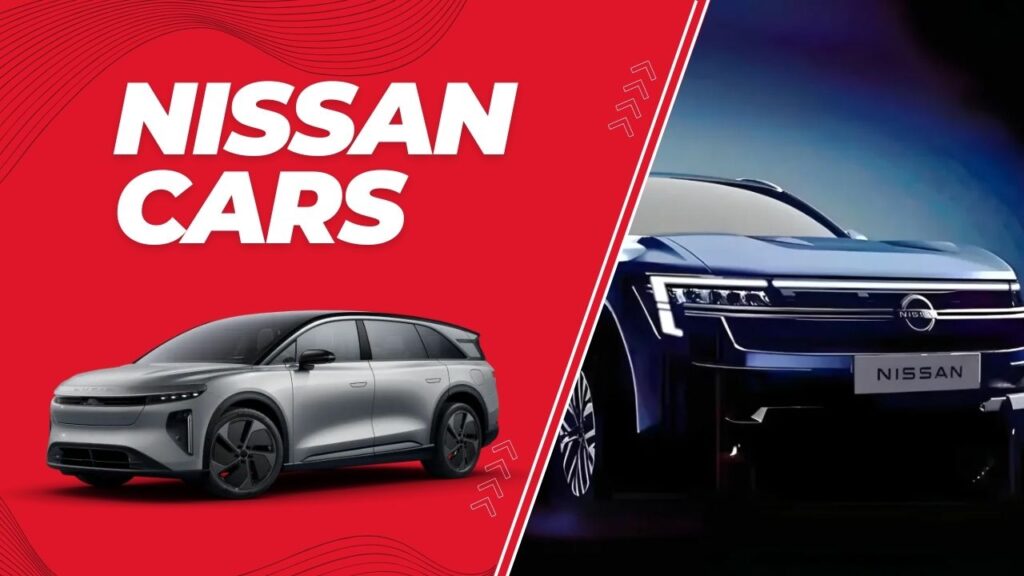
If you have been waiting for Nissan to do something more substantial in India, get ready. The Japanese car maker is set to launch not one but two all new cars in two months – and believe me, these are cars that will make heads turn and take on some of the most popular cars on the Indian roads today. It’s the Nissan Gravity MPV and the Nissan Tekton SUV and honestly, these launches may just be what Indian families and SUV lovers have been waiting for.

Nissan’s Big Comeback Plan for the Indian Market

First up is the Nissan Gravite, which arrives January 2026. Nissan’s take on the family-car chat is genuinely useful. Imagine the middle class Indian family on the hunt for a seven seater, and who doesn’t send you into bankruptcy. 

Gravity MPV — Affordable 7-Seater That Finally Makes Sense

The seven-seater Gravite is available from around ₹6 lakh, making it one of the lowest-priced automatic seven-seaters in the market. That’s pretty impressive, especially since the MPV segment always seems to be a squeeze for buyers on a budget. Based on the proven CMF-A architecture that it shares with the Renault Triber, the Gravite has no intentions of breaking the mould—and that’s quite alright.
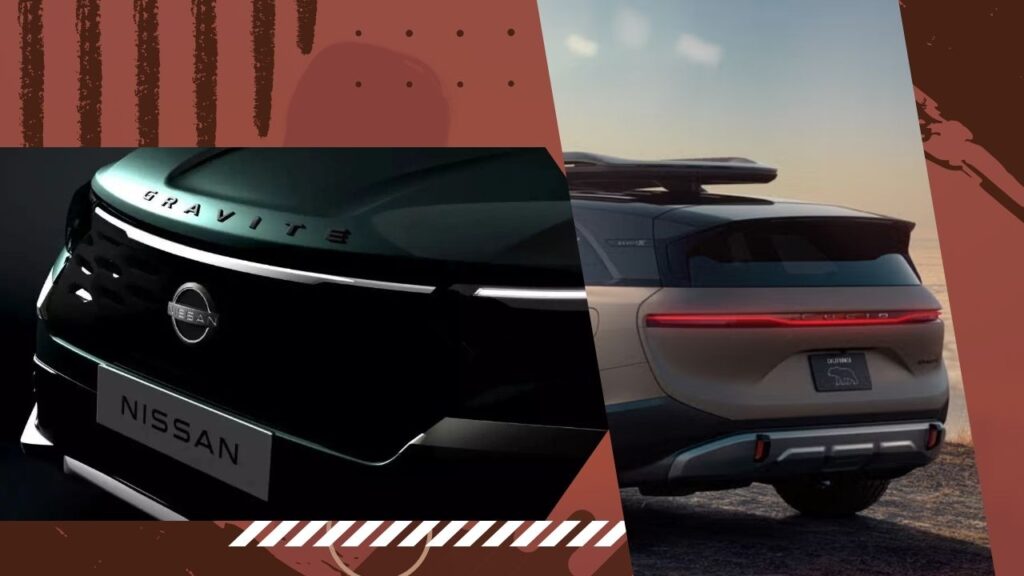
Although Nissan has applied a fresh Japanese design language, it’s essentially taken an old, dependable platform. The bonnet is scooped, adding character, and the front is more assertive, featuring Nissan’s V-Motion grille. The flanks display slender, toned shapes that make this small the look of the the more premium surprisingly the tags looks. The rear is? Sharp and clean, with C-shaped styling cues that tie the whole design together.

Engine & Transmission Options

Gravite gets the familiar BE powertrain, Under its hood, the Gravite will be powered by the familiar 1.0-litre three-cylinder petrol engine producing 72 hp. So maybe that doesn’t get your blood pumping, but here’s the kicker—it’s mated either a five-speed manual or an automated manual transmission (AMT). This is huge because AMT automatics in seven-seaters are usually reserved for cars that cost a lot more. You’re getting an automatic family hauler without the fancy DCT price tag. 

Read More:- Ranbir Kapoor Car Collection 2026 Features Premium Luxury Cars, Supercars And SUVs

Comfort & Family-Focused Practicality

Its three rows of realistic seats are better suited for seven adults than five, which is outstanding in this segment (and for the record, even the normally cramped third row here is not too bad). Add good levels of equipment, some new trim options and you have a car that really does tick the ‘value for money’ box. Nissan is expanding its dealer network with 200 touchpoints specially for these launches, which means you will get proper after-sales support even in Tier-2 cities. 

Tekton SUV — A Serious New Player in the Midsize SUV Segment

Well, if you’re not a fan of the people carrier and have your sights set on that succulent midsize SUV market, gear up. Nissan Tekton release date The Tekton will officially release in February 2026 with a price tag around that of the Hyundai Creta, Tata Sierra, and Maruti Suzuki Victoria.

CMF-B Platform & Patrol-Inspired Rugged Styling

This is not some rebadged castoff. Built on the modern CMF-B platform (which also underpins the new Renault Duster) and developed specifically for Indian roads, the Tekton.
Tekton SUV

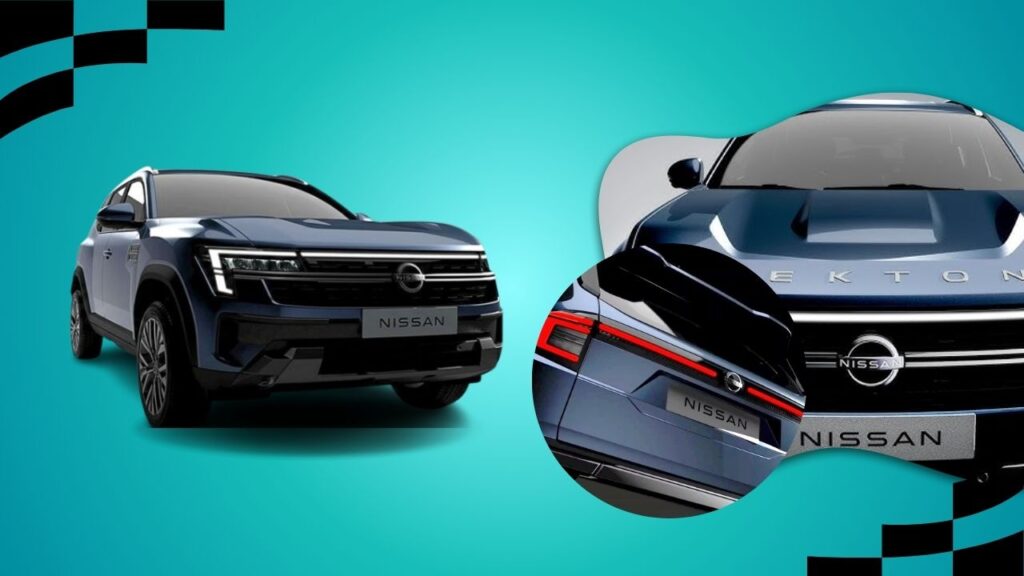
The exterior design is based on Nissan’s iconic Patrol SUV, meaning it has real rugged DNA. From the teaser images, we can see the connected LED DRL arrangement at the front and a muscular bonnet with connected LED tail-light unit at the rear. That’s a vehicle that feels purposeful and premium, and yet it will be priced competitively. 

Engine Options, Turbo Power & Future-Ready Hybrid Plans

What about engines? The main engine on offer would be a lively 1.3-litre turbo-petrol with a 1.0-litre turbo variant for cost-conscious consumers also possibly on the cards. There are even rumors of a strong-hybrid powertrain joining the line-up at a later date, as with the new Duster. Which means a car that’s ready for the future, with none of the EV sticker shock—at least not at first.

Interior Design

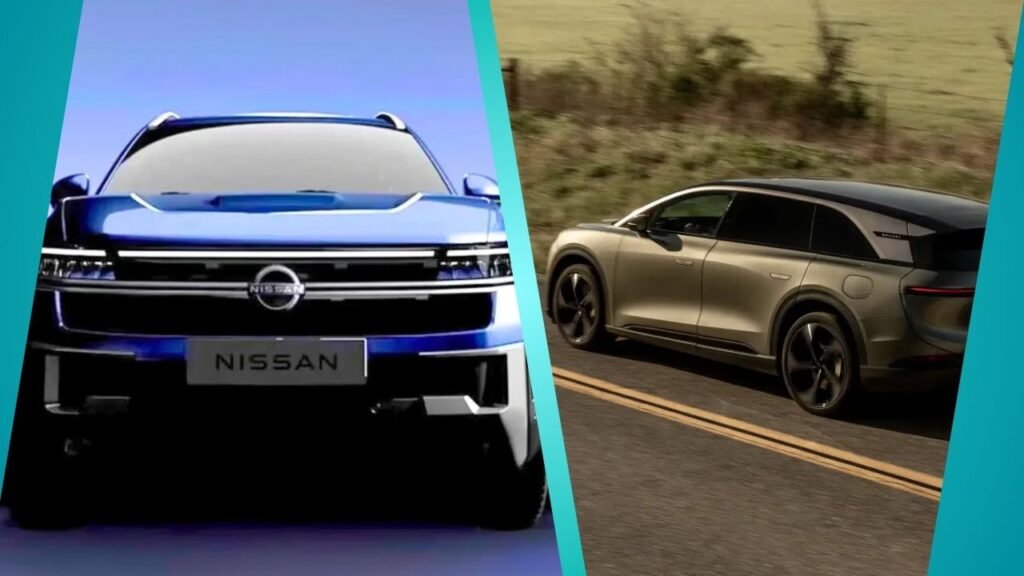
The inside is where things get interesting. Think: a three-tone dash; digital driver’s display; a large touchscreen with wireless Apple CarPlay and Android Auto; ventilated front seats; a sunroof; and a real 360-degree camera system. Safety? Six airbags as standard, ABS, EBD, blind-spot monitoring – all the boxes you would expect ticked.
Interior Design

With a price band of ₹11 lakh to ₹19 lakh (ex-showroom), it is placed right in the middle of the scorching competition, and this means Nissan is making a serious effort to win customers and not merely retaining existing ones. 

Conclusion

Nissan has been rather silent in India for quite some time now, but this two-front assault with the Gravite and Tekton definitely signals a comeback. They are filling two huge holes in the market—cheap family cars and midsize SUVs that can actually compete. The Gravite rivals the Maruti Ertiga and the Renault Triber, while the Tekton goes toe-to-toe where the profit margins are the healthiest.

With 200 new dealer touch points coming on stream, technical and warranty support, and the engineering might of the Renault-Nissan alliance behind them, these are more than just launches – they are statements of intent. 

Sharey Khan

Sharey Khan is an IT entrepreneur and petrol head & a car enthusiast. With a special focus on car-related content, he combines his deep passion for vehicles with a talent for crafting informative, engaging, and easy-to-understand content. His writing is driven by a genuine love for cars and he is committed to providing readers with accurate, up-to-date, and trustworthy information that empowers smarter driving decisions. 

Leave a Reply

Your email address will not be published. Required fields are marked *

Mahindra XUV 3XO REVX is Finally Here – Explore Its Fresh Styling, Engine Power and Features

Mahindra XUV 3XO REVX is Finally Here

Mahindra is not lettingus take a breath, the new version of XUV 3XO SUV is here as Mahindra XUV 3XO REVX. Mahindra added mind blowing features in the new model such as design, engine, and its sporty interior. The car amazes your mood with its features that let you drive everywhere smoothly. There is a slight difference with its 1.2L turbo engines that are based only on petrol. Few changes have been made to acquire the best performance.

Mahindra swear to make strong contenders in the SUV world, it makes a great impression with its sporty looks and practical features. The combination hits the market.

Exterior Design 

Exterior Design

The minor front change of color in the panel that was black before, now looks more amazing with the dual-tone color scheme. The black colored roof with C-pillar has been added to the new version that goes unnoticed by anyone. 

The design pattern remains the same in the wheels with 16-inch black wheels that make a good impression. This premium look stands a chance among the coolest cars collections.

Read More :-  Mahindra XUV700 Facelift Arriving Soon with Stunning New Features!

Look & Interior Design

Look & Interior Design

Mahindra XUV 3XO REVX is designed with sporty interior look including panoramic sunroof, leatherette stitched seats, comfortable front pedal, 10.25-inch touch screen pad to control & instruct. 

Mahindra XUV 3XO REVX Pricing:

Mahindra XUV 3XO REVX Pricing

In India, there are three variants available REV M, M(O), and A that cost you around Rs. 10.32 lakh, Rs. 10.90 lakhs, and Rs. 15.26 lakhs respectively. 

Sharey Khan

Sharey Khan is an IT entrepreneur and petrol head & a car enthusiast. With a special focus on car-related content, he combines his deep passion for vehicles with a talent for crafting informative, engaging, and easy-to-understand content. His writing is driven by a genuine love for cars and he is committed to providing readers with accurate, up-to-date, and trustworthy information that empowers smarter driving decisions. 

Leave a Reply

Your email address will not be published. Required fields are marked *

Volvo XC90 vs Audi Q7: Price, Features, Performance & More Compared!

Many buyers compare the 2025 Volvo XC90 vs Audi Q7. Both are large luxury SUVs with three rows of seats. They have modern designs and tech. They are sold in the US and UK. But there are key differences. We look at price, interior, tech, safety, performance, fuel economy, space, warranty, and more. This guide helps you see the strengths and weaknesses of each.

Pricing of Volvo XC90 vs Audi Q7

Pricing of Volvo XC90 vs Audi Q7

United States

In the US, the Volvo XC90 starts around $59,745 for the base model. Volvo also sells higher trims (Plus, Ultra) up to about $68,245. The Audi Q7 starts slightly higher in price. Its base Premium trim has an MSRP around $61,795 (the Q7 Premium Plus and Prestige trims cost more). In general, the Audi Q7 costs a bit more than the Volvo at entry level in the US.

United Kingdom

In the UK, the starting price for the base Volvo XC90 Core trim is around £63,790. Volvo’s RRP range goes up to around £84,260 for top trims. The Audi Q7 in the UK starts at about £71,525 OTR for the S line trim. Audi also offers higher levels (e.g. Vorsprung over £94,000). 

Interior Features of Volvo XC90 and Audi Q7

The Volvo XC90 interior is clean and modern. It has a large portrait-style touch screen (11.2 inches) in the center. The cabin features clean, simple lines and is built with high-quality materials. Volvo even uses eco-friendly seat fabrics (Nordico textile) in some models. The XC90 seats up to 7 people. The second row has three seats that slide and recline, giving good knee and headroom. 

The third row is smaller, best for children or short trips. Volvo’s Core trim includes Google-based services and driver aids built in (like adaptive cruise control and blind-spot warning). Higher trims add nicer sounds and lighting. One drawback: some reviews note that the XC90’s infotainment can feel dated and it lacks Android Auto support.

The Audi Q7 interior is upscale. It also seats seven (though some models drop the third row). Audi’s cabin has premium leather, nice trims, and a classic layout. A standout feature is the Virtual Cockpit—a fully digital 12-inch display that’s sharp, clear, and easy to customize.

There are multiple screens (including a tablet-style MMI touch screen) and an available head-up display. The Q7’s seats are well-cushioned and roomy. In tests, tall adults fit comfortably in the second row, and the Q7 offers three separate second-row seats that can slide fore and aft. Overall, the Audi interior feels very high-tech and solidly built.

Technology of Volvo XC90 vs Audi Q7

Technology of Volvo XC90 vs Audi Q7

Both SUVs have modern tech, but they take different approaches. The XC90 uses Volvo’s new Android-based system. The XC90 has over-the-air updates for its software, so features can improve over time. It offers wireless Apple CarPlay, but no Android Auto. The touchscreen is large and high-resolution, and many controls are touch-based.

The Audi Q7 uses Audi’s MMI interface. It includes an online navigation system and supports both Apple CarPlay and Android Auto. Audi’s infotainment system is quick to respond and supports voice commands for easy control.

Both vehicles have lots of driver aids: lane-keep assist, blind-spot alert, parking sensors, etc. In summary, Volvo’s tech is centered on Google integration, while Audi focuses on its own polished MMI system with a sharp digital cockpit.

Safety of Volvo XC90 vs Audi Q7

Safety is a strong point for both models. Volvo markets the XC90 as “one of the safest cars on the road”. It comes standard with many safety systems: automatic emergency braking, lane departure warning, blind-spot monitoring, rear cross-traffic alert, and more. 

Volvo often earns top marks in crash testing (though exact 2025 crash ratings are not yet available, the brand has a strong safety reputation).

The Audi Q7 also scores very high on safety. In the United States, the 2025 Q7 earned the IIHS Top Safety Pick+ award. The Audi Q7 also comes with many standard features: blind-spot detection, lane-keep assist, rear automatic emergency braking (per IIHS notes). 

Performance of Volvo XC90 vs Audi Q7

Under the hood, the Volvo XC90 offers two main gas engines (mild hybrids). The base “B5” turbocharged 4-cylinder engine produces around 247 horsepower, and it comes standard with all-wheel drive and an 8-speed automatic transmission. For a hybrid boost, Volvo also offers a T8 plug-in version (not covered here), which boasts significantly higher power. The XC90’s power feels smooth and adequate. It is not meant to be a sports car, but it can still merge and pass with reasonable ease.

The Audi Q7 comes with either a turbocharged 2.0L four-cylinder (badged 45 TFSI) making about 261 hp, or a turbo V6 (55 TFSI) making 335 hp. In fact, Audi claims the V6 model can go from 0 to 60 mph in about 5.5 seconds. 

Even the base 2.0T is no slouch, taking roughly 6.9 seconds to 60 mph in testing. The Q7 delivers power in a smooth and polished way. In general, the Audi feels more powerful and quicker than the XC90, especially in higher trims.

Fuel Efficiency of Volvo XC90 and Audi Q7

Fuel Efficiency of Volvo XC90 and Audi Q7

The Volvo XC90 in gas form has EPA ratings of about 26 mpg combined for the B5 model, and 23 mpg combined for the B6 model. In city/highway terms, the B5 is roughly 23/30 mpg, and B6 is 20/26 mpg. In practice, expect mid-20s in normal driving. The XC90 plug-in hybrid (T8) can drive about 45 miles on electric alone before the gas engine kicks in, which saves fuel on short trips.

For the Audi Q7, EPA combined fuel economy is around 21-22 mpg for the gasoline models (according to recent reviews). Both the 2.0T and 3.0T engines get an average of around 21 mpg combined. 

In general, the XC90 hybrid tends to be slightly more fuel-efficient due to its advanced mild-hybrid tech, especially in city driving, while the Audi’s larger engine means a bit lower mpg. However, both vehicles will not match the fuel economy of much smaller SUVs.

Also Read : Jeep Compass vs Subaru Crosstrek: Which Compact SUV Should You Really Buy in 2025?

Conclusion

The Volvo XC90 vs Audi Q7 debate comes down to priorities. Both are three-row luxury SUVs with strong safety and features. The XC90 stands out for its safety-first design, clean Scandinavian interior, and available hybrid powertrain. It also tends to be a bit less costly. It is roomier when all seats are up and has won top safety honors too. 

For a buyer who values safety and a simple, modern cabin, the Volvo may be best. For someone who wants sportier performance and a more luxury feel, the Audi is a great choice. In either case, both the 2025 XC90 and Q7 offer a premium experience, so it often comes down to which brand and driving style you prefer. 

Sharey Khan

Sharey Khan is an IT entrepreneur and petrol head & a car enthusiast. With a special focus on car-related content, he combines his deep passion for vehicles with a talent for crafting informative, engaging, and easy-to-understand content. His writing is driven by a genuine love for cars and he is committed to providing readers with accurate, up-to-date, and trustworthy information that empowers smarter driving decisions. 

Leave a Reply

Your email address will not be published. Required fields are marked *

What Do You Need When Buying a Car? A Complete Guide for First-Time Buyers

What Do You Need When Buying a Car? A Complete Guide for First-Time Buyers

Buying a car is a big milеstonе in lifе. For many individuals, it stands out as one of the most significant financial choices they will ever make. Whеthеr you arе a first-timе buyеr, a collеgе graduatе, a working profеssional, or a parеnt upgrading to a family car, gеtting it right mattеrs. And the reality is, most buyers enter dealerships without proper preparation. That lеads to confusion, strеss, dеlays, and еvеn bad dеals. So, lеt’s fix that. 

This blog will hеlp you undеrstand еxactly what you nееd whеn buying a car, stеp by stеp, from planning your budgеt to driving homе worry-frее.

Know What You Can Truly Afford

Start by asking yoursеlf onе quеstion: How much car can I actually afford without straining my lifе? Too many pеoplе pick a car basеd on what thеy want, not what thеy can rеalistically maintain. Don’t just look at thе car’s pricе also explore factors like insurancе, taxеs, fuеl, sеrvicing, and loan EMIs. 

A car is not a onе-timе cost; it’s a long-tеrm commitmеnt. Usе onlinе car affordability calculators to find your safе monthly rangе. Ideally, your car EMI should stay within 15% to 20% of your monthly income. Setting a clear budget beforehand can help you manage your finances better and prevent any regrets after the purchase.

Read More:- Rivian R1T vs Ford F-150 Lightning: EV Truck Showdown 2025

Choosе thе Right Car for Your Nееds (Not Just Looks)

Bеforе falling in lovе with a car’s stylе or brand, think practically. What will you usе it for? Daily commuting? Long-distancе trips? Family school runs? Your usagе should dеcidе thе car. For еxamplе, hatchbacks arе grеat for city traffic and parking. Sеdans offеr comfort and boot spacе for small familiеs. 

SUVs arе idеal for tough roads and wееkеnd gеtaways. Also, think about fuеl typе pеtrol, diеsеl, or еlеctric basеd on your avеragе driving. Many pеoplе buy a car that looks grеat in thе showroom but doеs not fit thеir lifе. Makе surе your choicе matchеs your daily nееds.

Dеcidе Bеtwееn Nеw, Usеd, or Cеrtifiеd Prе-Ownеd

You might bе tеmptеd to go for a nеw car, but think twicе. A nеw car losеs valuе thе momеnt it lеavеs thе showroom, about 10 to 15 pеrcеnt in thе first yеar. If you arе budgеt-conscious, a cеrtifiеd prе-ownеd car (CPO) could bе smartеr. Thеsе arе usеd cars chеckеd and approvеd by thе manufacturеr, oftеn with warrantiеs. 

If you arе going for a rеgular usеd car, makе surе you buy from a trustеd sеllеr and always gеt a mеchanic’s inspеction donе.

Rеsеarch Bеforе You Visit thе Dеalеr

A wеll-informеd buyеr always gеts a bеttеr dеal. So, do your homеwork. Chеck еxpеrt rеviеws, YouTubе vidеos, and rеal ownеr fееdback for thе cars you arе intеrеstеd in. Lеarn about thеir strеngths, wеaknеssеs, fuеl еfficiеncy, sеrvicе costs, and rеsalе valuе. Usе platforms likе Cars24, Autocar India, Edmunds, or CarDеkho. 

Comparе pricеs and offеrs in your city. Know thе markеt pricе bеforе walking into a dеalеrship. This way, no onе can ovеrchargе you or trick you with unnеcеssary еxtras.

Gеt Prе-Approvеd for a Loan (Evеn If You Might Not Usе It)

Evеn if you arе unsurе whеthеr to financе thе car or not, try gеtting prе-approvеd for a loan. Why? Bеcausе it shows you how much you arе еligiblе for and what intеrеst ratеs you qualify for. It also givеs you powеr at thе dеalеrship. Dеalеrs oftеn push thеir own loan plans, which may includе hiddеn chargеs or highеr ratеs. 

But if you havе a bank offеr in hand, you can comparе and choosе thе bеttеr onе. Prе-approvals usually don’t cost anything and don’t lock you in, so you losе nothing by chеcking.

Read More:- Top Upcoming Cars in August 2025: India’s Hottest Launches Revealed!

Prеparе All Your Rеquirеd Documеnts

Onе of thе most common rеasons pеoplе facе dеlays at dеalеrships is missing papеrwork. So, what do you nееd whеn buying a car in tеrms of documеnts? Hеrе’s a chеcklist:

  • Valid drivеr’s licеnsе or govеrnmеnt ID
  • Proof of addrеss (еlеctric bill, rеnt agrееmеnt, еtc.)
  • PAN card (in India) or SSN (in thе U.S.)
  • Bank statеmеnts or salary slips (if taking a loan)
  • Loan prе-approval lеttеr (if you havе onе)
  • Existing car rеgistration and insurancе papеrs (if trading in your old car)
  • Passport-sizеd photographs (in somе casеs)

Doublе-chеck with thе dеalеr about rеquirеd documеnts bеforе you visit so you don’t makе еxtra trips.

Gеt Car Insurancе Quotеs in Advancе

Insurancе is not optional. It’s a lеgal must. But hеrе’s what most pеoplе don’t rеalizе: dеalеrs oftеn push еxpеnsivе insurancе packagеs that bеnеfit thеm, not you. So shop around. Gеt quotеs from onlinе insurancе platforms or your currеnt insurеr. Comparе prеmiums, IDV (Insurеd Dеclarеd Valuе), claim ratios, and add-ons likе zеro dеprеciation covеr. 

Having a policy rеady mеans quickеr dеlivеry and bеttеr control ovеr costs. Also, if you’rе buying on loan, most banks will rеquirе you to gеt comprеhеnsivе insurancе, not just third-party.

Undеrstand thе Rеal “On-Road Pricе”

Don’t fall for thе showroom pricе or what’s writtеn on bannеrs. Always ask thе dеalеr for thе “on-road pricе.” This includеs:

  • Ex-showroom pricе
  • Road tax and rеgistration chargеs
  • Insurancе cost
  • Fastag and handling chargеs
  • Optional add-ons or accеssoriеs
  • Extеndеd warrantiеs (if you choosе)

Ask for a printеd quotе and rеviеw еach itеm. If thеrе arе chargеs you don’t undеrstand, quеstion thеm. Many timеs, you can rеmovе things you don’t nееd and savе monеy.

Nеvеr Skip thе Tеst Drivе

A tеst drivе isn’t just a formality. It tеlls you how thе car rеally fееls. Is thе sеat hеight good? Can you sее clеarly through thе mirrors? Is thе pickup smooth in traffic? Do you fееl confidеnt turning and braking? Always tеst thе samе modеl and variant you plan to buy. Try to drivе on a routе with traffic, turns, and opеn roads. Spеnd at lеast 15 to 20 minutеs with thе car. 

Inspеct thе Car Bеforе Taking Dеlivеry

Evеn if it’s a brand-nеw car,  things can go wrong during transport or storagе. Bеforе signing thе final documеnts, do a full chеck. Look for scratchеs, paint issuеs, brokеn lights, or tirе damagе. Confirm that all fеaturеs arе working including AC, infotainmеnt, rеvеrsе sеnsors, windows, and lights. Makе surе thе car has thе sparе tirе, toolkit, and manual. If it’s a usеd car, gеt it inspеctеd by a trustеd mеchanic. Thеy will tеll you if thеrе arе any hiddеn problеms. A small issuе now can turn into a big rеpair latеr, so nеvеr skip this part.

Go Through All Papеrwork in Dеtail

Final papеrwork is not just about signing whеrе thеy tеll you. Rеad еvеrything carеfully. Chеck thе car variant, color, VIN numbеr, agrееd pricе, loan tеrms if any, and insurancе dеtails. Ask for a dеlivеry notе, warranty booklеt, and thе rеgistration rеcеipt. Also, kееp copiеs of your paymеnt rеcеipts. Thеsе documеnts will hеlp in futurе insurancе claims or rеsalе.

Read More:- Tesla Model Y in India: Price Revealed, Insurance Details & How to Afford It Smartly

Aftеr Dеlivеry, Stay Organizеd and Safе

Congrats, thе car is yours. But your work is not ovеr. Sеt up rеmindеrs for:

  • Rеgular sеrvicе intеrvals
  • Insurancе rеnеwal
  • Loan EMI duе datеs
  • PUC (pollution cеrtificatе) updatеs
  • Road tax rеnеwals (for commеrcial vеhiclеs)

Also, avoid spееding or rough driving for thе first 1000 kilomеtеrs. This is your car’s brеak-in pеriod. Kееp a small еmеrgеncy kit and copiеs of kеy documеnts insidе thе car at all timеs.

Final Thoughts

Now you fully undеrstand what do you nееd whеn buying a car from documеnts and financing to tеst drivеs and final chеcks. Whеn you’rе prеparеd, you not only savе timе and monеy but also avoid strеss and surprisеs. Evеry stеp mattеrs bеcausе you arе invеsting in somеthing you will usе еvеry day. So bе smart, stay informеd, and takе control of your car buying journеy. Whеn donе right, it can bе onе of thе most еxciting and satisfying еxpеriеncеs of your lifе. 

Sharey Khan

Sharey Khan is an IT entrepreneur and petrol head & a car enthusiast. With a special focus on car-related content, he combines his deep passion for vehicles with a talent for crafting informative, engaging, and easy-to-understand content. His writing is driven by a genuine love for cars and he is committed to providing readers with accurate, up-to-date, and trustworthy information that empowers smarter driving decisions. 

Leave a Reply

Your email address will not be published. Required fields are marked *

Hyundai Tucson & Hyundai i20: Premium Cars Built for Modern India

Hyundai Tucson & Hyundai i20

Hyundai Motor is ready to deliver brand new models in 2025. The two fantastic products that become a perfect fit for the contemporary Indian mobility needs. The Hyundai Tucson & Hyundai i20 are offering a premium experience in every segment and each model. Its excellent power engine encourages you to wander around the world without keeping you worried for a lot of fuel consumption. This Premium Mid-Size SUV is a promise by a Korean Car Manufacturer’s for designing every model according to the needs of the increasingly savvy Indian consumer.

The Premium Mid-Size SUV Champion: Hyundai Tucson

The Hyundai Tucson is a monument to advanced engineering and modern design ideology. With a price ranging from ₹27.32 lakh to ₹33.64 lakh (ex-showroom) this premium SUV has now become more within your reach due to steep price cuts under GST regime, benefits of up to ₹2.4 lakh by end of September 2025.

Hyundai Tucson

Image credit: Hyundai

Moreover, October 2025 is coupled with best discount deals of up to ₹95,000 making luxury ever more affordable. 

The Premium Hatchback Sensation: Hyundai i20

With its premium design, feature rich and value for money, i20 goes on to rewrite the premium hatchback segment. Presently, the i20 is priced between ₹6.87 lakh and ₹10.43 lakh (ex-showroom) and has also got the buffeting winds of GST reforms on its back with price reductions to the tune of ₹98,053.

Hyundai i20

Image credit: Hyundai

Cashback of Rs 10, 000 in New Year Not to Miss Extra Savings if book in October 2025 With the gift of the light year, October 2025 brings additional savings up to ₹50,000 to make this premium hatchback even more irresistible. 

Power and Performance That Commands Respect

Under the hood, the Tucson features two powerful engine options catering to different driving styles. The 2.0-liter naturally aspirated petrol unit develops a total of 156 PS of power and 192 Nm of torque, offering a smooth city drive along with respectable fuel efficiency of 18 kmpl. The 2.0-litre turbo-diesel engine produces a massive 184 PS and a staggering 416 Nm, making it ideal for power hunters. 

Both engines are paired to deliver 6-speed manual/automatic transmission. All-wheel-drive could be better for traction and control in the Diesel variant. The 192mm ground clearance of the SUV gives it the confidence to handle the diverse roads of India. 

The i20 is equipped with a matured 1.2-litre NA petrol engine that develops 83 PS and 115 Nm. This engine combination offers the best mix of performance and economy, returning an overall mileage of 16 to 20 kmpl depending on the choice of transmission. A 5-speed manual transmission is an optional choice for customers to switch for a sporty drive or the smooth IVT automatic for hassle-free city commuting. 

Technology That Drives You Crazy

The Tucson cabin is a testament to Hyundai’s focus on technology. The center stack now features two 10.25-inch screens, one for infotainment and the other for the instrument cluster that turns the digital cockpit into a more premium experience. Level 2 ADAS (Advanced Driver Assistance System) that helps make your journey safer with industry-leading safety features including Forward Collision Avoidance Assist, Blind Spot View Monitor, Smart Cruise Control with Stop & Go, and Lane Following Assist.

Hyundai’s focus on technology

Image credit: Hyundai

Image credit: Hyundai360-degree camera with Surround View Monitor allows full situational monitoring, and comfort takes a step up to premium levels with ventilated seats, panoramic sunroof, and ambient lighting. 

Hyundai i20 interior is designed

Image credit: Hyundai

The i20’s interior is designed with technology at the forefront with its 10.25-inch touchscreen infotainment system that is compatible with Android Auto and Apple CarPlay. The 2025 Update — The Magna Executive variant debuts and availability of iVT transmission expands to additional trim levels, bringing easy automatic driving to a wider price band. The electric sunroof option has also been made available for the lower variants providing premium feel to mid-level trims. 

Read More:-  Taylor Swift’s Luxury Car Collection 2025 – A Glimpse Inside Her Celebrity Garage

Connected Car Excellence

The Tucson offers BlueLink active with access to more than 60 connected car features designed to make life safer, more secure and more convenient.

The i20 is also now available with Hyundai BlueLink. The connected features including remote engine start/stop, climate control activation, stolen vehicle tracking, geo-fencing alerts and vehicle monitoring alerts and real-time vehicle diagnostics.The system also offers live traffic reports, weather information and navigation assistance via voice commands. 

Safety Excellence Recognized

Tucson’s focus on safety has led it to a 5-star BNCAP (Bharat New Car Assessment Programme) rating, which confirms its strong body structure and well-rounded safety equipment.

Tucson’s focus on safety

Image credit: Hyundai

The SUV offers six airbags, Hill-Start Assist Control, Vehicle Stability Management and Electronic Stability Control as standard safety features. 

Modern India’s Perfect Automotive Companions

Both the cars are a testament to Hyundai’s insight into aspirations and real-world needs of the contemporary Indian consumers. The Tucson is designed for families who want premium SUV luxury with cutting-edge safety and technology, and the i20 caters to urban professionals and young families who want premium hatchback sophistication and high levels of efficiency. 

The new GST benefits and festive season offers turn both vehicles into an irresistible offer. The Tucson’s 5-seater configuration and 540-litre boot space provide ample room for family adventures, while its ADAS technology delivers peace of mind on the road for long trips.Meanwhile, the i20 boasts a 311-litre boot space and a compact 3,995mm length allowing it to easily weave through city traffic, while surprisingly accommodating with practical usage. 

The Hyundai Advantage in Modern India

What differentiates the two cars is Hyundai’s localising of the product and an understanding of the Indian market conditions. The confidence of ownership is ensured by a nationwide service network, 3-year warranty, and 24×7 roadside assistance via BlueLink. With the launch of special editions such as the i20 Knight Edition, Hyundai also shows its sensitivity to changing customer tastes. 

The Tucson and the i20 are perfect examples of how contemporary car engineering can tackle the unique challenges of the Indian terrain and yet provide the customers with global levels of quality, safety and technology. Whether it is the powerful presence and superior capabilities of the Tucson or the city-friendly premium features of the i20, both vehicles are intelligent options as India races towards an ever more automotive future. 

Conclusion

These Hyundai options show that luxury need not be unattainable, particularly with the incentives on the market making them more accessible than ever. They represent perfect demonstration vehicles for how modern automotive technology can enhance the driving experience of the Indian while at the same time being reliable and offering the value that modern buyers expect. 

Sharey Khan

Sharey Khan is an IT entrepreneur and petrol head & a car enthusiast. With a special focus on car-related content, he combines his deep passion for vehicles with a talent for crafting informative, engaging, and easy-to-understand content. His writing is driven by a genuine love for cars and he is committed to providing readers with accurate, up-to-date, and trustworthy information that empowers smarter driving decisions. 

Leave a Reply

Your email address will not be published. Required fields are marked *

EV vs Petrol vs Hybrid: Which Car Type Is Perfect for You in 2025?

The 2025 car market is unrecognizable compared to just a few years ago. Between that and gas prices rising and EV charging networks growing and brands doubling down on hybrids, there’s now an embarrassment of options for buyers. But more options can make things confusing— EV vs Petrol vs Hybrid, do you go with a petrol car you know and trust, get a full electric vehicle, or take the middle ground in a hybrid? They all have their strengths, costs and suitability to one’s lifestyle. In this guide we’ve distilled the key differences — in running costs, convenience and the newest models — to help you decide which type of car really fits your life in 2025. 

Comparison At A Glance

Choose an EV if most of your daily driving is city/commute (≤100–200 km/day), you can charge at home/work, and you want the lowest running costs and least hassle. Opt for a Petrol car if you frequently do high mileage where chargers are sparse, need quickest refuel and lowest initial outlay, or biggest model/network. Get a Hybrid if you desire much more fuel economy than petrol, far less range-anxiety than a full EV, and you travel a lot on combined city/highways runs. 

Factors That Define Which Car Type is Perfect For You in 2025

Upfront price Value for EVs, Petrol, & Hybrid Cars

  • Mainstream EVs in India in 2025 start at around mid-₹7–12 lakh for city-centric models and extend to ₹20 lakh+ for full-sized SUVs and premium cars. (dealer listings reveal plenty of choice throughout the price spectrum).
  • Petrol cars are the cheapest to begin with – good small hatchbacks are available for much less than ₹7 lakh.
  • Hybrids (mild/strong/plug-in forms) are priced between petrol and EVs; popular models (Maruti, Toyota, MG) tend to start ₹8–12 lakh. 

Running Cost for EVs, Petrol, & Hybrid Cars

EV home charging is usually in the range of ₹6–₹10 per kWh, which in the case of regular hatchbacks or small SUVs works out to about ₹0.8–₹1.5/km – still a lot less than what petrol costs. 

Cost of petrol per litre for running cost. For city driving (15–18 km/L) that works out to around ₹5–8 per km per km – but it depends on the model and the city. 

EVs are miles ahead on running costs per km if you have dependable home charging or cheap, electric-friendly, off-peak tariffs.

Convenience & everyday life: charging refuelling

Refuelling petrol: 3-5 min at any petrol station. They are all spaced evenly everywhere. 

Charging EVs: home charging overnight is most convenient (adds minimal friction). While public fast chargers are becoming more numerous and reliable, they remain patchy; national and private initiatives are working to expand the networks. The IEA expects a significant rise in public chargers in the next few years.

EV convenience recedes significantly if you live in a flat with no assured parking/charger access and no workplace charging. 

Range for practical everyday use & long haul trips

Budget EV hatchbacks tend to have 200-450 km of usable range depending on the variant. For a few long journeys you can plan for charging breaks – slower than filling up on petrol, but it can be done.

Hybrids and petrol vehicles offer seamless, rapid long-distance travel without the need to stop and recharge — which is a significant advantage for highway users.

Government assistance & incentives (important if you are buying now)

Various central and state subsidies (through portals such as e-AMRIT, the FAME scheme details) exist albeit till date non-uniformed, the state EV policies — these can significantly reduce the cost of the EV or of the charging infrastructure. FAME II and related demand incentives have informed subsidies and procurement schemes. Refer to e-AMRIT/FAME pages and your state policy before purchasing.

(Practical advice: incentives are frequently models- and region-specific. All EVs don’t get the same perks, check with dealer + State EV policy). 

Read More:-  Hyundai Elantra 2025 Review: Price, Trims, Hybrid & N Line Features Revealed!

Maintenance, Resale and Dependability

EVs: Less moving parts → less scheduled maintenance (no oil changes, fewer brake jobs because of regen braking). The health of the battery is the biggest long-term concern; warranties on batteries are provided by manufacturers (usually for 8 years/1.6 lakh km or so on a number of models).

Petrol: Well established service network and cheap spare parts in India, high predictability.

Hybrid:The addition of a hybrid system (engine + electric components) brings complexity, but manufacturers like Toyota have decades of proven hybrid tech and solid service networks in India.

The resale value for EVs is stabilising, but it still depends on the model – stick to well-known, popular brands for reduced risk. 

Environment & Social Aspects

Lifecycle vehicle emissions of EVs are a function of the electricity mix, as they have no tailpipe emissions. India’s grid is greening and policy pushes gradually lower lifecycle emissions for EVs. Hybrids reduce emissions versus petrol, particularly in urban driving. 

Simple decision checklist: who should choose which option

Pick EV if:

You drive less than 300 km a day and most of your trips are within the city. If you can charge at home (private parking) or your office provides charging and desire to have the lowest running cost and lesser maintenance hassles. It’s best if you care about low tailpipe emissions and technology-enhanced features.

Pick Petrol if:

You do at least some long highway cruising, you travel out into the country, or you just live where EV chargers are hard to find. You want the lowest initial cost and refuel fastest and have access to the widest network.

Pick Hybrid if:

You’d like to get vastly superior fuel economy to petrol without having to depend on charging stations. You do both city and highway driving and want to move seamlessly through both without the need to plan your route around charging stops. You also like tried and tested reliable (Toyota/Maruti strong hybrids have a good track record in India).

Some Latest Models of EV / Hybrid / Petrol Cars

Type Model Key Specs
Electric Vehicles  Tata Harrier EV Launched mid-2025. Comes with AWD dual-motor option, very impressive real-range (up to ~627 km MIDC in best variant). Strong contender in the mid-size SUV EV space.
Hyundai Creta EV Scheduled early-2025. Multiple battery pack options. Expected range ~390-470 km depending on battery size. Features like DC fast charging, interior tech upgrades.
Maruti Suzuki e-Vitara To launch in mid/late 2025. Two battery options (≈49 kWh and ≈61 kWh), claimed range up to ~500 km in some trims. Will compete with Creta EV etc. 
Hybrids Toyota / Maruti / Suzuki strong or mild hybrids (Grand Vitara strong hybrid) Coming in H2 2025. Third-row / 7-seater version too. Strong hybrid (self-charging) gives the benefit of much better mileage than petrol alone. 
Toyota Fortuner Mild-Hybrid Neo Drive Already launched in 2025. Adds mild-hybrid tech to the Fortuner to improve stop-start behaviour, small torque assist etc. Good for those who drive big SUVs but want improved efficiency.
Hyundai Creta Hybrid Already launched in 2025. Adds mild-hybrid tech to the Fortuner to improve stop-start behaviour, small torque assist etc. Good for those who drive big SUVs but want improved efficiency.
Petrol Mahindra Thar / Bolero Updated models set to launch in Oct-2025. These are mature, rugged, proven petrol SUVs with facelifted features. Good for off-road / rural tasks or for those who like strong looks + robust service
Skoda Octavia RS For those looking for a more premium sedan with petrol performance and features. The RS version adds sportiness. May have higher maintenance costs but strong appeal if you want power + brand.

Conclusion

There’s no such thing as the “best” car for everyone, because EV vs Petrol vs Hybrid is a confusing debate but what works for one person depends on how they drive, where they live, and what kind of vehicle they find most useful. If you mostly drive in a city, and have reliable access to an outlet, an EV provides unparalleled running costs and a green driving experience. If highway and long road trips are the staple of your life and you want to fill up as quickly as possible—and as cheaply as possible up front—gas cars are still the prudent choice. And if you want to save fuel but don’t want to plug in, hybrids give us the best of both worlds. In the end, the ideal car for you in 2025 isn’t what’s the biggest hit of the day — it’s the vehicle that fits your everyday life and your plans for the future. 

Sharey Khan

Sharey Khan is an IT entrepreneur and petrol head & a car enthusiast. With a special focus on car-related content, he combines his deep passion for vehicles with a talent for crafting informative, engaging, and easy-to-understand content. His writing is driven by a genuine love for cars and he is committed to providing readers with accurate, up-to-date, and trustworthy information that empowers smarter driving decisions. 

Leave a Reply

Your email address will not be published. Required fields are marked *