0

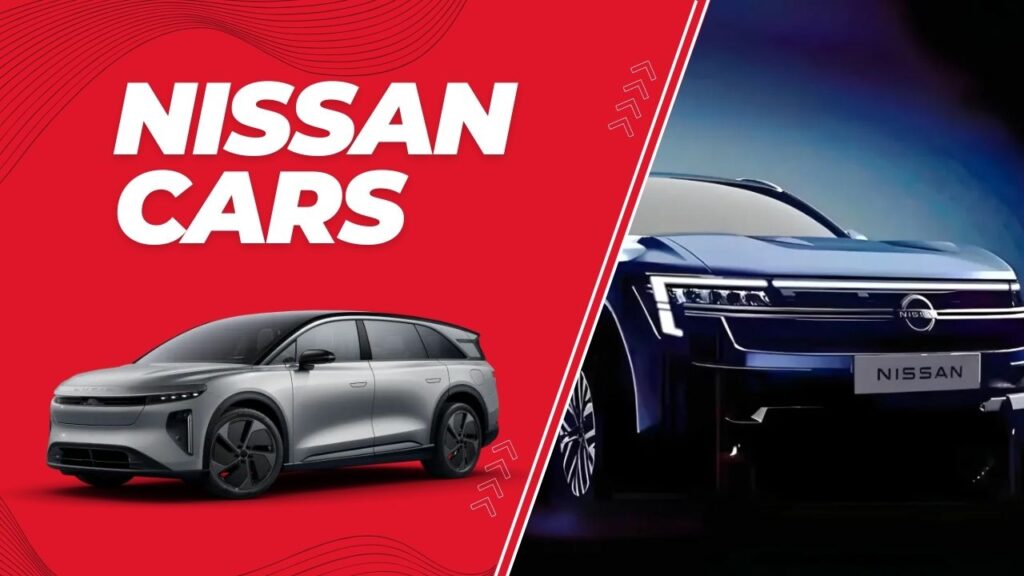
Nissan Cars Launching Two Titans Together in India: Nissan Gravity MPV and Tekton SUV

Published Dec 30, 2025, 11:36 AM
Last Updated Apr 9, 2026, 10:28 AM

Nissan Gravity MPV and Tekton SUV

If you have been waiting for Nissan to do something more substantial in India, get ready. The Japanese car maker is set to launch not one but two all new cars in two months – and believe me, these are cars that will make heads turn and take on some of the most popular cars on the Indian roads today. It’s the Nissan Gravity MPV and the Nissan Tekton SUV and honestly, these launches may just be what Indian families and SUV lovers have been waiting for.

Nissan’s Big Comeback Plan for the Indian Market

First up is the Nissan Gravite, which arrives January 2026. Nissan’s take on the family-car chat is genuinely useful. Imagine the middle class Indian family on the hunt for a seven seater, and who doesn’t send you into bankruptcy. 

Gravity MPV — Affordable 7-Seater That Finally Makes Sense

The seven-seater Gravite is available from around ₹6 lakh, making it one of the lowest-priced automatic seven-seaters in the market. That’s pretty impressive, especially since the MPV segment always seems to be a squeeze for buyers on a budget. Based on the proven CMF-A architecture that it shares with the Renault Triber, the Gravite has no intentions of breaking the mould—and that’s quite alright.
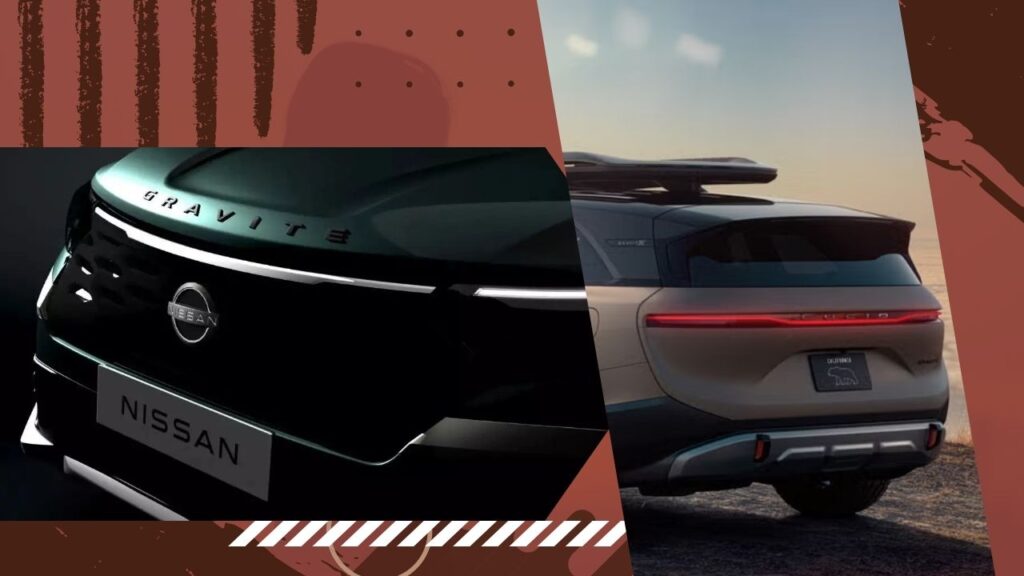
Although Nissan has applied a fresh Japanese design language, it’s essentially taken an old, dependable platform. The bonnet is scooped, adding character, and the front is more assertive, featuring Nissan’s V-Motion grille. The flanks display slender, toned shapes that make this small the look of the the more premium surprisingly the tags looks. The rear is? Sharp and clean, with C-shaped styling cues that tie the whole design together.

Engine & Transmission Options

Gravite gets the familiar BE powertrain, Under its hood, the Gravite will be powered by the familiar 1.0-litre three-cylinder petrol engine producing 72 hp. So maybe that doesn’t get your blood pumping, but here’s the kicker—it’s mated either a five-speed manual or an automated manual transmission (AMT). This is huge because AMT automatics in seven-seaters are usually reserved for cars that cost a lot more. You’re getting an automatic family hauler without the fancy DCT price tag. 

Read More:- Ranbir Kapoor Car Collection 2026 Features Premium Luxury Cars, Supercars And SUVs

Comfort & Family-Focused Practicality

Its three rows of realistic seats are better suited for seven adults than five, which is outstanding in this segment (and for the record, even the normally cramped third row here is not too bad). Add good levels of equipment, some new trim options and you have a car that really does tick the ‘value for money’ box. Nissan is expanding its dealer network with 200 touchpoints specially for these launches, which means you will get proper after-sales support even in Tier-2 cities. 

Tekton SUV — A Serious New Player in the Midsize SUV Segment

Well, if you’re not a fan of the people carrier and have your sights set on that succulent midsize SUV market, gear up. Nissan Tekton release date The Tekton will officially release in February 2026 with a price tag around that of the Hyundai Creta, Tata Sierra, and Maruti Suzuki Victoria.

CMF-B Platform & Patrol-Inspired Rugged Styling

This is not some rebadged castoff. Built on the modern CMF-B platform (which also underpins the new Renault Duster) and developed specifically for Indian roads, the Tekton.
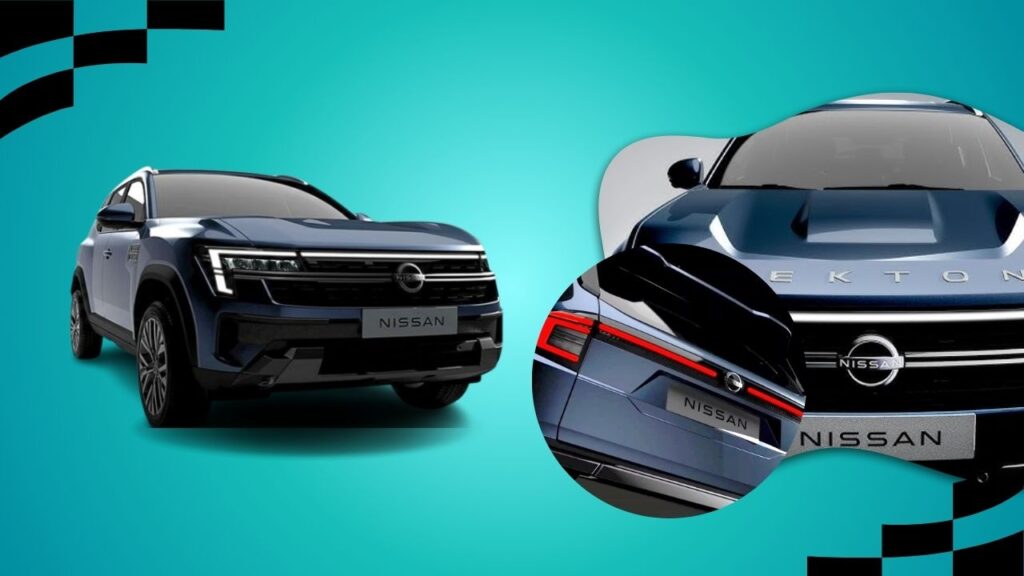
Tekton SUV

The exterior design is based on Nissan’s iconic Patrol SUV, meaning it has real rugged DNA. From the teaser images, we can see the connected LED DRL arrangement at the front and a muscular bonnet with connected LED tail-light unit at the rear. That’s a vehicle that feels purposeful and premium, and yet it will be priced competitively. 

Engine Options, Turbo Power & Future-Ready Hybrid Plans

What about engines? The main engine on offer would be a lively 1.3-litre turbo-petrol with a 1.0-litre turbo variant for cost-conscious consumers also possibly on the cards. There are even rumors of a strong-hybrid powertrain joining the line-up at a later date, as with the new Duster. Which means a car that’s ready for the future, with none of the EV sticker shock—at least not at first.

Interior Design

The inside is where things get interesting. Think: a three-tone dash; digital driver’s display; a large touchscreen with wireless Apple Car Play and Android Auto; ventilated front seats; a sunroof; and a real 360-degree camera system. Safety? Six airbags as standard, ABS, EBD, blind-spot monitoring – all the boxes you would expect ticked.
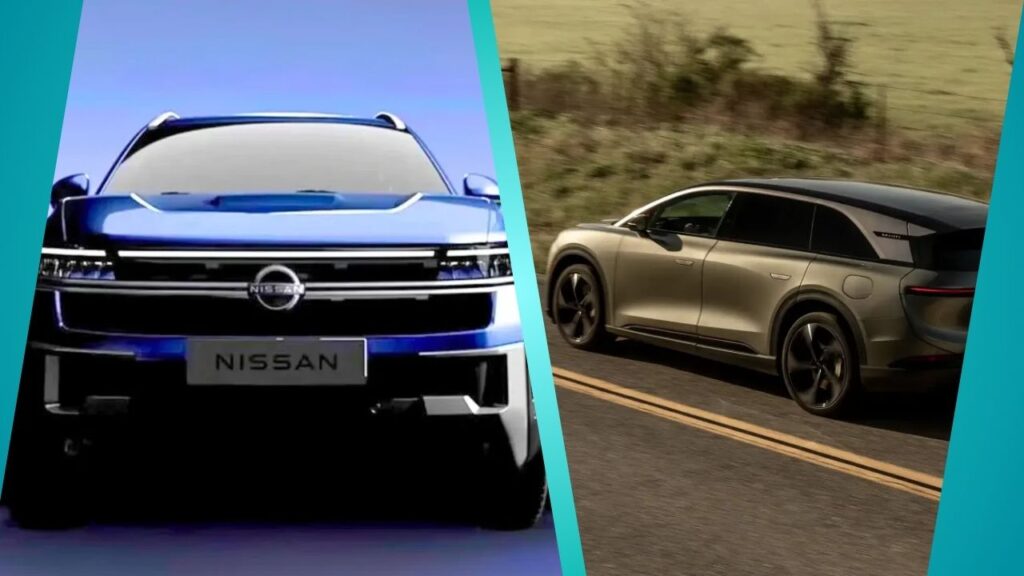
Interior Design

With a price band of ₹11 lakh to ₹19 lakh (ex-showroom), it is placed right in the middle of the scorching competition, and this means Nissan is making a serious effort to win customers and not merely retaining existing ones. 

Conclusion

Nissan has been rather silent in India for quite some time now, but this two-front assault with the Gravite and Tekton definitely signals a comeback. They are filling two huge holes in the market—cheap family cars and midsize SUVs that can actually compete. The Gravite rivals the Maruti Ertiga and the Renault Triber, while the Tekton goes toe-to-toe where the profit margins are the healthiest.

With 200 new dealer touch points coming on stream, technical and warranty support, and the engineering might of the Renault-Nissan alliance behind them, these are more than just launches – they are statements of intent. 

Sharey Khan

Sharey Khan is an IT entrepreneur and petrol head & a car enthusiast. With a special focus on car-related content, he combines his deep passion for vehicles with a talent for crafting informative, engaging, and easy-to-understand content. His writing is driven by a genuine love for cars and he is committed to providing readers with accurate, up-to-date, and trustworthy information that empowers smarter driving decisions. 

Leave a Reply

Your email address will not be published. Required fields are marked *

0

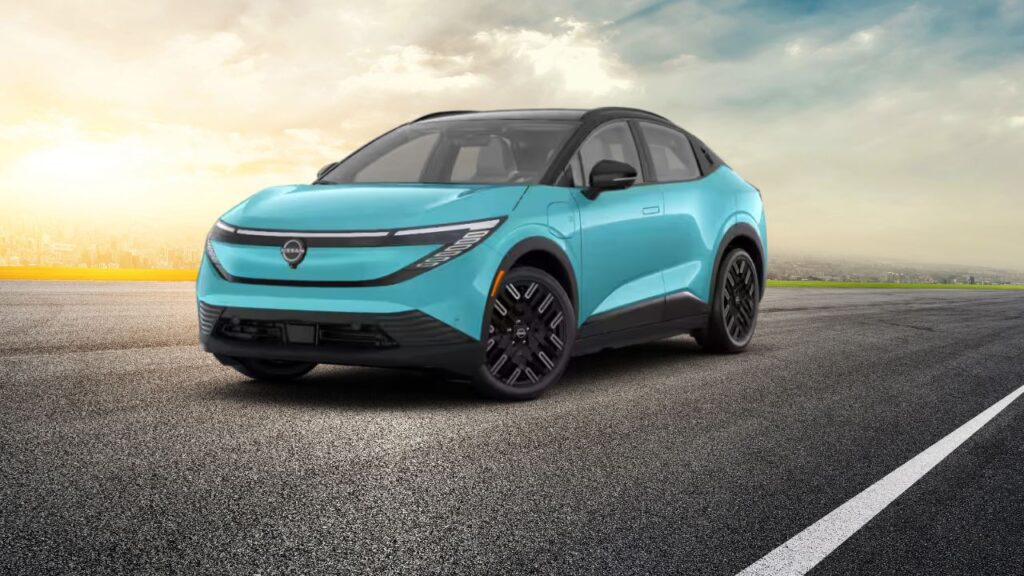
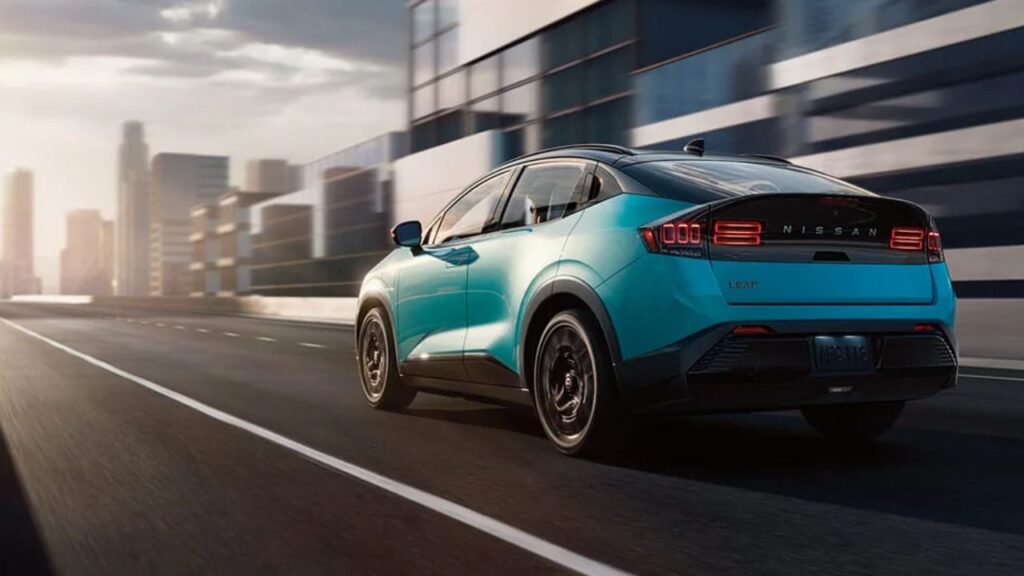
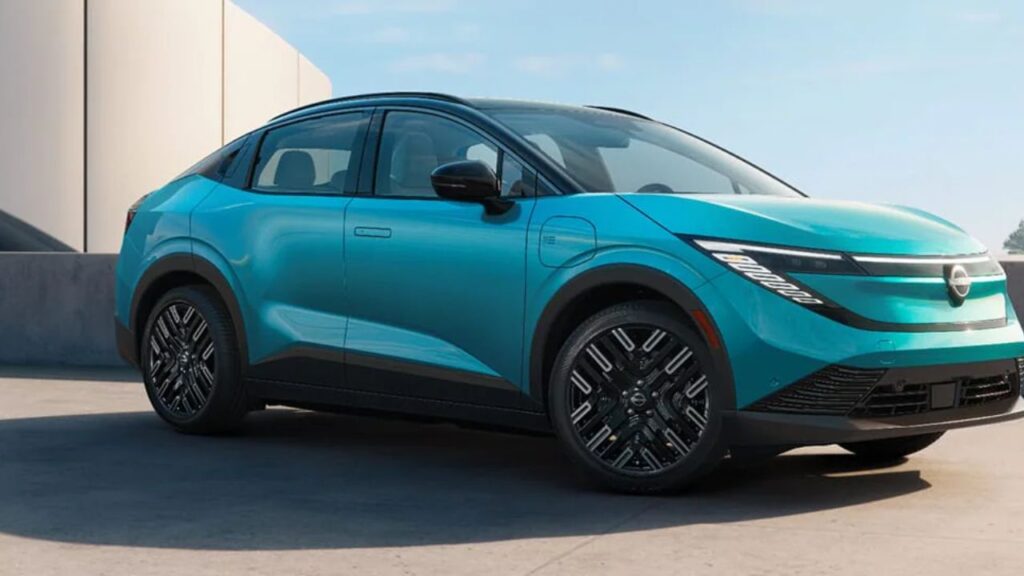
Nissan Leaf Expected ₹30 Lakh Price With Detailed Guide on Features and Range

Published Dec 8, 2025, 10:50 AM
Last Updated Dec 8, 2025, 10:53 AM

Nissan Leaf

If you’re one of those people who thinks the future of driving is electric but you just haven’t made the jump yet, the Nissan Leaf might be the car to change your mind. Carrying an expected price tag of ₹30 lakh, this revolutionary EV is designed to disrupt the EV market in India by offering global standards and tried & tested reliability to your garage without burning a hole in your pocket. 

Why the Nissan Leaf is Creating a Buzz

Electric cars have always felt like something only the very rich could afford. But that story is being rewritten, with the Nissan Leaf. With over a decade of global real-world success, the Nissan Leaf is widely recognized as the most dependable and practical electric vehicle in the world. It is also the best-selling electric car in the world – over 6 million units have been sold worldwide. Now, with its introduction in India at ₹30 lakh, it is making electric mobility open to all and that is a game-changer. 

Performance That Actually Delivers

The Nissan Leaf’s Indian edition is powered by a 40 kWh battery pack that drives a 148 bhp electric motor which churns out 320 Nm of torque. Now if you’re not a number person, let’s talk about what that means: It’s more torque than a lot of run-of-the-mill petrol cars in the same price bracket, and it translates to acceleration that’s quick, smooth, and genuinely exciting. It goes from 0 to 100 km/h in less than 7.5 seconds – nothing supercar level, but not bad at all.

Performance Nissan Leaf

Image credit: Nissan

What makes this performance so special is the delivery of immediate torque. Unlike traditional engines that have to spin up, electric motors generate peak torque right away. This makes your daily city commute driving a breeze and highway overtaking a cinch. 

How Far Will It Really Go?

The Nissan Leaf goes some way to allay that worry with a single charge range of 195-240 km depending on the variant you choose and driving conditions. It’s not supposed to be your pick for a 500-km interstate road trip, but it is totally perfect for your daily commitment, your weekend runs or your jaunts around town.

Just think about your life on a standard day. Most Indians travel around 30-50 km daily. The Nissan Leaf does this with ease, and the ideal your everyday needs car needs to be able to do that. It’s also worth noting that in eco mode you can boost the range making it even better for those who mind How far they drive. 

Read More:-  Citroen Basalt X 1.2 Turbo Specs and Price Details Guide

Charging the Nissan Leaf is simpler than you might imagine

At a normal home charger a full charge takes around 7-8 hours. If you’re charging with a DC fast charger — which can be found at shopping malls, highways, and charging networks — you can go from 20% to 80% in just 40 to 60 minutes. That’s basically the amount of time you need for a coffee break.

The home charging cable is also supplied along with the intelligent charging management system of the vehicle, which allows you to set charging during the hours of low electricity rates, making it convenient and saving electricity bills. In addition, the charging port is waterproof and there is an advanced locking system, so you never have to worry about security or weather-proof! 

Features That Make It Feel Premium

Don’t let the ₹30 lakh price tag mislead you—there is an almond of salt that is packed with amenities found in cars costing much more than this. The car comes with 6 air bags, electronic stability control, hill start assist and advanced driver assistance systems (ADAS) that are comparable to vehicles three times its price. Automatic emergency braking with pedestrian detection, intelligent blind spot intervention all contribute to an even safer ride on JLR products.

Nissan Leaf Features That Make It Feel Premium

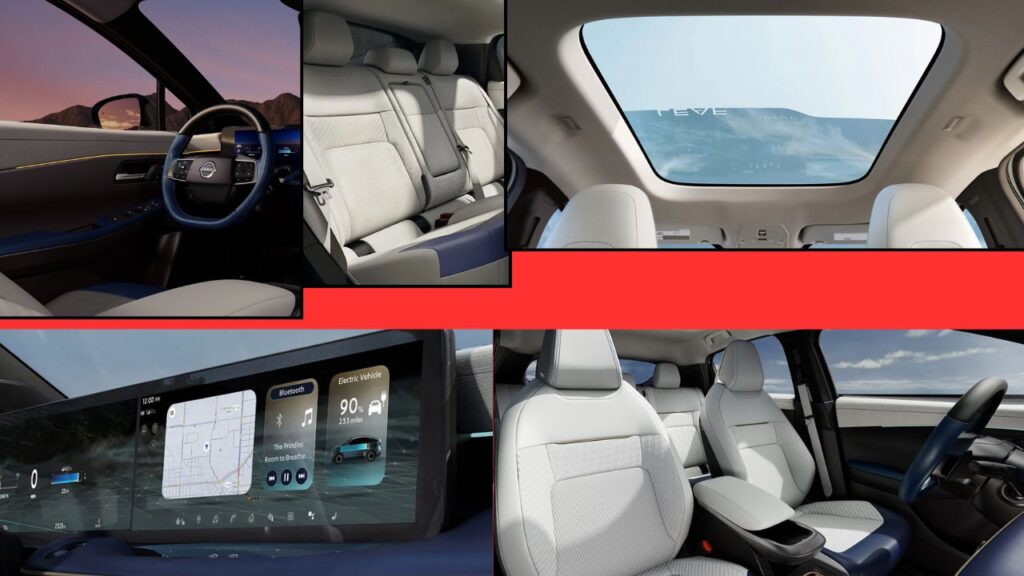
There is a modern touchscreen interface, ample comfortable seating, and an unexpectedly roomy cargo area with rear seats that fold down. In addition to the ambient lighting and the serene cabin, you tend to forget that you are driving — thanks to the an almost imperceptibly quiet electric motor. 

Why Choose the Nissan Leaf Over Competitors?

In the Rs 30 lakh category, you are eyeballing rivals like the MG ZS EV and Tata Nexon EV MAX. While the MG provides a marginally bigger range (461 km), Nissan Leaf makes up for it with better torque delivery (340 Nm vs. 280 Nm), tried and tested reliability for 10 years of real world, and a brand backing that is trusted the world over. The Tata is cheaper but has less features and the driving experience is less amazing than Nissan. 

The Real Game-Changer

What makes the Nissan Leaf different is its fact-based history. This is not a science-fiction car or a technology still gaining market experience. The Leaf is the world’s most experienced and most thoroughly tested electric car, having been on sale since 2010. 

Nissan Leaf The Real Game-Changer

Image credit: Nissan

You’re not the guinea pig—you’re part of a community of millions of happy owners who have already discovered that electric driving isn’t just practical but it’s truly better. 

Conclusion

At ₹30 lakh, the Nissan Leaf is a step change in the way India looks at electric mobility. It’s practical for everyday use, easy to charge, packed with features, and supported by the reputation of a global brand. If you’re a green driver, fed up with rising fuel costs, or just curious about what the future holds for mobility, the Nissan Leaf deserves your attention. The electric revolution isn’t coming – it’s here, starting at ₹30 lakh. 

0

Best Automatic Cars Under 10 Lakhs in India – Easy Driving Options

Published Jun 24, 2026, 12:55 PM
Last Updated Nov 2, 2026, 4:35 PM

Automatic Cars Under 10 Lakhs in India

Young generations are more leaning towards automatic cars since they are easy to shift gears and star-stop traffic in metro cities. They are genuinely expensive for a middle class person but automakers understand this issue so they are trying to make more affordable cars. There are some Automatic Cars Under 10 Lakhs which offer excellent features and outstanding performance.

Top brands like Maruti Suzuki, Hyundai, and Tata launched budget-friendly automatic hatchbacks and compact SUVs and left the luxury tag of AMT or CVT gearbox which was beyond 10 lakhs a few months back.

Let’s look into the details and prices of these excellent models which can drive you crazy when you sit behind the steering.

Why Go for an Automatic in the First Place?

Automatic cars are worth buying now more than ever due to fast-paced life and traffic jams. In frequent stop-start traffic, a manual car requires repeated clutch operation and gear changes, which can make driving more tiring for the driver.

If you are living in a city, automatic cars are about saving your mental energy in traffic. You can rely on it as there is no clutch, no gear shifting stress, that gives you the best driving experience for beginners, especially new drivers and elderly family members who find manual gear shifting tiring.

The fuel efficiency gap between manual and automatic has also shrunk a lot, thanks to AMT (Automated Manual Transmission) technology. So you’re not really losing much on mileage anymore while gaining a ton of convenience.

However, AMT is not perfect. It can feel a bit irregular at very low speeds, may pause while downshifting when overtaking, and is not as fun as a manual gearbox. For regular city commuting, though, these trade-offs are usually acceptable.

Top Automatic Cars Under 10 Lakhs You Should Actually Consider

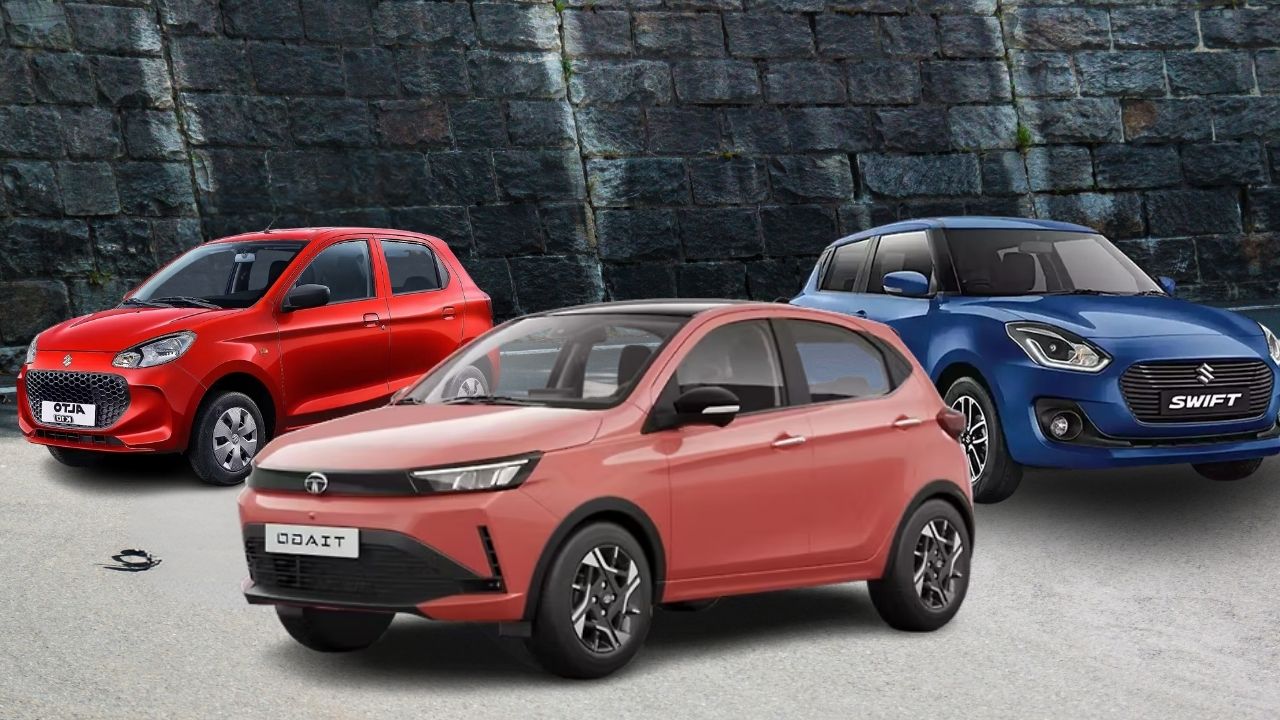
1. Maruti Suzuki Alto K10 AGS

This one is the entry point for most Indian families looking at Automatic Cars Under 10 Lakhs. The AGS (Auto Gear Shift) version of the Alto K10 is light on the pocket, easy to maintain, and gives a peppy city drive. 

Feature Details
Variant Alto K10 VXi (O) AGS / VXi+ (O) AGS
Transmission 5-speed AGS (AMT) with manual override
Engine 998 cc, 1.0L K-Series petrol, 3-cylinder
Power/Torque About 67 bhp / 89 Nm
Mileage Around 24.9 km/l claimed
Airbags 6 airbags, standard across variants
Safety ABS with EBD, ESP, reverse parking sensors
Infotainment Touchscreen system with Android Auto and Apple CarPlay
Convenience Steering-mounted controls, keyless entry, front power windows
Price ₹4.95 lakh (VXi O AGS) to ₹5.45 lakh (VXi+ O AGS), ex-showroom

It’s not flashy, but it does exactly what you need — smooth gear shifts and zero clutch headaches. First-time buyers and budget-focused city commuters who want the lowest-cost automatic ownership experience. 

2. Tata Tiago AMT

Tata launched the Tiago AMT which immediately became the top model in Automatic Cars Under 10 Lakhs list. Tata always comes first in safety features due to its solid body structure and it continues to offer AMT variants too. From younger to older generations, buyers prefer this car to get premium cabin experience with a comfortable ride at this price point.

Feature Details
Transmission 5-speed AMT
Engine 1.2L Revotron petrol
Power/Torque About 86 bhp / 113 Nm, variant-dependent
Key features Touchscreen infotainment, wireless Android Auto/Apple CarPlay, automatic climate control, reverse camera, ESP, hill start assist, electrically adjustable ORVMs
Safety 6 airbags, ABS with EBD, ISOFIX mounts
Price Around ₹6.31 lakh to ₹6.91 lakh ex-showroom for AMT variants, depending on variant


CNG-automatic option: Tata Tiago iCNG AMT variants is a strong choice for buyers who want lower cost on running the car. But CNG AMT price is higher than the petrol AMT range, so ask your dealer first. 

3. Maruti Suzuki Swift AMT

This is the most common hatchback of India for years now. Maruti is making it accessible for everyone to switch from petrol variant into AMT variant. There is no struggle for service as Maruti’s service network is wider. 

Feature Details
Transmission 5-speed AMT
Engine 1.2L Z-Series petrol, 3-cylinder
Power/Torque About 80.46 bhp / 111.7 Nm
Mileage Around 25.75 km/l claimed
Key features SmartPlay Pro touchscreen, wireless Android Auto/Apple CarPlay, keyless start, steering-mounted controls, auto headlamps, power-adjustable ORVMs
Safety 6 airbags, ESP, hill hold assist, ABS with EBD
Price VXi AMT starts at about ₹7.13 lakh ex-showroom; higher AMT variants cost more

Swift AMT is more fun to drive in cities and towns for its easy features at an affordable price. Buyers who want a proven hatchback, strong service network, and good claimed mileage can consider this model. 

4. Hyundai Grand i10 Nios AMT

Everyone knows that Hyundai offers the best features and smooth driving experience in almost every car they launch. That’s the statement of a brand to make their name stand in a market. Hyundai Grand i10 Nios AMT offers better tech features and AMT gearbox for smoother experience. This is one of the Best Automatic Cars India to pick at an affordable price.

Feature Details
Engine 1.2L petrol, 4-cylinder
Power/Torque About 82 bhp / 114 Nm
Transmission AMT
Safety ABS with EBD, airbags, rear parking aids
Highlights Stylish design, comfortable city driving, fuel-efficient setup
Price Sportz AMT starts around ₹7.45 lakh ex-showroom; confirm the latest variant-wise price with Hyundai

5. Renault Kwid AMT

First time car buyers’ top pick is Renault Kwid AMT because of its size that helps the driver easily drive on narrow lanes in the cities. It is perfect for small families and solo commuters. The automatic version adds that extra layer of ease for daily commutes.

Feature Details
Transmission 5-speed AMT
Engine 1.0L petrol
Power/Torque About 67 bhp / 91 Nm
Mileage Around 22.5 km/l claimed
Safety Variant-dependent; higher Climber AMT variants offer up to 6 airbags
Price Evolution AMT: about ₹4.90 lakh; Climber AMT: about ₹5.61 lakh, ex-showroom

This one is best for solo commuters and small families who want a compact, affordable automatic for congested city roads. 

6. Tata Punch AMT

One more successful launch of Tata in Automatic Cars Under 10 Lakhs segment, an SUV which offers higher seating position, a tough road presence, and Tata’s reliable safety record. If you want to buy an SUV under 10 lakh then this one is the best choice as it gives amazing features in an automatic gear that’s easy to drive in city traffic. This is also one of the Best Automatic Cars India is offering.


Feature Details
Transmission 5-speed AMT
Engine 1.2L Revotron petrol
Power/Torque About 87 bhp / 115 Nm
Mileage Around 18.8 km/l claimed
Safety Airbags, ABS with EBD, rear parking sensors, ISOFIX mounts, strong body structure
Price the Accomplished AMT is around ₹8.89–9.05 lakh ex-showroom 

CNG-automatic option: Tata also offers Punch CNG AMT variants. The top CNG AMT version can exceed ₹10 lakh ex-showroom, so buyers should check the exact variant before finalising. Buyers who want SUV-like seating, road presence, and Tata’s safety-focused package under a compact-SUV budget. 

Automatic Cars Under ₹10 Lakh Quick Comparison


Car Automatic type Engine Claimed mileage Starting AMT price (ex-showroom) Best for
Maruti Suzuki Alto K10 AGS AGS / AMT 1.0L petrol About 24.9 km/l ₹4.95 lakh Lowest-cost automatic ownership
Renault Kwid AMT AMT 1.0L petrol About 22.5 km/l ₹4.90 lakh Narrow lanes and city commuting
Tata Tiago AMT AMT 1.2L petrol Variant-dependent About ₹6.31 lakh Safety, features, premium cabin
Maruti Suzuki Swift AMT AMT 1.2L petrol About 25.75 km/l About ₹7.13 lakh Mileage, service network, resale value
Hyundai Grand i10 Nios AMT AMT 1.2L petrol Variant-dependent About ₹7.45 lakh Refinement and features
Tata Punch AMT AMT 1.2L petrol About 18.8 km/l About ₹8.89 — 9.05 lakh SUV stance and safety-focused package

What’s the Difference Among AMT vs CVT vs AGS?

A lot of buyers get confused between these terms, so let’s simplify it. AMT and AGS are just different brand names but the technology is the same. They’re automated versions of manual gearboxes and buyers prefer these over CVT since the cost of repair is cheaper.

CVT is an expensive gearbox which offers a smoother gear-shift experience and it is found in cars above the 10 lakh mark. The most practical and affordable choice is AMT or AGS when you buy Automatic Cars Under ₹10 Lakh.

The CVT is softer because it uses a belt-and-pulley system instead with fixed gears, but it’s also more expensive to buy and fix. 

What Should You Check Before Buying an Automatic Car?

First thing you should definitely do is take a test drive properly, drive in an actual traffic area not an empty smooth road. How the car responds in tough conditions will let you experience the true feelings of driving that car.

Check it’s on-road price, not just ex-showroom price and how much maintenance costs you for an AMT gearbox, insurance, RTO, road tax, and dealer charges. And the most important point is resale value. CNG AMT availability, if your daily running is high. 

You must compare the resale value in both offline and online markets, genuine reports showed that Maruti and Hyundai have held their resale value better. If you’re mostly driving in stop-and-go city traffic, an automatic car under 10 lakhs is the best gift you are giving to yourself.

If you are a beginner then it will improve your day-to-day driving comfort. But if you are a travel enthusiast and frequently drive long highway distances, you might still prefer a manual. Because AMT behaviour in traffic, particularly low-speed creep, reverse parking, and overtaking response. Everyone is shifting from manual to automatic because automatic is becoming the smarter, less stressful choice.

Conclusion

The car market is upgrading itself day-by-day with more modern cars. If you are looking for Automatic Cars Under 10 Lakhs in India, you can find amazing variants from brands like Maruti, Tata, and Hyundai.

Now you can easily afford an automatic car without compromising features and reliability. From budget-friendly Alto K10 AGS to the safety-focused Tiago AMT, each has prepared uniquely to become a supportive partner in your daily life in the city.

Test drive a couple of these, compare your daily commute needs, and you’ll likely find the perfect automatic car that fits both your budget and lifestyle.

0

Hyundai Verna Facelift: New Features, Design, Interior, Safety, Engine, Mileage Updates Details

Published Dec 18, 2025, 10:33 AM
Last Updated Apr 24, 2026, 11:22 AM

Hyundai Verna Facelift

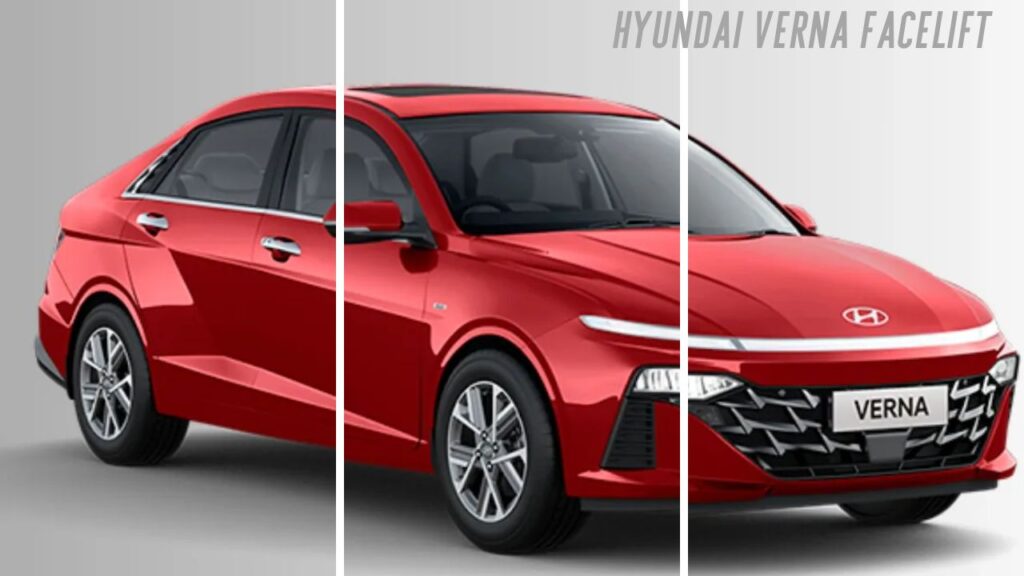
Hyundai Verna Facelift is debuting during midsize sedan segment decline as the SUVs take majority of sales. Reinventing the wheel didn’t really seem to be on Hyundai’s agenda this time around, and that’s a good thing — the Korean marque is simply evolving what already works, adding some fresh design cues, some new technology and new safety features. The end result is a sedan that is not only more modern, progressive and premium than ever, but also delivers an excellent balance of comfort, performance and reliability that made the Verna one of the best-selling cars in India.  

With crisper styling, upgraded interiors, new ADAS technology, powerful yet fuel-efficient engine choices, the Verna Facelift is all set to rekindle the faith of buyers that sedans still are a very solid proposition. 

A Fresh Face for the Modern Era

Hyundai Verna Facelift isn’t meant to be a reimagining of the entire car, rather it’s about smart updates and enhancements. A basketball hoop design replaces the previous horizontal slat grille now seen in Hyundai’s luxury designs such as the Sonata that inspires the new look. The LED light bar which has been a distinctive element for Verna is retained and revamped with upgraded lighting signatures resulting in a crisper and bolder look.​

A Fresh Face for the Modern Era

Coming to the sedan, the bonnet line has been reworked, and it adds to the overall cleaner-looking unified front-end. The bumper lines have been sharpened as well, making it look even sportier without losing none of its recognizable body. 

Inside, the Verna is treated to a new multi-layer dashboard and a revised center console that run the entire length of the cabin for a refreshed look from front to rear. New diamond-cut 16-inch alloys complete off the exterior transformation, a few variants with sleek blacked-out finishes options to add a little more sport. 

Impressive Interior That Meets Your Standards

Step into the revamped Verna and you will see that the cabin offers a good blend of upmarket features with day to day practicality. The overall design is still faithful to the winning formula of the present model, but Hyundai has added some meaningful enhancements. The infotainment system has been updated with a new touchscreen display, and there’s talk of dual 12.3-inch screens from the Venue. This would be a big boost for those who want to be connected and live the modern tech life.​

Impressive Interior That Meets Your Standards

The cabin now receives upgraded trim finishes and new colour schemes that further enhance the overall sense of luxury. Hyundai has updated the well-known beige and black dual-tone interior design with a more modern look without compromising the open and airy feel making the Verna suitable for daily drives as well as long highway drives. Comfort is still the name of the game, with ventilated and heated front seats providing convenience all year long, and the power-adjustable driver’s seat making it easy for drivers of all sizes to find a perfectly ergonomic driving position.  

Connectivity features have Verna strength from the beginning, and the facelift echoes this tradition. Over 65 intelligent services, such as remote start of the engine, climate control and car diagnostics are part of the package BlueLink connected features that you can access through your smartphone or voice assistants as Alexa and Google. That is the kind of technology that turns your car into a truly smart car instead of merely a way to get around. 

Safety That Keeps a Protection Promise 

Safety is not a bargainable parameter in automotive space these days, and the Verna Facelift reaffirms Hyundai’s adherence to this ideology. The sedan still has comprehensive airbag coverage with as many as six airbags for all-round protection – driver, passenger, sides, and curtains. Higher variants also receive optional seventh airbag arrangements.­

But what really makes the Verna stand out is its Level 2 ADAS technology – Hyundai SmartSense. The system features forward collision avoidance assist which brakes for you to avoid a crash, blind-spot collision warning, which notifies you of vehicles in your blind spots, and lane keeping assistance, which assists in staying centered in your lane on the highway. These are not gimmicks — these are real security blankets that could have a genuine impact on accident prevention. 

Other safety features available are all-wheel disc brakes on turbo models, electronic stability control, hill-start assist control, ABS with brake-force distribution, and a rear parking camera with dynamic guidelines. The rigid safety structure shows that Hyundai is serious about safeguarding its passengers. 

Read More:- Lionel Messi Car Collection 2025: Price, Models & Exclusive Photos

Engine Performance That Shouts

As for the mechanics, Verna Facelift is no different from what we know and it still sticks to the tried and tested formula. The Verna runs on a tried 1.5-litre naturally aspirated MPI petrol engine, offered in 6-speed manual and 6-speed Intelligent Variable Transmission (IVT) options and it produces 115 PS power and 144 Nm torque. Those looking for a livelier drive can opt for the sportier 1.5-liter turbo-GDI petrol, which makes a strong 160 PS and 253 Nm, available with either the 6-speed manual or an 8-speed dual-clutch automatic gearbox.  ​

Engine Performance That Shouts

The interesting speculation is that Hyundai will offer a 1.5-litre petrol-hybrid powertrain as part of their plan to roll out eight hybrid models in various segments by 2030 or oil price dependent world market demand)~ like Toyota? This could make the Verna a rival for the Honda City e:HEV and give the drivers a greener choice without compromising on power. 

Mileage Efficiency For Unstoppable Rides

Towing capacity is important for practical purposes. Interestingly, the 1.5L MPI petrol engine bodies 18.6 kmpl in MT and 19.6 kmpl in IVT auto. The turbocharged one bumps that up to 20.0 kmpl (stick) and 20.6 kmpl (DCT automatic), so it is also a fuel efficient option for those who can pay a bit more for performance. These numbers are a good compromise of power and fuel economy, which is essential for the common Joes on the road. 

Conclusion

The Hyundai Verna Facelift is more of an evolution rather than revolution. With understated styling updates, new technology, additional safety and tried and trusted mechanical dependability, Hyundai has created a saloon that feels up to date without giving up on its practical merits. Be you daily commuter, weekend warrior or intrepid family hauler, the Verna refreshed continues to defy its obsolescence and remains among the most sensible sedan options in India.  

0

Brezza vs Nexon 2026: Battle of the Compact SUVs in 2026

Published Feb 3, 2026, 6:24 AM
Last Updated Apr 6, 2026, 12:27 PM

Brezza vs Nexon 2026

When you visit a car dealer with your gaze flitting between a pair of shiny new SUVs that are daring, stylish and dependable. Whenever it comes to Brezza vs Nexon 2026, people always get confused. At ₹8 to ₹14 lakh ex-showroom, the Tata Nexon and the Maruti Suzuki Brezza are two industry behemoth competing for the top slot, and known for stellar performance. 

Brezza impresses with its simple, functional qualities and vast service network, Nexon boasts premium features and highest safety ratings. Let’s get into this face-off as if we were driving through India’s potholes, practical, fun and coming straight from the heart. 

Price and Variants Breakdown

Both start out at a reasonable price, but your wallet is going to depend on your choices. The starting price of Brezza (LXi petrol MT) is ₹8.26 lakh and the top-end ZXi+ AT DT is ₹13.01 lakh.

Price and Variants Breakdown

Nexon misses out narrowly at ₹7.32 — 14.15 lakh, with fuel options of petrol, CNG and diesel across Smart to Fearless+ model ranges. 

Here’s a quick glance at top sellers:

Aspect Brezza (ZXi CNG) Nexon (Creative CNG/Petrol)
Ex-Showroom ₹11.31 lakh ₹10-12 lakh
On-Road (Delhi) ~₹13 lakh ~₹12-14 lakh
Waiting Period 2 months 1-3 months

Power Under the Hood

Brezza’s 1.5L K15C petrol (101 bhp, 137 Nm) and CNG (87 bhp) variants feel quite peppy in stop-and-go traffic and 19.8 kmpl is the figure with the AT. Smooth and elegant, like sipping chai on a slow breeze but it just doesn’t have the turbo punch to overtake comfortably (0-100 in about 12 seconds). 

Power Under the Hood

Nexon fights back with a 1.2L turbo-petrol (118 bhp, 170 Nm), a diesel (115 bhp), and a CNG option, mated to the 17–24 kmpl. Because of the torque surge, it runs faster and it keeps running at 120 kmph. It is a thrill to have such a vehicle. If you want to fly past trucks on NH24, Nexon is your pal. Brezza rules the mileage marathons, though. 

Design and Road Presence

Brezza’s tough lines, aggressive grille and 198mm ground clearance say “city jungle hunter.” Nexon offers Futuristic LED DRLs, connected taillamps, and 208mm ground clearance whips heads— it’s the bolder peacock.

Design and Road Presence

Dimension-wise, Brezza (3995x1790x1685 mm) and Nexon (marginally wider/taller) are quite similar. Both are five seater vehicles, but with a better boot space of 382L Nexon can carry weekend bags more comfortably than Brezza’s 328L. 

Inside the Cabin: Comfort Clash

Brezza is roomy from inside, functional with rear AC vents, 9-inch touchscreen, wireless charging and sunroof in top variants. The soft-touch plastics are premium enough but a few hard and scratchy bits demonstrates its budget-consciousness. Ride drinks potholes like a champ.

Nexon offers 10.25-inch Harman screen, JBL audio, ventilated seats, panoramic sunroof, and 360-cam. Sure, the digital cluster dazzles but the ergonomics are a disaster—no real cupholders, panels that don’t line up. Rear space is similar, yet Nexon seems airy. 

Safety is Priority

When it comes to safety then only reliable cars can actually get into the head like The Brezza’s 4-star GNCAP (6 airbags, ESP, hill-hold) is rock solid.

Safety is Priority

Nexon with the same gear and a blind-spot monitor in high res, I am a proud 5-star king. In crash tests, the Nexon also provides better protection which is essential while running families around. 

Features Face-Off

Category Brezza Wins Nexon Wins
Infotainment Simple, responsive 9″ 10.25″ + JBL, wireless AA/CP
Convenience Cooled glovebox, HUD Ventilated seats, paddle shifters
Safety Tech 360-cam, 6 bags 5-star + ADAS basics

Read More:- Hyundai Exter Facelift: Smarter Looks, Bigger Tech, Same City-Friendly Charm

Conclusion

It will be a hard choice of Brezza vs Nexon 2026. If your pulse rate increases at the thought of peace of mind, low running expenses, silky-smooth city drives, and Maruti’s unmatched service network, the Brezza seems like the more stable long-term partner. It is smart, comfortable and easy to live with, ideal for daily commuting and hassle free ownership.

However, if you’d like your SUV to make you feel a bit special each time you turn it on, boast strong performance, a bold design, richly appointed interiors and best-in-class safety, the Tata Nexon sounds like the better choice. That 5-star safety rating, turbo punch and premium tech gives it a future-ready and emotional appeal that is unmatched.

In short:

  • Go for Brezza if you prefer reliability and simplicity to flashiness.
  • Go for Nexon if safety, features, & driving excitement are on top of your checklist.

They’re both good compact SUVs — but the one that steals your heart is going to come down to whether you prefer to think with your head or drive with your heart. 

0

Most Anticipated Cars of 2027: What Buyers Should Know

Anticipated Cars of 2027

If you’re about to sign a car loan, the question that matters is whether the car you want is about to be replaced. The Most Anticipated Cars of 2027 are arriving in a crowd, and a few of them will make this year’s showroom models look dated.

Waiting costs money, though, and not every launch is worth it. Early 2027 is packed in India. The Bharat Mobility Expo runs from 4 to 9 February in New Delhi, and several of the launches below are expected to appear around it. 

Expo reveals are not showroom availability. A car shown in February can easily reach dealers months later, so a debut date shouldn’t be mistaken for a buying date.

The Tata Safari EV: The One Everyone’s Watching

Tata’s electric 7-seater is the clearest case of hype running ahead of facts. It is expected to launch in Diwali 2026 with 65-75 kWh packs of battery. This battery excites most buyers which offers up to 600 km claimed range and optional AWD but this is not officially confirmed yet.

Tata Safari expected specs include a triple-screen dashboard similar to the Sierra’s. The SUV could give over 500 km of mileage with Harrier EV’s battery pack on a price range of Rs. 25 lakh and Rs. 32 lakh (ex-showroom).

The Tata Safari EV

Its natural rival is the Mahindra XEV 9S. If you want a three-row electric SUV, the Tata Safari EV is the one to hold out for. Claimed range is a lab number, though. Real-world mileage will be noticeably lower when you run this car so don’t take the brochure number as your real mileage.

The Affordable End: Nexon, Ioniq P And The Small-EV Scramble

Anyway, an above Rs 20 lakh spend-will be lesser than majority of Indian audience and here’s where 2027 gets fired up. 

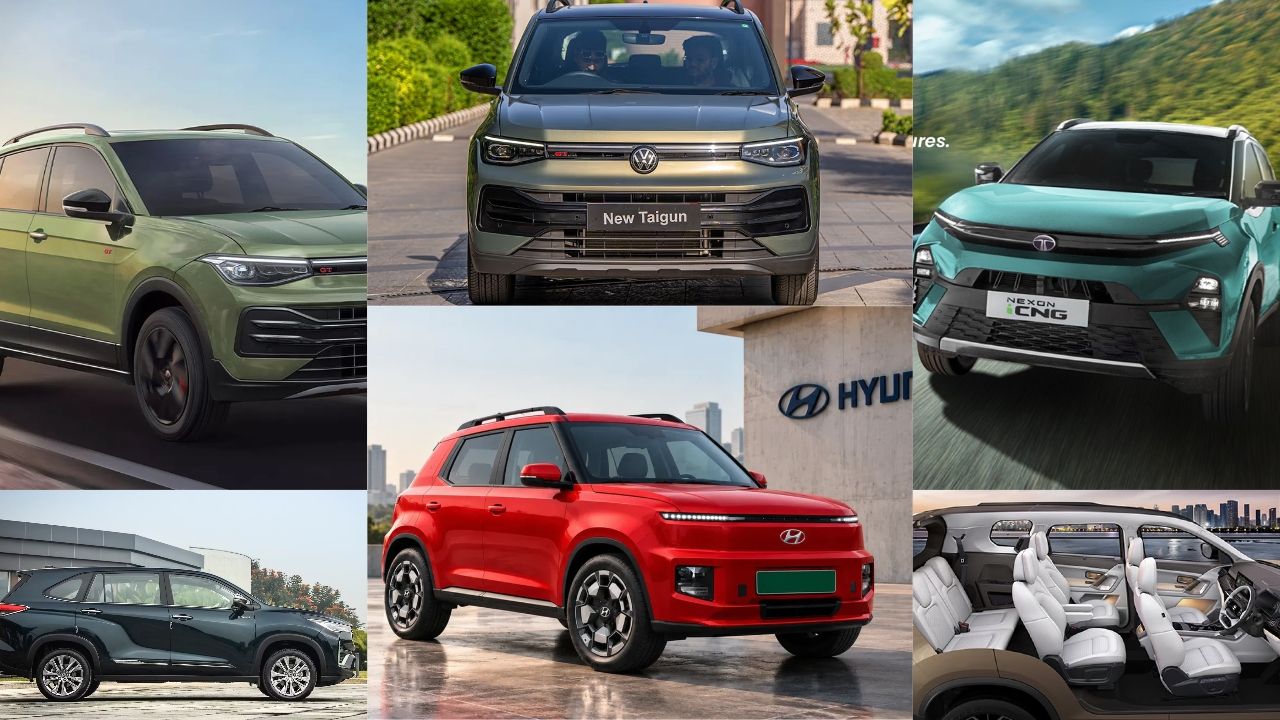
The next-generation Tata Nexon will arrive in 2027, possibly at the Expo. The petrol and diesel are expected to cost from Rs 8 lakh to Rs 15.5 lakh and rouble 14.5 lakh to Rs 19.5 lakh for the EV. It’s expected to move to a revised architecture with Level-2 ADAS. Those are estimates, not announcements.

Hyundai’s answer is the Ioniq P, a compact electric SUV scheduled for the first quarter of 2027 to take on the Nexon EV and Kia Syros EV. Reports suggest 40-50 kWh battery options and a claimed range of 450 km. If that holds, it puts Hyundai in direct conflict with Tata’s strongest EV seller.

Nexon, Ioniq P And The Small-EV Scramble

Tata has the incumbent’s advantage: service reach, a known product and a refreshed Nexon on the way. Hyundai has the newer platform, but a new nameplate carries first-year risk on software and service. For most people, the Nexon EV is the safer buy. The Ioniq P is the better bet if you can wait for reviews.

Hyundai’s Bigger Moves: Creta And The 7-Seater

Hyundai plans to bring the third-generation Creta and a new 7-seater MPV to India before the end of 2027. The MPV, reported as the Neira, is slated to launch in the first half of 2027 after an Expo showing. If you’re about to buy a current Creta, a generation change is a good reason to ask dealers about discounts, or to wait.

Creta And The 7-Seater

Toyota, Volkswagen and Renault: The Quieter Launches

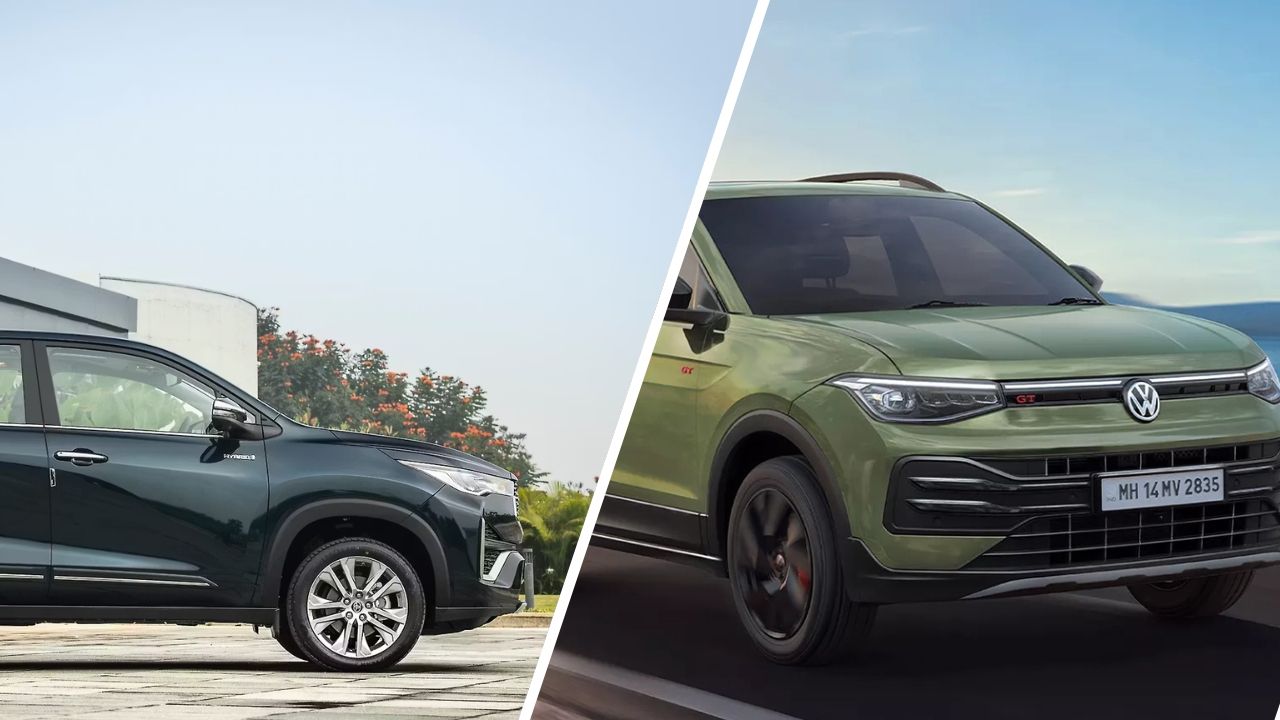
Toyota’s list is long. The Innova Hycross facelift, a next-generation Fortuner and an electric MPV with an expected range of 525 km are all on it. The Fortuner is the one to watch if you’re considering an SUV purchase, since the new model is expected to bring updated styling, a modern cabin and improved safety features.

Volkswagen is preparing a sub-4 metre SUV positioned below the Taigun, with a 1.0L TSI and an 8-speed automatic, and Renault has the Bridger lifestyle SUV on the 2027 calendar. Neither has a confirmed price.

A Warning About Launch Dates

Compare any two “upcoming cars” and you’ll see your answer. The Mahindra Vision S is listed as expected by January 2027 on one site, with an expected price of Rs 10-13 lakh. Just the same car but listed seven months apart. These posts are estimates until the manufacturer posts a date. 

For buyers, the inevitable trend is different regional availability and specs in each country. Contact your local dealer before you plan around a launch. 

 How AI in Cars Changing the Future Driving Experience

Conclusion

Hold on, if your current car is still operational, you want a three-row EV (Safari EV) or compact EV (Ioniq P or the new Nexon), and you can postpone your purchase because you don’t need it right away.  Buy now if you need a car this quarter, and negotiate hard on any model facing a generation change, because run-out stock is where the discounts are.

Before you commit, check the manufacturer’s own announcement for the date, and get the on-road price in writing from at least two dealers.