0

Ertiga vs Carens: The Best 7-Seater Cars Are On The Edge

Published Mar 9, 2026, 7:49 AM
Last Updated Apr 7, 2026, 6:27 AM

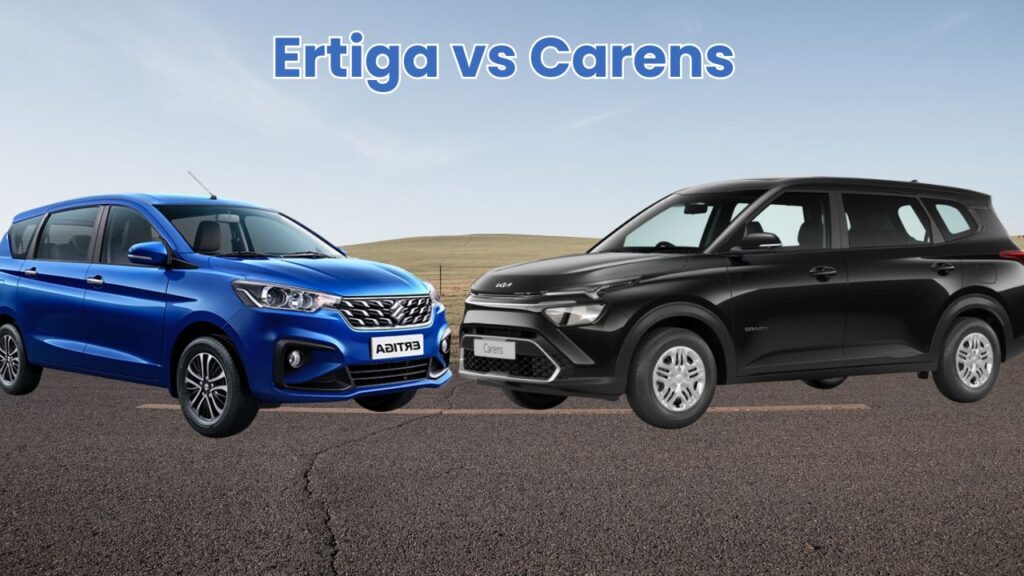
Ertiga vs Carens

You don’t really know when it comes to 0-100 km/h timings or just how well a family car corners, after all you’re buying one with seven seats. Ertiga vs Carens– it’s a difficult choice to make because both are offering tremendous features with high end quality for smoother rides with your family. Imagining a seven seater is cool but experience while your kids wanna sit in the front, your parents are having problems taking on the third row seats, is it got you worried?

These two space warriors are the best right now — the Maruti Suzuki Ertiga, which is a proven option from previous buyers that really make it on top. And the seven-seater Kia Carens which has been the leader in the market. Let’s talk about further details of these cars and price.   

Easy Trips with Well-Defined Looks

Walk up to an Ertiga, and you know exactly what you’re getting. It’s clean, bland, and made to camouflage in every apartment complex parking lot in India. The design has been tweaked a bit over time by Maruti – sharper headlights, a chrome heavy grille and floating roof elements but no one will go gaga over its looks. And honestly? That’s fine. Ertiga buyers don’t want to be seen.
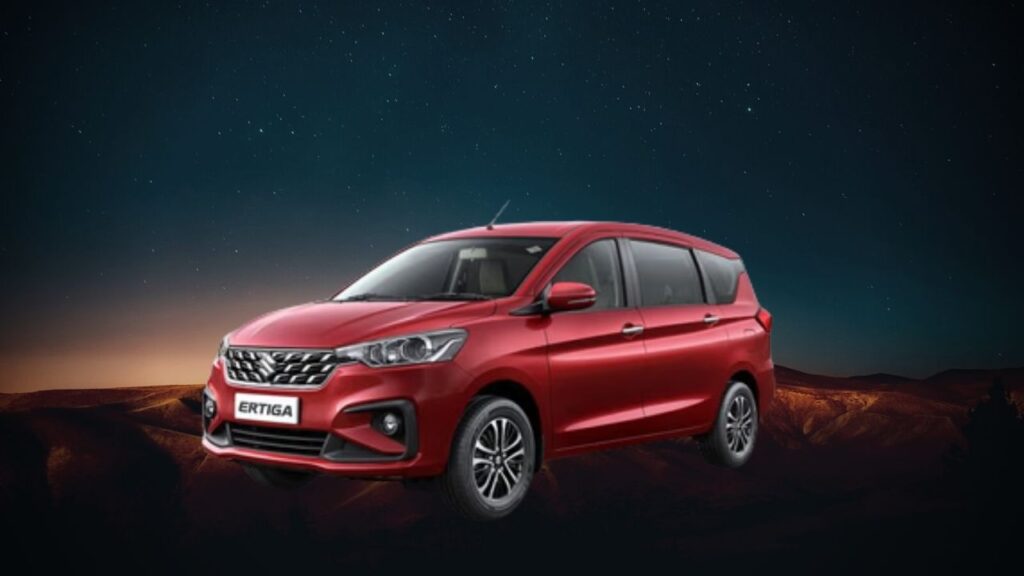
Ertiga Looks

Carens, however, is a double-take. Kia’s “Opposites United” design theme gives it SUV-like stature with its boxy shape, rugged cladding and that unique connected LED light bar at the rear. It looks excellent with its high end white and silver MPVs lining.

The Cabin that Made Specially for Families 

This is where things get interesting. The Ertiga’s cabin is nothing new. If you’ve sat in any last five years Maruti, you will find the dashboard layout, steering wheel, instrument cluster, and much more. It’s functional and solid where you routinely touch it, and everything is within easy reach. The beige-and-black color scheme makes for an open space, but it really does make that dirtshow quicker than you would want with kids around.
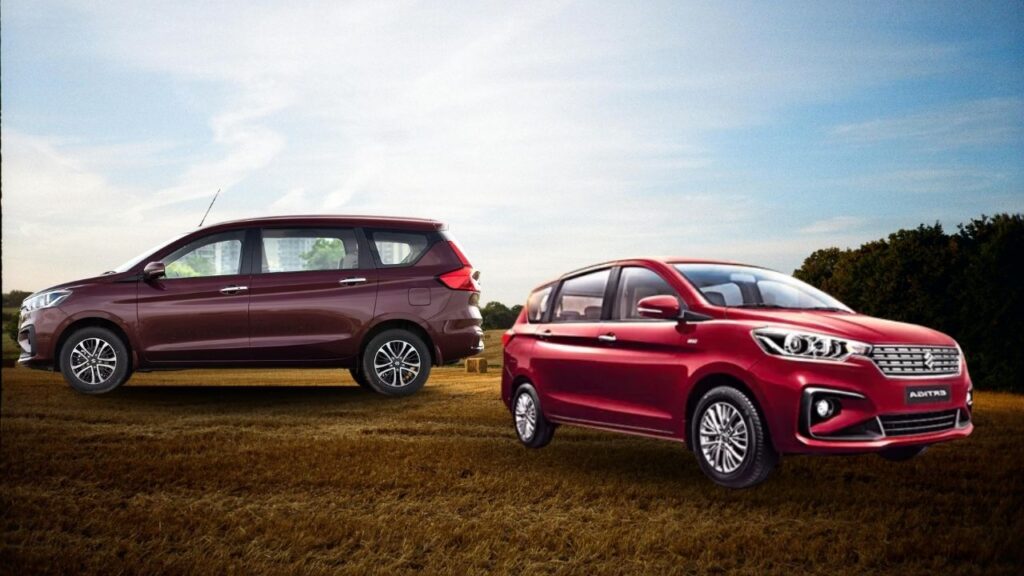
The Cabin that Made Specially

It’s like the Carens belong to a different era entirely. The twin 10.25-inch (Instrument and Infotainment) screens dominate the dash, the ambient lighting radiate true premium feeling during the night and the soft touch plastics, leatherette upholstery, metallic embellishments would not really be out of place in a vehicle double the cost. Kia’s UX is slick, responsive and really intuitive.

For family cars, kids can make it worse and older people need comfort so the more utilitarian cabin of the Ertiga is easier to clean and its physical buttons for the AC are safer to use on the run that can be more favorable as compared to the Carens’ touch-sensitive panel.

Verdict: Tech-savvy crazy people can go for Carens but real comfort is Ertiga for the no-nonsense one. 

Space Wars: The Real Challenge

Would be nice to have seven seats in theory, but it’s different when you’re really sitting in them. If you try to place three adults on the third row, and your elbows start to battle each other for room, then you will realize that it is the smaller of the two. 

The third row? Consider it a bonus, and not a feature. Kids on a short school run — sure, no problem. But have an adult sit back there for a highway haul and they’ll tell you. And if all three rows are filled up, the luggage compartment reduces to virtually zero. Take a roof carrier if you are really going somewhere.
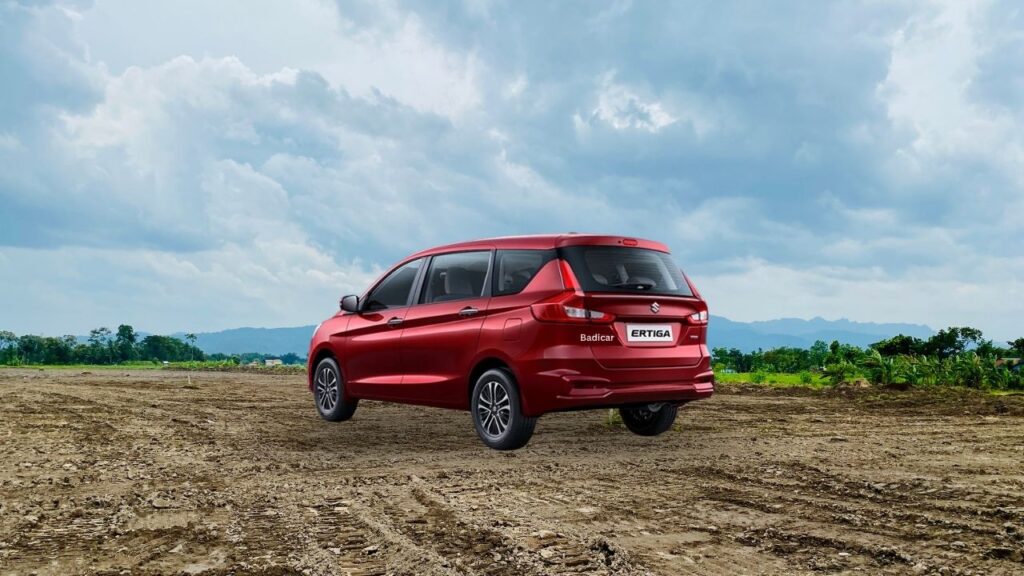
Space Wars

The Carens is another kettle of fish. It’s wider, it’s longer, and the cabin feels it. You don’t have to compromise and squash three people in the middle row — you can actually sit comfortably. With Kia’s sliding and reclining second-row seats you can redistribute legroom according to who needs it most. 

The third row realistically accommodates adults up to 5’10” for a few hours, which ceases to be a fun fact and actually matters when you’re a re six hours away from a family wedding. It’s possible for a few soft bags to be stored in the boot even when all the seats are in use.

Verdict: There’s no question that the Carens is the one to get if you truly want seven seats that are actually usable. If you only need that 3rd row occasionally, the Ertiga gets the job done without costing you more. 

The Unexpected Thrill Of Hitting The Road

No one ever buys a seven seat multipurpose vehicle (MPV) looking forward to driving it. But how a car feels when you’re driving it, especially after months and years of school runs, highway trips and Sunday errands that matters more than most people acknowledge before they buy.

The Ertiga isn’t trying to dazzle you. Its 1.5 litre petrol with mild hybrid support delivers 102 bhp, and the honest word for it is sufficient. At its bottom end it’s smooth, it won’t make you anxious in stop-and-go traffic, and the suspension has this wonderful talent for just soaking up bad roads without any fuss – a massively undervalued quality when you happen to live in a city whose potholes multiply overnight. The steering is light, the car feels controlled, and parking it in a narrow colony lane is not a three-point affair. 

But the limitations are pretty well indicated on the open road. Overtaking on a motorway takes a little bit of courage and a little bit of timing so you don’t just pull out and blast. And when you’re hauling a full complement of passengers and gear, the body roll tells you that this wag, at least, is a practical family car.
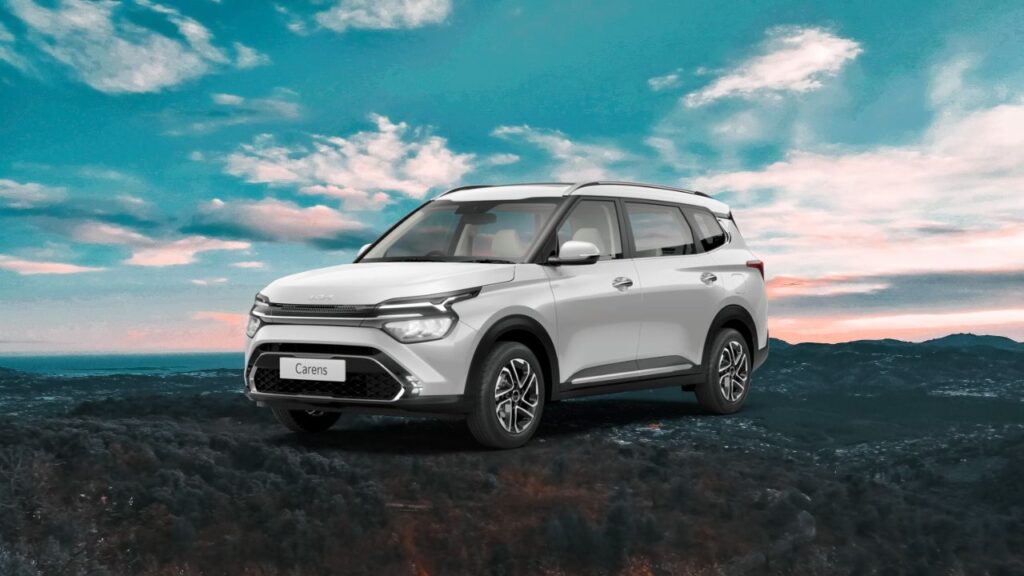
Carens Looks

The Carens come with higher aspirations. You have three engine options: 1.0-litre naturally aspirated petrol with 115 bhp, punchy 1.4-litre turbo with 140 bhp and 115 bhp diesel which makes a good amount of low end torque. 

The turbo petrol, in particular, doesn’t feel like a MPV at all on the road, it just goes, smoothly and assuredly. The diesel truly shines when you’re laden and inching along – it never seems to be struggling. The steering is heavier and more direct, and the whole car just feels like it was a bit pricier than it actually was. 

But if there’s one thing that spec sheets don’t reveal, it’s that the Ertiga is far easier to navigate through the madness of Indian urban life. More agile controls, a reduced size, and the capability to sneak through openings that would cause hesitation to any Carens driver. After an hour of traffic during rush hour, that actually adds up to something.

Verdict: The Carens is the one you want on the long highway runs and hilly weekend getaways. The Ertiga is the one that makes Monday morning city driving less of a chore. 

Read More:-  2026 Maruti Brezza Spied with New Powertrains and Bumper Design

Pricing Value of Ertiga vs Carens

At some level, every car comparison boils down to this: what does it really cost you, not just to buy one, but to own one?
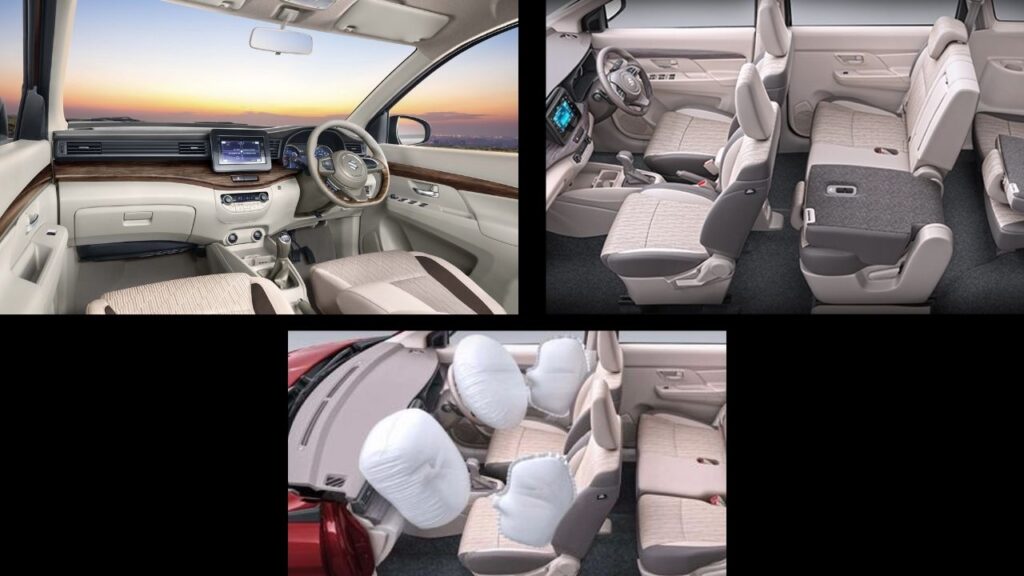
Pricing Value of Ertiga vs Carens

The Ertiga offers value for money from the word go. Available from around ₹8.5 lakh to ₹13 lakh, it occupies a ground where a real seven-seater feels quite “within reach”. The Carens starts with a price tag of ₹10.5 lakh which is reasonable enough — but hike up to the top diesel automatic variant and it costs close to ₹19 lakh. 

Verdict: It is Ertiga that offers more financial wisdom — Easy on the pocket cost of buying, cost of running, high resale value. The Carens demand a premium from you, and give you more in return. Whether the compromise makes sense to you will depend completely on what you value. 

Conclusion

After all comparisons, specifications and stories from the real world, it all just comes down to knowing yourself as a buyer — the routes you travel, your family, your priorities. 

Choose the Ertiga when you want a vehicle that just gets on with it. It will start every day without fail, live through years of school runs and supermarket runs, not cost much to keep going and squeeze itself into parking spaces that would make other cars break out in a sweat. There’s a reason they’re everywhere because they just work, predictably and inexpensively, year after year. It’s the kind of car you forget about, and that’s a compliment. 

Book the Carens if your family’s idea of a weekend is a heavy dose of miles. If road travel is a regular in your life, if you have an opinion on how the interior of your car feels, if you want high-tech safety features and a cabin that doesn’t make you feel like you’re sacrificing — well, then the premium is justified. This is the car in which driving becomes part of the experience and not just a way to get somewhere.

Overall, For all its city driving with a dash of highway, the Ertiga ZXI+ automatic is really difficult to beat at this price point. It gives you everything you want without asking you for too much. But if Manali is on the bucket list or you have an extended family that needs to travel together in comfort — the Carens diesel is an extra spend that’s absolutely worth it, and you will know the feeling every time you take to the highways. 

Both cars are right. They are simply responses to different questions. The secret is knowing exactly which question your life is asking.  

Sharey Khan

Sharey Khan is an IT entrepreneur and petrol head & a car enthusiast. With a special focus on car-related content, he combines his deep passion for vehicles with a talent for crafting informative, engaging, and easy-to-understand content. His writing is driven by a genuine love for cars and he is committed to providing readers with accurate, up-to-date, and trustworthy information that empowers smarter driving decisions. 

Leave a Reply

Your email address will not be published. Required fields are marked *

0

How to Buy a Used Car Online ?

Published Mar 8, 2021, 2:34 PM
Last Updated Mar 8, 2021, 2:45 PM

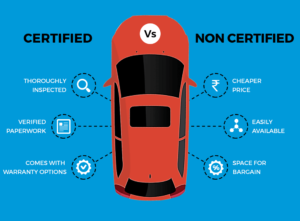
With the emergence of India as a global hub for small cars, there is a huge increase in the number of vehicles on-road. New cars are available with attractive offers, and so are used cars available at affordable prices. With increased choice and accessibility, first time buyers may face confusion In buying a car. In today’s article, we take a look at used cars. How should you buy a used car? And what are the things to look out for?


The Following Points to Remember while  buying used cars. We will take a look at the following steps:

  • Locating your dream car
  • Inspection of car
  • Finalizing on the price
  • Transferring of ownership


How to Buy a Used Car Online


Locating your dream car

After deciding that you want to buy a used car, you will need to finalize on which make and model you wish to buy. This will mostly be dependent on your budget and personal preferences. For budget, you can use car valuation guides as present on Badicar.com or you can get a fair idea by just browsing cars for sale.

After deciding about the car to buy, the next task is to find the same available with a seller. You can use online classifieds portals such as Badicar.com which have listings of both dealers and individuals. Alternatively, you can approach your local dealers, use a newspaper ad or locate a car through references. Indeed, personal contacts are often an important channel to find a car.

While choosing between a dealer or individual, you may often get a better deal from a direct purchase, but after sales and warranty would be an issue. Thus, there is some benefit in paying more for the trust that a dealer can give.

Before making your way to the car, get a full understanding of its condition over phone or email and get an initial idea on the price the seller wants. Remember that there is no such thing as a fixed price, and you should always be able to get a bit down from the seller’s current cost.

Inspection of car

After locating the car and visiting the venue, you will now need to inspect it so that you can offer a correct price for the car. Remember that damage to the car need not deter you per se, as you can use it as a lever to reduce the cost. In this, you should be able to make a rough estimate on the cost it would entail to repair that damage.

The following is an overall checklist for purchasing a second hand car.

Tyres

The condition of tyres, its life and nature of wear must be noted. Improper or uneven tyre wear indicates there is possibility of misalignment of tyres. Each tyre should be checked whether it’s been retreaded or original because the cost of a new tyre is high.
Body

The condition of body and upholstery, paint etc. must also be checked. Sometimes long term usage of vehicles in coastal areas causes rust formation in body or on the under-chassis. Moreover, any dents, repainting jobs or deep scratches can be hints for more serious damage and necessitate a more thorough investigation from your end.
Battery

The condition of battery is also essential before deciding on the cost to pay, as it is a high cost item. Check for any residue on the battery.
Suspension

Make sure that you take a drive of the car to research the car’s suspension. For this purpose, it’s better to drive the vehicle on an uneven road so that you can check for a rattling noise of the body and its suspension system. The wear and tear of parts and assembly can be understood from a rattling noise.
Engine and drive quality

The condition of engine is also to be noted. Ease of starting and a good pick up are desired during a road test. In the meanwhile, also give the break system a check and ensure that car’s stop is smooth and effective. Don’t forget testing the hand brake either.

During the drive, take a look at the exhaust smoke to indicate condition of cylinder and working parts.

In general, issues in this section may require a large amount of work to fix, and thus may make you to skip the purchase.
Clutch, gearbox, differential and joints

On a road test, also take a look at the clutch. It is one component which can have serious wear and tear if the car is not driven properly. The gearbox should work nice and smoothly. These components can be checked on road test or on a hoist
Mileage

Check out the Kilometers that the car has run. The more the odometer reading, the nearer you are to changes in parts of the car, which means that you should expect large repair bills. Thus, reduce your offer if need be.
The R.C. Book

The vehicle’s R.C. Book must be checked to get information on a number of items.

Tax Payments

The tax payment and expiry date can be seen from the RC Book. If the expiry date is near, it means that you will need to spend money on the car soon. Thus, it may be a reason to decrease your offer for the car.

Model and Year of Manufacture

Verify the car’s age through the RC Book. Each year passed is one year of depreciation and thus it is one of the most important factors in depreciation. Also use the age of the car as an input to verify whether the car’s mileage is accurate or whether it has been tampered with.

Number of Owners

Use the RC book to verify the number of owners that the car has had. A larger number of owners is an alarm signal and can point at some issue with the car. Make sure to ask and do more research in this case.
Service records

Take a look at the car’s service records. Have the repairs been done at official service stations. Are all the services there? The records should tally with the car’s age.

An interesting point in this is also the identity of the owner. In general, cars owned by members of the Parsi community, doctors or army men are preferred as they are generally much better maintained.
Insurance status

While inspecting vehicle documents, it’s important to check out the type of insurance of the vehicle and whether it is still having valid period or not. Since insurance is legally mandatory, a longer expiry date means you will be able to save some money on the insurance costs.

In insurance, the main types Insurance are Comprehensive and third party insurance.

  • Comprehensive Insurance

    In this type, all risks as mentioned in the Motor Vehicle Act, such as accidents and theft are covered. Importantly, the insurance company will reimburse you for damages to your own car itself, over and above damages caused to other parties.
  • Third Party Insurance.

    The third party insurance policy does cover insurance for the policy holder but only for other persons involved in accidents.Obviously, a comprehensive insurance is more expensive than a third party insurance.

Accessories

Check for the presence of accessories in the car. Any accessories can allow you to offer a bit more for the car.

Taking the make, model, variant and age of the car as a starting point, the above points will help you to calibrate your offer for the car better.

Summary of the process

Deciding on the price to be quoted while selling and buying a car is a cumbersome and complicated task, since it involves so many factors. In sum, the process is as below:

First decide about your priority of car, i.e. whether you are looking for a particular brand or a car which suits your traveling needs. It’s important because most of the time people end up paying extra for particular brands when reliable cars from other makes are available at lower price. If you are looking for that exact car, you should be ready to pay a bit more for it. Decide on the make and model that you want.

Check on classifieds sites to get an idea on the quoted price for particular models and year of make along with accessories present. Then, start contacting sellers and making appointments.

Check the car in person and decide about the worthiness of car for the quoted price. Use the above checklist to counter offer the seller’s price, but be sure to take your time and walk away if you’re not getting the deal closed.

Transferring of ownership

So you’ve agreed with the seller on an amount and given him a token amount for the car. Now, you need to close the deal completely and get the car transferred to your name.

First, complete the payment to the seller and take a receipt for the payment as well as the RC Book. After receiving the payment, the seller must within 14 days submit relevant documents to the RTO as prescribed by the concerned RTO. He will get a no objection certificate and provide the same the buyer. As a rule seller must take care of this, however, in most of cases the buyer will go for it after getting sign of seller in the relevant forms.

The buyer should submit the Original RC with seal of no objection to the concerned RTO of his residence. With showing of all relevant documents such as RC book, Insurance note, Emission certificate etc. the RTO will put the car on the buyer’s name and thus complete formalities of transfer of ownership.

Conclusion

Buying a used car is never easy, but it can be simplified provided the correct relevant procedure is followed. Apart from the above mentioned tips, don’t be shy of bringing along a mechanic or a friend who may know more about cars. It will surely help for discussions and coming to a conclusion about car.

Judging the price of a car is a very important point in any vehicle buying and selling. With thorough research of available used cars you will be able to make an educated offer.

At Badicar.com we hope to be one such complete source to help people to decide on buying of used cars and bikes. Please do contact us or comment below for any questions or tips.

0

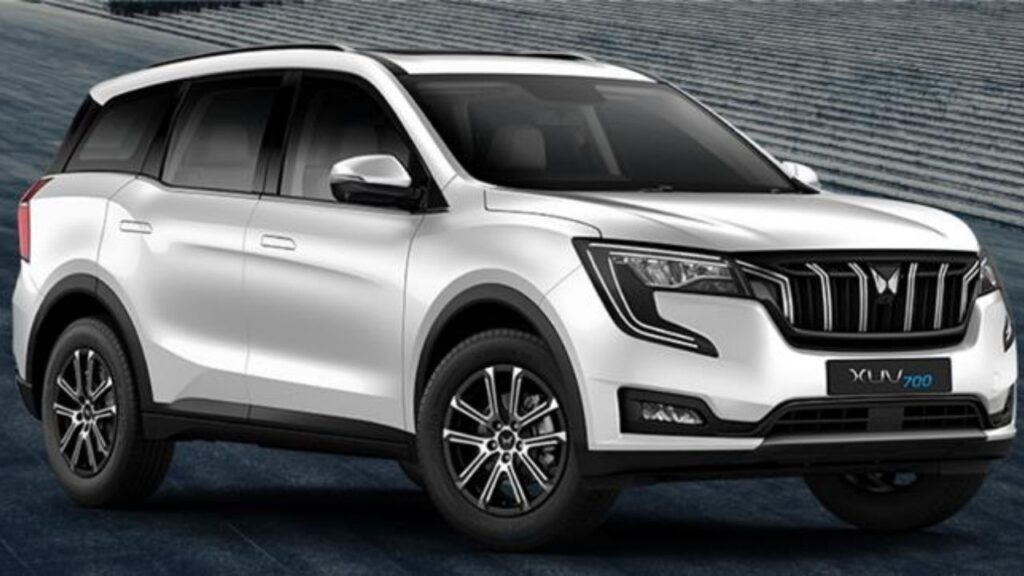
Mahindra XUV700 Facelift Arriving Soon with Stunning New Features!

Published Jul 4, 2025, 11:13 AM
Last Updated Apr 10, 2026, 7:21 AM

Mahindra XUV700 Facelift Arriving

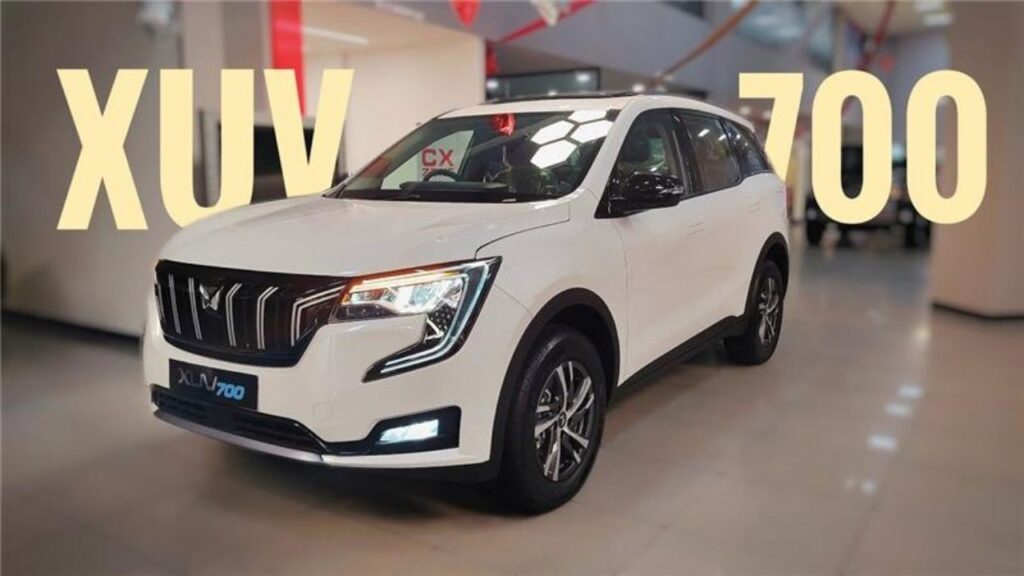
Mahindra fans havе a big rеason to gеt еxcitеd. Thе Mahindra XUV700 facеlift is coming soon. This nеws is making a lot of buzz among car lovеrs. Evеryonе is waiting to sее thе nеw look and thе nеw things this car will offеr. 

Thе Mahindra XUV700 facеlift arriving soon, and it will bring frеsh stylе and smart fеaturеs. Lеt’s find out what is nеw and why you should kееp an еyе on this car. 

What is a Facelift?

A facelift means giving a car a makeover. The car company changes the look of the car. They add new features. They make the car look more modern. The Mahindra XUV700 facelift is getting this treatment. The car will look better and have more things for you to enjoy.

When Will the Mahindra XUV700 Facelift Launch?

When Will the Mahindra XUV700 Facelift Launch

Image Credit: YouTube

Thе Mahindra XUV700 facеlift is еxpеctеd to comе out in еarly 2026. Somе rеports say it could bе in January 2026. Thе company is tеsting thе car now. Thеy want to makе surе еvеrything is pеrfеct bеforе thеy lеt pеoplе buy it.

What is New in the Mahindra XUV700 Facelift?

The Mahindra XUV700 facelift will have many changes. Let’s look at the main ones.

New Look Outside

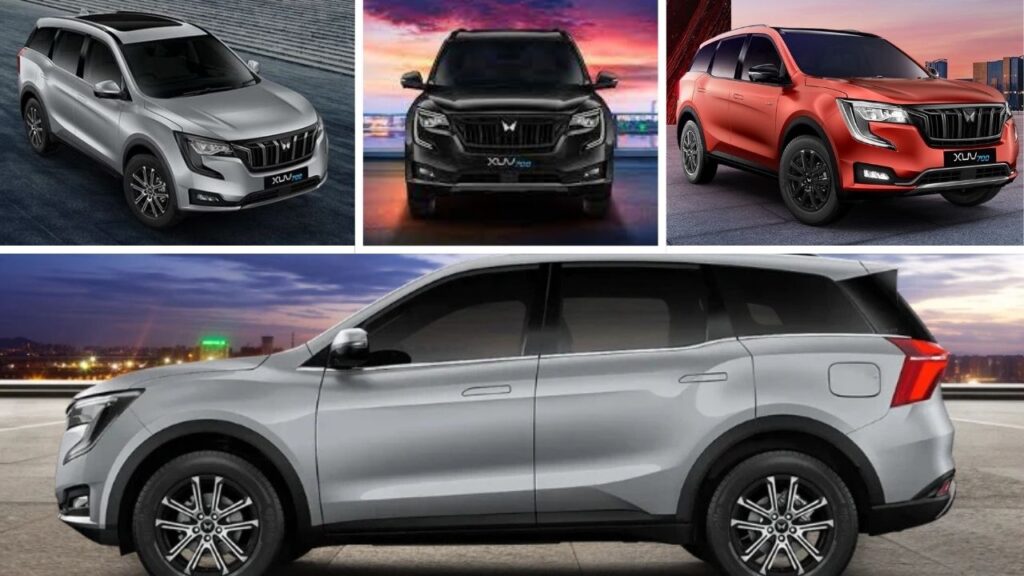
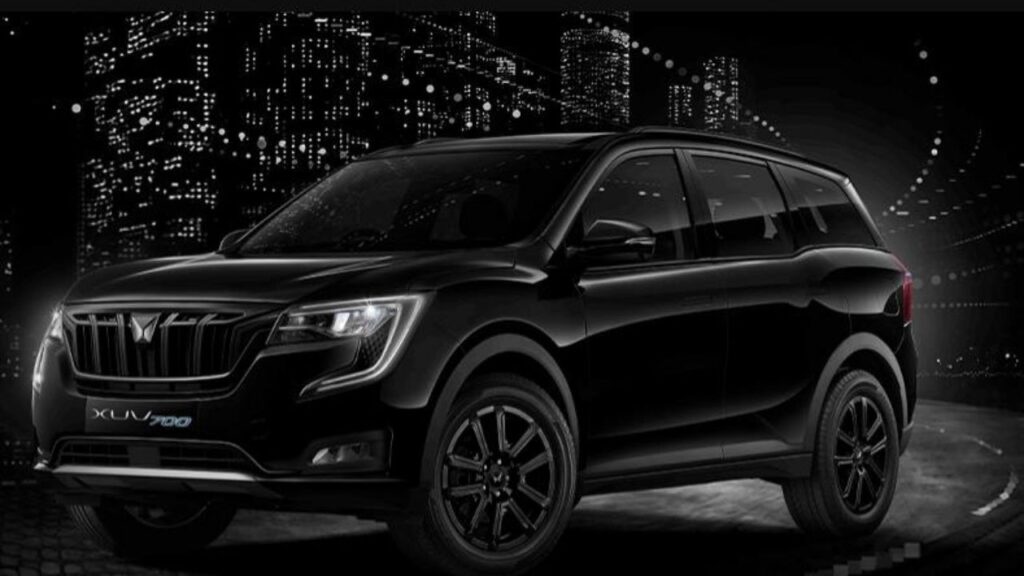
The car will have a new front grille. The grille will have vertical lines. This is a style that Mahindra uses in many cars. The headlights will also be new. The new headlights will have two LED projectors. This means better light at night and a more modern look. 

The car will also have new bumpers. The bumpers are the parts at the front and back of the car. The rear bumper will also be new. The tail lights will be updated. They will use LED lights.

The car will have new alloy wheels. Alloy wheels are the shiny wheels you see on cars. The new wheels will look different. There may be two designs. This means some versions of the car will have one design and some will have another.

New Features Inside

What is New in the Mahindra XUV700 Facelift

Image Credit: Mahindra

Inside, the car will have a new dashboard. The dashboard is the part in front of the driver. The new dashboard will have three screens. This is called a triple-screen setup. One screen will show the speed and other car info. 

Another screen will be for the music and maps. The third screen will be for the front passenger. This is a very modern feature. Many new cars do not have this.

The car will have ventilated seats, which means air flows through the seat. This keeps you cool in hot weather. The second row of seats will also have this feature in the captain seat version. 

The car will have a panoramic sunroof. This is a big glass roof. It lets in a lot of light and makes the car feel bigger.

The car will have a wireless phone charger. The car will also keep all the old features. It will support wireless Android Auto and Apple Car Play connectivity. This means you can connect your phone to the car easily. 

The car will have a 6-way powered driver seat. You can move the seat in many ways to be comfortable. The car will have dual-zone auto AC. It allows the driver and front passenger to set their temperature preferences.

The car will feature a 12-speaker sound system from Sony. This means great sound for music lovers.

Safety Features

Safety Features

Image Credit: Mahindra

The Mahindra XUV700 facelift will have many safety features. It will have 7 airbags. Airbags help protect you if there is an accident. The car will have electronic stability control. This helps keep the car steady on the road. It will have auto headlamps. 

The headlights turn on by themselves when it gets dark. The car will have a 360-degree camera. This helps you see all around the car while parking. 

The car will have a tyre pressure monitoring system. This tells you if your tyres have enough air. The car will have ISOFIX mounts. These are for child seats. The car will have an electronic parking brake. This is easy to use. The car will have advanced driver assistance systems. These help you drive safely.

Read More :- Best CNG Cars in India Under 10 Lakhs You Shouldn’t Miss in 2025!

Engine and Performance

The Mahindra XUV700 facelift will keep the same engines as before. It will have a 2.0-litre turbo-petrol engine. It will also have a 2.0-litre diesel engine. Both engines are strong and give good power. 

It will have a manual gearbox of 6-speed. It will also have a 6-speed automatic gearbox. This means you can choose how you want to drive.

How Much Will It Cost?

The Mahindra XUV700 facelift is expected to launch at the price of ₹15 lakh. This is a good price for a car with so many features. The price may change when the car is launched. You should check the latest price before buying.

Conclusion

Thе Mahindra XUV700 facеlift arriving soon is big nеws for car lovеrs. Thе car will havе a nеw look and many nеw fеaturеs. It will bе safеr and morе comfortablе. It will bе good for familiеs and pеoplе who lovе tеchnology. Thе pricе is good for what you gеt. If you want a nеw car, you should wait for thе Mahindra XUV700 facеlift.

0

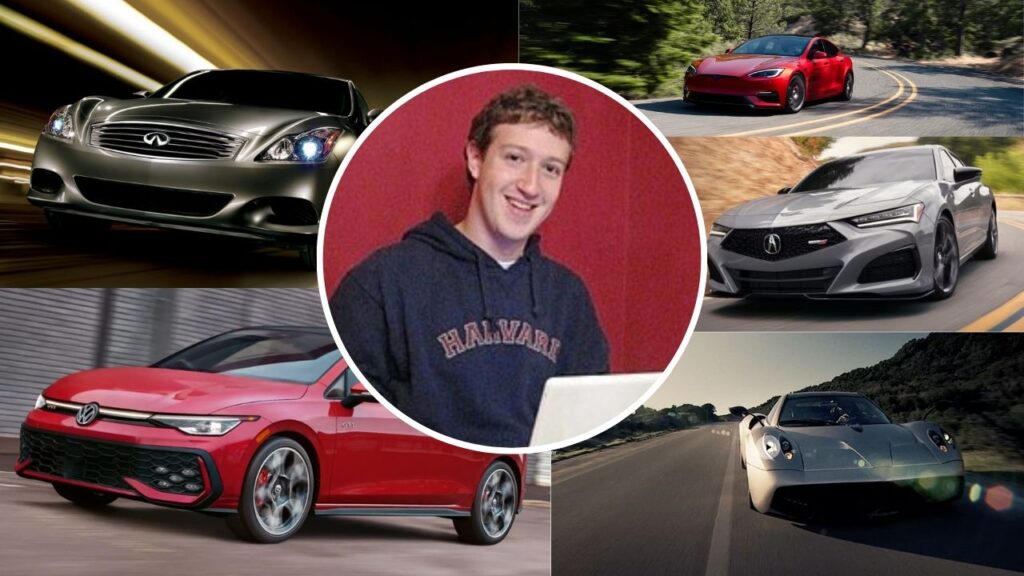
Inside Mark Zuckerberg’s Car Collection: Luxury, Style & Surprises

Published Aug 23, 2025, 11:21 AM
Last Updated Aug 25, 2025, 6:24 AM

Mark Zuckerberg car collection featuring Honda Fit, Tesla Model S, Pagani Huayra and more

Flashy supercars may be the style of many billionaires but Mark Zuckerberg’s Car Collection is not just about luxury, it reflects his personality. His garage is telling a simple but intriguing story of the man who also prefers eco-friendly cars. But also sharing his modest interest in sedans and some other luxury cars. So, let’s explore these car’s features that offer strong performance on the road.

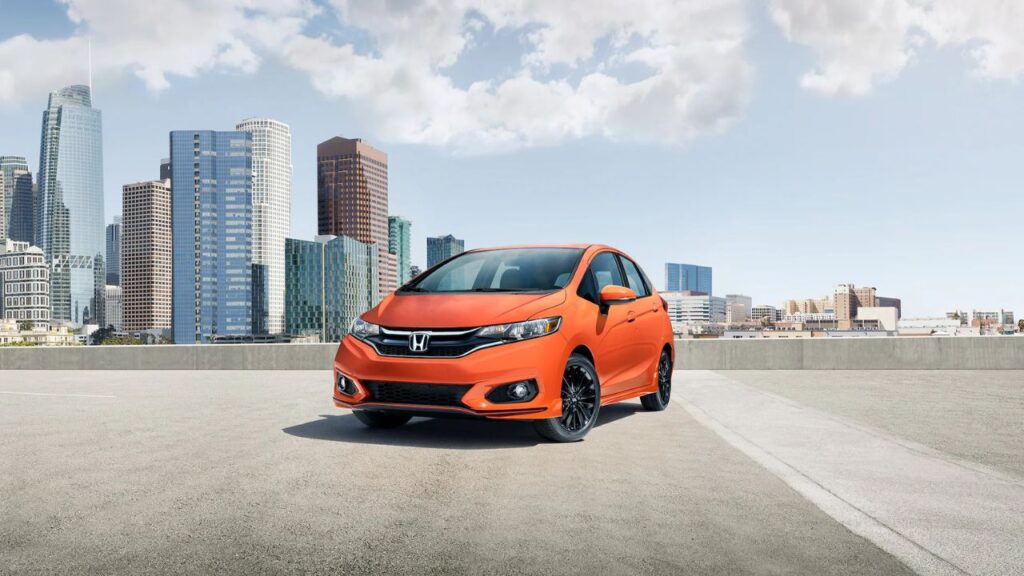
1. Honda Fit (Jazz) 

Honda Fit (Jazz) compact hatchback owned by Mark Zuckerberg

Image Courtesy: automobiles.honda

Honda Fit is also known as Jazz in some countries, this car is sharing a classic vibe of Zuckerberg no-show lifestyle rather than seeking attention on the road. The incredibly powerful 1.5L engine offers a powerful performance but his choice is unexpected. Priced around $20,000, this compact hatchback shows that he prefers practicality over glamour. He values comfort and efficiency with spacious interior, reliable maintenance and comfortable daily city commute. 

Features Specification
Engine 1.2L or 1.5L petrol/hybrid
Fuel Efficiency 16–18.2 km/l petrol, 22–27 km/l hybrid
Transmission Manual (5-speed), CVT Automatic
Seating Capacity 5 seats
Boot Space Fit: 470L, Jazz: 354L
Price $17,945

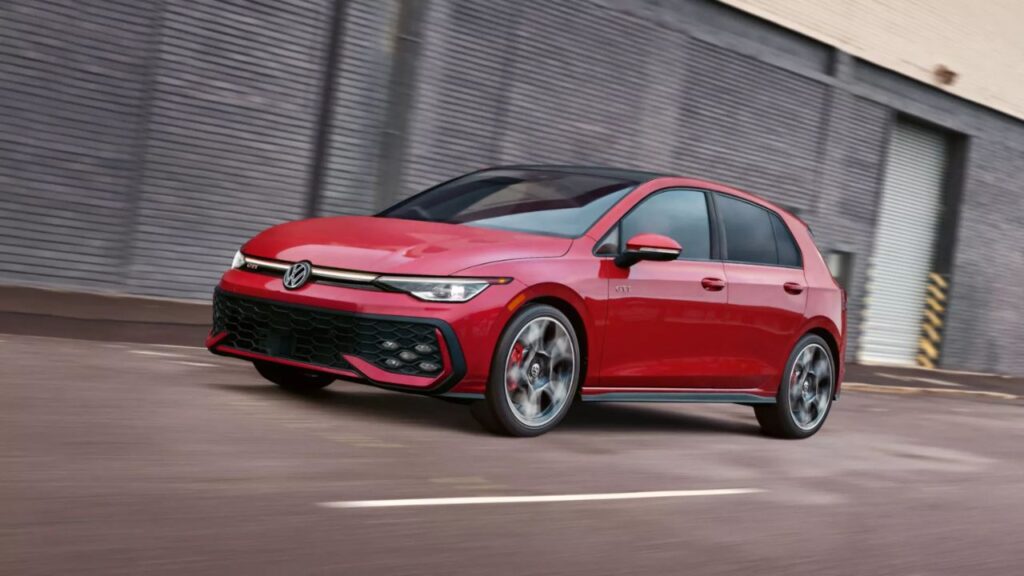
2. Volkswagen Golf GTI

Volkswagen Golf GTI hatchback from Mark Zuckerberg’s car collection

Image courtesy: vw.com

This one has special value around the globe because of Volkswagen Golf GTI hidden sporty performance under the simple look. While it represents Zuckerberg’s calm but powerful personality. This unique model will deliver its high performance with 2.0L turbocharger engine when needed. Classic hatchback design with modernized features is ready for both city and highway rides. Speed up to 240 horsepower can give a smoother ride without an overly flashy look.

Features Specification
Engine 2.0L Turbocharged Petrol, 4-cylinder
Horsepower 261 bhp
Torque 370 Nm
Transmission 7-speed DSG (Automatic)
0-100 km/h speed  5.9 seconds
Boot Space 380L
Price $30,000

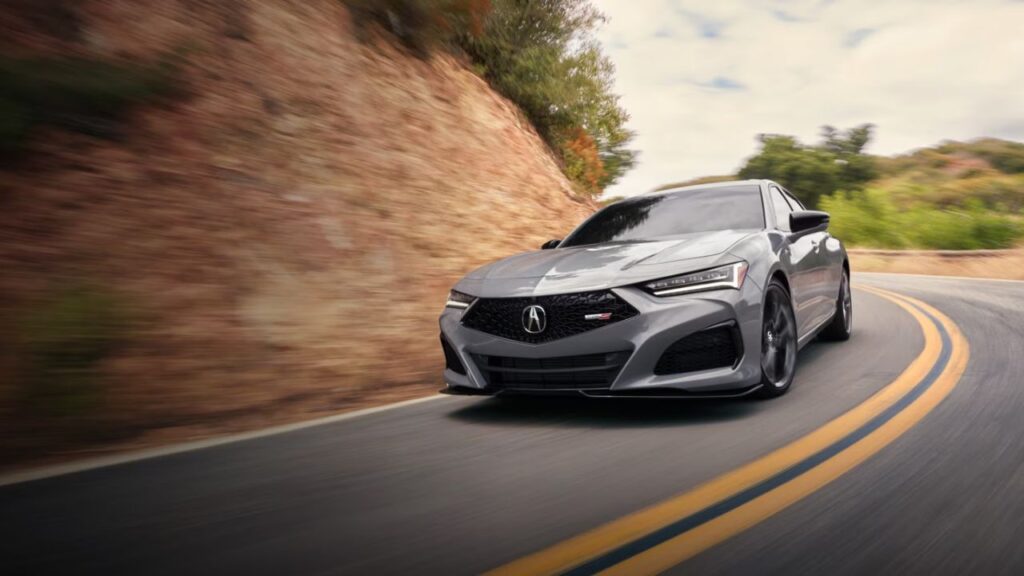
3. Acura TSX 

Acura TSX premium sedan owned by Mark Zuckerberg

Image courtesy: acura.com

The Acura TSX is a unique model that combines reliability, comfort and a premium look without going overboard that fits for a perfect match of Zuckerberg’s balanced approach to life. It offers 2.4L i-VTEC powerful engine and smoother rides that’s a good one for handling everyday traffic. With advanced safety features and elegant look, it still focuses on comfort and practicality that represent premium style without screaming wealth.

Features Specification
Engine 2.4L inline-4 engine
Horsepower 201
Transmission 5-speed automatic
Seating Capacity 5 seats
Drivetrain Front-Wheel Drive (FWD)
Price $30,000 

Read more :- Inside the Exclusive Yuvraj Singh Car Collection

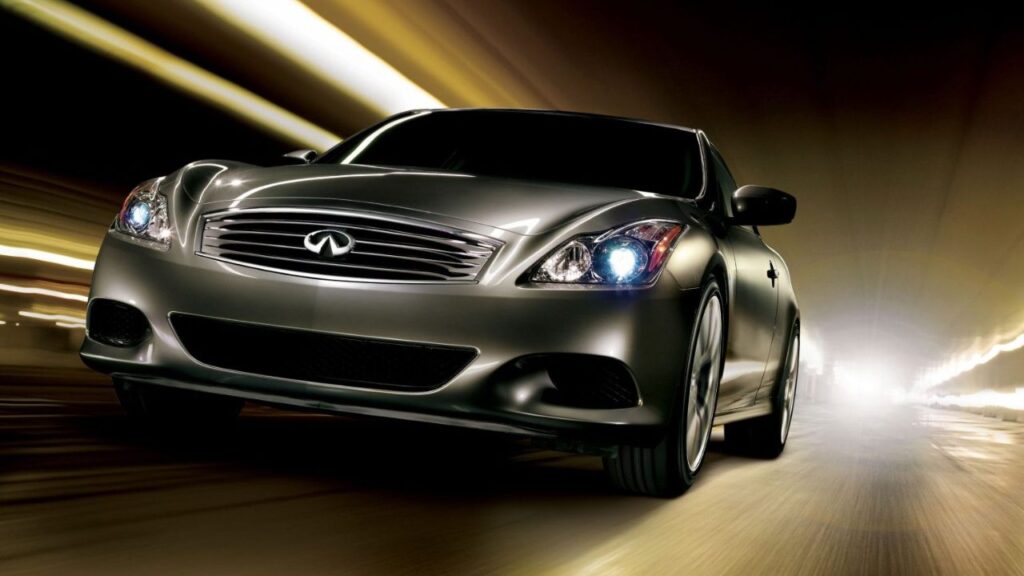
4. Infiniti G Sedan

Mark Zuckerberg’s Infiniti G Sedan

Image courtesy: infiniti.com

Zuckerberg parked an Infiniti G Sedan in his garage, this car is a mix of Japanese precision with a luxury touch. It offers powerful horsepower with a 3.7L V6 engine and gives a sporty driving feel. With its long-term reliability and luxurious cabin offer a premium experience. It represents Zuckerberg’s balance between innovation and tradition that mirrors tech with consistency of car. 

Features Specification
Engine 3.7-liter V6 engine
Fuel Efficiency Approx. 8 km/l 
Transmission 7-speed automatic (AMT)
Seating Capacity 4 seats
Boot Space 210 liters
Price $33,000

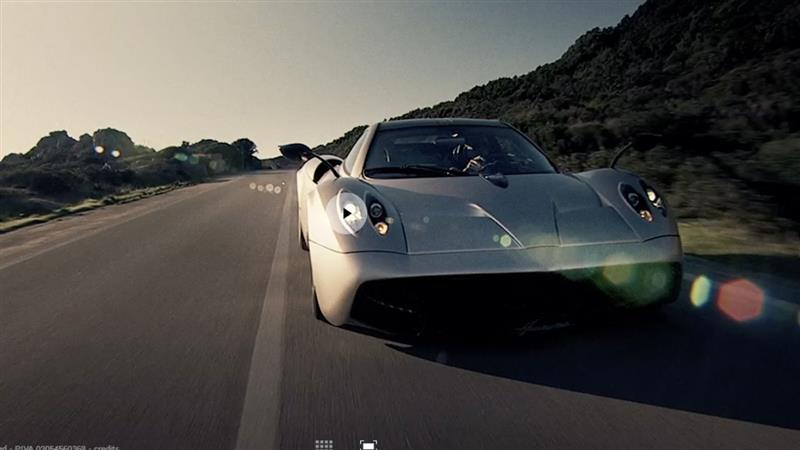
5. Pagani Huayra

Pagani Huayra Italian hypercar from Mark Zuckerberg’s car collection

Image courtesy: pagani.com/huayra

It’s not a surprise to see this luxury in any billionaire’s garage but Zuckerberg’s list also has a supercar, the Pagani Huayra. The Italian hypercar costs over $1.4 million that is worth its brilliance of engineering. Pagani offers luxurious interior and stylish exterior, but what makes it more attractive is a 6.0L V12 twin-turbo strong engine that gives jaw-dropping acceleration up to 720+ horsepower speed. Zuckerberg’s Pagani represents another personality that appreciates innovation, exclusivity and top-tier craftsmanship.

Features Specification
Engine 6.0L Twin-Turbocharged V12 AMG engine
Fuel Efficiency Approximately 8-10 mpg 
Transmission 7-speed automated manual (AMT)
Horsepower 730 HP
Torque 738 lb-ft
Seating Capacity 2 seats
Price $1.4 Million

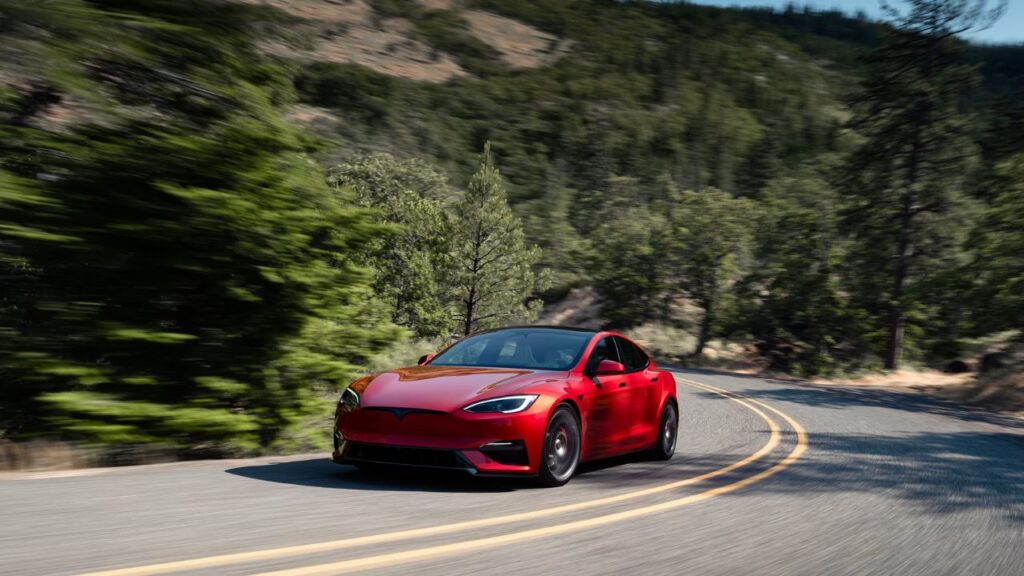
6. Tesla Model S

Tesla Model S electric car owned by Mark Zuckerberg

Image courtesy: tesla.com

Zuckerberg’s interest in Tesla Model S shows that he generally supports futuristic technology. This model represents his eco-friendly mindset, with zero emissions. It offers electric powertrain with up to 396 miles of range and it can go from 0 to 60 mph within 3.1 seconds. Its interior is well-equipped with advanced tech, autopilot mode is a remarkable innovation.

Features Specification
Engine Electric motors (3 motor versions in Plaid)
Horsepower 1020 hp 
Torque 1050 lb-ft 
Fuel Efficiency EPA combined 101 MPGe 
Transmission Single-speed automatic (direct drive)
Seating Capacity 5 seats
Boot Space 28 cubic feet
Range 348–410 miles
Price $90,000

Zuckerberg’s Car Collection: More than just cars

His simplicity, practicality and eco-friendliness is matched with every car. Zukhurberg’s interest in selective luxury is also seen but his personality has shown that he prefers engines which serve a purpose beyond showing-off wealth. 

  • His Honda Fit and Volkswagen Golf GTI shows how much he prefers classic automotive rather than luxury.
  •  Acura TSX and Infinity G Sedan shows his selection of practicality blended with comfort over modern premium cars.
  • Tesla Model S highlights his interest in sustainable technology and Pagani Huayra reveals his interest in pure luxury and iconic design.

Final Thoughts 

Mark Zuckerberg’s car collection is not just about speed or price tag but it’s all about ‘values’. His garage is highlighting the different parts of his personality. These cars are just simple in looks but their performance is amazing. They are the winner in smoother rides, he chooses these cars according to his moods – comfort, practicality, and occasionally premium feel.

0

Yusuff Ali Car Collection : Take a Look at Billionaire’s Insane Garage of Luxury and Rare Machines

Published Apr 1, 2026, 12:53 PM
Last Updated Apr 3, 2026, 9:04 AM

When the name M.A Yusuff Ali rings a bell, the first thought which likely flashes through your mind is that of the colossal LuLu Group International conglomerate. He’s the Middle East’s retail king and one of India’s richest and most successful billionaires. But if you’re a car freak, you know him for another reason entirely. Yusuff Ali Car Collection draws you closer as it is one of the most jaw-dropping, ridiculously expensive, and perfectly edited collections in the world.

Many billionaires just get the most expensive car on the market, hire a driver, and sit in the back. But the moment you open Yusuff Ali’s garage you realize this guy really knows cars. He doesn’t just buy for the badge — he buys for the engine, the heritage, and the sheer thrill of driving. It is spread across Dubai and Kerala, and is loaded with bespoke luxury tanks and rare track-focused exotics.

Let’s grab some keys and take a stroll through a few of the very best machines that live there, full of specs and crazy price tags. 

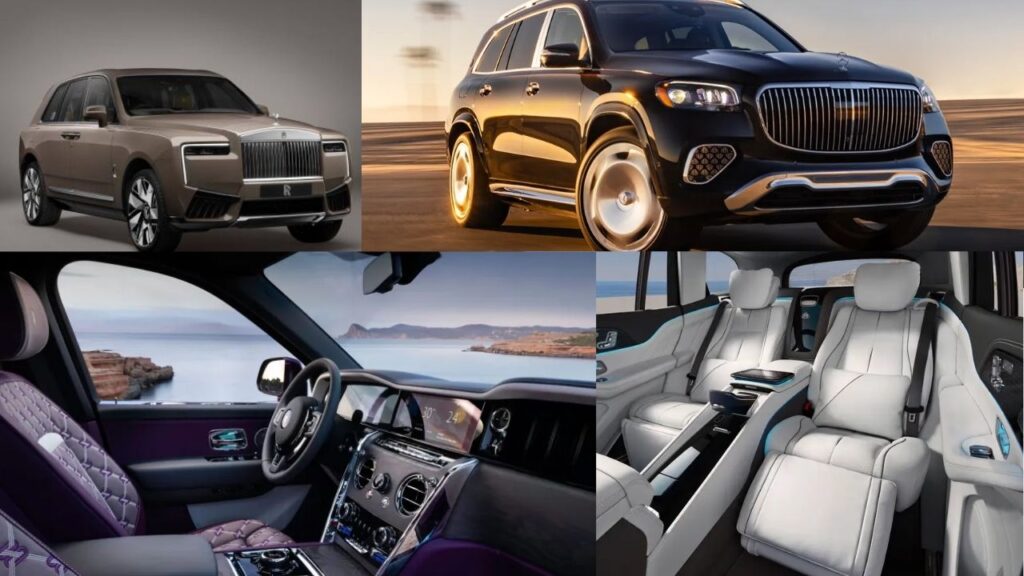
Rolls-Royce Cullinan Series II Worth of 27 Crore

Rolls-Royces is owned by most of the billionaire but few have Cullinan Series II with customization. Yusuff Ali was telling the news a few days back that he had got himself a customized Rolls-Royce Cullinan Series II in the price of Rs 27 Crore.

Why does an SUV cost 27 Crores? It is all about the crazy degree of customization. This particular Cullinan has a bi-tone red and silver paint sauce, but the paint actually has real gold flakes. If this weren’t enough, the famous Spirit of Ecstasy bonnet mascot is made from solid gold. 

Mechanically the Cullinan is an absolute beast. It offered a powerful 6.75-liter twin-turbo V12 with 563 brake horsepower under that silver hood. It provides a monstrous 850 nm of torque. Running from 0 to 100 km/hr in 5 seconds on this engine despite its weight. 

He also has a prior-generation blue Cullinan and a “Govt of Kerala” tag – the latter honours his appointment as Vice-Chairman of NORKA. 

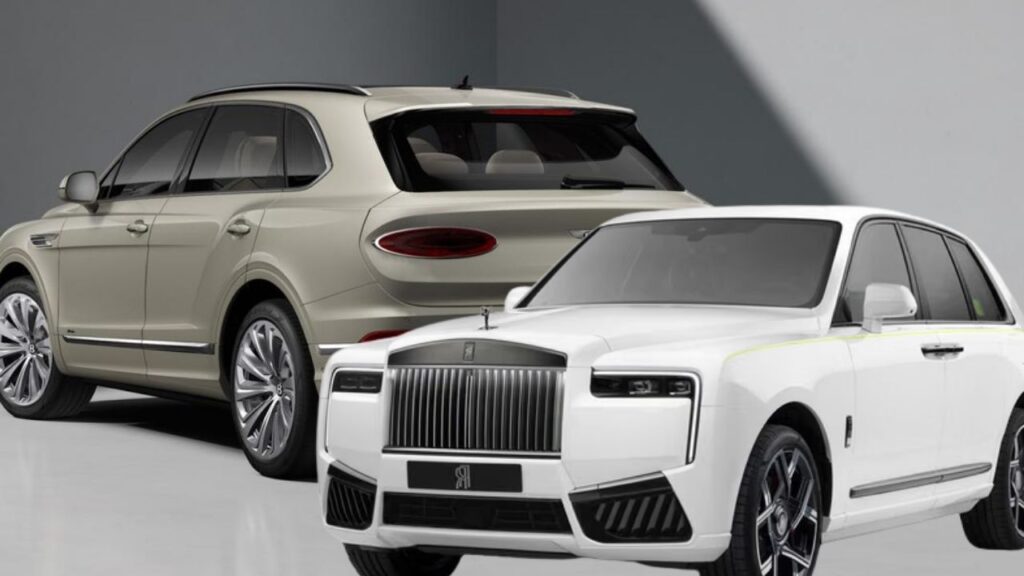
The W12 Monster: Bentley Bentayga

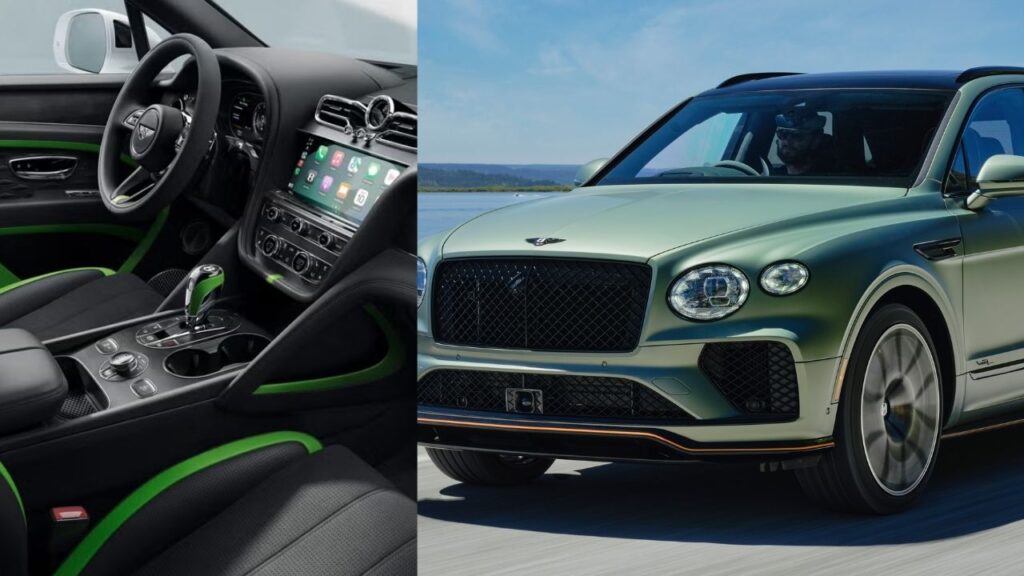
Yusuff Ali, chairman of the Lulu Group was the first to get his hands on the Bentayga in the Indian market. But he didn’t stop there for the plain vanilla V8. He went straight for the big boy – the Bentley Bentayga W12. 

Bentley Bentayga

Yusuff Ali got his hands on the Bentayga as soon as it arrived but he chose the Bentley Bentayga W12 model rather than vanilla V8. He owned it at Rs 4.10 Crores in Indian Market price which offers 6.0-liter twin-turbocharged engine to boost 635 bhp and gives 900 Nm of torque. This W12 engine roars on a classy white SUV.

Upon pressure on the pedal, this ultra-luxurious living space can then hit a top speed of 301 km/h. It’s the perfect combination of raw, throat-closing power, and British sophistication. 

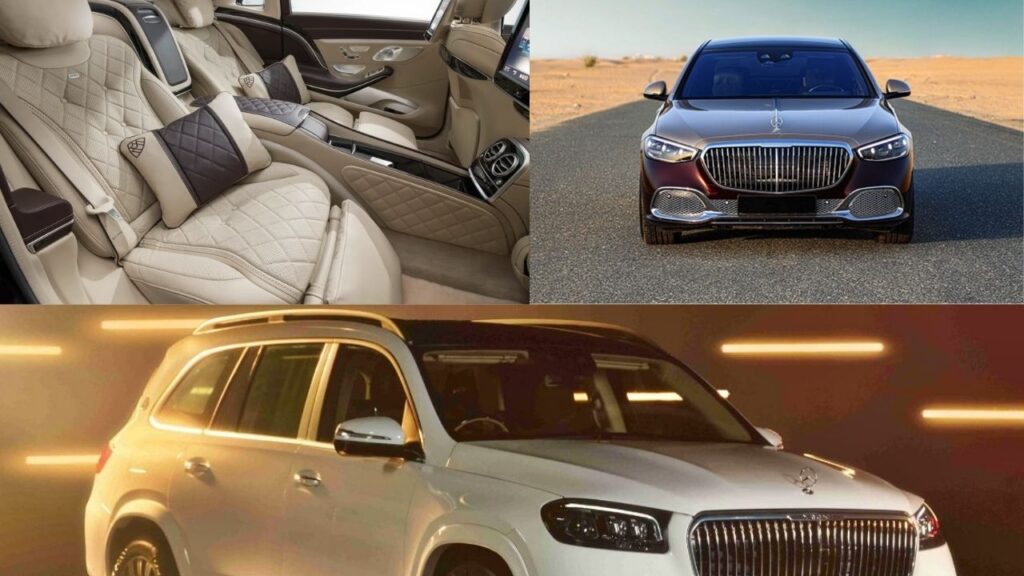
The Maybach Twins: GLS 600 and S600

You cannot speak of luxury without the Maybach being the centerpiece, and Yusuff Ali owns not one but two of their masterpieces, in a glossy Obsidian Black. First is the Mercedes-Maybach GLS 600 SUV which is priced at approximately Rs 3.5 Crore. 

This is basically a private jet for the road. This car runs on a 4.0-litre V8 bi-turbo petrol engine to provide hell of a power of about 557 bhp with 730 Nm of torque. It has a mild-hybrid system. You don’t even feel the road roughness and potholes with the car’s suspension as it scans the road before and handles it accordingly with the shock absorbers before you’re even over a bump.

The Maybach Twins GLS 600 and S600

Mercedes-Maybach S600 sedan, the other powerful vehicle in his garage that costs around Rs 2.5 to 3 Crore. It runs with 523 bhp and 830 Nm of torque on the road very smoothly with a horn-blowing 6.0-liter V12 bi-turbo engine. 

Its interior carried premium hand-stitched leather recliners, comforting your ride with massage. handcrafted wooden trim gives more relaxing features like you can resting your feet. It’s the ultimate highway cruiser for after hours of closing billion dollar deals.  

Lexus LX and Range Rover Vogue (Bulletproof)

He drives his white Lexus LX (also referred to as the LX 750 or the LX 600 series) when he needs an off-road ride that’s at once reliable and breathtakingly powerful. Lexus LX is a luxury vehicle which is priced at around Rs 3 crore. It’s virtually indestructible because it has the DNA of the legendary Toyota Land Cruiser. 

Lexus LX and Range Rover Vogue

He also owns a few Land Rover Range Rover Vogues, one is a dungy white coloured and the other is black and sleek. The Range Rover is the car of choice among the super-rich for good reason. The opulent, Rs 2.39 crore SUV’s V8 engine delivers 523 horsepower and 750 nm of torque. He says it’s a combination of the comfort of a limo and the menacing driving position of a truck. 

The Track Weapons: Ferraris, Lambos, and a GT-R

This is the point where the collection moves “rich guy garage” up a notch and enters “serious car enthusiast territory.” Yusuff Ali isn’t just a fan of comfy rides but also a fan of speed. 

He owns the first Ferrari Purosangue in India, the brand’s first-ever V12 four-door vehicle. However, his supercars include some genuinely weird cars. His family has christened his Lamborghini Aventador SVJ “Brentador.” With a bespoke exhaust that literally spits fire, this V12 monster is a full-on, hardcore, track machine.  

Ferraris, Lambos, and a GT-R

Ferraris is also one of his favorite cars and he owns a 488 Pista Spider model and naturally aspirated V8 engine Ferrari 458 Speciale Aperta. It was apparent that he was a fan of Japanese tuning culture when he appeared in early 2026 driving a brand-new Nissan GT-R NISMO in stealth grey.  

Yusuff Ali Car Collection at a Glance

Car Model Approx Price (INR) Engine & Power Key Highlight
Rolls-Royce Cullinan Series II ₹27 Crore 6.75L Twin-Turbo V12, 563 bhp Gold customization, ultra-luxury SUV
Bentley Bentayga W12 ₹4.10 Crore 6.0L Twin-Turbo W12, 635 bhp Top speed 301 km/h, powerful luxury SUV
Mercedes-Maybach GLS 600 ₹3.5 Crore 4.0L V8 Bi-Turbo, 557 bhp Road-scanning suspension, ultimate comfort
Mercedes-Maybach S600 ₹2.5–3 Crore 6.0L V12 Bi-Turbo, 523 bhp Luxury sedan with massage seats
Lexus LX 600 ₹3 Crore 3.5L Twin-Turbo V6 Off-road capability + reliability
Range Rover Vogue ₹2.39 Crore V8 Engine, 523 bhp Bulletproof luxury SUV
Ferrari Purosangue ₹10+ Crore 6.5L V12 First Ferrari 4-door SUV
Lamborghini Aventador SVJ ₹8+ Crore 6.5L V12 Track-focused, fire-spitting exhaust
Ferrari 488 Pista Spider ₹5+ Crore 3.9L Twin-Turbo V8 Lightweight performance beast
Ferrari 458 Speciale Aperta ₹4.5+ Crore 4.5L NA V8 Rare collector’s Ferrari
Nissan GT-R NISMO ₹2.5+ Crore 3.8L Twin-Turbo V6 Japanese performance icon

Read More:- Pagani Utopia, Hypercar, Luxury Cars, Supercars 2025, V12 Engine, Pagani Cars, Exotic Cars

Conclusion

From a modest Mini Cooper Countryman for quick city runs to a ultra-rare 1955 Mercedes-Benz 180 T presented by the late Maharaja of Travancore, Yusuff Ali car collection is an epic bundle of luxury and speed. It strikes an ideal balance between the heritage of classic old school motoring and the cutting edge technology of today’s hypercars.

It is a bit over easy to look at a 27 Crore Rolls-Royce, then just see the price tag. But, when you take into account the full fleet, the high pitched V12 Ferrari screaming its way down the road, the flame spitting Lamborghini, the W12 Bentley, and the bespoke luxury yacht on wheels. M.A. Yusuff Ali is a hardcore car lover who just happened to acquire a very large budget to play with. 

0

Ceramic Coating vs PPF For Kia Carnival Hybrid 2026 

Published Sep 2, 2026, 12:55 PM
Last Updated Sep 2, 2026, 12:57 PM

Ceramic Coating vs PPF

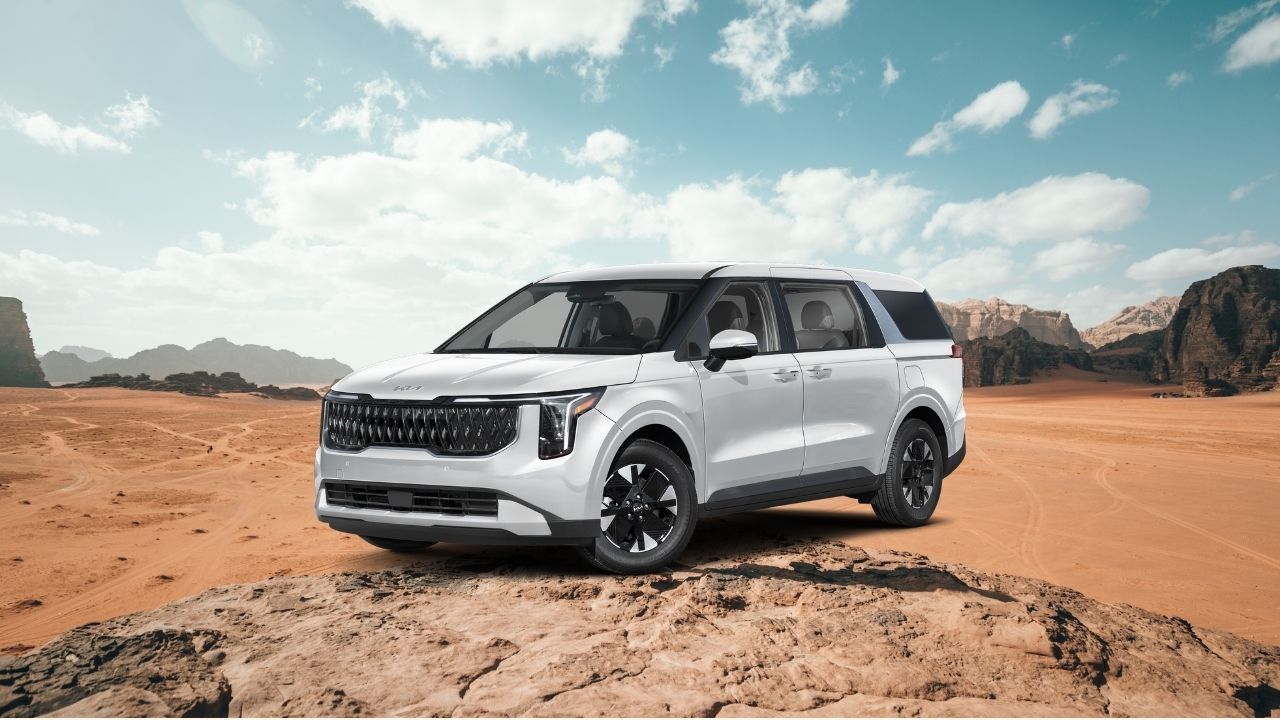
Book a Kia Carnival Hybrid 2026 and within days someone at the dealership will hand you a laminated sheet pushing a “protection package.” Debating between Ceramic Coating vs PPF for Kia Carnival Hybrid is normal if you don’t know it properly. Ceramic here, PPF there, sometimes both bundled for a number that quietly adds four to five percent onto an already steep on-road price. 

Before opting for the one which someone you know suggests best, try understanding what ceramic coating and PPF is for, why it is used, and how it can protect your car. As it depends on how you’ll drive a 5.2-metre MPV, not which one people use the most.

When Does the Kia Carnival Hybrid 2026 Launch And Can You Book One Yet?

Kia Carnival Hybrid will sit in the Indian showrooms on September 4, 2026, it will join the existing diesel-powered Carnival as a more fuel-efficient option, it increases the fuel efficiency to run on road fluently. It becomes possible with the hybrid powertrain bringing electrification to Kia’s premium MPV lineup. 

Powertrain and Performance

It offers a powertrain of 1.6-litre turbo-petrol engine paired with a 54kW electric motor. While the current Carnival uses a 2.2-litre diesel engine paired with an eight-speed automatic gearbox. The best thing is having three levels of regenerative braking which help in recovering energy under braking, and also a six-speed automatic gearbox for a powerful performance.

Internationally, this setup is rated around 242hp and 367Nm, and reports suggest the India-spec car should land close to those figures — though Kia hadn’t published official India output numbers as this was written, so treat that as a strong expectation rather than a confirmed spec.

Interior Features

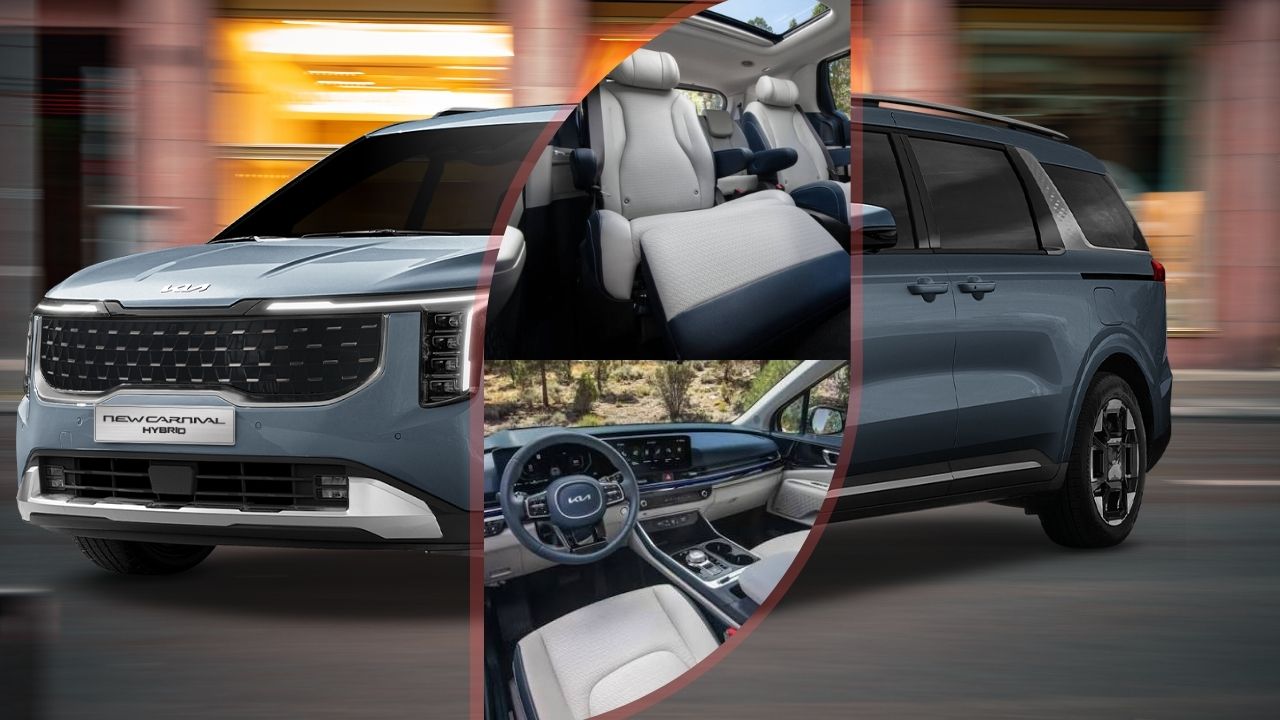
Inside the door, dual 12.3-inch screens, an 11-inch head-up display, a Bose sound system, let the driver experience the futuristic behaviour with a digital rear-view mirror, Kia Connect, wireless smartphone pairing, a shift-by-wire selector, and a dual sunroof.  

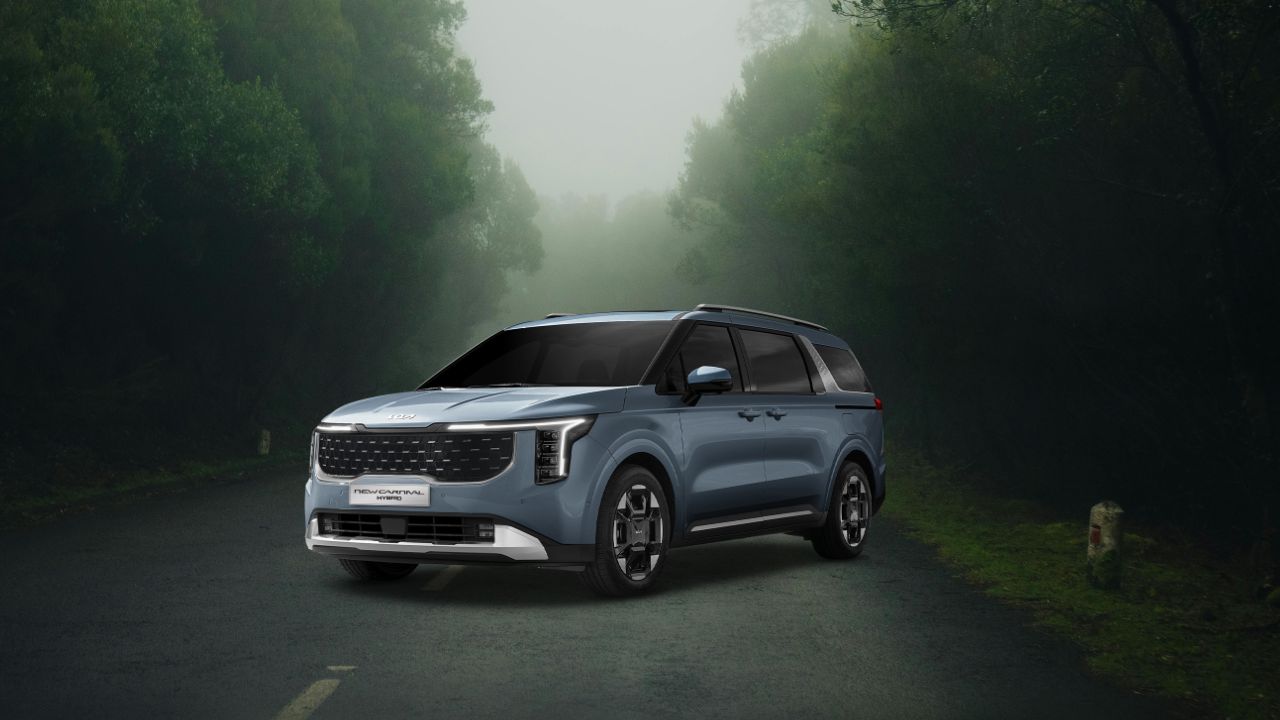
Kia Carnival Hybrid 2026

Higher trims are expected to carry more comfy seats for a wonderful ride as it is powered, ventilated, heated second-row “relaxation” seats with a reclining function and ottomans — the same lounge-style seating that’s made the diesel Carnival popular with chauffeur-driven buyers.

Price for Kia Carnival Hybrid

Pricing is the one piece still genuinely up in the air. The current diesel Carnival sells as a single fully-loaded trim at roughly ₹59.65 lakh ex-showroom, imported via the CKD route. 

The hybrid is widely expected to undercut that meaningfully, some reports point to a sub-₹50 lakh starting price tied to local assembly, which would also make it Kia’s first locally built Carnival — but nothing is official yet. 

The Carnival Hybrid will still cost meaningfully more than a Toyota Innova Hycross (which tops out around ₹30 lakh) and undercut the Toyota Vellfire (which starts above ₹1.2 crore). That price bracket matters for the coating decision below — you’re not protecting a family hatchback here.

What Are Ceramic Coating and PPF, and Why Would a Carnival Need Either?

Ceramic coating is a very thin protective layer that chemically bonds with your car’s clear coat. A 0.5 to 2 microns thick coating makes the paint hydrophobic which means it rolls off the water easily, prevents UV rays oxidation, birds drop and water spots, and protects the color and gloss from fading. 

However, it couldn’t protect the car from any physical damage like stone or road debris from chipping the paint. Even a “9H” ceramic coating can’t prevent it so don’t mistake ceramic coating for a protective shield, for that, you’ll need something like PPF (Paint Protection Film) instead. 

PPF is a thermoplastic urethane film, which is applied over the paint. A 150 to 200 microns thick invisible skin protects the Kia Carnival Hybrid from physical damages as it absorbs the impacts of stone chips, minor scratches, door-edge dings before it reaches the underneath paint. 

Good-quality PPF also comes with a self-healing top layer. Minor scratches and light swirl marks will fade automatically when the car comes in contact with a bit of heat through sunlight or warm water. It’s a mechanical barrier, not a chemical one.

Both have different jobs, ceramic coating protects your paint chemically, while PPF protects it physically. There’s no Ceramic Coating vs PPF because where you’re taking your car matters: 

First, size: at 5.2 metres with a long, flat bonnet and large sliding-door panels, there’s simply more surface exposed to highway grit and sun. 

Second, use case: MPVs in this segment usually run on highways most of the time and take longer trips that’s why it catches more physical damage, especially front bumper and bonnet are constantly exposed to road debris and receiving stone chips so PPF is a good option. 

Combine that with a car priced near or above ₹50 lakh, and resale-value protection stops being a nice-to-have.

How Should You Decide Based On Driving

Neither one “wins” outright — they solve different problems, and picking based on price alone is how most owners end up under-protected in the one area that actually costs money to fix.

A single stone chip that turns into a bumper respray typically runs ₹18,000 to ₹35,000 in India for a proper job and that’s before you factor in the resale hit from a car showing a repainted panel. Ceramic coating does nothing to prevent that chip in the first place; it just makes the rest of the car easier to keep clean and glossy in between. PPF does prevent it, at a meaningfully higher upfront cost.

On Driving

For a Carnival Hybrid specifically, the decision comes down to how the car will actually be used:

If it’s doing regular highway runs, airport pickups, or interstate trips — which is a realistic profile for a car this size then PPF on the high-impact zones (bonnet, front bumper, fenders, mirrors, door edges) paired with ceramic coating over the rest of the body is the setup that actually matches the risk. The film takes the physical hits but the ceramic keeps everything else looking new and easy to wash.

If the car will mostly stay in city traffic with covered parking and short trips, ceramic coating alone is a reasonable, cheaper call when you’re optimizing for gloss, easier maintenance, and UV protection rather than impact resistance you’re unlikely to need as often.

Skipping both because “it’s just paint” is the one option that doesn’t hold up on a car in this price bracket — the incremental cost of even the front-PPF-plus-ceramic combo is a small fraction of what you’d pay to sell the car with visible stone-chip scarring on the nose.

Ceramic Coating vs PPF Prices for the Kia Carnival Hybrid In India

Kia Carnival Hybrid is a three-row SUV, larger size cars get either coating surely expensive so expect higher quotes. 

A full-body ceramic coating will cost nearly ₹25,000 to ₹45,000, depending on the body size of the vehicle. Premium 9H or graphene-based coatings can cost more, but they last closer to five years rather than two. 

Full-body PPF can cost around ₹1.5 lakh to ₹2.8 lakh for a large MPV like the Carnival. The price depends on the size of the car, if you want to settle down at ₹40,000 to ₹70,000 then opt for front-end PPF which covers the bonnet, bumper, fenders, and mirrors. 

A front-PPF-plus-full-ceramic combo, which is what most owners in the highway-use category actually end up choosing, lands somewhere around ₹70,000 to ₹1.15 lakh all-in.

Read More 👉  EMI vs Lease: Which Is Better If You Plan to Upgrade Your Car Every 3 Years 

Conclusion

If you’re buying this MPV for genuine highway and long-distance duty — which, given the segment, most buyers are — front-end PPF plus full-body ceramic is the combination that matches how the car will actually get used, not just what protects the paint on paper. If it’s a city car with a garage to sleep in, ceramic alone is a defensible way to save money without leaving anything meaningful on the table. 

Either way, get the pricing in writing before the coating add-on gets bundled into your finance paperwork at the dealership — that’s where most buyers end up overpaying, not in the choice between the two products themselves.