
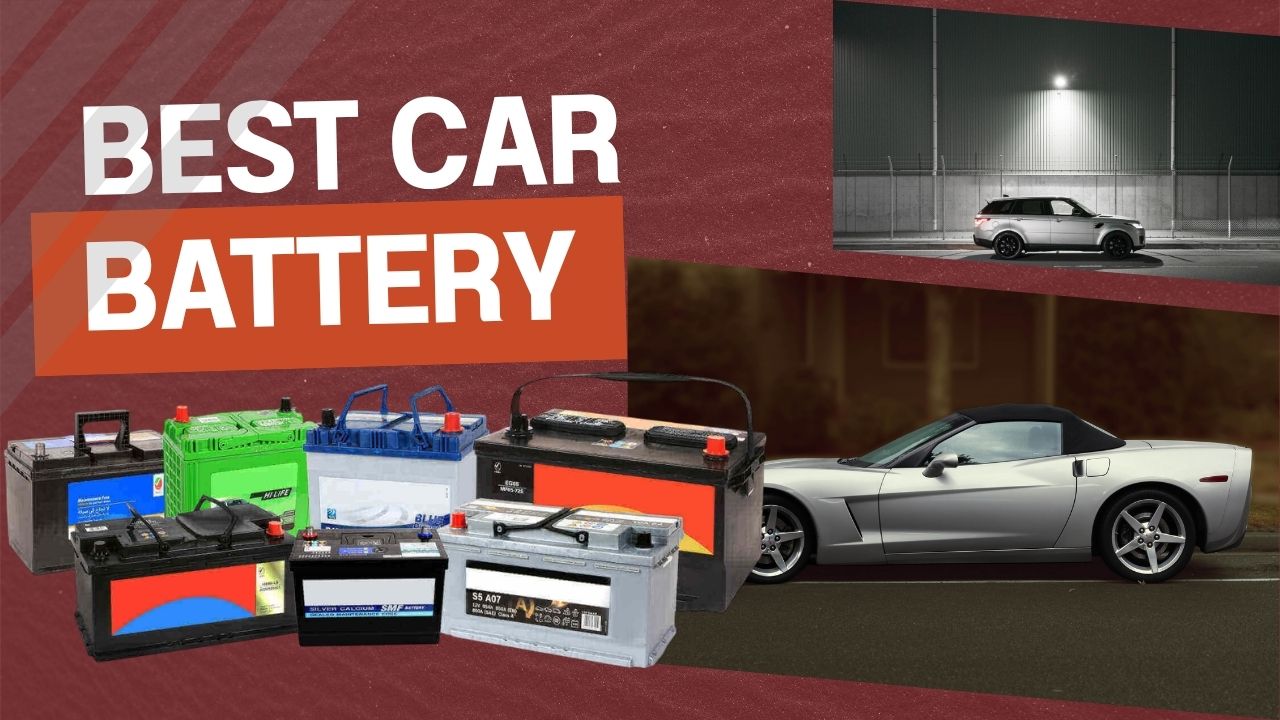
A car battery almost never announces its own death. Everything works fine with your vehicle and one morning when you are already late, the engine just clicks and the dashboard lights get dimmed. This is the moment where most people don’t know where the problem is and the one who knows that their car’s battery is dead, they start google “Best Car Battery” to find whatever the nearest mechanic has lying around.
Stop making this mistake by understanding which one fits your car. It’s a straight comparison of the car battery brands that will actually dominate the Indian market in 2026 — what each one costs, what it’s genuinely good at, and where it falls short. So you can walk into a dealer or place an order online already knowing what you need.
What Actually Decides Which Battery Fits Your Car
Different brands offer different benefits and prices but there are three things which make the car battery best fit for your car:
Ah (Ampere-hour) Rating. Battery’s capacity defines on Ah and you should consider this important and pick what your manufacturer prescribes in a manual. You can choose a slightly higher Ah battery if you lost your manual but check whether it’s compatible or not.
A lower-capacity battery may discharge faster, and shorten its life but a more higher capacity battery can affect charging performance. Hatchbacks typically run 35–45Ah, sedans 45–55Ah, and SUVs or MPVs 55–75Ah. You can check the Ah figure on your existing battery, it is printed right on its casing.
CCA (Cold Cranking Amps). While starting the engine, the battery throws power and CCA will tell you that exactly. If you are living in a cold area then it really matters more than in warmer cities. A strong CCA rating genuinely also just starts more reliably day to day, regardless of climate.
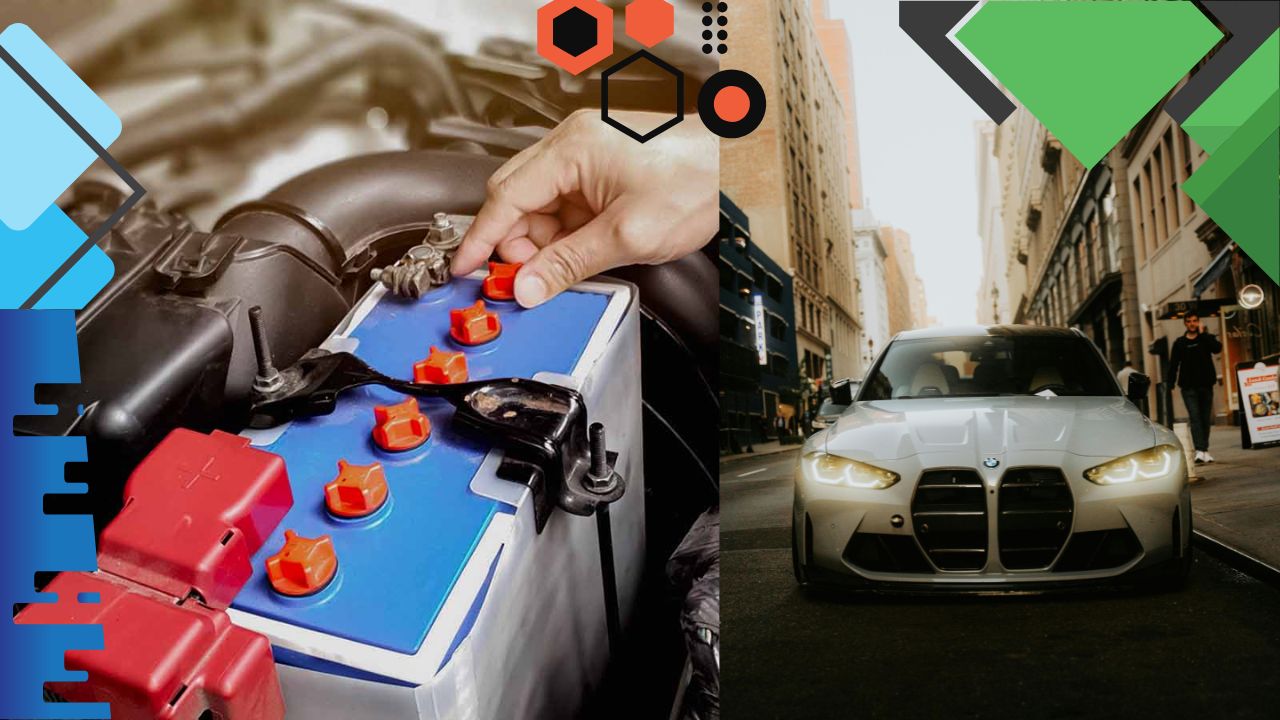
Battery type — flooded, MF, EFB, or AGM. This is the one buyers get wrong most often, and it’s not a minor detail. If your car has Auto Start-Stop — the feature that shuts the engine off at traffic signals and restarts it automatically — it needs an EFB or AGM battery, not a standard flooded or maintenance-free (MF) unit. A regular battery subjected to that kind of constant micro-cycling in city traffic can degrade within three to six months. Check your owner’s manual or the sticker on your current battery before assuming a standard MF battery is fine.
Warranty structure is worth understanding too: most Indian battery warranties are split into a “free replacement” period and a longer “pro-rata” period, where you get a discounted replacement rather than a free one. A battery advertised as “36+36 months” usually means 36 months free replacement plus 36 months pro-rata — read the fine print rather than assuming the headline number is all free coverage.
Read More:- How to Improve Gas Mileage: 15 Proven Tips That Actually Save Fuel
Best Car Battery Picks for 2026
1. Amaron GO / Amaron Pro Rider — Best for Everyday Reliability
Amaron holds the largest share of the Indian car battery market, and the GO and Pro Rider ranges are why. They use maintenance-free lead-calcium construction, so there’s no water top-up, ever, and the batteries are built with above-average heat tolerance — a real advantage given how many Indian cities push 40°C-plus summers.
- Type/Ah: MF, roughly 35–65Ah depending on the exact model
- Warranty: Typically 24 months on the GO range; premium Amaron lines go higher
- Price: Roughly ₹3,000–₹9,000 depending on Ah rating and city (confirm current pricing at purchase, since exact SKU prices move with lead costs)
- Strength: Zero maintenance, strong heat resistance, available almost everywhere
- Limitation: The entry-level GO range’s 24-month warranty is shorter than what some competitors offer at a similar price point
- Best for: Hatchback and sedan owners who want a battery they never have to think about again
2. Exide Mileage / Exide Matrix — Best for Warranty Length
Exide is the most widely available battery brand in India by a wide margin, which matters enormously the day you actually need a warranty claim. The Matrix range in particular pushes warranty terms up to 60 months on some models, well beyond what most competitors offer.
- Type/Ah: MF, roughly 35–80Ah depending on the model
- Warranty: 30–60 months depending on the series
- Price: Roughly ₹4,000–₹13,000+ depending on Ah rating and series
- Strength: Longest mainstream warranty available, and the largest dealer/service network in the country, so claims are easy to process almost anywhere
- Limitation: A few older Exide MF lines still recommend an occasional water-level check — confirm “fully maintenance-free” on the specific model rather than assuming it across the whole brand
- Best for: Anyone planning to keep the car five-plus years, where warranty length and service reach outweigh brand prestige
3. SF Sonic — Best Budget Pick
SF Sonic is Exide’s performance sub-brand, built on the same calcium-calcium technology but priced to compete on value rather than name recognition.
- Strength: Exide-grade manufacturing at a noticeably lower price
- Limitation: Dedicated SF Sonic service points thin out in smaller towns compared to Exide-branded outlets
- Best for: Budget-conscious buyers who still want established manufacturing quality behind the battery
4. Tata Green Batteries — Best for Mainstream Family Cars
Backed by the Tata Group, Tata Green batteries have grown from a value alternative into a genuinely competitive mainstream option, with roughly 36-month warranties and solid heat tolerance for Indian conditions.
- Strength: Competitive pricing with a respectable warranty band
- Limitation: Lower brand recognition than Amaron or Exide if you need support outside Tata’s own network
- Best for: Everyday family cars, especially if you already service at a Tata-linked garage
5. Livguard — Best Challenger Brand
Livguard has moved aggressively into the car battery segment with modern calcium-calcium technology and warranty terms designed to undercut the two market leaders.
- Strength: Sharper price-to-warranty ratio than the established brands, in many comparisons
- Limitation: A newer entrant, so it doesn’t yet have Amaron or Exide’s decades of long-term reliability data in Indian conditions
- Best for: Buyers comfortable backing a rising brand for a better deal on paper
6. Bosch S4/S5 or ACDelco (AGM) — Best for Start-Stop and Premium Cars
This is the one category where “best” isn’t really a matter of preference. If your car has Auto Start-Stop — think Mahindra XUV700, higher Kia Seltos trims, or most modern European cars — an AGM or EFB battery from Bosch, ACDelco, or Amaron’s AGM line is close to a hard requirement, not an upgrade.
- Type: AGM/EFB, built to survive constant start-stop micro-cycling
- Price: Roughly ₹14,000–₹22,000
- Strength: The only battery type that reliably survives daily start-stop traffic without premature failure
- Limitation: Significantly more expensive, and installation requires a battery management system (BMS) reset via an OBD-II tool — skip that step and the alternator keeps applying an aggressive charging profile meant for the old, degraded battery, which can damage the new one within weeks
- Best for: Any car with factory-fitted Auto Start-Stop or a heavy onboard electronics load
Read More:- How to Save Money on Car Insurance?
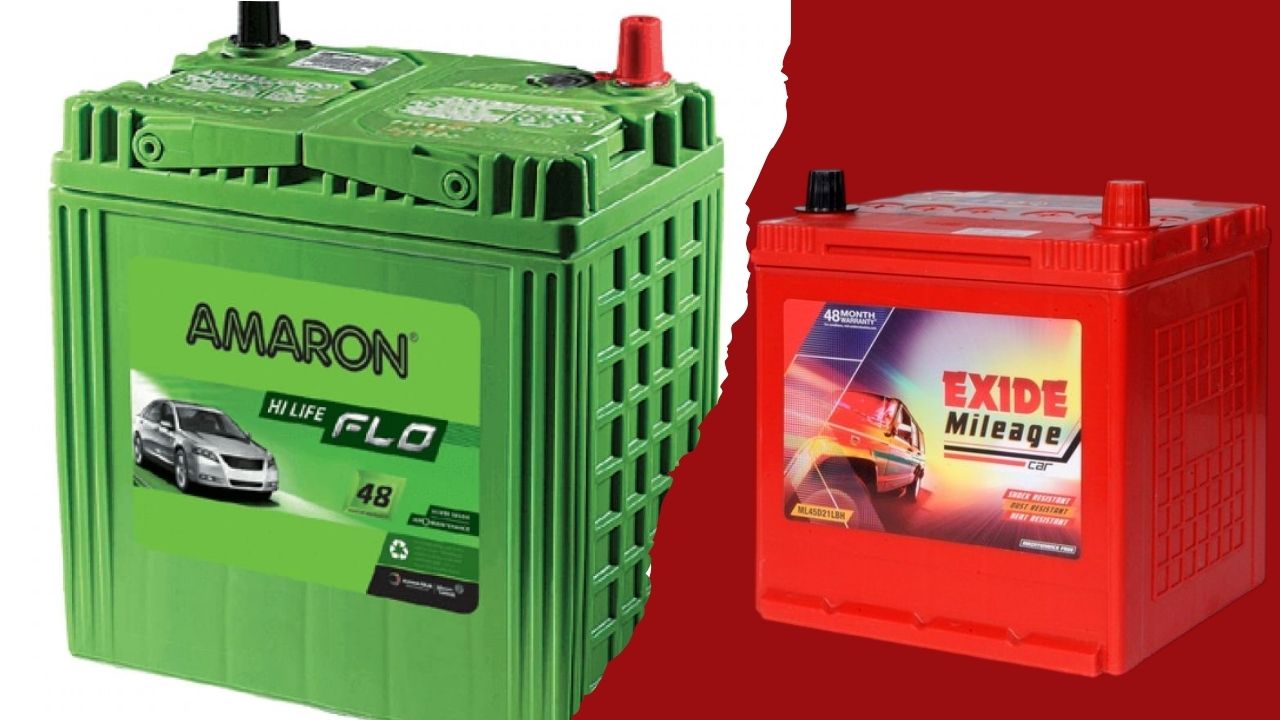
Amaron GO vs. Exide Mileage: A Direct Comparison
Since these two brands account for most of the market, here’s how they stack up on a comparable higher-capacity battery size (the kind commonly used in SUVs and MPVs):
| Amaron GO (95D26L-class) | Exide Mileage (equivalent class) | |
| Approx. price | ₹8,000 | ₹13,000+ |
| Warranty | 24 months | 30 months |
| Wins on | Upfront price | Capacity and warranty length |
If you want to go cheaper then pick Amaron but Exide offers a longer replacement window with premium price. Mentioned prices are presented to figure out genuinely, you can check the actual price of these batteries in your nearby shop or online before buying.
Where to Buy Best Car Battery
Don’t limit yourself to whichever shop is closest. A few reliable channels worth comparing:
- Brand websites directly. Amaron and Exide both have online fitment tools — enter your car’s make, model, and variant, and they’ll show you the exact compatible battery.
- Authorized dealer networks. Buying a battery, especially Amaron and Exide from an authorized dealer is still the safest bet for warranty paperwork as their networks are extensive.
- Battery-specific online retailers. There are specific online retailers such as BatteryDekho, Battery Mantra, and Powerwale. Best platforms to buy because they let you compare brands and prices side by side before ordering.
- Doorstep installation services. Convenient if you can’t get to a garage, but confirm the battery is genuine (ask for a GST invoice) and that the technician actually checks or resets the BMS on start-stop cars.
Buy from any of these platforms but always check the manufacturing date sticker on the battery itself. If that date is past two to three months then it’s good to go. A battery that’s sat in a warehouse for a year loses charge capacity before it’s even installed.
The Detail Most Buyers Skip
If your car has Auto Start-Stop, the moment of replacement matters as much as the battery you choose. Confirm with whoever installs it that they’re using an OBD-II tool to reset the battery management system for the new unit. Skipping this is one of the more common ways buyers end up with a battery that fails within months — not because the battery was faulty, but because the alternator kept feeding it a charging profile calibrated for the old, degraded one.
Which One Should You Get?
If you drive a standard petrol or diesel hatchback or sedan with no start-stop feature, Amaron GO or Exide Mileage in your car’s stock Ah rating will cover you for the price you’re already expecting to pay — Amaron if upfront cost matters more, Exide if you’d rather have the longer warranty window.
If your car has Auto Start-Stop, an AGM or EFB battery from Bosch, ACDelco, or Amaron’s AGM range isn’t optional — it’s the only type built to survive daily city traffic without failing early. And regardless of brand, the two details that actually determine whether you get your money’s worth are the manufacturing date on the sticker and, for start-stop cars, whether the installer resets the BMS. Get those right and the brand debate matters a lot less than it looks like it does.
Read More :- Top Car Insurance Plans to Buy in August 2026
Conclusion
The best car battery isn’t necessarily the most expensive one but the one which aligns the Ah figure mentioned on casing, type of the battery, and driving needs. Two most reliable batteries are Exide and Amaron for most of the cars. Start-stop cars need an EFB or AGM battery. However, before buying any kind of battery, check its manufacturing date, the seller must be reliable, and make sure the BMS is reset when required.
