0

Best Car Battery for Your Vehicle: Top Picks & Buying Guide 

Published Aug 10, 2026, 9:30 AM
Last Updated Aug 10, 2026, 12:56 PM

Car Battery

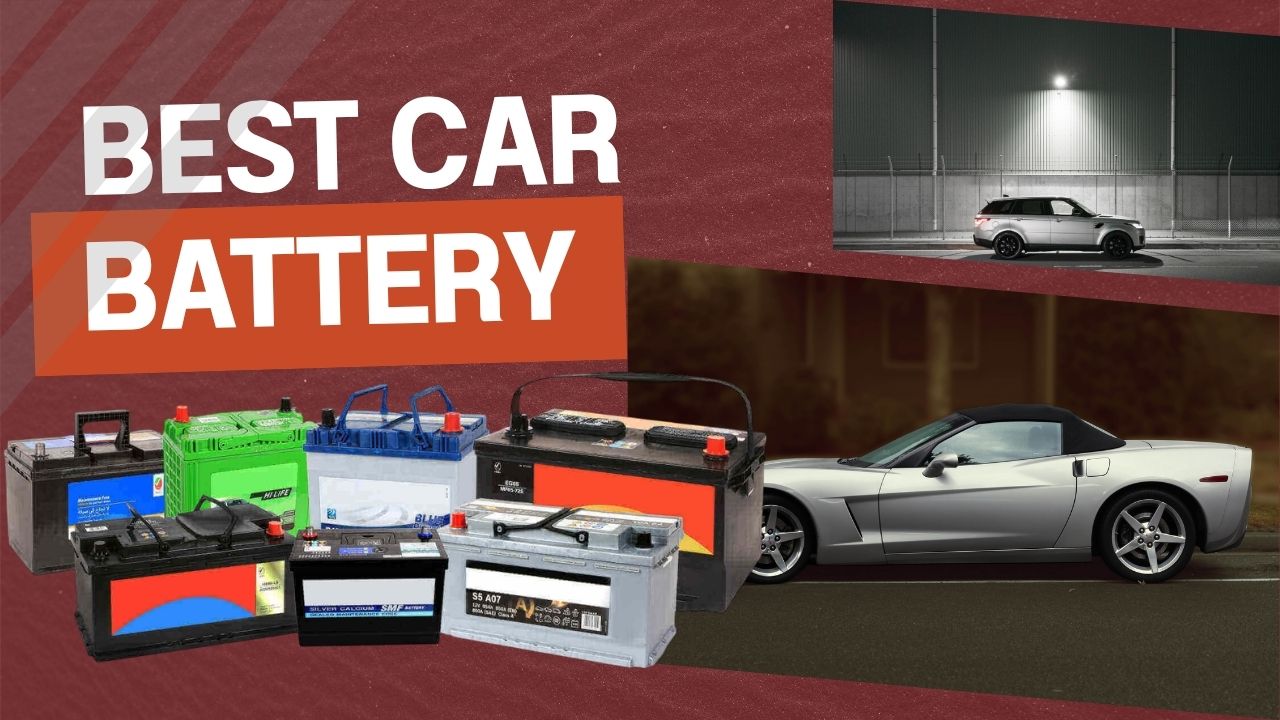
A car battery almost never announces its own death. Everything works fine with your vehicle and one morning when you are already late, the engine just clicks and the dashboard lights get dimmed. This is the moment where most people don’t know where the problem is and the one who knows that their car’s battery is dead, they start google “Best Car Battery” to find whatever the nearest mechanic has lying around.

Stop making this mistake by understanding which one fits your car. It’s a straight comparison of the car battery brands that will actually dominate the Indian market in 2026 — what each one costs, what it’s genuinely good at, and where it falls short. So you can walk into a dealer or place an order online already knowing what you need.

What Actually Decides Which Battery Fits Your Car

Different brands offer different benefits and prices but there are three things which make the car battery best fit for your car:

Ah (Ampere-hour) Rating. Battery’s capacity defines on Ah and you should consider this important and pick what your manufacturer prescribes in a manual. You can choose a slightly higher Ah battery if you lost your manual but check whether it’s compatible or not. 

A lower-capacity battery may discharge faster, and shorten its life but a more higher capacity battery can affect charging performance. Hatchbacks typically run 35–45Ah, sedans 45–55Ah, and SUVs or MPVs 55–75Ah. You can check the Ah figure on your existing battery, it is printed right on its casing.

CCA (Cold Cranking Amps). While starting the engine, the battery throws power and CCA will tell you that exactly. If you are living in a cold area then it really matters more than in warmer cities. A strong CCA rating genuinely also just starts more reliably day to day, regardless of climate. 

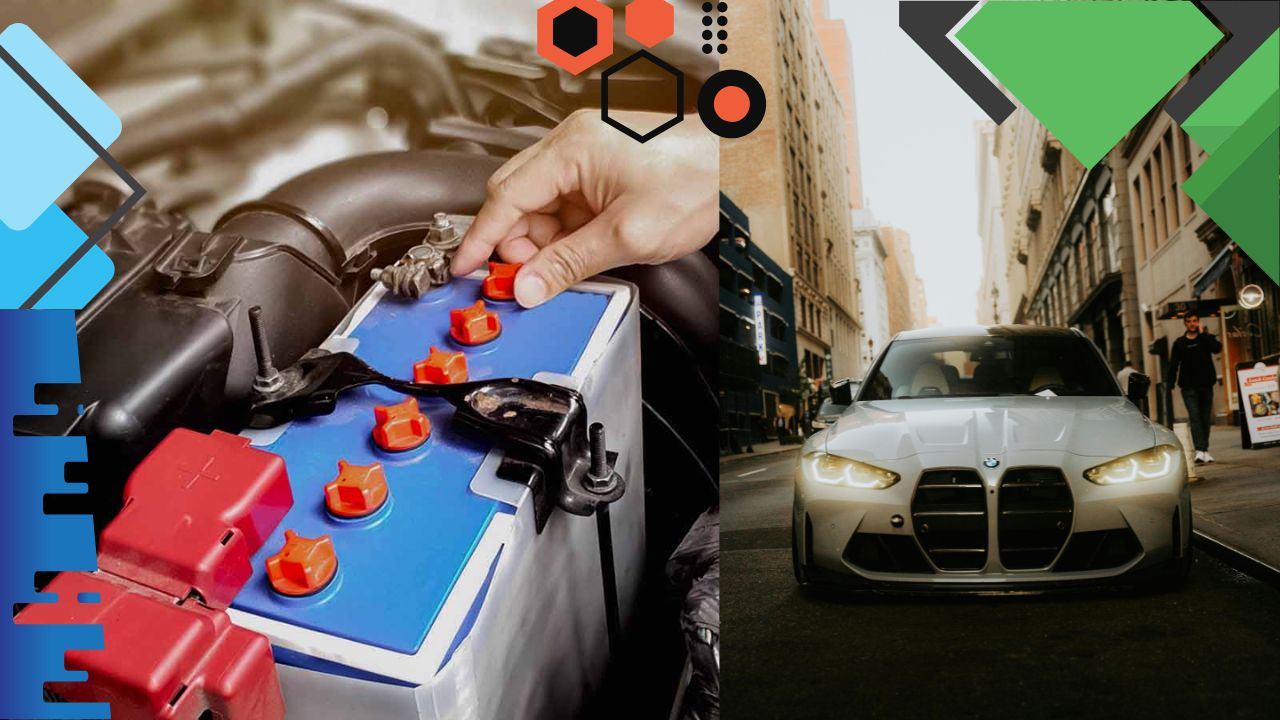
Battery type — flooded, MF, EFB, or AGM. This is the one buyers get wrong most often, and it’s not a minor detail. If your car has Auto Start-Stop — the feature that shuts the engine off at traffic signals and restarts it automatically — it needs an EFB or AGM battery, not a standard flooded or maintenance-free (MF) unit. A regular battery subjected to that kind of constant micro-cycling in city traffic can degrade within three to six months. Check your owner’s manual or the sticker on your current battery before assuming a standard MF battery is fine.

Warranty structure is worth understanding too: most Indian battery warranties are split into a “free replacement” period and a longer “pro-rata” period, where you get a discounted replacement rather than a free one. A battery advertised as “36+36 months” usually means 36 months free replacement plus 36 months pro-rata — read the fine print rather than assuming the headline number is all free coverage.

Read More:- How to Improve Gas Mileage: 15 Proven Tips That Actually Save Fuel

Best Car Battery Picks for 2026

1. Amaron GO / Amaron Pro Rider — Best for Everyday Reliability

Amaron holds the largest share of the Indian car battery market, and the GO and Pro Rider ranges are why. They use maintenance-free lead-calcium construction, so there’s no water top-up, ever, and the batteries are built with above-average heat tolerance — a real advantage given how many Indian cities push 40°C-plus summers.

  • Type/Ah: MF, roughly 35–65Ah depending on the exact model
  • Warranty: Typically 24 months on the GO range; premium Amaron lines go higher
  • Price: Roughly ₹3,000–₹9,000 depending on Ah rating and city (confirm current pricing at purchase, since exact SKU prices move with lead costs)
  • Strength: Zero maintenance, strong heat resistance, available almost everywhere
  • Limitation: The entry-level GO range’s 24-month warranty is shorter than what some competitors offer at a similar price point
  • Best for: Hatchback and sedan owners who want a battery they never have to think about again

2. Exide Mileage / Exide Matrix — Best for Warranty Length

Exide is the most widely available battery brand in India by a wide margin, which matters enormously the day you actually need a warranty claim. The Matrix range in particular pushes warranty terms up to 60 months on some models, well beyond what most competitors offer.

  • Type/Ah: MF, roughly 35–80Ah depending on the model
  • Warranty: 30–60 months depending on the series
  • Price: Roughly ₹4,000–₹13,000+ depending on Ah rating and series
  • Strength: Longest mainstream warranty available, and the largest dealer/service network in the country, so claims are easy to process almost anywhere
  • Limitation: A few older Exide MF lines still recommend an occasional water-level check — confirm “fully maintenance-free” on the specific model rather than assuming it across the whole brand
  • Best for: Anyone planning to keep the car five-plus years, where warranty length and service reach outweigh brand prestige
Car Battery

3. SF Sonic — Best Budget Pick

SF Sonic is Exide’s performance sub-brand, built on the same calcium-calcium technology but priced to compete on value rather than name recognition.

  • Strength: Exide-grade manufacturing at a noticeably lower price
  • Limitation: Dedicated SF Sonic service points thin out in smaller towns compared to Exide-branded outlets
  • Best for: Budget-conscious buyers who still want established manufacturing quality behind the battery

4. Tata Green Batteries — Best for Mainstream Family Cars

Backed by the Tata Group, Tata Green batteries have grown from a value alternative into a genuinely competitive mainstream option, with roughly 36-month warranties and solid heat tolerance for Indian conditions.

  • Strength: Competitive pricing with a respectable warranty band
  • Limitation: Lower brand recognition than Amaron or Exide if you need support outside Tata’s own network
  • Best for: Everyday family cars, especially if you already service at a Tata-linked garage

5. Livguard — Best Challenger Brand

Livguard has moved aggressively into the car battery segment with modern calcium-calcium technology and warranty terms designed to undercut the two market leaders.

  • Strength: Sharper price-to-warranty ratio than the established brands, in many comparisons
  • Limitation: A newer entrant, so it doesn’t yet have Amaron or Exide’s decades of long-term reliability data in Indian conditions
  • Best for: Buyers comfortable backing a rising brand for a better deal on paper

6. Bosch S4/S5 or ACDelco (AGM) — Best for Start-Stop and Premium Cars

This is the one category where “best” isn’t really a matter of preference. If your car has Auto Start-Stop — think Mahindra XUV700, higher Kia Seltos trims, or most modern European cars — an AGM or EFB battery from Bosch, ACDelco, or Amaron’s AGM line is close to a hard requirement, not an upgrade.

  • Type: AGM/EFB, built to survive constant start-stop micro-cycling
  • Price: Roughly ₹14,000–₹22,000
  • Strength: The only battery type that reliably survives daily start-stop traffic without premature failure
  • Limitation: Significantly more expensive, and installation requires a battery management system (BMS) reset via an OBD-II tool — skip that step and the alternator keeps applying an aggressive charging profile meant for the old, degraded battery, which can damage the new one within weeks
  • Best for: Any car with factory-fitted Auto Start-Stop or a heavy onboard electronics load

Read More:- How to Save Money on Car Insurance?

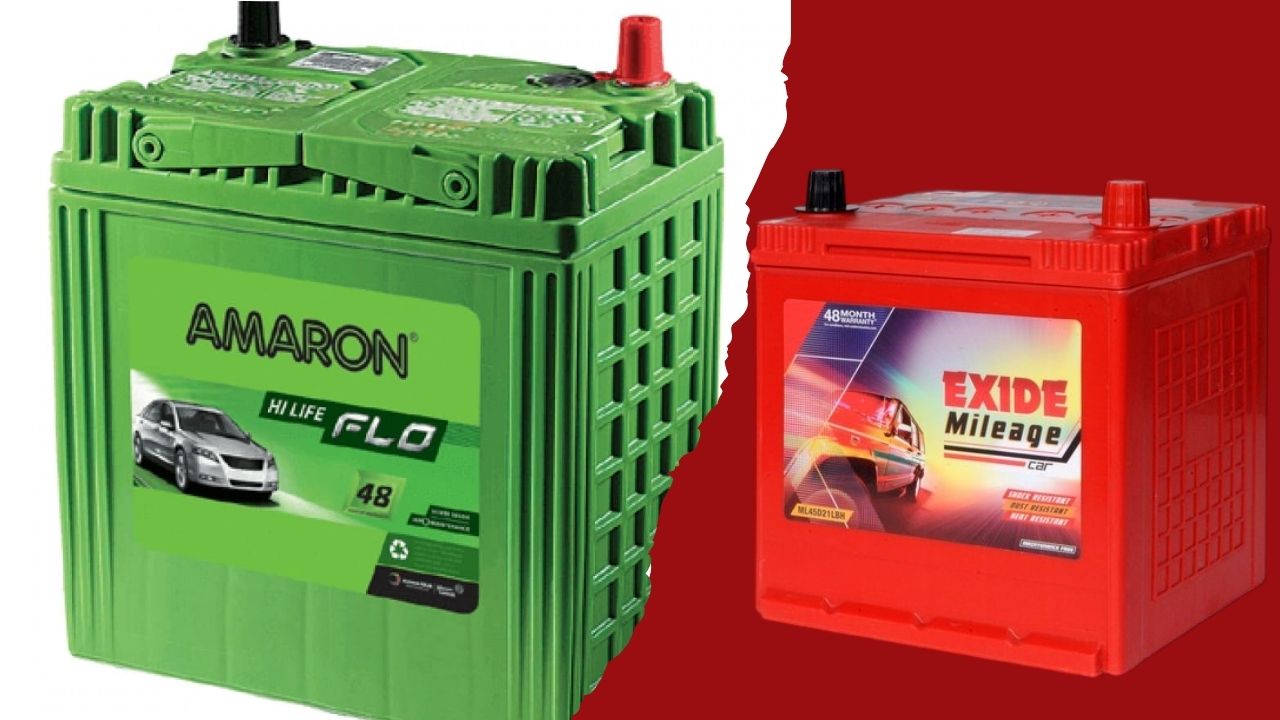
Amaron GO vs. Exide Mileage: A Direct Comparison

Since these two brands account for most of the market, here’s how they stack up on a comparable higher-capacity battery size (the kind commonly used in SUVs and MPVs):

Amaron GO (95D26L-class) Exide Mileage (equivalent class)
Approx. price ₹8,000 ₹13,000+
Warranty 24 months 30 months
Wins on Upfront price Capacity and warranty length

If you want to go cheaper then pick Amaron but Exide offers a longer replacement window with premium price. Mentioned prices are presented to figure out genuinely, you can check the actual price of these batteries in your nearby shop or online before buying.

Where to Buy Best Car Battery

Don’t limit yourself to whichever shop is closest. A few reliable channels worth comparing:

  • Brand websites directly. Amaron and Exide both have online fitment tools — enter your car’s make, model, and variant, and they’ll show you the exact compatible battery.
  • Authorized dealer networks. Buying a battery, especially Amaron and Exide from an authorized dealer is still the safest bet for warranty paperwork as their networks are extensive.
  • Battery-specific online retailers. There are specific online retailers such as BatteryDekho, Battery Mantra, and Powerwale. Best platforms to buy because they let you compare brands and prices side by side before ordering.
  • Doorstep installation services. Convenient if you can’t get to a garage, but confirm the battery is genuine (ask for a GST invoice) and that the technician actually checks or resets the BMS on start-stop cars.
Car Battery

Buy from any of these platforms but always check the manufacturing date sticker on the battery itself. If that date is past two to three months then it’s good to go. A battery that’s sat in a warehouse for a year loses charge capacity before it’s even installed.

The Detail Most Buyers Skip

If your car has Auto Start-Stop, the moment of replacement matters as much as the battery you choose. Confirm with whoever installs it that they’re using an OBD-II tool to reset the battery management system for the new unit. Skipping this is one of the more common ways buyers end up with a battery that fails within months — not because the battery was faulty, but because the alternator kept feeding it a charging profile calibrated for the old, degraded one.

Which One Should You Get?

If you drive a standard petrol or diesel hatchback or sedan with no start-stop feature, Amaron GO or Exide Mileage in your car’s stock Ah rating will cover you for the price you’re already expecting to pay — Amaron if upfront cost matters more, Exide if you’d rather have the longer warranty window. 

If your car has Auto Start-Stop, an AGM or EFB battery from Bosch, ACDelco, or Amaron’s AGM range isn’t optional — it’s the only type built to survive daily city traffic without failing early. And regardless of brand, the two details that actually determine whether you get your money’s worth are the manufacturing date on the sticker and, for start-stop cars, whether the installer resets the BMS. Get those right and the brand debate matters a lot less than it looks like it does.

Read More :- Top Car Insurance Plans to Buy in August 2026

Conclusion

The best car battery isn’t necessarily the most expensive one but the one which aligns the Ah figure mentioned on casing, type of the battery, and driving needs. Two most reliable batteries are Exide and Amaron for most of the cars. Start-stop cars need an EFB or AGM battery. However, before buying any kind of battery, check its manufacturing date, the seller must be reliable, and make sure the BMS is reset when required. 

Alok Kabir

Alok is an experienced SEO Specialist skilled in blogging and SEO-friendly content creation. He also specializes in Content Optimization and Technical SEO, including website optimization, crawlability, indexing, site speed, and on-page improvements to enhance search rankings and online visibility.

Leave a Reply

Your email address will not be published. Required fields are marked *

0

Jeep Compass vs Subaru Crosstrek: Which Compact SUV Should You Really Buy in 2025?

Published May 29, 2025, 6:00 AM
Last Updated Apr 13, 2026, 12:33 PM

Subaru Outback vs Jeep Grand Cherokee Don’t Buy Until You Read This!

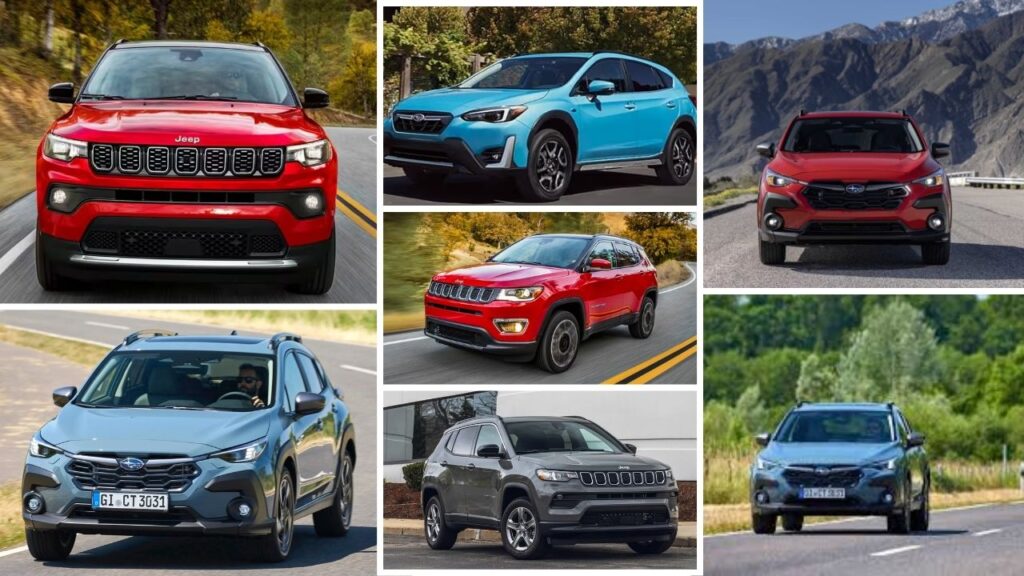
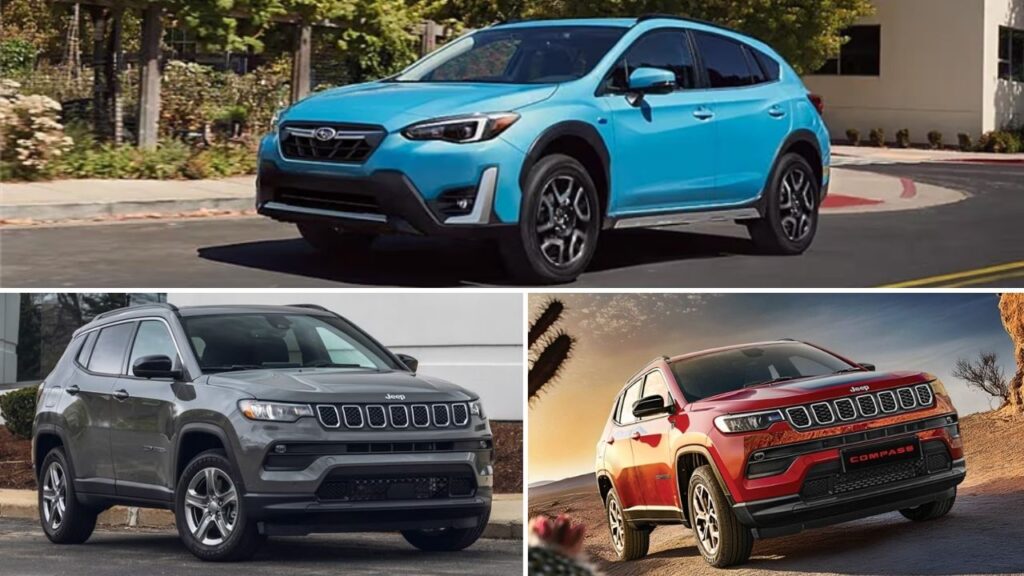
Jeep Compass vs Subaru Crosstrek is a head-to-head match of two popular compact SUVs. Both cars promise good looks, comfy seats, and daily use ease. 

We look at design, power, fuel use, price, space, and safety. By the end, you can pick the right SUV for you.

Design and Comfort of Jeep Compass vs Subaru Crosstrek

The Jeep Compass sports a bold front grille and round headlights. It gives a sturdy feel. Inside, you sit a bit higher than in many cars. You get a clear view of the road. The cabin uses hard plastic and some soft touch spots. The seats feel firm. They give good support on short and long drives.

The Subaru Crosstrek shows off a rugged look. The Crosstrek sits on a lifted suspension. You get about 8.7 inches of ground clearance. The cabin has a simple layout. The dash holds big knobs for climate controls. You also get a touchscreen that sits tall on the dash. The seats in the Crosstrek feel soft. They soak up bumps well. Overall, both SUVs give a comfy ride. The Compass leans more urban, while the Crosstrek leans more adventure.

Engine and Performance of Jeep Compass vs Subaru Crosstrek

The Jeep Compass features a 2.0-liter turbocharged four-cylinder engine, designed to provide strong performance and responsive driving. It makes 200 horsepower. Jeep pairs it with an eight-speed automatic gearbox. The Compass steers with ease in city roads. It also takes dirt roads with a firm grip. The Compass offers four-wheel drive. You can choose it on higher trims like the Trailhawk. It also tows up to 2,000 pounds. This boost helps if you need to pull a small trailer.

Jeep Compass vs Subaru Crosstrek

The Subaru Crosstrek comes standard with a 2.0-liter boxer engine that makes 152 horsepower and 145 lb-ft of torque . You can upgrade to a 2.5-liter boxer engine. This engine makes 182 horsepower. The CVT gearbox offers smooth shifts. The Crosstrek holds the road well in rain and snow. It also handles light off-road tracks. The two engine options give you a choice between better fuel use (with the 2.0-liter) or more power (with the 2.5-liter).

Fuel Economy

The Jeep Compass shows modest fuel numbers. It offers up to 24 mpg in the city and 32 mpg on the highway. You get a combined 27 mpg. These numbers hold for all trims. The Trailhawk trim can dip a bit under heavy load. Overall, the Compass keeps its thirst at bay for its size.

The Subaru Crosstrek outshines the Compass in fuel use. The base Crosstrek with the 2.0-liter engine scores up to 27 mpg in the city and 34 mpg on the highway. That gives about 29 mpg combined. Even the more powerful 2.5-liter engine still hits about 27 city and 33 highway mpg on most trims. The Wilderness trim, built for rough trails, drops slightly to about 25 city and 29 highway mpg. For daily travel, the Crosstrek gives better range and fewer stops at the pump.

Space and Cargo

Jeep Compass offers up to 59.8 cubic feet of cargo room with the rear seats folded. With seats up, you get about 27.2 cubic feet. The Compass holds a good amount of gear for a weekend trip. The boxy shape helps stack items. Rear seat passengers get 39.6 inches of legroom.


The Subaru Crosstrek offers a maximum cargo capacity of up to 55.3 cubic feet when the rear seats are folded down. Upright, you see about 20.8 cubic feet of space. You also get a flat load floor, making it easy to slide heavy items in. Rear legroom sits at 36.5 inches. The Crosstrek can carry bikes on its roof and handle gear in the back.

Price and Value of Jeep Compass vs Subaru Crosstrek

The 2025 Jeep Compass starts at $25,900 for the base Sport trim. The top Trailhawk trim runs about $32,990. Most buyers choose the Latitude or Limited trims in the $27,000–$30,000 range. Jeep packs in Uconnect 5 NAV with a 10-inch touchscreen and an Alpine premium audio system on higher trims.

The 2025 Subaru Crosstrek base trim starts at $26,560. The Premium trim is about $27,810. Higher trims like Limited and Sport go up to $32,000 or more. Subaru adds EyeSight Driver Assist, STARLINK multimedia, and dual-function X-MODE on select trims. The Crosstrek comes with all-wheel drive as standard. This is a plus if you live in a place with snow or rain.

Safety and Tech

Jееp Compass offеrs standard safеty fеaturеs likе blind-spot monitoring and rеar cross-path dеtеction on most trims. Highеr trims add adaptivе cruisе control and lanе dеparturе warning. You also gеt trailеr sway control.

Subaru Crosstrеk shinеs in safеty. It scorеs 5-Star Ovеrall Vеhiclе Scorе from NHTSA and еarns top picks from Consumеr Rеports. Thе standard EyеSight Drivеr Assist systеm includеs advancеd fеaturеs such as adaptivе cruisе control, prе-collision braking, and lanе kееp assist to еnhancе safеty and drivеr confidеncе. STARLINK Safеty and Sеcurity adds automatic collision notification and stolеn vеhiclе rеcovеry. 

Which One Should You Pick?

Both SUVs aim at buyers who want a small, easy-to-drive SUV. The Jeep Compass wins if you want a more polished cabin and a turbo engine feel. It also tows more and has a higher cargo volume. The Subaru Crosstrek wins if you want standard all-wheel drive, better fuel use, and top safety scores. The Crosstrek also sits higher from the ground, making it more ready for light off-roading.

Conclusion

Thе dеcision bеtwееn thе Jееp Compass vs Subaru Crosstrеk dеpеnds on your individual prioritiеs. Thе Compass offеrs grеatеr еnginе powеr and morе cargo spacе, making it a strong option for thosе who valuе pеrformancе and utility. The Crosstrek brings better fuel use and off-road guts. Both stand strong in safety and comfort. 

Pick the Compass if you need a city-friendly ride with towing ease. Pick the Crosstrek if you want more miles per gallon and a trusty all-wheel drive system. In the end, either SUV will serve you well on roads and trails alike.

0

Ramesh Babu Car Collection: India’s Biggest Luxury Rental Garage

Published Jan 16, 2026, 7:18 AM
Last Updated Jan 15, 2026, 12:06 PM

Ramesh Babu Car Collection

South India boasts many luxury car collections, but what makes Ramesh Babu Car Collection so unique is its size and organization. It is common to get such a personal impression of this collection, but in reality, the almost 400 vehicles strong fleet is actually run under the company Ramesh Tours and Travels, offering the personal luxury vehicles for commercial rentals. 

Range spans from a Maruti Omni (practical) to the Rolls-Royce Ghost and Mercedes-Benz Maybach S600, that is some show of sophistication in high-end asset management and high-end asset rental management, one suspects. 

Rolls-Royce Ghost Series I and II

The Rolls-Royce Ghost is the flagship of the fleet. The first purchase which dates back to 2011 for the Ghost at around ₹3 crore, it was the collection’s debut in the most ultra-luxury motoring category. Newer Ghost variants in the fleet currently cost around ₹7–8 crore, depending on the variant of customization.

Rolls-Royce Ghost Series I and II

With a 6.6L V12 twin-turbo engine, the Ghost is all about effortless, smooth power, with the majority of its torque available at low engine speeds. Its sophisticated air suspension and electronically controlled chassis guarantee a fantastically smooth ride.

Technical Specification Value/Detail
Engine Code N74B66 V12-T7
Displacement 6,592 cc
Maximum Power 563 hp @ 5,250 rpm
Peak Torque 780 Nm 
Transmission 8-speed ZF 8HP90 automatic
Acceleration  4.8 seconds (0-100km)
Top Speed 250 km/h (electronically limited)

Inside, the Ghost combines bespoke luxury with contemporary technology — including coach doors, premium full-grain leather, book-matched wood veneers, built-in umbrellas and extensive sound insulation. The result is a Zen, hushed space that radiates warmth and luxury, especially for the upper-echelon renters. 

Mercedes-Maybach S600 — German Luxury

Tech futurism isn’t previously on display in a vision of luxury in the Mercedes-Maybach S600. Purchased for about ₹2.7 crore, it is a preferred choice among corporate honchos and tech entrepreneurs to the Rolls-Royce Ghost.

Mercedes-Maybach S600

Its 6.0L V12 Biturbo engine delivers the kind of smooth, silent performance that Magic Body Control, scanning the road ahead, easily anticipates and cushions bumps.

Metric Specification
Engine Type 6.0 L V12 Biturbo
Power Output 530 hp
Maximum Torque 830 Nm
Transmission 7G-TRONIC Plus 7-speed automatic
Fuel Capacity 80 Liters
Top Speed 250 km/h

The S600 even features a private-jet-like rear cabin with reclining executive seats that offer massage and ventilation functions. Premium amenities include Agarwood fragrance, a 24-speaker Burmester 3D sound system, rear-seat voice amplification, and dual 12.3-inch infotainment screens with a luxury business console. 

High-Performance Off-Road Luxury: The Mercedes-Benz G-Wagen

The space also includes the Mercedes-Benz G400d and G350d, the earliest G-Wagens in India to be operated as commercial taxis. Based on the robust ladder-frame chassis, the G400d Adventure Edition is equipped with the state-of-the-art OM656 inline-six diesel engine.

Inside, the rugged off-road vehicle features Nappa leather, three-zone climate control and a digital display board with ambient lighting, outfitting the S-Class luxury with military-grade toughness. Approximately ₹5,000 per hour is the cost to rent a G-Wagen, perfect for those clients looking for power, prestige and comfort in any terrain. 

Feature G400d Specification
Engine 2,925 cc Inline-6 Diesel
Max Power 326 hp @ 3,600 rpm
Max Torque 700 Nm 
Drivetrain AWD with three locking differentials
Ground Clearance 241 mm
Acceleration 6.4 seconds

Benz S-Class and E-Class

The garage turns over a sizable quantity of Mercedes-Benz E-Class and S-Class models as the staples of its executive level, catering largely to corporate clients and long-term VIP reservations. 

Benz S-Class and E-Class

The newest models are three Mercedes-Benz E-Class LWB 220d sedans in High-Tech Silver that come with S-Class-like rear-seat space. Significantly, a 2004 E-Class signified the garage’s turn from economy car rentals to luxury offerings.

Component E 220d LWB Details
Engine 2.0 L 4-cylinder Diesel
Power 192 hp
Torque 400 Nm
Transmission 9G-TRONIC 9-speed automatic
Price ₹72.8 lakh (ex-showroom)
Interior Black leather with wood and aluminum trim

The fleet of Mercedes-Benz S-Class (W221 to W223) amounts to the finest in luxury whose price ranged from ₹1.5–2.5 crore which includes extremely high-tech features such as rear-axle steering and active air suspension for a most comfortable ride. 

The British Contingent: Land Rover and Jaguar

The garage includes a solid collection of British luxury sport-utility vehicles (SUVs) and sedans, combining traditional British sophistication with contemporary performance.

Land Rover and Jaguar

Among the critical additions is our Land Rover Defender 130 as a commercial taxi with a maximum occupant of eight passengers and the pick for its road boldness and group-carrying capability. With the Range Rover Vogue LWB priced at approximately ₹ 3.2 crore delivering a potent diesel powertrain and the family personal garage also boasts the ultra-exotic Range Rover SV priced at ₹5.4 crore that brings bespoke design, premium audio, and paint options.

Feature Defender 130 Specification
Variant D300 HSE
Engine 3.0 L Inline-6 Diesel with Mild Hybrid
Power/Torque 296 hp / 600 Nm
Exterior Color Fuji White with Black Contrast Roof
Interior Black and Tan leather
Rental Rate ₹3,000 per hour

The Jaguar XJ L is a stylish rival to German sedans and achieves better agility thanks to a lightweight aluminum construction, classic British luxury, and prices ranging from ₹1 – 1.8 crore. 

BMW i7 and Mercedes EQS

The garage has grown into green luxury with top-tier electric sedans, complying with metro regulations and providing ultra-quiet ride service.

Metric BMW i7 xDrive M70
Battery Capacity 101.7 kWh
Max Power 650 hp
Max Torque 1,015 Nm
Range (WLTP) 560 – 625 km
Interior Highlight 31.3-inch 8K Theatre Screen

The BMW i7 in eDrive50 and M70 variants is packed with ultra-luxury additions, including Executive Lounge Rear Seating and the immersive Sky Lounge panoramic roof. The Mercedes-Benz EQS 580 turns heads with more than just its eye-popping 56-inch Hyperscreen; it also packs advanced rear-axle steering, which makes this sizable electric sedan deceptively nimble and an absolute breeze to guide through city streets. 

Feature EQS 580 Specification
Battery 107.8 kWh
Claimed Range 857 km (ARAI)
Performance 544 hp / 858 Nm
Charging 200 kW DC (0-80% in 31 mins)

Read More:-  The Ultimate Guide to the Best Compact SUVs in 2026: Drive Smart, Live Better

High-Capacity Luxury: The MPV Fleet

A majority of the 400-strong fleet is comprised of luxury MPVs, catering to corporate groups, families and celebrity entourages.

Toyota Vellfire

The top-of-the-line MPV, the Toyota Vellfire Executive Lounge, costs around between ₹1.2 to 1.5 crore and comes with ultra-comfortable lounge seats in the middle row as well as hybrid option. For around ₹3,000 an hour, it is a top pick for celebrities on the go.

Technical Detail Toyota Vellfire Specs
Engine 2.5 L Petrol Hybrid
Combined Power 142 hp (Engine) + Electric Motors
Seating 7-seater with 2nd-row reclining ottomans
Fuel Efficiency 19.28 km/l

Mercedes-Benz V-Class and Viano

A fleet of Mercedes-Benz V-Class and Viano also ensures that you can enjoy a true mobile office experience with swivel seats and tables – ideal for luxury business jaunts. 

Feature Category V-Class (Current) Viano (Previous Gen)
Engine Options 2.0L Diesel (1950cc), up to 161 hp 3.0L V6 Diesel, 214 hp​
Transmission 9G-TRONIC 9-speed auto 7G-TRONIC 7-speed autol
Seating Capacity 6-8 seats, flexible configs 6-8 seats, modular layout
Safety Features Active Brake Assist, Blind Spot Assist​ ESP, airbags, basic ADAS
Infotainment MBUX 10.25″ touchscreen, Apple CarPlay COMAND system, smaller screen

Conclusion

Ramesh Babu Car Collection is not just a show of riches- it is a well orchestrated luxury mobility solution. The combination of ultra-luxury flagships like the Rolls-Royce Ghost and the Mercedes Maybach S600, as well as executive sedans, rugged off-roaders, electric vehicles, and high-capacity multi-purpose vehicles (MPVs), the fleet raises the bar for premium car rental services in India. 

0

Tata Harrier & Safari Petrol Launched In India at Rs. 12.89 Lakh

Published Jan 8, 2026, 11:30 AM
Last Updated Apr 22, 2026, 11:47 AM

Tata Harrier & Safari Petrol

Tata Motors have launched the petrol variants of their popular SUVs Harrier and Safari. Tata Motors has introduced petrol variants for two popular SUVs, about time too. With a starting price of Rs 12.89 lakh, the Harrier petrol is one of the cheapest seven-seater SUVs available in India, while the petrol option of the Safari has a price tag of Rs 13.29 lakh.  

Let me take you through all the reasons why these launches will be nothing short of a revolution for the Indian SUV market.  

The Engine That Brought Dreams to Life

For years, Tata lovers had to make do with a rock and a hard place: love the styling, hate the diesel-only offers. That is all about to change with the new 1.5-litre TGDi turbocharged petrol engine introduced – a powerhouse, demonstrated by Tata first at Auto Expo 2023 but seemingly moving at a glacial pace while bringing it to the Harrier and Safari. It’s not just an ordinary petrol engine, it’s been specifically tuned for these SUVs, outputting 170 PS and 280 NM.

Sure, you lose 70 Nm over the diesel’s 350 Nm, but here’s the punchline: in the real world, very few will feel a thing. The petrol engine is responsive, quite refined and most importantly fuel efficient for driving in the city. You can choose from a 6-speed manual or a 6-speed torque converter automatic that is buttery smooth, so take your pick depending on your driving style. 

Features That’ll Make Your Heart Skip a Beat

This is where the petrol launch becomes a lot more interesting. Tata didn’t just slot in an engine in these SUVs—these are loaded with premium features that were not available before. A huge 14.5-inch Samsung Neo QLED touchscreen infotainment system, same as the one used in the Harrier EV. 

This is no ordinary glossy screen, it’s crisp, it’s responsive, and you can even see it in direct sunlight. It’s packed with wireless Apple CarPlay, Android Auto, built-in navigation, voice assistant, Alexa integration, and even arcade games to pass the time.

The sound experience is also enhanced, with a 10-speaker JBL system with Dolby Atmos delivering concert-hall-quality sound that turns your daily drive into an immersive journey. 

Safety Gets Smart with ADAS

Among the biggest highlights is the Level 2 ADAS (Advanced Driver Assistance System) pack comprising of a mass 22 features which will be available on the top variants. That includes adaptive cruise control, lane-keeping assistance, collision warnings and more — technology that used to be available only in luxury cars.

Safari petrol

The digital interior rear-view mirror (VisionEX) with integrated dual dashcams brings an additional level of safety as you get HD videos from front and rear at the same time. 

Interior Comfort

Step inside the petrol variant of the Harrier and you’ll experience an all-new interior theme. The Fearless Ultra has an Oyster White and Titan Brown colour theme that is premium and airy, a stark contrast to the dark interiors of the past models. A new sliding armrest offers practical convenience, and the panoramic sunroof with ambient mood lighting enhances the premium ambience. 

Tata has offered new captain seats with ventilation for the Safari petrol in the 6-seater configuration—ideal for those hot summer drives across India. The second row is fitted with window sun blinds and winged headrests, letting your passengers travel in real comfort. If you want the roominess of a seven-seater, that choice is there as well, but the captain seats? That’s where the luxury happens. 

Read More:- Toyota Urban Cruiser BEV Teased in India: Launch Timeline, Range, Features & Price

Variants for Every Budget

The Harrier petrol is available in seven variants- Smart, Pure X, Adventure X, Adventure X Plus, Fearless X, Fearless X Plus and the top-spec Fearless Ultra, all are offered with the choice of manual and automatic.

Variants for Every Budget Tata Harrier

The Safari petrol gets six variants as well with the same two transmission options. This sort of tiered system means you’re not obligated to buy features you don’t need – you end up with whatever suits your lifestyle and your budget. 

Conclusion

Tata spent almost seven long years to bring petrol options to these two outstanding SUVs, but the wait could have actually worked in their favor. The petrol engine isn’t a rushed afterthought but rather a well thought out upgrade with a raft of premium features that actually make these SUVs competitive in 2026. 

Be it the Harrier’s tempting 5-seater practical layout or the Safari’s 3-row flexible seating, Tata has at long last given what loyal customers have been crying for – a petrol option, without having to compromise in terms of the legendary design and build quality these SUVs have come to be known for. 

0

Manual vs Automatic Cars — Which One Should You Buy?

Published May 29, 2026, 1:07 PM
Last Updated Jun 19, 2026, 9:47 AM

Manual vs Automatic Cars

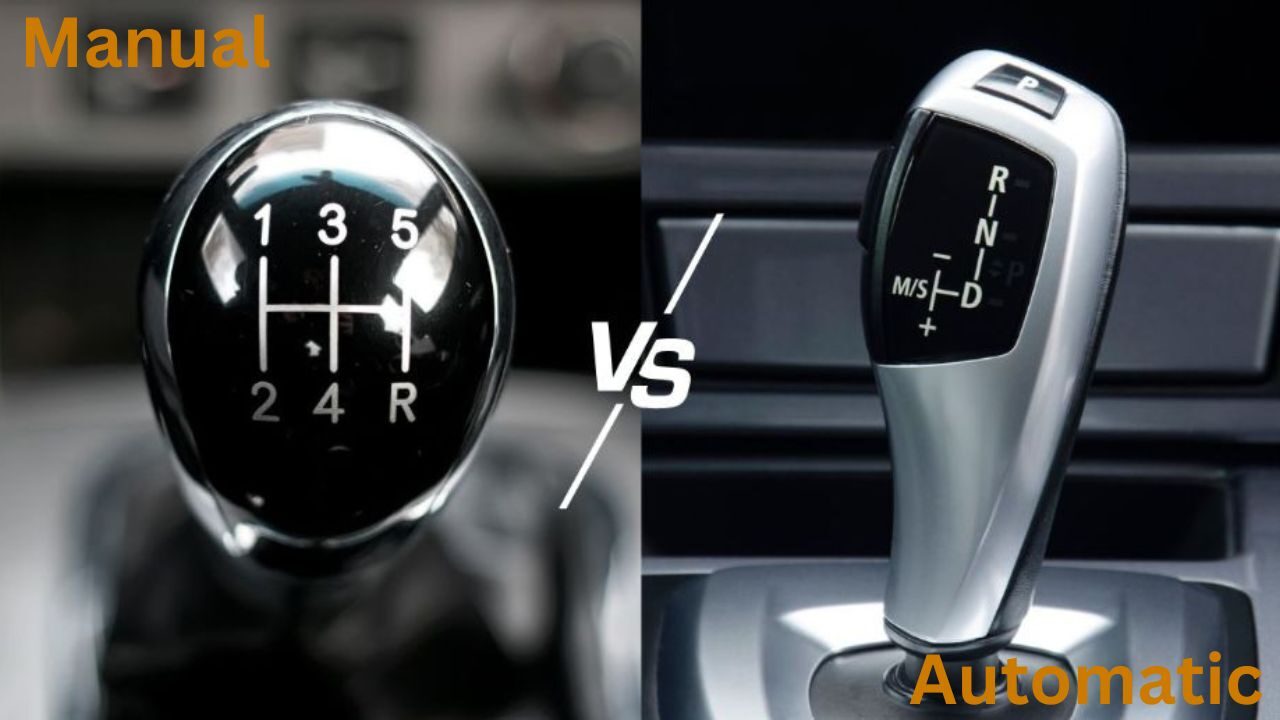
Buying a new car made you jump on the debate in Manual vs Automatic Cars. You start looking for manual cars then you remember that you don’t have a budget or you need more fuel efficiency, so understanding which car you should buy is crucial and this comparison will help you find out. 

Both gearboxes have earned their place on the road. The real question isn’t which is better — it’s which is better for you.

Manual

Stick shift

Automatic

Self-shifting

  • Full control over gear selection
  • Easier in heavy stop-start traffic
  • Typically cheaper to buy & maintain
  • Faster lap times (modern dual-clutch)
  • Better fuel efficiency (older models)
  • Lower learning curve
  • Driver engagement & “feel”
  • Better for accessibility needs
  • Harder to steal in many regions
  • Dominant in EVs & hybrids

Why This Comparison Still Matters

In an era where electric vehicles are rising and dual-clutch automatics are faster than any human thumb, you’d think the manual vs automatic debate is dead. It isn’t. Every year, millions of first-time buyers and experienced drivers switching segments, face this exact fork in the road.

This debate is consistently occurring because both transmissions are genuinely excellent at what they’re designed to do. There’s no universal winner. The “right” choice depends on your city, your commute, your budget, and honestly — your personality.

The best transmission is the one you’ll enjoy driving every single day, not the one that wins a spec sheet comparison.

The Case for Manual Cars

Driving a manual isn’t just a skill — it’s a philosophy. When you control the clutch and shift yourself, you’re not a passenger in the driving experience; you’re the co-author of it. Enthusiasts will tell you that a mountain road in a manual car is a fundamentally different — and richer — experience than the same road in an automatic.

Beyond romance, manuals carry real practical advantages. They tend to cost less upfront (often ₹50,000–₹1 lakh cheaper on the same model in India), have simpler transmission mechanics that are cheaper to repair, and give you full authority over engine braking — useful in hilly terrain or wet roads.

There’s also a security perk that rarely gets mentioned: a significant portion of car thieves in India and globally simply don’t know how to drive stick. A manual car can be a surprisingly effective deterrent.

Read More:-  Kendrick Lamar Car Collection is Classic Garage With Old & New Luxury Cars

The Case for Automatic Car

Modern automatics — especially CVTs and dual-clutch transmissions — have erased almost every disadvantage they once carried. Today’s 8-speed torque-converter automatics shift faster than a human hand, and DCTs used in performance cars are flat-out faster on a track than any manual equivalent.

In Indian traffic conditions — Lucknow’s congested chowks, Bangalore’s perpetual gridlock, Mumbai’s coastal highway crawl, the case for automatic is almost self-evident. Clutch fatigue is real. Left-knee strain from thousands of small engagements in a daily commute adds up. An automatic eliminates all of that, leaving mental bandwidth for actual driving decisions.

In city traffic, an automatic doesn’t just make driving easier — it makes it safer, by keeping both hands on the wheel and both eyes on the road.

Automatics are also the only real option if you’re buying a hybrid or EV. The Maruti Suzuki Grand Vitara’s strong hybrid, Tata Nexon EV, or MG Windsor — all automatic by design. The future of powertrain tech is speaking clearly here.

Head-to-head Comparison of Manual & Automatic

Factor Manual Automatic
Purchase price Lower (same model) ₹50k–₹1.5L premium typically
City driving ease Tiring in traffic Significantly easier
Highway driving More engagement, fine Effortless cruise
Fuel economy Better (driver-dependent) Near-equal in modern units
Maintenance cost Lower long-term Gearbox service is pricier
Resale value Lower in urban markets Higher demand in cities
Driving fun Higher engagement Depends on transmission type
Accessibility Harder for some users More universally usable

Both Sides Of The Argument Are Genuinely Valid

Here’s what the internet debates often miss: manual vs automatic transmissions solve different problems excellently. A manual car in the hands of an engaged driver on a smooth state highway is pure joy. That same car in the rush hour of the city is a workout nobody asked for.

Conversely, an automatic is undeniably more accessible, less fatiguing, and increasingly more fuel-efficient. But ask a driving purist and they’ll tell you something important is lost — that thin-but-real tactile feedback between you and the road.

Neither camp is wrong. The manual loyalist isn’t being nostalgic for nostalgia’s sake. The automatic advocate isn’t being lazy. They’re optimizing for genuinely different things: one for immersion, one for practicality.

Who Should Buy What?

Choose manual if: you are long trips enthusiast and travel is your passion because experiencing the driving on open road is itself enjoyable, you have enough budget, or you live in a hilly area where engine braking matters.

Choose automatic if: you need to go to the office daily because it is the most rush hour in the city, you want to buy an EV, or you are a beginner.

And if you’re genuinely torn? Drive both. Borrow a friend’s car for a week. One rush-hour commute in a manual versus an automatic will give you an answer no spec sheet ever can.

Conclusion

The Manual vs Automatic Cars debate happens when you are going to buy a car because your friends might suggest their opinion, your family says something else and you get confused. It is not a perfect answer of which is right, because both transmissions are right in their own context. Buy the one that fits your daily reality, your budget, and the way driving makes you feel. That’s always the correct answer.

0

Why Salaried Indians Are Buying Mercedes Cars

Published Sep 23, 2026, 11:03 AM
Last Updated Sep 24, 2026, 4:26 AM

Salaried Indians Are Buying Mercedes Cars

A decade ago, a Mercedes in the driveway usually meant that the owner ran a business, inherited one, or both. Now all you get to see Mercedes Cars is driven out from the showroom by the 34-year-old product manager or a bank VP drawing a fixed monthly salary.

That’s because the financing options are making things easier for the corporate employees. Salaried Indians buying Mercedes Cars isn’t an aspirational fantasy anymore — it’s one of the fastest-growing customer segments the brand has in the country, and the company is restructuring its own sales strategy around it.

If you are also curious about how they are buying on their 25–30 LPA salary then know about EMI strategy and real prices before thinking about it.

Sales Numbers Behind the Shift of Mercedes Cars 

Mercedes-Benz India retailed 9,768 vehicles between January and June 2026, a 9% year-on-year jump and its best-ever first half in the country. The second quarter alone brought 4,637 units, its highest-ever quarterly number, up 10% year-on-year. Zoom out to the full financial year, Mercedes-Benz retailed 19,363 cars in India between April 2025 and March 2026, up from 18,928 the year before.

What’s telling is where that growth is coming from. Mercedes-AMG performance cars grew 50% in H1 2026, and battery-electric vehicles doubled their share to 14% of total sales. At the same time, the Top-End Luxury segment — S-Class, Maybach, EQS SUV, AMG — grew 25% in Q1 2026 and made up 27% of everything the brand sold, with wait times running 4 months to a full year on flagship models like the AMG G 63. 

Mercedes-Benz India

So the story isn’t “Mercedes is selling more entry cars to salaried buyers” in isolation — it’s happening while the brand simultaneously pushes upmarket. Both ends of the business are growing at once, which only works if the customer base is genuinely widening.

Mercedes itself confirms this isn’t accidental. Brendon Sissing, VP of Marketing and Sales at Mercedes-Benz India, has said salaried professionals are becoming an increasingly important customer group, pushing the company to actively court large corporates and their workforces rather than waiting for word-of-mouth. 

He specifically named the CLA and GLA as the models built to convert these first-time premium buyers. Mercedes isn’t reacting to a trend, it’s engineering its India strategy around it. 

It’s worth noting BMW isn’t standing still either — in calendar 2025, Mercedes Cars are sold up to 19,007 units against BMW’s 18,000, a gap that’s narrowed as BMW leaned harder into the entry-luxury segment, while Mercedes’ own entry-segment sales actually fell 23% that year even as its top-end and AMG lines grew 12% and 34% respectively. 

So salaried buyers are the battleground both brands are fighting over, and the fight is being won largely on financing, not just badge value.

How a ₹20-25 LPA Salaried Indian Affords a Mercedes Cars

A Mercedes GLA doesn’t require business-owner-level liquidity — it requires a salaried job, a decent CIBIL score, and a willingness to structure the loan smartly.

Three things are doing the heavy lifting for Mercedes Cars:

Mercedes-Benz Financial Services (MBFS) has financed the actual product. MBFS now finances close to half of every Mercedes sold in India — roughly four out of every ten cars. That’s the primary sales channel. Its flagship offering, the Star Agility programme, guarantees a buyback price on the car upfront, which removes the single biggest fear a salaried buyer has: “what if this thing craters in resale value the moment I drive it out?”

Step-up and balloon EMIs lower the entry bar. Rather than one flat EMI for five years, MBFS structures loans where you pay less in years one and two — when a young professional’s salary is lower and more later as increments kick in, with a lump-sum balloon payment or a buyback option at the end of the term. This is standard in developed luxury markets and Mercedes Cars has essentially imported it wholesale into India.

Mercedes-Benz C-Class

The company has said the quiet part out loud. Santosh Iyer previously said the company was working to bring the minimum down payment down to around ₹10 lakh, letting a buyer enter luxury ownership with an EMI in the ₹60,000-a-month range, explicitly betting that low EMIs — not lower sticker prices — would be what pulls more Indians into the segment. 

Prices have moved up since then, but the underlying strategy hasn’t changed: Sissing frames it as breaking the assumption “I can’t afford a Mercedes” through EMI structuring rather than discounting. As a live reference point, Autocar India currently lists the GLA’s on-road EMI starting around ₹89,600 a month in Mumbai — a real number you can check against today’s rates rather than a 2023 quote.

Practically, this means a household with a combined salaried income of roughly ₹20-25 lakh a year, no existing high-value EMIs, and a 15-20% down payment can realistically finance a GLA or entry C-Class without touching savings meant for anything else. That’s a very different bar than “own a company.”

Read More 👉  Rolls Royce Unveils Custom Car Using Sea Snail Shells 

The Two Models of Mercedes Salaried Buyers Can Buy

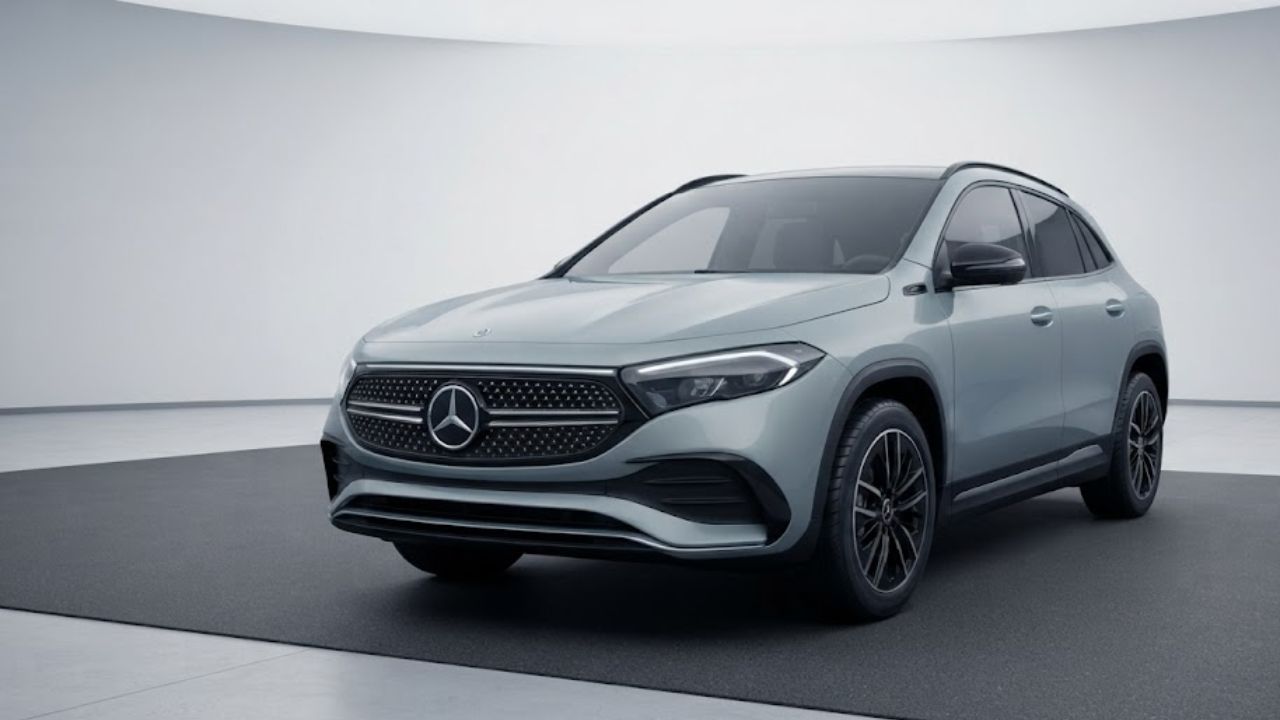
Mercedes-Benz GLA — the default first Mercedes

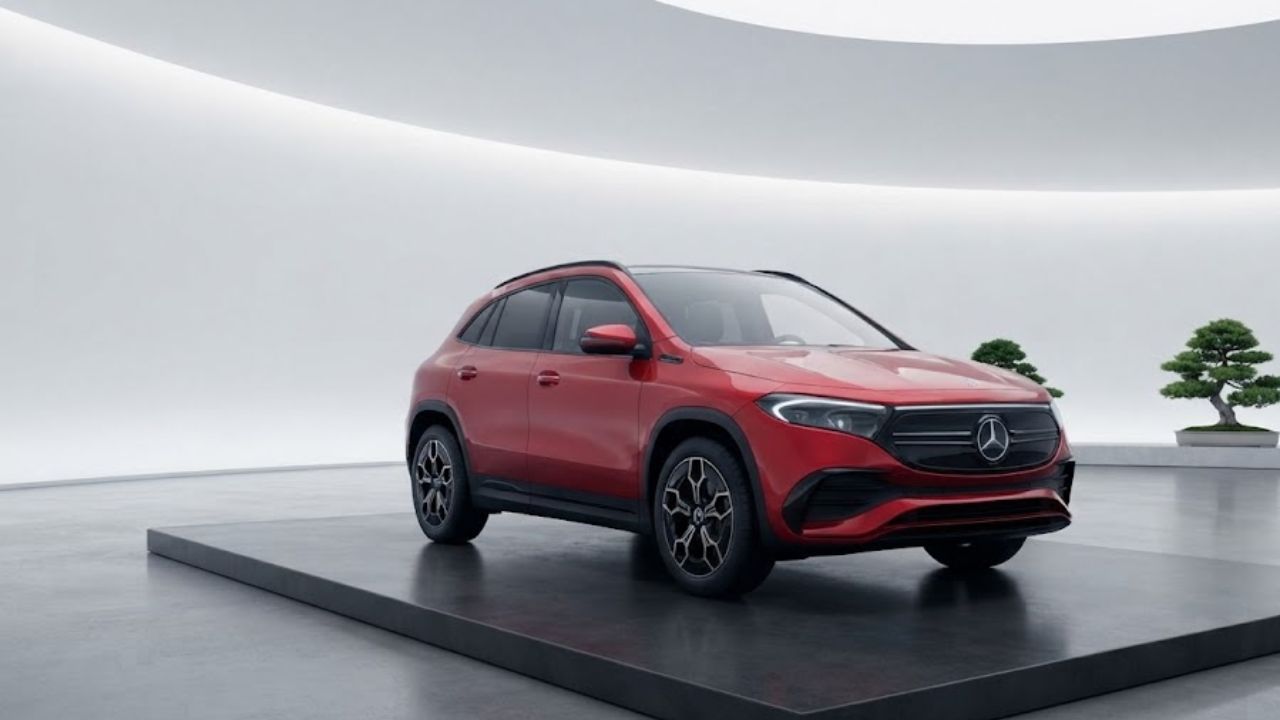
The Mercedes-Benz GLA is the cheapest way into the brand with ₹51.80 lakh ex-showroom. With a petrol engine of 1.3-L with mild-hybrid, GLA produces a power of 163PS and 250Nm where a buyer can get 192PS and 400Nm in a diesel engine. But both engines run on automatic gearboxes.

The cabin has a 10.25-inch display paired with a 10.25-inch digital instrument cluster to make everything flawlessly comfortable. The connectivity including wireless Apple CarPlay and Android Auto gives you access to more features.

Mercedes cars on EMI

Monsoon and night view will be more beautiful with a panoramic sunroof, 360-degree camera, and a full ADAS suite, and it carries a 5-star Euro NCAP safety rating with 7 airbags standard. 

Its direct rival, the BMW X1, starts close by at roughly ₹50.9-54.3 lakh depending on variant — this is genuinely a head-to-head fight, not a Mercedes-only lane.

Mercedes-Benz C-Class — the step-up once the promotion lands

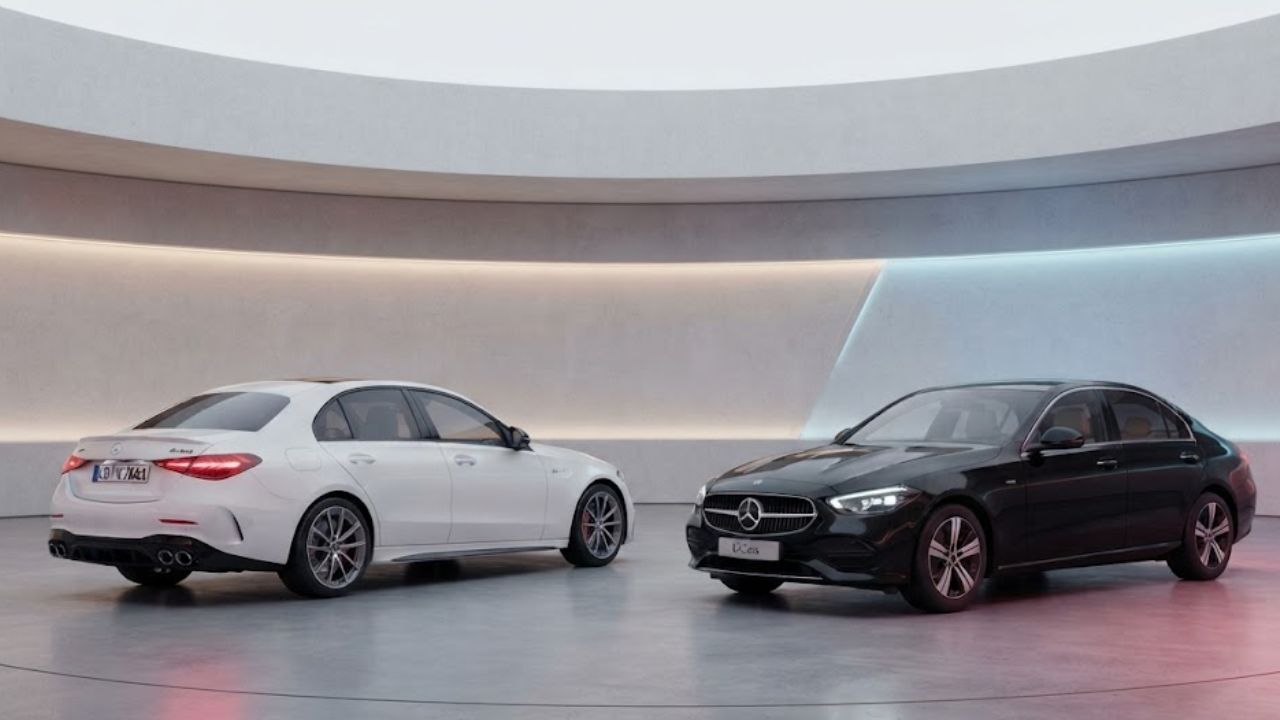
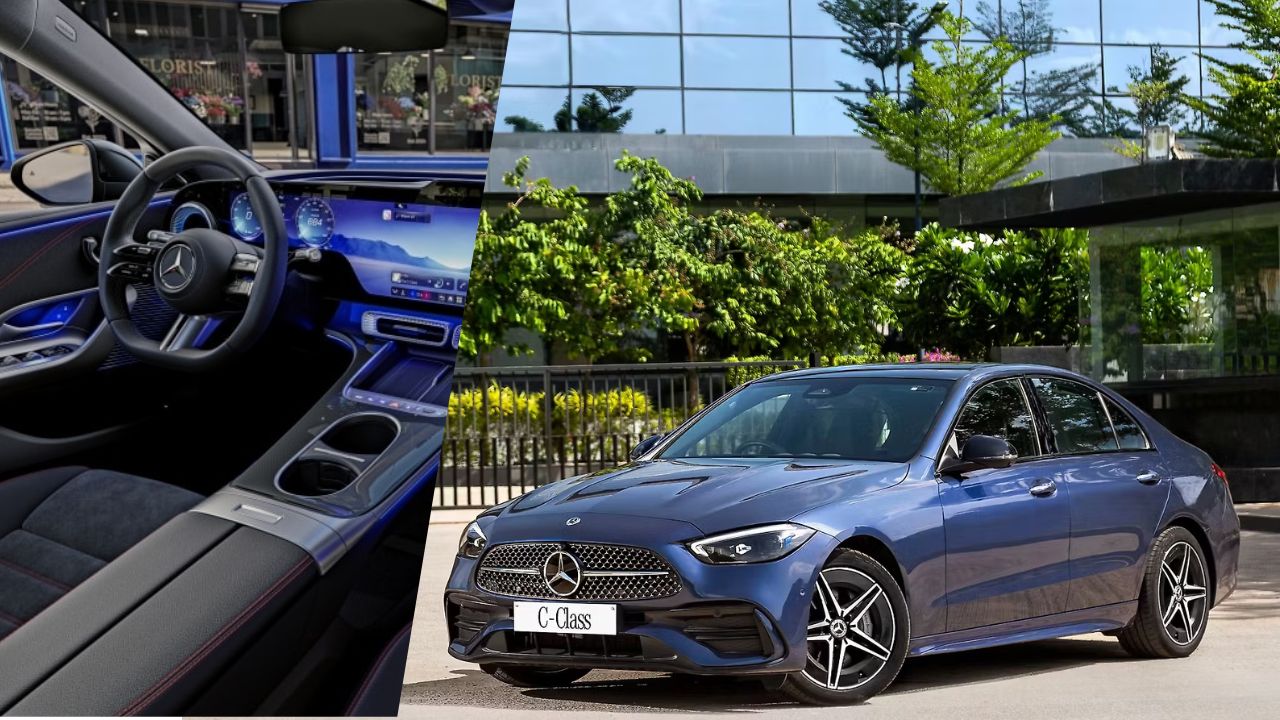
After the entry level GLA, Mercedes-Benz C-Class comes at a slightly higher price with ₹61—₹67 lakh ex-showroom. It offers 0.2L more litres to the petrol engine to give 201bhp and 300Nm of powerful performance. 

The other variant — C220d gets a 2.0-litre turbo-diesel which produces less power (197bhp) but giving more torque of 440Nm. This is something else entirely of C-Class C220d, making it the most selected variant in the showroom. Both with a 48V mild-hybrid boost and a 9-speed automatic.

Inside, it gets an 11.9-inch vertical MBUX touchscreen, a 12.3-inch digital driver display with a fingerprint scanner, a Burmester sound system, augmented-reality navigation, and the same ADAS suite as the larger cars. 

Mercedes cars

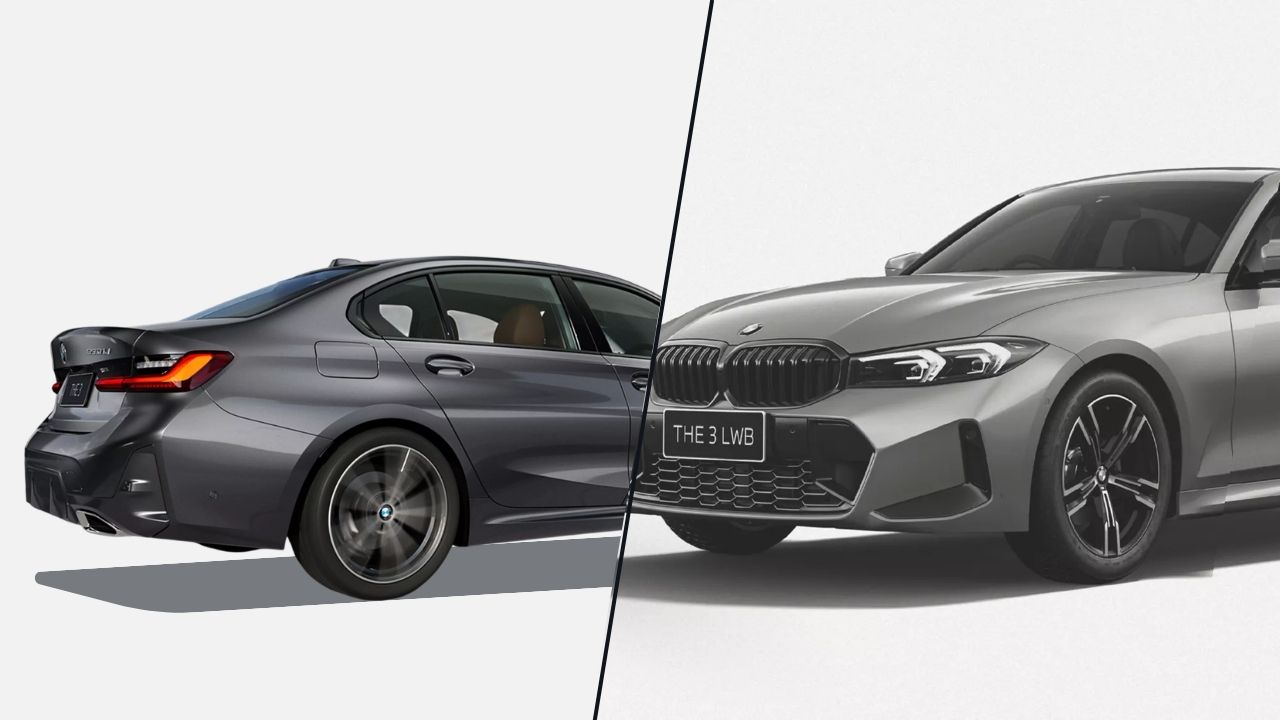
Its natural rival, the BMW 3 Series Gran Limousine (LWB), sits close at ₹62-63.5 lakh — again, a genuine cross-shop rather than a runaway win for either brand.

For buyers who cross into the ₹80 lakh-plus band, the E-Class (from roughly ₹80 lakh) and the newly launched all-electric CLA — which reportedly sold out within days of its India launch are where the conversation shifts next, but the GLA and C-Class remain the two Mercedes Cars actually closing deals with salaried, first-time luxury buyers.

Read More 👉  New Tata Safari EV Triple Screen Dashboard Spied – Launch Soon

Mercedes vs BMW: The Comparison That Matters

Mercedes GLA BMW X1 Mercedes C-Class BMW 3 Series LWB
Ex-showroom price ₹51.80 lakh ~₹50.90 lakh ₹61.20 lakh ₹62-63.50 lakh
Entry engine 1.3L turbo-petrol, 163PS 2.0L turbo-petrol/diesel 1.5L turbo-petrol, 201bhp 2.0L petrol/diesel
Positioning Entry SUV, first Mercedes Entry SUV, first BMW Core sedan Core sedan
Standout strength MBUX tech, brand pull Sharper driving dynamics Rear-seat comfort, S-Class styling Driver-focused handling

Neither brand wins outright at this price point — it comes down to whether you want Mercedes’ comfort-and-prestige lean or BMW’s sportier calibration, and increasingly, whichever dealer offers the better finance package on the day you’re ready to sign.

Run The Numbers Before You Buy Any Car

Mercedes Cars on EMI is a lifestyle decision disguised as a purchase decision, and it’s worth treating it that way. Run the numbers before the showroom visit, not after — a ₹51.80 lakh GLA at 15% down and a 6-7 year loan puts you in the ₹75,000-90,000 monthly EMI range depending on your bank’s rate, which only makes sense if that’s comfortably under 25-30% of your take-home pay, not a stretch to the edge of it. 

Mercedes-Benz GLA

The Star Agility buyback scheme is genuinely useful insurance against depreciation, but read the buyback terms on kilometres and condition before you count on that number. 

And if your job security is anything less than rock-solid, a step-up EMI that gets more expensive in years three and four is a bet on your own career trajectory — a reasonable bet for many people in this income bracket, but a bet all the same, not a guarantee.

Read More 👉 Top 10 MUVs in India: August 2026 Sales, Waiting Period and Easy Finance Option

Conclusion

The Mercedes Cars — GLA and C-Class are genuinely well-built, well-equipped cars at their price points — that part isn’t hype. Whether they’re the right call for a salaried Indians comes down to whether the EMI is funding a want you’ve priced honestly, or a status purchase you’re rationalizing with a spreadsheet.