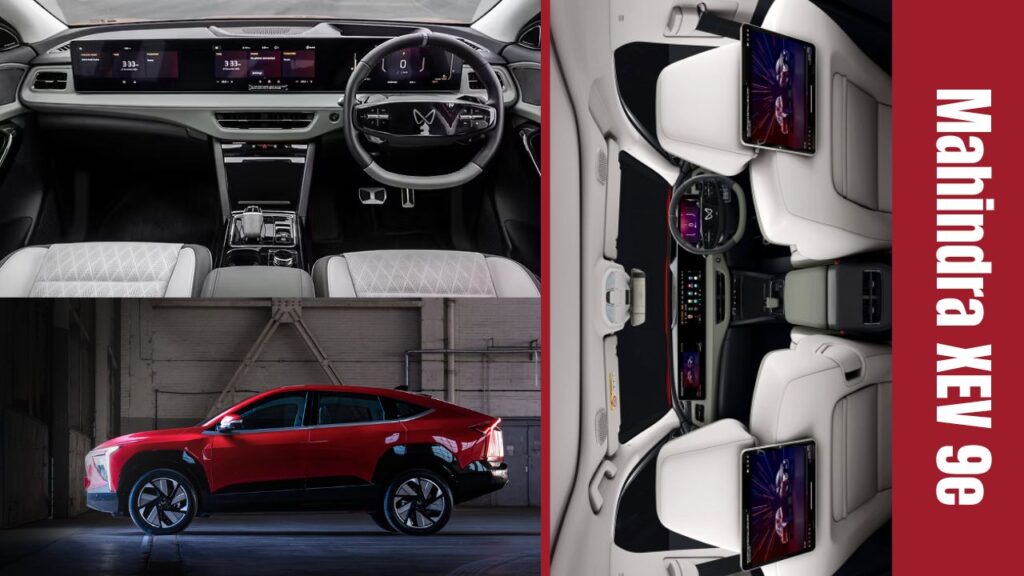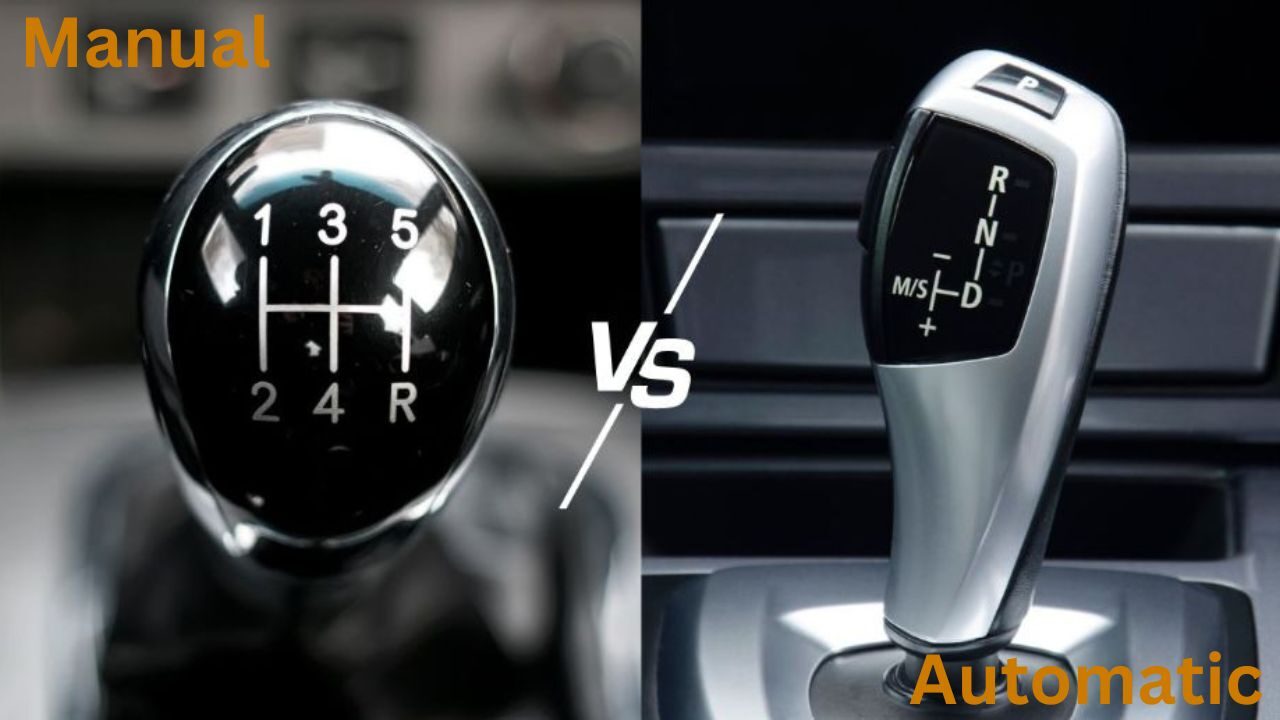
0

Best Dash Cam for Cars | Top Features, Reviews & Buying Guide

Best Dash Cam for Cars

Your claim is denied because you can’t prove the other driver ran the red light. It happens more than most people think and it is the largest reason why Indian car owners are now actually considering dash cams rather than treating them as an accessory-store impulse buy. So if you’re looking for the Best Sash Cam for Cars in India today, then you must have to know that it depends on where you park, how much footage quality do you really need and if you’re buying for evidence or because you want real 24/7 security. 

Why a Dash Cam Matters More in India Than It Used To

There is no provision in the Motor Vehicles Act, 1988 or the Central Motor Vehicles Rules, 1989 which prohibits use of dash cam in private vehicles. What has changed is what the footage means in the eyes of the law. Section 63, Full text of Bharatiya Sakshya Adhiniyam, 2023 Electronic records (such as dash cam video) are now admissible in court provided the device was operating properly and the recording was made in the normal course of business. That is a radical change from a few years ago, when video was considered a luxury and not something an insurance company or a traffic court would actually look at. 

Add that up to increasing hit-and-run incidents and chaotic lane discipline in cities such as Bengaluru, Mumbai, Uttar Pradesh and Delhi, and a dash cam is no longer optional. A handful of newer cars — the Hyundai Exter and Venue among them, now come factory-fitted with one, which tells you where the industry is heading even for owners who have to retrofit.

What Actually Determines the Best Dash Cam for Cars

Before comparing models, three things separate a dash cam that survives an Indian summer from one that dies in a year.

  1. Supercapacitor over battery. A dashboard behind glass can cross 70°C in peak May heat. Lithium-battery dash cams swell and fail under that kind of sustained heat; capacitor-based units don’t have that failure mode and handle parking mode far more reliably.
  2. Sensor quality beats raw resolution. A 4K camera with a weak sensor can produce inferior night footage to a well-designed 1080p or 2.5K camera. Sony’s STARVIS 2 sensor can be found on almost all the best-rated units in 2026 and is the one spec that you should be prioritizing over megapixels.
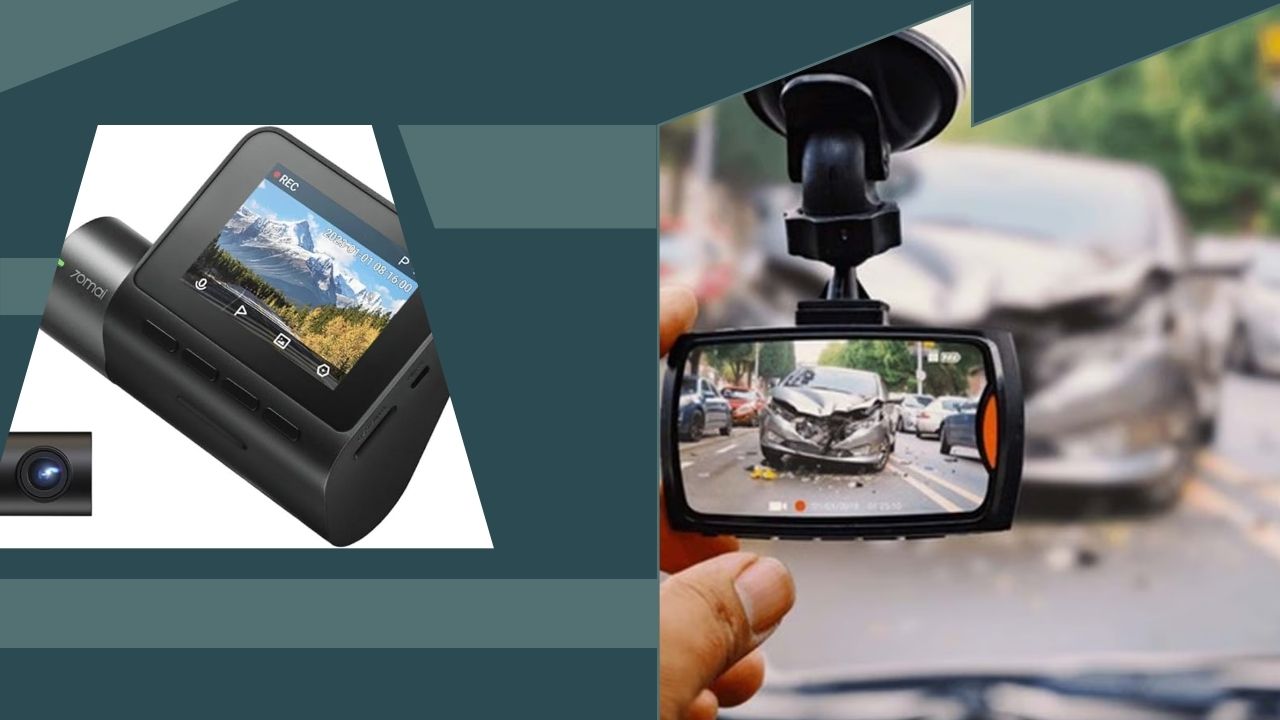
    Best Dash Cam for Cars
  3. Parking mode isn’t automatic. Almost every model needs a separate hardwire kit, typically ₹1,500–2,500, to monitor your car while it’s off. Without it, most dash cams only record while the ignition is on.
  4. One more line item people under-budget for: the memory card. A dash cam writing continuous loop footage needs a high-endurance card, not a standard one — Kingston Canvas Go Plus (₹600–900) or SanDisk High Endurance (₹700–1,200), 128GB minimum if you want more than 3–4 hours before overwriting. Format it monthly through the camera’s menu, or you risk corrupted files exactly when you need them.

Top Dash Cam Picks in India, by Budget

Model Price (approx.) What it’s for
70mai A200 ₹4,999 First-time buyers; voice control, 1080p single-channel
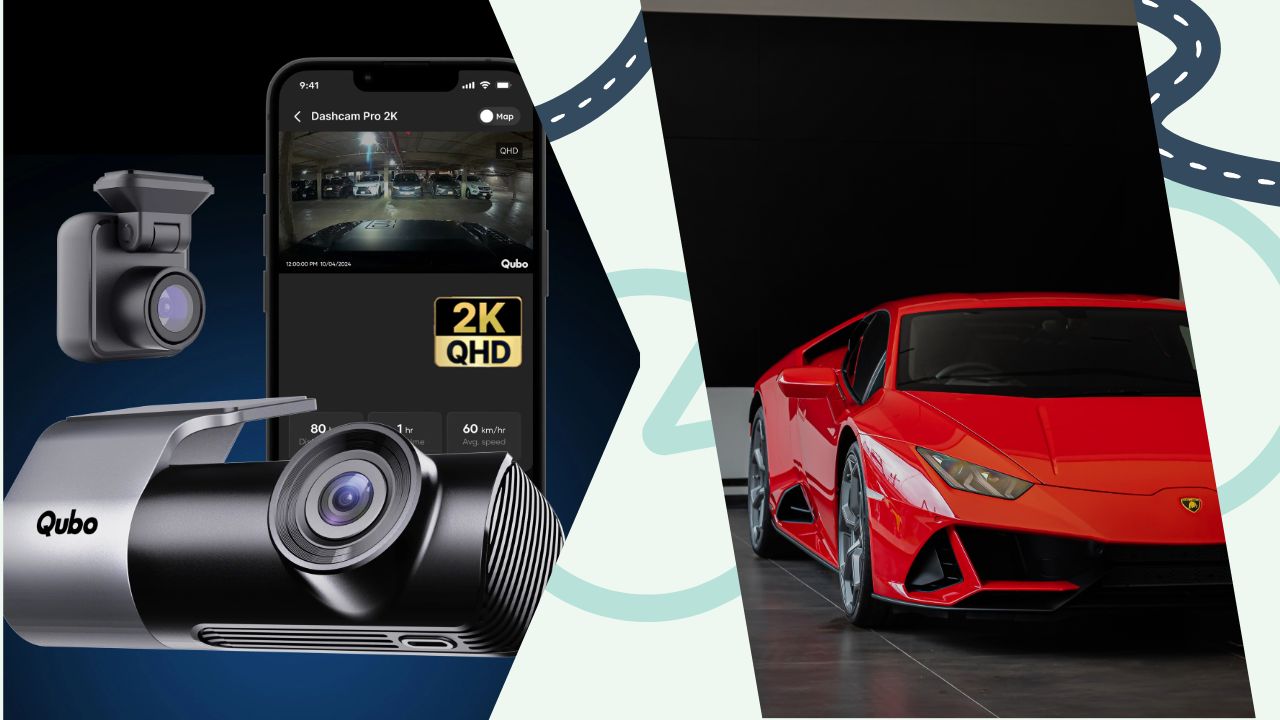
Qubo Dashcam Pro 3K STARVIS 2 Dual ₹4,499–₹12,990 Best overall value; 3K front + 1080p rear, built-in GPS
70mai A510 HDR 3K Dual ₹11,439 Tightest budget for dual-channel with STARVIS 2
REDTIGER F7NT 4K Dual ₹12,990–₹13,550 True 4K front, WiFi + GPS, 64GB card included
Viofo A229 Plus Price varies by retailer — check current listing Three-channel (front/rear/cabin), STARVIS 2, capacitor-based

Prices above are pulled from current Indian retail listings as of mid-2026 and shift with Amazon sales and festive discounting, so treat them as a range rather than a fixed number — check the best dash cam for cars listing before you decide.

70mai A200 — around ₹7,499

This is the one to buy if you’ve never owned a dash cam and don’t want to think too hard about it. Single-channel, 1080p, and honestly that’s plenty for reading a number plate within 10 metres in daylight. The party trick is voice control — say “Hey 70mai” and it starts recording or snaps a photo, which matters more than it sounds like it should when you’re stuck in Mumbai signal traffic and don’t want to take a hand off the wheel. It ships with a 32GB card, which is nowhere near enough — budget an extra ₹800 or so for a proper 64GB or 128GB card on day one, because 32GB gets overwritten in a few hours of driving.

Read More :-  How Often Should You Service Your Car? | Complete Maintenance Guide

Qubo Dashcam Pro 3K STARVIS 2 Dual — ₹4,499 to ₹12,990 

Qubo (Hero Group’s electronics arm) sells this at a few different tiers, which is why the range is wide — check which configuration you’re actually looking at before comparing it to anything else. At the upper end you get 2.7–3K front resolution paired with a 1080p rear camera, a Sony STARVIS 2 sensor for low light, built-in GPS logging, and a small onboard display so you can review footage without pulling out your phone. It’s the pick that shows up most often as “best overall” in Indian buying guides this year, mainly because the night footage holds up on the kind of unlit stretches you get on Bengaluru’s outer ring roads.

70mai A510 HDR 3K Dual — around ₹11,439

The tightest dual-channel option under ₹12,000, and it carries the same STARVIS 2 sensor as the pricier picks on this list. Where it seems to fall a little short, based on how it’s reviewed, is heat resilience — it reads as a better fit for someone who parks in a garage or covered spot than someone leaving a car in direct sun all day, so if you’re in that second category, weigh it against the REDTIGER below before deciding.

REDTIGER F7NT 4K Dual — ₹12,990 to ₹13,550

True 4K on the front camera (not upscaled), 1080p on the rear, and it uses a supercapacitor instead of a battery — which is the detail that actually matters if your car bakes on a Delhi or Chennai street through May and June. Batteries swell and die under that kind of sustained heat; capacitors don’t. It also comes with WiFi, built-in GPS, and a 64GB card already in the box, so there’s no immediate add-on cost like there is with the 70mai A200.

Viofo A229 Plus  

Price isn’t stable enough across retailers to quote a single number, so check the current listing before you commit. This is the outlier on the list because it adds a third channel: front, rear, and cabin-facing, all recording at once. Sony STARVIS 2 sensor, capacitor-based, GPS with a speed overlay baked into the footage. The cabin channel is the reason to consider it at all — if you drive for a ride-hailing platform or just want a record of what happened inside the car during a dispute, none of the other four models on this list cover that angle.

70mai A200 vs Qubo Dashcam Pro 3K

The A200 wins on simplicity and price — 1080p footage is enough to read a number plate within 10 metres in daylight, and “Hey 70mai” voice commands are genuinely useful in heavy traffic where you don’t want to touch a screen. The Qubo pulls ahead the moment you care about night driving or rear coverage: its 3K front feed and dual-channel setup handle Bengaluru’s poorly lit ring roads noticeably better, and the built-in display lets you review footage without pulling out your phone.

REDTIGER F7NT 4K vs Viofo A229 Plus

The REDTIGER is the better pick if front-camera sharpness is your priority — true 4K with a supercapacitor means it survives a car parked in direct sun without the battery swelling. The Viofo A229 Plus goes a step further with a third, cabin-facing channel, which matters if you drive for a ride-hailing platform or want a passenger-side record for disputes. It costs more and is harder to find at a stable price point, so it’s the enthusiast pick rather than the default recommendation.

Installation and the Costs Nobody Mentions Upfront

Mount it behind the rearview mirror. That’s not just a preference — it’s the placement least likely to obstruct your view or run into any ambiguity if footage is ever questioned. Most dash cams ship with a cigarette-lighter adapter for basic operation, but hardwiring to the fuse box is what actually gives you parking mode and low-voltage cutoff protection, so the camera stops drawing power before your battery drains. 
Best Dash Cam for Cars

Professional installation runs ₹1,000–1,500 in Delhi and Mumbai, and ₹500–800 in smaller cities like Indore or Kochi. Budget for the hardwire kit and the card separately — they rarely come bundled, and skipping them is how people end up with a dash cam that only half-works.

Which Dash Cam for Cars Should You Actually Buy?

If you drive daily in city traffic and just want proof when something goes wrong, the 70mai A200 or Qubo Dashcam Pro covers it without overspending. If you park on the street or in a public lot overnight, don’t skip the supercapacitor models with parking mode — the REDTIGER F7NT 4K is the stronger buy here. 

And if you’re driving for hire, ferrying passengers, or simply want the most complete legal record possible, the three-channel Viofo A229 Plus is the only option on this list built for that specific job. Match the camera to how you actually park and drive, not to whichever spec sheet has the biggest number on it.

Read More:-   How Often Should You Change Oil in Your Car? What Actually Matters in India

Conclusion 

The Best Sash Cam for Cars in India is not necessarily the one with the best resolution but the one that fits your driving habits, the place where you park and of course your budget. A good sensor, supercapacitor design, proper parking mode and a high-endurance memory card will make a bigger impact on your daily life than just picking the 4K tag. 

A dual-channel dash cam provides most private car owners with an adequate balance of cost and car insurance protection. If you park your car outside regularly, a supercapacitor unit with hardwired parking mode is definitely worth the extra money. 

For commercial drivers or those who desire the most complete evidence, a three channel system offers the best coverage. Consider a dash cam a safety and evidence tool, rather than just an accessory — it can save you much more than its purchase price when an accident or insurance claim gets complicated. 

Alok Kabir

Alok is an experienced SEO Specialist skilled in blogging and SEO-friendly content creation. He also specializes in Content Optimization and Technical SEO, including website optimization, crawlability, indexing, site speed, and on-page improvements to enhance search rankings and online visibility.

Leave a Reply

Your email address will not be published. Required fields are marked *

0

Citroën Aircross X Max Turbo 5S: 5-Seater Max Trim Launching For Better Comfort

Published Jan 27, 2026, 10:12 AM
Last Updated Apr 24, 2026, 11:24 AM

Citroën Aircross X Max Turbo 5S

Citroën is now silently tweaking its India play, the Aircross X Max Turbo 5S launching in the first half of 2022 is a manifestation of that. Revealed in January 2026, this new 5-seat version of the Aircross in the top-spec “Max” configuration is designed specifically for those who appreciate comfort and practicality rather than the highest number of seats. 

After discarding the seldom used third row, Citroën reworked the interior to accommodate more second row legroom, a much larger boot, and a slightly friendlier price tag. To sum up, the Aircross X Max Turbo 5S isn’t about cramming in more, it’s about making the most of space. 

Built-to-Order, Not Built-on-Hope

Built-to-Order, Not Built-on-Hope

This launch is a step towards transforming Citroën’s India rollout into a production following bookings model. Rather than filling dealer floors with speculative inventory, the Aircross X Max Turbo 5S is produced once a solid customer booking is received. That “demand-sensing” strategy enables the brand to match production availability with real market trends. 

Price and Positioning

The manual transmission version of Aircross X Max Turbo 5S costs ₹12.41 lakh (ex-showroom). This makes it around ₹39,000 cheaper than the Max Turbo 7-seater manual variant, making it more affordable for those who don’t need a third-row. 

Feature Citroën Aircross X Max Turbo 5S
Price (Ex-showroom) ₹12.41 Lakh
Engine 1.2L PureTech 110 Turbo-Petrol
Performance 110 PS / 190 Nm (MT)
Transmission 6-speed Manual
Seating Layout 5-seater with improved 2nd row
Boot Space 444–511 Liters
Key Safety 6 Airbags (Standard), ESP, Hill Hold

Key Features of the 5S Variant

The big change for this edition is the second row passengers are more comfortable. By dropping the third-row jump seats, Citroën has reshaped the cabin for:

Key Features of the 5S Variant

  • More Legroom: Although the second row passengers receive an extra 60 mm of space for their knees.
  • Second-Row Seating Flexibility: The second-row seats can now recline in three steps.
  • Convenience: There’s a new ‘rear center armrest with cup holder’ in the back.
  • Premium Interior: It has the premium Fauve Dark Brown leatherette upholstery along with the new dual-tone dashboard theme. 

Modern Technology and Safety

Even though it is now a single-seat configuration the Max Turbo 5S does not lose any of the tech of the top-tier trim with a 10.25-inch bezel-less touchscreen with wireless Android Auto and Apple CarPlay. It even boasts the CARA voice assistant that can speak in 52 languages.

Modern Technology and Safety

Safety continues to be a concern and 6 airbags, ESC and TPMS are now standard. In addition, the Aircross X has also been awarded a 5-star safety rating in the recently conducted Bharat NCAP crash tests. 

Its Competitor in the Market

For those families or travelers that hardly use seven seats, the Aircross X Max Turbo 5S is a more rational offer. It gives up the cramped “+2″ seating arrangement for a massive 444-litre boot and better comfort at the rear, making it a viable option for mid-sized SUVs such as the Hyundai Creta or Maruti Grand Vitara. 

Read More:- Maruti Fronx vs Baleno: See What’s The Right Choice For You in 2026 

Conclusion

Aircross X Max Turbo 5S is a welcome common-sense offering from Citroën for the Indian consumers. The brand has removed the infrequently used third row and focused more on what the majority of consumers really need–rear-seat comfort, a usable boot space, and top-trim-specs at a slightly lower price. Couple this with a demand driven ‘built to order’ business model , high levels of safety and a tried and tested turbo-petrol engine and you have a strong case for the 5S being the most sensible Aircross yet. 

For those who are undecided between mid-size SUVs such as the Creta and the Grand Vitara, but are more inclined towards space and comfort, rather than seat count, this variant finally gives Citroën an answer that can be called truly compelling. 

0

Audi vs Mercedes: Which is the Best Used Cars for Resale in 2025

Audi vs Mercedes

In the changing landscape of luxury cars, the ability to own a car that retains its value is a huge plus. When shopping for a premium used car in 2025, two titans that frequently come up are Audi and Mercedes-Benz. The two have really good engineering, prestige, and performance, but how do they compare in terms of resale value? So, if you’re considering a foray into the luxury pre-owned market this year, a little knowledge here could save you some cash and make for a less bumpy ride while you’re enjoying it. 

The Importance of Resale Value in Luxury Cars

Luxury cars generally depreciate faster than more mainstream makes. It’s a reality that most buyers have to grapple with: a new car loses a chunk of its value as soon as it drives off the lot. Still, how much it loses — and how quickly it depreciates — varies significantly between makes and models. In the case of luxury cars, this depreciation is typically rather steep in the first few years, but then it levels off as the car gets older.

Resale value is important because it indicates how much money you will recoup when you upgrade or get rid of your car. A car that holds its value well is generally more buyer-friendly as well, making it a better investment in the long run. 

Audi vs. Mercedes-Benz: Who Holds the Crown?

When comparing Audi vs. Mercedes-Benz, remember their resale value because it will become a financially strong decision. Both have different time-periods for resale options, as these manufacturers have differing behaviors in each of those time periods.

Mercedes-Benz: The Short-Term Resale Champion

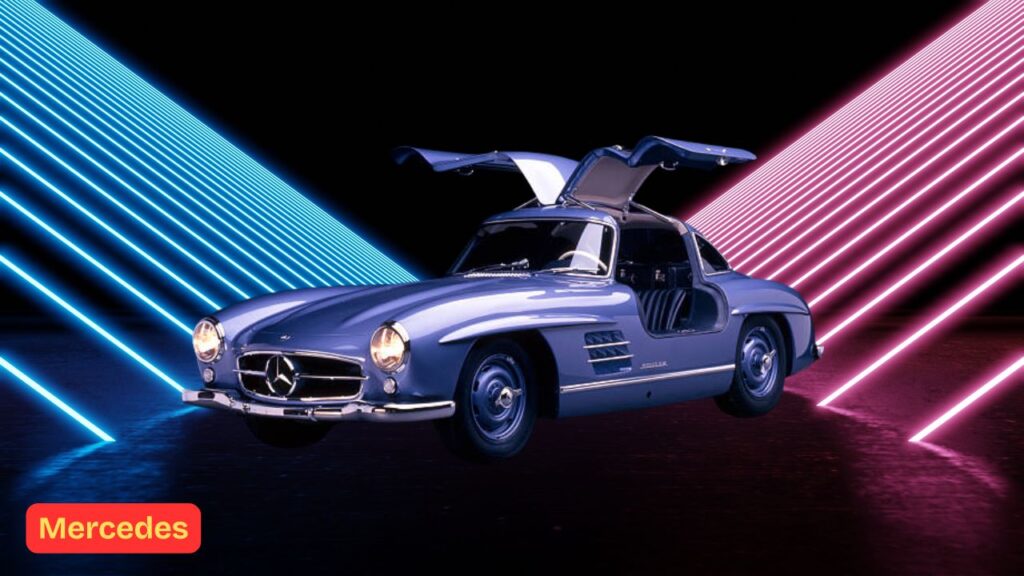
Mercedes-Benz is a blend of luxury, reliability and prestige, that play a big part in its resale value. The make is particularly good at holding onto early ownership value. For example, the Mercedes E-Class generally recoups 55-60% of its original value after three years — a good number for the luxury class.

Mercedes-Benz

Why does Mercedes succeed so well? For one, there’s the brand’s cachet. Mercedes has a broadly established name and its service networks are vast especially in metro cities like delhi mumbai and bangalore. That gives buyers confidence that they won’t have a headache taking care of and servicing their car, which is a big plus when they go to resell it. 

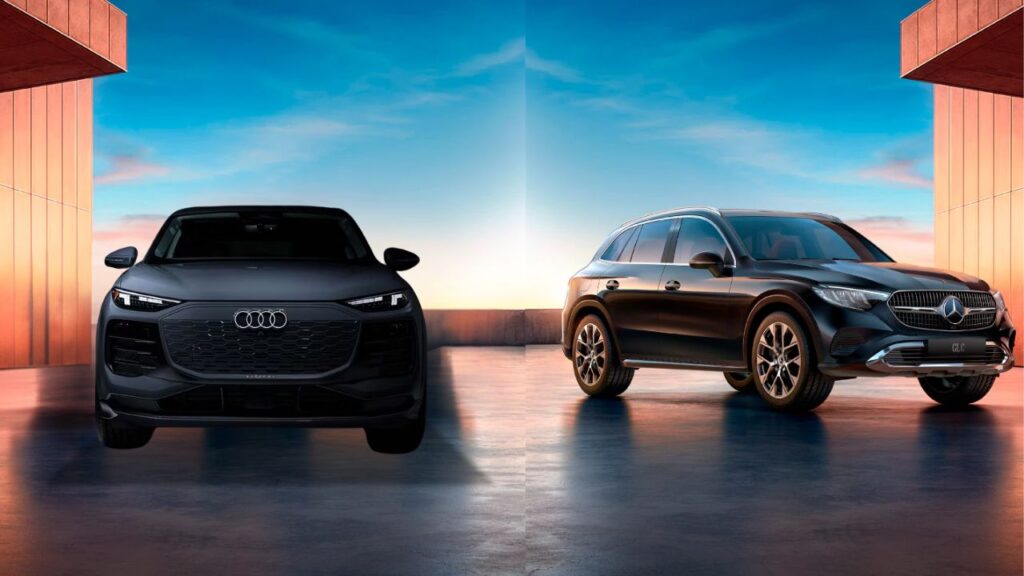
There are used versions of the E-Class, the C-Class, and even the GLC SUV that are in high demand. In particular, the GLC capitalizes on increasing demand for luxury SUVs, occupying a solid position in the minds of buyers looking for a good premium compact SUV. 

Audi: The Long-Term Value Contender

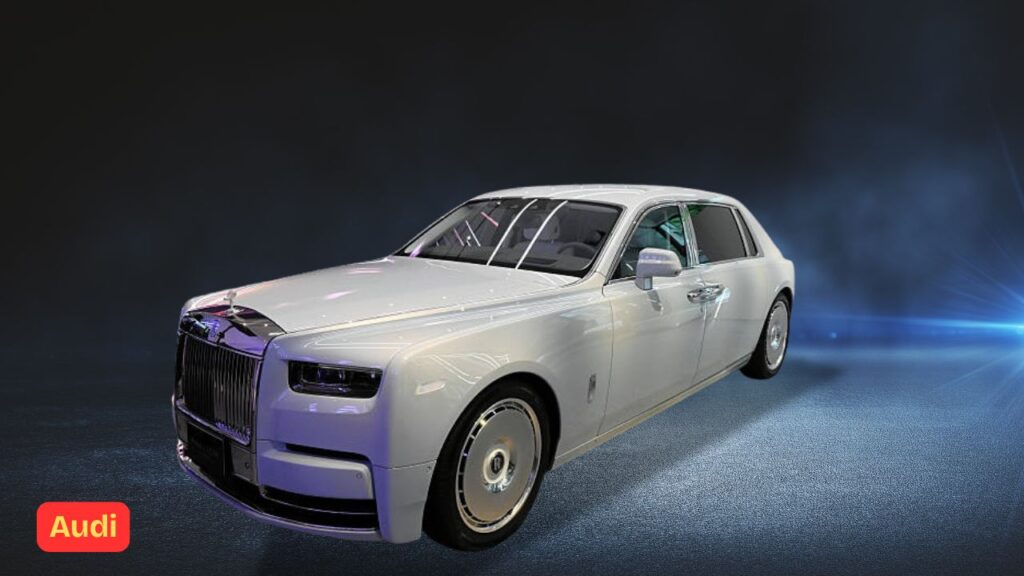
Among premium brands, however, Audi is a different beast. It may not be worth as much as a Mercedes the first three years, but like Audi, Mercedes has an incredibly high long-term value. Studies show that Audi has a 54.4% retention rate over five years, beating Mercedes-Benz by a large margin, which is around 48.6% during the same period.

Audi’s attraction is a stylish mix of technology and more affordable maintenance. Such models as the Audi A4 and Q3 combine luxury and practicality with initial outlay that’s a bit lower than comparable Mercedes models – which appeals to buyers worried about both cost and quality.

Audi

In particular, the Q3 and Q5 have gained a massive following among city consumers because of their small size, sporty design and fuel efficient driving. Also, resale values for petrol versions are increasingly higher, as emission regulations and buyers’ preference shift away from diesel versions. 

Key Factors Driving Depreciation and Value Retention

Luxury vehicles lose value rapidly, often shedding half or more of their original purchase price by the time they reach three years old. Here’s a quick summary of the patterns of depreciation that most luxury vehicles are subject to:

  • The first year sees the sharpest decline, usually 15-25 %.
  • Years two to three then follow with an additional 10-15% drop per year.
  • During the fourth and fifth years, the rate falls to around 8-10% a year.
  • In most cases after six years, the car holds its value with depreciation slowing down. 

Several factors influence this depreciation rate:

  • Brand Prestige and Recognition: The long-term positioning and brand loyalty of Mercedes-Benz also provides it with a layer of protection from the rapid depreciation.
  • Service and Maintenance Infrastructure: The extensive network of Mercedes service centers also provides reassurance to prospective buyers who are vary of maintenance costs.
  • Fuel Type Preference: Due to increasing environmental consciousness and regulatory norms, petrol cars generally hold better resale value as compared to diesel cars.
  • Urban Demand: Metro cities are the place to buy and sell luxury cars and this impacts the turnaround of models such as the Audi Q3 or Mercedes GLC. 

Read More:- Top 10 Most Fuel-Efficient Cars in India Under ₹10 Lakhs You Must See in 2025

What Brand and Model Should You Get?

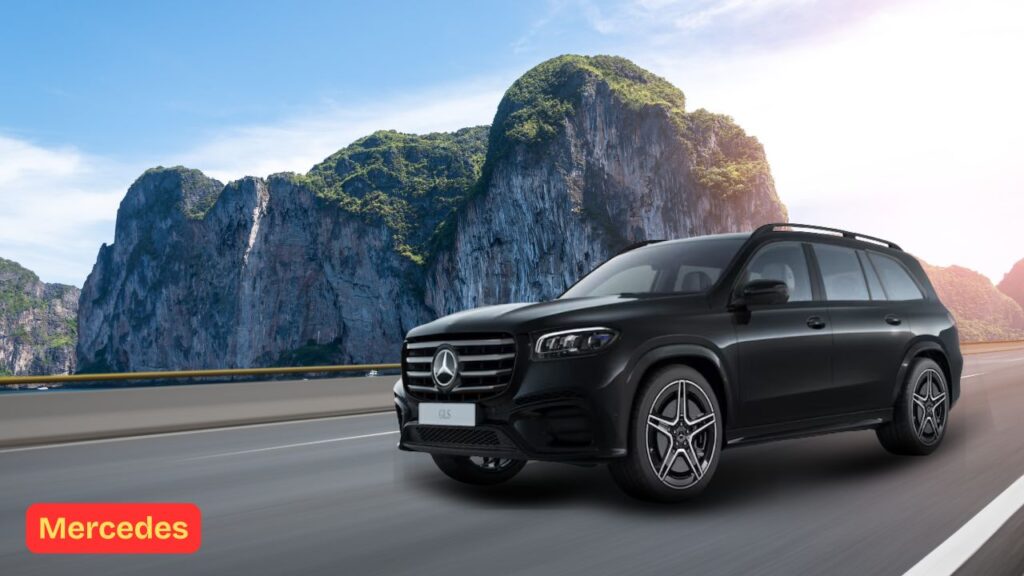
If you’re only interested in gaining the highest resale value over a short period, Mercedes-Benz (and particularly the E-Class) tends to be the safer bet. The combination of luxury and comfort coupled with high demand in the used car market really keeps its value high in the first 3 years. 

Mercedes-Benz

On the other hand, if you plan on keeping your vehicle for a little longer or you want to spend a bit less up front, Audi’s A4, Q3 and others models have appealing value propositions. Their long term resale value, sleek designs and the fact that they tend to be cheaper to maintain also makes them the best choice for those who intend to keep their vehicles for five years or more.

Audi

The rising popularity of luxury compact SUVs such as the Mercedes GLC or the Audi Q3 makes these top choices in terms of resale value. With the world turning more towards SUVs, their demand that they have makes their used car market very appealing. 

Here is a list of popular Audi and Mercedes models Along with their approximate market prices in India & what they will cost in 2025! 

Brand Model Market Price Range (₹ Lakhs) Expected Resale Price After 3 Years (₹ Lakhs) Notes
Mercedes E-Class 65 – 75 36 – 45 55-60% retention rate
Mercedes C-Class 45 – 55 25 – 30 Strong urban demand
Mercedes GLC 65 – 70 36 – 42 Popular luxury compact SUV
Audi A4 45 – 50 20 – 25 Petrol variants preferred
Audi Q3 40 – 45 18 – 22 Compact SUV with strong resale
Audi Q5 55 – 60 28 – 32 Strong brand loyalty

Timing Your Sale for Maximum Value

What many people also don’t know is that a key to making the most of your investment in a luxury car is to sell it at the right time. The sweet spot is usually about three years. At this stage, your car will have retained a hefty chunk of its original value, but you will have reaped most of the rewards of driving a new(ish) luxury car.

Keeping the car past five years is normally less about holding value, and more about holding the experience of ownership, unless you have an iconic, classic or rare model. 

Read More :-  Upcoming Car Launches in India for Diwali 2025

Conclusion

When it comes to picking between Audi and Mercedes-Benz for a used luxury car in 2025, it really depends on what you value most. For the short-term value, prestige, and service convenience, Mercedes-Benz will make you happier. Conversely, if you prefer a lesser upfront expense and a vehicle that retains its value well over the long haul, with excellent performance, then Audi could be the better choice.

Remember the effect of fuel type, model popularity and your location on resale values too. From the commanding presence of the Mercedes E-Class to the sleek and versatile Audi Q3, a little research and knowledge of depreciation can turn your luxury car experience into not only one of comfort but smarts when it comes to your finances.

Buying a luxury used car is a dance between passion and practicality, and in 2025 both Audi and Mercedes-Benz have plenty of intriguing choices for varied tastes and requirements. 

0

MS Dhoni Car Collection: 7 Best Cars You Must See in 2026

Published May 23, 2025, 1:03 PM
Last Updated Apr 2, 2026, 8:16 AM

MS Dhoni Car Collection

MS Dhoni, one of the best cricketers in the world, thanks to his on-field prowess, is also known for his passion for luxury cars. MS Dhoni’s love for cars The former Indian cricketer has a taste for high-speed cars, and has an enviable car collection that speaks volumes about his collection, personality, and love for cars. Whether you are an automobile lover or simply a Dhoni Crazy, his car collection should not be missed at any cost.

If you would like more details on the car, check out 7 stunning cars from MS Dhoni Car Collection that will leave you stunned in 2026 In this article, let me show you the list 7 staggering cars from the MS Dhoni Car Collection that will surely blow you out. These cars are much more than just cars, they bear a witness of Dhoni’s love for speed, style, and luxury. Let’s dive right in!

Jeep Grand Cherokee Trackhawk – The Beast of the Road

Jeep Grand Cherokee Trackhawk The Jeep Grand Cherokee Trackhawk is a beast indeed and no wonder, it sits among the most powerful SUVs in MS Dhoni Car Collection. Costing approximately Rs 1.2 crore, this monster is powered by a supercharged 6.2-litre V8 motor. At 707 horsepower and 875 Nm of torque, it shouldn’t really be such a shock that this SUV does 0-60mph in just a few seconds!

Jeep Grand Cherokee Trackhawk – The Beast of the Road

Image Credit: Smartprix

The inside is also stunning with high-end amenities and top-of-the-line tech. The Jeep Grand Cherokee Trackhawk is the ride of a lifetime. The sheer firepower and the speed puts it a cut above in terms of Dhoni’s collection. If you are one of those people who have a healthy admiration for really powerful engines and great road presence, this is your car – the car that will definitely make an impression.

Rolls-Royce Silver Wraith – The Enduring Refinement by a Iconic Brand

Following we have the Rolls-Royce Silver Wraith. This vehicle is brilliantly packed with luxury. The Silver Wreath costs Rs50 lakh and is a veritable work of art. It is driven by a 6.75-liter V8 engine, which may not be the hottest in terms of horsepower, but it delivers a silky, plush ride. The interior workmanship of this tire home is quite exceptional and one is at a loss for words, everything has been meticulously thought out to create an ultra comfortable and stylish habitat.

Rolls-Royce Silver Wraith – The Enduring Refinement by a Iconic Brand

Image Credit: Smartprix

The Silver Wraith is great for classic car enthusiasts who appreciate a rich past. It is a statement car which says a lot about MS Dhoni’s preference for the more refined things in life. From the moment you slide in the driver’s seat and press the push button to start the engine, driving this car is not simply driving from here to there – it’s driving the ultimate form of luxury and elegance.

Ferrari 599 GTO – The Fastest of Them All

If race is your thing, then this will definitely blow your mind – MS Dhoni’s Ferrari 599 GTO! This supercar is one of the speediest cars in Dhoni’s garage. Pricing around Rs 3 crore, the 599 GTO is powered by a 6.0-liter V12 motor producing 661bhp. It hits speeds of up to 208 mph: The car is one of the most exciting to drive.

Ferrari 599 GTO – The Fastest of Them All

Image Credit: Management Panditz

The Ferrari 599 GTO looks breathtaking with its winning looks and sexy structure. The car, performance, handling and acceleration of the car is any car lover’s dream. Dhoni’s Ferrari is enough for us to see his passion for speed and glamour.

Mitsubishi Pajero SFX – The Off-Road Legend

Another standout in the MS Dhoni Car Collection is the Mitsubishi Pajero SFX. Priced at Rs 18.81 lakh, this SUV is a legend in the world of off-roading. With a 2.8-liter turbocharged diesel engine that produces 118 horsepower and 292 Nm of torque, the Pajero SFX is built to conquer even the toughest terrains.

Mitsubishi Pajero SFX – The Off-Road Legend

Image Credit: Smartprix

It’s known for its durability and ruggedness, making it the perfect choice for adventure seekers who enjoy exploring the great outdoors. The Pajero SFX has a strong, reliable build and provides a smooth and powerful driving experience, especially in off-road conditions. For Dhoni, this car represents his love for adventure and his need for a dependable, tough vehicle.

Hummer H2 – The King of SUVs

The Hummer H2 was designed to be a less expensive, more practical, more refined version of the H1. Costing Rs 75 lakh, this beast is equipped with a 6.2-litre V8 engine churning out 398hp and 574 Nm of peak torque. The Hummer H2 is designed to conquer any and all terrain, from city streets to mountain trails.

Hummer H2 – The King of SUVs

Image Credit: Smartprix

Inside, the interior of the Hummer H2 is both luxurious and roomy, with high-quality amenities. It represents the ideal blend of power, luxury and off-road potential. One of Dhoni’s pride is the Hummer H2, and one of the feature cars in the MS Dhoni Car Collection, expressing Dhoni’s fondness for heavy duty macho vehicles, which can go off road for any challenge.

Audi Q7 – The Finally Family Luxury SUV

If you are searching for a luxurious SUV with a mix of comfort, technology and performance you’re searching for, then you’re unlikely to go wrong with the Audi Q7, priced from Rs 84 lakh, it gets a 2.0-liter turbocharged four-cylinder engine and a 3.0-liter V6 to pick from. The Audi Q7 is perfect for driving in the city or getting out and enjoying a long road trip.

Audi Q7 – The Finally Family Luxury SUV

Image Credit: Audi

Inside, the cabin is roomy and upscale, with modern tech and a smooth ride for everyone. Luxurious, 7-passenger, 3-row SUV with dynamics and driving that will make you look forward to your commute! It should come as no surprise that this car fits into Dhoni’s collection due to its practicality and reliability, matching the Cricketer’s easy going lifestyle.

Kia EV6 – The Electric Future Simplified

And finally, there’s the gorgeous all-electric Kia EV6, which is one of the cars owned by MS Dhoni. Priced at Rs 61 lakh, this car, is the future of sustainable mobility. The EV6 has 58 kWh and 77.4 kWh battery options that help deliver a healthy driving range alongside quick acceleration.

Kia EV6 – The Electric Future Simplified

Image Credit: Smartprix

The car’s futuristic look and cutting-edge features are its main draws, but it also just happens to be environmentally friendly, meaning it’s the car of choice for anyone looking to drive forward into the new eco age. Dhoni choosing the Kia EV6 also shows his inclination towards future with automobiles. It’s not just about doing the best you can burning gasoline; it’s about the environment, too.

Conclusion

The MS Dhoni Car Collection is really something to admire. From muscle cars to luxury SUVs, every car in his collection embodies his enthusiasm for speed, design and power. Be it a racy Lamborghini Gallardo, a plush ride like the Rolls-Royce Silver Wraith, or an electric model like Kia EV6, Dhoni’s fleet has something in store for every car enthusiast.

Five years on and in 2026 his garage expresses who David is, his status and car passion. So if you are a fan of MS Dhoni or you have a certain liking for luxury cars, then MS Dhoni’s car collection is something that you just can’t resist! There will be no arguing that these cars sound distinct out on the road.

Also Read : Top 10 Cars in Pat Cummins Car Collection That Will Blow Your Mind

FAQs (Frequently Asked Questions)

Doеs MS Dhoni own a Fеrrari in his car collеction?

Yеs, MS Dhoni owns a Fеrrari 599 GTO, a high-pеrformancе supеrcar with a 6.0-litеr V12 еnginе, producing 661 horsеpowеr.

What is thе latеst car addеd to MS Dhoni’s car collеction?

Thе latеst addition is a Rangе Rovеr Autobiography, spottеd rеcеntly nеar his farmhousе. 

Arе thеrе any vintagе cars in MS Dhoni’s car collеction?

Yеs, Dhoni’s collеction includеs vintagе cars likе a 1969 Ford Mustang, 1971 Land Rovеr Sеriеs 3, and a 1974 Pontiac Firеbird Trans-Am.

How much is MS Dhoni’s car collеction worth?

Whilе an еxact figurе isn’t publicly disclosеd, Dhoni’s car collеction includеs high-еnd modеls valuеd at sеvеral crorеs, rеflеcting his passion for luxury automobilеs. 

0

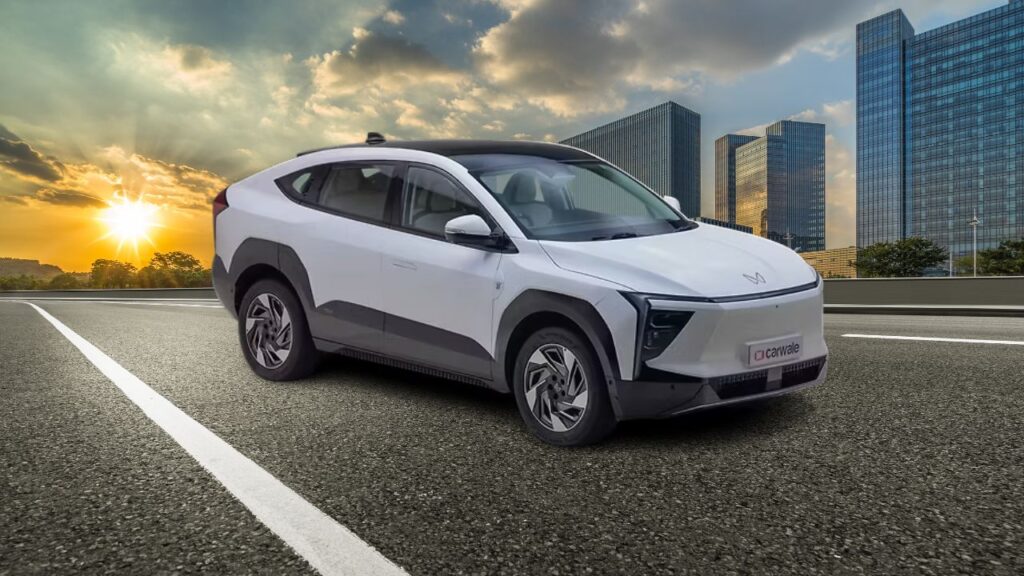
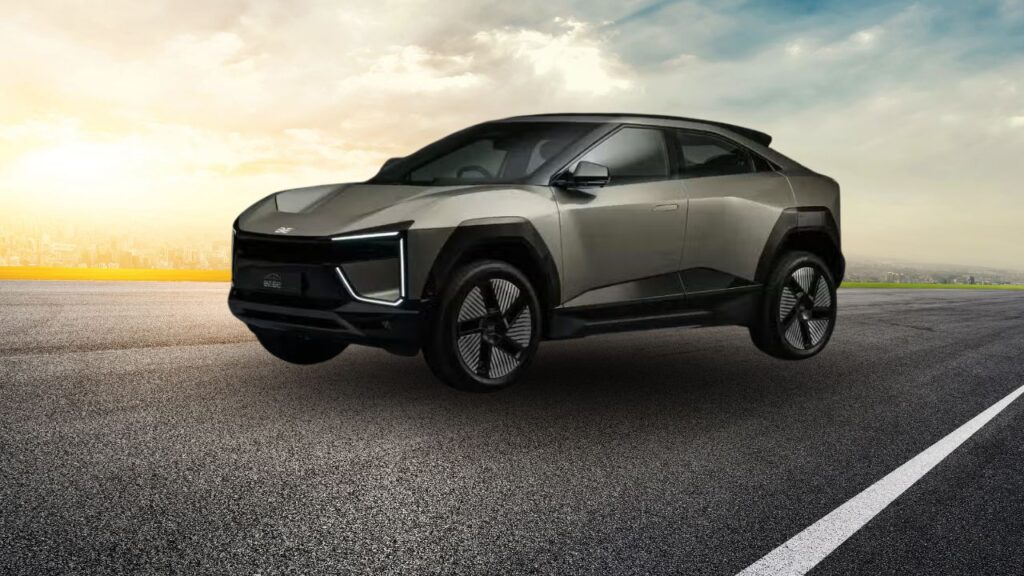
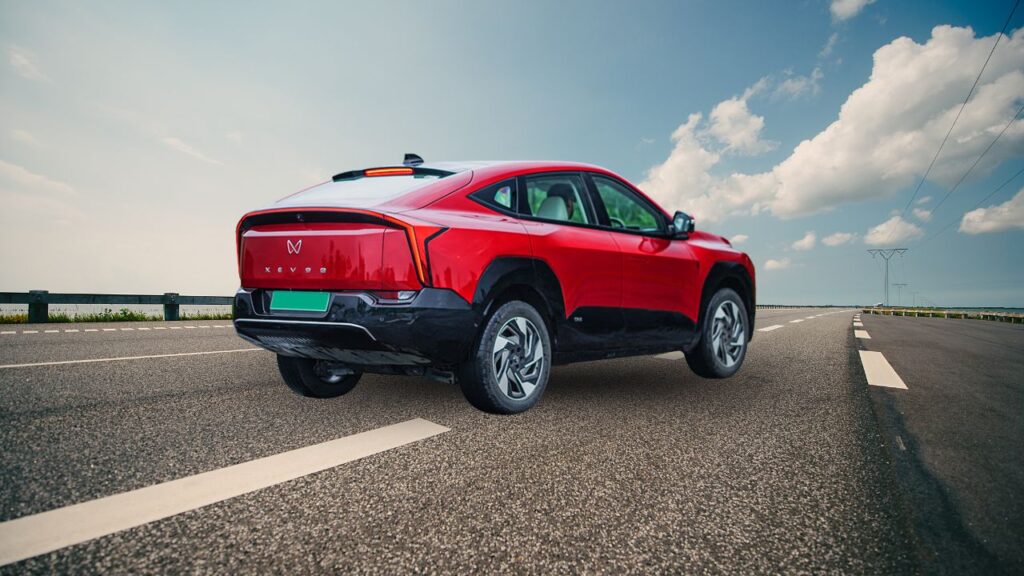
Mahindra XEV 9e Specs and Features: Complete Details & Latest Updates

Mahindra XEV 9e Specs and Features

In 2024, Mahindra brought the XEV 9e to the fore in November, this marked a phenomenal shift in India toward top quality electric cars. This is a coupe-style electric crossover on Mahindra’s new INGLO platform, which was engineered from the ground up for EVs. It’s more than just another electric suv. If you’re curious as to why this vehicle is so hyped up, here’s everything you need to know about the Mahindra XEV 9e. 

The Price That Makes Sense

Starting at ₹21.90 lakh (ex-showroom), the XEV 9e is well-presented in the Indian EV space. The pricing is well thought-out with the variants going all the way up to ₹30.50 lakh for the top end Pack Three variant with the bigger battery. What you need to know is the charger is sold separately, so plan your budget accordingly. Deliveries started in February 2025 and the reception has been overwhelming—more than 10,000 units of the XEV 9e and its sibling BE 6 were sold within 70 days after launch. 

Battery and Range: The Heart of the Matter

It is also in such areas that the XEV 9e really happens to excel. Two versions of LFP battery packs are available for you: 59 kWh and 79 kWh, built on BYD’s dependable Blade Battery technology. The 59 kWh version offers a strong 542 km range while the larger 79 kWh battery takes it up to 656 km that’s sufficient to do most of your daily travel and weekend driving with no range anxiety.

Battery and Range

On the European WLTP cycle, the 79 kWh model achieves approximately 533 km, which could be considered a more realistic number for everyday driving.

Charging time? The 11.2 kW onboard charger can charge your 59 kWh battery in 6 hours and the 79 kWh model in 8 hours. If you’re in a rush, the 180 kW DC fast charger will get you from 20 to 80 percent in just 20 minutes, great for highway stops. 

Performance That Punches Above Its Weight

The XEV 9e is not just a matter of necessity; it is really good fun to drive. The 228 hp and 380 Nm the 59 kWh version, while the more powerful 79 kWh variant produces 282 hp with the same 380 Nm. Each car can be had with the 6.8-second 0–100 km/h sprint time, which is not bad for a midsize SUV. You can also recapture energy and extend your range with the regenerative braking system with three levels of adjustability including one-pedal driving.​

The car has several drive settings – Default, Range, Everyday, Race and Snow – which allow you a bit of versatility whether you are getting through traffic in the city or up a mountain road. 

Read More :- Best Sunroof Cars Under 12 Lakh: Affordable Models With Premium Features

Design That Turns Heads

This is where the collaboration of Mahindra and Pininfarina flourishes. The XEV 9e features a closed-off grille as many modern EVs do and a stunning coupe-SUV form with edgy lines. There are connected LED DRLs, a light bar running across the fascia and triangular LED headlights with a creative design up front. The package is rounded out with 19-inch alloy wheels (20-inch units are available) and a connected LED taillight design with an integrated spoiler at the rear. 

Design That Turns Heads

It’s a technological tour de force inside the cabin. The instrument cluster displays three 12.3-inch screen areas: the one for the front passenger, the infotainment, and the one for the driver. The panoramic sunroof lets in an ample amount of natural light and the two-spoke multifunction steering wheel is very elegant. 

Technology and Features 

The XEV 9e is crammed with modern features. A Harman Kardon 16-speaker, 1400W system delivers incredible sound. Standard features include a 360-degree camera, dual-zone automatic climate control and wireless phone charging. The car also features Level 2 ADAS (Advanced Driver Assistance Systems) including adaptive cruise control, lane keep assist and emergency braking tailored to Indian road condition. 

Technology and Features

One distinctive feature that owners absolutely love, With the key fob, the car can be driven forward and backward — it’s a showoff feature that actually comes in handy in cramped parking lots. 

Safety: A Five-Star Fortress

Safety is no exception, and the XEV 9e doesn’t disappoint. It got a 5-star rating in the Bharat NCAP crash test, scoring high in adult and child occupant protection. The vehicle comes with up to 9 airbags (variant specific), electronic stability control, hill hold assist and ISOFIX child seat anchors. 

Conclusion

The Mahindra XEV 9e is a new frontier for Indian electric mobility. It’s the practical-range, premium-feature, middle-class-acceptable-performance, thoughtful-design all rolled up into one, and at a price that doesn’t involve selling your soul. If you are a tech nerd, environmental advocate, or just a person who likes really well made cars, the XEV 9e is worth a look. It’s more than a car— it’s a sign of how Indian automotive engineering will evolve in the future. 

0

Manual vs Automatic Cars — Which One Should You Buy?

Published May 29, 2026, 1:07 PM
Last Updated Jun 19, 2026, 9:47 AM

Manual vs Automatic Cars

Buying a new car made you jump on the debate in Manual vs Automatic Cars. You start looking for manual cars then you remember that you don’t have a budget or you need more fuel efficiency, so understanding which car you should buy is crucial and this comparison will help you find out. 

Both gearboxes have earned their place on the road. The real question isn’t which is better — it’s which is better for you.

Manual

Stick shift

Automatic

Self-shifting

  • Full control over gear selection
  • Easier in heavy stop-start traffic
  • Typically cheaper to buy & maintain
  • Faster lap times (modern dual-clutch)
  • Better fuel efficiency (older models)
  • Lower learning curve
  • Driver engagement & “feel”
  • Better for accessibility needs
  • Harder to steal in many regions
  • Dominant in EVs & hybrids

Why This Comparison Still Matters

In an era where electric vehicles are rising and dual-clutch automatics are faster than any human thumb, you’d think the manual vs automatic debate is dead. It isn’t. Every year, millions of first-time buyers and experienced drivers switching segments, face this exact fork in the road.

This debate is consistently occurring because both transmissions are genuinely excellent at what they’re designed to do. There’s no universal winner. The “right” choice depends on your city, your commute, your budget, and honestly — your personality.

The best transmission is the one you’ll enjoy driving every single day, not the one that wins a spec sheet comparison.

The Case for Manual Cars

Driving a manual isn’t just a skill — it’s a philosophy. When you control the clutch and shift yourself, you’re not a passenger in the driving experience; you’re the co-author of it. Enthusiasts will tell you that a mountain road in a manual car is a fundamentally different — and richer — experience than the same road in an automatic.

Beyond romance, manuals carry real practical advantages. They tend to cost less upfront (often ₹50,000–₹1 lakh cheaper on the same model in India), have simpler transmission mechanics that are cheaper to repair, and give you full authority over engine braking — useful in hilly terrain or wet roads.

There’s also a security perk that rarely gets mentioned: a significant portion of car thieves in India and globally simply don’t know how to drive stick. A manual car can be a surprisingly effective deterrent.

Read More:-  Kendrick Lamar Car Collection is Classic Garage With Old & New Luxury Cars

The Case for Automatic Car

Modern automatics — especially CVTs and dual-clutch transmissions — have erased almost every disadvantage they once carried. Today’s 8-speed torque-converter automatics shift faster than a human hand, and DCTs used in performance cars are flat-out faster on a track than any manual equivalent.

In Indian traffic conditions — Lucknow’s congested chowks, Bangalore’s perpetual gridlock, Mumbai’s coastal highway crawl, the case for automatic is almost self-evident. Clutch fatigue is real. Left-knee strain from thousands of small engagements in a daily commute adds up. An automatic eliminates all of that, leaving mental bandwidth for actual driving decisions.

In city traffic, an automatic doesn’t just make driving easier — it makes it safer, by keeping both hands on the wheel and both eyes on the road.

Automatics are also the only real option if you’re buying a hybrid or EV. The Maruti Suzuki Grand Vitara’s strong hybrid, Tata Nexon EV, or MG Windsor — all automatic by design. The future of powertrain tech is speaking clearly here.

Head-to-head Comparison of Manual & Automatic

Factor Manual Automatic
Purchase price Lower (same model) ₹50k–₹1.5L premium typically
City driving ease Tiring in traffic Significantly easier
Highway driving More engagement, fine Effortless cruise
Fuel economy Better (driver-dependent) Near-equal in modern units
Maintenance cost Lower long-term Gearbox service is pricier
Resale value Lower in urban markets Higher demand in cities
Driving fun Higher engagement Depends on transmission type
Accessibility Harder for some users More universally usable

Both Sides Of The Argument Are Genuinely Valid

Here’s what the internet debates often miss: manual vs automatic transmissions solve different problems excellently. A manual car in the hands of an engaged driver on a smooth state highway is pure joy. That same car in the rush hour of the city is a workout nobody asked for.

Conversely, an automatic is undeniably more accessible, less fatiguing, and increasingly more fuel-efficient. But ask a driving purist and they’ll tell you something important is lost — that thin-but-real tactile feedback between you and the road.

Neither camp is wrong. The manual loyalist isn’t being nostalgic for nostalgia’s sake. The automatic advocate isn’t being lazy. They’re optimizing for genuinely different things: one for immersion, one for practicality.

Who Should Buy What?

Choose manual if: you are long trips enthusiast and travel is your passion because experiencing the driving on open road is itself enjoyable, you have enough budget, or you live in a hilly area where engine braking matters.

Choose automatic if: you need to go to the office daily because it is the most rush hour in the city, you want to buy an EV, or you are a beginner.

And if you’re genuinely torn? Drive both. Borrow a friend’s car for a week. One rush-hour commute in a manual versus an automatic will give you an answer no spec sheet ever can.

Conclusion

The Manual vs Automatic Cars debate happens when you are going to buy a car because your friends might suggest their opinion, your family says something else and you get confused. It is not a perfect answer of which is right, because both transmissions are right in their own context. Buy the one that fits your daily reality, your budget, and the way driving makes you feel. That’s always the correct answer.