0

How to Improve Gas Mileage: 15 Proven Tips That Actually Save Fuel

How to Improve Gas Mileage

Petrol in Delhi is holding at ₹105 a litre this week, and Mumbai drivers are paying past ₹111 — rates that haven’t moved much since the last OMC revision in May 2026. You are probably wondering about how to improve gas mileage of your car. Because it actually helps you save money. It’s the difference between a ₹2,000 tank lasting your commute eight days or eleven. 

Most of what kills mileage in Indian driving conditions has nothing to do with the engine under the hood and everything to do with habits you can fix by this weekend. Let’s understand the 15 proven tips that genuinely move the needle on gas mileage, ranked roughly by how much difference they make.

1. Ease Off the Gas Pedal

Road rage was one of quickest means to empty a gas tank without actually going any faster. Quick brakes and acceleration with tight force can actually let your engine work harder than it has to. That extra effort means more fuel consumption, more wear on your brakes and tires

Research shows that aggressive driving can lower your gas mileage by up to 30% on the highway and more than 30% in city traffic.

2. Keep Your Tires Properly Inflated

When tires are underinflated, if they don’t have enough air roll easily they require more push and for that engine has to burn more fuel to keep the same speed. Flat tires mostly cause lower fuel economy, uneven wear of tires and affect braking and handling.

It’s recommended to check your car’s tire pressure every month and before going on a long trip. The little maintenance habit can increase your mileage and tire life. 

3. Don’t Ignore Your Air Filter

Your engine requires a constant flow of clean air to burn fuel properly. The air filter restricts the flow of air to the engine as it gets clogged by dust, dirt, leaves and other debris, hence the engine has to work harder to make the same power. 

On a lot of cars, it’s a quick job that doesn’t require any special tools. Most manufacturers advise to check the air filter at every service and change it at the intervals. 

Read More:-  How to Transfer Car Ownership in India: A Step-by-Step RTO Guide (2026)

4. Lighten Your Load

When your trunk becomes just a holding space for stuff, your fuel economy could be suffering without you knowing it. If there are any heavy objects like games equipment, boxes, and tools that are unnecessary, remove them.

If weight increases more than standard capacity like 45 kg (100 lbs) can decrease fuel efficiency by about 1-2%, and it impacts mostly in city driving and stop-start traffic.

5. Use Cruise Control on the Highway

Cruise control can be used to increase the fuel efficiency while driving on open highways by avoiding speed fluctuations. Speed changes, small ones included consume extra fuel as the engine needs to accelerate and decelerate the vehicle repeatedly. 

Long drives go smoothly with the help of Cruise Control as it prevents needless changes. It may not be good for busy traffic roads but best for fairly flat interstates, where steady speeds can help squeeze the most from every liter of gas. 

6. Avoid Excessive Idling

Idling your car wastes gas, and it doesn’t even get you anywhere. Waiting to meet someone, waiting outside a store or driving with your engine running while you’re parked your wasting fuel for no distance covered. 

New cars already have automatic start-stop systems for this very reason. Quick start and stop can make everything so easy and saves fuel on idling. 
How to Improve Gas Mileage

7. Combine Your Errands

When you start your car, the engine will take time to warm up and it uses more fuel to make it completely warm. If your engine gets cold and you try to warm up 5 times a day then your fuel burns more than it burns at one go. 

So combine all your errands and try to complete it once you start your engine. Do not let yourself be drawn to a lot of shorter trips in a day. It can also help you avoid extra miles and time on the road.

8. Watch Your Speed

To reach faster at your destination will consume more fuel from the tank. So avoid leaving your home late and take a ride at steady speed so it saves your fuel as aerodynamics normally.

With most cars, fuel economy starts suffering fairly rapidly once you’re driving faster than about 90–100 km/h. Even dropping your cruising speed by 10–15 km/h on long road trips on the highway can help you save a little gas. 

Read More :- Zero Depreciation Car Insurance: Benefits, Coverage & Cost

9. Keep Your Windows Up at High Speeds

How you cool your vehicle can also impact gas mileage especially on the highway. On the highways, you probably drive fast and leaving your window open creates drag which forces the engine to work harder to move the vehicle through the air. 

You can open windows at short and slow speeds in a city. Turning on the AC is more fuel efficient on highways or running at high speed.

10. Get Regular Tune-Ups

If you want to drive a car which can be fuel efficient then take care of it regularly. Regular maintenance including checking engine oil, plugs, sparks, tires are required to increase fuel efficiency. When these are not fixed, your engine works harder and consumes more fuel and gives poor performance.

Read a manual to keep following the manufacturer’s recommended service which lets your car at its best condition, improves fuel economy and can save you from costly repairs. 

11. Use the Manufacturer-Recommended Motor Oil

Using the wrong grade of oil can actually reduce your fuel economy. Check your owner’s manual and stick to what’s recommended — it’s a small detail that makes a real difference.

12. Don’t Overuse the AC in Stop-and-Go Traffic

Air conditioning puts extra load on your engine. In heavy city traffic, cracking a window instead of blasting AC can help — though on the highway, the reverse is often true (see tip #9).

13. Plan Your Routes to Avoid Traffic

Sitting in traffic means idling, braking, and accelerating over and over — the worst combination for fuel economy. A slightly longer route with steady flow can actually save more fuel than the “shortest” route full of stop-and-go.

14. Check Your Wheel Alignment

If the car wheel is misaligned then your engine puts more force to move your car forward. It silently eats your mileage and if the car pulls to one side then get an alignment check quickly because your tires wear out. 

15. Consider Your Driving Environment

Temperature also affects your engine and batteries because cold weather can cause your engine to get cold easily and it sometimes hard to start the engine. So it takes time and more fuel to warm up the engine which is not good for short trips. This helps you set realistic expectations and adjust your habits rather than assuming something’s wrong with your car.

A Real Comparison: Habits vs Hardware
How to Improve Gas Mileage

Parameter Maruti Suzuki Swift Hyundai Grand i10 Nios
ARAI-rated mileage (petrol) ~22–24 kmpl (actual: 24.8 kmpl manual, 25.75 kmpl AMT)  ~20–22 kmpl (actual: 18 kmpl manual, 16 kmpl AMT) 
Real-world mileage (aggressive city driving, poor habits) 14–15 kmpl (as per your input) Not specified, but likely lower than ARAI if driven poorly
Real-world mileage (steady driving, good maintenance) Can approach ARAI figures with correct habits Can out-mileage a poorly driven Swift with steady acceleration, correct tyre pressure, minimal idling (as per your input)
Key takeaway ARAI figure is not a guarantee; aggressive driving can drop mileage to 14–15 kmpl A lower-rated car can deliver better real-world efficiency if driven and maintained well
Primary reason for gap Driver behaviour and maintenance (not just engine design) Same – driver and maintenance habits dominate real-world results

The gap between ARAI figures and real-world mileage is almost always driver-and-maintenance driven, not just engine architecture.

Should You Spend Money to Fix Mileage, or Just Change Habits?

If your mileage complaint is a gradual, creeping drop over months, the fix is almost always maintenance — tyre pressure, air filter, spark plugs, alignment and costs under ₹2,000 in most cases. If it’s a sudden, sharp drop, get the OBD scanned for fault codes before assuming anything about driving style. 

Only if you’re consistently doing long highway stints and your current car lacks cruise control or an eco mode should hardware or a car upgrade — even enter the conversation. For most Indian owners, the ₹0 fixes (driving style, tyre pressure, timely servicing) recover more mileage than any accessory or fuel additive on the market.

Read More :-  How to Renewal Car Insurance: Step-by-Step Guide (2026)

Conclusion

Once you understand all the points on how to improve gas mileage, there’s nothing hard to adapt to changes. Little habits can save your money and time, so proper tire pressure, regular maintenance, and a bit of trip planning can genuinely add up to real savings over a year. You don’t need an electric vehicle or a full engine rebuild to save at the gas pump. Sometimes it really is the simple stuff that works best. 

Try picking just three or four of these tips to start with. Once they become second nature, add a few more. Your fuel gauge and your wallet will notice the difference.

Alok Kabir

Alok is an experienced SEO Specialist skilled in blogging and SEO-friendly content creation. He also specializes in Content Optimization and Technical SEO, including website optimization, crawlability, indexing, site speed, and on-page improvements to enhance search rankings and online visibility.

Leave a Reply

Your email address will not be published. Required fields are marked *

0

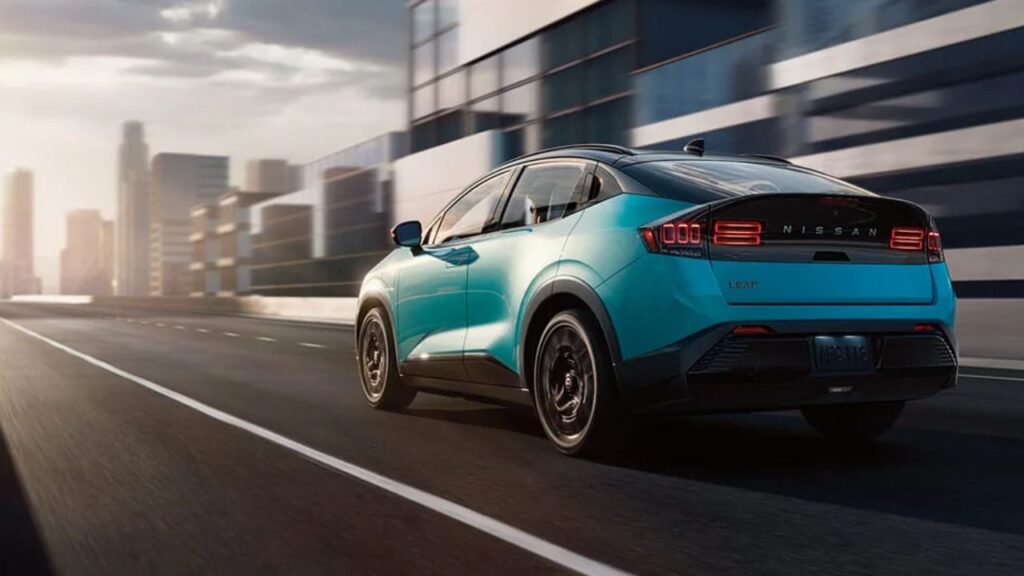
Nissan Leaf Expected ₹30 Lakh Price With Detailed Guide on Features and Range

Nissan Leaf

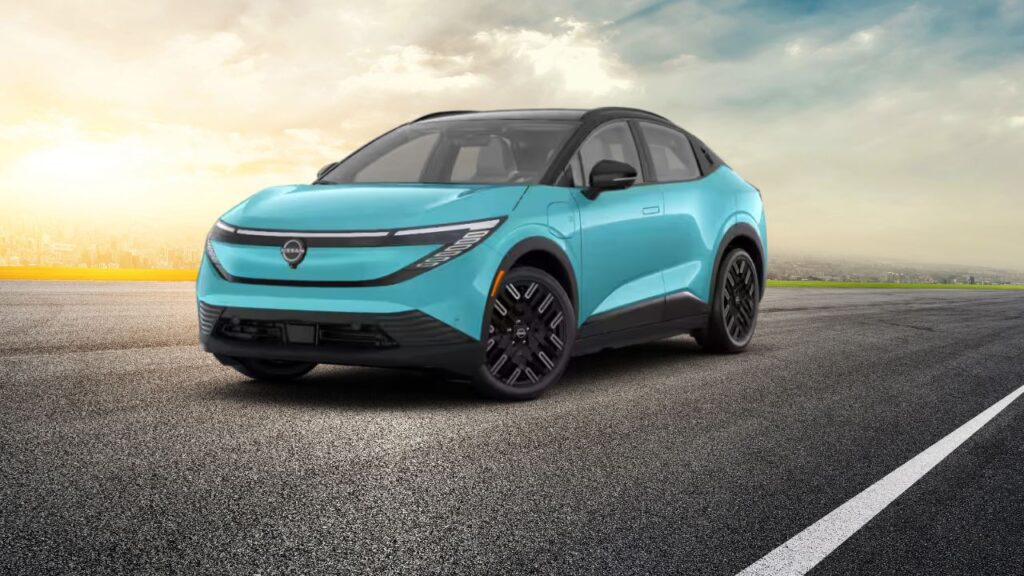
If you’re one of those people who thinks the future of driving is electric but you just haven’t made the jump yet, the Nissan Leaf might be the car to change your mind. Carrying an expected price tag of ₹30 lakh, this revolutionary EV is designed to disrupt the EV market in India by offering global standards and tried & tested reliability to your garage without burning a hole in your pocket. 

Why the Nissan Leaf is Creating a Buzz

Electric cars have always felt like something only the very rich could afford. But that story is being rewritten, with the Nissan Leaf. With over a decade of global real-world success, the Nissan Leaf is widely recognized as the most dependable and practical electric vehicle in the world. It is also the best-selling electric car in the world – over 6 million units have been sold worldwide. Now, with its introduction in India at ₹30 lakh, it is making electric mobility open to all and that is a game-changer. 

Performance That Actually Delivers

The Nissan Leaf’s Indian edition is powered by a 40 kWh battery pack that drives a 148 bhp electric motor which churns out 320 Nm of torque. Now if you’re not a number person, let’s talk about what that means: It’s more torque than a lot of run-of-the-mill petrol cars in the same price bracket, and it translates to acceleration that’s quick, smooth, and genuinely exciting. It goes from 0 to 100 km/h in less than 7.5 seconds – nothing supercar level, but not bad at all.

Performance Nissan Leaf

Image credit: Nissan

What makes this performance so special is the delivery of immediate torque. Unlike traditional engines that have to spin up, electric motors generate peak torque right away. This makes your daily city commute driving a breeze and highway overtaking a cinch. 

How Far Will It Really Go?

The Nissan Leaf goes some way to allay that worry with a single charge range of 195-240 km depending on the variant you choose and driving conditions. It’s not supposed to be your pick for a 500-km interstate road trip, but it is totally perfect for your daily commitment, your weekend runs or your jaunts around town.

Just think about your life on a standard day. Most Indians travel around 30-50 km daily. The Nissan Leaf does this with ease, and the ideal your everyday needs car needs to be able to do that. It’s also worth noting that in eco mode you can boost the range making it even better for those who mind How far they drive. 

Read More:-  Citroen Basalt X 1.2 Turbo Specs and Price Details Guide

Charging the Nissan Leaf is simpler than you might imagine

At a normal home charger a full charge takes around 7-8 hours. If you’re charging with a DC fast charger — which can be found at shopping malls, highways, and charging networks — you can go from 20% to 80% in just 40 to 60 minutes. That’s basically the amount of time you need for a coffee break.

The home charging cable is also supplied along with the intelligent charging management system of the vehicle, which allows you to set charging during the hours of low electricity rates, making it convenient and saving electricity bills. In addition, the charging port is waterproof and there is an advanced locking system, so you never have to worry about security or weather-proof! 

Features That Make It Feel Premium

Don’t let the ₹30 lakh price tag mislead you—there is an almond of salt that is packed with amenities found in cars costing much more than this. The car comes with 6 air bags, electronic stability control, hill start assist and advanced driver assistance systems (ADAS) that are comparable to vehicles three times its price. Automatic emergency braking with pedestrian detection, intelligent blind spot intervention all contribute to an even safer ride on JLR products.

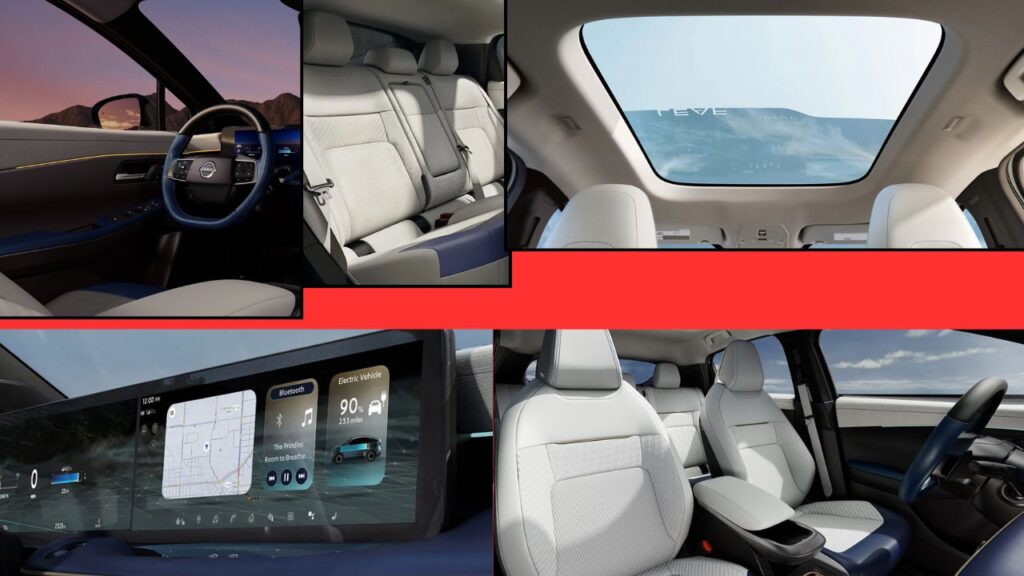
Nissan Leaf Features That Make It Feel Premium

There is a modern touchscreen interface, ample comfortable seating, and an unexpectedly roomy cargo area with rear seats that fold down. In addition to the ambient lighting and the serene cabin, you tend to forget that you are driving — thanks to the an almost imperceptibly quiet electric motor. 

Why Choose the Nissan Leaf Over Competitors?

In the Rs 30 lakh category, you are eyeballing rivals like the MG ZS EV and Tata Nexon EV MAX. While the MG provides a marginally bigger range (461 km), Nissan Leaf makes up for it with better torque delivery (340 Nm vs. 280 Nm), tried and tested reliability for 10 years of real world, and a brand backing that is trusted the world over. The Tata is cheaper but has less features and the driving experience is less amazing than Nissan. 

The Real Game-Changer

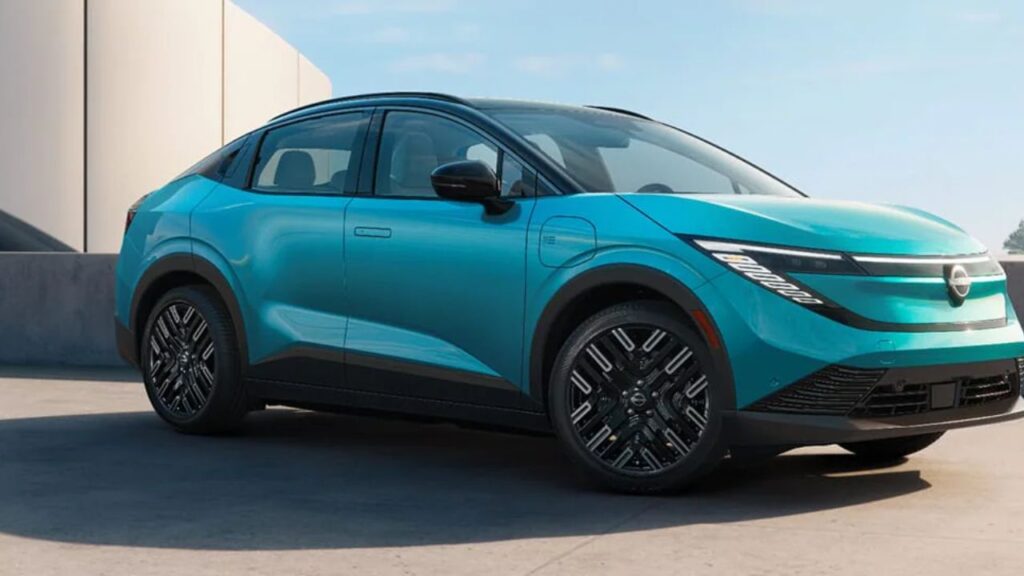
What makes the Nissan Leaf different is its fact-based history. This is not a science-fiction car or a technology still gaining market experience. The Leaf is the world’s most experienced and most thoroughly tested electric car, having been on sale since 2010. 

Nissan Leaf The Real Game-Changer

Image credit: Nissan

You’re not the guinea pig—you’re part of a community of millions of happy owners who have already discovered that electric driving isn’t just practical but it’s truly better. 

Conclusion

At ₹30 lakh, the Nissan Leaf is a step change in the way India looks at electric mobility. It’s practical for everyday use, easy to charge, packed with features, and supported by the reputation of a global brand. If you’re a green driver, fed up with rising fuel costs, or just curious about what the future holds for mobility, the Nissan Leaf deserves your attention. The electric revolution isn’t coming – it’s here, starting at ₹30 lakh. 

0

Top 10 Cheapest Electric Cars in India – See Which EV Tops the List!

Published May 19, 2025, 7:11 AM
Last Updated Nov 5, 2026, 4:24 PM

Top 10 Cheapest Electric Cars in India (2025) – See Which EV Tops the List!

India is steadily shifting toward a cleaner and greener future. With fuel prices going up year after year, more and more people are showing interest in electric cars as a smarter, eco-friendly choice. These cars help save money and protect the environment. But still, many people ask, Which is the cheapest electric car in India?

In 2025, we finally have many affordable electric cars in India. In this article, I have listed the top 10 Cheapest Electric Cars in India in 2026. All the cars in this list cost under ₹15 lakhs (ex-showroom). I will tell you the features, battery range, price, and why they are worth buying. Let’s begin!

1. MG Comet EV – Compact and Stylish

MG Comet EV – Compact and Stylish

Image Credit: MG Motors

If you live in a city and need a small car, the MG Comet EV is perfect. It was launched on April 26, 2023. It is only 2,974 mm long, which means you can park it easily in tight spots. It has two 10.25-inch screens and a smart voice system that understands Hinglish. You can even use an app to lock your car from your phone. I think it’s great if you want a tech-friendly and cheap EV.

  • Price: ₹7.00 lakh
  • Range: 230 km
  • Battery: 17.3 kWh
  • Seating: 4
  • Power: 41 bhp / 110 Nm

2. Baojun E100 – Tiny But Powerful

Baojun E100 – Tiny But Powerful

Image Credit: New Atlas

The Baojun E100 is the smallest EV in this list. It’s only 2,488 mm long. It is best for single people or couples. It is simple but has everything you need for a daily city ride. It has smooth electric steering and LED lights. It’s a good option if you want something small and budget-friendly. And yes, this one answers your question — which is the Cheapest Electric Cars in India?

  • Price: ₹6.50 lakh
  • Range: 155 km
  • Battery: 14.9 kWh
  • Seating: 2
  • Power: 39 bhp / 110 Nm

3. Tata Tiago EV – Reliable and Trusted

Tata Tiago EV – Reliable and Trusted

Image Credit: Tata Motors

On 28 September 2022, Tata Motors launched the Tiago EV. It is a small hatchback with a strong car body. It has stylish looks and many color options. The ZConnect app lets you control the AC from your phone. It also supports smartwatch connection. I recommend it for families who want a strong EV.

  • Price: ₹7.99 – ₹11.89 lakh
  • Range: 250 to 315 km
  • Battery: 19.2 kWh / 24 kWh
  • Seating: 5
  • Power: 60 bhp / 110 Nm and 74 bhp / 114 Nm
  • Safety Rating: 4 stars (Global NCAP)

4. Mahindra eKUV100 – Small SUV Feel

Mahindra eKUV100 – Small SUV Feel

Image Credit: EV Duniya

This car looks like a mini SUV. The Mahindra eKUV100 comes with remote controlling features such as tracking and cabin pre-cooling. If you like Mahindra and want an SUV-style electric car under ₹9 lakh, this is for you.

  • Price: ₹8.25 lakh
  • Range: 147 km
  • Battery: 15.9 kWh
  • Seating: 5
  • Power: 54 bhp / 120 Nm

5. Mahindra eVerito – Budget Electric Sedan

Mahindra eVerito – Budget Electric Sedan

Image Credit: The Financial Express

The eVerito is one of India’s first electric sedans. It has a simple design with a big 510-litre boot space. It supports Eco and Boost drive modes. If you want a basic electric sedan for daily use, this can work for you.

  • Price: ₹9.12 – ₹9.46 lakh
  • Range: 110 km
  • Battery: 18.5 kWh
  • Seating: 5
  • Power: 41 bhp / 91 Nm

6. Tata Punch EV – Small SUV with Style

Tata Punch EV – Small SUV with Style

Image Credit: Tata Motors

Launched on 5 January 2024, Tata Punch EV is India’s first Gen 2 EV. This electric vehicle is based on the Acti.ev platform. It has a split headlight and new alloy wheels. Tata Punch EV comes with two 10.25-inch screens and a 360° camera. It feels modern and stylish. I think this is the best option if you want a micro-SUV that is safe and smart.

  • Price: ₹9.99 – ₹14.29 lakh
  • Range: 315 km
  • Battery: 24 kWh
  • Seating: 5
  • Power: 74 bhp / 114 Nm
  • Safety Rating: 5 stars (Bharat NCAP)

7. Citroën eC3 – French Style in Budget

Citroën eC3 – French Style in Budget

Image Credit: Citroen

Citroën launched the eC3 in India on February 27, 2023. It looks like its petrol version but has electric power inside. Citroen efficiently supports wireless Android Auto and Apple CarPlay. It also lets you track your car using the Citroën Connect app. It gives a smooth driving experience.

  • Price: ₹11.61 – ₹13.35 lakh
  • Range: 320 km
  • Battery: 29.2 kWh
  • Seating: 5
  • Power: 56 bhp / 143 Nm

8. Tata Tigor EV – Safe Sedan

Tata Tigor EV – Safe Sedan

Image Credit: Tata Motors

Tata Tigor EV: This sedan was launched in August 2021. It looks premium and comes with blue accents. It has many comfort features. It comes with a 7-inch screen and climate control. The app helps in remote lock, tracking, and checking car health. If you want a safe sedan, go for this.

  • Price: ₹12.49 – ₹13.75 lakh
  • Range: 315 km
  • Battery: 26 kWh
  • Seating: 5
  • Power: 74 bhp / 170 Nm
  • Safety Rating: 4 stars (Global NCAP)

9. Tata Nexon EV – Most Popular Choice

Tata Nexon EV – Most Popular Choice

Image Credit: Tata Motors

The Nexon EV is one of the best-selling electric cars in India. It is strong, spacious, and stylish. It comes with a closed grille and bold design. It supports ZConnect, climate control, and smart parking features. I think this is best for people who want more range and comfort.

  • Price: ₹14.74 – ₹19.99 lakh
  • Range: 325 to 465 km
  • Battery: 30.2 kWh / 40.5 kWh
  • Seating: 5
  • Power: 127 bhp / 245 Nm
  • Safety Rating: 5 stars (Bharat NCAP)

10. Mahindra XUV400 – Power Packed SUV

Mahindra XUV400 – Power Packed SUV

Image Credit: Mahindra

The XUV400 is Mahindra’s first electric SUV. It looks modern with projector headlamps and a two-tone color option. It also has 60+ connected features. If you want a bigger SUV and can spend a bit more, this is worth checking out.

  • Price: ₹15.49 – ₹19.39 lakh
  • Range: 375 to 456 km
  • Battery: 34.5 kWh / 39.4 kWh
  • Seating: 5
  • Power: 148 bhp / 310 Nm

Final Words: Which One Should You Pick?

If you want to know which is thе Cheapest Electric Cars in India, thе Baojun E100 and MG Comеt EV arе thе chеapеst in 2025. Thеy arе compact, pеrfеct for city drivеs, and savе a lot of fuеl monеy. If you nееd morе spacе and safеty, go for Tata Tiago EV, Punch EV, or Nеxon EV.

Elеctric cars arе not just good for thе еnvironmеnt, thеy also hеlp you savе in thе long run. I hopе this list hеlps you choosе thе bеst onе for your nееds and budgеt.


0

Land Rover Defender vs Jeep Wrangler: The Off-Road Battle You Need to See Before You Buy!

Published Aug 8, 2025, 7:35 AM
Last Updated Apr 11, 2026, 11:16 AM

Land Rover Defender vs Jeep Wrangler facing off on rocky terrain in an epic off-road comparison for 2025 SUV buyers.

Both Jeep Wrangler and Land Rover Defender are powerful vehicles and stand out to deliver the best experience on the off road trips. Both are icons and well-engineered to drive in rugged exploration and adventure. But their new models have very different features and specs to conquer the wild. The Wrangler’s ancestors served from decades for the wild adventure so it already became the best in off-road battles. The new Defender, on the other hand, is offering advanced features and more ground clearance for delivering a powerful performance on wild trips. 

It might be confusing to pick the best one which could keep you on the right track and face every challenge on the rocky, steep, and sloppy roads. Let’s dive into both vehicles’ details and see how these two titans stack up.

The Tale of the Tape: Off-Road Geometry

Here are some key points that are important to know when it comes to off-road trips. Let’s see which car is best for off-roading. This off-road geometry for the four-door models of the Jeep Wrangler and the Land Rover Defender will leave your head confusion free:

Specification Wrangler Rubicon Land Rover Defender 
Ground Clearance 10.8 inches Up to 11.5 inches
Approach Angle 44 degrees Up to 38 degrees
Breakover Angle 22.6 degrees Up to 28 degrees
Departure Angle 37 degrees Up to 40 degrees
Wading Depth 30 inches Up to 35.4 inches

Both vehicles are incredible and deliver wonderful performance. While testing them, the Wrangler roars during steep in and out, passing through the rocky road, all thanks to its short design and front angle which was built on purpose for off-roading. However, the Defender also stands out with exceptional features like higher maximum ground clearance, great angle at steep departure, and drive smoothly with inclined planes making it a beast which can pass any obstacle on the ground. The defender is great if you consistently face the roads with deep waters which makes it perfect for floody areas. 

The Tale of the Tape showcasing side-by-side vehicle specifications and off-road capabilities

The strong engine of the Defender can handle any road. Credit source: Carversal

Suspension and Drivetrain: Two Paths to Dominance

Let’s get to the part where these two make a difference – suspension and drivetrain. The Jeep Wrangler stays with their lineage of delivering the off-roader with solid axles front and rear. Many off-roaders like this vehicle for its durability, simplicity, and great at handling rough grounds, especially when the sway bar is off. The Wrangler’s Command-Trac and Rock-Trac 4×4 systems are powerful enough for long rough trips and its locking differentials give mechanical grip that will handle any situation and road. The price ranges between Rs 67.7 Lakh to Rs. 73.16 Cr depends on the variant.

The modern Land Rover Defender vehicle is built on purpose with fully independent air suspension and standard AWD. It definitely passes every off-road test because of its air suspension feature with adjustable height of the vehicle and perfect inside comfort. The real mind-blowing feature of Defender is the Terrain Response 2 System; high-tech technology will analyze the road condition and automatically adjust the settings in the vehicle for every kind of road such as muddy & rocky and also be your supportive partner in rainy or floody areas. The price ranges between Rs 1.09 Cr to Rs. 2.59 Cr depends on the variant.

Power and Performance: From Crawling to Cruising

Switching different engines for different needs is the best option in both the vehicles. The Wrangler offers a 3.6-liter V6, a small turbo engine of 2.0-liter is best for delivering powerful performance on any kind of road. It also offers silent rides after enabling the hybrid 4xe plug-in. But if you want a strong engine then Defender is offering a 6.4-liter V8.

Also offers a 4-cylinder turbo for a perfect smooth ride. A mild-hybrid inline-six, and a supercharged V8 is all in one robust engine to deliver a monstrous ride. Whether you are traveling for long trips or just daily use in the city, the Defender’s powertrains are generally more refined and better.

Power and Performance comparison of two off-road SUVs tackling challenging terrain

Wrangler handling rough grounds like a pro, Credit source: Jeep

The Verdict: Which Off-Roader Reigns Supreme?

It’s not a simple answer to this question as it totally depends on your priorities and interest, but both have sleek designs with little difference in features and inheritance on a strong foundation. 

For simple designs, open-air experience, and strong engine, you can prefer the Jeep Wrangler for your regular off-roading partner. The two most important points that can make up your mind for a Wrangler is its affordability and availability of customization with vast aftermarket parts. 

For more advanced tech features like Terrain Response 2 System, luxury comfort, and prefer for both daily use & family trips. Land Rover Defender’s automatic adjusting features give you a premium driving experience.

While both are offering incredible driving experience with strong engine and off-road support systems. They can handle any situation, the Wrangler is bold and Defender is a more stylish adventurer.  Taking a test drive of both the vehicles before buying it is the right way to choose the right one for you.


0

Audi vs Mercedes: Which is the Best Used Cars for Resale in 2025

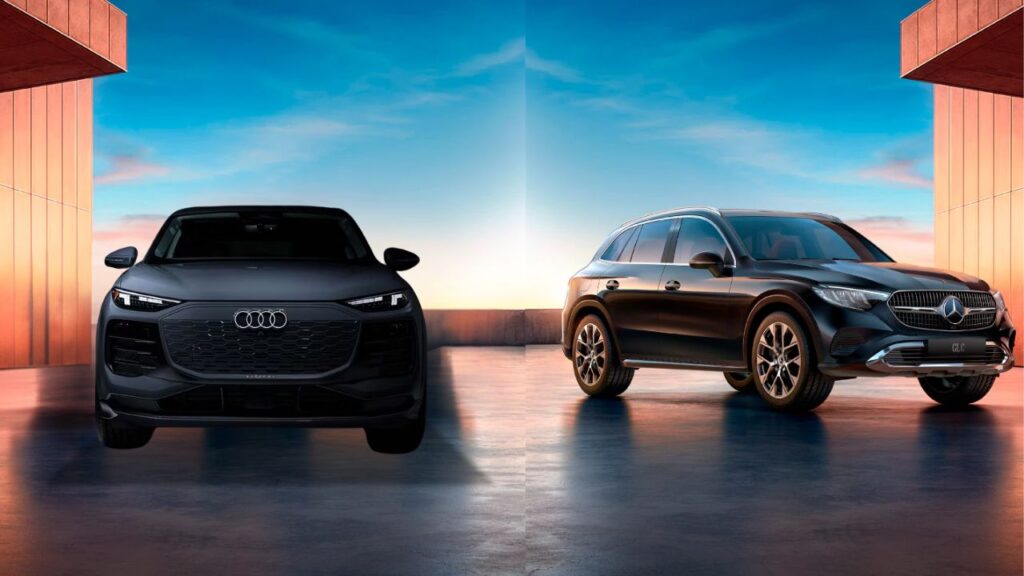
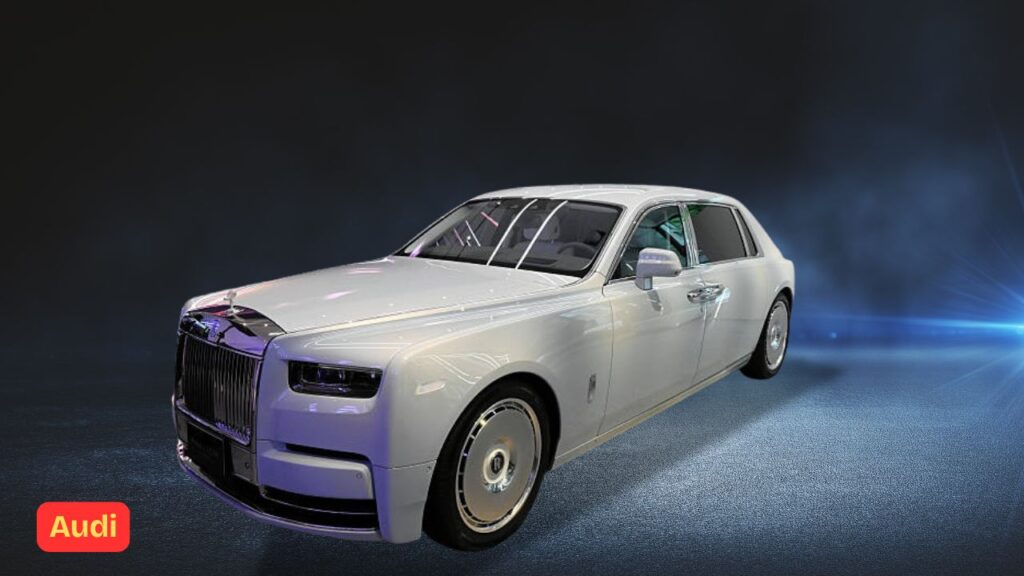
Audi vs Mercedes

In the changing landscape of luxury cars, the ability to own a car that retains its value is a huge plus. When shopping for a premium used car in 2025, two titans that frequently come up are Audi and Mercedes-Benz. The two have really good engineering, prestige, and performance, but how do they compare in terms of resale value? So, if you’re considering a foray into the luxury pre-owned market this year, a little knowledge here could save you some cash and make for a less bumpy ride while you’re enjoying it. 

The Importance of Resale Value in Luxury Cars

Luxury cars generally depreciate faster than more mainstream makes. It’s a reality that most buyers have to grapple with: a new car loses a chunk of its value as soon as it drives off the lot. Still, how much it loses — and how quickly it depreciates — varies significantly between makes and models. In the case of luxury cars, this depreciation is typically rather steep in the first few years, but then it levels off as the car gets older.

Resale value is important because it indicates how much money you will recoup when you upgrade or get rid of your car. A car that holds its value well is generally more buyer-friendly as well, making it a better investment in the long run. 

Audi vs. Mercedes-Benz: Who Holds the Crown?

When comparing Audi vs. Mercedes-Benz, remember their resale value because it will become a financially strong decision. Both have different time-periods for resale options, as these manufacturers have differing behaviors in each of those time periods.

Mercedes-Benz: The Short-Term Resale Champion

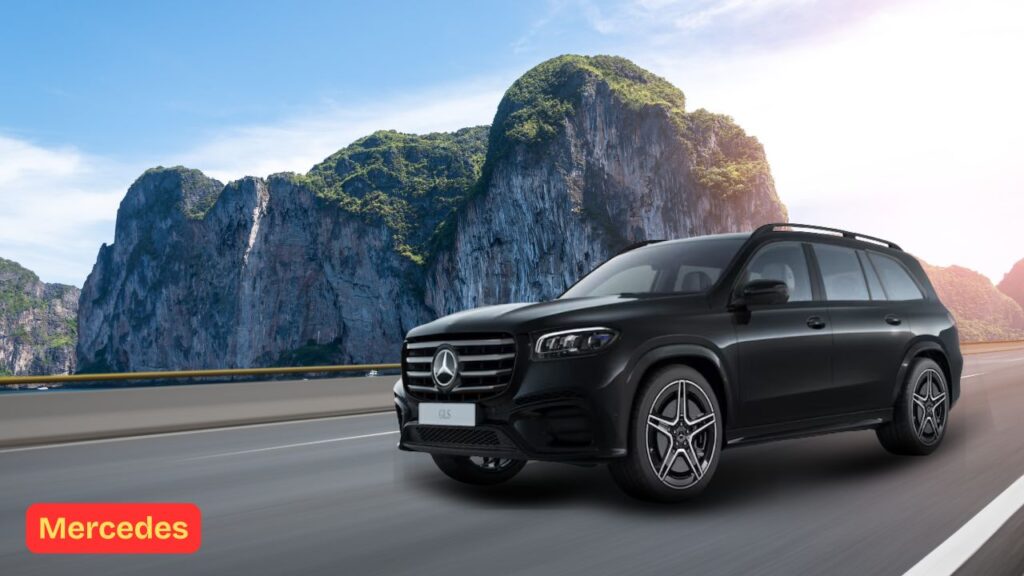
Mercedes-Benz is a blend of luxury, reliability and prestige, that play a big part in its resale value. The make is particularly good at holding onto early ownership value. For example, the Mercedes E-Class generally recoups 55-60% of its original value after three years — a good number for the luxury class.

Mercedes-Benz

Why does Mercedes succeed so well? For one, there’s the brand’s cachet. Mercedes has a broadly established name and its service networks are vast especially in metro cities like delhi mumbai and bangalore. That gives buyers confidence that they won’t have a headache taking care of and servicing their car, which is a big plus when they go to resell it. 

There are used versions of the E-Class, the C-Class, and even the GLC SUV that are in high demand. In particular, the GLC capitalizes on increasing demand for luxury SUVs, occupying a solid position in the minds of buyers looking for a good premium compact SUV. 

Audi: The Long-Term Value Contender

Among premium brands, however, Audi is a different beast. It may not be worth as much as a Mercedes the first three years, but like Audi, Mercedes has an incredibly high long-term value. Studies show that Audi has a 54.4% retention rate over five years, beating Mercedes-Benz by a large margin, which is around 48.6% during the same period.

Audi’s attraction is a stylish mix of technology and more affordable maintenance. Such models as the Audi A4 and Q3 combine luxury and practicality with initial outlay that’s a bit lower than comparable Mercedes models – which appeals to buyers worried about both cost and quality.

Audi

In particular, the Q3 and Q5 have gained a massive following among city consumers because of their small size, sporty design and fuel efficient driving. Also, resale values for petrol versions are increasingly higher, as emission regulations and buyers’ preference shift away from diesel versions. 

Key Factors Driving Depreciation and Value Retention

Luxury vehicles lose value rapidly, often shedding half or more of their original purchase price by the time they reach three years old. Here’s a quick summary of the patterns of depreciation that most luxury vehicles are subject to:

  • The first year sees the sharpest decline, usually 15-25 %.
  • Years two to three then follow with an additional 10-15% drop per year.
  • During the fourth and fifth years, the rate falls to around 8-10% a year.
  • In most cases after six years, the car holds its value with depreciation slowing down. 

Several factors influence this depreciation rate:

  • Brand Prestige and Recognition: The long-term positioning and brand loyalty of Mercedes-Benz also provides it with a layer of protection from the rapid depreciation.
  • Service and Maintenance Infrastructure: The extensive network of Mercedes service centers also provides reassurance to prospective buyers who are vary of maintenance costs.
  • Fuel Type Preference: Due to increasing environmental consciousness and regulatory norms, petrol cars generally hold better resale value as compared to diesel cars.
  • Urban Demand: Metro cities are the place to buy and sell luxury cars and this impacts the turnaround of models such as the Audi Q3 or Mercedes GLC. 

Read More:- Top 10 Most Fuel-Efficient Cars in India Under ₹10 Lakhs You Must See in 2025

What Brand and Model Should You Get?

If you’re only interested in gaining the highest resale value over a short period, Mercedes-Benz (and particularly the E-Class) tends to be the safer bet. The combination of luxury and comfort coupled with high demand in the used car market really keeps its value high in the first 3 years. 

Mercedes-Benz

On the other hand, if you plan on keeping your vehicle for a little longer or you want to spend a bit less up front, Audi’s A4, Q3 and others models have appealing value propositions. Their long term resale value, sleek designs and the fact that they tend to be cheaper to maintain also makes them the best choice for those who intend to keep their vehicles for five years or more.

Audi

The rising popularity of luxury compact SUVs such as the Mercedes GLC or the Audi Q3 makes these top choices in terms of resale value. With the world turning more towards SUVs, their demand that they have makes their used car market very appealing. 

Here is a list of popular Audi and Mercedes models Along with their approximate market prices in India & what they will cost in 2025! 

Brand Model Market Price Range (₹ Lakhs) Expected Resale Price After 3 Years (₹ Lakhs) Notes
Mercedes E-Class 65 – 75 36 – 45 55-60% retention rate
Mercedes C-Class 45 – 55 25 – 30 Strong urban demand
Mercedes GLC 65 – 70 36 – 42 Popular luxury compact SUV
Audi A4 45 – 50 20 – 25 Petrol variants preferred
Audi Q3 40 – 45 18 – 22 Compact SUV with strong resale
Audi Q5 55 – 60 28 – 32 Strong brand loyalty

Timing Your Sale for Maximum Value

What many people also don’t know is that a key to making the most of your investment in a luxury car is to sell it at the right time. The sweet spot is usually about three years. At this stage, your car will have retained a hefty chunk of its original value, but you will have reaped most of the rewards of driving a new(ish) luxury car.

Keeping the car past five years is normally less about holding value, and more about holding the experience of ownership, unless you have an iconic, classic or rare model. 

Read More :-  Upcoming Car Launches in India for Diwali 2025

Conclusion

When it comes to picking between Audi and Mercedes-Benz for a used luxury car in 2025, it really depends on what you value most. For the short-term value, prestige, and service convenience, Mercedes-Benz will make you happier. Conversely, if you prefer a lesser upfront expense and a vehicle that retains its value well over the long haul, with excellent performance, then Audi could be the better choice.

Remember the effect of fuel type, model popularity and your location on resale values too. From the commanding presence of the Mercedes E-Class to the sleek and versatile Audi Q3, a little research and knowledge of depreciation can turn your luxury car experience into not only one of comfort but smarts when it comes to your finances.

Buying a luxury used car is a dance between passion and practicality, and in 2025 both Audi and Mercedes-Benz have plenty of intriguing choices for varied tastes and requirements. 

0

Toyota Car Prices After GST 2.0 – Full List of Revised Prices & Savings

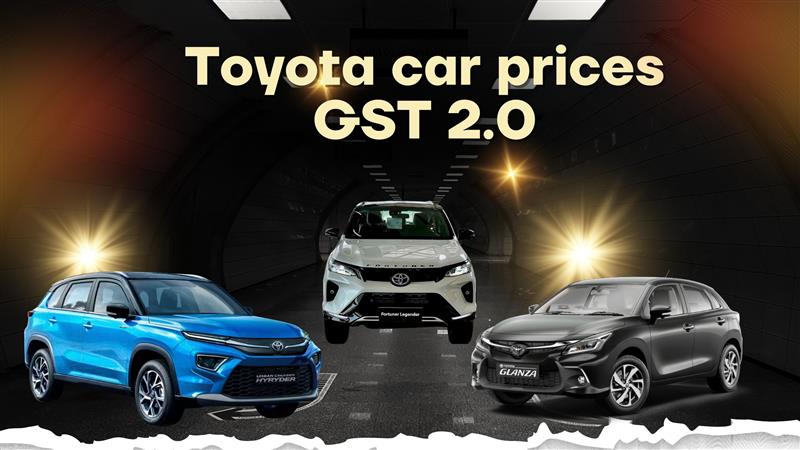
Toyota Kirloskar Motor has announced big price reductions on all its cars after GST 2.0, which came into effect on September 22, 2025. The company is planning to deliver all the benefits with the customers with Toyota car prices GST 2.0, resulting in significant savings between ₹48,700 and ₹3.49 lakh. The price varies upon the variant and model of the car. This is the big opportunity for Indian buyers to buy Toyota’s favorite model at less price.

The Revised GST Structure Changes

The reform GST structure and reduced tax are changed accordingly across small and large vehicles.

Small Cars

Petrol engines up to 1200cc Reduced from 29% to 18%
Diesel engines up to 1500cc Reduced from 31% to 18%

Larger Cars

Mid-size cars with engines up to 1500cc Reduced from up to 45% to 40%
SUVs with engines exceeding 1500cc Reduced from up to 50% (28% GST + 22% cess) to 40%

Model-Wise Price Reductions

Entry-Level and Compact Cars

Toyota Glanza

Price reduction Up to ₹85,300
Tax rate change 29% to 18%
New price range ₹6.39 lakh to ₹9.14 lakh According to the ex-showroom price
Savings Good savings around 8.5% 

Toyota Taisor

Price reduction Up to ₹1.11 lakh
Tax rate change 29% to 18%
New price range ₹7.21 lakh to ₹11.91 lakh According to the ex-showroom price
Savings Maximum savings 

Toyota Rumion

Price reduction Up to ₹48,700
Tax rate change 45% to 40%
New price range ₹10.44 lakh to ₹13.61 lakh According to the ex-showroom price
Savings Maximum savings up to 3.45%

Big Toyota SUVs

Toyota Urban Cruiser Hyryder

Price reduction Up to ₹65,400
Tax rate change 45% to 40%
New price range ₹10.95 lakh to ₹20.19 lakh According to the ex-showroom price
Savings all petrol, CNG, and hybrid variants gives good saving

Fortuner the big SUV

Price reduction ₹3.49 lakh (highest among all Toyota models)
Tax rate change 50% to 40%
New price range ₹33.65 lakh 
Savings Maximum savings on GR-S 4×4 AT variant

Fortuner Legender

Price reduction Up to ₹3.34 lakh
Tax rate change 50% to 40%
New price range ₹41.54 lakh to ₹46.75 lakh According to the ex-showroom price 
Savings Maximum savings 

MPVs and Family Vehicles

Innova Crysta

Price reduction Up to ₹1.81 lakh
Tax rate change 50% to 40%
New price range ₹18.66 lakh 
Savings Around 6.66%

Innova Hycross

Price reduction Up to ₹1.16 lakh
Tax rate change 50% to 40%
New price range ₹19.20 lakh to ₹31.34 lakh According to the ex-showroom price
Price drop  from 2.09% to 5.41%

Luxury Vehicles Price Drop

Premium Hilux 

Price reduction Up to ₹2.53 lakh
Tax rate change 50%
New price range ₹28.02 lakh

Toyota Camry

Price reduction Up to ₹1.02 lakh
Tax rate change 40%
New price range ₹47.48 lakh for both Elegant and Sprint variants

Toyota Vellfire

Price reduction Up to ₹2.78 lakh
Tax rate change Up to 40%
New price range ₹1.19 lakh to ₹1.29 crore
Price drop 1.22 cr drop to 1.20 cr

Land Cruiser 300

Price reduction No changes
Price range ₹2.15 crore to ₹2.24 crore

Read More :-  Chevy Silverado vs Ford F-150: Which Pickup Rules 2025?

Impact and Benefits for Customers

The New GST tax changes are implemented across all the Toyota cars and create a big advantage for their customers.

Enhanced Affordability

Now, most of the customers are attracted towards Toyota vehicles due to heavy price reduction rather than other segments.

Simplified Tax Structure

By removing complex cess calculation make price structure more simple

Festive Season Timing

In India, festive seasons boost the demands on most of the large products including cars. GST revision coincides with Navratri celebrations.

Transparent Pricing

Toyota’s commitment to passing full benefits, making the brand’s approach customer-centric.

Market Positioning

The price reduction reflected Toyota’s market position, boosting it to the next-level.

Entry-level segment

Glanza and Taisor become more competitive against Maruti Suzuki and Hyundai offerings

The SUV segment has become accessible to most of the buyers while its position remained premium.

The MPV dominance and Luxury segment are premium segments that hold the special value and its excellent models make up Toyota’s leadership. 

Conclusion

The new price of Toyota cars are impressive and attract many buyers to its excellent models including Fortuner, Crysta, and Glanza. Whether you want to buy small cars or large cars, the price reduction under the GST 2.0 applies to all the Toyota’s except Toyota Land Cruiser 300. The changes of Cruiser are too minor and don’t affect its old cost. But other luxury cars like the Vellfire and Camry price are also reduced.