

For now, if you find yourself at the crossroads in the market for a new vehicle — well, the best compact SUVs may be the sweet spot you were looking for. They fall short of the gargantuan size of full sized SUVs, but they have enough room and capability to allow you to have fun on your day to day commute as well as on your weekend jaunts.
If you’re a city resident frustrated by gargantuan vehicles hogging parking spaces, a small family requiring practicality with a dash of style, or just someone who wants to find the best compromise between comfort and efficiency, the compact SUV segment has blossomed into something pretty remarkable. Let’s take a look at the best of the best for 2026 that are worthy of your consideration.
The Champions of the Compact SUV World
Honda CR-V: The All-Around Achiever
Let’s begin with the Honda CR-V, which is always among the best compact SUVs in our ratings. It’s like the dependable buddy who shows up promptly, doesn’t whine, and actually cares if you’re comfortable or not.
The CR-V is pretty well balanced in almost every way. It feels within reach at around $31,495 but doesn’t feel cheap. The 190-horsepower turbocharged 1.5-liter four-cylinder engine is paired with a continuously variable transmission. But here’s where it gets interesting: the hybrid model offers 204 horsepower for those seeking a bit more punch and better fuel economy.

A sleek honeycomb-patterned dashboard and surprisingly roomy cockpit await inside. The front seats really do hold you in place on long drives, and the rear passengers aren’t squeezed — always a win. With the second row seats up, cargo space is an impressive 39 cubic feet; folding them down increases it to 76 cubic feet. For comparison, real-world gas mileage of the gasoline model is 28-31 mpg city and 34 mpg highway.
What’s unique about the CR-V is not some singular standout attribute; it’s a collection of smart design decisions. The cargo floor, which is low all the way to the ground, is a back saver, the driver’s seat feels like home, and the ride quality soaks up bumps without being either too firm or too floaty.
Nissan Rogue: Luxury on a Budget
For a bit of pampering without going broke, say hello to the 2025 Nissan Rogue Platinum, which rang the bell in overall 2025 testing. At a roughly $40,920 starting point for the Platinum trim, it offers truly premium feels that make sense for the price tag.
The interior of the Rogue is nothing if not impressive. Those NASA-designed zero-gravity seats aren’t marketing fluff—they’re really supportive and comfortable. The Aniline two tone leather with diamond shaped pleats and heavy stitching makes you feel that luxury car. Add the heated seats, heated steering wheel and the wireless phone charger and you’re ensconced in what turns out to be a rather posh mobile sanctuary.

The 1.5-liter turbo three-cylinder engine makes 201 horsepower and 225 lb-ft of torque, and is a very refined powertrain. The Nissan Safety Shield 360 suite is standard and includes automatic emergency braking with pedestrian detection, blind spot alert and lane departure warning—well, Nissan’s eyes are on the road now, so you can relax.
Bolts and nuts Cargo capacity is 74.1 cubic feet with the backseats folded down, and notably the rear doors open to nearly 90 degrees, making installation of child seats and getting in and out of the car incredibly easy. Fuel economy is 27-28mpg in the city and 34-35 on the highway.
Mazda CX-5: The Driver’s Delight
If you like to drive and are not willing to compromise that for utility, the Mazda CX-5 is for you. He’s the shy, retiring party guest who reveals himself to be the most interesting interlocutor low-key, but truly extraordinary.
The CX-5 delivers an experience that feels worth more than its entry-level price of about $29,000. The non-turbo 2.5 engine makes 187 horsepower, but get the turbocharged variant (256 horsepower) and you’ll hit 0-60 in 6.2 seconds—really exciting for a family SUV. The six-speed automatic and standard all-wheel drive also make for a driving experience that’s responsive and fun, and that rivals what you get in vehicles that cost thousands of dollars more.
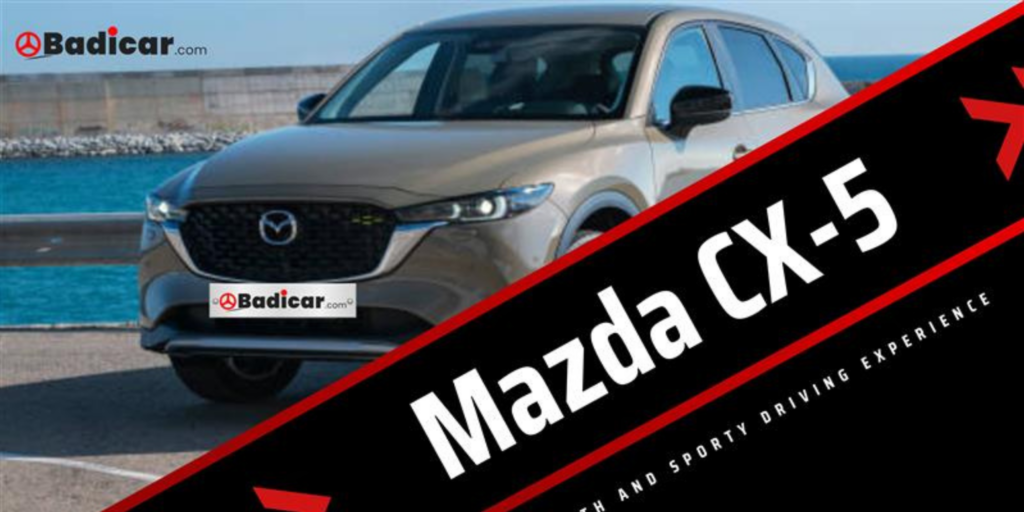
The cabin is as if someone went to luxury car cabs and took the best ideas. Materials are upscale, the design is intuitive, and that floor-hinged accelerator pedal (in lieu of the ubiquitous suspended one), well, that’s just a small detail that illustrates how Mazda thinks. Ride quality is exemplary—faults in pavement are muffled, road noise is minimal and cornering feels planted and confident.
Fuel economy is 26-31 mpg on the highway depending on the engine choice and the turbo variant manages a respectable 30 mpg at highway speeds despite its extra power.
A Quick Comparison Overview
| Model | Starting Price | Top Engine Power | Fuel Economy (Hwy) | Cargo Space (Folded) | Best For |
| Honda CR-V | $31,495 | 190 hp (204 hybrid) | 34 mpg | 76 cu ft | Overall balance and reliability |
| Nissan Rogue | $40,920 (Platinum) | 201 hp | 34-35 mpg | 74 cu ft | Luxury feel and comfort |
| Mazda CX-5 | ~$29,000 | 256 hp (turbo) | 27-31 mpg | Smaller but designed | Pure driving enjoyment |
Budget Friendly Compact SUVs
Budget friendly compact SUVs in India are Maruti Fronx, Venue, Urban Cruiser Taisor, and Kushaq. Please note that the prices quoted are ex-showroom and may vary based on the On variant and region. In addition, the on-road prices will also have other things like RTO charges, insurance and so on.
Key specifications are available on complete details related to engines, mileage, standout features as on January 2026.
Read More:- Hatchbacks Make a Comeback as GST 2.0 Tax Relief Boosts Demand in India
Maruti Fronx
Engine options on the Maruti Fronx are the 1.2L petrol engine with 89 bhp and 21.79 kmpl (manual), and the 1.0L turbo-petrol engine with 99 bhp offering 21.5 kmpl, as well as a CNG variant.
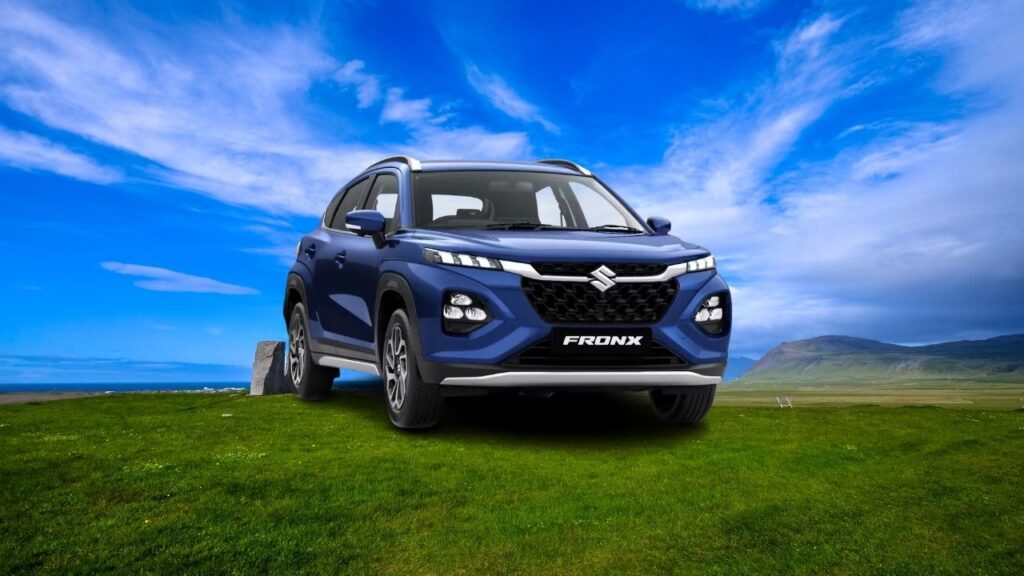
It also features premium amenities like a 9-inch touchscreen and 360-degree camera.
Hyundai Venue
The car comes with three engine options – a 1.2L petrol engine putting out 82 bhp and delivering a mileage of 18.5 kmpl, a 1.0L turbo-petrol engine producing 118 bhp and giving a mileage of up to 20 kmpl (with a DCT), and a 1.5L diesel engine making 114 bhp and offering a mileage of up to 20.99 kmpl.
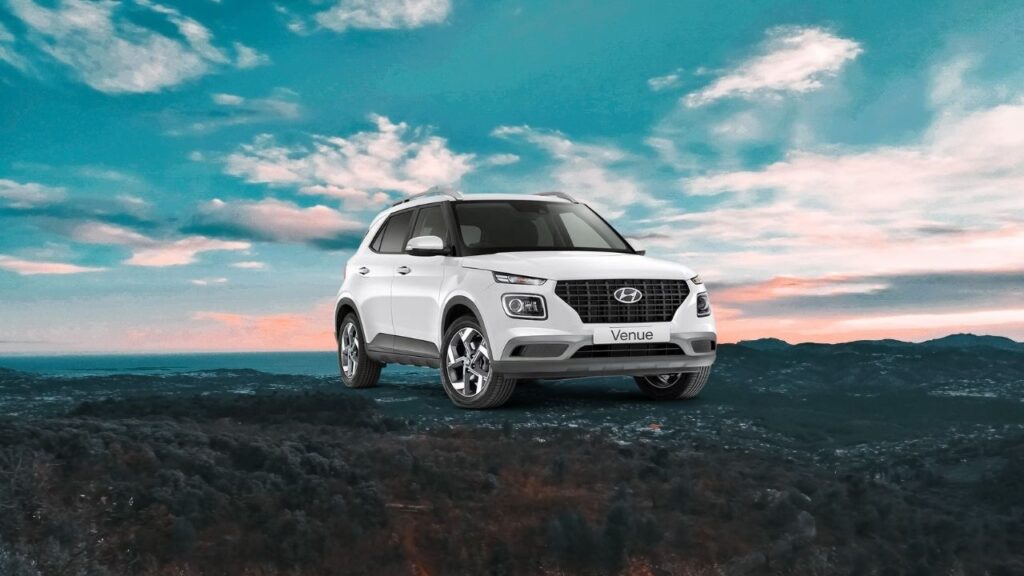
It packs world-class world premieres such as Level 2 ADAS, dual 10.25-inch screens and ventilated seats to improve comfort and safety.
Toyota Taisor
The Fronx with a different badge is available in a 1.2L petrol/CNG engine as well as a 1.0L turbo-petrol engine options which provide an impressive mileage of 22.89 kmpl.
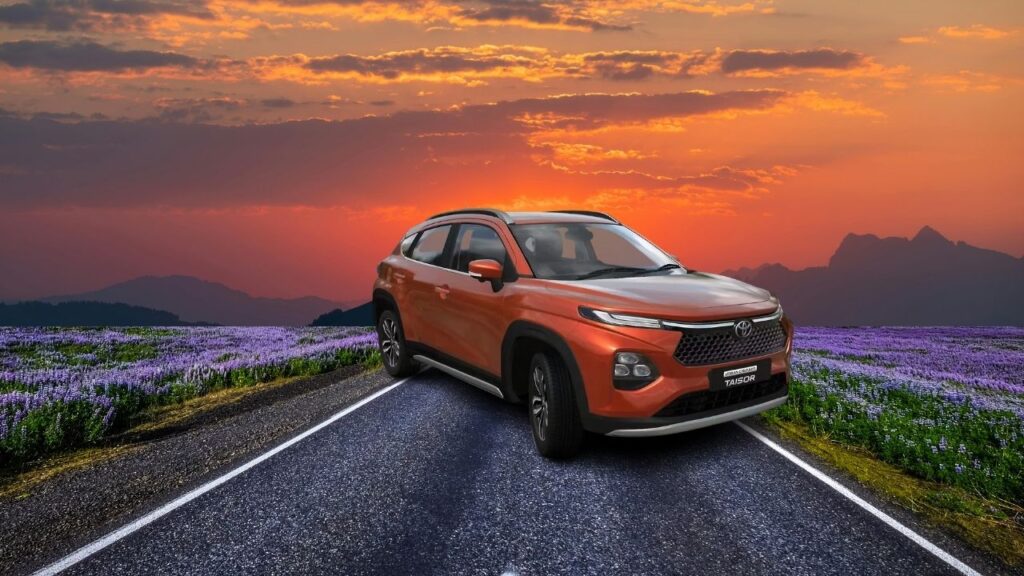
It comes with the latest technologies, including projector LED headlights, and at an additional cost is available with an automatic transmission.
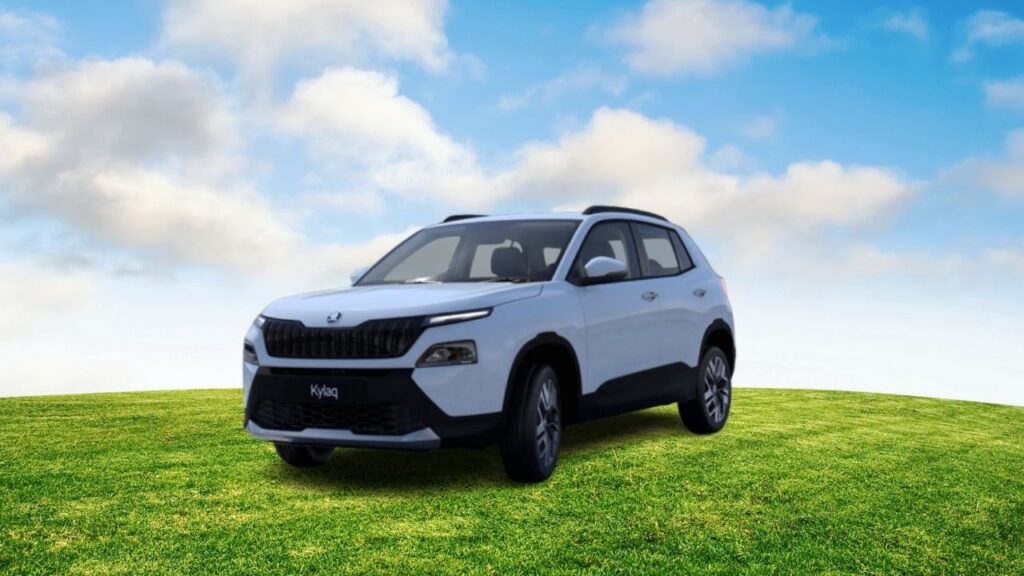
Skoda Kylaq
The entry-level compact SUV has petrol variants and mileage is expected to be around 18-20 kmpl. Boasting “European build quality” it’s engineered on a potential 5-star safety rating.
Engine and Mileage Comparison
Conclusion
Selecting from these three comes down to what matters to you most. The Honda CR-V if you want the safe bet — a vehicle that performs well in every area without a significant trade-off. Get the Nissan Rogue If you want to pretend you’re driving something more luxurious than what you’re able to buy. Buy the Mazda CX-5 if you think driving a car should be fun, not just functional.
The 2026 compact SUV segment has real options and to be honest, nothing in this class is really a bad buy. Any of these will get you through the next several years with a practical, yet engaging driving experience that can make even the most banal daily commutes feel purposeful. Your next vehicle adventure begins by deciding what matters most to you—and luckily, these SUVs make that choice particularly straightforward.
