0

Hatchbacks Make a Comeback as GST 2.0 Tax Relief Boosts Demand in India

Hatchbacks Make a Comeback

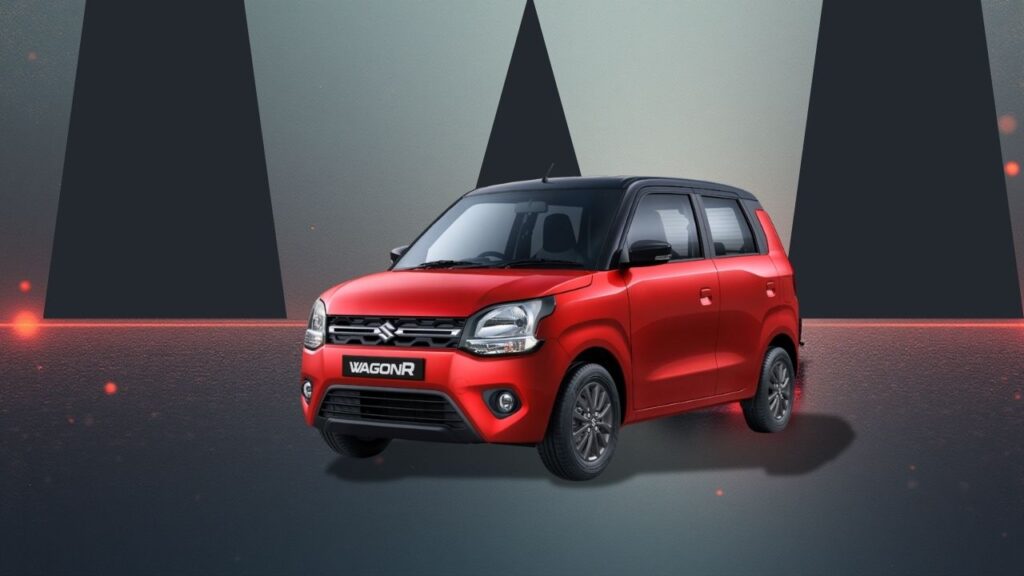
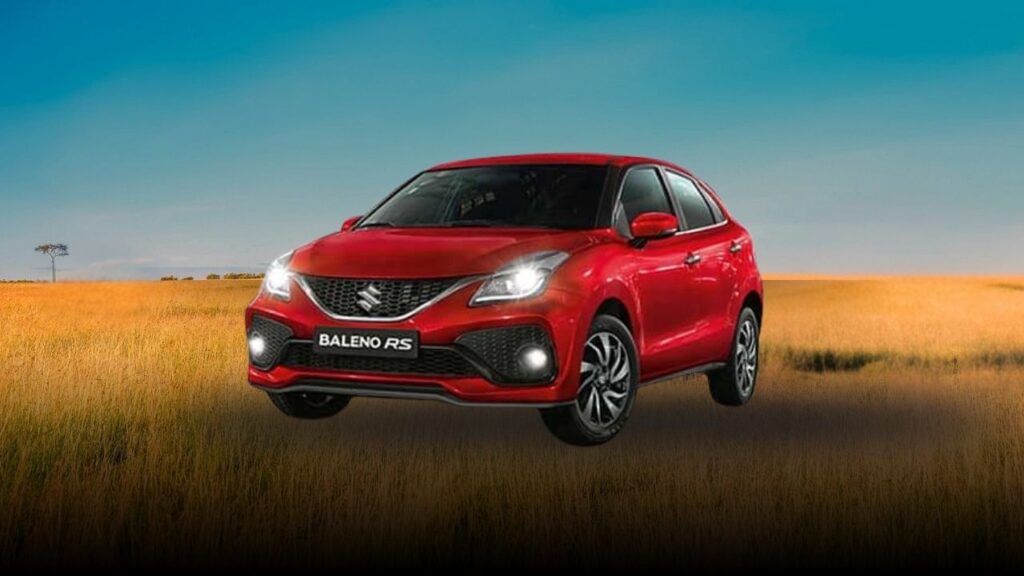
Hatchbacks Make a Comeback due to drastic policy change in late 2025 which turned around the Indian auto industry. With the changed GST rules alleviating the tax on small cars, affordability once again took centre stage, especially for middle class buyers. With the prices settling and the value for money improving, these small, functional cars again became the go-to cars for first time car lovers and city commuters in the whole nation. 

A Major Tax Reform

The industry’s moment of truth came on September 22, 2025. The Indian GST Council announced a big tax slash to make small cars more affordable to middle class. 

Key Changes in Taxation

Earlier, small cars were weighed down by a complicated tax regime. The new regime simplified this to a great extent:

  • Old Tax Rate: Shipment of goods was 28% GST and additional 1% to 2% cess which took the total tax burden to about 30%. 
  • New Tax Rate: 18% GST fixed rate with no additional cess.
  • The car should be under 4 metres in length and must have an engine capacity of not more than 1200cc in the case of petrol models or 1500cc for the diesel variants. 

Direct Impact on Car Prices

The cut in tax resulted in a nearly instantaneous fall in prices at the showroom. For a lot of families, that just made owning a car went from a distant dream to something they could really afford.
Hatchbacks Make a Comeback

Price Comparison of Popular Models

The tabulation below shows how some of India’s favourite hatchbacks were impacted on-road by the tax reduction: 

Car Model Previous Price (Approx.) New Price (Approx.) Total Savings
Maruti Suzuki Swift ₹8.44 Lakh ₹7.66 Lakh ₹78,000
Maruti Alto 25-30% Reduction ₹3.70 Lakh Significant
Maruti S-Presso 25-30% Reduction  ₹3.50 Lakh Significant

Market Performance and Sales Growth

The post-reform numbers tell of a swift turnaround. Fourth Quarter (oz 2025 Nail Hatch) Hatchbacks recorded a significant rise in market share.

  • Market Share Gain: Hatchbacks accounted for 24.4% of total vehicle sales, up from 23.5% earlier this year.
  • Growth on the year-over-year basis remained robust with the top-selling models Hyundai i20 and Tata Altroz witnessing sales growth of 20% over the same period last year. 
  • New Buyers: First-time buyers have risen by 5% at Maruti Suzuki, indicating that the tax relief was well targeted at those graduating from two-wheels. 

The Maruti Suzuki Success Story

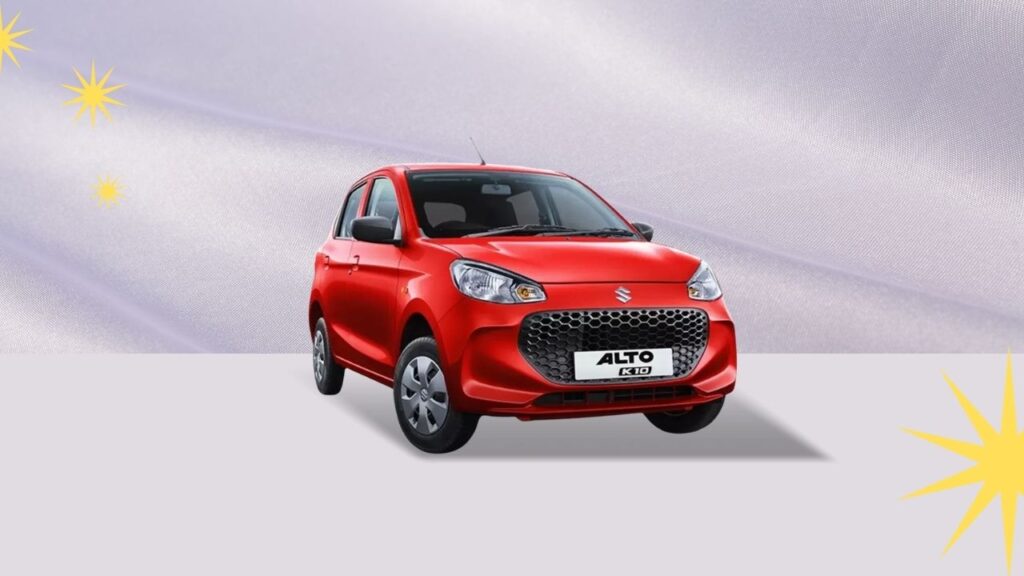
Maruti Suzuki which is the undisputed leader in the small car segment witnessed the most dramatic results. In December 2025, these entry level models alone saw a growth of 91.8% year-on-year. The surge was so high that the waiting period for new cars reached up to six weeks in a few cities. 
The Maruti Suzuki Success Story

Why the Resurgence Matters

It is a retaliation that is more than just about slashing prices and it is in fact addressing the basic Indian consumer psyche. With stringent safety and emission norms pushing up car prices, the middle class had started worrying if it would be able to afford one, and the tax relief significantly brought back these and other consumers. 

At the same time, removing the cascading tax—tax on tax—allowed the entire production line to become more efficient and less costly. But more than anything, it revived the long-nurtured “first car” dream since hatchbacks are the most viable and easiest means to become a four-wheeler owner for lakhs of two-wheeler users across the country. 

Is the Comeback Sustainable?

Although the pace of growth is impressive now, experts are cautiously optimistic. The biggest challenge continues to be the long-term change in consumer taste away from cars and towards SUVs, which a large number of customers consider to be safer or more upscale. 

Outlook for 2026:

  • Tata Motors anticipates its hatchback portfolio to grow in the range of high-teens to 20% in the next few months.
  • Market Correction: analysts are keenly eyeing the January–March 2026 quarter to determine whether this represents the start of a permanent correction in the market or just an over-reaction to the price declines. 

Read More:-  Sultan Hassanal Bolkiah Car Collection: Inside the World’s Largest Garage

Conclusion

The GST 2.0 clarification has breathed new life into the hatchback segment. After killing the small car segment in the navy, the government has stimulated the engine of the Indian car industry by making small cars accessible once again. Can hatchbacks make a full comeback and retake the title from SUVs is yet to be seen, but they are definitely back in the race, for now. 

Sharey Khan

Sharey Khan is an IT entrepreneur and petrol head & a car enthusiast. With a special focus on car-related content, he combines his deep passion for vehicles with a talent for crafting informative, engaging, and easy-to-understand content. His writing is driven by a genuine love for cars and he is committed to providing readers with accurate, up-to-date, and trustworthy information that empowers smarter driving decisions. 

Leave a Reply

Your email address will not be published. Required fields are marked *

Top 10 Cheapest Electric Cars in India (2025) – See Which EV Tops the List!

Top 10 Cheapest Electric Cars in India (2025) – See Which EV Tops the List!

India is steadily shifting toward a cleaner and greener future. With fuel prices going up year after year, more and more people are showing interest in electric cars as a smarter, eco-friendly choice. These cars help save money and protect the environment. But still, many people ask, Which is the cheapest electric car in India?

In 2025, we finally have many affordable electric cars in India. In this article, I have listed the top 10 cheapest electric cars in India in 2025. All the cars in this list cost under ₹15 lakhs (ex-showroom). I will tell you the features, battery range, price, and why they are worth buying. Let’s begin!

1. MG Comet EV – Compact and Stylish

MG Comet EV – Compact and Stylish

Image Credit: MG Motors

If you live in a city and need a small car, the MG Comet EV is perfect. It was launched on April 26, 2023. It is only 2,974 mm long, which means you can park it easily in tight spots. It has two 10.25-inch screens and a smart voice system that understands Hinglish. You can even use an app to lock your car from your phone. I think it’s great if you want a tech-friendly and cheap EV.

  • Price: ₹7.00 lakh
  • Range: 230 km
  • Battery: 17.3 kWh
  • Seating: 4
  • Power: 41 bhp / 110 Nm

2. Baojun E100 – Tiny But Powerful

Baojun E100 – Tiny But Powerful

Image Credit: New Atlas

The Baojun E100 is the smallest EV in this list. It’s only 2,488 mm long. It is best for single people or couples. It is simple but has everything you need for a daily city ride. It has smooth electric steering and LED lights. It’s a good option if you want something small and budget-friendly. And yes, this one answers your question — which is the cheapest electric car in India?

  • Price: ₹6.50 lakh
  • Range: 155 km
  • Battery: 14.9 kWh
  • Seating: 2
  • Power: 39 bhp / 110 Nm

3. Tata Tiago EV – Reliable and Trusted

Tata Tiago EV – Reliable and Trusted

Image Credit: Tata Motors

On 28 September 2022, Tata Motors launched the Tiago EV. It is a small hatchback with a strong car body. It has stylish looks and many color options. The ZConnect app lets you control the AC from your phone. It also supports smartwatch connection. I recommend it for families who want a strong EV.

  • Price: ₹7.99 – ₹11.89 lakh
  • Range: 250 to 315 km
  • Battery: 19.2 kWh / 24 kWh
  • Seating: 5
  • Power: 60 bhp / 110 Nm and 74 bhp / 114 Nm
  • Safety Rating: 4 stars (Global NCAP)

Read Also : BMW X5 vs Audi Q7: 2025 Feature, Comfort & Tech Comparison Guide

4. Mahindra eKUV100 – Small SUV Feel

Mahindra eKUV100 – Small SUV Feel

Image Credit: EV Duniya

This car looks like a mini SUV. The Mahindra eKUV100 comes with remote controlling features such as tracking and cabin pre-cooling. If you like Mahindra and want an SUV-style electric car under ₹9 lakh, this is for you.

  • Price: ₹8.25 lakh
  • Range: 147 km
  • Battery: 15.9 kWh
  • Seating: 5
  • Power: 54 bhp / 120 Nm

5. Mahindra eVerito – Budget Electric Sedan

Mahindra eVerito – Budget Electric Sedan

Image Credit: The Financial Express

The eVerito is one of India’s first electric sedans. It has a simple design with a big 510-litre boot space. It supports Eco and Boost drive modes. If you want a basic electric sedan for daily use, this can work for you.

  • Price: ₹9.12 – ₹9.46 lakh
  • Range: 110 km
  • Battery: 18.5 kWh
  • Seating: 5
  • Power: 41 bhp / 91 Nm

6. Tata Punch EV – Small SUV with Style

Tata Punch EV – Small SUV with Style

Image Credit: Tata Motors

Launched on 5 January 2024, Tata Punch EV is India’s first Gen 2 EV. This electric vehicle is based on the Acti.ev platform. It has a split headlight and new alloy wheels. Tata Punch EV comes with two 10.25-inch screens and a 360° camera. It feels modern and stylish. I think this is the best option if you want a micro-SUV that is safe and smart.

  • Price: ₹9.99 – ₹14.29 lakh
  • Range: 315 km
  • Battery: 24 kWh
  • Seating: 5
  • Power: 74 bhp / 114 Nm
  • Safety Rating: 5 stars (Bharat NCAP)

7. Citroën eC3 – French Style in Budget

Citroën eC3 – French Style in Budget

Image Credit: Citroen

Citroën launched the eC3 in India on February 27, 2023. It looks like its petrol version but has electric power inside. Citroen efficiently supports wireless Android Auto and Apple CarPlay. It also lets you track your car using the Citroën Connect app. It gives a smooth driving experience.

  • Price: ₹11.61 – ₹13.35 lakh
  • Range: 320 km
  • Battery: 29.2 kWh
  • Seating: 5
  • Power: 56 bhp / 143 Nm

8. Tata Tigor EV – Safe Sedan

Tata Tigor EV – Safe Sedan

Image Credit: Tata Motors

Tata Tigor EV: This sedan was launched in August 2021. It looks premium and comes with blue accents. It has many comfort features. It comes with a 7-inch screen and climate control. The app helps in remote lock, tracking, and checking car health. If you want a safe sedan, go for this.

  • Price: ₹12.49 – ₹13.75 lakh
  • Range: 315 km
  • Battery: 26 kWh
  • Seating: 5
  • Power: 74 bhp / 170 Nm
  • Safety Rating: 4 stars (Global NCAP)

9. Tata Nexon EV – Most Popular Choice

Tata Nexon EV – Most Popular Choice

Image Credit: Tata Motors

The Nexon EV is one of the best-selling electric cars in India. It is strong, spacious, and stylish. It comes with a closed grille and bold design. It supports ZConnect, climate control, and smart parking features. I think this is best for people who want more range and comfort.

  • Price: ₹14.74 – ₹19.99 lakh
  • Range: 325 to 465 km
  • Battery: 30.2 kWh / 40.5 kWh
  • Seating: 5
  • Power: 127 bhp / 245 Nm
  • Safety Rating: 5 stars (Bharat NCAP)

10. Mahindra XUV400 – Power Packed SUV

Mahindra XUV400 – Power Packed SUV

Image Credit: Mahindra

The XUV400 is Mahindra’s first electric SUV. It looks modern with projector headlamps and a two-tone color option. It also has 60+ connected features. If you want a bigger SUV and can spend a bit more, this is worth checking out.

  • Price: ₹15.49 – ₹19.39 lakh
  • Range: 375 to 456 km
  • Battery: 34.5 kWh / 39.4 kWh
  • Seating: 5
  • Power: 148 bhp / 310 Nm

Final Words: Which One Should You Pick?

If you want to know which is thе chеapеst еlеctric car in India, thе Baojun E100 and MG Comеt EV arе thе chеapеst in 2025. Thеy arе compact, pеrfеct for city drivеs, and savе a lot of fuеl monеy. If you nееd morе spacе and safеty, go for Tata Tiago EV, Punch EV, or Nеxon EV.

Elеctric cars arе not just good for thе еnvironmеnt, thеy also hеlp you savе in thе long run. I hopе this list hеlps you choosе thе bеst onе for your nееds and budgеt.


Bipin Sharma

Bipin Sharma is a seasoned automotive content writer with over 10 years of hands-on experience in the world of cars. From the latest car news and reviews to in-depth maintenance tips and expert buying guides, Bipin covers everything that drives the automotive world. Writing about cars isn’t just his profession — it’s his passion. His deep industry knowledge and love for automobiles fuel every blog he creates, helping readers make informed decisions and stay updated on the fast-evolving auto landscape.

Leave a Reply

Your email address will not be published. Required fields are marked *

Renault and Nissan Alliance Guide – History, Benefits & Future Vision

Renault and Nissan Alliance

The Renault-Nissan Alliance is one of the best examples of cross-cultural collaboration within the automotive industry worldwide. Since 1999, the strategic cooperation of two very different market players has never ceased to shake and reshape the globally automotive industry with shared technologies, economies of scale and coordinated market strategies. Now the Alliance, which has expanded to include Mitsubishi Motors, oversees eight major automotive brands, is one of the largest automotive groups in the world in terms of sales volume. 

From Rescue to Revolutionary Partnership History

The Founding Era (1999-2003)

The Renault-Nissan Alliance was born out of a time of crisis for Nissan. In 1999, the Japanese carmaker was on the verge of collapse and was seeking a strategic partner worldwide. On March 27, 1999 in Tokyo, Louis Schweitzer of Renault and Yoshikazu Hanawa of Nissan concluded the historic Alliance agreement, with Renault purchasing a 36.8% equity stake in Nissan Motor for around $3.5 billion. That deal also involved the sale of a 15.2% share in Nissan Diesel and the divestiture of Nissan’s five financial units.​

Alliance making was systematic and strategically planned. From mid-1998 to March 1999, a nine-month negotiation process, the two companies pinpointed around 20 potential synergy areas and formed 21 joint study teams to conduct feasibility studies. Carlos Ghosn – who was named President and CEO of Nissan in June, 1999 and who played a key role in formulating the turnaround strategy that saved Nissan in the early days of the alliance. 

In 2001, after Nissan’s return to financial health, the partnership reached an equilibrium with a 15% stake of Nissan in Renault and a 43.4% stake of Renault in Nissan. The two companies exchanged shares, creating the basis for a truly collaborative rather than a controlling partnership. 

Early Growth and Scale Achievement (2003-2010)

The benefits of the Alliance swiftly became evident: joint buying, shared logistics and joint part development. By 2010 the Alliance was delivering annual synergies of over €1.5 billion as a result of combined purchasing, shared warehousing, combined transportation, and harmonized customs procedures over the major markets.  

Alliance With Mitsubishi  (2011-2019)

With Mitsubishi Motors weakening and struggling in 2016, Nissan bought a majority stake in the company. The year after, the Alliance revealed its “full member” concept, enabling Mitsubishi to become part of Renault-Nissan-Mitsubishi from 2017. This enabled growth of the Alliance’s global production base. The expanded Alliance was delivering €5.7 billion in annual synergies by 2017, representing a 14% increase over the previous year. 

The Alliance 2022 strategic plan, disclosed in September 2017, was expected to raise annual synergies to an aggressive €10 billion for the end of 2022. The scheme projected combined sales of more than 14 million units with revenues of $240 billion, as the three member companies shift common platform usage to cover a wider product range. 

Organizational Challenges and Transformation of the Leadership (2018-2020)

Alliance cohesion was to be greatly shaken when Carlos Ghosn was arrested in Japan in November 2018 and subsequently ousted from his executive positions at Nissan and Mitsubishi. This geopolitics crisis activated long dormant tensions between the French government’s role as shareholder and Japanese management fears of losing control.  

To help bring stability back to the partnership, Renault vowed in a legally binding commitment not to oppose the Nisan board in shareholders meetings.​

Organizational Challenges and Transformation of the Leadership (2018-2020)

In the face of these difficulties, the Alliance unveiled an all-encompassing, €2 billion, three-year cost-cutting package in May 2020 that would slash the number of vehicle platforms from seven to four and that included a “leader-follower” system where one corporate iliad develops a technology first, and others then adopt it. The mission of this structural rethink reinvented the alliance around profits from scale rather than expansion. 

Alliance 2030: The Electric and Connected Future (2020-Present)

In January 2022, the Alliance launched its most ambitious strategic plan for the future –Alliance 2030 – with a pledge to invest €23 billion in electrification over the next five years and with goals for 35 new EV models by 2030. The green roadmap identified pure-electric and intelligent connected mobility as the two key pillars for future growth. 

How the Alliance Creates Value

1. Unprecedented Economies of Scale

The reason for the Alliance’s superiority is that it combines the buying and manufacturing power of three of the world’s largest car companies. As of 2017 it was the largest car manufacturer in the world based on light vehicle sales, assembling more than 10.6 million vehicles annually. The size of the senior from translates into tangible benefits for:

Bargaining powers: The Alliance has precise bargaining powers: against suppliers, through the Renault-Nissan Purchasing Organization (RNPO), created in 2004, managing supplier negotiations for all the three partners. This line of centralized defense significantly cuts component prices. The Common Module Family (CMF) concept tries to achieve 30 to 40 percent reduction in entry costs per vehicle, and 20 to 30 percent reduction in parts costs through massive scale economies.

Platform and component sharing: Instead of developing separately, Alliance partners create modular architecture that allows global use across different brands and vehicle categories. This saves you engineering dollars and still differentiates brands. The same underbody modules, for example, can also underpin vehicles as varied as compact cars and sport-utility vehicles, even across multiple marques. 

2. Shared Technology Development and Innovation

The Alliance pools R&D investment for capital-intensive projects that individual companies might find difficult to finance alone. Prominent areas of innovation are:

Battery and electric vehicle technologies : The Alliance has pledged to renew 220 GWh of battery production capacity worldwide by 2030. 

Nissan pioneers development of revolutionary all-solid-state battery (ASSB) technology that promises to deliver twice the energy density of current lithium-ion batteries while offering one-third the charging time. The aim is to have full-scale production of the ASSB in the mid-2028, and if the future cost target of $65 per kWh is achieved to contribute to cost competitiveness against internal combustion engines.​

Alliance Creates Value

Image credit: Nissan

Common EV platforms: Presently, the CMF-EV platform that has been engineered as a modular platform for 100 percent electric vehicles underpins the Nissan Ariya crossover and Renault Megane E-Tech Electric (with more than 15 models planned for launch by 2030 on this platform, totalling 1.5 million vehicles per year).

Autonomous and connected systems: The Alliance relies on its 20 years of experience in ADAS (advanced driver-assistance systems) and robotic driving to develop the next generation of safety systems. The Alliance aims in originality and development. The Alliance foresees the use of autonomous systems on 10 million vehicles for 45 models by 2026. The joint approach to innovation is exemplified by Nissan’s award-winning ProPILOT system. 

3. Geographic Market Expansion

Add to that the geography of the two companies and the Alliance combines Renault’s strength in Europe, Latin America and Russia with that of Nissan’s in the Asia-Pacific region and strong presence in North America. Mitsubishi brings more expertise to the table in the Southeast Asian region. This geographic complementarity means that:

Joint development of the market: All the three members the Alliance, namely, are focused strategically on India where vehicle development, manufacturing and sales are coordinated. A restructuring in 2025 enabled Renault to buy out its Chennai joint venture (Renault Nissan Automotive India Private Ltd) and streamline its operations.​

Common dealer networks: The Alliance manages dealer profitability and cost reduction through the shared services center and digital platform, enabling a reduction in the cost of infrastructure duplication. 

4. Financial and Operational Synergies

The Alliance generated €5.7 billion of synergies on an annual basis by 2017, which equated to around $6.6 billion of cost reductions and revenue enhancements. These synergies come from:​

Share logistics services: The Alliance achieves more than €200 million a year in logistics synergies through sharing warehouses, containers, crates, seagoing vessels, customs procedures.

Joint financial services: The Alliance’s far-reaching combined financial and bank activities allow for better credit terms and financing fees.

Cross-manufacture of vehicles: The success in commercial vehicles highlights the advantage of cross-manufacture — the Renault Kangoo/Nissan Kubistar, the Master/Nissan Interstar, and the Trafic/Nissan Primastar all share roughly 80% of parts while still distinct brands. 

Core Innovation: Common Module Family (CMF) Architecture

The Common Module Family is the Alliance’s biggest breakthrough in vehicle development efficiency. To be clear, rather than build full platforms for single vehicles, CMF applies modular design with interchangeable “Big Modules”:

The five core modules:

  • Engine compartment module
  • Cockpit module
  • Front underbody module
  • Rear underbody module
  • Electrical and electronic architecture module 

These modules can be mixed and matched to build cars across segments and brands. As an example, a single underbody can be stretched and stretched again to produce a compact sedan, a mid-size sport-utility vehicle and even a large crossover simply by changing module sizes and configurations. 80% of the Alliance model launches between 2014 and 2016 will be based on shared platform and CMF standardisation.​

The CMF architecture evolved drastically towards the Alliance 2030 vision, with the aim of achieving 80% platform commonization by 2026 for the three member companies, in contrast to 60% currently. 

Present Status & Developments (2024-2025)

Nissan is Ready To Overcome Challenges

Nissan was under increasing pressure financially in 2024 with its net profit for the first half falling 93% and the carmaker announcing it was cutting tens of thousands of jobs. There were several reasons: obsolete products, battered brand image, competition from Chinese carmakers, import tariffs in the US, and costs of shifting rapidly to EVs.​

Re:Nissan Recovery Plan

Futuristic looks, a great new engine series, etc. In May 2025, Nissan’s CEO, Ivan Espinosa, presented the all-encompassing “Re:Nissan” revival strategy with a focus on achieving profitability in fiscal 2026. 

Nissan Recovery Plan

There are numerous activities to take into account including the following:­

Manufacturing restructuring: Streamlining production and slashing global capacity by 20% through cutting production plants from 17 to 10. This restructuring shift capital toward electric vehicles and autonomous technology investments. 

Cost saving: Aiming for €400 billion yen (£3.6 billion) in savings by consolidating its supplier panel to obtain higher volume from fewer suppliers and also by reducing legacy inefficiencies.​

Restructuring: Reducing top management by 20 percent, implementing a single-layer non-officer structure, and establishing a smaller, faster-moving global headquarters.

Product focus: Stopping further advanced and post-2026 development to turn 3,000 employees’ attention to cost-cutting. 

Restructured Alliance Agreement

March 2025 was a major overhaul in the Renault-Nissan alliance. The revised agreement allowed more flexibility in cross-shareholdings by reducing the lock-up obligation from 15% to 10%, thus granting more freedom to both companies in terms of shareholding. 

Renault bought 51% stake of Nissan in Renault nissan automotive India, now with this acquisition Renault got full hold on the joint venture and subsided its presence in India while $200 million to Nissan’s immediate cash. Nissan was freed from its obligation to invest in Ampere (Renault’s EV investment company) while continuing on other agreed product projects. 

Read More:- Renault and Nissan Alliance Guide – History, Benefits & Future Vision

Future Vision: Alliance 2030 Roadmap

The Alliance 2030 strategic plan is the most advanced vision of the partnership’s future, built on three pillars: 

1. Electrification Leadership

The €23 billion investment pledge for the next five years backs the development of 35 new EV models by 2030. Of these, 90% will be developed against five common EV platforms which address the major global markets and covers all vehicle segments.”​

Some major EV platforms include the following:

CMF-EV: The global flagship platform is also the first to be built on with the Nissan Ariya and Renault Megane E-Tech Electric as production models

CMF-BEV: A new small car platform for the replacement of Micra EV in Europe 

Shared platforms: Shared models for all three group companies across the C-, D- and SUV segments

Battery strategy: In addition to the 220 GWh production capacity target, the Alliance has full ownership of battery hardware and software—enabling predictive health monitoring, advanced recycling protocols and second life battery applications. 

2. Connected and Autonomous Mobility

The Alliance aims for 25 million connected vehicles exchanging data through the Alliance Cloud by 2026, versus 3 million today. This connectivity enables:​ 

Software updates: Enable all customers such as you & retailers and workshop to enjoy and get more – fend off older game features with new additional features more and services, safety improvements, and personalisation of vehicles and services.

Active driver assistance system: 10 million vehicles with autonomous driving functions across 45 models in 2026 

Google ecosystem integration: The Alliance will be the first mass-market automaker to bring the Google ecosystem to vehicles with native Google Maps, Google Assistant and Google Play integration. 

3. Sustainable and Profitable Growth

Sustainable Vision 2030 is consistent to become a full supporter of a sustainable future with other goals for the environment. The Alliance targets to reach full carbon neutrality in Europe by 2040, to play its part in wider climate goals and stay competitively profitable. 

Conclusion

The Renault-Nissan-Mitsubishi Alliance is a unique strategic automotive collaboration, which has allowed three very different companies to achieve substantial benefits and efficiencies. A relentless focus on EVs, battery technology, software-defined vehicles and autonomous driving systems positions the Alliance to lead the transformation of the automotive industry into sustainable, connected mobility.

The Alliance 2030 roadmap with its target of 35 new EV models, 220 GWh battery capacity and 25 million connected vehicles reaffirms that the tripartite cooperation, though facing short term challenges, is still strategically committed to industry leadership in an era of unprecedented automotive change. 

Sharey Khan

Sharey Khan is an IT entrepreneur and petrol head & a car enthusiast. With a special focus on car-related content, he combines his deep passion for vehicles with a talent for crafting informative, engaging, and easy-to-understand content. His writing is driven by a genuine love for cars and he is committed to providing readers with accurate, up-to-date, and trustworthy information that empowers smarter driving decisions. 

Leave a Reply

Your email address will not be published. Required fields are marked *

Lexus RX vs BMW X5: Which Luxury SUV Dominates 2025?

The debate is never going to end between best SUVs because the automotive companies are delivering more new models with high end features and comfortable cabins that make them more attractive. Lexus RX vs BMW X5 are current models of luxury SUV which offer mostly the same features with a slight distinct price & tech. Well, if you are going to buy a luxury SUV which dominates in 2025 then both have positioned themselves in the list. Check out the features and price of these models to understand what can be matched with your taste.

Everyone’s choice is different— not everyone wants a fuel efficient SUV but more speedy and powerful rides. So, there is no single yes or no in this because overall both cars have outstanding features and amazing design which marks your presence anywhere you ride on it.

Still, The BMW X5 beats the Lexus RX in speed, power, and cargo room. The Lexus RX offers superior fuel economy and a lower starting price. Go for the X5 if you want top performance and space. Those prioritizing efficiency and value will lean toward the RX.

Pricing & Positioning

Lexus RX 350 price starts at $49,125 while BMW X5 xDrive40i starting price is $69,775

The RX’s base price is roughly $20,000 less than the X5. This makes it an easier way to get into the luxury midsize SUV market.

Powertrain & Performance 

Image credit: Lexus


Model Engine Power/Torque 0–60 mph
Lexus RX 350 2.4 L turbo-4 6,000 rpm with 275 hp; 1,700 rpm with 317 lb-ft   6.8–7.6 s 
BMW X5 xDrive40i 3.0 L turbo-inline-6 with 48 V mild-hybrid 5,200 rpm with 375 hp; 1,850 rpm with 398 lb-ft 5.2 s 

The X’s powerful inline-6 setup delivers 100 hp that makes it more favorite for speed seekers, it also offers sharper acceleration over the RX. These SUVs stand out at the top positions side-by-side because of their powertrain and outstanding performance. 

Also Read: Honda HR-V vs Toyota Corolla Cross: Which Small SUV Should You Buy in 2025?

Fuel Economy

Lexus RX 350 delivers more fuel efficiency with 25 mpg combined that can run up to 22 city and 29 highways with unstoppable speed. For people seeking a long-trip model, RX can be a better option for them.

BMW X5 xDrive40i offers all-wheel drive with 19 mpg combined that can run up to 17 city and 22 highway. It is also a better option for folks who are interested in AWD rides. 

Interior Space & Cargo

Image credit: BMW


Metric Lexus RX BMW X5
Passenger Volume (cu ft) 52–55 (front) / 45–47 (rear) 56 (front) / 50 (rear) 
Cargo Capacity (cu ft) 30–46  34–72


The X5 is offering more passenger space up to 10% and nearly 60% more cargo volume which makes it the best family SUV in 2025.


Chassis & Ride

Lexus RX offers a unibody SUV where the MacPherson struts used in Front and rear uses multilink setup that make this one look more cool. It marks presence with fluent speed and dynamic transmission up to 8-speed automatic.

BMW X5 has a different approach, with four-wheel independent suspension and 8-speed Steptronic automatic transmission giving a powerful ride without compromising comfort. 

Technology & Safety


Features Lexus RX 
Screen 14-inch touchscreen
Audio Mark Levinson 21-speaker audio
Connectivity Apple CarPlay/Android Auto
Lexus Safety System+ 3.0 pedestrian detection, lane-tracing assist, adaptive cruise


Features BMW X5
Screen Dual 12.3-inch digital displays, Available head-up display
Active Driving Assistant Pro lane-keep assist, Evasion Aid, Stop & Go

Both SUVs offer advanced diver-assist suites and an amazing sound system for a wonderful journey. BMW is giving more options in screening with a modern infotainment interface.

Final Verdict

This is not a static selection but choice is dynamically made for both SUVs because they both offer amazing features and incredible safety features. Whether you decide to buy a BMW or Lexus, the decision depends on the performance, space, design, and price of the SUVs. For better performance, more cargo space and premium cabin features, you can choose BMW X5. For lower entry cost, fuel efficiency, refined ride comfort, you can choose Lexus RX.


Sharey Khan

Sharey Khan is an IT entrepreneur and petrol head & a car enthusiast. With a special focus on car-related content, he combines his deep passion for vehicles with a talent for crafting informative, engaging, and easy-to-understand content. His writing is driven by a genuine love for cars and he is committed to providing readers with accurate, up-to-date, and trustworthy information that empowers smarter driving decisions. 

Leave a Reply

Your email address will not be published. Required fields are marked *

Top 10 Most Fuel-Efficient Cars in India Under ₹10 Lakhs You Must See in 2025

The 2025 Indian sub-₹10 Lakh automotive market is driven by ultra-low running costs, making CNG cars being the most popular option as they cost 50-60 percent less on fuel compared to petrol. Maruti Suzuki Celerio (34.43 km/kg) and Wagon R (34.05 km/kg) are two such models that set the efficiency benchmark.

Good hybrids (Grand Vitara, Urban Cruiser Hyryder) provide great mileage however are beyond this price range as they are priced above ₹10 Lakh.

Value shoppers must choose between:

  • Most Mileage Cars (Celerio, WagonR, AltoK10) Are Economical But Have Poor Safety Ratings (0–2 Stars).
  • Safer modern alternatives (Maruti Dzire – 5 star, Tata Tiago – 4 star) are a bit costlier, but they offer vital occupant safety.

Fuel Efficiency is Shaped By Two Key Realities:

ARAI vs Real-World Mileage

Since ARAI certified figures are laboratory tested and are doubtful.

City mileage in real life is relatively up to 47% lesser (Wagon R CNG claims 34 km/kg, but its real life mileage is 22 to 26 km/kg).

Efficiency needs to be calculated a little differently: km per litre for petrol/diesel, km per kg for CNG and the true financial metric is Cost per km (CpK) – and in terms of CpK, CNG comes out as the winner for the fuel is dirt-cheap.

Market Barrier for Hybrid Technology in India

Decent hybrids (like Grand Vitara, Urban Cruiser Hyryder) may come close to high mileage (28 kmpl) but still are out of reach in this segment, with prices commencing well over ₹10 Lakh (generally ₹17 Lakh+ on-road).

So, in the sub ₹10 Lakh buyers have to bank on CNG to get significant savings, with sophisticated hybrid efficiency being available only at the upper end of the cost spectrum. 

For the value-conscious consumer CNG is still the only viable option to really achieve Total Cost of Ownership (TCO) savings though that can really cash in only if consumers temper their expectations to the reality in real world mileage and not inflated ARAI figures. 

The Top 10 Fuel Efficiency Cars (Under ₹10 Lakhs)

Factory-fitted CNG variants, which come with the highest certified mileage figures, take the top spot in the the conclusive list of the most fuel-efficient cars under ₹10 Lakhs. The list below has been prepared on the basis of highest ARAI-certified efficiency figure of a single variant in all the cars available under the price cap of ₹10 Lakhs Ex Showroom for major metros.

Model/Variant Fuel Type ARAI Certified FE (km/unit) Ex-Showroom Price (₹ Lakhs)
Maruti Suzuki Celerio CNG 34.43 km/kg 6.65 – 8.64 Lakhs
Maruti Suzuki Wagon R CNG 34.05 km/kg 6.80 – 8.96 Lakhs
Maruti Suzuki Dzire Tour S  CNG 34.3 km/kg 7.19 – 9.00 Lakhs
Tata Tigor CNG 33.1 km/kg 6.49 – 8.90 Lakhs
Maruti Suzuki Alto K10 CNG 31.59 km/kg 5.50 – 7.18 Lakhs
Maruti Suzuki Baleno CNG 30.61 km/kg 7.70 – 9.10 Lakhs
Hyundai Aura  / Grand i10 Nios  CNG 28.0 km/kg 8.00 – 9.00 Lakhs
Tata Tiago  CNG 26.49 km/kg 6.15 – 8.00 Lakhs
Maruti Suzuki Swift Petrol 25.75 kmpl 6.49 – 9.64 Lakhs
Honda Amaze Petrol 25.0 kmpl 7.92 – 9.50 Lakhs

The clearest feature of this list is the undeniable dominance of Maruti Suzuki: it takes 7 places out of the top 10. This widespread presence especially in the top CNG high-efficiency slots cements Maruti’s strategy of Efficiency as Core value Proposition. The company holds an edge to this day in its unique engineering of small displacement, highly tuned engines and integrated factory fitted CNG solutions.

The final two spots are taken by none other than Maruti Suzuki Swift and Honda Amaze. It shows that even a highly tuned petrol engine cannot objectively compete with the volumetric efficiency, cost efficiency and performance offered by MCNG. Pure petrol variants are becoming a second option to mileage-conscious buyers and more for those living in areas that are not that well connected with CNG refilling infrastructure. 

Read More:- EV vs Petrol vs Hybrid: Which Car Type Is Perfect for You in 2025?

In-Depth Profiles of the Top Cost-Efficiency Leaders

Maruti Suzuki Celerio

The Maruti Suzuki Celerio is a good hatchback in the Maruti range and has been one of the highest selling from the segment largely due to its fuel-efficient engines, especially the CNG version. It offers 1.0-litre three cylinder petrol engine paired with 5-speed manual or AMT gearbox, power steering, front power windows, keyless entry and a 7-inch touchscreen infotainment system.

Image credit: MarutiSuzuki

It provides maximum cabin space, while the size of the exterior is kept to a minimum. Dual front airbags are offered along with ABS with EBD, rear parking sensors and more.

Maruti Suzuki Wagon R

The Maruti Suzuki Wagon R is a tallboy hatchback which is known for its spacious cabin and tall roofline. It has two powertrain options: 1.0-litre and 1.2-litre petrol engines, both with the choice of manual and AMT transmission. It is also available in a factory fitted CNG variant for more mileage efficiency.

Image credit: MarutiSuzuki

It comes with provisions such as 7-inch touchscreen, steering-mounted audio controls, power adjustable mirrors, rear seats that split-fold. Standard safety provisions on the hatchback include two airbags, ABS with EBD, rear parking sensors and it is well poised to attract new car buyers in the urban Indian market.

Maruti Suzuki Dzire Tour S

The Dzire Tour S is focused on commercial and taxi purposes. It comes with a 1.2-liter petrol engine with CNG and petrol variants and a 5-speed manual gearbox. The sedan is also appreciated for having a large boot (378 liters) and for its economy, more so when running on CNG.

Image credit: MarutiSuzuki

The most important specifications are front power windows, central locking, manual air conditioning, 2 airbags with ABS. Its rear seat is road-trip viable and it continues to be a preferred selection among fleet purchasers.

Tata Tigor

The Tata Tigor is a small sedan that runs a 1.2-litre three-cylinder petrol engine, it competes in CNG and petrol variants. “It boasts with being a coupe-like styled vehicle, 419-liter boot capacity, has safety with 4-star GNCAP crash rating.

Image credit: TataMotors

Includes – touchscreen infotainment system with Android Auto and Apple CarPlay, climate control, projector headlamps, rear parking camera. Tigor pays focus on structural safety and cabin comfort, so it’s safe for your family and strong enough for your day to day.

Maruti Suzuki Alto K10

Alto K10 is one of India’s bestselling entry-level hatchbacks. It is powered by a 1.0-liter three-cylinder petrol engine and is also offered with a factory-fitted CNG kit.

Image credit: MarutiSuzuki

Basic power steering, front power windows, manual air conditioner and a rudimentary infotainment system on the higher variants are the key features. There are dual airbags but safety is minimal. Alto K10 is light and nimble making it a great city car for new car buyers and daily users.

Maruti Suzuki Baleno

The Baleno is a premium hatchback from Maruti Suzuki and is powered by 1.2-litre petrol engine and comes with an optional CNG kit. Transmission options include a manual and an AMT automatic. Highlights of the specifications: 9-inch SmartPlay Pro+ infotainment, LED projector headlamps, 360-degree camera, cruise control.

Image credit: MarutiSuzuki

Six airbags in top models, ESP, hill hold assist, and rear parking sensors all come as standard safety features. The Baleno is also revered for its spacious cabin and refined ride quality and is very popular among small families.

Hyundai Aura  / Grand i10 Nios 

The Hyundai Aura is small sedan and the Grand i10 Nios is a hatchback, however both vehicles share the same platform and 1.2 liter engine in petrol, CNG and diesel forms. The highlight features include an infotainment touchscreen with smartphone connectivity, automatic climate control, wireless charger, and rear AC vents.

Image credit: Hyundai

Both are good for comfortable riding and they also provide practical boot space for a hatchback and compact sedan respectively. Safety consists of dual front airbags, ABS with EBD, and stability control on the higher variants, making it a value-for-money choice for those looking for practical needs.

Tata Tiago 

Tata Tiago, a compact hatchback, is equipped with a 1.2 liter three-cylinder petrol engine and the variants on offer are petrol and CNG. It boats robust build quality with 4 star GNCAP safety rating. Additional features are an infotainment touchscreen, dual zone climate control, 8-speaker Harman audio, reverse parking sensors and two airbags.

Image credit: TataMotors

The Tiago is lauded for its fun-to-drive dynamics, safety and youthful design, making it a great choice for small families and city runs.

Maruti Suzuki Swift

The sporty Maruti Suzuki Swift hatchback comes with a 1.2-liter petrol engine and AMT option. Highlights of the car are LED headlamps, 7-inch touchscreen, automatic climate control, and push-button start.

Image credit: MarutiSuzuki

It manages to be fuel efficient yet delivers peppy performance and is equipped with dual airbags, ABS, and ISOFIX mounts for safety. The Swift is known to add a youthful and energetic charm to the general object of its ownership.

Honda Amaze

Honda Amaze is a petrol-powered compact sedan with a 1.2-litre engine and CVT automatic now available as an option. It’s all about comfortable seating and sensible space, with a 420-litre boot.

Image credit: Honda

Highlights of the vehicle are its 7-inch infotainment system with Android Auto/Apple CarPlay, dual-zone climate control, cruise control, and rear camera.Safety kit Standard a – dual airbags, ABS with EBD and rear parking sensors. Its refined engine and smooth ride make it the best family sedan in India.

Conclusion

Maximizing ROI in 2025 The Best Financially Prudent Option In 2025 For High Usage Indian Consumers With A Budget Of Under ₹10 Lakh Is A Stock CNG Car. The difference in running costs is so great that the initial extra outlay is quickly recovered. Now for the discerning customer would be when choosing the contemporary, structurally safe CNG options (Dzire, Baleno, Tiago/Tigor) that blend best in class operational efficiency with high safety standards to deliver end to end maximum value for money and protection in the long run.

Sharey Khan

Sharey Khan is an IT entrepreneur and petrol head & a car enthusiast. With a special focus on car-related content, he combines his deep passion for vehicles with a talent for crafting informative, engaging, and easy-to-understand content. His writing is driven by a genuine love for cars and he is committed to providing readers with accurate, up-to-date, and trustworthy information that empowers smarter driving decisions. 

Leave a Reply

Your email address will not be published. Required fields are marked *

First-Time Buyers: How to Sell Your Car

Increasing disposable incomes and the availability of a large number of makes and models has resulted in a boom in the used car market. People are graduating from two-wheelers to four-wheelers and those with four-wheelers are looking at upgrading their ride. So if you were planning to sell a car in India, this is the right time to do so. There are various avenues that you can explore to sell your ride. Let’s take a quick look at them and their pros and cons.


How To Sell Car The Traditional Way?

Placing an advertisement in the local newspaper, getting in touch with local car dealers, informing your friends and family members and asking them to spread the word around, sticking a ‘For Sale’ sign with your contact details on the rear windshield of your car, putting up leaflets on the notice board of your housing complex, office, clubs etc – these are all the traditional or offline ways of selling your used car.


How To Sell Car The Modern Way?

Placing an advertisement on online classified portals, availing trade-in and exchange offers, utilizing the power of the social media and using car buying services are some of the modern ways to sell car.


There are four major steps if you plan to sell the car yourself:


Preparing the car for sale

Interacting with prospective buyers

Documentation and payments

And finally, things to do post sales

  1. Preparing The Car For Sale

The first step consists of preparing the car and advertising your intentions to attract prospective buyers for your vehicle. Let us break this down further:


Preparing your used car for sale


In order to be able to sell car at the best possible price, it is important that you put in place the following steps:


Get your car serviced and cleaned –  Remove all personal belongings from the car and if possible and viable, get scratches and dents repaired. Make sure that the interiors are clean and free from blemishes and stains. Of course, if you have maintained your car properly, these should not be a big issue

Gather all the papers of the car and make a copy of them –  If you have a service record of the car, be sure to include it with the other documents. Do not forget to include the owner manual, battery warranty cards, PUC certificates and any other document that is related to the car

Park your car in a clutter free area and take at least ten to fifteen photographs of the car –  Take good photographs of your car – both the exteriors and the interiors – and from different angles. Though you do not need to get a professional to do this job, you need to make sure that the photographs are in focus, sharp and clear.

The next step is creating the advertisement – Along with the photographs of the car that you have taken, your advertisement should contain as much information about the car as possible. This would include:

1) The year and month of manufacture or registration

2) The state or city of auto registration

3) Commercial or individual lifetime tax

4) The total number of owners

5) Comprehensive or Third party insurance type and its validity

6) The availability of service history

7) Colour of the car, both interior and exterior, and if original or re-painted.

8) Variant or Trim level

9) The number of kilometres covered

10) A list of accessories fitted

11) Reasons for selling

12) Expected price


Ensure that your expected price for selling your car is neither too high nor too low – Again some amount of research will give you an indication of the price range for cars of similar make, model, and age. Along with the above, state the salient features of the car which would count as advantages – for example – single ownership, low mileage, accident-free, extended warranty coverage etc. Include an email id (you can create a new one for this purpose) and a phone number (with timings for receiving calls if you wish). If possible, scan the car documents – this will help as you can email the same to prospective buyers if they wish to inspect them beforehand.

Research will help you to find out the best portals for placing your online advertisement. You can also place the advertisement on your social media platforms, as well as on the notice boards of your apartment, office, and club. However, do find out if you are allowed to do so before you pin your advertisement on the notice boards.


  1. Interacting With Prospective Buyers To Sell Your Car

Selling your used car


Once your car advertisement is in place, you will start receiving calls and emails from prospective buyers. How you interact with your potential buyers can make or break the deal.


The first step is to screen the potential buyers – You will receive inquiries from businesses, agents, individual buyers and also from sellers like yourself who are calling up to do their research on the price factor. You need to focus your time and energy on serious buyers only – hence, you need to separate the serious potential buyers from the rest at the first call/email stage

When talking/answering queries, be as straight forward as you can in your interactions –  Do not get too eager to sell or overly aggressive. Remain focused and to the point, answering all queries to the best

Once you have screened the buyers, send them the scanned copies of the documents – This will save both of you time and effort before the buyer decides to physically inspect your car

Fix a time that is convenient to both for the physical inspection of the vehicle – Request the buyer to be punctual and make sure that you are punctual too – this shows your seriousness. Be prepared by asking the buyer beforehand if he would like to test drive the car, and set the time accordingly. Remember to go along with the prospective buyer on the test drive

The prospective buyer might want the car inspected by an authorized, reliable and credible service station or his mechanic – This is a commonly placed, reasonably valid request and shows the serious intent of the buyer. Discuss the most convenient way to get this done – the mechanic could come to your place and inspect the car or you could drive it to the service center/ mechanics workshop. However, ensure that you or your representative is present at the time of the inspection

Negotiate for a reasonable deposit – It is possible that the buyer might say yes to the deal, but requires time to get the finance in place (either his own or from a bank/NBFC). It is wise to hold negotiations for a reasonable deposit – maybe between 10,000 and 30,000 and clearly state the time frame by which the entire amount of the payment should be made. Failure to pay within the stipulated time would lead to forfeit of the deposit and allow you to subsequently offer the car to a different buyer.

Lastly, never be in a rush to sell the car or feel pressurized into doing so – Inform the prospective buyer that you will get back to him/her within a stipulated time period and stick to it. Think the deal through before committing yourself to the sale.

  1. Documentation & Payment – Which documents should you give to the buyer and which ones should you keep

Documents for selling a used car


Assuming that you have been able to find a buyer for your car and confirmed the deal, the next step is documentation and payments. This is the most crucial step in selling your car.


Wait for the cheque/ demand draft to be cleared before handing over the documents and the vehicle – There is a slew of documents that need to be prepared and signed for transferring the ownership of the car. However, remember this cardinal rule – signing of transfer papers and delivery of the vehicle must happen only after receiving the full payment for the car.

Ask the buyer to provide you with a copy of his government issued photo id and address proof – It could be a copy of the passport, driving license or any other acceptable document.

All fields in the transfer forms issued by the RTO, and the delivery note, should either be filled or N.A written if not applicable – Do not, I repeat, do not leave any blank fields on the forms. Similarly, the forms need to have the signature of both the buyer and the seller. The best way, if time permits, is for both parties to visit the RTO in unison and help the transfer process to reach its completion.

Along with the duplicate keys, the list of documents that is required to be given to the buyer of your vehicle is:

1) Form No.28 (3 originals) – This pertains to the N.O.C. as well as the grant of certificate when the buyer happens to belong to another RTO’s jurisdiction

2) Form No.29 – Notice of the transfer of car’s ownership (Original)

3) Form No.30 – Report of the transfer of vehicle’s ownership (Original)

4) A copy of the delivery note

5) The Registration Certificate in original

6) All RTO tax related documents in original

7) Insurance cover/ policy – in case it has been included in the deal

8) The vehicle’s owner’s manual

9) All warranty papers

10) Service history

11) Copy of the original invoice of the car

12) PUC certificate.

13) Form No.35 – The finance organization has to provide the NOC. If the outstanding loan on your vehicle is still unpaid, as per the general procedures in place, you have to foreclose the loan. Thereafter, procure the NOC and forward it to the buyer.


While you hand over the documents to the buyer, remember there are some documents that you need to keep in your custody. These include:

1) Copy of Form No.29

2) Copy of Form No.28

3) Original delivery note

4) Copy of Form No.30

5) Copy of the Government issued id (with photo) of the buyer

6) Copy of the vehicle’s RTO tax papers, Registration, insurance policy

7) Original car invoice

8) Copy of NOC from the finance company, only if applicable


  1. After You Sell Car

Used car sold


The fourth step consists of actions to be taken after selling and giving delivery of your vehicle to the buyer. Although these may come across as additional work, they are important as they ensure your safety and security.


Inform the RTO – As per the law, as long as the car is registered in your name, you hold the responsibility for the car and any unwanted incident that takes place because of it. Therefore, it is your responsibility to inform the RTO of the transfer. You need to inform the RTO, belonging to where the vehicle was registered, in a period of 14 days of the sale, by sending copies of all the relevant categories of documents (the documents retained by you) through registered post. The postal confirmation needs to be maintained for records. Once the delivery acknowledgement is received, only then can you be indemnified of all the liabilities associated with the car sold by you. Remember, just in case, the address of the buyer happens to be the jurisdiction presided by another RTO, an identical document has to be dispatched to him as well.

Inform the insurance company – The insurance company has to be appropriately informed of the transfer; especially if the insurance cover happens to be part of your deal with the buyer. If not, then you need to inform them of the cancellation. This should be done by registered post, just as it was to be done with respect to the RTO.  If you decide to visit your insurance company, do carry an “acknowledgement” stamp on your application’s copy. All No Claim Bonus benefits cannot be transferred and are available for use towards the car that you decide to hold next.

Ask for the updated RC from the buyer – Remember to ask the buyer to dispatch a copy of his updated RC book (which has been duly transferred to the buyer’s name) to you. While this will, in all probability, need consistent follow-up, it is important that you do so. Keep the copy along with the other retained documents of the car.

Found the article helpful? Do share and explore more tips on selling car online. Looking to sell car quickly? Sell it to Badicar.com From free online car valuation, guaranteeing the best price for your used car, taking care of ownership transfer and other paperwork to instant payment – we ensure a simple and hassle-free way to sell your car.

Bipin Sharma

Bipin Sharma is a seasoned automotive content writer with over 10 years of hands-on experience in the world of cars. From the latest car news and reviews to in-depth maintenance tips and expert buying guides, Bipin covers everything that drives the automotive world. Writing about cars isn’t just his profession — it’s his passion. His deep industry knowledge and love for automobiles fuel every blog he creates, helping readers make informed decisions and stay updated on the fast-evolving auto landscape.

Leave a Reply

Your email address will not be published. Required fields are marked *