0

Sultan Hassanal Bolkiah Car Collection: Inside the World’s Largest Garage

Published Jan 12, 2026, 8:25 AM
Last Updated May 19, 2026, 12:43 PM

Sultan Hassanal Bolkiah Car Collection

Now imagine not having just a few luxury cars at your disposal, but having an entire country of automobilists. Welcome to Sultan of Brunei, Sultan Hassanal Bolkiah car collection is so staggeringly enormous that most billionaires’ garages look like parking lots at a mall in comparison. With an estimated 7,000 vehicles exceeding $5 billion in value, this is not merely a collection, it’s a way of life that transcends comprehension. 

Rolls-Royce Silver Spur II is the crowning glory with a unique 24-carat gold plating worth $14 Million which was ordered only for the Sultan’s wedding. The Ferrari F40 collection proves that the Sultan is a real speed-demon, with a staggering 11 cars—9 of which were heavily modified by the legendary Pininfarina design house with air-conditioning, radio systems and electric windows all customized to the Sultan’s tastes. 

The Golden Standard Vehicle Rolls-Royce Silver Spur II

From the 7,000 mind-boggling vehicles in this collection, one car stands out as a blaring example of excess: a Rolls-Royce Silver Spur II plated entirely in 24-carat gold. Yes you read that correctly real gold, not some gold paint.

The Golden Standard Vehicle Rolls-Royce Silver Spur II

The romantic trip the Sultan made on his wedding day was customized on this breathtaking machine, valued at $14 million. Imagine showing up at your wedding in a car that really shines in the sun. That’s the kind of luxury we’re referring to here. 

Read Also: Nithin Kamath Car Collection 

The Ferrari Chronicles

Most car collectors would be happy to have one Ferrari F40 on their bedroom wall and would stare at it late in the night life. The Sultan of Brunei? The line-up features a handful of bespoke Ferraris built for the Sultan and his brother, among them special-order 456 GT Venice wagons– a vehicle so rare there are only six wagons in the entire world. 

The Ferrari Chronicles

The Bentley Empire

Bentley had yet to upend the luxury market with the Bentayga, and the Sultan was already looking to the future. In 1994 he placed an order for six Bentley Dominator SUVs – prototypes that were twenty years ahead of the curve. The vehicles reportedly cost $3 to 4.6 million each, were built in complete secrecy, and were never disclosed to the public. 

Today, the Sultan’s complete Bentley fleet, that includes such elusive models such as Buccaneer, Camelot and Phoenix – bespoke coach built designs never put into production by Bentley, now numbers 380 vehicles. 

The Bentley Empire

The bespoke Bentley models (Dominator, Buccaneer and B2) are especially notable because they were prototypes and unique designs that pre-dated similar vehicles by decades in mass production. 

In the 1990s, there was the Bentley Dominator, a 4×4 luxury SUV concept commissioned—two decades before the Bentayga was officially unveiled to the world. The McLaren F1 is one of the rarest hypercars on the planet, with just 10 of the 106 units ever made in the collection considered to be classics and are worth more than $20 million each. 

Read More :- 2026 Tata Punch Facelift – New Design, Interior, Features & Variants

Mercedes-Benz W163 ML55 AMG

Here is certainly where things get bizarrely human. While the Sultan has automotive masterpieces at his disposal, for day-to-day use he drives a rather humble black Mercedes-Benz W163 ML55 AMG, which is usually escorted by security vehicles.

Mercedes-Benz W163 ML55 AMG

It’s a nod to the fact that even if you have 7,000 cars at your disposal, sometimes all you want is to grab something practical and dependable for your daily grind. 

Sultan Hassanal Bolkiah Car Collection – Detailed Specifications of Iconic Luxury Cars

Detailed Specifications

Conclusion

The Sultan’s obsession with cars is not just about consumer capitalism — it’s a fixation on rarity, exclusivity, and the pushing the limits of what can be achieved with technical engineering. Every car has a narrative of the man that simply didn’t purchase what the world had, but instead made what he needed.

Sultan Hassanal Bolkiah Car Collection is the stuff of dreams for car lovers everywhere – proof that, somewhere on this earth, there’s a person who made the fantasy of having every single beautiful car ever made a reality. 

Bipin Sharma

Bipin Sharma is a seasoned automotive content writer with over 10 years of hands-on experience in the world of cars. From the latest car news and reviews to in-depth maintenance tips and expert buying guides, Bipin covers everything that drives the automotive world. Writing about cars isn’t just his profession — it’s his passion. His deep industry knowledge and love for automobiles fuel every blog he creates, helping readers make informed decisions and stay updated on the fast-evolving auto landscape.

Leave a Reply

Your email address will not be published. Required fields are marked *

0

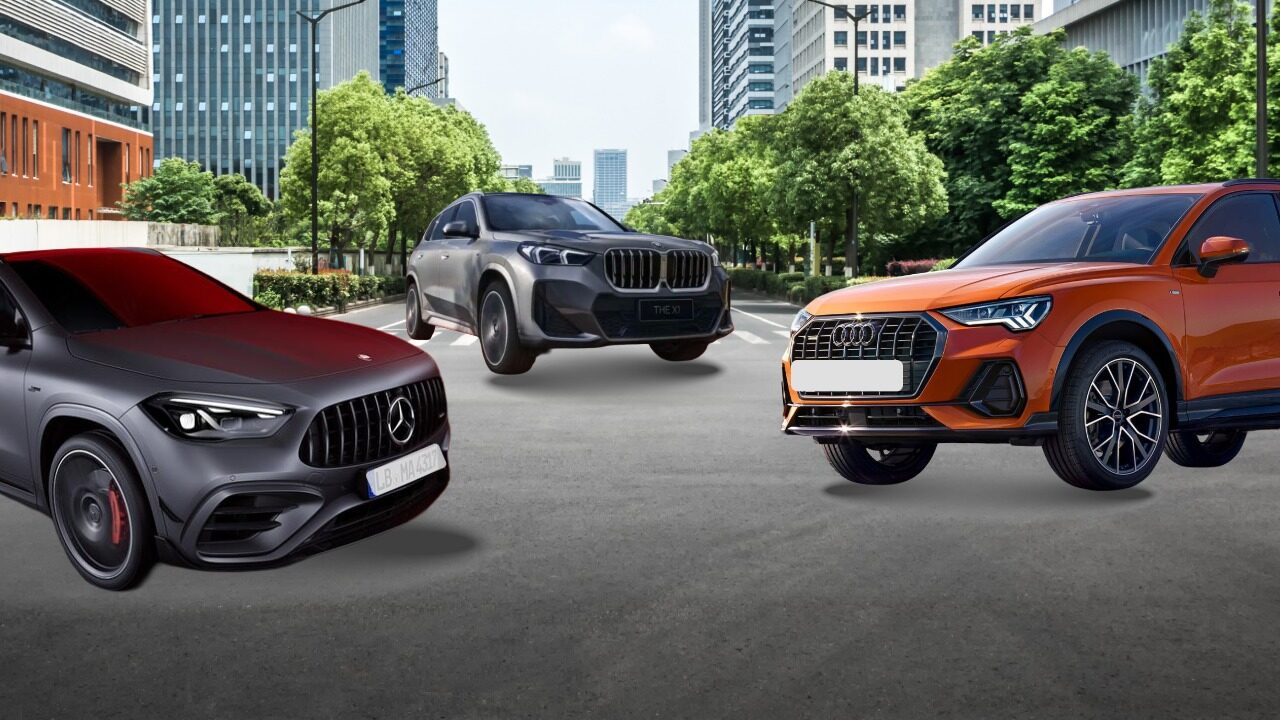
BMW X1 LWB vs Audi Q3 vs Mercedes GLA: Which Entry-Luxury SUV Actually Makes Sense in 2026?

BMW X1 LWB vs Audi Q3 vs Mercedes GLA

Looking for an entry-luxury SUV under Rs 50 lakh budget then the past two weeks have made the choice considerably tougher. The BMW X1 LWB lands in Indian showrooms on August 21, 2026, the Audi Q3 has been confirmed for a festive-season launch the same year, and the Mercedes GLA — the car both of them are gunning for — is still sitting there, unbothered, as the segment’s default answer. 

Three cars, three distinct stories, and a real question about whether “entry-luxury” even has the same meaning in all three of them anymore. Let’s see what they bring to the table. 

Why BMW Created a Long-Wheelbase X1 in the First Place

If you’re familiar with European or American car markets, the BMW X1 LWB may seem like a bizarre product to manufacture. It isn’t, when you know who it’s aimed at. Long-wheelbase versions are available almost solely in China and India — two countries where a sizable chunk of luxury-SUV buyers are chauffeured around, or where you’ll find three generations of a family travelling together and rear legroom dictates the purchase. 

Electric version of BMW iX1 LWB already in sales in India from 2025. The price is Rs 51.4 lakh (ex-showroom) approximately and now the fuel-powered version of that car is coming after a year ago.

There is currently no other long-wheelbase entry-level luxury SUV on sale in India. That gap is the whole reason this car exists.

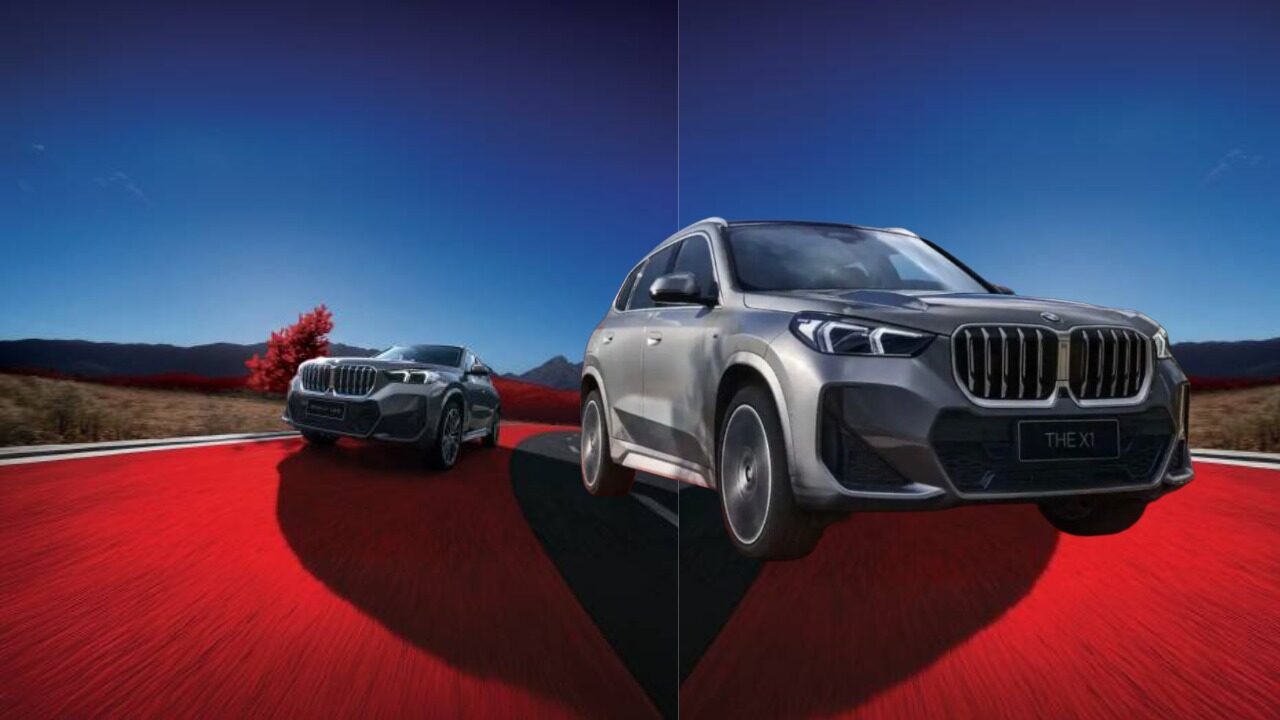
What the BMW X1 LWB Really Brings to the Table 

A long-wheelbase as in LWB is not a concept of marketing but a definition of providing a large vehicle which sets the standard and comfort. X1 is now stretched by 116mm overall, with  110mm of that going straight into the wheelbase, now it is 2,802mm. The LWB is also 11mm taller than the standard model. In practical terms, this is the X1 to choose if the standard version feels cramped in the back for your parents or kids, not when you want a sportier drive. 

BMW, was not visually tampered with in its working form. The headlamps are the same with M Sport styling cues, and sharp tail-lights that define the aura of X1. The wheel size is also 18-inch with a luxurious look. BMW X1 LWB interior gives you a 10.7-inch display for infotainment features and is powered with a Harman Kardon audio system that sets the mood. Whether you drive in the city or highway, automatic climate control, wireless phone charging and other 10.25-inch digital driver display will cover up that make you experience the beautiful ride.

BMW X1 LWB

BMW has also raised the powered seat height by 27mm, increased the width of the headrest cushions by 37mm, and a power tailgate. These are the minor adjustments, but together they result in a perceivably more spacious rear bench. 

Two things are genuinely unresolved as of launch week. 

First, the powertrain: BMW hasn’t officially confirmed the India-spec engine. The standard X1 here runs a 1.5-litre turbo-petrol making 134PS and 230Nm through a 7-speed dual-clutch gearbox, and early reports suggest the LWB could carry the same setup — though the China-spec car (on sale there since 2023) gets a 2.0-litre unit in sDrive25Li and xDrive25Li trims. 

Second, the price of standard X1 is priced at a range of Rs 40 lakh and Rs 55 lakh, depending on the final engine and trim. That’s too general to plan your finances on, so the August 21 official price is the only figure that counts.  

The Audi Q3 Is Arriving Too And It Changes the Calculus

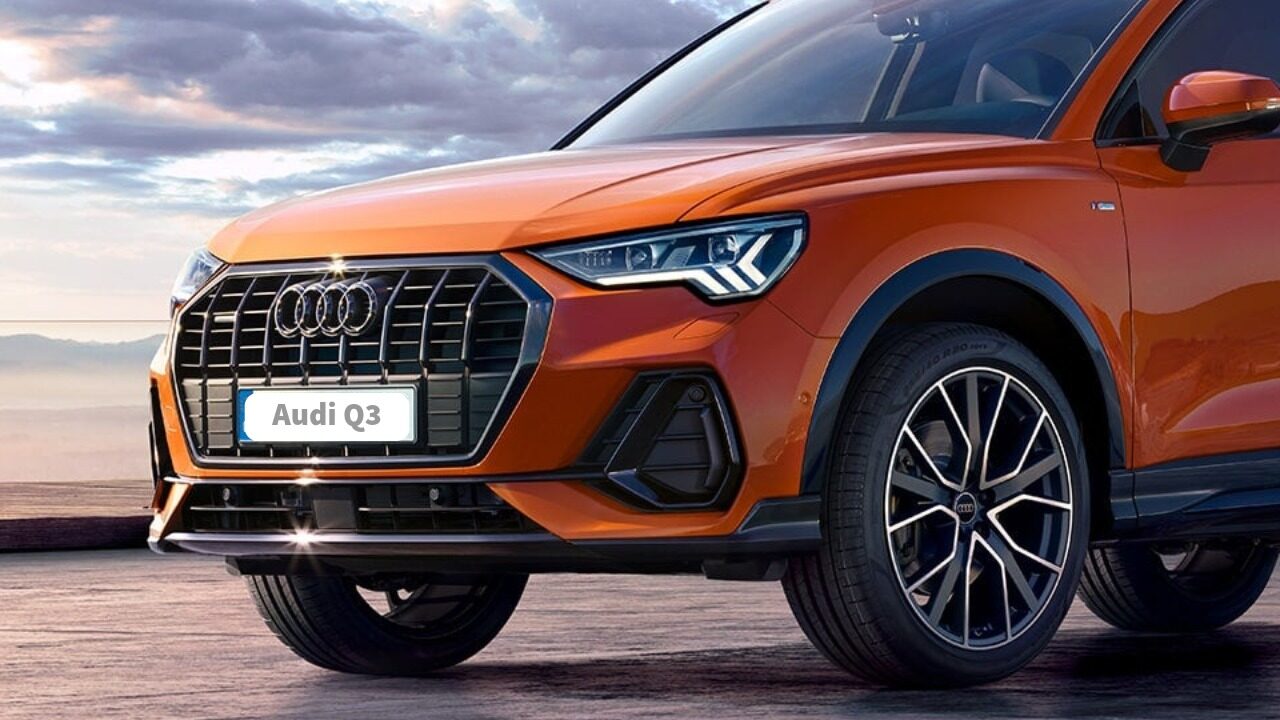
While BMW ships a stretched version of an existing car, Audi is bringing something genuinely new. Audi India has confirmed the third-generation Audi Q3 for an introduction in the fourth quarter of 2026, during the festive season, and it will be the first of three new Audi models — the A5 sedan and the new Q9 flagship which makes its way to market in 2027.   

Under the hood, a naturally aspirated 2.0-litre engine with 7-speed dual clutch transmission fitted in the new Audi Q3 model which gives outstanding 204hp power to run like hell. The power is now sent to all four wheels that supports a 0-100km/h sprint time of 7.1 seconds. The mileage tested under WLTP is 12.36 kpl. 

The new model body is 40mm longer with split headlight design on front which is remarkably amazing. That’s not enough, it is more luxurious with octagonal grille, pixel LED DRLs and a rear LED light bar that represent a cunning choice.

Audi Q3

Audi Q3 interior let you feel everything so humble with a 12.8-inch infotainment touchscreen, an 11.9-inch digital instrument cluster that drives you anywhere alone and stress-free. A 360-degree camera, three-zone climate control, also cover everything and you can get a head-up display in some trims. 

The 488 litres boot size is perfect for family outing. Audi will also bring back the Sportback coupe-SUV body style next to the standard shape, just like the outgoing Q3 was available here. 

Audi Q3 price estimates Rs 50-55 lakh ex-showroom, which may get lower to Rs 48 lakh. But take this number as a guess and get the exact price from your dealer.

Where the Mercedes GLA Fits — The Quiet Incumbent

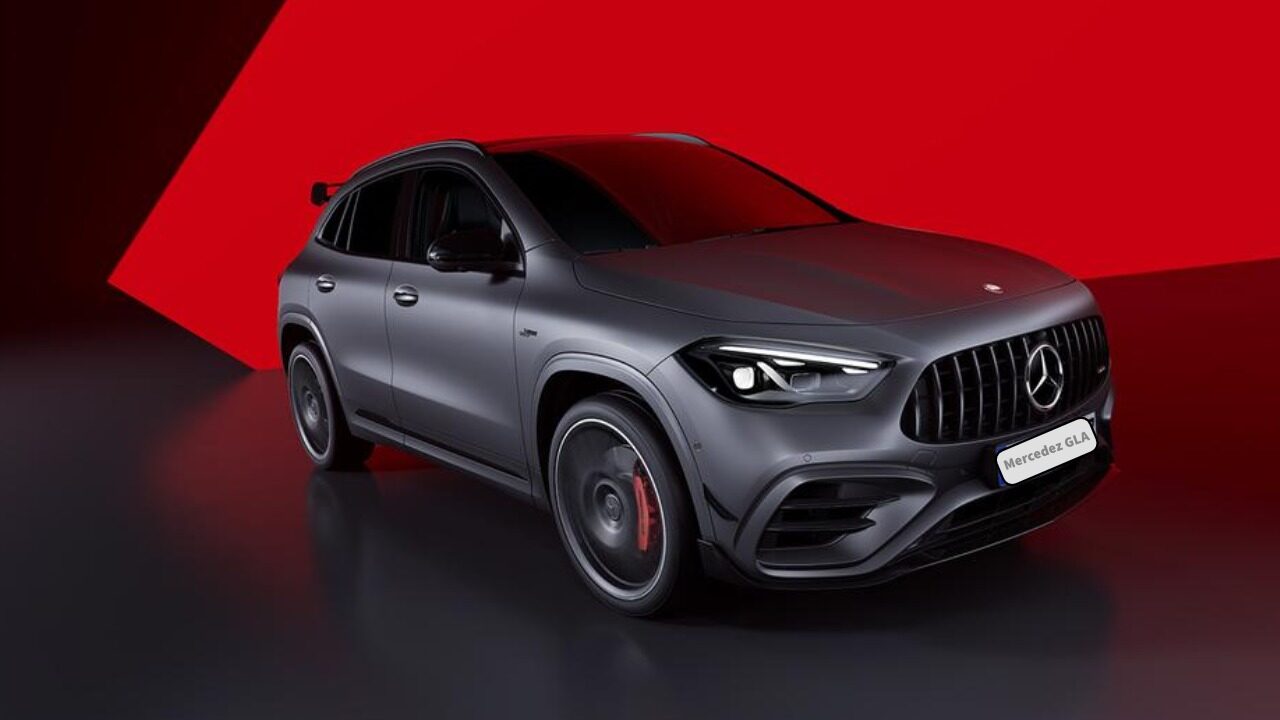
This is the car both the BMW X1 LWB and the new Audi Q3 are chasing. The current-generation GLA remains on sale in India today, built around a familiar formula of turbo-petrol and diesel four-cylinder engines, an 8-speed automatic, and Mercedes’ usual badge-value pull in this segment. 

Mercedes GLA

The Mercedes-Benz GLA has already made a name in India with its features and amazing look at the price of ₹51.8 lakh (ex-showroom) on the current Mercedes-Benz India website. Now you can get exact pricing details by contacting your dealer.

The interior is excellent with a 10.25-inch touchscreen infotainment system in current Mercedes GLA and it also features a 10.25-inch digital instrument display. There are other features like MBUX, wireless smartphone charging and optional 360-degree camera system. You can find the real availability, price, equipment and variant today so don’t decide on pre-launch estimations. 

The Festive-Season Timing Isn’t a Coincidence

Festive season — Navratri through Diwali is when Indian luxury-car dealerships generate a large share of their yearly sales, and that seasonal demand appears even stronger this year. As Mahindra reported a 60 percent jump in SUV retail sales during Navratri alone, crediting both festive sentiment and the benefit of the recent GST 2.0 rate changes on vehicles. 

BMW and Audi timing their launches into this window isn’t a coincidence — it’s the same logic playing out one price bracket higher. The test-drive will be getting busier in the festive season (October and November) so if you are in a hurry then don’t wait to book your test drive for these cars now.

Read More:- How to Get a Car Loan in 2026: Know Everything Before Purchasing 

Comparison of BMW X1 LWB vs Audi Q3 vs Mercedes GLA

BMW X1 LWB Audi Q3 (new-gen) Mercedes GLA (current-gen)
India launch Aug 21, 2026 Q4 2026 (festive season) On sale now
Engine Unconfirmed (likely 1.5L turbo-petrol, possibly 2.0L) 2.0L turbo-petrol, AWD Turbo-petrol/diesel four-cylinder (current model)
Transmission 7-speed DCT (expected) 7-speed DCT 8-speed automatic
0-100kph Not confirmed 7.1 seconds Varies by variant
Mileage Not confirmed 12.36kpl (WLTP) Varies by variant
Expected price (ex-showroom) Roughly Rs 51-55 lakh (estimates vary widely) Roughly Rs 50-55 lakh (estimates vary) ₹51.8 lakh (ex-showroom) 
Standout feature Only long-wheelbase entry-luxury SUV on sale in India Locally assembled; 12.8-inch touchscreen, Sportback option Established service network, EASY-PACK tailgate, electrically adjustable memory seats

Note: every number for the X1 LWB and the new Q3 above is a pre-launch estimate pulled from industry reporting, not an official figure from BMW or Audi. Treat the table as a shape of the segment, not a quote you can walk into a dealership with.

Which One Should You Actually Buy?

If rear-seat space is your actual, specific problem — you’re chauffeuring parents, or your kids have outgrown the back of a regular compact SUV — the X1 LWB is solving a problem nobody else in this price band is solving. That uncontested positioning is worth something, even with the pricing uncertainty. Just don’t book on an estimated number; wait for August 21.

If you want the newest technology, a more dramatic design shift, and don’t mind being an early adopter of a car that’s still weeks away from a confirmed India price, the Q3 makes a strong case — particularly with local assembly potentially keeping costs in check versus a fully imported model. The Sportback option also matters if styling ranks above outright practicality for you.

The current GLA is a known quantity, sold today, serviceable through Mercedes’ existing India network, with pricing you can actually verify before you sign anything. You’d be buying the outgoing generation, but you’d be buying something real, not a set of estimates.

Don’t finalize a purchase off pre-launch price estimates for the X1 LWB or the Q3. Visit a dealership after August 21 (for BMW) or once Audi confirms its Q4 launch date, get the on-road price in writing, and only then compare it against what the GLA is actually selling for at your local dealer today. Estimates may grab attention, but there’s no way to justify a ₹50 lakh decision. 

Read More :- Personal Loan vs Car Loan: What is the Better Choice for Buying a Car? 

Conclusion 

The BMW X1 LWB is distinguished by the additional leg space at the rear seat and the all-new Audi Q3 has got newer technology with the GLA being the old reliable option. With no word on pricing for the X1 LWB and Q3 just yet, the smartest thing to do is wait for the official prices before splashing ₹50 lakh or more. 

0

How to Find the Best Used Car Near Me: A Step-by-Step Guide

Published Apr 23, 2025, 8:02 AM
Last Updated Nov 5, 2026, 4:05 PM

Buying a car is a big step. For many people in India, a car means comfort, freedom, and a better lifestyle. But buying a brand-new car is expensive. This is why many people look for a Used Car Near Me instead. Used cars are cheaper and can still be in very good condition.

In this guide, you will learn how to find the best Used Car Near You. You will also learn expert tips that will help you avoid bad deals. We will talk about prices, quality, paperwork, and more. So let’s get started.

Why Do People Choose Used Cars?

A used car is not always old or broken. Many used cars are in great shape. Some people sell their cars because they move to a new city. Some want a new model. And others want to upgrade to a bigger car. That means you can find a good used vehicle near you if you search the right way.

Used cars are much cheaper than new cars. The price of a new car drops fast after it is used. This is called depreciation. A new car loses 15% to 30% of its value in just one year. But a used car has already gone through that. So you do not lose much when you buy it.

Where Can I Find a Used Car Near Me?

There are many ways to find a used car near you. You can ask your friends or neighbors. You can check online. You can visit a nearby dealer. You can also check special websites that sell only used cars.

Let us look at all the places where you can find one.

1. Direct Owner Sale

Some people sell their cars directly. You may see signs on cars in your neighborhood. Or your friend may tell you about someone selling their car. This way is cheap because you don’t pay any dealer. But there is also a risk.

The seller may not tell you the full truth about the car. The car may have problems. So always bring a trusted mechanic when you go to check the car.

2. Local Used Car Dealers

This is a common way to find a used car nearby. These dealers have many cars in one place. You can look at them all and choose one. The dealer also handles paperwork. But the prices are a bit high. Also, not all dealers are honest. Some may hide car problems. So ask many questions and check the car well.

3. Online Classifieds

Websites like OLX and Quikr show many used cars for sale. These sites are easy to use. You can filter by city, price, and model. Just search “Used Car Near Me” and many options will show up.

But be careful. Some listings may be fake. Always meet the seller in a safe place. Check the car before you decide anything. Don’t send money before seeing the car.

4. OEM Certified Dealers

OEM means Original Equipment Manufacturer. Brands like Maruti, Hyundai, and Mahindra sell certified used cars. These cars go through full checks. The company also gives you a warranty. That means if something goes wrong, they will help you fix it.

The cars cost more. But you get peace of mind. If you want a safe choice, try an OEM brand dealer.

5. Online Used Car Retailers

This is a new and smart way to find a used car near you. Companies like Spinny, Cars24, and CarDekho let you buy used cars online. You can book a test drive, choose a car, and even get a loan—all from your phone.

These platforms inspect each car using a 200-point checklist. They also offer warranties, return options, and fixed resale value. They are safe, easy to use, and very transparent. This is one of the best options for busy people who want to buy from home.

How to Choose the Right Car for Your Needs

Before you buy, think about why you want the car. Do you drive a lot? Do you have a big family? Do you live in a city or a village?

If you are single and live in the city, a small hatchback is a smart choice. If you have a big family or love road trips, an SUV or sedan may be better. Don’t just buy a car because it looks nice. Pick one that matches your lifestyle.

Check the Car Carefully Before You Buy


When you find a car you like, don’t rush. You must test it. Here’s how to do it the right way.

Start the car. The engine should start quickly and sound smooth. Drive it for at least 5 kilometers. Try city roads and open roads. Watch how it feels. The gears should shift easily. The clutch should not feel too hard. The brakes should stop the car in a straight line.

Check if the steering is firm. It should not shake. Also, check if the air conditioning works well. Drive on a slope to test the cooling.

After driving, park the car and look under it. There should be no oil leaks. Check the tires. They should not be too worn out. A new set of tires costs a lot. If tires are bad, you can ask for a price cut.

Look for Certified Used Cars

Certified used cars are checked fully before they are sold. The seller gives a report and sometimes even a warranty. This means if something breaks, they will help fix it.

Companies also offer a 5-day return policy. If you don’t like the car, you can return it and get your money back. That is why more people now search for a certified used car near you.

Check All the Documents Required

Paperwork is very important. Even if the car looks perfect, do not buy it without checking documents. You must ask for these:

  • Registration Certificate (RC): This shows who owns the car. The engine number and chassis number must match the car.
  • Insurance: This helps you know if the car had any accidents. You also need it to transfer ownership.
  • Pollution Certificate (PUC): This proves that the car is safe for the environment.
  • Road Tax Receipts: These show if the tax has been paid.
  • No Objection Certificate (NOC): If the car had a loan, the NOC shows it is now fully paid.

Without these, you may face trouble later. Always double-check every document.

Get the Car Checked by a Mechanic

Even if the seller says the car is fine, bring a trusted mechanic. A mechanic can find hidden problems. They can check the engine, brakes, suspension, battery, and more. This step will save you from buying a car with hidden faults.

If the car is in good shape, your mechanic will say so. If not, you can ask the seller to fix the problems or lower the price.

Compare Car Loan Options

If you need a loan, compare banks and NBFCs. The interest rate on a used car loan is higher than a new car loan. But it is still better than paying a huge amount all at once.

Try to make a big down payment. This will lower your loan amount and interest. Some online used car sellers offer loan help. This makes the process easier. When you search for a budget used car near you, check if loan help is also available.

Transfer Ownership the Right Way

Once you pay, the seller must give you all papers to transfer the car to your name. You need to visit the RTO office for this. You will need:

  • The original RC
  • Sale transfer forms 29 and 30 signed by buyer and seller
  • NOC from the financer, if there was a loan
  • Insurance documents
  • Your ID and address proof

Once the car is in your name, you become the full owner. Now the car is truly yours.

Why Online Retailers Are the Future of Used Cars

Platforms like Spinny, CarDekho, and Cars24 have changed the game. You can search “best Used Car Near Me” and find hundreds of good cars in seconds. You can also:

  • Book test drives
  • Get warranties
  • Return the car if not satisfied
  • Get loan and insurance help
  • See service history

These features make them more trusted than local dealers. The only drawback is that some cities may not have these services yet.

Conclusion

Buying a used car near you can save you a lot of money. But you must be smart. Do your research. Always test the car. Check all the documents. Ask many questions. And don’t rush.

If you are careful, you will find a great deal. Whether you choose a dealer, online retailer, or a direct owner, follow these expert tips.

Soon, you’ll be driving your own car—one that fits your needs, budget, and dreams.

0

Inside the Exclusive Yuvraj Singh Car Collection

Published Aug 22, 2025, 8:01 AM
Last Updated Aug 22, 2025, 12:12 PM

Yuvraj Singh Car Collection with BMW, Lamborghini and Bentley

A well-known Indian Cricketer Yuvraj Singh is as enthusiastic about cars as he was in the field to make runs. He admitted multiple times on multiple platforms that he loves BMW and other power beasts that run like hell. Explore inside the exclusive Yuvraj Singh Car Collection with high performance and luxury cars that reflects his passion for racing. 

Yuvraj Singh BMW series in His Car Collection

BMW X7 

Yuvraj’s latest BMW was added to his marvellous collection in August 2022. BMW X7 xDrive40i M Sport Gen-2 offers 3.0-litre twin-turbo inline-6 petrol engine that delivers 335 horsepower with 450 Nm of torque to support fastest speed. 

Yuvraj Singh with his BMW X7 in Phytonic Blue

The flagship SUV is not only providing speed but its sportier look with 22’’ wheel and laser headlights make it more unique. Yuvraj has been seen with a Phytonic Blue SUV that shows it’s now a practical daily in his fleet. The cost for this masterpiece is Rs. 1.19-1.24 crore.

Read More:- Ravindra Jadeja Car Collection: Explore the Stylish World of His Cars

BMW X6 M

Another BMW model, X6 M is a coupe SUV version which was priced around Rs. 1.6 crore at launch. X6 offers 4.4-litreV8 beast engine to deliver the fast speed up to 575 horsepower with 750 Nm of torque. Yuvraj loves fast speed cars and stylish luxury bodies which gives incredibly outstanding performance.

Yuvraj Singh’s BMW X6 M Coupe SUV

X6 can run up to 100 km/h in just 4.2 seconds. Yuvraj has a performance version of X6 SUV which offers aggressive look and monstrous V8 performance to reflect his taste of cars.

BMW E46

Yuvraj’s big love is BMW, he can extend his limits to buy iconic models such BMW E46 M3 Convertible in Phoenix Yellow Metallic which is specially imported in India. It offers 3.2-litre S54 inline-6 powerful engine that gives excellent performance.

This monstrous roadster is delivering 338 horsepower with 365 Nm for serving a better experience. This supercar costs around Rs. 2 crore but its price varies on the taxes and duties. Its bright yellow finish gives a drop-top style that reveals an impression of true car enthusiast choice.

Yuvraj Singh’s BMW E46 M3 Convertible in Phoenix Yellow

BMW E60

It is one of the excellent models of BMW which is owned by Yuvraj. BMW M5 E60 M5 sedan offers 5.0-litre naturally aspirated V10 engine that delivers 500 horsepower and 520 Nm of torque. It is painted in Interlagos Blue and has adjustable suspension which makes it ideal for fast riders. This car cost around Rs. 2.50 crore. A sporty beast is always to set an impression as Yuvraj has seen many times, he also owns F10 M5 model. 

BMW 3-series (E90)

The incredible beauty BMW 3-Series sedan (E90) is offering a diesel variant of 320d/330d which is more fuel efficient. A white luxury sedan is a definition of balanced performer and comfortable rear that costs around Rs. 30-40 lakh.

Yuvraj Singh’s White BMW 3-Series Sedan

This luxurious, reliable, and practicality placing it in the premium segment. Yuvraj Singh’s car collection is filled with many luxury BMWs but this one sets as a compact SUV which can carry family members comfortably.

Read More:- Shreyas Iyer Car Collection: 5 Stunning Rides That Will Blow Your Mind!

Other Notable Supercars 

Audi Q5

Audi Q5 was a gift from Audi to Yuvraj after winning the 2011 World Cup. Q5 came Indian officially in 2012, petrol and diesel variants costing around Rs 40-50 Lakh.

Yuvraj Singh with his Audi Q5 gifted after 2011 World Cup

Audi Q5 is perfect for city commuting and offers 3.2-Litre petrol engine to deliver comfortable All wheel drive that can be used in everyday life. It is good for the family, making it a solid addition to his car collection. 

Lamborghini Murciélago LP 640-4

Owning a Lamborghini Murciélago LP 640-4 is making Yuvraj an exceptional sports star exemplifies his “love for sports cars”, especially a bright orange model. It offers 6.5-litre naturally aspirated V12 engine that produces 631 horsepower with 660 Nm of torque to make you surprised while turning into a fastest beast.

Yuvraj Singh’s Lamborghini Murciélago in Bright Orange

It can cover 0-100 km/h in just 3 seconds, a range that is rarely seen in India. Yuvraj has been seen behind the wheel on India’s only F1 track at Buddh Circuit. 

Bentley Continental Flying Spur

Yuvraj Singh’s Bentley Continental Flying Spur Luxury Sedan

Yuvraj’s Bentley Continental Flying Spur offers a 6.0-litre W12 powerful engine that delivers the speed of 616 horsepower and 800 Nm of torque. This Bentley Sedan costs around Rs. 3.2 crore in India. Flying Spur represents Yuvraj’s good taste in cars as seen while he is driving this roadster Bentley Continental. 

Conclusion

Yuvraj Singh’s garage is filled with luxury cars which represents his flamboyant and energetic persona. His collection has many BMWs and high-performance and stylish cars including bold exotic Lamborghini and Bentley. It represents the power and exclusivity with V8, V10, and V12 engines that deliver powerful speed. His car shows us that he favors eye-catching flair as much as their performance. 

Yuvraj has a powerful connection to his cars that underscore his love for the automotive taste and luxury. He enjoys his cars like he enjoys batting in the field. His bold taste is a blend of high-octane power with premium comfort.

1

What Is ADAS? A Complete Guide to Advanced Driver Assistance Systems

Published Jul 10, 2026, 12:19 PM
Last Updated Jul 22, 2026, 12:07 PM

ADAS

Advanced Driver Assistance System is a friend of driver in new cars as safety tech to prevent the crash. That vagueness is the problem. ADAS isn’t one feature. It’s a bundle of separate systems, each doing a very specific job, and understanding them individually is the only way to actually judge whether a car’s ADAS package is worth paying for — or whether it’s mostly a marketing sticker.

ADAS features fall into three buckets — ones that warn you (FCW, LDW, BSM), ones that act for you (AEB, LKA, ACC), and ones that inform you (TSR, TPMS, parking cameras). A car with a long feature list might lean heavily on the “inform” bucket, which sounds impressive but does less heavy lifting than one solid AEB system.

So let’s break it down properly, one system at a time.

What Does ADAS Actually Stand For?

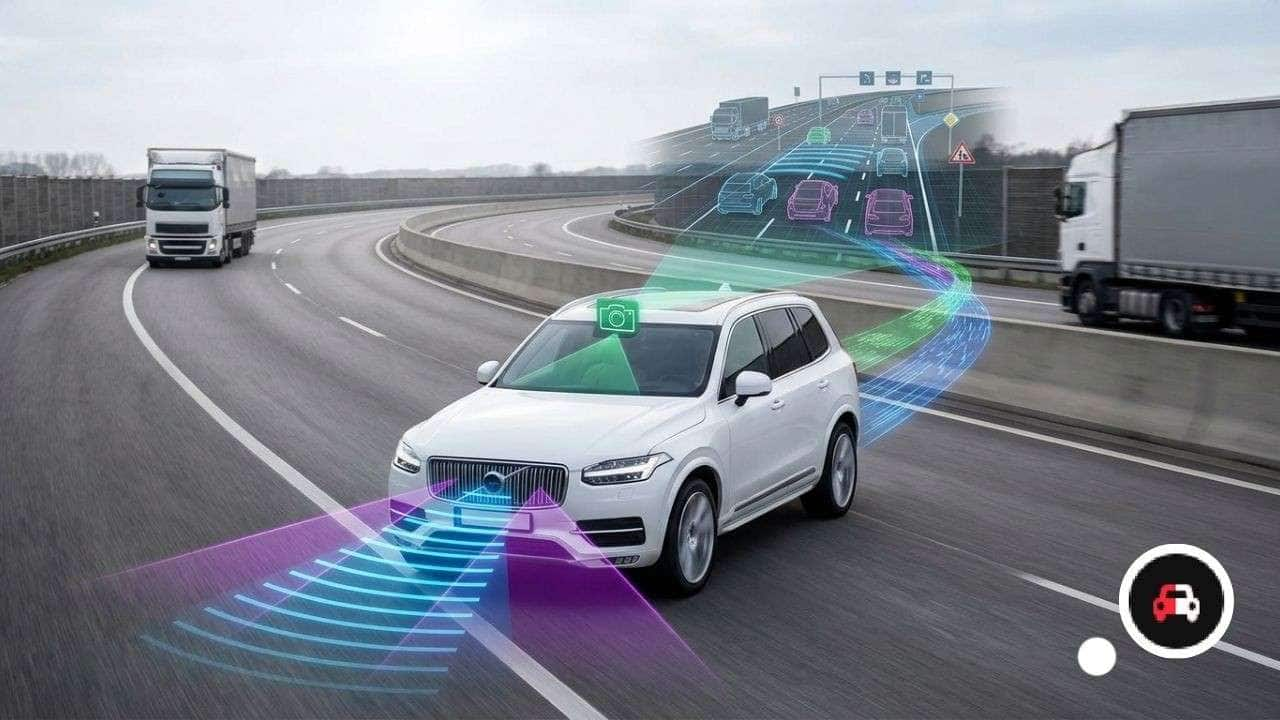
ADAS stands for Advanced Driver Assistance Systems. The keyword there is assistance — not automation. Every ADAS feature is built to support the driver, not replace them. When you drive a car with an ADAS system, it watches the road through cameras, radar, and sensors, to detect any object or something so it intervenes with a warning or a slight correction that driver might miss.  

The car suddenly braking up front, a vehicle slowly drifting into your lane, a pedestrian emerging from between parked cars. Think of it less like autopilot and more like a very alert co-passenger who’s looking at the rearview mirrors and road behind you at the same time you’re looking at the road in front of you, and who taps you on the Shoulder or takes the wheel for half a second when something feels off. 

How ADAS Actually Works Behind the Scenes

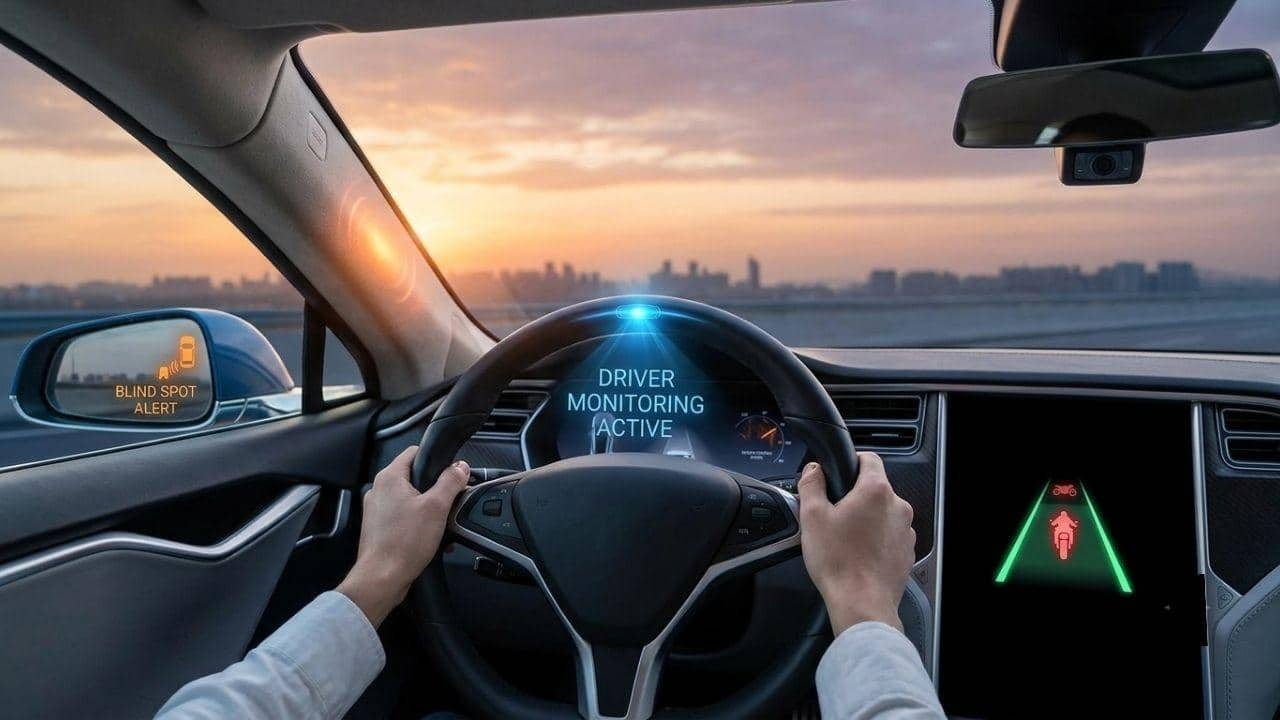
Every ADAS feature runs on the same basic loop, even though the end result looks different each time. It helps to understand this loop before getting into individual features, because it explains why some systems work brilliantly on Indian highways and struggle in city traffic.
ADAS

Step 1: Sensing

The car continuously gathers information from a combination of hardware — typically a forward-facing camera located near the rearview mirror, radar sensors embedded in the front bumper, ultrasonic sensors distributed around the body for close-range detection, and in some cases LiDAR on more advanced platforms. They’re all looking at the world in a different way: radar is good at measuring distance and speed in the rain or fog, while cameras get a better look at lane markings, traffic signs, and what an object, well, actually is. 

Step 2: Processing

All that raw information is sent to an onboard computer that runs it through algorithms trained to identify patterns — a pedestrian outline, a motorised two-wheeler darting through lanes, brake lights ahead. This needs to be done in a matter of milliseconds because when you’re driving on the highway, half a second lag means you’ve travelled several car-lengths of road. 

Step 3: Decision

Using this information, the system decides if the situation warrants a warning like a beep, alert on the dashboard, or seat vibration or intervention by braking, trimming the steering, or limiting the power of the engine. 

Step 4: Action

The car either alerts you or acts automatically applying brakes, correcting steering input, or adjusting speed, depending on which specific ADAS feature has triggered.


Once you understand this four-step loop, every individual ADAS feature is just a variation of “sense something specific, process it, decide, act.”

The Core ADAS Features, Explained One by One

1. Adaptive Cruise Control (ACC)

Standard cruise control maintains a constant speed. Adaptive cruise control takes this a step further – it travels at a set speed, but will also slow down and speed up to maintain a preset gap between your car and the one in front of you, using radar to keep tabs on that vehicle. In Indian highways like the Yamuna Expressway or Mumbai-Pune, this is actually helpful as it does away with the endless pressing on the accelerator and brake pedals in the moving traffic. 

2. Autonomous Emergency Braking (AEB)

This is arguably the most safety-critical feature in the whole ADAS suite. AEB watches the road ahead and, if it detects an imminent collision that the driver hasn’t reacted to, applies the brakes on its own — sometimes fully, sometimes partially to reduce impact speed. It’s designed as a last line of defence, not a substitute for paying attention.

3. Lane Keep Assist (LKA) and Lane Departure Warning (LDW)

These two often get bundled together but do slightly different jobs. Lane Departure Warning simply alerts you — a beep or a steering wheel vibration — if you drift out of your lane without indicating. Lane Keep Assist goes further and gently steers the car back into the lane. On Indian roads where lane discipline is, let’s be honest, inconsistent at best, this feature can be a bit of a mixed bag — it works well on marked highways but can get confused on roads with faded or missing lane paint.

4. Blind Spot Monitoring (BSM)

Sensors placed on the back corners of the car keep an eye on your blind spots for adjacent vehicles like cars, motorcycles, and more. If an object is detected, a warning light appears on the corresponding side mirror and many systems also emit an audible alert if you signal to change lanes. It is quite handy in Indian traffic where two-wheelers and auto-rickshaws tend to criss-cross in the blind spots quite easily. 

5. Forward Collision Warning (FCW)

This feature is a warning system and does not perform the function of an intervention. If it detects that you are closing in on the car ahead too quickly, it will activate visual and audible alerts, allowing you to brake or steer away to avoid a collision. 

6. Parking Assist and Surround View / 360-Degree Camera

Multiple cameras and ultrasonic sensors are combined to generate a top-down view of the vehicle, which takes the stress out of parallel parking or driving through tight residential gates. Certain systems are now equipped with semi-automated parking, with the car manoeuvring into a space while you control the brake. 

7. Traffic Sign Recognition (TSR)

Based on the feed from a forward-facing camera, the system recognizes speed limit, no-entry, other traffic signs, and shows them on the instrument cluster or on the screen of the infotainment system. So you can keep track of the road rules, even if you do accidentally drive past a sign. 

8. Driver Attention/Fatigue Monitoring

Using either steering pattern analysis or an in-cabin camera, this system tracks signs of drowsy or distracted driving — inconsistent steering corrections, prolonged eye closure — and prompts you to take a break. Extremely relevant for long highway drives, which is a big part of Indian road travel culture.

9. Tyre Pressure Monitoring System (TPMS)

While TPMS isn’t always considered an ADAS, it certainly falls under the umbrella of vehicle safety tech systems. It constantly monitors the tyre pressure and notifies you if it goes below the recommended level, saving you from trouble of poor handling, decreased fuel efficiency or even a tyre blowout. 
ADAS

The Levels of Driving Automation — Where Does ADAS Fit?

Much of the confusion around ADAS happened due to being confused with self-driving vehicles. There are six levels of driving automation as defined by the Society of Automotive Engineers (SAE), and it’s helpful to understand where ADAS fits on that spectrum. 


Level Name What It Means
Level 0 No Automation Driver does everything; car may just have basic warnings.
Level 1 Driver Assistance One system helps, like cruise control OR lane keeping — not both together.
Level 2 Partial Automation Car controls steering and speed together, but driver must stay fully alert. Most ADAS cars sold in India today sit here.
Level 3 Conditional Automation Car handles most driving in specific conditions; driver can look away briefly but must be ready to take over.
Level 4 High Automation Car drives itself fully within a defined area or condition, no driver needed in that zone.
Level 5 Full Automation No steering wheel needed at all, under any condition. Still not commercially available anywhere.


Almost all cars that are sold in India with “ADAS” slapped on as a feature — the Mahindra XUV700 and Scorpio-N, Tata Curvv, Hyundai Creta, MG Astor, and a bunch of Toyota and Honda models, are all Level 1 or Level 2. That means the car is helping, not driving. Taking your hands off the wheel because the car has ADAS is the exact kind of assumption that gets people killed.  

Why ADAS Matters More in India Than the Marketing Suggests

It’s easy to dismiss ADAS as a Western safety obsession bolted onto Indian cars for export-market compliance. But the argument in favour of it in Indian conditions is perhaps stronger, not weaker. Indian traffic is dense, heterogeneous, and chaotic — two-wheelers darting across lanes, pedestrians jaywalking, sudden braking on tailgated city traffic, and long monotonous stretches of highways where drowsiness easily sets in. These are precisely the situations where AEB, FCW, and driver fatigue monitoring earn their keep.

That’s also a fair point on the other side of the argument. Features like Lane Keep Assist require crisp lane markings, which are still a rarity on many Indian roads. The better question isn’t just “does this car have ADAS,” but “what ADAS features does it have, and do those features correspond to the roads and conditions I deal with, day-in and day-out?” 

Is ADAS Worth Paying Extra For?

If the choice is between a base variant and one with AEB, forward collision warning, and blind spot monitoring, the safety case is strong enough that it’s hard to argue against it, especially for anyone doing regular highway driving. Features like fully automated lane keeping or advanced parking assist fall more into the comfort category — genuinely nice to have, but not something to stretch your budget for if money’s tight.

A useful way to assess ADAS is to weigh more the functions that can intervene to avoid accidents, such as Automatic Emergency Braking (AEB) and Adaptive Cruise Control (ACC), compared to those that are more informative, such as Traffic Sign Recognition (TSR) or a 360° camera. Active intervention systems have a more direct impact on safety, informational features are mostly aimed at convenience and driver awareness. 

Conclusion

ADAS is really a collection of safety features, not just one. Every system helps with a different part of driving, from alerting you to potential dangers to actively working to prevent a crash. Understanding the capabilities and limitations of these features can help you select the right vehicle and the safety systems that you can best take advantage of on the road.

0

Ertiga vs Carens: The Best 7-Seater Cars Are On The Edge

Published Mar 9, 2026, 7:49 AM
Last Updated Apr 7, 2026, 6:27 AM

Ertiga vs Carens

You don’t really know when it comes to 0-100 km/h timings or just how well a family car corners, after all you’re buying one with seven seats. Ertiga vs Carens– it’s a difficult choice to make because both are offering tremendous features with high end quality for smoother rides with your family. Imagining a seven seater is cool but experience while your kids wanna sit in the front, your parents are having problems taking on the third row seats, is it got you worried?

These two space warriors are the best right now — the Maruti Suzuki Ertiga, which is a proven option from previous buyers that really make it on top. And the seven-seater Kia Carens which has been the leader in the market. Let’s talk about further details of these cars and price.   

Easy Trips with Well-Defined Looks

Walk up to an Ertiga, and you know exactly what you’re getting. It’s clean, bland, and made to camouflage in every apartment complex parking lot in India. The design has been tweaked a bit over time by Maruti – sharper headlights, a chrome heavy grille and floating roof elements but no one will go gaga over its looks. And honestly? That’s fine. Ertiga buyers don’t want to be seen.

Ertiga Looks

Carens, however, is a double-take. Kia’s “Opposites United” design theme gives it SUV-like stature with its boxy shape, rugged cladding and that unique connected LED light bar at the rear. It looks excellent with its high end white and silver MPVs lining.

The Cabin that Made Specially for Families 

This is where things get interesting. The Ertiga’s cabin is nothing new. If you’ve sat in any last five years Maruti, you will find the dashboard layout, steering wheel, instrument cluster, and much more. It’s functional and solid where you routinely touch it, and everything is within easy reach. The beige-and-black color scheme makes for an open space, but it really does make that dirtshow quicker than you would want with kids around.

The Cabin that Made Specially

It’s like the Carens belong to a different era entirely. The twin 10.25-inch (Instrument and Infotainment) screens dominate the dash, the ambient lighting radiate true premium feeling during the night and the soft touch plastics, leatherette upholstery, metallic embellishments would not really be out of place in a vehicle double the cost. Kia’s UX is slick, responsive and really intuitive.

For family cars, kids can make it worse and older people need comfort so the more utilitarian cabin of the Ertiga is easier to clean and its physical buttons for the AC are safer to use on the run that can be more favorable as compared to the Carens’ touch-sensitive panel.

Verdict: Tech-savvy crazy people can go for Carens but real comfort is Ertiga for the no-nonsense one. 

Space Wars: The Real Challenge

Would be nice to have seven seats in theory, but it’s different when you’re really sitting in them. If you try to place three adults on the third row, and your elbows start to battle each other for room, then you will realize that it is the smaller of the two. 

The third row? Consider it a bonus, and not a feature. Kids on a short school run — sure, no problem. But have an adult sit back there for a highway haul and they’ll tell you. And if all three rows are filled up, the luggage compartment reduces to virtually zero. Take a roof carrier if you are really going somewhere.

Space Wars

The Carens is another kettle of fish. It’s wider, it’s longer, and the cabin feels it. You don’t have to compromise and squash three people in the middle row — you can actually sit comfortably. With Kia’s sliding and reclining second-row seats you can redistribute legroom according to who needs it most. 

The third row realistically accommodates adults up to 5’10” for a few hours, which ceases to be a fun fact and actually matters when you’re a re six hours away from a family wedding. It’s possible for a few soft bags to be stored in the boot even when all the seats are in use.

Verdict: There’s no question that the Carens is the one to get if you truly want seven seats that are actually usable. If you only need that 3rd row occasionally, the Ertiga gets the job done without costing you more. 

The Unexpected Thrill Of Hitting The Road

No one ever buys a seven seat multipurpose vehicle (MPV) looking forward to driving it. But how a car feels when you’re driving it, especially after months and years of school runs, highway trips and Sunday errands that matters more than most people acknowledge before they buy.

The Ertiga isn’t trying to dazzle you. Its 1.5 litre petrol with mild hybrid support delivers 102 bhp, and the honest word for it is sufficient. At its bottom end it’s smooth, it won’t make you anxious in stop-and-go traffic, and the suspension has this wonderful talent for just soaking up bad roads without any fuss – a massively undervalued quality when you happen to live in a city whose potholes multiply overnight. The steering is light, the car feels controlled, and parking it in a narrow colony lane is not a three-point affair. 

But the limitations are pretty well indicated on the open road. Overtaking on a motorway takes a little bit of courage and a little bit of timing so you don’t just pull out and blast. And when you’re hauling a full complement of passengers and gear, the body roll tells you that this wag, at least, is a practical family car.

Carens Looks

The Carens come with higher aspirations. You have three engine options: 1.0-litre naturally aspirated petrol with 115 bhp, punchy 1.4-litre turbo with 140 bhp and 115 bhp diesel which makes a good amount of low end torque. 

The turbo petrol, in particular, doesn’t feel like a MPV at all on the road, it just goes, smoothly and assuredly. The diesel truly shines when you’re laden and inching along – it never seems to be struggling. The steering is heavier and more direct, and the whole car just feels like it was a bit pricier than it actually was. 

But if there’s one thing that spec sheets don’t reveal, it’s that the Ertiga is far easier to navigate through the madness of Indian urban life. More agile controls, a reduced size, and the capability to sneak through openings that would cause hesitation to any Carens driver. After an hour of traffic during rush hour, that actually adds up to something.

Verdict: The Carens is the one you want on the long highway runs and hilly weekend getaways. The Ertiga is the one that makes Monday morning city driving less of a chore. 

Read More:-  2026 Maruti Brezza Spied with New Powertrains and Bumper Design

Pricing Value of Ertiga vs Carens

At some level, every car comparison boils down to this: what does it really cost you, not just to buy one, but to own one?

Pricing Value of Ertiga vs Carens

The Ertiga offers value for money from the word go. Available from around ₹8.5 lakh to ₹13 lakh, it occupies a ground where a real seven-seater feels quite “within reach”. The Carens starts with a price tag of ₹10.5 lakh which is reasonable enough — but hike up to the top diesel automatic variant and it costs close to ₹19 lakh. 

Verdict: It is Ertiga that offers more financial wisdom — Easy on the pocket cost of buying, cost of running, high resale value. The Carens demand a premium from you, and give you more in return. Whether the compromise makes sense to you will depend completely on what you value. 

Conclusion

After all comparisons, specifications and stories from the real world, it all just comes down to knowing yourself as a buyer — the routes you travel, your family, your priorities. 

Choose the Ertiga when you want a vehicle that just gets on with it. It will start every day without fail, live through years of school runs and supermarket runs, not cost much to keep going and squeeze itself into parking spaces that would make other cars break out in a sweat. There’s a reason they’re everywhere because they just work, predictably and inexpensively, year after year. It’s the kind of car you forget about, and that’s a compliment. 

Book the Carens if your family’s idea of a weekend is a heavy dose of miles. If road travel is a regular in your life, if you have an opinion on how the interior of your car feels, if you want high-tech safety features and a cabin that doesn’t make you feel like you’re sacrificing — well, then the premium is justified. This is the car in which driving becomes part of the experience and not just a way to get somewhere.

Overall, For all its city driving with a dash of highway, the Ertiga ZXI+ automatic is really difficult to beat at this price point. It gives you everything you want without asking you for too much. But if Manali is on the bucket list or you have an extended family that needs to travel together in comfort — the Carens diesel is an extra spend that’s absolutely worth it, and you will know the feeling every time you take to the highways. 

Both cars are right. They are simply responses to different questions. The secret is knowing exactly which question your life is asking.