0

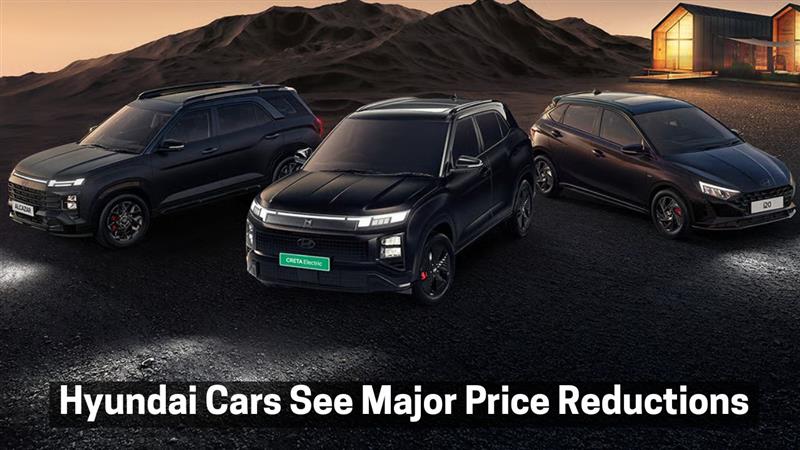
Hyundai Cars See Major Price Reductions Under GST 2.0 Reform

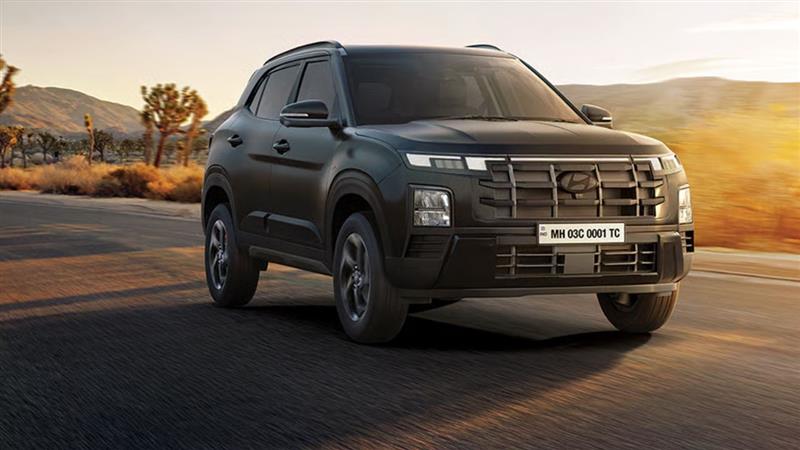
Hyundai Motor India has significantly benefited from the GST 2.0 reforms that took effect on September 22, 2025. The company passes all the perks of lower taxes right away with buyers. The updates rates of GST cuts down the real price of Hyundai Cars, buyers can save from ₹60,640 up to ₹2.40 lakh. GST 2.0 changes mark India’s biggest tax update since the 2017 GST launch. The government has simplified the complex four-tier structure (5%, 12%, 18%, 28%) into simplified form (5% on basics and 18% on regular items). And the luxury rate with 40%, let’s look what it means to Hyundai cars:

Small cars with 1200cc petrol, 1500cc diesel, and ≤4m length get a reduction from 28% to 18% GST.

Larger Cars and SUVs get down to 50% including cess, now GST rate set at 40%

Electric vehicles continues at 5% GST rate

Model-wise Price Reductions

Hyundai’s price cuts in different ways for various vehicle types with SUVs receiving the most substantial reductions. 

Premium SUVs

Tucson Up to ₹2.40 lakh reduction (highest across the lineup)
Alcazar Up to ₹75,376 cheaper
Creta Up to ₹72,145 reduction
Venue Up to ₹1.24 lakh lower
Exter Up to ₹89,209 price drop

Sedans

Verna Up to ₹60,640 reduction
Aura Up to ₹78,465 cheaper

Hatchbacks

i20 Up to ₹98,053 reduction
Grand i10 Nios Up to ₹73,808 price cut

Market Impact and Sales Performance

Image credit hyundai

GST 2.0’s launch during the festive period sparked huge market energy. Hyundai recorded 11,000 dealer billings on September 22, 2025 making a huge single-day performance than the five years of sales. This remarkable hit emphasizes how price cuts boosted buyer interest towards Hyundai cars. 

Tarun Garg, Whole-Time Director and COO at Hyundai Motor India welcoming the positive market response. “Navaratri’s lucky beginning, boosted by GST 2.0, changed the company’s sales growth and brought real energy to the market.

GST Rate Categories for Hyundai Models

The rates are decreased as per the new GST structures, there are several Hyundai Models which are represented here with saving percentage that applied on it.
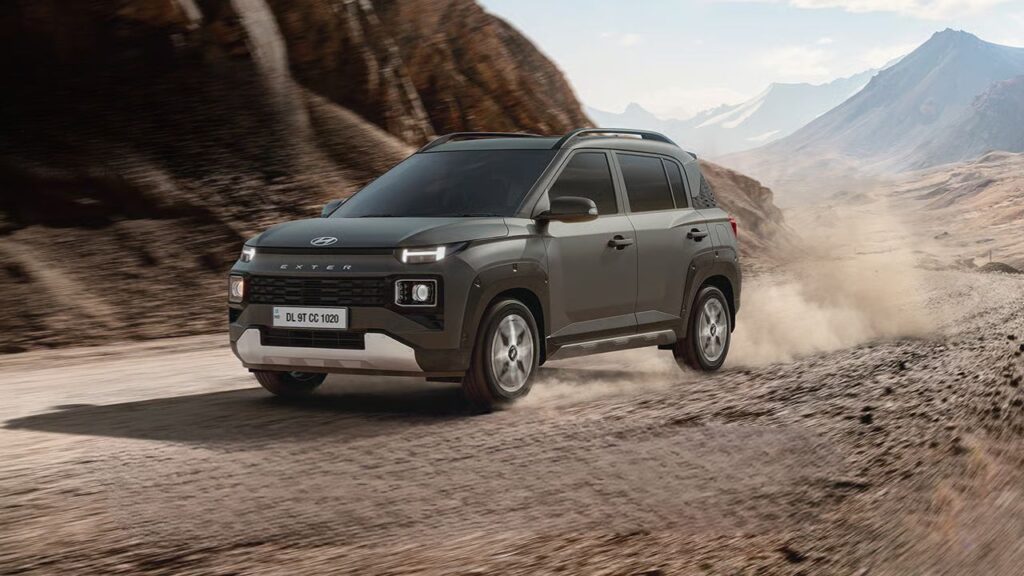
Image credit: hyundai

Vehicle Category Savings GST rate cuts
Sub-4 meter petrol vehicles 11% savings from 29% to 18%
Sub-4 meter diesel vehicles 13% savings from 31% to 18%
Larger cars with engines up to 1,500cc 5% savings from 45% to 40%
SUVs above 4m with engines 1,500cc 10% savings from 50% to 40%

From Old Price To New Price After Reduction + Festive Offer

Models Old Ex-Showroom Price GST Reduction New Ex-Showroom Price Additional Offer Up To
VENUE ₹7,94,100 ₹67,719 ₹7,26,381 ₹50,000
EXTER ₹6,20,990 ₹52,957 ₹5,68,033 ₹70,000
i20 ₹7,50,900 ₹64,035 ₹6,86,865 ₹50,000
AURA ₹6,54,100 ₹55,780 ₹5,98,320 ₹40,000
Grand i10 NIOS ₹5,98,300 ₹51,022 ₹5,47,278 ₹55,000
ALCAZAR ₹14,99,000 ₹51,695 ₹14,47,305 ₹65,000

Industry-wide Transformation

Image credit: hyundai

The GST 2.0 changes have wider impacts through India’s car sector. All the big companies—car manufactures offer huge price cuts as Hyundai gives to its customers. Dropping the compensation cess cuts rates. The new GST structures simplified things and made it clear for the buyers.

Read More:-  Maruti Suzuki Victoris: The Family SUV Everyone’s Waiting for in 2025

Effective Date and Implementation

All revised prices became effective from 22 September 2025, clashing into the festive season in India. This combination boosts the sales for all the vehicle manufacturers.The holiday time has always been prime for buying cars.

Conclusion

This comprehensive price reduction across Hyundai’s lineups combined with additional festive offers, making its brand compete better in India. The GST 2.0 changes bring big benefits to buyers and let more people afford cars. Those buyers who are interested in basic and mid-range models become more happy because the price reductions are most substantial in that segment.

Sharey Khan

Sharey Khan is an IT entrepreneur and petrol head & a car enthusiast. With a special focus on car-related content, he combines his deep passion for vehicles with a talent for crafting informative, engaging, and easy-to-understand content. His writing is driven by a genuine love for cars and he is committed to providing readers with accurate, up-to-date, and trustworthy information that empowers smarter driving decisions. 

Leave a Reply

Your email address will not be published. Required fields are marked *

Renault Duster Specs and Features: Complete Guide to Design, Performance and Features

Renault Duster

Renault Duster would probably be the right pick for you if you plan to buy a budget compact suv or you are just hunting for a new car to keep in your garage. It delivers a strong performance and styling that carry you ahead of the curve. The Renault Duster Specs and Features is promising and gives an amazing experience without making the driver worry about safety and comfort. Whether you’re a weekend warrior or spend the majority of your time stuck in city traffic, your pick will never let you down. So, let’s find out in depth what makes the Duster such a tempting proposition in the current market. 

The Design That Encourages You To Show Off

The Renault Duster is the first you come across when you think of a rugged and bold-looking SUV. Developed on the all-new CMF-B platform, this SUV is a perfect fusion of contemporary aesthetics and timeless design principles. The vehicle is 4,341mm long, 1,804mm wide and 1,660mm high, making it small enough to fit into the tight city spaces and large enough to give you that commanding view from an SUV. 

The Design That Encourages You To Show Off

What really stands out are the LED headlights, which lend the front end a crisp, contemporary look. The design is clean and purposeful - there are no unnecessary frills, just pure functionalist wrapped in an attractive outfit. With a ground clearance of 200-210mm, the Duster sits tall and proud on the road for city road drives or light off-road adventures. 

Interior That Wins Your Heart

The inside ideas stays the no-nonsense approach. There is a spacious cabin for five occupants and the 475-litre boot means you won’t be battling for room when packing for holidays or running daily errands. Everything is intuitive, there is decent visibility due to the large window area, and an optional 360-degree camera system, which really takes the stress out of parking. 

Incredible Performance of New Renault Duster

As for the engine, the Renault Duster provides flexibility for various driving requirements and driving style. There are more than a few engine options available for this the vehicle – if your priorities lie in a certain direction, there will be something for you.

The 1.3-litre turbocharged petrol engine here is the star and the performance king, producing 156 PS and 254 Nm of torque. Whether banging down the highway or fighting bumper-to-bumper traffic in a city, this engine feels lively and eager. With 6-speed manual transmission and CVTautomatic transmission option, select your favorite driving experience that best suits your lifestyle. 

Incredible Performance of New Renault Duster

For the naturally aspirated fans, there is a 1.5 litre petrol unit which churns out 106 PS and 142 Nm of torque that comes mated to a 5-speed manual gearbox. While it’s nowhere near as powerful as its turbo sibling, it still offers decent performance for daily driving and gets good gas mileage. ​

As for consumptions, the Duster promises realistic mileage of between 13.9 to 15.8 km/l, depending on engine variant and road conditions. The 50-liter fuel tank means fewer stops for refueling, and that makes for more comfortable long drives. 

Ride comfort is ensured by the suspension set-up that consists of McPherson struts with coil springs at the front and a torsion beam with coil springs at the rear. The steering is accurate and quick acting, with the electrically assisted rack-and-pinion unit. Tight maneuvering gets a lot easier with a small turning circle of 5.4m. 

When Technology Meets With Inside Beauty of Renault Duster

Just step inside and you’ll see a thoughtfully laid out cabin that makes the right compromises for comfort without being over the top. The all-new generation Duster has a fully digital driver’s display replacing conventional analog dials, which provides at-a-glance information in a contemporary, easy-to-understand layout.​

When Technology Meets With Inside Beauty of Renault Duster

The highlight is the 10.1-inch touchscreen infotainment system with Apple CarPlay and Android Auto. Your smartphone experience is now enhanced, as it links smoothly enabling you to navigate through your favorite maps app, make hands-free phone calls and listen to your favorite music – without taking your eyes off the road. Automatic climate control maintains the cabin at the set temperature, and ventilated front seats keep you cool on those hot summer drives. 

Engine start-stop button, keyless entry and cruise control are some of the other modern amenities that make daily drive convenient. The tyre pressure monitoring system also gives an alert on likely problems before they become problems, showing a commitment to driver-awareness and safety from Renault. 

Safety That Build to Protect Your Loved Ones on Journey

In the world today, safety is not optional — it’s a must-have. The Renault Duster means it seriously with a full range of safety features and advanced driver assistance systems.

It has dual front airbags, ABS with EBD, electronic stability program (ESP), and hill-hold assist. These are not just cute acronyms to geek out over, they are technologies that genuinely help protect you and your passengers in the event of unexpected situations. 

For parking and driving in tight spaces, the optional 360º multi-view camera system is actually useful, allowing you to see live images from multiple angles on your infotainment screen. Rear and front parking sensors give beeps and also visual warnings for obstacles in the front and back of the car, so those tight parking spots aren’t as terrifying.​

Additionally, the Duster comes with up to 17 high-level driver-assistance features in higher trims, such as adaptive cruise control with stop-and-go, high/low beam headlights which are automatically adjusted when detecting oncoming vehicles, and traffic sign recognition. These two items combine to offer all the “comfort and safety” one could ever want or need while on the road. 

Read More:- Best Hybrid Cars Under 20 Lakhs: Stylish, Efficient & Affordable

Conclusion

The Renault Duster is a great pick if you want to grab a practical, good looking and well-equipped compact SUV. Fun to drive, well-equipped, easy to live with and safe, it’s also a very affordable package. So whether this is your first SUV, or you’re an experienced enthusiast, Duster’s unique combination of style and substance means it’s definitely worth a closer look and serious consideration. 

The Duster is all set to bow out in early 2026 with a new generation and an expected price of around ₹10 lakh, which could also make for a significant impact on the Rs 10-20 lakh compact SUV market in India. 

Sharey Khan

Sharey Khan is an IT entrepreneur and petrol head & a car enthusiast. With a special focus on car-related content, he combines his deep passion for vehicles with a talent for crafting informative, engaging, and easy-to-understand content. His writing is driven by a genuine love for cars and he is committed to providing readers with accurate, up-to-date, and trustworthy information that empowers smarter driving decisions. 

Leave a Reply

Your email address will not be published. Required fields are marked *

Top 10 Best Used Cars for Seniors on a Budget That Are Safe, Easy, and Affordable

Top 10 Best Used Cars for Seniors on a Budget That Are Safe, Easy, and Affordable

Looking for the best used cars for seniors on a budget? You’ve come to the right place. When you grow older, comfort and safety become very important. You don’t want a car that is hard to get in or out of. You want something that feels easy, smooth, and safe. I’ve put together this list to help you or your loved ones find a used car that checks all the right boxes—comfort, safety, low price, and simple to drive.

Let’s explore the top 10 used cars that are perfect for senior citizens. They are all easy to drive, safe, affordable, and come with helpful features.

Maruti Suzuki Wagon R

Maruti Suzuki Wagon R

Image Credit: Maruti Suzuki

The Wagon R is one of the most senior-friendly cars in India. It is tall, so getting in and out is very easy. It also has light controls. That means the steering wheel, brake, and gear are all easy to use.

  • Price Range (Used): ₹3 to ₹5.5 lakh
  • Mileage: 23.5 to 34 kmpl
  • Boot Space: 341 litres
  • Transmission: Manual and AMT
  • Safety: Dual airbags, ABS, EBD, rear parking sensors

If you want something simple and affordable, this car is a smart choice.

Hyundai Grand i10 Nios

Hyundai Grand i10 Nios

Image Credit: Hyundai

Hyundai Grand i10 Nios: This car is smooth to drive and feels strong yet soft. The seats are comfortable, and it has great visibility. That means you can see clearly when driving.

  • Price Range (Used): ₹4.5 to ₹6.5 lakh
  • Mileage: 20.7 to 26.2 kmpl
  • Boot Space: 260 litres
  • Transmission: Manual and AMT
  • Safety: Six airbags (in top models), hill-hold, ESC

If you are looking for one of the best used cars for seniors on a budget, this is worth checking out.

Tata Punch

Tata Punch

Image Credit: Tata Motors

The Tata Punch looks like a small SUV but feels like a strong hatchback. The seats are higher up, so seniors don’t have to bend too much. It’s also a very safe car.

  • Price Range (Used): ₹6 to ₹7.5 lakh
  • Mileage: 18.8 to 20 kmpl
  • Boot Space: 366 litres
  • Transmission: Manual and AMT
  • Safety: 5-star GNCAP rating, hill-hold, reverse camera

It gives you that SUV feel without the size or the high price.

Maruti Suzuki Dzire

Maruti Suzuki Dzire

Image Credit: Maruti Suzuki

This is a small sedan but with big space. Seniors love it because the seats are soft, and the car rides smoothly. It is also easy to be driven around in it.

  • Price Range (Used): ₹4.5 to ₹6.5 lakh
  • Mileage: 24.7 to 25.7 kmpl
  • Boot Space: 382 litres
  • Transmission: Manual and AMT
  • Safety: Six airbags, 5-star GNCAP, 360° camera

If comfort and safety are your top needs, the Dzire is a great fit.

Tata Altroz

This car feels strong and safe. The seats are wide and soft. The Altroz has strong brakes and good control, which helps you stay safe in traffic.

Tata Altroz

Image Credit: Tata Motors

  • Price Range (Used): ₹5.5 to ₹7.5 lakh
  • Mileage: 19.1 to 23.6 kmpl
  • Boot Space: 345 litres
  • Transmission: Manual and DCT
  • Safety: 5-star GNCAP, ESP, hill-hold

You get a stylish car that also keeps you safe and steady.

Hyundai Venue

Hyundai Venue

Image Credit: Hyundai

The Hyundai Venue is a compact SUV. It is easy to get into because it’s not too low or too high. It also comes with a dashcam and a strong air filter inside the car.

  • Price Range (Used): ₹7 to ₹9 lakh
  • Mileage: 17.5 to 23.4 kmpl
  • Boot Space: 350 litres
  • Transmission: Manual and DCT
  • Safety: Six airbags, SOS button, dual-camera dashcam

This is a good choice if you want a little more luxury while still keeping it senior-friendly.

Honda City

Honda City

Image Credit: honda

The Honda City is a premium sedan. It is very comfortable for long drives. The seats support your back and legs very well. It also has many safety features.

  • Price Range (Used): ₹3.1 to ₹7.5 lakh
  • Mileage: 17.8 to 18.4 kmpl
  • Boot Space: 506 litres
  • Transmission: Manual and CVT
  • Safety: Six airbags, hill-hold assist, stability control

If you want a smooth, high-quality car with lots of room, try the Honda City.

Maruti Suzuki Ertiga

Maruti Suzuki Ertiga

Image Credit: Maruti Suzuki

If you travel with family often, the Ertiga is perfect. It is a 7-seater, but the second row has good legroom. It is not hard to drive either.

  • Price Range (Used): ₹6 to ₹8.5 lakh
  • Mileage: 20.5 kmpl
  • Boot Space: 209 litres (can carry wheelchair)
  • Transmission: Manual and Torque Converter
  • Safety: Rear camera, hill-hold assist, ESP

This is a good pick if you want space for people or things.

Toyota Innova Crysta

Toyota Innova Crysta

Image Credit: Toyota India

The Innova Crysta is a big and comfortable MPV. You will find second-hand models at good prices. The seats are wide, and the ride is smooth.

  • Price Range (Used): ₹19 to ₹26 lakh
  • Mileage: 16.1 to 23.2 kmpl
  • Boot Space: 300-991 litres
  • Transmission: Automatic
  • Safety: Six airbags, ESC, hill-start assist

It is not very cheap, but for seniors who want space and peace of mind, it’s a good long-term car.

Kia Carnival

Kia Carnival

Image Credit: Kia

The Kia Carnival is a luxury van. Even though it’s costly when new, however, it is worth the comfort. The rear seats are like business class.

  • Price Range (Used): ₹18 to ₹25 lakh
  • Mileage: 14.85 kmpl
  • Boot Space: 540-2,900 litres
  • Transmission: Automatic
  • Safety: Eight airbags, TPMS, reverse camera, ADAS

If you want pure comfort and don’t mind the size, this is the best car for relaxing travel.

Final Thoughts

When we talk about the best used cars for seniors on a budget, you don’t have to settle for less. You can get a safe, reliable, and comfortable car without spending too much. Whether you are looking for a simple hatchback or a big comfortable van, there’s something on this list for you.

Make sure you check the car’s service history, get it inspected, and test it before you buy. I recommend choosing models with automatic transmission, high safety ratings, and soft suspension. These make daily drives easier and more enjoyable.

You now have 10 of the best used cars for seniors on a budget to choose from. If you’re helping your parents or grandparents pick a car, think about their needs first. With the right car, you can make travel comfortable and stress-free for the people you care about.

Bipin Sharma

Bipin Sharma is a seasoned automotive content writer with over 10 years of hands-on experience in the world of cars. From the latest car news and reviews to in-depth maintenance tips and expert buying guides, Bipin covers everything that drives the automotive world. Writing about cars isn’t just his profession — it’s his passion. His deep industry knowledge and love for automobiles fuel every blog he creates, helping readers make informed decisions and stay updated on the fast-evolving auto landscape.

Leave a Reply

Your email address will not be published. Required fields are marked *

Maruti Suzuki Invicto Gets Perfect 5-Star Bharat NCAP Rating — Safety Redefined!

Maruti Suzuki Invicto Scores 5 Stars in Bharat NCAP Crash Test. Maruti Suzuki Invicto body is built from “robust structural stability” which is intended to protect occupants in front, side and pedestrian crashes. During testing it recorded 30.43/32 points for adult occupant protection and 45/49 for child occupant. 

This shining success evidenced an all-inclusive protection package. It offers six airbags (front, side and curtain), ABS with EBD, Electronic Stability Program (ESP) with hill-hold assist, an electronic parking brake (with auto-hold), tyre-pressure monitoring, ISOFIX child‐seat anchors and a 360° surround-view camera with dynamic guidelines. 

These technologies – as Maruti’s NEXA Safety Shield, helping the Invicto to score high in crash tests and keep all occupants safe.

Ready-to-Road Engineers: Clearances and Handling

The chassis of the Invicto is appropriate for India’s varying roads. It’s placed on a platform of Toyota (similar to the Innova Hycross) with an extended wheelbase (2850 mm) and 185 mm high ground clearance, broad enough to easily tackle speed breakers and potholed country roads. Front suspension is through MacPherson struts and a torsion-beam rear arrangement.

Its outstanding tune makes the ride smooth and stable, the cabin comes to rest swiftly even at moderate speeds and bumps are absorbed elegantly

While big, the Invicto does not ride anxiously; it steers lightly enough to accommodate urban use and “high-speed stability is tremendous”, providing a boost of confidence on highways.

In short, the chassis and brakes are capable of handling India’s uneven roads with the necessary comfort and strength demanded of a big MPV.

Family-Friendly Space and Comfort

From the inside, the Invicto is certainly spacious. Maruti offers it in Zeta+ (base) and top versions of Alpha+. There is a 7- or 8-seat version of the Zeta+, with textile upholstery, while the Alpha+ has a 6-seat version with leatherette finish.

Second-row captains (Alpha+) recline and move without restriction – many former buyers praise the abundant second-row legroom and headroom

Even the third row has space for adults, there are accommodations here for two passengers to seat abreast comfortably thanks to wide shoulder spacing, a relatively upright backrest and under-thigh support like large MPVs

All seats upright, luggage capacity is around 289 litres, enough for several weekend cases. Folding the third row away opens up 690 litres for enormous loads. Comfort and convenience amenities are plentiful, particularly in the high end Alpha+trim.


It comes with a panoramic sunroof, a three-zone automatic climate system with individual vents for peaceful ride. Maruti Suzuki Invicto delivers a comfortable ride for the drivers too with a power-adjustable driver’s seat, a power tailgate, and second-row sunshades. It also equipped with advanced tech like Infotainment with a 10.1‑inch touchscreen (with wireless Apple CarPlay/Android Auto)

There isn’t an elaborate JBL sound setup (Maruti has gone in for a 6-speaker setup, instead), but basics – like USB-C charging points and good storage – are covered. Child protection receives due attention: in addition to the full 5-star child occupant crash test score, the Invicto comes standard with ISOFIX anchor points and a 360° camera to aid parking with children safely on board.

Performance, Powertrain and Variants

Under the bonnet, the Invicto inherits Toyota’s 2.0‑litre petrol strong-hybrid powerplant. There’s a 4‑cylinder petrol engine with an electric motor and battery together to provide an approximate combined output of 184 bhp. All of this power is transmitted to the front wheels through a smooth e-CVT automatic transmission. 

There’s no diesel variant from Maruti in this trim – efficiency is what’s focused here. The setup has an estimated efficiency of approximately 23.2 km/l (ARAI), but in actual use the hybrid setup excels in city roads while providing stable, instantaneous power during high-speed acceleration on the highway.

Read More:- Lexus RX vs BMW X5: Which Luxury SUV Dominates 2025?

Maruti provides the Invicto in two main versions: Zeta+ and Alpha+

Base trim is the Zeta+. It gets 17-inch alloy wheels with LED headlight clusters and exterior chrome trim. It gets cloth upholstery (with center fold-down armrest), an 8-inch touchscreen (with wire-connected smartphone mirroring), a 7-inch digital driver’s instrument cluster, cruise control, and safety features like 6 airbags, 360° camera and all-disc brakes. 

The Alpha+ is the flagship: it receives leatherette trim (6-seat format with fold-down middle seat), ventilated front chairs, dual-zone air conditioning, panoramic roof, power tailgate, and tire-pressure monitoring and 360° camera too.

Such high-level placement is justified through pricing. After the September 2025 GST cut, the ex-showroom Delhi price of the Invicto starts from about ₹24.97 lakh with the 7-seater Zeta+, and goes all the way to about ₹28.61 lakh with the Alpha+ all-loaded. (An 8-seater version of the Zeta+ is only marginally more expensive.) 

These rates put the Invicto Maruti’s most expensive model ever on the table but competitively positioned alongside its Innova Hycross sibling via Maruti’s value propositions. For the money, patrons take home an Innova-sized MPV with a good safety history, hybrid fuel economy and an assortment of modern amenities.

Conclusion

The Maruti Suzuki Invicto delivers on the promise of a safe and convenient family hauler. It comes with a 5‑star Bharat NCAP rating and six-airbag safety package offers assurance for all rides. Riding is stable and smooth over rough roads, and high ground clearance and strong suspensions also suit Indian roads perfectly. Inside, the interior is roomy and well-equipped – from sliding captain chairs and big sunroof to tri-zone AC and big infotainment screen.

With a hybrid powertrain providing great mileage and ~184 bhp available, efficiency and outright performance are both better than adequate for this sector. 

In short, the Invicto is “a very well-rounded MPV, delivering a big punch on space, practicality, features, comfort and fuel-economy”. For Indian customers who want an Innova-like utility with the latest safety and comfort features, there’s a compelling proposition in the Invicto but be prepared to pay a sub-₹30 lakh price tag to get the full-safety peace of mind.


Sharey Khan

Sharey Khan is an IT entrepreneur and petrol head & a car enthusiast. With a special focus on car-related content, he combines his deep passion for vehicles with a talent for crafting informative, engaging, and easy-to-understand content. His writing is driven by a genuine love for cars and he is committed to providing readers with accurate, up-to-date, and trustworthy information that empowers smarter driving decisions. 

Leave a Reply

Your email address will not be published. Required fields are marked *

Volvo XC90 vs Audi Q7: Price, Features, Performance & More Compared!

Many buyers compare the 2025 Volvo XC90 vs Audi Q7. Both are large luxury SUVs with three rows of seats. They have modern designs and tech. They are sold in the US and UK. But there are key differences. We look at price, interior, tech, safety, performance, fuel economy, space, warranty, and more. This guide helps you see the strengths and weaknesses of each.

Pricing of Volvo XC90 vs Audi Q7

Pricing of Volvo XC90 vs Audi Q7

United States

In the US, the Volvo XC90 starts around $59,745 for the base model. Volvo also sells higher trims (Plus, Ultra) up to about $68,245. The Audi Q7 starts slightly higher in price. Its base Premium trim has an MSRP around $61,795 (the Q7 Premium Plus and Prestige trims cost more). In general, the Audi Q7 costs a bit more than the Volvo at entry level in the US.

United Kingdom

In the UK, the starting price for the base Volvo XC90 Core trim is around £63,790. Volvo’s RRP range goes up to around £84,260 for top trims. The Audi Q7 in the UK starts at about £71,525 OTR for the S line trim. Audi also offers higher levels (e.g. Vorsprung over £94,000). 

Interior Features of Volvo XC90 and Audi Q7

The Volvo XC90 interior is clean and modern. It has a large portrait-style touch screen (11.2 inches) in the center. The cabin features clean, simple lines and is built with high-quality materials. Volvo even uses eco-friendly seat fabrics (Nordico textile) in some models. The XC90 seats up to 7 people. The second row has three seats that slide and recline, giving good knee and headroom. 

The third row is smaller, best for children or short trips. Volvo’s Core trim includes Google-based services and driver aids built in (like adaptive cruise control and blind-spot warning). Higher trims add nicer sounds and lighting. One drawback: some reviews note that the XC90’s infotainment can feel dated and it lacks Android Auto support.

The Audi Q7 interior is upscale. It also seats seven (though some models drop the third row). Audi’s cabin has premium leather, nice trims, and a classic layout. A standout feature is the Virtual Cockpit—a fully digital 12-inch display that’s sharp, clear, and easy to customize.

There are multiple screens (including a tablet-style MMI touch screen) and an available head-up display. The Q7’s seats are well-cushioned and roomy. In tests, tall adults fit comfortably in the second row, and the Q7 offers three separate second-row seats that can slide fore and aft. Overall, the Audi interior feels very high-tech and solidly built.

Technology of Volvo XC90 vs Audi Q7

Technology of Volvo XC90 vs Audi Q7

Both SUVs have modern tech, but they take different approaches. The XC90 uses Volvo’s new Android-based system. The XC90 has over-the-air updates for its software, so features can improve over time. It offers wireless Apple CarPlay, but no Android Auto. The touchscreen is large and high-resolution, and many controls are touch-based.

The Audi Q7 uses Audi’s MMI interface. It includes an online navigation system and supports both Apple CarPlay and Android Auto. Audi’s infotainment system is quick to respond and supports voice commands for easy control.

Both vehicles have lots of driver aids: lane-keep assist, blind-spot alert, parking sensors, etc. In summary, Volvo’s tech is centered on Google integration, while Audi focuses on its own polished MMI system with a sharp digital cockpit.

Safety of Volvo XC90 vs Audi Q7

Safety is a strong point for both models. Volvo markets the XC90 as “one of the safest cars on the road”. It comes standard with many safety systems: automatic emergency braking, lane departure warning, blind-spot monitoring, rear cross-traffic alert, and more. 

Volvo often earns top marks in crash testing (though exact 2025 crash ratings are not yet available, the brand has a strong safety reputation).

The Audi Q7 also scores very high on safety. In the United States, the 2025 Q7 earned the IIHS Top Safety Pick+ award. The Audi Q7 also comes with many standard features: blind-spot detection, lane-keep assist, rear automatic emergency braking (per IIHS notes). 

Performance of Volvo XC90 vs Audi Q7

Under the hood, the Volvo XC90 offers two main gas engines (mild hybrids). The base “B5” turbocharged 4-cylinder engine produces around 247 horsepower, and it comes standard with all-wheel drive and an 8-speed automatic transmission. For a hybrid boost, Volvo also offers a T8 plug-in version (not covered here), which boasts significantly higher power. The XC90’s power feels smooth and adequate. It is not meant to be a sports car, but it can still merge and pass with reasonable ease.

The Audi Q7 comes with either a turbocharged 2.0L four-cylinder (badged 45 TFSI) making about 261 hp, or a turbo V6 (55 TFSI) making 335 hp. In fact, Audi claims the V6 model can go from 0 to 60 mph in about 5.5 seconds. 

Even the base 2.0T is no slouch, taking roughly 6.9 seconds to 60 mph in testing. The Q7 delivers power in a smooth and polished way. In general, the Audi feels more powerful and quicker than the XC90, especially in higher trims.

Fuel Efficiency of Volvo XC90 and Audi Q7

Fuel Efficiency of Volvo XC90 and Audi Q7

The Volvo XC90 in gas form has EPA ratings of about 26 mpg combined for the B5 model, and 23 mpg combined for the B6 model. In city/highway terms, the B5 is roughly 23/30 mpg, and B6 is 20/26 mpg. In practice, expect mid-20s in normal driving. The XC90 plug-in hybrid (T8) can drive about 45 miles on electric alone before the gas engine kicks in, which saves fuel on short trips.

For the Audi Q7, EPA combined fuel economy is around 21-22 mpg for the gasoline models (according to recent reviews). Both the 2.0T and 3.0T engines get an average of around 21 mpg combined. 

In general, the XC90 hybrid tends to be slightly more fuel-efficient due to its advanced mild-hybrid tech, especially in city driving, while the Audi’s larger engine means a bit lower mpg. However, both vehicles will not match the fuel economy of much smaller SUVs.

Also Read : Jeep Compass vs Subaru Crosstrek: Which Compact SUV Should You Really Buy in 2025?

Conclusion

The Volvo XC90 vs Audi Q7 debate comes down to priorities. Both are three-row luxury SUVs with strong safety and features. The XC90 stands out for its safety-first design, clean Scandinavian interior, and available hybrid powertrain. It also tends to be a bit less costly. It is roomier when all seats are up and has won top safety honors too. 

For a buyer who values safety and a simple, modern cabin, the Volvo may be best. For someone who wants sportier performance and a more luxury feel, the Audi is a great choice. In either case, both the 2025 XC90 and Q7 offer a premium experience, so it often comes down to which brand and driving style you prefer. 

Sharey Khan

Sharey Khan is an IT entrepreneur and petrol head & a car enthusiast. With a special focus on car-related content, he combines his deep passion for vehicles with a talent for crafting informative, engaging, and easy-to-understand content. His writing is driven by a genuine love for cars and he is committed to providing readers with accurate, up-to-date, and trustworthy information that empowers smarter driving decisions. 

Leave a Reply

Your email address will not be published. Required fields are marked *

Top 10 Most Fuel-Efficient Cars in India Under ₹10 Lakhs You Must See in 2025

The 2025 Indian sub-₹10 Lakh automotive market is driven by ultra-low running costs, making CNG cars being the most popular option as they cost 50-60 percent less on fuel compared to petrol. Maruti Suzuki Celerio (34.43 km/kg) and Wagon R (34.05 km/kg) are two such models that set the efficiency benchmark.

Good hybrids (Grand Vitara, Urban Cruiser Hyryder) provide great mileage however are beyond this price range as they are priced above ₹10 Lakh.

Value shoppers must choose between:

  • Most Mileage Cars (Celerio, WagonR, AltoK10) Are Economical But Have Poor Safety Ratings (0–2 Stars).
  • Safer modern alternatives (Maruti Dzire – 5 star, Tata Tiago – 4 star) are a bit costlier, but they offer vital occupant safety.

Fuel Efficiency is Shaped By Two Key Realities:

ARAI vs Real-World Mileage

Since ARAI certified figures are laboratory tested and are doubtful.

City mileage in real life is relatively up to 47% lesser (Wagon R CNG claims 34 km/kg, but its real life mileage is 22 to 26 km/kg).

Efficiency needs to be calculated a little differently: km per litre for petrol/diesel, km per kg for CNG and the true financial metric is Cost per km (CpK) – and in terms of CpK, CNG comes out as the winner for the fuel is dirt-cheap.

Market Barrier for Hybrid Technology in India

Decent hybrids (like Grand Vitara, Urban Cruiser Hyryder) may come close to high mileage (28 kmpl) but still are out of reach in this segment, with prices commencing well over ₹10 Lakh (generally ₹17 Lakh+ on-road).

So, in the sub ₹10 Lakh buyers have to bank on CNG to get significant savings, with sophisticated hybrid efficiency being available only at the upper end of the cost spectrum. 

For the value-conscious consumer CNG is still the only viable option to really achieve Total Cost of Ownership (TCO) savings though that can really cash in only if consumers temper their expectations to the reality in real world mileage and not inflated ARAI figures. 

The Top 10 Fuel Efficiency Cars (Under ₹10 Lakhs)

Factory-fitted CNG variants, which come with the highest certified mileage figures, take the top spot in the the conclusive list of the most fuel-efficient cars under ₹10 Lakhs. The list below has been prepared on the basis of highest ARAI-certified efficiency figure of a single variant in all the cars available under the price cap of ₹10 Lakhs Ex Showroom for major metros.

Model/Variant Fuel Type ARAI Certified FE (km/unit) Ex-Showroom Price (₹ Lakhs)
Maruti Suzuki Celerio CNG 34.43 km/kg 6.65 – 8.64 Lakhs
Maruti Suzuki Wagon R CNG 34.05 km/kg 6.80 – 8.96 Lakhs
Maruti Suzuki Dzire Tour S  CNG 34.3 km/kg 7.19 – 9.00 Lakhs
Tata Tigor CNG 33.1 km/kg 6.49 – 8.90 Lakhs
Maruti Suzuki Alto K10 CNG 31.59 km/kg 5.50 – 7.18 Lakhs
Maruti Suzuki Baleno CNG 30.61 km/kg 7.70 – 9.10 Lakhs
Hyundai Aura  / Grand i10 Nios  CNG 28.0 km/kg 8.00 – 9.00 Lakhs
Tata Tiago  CNG 26.49 km/kg 6.15 – 8.00 Lakhs
Maruti Suzuki Swift Petrol 25.75 kmpl 6.49 – 9.64 Lakhs
Honda Amaze Petrol 25.0 kmpl 7.92 – 9.50 Lakhs

The clearest feature of this list is the undeniable dominance of Maruti Suzuki: it takes 7 places out of the top 10. This widespread presence especially in the top CNG high-efficiency slots cements Maruti’s strategy of Efficiency as Core value Proposition. The company holds an edge to this day in its unique engineering of small displacement, highly tuned engines and integrated factory fitted CNG solutions.

The final two spots are taken by none other than Maruti Suzuki Swift and Honda Amaze. It shows that even a highly tuned petrol engine cannot objectively compete with the volumetric efficiency, cost efficiency and performance offered by MCNG. Pure petrol variants are becoming a second option to mileage-conscious buyers and more for those living in areas that are not that well connected with CNG refilling infrastructure. 

Read More:- EV vs Petrol vs Hybrid: Which Car Type Is Perfect for You in 2025?

In-Depth Profiles of the Top Cost-Efficiency Leaders

Maruti Suzuki Celerio

The Maruti Suzuki Celerio is a good hatchback in the Maruti range and has been one of the highest selling from the segment largely due to its fuel-efficient engines, especially the CNG version. It offers 1.0-litre three cylinder petrol engine paired with 5-speed manual or AMT gearbox, power steering, front power windows, keyless entry and a 7-inch touchscreen infotainment system.

Image credit: MarutiSuzuki

It provides maximum cabin space, while the size of the exterior is kept to a minimum. Dual front airbags are offered along with ABS with EBD, rear parking sensors and more.

Maruti Suzuki Wagon R

The Maruti Suzuki Wagon R is a tallboy hatchback which is known for its spacious cabin and tall roofline. It has two powertrain options: 1.0-litre and 1.2-litre petrol engines, both with the choice of manual and AMT transmission. It is also available in a factory fitted CNG variant for more mileage efficiency.

Image credit: MarutiSuzuki

It comes with provisions such as 7-inch touchscreen, steering-mounted audio controls, power adjustable mirrors, rear seats that split-fold. Standard safety provisions on the hatchback include two airbags, ABS with EBD, rear parking sensors and it is well poised to attract new car buyers in the urban Indian market.

Maruti Suzuki Dzire Tour S

The Dzire Tour S is focused on commercial and taxi purposes. It comes with a 1.2-liter petrol engine with CNG and petrol variants and a 5-speed manual gearbox. The sedan is also appreciated for having a large boot (378 liters) and for its economy, more so when running on CNG.

Image credit: MarutiSuzuki

The most important specifications are front power windows, central locking, manual air conditioning, 2 airbags with ABS. Its rear seat is road-trip viable and it continues to be a preferred selection among fleet purchasers.

Tata Tigor

The Tata Tigor is a small sedan that runs a 1.2-litre three-cylinder petrol engine, it competes in CNG and petrol variants. “It boasts with being a coupe-like styled vehicle, 419-liter boot capacity, has safety with 4-star GNCAP crash rating.

Image credit: TataMotors

Includes – touchscreen infotainment system with Android Auto and Apple CarPlay, climate control, projector headlamps, rear parking camera. Tigor pays focus on structural safety and cabin comfort, so it’s safe for your family and strong enough for your day to day.

Maruti Suzuki Alto K10

Alto K10 is one of India’s bestselling entry-level hatchbacks. It is powered by a 1.0-liter three-cylinder petrol engine and is also offered with a factory-fitted CNG kit.

Image credit: MarutiSuzuki

Basic power steering, front power windows, manual air conditioner and a rudimentary infotainment system on the higher variants are the key features. There are dual airbags but safety is minimal. Alto K10 is light and nimble making it a great city car for new car buyers and daily users.

Maruti Suzuki Baleno

The Baleno is a premium hatchback from Maruti Suzuki and is powered by 1.2-litre petrol engine and comes with an optional CNG kit. Transmission options include a manual and an AMT automatic. Highlights of the specifications: 9-inch SmartPlay Pro+ infotainment, LED projector headlamps, 360-degree camera, cruise control.

Image credit: MarutiSuzuki

Six airbags in top models, ESP, hill hold assist, and rear parking sensors all come as standard safety features. The Baleno is also revered for its spacious cabin and refined ride quality and is very popular among small families.

Hyundai Aura  / Grand i10 Nios 

The Hyundai Aura is small sedan and the Grand i10 Nios is a hatchback, however both vehicles share the same platform and 1.2 liter engine in petrol, CNG and diesel forms. The highlight features include an infotainment touchscreen with smartphone connectivity, automatic climate control, wireless charger, and rear AC vents.

Image credit: Hyundai

Both are good for comfortable riding and they also provide practical boot space for a hatchback and compact sedan respectively. Safety consists of dual front airbags, ABS with EBD, and stability control on the higher variants, making it a value-for-money choice for those looking for practical needs.

Tata Tiago 

Tata Tiago, a compact hatchback, is equipped with a 1.2 liter three-cylinder petrol engine and the variants on offer are petrol and CNG. It boats robust build quality with 4 star GNCAP safety rating. Additional features are an infotainment touchscreen, dual zone climate control, 8-speaker Harman audio, reverse parking sensors and two airbags.

Image credit: TataMotors

The Tiago is lauded for its fun-to-drive dynamics, safety and youthful design, making it a great choice for small families and city runs.

Maruti Suzuki Swift

The sporty Maruti Suzuki Swift hatchback comes with a 1.2-liter petrol engine and AMT option. Highlights of the car are LED headlamps, 7-inch touchscreen, automatic climate control, and push-button start.

Image credit: MarutiSuzuki

It manages to be fuel efficient yet delivers peppy performance and is equipped with dual airbags, ABS, and ISOFIX mounts for safety. The Swift is known to add a youthful and energetic charm to the general object of its ownership.

Honda Amaze

Honda Amaze is a petrol-powered compact sedan with a 1.2-litre engine and CVT automatic now available as an option. It’s all about comfortable seating and sensible space, with a 420-litre boot.

Image credit: Honda

Highlights of the vehicle are its 7-inch infotainment system with Android Auto/Apple CarPlay, dual-zone climate control, cruise control, and rear camera.Safety kit Standard a – dual airbags, ABS with EBD and rear parking sensors. Its refined engine and smooth ride make it the best family sedan in India.

Conclusion

Maximizing ROI in 2025 The Best Financially Prudent Option In 2025 For High Usage Indian Consumers With A Budget Of Under ₹10 Lakh Is A Stock CNG Car. The difference in running costs is so great that the initial extra outlay is quickly recovered. Now for the discerning customer would be when choosing the contemporary, structurally safe CNG options (Dzire, Baleno, Tiago/Tigor) that blend best in class operational efficiency with high safety standards to deliver end to end maximum value for money and protection in the long run.

Sharey Khan

Sharey Khan is an IT entrepreneur and petrol head & a car enthusiast. With a special focus on car-related content, he combines his deep passion for vehicles with a talent for crafting informative, engaging, and easy-to-understand content. His writing is driven by a genuine love for cars and he is committed to providing readers with accurate, up-to-date, and trustworthy information that empowers smarter driving decisions. 

Leave a Reply

Your email address will not be published. Required fields are marked *