0

Maruti Suzuki Victoris: The Family SUV Everyone’s Waiting for in 2025

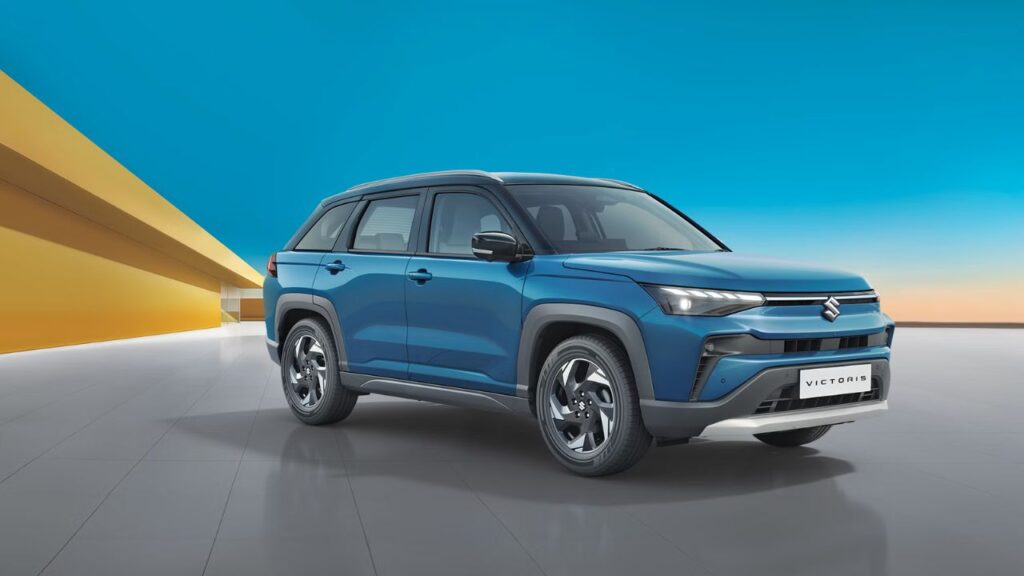
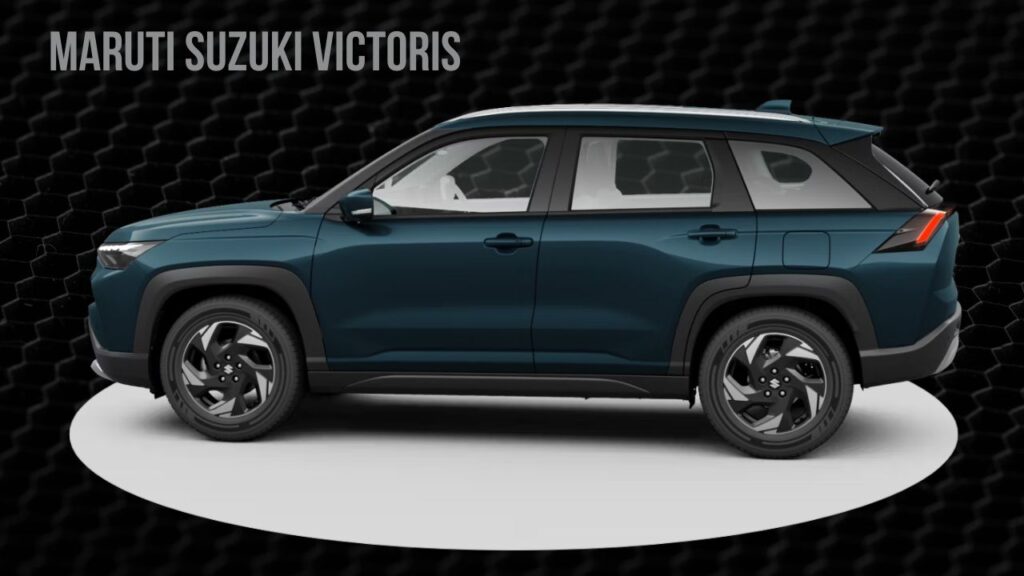
The Maruti Suzuki Victoris is redefining the SUV experience in India with its sleek design, advanced features that settles excellent journeys. Its strong performance is unstoppable given this car style and real value, it combines powerful strong hybrid and gas engines with BS6 Phase 2 fuel savings. The beautiful interior is eye-catching with a premium experience with a panoramic sunroof, digital displays cabin. Safety leads the way with six airbags, a 5-star Bharat NCAP score, and Level 2 ADAS—the first in Maruti’s lineup. The victoria is designed with a blend of innovation and sophistication which gives its competitor a challenge on road. 

Engine & Variants That Excite

Maruti Suzuki Victoris offers powerful engines that drive high power with both manual and automatic transmissions. Its all grip feature is available only in petrol automatic trims and all engines compliance with BS6 Phase 2 norms. 

Engine Type Power Torque Transmission Special Features
1.5L K15C Petrol 103 PS 139 Nm Manual / Automatic Fuel-efficient mild-hybrid system
1.5L Strong Hybrid 92 PS 122 Nm e-CVT Automatic Strong hybrid technology for better mileage
1.5L Petrol + CNG 88 PS 121 Nm Manual Only Factory-fitted CNG option

Mileage That Wins Hearts (and Saves Fuel!)

It offers great mileage on all variants but the strong hybrid is India’s highest certified mileage producing variant. Its CNG variant also gives high mileage for its users. It’s an important part for buyers who are fuel conscious, they prefer fuel efficient vehicles and run faster on longer routes. 

Petrol (MT) Petrol (AT) AWD Petrol (AT) Strong Hybrid CNG
21.18 km/l 21.06 km/l 19.07 km/l 28.65 km/l 27.02 km/kg

Packed with Tech: Advanced Features for Modern Drivers
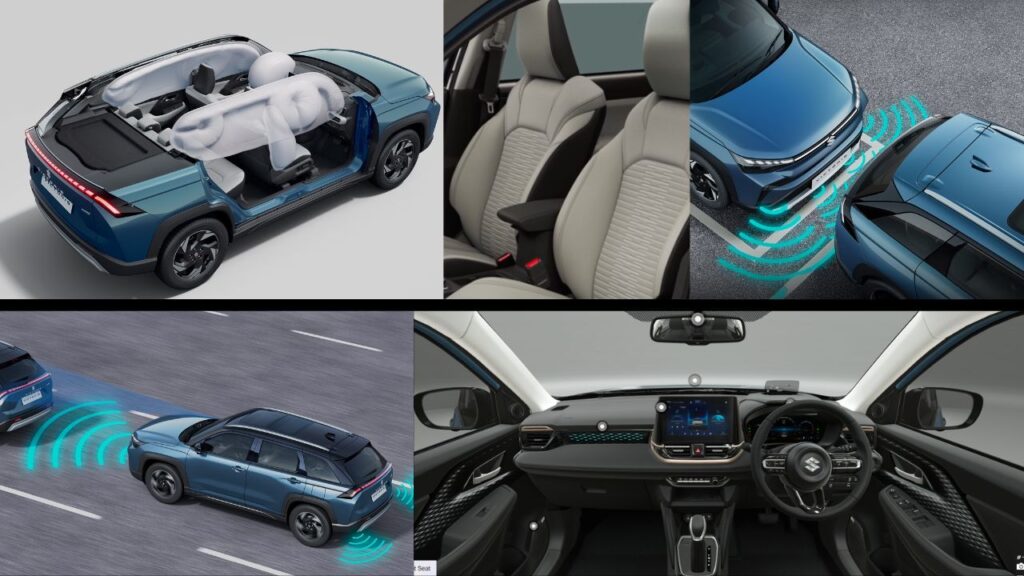
Image credit: MarutiSuzuki

The all new model of Suzuki is positioned among the most anticipated models of the company. It is built with advanced safety features including assisting drivers with level 2 ADAS precautionary safety functions. With good infotainment features & audio system, your long drives become fun and it also offers great comfort. Suzuki Connect with 60+ features, Alexa Auto and IOS/Android devices easily.  It provides comfort & convenience with its Panoramic sunroof and powered tailgate. 

Driver Assistance Level 2 ADAS 
Display & Infotainment 10.1-inch touchscreen, 10.25-inch digital instrument cluster
Audio System 10.1-inch touchscreen, 10.25-inch digital instrument cluster
Connectivity wireless charging, wireless Apple CarPlay/Android Auto
Safety Six airbags, 360-degree angle camera, parking sensors, electronic parking brake

Safety feature & Dimensions

Image credit: MarutiSuzuki

It provides 5-star safety features so the journey is safe for every rider. People who are more engaged with traveling from city to city prefer these kinds of cars where they can worry less for their safety during crashes. Its precautionary features already assist on every road but in case the driver meets an unfortunate situation during the journey, its airbags, all-disc brakes, and Tyre Pressure Monitoring System are given to protect the passenger from major injuries.

length Width Wheelbase Ground Clearance
4360 mm 1795 mm 2600 mm 210 mm
Safety Rating Airbags Braking Driver Assistance Monitoring
5-star Bharat NCAP 6 airbags All-disc brakes Hill Hold Assist TPMS

Style Inside Out: Bold Exterior Meets Premium Interior

The 2025 Maruti Suzuki Victoris is offering an impeccable interior look that gives a premium feel with dual-tone cabin. It also offers ventilated and leatherette seats that give a comfortable ride to its passengers. The soothing ambient lighting with multiple color options gives an excellent look. The bold exterior design marks your presence on the road with 17-inch alloy wheels which gives good ground clearance. It offers a bold and futuristic design with bold LED DRLs, and sequential LED tail lamps.

Price Valuation of Maruti Suzuki Victoris
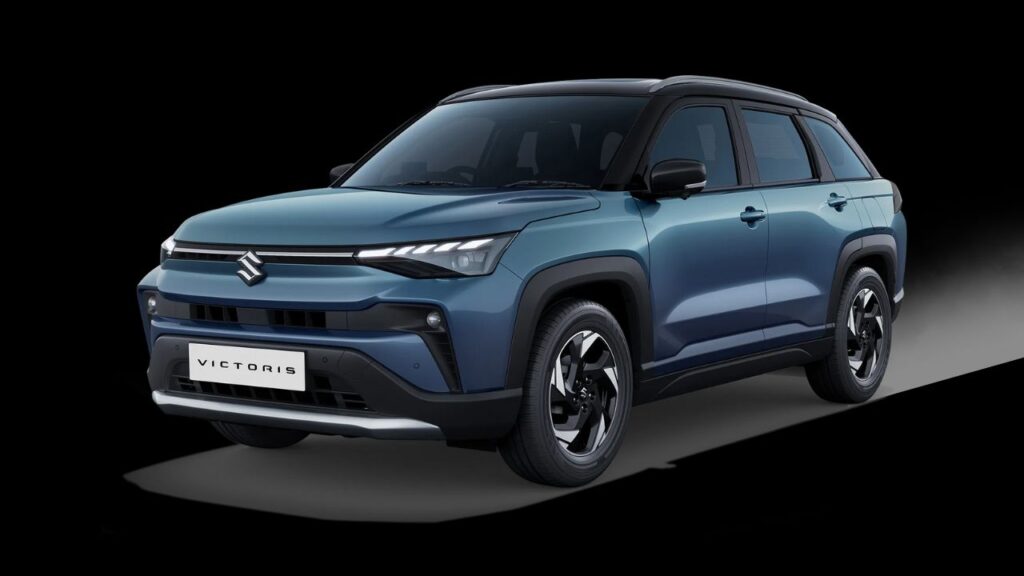
Image credit: MarutiSuzuki

The price mentioned here is according to the ex-showroom price range for Maruti Suzuki Victoris ₹10.50 lakh to ₹19.99 lakh, the value varies up to the variant and trims available for this model. The strong hybrid AWD variant of Victoris comes at the highest price.

Read More:- Toyota Car Prices After GST 2.0 – Full List of Revised Prices & Savings

Who Should Drive Home the Victoris?

Safety-Focused Buyers as it offers a blend of precautionary safety with actual active functions during the crash, it achieved India’s top crash score.

Mileage Hunters who are looking for hybrid options that give good fuel efficiency.

Best for families, it offers petrol auto with all-wheel drive with a comfortable cabin to sit peacefully.

Tech fans also can buy this one because it offers good connectivity modes in all variants.

Conclusion 

The Maruti Suzuki Victoris emerges as a complete package, blending fresh looks, strong but fuel-saving engines, and top-notch features in its class. With advanced safety like Level 2 ADAS, six airbags, and a 5-star Bharat NCAP rating, it brings calm on every trip. From short city runs to big road trips Maruti Suzuki Victoris stand out as master of his job. The company gives an incredible piece of motor to Indian families to run smarter with trust. 

Sharey Khan

Sharey Khan is an IT entrepreneur and petrol head & a car enthusiast. With a special focus on car-related content, he combines his deep passion for vehicles with a talent for crafting informative, engaging, and easy-to-understand content. His writing is driven by a genuine love for cars and he is committed to providing readers with accurate, up-to-date, and trustworthy information that empowers smarter driving decisions. 

Leave a Reply

Your email address will not be published. Required fields are marked *

0

Best Brake Pads for Cars: Top Options for Safe Driving

Brake Pads

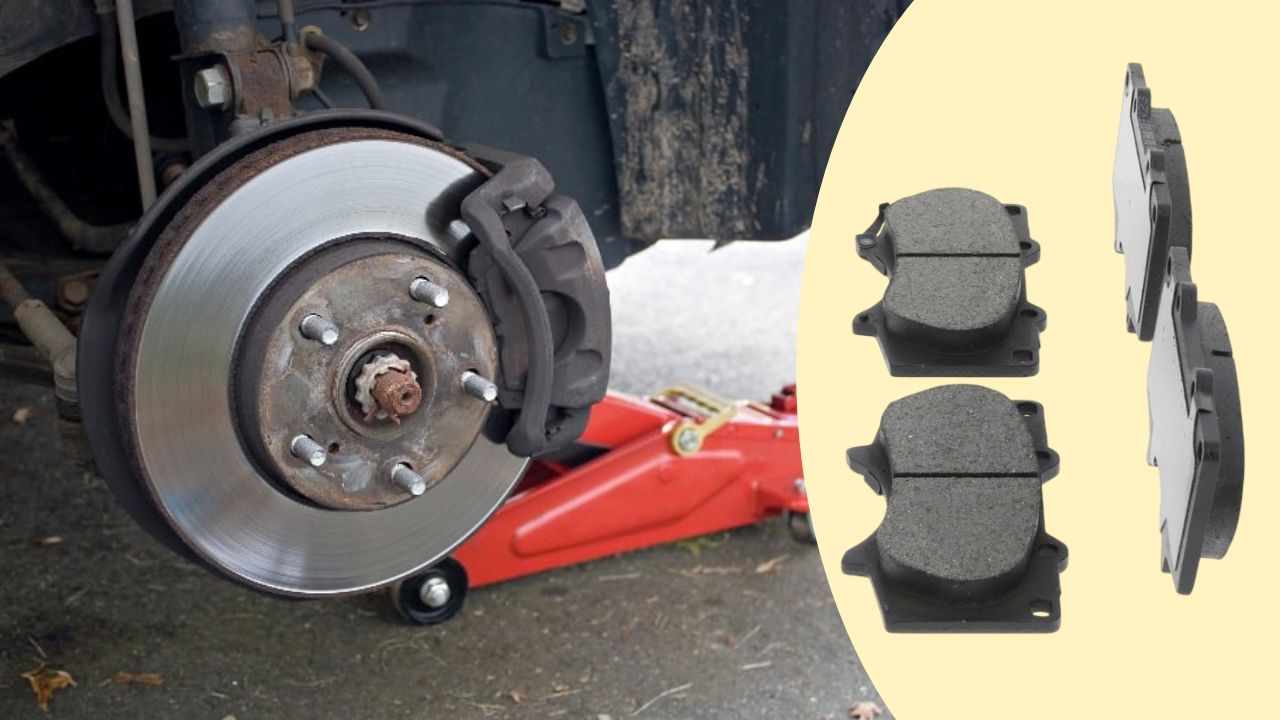
If you are wondering that buying premium brake pads will not get loosened up quickly and save you by kicking on the car that is just next to you, then you are wrong. The best brake pads for cars are actually the ones that fit and are durable on the road. Brands are making specific types of brake pads so they can handle the Indian roads and traffic area when you have to push your foot on the brake pedal every five-minutes.

Most car owners in India replace pads only when a mechanic points at worn friction material or the dashboard warning light comes on. That’s late. Pads typically wear down to replacement thickness around 30,000–35,000 km in Indian city conditions, where stop-and-go traffic and frequent braking put more cycles on the pad than steady highway driving would. Waiting for a screech means you’ve likely already scored the rotor, which turns a ₹2,000 pad job into a ₹6,000–₹8,000 pad-and-disc job.

Let’s look into a breakdown of what makes one brake pad different from others, which offers the quality that you need for your car and where you should buy it.

What Actually Separates One Brake Pad from Another

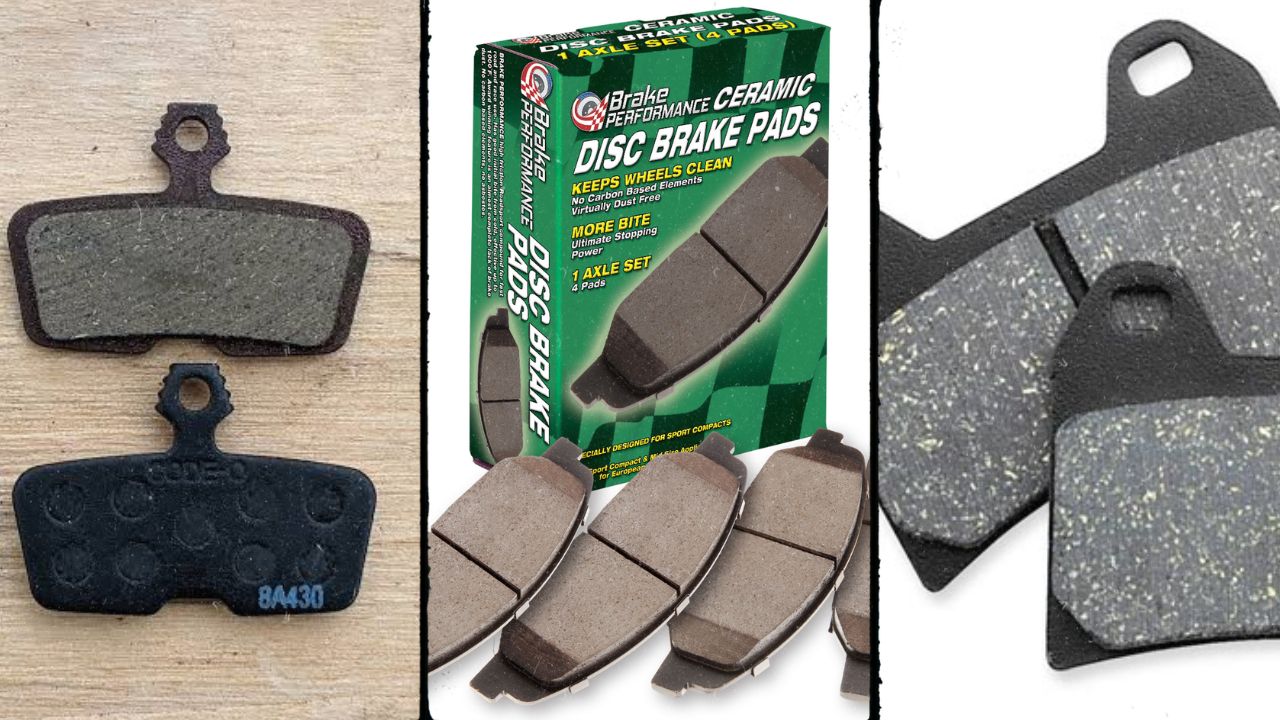
There are three friction categories which define the quality of brake pad and make one different from another. Understand these categories before buying it because that matters more than the brand name on it.

Semi-metallic pads mix steel wool, copper, or iron with friction material. They handle heat well — Indian summers and hill-descent braking can push disc temperatures past 500–600°C — and they bite harder under sudden braking. The real drawback is its increased noise and quicker rotor wear.

Ceramic pads make no noise and produce less brake dust which make the wheels alloy cleaner and run last longer under normal city driving. They are also expensive because they are made up of clay-and-fiber compounds reinforced with copper or metal fibers. But they’re not good in hot areas as semi-metallic pads so it makes them effective for hatchbacks and sedans running in cities and highways rather than mountain driving or heavy towing. 

Brake Pads

Non-asbestos organic (NAO) pads are the softest and quietest option, common on entry-level OEM fitments. They’re gentle on rotors but wear out faster and lose bite when hot, so they’re a budget-daily-commute choice rather than a performance one.

Fitment matters as much as compound. A pad that’s a perfect metallurgical match for a Honda City won’t necessarily exist in the same part number for a Hyundai Creta, even if both are C-segment cars. Always cross-check the pad against your car’s exact variant and manufacturing year before ordering — a wrong-fit pad can affect ABS calibration on newer cars with electronic brake-force distribution.

Best Brake Pads for Cars in India: Top Picks

1. Bosch QuietCast / Bosch DoubleTec

Compound: Semi-metallic and ceramic variants | Indicative price: ₹2,000–₹4,000 per axle set

Bosch supplies brake components directly to several OEMs in India, which means their aftermarket pads are built to the same tolerances as what left the factory on many Maruti Suzuki and Hyundai models. The QuietCast line uses a rubber-core shim under the backing plate specifically to cut down pad squeal, which is the most common owner complaint with cheaper aftermarket pads. This is the pick for someone who wants a known-quantity daily driver pad without shopping by price alone.

2. TVS Girling

Compound: Semi-metallic, OEM-spec | Indicative price: ₹1,200–₹2,500 per axle set

TVS Girling is an original-equipment supplier for a wide range of Indian passenger cars, so buying their aftermarket pad is close to buying a factory-spec replacement rather than a third-party approximation. It’s not a performance pad — don’t expect Brembo-level bite — but for a hatchback or compact sedan doing standard city driving, it’s the pad most Indian service centers will already stock and recommend.

3. Rane Brake Lining (RBL)

Compound: Semi-metallic and NAO variants | Indicative price: ₹1,000–₹2,200 per axle set

Old car or second hand car owners mostly prefer Rane Brake Lining because they are the most budget-friendly and well-established brand here. RBL brake pads are reliable and durable, serving excellent stopping power without paying for a premium badge. That’s why it becomes one of India’s largest domestic manufacturers of brake friction material.

4. Brembo

Compound: Semi-metallic, performance-oriented | Indicative price: ₹6,000–₹10,000+ per axle set

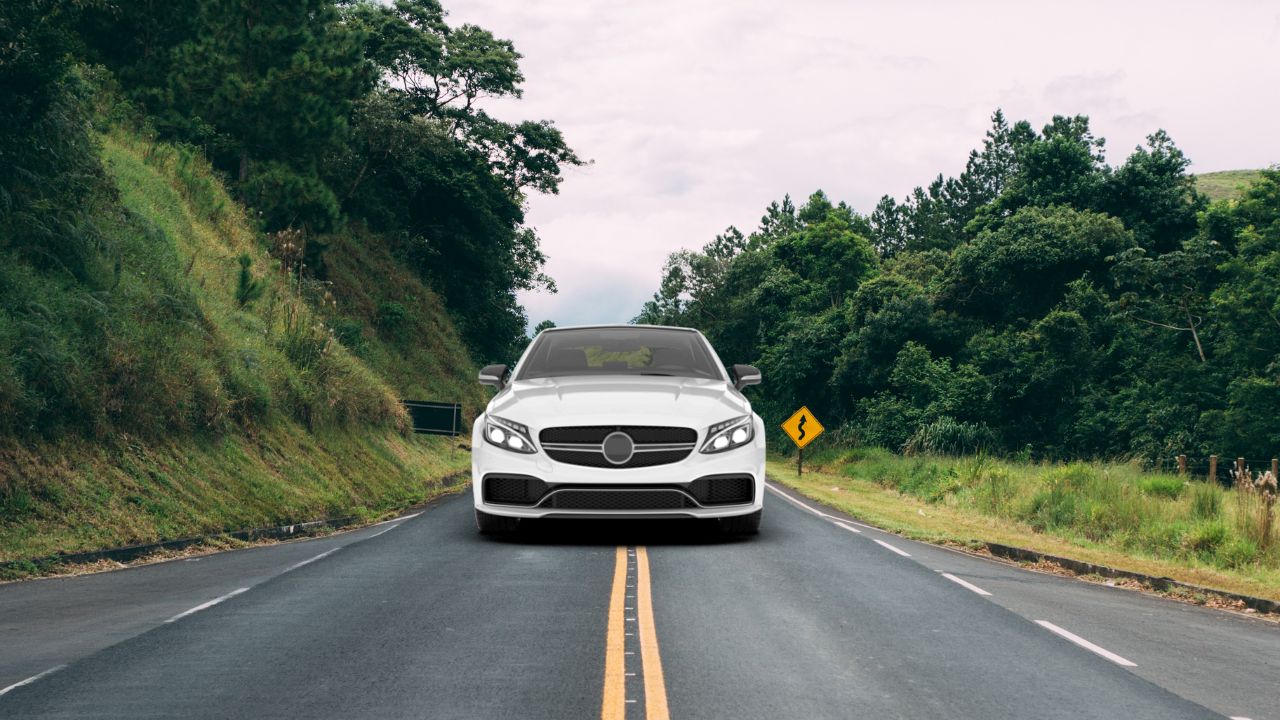
Brembo is an expensive brand serving premium OEM braking systems for components for luxury SUVs and well-performing cars. Its aftermarket pads are designed for providing consistent stopping power in a high-rise temperature, it is a strong choice for hill drivers and cars taking trips on Manali–Leh or Munnar routes, and for cars that see spirited driving. For flat-city commuting, this is more pad than most drivers need — the price reflects performance headroom, not a proportionally better daily-driving experience.

5. ADR

Compound: Ceramic and semi-metallic | Indicative price: ₹1,500–₹3,000 per axle set

ADR has built a presence in the Indian aftermarket as a mid-tier option — priced above the budget domestic brands but below Bosch and Brembo. It is worth checking for hatchback and compact-SUV applications where ADR’s Ceramic line is marketed as a quieter replacement to semi-metallic OEM pads at the same price. 

6. Workshop-brand ceramic pads (e.g., GoMechanic Safetec+, Ceradrive)

Compound: Ceramic | Indicative price: ₹1,500–₹3,500 per axle set

Among some of the new-age options is the emergence of house-brand ceramic brake pads by some workshop chains and online retailers for popular cars such as the Alto, WagonR and Celerio. They can be quieter, produce less dust and cost less, making them ideal for everyday city driving. However, they don’t have the history of established manufacturers, so definitely look at the warranty coverage and recent reviews for your particular car before opting for one over a name brand. 

Bosch vs. TVS Girling: The Two Most Common Choices

These two come up most often when Indian owners ask a mechanic “which pad should I actually buy,” so a direct comparison is more useful here than a generic spec table.

Bosch QuietCast/DoubleTec TVS Girling
Compound Semi-metallic / ceramic Semi-metallic
Indicative price ₹2,000–₹4,000 ₹1,200–₹2,500
Noise level Low (shim-damped) Moderate
Workshop availability Wide, including multi-brand service chains Very wide, especially at authorized dealer network garages
Best for Daily driving where quiet operation matters Budget-conscious daily driving, factory-spec replacement

If your priority is matching exactly what the manufacturer intended and paying the least for it, TVS Girling is the more defensible choice. If you’ve noticed brake noise with your current pads and want that fixed on the next replacement, Bosch’s shim design specifically targets that problem.

OEM Dealer vs. Aftermarket: What You’re Actually Paying For

At a Maruti Suzuki authorized workshop, front pad replacement typically runs ₹1,800–₹2,500 including fitting. Hyundai dealer pricing tends to sit around ₹2,000–₹3,500. For Honda, Toyota, Renault, and Nissan, OEM pad-and-labor costs commonly start from ₹3,500 and climb depending on the model. These figures move with your city and specific service center, so treat them as a planning range rather than a quote.

Brake Pads

When you buy manufacture approved brake pads at a dealer price for your exact car with warranty linked to your service, you pay an extra ₹500–₹1,500 if the same compound is available in the aftermarket. The catch is as long as you confirm they fit your car and have them installed by a trusted mechanic. 

Both options are not always perfect if you have a warranty for your car then OEM pads may be a safer choice. These aftermarket pads from a trusted brand are good for old and second cars, as it can save money without sacrificing safety. 

Things to Review Before Making a Decision

A couple of things are always worth confirming before you buy, no matter which brand you’re considering: see if the listing is for your exact variant and year of car, not just the model name because brake systems change across facelifts. 

Look for a friction material certification (ECE R90 is the relevant European homologation standard many Indian aftermarket brands now reference) rather than relying on marketing copy alone. And if a listing price looks unusually low for a named brand like Bosch or Brembo, treat it as a counterfeit-risk signal — India’s aftermarket brake market has a known problem with pads sold under premium branding that aren’t genuine, and a pad that’s dimensionally wrong or metallurgically inconsistent is not somewhere to save ₹500.

Brake Pads

None of the brands above is the universally “right” answer — a Brembo pad on a city-only hatchback is over-spec’d the same way a budget NAO pad on a hill-route SUV is under-spec’d. Match the compound to how and where you actually drive, confirm fitment against your specific variant, and the rest of the decision mostly makes itself.

Conclusion

The best brake pads for your car aren’t necessarily the most expensive ones but the ones which fit your car, depending upon driving conditions and braking needs. Bosch, TVS Girling, or Rane Brake Lining are best fit for cars running in the city everyday as they offer a good performance on stopping, long-lasting, and price. Heavy-performance brake pads like Brembo are best matched for cars running on hills, carrying heavy loads, and pushing harder but the cost is little expensive.

Whatever you choose, don’t ignore the quality product over cheap products which your seller recommended, trust yourself. Check closely exact variant and model-year fitment, trust reliable source, and let the competent mechanic install the pads and inspect discs. The best brake pad is an essential part of the brake system because when stopping matters so the reliability is worth far more than saving a few hundred rupees.

0

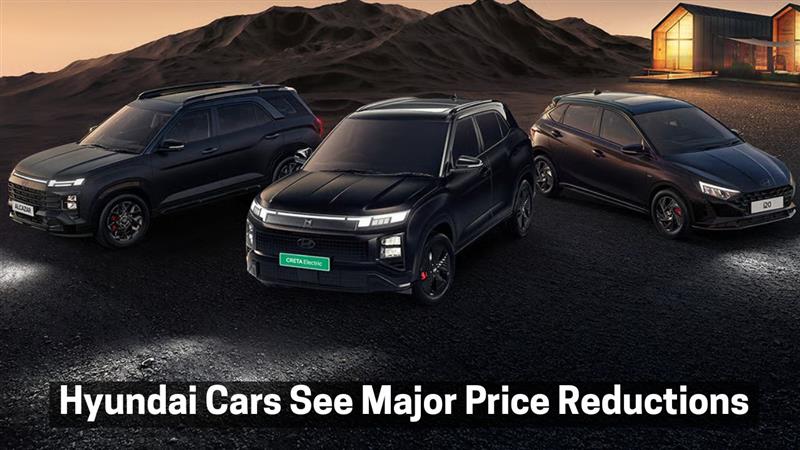
Hyundai Cars See Major Price Reductions Under GST 2.0 Reform

Published Sep 24, 2025, 11:28 AM
Last Updated Apr 22, 2026, 11:35 AM

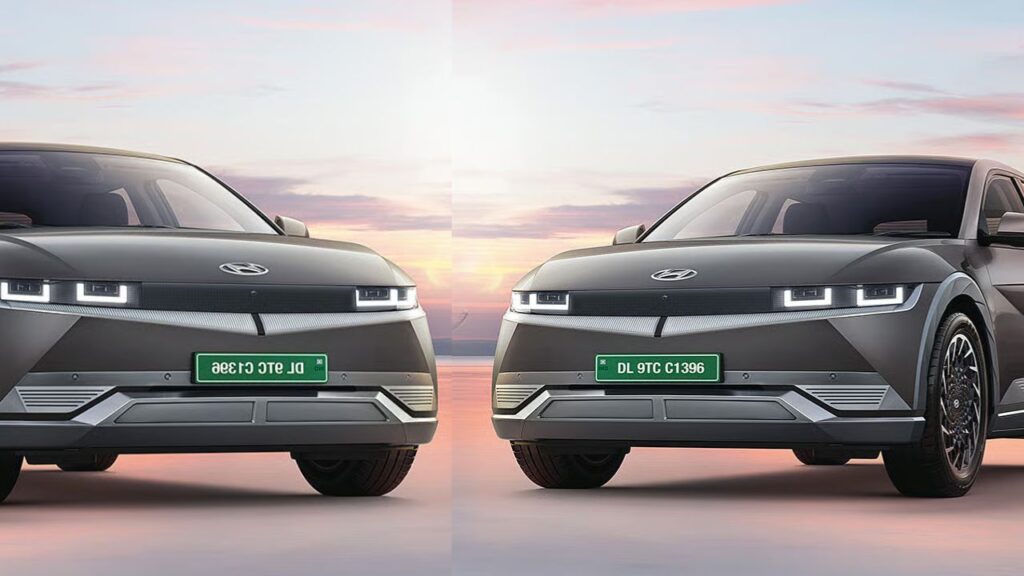
Hyundai Motor India has significantly benefited from the GST 2.0 reforms that took effect on September 22, 2025. The company passes all the perks of lower taxes right away with buyers. The updates rates of GST cuts down the real price of Hyundai Cars, buyers can save from ₹60,640 up to ₹2.40 lakh. GST 2.0 changes mark India’s biggest tax update since the 2017 GST launch. The government has simplified the complex four-tier structure (5%, 12%, 18%, 28%) into simplified form (5% on basics and 18% on regular items). And the luxury rate with 40%, let’s look what it means to Hyundai cars:

Small cars with 1200cc petrol, 1500cc diesel, and ≤4m length get a reduction from 28% to 18% GST.

Larger Cars and SUVs get down to 50% including cess, now GST rate set at 40%

Electric vehicles continues at 5% GST rate

Model-wise Price Reductions

Hyundai’s price cuts in different ways for various vehicle types with SUVs receiving the most substantial reductions. 

Premium SUVs

Tucson Up to ₹2.40 lakh reduction (highest across the lineup)
Alcazar Up to ₹75,376 cheaper
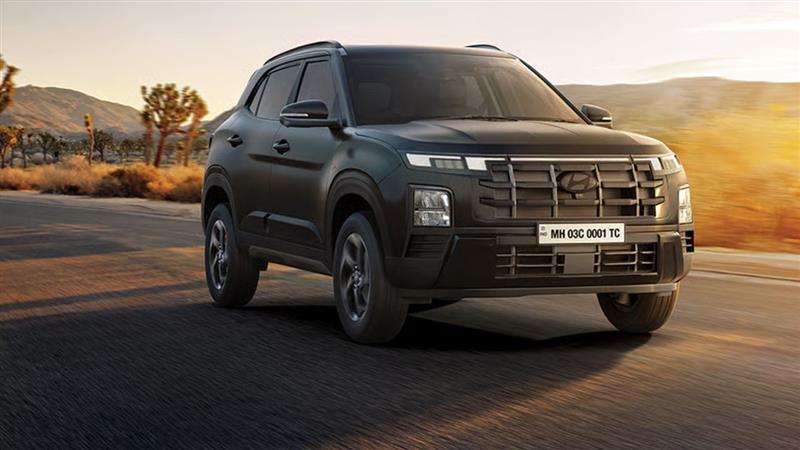
Creta Up to ₹72,145 reduction
Venue Up to ₹1.24 lakh lower
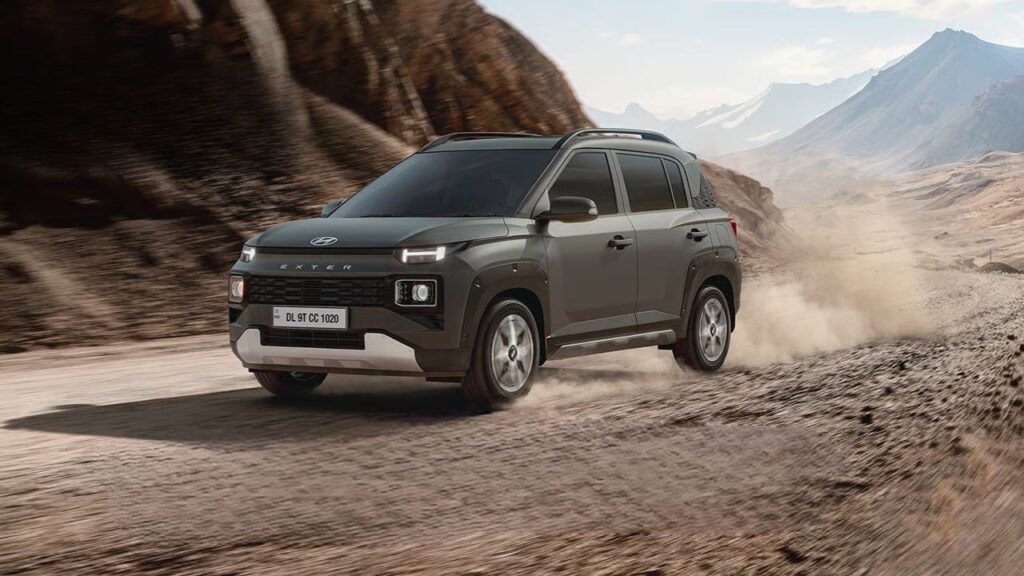
Exter Up to ₹89,209 price drop

Sedans

Verna Up to ₹60,640 reduction
Aura Up to ₹78,465 cheaper

Hatchbacks

i20 Up to ₹98,053 reduction
Grand i10 Nios Up to ₹73,808 price cut

Market Impact and Sales Performance

Image credit hyundai

GST 2.0’s launch during the festive period sparked huge market energy. Hyundai recorded 11,000 dealer billings on September 22, 2025 making a huge single-day performance than the five years of sales. This remarkable hit emphasizes how price cuts boosted buyer interest towards Hyundai cars. 

Tarun Garg, Whole-Time Director and COO at Hyundai Motor India welcoming the positive market response. “Navaratri’s lucky beginning, boosted by GST 2.0, changed the company’s sales growth and brought real energy to the market.

GST Rate Categories for Hyundai Models

The rates are decreased as per the new GST structures, there are several Hyundai Models which are represented here with saving percentage that applied on it.

Image credit: hyundai

Vehicle Category Savings GST rate cuts
Sub-4 meter petrol vehicles 11% savings from 29% to 18%
Sub-4 meter diesel vehicles 13% savings from 31% to 18%
Larger cars with engines up to 1,500cc 5% savings from 45% to 40%
SUVs above 4m with engines 1,500cc 10% savings from 50% to 40%

From Old Price To New Price After Reduction + Festive Offer

Models Old Ex-Showroom Price GST Reduction New Ex-Showroom Price Additional Offer Up To
VENUE ₹7,94,100 ₹67,719 ₹7,26,381 ₹50,000
EXTER ₹6,20,990 ₹52,957 ₹5,68,033 ₹70,000
i20 ₹7,50,900 ₹64,035 ₹6,86,865 ₹50,000
AURA ₹6,54,100 ₹55,780 ₹5,98,320 ₹40,000
Grand i10 NIOS ₹5,98,300 ₹51,022 ₹5,47,278 ₹55,000
ALCAZAR ₹14,99,000 ₹51,695 ₹14,47,305 ₹65,000

Industry-wide Transformation

Image credit: hyundai

The GST 2.0 changes have wider impacts through India’s car sector. All the big companies—car manufactures offer huge price cuts as Hyundai gives to its customers. Dropping the compensation cess cuts rates. The new GST structures simplified things and made it clear for the buyers.

Read More:-  Maruti Suzuki Victoris: The Family SUV Everyone’s Waiting for in 2025

Effective Date and Implementation

All revised prices became effective from 22 September 2025, clashing into the festive season in India. This combination boosts the sales for all the vehicle manufacturers.The holiday time has always been prime for buying cars.

Conclusion

This comprehensive price reduction across Hyundai’s lineups combined with additional festive offers, making its brand compete better in India. The GST 2.0 changes bring big benefits to buyers and let more people afford cars. Those buyers who are interested in basic and mid-range models become more happy because the price reductions are most substantial in that segment.

2

Tesla Flying Car Mechanics Make The Flight Possible

Published Oct 16, 2026, 10:33 AM
Last Updated Oct 16, 2026, 12:23 PM

Tesla Flying Car Mechanics

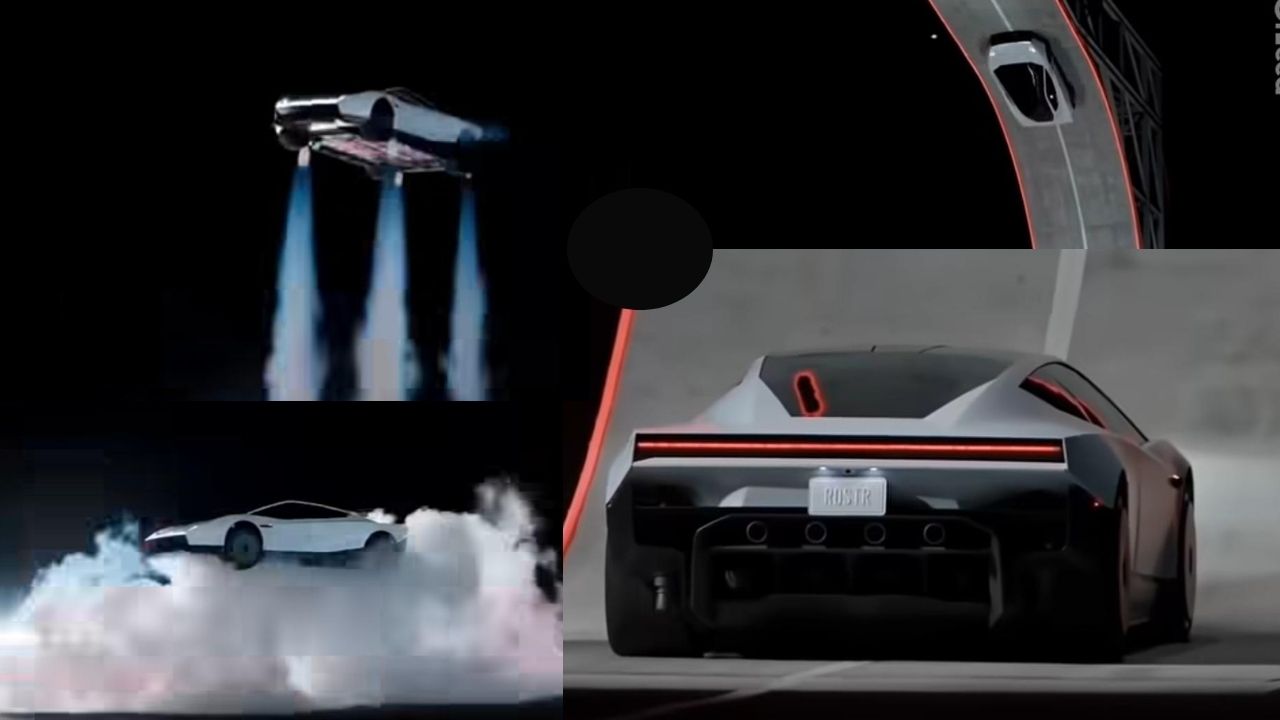
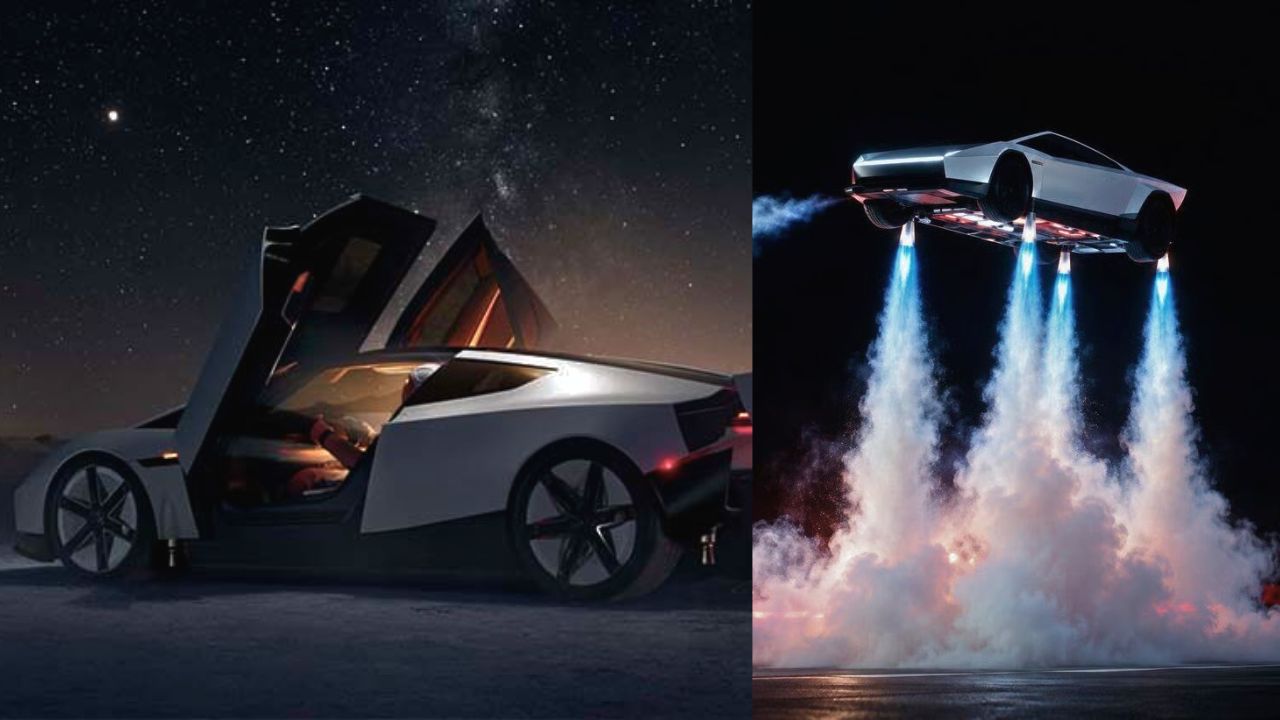
Somewhere between the upside-down ramp and the midair flip, a lot of people watching Tesla’s livestream asked the same thing: is that a real Tesla flying car, or a very expensive stunt? Yes, it comes possible with compressed air, a carbon-fiber tank and a few seconds of very violent thrust.

The new Roadster was revealed by Tesla on October 15, 2026 at SpaceX’s McGregor, Texas facility. The vehicle drove upside down, jump across five Tesla vehicles lined up side-by-side and executed a midair roll with the help of SpaceX thrusters. The aerial moves differently, as a flip or a barrel roll, so consider the exact maneuver as up in the air until Tesla shares the entire video. 

Elon Musk said the car was technically autonomous for the stunt, to avoid anyone getting hurt. No driver was flying it.

Is the Tesla Flying Car Really Flying?

Not in the way an aircraft flies. Tesla calls the top version “air ready,” and Tesla’s own description says the Rocket variant uses perimeter-mounted thrusters for forward and upward acceleration plus lateral rotational movement. That is controlled hopping, not cruising. The reason is simple arithmetic, which we’ll get to below.

How Cold-Gas Thrusters Work

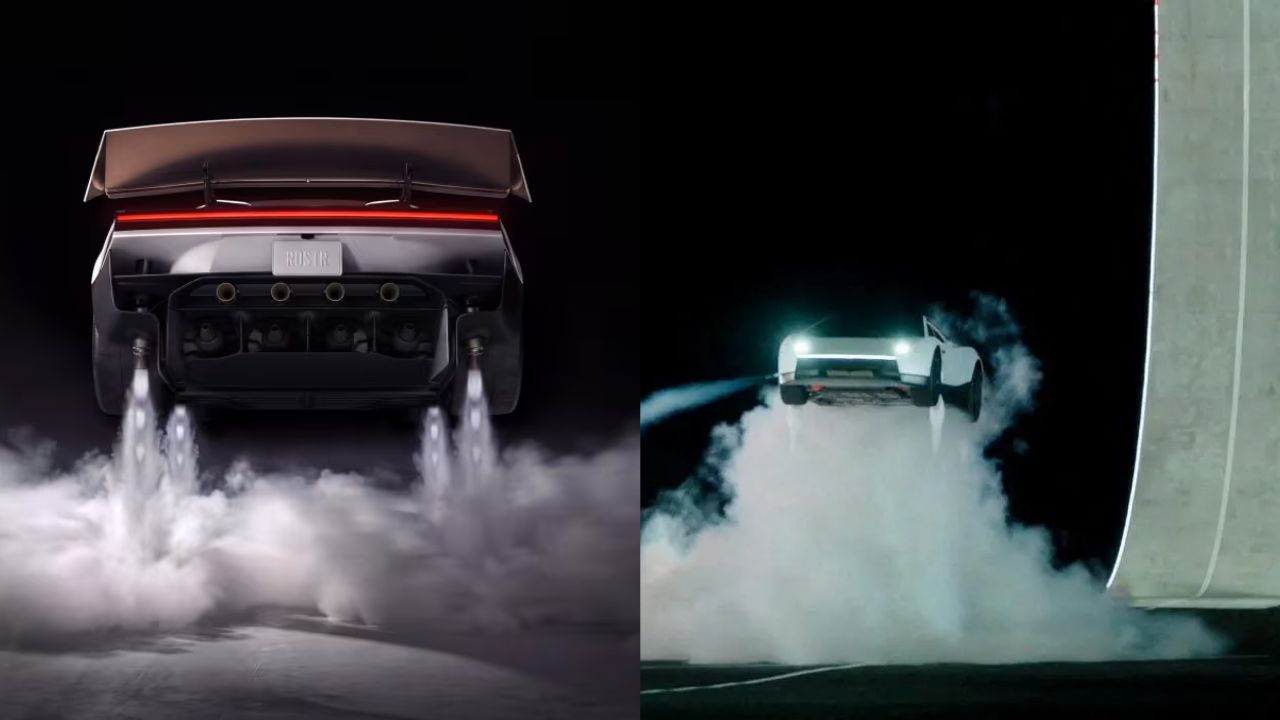
Cold gas means there’s no combustion involved. A Tesla flying car stores air at very high pressure and releases it through a nozzle. When the air is released in one direction, it propels the car in the other direction. 

The Tank: 5,500 psi of Stored Air

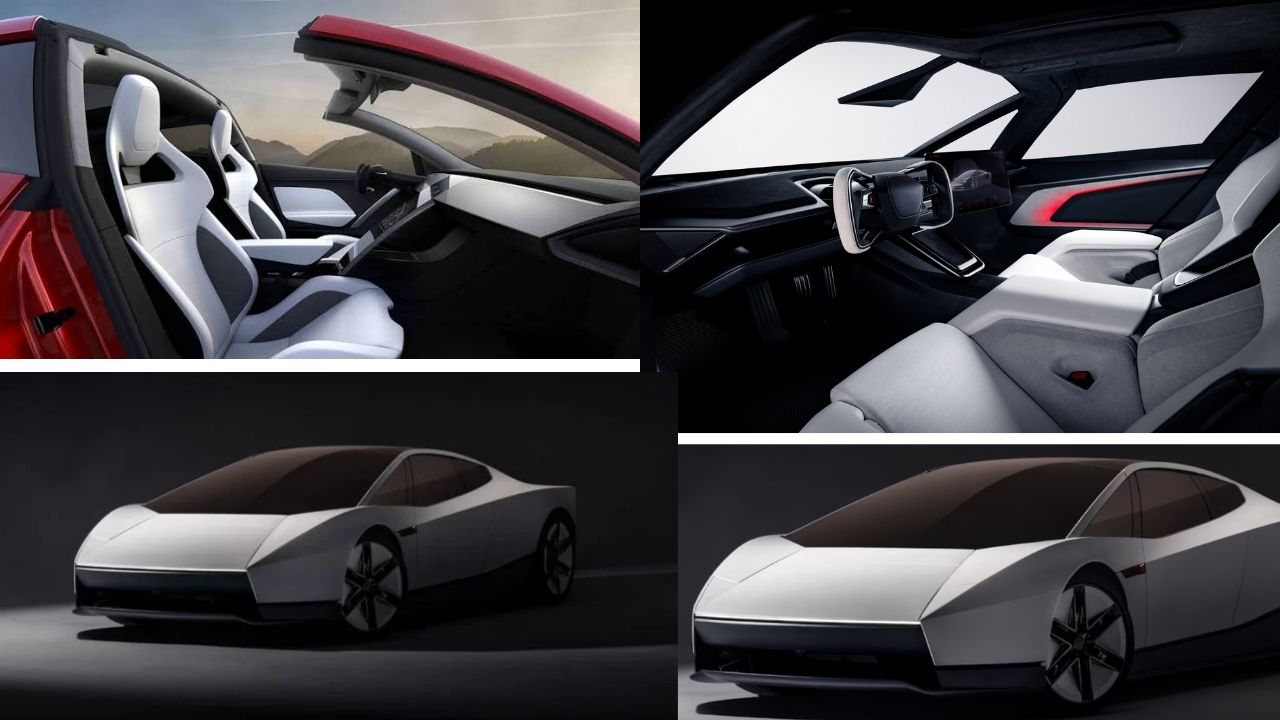
Tesla didn’t announce a Tesla flying car tank spec on stage, but the track screen in its interior photos shows a “Thruster” readout of 5,500 psi, about 380 bar. A pressure that high almost certainly means a composite-wrapped vessel, though Tesla hasn’t confirmed the construction.

The Tank

The Nozzle: Where Pressure Becomes Push

As the air squeezes through the throat of a flared nozzle, it accelerates to very high speed and chills sharply, which is why the plume looks like white vapor. That’s the same family of hardware SpaceX uses for attitude control on its rockets. Tesla’s claim is that the thruster system produces 4–5 times the force the tires can. Tires top out around 1 to 1.5 g, so the thrusters are doing the heavy lifting.

Read More :-   Hyundai Motor Group Announced $15.5 Billion Investment In India From 2026 to 2032

How High Tesla Flying Car Can Jump?

The 0-60 mph figures show additional push the thrusters provide. Tesla quotes the production-ready Performance model at less than 1.6 seconds, the Thrust model at less than 0.9 seconds and the Rocket at less than 0.59 seconds. 

The 0-60 mph numbers show how much extra shove the thrusters add. Tesla lists the road-ready Performance version at under 1.6 seconds, the Thrust version at under 0.9 seconds and the Rocket at under 0.59 seconds. The Tesla flying car reached 60 mph in 0.81 seconds in the demo. This figure has not yet been independently verified. 0.81 seconds over that distance is an average of about 3.4 g. 

High Tesla Flying Car Can Jump

The upside-down drive wasn’t thrusters alone. A multi-mode fan and ground-sealing system sucks air from under the car and can hold it upside down even when stationary. It’s like a vacuum cleaner that sticks the car to the ground. The suction also allows the tires to have more grip, which is beneficial on a track. 

Why the Air Runs Out in Seconds

This is my own back-of-envelope estimate, not a Tesla figure. Assume a car of about 1,800 kg, since I couldn’t find a published curb weight. Hovering it needs roughly 17.7 kN of thrust. The exiting cold air from the nozzle moves at approximately 600 to 700 meters per second, so the engine intakes 25 to 30 kg of air per second. At 380 bar, the air has a density of about 370 kg/m3 which means every 100 litres of tank provides little more than a second of hover. 

Tank size is the unknown. Even a generous tank gives seconds, not minutes. That is why every moment in the demo was a launch, a hop or a burst, never a sustained float.

Staying Level: How Attitude Control Works

Getting airborne is easy. Landing the right way up is the hard part. Tesla says the thrusters use all-electric actuators for micro adjustments that stabilize the car in flight. Tesla hasn’t shown where any smaller attitude thrusters sit, so how the car steers in the air remains partly inference.

Tesla Flying Car

The physics is the same as on any spacecraft. Thrust applied off the car’s center of mass creates rotation, so pairs of jets firing in opposite directions can spin the car without pushing it sideways. Short, controlled pulses hold the angle steady. The control software also has to know the live tank pressure, because thrust fades as the tank empties. That is a job for a system, which fits the demo being autonomous.

Can You Buy a Tesla Flying Car?

Tesla now sells the Roadster in three versions. Performance is road-ready and available by reservation, Thrust is a limited release for the track, and Rocket is invite only. Tesla also notes the car is not approved for public road use, and production is planned for Giga Texas in 2027 or 2028.

Roadster vs Rivals

Car Claimed 0-60 mph Price
Tesla Roadster (Performance / Thrust) under 1.6 s / under 0.9 s Not announced
Rimac Nevera about 1.74 s Roughly US$2 million or more
Lucid Air Sapphire about 1.89 s Roughly US$250,000

Rival figures are manufacturer claims prices vary by market, so verify both.

Tesla hasn’t announced Tesla flying car price, but it has reopened reservations at 65,000 in Singapore and roughly AED 184,000 in Dubai, depending on the exchange rate. None of those markets has confirmed deliveries.

Explore :-    Everything On Mahindra XUV 3XO CNG: Top The Compact SUV Segment

Conclusion

The Performance version is the only road-ready one, and even that is not yet approved for public roads. The Thrust and Rocket versions need the thruster system to work reliably, repeatedly and legally, and none of that is proven yet. Musk himself has said it is a halo product that may not move revenue much.

Watch Tesla’s earnings call on October 21 for any change in timing or pricing. Until the price, the tank size and the refill time are published, the Tesla flying car is a spectacular demo rather than something you can plan around.

0

Donald Trump Car Collection: A Look Inside His Garage

Published Sep 10, 2025, 12:28 PM
Last Updated Apr 8, 2026, 7:30 AM

Donald Trump Car Collection luxury cars

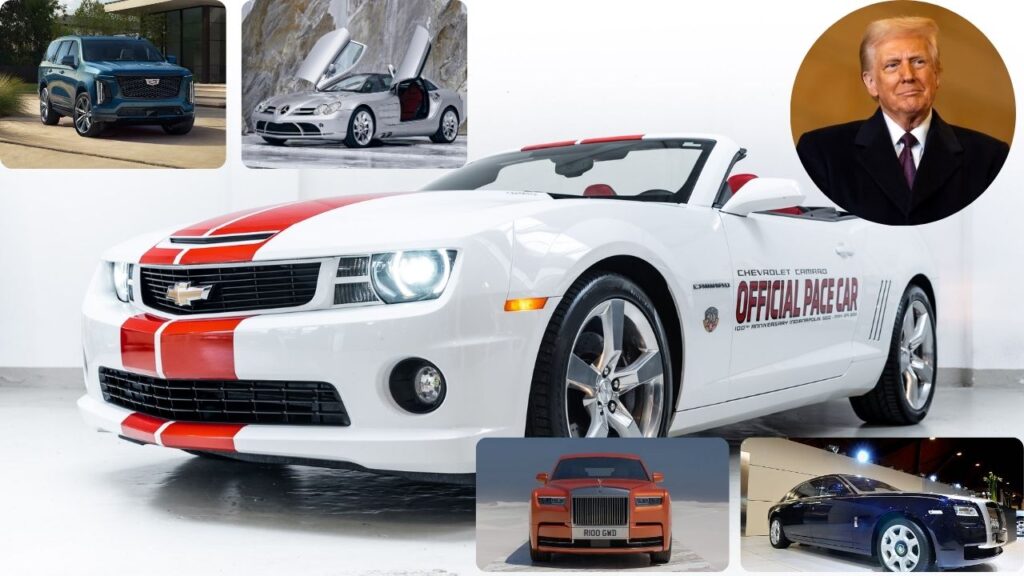
Donald Trump is the US 47th president and billionaire businessman who lives a lavish lifestyle. His taste of luxury reflects in his garage, an impressive collection of rare classics, powerful sedans, and supercars. Donald Trump Car Collection is an exclusive bundle of elegance and exotic glimpse of automotive engineering that marks his presence outstanding on the road. 


Trump’s garage includes every kind of styled cars which symbolizes its status with their handcrafted interior, quiet cabin, and excellent styled body to make remarkable road presence. Rolls-Royce is an exquisite model which has been associated with royalty and billionaires. 


Looking into Trump’s garage, equipped with performance-driven cars that suited a businessman of his stature. 

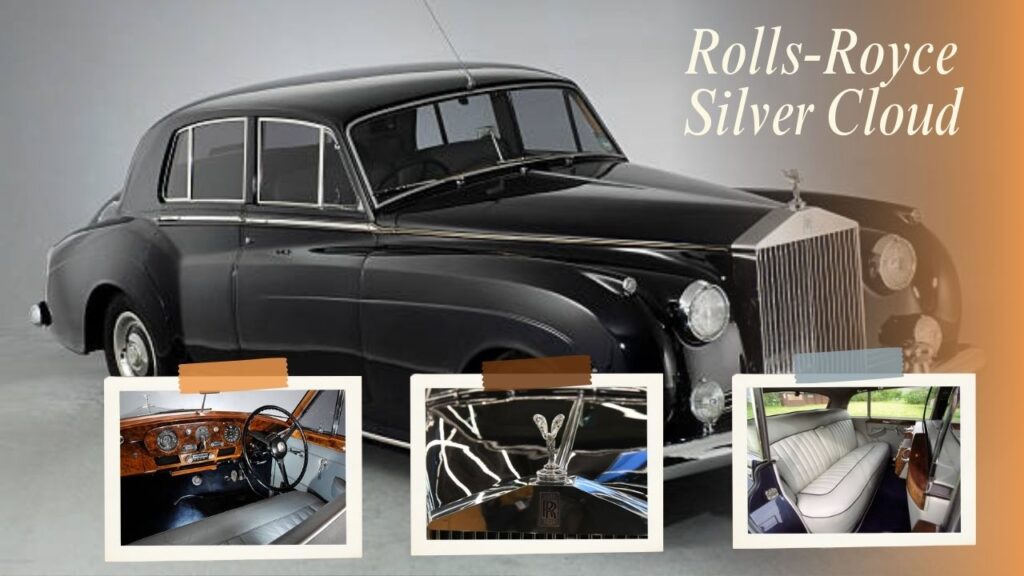
Rolls-Royce Silver Cloud 

The Rolls-Royce Silver Cloud was placed in Trump’s garage at his early age and has become his soul partner since then. Trump bought Silver Cloud as his first vintage car. The car’s excellent design with long hood, upright grille, and luxurious interior perfectly matched Trump standard. Its Price is around $398, which marks the beginning of Trump’s car collection.

Rolls-Royce Silver Cloud classic luxury car

Detail Information
Engine/Power 4.9L Inline-6, 155 hp
Top Speed 170 km/h
Luxury Features Handcrafted wood dashboard, lambswool carpets, chrome grille, rear folding tables
Estimated Value $250,000 


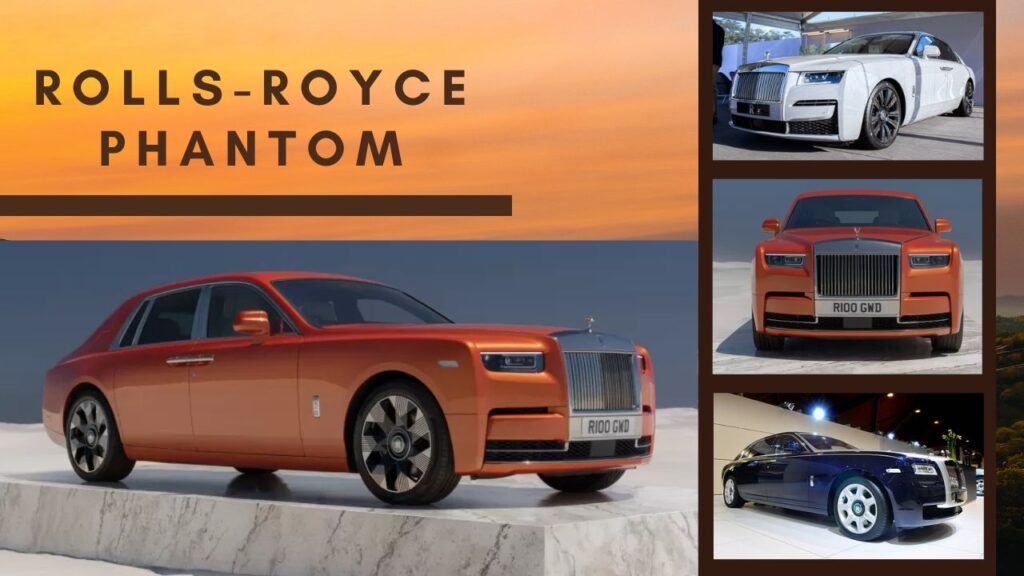
Rolls-Royce Phantom

The 2015 Phantom is a defining rider for Trump and he used it until he became president. The modern sedan costs around $500,000 but it can be raised for customizations. It offers a V12 powerful engine that generates 453 hp, since it is highly customized with ultra-luxurious materials like lambswool carpet, wood-paneled doors etc. This premium vehicle showcased his personality of lavishness and comfort, making it the ultimate status symbol. 

Rolls-Royce Phantom luxury sedan

Detail Information
Engine/Power 6.75L V12, 453 hp
Top Speed 240 km/h
Luxury Features Starlight headliner, rear theatre seating, power-closing coach doors, umbrellas in doors
Estimated Value $500,000+


Mercedes-Benz SLR McLaren 

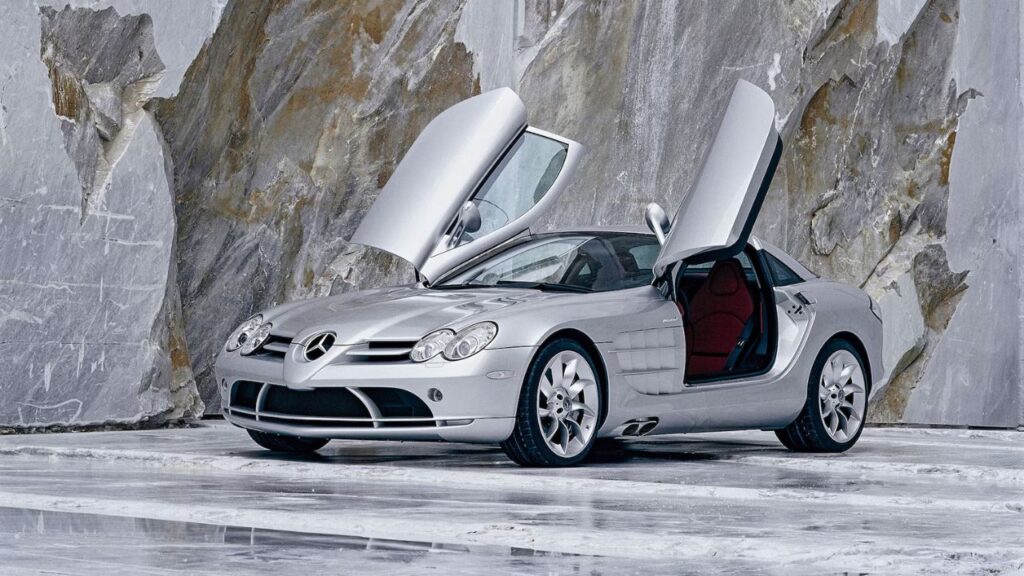
Trumps own high-performance supercar Mercedes-Benz SLR delivers a unique design and 5.4L V8 supercharged engine. It can produce 617 hp and deliver a speed from 0 to 100 km/h in roughly 3.4 seconds. Trump posed in 2006 Vogue with this car to highlight its best possession that reflects his extravagant lifestyle and wealth. This exotic design supercar has cost him around $455,000.

Rolls-Royce Phantom luxury sedan

Image credit: mercedes-benz

Detail Information
Engine/Power 5.4L Supercharged V8, 617 hp
Performance 0–100 km/h in 3.3s, Top speed 334 km/h
Luxury Features Carbon-fiber body, butterfly doors, leather seats, spacious cabin
Estimated Value $455,000


Mercedes-Benz S600 Guard

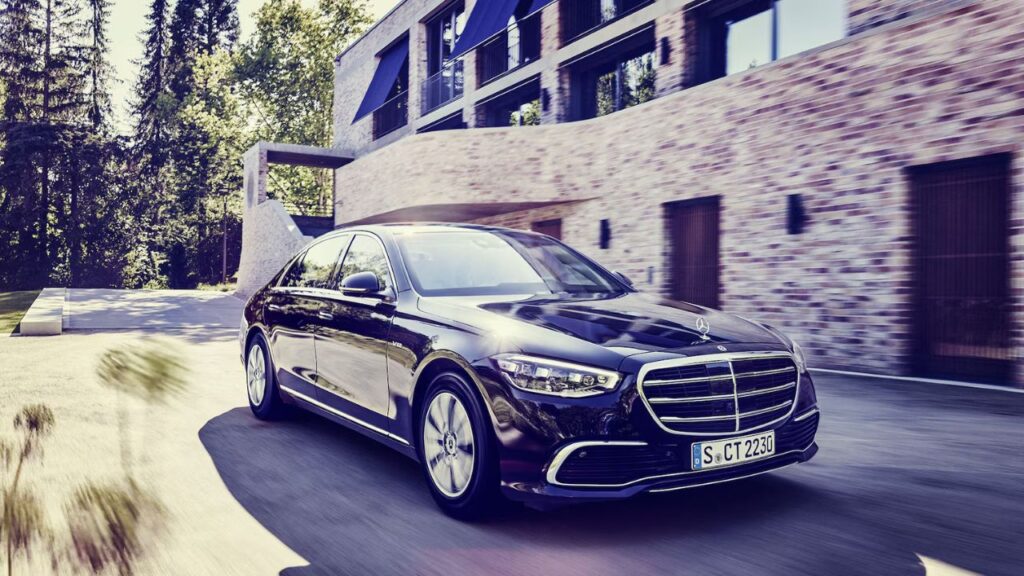
Trump also owns an armored S‑Class vehicle to ensure his safety. The 2015 Mercedes‑Benz S600 Guard is especially made for powerful personalities with military-grade bulletproof panels and glass. Trump’s armored S600 is worth half a million dollars as it costs around $518,000 but this beast is worth showcasing his commanding presence and fulfilling his extra precautions for safety. The S600 offers a twin-turbo V12 powerful engine that delivers 523 hp and all-wheel drive features for excellent ride. Its long-wheelbase boasts around like a hulk with hard-wrapped skin.

Mercedes-Benz S600 Guard armored luxury car

Image credit: Mercedes‑Benz

Detail Information
Engine/Power 6.0L Twin-Turbo V12, 523 hp
Performance 0–100 km/h in 6s
Luxury Features Nappa leather, massage seats, rear entertainment
Estimated Value $500,000+
Security Features VR9 ballistic protection, bulletproof glass, reinforced floor, run-flat tires, oxygen system


Chevrolet Camaro SS Indy 500 

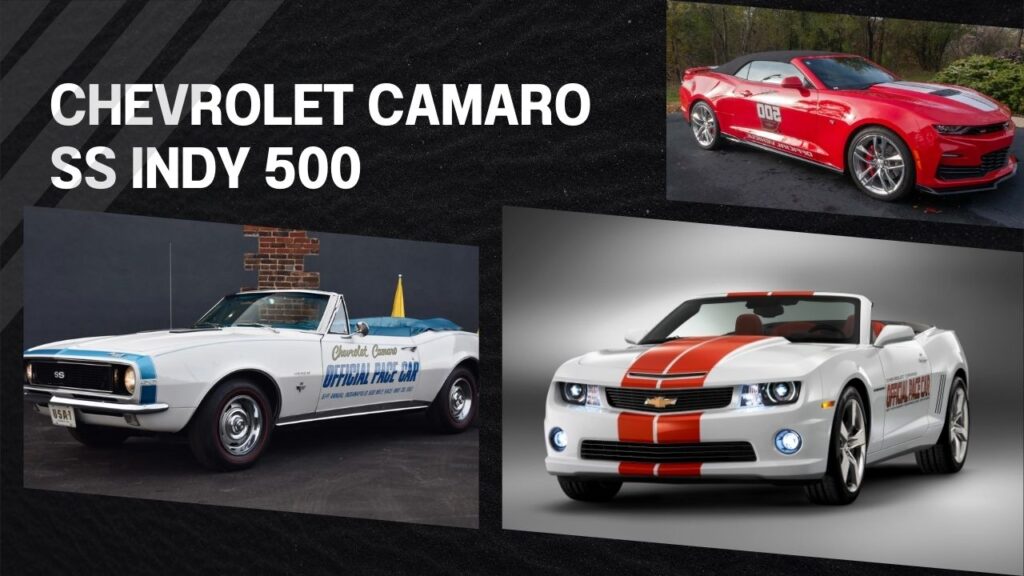
Trump’s Chevrolet Camaro is delivering 426 hp power from a 6.2L V8 engine, a special edition for remarkable existence. He owns it at $25-30k but he stopped driving it due to criticism. This muscle car with a bright and sporty look complements his patriotic style and showcasing his public persona. He showed his appreciation for American-made performance cars along with luxurious rides. 

Chevrolet Camaro SS Indy 500 muscle car

Detail Information
Engine/Power 6.2L V8, 426 hp
Performance 0–100 km/h in 4.7s
Unique Features Indy 500 decals, convertible roof, leather seats with embroidery, performance suspension
Estimated Value $25,000–30,000

Also Read: Bill Gates Car Collection 2025: Luxury Cars, Price & Lifestyle

Cadillac Escalade

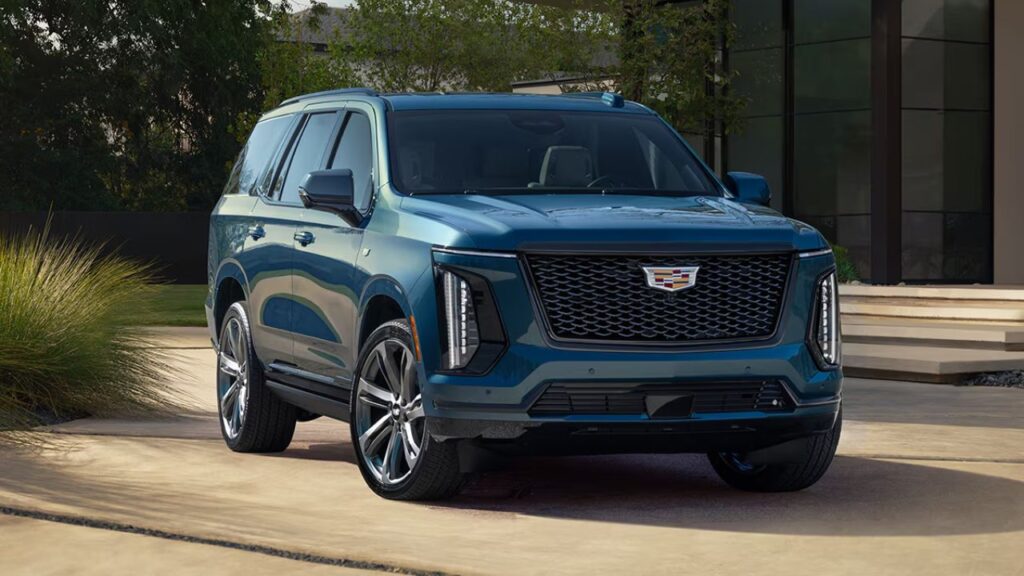
Cadillac Escalade is also positioned in Trump’s garage for its 6.7L V8 engine that produces 420 hp, making it best for every road. The base model MSRP is around $74,000 but worth its large black luxury SUV that matches Trump’s style. It became Trump’s favorite as it delivered an ample interior with 7 seating comfortable cabins and black styling.

Cadillac Escalade luxury SUV

Image credit: Chevrolet

Detail Information
Engine/Power 6.2L V8, 420 HP
Performance 0–100 km/h in 6s
Luxury Features 8-inch infotainment, Bose audio, heated/cooled seats, 7–8 seater spacious SUV
Estimated Value $74,000 (new)


Conclusion

Donald trump car collection is showcasing his power, luxury, exclusivity. His garage is a collection of supercar Mercedez, futuristic Rolls-Royce, exclusive Chevrolet, and armored mercedez S-class, making super historical style blends with excellent performance of cars. 


0

Top 10 Best Used Cars for Tall Drivers That Actually Fit Your Frame

Published May 20, 2025, 1:09 PM
Last Updated Apr 6, 2026, 12:32 PM

Top 10 Best Used Cars for Tall Drivers That Actually Fit Your Frame

Finding a car that fits your body is very important, especially if you are tall. Some cars feel too tight. Your knees hit the dashboard. Your head touches the roof. That makes driving painful. The good news is many used cars offer big space and comfort. 

We made a list of the best used cars for tall drivers. These cars provide more legroom and headroom for your efficiency. They also come with other good features and fair prices.

Honda Odyssey

Honda Odyssey

The Honda Odyssey is one of the great choices for all the tall drivers. It has a high roof and wide seats. You can stretch your legs and sit up straight. It also has smooth steering and good safety features.

  • Front Headroom: 40.7 inches
  • Front Legroom: 40.9 inches
  • Used Price Range (2017-2020): $18,000 – $30,000
  • Seats: Up to 8 people
  • Good Features: Power sliding doors, rear-seat entertainment system, rearview camera, Apple CarPlay/Android Auto

Toyota Sienna

Toyota Sienna

The Toyota Sienna is another roomy minivan. It has soft seats and so much space so even very tall drivers fit comfortably. The Toyota Sienna is also the only minivan with available all-wheel drive.

  • Front Headroom: 41.0 inches
  • Front Legroom: 40.5 inches
  • Used Price Range (2017-2020): $19,000 – $32,000
  • Seats: Up to 8 people
  • Good Features: AWD option, tri-zone climate control, advanced safety tech, strong resale value

Ford F-150

The Ford F-150 is a full-size pickup truck. It gives you a lot of legroom and a tall driving position. You feel high up and safe. It is also very good for towing and hauling.

  • Front Headroom: 40.8 inches
  • Front Legroom: 43.9 inches
  • Used Price Range (2015-2020): $20,000 – $40,000
  • Seats: Up to 6 in crew cab
  • Good Features: Strong towing, spacious cabin, V6 or V8 engine, advanced safety features in newer models

GMC Canyon

GMC Canyon

The GMC Canyon is a midsize pickup, but it feels very roomy. It is easy to drive and park. In the crew cab model, it offers one of the best legroom numbers for a truck.

  • Front Headroom: 40.3 inches
  • Front Legroom: 45.2 inches
  • Used Price Range (2016-2020): $18,000 – $33,000
  • Seats: Up to 5
  • Good Features: Good fuel economy, touchscreen system, smooth ride for a truck

Ford Taurus

Ford Taurus

The Ford Taurus is a large sedan with lots of interior space. It is no longer made new, but you can find second-hand used cars at the best prices. It is quiet, comfortable, and easy to drive.

  • Front Headroom: 39.0 inches
  • Front Legroom: 44.2 inches
  • Used Price Range (2015-2019): $10,000 – $20,000
  • Seats: 5
  • Good Features: Big trunk, V6 engine, comfortable highway ride, optional AWD

Ford Expedition

Ford Expedition

The Ford Expedition is a big SUV. It has huge space inside and can tow heavy things. The seats are tall and wide, so tall drivers feel relaxed. You sit high and get a great view.

  • Front Headroom: 41.5 inches
  • Front Legroom: 43.9 inches
  • Used Price Range (2017-2020): $28,000 – $45,000
  • Seats: Up to 8
  • Good Features: Powerful V6, big cargo space, smooth ride, great for road trips

Toyota Highlander

Toyota Highlander

The Toyota Highlander is a midsize SUV. It has a roomy cabin and soft seats. The controls are easy to reach. Tall drivers enjoy the legroom and relaxed driving style.

  • Front Headroom: 39.5 inches
  • Front Legroom: 44.2 inches
  • Used Price Range (2017-2020): $22,000 – $35,000
  • Seats: Up to 8
  • Good Features: Great safety ratings, strong resale value, V6 engine, AWD available

Subaru Forester

Subaru Forester

The Subaru Forester is a small SUV, but it feels very open inside. The tall roof gives extra headroom. It also has great visibility and comes with all-wheel drive.

  • Front Headroom: 41.2 inches
  • Front Legroom: 43.3 inches
  • Used Price Range (2017-2020): $17,000 – $28,000
  • Seats: 5
  • Good Features: Standard AWD, high safety scores, good gas mileage, roomy feel

Honda CR-V

Honda CR-V

The Honda CR-V car is one of the best-selling SUVs cars of 2024. It is not too big, but the inside is roomy. Tall drivers like the high seat and easy controls. It also has great reliability.

  • Front Headroom: 40.0 inches
  • Front Legroom: 41.3 inches
  • Used Price Range (2017-2020): $18,000 – $30,000
  • Seats: 5
  • Good Features: Excellent fuel economy, smart interior layout, very reliable

Subaru Outback

Subaru Outback

The Subaru Outback is like a mix between a car and an SUV. It has a tall ride height and a flat roof. This gives tall people plenty of space. It also comes with standard AWD.

  • Front Headroom: 40.1 inches
  • Front Legroom: 42.8 inches
  • Used Price Range (2017-2020): $19,000 – $32,000
  • Seats: 5
  • Good Features: Smooth ride, strong safety ratings, lots of cargo room, great in snow

Final Thoughts

If you are tall, you need a car that gives you enough room. Cramped cars can cause back pain, sore knees, and a bad driving experience. The best used cars for tall drivers offer comfort, safety, and good value. Whether you want a van, SUV, truck, or sedan, there is a perfect match out there. Before buying, always check the headroom and legroom and you should also sit in the car and take a test drive.

With the right car, driving becomes fun again. All the cars in this list are good options. They give tall people the comfort and space they need.