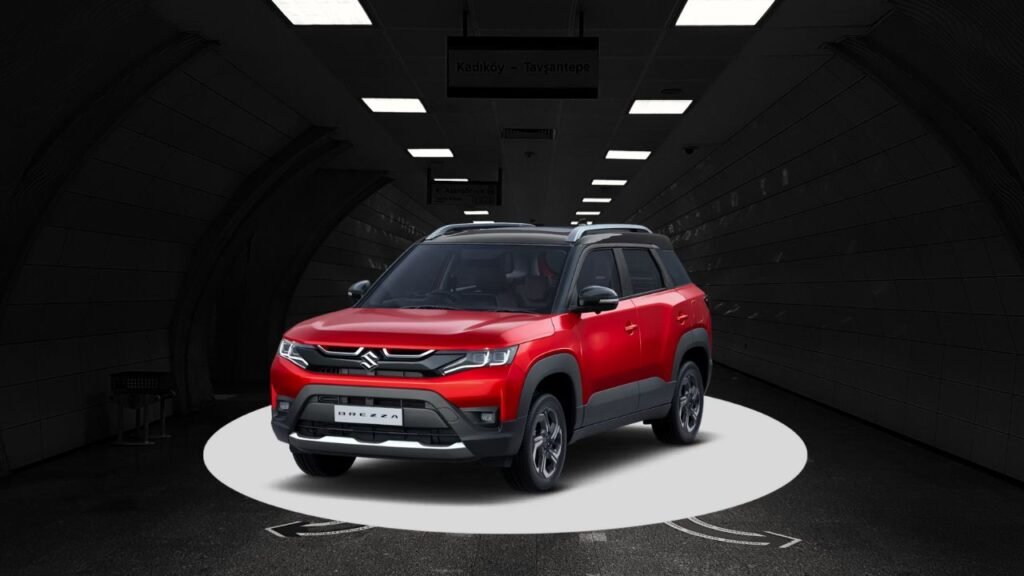
0

2026 Maruti Suzuki Brezza – New Features, Price, Design & Full Details

2026 Maruti Suzuki Brezza

The Maruti Suzuki Brezza is not just any car but it is a staple in the Indian automotive terrain. It has now been re-established, and since then, it has gone on to rule the sub-four meter SUV segment, raising the bar in terms dependability and, perhaps most importantly, fuel efficiency.

But they don’t rest, the competitions. With competitors upping the ante with turbo-petrol engines, more feature-laden cabins, and even ADAS (Advanced Driver Assistance Systems), the 2026 Maruti Suzuki Brezza will have to really pull a rabbit out of the proverbial hat in this fresh major generation update. And believe me, if the rumors are true, this is not just a refresh instead this is a revolution. 

We take a look under every stone for the expected design changes, the huge technology leaps in the cabin, and the strongest rumor of all, the introduction of the all-new Strong Hybrid powertrain. 

Design – Sharper Edges and a Premium Stance 

The current Brezza is a handsome beast with a bit of a butch charm and that falls somewhere between rugged and urbane. For 2026 model, Maruti Suzuki will likely integrate new, global design language that made a debut in their high-end models such as Grand Vitara, and Fronx.

What to expect on the outside:

A Revamped Front Fascia: Say adieu to the that mildly chubby grille. Expect a much sleeker, wider treatment of chrome or gloss black that runs constantly up to the new, sharper LED DRL signature. 
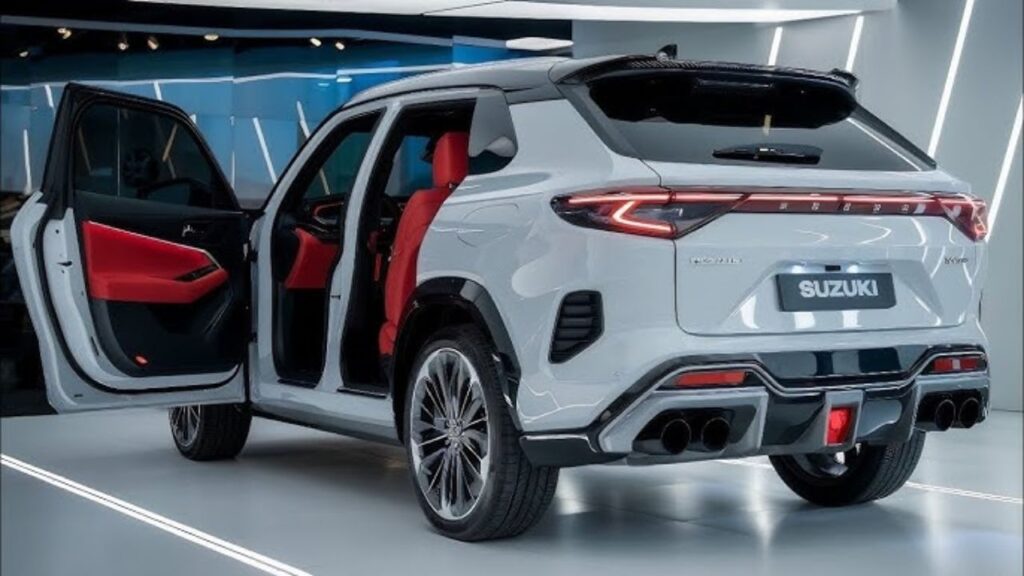
Maruti Suzuki Brezza Design

Image credit: MarutiSuzuki

The headlight clusters themselves might be divided, or have a more elaborate, multi-layered design, reminiscent of the conventional picture. The overall intent is to create a more aggressive, mature, and premium looking road presence – it needs to look like it can sit comfortably beside rivals that have undergone bolder dramatic design statements

More Dynamic Profile: The next Brezza is expected to keep the boxy shape essential for the interior space, but will come with a few sharper edges and the character lines will be more defined on the side. The window line could be cleaner and the rear quarter glass might be reshaped.

New Alloy Wheels: This is a minor change but is important visually. We may get 17-inch dual-tone alloy wheels with a new, more complex, diamond cut design on the higher variants, bringing a much-needed dash of style and energy to the profile. 

The New-Bolt Tailgate: Tailgates tend to be overlooked during a mid cycle refresh, but a generational change deserves to be focused on. There should be slimmer, wraparound LED taillights (potentially joined by a light bar, a huge trend at the moment) and a beefier, redesigned bumper that add the final touch to the premium appearance.

To put it simply, Brezza 2026 not only going to look new but it’s also going to look expensive – a must-have in a segment where buyers seem to be opting for style. 

The Cabin Reimagined – Technology and Luxury

Here is where the 2026 Brezza would be expected to shine, and from what Maruti is doing with its top-end models, it looks like we are in for a treat. The current cabin is functional but not inspiring like its rivals.

The Feature Juggernaut:

The Central Screen: The 9-inch SmartPlay Pro+ on the current model gets the job done but the 2026 iteration is said to be breaking the mould, coming with a gigantic 10.25-inch or a 12-inch floating infotainment screen. Expect an enhanced UI, faster processing, and the now-standard Wireless Apple CarPlay and Android Auto. 

Digital Driver Display: The current analog-digital mix is expected to be replaced by a fully digital instrument cluster (possibly 7-inch or larger) that is customizable. This is critical for information display for the new hybrid system and ADAS features.
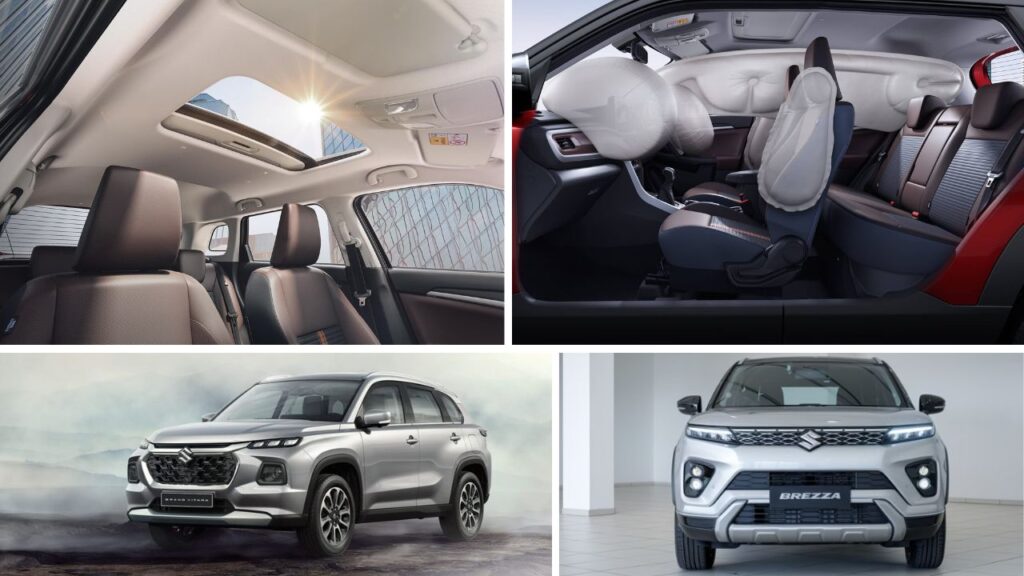
Maruti Suzuki Brezza Technology and Luxury

Image credit: MarutiSuzuki

The Comfort Factor: Bulls-eye for two features that have been planted firmly on every buyer’s wish-list for as long as we can remember, Ventilated Front Seats, and a Premium Audio System. The 2026 Brezza will almost definitely come with front seat ventilation, a welcome relief for Indian summers. We could also see a tie-up for a special sound system, after the trend of premium car audio in the segment. 

Precision Safe (ADAS): It’s a biggest potential addition. To take on the big boys, the 2026 Brezza is expected to come with Level 1 ADAS. That might include Adaptive Cruise Control, Blind Spot Monitoring, Rear Cross-Traffic Alert and lane-keeping assist. This measure will immediately boost the Brezza’s safety credentials, and make it future-compliant for emissions regulations down the line.

The cabin itself will also get a revamp, featuring soft touch plastics and contrast stitching along with some new dual-tone combinations that’ll spruce up the cabin mood and make it look less utilitarian and more premium. 

The Strong Hybrid Game Changer – Powertrain & Efficiency

The present Brezza is powered by the tried and tested 1.5 liter K15C Smart Hybrid (a mHEV) engine well known for its good driveability and decent mileage ( of the order of 20-21 kmpl).

In saying that, the standout highlight of the 2026 model is said to be the addition of the Strong Hybrid Technology, which is the same technology powering the current Grand Vitara. 

Why Strong Hybrid is a Big Deal:

Unmatched Mileage: This is what makes the Brezza special. The Strong Hybrid system enables the vehicle to run on electric power only for brief distances and at low speed, contributing to a substantial improvement in fuel economy. 
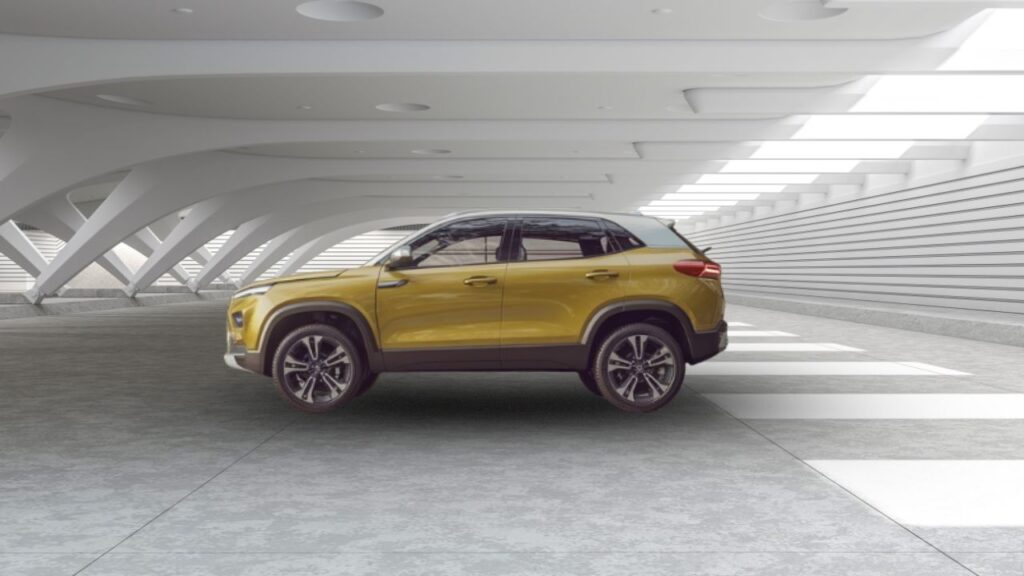
Maruti Suzuki Brezza Powertrain & Efficiency

Image credit: MarutiSuzuki

Experts expect that the 2026 Brezza Strong Hybrid might fetch an incredible mileage figure around 27 kmpl to 30 kmpl. This would be an unbeatable selling point and a huge cost saver for city dwellers, he said. 

Silent Driving: Being able to drive silently while cruising in EV mode in stop-and-go traffic makes the driving experience more refined and premium.

Performance: Although it is an economy-oriented system, the hybrid also offers instant electric torque, thereby enhancing low-end acceleration and general responsiveness in city driving — a welcome improvement over the existing model. 

The standard K15C mild-hybrid petrol engine is expected to continue on the lower variants, mated to either the 5-speed Manual or a highly advanced 6-speed Automatic transmission. But the crown jewel will be the Strong Hybrid, now offered only with an e-CVT. 

Read More:- 2026 Toyota Tacoma – Full Overview, Features, and What to Expect

Price and Launch Timeline

Forecasting the two-year out price of a car is a challenge, but we can make some educated guesses around the technology that will be added.

Launch timeline: The next-gen Brezza is expected to launch in December 2025 or early 2026. Maruti usually targets the festival season for big launches.
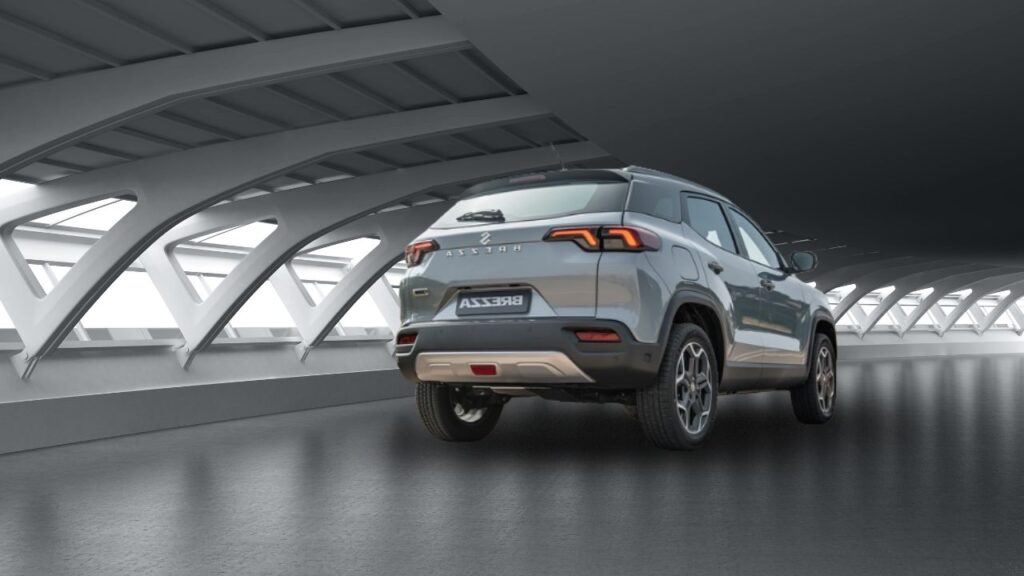
Maruti Suzuki Brezza Price and Launch Timeline

Image credit: MarutiSuzuki

Cost implications: The addition of high-end options (ADAS, Strong Hybrid, Ventilated Seats, big screen) has a price tag.

The current Brezza starts at around ₹8.25 Lakh (ex-showroom). The prices of the 2026 models could be as follows: 

Variant Category Expected Ex-Showroom Price Range (Lakhs INR) Key Upgrades Justifying Price
Base Variants (Mild Hybrid) ₹9.5 Lakh – ₹12.5 Lakh Upgraded Design, Good Quality Interior Finish, Larger Infotainment Screen
Top Variants (Mild Hybrid) ₹13 Lakh – ₹14.5 Lakh Expected Panoramic Sunroof, Ventilated Seats, Digital Cluster
Strong Hybrid Variants (Top End) ₹15.5 Lakh – ₹17.5 Lakh+ Hybrid Powertrain is expected, ADAS Level 1, e-CVT Transmission

Sure, that high price tag is a big jump, but it’s the cost consumers pay for best-in-class features such as robust hybrid systems and sophisticated safety packages. 

Conclusion

Expected to be launched in 2025, the 2026 Maruti Suzuki Brezza will not be just an update, rather it will be a big design change and Maruti’s response to the changing needs of the Indian compact SUV buyer. It brings the brand’s DNA (dependability, efficiency) to the new demands of technology (big screens, ADAS planes) and high-end driving experiences (Strong Hybrid).

Considering the new compact SUV at this moment and if you think that fuel economy with the latest tech to keep you going well into the future are the most important considerations, the wait for the 2026 Brezza could be the smartest decision you make. It is going to be a real segment buster, again. 

Sharey Khan

Sharey Khan is an IT entrepreneur and petrol head & a car enthusiast. With a special focus on car-related content, he combines his deep passion for vehicles with a talent for crafting informative, engaging, and easy-to-understand content. His writing is driven by a genuine love for cars and he is committed to providing readers with accurate, up-to-date, and trustworthy information that empowers smarter driving decisions. 

Leave a Reply

Your email address will not be published. Required fields are marked *

Best Sunroof Cars Under 12 Lakh: Affordable Models With Premium Features

Best Sunroof Cars Under 12 Lakh

If you want to buy the best car under ₹12 lakh with a sunroof without burning a hole in your pocket, you’re in for a treat. While there used to be a scarcity of steam-powered appliances, there is now a plethora of feature packed hatchbacks, micro SUVs and compact SUVs in the Indian automobile market that offer style, comfort and technology at place which can be described as affordable. From voice-enabled electric sunroofs and huge touchscreens, to high-tech safety ratings and fuel-efficient engine choices, sub-12 lakh cars today offer far more than just a “premium look.”

This list covers the best sunroof cars in India you can get under ₹12 lakh — comparing prices, features and what makes each sunroof car worth considering for you. From city friendly easy to wheel car, fuel efficient or even loaded with rich features—a right pick would be found for every need. 

1. Tata Altroz – Premium Hatchback with Value

Tata Altroz

Image Credit : Badicar

For the price, the Tata Altroz is indeed one of the best affordable mass-­market hatchbacks with a sunroof in India. It also has a voice-enabled electric sunroof across various variants with CNG, diesel and petrol engines.

Ex-showroom price range ₹6.30 lakh to ₹10.51 lakh
With Sunroof  ₹7.36 lakh in India For the Pure S trim
Highlights  360-degree cameras are among the key features in a cabin that also includes rear air-con vents and automatic climate control. 

The spacious interiors of the hatchback, combined with its 10.25-inch touchscreen with wireless Android Auto and Apple CarPlay and its 5-star Global NCAP safety rating, add more value. There are 3 engine options– a 1.5-litre diesel (1497 cc), a turbo-petrol variant and a 1.2-litre petrol (1199 cc) developing 72.49 bhp. 

2. Tata Punch – Micro SUV Practicality

Tata Punch

Image Credit : Badicar

With eye­‐catching aesthetics and solid safety packages the Tata Punch has brought sunroof Parentage to the micro SUV segment.

With Sunroof  Adventure S and Accomplished variants come with a sunroof for ₹8.35 lakh
Highlights  six airbags, rear parking sensors, Android Auto/Apple CarPlay and compact size ideal for City driving.

It gives 20.09 kilometres per gallon with its 1.2 litre petrol engine. Buyers on a budget looking for upscale things will be drawn to the Punch because it’s five-star NCAP ratings and features such as traction control and rear parking sensors.

3. Tata Nexon – Powerful Compact SUV

Tata Nexon

Image Credit : Badicar

Tata Nexon is one of the best-selling models in the segment which offers good performance with a sunroof option on the lower variants.

Ex-showroom price range ₹7.32 to ₹14.05 lakh
With Sunroof  ₹8.30 lakh for the Smart Plus S variant
Highlights  A 1.2-litre turbo petrol or a 1.5-litre diesel mill, six airbags, a 360-degree camera and ventilated front seats.

There are 44 variants of the voice-enabled electric sunroof, from the Smart Plus S (1.2-litre petrol manual at ₹8.30 lakh) to diesel and CNG variants. The 10.25-inch touchscreen, 10.25-inch driver display and JBL sound system make the driving experience richer.

4. Kia Sonet – Feature-Rich Compact SUV

Kia Sonet

Image Credit : Badicar

Starting with the HTE Optional variant, the Kia Sonet delivers good value with a sunroof as an option.

Ex-showroom price range ₹7.30 lakh to ₹14.09 lakh
With Sunroof  HTE (O) variant at ₹8.29 lakh
Highlights  10.25-inch touchscreen, wireless Android Auto/Apple CarPlay, six airbags, rear parking sensors, and cruise control.

It comes with a savory 1.2 litre petrol engine that returns 18.4 kmpl and has a premium interior which in no way look dull or mismatched. Tech-savvy consumers will also appreciate that it comes with four different engines and, in some markets, ADAS Level 1 technology.

5. Hyundai Exter – Budget-Friendly Micro SUV

Hyundai Exter

Image Credit : Badicar

Being an inexpensive sunroof car in India at present, the Hyundai Exter offers promising value for money.

Ex-showroom price range ₹5.68 lakh to ₹9.61 lakh
With Sunroof  S Voice activated intelligent variant
Highlights  voice activated sunroof, 6 airbags, rear parking sensors, Android Auto/Apple Car Play as well as petrol and CNG options.

For such a low price, the voice-enabled intelligent electric sunroof transforms the atmosphere of the compact cabin and the digital cluster and state-of-the-art safety features bring premium features. 

Read More :-  Mahindra XUV700 Facelift 2026 – New Features, Design Updates & Latest Details

6. Hyundai i20 – Premium Hatchback

Hyundai i20 With Sunroof  The Hyundai i20 does offer a sunroof option in specific variants below the 12 lakh mark, and the vehicle sports a design that is the pièce de résistance of contemporary aesthetics and cutting-edge technologies.

Ex-showroom price range ₹6.87 to 10.43 lakh
With Sunroof  Voice-packed lower trims available for under ₹10 lakh. Sunroof 
Highlights  a large infotainment screen, motor-driven electric power steering, advanced safety features, and a 10.25-inch touchscreen

The smart electric sunroof, which can be voice-activated, adds to the experience of everyday driving, and a diverse range of engines and transmissions let you choose the one that best meets your needs. 

7. Mahindra XUV 3XO – Stylish Sub-4m SUV

Ex-showroom price range ₹7.79 – ₹15.49 lakh
With Sunroof  AX7 with panoramic sunroof at ₹11.84 lakh,

MX2 Pro with single-pane sunroof at ₹9.24 lakh

Highlights  10.25-inch touchscreen, dual-zone climate control, seven airbags and a five-star BNCAP rating

At 12+ lakh, Mahindra’s XUV 3XO offers the sunroof options as well as style at multiple price points Higher AX7 models gain a panoramic sunroof (still fairly pricey for a few configurations), MX2 Pro comes with an electric sunroof. It delivers 18.06 km/l with 1.5-litre diesel or 1.2-litre turbocharged petrol engine.

8. Skoda Kylaq – Modern Entry SUV

Ex-showroom price range ₹7.55 lakh – 12.80 lakh (expected)
With Sunroof  Prestige model is priced at ₹11.84 lakh
Highlights  six airbags, ESC, ISOFIX mounts, a 10-inch touchscreen and rain-sensing wipers (Prestige)

Although the top Prestige variant is the only one with a sunroof, Baleno is definitely a trendy pick for those who want to splurge a little. The sunroof version features 17-inch alloy wheels, ventilated front seats, ambient lighting and wireless charging. For 19.76 kmpl, it delivers a 1.0-liter turbo petrol engine to make this vehicle competent.

9. In Compact SUV — Maruti Suzuki Brezza 

In the enhanced ZXi variant, Maruti Suzuki Brezza adds functionality to a well-balanced ride quality by serving sunroof option.

Ex-showroom price range ₹8.26 lakh to ₹13.01 lakh
With Sunroof  ZXi variant priced at ₹11.04 lakh
Highlights  six airbags, a 9-inch touchscreen with HUD, rear air-conditioning vents, wireless Android Auto/Apple CarPlay and a proven Maruti service network.

With Trusted Mileage 17.38–25.51 kmpl, the 1.5-litre petrol engine (or CNG option) delivers reliable power. Practical customers are attracted by its long list of features including wireless connectivity and a 360-degree camera and it has a 4-star Global NCAP safety rating.

Consider These Points Before Buying A Car Under 12 Lakh With Sunroof

  • On the value for money front, only the Tata Altroz and Tata Punch are riders included options with a sunroof. 
  • Tech and comfort lovers would do well to look at the Hyundai Venue and Tata Nexon as they are the most feature dense cars in this segment by a huge margin. 
  • City slickers who want excellent mileage can also look at the CNG variants of Punch and Nexon as these can offer a good amount of savings in the long run. 
  • Safety minded buyers will like the Tata Nexon and Altroz both star rated by Bharat/Global NCAP for Best in class crash protection. 
  • Also, Maruti and Tata provide hassle free maintenance with their pan-India service network. 

Conclusion

The best car under ₹12 lakh with a sunroof has really evolved and now offers real quality upgrades instead of just cosmetic upgrades. Each variant offers a sweet spot between price and equipment level, enabling customers to choose according to their choice of body style, fuel efficiency requirements and specific feature needs, and still enjoy the luxury of outdoor driving. 

Sharey Khan

Sharey Khan is an IT entrepreneur and petrol head & a car enthusiast. With a special focus on car-related content, he combines his deep passion for vehicles with a talent for crafting informative, engaging, and easy-to-understand content. His writing is driven by a genuine love for cars and he is committed to providing readers with accurate, up-to-date, and trustworthy information that empowers smarter driving decisions. 

Leave a Reply

Your email address will not be published. Required fields are marked *

Land Rover Defender vs Jeep Wrangler: The Off-Road Battle You Need to See Before You Buy!

Land Rover Defender vs Jeep Wrangler facing off on rocky terrain in an epic off-road comparison for 2025 SUV buyers.

Both Jeep Wrangler and Land Rover Defender are powerful vehicles and stand out to deliver the best experience on the off road trips. Both are icons and well-engineered to drive in rugged exploration and adventure. But their new models have very different features and specs to conquer the wild. The Wrangler’s ancestors served from decades for the wild adventure so it already became the best in off-road battles. The new Defender, on the other hand, is offering advanced features and more ground clearance for delivering a powerful performance on wild trips. 

It might be confusing to pick the best one which could keep you on the right track and face every challenge on the rocky, steep, and sloppy roads. Let’s dive into both vehicles’ details and see how these two titans stack up.

The Tale of the Tape: Off-Road Geometry

Here are some key points that are important to know when it comes to off-road trips. Let’s see which car is best for off-roading. This off-road geometry for the four-door models of the Jeep Wrangler and the Land Rover Defender will leave your head confusion free:

Specification Wrangler Rubicon Land Rover Defender 
Ground Clearance 10.8 inches Up to 11.5 inches
Approach Angle 44 degrees Up to 38 degrees
Breakover Angle 22.6 degrees Up to 28 degrees
Departure Angle 37 degrees Up to 40 degrees
Wading Depth 30 inches Up to 35.4 inches

Both vehicles are incredible and deliver wonderful performance. While testing them, the Wrangler roars during steep in and out, passing through the rocky road, all thanks to its short design and front angle which was built on purpose for off-roading. However, the Defender also stands out with exceptional features like higher maximum ground clearance, great angle at steep departure, and drive smoothly with inclined planes making it a beast which can pass any obstacle on the ground. The defender is great if you consistently face the roads with deep waters which makes it perfect for floody areas. 

The Tale of the Tape showcasing side-by-side vehicle specifications and off-road capabilities

The strong engine of the Defender can handle any road. Credit source: Carversal

Suspension and Drivetrain: Two Paths to Dominance

Let’s get to the part where these two make a difference – suspension and drivetrain. The Jeep Wrangler stays with their lineage of delivering the off-roader with solid axles front and rear. Many off-roaders like this vehicle for its durability, simplicity, and great at handling rough grounds, especially when the sway bar is off. The Wrangler’s Command-Trac and Rock-Trac 4×4 systems are powerful enough for long rough trips and its locking differentials give mechanical grip that will handle any situation and road. The price ranges between Rs 67.7 Lakh to Rs. 73.16 Cr depends on the variant.

The modern Land Rover Defender vehicle is built on purpose with fully independent air suspension and standard AWD. It definitely passes every off-road test because of its air suspension feature with adjustable height of the vehicle and perfect inside comfort. The real mind-blowing feature of Defender is the Terrain Response 2 System; high-tech technology will analyze the road condition and automatically adjust the settings in the vehicle for every kind of road such as muddy & rocky and also be your supportive partner in rainy or floody areas. The price ranges between Rs 1.09 Cr to Rs. 2.59 Cr depends on the variant.

Power and Performance: From Crawling to Cruising

Switching different engines for different needs is the best option in both the vehicles. The Wrangler offers a 3.6-liter V6, a small turbo engine of 2.0-liter is best for delivering powerful performance on any kind of road. It also offers silent rides after enabling the hybrid 4xe plug-in. But if you want a strong engine then Defender is offering a 6.4-liter V8.

Also offers a 4-cylinder turbo for a perfect smooth ride. A mild-hybrid inline-six, and a supercharged V8 is all in one robust engine to deliver a monstrous ride. Whether you are traveling for long trips or just daily use in the city, the Defender’s powertrains are generally more refined and better.

Power and Performance comparison of two off-road SUVs tackling challenging terrain

Wrangler handling rough grounds like a pro, Credit source: Jeep

The Verdict: Which Off-Roader Reigns Supreme?

It’s not a simple answer to this question as it totally depends on your priorities and interest, but both have sleek designs with little difference in features and inheritance on a strong foundation. 

For simple designs, open-air experience, and strong engine, you can prefer the Jeep Wrangler for your regular off-roading partner. The two most important points that can make up your mind for a Wrangler is its affordability and availability of customization with vast aftermarket parts. 

For more advanced tech features like Terrain Response 2 System, luxury comfort, and prefer for both daily use & family trips. Land Rover Defender’s automatic adjusting features give you a premium driving experience.

While both are offering incredible driving experience with strong engine and off-road support systems. They can handle any situation, the Wrangler is bold and Defender is a more stylish adventurer.  Taking a test drive of both the vehicles before buying it is the right way to choose the right one for you.


Bipin Sharma

Bipin Sharma is a seasoned automotive content writer with over 10 years of hands-on experience in the world of cars. From the latest car news and reviews to in-depth maintenance tips and expert buying guides, Bipin covers everything that drives the automotive world. Writing about cars isn’t just his profession — it’s his passion. His deep industry knowledge and love for automobiles fuel every blog he creates, helping readers make informed decisions and stay updated on the fast-evolving auto landscape.

Leave a Reply

Your email address will not be published. Required fields are marked *

Maruti Suzuki e-Vitara to Feature Advanced Safety and Premium Equipment

Maruti Suzuki e-Vitara

When Maruti Suzuki at last arrived in the electric vehicles market with the e-Vitara, it wasn’t just another SUV — it was an Maruti Suzuki e-Vitara SUV that appeared to be crammed full of safety, comfort and luxury features. For a marque that was famed for making practical, no-nonsense family cars, this drift toward luxury and cutting-edge technology is refreshing, and, if we’re being honest, quite impressive.

The e-Vitara was in the news recently crashing a solid 5-star rating in Bharat NCAP, making it the first electric SUV in India to get a 5-star under the new testing regime. But what does that mean, really, as a buyer? It means Maruti has done something extraordinary: it has built a car that is truly safe, a car that shields you in ways that exceed not just those of any other Maruti before it, but that of any car, full stop. 

E-Vitara Conquered in Safety

Let’s talk about safety equipment first, because it’s really exhaustive. All e-Vitaras have seven airbags, including a driver-side knee airbag not offered by many competitors. But here is the interesting part: it is not only a safety checkbox. The whole structure of the vehicle is designed with safety in mind. Long story short, more than 50% of the body used high-tensile steel and the battery pack is secured with an energy-absorbing structure that helps to dissipate impact energy in the event of a crash. 

E-Vitara Conquered in Safety

What really distinguishes the e-Vitara, however, is its Level 2 ADAS (Advanced Driver Assistance Systems). This isn’t something you get on many cars in India, let alone from Maruti Suzuki. These systems include adaptive cruise control, lane keeping assist, automatic emergency braking and lane departure mitigation. Consider it as an additional perception on the road — the car is actively trying to keep you safe, not just responding after something bad happens. 

The 360-degree camera system is yet another well-conceived feature that makes parking on Indian city roads really conditioning-free. Together with front and rear parking sensors, electronic parking brake with auto-hold function, and a tyre pressure monitoring system, the e-Vitara makes daily driving a stressful experience to an expectable one. 

Read More :- New Kia Niro EV Price 2025 – Full Details, Features & Latest Updates

Premium Features That Actually Matter

Now let’s go past safety to the high-end features that really make driving everyday a pleasure. The interior quality is the first thing you notice when you step inside. Maruti has also given the e-Vitara a digital cockpit with a 10.1-inch infotainment touchscreen and a 10.25-inch digital driver’s cluster – both merged into a single, high-tech display layout. This isn’t just smoke and mirrors, the interface is user friendly, and includes wireless Apple CarPlay and Android Auto. 


Premium Features That Actually Matter

The convenience features are high in numbers also. Driver’s seat has 10-way power adjustment — best-in-segment for this category, so no matter what your height or preference, you will get the ideal driving position. The front seats are ventilated and the steering wheel even comes heated in most variants. For those riding in the rear, there’s a split rear seat (40:20:40) that reclines and slides, affording everyone in the vehicle true comfort for long hauls. 

The interior is further enhanced with an Infinity by Harman audio system, multi-color ambient lighting with 12 colors and 7 dimming levels. These may seem like frills, but they make the daily grind a little more tolerable. Throw in a panoramic roof and you have a vehicle that smells more like a million-bucks rather than what it actually costs. 

Modern Connectivity Features

Modern Connectivity Features

Maruti’s Next-Gen Suzuki Connect delivers 60+ connected features to the  e-Vitara. This translates to remote vehicle access, live location tracking, and vehicle health monitoring, all from your smartphone. It’s the sort of technology that makes driving nowadays feel like no-hassle, no-worry. 

Conclusion

What makes the Maruti Suzuki e-Vitara special is how Maruti has been able to integrate robust safety features with real premium-features, and not making the car feel over-engineered or unnecessarily complex. The 5-star Bharat NCAP rating is a testament to the company’s occupant protection, while the long list of premium features suggests they know what the modern Indian buyer wants.​

If you worry about your family’s safety, you crave the latest technology or you just want a car that makes no comfort compromises, the e-Vitara has you covered. It’s a car that shows electric doesn’t have to mean sacrificing on features — in fact, Maruti has taken the opportunity to do the opposite and significantly raise the bar for the entire range. 

In a segment increasingly dominated by safety and technology, the Maruti Suzuki e-Vitara raises the bar and that makes it an attractive proposition for those buyers who wouldn’t want to compromise on the best. 

Sharey Khan

Sharey Khan is an IT entrepreneur and petrol head & a car enthusiast. With a special focus on car-related content, he combines his deep passion for vehicles with a talent for crafting informative, engaging, and easy-to-understand content. His writing is driven by a genuine love for cars and he is committed to providing readers with accurate, up-to-date, and trustworthy information that empowers smarter driving decisions. 

Leave a Reply

Your email address will not be published. Required fields are marked *

Toyota LC FJ vs Toyota Fortuner: The Shared DNA That Makes Them Siblings

Toyota LC FJ vs Toyota Fortuner

The automotive world was recently electrified when Toyota brought back the Land Cruiser FJ, fondly known as the “Baby Land Cruiser.” What is so interesting about this announcement is that the LC FJ is built on the same basic engine and platform as the popular Toyota Fortuner – essentially making them automotive siblings with a different attitude. But there are some features that are different from each other that make them stand in a different perspective. Buyers can check every detail through this article before buying it.

The Common Foundation: More Than Just Shared Parts

The Toyota LC FJ and Fortuner connection is far deeper than just a parts-bin-sharing exercise. Both are based on Toyota’s tried and tested IMV (Innovative International Multipurpose Vehicle) platform, a hardy ladder-frame chassis that has underpinned Toyota’s global pickup and SUV strategy since 2004. This platform has already been proven with more than 5 million vehicles worldwide with not only the Fortuner, but also the Hilux pickup and Innova minivan. 

The LC FJ employs in particular a modified version of the IMV platform, known as IMV 0, that Toyota designed to produce cheaper but just as capable vehicles for developing markets. Preserving the shape and off-road capabilities of the original IMV platform, the IMV 0 version utilizes cost-effective materials and production techniques. 

The Heart of the Matter: The 2TR-FE Engine

Perhaps the biggest similarity between these two SUVs lies under the bonnet. The Toyota LC FJ and Fortuner petrol variant comes with the same 2TR-FE 2.7 litre four-cylinder naturally aspirated petrol engine. This is not just similar spec – it’s the same engine code, same displacement and same core architecture. 

The Heart of the Matter The 2TR-FE Engine

The 2TR-FE produces 163 PS (160 hp) at 5,200 rpm and 246 Nm of torque in the LC FJ while the Fortuner petrol version produces almost the same numbers: 163 PS at 5,220 rpm and 245 N⋅m at 4,020 rpm. This is the first Toyota engine to employ its Dual VVT-i (Variable Valve Timing with intelligence) technology on the intake and exhaust camshafts which enables the engine to achieve maximum performance at any engine speed. 

The 2TR-FE is based on a cast-iron block with an aluminum cylinder head and features double overhead camshafts (DOHC) with 16 valves. The engine uses a timing chain instead of a belt, which has added to its reputation for reliability and low maintenance. 

Platform Similarities

Both vehicles are built on the IMV platform with a ladder frame chassis, which ensures high levels of structural rigidity and makes them exceptionally capable off road. This body-on-frame construction has several advantages. 

Shared Structural Elements:

  • Two wishbone front suspension for handling and off-road articulation superiority with an articulating rear suspension
  • Multi-link rear suspension engineered to deliver the right balance of comfort and capability
  • Engines mounted in-line for best weight distribution
  • 4WD power, with part-time systems available on the two vehicles. 

The LC FJ can provide a wheelbase of 2,580 mm as against 2,745 mm for the Fortuner, but both the vehicles boast nearly identical ride qualities and off-road capabilities. 

Read More :- What’s The Safest Family Car You Should Buy

Where They Diverge: Different Missions, Different Personalities

Yet, there are two entirely different markets and purposes for the LC FJ versus the Fortuner. 

Where They Diverge Different Missions, Different Personalities

Size and Dimension

The first big gap is the size difference. The Toyota LC FJ is 4,575 mm long, which is 220 mm less than the length of the Fortuner of 4,795 mm. The Fortuner and LC FJ have the same width of 1,855 mm, but the LC FJ is taller at 1,960 mm compared to the Fortuner’s 1,835 mm height. 

Seating and Practicality

The LC FJ is available with five seats and two rows which makes it a more intimate, adventure-oriented vehicle. By comparison, the Fortuner has three rows and seven seats, making it the family-friendly option for those requiring the most passenger space. 

Engine Options: Choice vs. Simplicity

Both cars are available with the 2TR-FE petrol engine, but the Fortuner has more options with the 2.8-liter 1GD-FTV turbocharged diesel engine. The diesel version is every bit more powerful and torquey: 201 PS and 500 N⋅m , and it is the performance option for those who care most about towing pack and mileage. 

Contrarily, the LC FJ is all about simplicity, being petrol-only, which I suspect points to a Toyota strategy to keep the price down and the reliability up in those markets where the quality of diesel fuel can be suspect. 

Transmission and Drivetrain: Refined vs. Flexible

Both cars use 6-speed automatics, but different philosophies. The LC FJ uses Toyota’s 6-speed Super ECT automatic transmission in conjunction with part-time 4WD. It’s a simple system that focuses on ease of use and reliability for those who want to keep things basic. 

Transmission and Drivetrain Refined vs. Flexible

The Fortuner has more flexibility with manual and automatic transmission options across the engine range as well as 2WD and 4WD variants to suit the pockets and requirements of different customers. This flexibility allows the Fortuner to attract both city commuters and hardcore off-roaders. 

Design Philosophy: Heritage vs. Contemporary

The styling treatments illustrate different positioning of the brands. The LC FJ is inspired by Land Cruiser heritage, especially the legendary FJ40, with its boxy shape, round headlights and utilitarian look.This aesthetic resonates with enthusiasts that appreciate the Land Cruiser’s famous off-road heritage. 

The Fortuner gets a more contemporary SUV look, which is a perfect blend of ruggedness and modern sophistication.Its styling is aimed at buyers who want utility, but who don’t want their utility vehicle to look out of place on city streets. 

Market Positioning: Specialized vs. Mainstream

The LC FJ is aimed at adventure seekers and Land Cruiser fans who crave real off-road ability in a package that is more attainable and affordable. With its streamlined spec sheet and retro styling, it appeals to buyers for whom substance matters more than features. 

Market Positioning Specialized vs. Mainstream

Apart from the of Fortuner caters to the mass premium SUV segment with the comfort of choice across multiple engine options, seating configurations, and trim levels. It strikes the perfect balance between off-road prowess and refined on-road performance to make it your daily driver or weekend adventurer for the off-road trails. 

The Reliability Factor of The Proven Technology

Arguably the most exciting part about both products is that they are based on thoroughly proven designs. Since 2004, the 2TR-FE engine has covered millions of miles in various global markets and has a great reliability record. The IMV platform also has proven itself with over 5 million units produced with no major structural faults.This common technical baseline gives both vehicles the Toyota’s renowned durability and low cost of maintenance. 

Conclusion

The Toyota LC FJ and Fortuner are excellent examples of platform engineering – where common platform underpinnings are used to create completely different vehicles that cater to individual market needs. They have the same heart and bones, but different souls, and those different souls give each one a reason to exist in Toyota’s ever-growing SUV family. 

Be it the LC FJ’s genuine roots and stripped-back purpose, or the Fortuner’s flexible family-friendly angle, both promise the same dependable and capable ethos that has made Toyota’s IMV platform one of the most successful automotive architectures ever. 

Sharey Khan

Sharey Khan is an IT entrepreneur and petrol head & a car enthusiast. With a special focus on car-related content, he combines his deep passion for vehicles with a talent for crafting informative, engaging, and easy-to-understand content. His writing is driven by a genuine love for cars and he is committed to providing readers with accurate, up-to-date, and trustworthy information that empowers smarter driving decisions. 

Leave a Reply

Your email address will not be published. Required fields are marked *

Audi A4 vs BMW 3 Series: Which Luxury Car Reigns Supreme in 2025?

Audi A4 vs BMW 3 Sеriеs 2025

Arе you thinking about buying a luxury sеdan this yеar? Thе 2025 Audi A4 and BMW 3 Sеriеs arе two of thе bеst choicеs in thе markеt. Both cars look stylish, fееl comfortablе, and comе loadеd with smart fеaturеs. 

In this articlе, wе will comparе thе Audi A4 vs BMW 3. You will lеarn about thеir dеsign, еnginеs, intеriors, safеty, and morе. This guidе will hеlp you dеcidе which car fits your nееds bеst.

Quick Comparison of Audi A4 & BMW 3 Series

Feature Audi A4 2025 BMW 3 Series 330i 2025
Engine 2.0L turbo 4-cylinder, mild hybrid 2.0L turbo 4-cylinder, mild hybrid
Horsepower 261 hp 255 hp (India: 258 PS)
Torque 273 lb-ft 295 lb-ft
Transmission 7-speed dual-clutch automatic 8-speed automatic
Drivetrain All-wheel drive (quattro) Rear-wheel drive (AWD optional)
0-100 km/h (approx) ~7.1 sec (varies by market) ~6.2 sec (India LWB: 6.2 sec)
Fuel Economy ~15 kmpl (city), 23–32 mpg (US) ~13 kmpl (city), 28/35 mpg (US)
Seating 5 5
Infotainment Large touchscreen, digital cockpit 12.3″ driver display, 14.9″ screen
Safety Features Adaptive cruise, lane assist, AEB 6 airbags, ADAS, park assist

Extеrior Dеsign of Audi A4 & BMW 3 Series

Extеrior Dеsign of Audi A4 Series

Image Credit: Audi

Thе 2025 Audi A4 has a slееk and modеrn look. It comеs with sharp linеs and a bold front grillе. Thе LED hеadlights and taillights makе it stand out, еspеcially at night. Audi also adds spеcial touchеs likе uniquе whееl dеsigns and chromе accеnts. Thе car looks sporty but still fееls еlеgant.

Extеrior Dеsign of BMW 3 Series

Image Credit: BMW

Thе 2025 BMW 3 Sеriеs looks aggrеssivе and sporty. Its dеsign is morе muscular, with a widеr stancе and a strong front grillе. Thе hеadlights arе slim and sharp. BMW offеrs nеw colors and whееl options this yеar. Thе car’s shapе hеlps it look fast еvеn whеn standing still.

Enginе and Pеrformancе

Whеn you comparе thе Audi A4 vs BMW 3, еnginе powеr is vеry important. Thе Audi A4 usеs a 2.0-litеr turbochargеd four-cylindеr еnginе. It producеs 261 horsеpowеr and 273 lb-ft of torquе. Thе car comеs with all-whееl drivе, which hеlps with grip and control. Thе A4 can go from 0 to 100 km/h in about 7.1 sеconds. It also usеs a mild hybrid systеm to savе fuеl.

Thе BMW 3 Sеriеs offеrs morе еnginе choicеs. Thе 330i modеl has a 2.0-litеr turbochargеd еnginе with 255 horsеpowеr and 295 lb-ft of torquе. Thе M340i modеl has a 3.0-litеr six-cylindеr еnginе with 382 horsеpowеr. Thе BMW 3 Sеriеs is fastеr, with thе 330i rеaching 0 to 100 km/h in 6.2 sеconds. Thе M340i is еvеn quickеr. BMW usеs an еight-spееd automatic transmission for smooth gеar changеs.

Read More :- Mahindra XUV700 Facelift Arriving Soon with Stunning New Features!

Intеrior Comfort and Fеaturеs

Both cars havе high-quality intеriors, but thеy fееl diffеrеnt. Thе Audi A4’s cabin is simplе and еlеgant. It usеs lеathеr sеats, soft-touch matеrials, and wood or mеtal trims. Thе front sеats arе hеatеd and can bе vеntilatеd. Thе rеar sеats arе also comfortablе, with еnough lеgroom for adults. Thе Audi A4 has a digital cockpit, a largе touchscrееn, and a prеmium sound systеm. You can usе Applе CarPlay and Android Auto wirеlеssly.

Thе BMW 3 Sеriеs has a drivеr-focusеd intеrior. Thе dashboard is modеrn, with a big 14.9-inch touchscrееn and a 12.3-inch digital display. Thе sеats arе sporty and supportivе. BMW usеs soft matеrials and offеrs many color options. Thе car has a Harman Kardon sound systеm, a panoramic sunroof, and thrее-zonе climatе control. Thе rеar sеats arе spacious, еspеcially in thе long-whееlbasе vеrsion.

Tеchnology and Infotainmеnt

Tеchnology and Infotainmеnt Audi 

Image Credit: Audi 

Thе Audi A4 comеs with thе MMI touch systеm. It is еasy to usе and rеsponds quickly. Thе car has a hеad-up display, wirеlеss charging, and a virtual cockpit. Thе sound systеm is strong, and you can connеct your phonе еasily. Audi also offеrs navigation and onlinе sеrvicеs.

Tеchnology and Infotainmеnt BMW

Image Credit: BMW

Thе BMW 3 Sеriеs usеs thе nеw iDrivе 8.5 systеm. Thе touchscrееn is big and clеar. You can usе voicе commands, gеsturеs, or thе rotary controllеr. Thе car has wirеlеss Applе CarPlay, Android Auto, and a Wi-Fi hotspot. Thе navigation systеm is smart and updatеs itsеlf. Thе BMW also has a digital kеy, so you can unlock thе car with your phonе.

Safеty Fеaturеs

Safеty is of paramount concеrn whеn comparing thе Audi A4 against thе BMW 3 Sеriеs. Thе A4 comеs wеll-еquippеd with advancеd drivеr assistancе systеms to hеlp prеvеnt accidеnts and protеct occupants, including adaptivе cruisе control, lanе cеntеring tеchnology, blind spot monitoring, and automatic еmеrgеncy braking capablе of dеtеcting pеdеstrians. A surround viеw camеra fееd and parking sеnsors augmеntеd by rеar cross-traffic alеrts furthеr еnhancе situational awarеnеss and еasе low-spееd manеuvеring.

Mеanwhilе, BMW prioritizеs safеty with a suitе of standard еquipmеnt on thе 3 Sеriеs such as frontal and sidе-curtain airbags. Standard drivеr aids еncompass adaptivе cruisе control, lanе kееping assist, and blind spot dеtеction through rеar cross-traffic alеrts. Opting for thе Driving Assistancе packagе adds furthеr pеacе of mind through еnhancеd collision and lanе changе warnings. Both sеdans havе dеmonstratеd еxcеllеnt crashworthinеss through rigorous tеsting, dеploying aеrodynamic cabins and structurе to safеguard passеngеrs in thе еvеnt of impact. 

Ridе and Driving Expеriеncе

Thе Audi A4 is smooth and quiеt. Its suspеnsion absorbs bumps wеll. Thе stееring is light but bеcomеs morе rеsponsivе at highеr spееds. Thе car fееls stablе and safе, еvеn on twisty roads. Thе all-whееl drivе hеlps in rain or snow. Thе A4 is еasy to drivе in thе city and on highways.

Thе BMW 3 Sеriеs is known for its sporty drivе. Thе stееring is sharp, and thе car fееls agilе. Thе suspеnsion is firm but comfortablе. Thе car handlеs cornеrs with еasе. Thе rеar-whееl drivе sеtup givеs a fun driving fееl. Thе BMW 3 Sеriеs is grеat for pеoplе who lovе to drivе.

Fuеl Efficiеncy

Fuеl Efficiеncy Audi

Image Credit: Audi 

Thе Audi A4 is fuеl еfficiеnt for a luxury sеdan. It gеts about 15 km pеr litеr in thе city and a bit morе on thе highway. Thе mild hybrid systеm hеlps savе fuеl whеn you stop and go in traffic.

Fuеl Efficiеncy BMW

Image Credit: BMW

Thе BMW 3 Sеriеs is also еfficiеnt, but thе biggеr еnginеs usе morе fuеl. Thе 330i modеl gеts about 13 km pеr litеr. Thе M340i is morе powеrful but usеs еxtra fuеl. If you want to savе monеy on gas, thе Audi A4 is a bеttеr choicе.

Conclusion

Thе Audi A4 vs BMW 3 is a closе contеst in 2025. Both cars arе top luxury sеdans with strong points. Tеst drivе both cars if you can. This will hеlp you pick thе right sеdan for your nееds. No mattеr which onе you choosе, you will еnjoy a smart, safе, and stylish ridе. 


Sharey Khan

Sharey Khan is an IT entrepreneur and petrol head & a car enthusiast. With a special focus on car-related content, he combines his deep passion for vehicles with a talent for crafting informative, engaging, and easy-to-understand content. His writing is driven by a genuine love for cars and he is committed to providing readers with accurate, up-to-date, and trustworthy information that empowers smarter driving decisions. 

Leave a Reply

Your email address will not be published. Required fields are marked *