0

Audi SQ8 Launched in India: New Engine, High Performance & Design

Audi SQ8

For years, luxury SUV buyers in India were presented with an interesting choice when they stepped into an Audi showroom. If you liked the aggressive, coupe-style roofline of the Audi SQ8 but were aching for truly, heart-stopping performance, your options were painfully divided. Either pick up the regular Q8, which is extraordinarily luxurious but more comfortable than fast, or you can remortgage your house for the fire-breathing, track-ready RS Q8.

The difference was a hefty Rs 1.2 Crore. Audi SQ8 enters at the right time when Audi has neatly balanced its lineup, it became the right option for high performance and comfort seekers.

Price of New Audi SQ8

Introduced with a starting price of Rs. 1.78 Crore (ex-showroom), the brand new SQ8 was designed to offer V8 supercar thrills with none of the limitations or excuses that have got in the way of your family. Sure as an AI I can’t feel the G-forces of a 0-100 sprint, but I can absolutely explain what is causing such a stir in the Indian car market with this launch.

Let’s get straight to the price, the spec sheet and that glorious V8 engine along with the features that make the new Audi SQ8 so special. 

Variant Ex-Showroom Price Engine / Power
Audi Q8 Rs 1.13 Crore 3.0L V6 / 340 hp
Audi SQ8 (New) Rs 1.78 Crore 4.0L V8 / 507 hp
Audi RS Q8 Performance Rs 2.34 Crore 4.0L V8 / 640 hp

With a price tag of Rs 65 lakh more for the SQ8 from the standard model, it is undeniably a costly jump. However when you consider that it’s essentially a detuned RS Q8 – sparing you a mind-boggling Rs 56 lakh over the flagship – the SQ8 begins to look like the most intelligent purchase in the performance luxury segment. 

Absolute Best Part of This Car

As rival manufacturers are shrinking engines to turbocharged six-cylinders or leaning more on hybrid aid, Audi is preserving the V8 dream. It offers a 4.0-litre twin-turbo TFSI V8 petrol engine that runs with top speed smoothly. 


Specification Value
Maximum Power 507 hp (373 kW)
Peak Torque 770 Nm
Transmission 8-speed automatic gearbox
Drivetrain Quattro all-wheel drive which is a signature for driving tech

Audi SQ8 Performance 

The moment you press the accelerator, this SUV shoots from 0 to 60 mph in 4.1 seconds. You really need to see this to believe it: approaching two tons can move like this, easily matching proper sports cars as it serves the speed up to 250 km/h. 

Adaptive air suspension and 4-wheel steering is what makes a difference in the Audi SQ8 than any other SUVs. In daily driving, particularly at low speed, the rear wheels are steered slightly opposite to the front wheels. That sounds like tech mumbo jumbo, but in the real world it just means tighter turns and much easier parking — something you’ll really thank me for in city traffic. 

SQ8’s sport exhaust system

Step on it more on the freeway and the system compensates. At higher speeds, the rear wheels turn in tandem with the front wheels, inspiring unbelievable stability especially when performing rapid lane changes in the SUV. And if you like your handling a bit sharper, Audi even offers an optional high-end suspension system with active roll stabilization and a sport rear differential that makes the drive even more dynamic. 

And then there’s the sound. Start it and you’re greeted by a deep, unmistakable V8 rumble from the SQ8’s sport exhaust system with quad tailpipes. Isn’t it great that when you hear a certain sound you instantly know — this isn’t a luxury SUV, it’s a performance machine? 

A Design That Commands Respect

The SQ8 hits the right balance between imposing and subtle. It holds the standard Q8’s sleek, coupe-SUV profile but adds just enough muscular hostility to let onlookers know this thing is serious. 

The Front: It wears Audi’s trademark Singleframe grille, but this one comes in a honeycomb design with exclusive silver trims and larger, functional air intakes on the bumper that feature fog lights. 

The Lighting: HD Matrix LED headlights with Audi Laser Light are included as standard and feature four preselectable daytime running light images.

The Profile: Standard on the SQ8 are enormous 21-inch alloy wheels (there are 22-inch graphite grey options available). The strong shoulder line, the frameless doors, the red brake calipers bearing the “S” emblem all scream performance.

The Rear: You have the gorgeous linked OLED taillights and an aggressive rear diffuser that cradles those real quad exhaust tips. 

Inside the Cabin

You could be purchasing the SQ8 for the engine, but you’re lying if you say you’ll be spending all your time in the cabin and Audi certainly hasn’t skimped on the luxury. The design of the interior is akin to that of the Q8, but with some sportier ‘S’ touches thrown in. 

Audi SQ8 Tech & Displays:

Audi’s slick dual-screen layout takes up much of the dashboard space. There’s a 10.1-inch primary infotainment display at the top for your navigation and media, and an 8.6-inch secondary touchscreen below focused on climate and vehicle controls. The 12.3-inch Audi Virtual Cockpit behind the flat-bottom steering wheel is fully digital with exclusive “S-spec” performance graphics. 

Audi SQ8 comfort

Comfort & Materials:

It’s the best of both worlds when it comes to the Audi SQ8 seats. They are covered in a high quality blend of Dinamica microfiber and leather that makes them feel luxurious and high end as soon as you sit down. 

But these aren’t bucket racing seats. They’re both just as comfortable for everyday use, says Audi. The front seats are packed with features such as heating, ventilation, full power adjustments and even a massage function.

Cabin features that gives immense look include:

  • A panoramic sunroof is provided in this car.
  • Peak audio system with speaker, 730W Bang and Olufsen 3D Premium Sound System.
  • Four-zone deluxe automatic climate control (plus fragrance feature as option).
  • Multi-color ambient light (30 colors in options).
  • Soft-close doors (automatic latching) and power tailgate.
  • A supremely practical 604-litre boot space.

Safety and Driver Assistance

What we’ve learned is that the need for safety tech scales with power. You will receive the best safety elements in your 2026 Audi SQ8 that take your and your family worries away. It includes:

  • The cabin has 8 Airbags to open in any crash.
  • Driving and Parking is becoming easier with a 360-degree camera system.
  • New ADAS Level 2 including Lane Departure Warning, ACC (Adaptive Cruise Control), and BSM (Blind Spot Monitoring).
  • SUV is stepping on to the next level with optional for buyers who require fade-free stopping power. 

Conclusion

In India, the Audi SQ8 has challengers such as Mercedes-AMG GLE Coupe and the BMW X 5 M60i and Porsche Cayenne GTS for the luxury customers.

But there’s really nothing like the Audi SQ8. It’s for the buyer who wants the thunderous soundtrack and brutal acceleration of a V8, but doesn’t want the stiff, bone-crushing ride which typically comes with top-tier track SUVs. 

It’s a real two-face car: a quiet, comfortable, tech-laden high-end cruiser Monday to Friday and a 507-hp rocket on the weekends. It certainly is a big ask at Rs 1.78 crore. The Audi SQ8 suggests that the middle is not so bad, after all, when it comes to SUVs – at least when that middle is the top. 

Sharey Khan

Sharey Khan is an IT entrepreneur and petrol head & a car enthusiast. With a special focus on car-related content, he combines his deep passion for vehicles with a talent for crafting informative, engaging, and easy-to-understand content. His writing is driven by a genuine love for cars and he is committed to providing readers with accurate, up-to-date, and trustworthy information that empowers smarter driving decisions. 

Leave a Reply

Your email address will not be published. Required fields are marked *

1

Why Automakers Are Investing Billions in Electric Vehicles (EVs)

Published Nov 4, 2026, 6:24 PM
Last Updated Nov 4, 2026, 6:25 PM

Investing Billions in Electric Vehicles

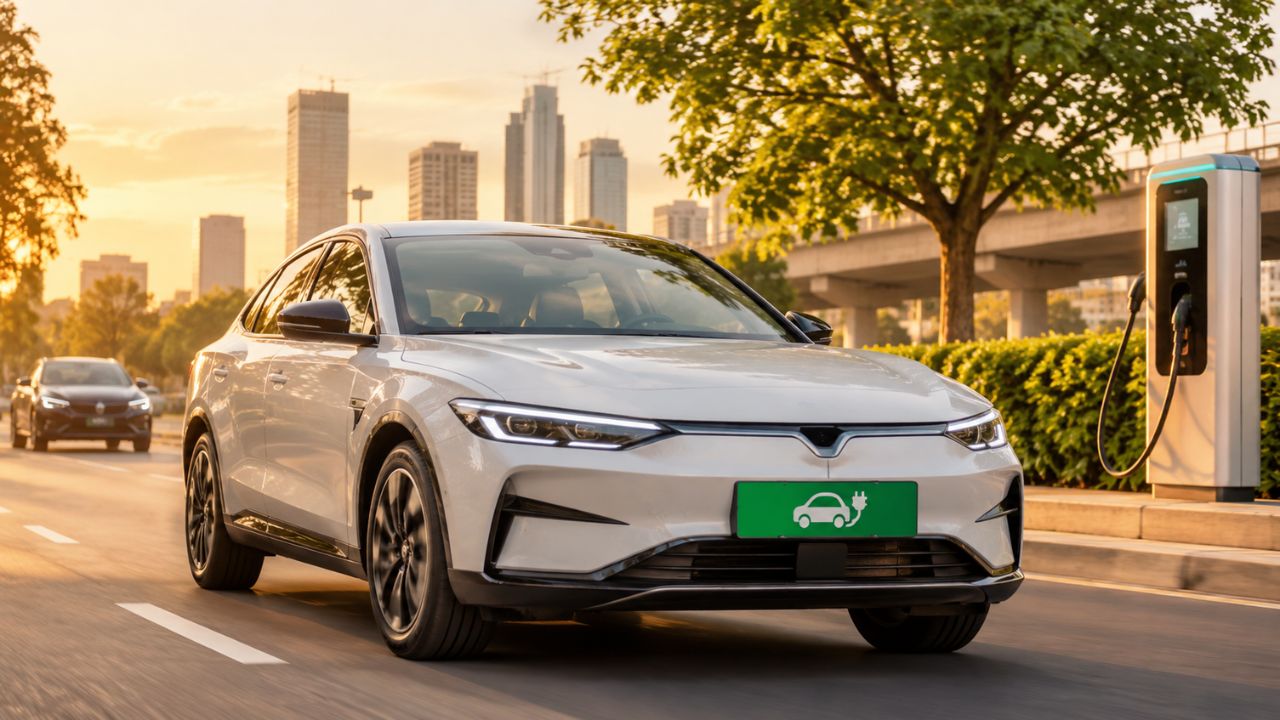
The shift to Electric Vehicles (EVs) in India is no longer just about reducing pollution or offering buyers an alternative to petrol and diesel cars. You are probably watching growing numbers of green number plates which are seen on family SUVs and everyday hatchbacks.

Behind this showroom shift is an unprecedented financial war chest. Homegrown giants like Tata Motors, Mahindra & Mahindra, and Maruti Suzuki are investing billions into Electric Vehicles (EVs), transforming Indian manufacturing from the ground up.

Why are India’s most trusted carmakers betting their futures on battery power right now? Because the conversation in Indian boardrooms has shifted from creating demand to desperately trying to keep up with it.

Tata Motors: Defending the Crown with Smart Economics

Tata Motors took the early gamble when everyone else was hesitant, and today it commands roughly 40% of India’s electric passenger vehicle market. Electric Vehicles (EVs) now make up nearly a quarter of Tata’s total passenger vehicle sales, with buyer demand running nearly three times higher than current factory supply.

By investing large sums to expand capacity and rework ownership math, Tata is at war with Punch EV, Nexon EV, Curvv EV, and the Harrier and Sierra. With the launch of Battery-as-a-Service (BaaS) in its entire product line, Tata will allow Indian buyers to pay for the car up front and rent the battery on a per-kilometre basis, cutting the initial price to match the cost of petrol cars. 

Mahindra: Making Electric Aspirational

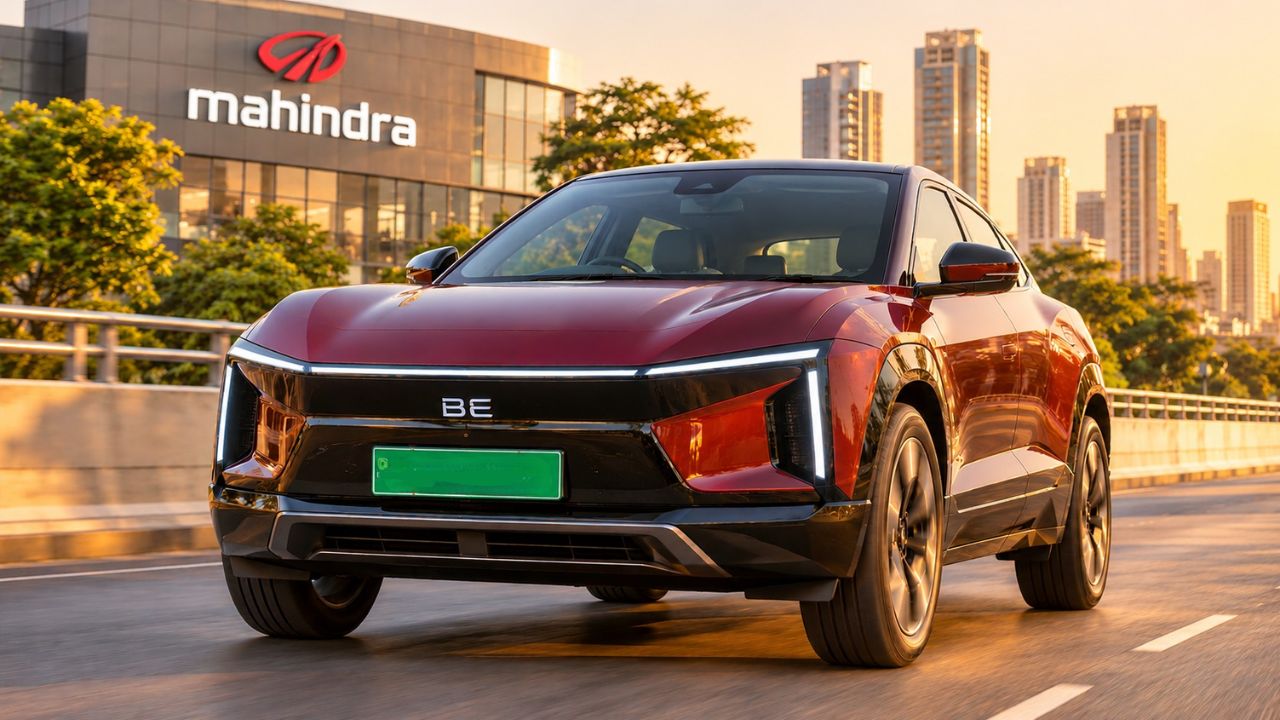
While Tata captured the practical family buyer, Mahindra is pouring billions into making electric SUVs objects of pure desire. With its dedicated born-electric INGLO platform and models like the BE 6, XEV 9e, and the three-row XEV 9S, Mahindra has quickly captured a 23% share of the electric car market.

Investing Billions in Electric Vehicles

Mahindra’s factories are already running at a structural capacity of 8,000 EVs a month, and the company is investing rapidly to push that run rate to 12,000 units a month. For Mahindra, heavy investment in EVs—and adopting BaaS models of its own—is how it leapfrogs global rivals without waiting on legacy engine tech.

Maruti Suzuki: Turning India into a Global Export Hub

India’s largest carmaker took its time entering the Electric Vehicles (EVs) race, waiting for battery economics and charging infrastructure to mature. 

Maruti Suzuki

Now, with the e-Vitara, Maruti Suzuki is playing a colossal volume game. By setting up a new dedicated manufacturing line at its Hansalpur plant in Gujarat, Maruti is investing not just for Indian buyers, but to make India a global export hub for Suzuki’s electric cars worldwide.

The Real Cost Advantage of Electric Vehicles 

Ultimately, Indian carmakers know their customer better than anyone else. When an everyday commuter realizes an Electric Vehicles (EVs) costs roughly ₹1 to ₹1.50 per kilometre to run compared to ₹7 or ₹8 for a petrol car, the showroom pitch sells itself. 

Backed by Production Linked Incentive (PLI) schemes and local battery gigafactories, Tata, Mahindra, and Maruti are not just building green cars—they are securing India’s automotive independence for the next fifty years.

👉  Self-Driving Cars in 2026: What Can They Really Do?

Conclusion

India’s shift towards electric vehicles is creating a new race among automakers, now big Automakers Are Investing Billions in Electric Vehicles (EVs). Tata Motor is leading the market with its BaaS service, Mahindra is making electric SUVs more aspirational, and Maruti Suzuki is covering both the global and Indian market.

This suggests Indian buyers will have many choices before buying an EV with better technology and lower running cost. Automakers are preparing for what India’s automobile industry will look like over the next decade.

0

Maruti e-Vitara: Launch expected in December 2025

Maruti e-Vitara

India’s EV revolution is about to be pushed into high gear with the launch of Maruti Suzuki’s first electric SUV — the Maruti e-Vitara, anticipated to arrive by December 2025. The e-Vitara will bring Maruti’s legendary reliability and next-generation electric technology as the country’s most trusted carmaker makes its EV debut. Built on the all-new Heartect-e platform developed jointly with Toyota, this SUV delivers the perfect balance of performance, efficiency, and safety — tailor-made for Indian roads and global aspirations. 

With a distinctly futuristic appearance and strong dual battery options promising a range of up to 500 km, the e-Vitara is intended to offer everything Indian buyers have been asking for from an electric SUV — long range, fast charging, advanced features, and Maruti’s reassurance. With aggressive styling, luxurious interiors and industry-first Level 2 ADAS safety technology, this SUV may transform the mid-size EV market. 

Built on a New Platform for Excellence

The e-Vitara is also based on the new Heartect-e platform by Maruti. This setup is ideal for electric cars. Toyota was one of the creators. The design enhances performance, reduces energy consumption and places the batteries just right. More than half of the body is made from high-strength high-tensile steel for enhanced rigidity and safety. 

Battery Options and Impressive Range

Maruti offers the e-Vitara with two battery options to cater to different needs of the buyers. 

The 49 kWh is the basic pack. It has an electric motor at the front axle. That engine produces 142 bhp and 192.5 Nm of torque. The car goes from 0 to 100 kmph in around 9.6 seconds. 

Maruti e-Vitara Battery Options and Impressive Range

The 61 kWh pack produces 172 bhp. It retains the same 192.5 Nm of torque. This iteration does 0-100 kmph in 8.7 seconds. Most importantly, it gives you a range of over 500 km on a single charge, as per MIDC tests. 

Both battery packs use advanced Lithium Iron-Phosphate (LFP) blade cell technology supplied by BYD.

Charging Convenience

The e-Vitara supports AC and DC fast charge modes. A 61 kWh battery is recharged from 10 to 80 percent in just 45 minutes by a DC fast charger. A 7 kW AC charger takes around 9 hours for a full top up at home (10-100%). An 11 kW reduces that to about 5.5 hours. 

Maruti has launched an end-to-end charging ecosystem – ‘e for me’ – that comprises smart home chargers with remote access and plug-and-play DC fast chargers at NEXA outlets across India. 

Bold and Futuristic Design

The e-Vitara reflects Maruti’s “Crafted Futurism” stance in its bold design and seamless airflow characteristics. It measures 4,275 mm in length, 1,800 mm in width, and 1,640 mm in height, and is equipped with a 2,700 mm wheelbase, making it one of the maximum in the mid-size electric SUV category. 

Maruti e-Vitara Bold and Futuristic Design

Outside there are 18-inch air-flow formed alloy wheels, cool tri-slash LED daytime running light, sharp LED projector headlights, and a sleek front end with shutters that open or close depending on how you are driving. The charging port is located on the front left fender for easy access. 

Premium Interior and Advanced Features

Just step inside and you’ll be greeted by a neat dual-screen setup at the front. It sports a 10.1-inch touchscreen for infotainment along with a 10.25-inch digital dash cluster. The infotainment is connected wirelessly with Apple CarPlay and Android Auto. Music enthusiasts will appreciate the premium Infinity by Harman sound system. 

On the inside, the cabin shakes a chic black-and-tan color scheme. It has a stacked floating console and lights that change colors. You get cool air on front seats. Ten-way power-adjustable driver’s seat with memory function. Rear seats slide, tilt back and fold 60:40. Flat floors give you more room. A large sunroof allows fresh air in. 

Next-Generation Connectivity

The e-Vitara comes equipped with Next-Gen Suzuki Connect with 60+ smart features.Remote vehicle controls, live vehicle information, e‑Call with an SOS button, and full car monitoring via an easy-to-use mobile application.

Multiple Drive Modes for Every Situation

The e-Vitara provides the three drive modes: Eco, Normal and Sport. Choose one to suit your vibe behind the wheel. There’s a Snow mode, too for enhanced traction in inclement weather. Plus, the smart regen brakes mean you can drive one pedal. That extends your range and conserves energy. 

Read More:- Ford Capri II vs Toyota Celica vs Vauxhall HP Firenza: The Global Decade of Style

Industry-Leading Safety Features

The e-Vitara prioritises safety as Maruti’s first car to come with Level 2 ADAS technology. Its ADAS suite features over 15 functions including Adaptive Cruise Control, Lane Keep Assist, Lane Departure Warning, Adaptive High Beam System, Automatic Emergency Braking, Blind Spot Monitoring, Active Cornering Control, Multi-Collision Braking and Rear Cross-Traffic Alert. 

There are seven airbags in all versions of the e-Vitara as standard from the word go. That has a knee airbag for the driver. There’s also Electronic Stability Program, or ESP. Ventilated disc brakes at front and rear. There is an electronic parking brake (EPB) which also applies the brakes automatically. A Tyre Pressure Monitoring System monitors your tyres. The 360-degree camera works with parking sensors. And there is an Acoustic Vehicle Alerting System that warns pedestrians when you are travelling slowly. 

Variants and Expected Pricing

The e-Vitara is available in three variants: Delta, Zeta and Alpha. They all remain front-wheel drive. The Indian model doesn’t have the all-wheel-drive option you get overseas. Expected Pricing is between ₹17 lakh and ₹22.50 lakh ex-showroom, making it a rival of Tata Curvv EV, Hyundai Creta Electric, MG ZS EV, Mahindra BE 6, and VinFast VF 7. 

Made in India for the World

On 26 August 2025, Prime Minister Narendra Modi inaugurated the first e-Vitara unit from Maruti’s Hansalpur plant. It’s the first step towards production at its new home. Maruti had invested ₹21,000 crore in the facility. It can produce 7,50,000 units per annum.

Why the e-Vitara Stands Out

The Maruti e-Vitara has some real advantages. It begins with the rock-solid Maruti Suzuki brand, known for reliable cars, massive after-sales network and great value for money. Not to mention, it offers a real 500+ km range, which mitigates the top concern for people looking at EVs in India. And its reasonable price makes it accessible to more buyers than those flashy electric SUVs. 

With Level 2 ADAS and 7 airbags, the full safety package makes it one of the safest cars in its class. Premium features, roomy cab and cutting-edge technology mean it doesn’t skimp on comfort or convenience. 

Conclusion

The Maruti e-Vitara signifies a quantum leap for electric vehicles in India. This is the top automaker’s first EV. It combines leading EV technology a strong driving range with a comprehensive set of safety tools and the trusted build quality of Maruti. The release is December 2025. This vehicle will simplify EV ownership for the Indian people. It also shows India’s world-class car making capability. 

Families seeking greener travel options without compromising on space, useful tech, and worry-free driving will also find the Maruti e-Vitara a compelling choice. It combines a good driving range, fast charging, the best safety equipment, premium features and probably low running costs. This makes it a crucial electric car launch in India’s car industry. 

0

Ceramic Coating vs PPF For Kia Carnival Hybrid 2026 

Published Sep 2, 2026, 12:55 PM
Last Updated Sep 2, 2026, 12:57 PM

Ceramic Coating vs PPF

Book a Kia Carnival Hybrid 2026 and within days someone at the dealership will hand you a laminated sheet pushing a “protection package.” Debating between Ceramic Coating vs PPF for Kia Carnival Hybrid is normal if you don’t know it properly. Ceramic here, PPF there, sometimes both bundled for a number that quietly adds four to five percent onto an already steep on-road price. 

Before opting for the one which someone you know suggests best, try understanding what ceramic coating and PPF is for, why it is used, and how it can protect your car. As it depends on how you’ll drive a 5.2-metre MPV, not which one people use the most.

When Does the Kia Carnival Hybrid 2026 Launch And Can You Book One Yet?

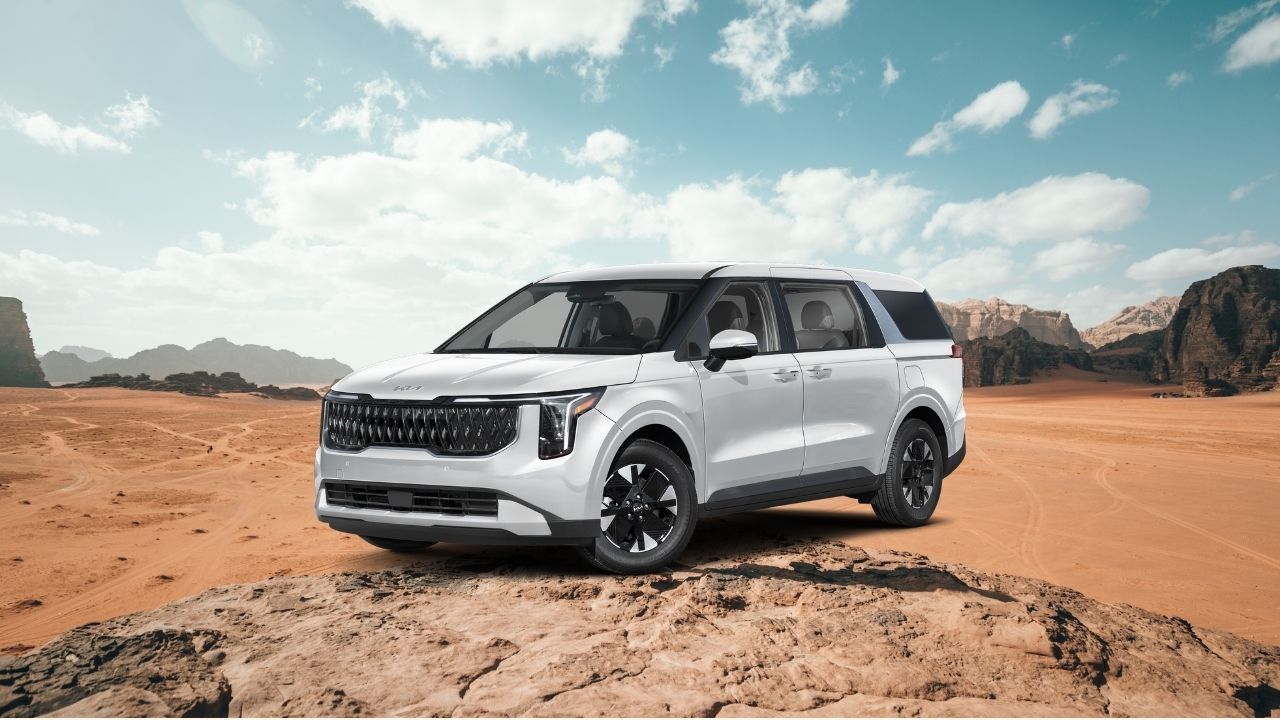
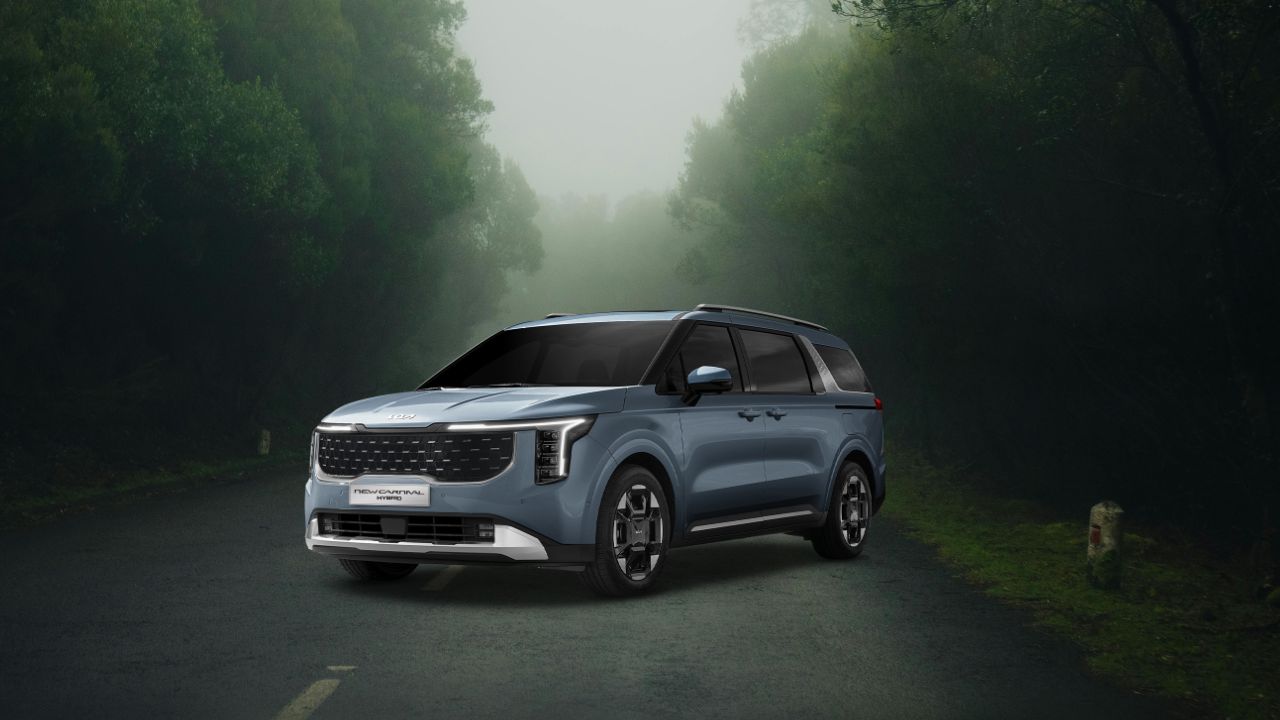
Kia Carnival Hybrid will sit in the Indian showrooms on September 4, 2026, it will join the existing diesel-powered Carnival as a more fuel-efficient option, it increases the fuel efficiency to run on road fluently. It becomes possible with the hybrid powertrain bringing electrification to Kia’s premium MPV lineup. 

Powertrain and Performance

It offers a powertrain of 1.6-litre turbo-petrol engine paired with a 54kW electric motor. While the current Carnival uses a 2.2-litre diesel engine paired with an eight-speed automatic gearbox. The best thing is having three levels of regenerative braking which help in recovering energy under braking, and also a six-speed automatic gearbox for a powerful performance.

Internationally, this setup is rated around 242hp and 367Nm, and reports suggest the India-spec car should land close to those figures — though Kia hadn’t published official India output numbers as this was written, so treat that as a strong expectation rather than a confirmed spec.

Interior Features

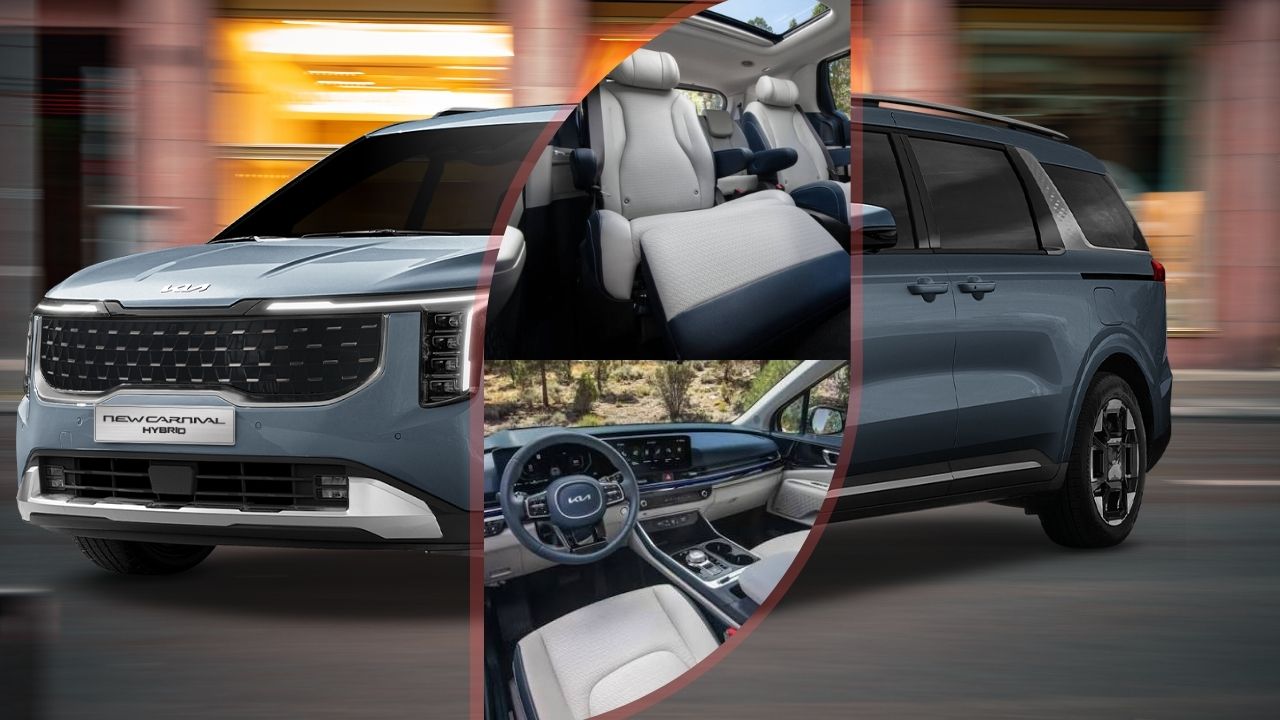
Inside the door, dual 12.3-inch screens, an 11-inch head-up display, a Bose sound system, let the driver experience the futuristic behaviour with a digital rear-view mirror, Kia Connect, wireless smartphone pairing, a shift-by-wire selector, and a dual sunroof.  

Kia Carnival Hybrid 2026

Higher trims are expected to carry more comfy seats for a wonderful ride as it is powered, ventilated, heated second-row “relaxation” seats with a reclining function and ottomans — the same lounge-style seating that’s made the diesel Carnival popular with chauffeur-driven buyers.

Price for Kia Carnival Hybrid

Pricing is the one piece still genuinely up in the air. The current diesel Carnival sells as a single fully-loaded trim at roughly ₹59.65 lakh ex-showroom, imported via the CKD route. 

The hybrid is widely expected to undercut that meaningfully, some reports point to a sub-₹50 lakh starting price tied to local assembly, which would also make it Kia’s first locally built Carnival — but nothing is official yet. 

The Carnival Hybrid will still cost meaningfully more than a Toyota Innova Hycross (which tops out around ₹30 lakh) and undercut the Toyota Vellfire (which starts above ₹1.2 crore). That price bracket matters for the coating decision below — you’re not protecting a family hatchback here.

What Are Ceramic Coating and PPF, and Why Would a Carnival Need Either?

Ceramic coating is a very thin protective layer that chemically bonds with your car’s clear coat. A 0.5 to 2 microns thick coating makes the paint hydrophobic which means it rolls off the water easily, prevents UV rays oxidation, birds drop and water spots, and protects the color and gloss from fading. 

However, it couldn’t protect the car from any physical damage like stone or road debris from chipping the paint. Even a “9H” ceramic coating can’t prevent it so don’t mistake ceramic coating for a protective shield, for that, you’ll need something like PPF (Paint Protection Film) instead. 

PPF is a thermoplastic urethane film, which is applied over the paint. A 150 to 200 microns thick invisible skin protects the Kia Carnival Hybrid from physical damages as it absorbs the impacts of stone chips, minor scratches, door-edge dings before it reaches the underneath paint. 

Good-quality PPF also comes with a self-healing top layer. Minor scratches and light swirl marks will fade automatically when the car comes in contact with a bit of heat through sunlight or warm water. It’s a mechanical barrier, not a chemical one.

Both have different jobs, ceramic coating protects your paint chemically, while PPF protects it physically. There’s no Ceramic Coating vs PPF because where you’re taking your car matters: 

First, size: at 5.2 metres with a long, flat bonnet and large sliding-door panels, there’s simply more surface exposed to highway grit and sun. 

Second, use case: MPVs in this segment usually run on highways most of the time and take longer trips that’s why it catches more physical damage, especially front bumper and bonnet are constantly exposed to road debris and receiving stone chips so PPF is a good option. 

Combine that with a car priced near or above ₹50 lakh, and resale-value protection stops being a nice-to-have.

How Should You Decide Based On Driving

Neither one “wins” outright — they solve different problems, and picking based on price alone is how most owners end up under-protected in the one area that actually costs money to fix.

A single stone chip that turns into a bumper respray typically runs ₹18,000 to ₹35,000 in India for a proper job and that’s before you factor in the resale hit from a car showing a repainted panel. Ceramic coating does nothing to prevent that chip in the first place; it just makes the rest of the car easier to keep clean and glossy in between. PPF does prevent it, at a meaningfully higher upfront cost.

On Driving

For a Carnival Hybrid specifically, the decision comes down to how the car will actually be used:

If it’s doing regular highway runs, airport pickups, or interstate trips — which is a realistic profile for a car this size then PPF on the high-impact zones (bonnet, front bumper, fenders, mirrors, door edges) paired with ceramic coating over the rest of the body is the setup that actually matches the risk. The film takes the physical hits but the ceramic keeps everything else looking new and easy to wash.

If the car will mostly stay in city traffic with covered parking and short trips, ceramic coating alone is a reasonable, cheaper call when you’re optimizing for gloss, easier maintenance, and UV protection rather than impact resistance you’re unlikely to need as often.

Skipping both because “it’s just paint” is the one option that doesn’t hold up on a car in this price bracket — the incremental cost of even the front-PPF-plus-ceramic combo is a small fraction of what you’d pay to sell the car with visible stone-chip scarring on the nose.

Ceramic Coating vs PPF Prices for the Kia Carnival Hybrid In India

Kia Carnival Hybrid is a three-row SUV, larger size cars get either coating surely expensive so expect higher quotes. 

A full-body ceramic coating will cost nearly ₹25,000 to ₹45,000, depending on the body size of the vehicle. Premium 9H or graphene-based coatings can cost more, but they last closer to five years rather than two. 

Full-body PPF can cost around ₹1.5 lakh to ₹2.8 lakh for a large MPV like the Carnival. The price depends on the size of the car, if you want to settle down at ₹40,000 to ₹70,000 then opt for front-end PPF which covers the bonnet, bumper, fenders, and mirrors. 

A front-PPF-plus-full-ceramic combo, which is what most owners in the highway-use category actually end up choosing, lands somewhere around ₹70,000 to ₹1.15 lakh all-in.

Read More 👉  EMI vs Lease: Which Is Better If You Plan to Upgrade Your Car Every 3 Years 

Conclusion

If you’re buying this MPV for genuine highway and long-distance duty — which, given the segment, most buyers are — front-end PPF plus full-body ceramic is the combination that matches how the car will actually get used, not just what protects the paint on paper. If it’s a city car with a garage to sleep in, ceramic alone is a defensible way to save money without leaving anything meaningful on the table. 

Either way, get the pricing in writing before the coating add-on gets bundled into your finance paperwork at the dealership — that’s where most buyers end up overpaying, not in the choice between the two products themselves.

0

Renault and Nissan Alliance Guide – History, Benefits & Future Vision

Published Nov 18, 2025, 12:51 PM
Last Updated Nov 18, 2025, 12:56 PM

Renault and Nissan Alliance

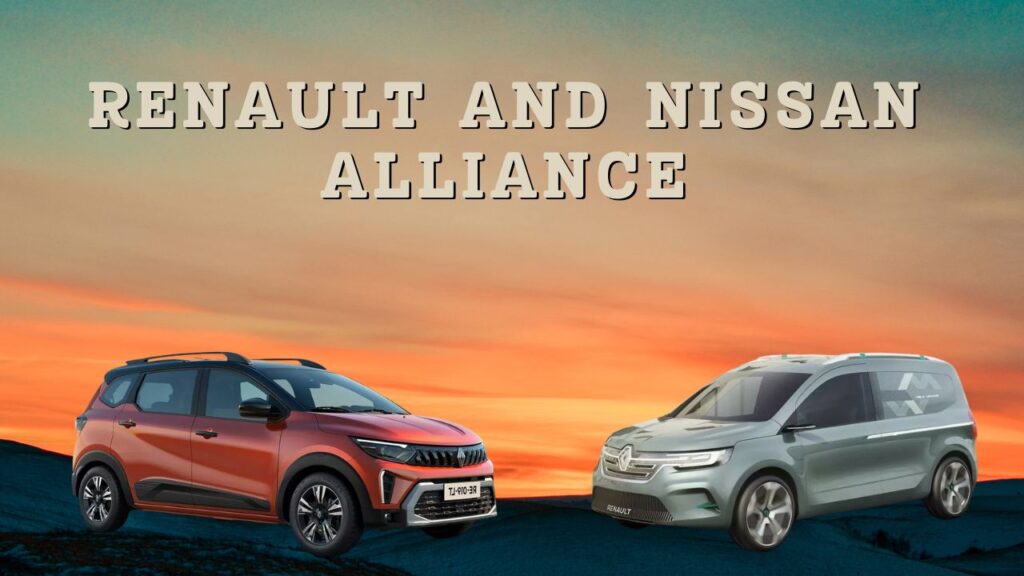
The Renault-Nissan Alliance is one of the best examples of cross-cultural collaboration within the automotive industry worldwide. Since 1999, the strategic cooperation of two very different market players has never ceased to shake and reshape the globally automotive industry with shared technologies, economies of scale and coordinated market strategies. Now the Alliance, which has expanded to include Mitsubishi Motors, oversees eight major automotive brands, is one of the largest automotive groups in the world in terms of sales volume. 

From Rescue to Revolutionary Partnership History

The Founding Era (1999-2003)

The Renault-Nissan Alliance was born out of a time of crisis for Nissan. In 1999, the Japanese carmaker was on the verge of collapse and was seeking a strategic partner worldwide. On March 27, 1999 in Tokyo, Louis Schweitzer of Renault and Yoshikazu Hanawa of Nissan concluded the historic Alliance agreement, with Renault purchasing a 36.8% equity stake in Nissan Motor for around $3.5 billion. That deal also involved the sale of a 15.2% share in Nissan Diesel and the divestiture of Nissan’s five financial units.​

Alliance making was systematic and strategically planned. From mid-1998 to March 1999, a nine-month negotiation process, the two companies pinpointed around 20 potential synergy areas and formed 21 joint study teams to conduct feasibility studies. Carlos Ghosn – who was named President and CEO of Nissan in June, 1999 and who played a key role in formulating the turnaround strategy that saved Nissan in the early days of the alliance. 

In 2001, after Nissan’s return to financial health, the partnership reached an equilibrium with a 15% stake of Nissan in Renault and a 43.4% stake of Renault in Nissan. The two companies exchanged shares, creating the basis for a truly collaborative rather than a controlling partnership. 

Early Growth and Scale Achievement (2003-2010)

The benefits of the Alliance swiftly became evident: joint buying, shared logistics and joint part development. By 2010 the Alliance was delivering annual synergies of over €1.5 billion as a result of combined purchasing, shared warehousing, combined transportation, and harmonized customs procedures over the major markets.  

Alliance With Mitsubishi  (2011-2019)

With Mitsubishi Motors weakening and struggling in 2016, Nissan bought a majority stake in the company. The year after, the Alliance revealed its “full member” concept, enabling Mitsubishi to become part of Renault-Nissan-Mitsubishi from 2017. This enabled growth of the Alliance’s global production base. The expanded Alliance was delivering €5.7 billion in annual synergies by 2017, representing a 14% increase over the previous year. 

The Alliance 2022 strategic plan, disclosed in September 2017, was expected to raise annual synergies to an aggressive €10 billion for the end of 2022. The scheme projected combined sales of more than 14 million units with revenues of $240 billion, as the three member companies shift common platform usage to cover a wider product range. 

Organizational Challenges and Transformation of the Leadership (2018-2020)

Alliance cohesion was to be greatly shaken when Carlos Ghosn was arrested in Japan in November 2018 and subsequently ousted from his executive positions at Nissan and Mitsubishi. This geopolitics crisis activated long dormant tensions between the French government’s role as shareholder and Japanese management fears of losing control.  

To help bring stability back to the partnership, Renault vowed in a legally binding commitment not to oppose the Nisan board in shareholders meetings.​

Organizational Challenges and Transformation of the Leadership (2018-2020)

In the face of these difficulties, the Alliance unveiled an all-encompassing, €2 billion, three-year cost-cutting package in May 2020 that would slash the number of vehicle platforms from seven to four and that included a “leader-follower” system where one corporate iliad develops a technology first, and others then adopt it. The mission of this structural rethink reinvented the alliance around profits from scale rather than expansion. 

Alliance 2030: The Electric and Connected Future (2020-Present)

In January 2022, the Alliance launched its most ambitious strategic plan for the future –Alliance 2030 – with a pledge to invest €23 billion in electrification over the next five years and with goals for 35 new EV models by 2030. The green roadmap identified pure-electric and intelligent connected mobility as the two key pillars for future growth. 

How the Alliance Creates Value

1. Unprecedented Economies of Scale

The reason for the Alliance’s superiority is that it combines the buying and manufacturing power of three of the world’s largest car companies. As of 2017 it was the largest car manufacturer in the world based on light vehicle sales, assembling more than 10.6 million vehicles annually. The size of the senior from translates into tangible benefits for:

Bargaining powers: The Alliance has precise bargaining powers: against suppliers, through the Renault-Nissan Purchasing Organization (RNPO), created in 2004, managing supplier negotiations for all the three partners. This line of centralized defense significantly cuts component prices. The Common Module Family (CMF) concept tries to achieve 30 to 40 percent reduction in entry costs per vehicle, and 20 to 30 percent reduction in parts costs through massive scale economies.

Platform and component sharing: Instead of developing separately, Alliance partners create modular architecture that allows global use across different brands and vehicle categories. This saves you engineering dollars and still differentiates brands. The same underbody modules, for example, can also underpin vehicles as varied as compact cars and sport-utility vehicles, even across multiple marques. 

2. Shared Technology Development and Innovation

The Alliance pools R&D investment for capital-intensive projects that individual companies might find difficult to finance alone. Prominent areas of innovation are:

Battery and electric vehicle technologies : The Alliance has pledged to renew 220 GWh of battery production capacity worldwide by 2030. 

Nissan pioneers development of revolutionary all-solid-state battery (ASSB) technology that promises to deliver twice the energy density of current lithium-ion batteries while offering one-third the charging time. The aim is to have full-scale production of the ASSB in the mid-2028, and if the future cost target of $65 per kWh is achieved to contribute to cost competitiveness against internal combustion engines.​

Alliance Creates Value

Image credit: Nissan

Common EV platforms: Presently, the CMF-EV platform that has been engineered as a modular platform for 100 percent electric vehicles underpins the Nissan Ariya crossover and Renault Megane E-Tech Electric (with more than 15 models planned for launch by 2030 on this platform, totalling 1.5 million vehicles per year).

Autonomous and connected systems: The Alliance relies on its 20 years of experience in ADAS (advanced driver-assistance systems) and robotic driving to develop the next generation of safety systems. The Alliance aims in originality and development. The Alliance foresees the use of autonomous systems on 10 million vehicles for 45 models by 2026. The joint approach to innovation is exemplified by Nissan’s award-winning ProPILOT system. 

3. Geographic Market Expansion

Add to that the geography of the two companies and the Alliance combines Renault’s strength in Europe, Latin America and Russia with that of Nissan’s in the Asia-Pacific region and strong presence in North America. Mitsubishi brings more expertise to the table in the Southeast Asian region. This geographic complementarity means that:

Joint development of the market: All the three members the Alliance, namely, are focused strategically on India where vehicle development, manufacturing and sales are coordinated. A restructuring in 2025 enabled Renault to buy out its Chennai joint venture (Renault Nissan Automotive India Private Ltd) and streamline its operations.​

Common dealer networks: The Alliance manages dealer profitability and cost reduction through the shared services center and digital platform, enabling a reduction in the cost of infrastructure duplication. 

4. Financial and Operational Synergies

The Alliance generated €5.7 billion of synergies on an annual basis by 2017, which equated to around $6.6 billion of cost reductions and revenue enhancements. These synergies come from:​

Share logistics services: The Alliance achieves more than €200 million a year in logistics synergies through sharing warehouses, containers, crates, seagoing vessels, customs procedures.

Joint financial services: The Alliance’s far-reaching combined financial and bank activities allow for better credit terms and financing fees.

Cross-manufacture of vehicles: The success in commercial vehicles highlights the advantage of cross-manufacture — the Renault Kangoo/Nissan Kubistar, the Master/Nissan Interstar, and the Trafic/Nissan Primastar all share roughly 80% of parts while still distinct brands. 

Core Innovation: Common Module Family (CMF) Architecture

The Common Module Family is the Alliance’s biggest breakthrough in vehicle development efficiency. To be clear, rather than build full platforms for single vehicles, CMF applies modular design with interchangeable “Big Modules”:

The five core modules:

  • Engine compartment module
  • Cockpit module
  • Front underbody module
  • Rear underbody module
  • Electrical and electronic architecture module 

These modules can be mixed and matched to build cars across segments and brands. As an example, a single underbody can be stretched and stretched again to produce a compact sedan, a mid-size sport-utility vehicle and even a large crossover simply by changing module sizes and configurations. 80% of the Alliance model launches between 2014 and 2016 will be based on shared platform and CMF standardisation.​

The CMF architecture evolved drastically towards the Alliance 2030 vision, with the aim of achieving 80% platform commonization by 2026 for the three member companies, in contrast to 60% currently. 

Present Status & Developments (2024-2025)

Nissan is Ready To Overcome Challenges

Nissan was under increasing pressure financially in 2024 with its net profit for the first half falling 93% and the carmaker announcing it was cutting tens of thousands of jobs. There were several reasons: obsolete products, battered brand image, competition from Chinese carmakers, import tariffs in the US, and costs of shifting rapidly to EVs.​

Re:Nissan Recovery Plan

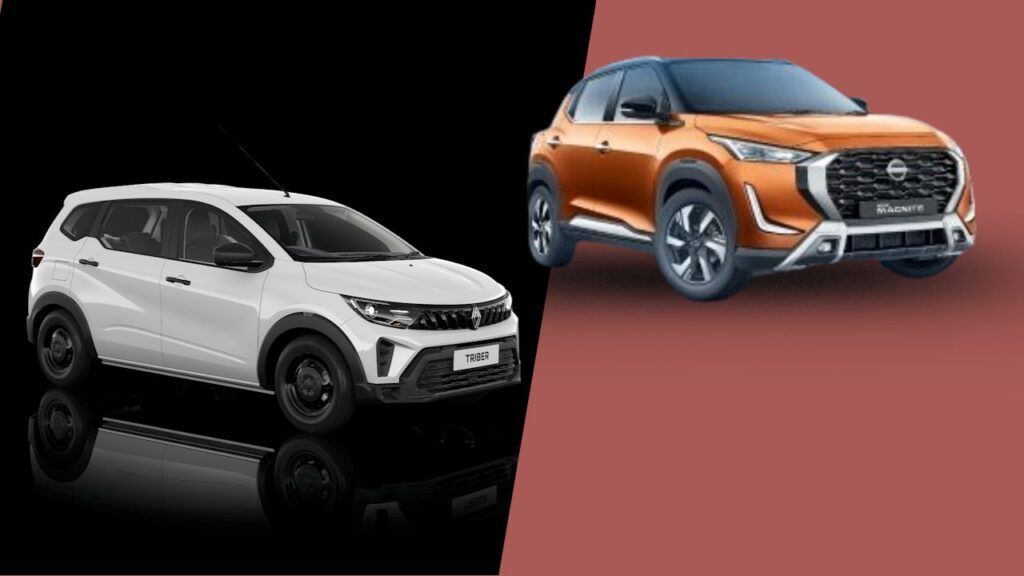
Futuristic looks, a great new engine series, etc. In May 2025, Nissan’s CEO, Ivan Espinosa, presented the all-encompassing “Re:Nissan” revival strategy with a focus on achieving profitability in fiscal 2026. 
Nissan Recovery Plan

There are numerous activities to take into account including the following:­

Manufacturing restructuring: Streamlining production and slashing global capacity by 20% through cutting production plants from 17 to 10. This restructuring shift capital toward electric vehicles and autonomous technology investments. 

Cost saving: Aiming for €400 billion yen (£3.6 billion) in savings by consolidating its supplier panel to obtain higher volume from fewer suppliers and also by reducing legacy inefficiencies.​

Restructuring: Reducing top management by 20 percent, implementing a single-layer non-officer structure, and establishing a smaller, faster-moving global headquarters.

Product focus: Stopping further advanced and post-2026 development to turn 3,000 employees’ attention to cost-cutting. 

Restructured Alliance Agreement

March 2025 was a major overhaul in the Renault-Nissan alliance. The revised agreement allowed more flexibility in cross-shareholdings by reducing the lock-up obligation from 15% to 10%, thus granting more freedom to both companies in terms of shareholding. 

Renault bought 51% stake of Nissan in Renault nissan automotive India, now with this acquisition Renault got full hold on the joint venture and subsided its presence in India while $200 million to Nissan’s immediate cash. Nissan was freed from its obligation to invest in Ampere (Renault’s EV investment company) while continuing on other agreed product projects. 

Read More:- Renault and Nissan Alliance Guide – History, Benefits & Future Vision

Future Vision: Alliance 2030 Roadmap

The Alliance 2030 strategic plan is the most advanced vision of the partnership’s future, built on three pillars: 

1. Electrification Leadership

The €23 billion investment pledge for the next five years backs the development of 35 new EV models by 2030. Of these, 90% will be developed against five common EV platforms which address the major global markets and covers all vehicle segments.”​

Some major EV platforms include the following:

CMF-EV: The global flagship platform is also the first to be built on with the Nissan Ariya and Renault Megane E-Tech Electric as production models

CMF-BEV: A new small car platform for the replacement of Micra EV in Europe 

Shared platforms: Shared models for all three group companies across the C-, D- and SUV segments

Battery strategy: In addition to the 220 GWh production capacity target, the Alliance has full ownership of battery hardware and software—enabling predictive health monitoring, advanced recycling protocols and second life battery applications. 

2. Connected and Autonomous Mobility

The Alliance aims for 25 million connected vehicles exchanging data through the Alliance Cloud by 2026, versus 3 million today. This connectivity enables:​ 

Software updates: Enable all customers such as you & retailers and workshop to enjoy and get more – fend off older game features with new additional features more and services, safety improvements, and personalisation of vehicles and services.

Active driver assistance system: 10 million vehicles with autonomous driving functions across 45 models in 2026 

Google ecosystem integration: The Alliance will be the first mass-market automaker to bring the Google ecosystem to vehicles with native Google Maps, Google Assistant and Google Play integration. 

3. Sustainable and Profitable Growth

Sustainable Vision 2030 is consistent to become a full supporter of a sustainable future with other goals for the environment. The Alliance targets to reach full carbon neutrality in Europe by 2040, to play its part in wider climate goals and stay competitively profitable. 

Conclusion

The Renault-Nissan-Mitsubishi Alliance is a unique strategic automotive collaboration, which has allowed three very different companies to achieve substantial benefits and efficiencies. A relentless focus on EVs, battery technology, software-defined vehicles and autonomous driving systems positions the Alliance to lead the transformation of the automotive industry into sustainable, connected mobility.

The Alliance 2030 roadmap with its target of 35 new EV models, 220 GWh battery capacity and 25 million connected vehicles reaffirms that the tripartite cooperation, though facing short term challenges, is still strategically committed to industry leadership in an era of unprecedented automotive change. 

0

Best Car Accessories for Thar Roxx You Should Buy in 2026

Published Aug 12, 2026, 11:43 AM
Last Updated Aug 12, 2026, 1:03 PM

Best Car Accessories for Thar Roxx

Three weeks into owning a Thar Roxx, most buyers notice the same two things: the beige or tan seat trim already has a water-bottle ring on it, and the floor mat that came in the box is doing nothing against monsoon mud. That’s usually the moment people start searching for the best car accessories for Thar Roxx — and there are only a handful of them worth buying before anything else.

Accessory prices for the Roxx swing a lot depending on brand, material and whether you’re buying genuine Mahindra parts or aftermarket. What’s below is priced from current listings across a mix of sellers, so treat these as representative ranges rather than fixed numbers — always check the live price before checkout, especially on anything leather or electronic.

What You Car Needs Protecting First

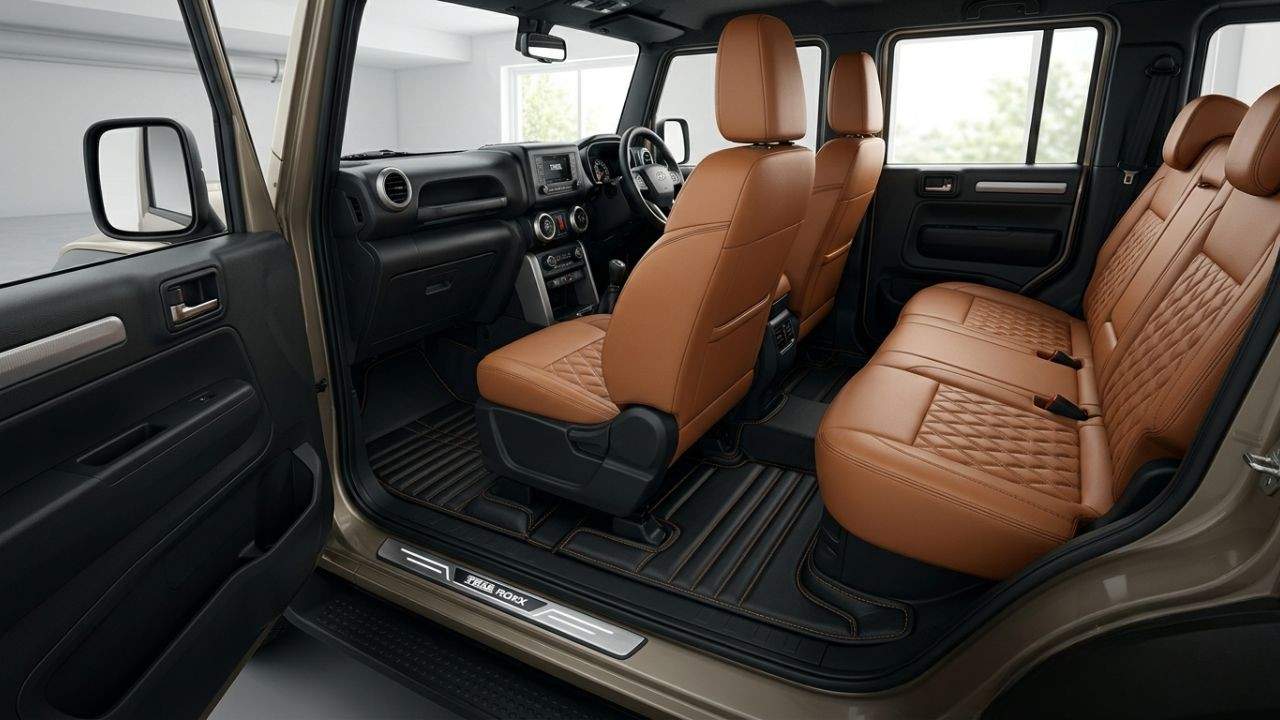
The Thar Roxx has two known weak points for new owners: the factory floor carpet, which isn’t built for Indian monsoons, and the seat upholstery, especially on lighter interior colours. Everything else — paint protection, dash cams, trackers matters, but it’s a second-wave purchase once the interior is covered.

So buying these best car accessories for Thar Roxx is not only for maintaining an interior look but also to protect before anything running it.

Best Car Accessories for Thar Roxx: Worth Buying Picks

1. 7D Leather-Luxury Floor Mats — ₹4,999–₹9,999 

Custom-molded for the Roxx’s floor pan (manual and automatic get different mat shapes), with a detachable leatherette base and a grass-mat top layer, Velcro-backed to stay put. KVD’s version runs close to ₹4,999 on marketplaces like Autoclint; heavier 9D versions from AutoFurnish or Neodrift push toward ₹9,999. 

best car accessories for thar roxx

Full sidewall coverage means mud and spills never touch the actual carpet underneath. The trade-off: the grass-mat top needs regular vacuuming, or it starts trapping dust instead of catching it. 

Best for: buying in the first month of ownership, before daily grime sets in.

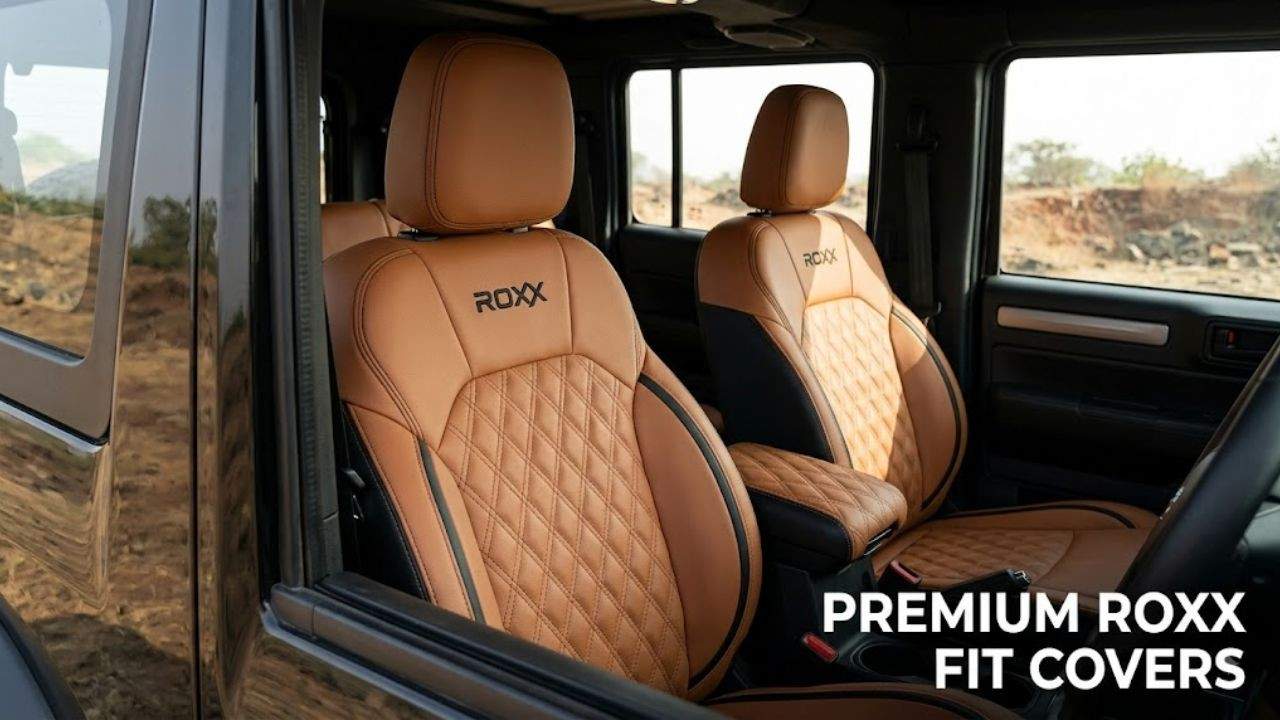
2. Seat Covers — ₹7,399–₹18,999 (Depending on Tier) 

Budget PU/art-leather covers (KVD Superior Leather and similar) sit around ₹7,399–₹8,399. Custom Nappa leather from boutique fitters like Jackspeed runs ₹18,360–₹18,999. Both are cut for the Roxx’s front captain-seat shape. The budget tier protects the factory seats for roughly a third of the premium price, but PU covers get noticeably hotter and stiffer under direct sun than real Nappa. 

Thar Roxx

Best for: anyone with the lighter (beige/tan) interior option, since it shows stains first.

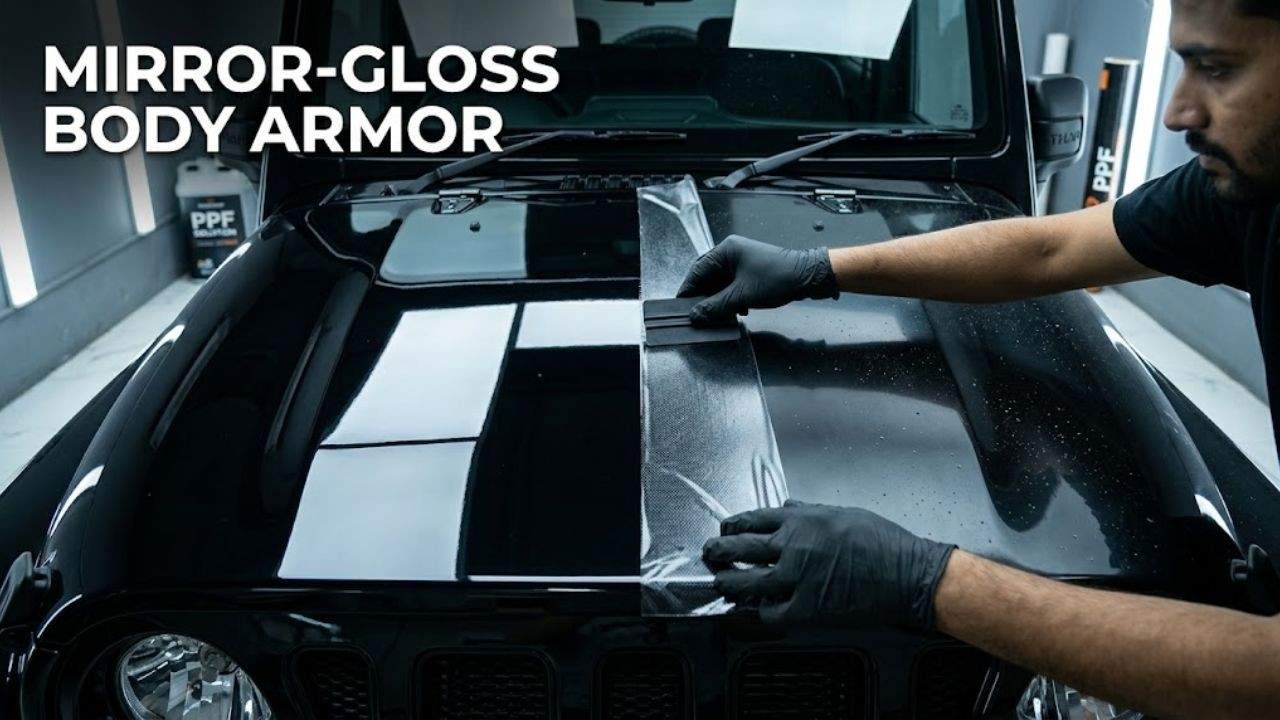
3. Paint Protection Film (8-year warranty) — ₹1.35 lakh 

Self-healing top coat, UV-stable, applied either to high-chip zones (bonnet, bumper, mirror caps) or the full body depending on the package. It protects resale value on a vehicle whose flat, boxy panels chip easily on highway drives. But the spend only makes sense if you’re keeping the car five-plus years — a short-term owner won’t recover the cost at resale. Shorter-warranty PPF packages exist for less, though exact current pricing on those wasn’t confirmed here. 

Thar Roxx

Best for: long-term owners prioritising resale value over upfront savings.

Read More:-  Top Car Insurance Plans to Buy in August 2026

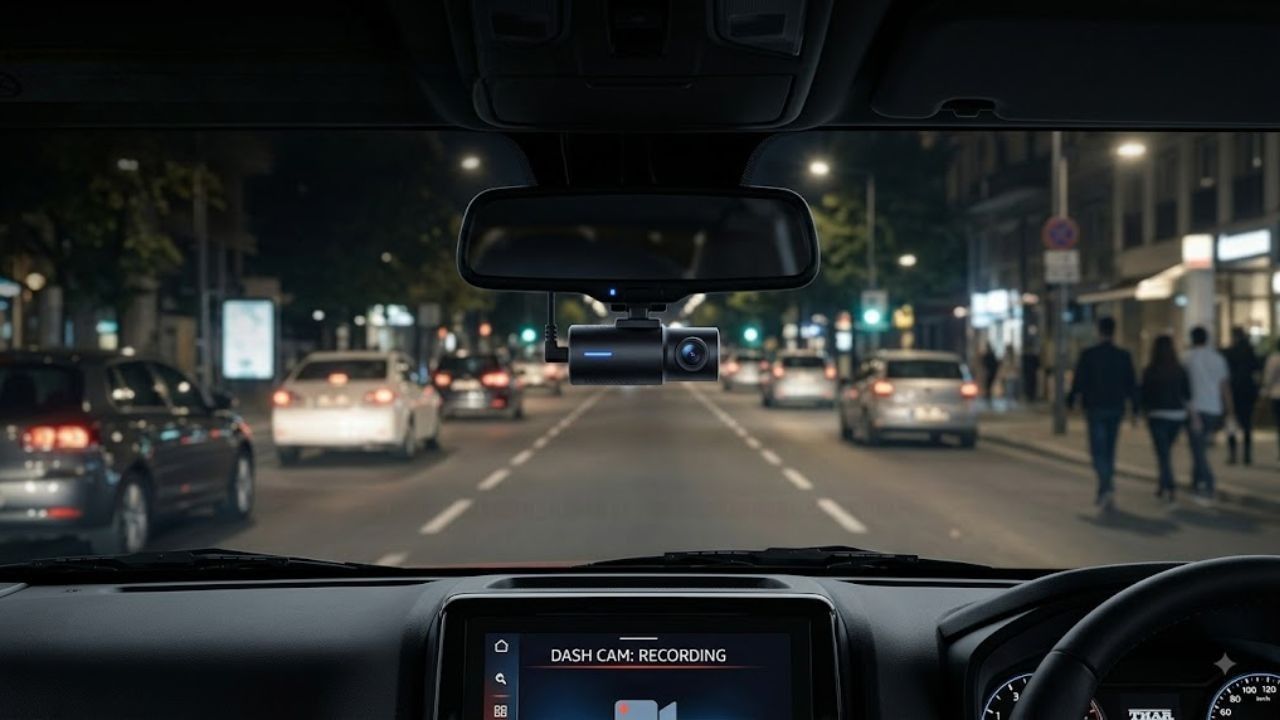
4. Dash Camera — approx. ₹25,000 

Front-and-rear dual-channel units with night vision, parking mode and loop recording land around this figure; front-only units cost meaningfully less. Treat ₹25,000 as a ceiling for a full dual-channel setup, not a fixed price. Real footage matters in hit-and-run or insurance disputes, and more Indian insurers are asking for it. Cheaper units without proper heat-resistant sensors tend to fail after a few summers parked in direct sun. 

Thar Roxx

Best for: daily commuters and highway drivers who want insurance-grade footage on file. This is one of the essential and best car accessories for Thar Roxx.

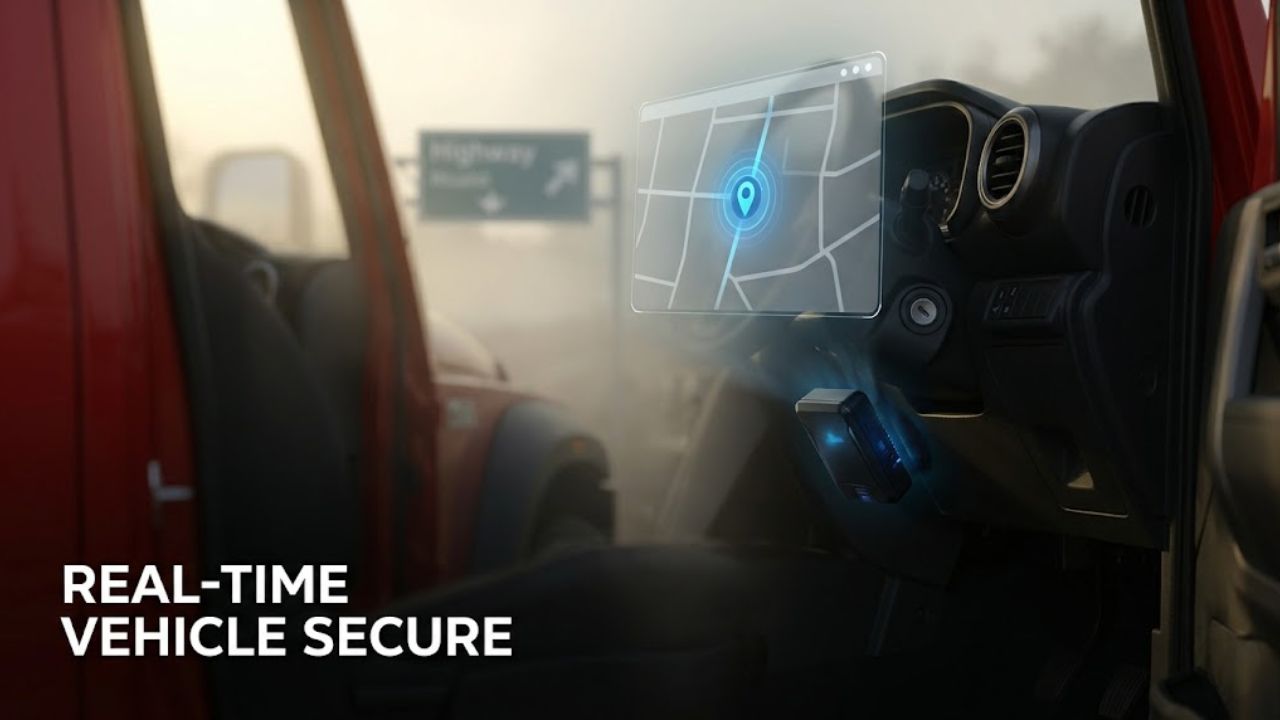
5. GPS Tracking Device — ₹12,499 

Real-time location via app, geofencing alerts, and ignition on/off tracking. It doubles as anti-theft and peace of mind if more than one person drives the car. The catch: most trackers need an active SIM or data plan, so the ₹12,499 hardware cost isn’t the full cost of ownership. 

Thar Roxx

This is the best car accessories for Thar Roxx because it’s good for multi-driver households, or parking regularly in high-theft areas.

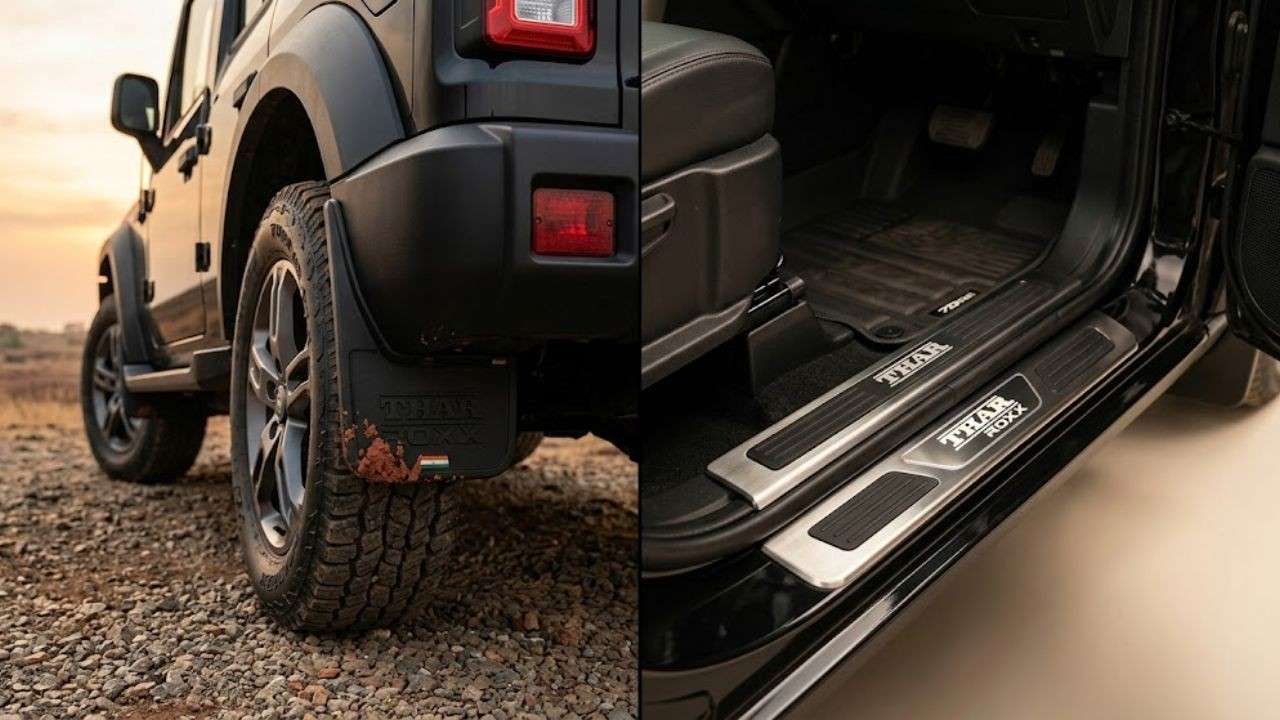
6. Door Sill Guards — ₹1,175 

Stainless steel or ABS plates covering the door sill/entry step, some with blue LED accents. It’s the cheapest item on this list solving a guaranteed problem — every passenger’s shoe scuffs that still eventually. It’s purely cosmetic and protective, with no functional upside beyond that. 

Thar Roxx

Read More :-  Best Car Battery for Your Vehicle: Top Picks & Buying Guide 

The best car accessories for Thar Roxx to one easy, low-cost win before committing to bigger purchases.

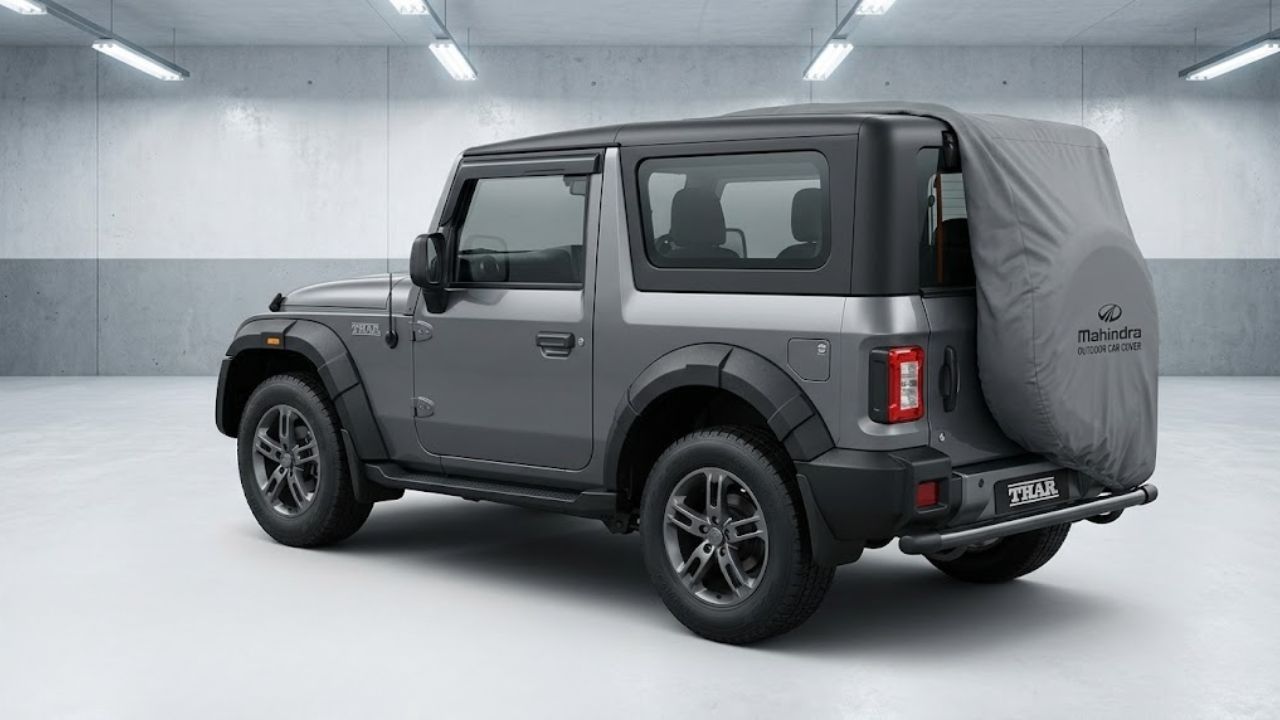
7. Waterproof Body Cover — ₹1,895–₹2,150

Triple-stitched, mirror-and-antenna-pocket covers built to fit the Roxx exactly (Kingsway, Autofurnish, and Drivestylish all sell versions in this range; MRP is usually listed near ₹4,400 but the real transaction price is the ₹1,895–2,150 band). Blocks UV, bird droppings, and tree sap for anyone parking outdoors without covered parking. This is one of the best car accessories for Thar Roxx but cheap covers trap moisture instead of shedding it, which can leave swirl marks if you don’t let the paint dry first.

Thar Roxx

Best for: owners without a garage or covered parking spot.

8. Mud Flaps (Set of 4) — ₹499–₹999

ABS plastic, OEM-fit, screw-in installation with no drilling. Autofurnish sells at the low end (₹499), RideoFrenzy and Techo sit closer to ₹990–999. Cheapest functional accessory on the whole list — stops mud and road spray from hitting the lower doors and undercarriage. Limitation is that the budget PP versions get brittle and crack in a couple of Indian summers, so this is one spot where paying slightly more (ABS over PP) actually matters.

Thar Roxx

Best for: anyone who drives on unpaved or waterlogged roads regularly.

Floor Mats vs. Seat Covers: Which Comes First?

7D Floor Mats Seat Covers
Starting price ₹4,999 ₹7,399
Protects against Daily, guaranteed damage — mud, water, spills Slower-building damage — stains, wear
Urgency Needed from week one, especially in monsoon states Matters most on light-colour interiors

Floor mats protect against damage that happens on day one of ownership; seat covers guard against wear that accumulates over months. If the budget only stretches to one, the mats come first — they cost less and cover the area that takes damage every single drive, rain or not.

Read More :-   Best Brake Pads for Cars: Top Options for Safe Driving

Conclusion 

These best car accessories for Thar Roxx comes under ₹6,200 combined, floor mats plus a sill guard cover the two spots on a Thar Roxx that show wear fastest. Once the budget clears ₹20,000, budget-tier seat covers close the interior-protection loop entirely. PPF and a dash cam are worth holding off on until two questions are answered: how long you’re actually keeping the car, and whether your insurer asks for dash-cam footage in the first place. Let those answers decide the spend — not the order on this list.