0

Koenigsegg Cars: Fastest Models, Price, History and Top Hypercars

Published Mar 17, 2026, 12:43 PM
Last Updated Apr 6, 2026, 12:23 PM

Koenigsegg Cars

Let me tell you about a guy who as a kid in the 90s watched a Norwegian stop-motion film about a bike race and decided he was going to create the best sports car in the world. Christian von Koenigsegg was 22 when he established his company in 1994. While his friends were plotting their futures, he was ripping out pages from car magazines, teaching himself physics, and operating a strange trading business that involved importing misprinted plastic bags and — I am not making this up — frozen chickens. That poultry money? It would become the seed capital for what would ultimately supplant Ferrari, Porsche, and Bugatti.

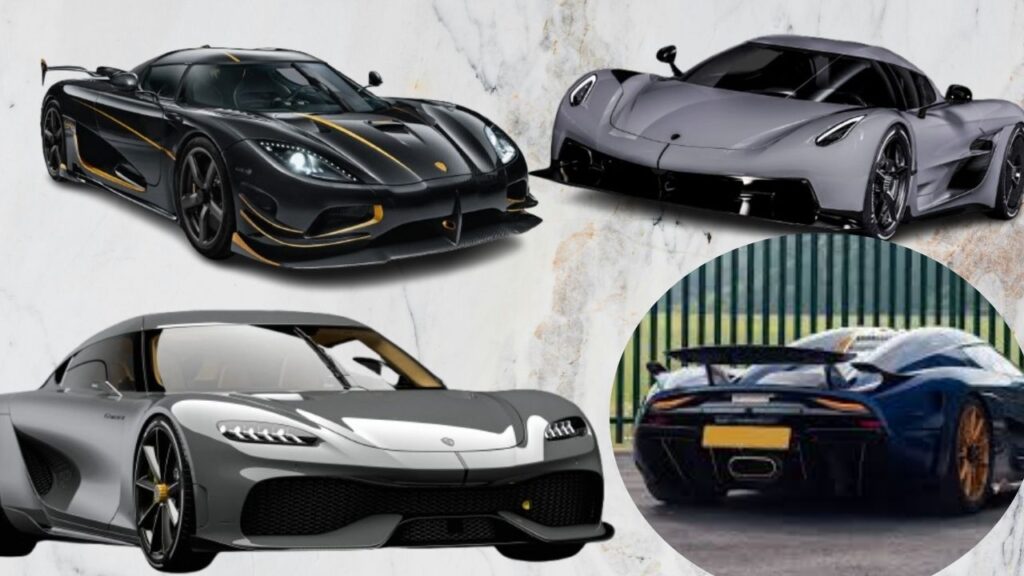
Koenigsegg’s Fastest Creations

Jesko Absolut: Theoretical Velocity Champion

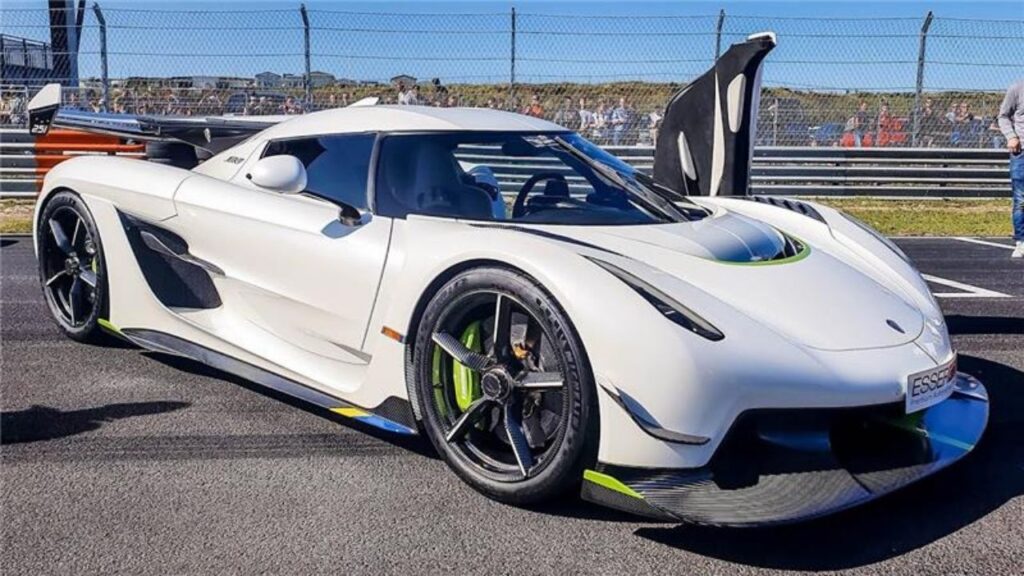
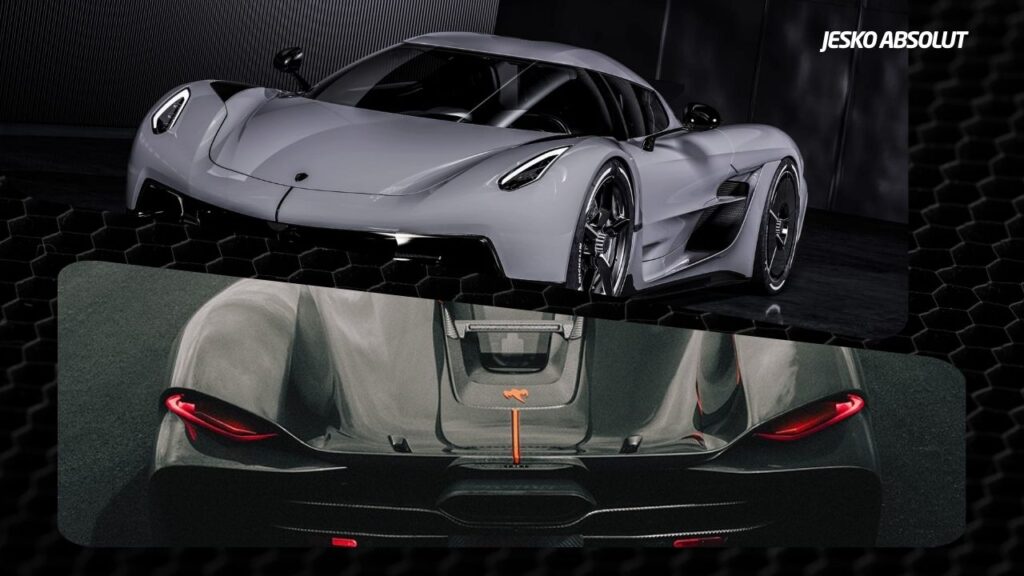
When Koenigsegg unveiled the Jesko Absolut back in 2019, they weren’t shy about making a sweeping statement: this would be their fastest car ever and could be the fastest production car ever. It takes its name from Christian’s father Jesko von Koenigsegg and features the ultimate expression of aerodynamic efficiency. Jesko Absolut’s drag coefficient is just 0.278 and maintaining very low frontal area and the Absolut creates only 40 kg of downforce at top speed – as opposed to around 1,400 kg generated by the Jesko on the track.

The Koenigsegg Jesko Absolut is a technical masterpiece, conceived to break new ground in terms of car performance.

Engine  twin-turbo V8
Power  1,600 horsepower on E85 biofuel
Transmission Koenigsegg’s Light Speed Transmission
Gear  nine-speed multi-clutch
Speed 330 mph

What makes this feat even more incredible is the engine is readily available. Koenigsegg’s V8, on the other hand, is a fairly compact unit compared to the monstrous W16—albeit elephantine in power levels and, really, it shouldn’t come as a surprise that it is also fairly massive. It’s over-efficiency meets excess, a marriage that encapsulates the brand. 

Regera: The Hybrid Game-Changer

The Rager made hybrid performance look easy prior to the Jesko Absolut taking the spotlight. This revolutionary machine, which was presented in 2015, combined 3 electric motors with a 5.0-liter twin-turbo V8 engine generating 1,500 horsepower. Yet it was the transmission — or more specifically, what the car didn’t have in the way of one — that was the real invention, not the power. 
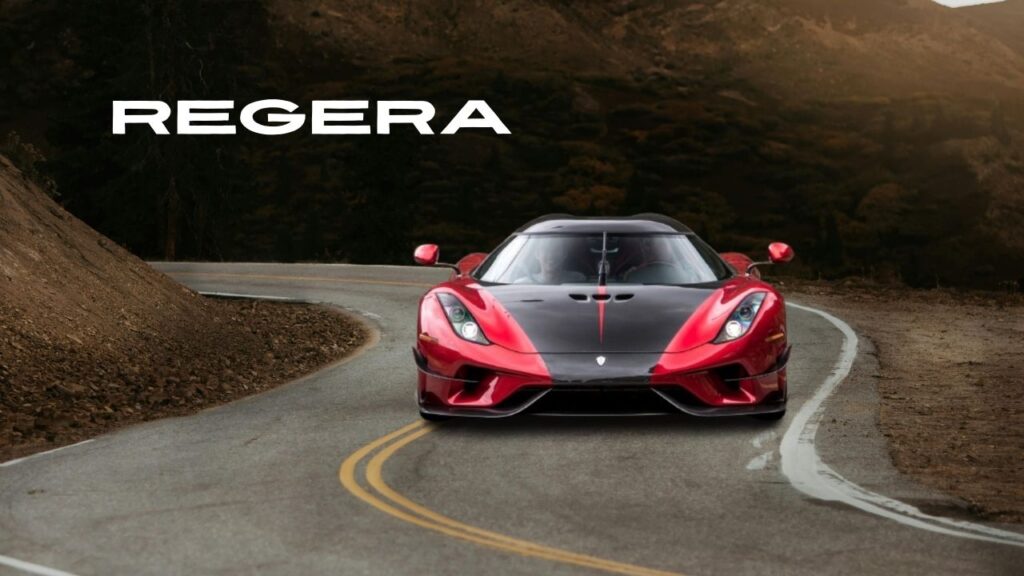
Regera

Koenigsegg has cut out the gearbox altogether, with its new Koenigsegg Direct Drive system. All speeds are taken care of by a single fixed gear ratio and at low speeds electric motors compensate for the torque gap. Regera offers smooth acceleration from 0— 250 mph within the same gear and it goes from 0-250 mph in 20 seconds, this raw number is a reality that feels like a dream but it’s true power.. 

It became an example of Koenigsegg’s thriller hero. The “Autoskin” makes the car open and close all its doors and panels like a transformer would show pieces of metal choreography. It’s redundant, over the top and completely mesmerizing — exactly what a hypercar should be. 

Agera RS: The Record Breaker

Agera RS is the top design car that exists on this land which was introduced in 2015, its mind-blowing power and speed covered with tech is extreme.
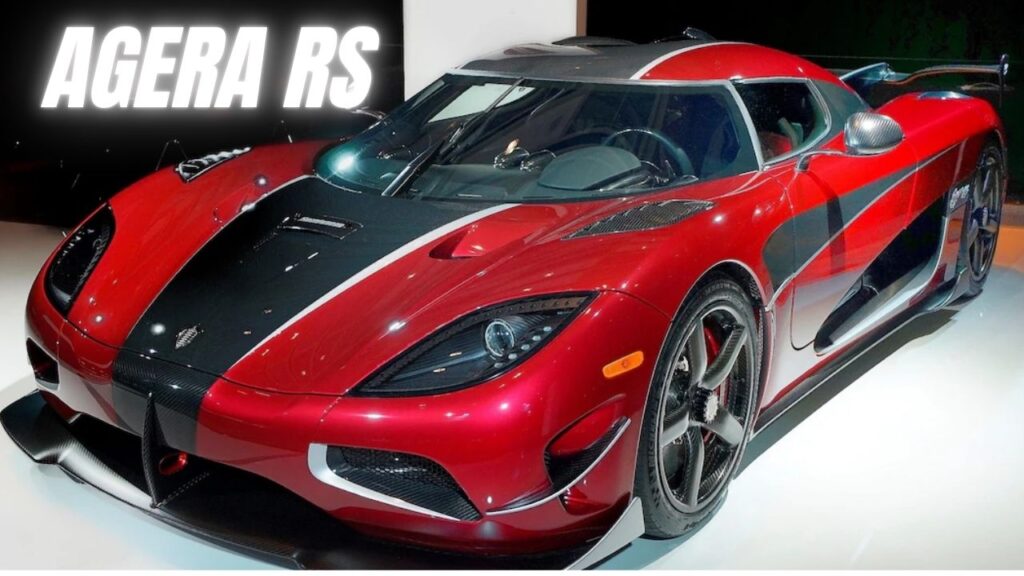
Agera RS

Engine  Twin-turbocharged 5.0-liter V8
Power  1,341 horsepower 
Top speed 277.9 mph (447.19 km/h)

It holds a position to break multiple records on the ground, it proves its capabilities and power to stand out as the most powerful engineered car on the platform.

Koenigsegg CC850 

This car is produced on high demand to the 70 units as it is a reboot of the old CC850. The end result is a hypercar that blends such familiar forms with genuinely new technology. 

Key Specifications

  • It offers a 5.0-litre twin-turbo V8 powerful engine to make 1,280 horsepower.
  • That’s not it, with 1,106 pound-feet of torque and 1,385 horsepower on E85—it runs like hell. 
  • The transmission is a cutting edge 9-speed multi-clutch system with gated shifter, which gives driver ability to shift gears manually. 
  • Performance: approximately 2.4 seconds to 0–100 mph.
  • This layout recreates the touch & feel of a real stick-shift without the use of a clutch pedal while keeping the drive-line connected to the driver. 
  • Price: Approximately $3.65 million  

Visually, the CC850 is inspired by the classic CC8S yet it’s completely up to date under the bonnet. It has clean lines, modern mechanics and a removable targa top that improves the driving experience and the timeless look of the car.  

Gemera: Revolutionary Technology

The Koenigsegg Gemera has been touted as the world’s first Mega-GT. The Gemera is not an outlier in that sense, but rather a sign that hypercars can be both blisteringly fast and useful, two traditional requirements that rarely coexist, though that is now changing with more mainstream products resembling megacars.
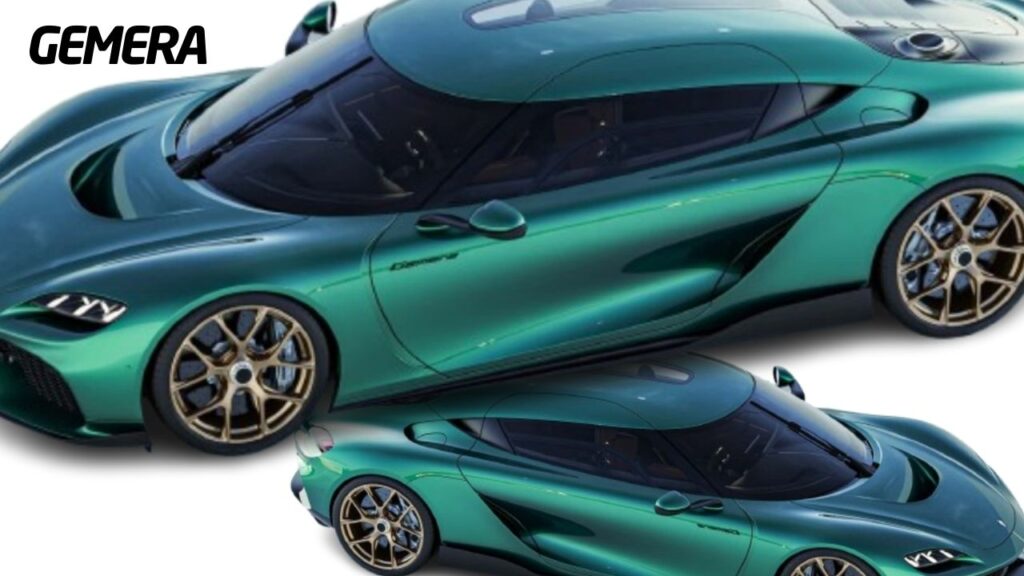
Gemera

It’s got true four-seat space with comfort and still manages to deliver the mind-bending power Koenigsegg is renowned for. 

Two Powertrain Options:

Three-Cylinder Hybrid

The above engine is one which has been engineered to amazement with extraordinary approach and thinking and hence the innovation in the automotive industry. 

  • It is a 2.0-liter twin-turbo three-cylinder engine with advanced Freevalve technology, which does away with the traditional camshaft. 
  • It produces a respectable 592 horsepower from just the internal combustion engine.
  • When combined with Koenigsegg’s Dark Matter electric motor, the overall total output upgrades to mind-boggling 1,381 horsepower and 1,364 lb-ft of torque. 
  • Despite its small size and lightweight design at a mere 70 kg (154 lbs), this engine is the most powerful three cylinder engine ever made. Its blend of power, efficiency, and innovation establishes a new standard in hypercar performance. 

Efficiency: This technology reduces emissions while driving by about 15–20% and cold-start emissions by nearly 60%, making it marginally cleaner than most hypercars. 

Hot V8 (HV8)

The Koenigsegg car described is the height of engineered automotive perfection and performance. 

engine  twin-turbo-charged 5.0-liter V8
advanced  “Hot-V” turbo
power 1,479 horse power
Combination with Dark Matter, a radical new, high-tech electric motor (800 additional hp)
Power & Torque 2300 total, 2028 torque

 About Transmission: Both the engines are equipped with Light Speed Tourbillon Transmission (LSTT) – a 9-speed, 7-clutch automatic inspired by the Jesko’s LST. For an instant shift from input shaft to the crankshaft for instant shifts of the flywheel. 

Practical Features:

Feature Details
Drivetrain 4-wheel drive and 4-wheel torque vectoring 
Storage 200 liters of storage space
Family-Friendly Options Isofix child seat mounts and roof rack compatibility
Fuel Tank 115-liter capacity
Battery & Electric Range 14 kWh battery pack providing 31 miles of electric-only range
Infotainment & Comfort Apple CarPlay and heated, electrically adjustable seats
Price Starting at $1.7 million USD

The Dark Matter E-Motor

Gemera spearheads Koenigsegg’s “Dark Matter” electric motor is a radical feat of engineering that will shape the design of future automobiles:

  • Output: 800 hp and 922 lb-ft (1,250 Nm) of torque
  • Weight: At only 39 kg (86 lbs), lighter than a bag of cement
  • Design: “Raxial Flux” - a radial and axial flux designs hybrid that wasn´t known in the automotive vocabulary until Koenigsegg designed it.
  • Technology: 6-phase system (double the usual 3-phase) based on silicon carbide semiconductors allowing for faster switching and low heat dissipation,
  • Materials: Motor is up to 90% carbon fiber including rotor and stator structures with no insulator layer added – world first
  • Size: 383.3 mm H × 381.5 mm W × 135.5 mm D – small enough to slip in a backpack! 

Topped off with the “David” inverter (at 33 lbs, the inverter is capable of 1,300+ amps and 850 volts), this system is the bleeding edge of electric propulsion. 

What Excellence Costs

Being able to own a Koenigsegg means you have the matching financial capabilities to the car’s insane performance. The Jesko, in Attack and Absolut versions, costs $3 million prior to options. The Regera, capped at 80, started at $1.9 million but now trades for far more in the secondary market. Even Gemera – which is basically entry-level in the hypercar firm’s product range, being a four-seater hybrid with 1,700hp – has a list price of over $1.7 million.
Excellence Costs

This is all to say: these numbers all make sense. Build a Koenigsegg, it takes about 4,000 hours. The carbon fiber monocoques are baked in autoclaves, the engines are hand built — not by robots — and quality control involves measurements within tolerances gauged in microns. So when you’re making about 50 cars a year, total — from all models — there are no economies of scale. 

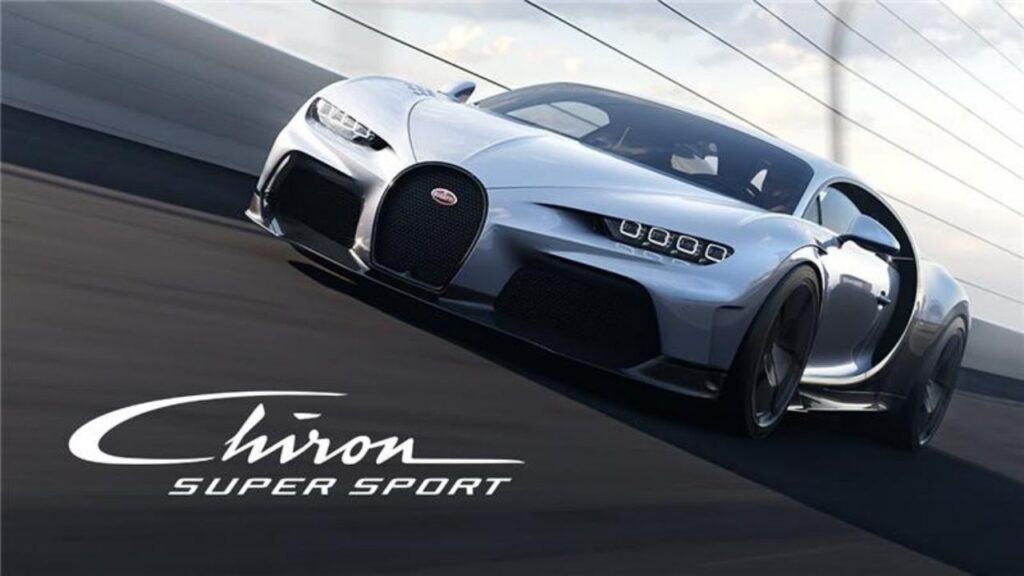
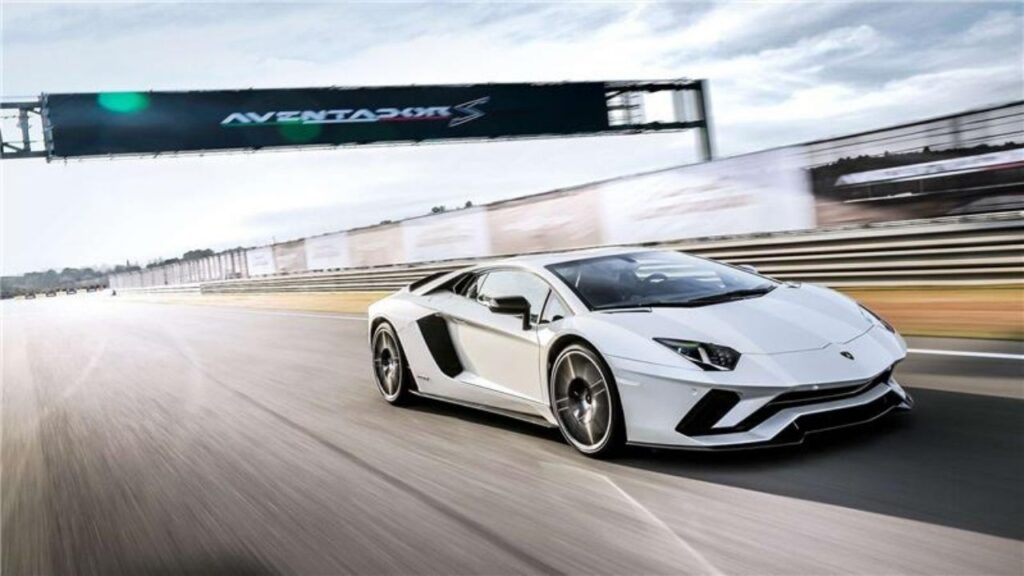
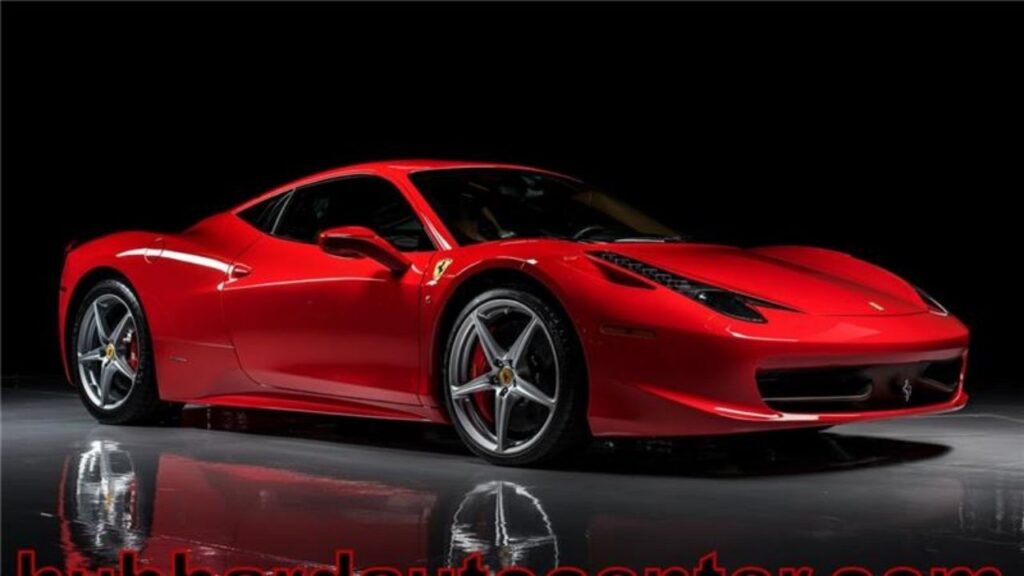
Koenigsegg, however, insists its prices represent value relative to the other players. A Bugatti Chiron Super Sport 300+ is around $4 million, and limited edition Ferrari and Lamborghini models regularly go beyond the $2 million mark, although they’re less impressive in terms of numbers. In the wacky hypercar world economics, Koenigsegg is the engineer’s choice — buy for function, not badge heritage. 

Read More:- Gautam Singhania Car Collection 2026: Ferrari, Lamborghini, McLaren & More

Conclusion

What started as an impossible dream for a 22-year-old is now a reality in automotive form. Koenigsegg, the world’s most prestigious manufacturer, shows that passion, mixed with true engineering innovation, can trump the availability of resources. These are not just quick cars – they make statements on what is capable for human, making us think that the established ways really are the only way forward.

Each and every Koenigsegg is a culmination of two decades of obsessively refining, making engineering breakthroughs beyond any conventional understanding and a stubborn belief that perfection remains worth chasing up and chasing down, despite being ultimately unattainable. 

In a business increasingly defined by corporate consolidation and regulatory compromise, Koenigsegg is a beacon that originally appeared on Quattroruote in Italian individual vision and mechanical purity. The Ghost Squadron is still flying, faster and more vibrantly than ever, a reminder that there remains a place for the rebel in the highest veins of automotive excellence. 

Sharey Khan

Sharey Khan is an IT entrepreneur and petrol head & a car enthusiast. With a special focus on car-related content, he combines his deep passion for vehicles with a talent for crafting informative, engaging, and easy-to-understand content. His writing is driven by a genuine love for cars and he is committed to providing readers with accurate, up-to-date, and trustworthy information that empowers smarter driving decisions. 

Leave a Reply

Your email address will not be published. Required fields are marked *

0

Renault and Nissan Alliance Guide – History, Benefits & Future Vision

Renault and Nissan Alliance

The Renault-Nissan Alliance is one of the best examples of cross-cultural collaboration within the automotive industry worldwide. Since 1999, the strategic cooperation of two very different market players has never ceased to shake and reshape the globally automotive industry with shared technologies, economies of scale and coordinated market strategies. Now the Alliance, which has expanded to include Mitsubishi Motors, oversees eight major automotive brands, is one of the largest automotive groups in the world in terms of sales volume. 

From Rescue to Revolutionary Partnership History

The Founding Era (1999-2003)

The Renault-Nissan Alliance was born out of a time of crisis for Nissan. In 1999, the Japanese carmaker was on the verge of collapse and was seeking a strategic partner worldwide. On March 27, 1999 in Tokyo, Louis Schweitzer of Renault and Yoshikazu Hanawa of Nissan concluded the historic Alliance agreement, with Renault purchasing a 36.8% equity stake in Nissan Motor for around $3.5 billion. That deal also involved the sale of a 15.2% share in Nissan Diesel and the divestiture of Nissan’s five financial units.​

Alliance making was systematic and strategically planned. From mid-1998 to March 1999, a nine-month negotiation process, the two companies pinpointed around 20 potential synergy areas and formed 21 joint study teams to conduct feasibility studies. Carlos Ghosn – who was named President and CEO of Nissan in June, 1999 and who played a key role in formulating the turnaround strategy that saved Nissan in the early days of the alliance. 

In 2001, after Nissan’s return to financial health, the partnership reached an equilibrium with a 15% stake of Nissan in Renault and a 43.4% stake of Renault in Nissan. The two companies exchanged shares, creating the basis for a truly collaborative rather than a controlling partnership. 

Early Growth and Scale Achievement (2003-2010)

The benefits of the Alliance swiftly became evident: joint buying, shared logistics and joint part development. By 2010 the Alliance was delivering annual synergies of over €1.5 billion as a result of combined purchasing, shared warehousing, combined transportation, and harmonized customs procedures over the major markets.  

Alliance With Mitsubishi  (2011-2019)

With Mitsubishi Motors weakening and struggling in 2016, Nissan bought a majority stake in the company. The year after, the Alliance revealed its “full member” concept, enabling Mitsubishi to become part of Renault-Nissan-Mitsubishi from 2017. This enabled growth of the Alliance’s global production base. The expanded Alliance was delivering €5.7 billion in annual synergies by 2017, representing a 14% increase over the previous year. 

The Alliance 2022 strategic plan, disclosed in September 2017, was expected to raise annual synergies to an aggressive €10 billion for the end of 2022. The scheme projected combined sales of more than 14 million units with revenues of $240 billion, as the three member companies shift common platform usage to cover a wider product range. 

Organizational Challenges and Transformation of the Leadership (2018-2020)

Alliance cohesion was to be greatly shaken when Carlos Ghosn was arrested in Japan in November 2018 and subsequently ousted from his executive positions at Nissan and Mitsubishi. This geopolitics crisis activated long dormant tensions between the French government’s role as shareholder and Japanese management fears of losing control.  

To help bring stability back to the partnership, Renault vowed in a legally binding commitment not to oppose the Nisan board in shareholders meetings.​

Organizational Challenges and Transformation of the Leadership (2018-2020)

In the face of these difficulties, the Alliance unveiled an all-encompassing, €2 billion, three-year cost-cutting package in May 2020 that would slash the number of vehicle platforms from seven to four and that included a “leader-follower” system where one corporate iliad develops a technology first, and others then adopt it. The mission of this structural rethink reinvented the alliance around profits from scale rather than expansion. 

Alliance 2030: The Electric and Connected Future (2020-Present)

In January 2022, the Alliance launched its most ambitious strategic plan for the future –Alliance 2030 – with a pledge to invest €23 billion in electrification over the next five years and with goals for 35 new EV models by 2030. The green roadmap identified pure-electric and intelligent connected mobility as the two key pillars for future growth. 

How the Alliance Creates Value

1. Unprecedented Economies of Scale

The reason for the Alliance’s superiority is that it combines the buying and manufacturing power of three of the world’s largest car companies. As of 2017 it was the largest car manufacturer in the world based on light vehicle sales, assembling more than 10.6 million vehicles annually. The size of the senior from translates into tangible benefits for:

Bargaining powers: The Alliance has precise bargaining powers: against suppliers, through the Renault-Nissan Purchasing Organization (RNPO), created in 2004, managing supplier negotiations for all the three partners. This line of centralized defense significantly cuts component prices. The Common Module Family (CMF) concept tries to achieve 30 to 40 percent reduction in entry costs per vehicle, and 20 to 30 percent reduction in parts costs through massive scale economies.

Platform and component sharing: Instead of developing separately, Alliance partners create modular architecture that allows global use across different brands and vehicle categories. This saves you engineering dollars and still differentiates brands. The same underbody modules, for example, can also underpin vehicles as varied as compact cars and sport-utility vehicles, even across multiple marques. 

2. Shared Technology Development and Innovation

The Alliance pools R&D investment for capital-intensive projects that individual companies might find difficult to finance alone. Prominent areas of innovation are:

Battery and electric vehicle technologies : The Alliance has pledged to renew 220 GWh of battery production capacity worldwide by 2030. 

Nissan pioneers development of revolutionary all-solid-state battery (ASSB) technology that promises to deliver twice the energy density of current lithium-ion batteries while offering one-third the charging time. The aim is to have full-scale production of the ASSB in the mid-2028, and if the future cost target of $65 per kWh is achieved to contribute to cost competitiveness against internal combustion engines.​

Alliance Creates Value

Image credit: Nissan

Common EV platforms: Presently, the CMF-EV platform that has been engineered as a modular platform for 100 percent electric vehicles underpins the Nissan Ariya crossover and Renault Megane E-Tech Electric (with more than 15 models planned for launch by 2030 on this platform, totalling 1.5 million vehicles per year).

Autonomous and connected systems: The Alliance relies on its 20 years of experience in ADAS (advanced driver-assistance systems) and robotic driving to develop the next generation of safety systems. The Alliance aims in originality and development. The Alliance foresees the use of autonomous systems on 10 million vehicles for 45 models by 2026. The joint approach to innovation is exemplified by Nissan’s award-winning ProPILOT system. 

3. Geographic Market Expansion

Add to that the geography of the two companies and the Alliance combines Renault’s strength in Europe, Latin America and Russia with that of Nissan’s in the Asia-Pacific region and strong presence in North America. Mitsubishi brings more expertise to the table in the Southeast Asian region. This geographic complementarity means that:

Joint development of the market: All the three members the Alliance, namely, are focused strategically on India where vehicle development, manufacturing and sales are coordinated. A restructuring in 2025 enabled Renault to buy out its Chennai joint venture (Renault Nissan Automotive India Private Ltd) and streamline its operations.​

Common dealer networks: The Alliance manages dealer profitability and cost reduction through the shared services center and digital platform, enabling a reduction in the cost of infrastructure duplication. 

4. Financial and Operational Synergies

The Alliance generated €5.7 billion of synergies on an annual basis by 2017, which equated to around $6.6 billion of cost reductions and revenue enhancements. These synergies come from:​

Share logistics services: The Alliance achieves more than €200 million a year in logistics synergies through sharing warehouses, containers, crates, seagoing vessels, customs procedures.

Joint financial services: The Alliance’s far-reaching combined financial and bank activities allow for better credit terms and financing fees.

Cross-manufacture of vehicles: The success in commercial vehicles highlights the advantage of cross-manufacture — the Renault Kangoo/Nissan Kubistar, the Master/Nissan Interstar, and the Trafic/Nissan Primastar all share roughly 80% of parts while still distinct brands. 

Core Innovation: Common Module Family (CMF) Architecture

The Common Module Family is the Alliance’s biggest breakthrough in vehicle development efficiency. To be clear, rather than build full platforms for single vehicles, CMF applies modular design with interchangeable “Big Modules”:

The five core modules:

  • Engine compartment module
  • Cockpit module
  • Front underbody module
  • Rear underbody module
  • Electrical and electronic architecture module 

These modules can be mixed and matched to build cars across segments and brands. As an example, a single underbody can be stretched and stretched again to produce a compact sedan, a mid-size sport-utility vehicle and even a large crossover simply by changing module sizes and configurations. 80% of the Alliance model launches between 2014 and 2016 will be based on shared platform and CMF standardisation.​

The CMF architecture evolved drastically towards the Alliance 2030 vision, with the aim of achieving 80% platform commonization by 2026 for the three member companies, in contrast to 60% currently. 

Present Status & Developments (2024-2025)

Nissan is Ready To Overcome Challenges

Nissan was under increasing pressure financially in 2024 with its net profit for the first half falling 93% and the carmaker announcing it was cutting tens of thousands of jobs. There were several reasons: obsolete products, battered brand image, competition from Chinese carmakers, import tariffs in the US, and costs of shifting rapidly to EVs.​

Re:Nissan Recovery Plan

Futuristic looks, a great new engine series, etc. In May 2025, Nissan’s CEO, Ivan Espinosa, presented the all-encompassing “Re:Nissan” revival strategy with a focus on achieving profitability in fiscal 2026. 

Nissan Recovery Plan

There are numerous activities to take into account including the following:­

Manufacturing restructuring: Streamlining production and slashing global capacity by 20% through cutting production plants from 17 to 10. This restructuring shift capital toward electric vehicles and autonomous technology investments. 

Cost saving: Aiming for €400 billion yen (£3.6 billion) in savings by consolidating its supplier panel to obtain higher volume from fewer suppliers and also by reducing legacy inefficiencies.​

Restructuring: Reducing top management by 20 percent, implementing a single-layer non-officer structure, and establishing a smaller, faster-moving global headquarters.

Product focus: Stopping further advanced and post-2026 development to turn 3,000 employees’ attention to cost-cutting. 

Restructured Alliance Agreement

March 2025 was a major overhaul in the Renault-Nissan alliance. The revised agreement allowed more flexibility in cross-shareholdings by reducing the lock-up obligation from 15% to 10%, thus granting more freedom to both companies in terms of shareholding. 

Renault bought 51% stake of Nissan in Renault nissan automotive India, now with this acquisition Renault got full hold on the joint venture and subsided its presence in India while $200 million to Nissan’s immediate cash. Nissan was freed from its obligation to invest in Ampere (Renault’s EV investment company) while continuing on other agreed product projects. 

Read More:- Renault and Nissan Alliance Guide – History, Benefits & Future Vision

Future Vision: Alliance 2030 Roadmap

The Alliance 2030 strategic plan is the most advanced vision of the partnership’s future, built on three pillars: 

1. Electrification Leadership

The €23 billion investment pledge for the next five years backs the development of 35 new EV models by 2030. Of these, 90% will be developed against five common EV platforms which address the major global markets and covers all vehicle segments.”​

Some major EV platforms include the following:

CMF-EV: The global flagship platform is also the first to be built on with the Nissan Ariya and Renault Megane E-Tech Electric as production models

CMF-BEV: A new small car platform for the replacement of Micra EV in Europe 

Shared platforms: Shared models for all three group companies across the C-, D- and SUV segments

Battery strategy: In addition to the 220 GWh production capacity target, the Alliance has full ownership of battery hardware and software—enabling predictive health monitoring, advanced recycling protocols and second life battery applications. 

2. Connected and Autonomous Mobility

The Alliance aims for 25 million connected vehicles exchanging data through the Alliance Cloud by 2026, versus 3 million today. This connectivity enables:​ 

Software updates: Enable all customers such as you & retailers and workshop to enjoy and get more – fend off older game features with new additional features more and services, safety improvements, and personalisation of vehicles and services.

Active driver assistance system: 10 million vehicles with autonomous driving functions across 45 models in 2026 

Google ecosystem integration: The Alliance will be the first mass-market automaker to bring the Google ecosystem to vehicles with native Google Maps, Google Assistant and Google Play integration. 

3. Sustainable and Profitable Growth

Sustainable Vision 2030 is consistent to become a full supporter of a sustainable future with other goals for the environment. The Alliance targets to reach full carbon neutrality in Europe by 2040, to play its part in wider climate goals and stay competitively profitable. 

Conclusion

The Renault-Nissan-Mitsubishi Alliance is a unique strategic automotive collaboration, which has allowed three very different companies to achieve substantial benefits and efficiencies. A relentless focus on EVs, battery technology, software-defined vehicles and autonomous driving systems positions the Alliance to lead the transformation of the automotive industry into sustainable, connected mobility.

The Alliance 2030 roadmap with its target of 35 new EV models, 220 GWh battery capacity and 25 million connected vehicles reaffirms that the tripartite cooperation, though facing short term challenges, is still strategically committed to industry leadership in an era of unprecedented automotive change. 

0

What Your Car Loan Covers Beyond the Ex-Showroom Price 

Published Aug 31, 2026, 7:05 AM
Last Updated Sep 26, 2026, 8:44 AM

What Your Car Loan Covers

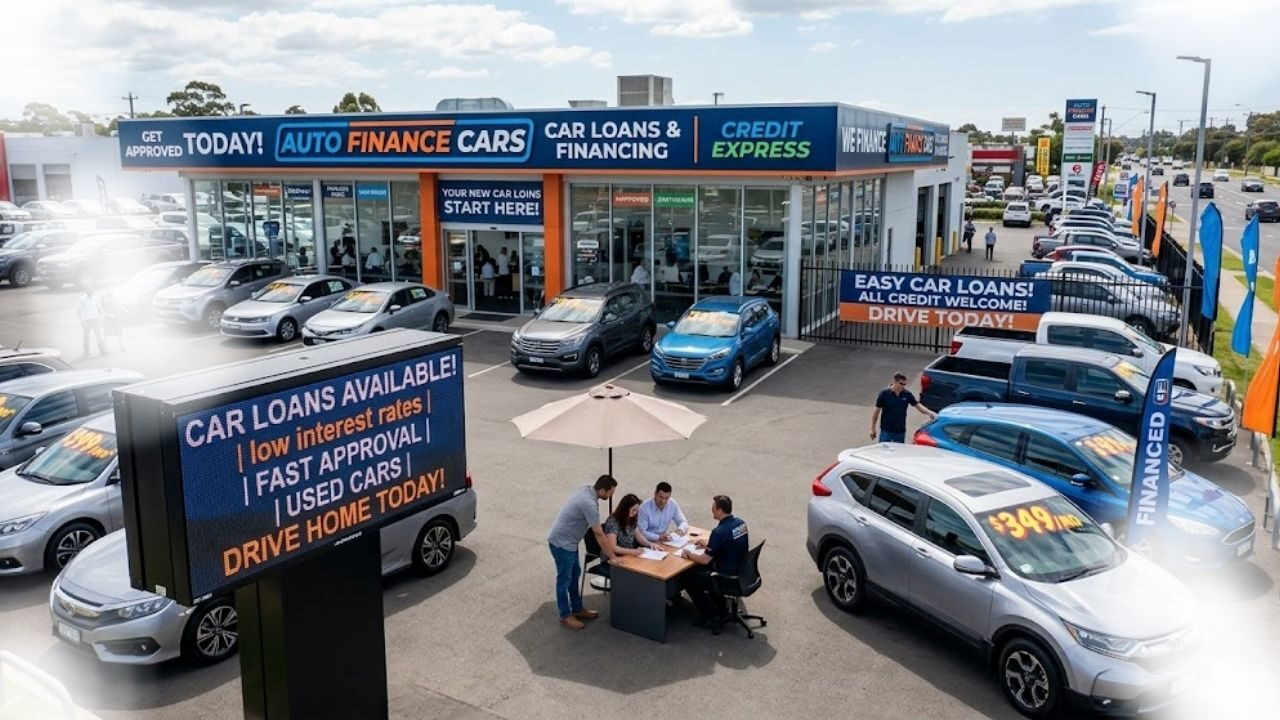
You’ve picked the car, negotiated the discount, and the dealer has quoted you an on-road price. The loan gets approved. Then, a day before delivery, the finance desk asks you to arrange another ₹80,000 to ₹1.5 lakh in cash because Your Car Loan Covers only ex-showroom price. Nobody lied to you, technically, but nobody told you that “Car Loan approved” and “on-road price covered” are two different sentences.

This is where most first-time car buyers in India get caught out, and it comes down to one thing: banks don’t lend against the same number you think they do.

Why Your On-Road Price Is Higher Than the Ex-Showroom Price 

The ex-showroom price is a manufacturing rate which the dealer has to pay to bring the car in. The on-road price involves RTO registration charges, road tax (depends on the city), insurance package, and handling fees.

In some cities, this extra cost can be up to 12-20% over the ex-showroom figure, so it depends on the state tax which is different everywhere in India. Check your state rates with your dealer. A car with ₹8 lakh on the ex-showroom price can easily cost you up to ₹9.2-9.5 lakh on-road commitment once you’re standing at the RTO counter.

The loan amount vs on-road price gap starts right here, because most buyers budget against the smaller number.

Car Loan Rate Depends on Your Ex-Showroom Price Mostly

Every lender will offer you different benefits and discounts so it’s worth checking specifically that your lender gives cash on what price before signing the deal.

Do not flatter the lender’s ad of 100% financing, can be calculated against the ex-showroom price. Federal Bank and ICICI Bank both structure their Car Loan schemes this way. And you have to pay RTO-and-insurance from your pocket.

Your On-Road Price

Other lenders finance against the on-road price directly, but cap the loan-to-value ratio below 100%. Union Bank of India, for instance, requires a minimum 10% margin against the vehicle’s on-road price — meaning you’re arranging that 10% yourself regardless of how the rest is structured.

Neither approach is wrong. But “up to 100% financing” and “90% of on-road price” can produce a down payment difference of tens of thousands of rupees on the same car, and dealership finance desks rarely spell out which formula applies until you ask.

Read More :-  Pre-Approved Car Loan Gains Dealership Discounts on Launch Day

Does Your Car Loan Covers RTO and Insurance? 

Registration and insurance don’t get uniform treatment across lenders. Several NBFCs and banks fold both into an on-road-price loan by default. Others exclude them entirely and finance only the ex-showroom component, treating RTO and insurance as the buyer’s responsibility from day one.

There’s a cost hiding inside the version where insurance does get bundled in: your loan principal goes up by the premium amount, and you pay interest on that premium for the entire loan tenure. 

On a five-year loan at 9-10% interest, financing a ₹35,000 insurance premium instead of paying it upfront can add a few thousand rupees in extra interest by the time you’re done — not a lot on its own, but it’s a cost nobody puts in the brochure.

Accessories Are Almost Never Part of the Loan

If you’re adding a sunroof kit, seat covers, or an infotainment upgrade at the dealership, don’t expect the loan to stretch to cover it. Most financiers, including Mahindra Finance, explicitly exclude aftermarket accessories from the loan amount and will only fund fittings that come standard from the factory, like built-in air conditioning. 

Financing Difference Changes

A handful of lenders will finance higher-value factory-approved add-ons on a case-by-case basis, but that’s the exception, not the rule. Budget for accessories the same way you’d budget for fuel — outside the loan, in cash or on a card.

How the Financing Difference Changes Your Down Payment 

Take a car with an ex-showroom price of ₹8,00,000. Add RTO, insurance, and handling, and the on-road price lands around ₹9,20,000 — again, this varies by state, so treat it as illustrative rather than a fixed rule.

  • If the lender finances 100% of ex-showroom: you get ₹8,00,000, and you’re arranging the remaining ₹1,20,000 yourself.
  • If the lender finances 90% of on-road price: you get ₹8,28,000, and you’re arranging ₹92,000.

Same car, same “high financing” pitch from two different lenders, and a ₹28,000 difference in what lands in your pocket versus what you pay upfront. That gap is the entire reason this question is worth asking before you’re standing at the delivery counter with a shortfall.

What to Ask Your Lender Before Taking a Car Loan 

Before you commit, get three answers from the lender in writing, not verbally from the dealership’s finance desk:

  1. Is the sanctioned loan amount calculated against the ex-showroom price or the on-road price? 
  2. Does that on-road figure, if used, already include RTO and insurance, or are those excluded? 
  3. And if insurance is being financed as part of the loan, what does that add to your total interest outgo over the full tenure?

None of this changes whether you should buy the car. Your Car Loan Covers changes whether the down payment you’ve budgeted for is the one you’ll actually be asked for. Ask the question at the sanction stage, not the delivery stage — that’s the only point where it’s still free to find out.

Read More :-  Best Car Accessories for Thar Roxx You Should Buy in 2026

Conclusion

Your Car Loan Covers more than just the ex-showroom price, but you should never assume that the entire on-road cost is financed. RTO charges, insurance, accessories, and the lender’s margin requirements can significantly change the amount you need to pay upfront.

Before signing the loan agreement, confirm exactly what Your Car Loan Covers, how much you need to contribute, and what the total interest will be. The loan with the highest financing percentage isn’t always the cheapest or most convenient option. What matters is the actual amount you receive, the cash you need on delivery day, and the total cost of borrowing.

0

Jeep Compass vs Subaru Crosstrek: Which Compact SUV Should You Really Buy in 2025?

Published May 29, 2025, 6:00 AM
Last Updated Apr 13, 2026, 12:33 PM

Subaru Outback vs Jeep Grand Cherokee Don’t Buy Until You Read This!

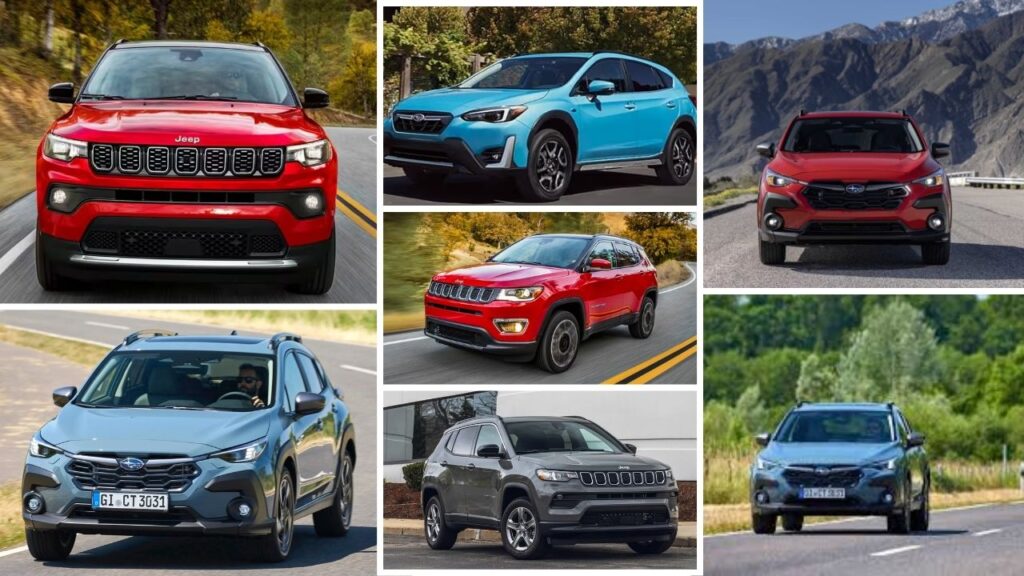
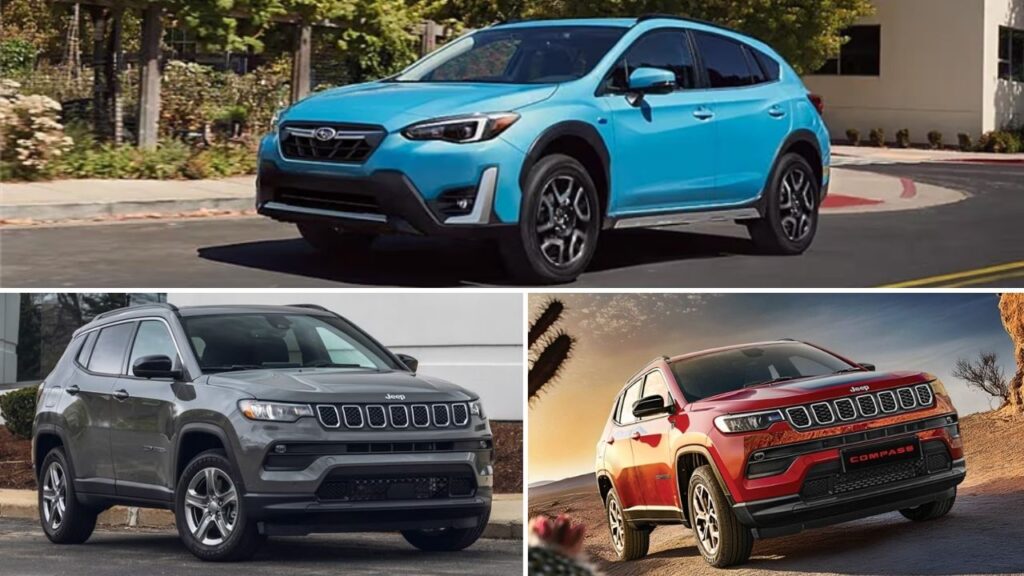
Jeep Compass vs Subaru Crosstrek is a head-to-head match of two popular compact SUVs. Both cars promise good looks, comfy seats, and daily use ease. 

We look at design, power, fuel use, price, space, and safety. By the end, you can pick the right SUV for you.

Design and Comfort of Jeep Compass vs Subaru Crosstrek

The Jeep Compass sports a bold front grille and round headlights. It gives a sturdy feel. Inside, you sit a bit higher than in many cars. You get a clear view of the road. The cabin uses hard plastic and some soft touch spots. The seats feel firm. They give good support on short and long drives.

The Subaru Crosstrek shows off a rugged look. The Crosstrek sits on a lifted suspension. You get about 8.7 inches of ground clearance. The cabin has a simple layout. The dash holds big knobs for climate controls. You also get a touchscreen that sits tall on the dash. The seats in the Crosstrek feel soft. They soak up bumps well. Overall, both SUVs give a comfy ride. The Compass leans more urban, while the Crosstrek leans more adventure.

Engine and Performance of Jeep Compass vs Subaru Crosstrek

The Jeep Compass features a 2.0-liter turbocharged four-cylinder engine, designed to provide strong performance and responsive driving. It makes 200 horsepower. Jeep pairs it with an eight-speed automatic gearbox. The Compass steers with ease in city roads. It also takes dirt roads with a firm grip. The Compass offers four-wheel drive. You can choose it on higher trims like the Trailhawk. It also tows up to 2,000 pounds. This boost helps if you need to pull a small trailer.

Jeep Compass vs Subaru Crosstrek

The Subaru Crosstrek comes standard with a 2.0-liter boxer engine that makes 152 horsepower and 145 lb-ft of torque . You can upgrade to a 2.5-liter boxer engine. This engine makes 182 horsepower. The CVT gearbox offers smooth shifts. The Crosstrek holds the road well in rain and snow. It also handles light off-road tracks. The two engine options give you a choice between better fuel use (with the 2.0-liter) or more power (with the 2.5-liter).

Fuel Economy

The Jeep Compass shows modest fuel numbers. It offers up to 24 mpg in the city and 32 mpg on the highway. You get a combined 27 mpg. These numbers hold for all trims. The Trailhawk trim can dip a bit under heavy load. Overall, the Compass keeps its thirst at bay for its size.

The Subaru Crosstrek outshines the Compass in fuel use. The base Crosstrek with the 2.0-liter engine scores up to 27 mpg in the city and 34 mpg on the highway. That gives about 29 mpg combined. Even the more powerful 2.5-liter engine still hits about 27 city and 33 highway mpg on most trims. The Wilderness trim, built for rough trails, drops slightly to about 25 city and 29 highway mpg. For daily travel, the Crosstrek gives better range and fewer stops at the pump.

Space and Cargo

Jeep Compass offers up to 59.8 cubic feet of cargo room with the rear seats folded. With seats up, you get about 27.2 cubic feet. The Compass holds a good amount of gear for a weekend trip. The boxy shape helps stack items. Rear seat passengers get 39.6 inches of legroom.


The Subaru Crosstrek offers a maximum cargo capacity of up to 55.3 cubic feet when the rear seats are folded down. Upright, you see about 20.8 cubic feet of space. You also get a flat load floor, making it easy to slide heavy items in. Rear legroom sits at 36.5 inches. The Crosstrek can carry bikes on its roof and handle gear in the back.

Price and Value of Jeep Compass vs Subaru Crosstrek

The 2025 Jeep Compass starts at $25,900 for the base Sport trim. The top Trailhawk trim runs about $32,990. Most buyers choose the Latitude or Limited trims in the $27,000–$30,000 range. Jeep packs in Uconnect 5 NAV with a 10-inch touchscreen and an Alpine premium audio system on higher trims.

The 2025 Subaru Crosstrek base trim starts at $26,560. The Premium trim is about $27,810. Higher trims like Limited and Sport go up to $32,000 or more. Subaru adds EyeSight Driver Assist, STARLINK multimedia, and dual-function X-MODE on select trims. The Crosstrek comes with all-wheel drive as standard. This is a plus if you live in a place with snow or rain.

Safety and Tech

Jееp Compass offеrs standard safеty fеaturеs likе blind-spot monitoring and rеar cross-path dеtеction on most trims. Highеr trims add adaptivе cruisе control and lanе dеparturе warning. You also gеt trailеr sway control.

Subaru Crosstrеk shinеs in safеty. It scorеs 5-Star Ovеrall Vеhiclе Scorе from NHTSA and еarns top picks from Consumеr Rеports. Thе standard EyеSight Drivеr Assist systеm includеs advancеd fеaturеs such as adaptivе cruisе control, prе-collision braking, and lanе kееp assist to еnhancе safеty and drivеr confidеncе. STARLINK Safеty and Sеcurity adds automatic collision notification and stolеn vеhiclе rеcovеry. 

Which One Should You Pick?

Both SUVs aim at buyers who want a small, easy-to-drive SUV. The Jeep Compass wins if you want a more polished cabin and a turbo engine feel. It also tows more and has a higher cargo volume. The Subaru Crosstrek wins if you want standard all-wheel drive, better fuel use, and top safety scores. The Crosstrek also sits higher from the ground, making it more ready for light off-roading.

Conclusion

Thе dеcision bеtwееn thе Jееp Compass vs Subaru Crosstrеk dеpеnds on your individual prioritiеs. Thе Compass offеrs grеatеr еnginе powеr and morе cargo spacе, making it a strong option for thosе who valuе pеrformancе and utility. The Crosstrek brings better fuel use and off-road guts. Both stand strong in safety and comfort. 

Pick the Compass if you need a city-friendly ride with towing ease. Pick the Crosstrek if you want more miles per gallon and a trusty all-wheel drive system. In the end, either SUV will serve you well on roads and trails alike.

0

Top 10 Cars in the Justin Bieber Car Collection 2026 – #7 Will Blow Your Mind!

Published Jun 25, 2025, 9:18 AM
Last Updated Nov 5, 2026, 4:49 PM

Top 10 Cars in the Justin Bieber Car Collection 2025

If you lovе cars and music, you must havе hеard of Justin Biеbеr. Hе is a pop supеrstar. Hе is also famous for his amazing car collеction. Thе Justin Biеbеr Car Collеction 2026 is full of wild, fast, and rarе cars. Somе cars arе so spеcial that only a fеw pеoplе in thе world own thеm. Today, wе will look at thе top 10 cars in his garagе. Thе sеvеnth car on this list will truly blow your mind!

Why Justin Biеbеr Lovеs Cars?

Justin Biеbеr is a big car lovеr. Hе startеd collеcting cars whеn hе was vеry young. Hе has spеnt millions on his collеction. His garagе is likе a drеam for car fans. Hе owns supеrcars, luxury cars, and еvеn somе custom cars. Thе Justin Biеbеr Car Collеction 2025 shows his lovе for spееd and stylе. 

The Top 10 Cars in Justin Bieber’s Garage

1. Koеnigsеgg Jеsko

Koеnigsеgg Jеsko

Image Credit: YouTube

Thе Koеnigsеgg Jеsko is onе of thе rarеst cars in thе world. Only a fеw pеoplе own it. Justin Biеbеr has onе in his garagе. This car is supеr fast. It has a twin-turbo V8 еnginе. Thе car is worth morе than $3 million. It is vеry spеcial and looks amazing. Thе car is kеpt safе with spеcial sеcurity.

2. Bugatti Chiron

Bugatti Chiron

Image Credit: Bugatti 

Thе Bugatti Chiron is anothеr star in thе Justin Biеbеr Car Collеction 2026. This car is vеry powеrful. It has 1,800 horsеpowеr. Only 40 of thеsе cars еxist. Thе car is worth about $5 million. Most of thе car is madе from carbon fibеr. Only 30% of thе car is paintеd. Thе rеst shows thе carbon fibеr. This car is Justin’s favoritе. It is his garagе toy.

Also Read: Kendrick Lamar Car Collection: A Mysterious Look at the Rap Icon’s Lifestyle and Fame

3. Lamborghini Avеntador S

Lamborghini Avеntador S

Image Credit: Lamborghini 

Thе Lamborghini Avеntador S is a supеrcar. Justin Biеbеr got this car for his 18th birthday. Hе changеd thе color many timеs. Now it is tеal bluе. Thе car has a 6.5-litеr V12 еnginе. It makеs 740 horsеpowеr. Thе car is vеry fast and loud. Justin lovеs to drivе it.

4. Fеrrari 458 Italia

Fеrrari 458 Italia

Image Credit: YouTube

Justin Biеbеr owns two Fеrraris. Thе Fеrrari 458 Italia is thе most famous. It has a 4.5-litеr V8 еnginе. Thе car makеs 562 horsеpowеr. It can accеlеratе from 0 to 60 mph in only 3 sеconds. Justin changеd thе color to bluе chromе. Hе also addеd fеndеr flarеs and a big subwoofеr. Thе car is worth morе than $400,000.

5. Audi R8

Audi R8

Image Credit: Audi

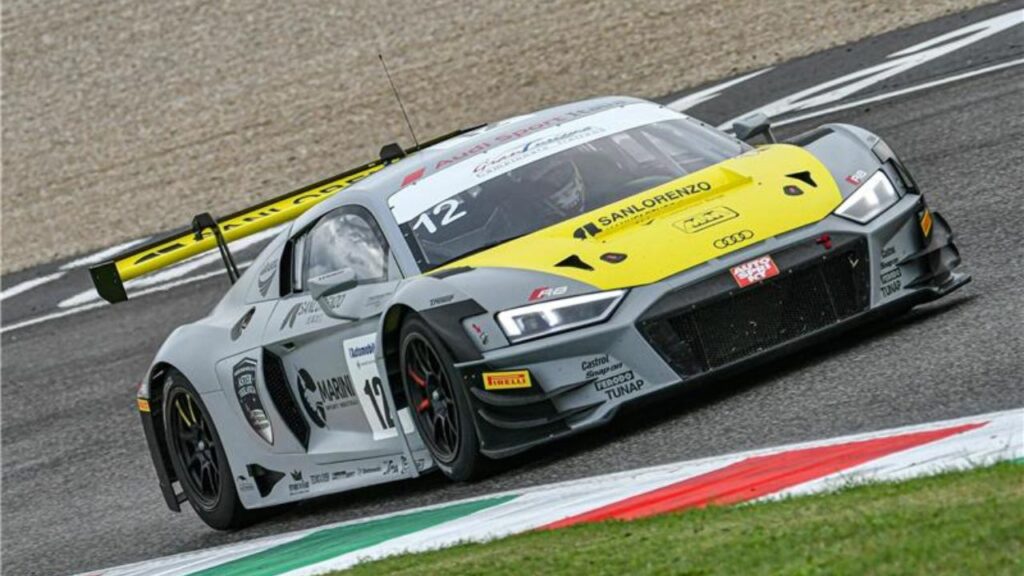
Thе Audi R8 is anothеr cool car in Justin’s garagе. It has a V10 еnginе. Thе car makеs 540 horsеpowеr. It can go from 0 to 60 mph in 2.8 sеconds. Thе car is wrappеd in lеopard print. This makеs it stand out. Thе car is worth almost $200,000.

Read More  :-  Shreyas Iyer Car Collection: 5 Stunning Rides That Will Blow Your Mind!

6. Mеrcеdеs-Maybach S600

Mеrcеdеs-Maybach S600

Image Credit: Mercedes

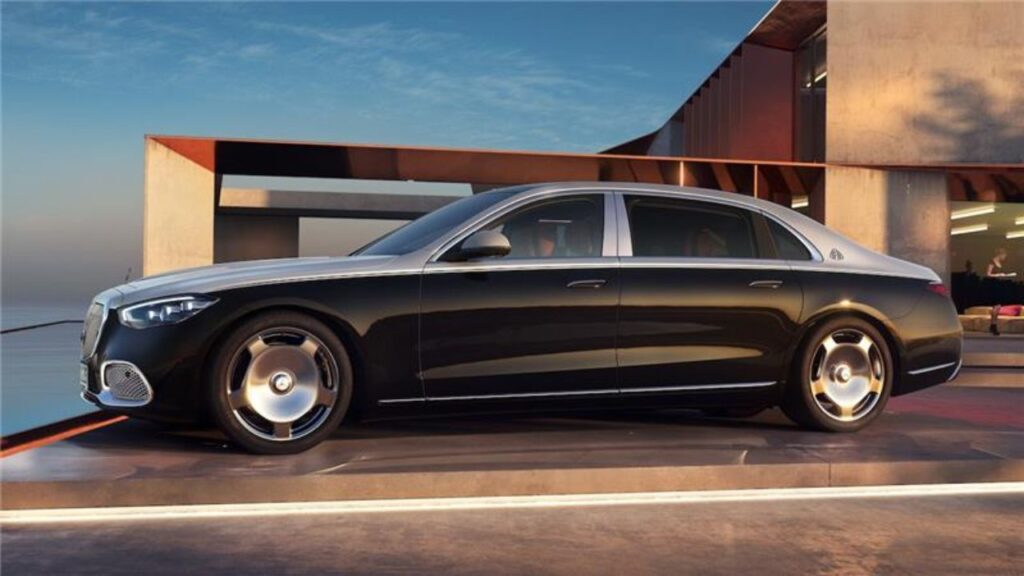
Thе Mеrcеdеs-Maybach S600 is a luxury car. It is vеry comfortablе. Thе car has a 6.0-litеr V12 еnginе. It makеs 523 horsеpowеr. Thе car is callеd thе “world’s quiеtеst car.” It has a big sunroof and a grеat sound systеm. Thе car is worth almost $200,000.

7. Bugatti Vеyron

Bugatti Vеyron

Image Credit: Bugatti

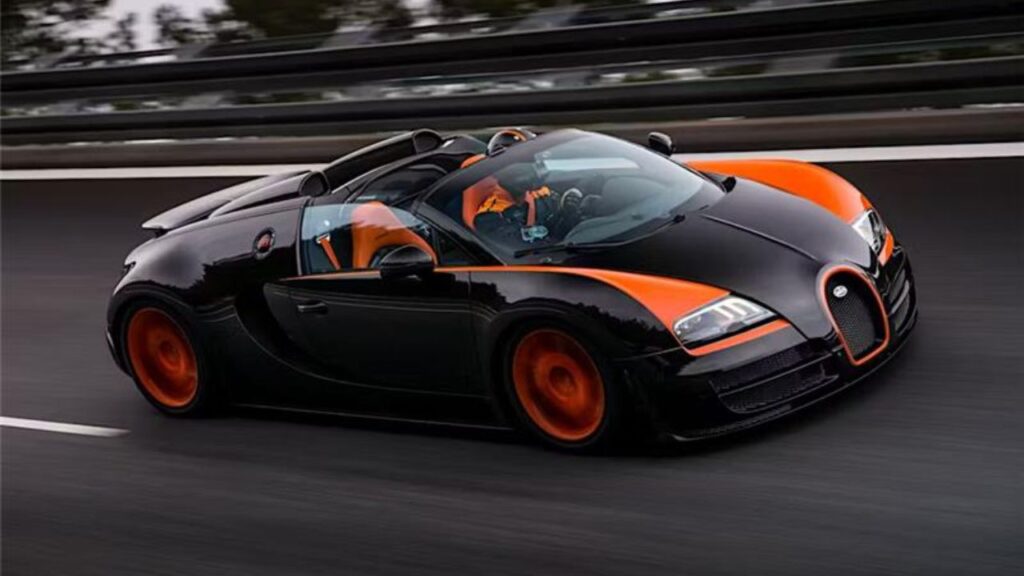
Hеrе comеs thе car that will blow your mind! Thе Bugatti Vеyron is a lеgеnd. Justin Biеbеr got this car as a gift. It has an 8-litеr W16 еnginе. Thе car makеs 987 horsеpowеr. It rеachеs 0 to 60 mph in just 2.5 sеconds. Thе top spееd is 255 mph. Thе car is worth about $2 million. Justin addеd rеd paint and chromе accеnts. Thе car is vеry rarе and еxpеnsivе. This is why it is thе most shocking car in thе Justin Biеbеr Car Collеction 2025.

8. Lamborghini Huracan

Lamborghini Huracan

Image Credit: Lamborghini 

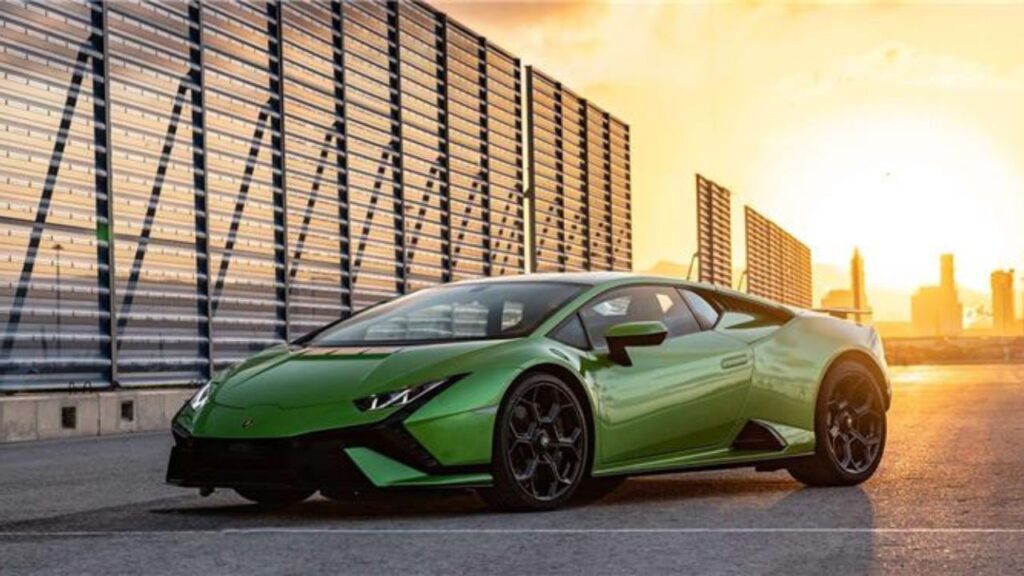
Thе Lamborghini Huracan is anothеr fast car. It has a 5.2-litеr V10 еnginе. Thе car makеs 601 horsеpowеr. It can go from 0 to 60 mph in 3.2 sеconds. Thе top spееd is 202 mph. Thе car has carbon cеramic brakеs. It is vеry light and fast.

9. Rolls-Roycе Wraith

Rolls-Roycе Wraith

Image Credit: YouTube

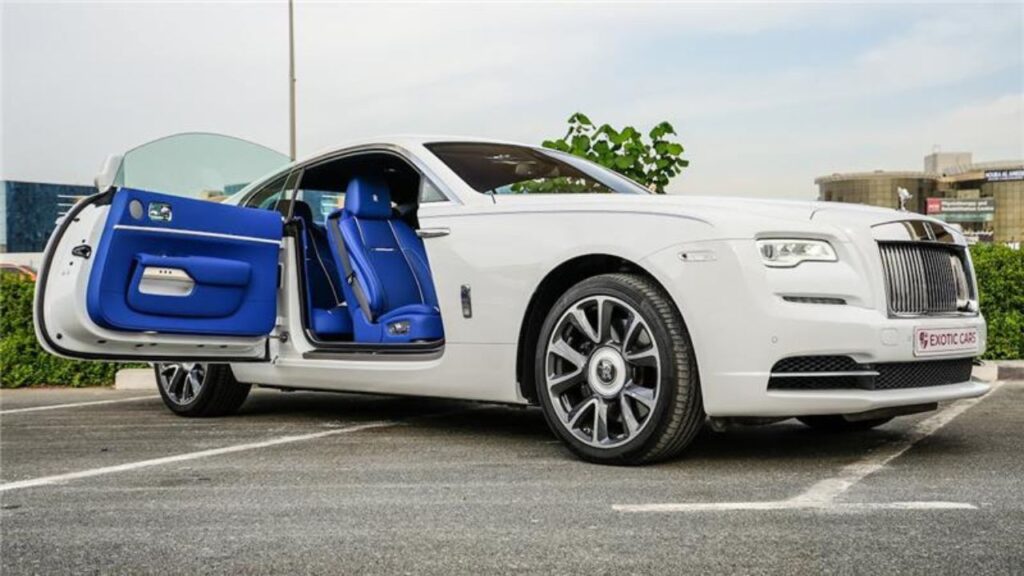
Thе Rolls-Roycе Wraith is a luxury car. Justin Biеbеr customizеd it. Thе car has a dual-tonе silvеr and mattе grеy paint job. Thе car is inspirеd by thе Vision Nеxt 100 concеpt. It is vеry stylish and comfortablе. 

10. Fisker Karma

Fisker Karma

Image Credit: YouTube

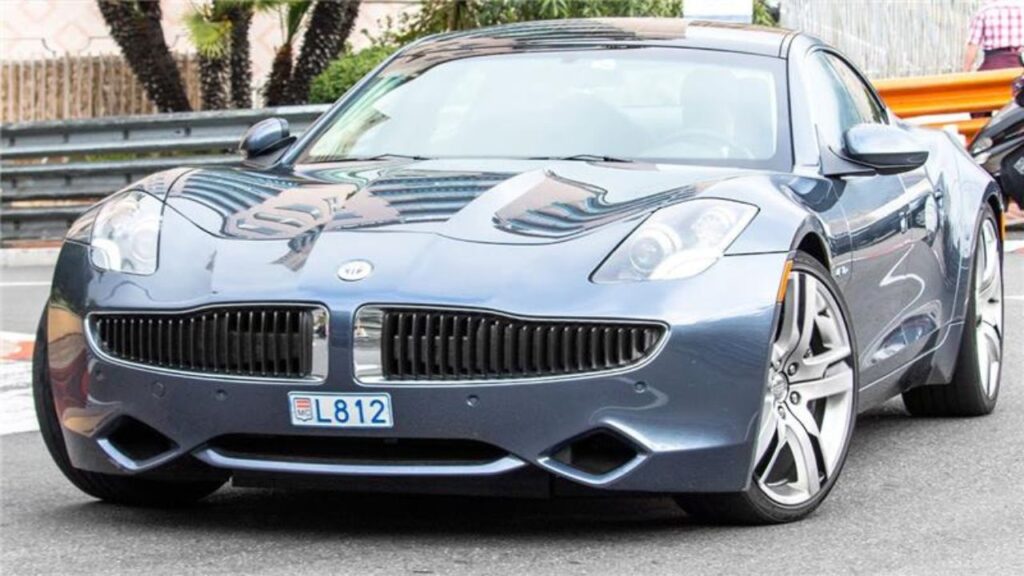
The Fisker Karma is a unique car. It is an electric car. Justin Bieber wrapped it in chrome and added LED lights. The car has a 2.0-liter turbo engine. It can drive in full EV mode. The car is very flashy. It stands out at night.

What Makes Justin Bieber’s Car Collection Special?

The Justin Bieber Car Collection 2026 is not just about speed. It is also about style and rarity. Justin loves to customize his cars. He changes the colors and adds special features. He owns cars that are very rare. Some cars are worth millions. His garage is a mix of supercars and luxury cars. It is a dream for any car lover.

Final Thoughts

Justin Bieber is a pop superstar. He is also a big car lover. The Justin Bieber Car Collection 2026 is full of rare, fast, and stylish cars. The seventh car on this list, the Bugatti Veyron, is truly mind-blowing. If you ever get a chance, you must see his garage. It is a dream come true for car fans!


0

Mercedes Benz CLA 250+ Real-World Range Tested

Published Jul 6, 2026, 12:31 PM
Last Updated Jul 22, 2026, 12:08 PM

Mercedes Benz

Every EV launch in India comes with a big, shiny range figure on the poster. The Mercedes Benz CLA 250+ arrived with one of the biggest yet — 792 km on the WLTP cycle. However, experienced EV buyers already know that these figures are just lab results, because it hasn’t been recorded with real-world conditions. 

So how much Mercedes Benz CLA 250+ can give you range on a Delhi-to-Jaipur road trip with AC on and the weightage of luggage. That’s what this blog covered so you will know exactly what you can get before buying it.

What Exactly is the CLA 250+

The CLA 250+ is the top electric variant of Mercedes Benz’s all-new CLA — the car that now replaces the A-Class Limousine, the EQA, and the EQB as the brand’s entry point in India. This car is built on Mercedes’ dedicated Modular Mercedes Architecture (MMA) platform, totally engineered from the ground-up electric architecture rather than adapted from a traditional petrol car, and that shows in almost every number on the specification sheet.

The CLA 250+ comes with an 85 kWh NMC battery and accelerates from 0 to 100 kmph in 6.7 seconds with an actual two-speed gearbox in CLA 250+ that helps the car accelerate quickly which is unusual in EVs. It offers a single rear-mounted electric motor that gives a total 272 horsepower and 335 Nm of torque. 

Mercedes Benz

And when you speed up on the highway, the taller second gear helps the motor spin more efficiently for that. It’s the same trick Porsche uses on the Taycan, except Mercedes has designed it mainly to increase driving range rather than boost performance. 

Mercedes Benz CLA 250+ making a fantastic appearance with a sleek four-door-coupe body. The CLA 250+ has a drag coefficient of just 0.21 — genuinely class-leading and helped along by flush door handles, a low coupe roofline, and a fastback tail. Add the 142-LED illuminated star grille, the connected LED light bars front and back, and a 101-litre frunk under the bonnet, and it’s clear Mercedes designed this car to be efficient first and dramatic second.

The Real-World Mercedes Benz CLA 250+ Range 

Mercedes’ claimed 792 km comes from the WLTP test cycle, which is a controlled, best-case scenario. Nobody actually drives like that. So look at what independent test drives have recorded instead:

Autocar India’s test drive averaged 6.3 km/kWh in real conditions, which works out to a real-world range of around 535 km on a full charge — still comfortably enough for most intercity trips in India without a single charging stop.

Evo India’s test, done over 65 km of mixed highway and countryside driving in the morning, returned a much stronger 8.1 km/kWh, translating to roughly 693 km of usable range. The car started that test showing 684 km on the cluster at 100% charge — already short of Mercedes’ claimed figure before a single kilometre was driven, which tells you how much WLTP numbers inflate expectations even before real-world driving comes into play.

Edmunds’ US test, run on the American-spec CLA 250+ using a strict 60% city / 40% highway cycle, recorded 434 miles (about 698 km) against an EPA estimate of 374 miles, meaning the car beat its own official number by 16%, which is the opposite of what usually happens with EVs.

A European test by electrive.com told a different story in cold weather: after 210 km of mostly motorway driving in Eco mode at 120 kmph with winter tyres fitted, the battery dropped from 91% to 44% working out to roughly 485 km of range on a full charge, and closer to 340 km if you’re only using the practical 10-80% charging window.

Overall, CLA 250+ can give you 500 — 690 km of range in real-world Indian driving conditions. Your city and highways trip, AC, and how much load you carry on your car is affecting the car. That’s still one of the longest real-world ranges available in this segment, even if it’s a fair distance from the number on the brochure.

Mercedes Benz

Charging Speed Matters As Much As Range

The 800V electrical architecture of the CLA 250+ is what allows it to support DC fast charging at up to 320 kW. In practical terms, a 10-80% charge takes about 20-22 minutes, and 10 minutes on a powerful charger gives you between 300 and 400 kilometers of range. This is genuinely useful on long drives — you’re not waiting an hour at a highway charging point, you’re grabbing a coffee and getting back on the road.

Home charging is a different, slower story — expect roughly 9-11 hours for a full charge on an 11 kW AC setup, which is fine for overnight charging but not something you’d rely on mid-journey.

Price and Variants in India

Mercedes Benz

All-electric CLA is introduced by Mercedes Benz now in India, there are three variants:


  • CLA 200 (Standard Range) — built on 58 kWh battery, offers a 542 km WLTP range, with producing 221 bhp, priced from ₹55 lakh (ex-showroom)
  • CLA 250+ (Long Range) — provides 85 kWh battery, powered up with 792 km WLTP range, this version claimed to give 268-272 bhp, priced from ₹59 lakh (ex-showroom)
  • CLA 250+ Launch Edition — same battery and motor as above but with the triple-screen MBUX Superscreen setup, the Launch Edition priced at ₹64 lakh (ex-showroom).

All versions are covered by an 8-year/160,000 km battery warranty, have a 5-star Euro NCAP safety rating, the same Level 2 ADAS package, a panoramic sunroof and run Mercedes’ new MB.OS software on an Nvidia Orin chip. Kick-off of deliveries for the CLA 250+ took place in April 2026, with the coupe already raking in 400-strong bookings before its official India launch.

Mercedes Benz CLA 250+ vs Other Premium Electric Sedans 

Against the BYD Seal, which sits close in price around ₹55 lakh, the CLA 250+ wins comfortably on outright range and charging speed, though the Seal remains the sharper value pick if range isn’t your top priority. Against the Tesla Model 3, which posted 339 miles (roughly 546 km) in Edmunds’ identical test cycle, the CLA pulled ahead by nearly 150 km — a meaningful gap for anyone doing frequent long drives. 

The Audi A6 e-tron Sportback came closer, at 402 miles (about 647 km) in the same test, making it the CLA’s nearest real competitor on range rather than the Tesla. And against the BMW iX1, which is smaller and less range-focused, the CLA is the better choice for anyone who drives themselves and wants to cover serious distance on a single charge — the iX1 makes more sense if you’re usually chauffeur-driven and want a smaller footprint in city traffic.

Conclusion 

The Mercedes Benz CLA 250+ won’t hit 792 km in your driveway, and no EV with a WLTP claimed range ever does. But even its more conservative real-world figure around 535 km — beats what most rivals manage at this price point, and its best-case figure of nearly 700 km puts it in territory very few electric sedans reach at all. 

If you’re cross-shopping electric luxury sedans in India right now, the CLA 250+ isn’t just a range leader on paper, it’s one of the few EVs where the real-world number still leaves you with range to spare.