0

Rinku Singh Car Collection: From Maruti Swift to Fortuner Legender

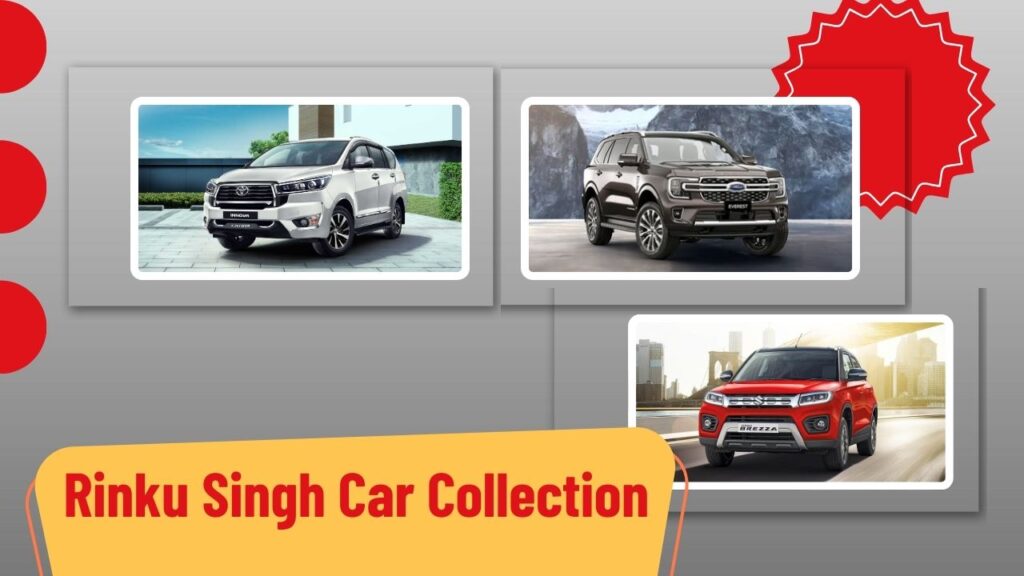
Rinku Singh Car Collection

Rinku Singh car collection is not about the cars, but a reflection of his journey, who he is as a person and where he comes from. Riding a bicycle on the roads of Aligarh city, peddling cooking gas cylinders, to emerging as one of his country’s most dependable and thrilling finishers, his journey has been one of sweat and humility. That same grounded mentality is evident in the cars he owns. Rather than flashy supercars, Rinku has opted for sensible, reliable vehicles – vehicles that align with his values and priorities in life.  

Rinku Singh Car Collection at a Glance

Car Model Approx Price (₹) Segment What It Reflects
Maruti Suzuki Swift 7–8 lakh Hatchback Simplicity and first success
Maruti Suzuki Brezza 12–14 lakh Compact SUV Practical daily usability
Mahindra Scorpio-N ~15 lakh SUV Power and toughness
Toyota Innova Crysta ~25 lakh MPV Family-first mindset
Ford Endeavour ~40 lakh Premium SUV Strength and adventure
Toyota Fortuner Legender ~60 lakh Luxury SUV Career peak and confidence

The Maruti Swift: His First Four Wheels

Fast forward to a few more years of unrelenting toil and sacrifice.. After playing his first game in the Ranji Trophy and confirming his place among India’s best cricketers, Rinku at last made the jump into four wheels. His very first car was a Maruti Suzuki Swift—practical, affordable, and insanely popular among young professionals in India.
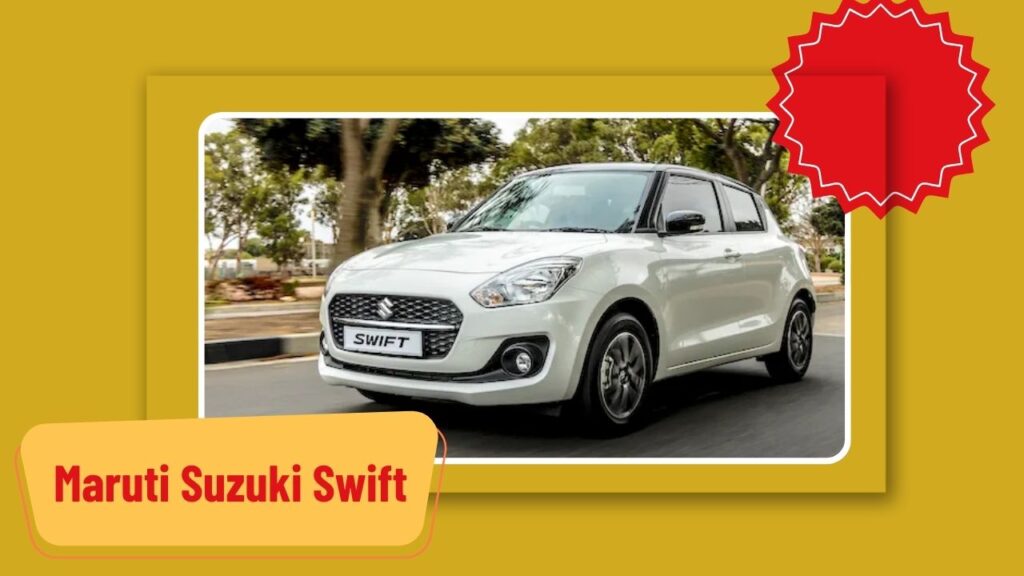
The Maruti Swift

It’s somehow beautifully poetic to make this choice. While other cricketers might have jumped to luxury imports, Rinku went for a car that mirrored what he values in life – dependable, efficient, and understated elegance. 

The IPL Boom: When the Garage Expanded

His power-hitting late in the innings and that unforgettable 2023 game where he hit back-to-back sixes to snatch victory from the jaws of defeat made him a household name. Suddenly, the sponsorships started flowing, the match fees increased and KKR went all out to value his services at ₹13 crore for the ipl 2026. Now with their new found financial freedom, Rinku’s garage expanded its horizons.

​He also added the Maruti Suzuki Brezza, a compact SUV that has emerged the most popular Indian brand in the budget SUV space. Closely followed was the Toyota Fortuner Legender, a performer that outshines the ordinary with its 2.8-litre diesel engine producing 201 horses. The Fortuner was more than just an upgrade, it was proof that Rinku was a force to be reckoned with! At a price of around ₹60 lakh, this SUV plays the holder of his garage as the crown jewel—competent, powerful, and tellingly premium.​ 

A Collection That Reflects Character

What makes Rinku’s car collection interesting is not the price tags but the personality that emerges from the collection. His garage is a lesson in how a grounded man views success — pragmatism and purpose.
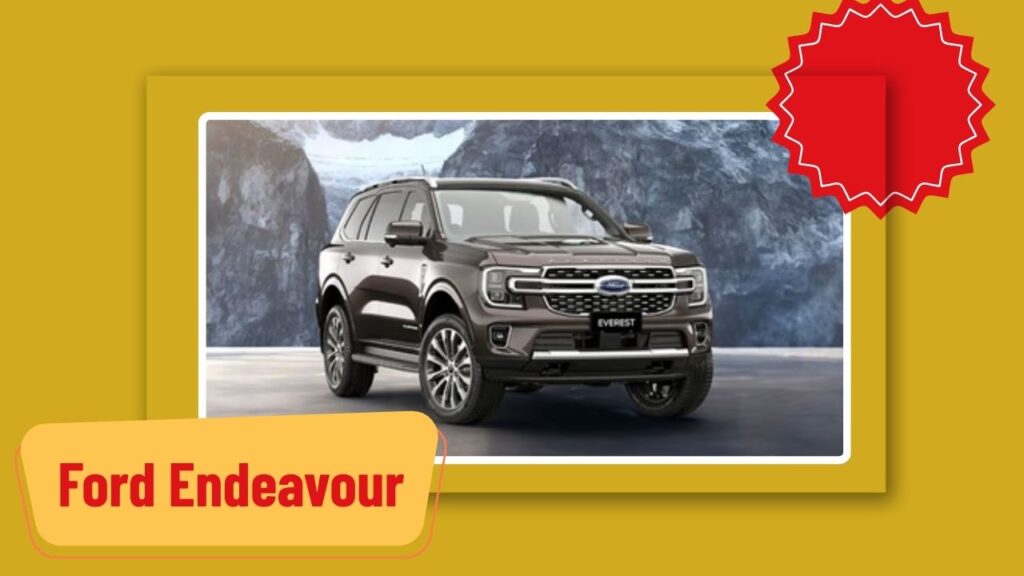
Ford Endeavour

Among his vehicles is the Ford Endeavour that costs around ₹40 lakh, which also happens to be his priciest car. A tough, adventure-ready SUV, dependable and unafraid of the outdoors, the Endeavour is much like Rinku – rugged, dependable and made for the challenges of the world outside.

​The Toyota Innova Crysta, priced at around ₹25 lakh is a reflection of his family-centric values. This is someone who wants to be comfortable and have space — maybe parents, to whom he dedicates his journey, maybe teammates and friends who accompanied him on his cricket journey. 
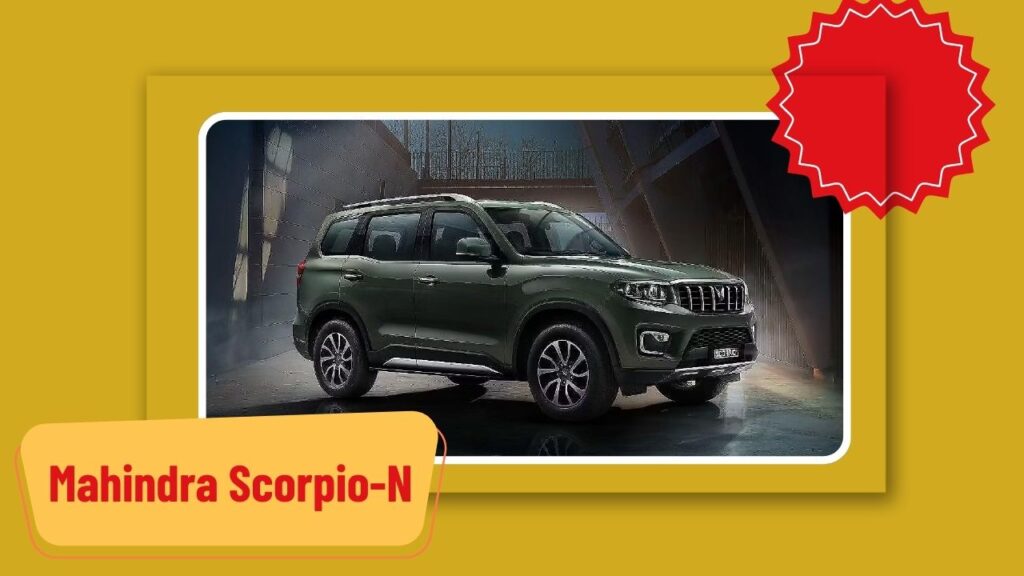
Mahindra Scorpio-N

At around the ₹15 lakh mark, the Mahindra Scorpio-N is the final piece in his SUV puzzle. Like the man himself, it’s built for brute power, off-road ability and no-nonsense motoring. 

More Than Metal and Horsepower

This is what really differentiates Rinku Singh’s collection: it’s not for showing off. A multi-crore cricketer could easily own a Ferrari or a Lamborghini. Rather, Rinku selected cars that addressed actual needs: safe family transportation, comfortable long-distance travel, and dependable daily commuting. His priciest vehicle, the Ford Endeavour at ₹40 lakh, would not even dent the paint of what some Bollywood stars shell out on single cars. 

Read More:-  Nissan Cars Launching Two Titans Together in India: Nissan Gravity MPV and Tekton SUV

Conclusion

Rinku Singh car collection sends a message: success doesn’t always need to shout. Though he earns multi-crore contracts, he has deliberately refrained from ultra-luxury show-stone vehicles that are unpredictable, but.vignal vehicles that was aregeatt n.r families needs—comfort, long-distance reliability, and everyday practicality. SUVs like the Ford Endeavour and Toyota Fortuner have become a sign of how far he has moved on, while cars such as the Swift and Innova Crysta keep him anchored to his roots. Much like his batting technique, Rinku’s garage is simple, efficient, and ruthlessly effective when he needs it to be. 

Bipin Sharma

Bipin Sharma is a seasoned automotive content writer with over 10 years of hands-on experience in the world of cars. From the latest car news and reviews to in-depth maintenance tips and expert buying guides, Bipin covers everything that drives the automotive world. Writing about cars isn’t just his profession — it’s his passion. His deep industry knowledge and love for automobiles fuel every blog he creates, helping readers make informed decisions and stay updated on the fast-evolving auto landscape.

Leave a Reply

Your email address will not be published. Required fields are marked *

Hatchbacks Make a Comeback as GST 2.0 Tax Relief Boosts Demand in India

Hatchbacks Make a Comeback

Hatchbacks Make a Comeback due to drastic policy change in late 2025 which turned around the Indian auto industry. With the changed GST rules alleviating the tax on small cars, affordability once again took centre stage, especially for middle class buyers. With the prices settling and the value for money improving, these small, functional cars again became the go-to cars for first time car lovers and city commuters in the whole nation. 

A Major Tax Reform

The industry’s moment of truth came on September 22, 2025. The Indian GST Council announced a big tax slash to make small cars more affordable to middle class. 

Key Changes in Taxation

Earlier, small cars were weighed down by a complicated tax regime. The new regime simplified this to a great extent:

  • Old Tax Rate: Shipment of goods was 28% GST and additional 1% to 2% cess which took the total tax burden to about 30%. 
  • New Tax Rate: 18% GST fixed rate with no additional cess.
  • The car should be under 4 metres in length and must have an engine capacity of not more than 1200cc in the case of petrol models or 1500cc for the diesel variants. 

Direct Impact on Car Prices

The cut in tax resulted in a nearly instantaneous fall in prices at the showroom. For a lot of families, that just made owning a car went from a distant dream to something they could really afford.

Hatchbacks Make a Comeback

Price Comparison of Popular Models

The tabulation below shows how some of India’s favourite hatchbacks were impacted on-road by the tax reduction: 

Car Model Previous Price (Approx.) New Price (Approx.) Total Savings
Maruti Suzuki Swift ₹8.44 Lakh ₹7.66 Lakh ₹78,000
Maruti Alto 25-30% Reduction ₹3.70 Lakh Significant
Maruti S-Presso 25-30% Reduction  ₹3.50 Lakh Significant

Market Performance and Sales Growth

The post-reform numbers tell of a swift turnaround. Fourth Quarter (oz 2025 Nail Hatch) Hatchbacks recorded a significant rise in market share.

  • Market Share Gain: Hatchbacks accounted for 24.4% of total vehicle sales, up from 23.5% earlier this year.
  • Growth on the year-over-year basis remained robust with the top-selling models Hyundai i20 and Tata Altroz witnessing sales growth of 20% over the same period last year. 
  • New Buyers: First-time buyers have risen by 5% at Maruti Suzuki, indicating that the tax relief was well targeted at those graduating from two-wheels. 

The Maruti Suzuki Success Story

Maruti Suzuki which is the undisputed leader in the small car segment witnessed the most dramatic results. In December 2025, these entry level models alone saw a growth of 91.8% year-on-year. The surge was so high that the waiting period for new cars reached up to six weeks in a few cities. 

The Maruti Suzuki Success Story

Why the Resurgence Matters

It is a retaliation that is more than just about slashing prices and it is in fact addressing the basic Indian consumer psyche. With stringent safety and emission norms pushing up car prices, the middle class had started worrying if it would be able to afford one, and the tax relief significantly brought back these and other consumers. 

At the same time, removing the cascading tax—tax on tax—allowed the entire production line to become more efficient and less costly. But more than anything, it revived the long-nurtured “first car” dream since hatchbacks are the most viable and easiest means to become a four-wheeler owner for lakhs of two-wheeler users across the country. 

Is the Comeback Sustainable?

Although the pace of growth is impressive now, experts are cautiously optimistic. The biggest challenge continues to be the long-term change in consumer taste away from cars and towards SUVs, which a large number of customers consider to be safer or more upscale. 

Outlook for 2026:

  • Tata Motors anticipates its hatchback portfolio to grow in the range of high-teens to 20% in the next few months.
  • Market Correction: analysts are keenly eyeing the January–March 2026 quarter to determine whether this represents the start of a permanent correction in the market or just an over-reaction to the price declines. 

Read More:-  Sultan Hassanal Bolkiah Car Collection: Inside the World’s Largest Garage

Conclusion

The GST 2.0 clarification has breathed new life into the hatchback segment. After killing the small car segment in the navy, the government has stimulated the engine of the Indian car industry by making small cars accessible once again. Can hatchbacks make a full comeback and retake the title from SUVs is yet to be seen, but they are definitely back in the race, for now. 

Sharey Khan

Sharey Khan is an IT entrepreneur and petrol head & a car enthusiast. With a special focus on car-related content, he combines his deep passion for vehicles with a talent for crafting informative, engaging, and easy-to-understand content. His writing is driven by a genuine love for cars and he is committed to providing readers with accurate, up-to-date, and trustworthy information that empowers smarter driving decisions. 

Leave a Reply

Your email address will not be published. Required fields are marked *

Audi vs Mercedes: Which is the Best Used Cars for Resale in 2025

Audi vs Mercedes

In the changing landscape of luxury cars, the ability to own a car that retains its value is a huge plus. When shopping for a premium used car in 2025, two titans that frequently come up are Audi and Mercedes-Benz. The two have really good engineering, prestige, and performance, but how do they compare in terms of resale value? So, if you’re considering a foray into the luxury pre-owned market this year, a little knowledge here could save you some cash and make for a less bumpy ride while you’re enjoying it. 

The Importance of Resale Value in Luxury Cars

Luxury cars generally depreciate faster than more mainstream makes. It’s a reality that most buyers have to grapple with: a new car loses a chunk of its value as soon as it drives off the lot. Still, how much it loses — and how quickly it depreciates — varies significantly between makes and models. In the case of luxury cars, this depreciation is typically rather steep in the first few years, but then it levels off as the car gets older.

Resale value is important because it indicates how much money you will recoup when you upgrade or get rid of your car. A car that holds its value well is generally more buyer-friendly as well, making it a better investment in the long run. 

Audi vs. Mercedes-Benz: Who Holds the Crown?

When comparing Audi vs. Mercedes-Benz, remember their resale value because it will become a financially strong decision. Both have different time-periods for resale options, as these manufacturers have differing behaviors in each of those time periods.

Mercedes-Benz: The Short-Term Resale Champion

Mercedes-Benz is a blend of luxury, reliability and prestige, that play a big part in its resale value. The make is particularly good at holding onto early ownership value. For example, the Mercedes E-Class generally recoups 55-60% of its original value after three years — a good number for the luxury class.

Mercedes-Benz

Why does Mercedes succeed so well? For one, there’s the brand’s cachet. Mercedes has a broadly established name and its service networks are vast especially in metro cities like delhi mumbai and bangalore. That gives buyers confidence that they won’t have a headache taking care of and servicing their car, which is a big plus when they go to resell it. 

There are used versions of the E-Class, the C-Class, and even the GLC SUV that are in high demand. In particular, the GLC capitalizes on increasing demand for luxury SUVs, occupying a solid position in the minds of buyers looking for a good premium compact SUV. 

Audi: The Long-Term Value Contender

Among premium brands, however, Audi is a different beast. It may not be worth as much as a Mercedes the first three years, but like Audi, Mercedes has an incredibly high long-term value. Studies show that Audi has a 54.4% retention rate over five years, beating Mercedes-Benz by a large margin, which is around 48.6% during the same period.

Audi’s attraction is a stylish mix of technology and more affordable maintenance. Such models as the Audi A4 and Q3 combine luxury and practicality with initial outlay that’s a bit lower than comparable Mercedes models – which appeals to buyers worried about both cost and quality.

Audi

In particular, the Q3 and Q5 have gained a massive following among city consumers because of their small size, sporty design and fuel efficient driving. Also, resale values for petrol versions are increasingly higher, as emission regulations and buyers’ preference shift away from diesel versions. 

Key Factors Driving Depreciation and Value Retention

Luxury vehicles lose value rapidly, often shedding half or more of their original purchase price by the time they reach three years old. Here’s a quick summary of the patterns of depreciation that most luxury vehicles are subject to:

  • The first year sees the sharpest decline, usually 15-25 %.
  • Years two to three then follow with an additional 10-15% drop per year.
  • During the fourth and fifth years, the rate falls to around 8-10% a year.
  • In most cases after six years, the car holds its value with depreciation slowing down. 

Several factors influence this depreciation rate:

  • Brand Prestige and Recognition: The long-term positioning and brand loyalty of Mercedes-Benz also provides it with a layer of protection from the rapid depreciation.
  • Service and Maintenance Infrastructure: The extensive network of Mercedes service centers also provides reassurance to prospective buyers who are vary of maintenance costs.
  • Fuel Type Preference: Due to increasing environmental consciousness and regulatory norms, petrol cars generally hold better resale value as compared to diesel cars.
  • Urban Demand: Metro cities are the place to buy and sell luxury cars and this impacts the turnaround of models such as the Audi Q3 or Mercedes GLC. 

Read More:- Top 10 Most Fuel-Efficient Cars in India Under ₹10 Lakhs You Must See in 2025

What Brand and Model Should You Get?

If you’re only interested in gaining the highest resale value over a short period, Mercedes-Benz (and particularly the E-Class) tends to be the safer bet. The combination of luxury and comfort coupled with high demand in the used car market really keeps its value high in the first 3 years. 

Mercedes-Benz

On the other hand, if you plan on keeping your vehicle for a little longer or you want to spend a bit less up front, Audi’s A4, Q3 and others models have appealing value propositions. Their long term resale value, sleek designs and the fact that they tend to be cheaper to maintain also makes them the best choice for those who intend to keep their vehicles for five years or more.

Audi

The rising popularity of luxury compact SUVs such as the Mercedes GLC or the Audi Q3 makes these top choices in terms of resale value. With the world turning more towards SUVs, their demand that they have makes their used car market very appealing. 

Here is a list of popular Audi and Mercedes models Along with their approximate market prices in India & what they will cost in 2025! 

Brand Model Market Price Range (₹ Lakhs) Expected Resale Price After 3 Years (₹ Lakhs) Notes
Mercedes E-Class 65 – 75 36 – 45 55-60% retention rate
Mercedes C-Class 45 – 55 25 – 30 Strong urban demand
Mercedes GLC 65 – 70 36 – 42 Popular luxury compact SUV
Audi A4 45 – 50 20 – 25 Petrol variants preferred
Audi Q3 40 – 45 18 – 22 Compact SUV with strong resale
Audi Q5 55 – 60 28 – 32 Strong brand loyalty

Timing Your Sale for Maximum Value

What many people also don’t know is that a key to making the most of your investment in a luxury car is to sell it at the right time. The sweet spot is usually about three years. At this stage, your car will have retained a hefty chunk of its original value, but you will have reaped most of the rewards of driving a new(ish) luxury car.

Keeping the car past five years is normally less about holding value, and more about holding the experience of ownership, unless you have an iconic, classic or rare model. 

Read More :-  Upcoming Car Launches in India for Diwali 2025

Conclusion

When it comes to picking between Audi and Mercedes-Benz for a used luxury car in 2025, it really depends on what you value most. For the short-term value, prestige, and service convenience, Mercedes-Benz will make you happier. Conversely, if you prefer a lesser upfront expense and a vehicle that retains its value well over the long haul, with excellent performance, then Audi could be the better choice.

Remember the effect of fuel type, model popularity and your location on resale values too. From the commanding presence of the Mercedes E-Class to the sleek and versatile Audi Q3, a little research and knowledge of depreciation can turn your luxury car experience into not only one of comfort but smarts when it comes to your finances.

Buying a luxury used car is a dance between passion and practicality, and in 2025 both Audi and Mercedes-Benz have plenty of intriguing choices for varied tastes and requirements. 

Sharey Khan

Sharey Khan is an IT entrepreneur and petrol head & a car enthusiast. With a special focus on car-related content, he combines his deep passion for vehicles with a talent for crafting informative, engaging, and easy-to-understand content. His writing is driven by a genuine love for cars and he is committed to providing readers with accurate, up-to-date, and trustworthy information that empowers smarter driving decisions. 

Leave a Reply

Your email address will not be published. Required fields are marked *

Maruti Suzuki e-Vitara to Feature Advanced Safety and Premium Equipment

Maruti Suzuki e-Vitara

When Maruti Suzuki at last arrived in the electric vehicles market with the e-Vitara, it wasn’t just another SUV — it was an Maruti Suzuki e-Vitara SUV that appeared to be crammed full of safety, comfort and luxury features. For a marque that was famed for making practical, no-nonsense family cars, this drift toward luxury and cutting-edge technology is refreshing, and, if we’re being honest, quite impressive.

The e-Vitara was in the news recently crashing a solid 5-star rating in Bharat NCAP, making it the first electric SUV in India to get a 5-star under the new testing regime. But what does that mean, really, as a buyer? It means Maruti has done something extraordinary: it has built a car that is truly safe, a car that shields you in ways that exceed not just those of any other Maruti before it, but that of any car, full stop. 

E-Vitara Conquered in Safety

Let’s talk about safety equipment first, because it’s really exhaustive. All e-Vitaras have seven airbags, including a driver-side knee airbag not offered by many competitors. But here is the interesting part: it is not only a safety checkbox. The whole structure of the vehicle is designed with safety in mind. Long story short, more than 50% of the body used high-tensile steel and the battery pack is secured with an energy-absorbing structure that helps to dissipate impact energy in the event of a crash. 

E-Vitara Conquered in Safety

What really distinguishes the e-Vitara, however, is its Level 2 ADAS (Advanced Driver Assistance Systems). This isn’t something you get on many cars in India, let alone from Maruti Suzuki. These systems include adaptive cruise control, lane keeping assist, automatic emergency braking and lane departure mitigation. Consider it as an additional perception on the road — the car is actively trying to keep you safe, not just responding after something bad happens. 

The 360-degree camera system is yet another well-conceived feature that makes parking on Indian city roads really conditioning-free. Together with front and rear parking sensors, electronic parking brake with auto-hold function, and a tyre pressure monitoring system, the e-Vitara makes daily driving a stressful experience to an expectable one. 

Read More :- New Kia Niro EV Price 2025 – Full Details, Features & Latest Updates

Premium Features That Actually Matter

Now let’s go past safety to the high-end features that really make driving everyday a pleasure. The interior quality is the first thing you notice when you step inside. Maruti has also given the e-Vitara a digital cockpit with a 10.1-inch infotainment touchscreen and a 10.25-inch digital driver’s cluster – both merged into a single, high-tech display layout. This isn’t just smoke and mirrors, the interface is user friendly, and includes wireless Apple CarPlay and Android Auto. 


Premium Features That Actually Matter

The convenience features are high in numbers also. Driver’s seat has 10-way power adjustment — best-in-segment for this category, so no matter what your height or preference, you will get the ideal driving position. The front seats are ventilated and the steering wheel even comes heated in most variants. For those riding in the rear, there’s a split rear seat (40:20:40) that reclines and slides, affording everyone in the vehicle true comfort for long hauls. 

The interior is further enhanced with an Infinity by Harman audio system, multi-color ambient lighting with 12 colors and 7 dimming levels. These may seem like frills, but they make the daily grind a little more tolerable. Throw in a panoramic roof and you have a vehicle that smells more like a million-bucks rather than what it actually costs. 

Modern Connectivity Features

Modern Connectivity Features

Maruti’s Next-Gen Suzuki Connect delivers 60+ connected features to the  e-Vitara. This translates to remote vehicle access, live location tracking, and vehicle health monitoring, all from your smartphone. It’s the sort of technology that makes driving nowadays feel like no-hassle, no-worry. 

Conclusion

What makes the Maruti Suzuki e-Vitara special is how Maruti has been able to integrate robust safety features with real premium-features, and not making the car feel over-engineered or unnecessarily complex. The 5-star Bharat NCAP rating is a testament to the company’s occupant protection, while the long list of premium features suggests they know what the modern Indian buyer wants.​

If you worry about your family’s safety, you crave the latest technology or you just want a car that makes no comfort compromises, the e-Vitara has you covered. It’s a car that shows electric doesn’t have to mean sacrificing on features — in fact, Maruti has taken the opportunity to do the opposite and significantly raise the bar for the entire range. 

In a segment increasingly dominated by safety and technology, the Maruti Suzuki e-Vitara raises the bar and that makes it an attractive proposition for those buyers who wouldn’t want to compromise on the best. 

Sharey Khan

Sharey Khan is an IT entrepreneur and petrol head & a car enthusiast. With a special focus on car-related content, he combines his deep passion for vehicles with a talent for crafting informative, engaging, and easy-to-understand content. His writing is driven by a genuine love for cars and he is committed to providing readers with accurate, up-to-date, and trustworthy information that empowers smarter driving decisions. 

Leave a Reply

Your email address will not be published. Required fields are marked *

New Kia Niro EV Price 2025 – Full Details, Features & Latest Updates

New Kia Niro EV

The 2025 Kia Niro EV is a total game-changer in the electric SUV class. If you’re considering an electric move without sacrificing comfort, style or practicality, this might just be the car you’ve been waiting for. So let’s take a closer look at what makes this little crossover such a thrilling proposition for green-minded drivers and adventure seekers alike. 

Niro EV Pricing Details

As far as the 2025 Kia Niro EV price is concerned, Kia offers an astonishingly good value-for-money package. The electric version begins at $40,995 for the Wind trim, which is quite affordable for a compact electric SUV. If you go for Wave trim, the price increases slowly, but the extra miles are worth it.​

To those in India curious about any possible pricing, the speculation is that if the Niro EV were to make a debut here, it could be priced in the region of ₹35 to ₹40 lakh, which would make it a really attractive premium cable option in the electric SUV segment. The recent penchant for EVs in India makes this a possibility to keep an eye out for. 

Niro’s Impressive Range That Won’t Let You Stop

Range anxiety is few and far between for the 2025 Kia Niro EV. With 253 miles of EPA-estimated range on one charge, this SUV will get you through your daily commute and weekend adventures. The car contains a 64.8 kWh battery pack that provides such excellent performance yet manages to be so efficient at 113 MPGe combined.​

Niro’s Impressive Range That Won’t Let You Stop

Everything is better charged and flexible. With a 240V home charger, you can charge the Niro EV from empty to full in about 7.5 hours. For those grab-and-go road trips, DC fast charging increases the battery from 10% to 80% in 45 minutes, long enough for a coffee break while your car is fuelled up. 

Unbeatable Design That Attracts Many Eyes

Kia’s design language has always been bold, and the 2025 Niro EV is no exception. The car comes with the signature ‘tiger face’ design at the front with eye-catching LED headlamps that makes it look clearly upscale. The body lines and the aerodynamic shape accompanied by the unique boomerang shaped LED rear lamps give the car a well-balanced modern and elegant look from every point of view.​

Unbeatable Design That Attracts Many Eyes

Its dynamic dimensions let you have an experience to drive comfortably in rush cities and perfect for road trips as it is large enough to carry everything so far. It offers 22.8 cubic feet of cargo capacity that can carry everything essential for the family trip including luggage, food or sporting equipment. 

Interior Experience That Feels Premium

Step inside the 2025 Niro EV and the Kia Electrified philosophy of placing sustainability at the convenience-first focal point of the cabin is immediately clear. The two-screen setup features a 10.25-inch digital instrument cluster, 10.25-inch touchscreen infotainment system, and includes mirroring support for wireless Android Auto and Apple CarPlay. It allows you to keep your eyes on the road when using the maps or music, or when making calls.​

New Kia Niro EV Interior Experience That Feels Premium

What really sets the cabin apart is Kia’s commitment to sustainable materials.The interior features vegan leather seats and is lined with bio-based materials, demonstrating a genuine pursuit of sustainability in manufacturing. The 8-way power driver seat with lumbar support and heated seats for the front and rear passengers guarantee that comfort isn’t an afterthought. 

It provides a complete luxurious ride with amazing comfort features like dual-zone air conditioning, wireless charging and ambient lighting, a combination of fully premium vehicles. 

Powerful Performance of Niro EV 

Niro EV has 201 horsepower and 188 lb-ft of torque, enabling it to offer a responsive performance without sacrificing efficiency. The motor ’s instant torque also contributes to a smooth, quiet ride that makes driving in the city enjoyable.​ 

The suspension tuning is make-or-break – and it’s perfect. Niro EV Takes both a fine job of smoothing out bumps and potholes without becoming floaty, so it’s at home on both finely polished freeway lanes and rough-and-tumble city streets. The front-wheel-drive system delivers sufficient grip and stability on different terrains. 

Read More:- Nissan Leaf Expected ₹30 Lakh Price With Detailed Guide on Features and Range

Safety and Technology Features

Kia didn’t hold back with the safety equipment. The 2025 Niro EV includes the full DriveWise suite of safety features, with forward collision-avoidance assist, lane-keep assist, adaptive cruise control, and blind-spot detection. Features like automated emergency braking, lane-departure warning, and lane-centering assistance come as standard.​

Other safety features are a series of airbags and a high-strength body structure, which protect passengers in all kinds of situations. 

Conclusion

The 2025 Kia Niro EV is a well-rounded electric SUV that doesn’t makes any compromises when it comes to practicality, comfort, or style. Whether you’re a city dweller, a weekend adventurer, or just someone who’s excited to make the jump into electric mobility, this car makes a strong case. Thanks to its excellent range, stylish cabin, safety-first philosophy and reasonable price, Niro EV has the potential to be the best selling green car for convoying drivers who don’t want their green dreams to come at the expense of everyday living. 

Sharey Khan

Sharey Khan is an IT entrepreneur and petrol head & a car enthusiast. With a special focus on car-related content, he combines his deep passion for vehicles with a talent for crafting informative, engaging, and easy-to-understand content. His writing is driven by a genuine love for cars and he is committed to providing readers with accurate, up-to-date, and trustworthy information that empowers smarter driving decisions. 

Leave a Reply

Your email address will not be published. Required fields are marked *

Nissan Leaf Expected ₹30 Lakh Price With Detailed Guide on Features and Range

Nissan Leaf

If you’re one of those people who thinks the future of driving is electric but you just haven’t made the jump yet, the Nissan Leaf might be the car to change your mind. Carrying an expected price tag of ₹30 lakh, this revolutionary EV is designed to disrupt the EV market in India by offering global standards and tried & tested reliability to your garage without burning a hole in your pocket. 

Why the Nissan Leaf is Creating a Buzz

Electric cars have always felt like something only the very rich could afford. But that story is being rewritten, with the Nissan Leaf. With over a decade of global real-world success, the Nissan Leaf is widely recognized as the most dependable and practical electric vehicle in the world. It is also the best-selling electric car in the world – over 6 million units have been sold worldwide. Now, with its introduction in India at ₹30 lakh, it is making electric mobility open to all and that is a game-changer. 

Performance That Actually Delivers

The Nissan Leaf’s Indian edition is powered by a 40 kWh battery pack that drives a 148 bhp electric motor which churns out 320 Nm of torque. Now if you’re not a number person, let’s talk about what that means: It’s more torque than a lot of run-of-the-mill petrol cars in the same price bracket, and it translates to acceleration that’s quick, smooth, and genuinely exciting. It goes from 0 to 100 km/h in less than 7.5 seconds – nothing supercar level, but not bad at all.

Performance Nissan Leaf

Image credit: Nissan

What makes this performance so special is the delivery of immediate torque. Unlike traditional engines that have to spin up, electric motors generate peak torque right away. This makes your daily city commute driving a breeze and highway overtaking a cinch. 

How Far Will It Really Go?

The Nissan Leaf goes some way to allay that worry with a single charge range of 195-240 km depending on the variant you choose and driving conditions. It’s not supposed to be your pick for a 500-km interstate road trip, but it is totally perfect for your daily commitment, your weekend runs or your jaunts around town.

Just think about your life on a standard day. Most Indians travel around 30-50 km daily. The Nissan Leaf does this with ease, and the ideal your everyday needs car needs to be able to do that. It’s also worth noting that in eco mode you can boost the range making it even better for those who mind How far they drive. 

Read More:-  Citroen Basalt X 1.2 Turbo Specs and Price Details Guide

Charging the Nissan Leaf is simpler than you might imagine

At a normal home charger a full charge takes around 7-8 hours. If you’re charging with a DC fast charger — which can be found at shopping malls, highways, and charging networks — you can go from 20% to 80% in just 40 to 60 minutes. That’s basically the amount of time you need for a coffee break.

The home charging cable is also supplied along with the intelligent charging management system of the vehicle, which allows you to set charging during the hours of low electricity rates, making it convenient and saving electricity bills. In addition, the charging port is waterproof and there is an advanced locking system, so you never have to worry about security or weather-proof! 

Features That Make It Feel Premium

Don’t let the ₹30 lakh price tag mislead you—there is an almond of salt that is packed with amenities found in cars costing much more than this. The car comes with 6 air bags, electronic stability control, hill start assist and advanced driver assistance systems (ADAS) that are comparable to vehicles three times its price. Automatic emergency braking with pedestrian detection, intelligent blind spot intervention all contribute to an even safer ride on JLR products.

Nissan Leaf Features That Make It Feel Premium

There is a modern touchscreen interface, ample comfortable seating, and an unexpectedly roomy cargo area with rear seats that fold down. In addition to the ambient lighting and the serene cabin, you tend to forget that you are driving — thanks to the an almost imperceptibly quiet electric motor. 

Why Choose the Nissan Leaf Over Competitors?

In the Rs 30 lakh category, you are eyeballing rivals like the MG ZS EV and Tata Nexon EV MAX. While the MG provides a marginally bigger range (461 km), Nissan Leaf makes up for it with better torque delivery (340 Nm vs. 280 Nm), tried and tested reliability for 10 years of real world, and a brand backing that is trusted the world over. The Tata is cheaper but has less features and the driving experience is less amazing than Nissan. 

The Real Game-Changer

What makes the Nissan Leaf different is its fact-based history. This is not a science-fiction car or a technology still gaining market experience. The Leaf is the world’s most experienced and most thoroughly tested electric car, having been on sale since 2010. 

Nissan Leaf The Real Game-Changer

Image credit: Nissan

You’re not the guinea pig—you’re part of a community of millions of happy owners who have already discovered that electric driving isn’t just practical but it’s truly better. 

Conclusion

At ₹30 lakh, the Nissan Leaf is a step change in the way India looks at electric mobility. It’s practical for everyday use, easy to charge, packed with features, and supported by the reputation of a global brand. If you’re a green driver, fed up with rising fuel costs, or just curious about what the future holds for mobility, the Nissan Leaf deserves your attention. The electric revolution isn’t coming – it’s here, starting at ₹30 lakh. 

Sharey Khan

Sharey Khan is an IT entrepreneur and petrol head & a car enthusiast. With a special focus on car-related content, he combines his deep passion for vehicles with a talent for crafting informative, engaging, and easy-to-understand content. His writing is driven by a genuine love for cars and he is committed to providing readers with accurate, up-to-date, and trustworthy information that empowers smarter driving decisions. 

Leave a Reply

Your email address will not be published. Required fields are marked *