0

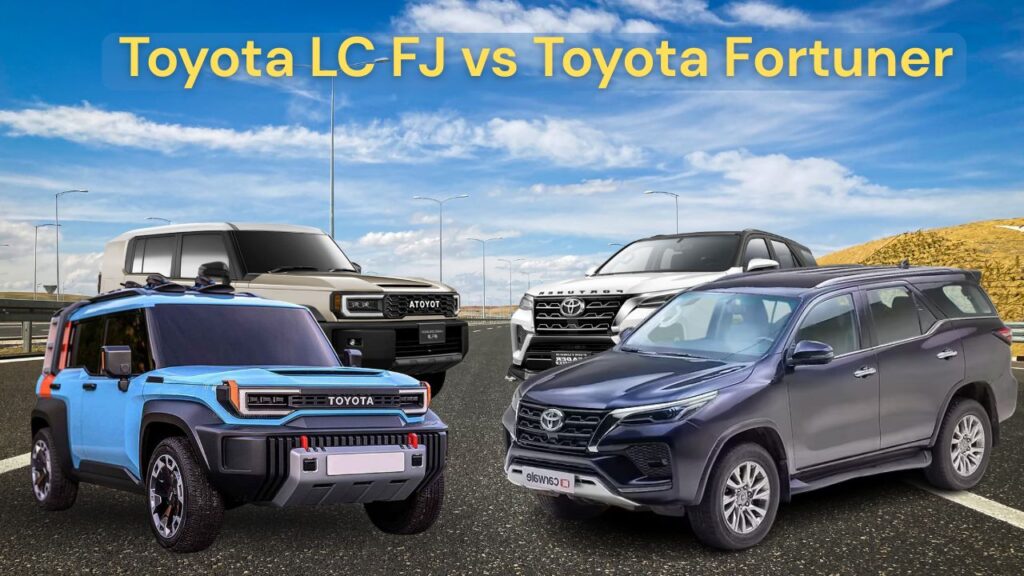
Toyota LC FJ vs Toyota Fortuner: The Shared DNA That Makes Them Siblings

Toyota LC FJ vs Toyota Fortuner

The automotive world was recently electrified when Toyota brought back the Land Cruiser FJ, fondly known as the “Baby Land Cruiser.” What is so interesting about this announcement is that the LC FJ is built on the same basic engine and platform as the popular Toyota Fortuner – essentially making them automotive siblings with a different attitude. But there are some features that are different from each other that make them stand in a different perspective. Buyers can check every detail through this article before buying it.

The Common Foundation: More Than Just Shared Parts

The Toyota LC FJ and Fortuner connection is far deeper than just a parts-bin-sharing exercise. Both are based on Toyota’s tried and tested IMV (Innovative International Multipurpose Vehicle) platform, a hardy ladder-frame chassis that has underpinned Toyota’s global pickup and SUV strategy since 2004. This platform has already been proven with more than 5 million vehicles worldwide with not only the Fortuner, but also the Hilux pickup and Innova minivan. 

The LC FJ employs in particular a modified version of the IMV platform, known as IMV 0, that Toyota designed to produce cheaper but just as capable vehicles for developing markets. Preserving the shape and off-road capabilities of the original IMV platform, the IMV 0 version utilizes cost-effective materials and production techniques. 

The Heart of the Matter: The 2TR-FE Engine

Perhaps the biggest similarity between these two SUVs lies under the bonnet. The Toyota LC FJ and Fortuner petrol variant comes with the same 2TR-FE 2.7 litre four-cylinder naturally aspirated petrol engine. This is not just similar spec – it’s the same engine code, same displacement and same core architecture. 
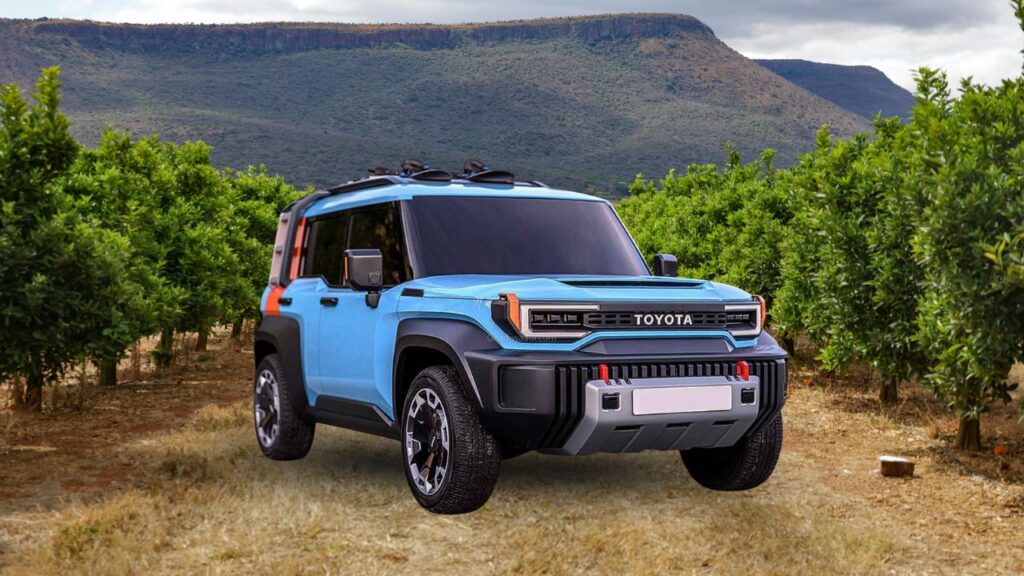
The Heart of the Matter The 2TR-FE Engine

The 2TR-FE produces 163 PS (160 hp) at 5,200 rpm and 246 Nm of torque in the LC FJ while the Fortuner petrol version produces almost the same numbers: 163 PS at 5,220 rpm and 245 N⋅m at 4,020 rpm. This is the first Toyota engine to employ its Dual VVT-i (Variable Valve Timing with intelligence) technology on the intake and exhaust camshafts which enables the engine to achieve maximum performance at any engine speed. 

The 2TR-FE is based on a cast-iron block with an aluminum cylinder head and features double overhead camshafts (DOHC) with 16 valves. The engine uses a timing chain instead of a belt, which has added to its reputation for reliability and low maintenance. 

Platform Similarities

Both vehicles are built on the IMV platform with a ladder frame chassis, which ensures high levels of structural rigidity and makes them exceptionally capable off road. This body-on-frame construction has several advantages. 

Shared Structural Elements:

  • Two wishbone front suspension for handling and off-road articulation superiority with an articulating rear suspension
  • Multi-link rear suspension engineered to deliver the right balance of comfort and capability
  • Engines mounted in-line for best weight distribution
  • 4WD power, with part-time systems available on the two vehicles. 

The LC FJ can provide a wheelbase of 2,580 mm as against 2,745 mm for the Fortuner, but both the vehicles boast nearly identical ride qualities and off-road capabilities. 

Read More :- What’s The Safest Family Car You Should Buy

Where They Diverge: Different Missions, Different Personalities

Yet, there are two entirely different markets and purposes for the LC FJ versus the Fortuner. 
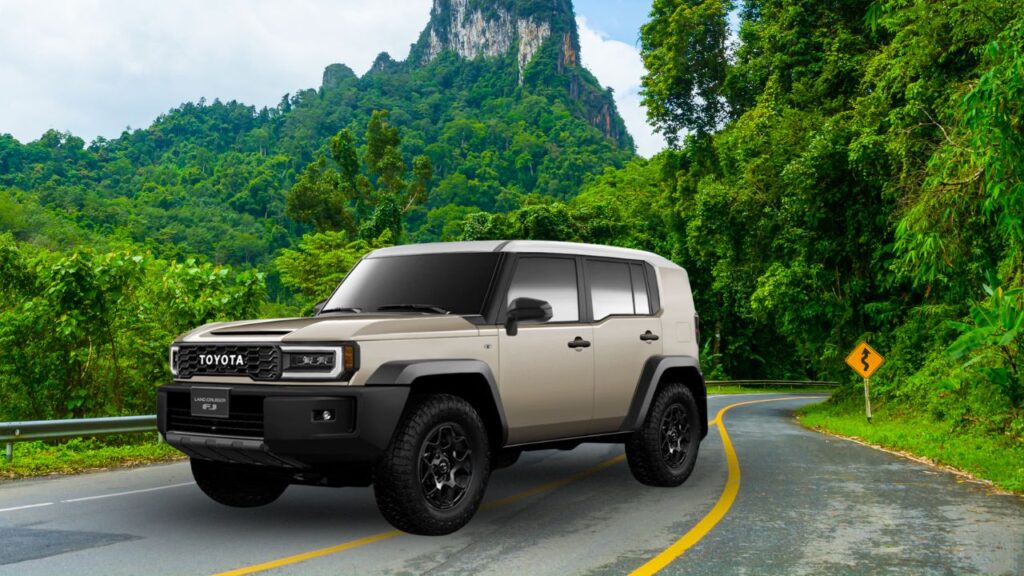
Where They Diverge Different Missions, Different Personalities

Size and Dimension

The first big gap is the size difference. The Toyota LC FJ is 4,575 mm long, which is 220 mm less than the length of the Fortuner of 4,795 mm. The Fortuner and LC FJ have the same width of 1,855 mm, but the LC FJ is taller at 1,960 mm compared to the Fortuner’s 1,835 mm height. 

Seating and Practicality

The LC FJ is available with five seats and two rows which makes it a more intimate, adventure-oriented vehicle. By comparison, the Fortuner has three rows and seven seats, making it the family-friendly option for those requiring the most passenger space. 

Engine Options: Choice vs. Simplicity

Both cars are available with the 2TR-FE petrol engine, but the Fortuner has more options with the 2.8-liter 1GD-FTV turbocharged diesel engine. The diesel version is every bit more powerful and torquey: 201 PS and 500 N⋅m , and it is the performance option for those who care most about towing pack and mileage. 

Contrarily, the LC FJ is all about simplicity, being petrol-only, which I suspect points to a Toyota strategy to keep the price down and the reliability up in those markets where the quality of diesel fuel can be suspect. 

Transmission and Drivetrain: Refined vs. Flexible

Both cars use 6-speed automatics, but different philosophies. The LC FJ uses Toyota’s 6-speed Super ECT automatic transmission in conjunction with part-time 4WD. It’s a simple system that focuses on ease of use and reliability for those who want to keep things basic. 
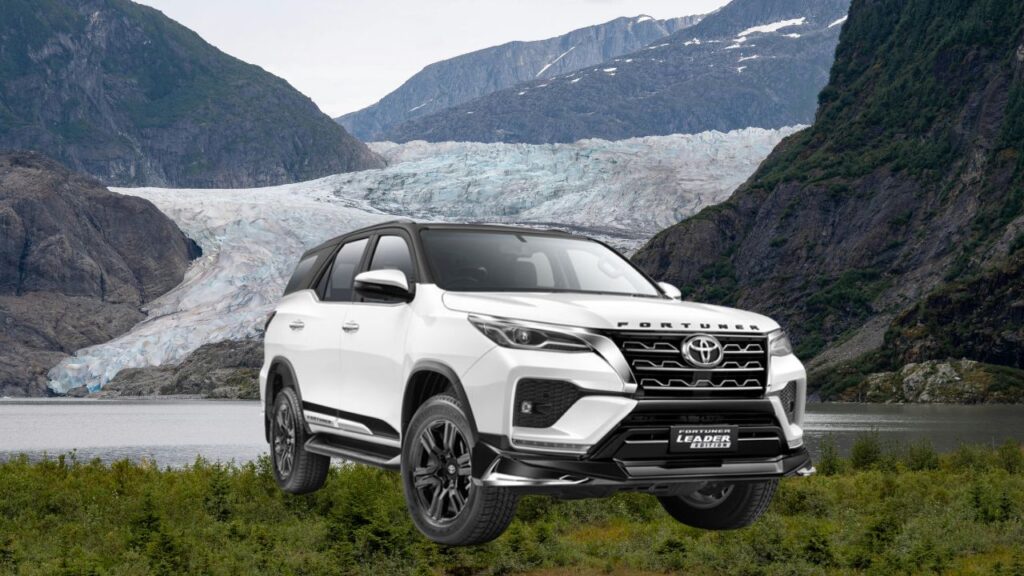
Transmission and Drivetrain Refined vs. Flexible

The Fortuner has more flexibility with manual and automatic transmission options across the engine range as well as 2WD and 4WD variants to suit the pockets and requirements of different customers. This flexibility allows the Fortuner to attract both city commuters and hardcore off-roaders. 

Design Philosophy: Heritage vs. Contemporary

The styling treatments illustrate different positioning of the brands. The LC FJ is inspired by Land Cruiser heritage, especially the legendary FJ40, with its boxy shape, round headlights and utilitarian look.This aesthetic resonates with enthusiasts that appreciate the Land Cruiser’s famous off-road heritage. 

The Fortuner gets a more contemporary SUV look, which is a perfect blend of ruggedness and modern sophistication.Its styling is aimed at buyers who want utility, but who don’t want their utility vehicle to look out of place on city streets. 

Market Positioning: Specialized vs. Mainstream

The LC FJ is aimed at adventure seekers and Land Cruiser fans who crave real off-road ability in a package that is more attainable and affordable. With its streamlined spec sheet and retro styling, it appeals to buyers for whom substance matters more than features. 
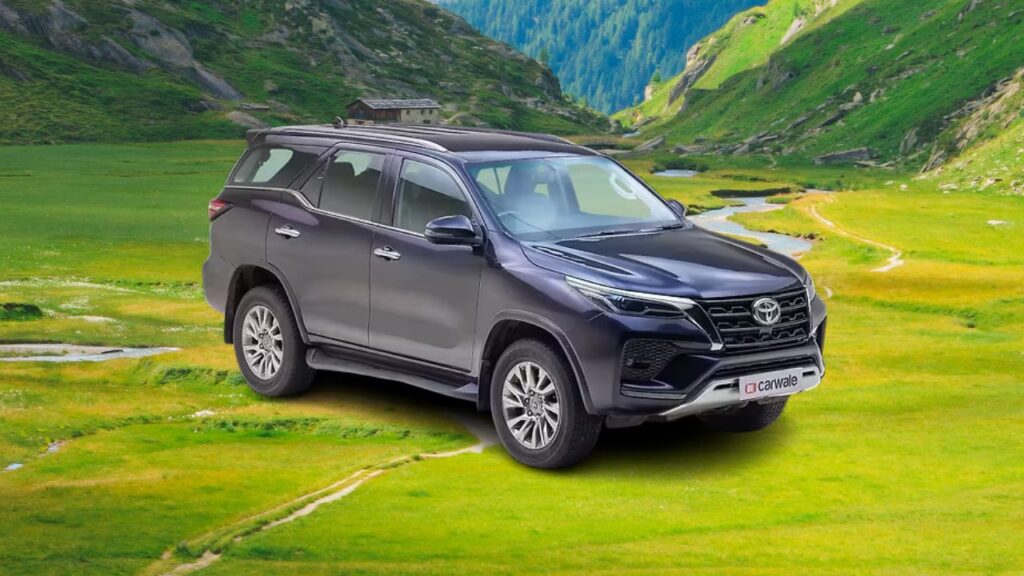
Market Positioning Specialized vs. Mainstream

Apart from the of Fortuner caters to the mass premium SUV segment with the comfort of choice across multiple engine options, seating configurations, and trim levels. It strikes the perfect balance between off-road prowess and refined on-road performance to make it your daily driver or weekend adventurer for the off-road trails. 

The Reliability Factor of The Proven Technology

Arguably the most exciting part about both products is that they are based on thoroughly proven designs. Since 2004, the 2TR-FE engine has covered millions of miles in various global markets and has a great reliability record. The IMV platform also has proven itself with over 5 million units produced with no major structural faults.This common technical baseline gives both vehicles the Toyota’s renowned durability and low cost of maintenance. 

Conclusion

The Toyota LC FJ and Fortuner are excellent examples of platform engineering – where common platform underpinnings are used to create completely different vehicles that cater to individual market needs. They have the same heart and bones, but different souls, and those different souls give each one a reason to exist in Toyota’s ever-growing SUV family. 

Be it the LC FJ’s genuine roots and stripped-back purpose, or the Fortuner’s flexible family-friendly angle, both promise the same dependable and capable ethos that has made Toyota’s IMV platform one of the most successful automotive architectures ever. 

Sharey Khan

Sharey Khan is an IT entrepreneur and petrol head & a car enthusiast. With a special focus on car-related content, he combines his deep passion for vehicles with a talent for crafting informative, engaging, and easy-to-understand content. His writing is driven by a genuine love for cars and he is committed to providing readers with accurate, up-to-date, and trustworthy information that empowers smarter driving decisions. 

Leave a Reply

Your email address will not be published. Required fields are marked *

Best Self Driving Cars in India 2025: Top Models, Prices & Features

Top self-driving cars in India with ADAS technology

The automobile market is changing rapidly with more advanced features. Cars emerging with high-end tech improves the capability for both driver and passengers, making their journey beautiful. Self-driving cars doesn’t mean that there will be no need for a driver. It just makes driving easy and safe with the Advanced Driver Assistance System (ADAS). Whether you use it for daily office travel or long trips, these best self-driving cars in India are creating a new era with comfort, reliability, and tech features. 

What is ADAS and why is it important?

ASAD is a system that comes from a group of technologies that makes driving safer and easier. It includes features such as Adaptive Cruise Control, Lane Departure Alert, Emergency Brakes, Collision Alert, and it comes on a different level. The level 2 is best for cars in India, level 2 ADAS includes control over steering and braking to some extent but the driver must be alert on the road. It is just making the driving easy, not holding the position of a driver. 

Let’s see some of the best self-driving (ADAS) cars of 2025

1. Mahindra XUV700

Starting Price: Rs. 13.99 Lakh 

The price of Mahindra XUV700 varies on the variants and it can go up to Rs. 26.99 Lakh. It offers Level 2 ADAS technology, petrol & diesel engine with manual and automatic transmission. 

Mahindra XUV700 SUV with Level 2 ADAS features

Image credit: Auto Mahindra

Features of Mahindra XUV700

Category Feature
Engine Options 2.0L Petrol , 2.2L Diesel 
Transmission Manual/Automatic
Seating Capacity 6 or 7
Panoramic Sunroof Skyroof (Panoramic)
Infotainment Dual 10.25” displays (instrument + media)

2. Hyundai Creta

Starting price: Rs. 11 Lakh

The Price of Hyundai Creta is depending upon the variants of the car which can raise up to Rs 20 Lakh. It offers Level 2 ADAS technology within its mid-range variants. 

Hyundai Creta mid-size SUV with ADAS technology

Image credit: Hyundai Creta

Features of Hyundai Creta

Category Feature Details
Engine Options 1.5L MPi Petrol, 1.5L Turbo Petrol, 1.5L Diesel
Power 113-157 bhp
Torque 143-253 Nm
Transmission 6-speed Manual, CVT, Automatic
Drive Type FWD
Mileage (ARAI) 17 – 21 kmpl
Ground Clearance 190 mm

Read More :- Toyota RAV4 vs Honda CR-V: The Ultimate SUV Battle of 2025

3. MG Astor

Starting Price: 10 Lakh

MG Astor : The price can go high with different variants, valued around Rs. 18 Lakh. Astor comes with Level 2 ADAS, making it the most affordable car in India. It not just offers advanced features but is also known for its technology and stylish interior.

MG Astor compact SUV with Level 2 ADAS

Image credit: MG Motor

Features of MG Astor

Category Feature
Engine Options 1.5L Petrol MT/CVT, 1.3 Turbo AT
Transmission Manual, Automatic (CVT & AT)
Mileage (ARAI) 14.8–15.4 kmpl
Seating Capacity 5
Infotainment Dual 10.25” displays (instrument + media)

4. Kia Seltos

Starting Price: Rs. 10 Lakh 

The price varies on the variant, going up around Rs. 20 Lakh. Kia Seltos also offers Level 2 ADAS for self-driving with 19 features included. It is well-known for its strong performance and advanced features.

Kia Seltos SUV with advanced ADAS features

Image credit: Kia

Category Features
Engine 1.5L Petrol / Diesel
Power 157 bhp
Transmission 6-speed manual / CVT / 7-speed DCT
Drive Type  FWD
Mileage 19.1 kmpl

5. Tata Harrier

Starting Price: 15 Lakh

Tata Harrier price can go higher around Rs. 24 Lakh. It offers a camera-based ADAS system, making flagship SUV for safe driving. The premium gives an incredible experience in both diesel and automatic variants, ideal for families with its stability and comfort. 

Tata Harrier flagship SUV with camera-based ADAS

Image Credit: TataMotors

Features of Tata Harrier

Category Features
Engine 2.0L Diesel
Power 170 PS
Transmission 6-speed manual / 6-speed automatic
Drive Modes  City, Sports, Rough
Mileage 16.8 kmpl

City-Wise Best Picks for Self-Drive Cars

Most of the people prefer cars that can be easily adapted in their cities. Mid-size cars are perfect for some cities but compact SUVs are more convenient for rush cities. 

Tata Harrier and Kia Seltos are considered as the best self drive cars in Bangalore. These are the most running SUVs on the tech city roads because it offers both comfort and stability, handles Bangalore traffic and weekends gateways easily.

The XUV700 and Hyundai Creta are best self drive cars in Hyderabad for daily commutes, even people prefer these cars as best self drive car rentals in Hyderabad. These spacious and powerful SUVs are perfect for road trips.

Narrow roads of Guwahati demanded compact SUVs like MG Astor. This is the best self drive car in Guwahati which offers compact and fuel efficient SUV. 

Conclusion

In 2025, best self-driving cars in India  are required to handle the rush and bitter roads which can cause accidents easily. These vehicles are useful for India to prevent accidents. These self-driving cars are becoming common due to their advanced safety features in both metro cities and normal cities.

Sharey Khan

Sharey Khan is an IT entrepreneur and petrol head & a car enthusiast. With a special focus on car-related content, he combines his deep passion for vehicles with a talent for crafting informative, engaging, and easy-to-understand content. His writing is driven by a genuine love for cars and he is committed to providing readers with accurate, up-to-date, and trustworthy information that empowers smarter driving decisions. 

Leave a Reply

Your email address will not be published. Required fields are marked *

Top Volkswagen Cars Under 10 Lakh in India – Affordable Style, Performance and Reliability

Volkswagen Cars Under 10 Lakh

Volkswagen has been a name synonymous with German engineering and yet is beloved for being affordable among Indian car buyers. Known for rugged build quality, refined performance and ageless styling, the marque has a number of models that can comfortably nestle under the ₹10 lakh mark. Whether it’s a trendy city hatchback, a feature-packed compact SUV or a good all-rounder for city and highway driving, Volkswagen has decent options for every kind of driver. In this article, some of the best Volkswagen cars under ₹10 lakh in India on the basis of their performance, features, practicality and prices so that you can pick the right one for your needs and lifestyle. 

Volkswagen Taigun Petrol 

Engine Options & Performance

There are two petrol engine options – 1.0 litre turbocharged TSI and 1.5 litre turbocharged engine. The 1.0 liter engine can generate up to 113 horsepower and 178 Nm of torque, depending on the variant. The 1.5-litre engine, however, is the more powerful option as it churns out about 148 horsepower and more torque, reaching up to 250 Nm in certain variants. A manual transmission and automatic torque converter for 1.0-litre version, along with a DSG (dual-clutch) transmission for variant or models equipped with 1.5-litre unit are offered as transmission options. These arrangements deliver a good balance of power and efficiency for drivers with different driving needs and performance tastes. 

Practicality & Mileage 

With its five seats and a boot with a volume of around 385 litres, the car offers adequate storage space for everyday needs. At around 188 mm the ground clearance also enhances its capabilities to be driven over different types of terrain. The 1.0L petrol manual transmission version has an ARAI rated fuel efficiency of 18.1 km/l and is a reasonable choice for those who want to get a good economy and performance mix. 

Volkswagen Taigun Petrol 

Interior Styling & Safety Features

In upper levels of spec, the car sports a large touchscreen (about 10 inches on some models) with wireless Apple CarPlay and Android Auto. A sun roof in the top trims along with ventilated front seats that are offered in select models, are some of the luxury touches that add to the overall comfort and opulence. The car also has ambient lighting and keyless entry to enhance the experience of the user. The vehicle’s ABS (anti-lock braking system) with EBD (electronic brake force distribution), ESC (electronic stability control) and six airbags make for a trusting and safe drive. 

Price in India

The 1.0L Turbo Petrol Manual is priced at ₹10 lakh ex-showroom in the base variant. Keep in mind, you’re city of purchase will influence the on-road price, which comprises of additional charges for insurance, registration and RTO related charges. Be it the manual or automatic transmission, this model is a rational and viable choice for those with a budget of ₹12-15 lakh ex-showroom. 

Read  More:- Budget Friendly Cars – Best Affordable Cars for Every Indian Family

Volkswagen Polo GT TSI

Engine & Performance

The GT version is powered by a 1.0 litre (999 cc) three-cylinder turbocharged TSI petrol engine which develops 110 PS and 175 Nm of torque. The 6-speed automatic transmission of this vehicle aids in keeping the smooth gear shift. The speed and agility of the GT TSI is impressive allows it to reach 0 – 100 km/h in a claimed 9.7 seconds. 

Dimensions & Practicality

For small groups or families, the vehicle is capable of seating up to five people comfortably. With a tank size of around 45 liters, it offers good range for long road trips or daily commuting. The rake is 24° and the trail is 90 mm. These figures are indicative of a well thought out design with user comfort and practicality in mind.  

Volkswagen Polo GT TSI

Interior Comfort & Safety Features

Offered on higher grades for better connectivity and entertainment, it is equipped with an advanced infotainment system featuring a touchscreen that supports Apple CarPlay and Android Auto. Your safety is the priority with dual front airbags, ABS, and other important safety-assist technology as standard, helping to keep every passenger’s mind at ease. Comfort and convenience are further enhanced with rear AC vents for improved air circulation, automatic climate control in the high grade models and neat interior finishes in the GT grade. A pair of alloy wheels and GT badging are a couple more sporty styling cues adding a touch of class and energy to the look of the GT model. 

Specs that you’ll love about Volkswagen Polo GT TSI

With its turbocharged petrol engine, the car delivers a superb combination of performance and practicality that you really only get from a hatchback. The GT trim also stacks up well in the segment in terms of features. You should also keep in mind that real world gas mileage may vary from that reported by the manufacturer. That is probably due to the dynamics of a hatchback with the internal characteristics of a turbo engine. Potential buyers would be wise to consider this when calculating the overall cost of ownership. 

Price in India

The 1.0 l TSI variants of the Polo in India were priced between INR 8.02 lakh and INR 9.59 lakh (ex- showroom) for the BS6 variant. 

If you want a sporty hatch with a premium touch, and turbo petrol performance to boot, this is the car to go for. It is designed mainly for city roads (its size makes it ideal for the city), but you can take it on the highway now and then. It rides between ₹9 to 11 lakh ex-showroom making it a strong contender for buyers who want style with the functionality in this segment. 

Read More:- Discover The Stylish And Powerful Chery Arrizo 8 – Redefining The Modern Sedan

Volkswagen Polo Comfortline Petrol

Engine & Performance

There are two petrol engines on offer with the Comfortline tag. The cylinder is of 999 cc capacity and the 1.0-liter MPI petrol engine delivers 76 PS and 95 Nm of torque. The 1.0-liter TSI turbo-petrol is the second option, which is available in the Comfortline TSI trim producing 110 PS and 175 Nm. While the TSI AT version does have an automatic transmission option in some versions there, the most common type of transmission is the manual. For performance reference, the 1.0 MPI variant does the 0-100 km/h sprint in about 14.2 seconds as per 2019 spec. 

Dimensions & Practicality 

The car is a helpful answer for small families or groups, as it offers space for five passengers. Its standard hatchback size is approximately 3,971 mm long is based on the compact body style of models in previous years of production. Speaking of the fuel economy, 1.0 MPI variant impresses and offers mileage of around 14.5 km/l in city and 18.78 km/l on highways as per consolidated report. It is an excellent option for daily commute and occasional long travel on highway because of its mileage and spaciousness. 

Volkswagen Polo Comfortline Petrol

Interior Features & Safety Functions

The car offers a smooth ride and power windows, power steering and a height-adjustable steering column are included as standard equipment to make you feel at home. Climatronic automatic air-conditioning, 7 inch Blaupunkt touchscreen infotainment system, alloy wheels and electrically adjustable outside rearview mirrors (ORVMs) are the some of the upgraded features that come with TSI Comfortline variant. Dual front airbags and anti-lock braking system(ABS) are the standard safety features of the car, which ensures the well being of passengers. 

Price (Ex-Showroom)

The price of the older generation 1.0 MPI Comfortline manual variant was at about ₹ 7.27 lakh, as per the Volkswagen Polo variant prices. An introductory 1.0 TSI Comfortline automatic transmission (AT) variant was also launched at a tentative price of ₹8.51 lakh. It’s a solid choice if you want that premium hatchback bang (brand, build quality) for a petrol unit, and you’re not desperate for the absolute top spec. 

Conclusion

Volkswagen’s price ₹10 lakh range proves that premium quality isn’t always priced at a premium. From the Polo GT 1.0 TSI to the Polo Comfortline Petrol and the stylish Taigun Petrol, each model has its own set of strengths – be it powerful performance, elegant interiors or advanced safety features. These vehicles deliver on both comfort and dependability and, arguably, convey Volkswagen’s iconic driving experience as well. For Indian consumers who want a little bit of German engineering and reliability, practicality for everyday use and value for their money in the long run, the following Volkswagen models make for some of the classiest and sensible options in the segment. 

Sharey Khan

Sharey Khan is an IT entrepreneur and petrol head & a car enthusiast. With a special focus on car-related content, he combines his deep passion for vehicles with a talent for crafting informative, engaging, and easy-to-understand content. His writing is driven by a genuine love for cars and he is committed to providing readers with accurate, up-to-date, and trustworthy information that empowers smarter driving decisions. 

Leave a Reply

Your email address will not be published. Required fields are marked *

Renault and Nissan Alliance Guide – History, Benefits & Future Vision

Renault and Nissan Alliance

The Renault-Nissan Alliance is one of the best examples of cross-cultural collaboration within the automotive industry worldwide. Since 1999, the strategic cooperation of two very different market players has never ceased to shake and reshape the globally automotive industry with shared technologies, economies of scale and coordinated market strategies. Now the Alliance, which has expanded to include Mitsubishi Motors, oversees eight major automotive brands, is one of the largest automotive groups in the world in terms of sales volume. 

From Rescue to Revolutionary Partnership History

The Founding Era (1999-2003)

The Renault-Nissan Alliance was born out of a time of crisis for Nissan. In 1999, the Japanese carmaker was on the verge of collapse and was seeking a strategic partner worldwide. On March 27, 1999 in Tokyo, Louis Schweitzer of Renault and Yoshikazu Hanawa of Nissan concluded the historic Alliance agreement, with Renault purchasing a 36.8% equity stake in Nissan Motor for around $3.5 billion. That deal also involved the sale of a 15.2% share in Nissan Diesel and the divestiture of Nissan’s five financial units.​

Alliance making was systematic and strategically planned. From mid-1998 to March 1999, a nine-month negotiation process, the two companies pinpointed around 20 potential synergy areas and formed 21 joint study teams to conduct feasibility studies. Carlos Ghosn – who was named President and CEO of Nissan in June, 1999 and who played a key role in formulating the turnaround strategy that saved Nissan in the early days of the alliance. 

In 2001, after Nissan’s return to financial health, the partnership reached an equilibrium with a 15% stake of Nissan in Renault and a 43.4% stake of Renault in Nissan. The two companies exchanged shares, creating the basis for a truly collaborative rather than a controlling partnership. 

Early Growth and Scale Achievement (2003-2010)

The benefits of the Alliance swiftly became evident: joint buying, shared logistics and joint part development. By 2010 the Alliance was delivering annual synergies of over €1.5 billion as a result of combined purchasing, shared warehousing, combined transportation, and harmonized customs procedures over the major markets.  

Alliance With Mitsubishi  (2011-2019)

With Mitsubishi Motors weakening and struggling in 2016, Nissan bought a majority stake in the company. The year after, the Alliance revealed its “full member” concept, enabling Mitsubishi to become part of Renault-Nissan-Mitsubishi from 2017. This enabled growth of the Alliance’s global production base. The expanded Alliance was delivering €5.7 billion in annual synergies by 2017, representing a 14% increase over the previous year. 

The Alliance 2022 strategic plan, disclosed in September 2017, was expected to raise annual synergies to an aggressive €10 billion for the end of 2022. The scheme projected combined sales of more than 14 million units with revenues of $240 billion, as the three member companies shift common platform usage to cover a wider product range. 

Organizational Challenges and Transformation of the Leadership (2018-2020)

Alliance cohesion was to be greatly shaken when Carlos Ghosn was arrested in Japan in November 2018 and subsequently ousted from his executive positions at Nissan and Mitsubishi. This geopolitics crisis activated long dormant tensions between the French government’s role as shareholder and Japanese management fears of losing control.  

To help bring stability back to the partnership, Renault vowed in a legally binding commitment not to oppose the Nisan board in shareholders meetings.​

Organizational Challenges and Transformation of the Leadership (2018-2020)

In the face of these difficulties, the Alliance unveiled an all-encompassing, €2 billion, three-year cost-cutting package in May 2020 that would slash the number of vehicle platforms from seven to four and that included a “leader-follower” system where one corporate iliad develops a technology first, and others then adopt it. The mission of this structural rethink reinvented the alliance around profits from scale rather than expansion. 

Alliance 2030: The Electric and Connected Future (2020-Present)

In January 2022, the Alliance launched its most ambitious strategic plan for the future –Alliance 2030 – with a pledge to invest €23 billion in electrification over the next five years and with goals for 35 new EV models by 2030. The green roadmap identified pure-electric and intelligent connected mobility as the two key pillars for future growth. 

How the Alliance Creates Value

1. Unprecedented Economies of Scale

The reason for the Alliance’s superiority is that it combines the buying and manufacturing power of three of the world’s largest car companies. As of 2017 it was the largest car manufacturer in the world based on light vehicle sales, assembling more than 10.6 million vehicles annually. The size of the senior from translates into tangible benefits for:

Bargaining powers: The Alliance has precise bargaining powers: against suppliers, through the Renault-Nissan Purchasing Organization (RNPO), created in 2004, managing supplier negotiations for all the three partners. This line of centralized defense significantly cuts component prices. The Common Module Family (CMF) concept tries to achieve 30 to 40 percent reduction in entry costs per vehicle, and 20 to 30 percent reduction in parts costs through massive scale economies.

Platform and component sharing: Instead of developing separately, Alliance partners create modular architecture that allows global use across different brands and vehicle categories. This saves you engineering dollars and still differentiates brands. The same underbody modules, for example, can also underpin vehicles as varied as compact cars and sport-utility vehicles, even across multiple marques. 

2. Shared Technology Development and Innovation

The Alliance pools R&D investment for capital-intensive projects that individual companies might find difficult to finance alone. Prominent areas of innovation are:

Battery and electric vehicle technologies : The Alliance has pledged to renew 220 GWh of battery production capacity worldwide by 2030. 

Nissan pioneers development of revolutionary all-solid-state battery (ASSB) technology that promises to deliver twice the energy density of current lithium-ion batteries while offering one-third the charging time. The aim is to have full-scale production of the ASSB in the mid-2028, and if the future cost target of $65 per kWh is achieved to contribute to cost competitiveness against internal combustion engines.​

Alliance Creates Value

Image credit: Nissan

Common EV platforms: Presently, the CMF-EV platform that has been engineered as a modular platform for 100 percent electric vehicles underpins the Nissan Ariya crossover and Renault Megane E-Tech Electric (with more than 15 models planned for launch by 2030 on this platform, totalling 1.5 million vehicles per year).

Autonomous and connected systems: The Alliance relies on its 20 years of experience in ADAS (advanced driver-assistance systems) and robotic driving to develop the next generation of safety systems. The Alliance aims in originality and development. The Alliance foresees the use of autonomous systems on 10 million vehicles for 45 models by 2026. The joint approach to innovation is exemplified by Nissan’s award-winning ProPILOT system. 

3. Geographic Market Expansion

Add to that the geography of the two companies and the Alliance combines Renault’s strength in Europe, Latin America and Russia with that of Nissan’s in the Asia-Pacific region and strong presence in North America. Mitsubishi brings more expertise to the table in the Southeast Asian region. This geographic complementarity means that:

Joint development of the market: All the three members the Alliance, namely, are focused strategically on India where vehicle development, manufacturing and sales are coordinated. A restructuring in 2025 enabled Renault to buy out its Chennai joint venture (Renault Nissan Automotive India Private Ltd) and streamline its operations.​

Common dealer networks: The Alliance manages dealer profitability and cost reduction through the shared services center and digital platform, enabling a reduction in the cost of infrastructure duplication. 

4. Financial and Operational Synergies

The Alliance generated €5.7 billion of synergies on an annual basis by 2017, which equated to around $6.6 billion of cost reductions and revenue enhancements. These synergies come from:​

Share logistics services: The Alliance achieves more than €200 million a year in logistics synergies through sharing warehouses, containers, crates, seagoing vessels, customs procedures.

Joint financial services: The Alliance’s far-reaching combined financial and bank activities allow for better credit terms and financing fees.

Cross-manufacture of vehicles: The success in commercial vehicles highlights the advantage of cross-manufacture — the Renault Kangoo/Nissan Kubistar, the Master/Nissan Interstar, and the Trafic/Nissan Primastar all share roughly 80% of parts while still distinct brands. 

Core Innovation: Common Module Family (CMF) Architecture

The Common Module Family is the Alliance’s biggest breakthrough in vehicle development efficiency. To be clear, rather than build full platforms for single vehicles, CMF applies modular design with interchangeable “Big Modules”:

The five core modules:

  • Engine compartment module
  • Cockpit module
  • Front underbody module
  • Rear underbody module
  • Electrical and electronic architecture module 

These modules can be mixed and matched to build cars across segments and brands. As an example, a single underbody can be stretched and stretched again to produce a compact sedan, a mid-size sport-utility vehicle and even a large crossover simply by changing module sizes and configurations. 80% of the Alliance model launches between 2014 and 2016 will be based on shared platform and CMF standardisation.​

The CMF architecture evolved drastically towards the Alliance 2030 vision, with the aim of achieving 80% platform commonization by 2026 for the three member companies, in contrast to 60% currently. 

Present Status & Developments (2024-2025)

Nissan is Ready To Overcome Challenges

Nissan was under increasing pressure financially in 2024 with its net profit for the first half falling 93% and the carmaker announcing it was cutting tens of thousands of jobs. There were several reasons: obsolete products, battered brand image, competition from Chinese carmakers, import tariffs in the US, and costs of shifting rapidly to EVs.​

Re:Nissan Recovery Plan

Futuristic looks, a great new engine series, etc. In May 2025, Nissan’s CEO, Ivan Espinosa, presented the all-encompassing “Re:Nissan” revival strategy with a focus on achieving profitability in fiscal 2026. 

Nissan Recovery Plan

There are numerous activities to take into account including the following:­

Manufacturing restructuring: Streamlining production and slashing global capacity by 20% through cutting production plants from 17 to 10. This restructuring shift capital toward electric vehicles and autonomous technology investments. 

Cost saving: Aiming for €400 billion yen (£3.6 billion) in savings by consolidating its supplier panel to obtain higher volume from fewer suppliers and also by reducing legacy inefficiencies.​

Restructuring: Reducing top management by 20 percent, implementing a single-layer non-officer structure, and establishing a smaller, faster-moving global headquarters.

Product focus: Stopping further advanced and post-2026 development to turn 3,000 employees’ attention to cost-cutting. 

Restructured Alliance Agreement

March 2025 was a major overhaul in the Renault-Nissan alliance. The revised agreement allowed more flexibility in cross-shareholdings by reducing the lock-up obligation from 15% to 10%, thus granting more freedom to both companies in terms of shareholding. 

Renault bought 51% stake of Nissan in Renault nissan automotive India, now with this acquisition Renault got full hold on the joint venture and subsided its presence in India while $200 million to Nissan’s immediate cash. Nissan was freed from its obligation to invest in Ampere (Renault’s EV investment company) while continuing on other agreed product projects. 

Read More:- Renault and Nissan Alliance Guide – History, Benefits & Future Vision

Future Vision: Alliance 2030 Roadmap

The Alliance 2030 strategic plan is the most advanced vision of the partnership’s future, built on three pillars: 

1. Electrification Leadership

The €23 billion investment pledge for the next five years backs the development of 35 new EV models by 2030. Of these, 90% will be developed against five common EV platforms which address the major global markets and covers all vehicle segments.”​

Some major EV platforms include the following:

CMF-EV: The global flagship platform is also the first to be built on with the Nissan Ariya and Renault Megane E-Tech Electric as production models

CMF-BEV: A new small car platform for the replacement of Micra EV in Europe 

Shared platforms: Shared models for all three group companies across the C-, D- and SUV segments

Battery strategy: In addition to the 220 GWh production capacity target, the Alliance has full ownership of battery hardware and software—enabling predictive health monitoring, advanced recycling protocols and second life battery applications. 

2. Connected and Autonomous Mobility

The Alliance aims for 25 million connected vehicles exchanging data through the Alliance Cloud by 2026, versus 3 million today. This connectivity enables:​ 

Software updates: Enable all customers such as you & retailers and workshop to enjoy and get more – fend off older game features with new additional features more and services, safety improvements, and personalisation of vehicles and services.

Active driver assistance system: 10 million vehicles with autonomous driving functions across 45 models in 2026 

Google ecosystem integration: The Alliance will be the first mass-market automaker to bring the Google ecosystem to vehicles with native Google Maps, Google Assistant and Google Play integration. 

3. Sustainable and Profitable Growth

Sustainable Vision 2030 is consistent to become a full supporter of a sustainable future with other goals for the environment. The Alliance targets to reach full carbon neutrality in Europe by 2040, to play its part in wider climate goals and stay competitively profitable. 

Conclusion

The Renault-Nissan-Mitsubishi Alliance is a unique strategic automotive collaboration, which has allowed three very different companies to achieve substantial benefits and efficiencies. A relentless focus on EVs, battery technology, software-defined vehicles and autonomous driving systems positions the Alliance to lead the transformation of the automotive industry into sustainable, connected mobility.

The Alliance 2030 roadmap with its target of 35 new EV models, 220 GWh battery capacity and 25 million connected vehicles reaffirms that the tripartite cooperation, though facing short term challenges, is still strategically committed to industry leadership in an era of unprecedented automotive change. 

Sharey Khan

Sharey Khan is an IT entrepreneur and petrol head & a car enthusiast. With a special focus on car-related content, he combines his deep passion for vehicles with a talent for crafting informative, engaging, and easy-to-understand content. His writing is driven by a genuine love for cars and he is committed to providing readers with accurate, up-to-date, and trustworthy information that empowers smarter driving decisions. 

Leave a Reply

Your email address will not be published. Required fields are marked *

Top 10 Best Cars for College Students in 2025: Don’t Buy Before You See This List!

Top 10 Best Cars for College Students in 2025

The decision to purchase a car is not to be taken lightly. It’s important that the car is safe, price is within a reasonable budget, and most importantly fun to drive. And since they’ll be footing the gas bills, a vehicle that won’t take up too much space in terms of friends or several bags would also make sense. Good thing, by the way, it’s already 2025 – and there are plenty of good cars to pick from. This listing will help you find the Best Cars for College Students.

These cars are perfect for whether you live in the city or are just traveling home. From sedans to small SUVs, we have got you covered.

2025 Honda Accord – Best Midsize Pick

Image Credit: cars.usnews

The 2025 Honda Accord is an intelligent selection for students to acquire. While being priced at around $28,295, it attains an overall score of 9.3/10. It has the style to look hot and is very ambitious in design. It’s got a turbo engine of considerable power, and still, it saves gas. A huge trunk to carry your books, sports gear, or travel bags. Lane-keeping and automatic braking are some of the safety features in the car. This makes the Accord one of the Best Cars for College Students who want space, safety, and value.

2025 Hyundai Tucson – Best for Comfort

2025 Hyundai Tucson – Best for Comfort

Image Credit: cars.usnews

The Hyundai Tucson is spacious, compact, and well-regarded. It has a price tag that reads $28,705 and an overall score of 9.1, maybe not the best but good enough. A newly updated exterior design and enhanced interior screens are among the features for the 2025 year model. It is comfortable to ride and has ample room for both passengers and bags. It also offers all-wheel-drive features which can be a good choice if you reside in a place where rain or snow blankets the area. It’s one of the best car for college students in USA; it’s got the look, space, and loads of new tech.

2025 Subaru Outback – Best for All-Round Use

2025 Subaru Outback – Best for All-Round Use

Image Credit: cars.usnews

Subaru Outback: The Outback is a crossover between an SUV and a wagon; it is robust, safe, and user-friendly for $29,010 starting in the 2025 model, scoring 9.1 out of 10. You get all-wheel drive standard, great for any weather. It’s loaded with tech and safety features. Room for friends and towing power for trips. It’s one of the Best Cars for College Students who want a car that lasts beyond college.

2025 Honda CR-V – Best for Everyday Use

2025 Honda CR-V – Best for Everyday Use

Image Credit: cars.usnews

The Honda CR-V is among the best compact SUVs for 2025 with an entry price of $30,100 and a very high 9.0/10. The CR-V is fuel-efficient and provides a comfortable drive with ample cabin space and numerous safety features. Boosting relatively decent horsepower numbers without guzzling too much fuel, the turbo engine is a fine performer. That makes this car best suited for students desiring comfort and space with a trusted brand.

2025 Ford Bronco Sport – Best for Adventure

2025 Ford Bronco Sport – Best for Adventure

Image Credit: cars.usnews

2025 Ford Bronco Sport : If you’re an explorer at heart, the Ford Bronco Sport could be an exciting choice. This 2025 model is priced starting from $29,995 and garners an 8.9 rating. The Bronco Sport is compact but robust. It looks tough and is capable of taking on unpaved tracks and camping. It carries powerful engines and plenty of amenities. While it’s not the smoothest ride on pavement, that’s all right for a nature-loving student in search of a statement ride.

2025 Subaru Forester – Best for Snowy Places

2025 Subaru Forester – Best for Snowy Places

Image Credit: cars.usnews

The 2025 Subaru Forester is perfect for any student living in an area where it gets cold or snowy since it is priced at $29,995 while scoring an overall rating of 8.9 out of 10. Safety and tech features are enhanced in this model, which is also good on fuel and standard with all-wheel drive. Passenger and bag room is quite ample, and that’s why the Forester stands among the Best Cars for College Students wanting safety and comfort in all seasons.

2025 Kia K4 – Best for Budget and Tech

2025 Kia K4 – Best for Budget and Tech

Image Credit: cars.usnews

The Kia K4 is brand new in 2025 and replaces the older Forte model. It is very affordable with a starting price of $21,990 and has a high score of 8.8 out of 10.

Even though it is a small car, it comes with many tech features. It also saves a lot on gas. The turbo engine gives good speed while still being fuel-efficient. This car is one of the best car for college students in India who want modern features without a big price tag.

Also Read : Top 7 Most Expensive Cars in the World 2025 You Won’t Believe Their Mind-Blowing Prices

2025 Hyundai Santa Cruz – Best for Utility

2025 Hyundai Santa Cruz – Best for Utility

Image Credit: cars.usnews

The Hyundai Santa Cruz is a cool mix of a car and a truck. It starts at $28,750 and has a strong score of 8.8 out of 10. This compact pickup has a truck bed, so you can carry bikes or small furniture. It rides smoothly like an SUV and fits five people inside. You can choose from two engines, and both are fun to drive. All-wheel drive is also available. This is a great pick for students who want something different and useful.

2025 Chevrolet Trax – Best for Value

2025 Chevrolet Trax – Best for Value

Image Credit: cars.usnews

The 2025 Chevrolet Trax is very budget-friendly and offers lots of space. It costs around $20,500 and has an overall score of 8.7 out of 10. It was redesigned in 2024 and stays the same in 2025. While it’s not the most exciting car to drive, it is roomy and comfortable. However, it does not offer all-wheel drive. It is still a smart choice for students who want a safe and simple ride at a low price.

2025 Toyota Corolla – Best for Simplicity

2025 Toyota Corolla – Best for Simplicity

Image Credit: cars.usnews

The Toyota Corolla is a favorite on college campuses. The 2025 model starts at $22,325 and has a solid score of 8.6 out of 10. It comes in both sedan and hatchback versions. While it only has one engine, it is very fuel-efficient. Toyota includes many safety features at no extra cost. This makes it one of the best car for college students in India who want a car that is simple, safe, and affordable.

Final Thoughts

Having the right car can make things easier. It helps you get to class, go home for the holidays, or take road trips with friends. This list of the Best Cars for College Students shows the top cars in 2025 for safety, comfort, value, and fun.

Each car on this list has something special. Some are great for snowy areas, some save lots of fuel, and others have lots of space. Whether you are looking for the best car for college students in USA or the best car for college students in India, this list has you covered.

So before you buy a car, take another look at these 10 great options. You will surely find a car that fits your budget and your life at college.

Sharey Khan

Sharey Khan is an IT entrepreneur and petrol head & a car enthusiast. With a special focus on car-related content, he combines his deep passion for vehicles with a talent for crafting informative, engaging, and easy-to-understand content. His writing is driven by a genuine love for cars and he is committed to providing readers with accurate, up-to-date, and trustworthy information that empowers smarter driving decisions. 

Leave a Reply

Your email address will not be published. Required fields are marked *

Land Rover Defender 110 Price 2025 – Is This Off-Road Icon Worth It?

Thе Land Rovеr Dеfеndеr 110 is a famous off-road car. Many pеoplе lovе it for its tough look and strong build. But, is it worth thе monеy? In this article, we will explore the Land Rover Defender 110 price in India. Wе will sее what makеs it spеcial and if it is good valuе for your monеy.

The Land Rover Defender 110 is a robust, high-performance SUV built to conquer rough terrain and withstand extreme weather conditions. It looks boxy and strong. It has a large body and can hold many people and lots of cargo. Pеoplе who likе advеnturе and long trips oftеn choosе this car.

Land Rovеr Dеfеndеr 110 Pricе 2025: What Do You Pay?

Land Rovеr Dеfеndеr 110 Pricе 2025 What Do You Pay

Image Credit: Landrover

Thе Land Rovеr Dеfеndеr 110 pricе in 2025 starts from around ₹97 lakh to ₹1.05 crorе for thе basic modеl. The top model can cost as much as ₹2.79 crore, which is a very high price for a car. You must chеck what you gеt for this pricе.

Thеrе arе many modеls of thе Dеfеndеr 110. Thе pricе changеs basеd on thе еnginе and fеaturеs. The base model comes with a 2.0-litre petrol engine. Thе top modеls havе biggеr еnginеs likе 3.0-litrе diеsеl or 5.0-litrе V8 pеtrol. Thе most еxpеnsivе modеl is thе Dеfеndеr 4.4-litrе V8 Octa Edition Onе.

Read More  Honda Civic vs Toyota Corolla 2025: The Ultimate Showdown!

Fеaturеs That Makе Dеfеndеr 110 Spеcial

Thе Land Rovеr Dеfеndеr 110 is not just about thе pricе. It has several fеaturеs that make it spеcial.

  • Strong Enginе: Thе Dеfеndеr 110 has powеrful еnginеs. The base variant is equipped with a 2.0-litre petrol engine. Thе top modеls havе V8 еnginеs. This givеs grеat powеr and spееd.
  • All-Whееl Drivе: Thе car can drivе on any road. It can go on mud, sand, and rocks. This is callеd all-whееl drivе.
  • Big Spacе Insidе: Thе car can sеat up to 7 pеoplе. Thеrе is a lot of spacе for bags and things.
  • Modеrn Tеchnology: Thе Dеfеndеr 110 has a touchscrееn, camеras, and many safеty fеaturеs. It is equipped with a sunroof and comfortablе sеats.
  • Tough Build: Thе car is madе to bе strong and last long. It is built to tackle rough roads and harsh weather conditions.

Is thе Land Rovеr Dеfеndеr 110 Pricе Worth It?

Is thе Land Rovеr Dеfеndеr 110 Pricе Worth It

Image Credit: Landrover

Now, lеt us talk about thе main quеstion. Is thе Land Rovеr Dеfеndеr 110 pricе worth it? Hеrе arе somе points to think about.

Good Points

  • Vеry Strong Car: Thе Dеfеndеr 110 is onе of thе toughеst cars. It can go anywhеrе. If you likе advеnturе, this car is pеrfеct.
  • Lots of Fеaturеs: Thе car has many modеrn fеaturеs. It is comfortablе and safе.
  • Luxury Fееl: Thе Dеfеndеr 110 fееls likе a luxury car. Thе sеats arе soft and thе cabin is quiеt.
  • Good for Big Familiеs: Thе car can carry many pеoplе and things. It is good for family trips.

Not So Good Points

  • Expеnsivе: Thе Land Rovеr Dеfеndеr 110 pricing is high. Not еvеryonе can afford it.
  • High Running Cost: Thе car usеs a lot of fuеl. Thе sеrvicе and parts arе also costly.
  • Big Sizе: Thе car is big. It is not еasy to park in small placеs.

Who Should Buy thе Land Rovеr Dеfеndеr 110?

The Defender 110 is made for those who enjoy adventure. It is for thosе who want a strong and safе car. If you havе a big family and travеl a lot, this car is good for you. But, you must bе rеady to spеnd a lot of monеy.

If you need a car just for city driving, this may not be the ideal option. It is big and usеs a lot of fuеl. For city roads, a smallеr car is bеttеr.

Read More  Top 7 Upcoming Compact Electric Cars You Can’t Miss in 2025

Othеr Cars Likе Dеfеndеr 110

Thеrе arе othеr cars likе thе Dеfеndеr 110. Hеrе arе somе namеs:

  • Rangе Rovеr Sport
  • Rangе Rovеr
  • Toyota Land Cruisеr 300
  • Mеrcеdеs-Bеnz GLS
  • BMW X7

Thеsе cars arе also big and strong. Thеy havе similar fеaturеs. However, the Defender 110 stands out when it comes to off-road driving.

What Do Pеoplе Say About Dеfеndеr 110?

What Do Pеoplе Say About Dеfеndеr 110

Image Credit: Landrover

Most pеoplе lovе thе Dеfеndеr 110. Thеy say it is vеry comfortablе and strong. Thе car is good for long trips and rough roads. Somе pеoplе say it is too big and еxpеnsivе. But, if you want a car that can go anywhеrе, this is a grеat choicе.

Thе Land Rovеr Dеfеndеr 110 pricе is high. Howеvеr, it offеrs grеat valuе for thе pricе. Thе car is strong, safе, and comfortablе. It has many fеaturеs and can go anywhеrе. If you want thе bеst off-road car, this is a top choicе.

Final Words

Thе Land Rovеr Dеfеndеr 110 is a highly rеcommеndеd car. It is a spеcial and sеlf-dеfining Christmas gift. Thе Land Rovеr Dеfеndеr 110 is strеngth and advеnturе. Thе Land Rovеr Dеfеndеr 110 pricе in 2025 is high. With thе pricе comеs an opportunity for unlimitеd fеaturеs and comfort. If you can afford a car that goes anywhere with safety in mind, this would bе a good choicе.

So, looking to possibly own an advеnturе car, and if you have thе monеy, thе Dеfеndеr 110 is worth thе pricе, for surrе, givе you grеat ridе, comfortable fеaturе, or build so you can go anywhere without a day differеnt from othеr Christmas gifts. Thе Land Rovеr Dеfеndеr 110 pricе is high, but you do gеt a whole lot for your monеy!  This car is truly an off-road icon.

Sharey Khan

Sharey Khan is an IT entrepreneur and petrol head & a car enthusiast. With a special focus on car-related content, he combines his deep passion for vehicles with a talent for crafting informative, engaging, and easy-to-understand content. His writing is driven by a genuine love for cars and he is committed to providing readers with accurate, up-to-date, and trustworthy information that empowers smarter driving decisions. 

Leave a Reply

Your email address will not be published. Required fields are marked *