0

Nissan Frontier vs Toyota Tacoma: Which Truck Should You Choose in 2025?

Published Sep 16, 2025, 9:25 AM
Last Updated Apr 10, 2026, 7:23 AM

2025 Nissan Frontier and Toyota Tacoma trucks compared for performance, towing, technology, and value

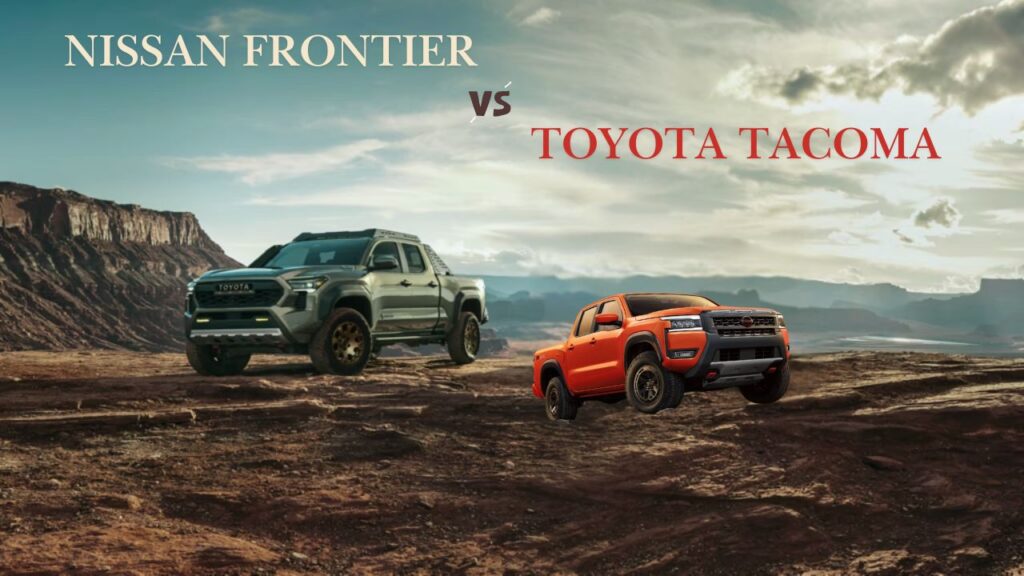
In 2025, it is getting more difficult to make a choice between these updated Nissan Frontier vs Toyota Tacoma. It is not just about the best truck but rather a choice between two distinct engineering philosophies tailored to different buyer profiles. The Nissan Frontier is a solid upgraded and value-driven truck. The Toyota Tacoma is an all new futuristic, multi-powertrain truck which prioritizes advanced technology. 

We are going to look at their performances, ability, tech and costs that helps you to decide what you should choose in 2025.

Car lovers who have spent years with tech-featured engines can look for Toyota Tacoma. It offers modern engines like a solid hybrid. Its more advanced tech suite offers impressive features, making it a forward looking investment and it will be beneficial over time. 

A simple and valuable Nissan Frontier is the best option for straightforward buyers who want to pick strong contenders. It offers a V6 engine with good towing at an affordable price, making it a more reliable truck. Good rating and positive results of Frontier machine providing a sense of security that is valuable for a buyer.

Market Context and Platform Philosophy

Nissan’s Frontier is simple but offers a strong V6 engine that produces enough power to run smoothly. This deliberate choice provides a simple and robust product while relying on a single naturally aspirated engine is the top choice for buyers who are interested in low budget quality products.
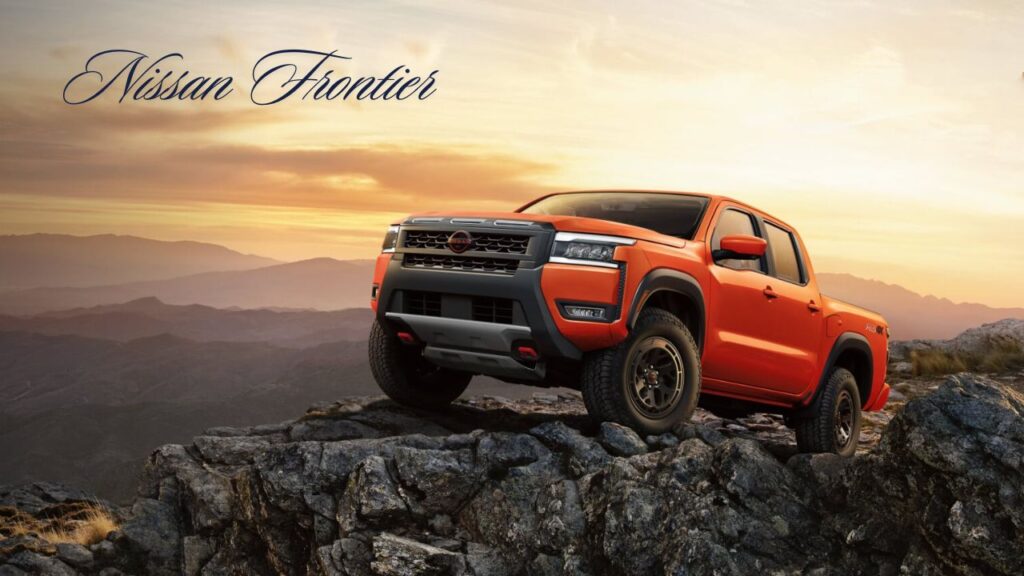
Nissan Frontier 2025 mid-size truck with strong V6 engine and simple design

Image credit: Nissan

The new Tacoma uses TNGA-F platform for delivering reinvention of Toyota including turbocharged and hybrid powertrain options. This evolution is emerging the market of mid-sized trucks into more choices, Toyota aims for capturing a wider market and saving fuel.

Powertrain and On-Road Performance Analysis

The 2025 Nissan Frontier is an incredible machine beast which offers a naturally aspirated 3.8L V6 powerful engine that generates 310 horsepower to run with 9-speed automatic transmission. It reaches from 0 to 60 mph in 7.3 seconds with its PRO-4X model and smooth gear shifts. 

However, The 2025 Toyota Tacoma builds on a multi-powertrain strategy. It offers a turbocharged 2.4L four-cylinder which delivers 278 hp to run faster with 317 of torque. Its other variant i-FORCE MAX hybrid powertrain offers 326 horsepower and a class-leading 465 lb-ft of torque. 
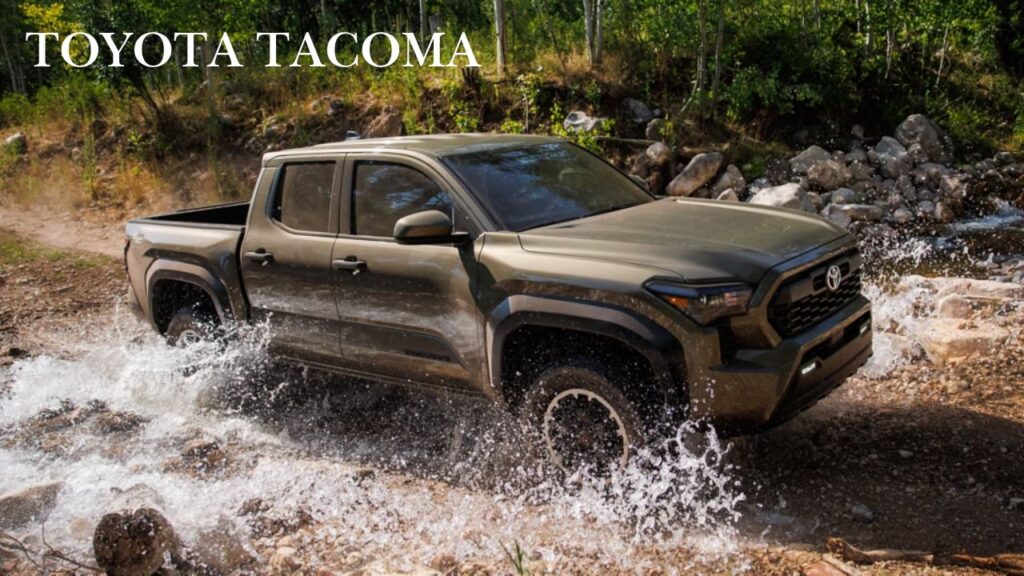
Toyota Tacoma 2025 with turbocharged and hybrid powertrain options

Image credit: Toyota

The crucial difference they have is their torque, the Tacoma’s engine offers a turbocharged and hybrid powertrain which delivers maximum torque at low speed. Its i-Force max hybrid delivers 465 lb-ft of torque at just 1700 RPM. The Frontier also provides a strong engine but it requires more pulling strength to achieve the same power. A Tacoma TRD off-road test proved to run from 0 to 60 mph in 6.8 seconds more than Frontier PRO-4X.

Quick Comparison Table for Nissan Frontier vs Toyota Tacoma

Feature 2025 Nissan Frontier 2025 Toyota Tacoma (i-FORCE) 2025 Toyota Tacoma (i-FORCE MAX Hybrid)
Engine 3.8L DOHC V6 2.4L Turbo I4 2.4L Turbo I4 with Hybrid
Horsepower 310 hp 228–278 hp 326 hp
Torque 281 lb-ft 243–317 lb-ft 465 lb-ft
Max Towing Capacity Up to 7,150 lbs Up to 6,500 lbs Up to 6,000 lbs
Max Payload Capacity Up to 1,620 lbs Up to 1,705 lbs Up to 1,680 lbs
Max EPA Estimated MPG (City/Hwy) 19/24 21/26 23/24

Capability: A Deep Dive into Utility

The 2025 Nissan Frontier is offering more towing capacity up to 7,150 pounds for specifically RWD configuration. Its maximum towing capacity is up to 1,620 pounds.
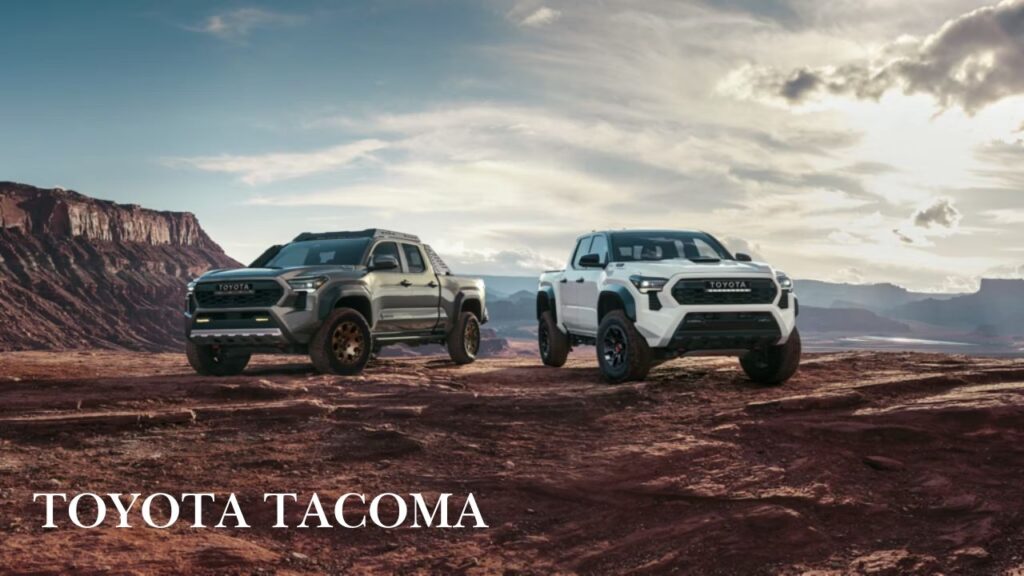
Nissan Frontier 2025 towing 7,150 lbs vs Toyota Tacoma 2025 towing 6,500 lbs

Image credit: Toyota

The 2025 Toyota Tacoma maximum capacity for towing up to 6,500 pounds. This limit is applied to different trims but its common maximum payload capacity is up to 1,705 pounds, making it useful for different works.

Read More :-  New GST Pricing For Popular Cars in India: September Updates on Latest Car Price Drop 

Technology and Interior: The Modern Truck Experience

The Tacoma offers more defining technology and interior than Frontier. Every Tacoma trims come with advanced tech features like display, connectivity, and audio system. But some advanced technology isn’t available in Frontier, only higher trims offer wireless connectivity. 

In safety features, Nissan topped the list with Nissan Safety Shield 360 which included an automatic braking system to prevent crashes. The Tacoma comes with safety sense 3.0 that includes a crash alert system and cruise control for making a distance to avoid accidents.

Off-Road Prowess: A Battle of the Specialists

These two trucks stand a chance to tackle tough trails, becoming a first choice for off-road fans. The Frontier PRO-4X has Bilstein, locking rear end and skid plates for safety, making a pro choice for off-roads. The Tacoma hybrid engine offers massive power to tackle rough terrain with its special FOX shocks and big 33-inch tires. It provides 11.5 inches ground clearance smoothly which is a good option for driving on rocky roads.

The True Cost of Ownership

It is important that your vehicle should be fuel efficient because resale value and fuel use is shaping the true cost of these trucks. The 2025 Toyota Tacoma starts at $31,590 less than the Frontier’s $32,050. The Tacoma is consumed more fuel, gas engine EPA-estimated 21 miles in city and 26 miles on the highway. The Frontier tops out at an EPA-estimated 19 MPG city and 24 MPG highway. This fuel economy is drowning ownership towards Tacoma.

Conclusion

When it comes to buying a powerful truck which gives you long-term benefit and better performance then Nissan Frontier vs Toyota Tacoma is fighting at the top of the list. Choosing the right one for you totally depends on your budget and requirements. The Frontier is ideal for those who want proven design, simple, and reliable trucks. The Tacoma is featuring bold, new technology, and powertrains to provide high-value performance. But both have specialized experience in their field.


Bipin Sharma

Bipin Sharma is a seasoned automotive content writer with over 10 years of hands-on experience in the world of cars. From the latest car news and reviews to in-depth maintenance tips and expert buying guides, Bipin covers everything that drives the automotive world. Writing about cars isn’t just his profession — it’s his passion. His deep industry knowledge and love for automobiles fuel every blog he creates, helping readers make informed decisions and stay updated on the fast-evolving auto landscape.

Leave a Reply

Your email address will not be published. Required fields are marked *

0

Latest Hyundai Cars Offers on Verna, Exter & i20 in India

Hyundai Cars Offers on Verna

The 2026 Indian Car Market Spins with New Twists, there are Latest Hyundai Cars which can amazed you totally. Although supply chain hysteria has started to subside in a post-pandemic world, a new issue has come around: a significant change in the types of cars that people want to drive. If you’ve been out on the roads in India these days, you will have noticed it—SUVs have become the majority on the road, and the traditional sedan and the small hatchback are struggling to hold onto the spotlight.

Against this backdrop, Hyundai Motor India (HMIL) has come out all guns blazing with a huge “February Discount.” Explore all the cars with massive offers to buy in 2026.

Why February is “Deal Month”

To get an idea of why Hyundai is suddenly so generous, look at the January sales figures. On the face of it, all is well — 9% growth year-on-year. But if we take a closer look, there is the SUV Fortress. The Venue and Creta sales are skyrocketing.

However, sales of TCS-heavy flagship sedan, Hyundai Verna tanked 44% in the last month. That’s not because the car is bad, it’s because Indian buyers are flocking en masse to high-riding vehicles. In order to take on this challenge from measures, Hyundai has introduced the “Pride of India” scheme, with its sights set on the Indian middle class: government employees, and PSU bankers. To these specific corporate bonuses, they add huge cash discounts, making even a sedan difficult to refuse for an SUV-lover. 

The Verna — a Mid-Size Sedan

If you have been looking at a mid-size sedan, then the February deals on the Verna are just too good to miss. It’s about total benefits of up to ₹98,000. 

The Verna — a Mid-Size Sedan

Benefit Category MY25 Petrol MT MY25 Petrol AT MY26 Petrol MT
Cash Discount ₹25,000 ₹40,000 ₹25,000
Scrappage/Exchange ₹70,000 ₹50,000 ₹45,000
Pride of India ₹3,000 ₹3,000 ₹3,000
Total Benefit ₹98,000 ₹93,000 ₹73,000

Driving sensation: Relaxed vs. Energetic

Verna has two different personalities:

The 1.5L Naturally Aspirated: Ideal for the daily grind. Its IVT (Hyundai’s take on a CVT) transmission contributes to butter smooth driving amid stop-and-go traffic.

The 1.5L Turbo GDi: This is for the enthusiast. It has more power (160 HP), the VW Virtus is no match in a sprint. If you’ve found yourself stuck on the in India, remember to shift to Neutral during long halts to leave that clutch! 

The Exter: Punching Back at the Competition

The Hyundai Exter is Hyundai’s answer to the Tata Punch in the Micro-SUV segment. It’s boxy, it’s useful, and right now it’s going for a ₹43,000 discount. 

The Exter Punching Back at the Competition

Why the Exter Works

The Exter is designed to be as big on the inside as possible, and as small on the outside as humanly possible. It has a “segment-best” 391 liter boot, which matters for a small family going out on a weekend trip. 

Its suspension is fantastic at absorbing the city bumps and potholes, but the stock headlights are a tad on the weak side for unlit stretches of highway. A bulb upgrade might be the first “mod” you make, if you drive a lot at night. 

With a steady CNG cost of about ₹ 95.75/kg, the running cost is less than ₹4 per km. That’s more economical than a few auto-rickshaws! 

The Enthusiast’s Corner: i20 N Line

Normal i20 is still the “Comfort King” (it remains the only one in its segment with a Bose sound system), but the N Line is where the heart is.

The Enthusiast’s Corner i20 N Line

Hyundai has sensibly revived the 6-speed Manual for the N Line, replacing the outdated iMT. It feels mechanical, tactile, and smells wonderful thanks to that twin-tip exhaust. With a ₹ 58,000 discount this month, it is still one of the very few cars which can make you believe that driving is not only hard work but also great fun. 

Should You Buy Now?

The askings in these February editions being particularly aggressive hints at a “stock clearance” event for the March fiscal-year end, with a Verna facelift expected in late 2026.

If you are not a “must have 2026” stamp on your regplate type of person, then getting a Model Year 2025 (MY25) vehicle right now is one of the best financial decisions you can make. You have the same engineering, the same warranty, and even the same features, but now with nearly ₹1 Lakh in your pockets. 

Read More:-  Verna vs Slavia vs Virtus: Which Midsize Sedan Should You Buy in 2026?

Conclusion

Hyundai’s February 2026 deals aren’t just festive discounts—they’re a savvy play for shoppers to get more for their money in an SUV-led market. Be it the feature-packed Verna, the practical and fuel-efficient Exter or the performance oriented i20 N Line, Latest Hyundai Cars make each segment truly difficult to overlook. For the deepest discounts without sacrificing quality, performance, or long-term dependability, this is one of the best times in 2026 to bring home a Hyundai. 

1

What Salary Is Needed to Buy a Mahindra Scorpio-N?

Mahindra Scorpio-N

The monthly salary needed to buy a Mahindra Scorpio-N could be between ₹1 lakh and ₹2 lakh and the EMI depends on the tenure, interest, and variant you choose to buy. If you earn around ₹70,000 a month, a  new Scorpio-N ₹13.69 lakh ex-showroom would be possible if there’s not other EMI running along.

The new Mahindra Scorpion-N was launched in August at ₹13.69 lakh for base trim and price gets higher across its variants, the highest trim price being ₹25.49 lakh ex-showroom. It offers the same engine as the old model. It comes with new cabin features like screens and panoramic sunroof. 

The variants start from Z2 at ₹13.69 lakh, the Z4 at ₹15.57 lakh, there’s two lakh difference. Z6 is priced around ₹17.17 lakh and few more thousands add to the Z8S variant which price around ₹17.79 lakh. The top two variants of Scorpio are Z8T and Z8L which price around ₹20.38 lakh and ₹25.49 lakh which comes with diesel 4WD automatic. This car is available in petrol, diesel, manual and automatic versions.

These figures are ex-showroom prices and you have to pay more this price tag. The price may differ in different cities because of road tax and insurance and on-road prices run about 12% above ex-showroom. Check the actual price on your Scorpio-N by asking from a dealer individually.

What Salary Is Needed to Buy a Mahindra Scorpio-N on a Loan?

Most salary people buy this size of car on finance. The below numbers table is created on assuming 20% down payment, 5-year loan plan, at 9.5% interest. An EMI no higher than 25% of monthly take-home so you could pay your rent, daily expenses, and fuel.

Variant (starting) Ex-showroom Est. on-road Down payment EMI (5 yrs) Monthly in-hand needed
Z2 ₹13.69 lakh ₹15.3 lakh ₹3.1 lakh ₹25,700 ₹1.03 lakh
Z4 ₹15.57 lakh ₹17.4 lakh ₹3.5 lakh ₹29,300 ₹1.17 lakh
Z8S ₹17.79 lakh ₹19.9 lakh ₹4.0 lakh ₹33,500 ₹1.34 lakh
Z8L 4WD AT (top) ₹25.49 lakh ₹28.5 lakh ₹5.7 lakh ₹48,000 ₹1.92 lakh

If you stretch the loan to seven years

By stretching the year, EMI will be reduced to a lower amount but the total cost of Scorpio will be much higher because of the interest. With seven years tenure, the base Z2 EMI drops to around ₹20,000 per month, which means a monthly take-home approximately ₹80,000 could make you eligible for this purchase.

The Z4 comes to about ₹22,800, which needs around ₹91,000. You pay more interest overall, so treat the long tenure as a way to stay comfortable rather than a way to afford a bigger car.

Running Costs That Decide Whether the EMI Feels Light

The EMI is just a fraction of what would be the cost of owning a Scorpio-N. The SUV is equipped with a 2 L petrol and a 2.2 L diesel twin. The lower diesel states of tune, make 132 hp and 300 Nm, and the 4WD is a drop in option in the diesel variants made by the fire. 

Petrol economy is the sore spot. One comparison lists the Scorpio-N’s ARAI figure at 12.17 kmpl (manual) and 12.12 kmpl (auto). That is a claimed number, and a heavy body-on-frame SUV in city traffic will return less. I’ve seen no ARAI figures for the updated diesel that I can confirm, so check Mahindra’s brochure before you plan around diesel economy.

With 10 kmpl real-world, ₹95 a litre and 1,000 km a month. Consider ₹9,500 in fuel alone, before insurance renewals and servicing. Plan to spend about ₹12,000 to ₹15,000 extra a month, aside from the EMI on a petrol Scorpio-N. It pays back its difference in favour of diesel if you cover 40 km or more a day. 

Scorpio-N vs XUV 7XO and Tata Safari

The Scorpio-N is the only body-on-frame, three-row SUV in this price bracket, and it overlaps with monocoque rivals like the Tata Safari, Mahindra XUV7XO, MG Hector and Hyundai Alcazar.

The XUV 7XO costs almost the same. At the base level, one estimate puts the price of the Scorpio-N above ₹30,000, and the price difference in the top variant is nearly ₹40,000. The 7XO has bigger wheels, a larger driver display and an extra (seven instead of six) airbag. Its monocoque build contributes to a smoother ride. For a daily city commute, the 7XO is the better fit.

The Tata Safari’s starting price is ₹13.29 lakh but confirm the current figure with a dealer. Its claimed mileage of 14.1 to 16.3 kmpl beats the Scorpio-N on paper. The Safari made its position higher with its polish and family comfort. The Scorpio-N counts on ladder-frame toughness, 4WD availability and a stronger road presence.

Conclusion

Even for the base Z2 on a seven year loan is going to be a stretch if your take-home is below ₹1 lakh a month. A range of ₹1 lakh to ₹1.35 lakh a month will allow you to buy the Z4 and Z6. The Z8S, the one with the sunroof and the new screens, takes roughly ₹1.34 Lakh on a five-year loan. At prices above ₹1.9 lakh you can afford the top diesel 4WD automatic without breaking the bank. 

If you are a mostly city driver that never leaves the tarmac, look into the XUV 7XO, or Safari, before you book. Take the Mahindra Scorpio-N and one of its rivals on the road one after the other, ask for an on road quote written down to your dealer and test it against your actual take home after it hits you in EMI.

0

Pagani Huayra: The Perfect Fusion of Luxury, Power and Performance

Published Mar 18, 2026, 12:10 PM
Last Updated Apr 6, 2026, 5:00 AM

Pagani Huayra

There is a moment that every car lover dreams that they’d see so fast, so fulfillingly it will be the breathless moment in which what they are looking at is Pagani Huayra — stunningly beautiful on the first glance. Not in a bland showroom, but grazing the warmth of a spring afternoon along an highway, its active aerodynamic flaps moving in unison like the wings of a mechanical bird. It wasn’t just rolling. It was alive. 

The Wind that Whisper in Ears

There is something more than the new Zonda that was launched in 2011. Name is Huayra which opt after Huayra Tata, the ancient Incan god of wind, this hypercar came onto the scene with a presence that was almost mythical. From the rolling hills of Modena, Italy, a car was born that solidified what it truly means to pair art with engineering. 

The track made by Horacio from a tiny garage in Argentina to the heart of supercar manufacturing sounds like a fairy tale. While playing outside, other kids could see his obsession as he crafted tiny cars as a boy that would eventually bring him to the workshops of Lamborghini, and ultimately to his own atelier. 

The Huayra is the apex of that obsession – a car crafted by the ideas of the Renaissance master that “Art and Science are two disciplines that must walk together hand in hand.

A Design That Breathes

Stand in front of a Huayra and you’re caught between wanting to drive it and wanting to photograph it. All the different elements have a function, and none feels pre-meditated. The gullwing doors don’t simply open, they dance to uncover a cabin more akin to the inside of a luxury watch than a car. 

The active aerodynamics—four movable flaps that can move independently make the car look like it is alive, as if it is breathing, reacting to the air flowing along its carbon-fiber skin 

Built on Premium Materials

What hits you right away is the detail that borders on obsessive. The titanium exhaust system is under 10 kg, hand crafted with hydroformed joints that reduce back pressure while producing a sound that automotive journalists have described as operatic.

Built on Premium Materials

The Carbo-Titanium monocoque — a material so advanced, Pagani had to invent it — delivers the stiffness of steel for a fraction of the weight. This is not just engineering, it’s metallurgy art. 

Powerful Engine 

Pagani Huayra is built on Mercedes-AMG powerful engine of 6.0-litre twin-turbo V12 with alteration to fit in. Now it gives 864 hp of power to run without interruption in its latest iterations and it also provides 840 Nm of torque that can be reached already at 2,800 rpm. 

But here’s more to the story that Horacio wants. It later became naturally aspirated despite its forced induction because of a genius mind that suggested minimizing the turbo lag and sharpening the throttle response.

Speed

The Huayra became the answer to the jet-like speed question with a top speed of 238 mph means you can end up racing up to 383 km/h. The fastest speed it can give is 0-60 mph (97 km/h) in 2.8 seconds and lateral acceleration of up to 1.66 g on Pirelli tires. 

Despite many hypercars, the Huayra is amazing and smooth, it talks like a living cell in our body tries to run as fast as it can. It’s in the steering wheel, it sings through the chassis, and it makes 700-plus horsepower seem tame, perhaps even a little kind.  

Transmission

What’s particularly intriguing, is that Pagani purposely opted for a single-clutch sequential transmission rather than a dual-clutch transaxle. The reason? Weight. If Horacio adds dual-clutch then the weight of the vehicle will increase to 70 kilos, this adamant that he felt would more than offset any gain from faster shifts. 

Pagani Huayra is entirely built from aluminium to keep on the minimum weight, at 96 kilograms that’s something understandable with marvel package efficiency of transmission. 

An Interior That Transcends Time

The interior is tremendous once you experience it behind the wheel then there’s no going back. It offers stuff that carmakers never dreamed of using. Machined aluminum, leather that’s made by the same artisans who supply haute couture, and using carbon fiber with refinement is so exquisitely finished that you’d love to watch it. 

An Interior That Transcends Time

The steering wheel is not made to be confused with buttons and distractions, it’s so simple that you will hit the road with raw immediacy. Each and every lever is crafted to the same exacting standard as a luxury watch. Pagani produces approximately one car per week, and Each is bespoke to its buyer. 

Personalization of Huayra 

The “Grandi Complicazioni” division caters to unique demands that would scare other makers such as the Huayra Epitome, the first and only Huayra ever to feature a manual gear shift, for the ones who live for the most mechanical connection between human and machine. 

With this degree of personalization, no two Huayras are alike; each is a moving autobiography of the tastes and wishes of the owner. 

The Evolution Continues

The Huayra story is not frozen in time in the past. The Huayra BC, named for Benny Caiola, Pagani’s first customer and a man who saw Horacio’s vision well before anybody else took the boundaries up even further with 1.8 G of lateral acceleration, the most that has ever been recorded for a road car on street tires.

The Evolution Continues

The Huayra Roadster did the unthinkable by being lighter than the coupe which it was made from advanced Carbo-Triax HP52 composite materials that increased stiffness by 52% while reducing weight by 80 kilograms. 

New Gen Huayra 

In the latest generation, the Huayra R Evo Roadster is the ultimate track-focused expression of this lineage.With a naturally aspirated 900-horsepower V12 engine that screams to 9,200 rpm, “codalunga” long-tail aerodynamics that adds 45% more downforce, and a weight of only 1,060 kilograms, it’s essentially a Le Mans prototype donning Pagani’s signature styling. 

But even this extreme machine carries Horacio’s philosophy that “the customer is the only real employer”—each is built up as a result of direct dialogue with its future owner. 

See:- Best Self Driving Car in India

Conclusion

The Pagani Huayra is emblematic of a very rare thing in today’s world: an object designed and built with no compromise, by human hands and by human eyesight. It’s proof that when art and science actually do go hand-in-hand, what you get isn’t just transportation, it’s transcendence. From the moment those gull-wing doors lift like a raptor taking flight, to the instant the V12 clears its throat and roars, the Huayra shows us why we fell in love with cars to begin with. 

Amid an industry racing toward electric and self-driving cars, the Huayra is a love song to the combustion engine, to hand craftsmanship, to the concept that driving ought to be an emotional experience. It’s not the world’s fastest hypercar, or even the most technologically advanced. 

But it may be the most soulful — the perfect combination of luxury, power and performance that pays homage to the wind god from which it takes its name, lifting you up and taking you to the realm of automotive dreams. 

1

2027 Volkswagen Virtus Facelift: New Design, Expected Price, Engines and Launch

2027 Volkswagen Virtus Facelift

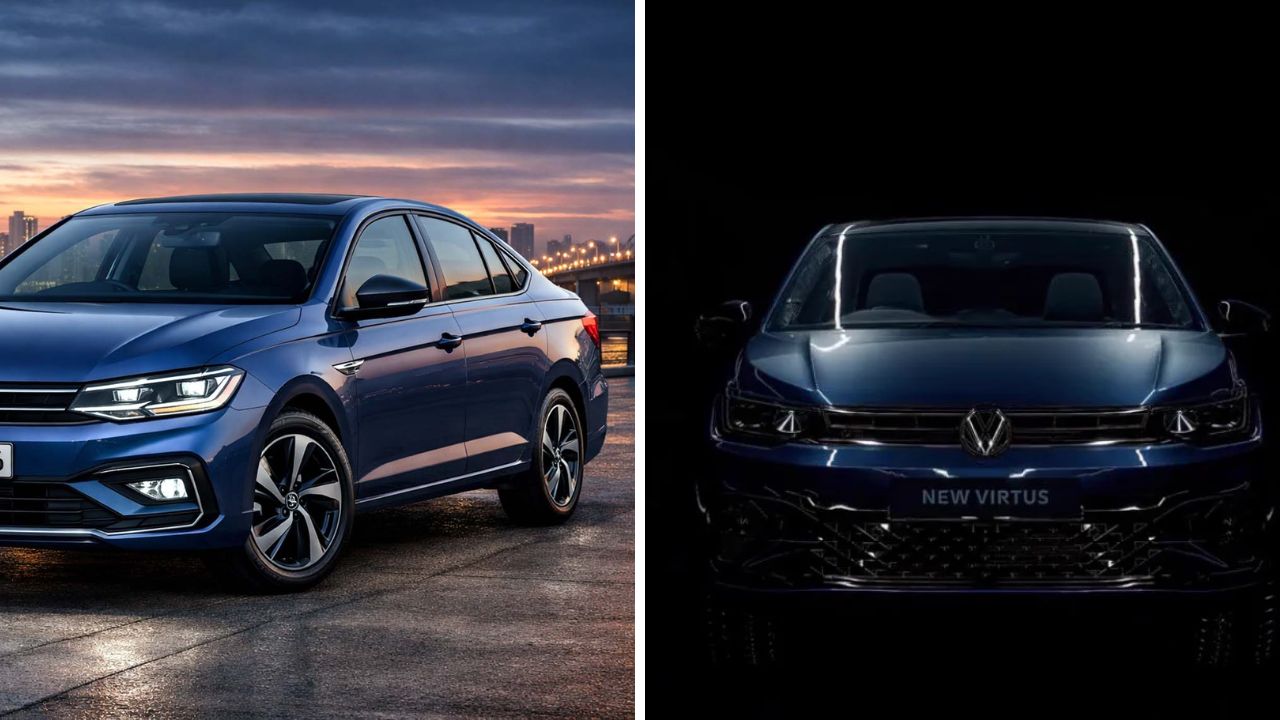
Volkswagen has shown the 2027 Volkswagen Virtus Facelift for the first time, and the sedan looks properly different at both ends. It isn’t a ground-up redesign. It’s a mid-life refresh for a car that drives better than most of its class but has started to look familiar next to newer rivals. Here’s what the teaser confirms, what’s still guesswork, and who should wait.

What’s New in the 2027 Volkswagen Virtus Facelift? 

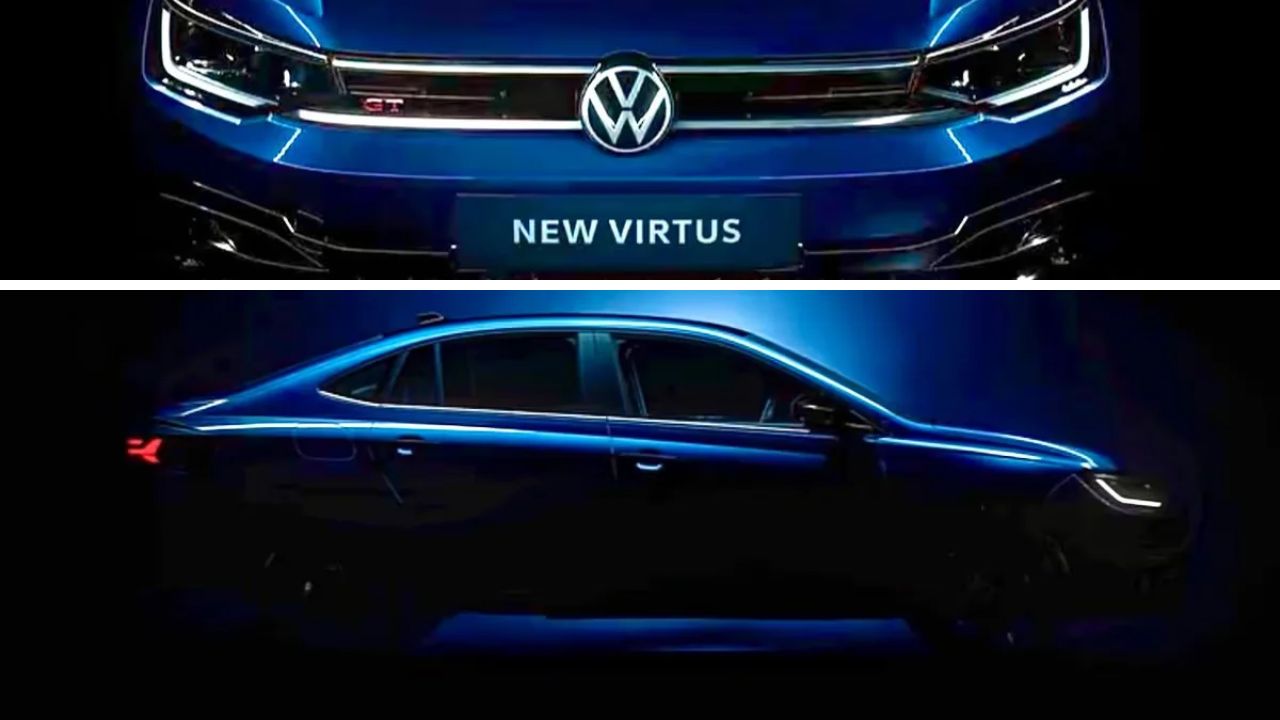
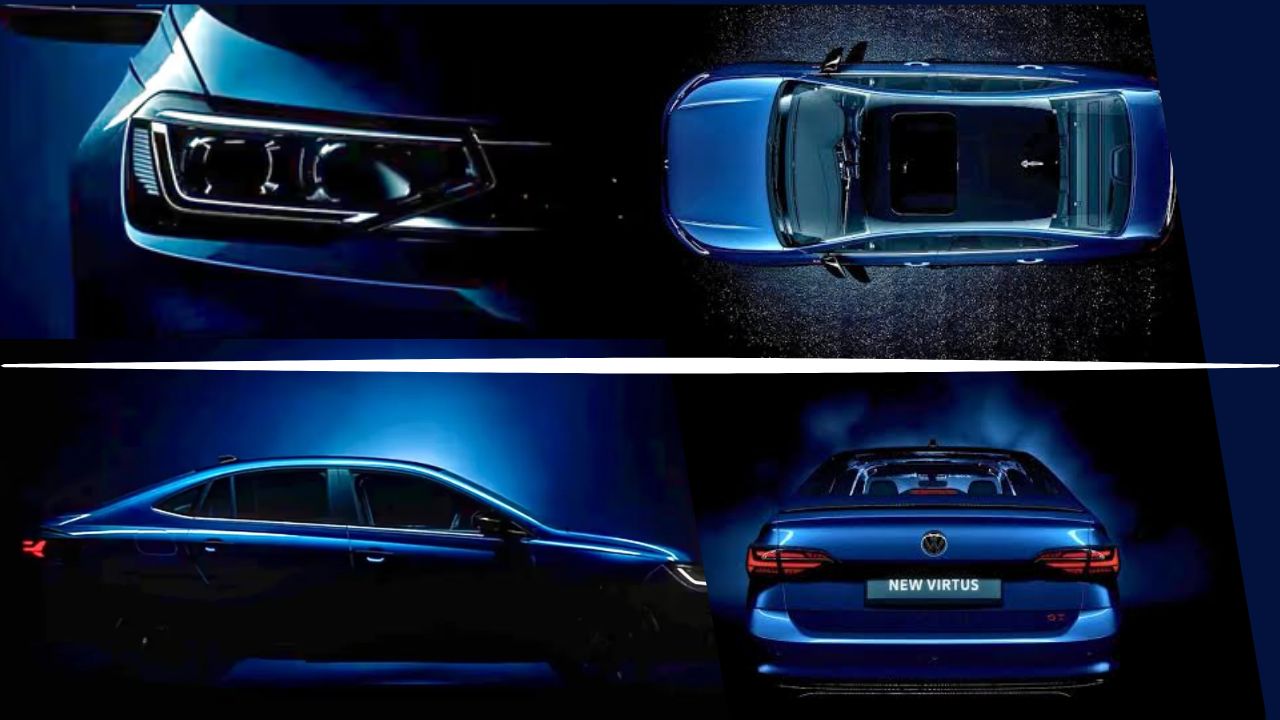
The teaser is short but clear on the exterior. There are also the new updated headlights, the new grille, new front and rear bumpers and new alloy wheels. The rear shot shows red LED split taillamps on a blue car, which gives the Virtus a lighter, more modern look at night.

Volkswagen hasn’t shown the cabin. Reports point to more features, but nothing is confirmed, so treat any “ADAS” or “panoramic sunroof” claims as rumours until the full reveal.

Will the Volkswagen Virtus GT Get New Updates? 

The Virtus GT line is the sporty end of the range. Today that means the GT Line on the 1.0 TSI and the GT Plus Sport on the 1.5 TSI. The teaser doesn’t show anything GT-specific. No new badge, no trim reshuffle, no unique wheel design.

Volkswagen Virtus Facelift

The signs point to a facelift soon. Volkswagen recently launched an Anniversary Edition based on the GT Plus Sport, a move that usually comes just before a model update. Until Volkswagen actually puts out the list of what’s coming, any talk about new GT badges or darkened trim is just a shot in the dark.

2027 Volkswagen Virtus: Expected Engines, Price and Launch Date 

So, what about the 2027 Volkswagen Virtus Facelift engines? It looks like we’re sticking with the same two turbo-petrol TSI options: the 1.0-litre and the 1.5-litre. Volkswagen is already compliant with emission standards all the way through to 2027. 

The current Virtus starts at about 10.75 lakh rupees and goes up to 19 lakh. Some outlets are guessing the updated version might kick off closer to 12 lakh. There’s rumour about an 8-speed auto for the 2027 Volkswagen Virtus Facelift 1.0-litre engine, though VW hasn’t confirmed anything yet.

So, the word on the street is that the 2027 Volkswagen Virtus Facelift should be ready to roll out around December of 2026. Now, VW might slap a 2027 model year designation on it, which could be why you saw that year mentioned above.

Know that 👉  Why Automakers Are Investing Billions in Electric Vehicles (EVs)

Volkswagen Virtus Facelift vs Skoda Slavia vs Honda City: What Changes? 

When you look at the Skoda Slavia, it’s kind of the immediate go-to comparison. They’re built on the same bones, use the same engines, and frankly, Skoda got its refresh out the door before this one. So, if this 2027 Volkswagen Virtus Facelift manages to look a bit more aggressive and lands at a similar price point, Volkswagen will definitely still be in the running. If the Slavia feels more complete for less, the Virtus loses its main selling point.

The Honda City plays a different game. It leans on refinement and, unlike the Virtus, offers a strong-hybrid version. The Virtus argument has always been the drive: the 1.5 TSI is the enthusiast’s choice, and the facelift keeps that intact.

Should You Wait for the New Virtus or Buy the Current Model? 

Wait if you want the GT Plus Sport and care about how it looks. The new lights and bumpers will outshine the old car and the pre-facelift of cars usually retards resale post launch. 

New Virtus

If you find yourself in the position of spotting a decent deal on a pre-facelift model, good timing could be an option. Dealers tend to clear out their stock before an update, and you’re not losing any mechanical bits.

Before handing over any cash smarter you must find out the final offer: the exact trim levels you’re hit with, the on-the-road price, and how much the booking deposit will be. We should see all this information become public knowledge in the coming weeks.

 👉  Mercedes-Benz GLC Electric: Premium Performance Meets Practical Compromises

Conclusion

The 2027 Volkswagen Virtus Facelift looks like a timely update, especially for buyers who want a fresher design without losing its fun-to-drive character. However, the new features, pricing and GT updates are still under wraps. If you’re not in a hurry, waiting for the official launch makes sense. But if you find a good discount on the current model, it remains a solid buy. 

0

This Used Luxury Car Costs the Same as a Top-Spec Maruti Fronx

Published Sep 12, 2026, 11:35 AM
Last Updated Sep 15, 2026, 6:22 AM

Used Luxury Car Costs

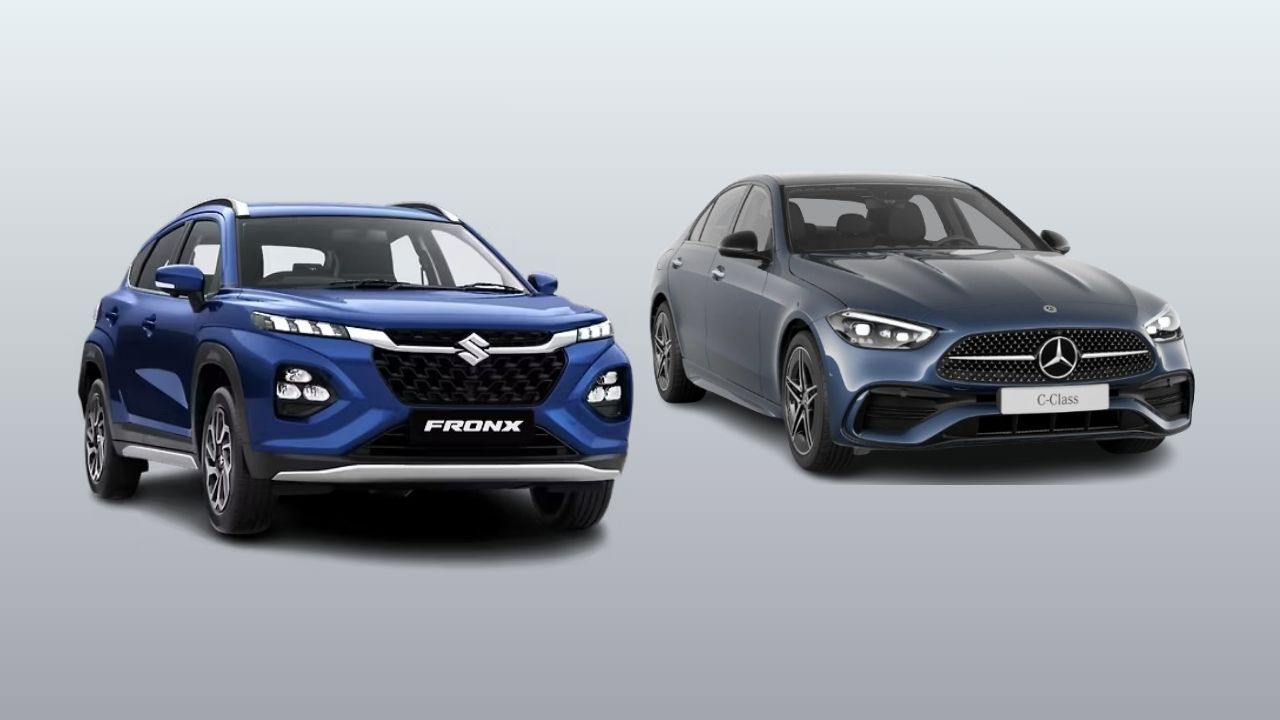
A luxury car usually comes with a luxury-sized price tag, but the used-car market can flip that equation pretty quickly. That same used luxury car price will depreciate 3x lower after a few years later. There are German luxury sedans that, after a few years of depreciation, can come within the same price territory as a new Maruti Fronx. 

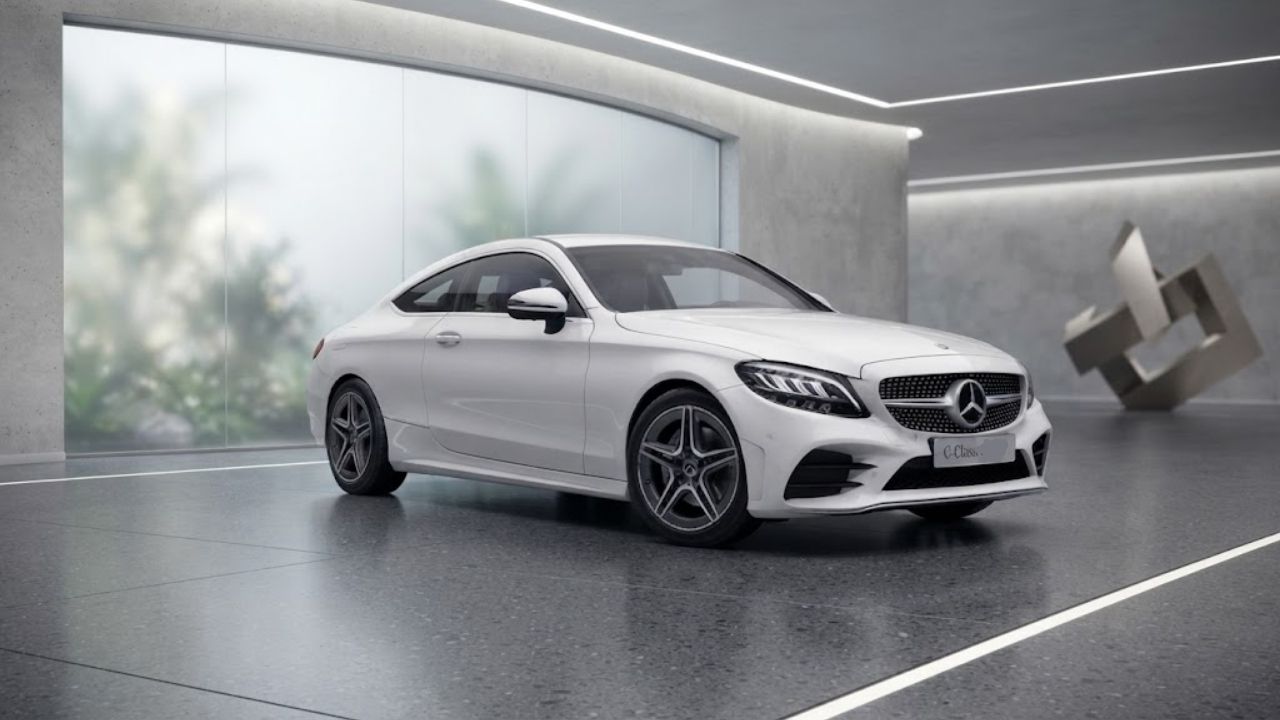
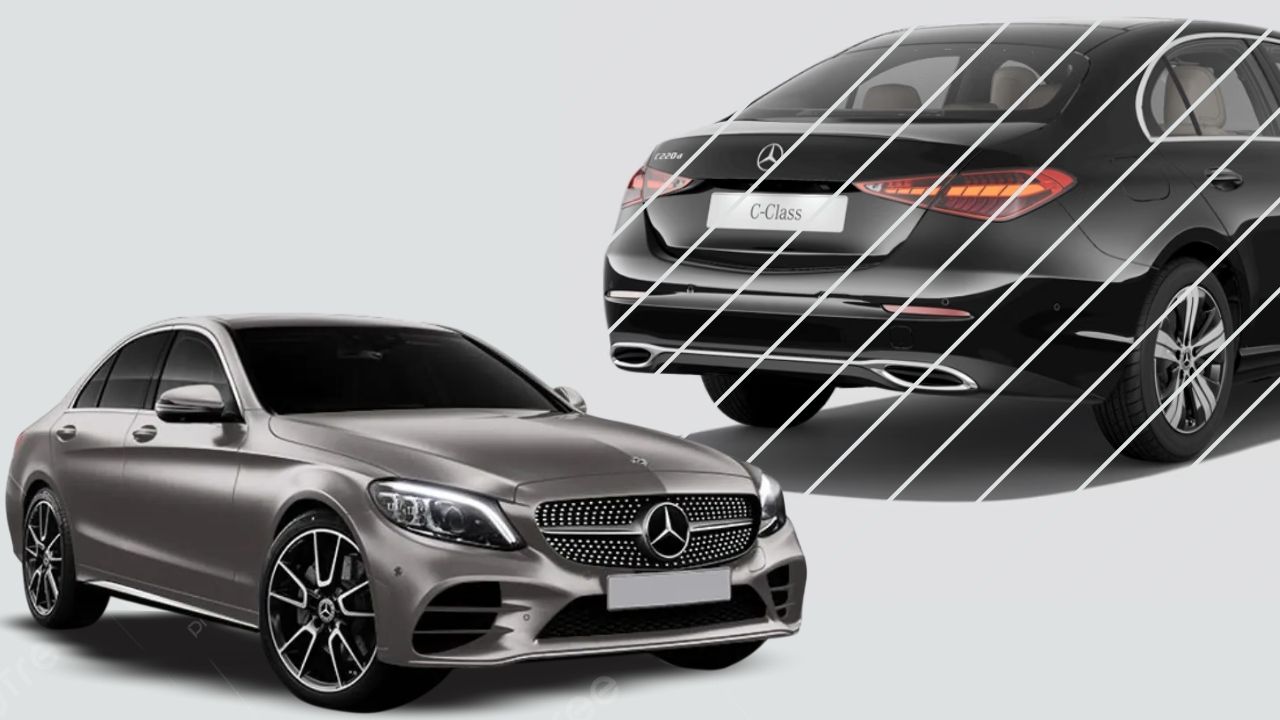
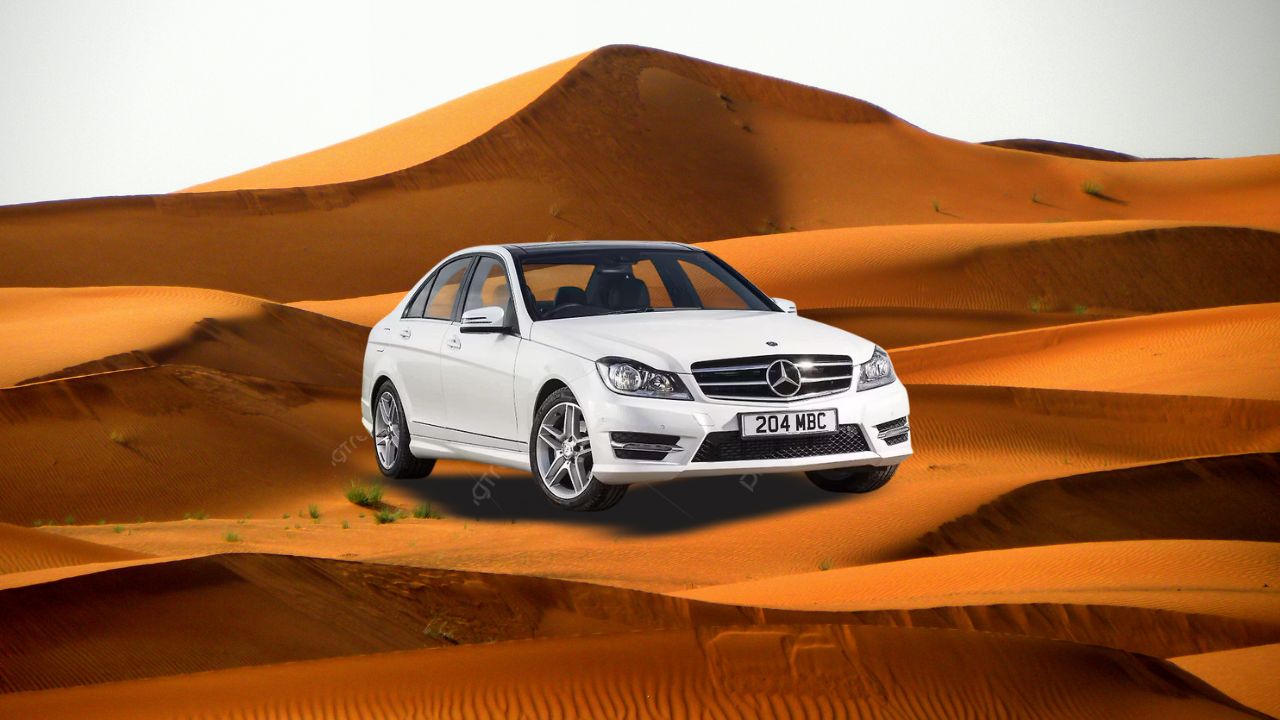
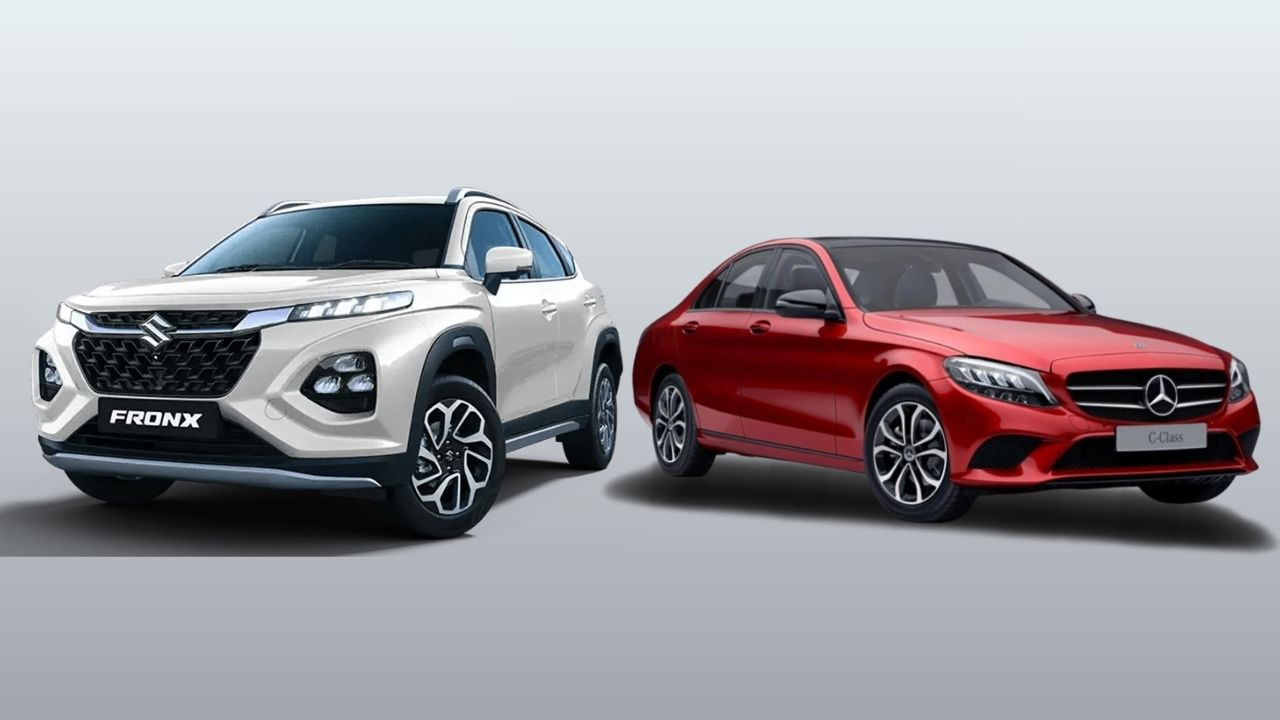
You can drive home a Mercedes-Benz C 220d Edition C instead. Same budget as Maruti Fronx. A three-pointed star instead of an “S” badge. That’s not a hype — it’s what eight years of depreciation does to a German diesel sedan that once cost more than three Fronxes put together.

This isn’t an argument that the used luxury car automatically wins. It’s a look at what you’re actually trading and what nobody tells you about when you take that trade.

Why a ₹43 Lakh Luxury Car Now Sits Next to a ₹14 Lakh Hatchback-SUV

Like any German Luxury Cars, Mercedes-Benz price comes three times down from the original price of ₹43.54 lakh ex-showroom. It reached nearly a Fronx Alpha cost today, starting at 7.57 lakh ex-showroom when one of the first owner of Edition C advertised C 220d Edition C at ₹7.90 lakh in Chandigarh.

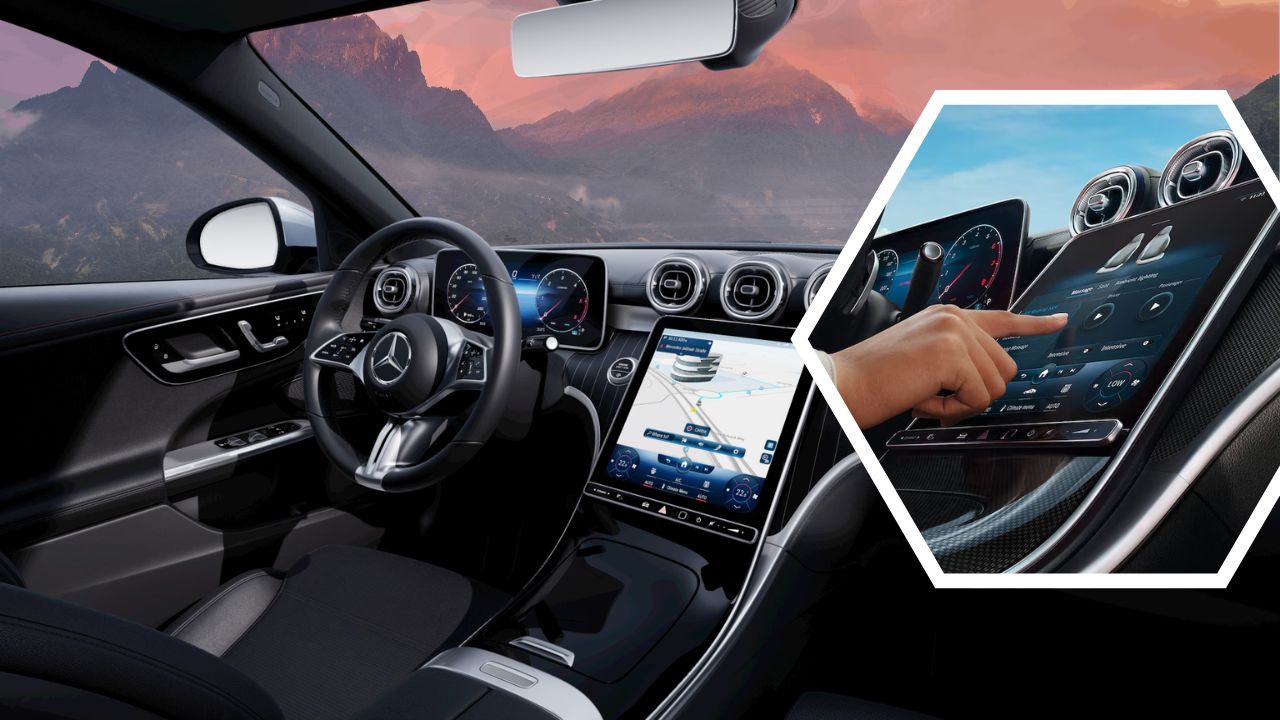
It came with the design Hyacinth Red paint option (a first for the C-Class in India), gloss-black five-twin-spoke alloys, a black front apron spoiler and rear spoiler, open-pore black ash wood trim inside, stainless-steel sports pedals, and a Garmin Map Pilot navigation system as standard — kit that, at the time, most rivals charged extra for.

Nine years later, that same car — now with a typical 50,000–75,000 km on the odometer — is listed on used-car platforms with the exact number swinging hard based on mileage, ownership history, and whether it’s the diesel Avantgarde or a lower petrol trim. 

The 220d Edition C which runs around 55,000–65,000 km in its life is priced the same as the Maruti Fronx. However, well-maintained used car prices can be negotiable so the mentioned price are starting price point not a fixed price from the owner

What the Mercedes-Benz C 220d Edition C Offers

C 220 d offers a 2.2-litre four-cylinder turbo-diesel engine which produces power of 170 bhp and 400 Nm of torque. The 2,143 cc diesel engine paired with 7G automatic transmission so inspect the exact gearbox generation before you commit to confirm.

What makes this edition rare is its styling features, the AMG-style body that represents an aura. It introduced a next level look and cabin comfort as it was made of sports seats with contrast stitching, ambient lighting, split-folding rear seats

It offers 170bhp of power and 400Nm of torque with a torque-converter automatic gearbox so it doesn’t run but roaring on the road.

Mercedes-Benz C 220d Edition C Offers

What 400 Nm torque figure means on the road?

The 400 Nm of torque in a diesel car is rarely seen on Indian roads, and it arrives low in the rev range. That’s the reason why W205 diesel earned a reputation as an effortless highway cruiser rather than a usual car which takes a lot to get moving.

Benz 220d Edition C offers enough boot space for trips to become possible —  close to 480 litres. This space is perfectly great for even a family luggage too so that makes it noticeably larger than a compact SUV at this price point.

Diesel Torque vs Turbo-Petrol Efficiency Comparison

Spec Mercedes-Benz C 220d Edition C (2017, used) Maruti Fronx Alpha Turbo DT AT (2026, new)
Engine 2.2L 4-cyl turbo-diesel (OM651) 998cc 3-cyl turbo-petrol (Boosterjet)
Power 170 bhp 99 bhp @ 5,500 rpm
Torque 400 Nm 147.6 Nm @ 2,000–4,500 rpm
Transmission Automatic (torque converter) 6-speed torque-converter automatic
Drivetrain Rear-wheel drive Front-wheel drive
Claimed mileage 23 kmpl (ARAI, when new) 20.01 kmpl (ARAI)
Ground clearance Sedan-standard, sub-150mm 190mm
Boot space ~480 litres 308 litres
Price bracket (India, 2026) ₹11–17 lakh (used, condition-dependent) ₹11.98 lakh (ex-showroom) / ₹14.24 lakh (on-road, Delhi)

The Fronx’s 1.0-litre Boosterjet turbo-petrol is not equally powerful as the 220d Edition of Mercedes because it roughly produces 20 bhp of power and 20+ Nm of torque, even though it’s a less powerful option in its own segment. So it’s just a lightweight compact SUV which is reasonably efficient, and supported by Maruti’s extensive service network.

Diesel Torque vs Turbo-Petrol Efficiency Comparison

The C 220d, however, is running more than double the torque of the Fronx from an engine designed for autobahn cruising, wrapped in a body with genuine ground clearance and NVH refinement the Fronx simply can’t match. What the Fronx wins on is ground clearance for Indian roads, warranty backing, and a service bill you won’t flinch at.

Read More:-  Buy Tata Curvv Series X At Rs. 9.99 Lakh With Advanced Features Pack

What Is The Ownership Costs of German Luxury Car?

Every “buy a used luxury car for cheap” phrase doesn’t mean that the car has no value at all. This comparison will clarify that confusion without being more complex. 

A Mercedes-Benz authorized service visit on a W205 C-Class typically costs several times what a Fronx service costs at a Maruti dealership — parts like sensors, suspension bushes, and the diesel’s injectors are imported or semi-imported, and labour rates at luxury-brand service centres run considerably higher than mass-market ones. 

Based on many luxury used car services platforms for out-of-warranty annual running in India, one can expect the maintenance cost on the Mercedes-Benz C 220d Edition C is much higher than usual car services. 

Before buying any used Mercedes-Benz C 220d Edition C, insist on seeing recent oil-level and oil-condition checks, not just a service stamp. Insurance on a nine-year-old luxury sedan is also not cheap to insure comprehensively given the cost of replacement parts, even though the car’s depreciated value is low — get an actual quote before you commit.

German Luxury Car

Fuel Economy of Mercedes-Benz C 220d Edition C

The diesel engine favours the fuel bill, and it’s worth every ride. Since Diesel in Delhi is priced at ₹95.20 a litre against ₹102.12 for petrol as of early September 2026.

A used 220d realistically returning something like 16–18 kmpl in mixed real-world driving — down from its 23 kmpl ARAI-rated figure when new — works out to roughly ₹5,300–₹6,000 for 1,000 km. 

The Fronx Boosterjet AT, rated at 20.01 kmpl on paper but more realistically in the 14–16 kmpl range in everyday city-and-highway use, costs closer to ₹6,400–₹7,300 for the same 1,000 km at current petrol prices. 

Treat both real-world figures as estimates rather than guaranteed numbers — actual mileage depends heavily on driving style, AC use, and traffic conditions — but the direction is clear: the diesel’s torque advantage doesn’t come with a fuel-cost penalty here.

How to Buy on Finance

Not only new cars but used cars can also be bought on finance. But don’t take it blindly, see which benefits you the most. 

A new Fronx qualifies for a car loan with a 90% of loan value and 7-years of tenure. A 8 – 9% of interest rate applies depending on the lender and your credit score. 

While second hand Mercedes falls in a different lending category altogether because most banks and NBFCs cap used-car loan tenures at around five years, often giving only 70–80% of the car’s assessed value with a higher interest up to 14%.

Paying cash is the best option in buying a luxury used car but if you’re opting for financing then remember this factor in your head. The used luxury car’s lower purchase price doesn’t mean your EMI also gets lower. 

Resale is the other side of this. A Fronx has a well-understood depreciation curve and a large buyer pool. A nine-year-old luxury diesel sedan has a much smaller pool of buyers who want exactly this car, which means it can sit longer on used-cars platforms than a mass-market hatchback-SUV would.

How a Similarly-Priced Used BMW 320d Stacks Up

If the used luxury car route appeals to you, the C 220d Edition C isn’t the only option in this exact price band. A used 2016–2017 BMW 320d Sport Line or Luxury Line, with comparable 60,000–70,000 km on the clock, typically trades in a similar ₹12–17 lakh range on OLX and Cars24 listings. 

One of the sources documented buying an eight-year-old 320d with just 50,000 km for around ₹16 lakh — pointing out it undercut the on-road price of a Hyundai Creta or Kia Seltos at the time.

BMW 320d Stacks Up

The F30-generation 320d gets BMW’s 2.0-litre diesel, producing around 190 bhp in most Indian-spec versions — giving it a clear power advantage over the C 220d’s 170 bhp. It also brings the sharper steering and rear-wheel-drive setup that made this generation of the 3 Series particularly engaging to drive. 

Where the Mercedes tends to have an edge is outright cabin refinement and that Edition C’s extra kit list. If outright driving involvement matters more to you than plush cabin trim, the 320d deserves a test drive before you commit to the Mercedes on badge alone.

Read More:-   Tata Nexon On-Road Price Lucknow — Best Compact SUV At This Price Point

Should You Buy the Used Mercedes Over the New Fronx?

Buy the Mercedes-Benz C 220d Edition C if: you do most of your driving on highways rather than potholed city roads where ground clearance matters, you have a maintenance buffer set aside beyond the purchase price, you value cabin refinement and highway comfort over warranty peace of mind, and you’re buying from a verified seller with a complete, checkable service history.

Buy the Fronx instead if: this is your only car and you can’t absorb a large unplanned repair bill, you need Maruti’s service network because you’re outside a metro with easy access to Mercedes-authorized centres, you drive on broken or flooded roads where 190mm of ground clearance genuinely matters, or you want the safety net of a manufacturer warranty on a car that’s never had another owner’s driving habits baked into it.

There’s no wrong answer here — but there is a wrong way to make this decision, and that’s comparing only the purchase price. The Fronx’s ₹14.24 lakh is close to the entire cost of ownership for the next several years. The C 220d’s similar sticker price is closer to the entry fee.

Reliable Platforms to Buy Used Luxury Cars

There are verified platforms online like Spinny and Cars24 who sell German luxury cars after inspection and full history, which matters far more on a nine-year-old luxury diesel than it does on a new hatchback. Since they both run their own inspection and certification process, you don’t have to worry and run your inspection.

While OLX and CarDekho owners list their used cars and you have to deal with them directly. So, it’s hard to inspect a nine-year old diesel luxury car regardless of what the seller claims. 

Luxury Cars

Ask specifically for: full service history from an authorized Mercedes-Benz workshop (not just a bill folder), confirmation of the exact transmission fitted, evidence of timely DPF and injector servicing, and a check on whether the car has ever been in an accident — a repainted panel on a nine-year-old car isn’t automatically a red flag, but undisclosed structural repair is.

Read More:-  Kia Carens CNG, Clavis CNG & Carnival Hybrid Pre-Bookings Open In India

Conclusion

If your comparison stops at “same price,” the Fronx and the Mercedes-Benz C 220d Edition C look like a toss-up. Run the comparison through five years of ownership instead, and the decision splits along one honest question: can you comfortably absorb a ₹40,000–₹80,000 repair bill if the Mercedes throws up a problem in year three of your ownership? 

If yes, the used luxury car is a genuinely compelling way to own a proper German sedan for hatchback-SUV money. If that number would hurt, the Fronx’s lower ceiling — even with its weaker engine and smaller boot — is the financially safer three-lakh-kilometre bet.