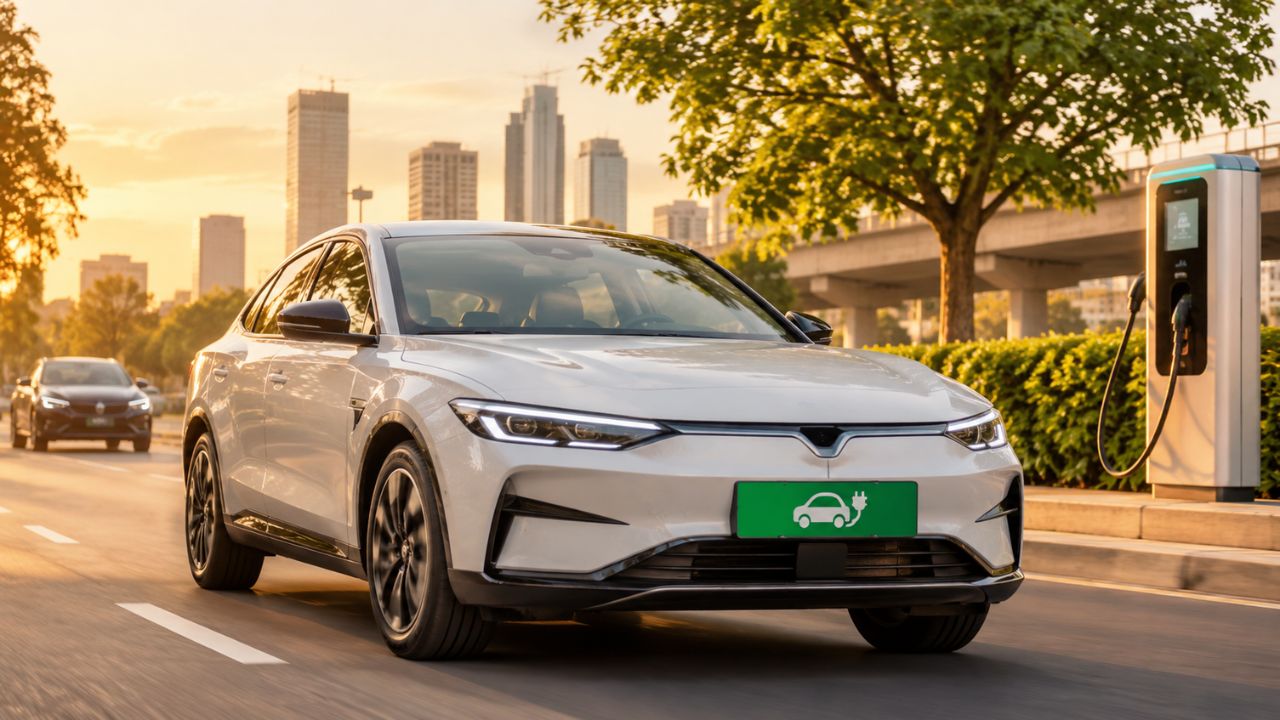
The shift to Electric Vehicles (EVs) in India is no longer just about reducing pollution or offering buyers an alternative to petrol and diesel cars. You are probably watching growing numbers of green number plates which are seen on family SUVs and everyday hatchbacks.
Behind this showroom shift is an unprecedented financial war chest. Homegrown giants like Tata Motors, Mahindra & Mahindra, and Maruti Suzuki are investing billions into Electric Vehicles (EVs), transforming Indian manufacturing from the ground up.
Why are India’s most trusted carmakers betting their futures on battery power right now? Because the conversation in Indian boardrooms has shifted from creating demand to desperately trying to keep up with it.
Tata Motors: Defending the Crown with Smart Economics
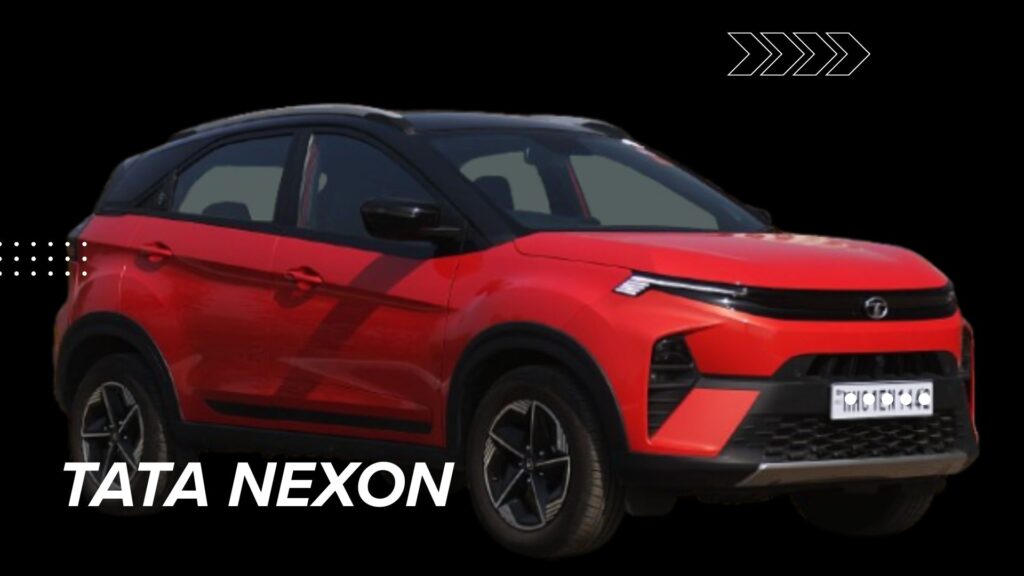
Tata Motors took the early gamble when everyone else was hesitant, and today it commands roughly 40% of India’s electric passenger vehicle market. Electric Vehicles (EVs) now make up nearly a quarter of Tata’s total passenger vehicle sales, with buyer demand running nearly three times higher than current factory supply.
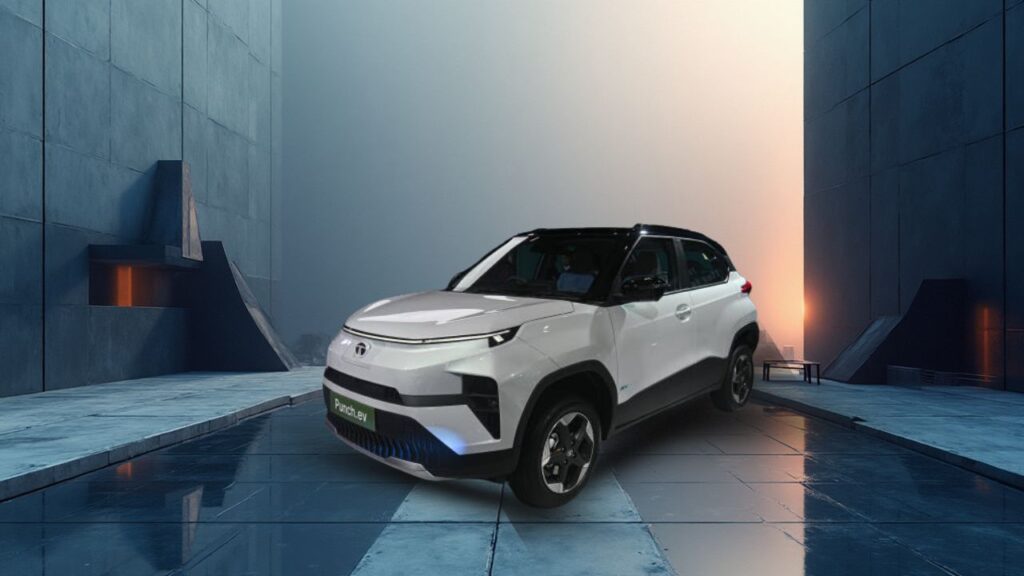
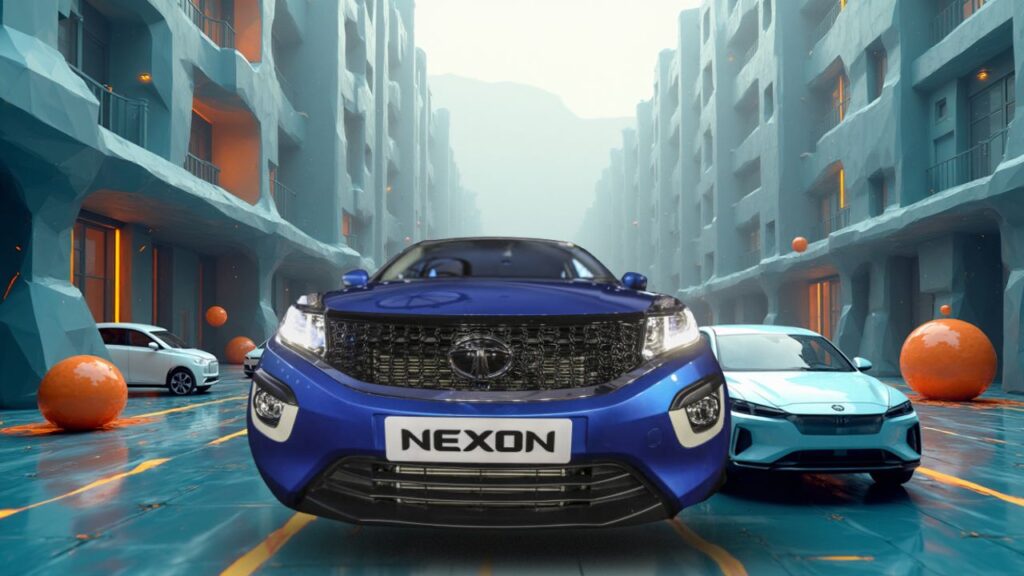
By investing large sums to expand capacity and rework ownership math, Tata is at war with Punch EV, Nexon EV, Curvv EV, and the Harrier and Sierra. With the launch of Battery-as-a-Service (BaaS) in its entire product line, Tata will allow Indian buyers to pay for the car up front and rent the battery on a per-kilometre basis, cutting the initial price to match the cost of petrol cars.
Mahindra: Making Electric Aspirational
While Tata captured the practical family buyer, Mahindra is pouring billions into making electric SUVs objects of pure desire. With its dedicated born-electric INGLO platform and models like the BE 6, XEV 9e, and the three-row XEV 9S, Mahindra has quickly captured a 23% share of the electric car market.
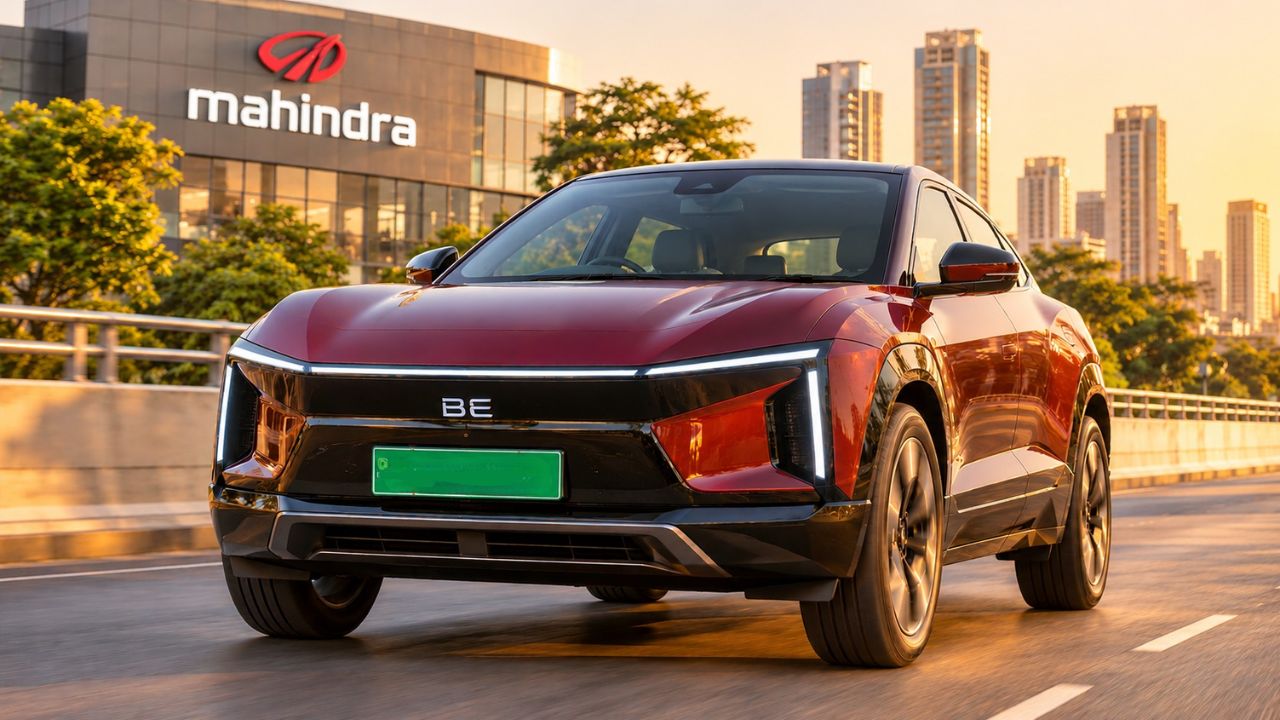
Mahindra’s factories are already running at a structural capacity of 8,000 EVs a month, and the company is investing rapidly to push that run rate to 12,000 units a month. For Mahindra, heavy investment in EVs—and adopting BaaS models of its own—is how it leapfrogs global rivals without waiting on legacy engine tech.
Maruti Suzuki: Turning India into a Global Export Hub
India’s largest carmaker took its time entering the Electric Vehicles (EVs) race, waiting for battery economics and charging infrastructure to mature.
Now, with the e-Vitara, Maruti Suzuki is playing a colossal volume game. By setting up a new dedicated manufacturing line at its Hansalpur plant in Gujarat, Maruti is investing not just for Indian buyers, but to make India a global export hub for Suzuki’s electric cars worldwide.
The Real Cost Advantage of Electric Vehicles
Ultimately, Indian carmakers know their customer better than anyone else. When an everyday commuter realizes an Electric Vehicles (EVs) costs roughly ₹1 to ₹1.50 per kilometre to run compared to ₹7 or ₹8 for a petrol car, the showroom pitch sells itself.
Backed by Production Linked Incentive (PLI) schemes and local battery gigafactories, Tata, Mahindra, and Maruti are not just building green cars—they are securing India’s automotive independence for the next fifty years.
👉 Self-Driving Cars in 2026: What Can They Really Do?
Conclusion
India’s shift towards electric vehicles is creating a new race among automakers, now big Automakers Are Investing Billions in Electric Vehicles (EVs). Tata Motor is leading the market with its BaaS service, Mahindra is making electric SUVs more aspirational, and Maruti Suzuki is covering both the global and Indian market.
This suggests Indian buyers will have many choices before buying an EV with better technology and lower running cost. Automakers are preparing for what India’s automobile industry will look like over the next decade.