0

This Used Luxury Car Costs the Same as a Top-Spec Maruti Fronx

Published Sep 12, 2026, 11:35 AM
Last Updated Sep 15, 2026, 6:22 AM

Used Luxury Car Costs

A luxury car usually comes with a luxury-sized price tag, but the used-car market can flip that equation pretty quickly. That same used luxury car price will depreciate 3x lower after a few years later. There are German luxury sedans that, after a few years of depreciation, can come within the same price territory as a new Maruti Fronx. 

You can drive home a Mercedes-Benz C 220d Edition C instead. Same budget as Maruti Fronx. A three-pointed star instead of an “S” badge. That’s not a hype — it’s what eight years of depreciation does to a German diesel sedan that once cost more than three Fronxes put together.

This isn’t an argument that the used luxury car automatically wins. It’s a look at what you’re actually trading and what nobody tells you about when you take that trade.

Why a ₹43 Lakh Luxury Car Now Sits Next to a ₹14 Lakh Hatchback-SUV

Like any German Luxury Cars, Mercedes-Benz price comes three times down from the original price of ₹43.54 lakh ex-showroom. It reached nearly a Fronx Alpha cost today, starting at 7.57 lakh ex-showroom when one of the first owner of Edition C advertised C 220d Edition C at ₹7.90 lakh in Chandigarh.

It came with the design Hyacinth Red paint option (a first for the C-Class in India), gloss-black five-twin-spoke alloys, a black front apron spoiler and rear spoiler, open-pore black ash wood trim inside, stainless-steel sports pedals, and a Garmin Map Pilot navigation system as standard — kit that, at the time, most rivals charged extra for.

Nine years later, that same car — now with a typical 50,000–75,000 km on the odometer — is listed on used-car platforms with the exact number swinging hard based on mileage, ownership history, and whether it’s the diesel Avantgarde or a lower petrol trim. 

The 220d Edition C which runs around 55,000–65,000 km in its life is priced the same as the Maruti Fronx. However, well-maintained used car prices can be negotiable so the mentioned price are starting price point not a fixed price from the owner

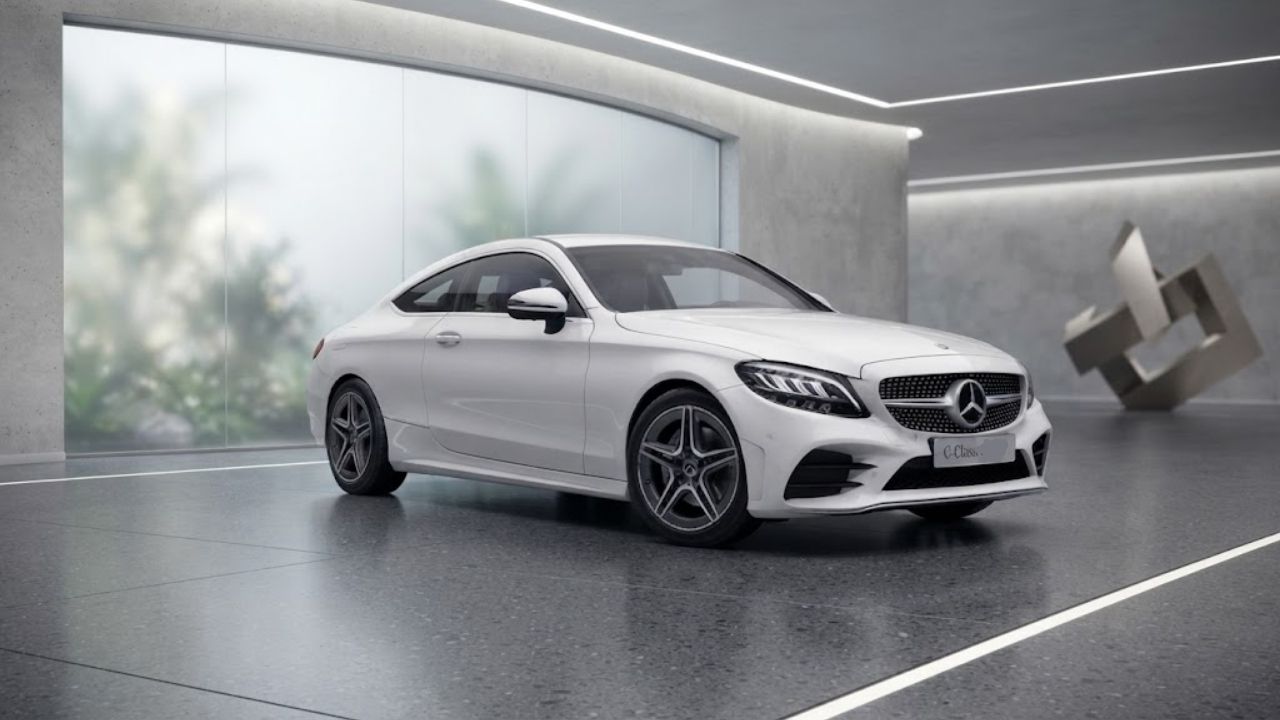
What the Mercedes-Benz C 220d Edition C Offers

C 220 d offers a 2.2-litre four-cylinder turbo-diesel engine which produces power of 170 bhp and 400 Nm of torque. The 2,143 cc diesel engine paired with 7G automatic transmission so inspect the exact gearbox generation before you commit to confirm.

What makes this edition rare is its styling features, the AMG-style body that represents an aura. It introduced a next level look and cabin comfort as it was made of sports seats with contrast stitching, ambient lighting, split-folding rear seats

It offers 170bhp of power and 400Nm of torque with a torque-converter automatic gearbox so it doesn’t run but roaring on the road.
Mercedes-Benz C 220d Edition C Offers

What 400 Nm torque figure means on the road?

The 400 Nm of torque in a diesel car is rarely seen on Indian roads, and it arrives low in the rev range. That’s the reason why W205 diesel earned a reputation as an effortless highway cruiser rather than a usual car which takes a lot to get moving.

Benz 220d Edition C offers enough boot space for trips to become possible —  close to 480 litres. This space is perfectly great for even a family luggage too so that makes it noticeably larger than a compact SUV at this price point.

Diesel Torque vs Turbo-Petrol Efficiency Comparison

Spec Mercedes-Benz C 220d Edition C (2017, used) Maruti Fronx Alpha Turbo DT AT (2026, new)
Engine 2.2L 4-cyl turbo-diesel (OM651) 998cc 3-cyl turbo-petrol (Boosterjet)
Power 170 bhp 99 bhp @ 5,500 rpm
Torque 400 Nm 147.6 Nm @ 2,000–4,500 rpm
Transmission Automatic (torque converter) 6-speed torque-converter automatic
Drivetrain Rear-wheel drive Front-wheel drive
Claimed mileage 23 kmpl (ARAI, when new) 20.01 kmpl (ARAI)
Ground clearance Sedan-standard, sub-150mm 190mm
Boot space ~480 litres 308 litres
Price bracket (India, 2026) ₹11–17 lakh (used, condition-dependent) ₹11.98 lakh (ex-showroom) / ₹14.24 lakh (on-road, Delhi)

The Fronx’s 1.0-litre Boosterjet turbo-petrol is not equally powerful as the 220d Edition of Mercedes because it roughly produces 20 bhp of power and 20+ Nm of torque, even though it’s a less powerful option in its own segment. So it’s just a lightweight compact SUV which is reasonably efficient, and supported by Maruti’s extensive service network.
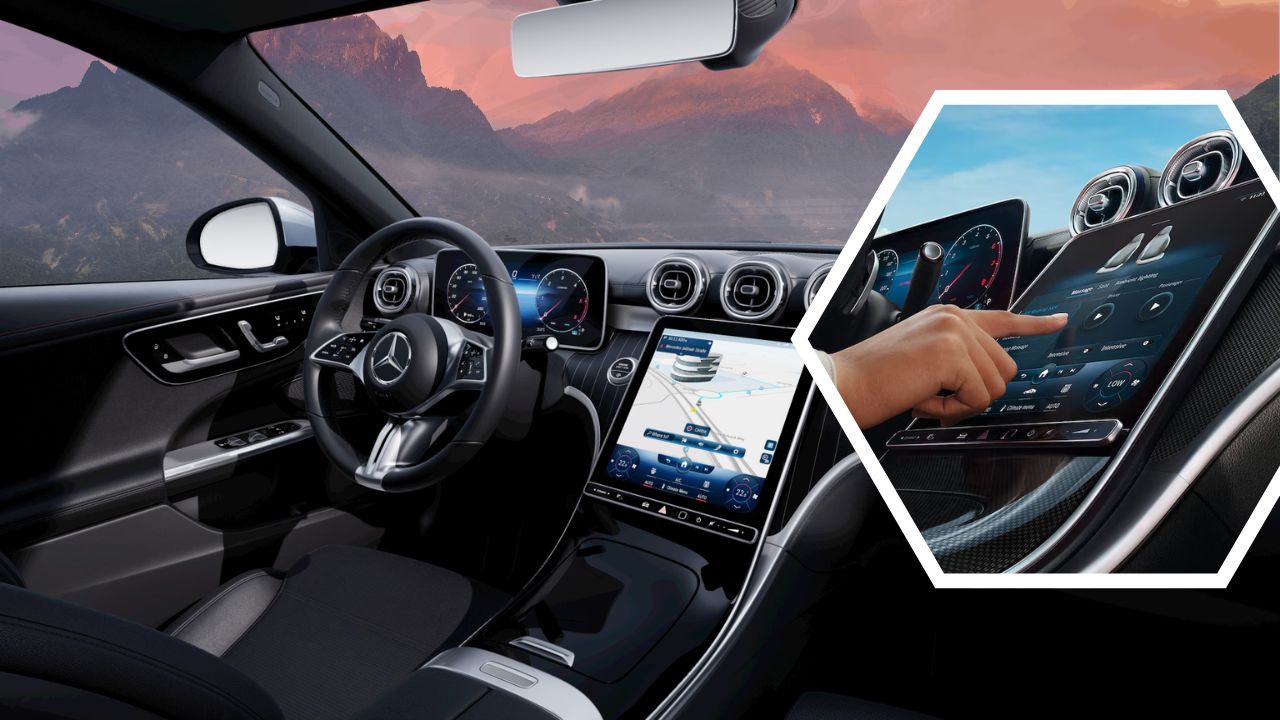
Diesel Torque vs Turbo-Petrol Efficiency Comparison

The C 220d, however, is running more than double the torque of the Fronx from an engine designed for autobahn cruising, wrapped in a body with genuine ground clearance and NVH refinement the Fronx simply can’t match. What the Fronx wins on is ground clearance for Indian roads, warranty backing, and a service bill you won’t flinch at.

Read More:-  Buy Tata Curvv Series X At Rs. 9.99 Lakh With Advanced Features Pack

What Is The Ownership Costs of German Luxury Car?

Every “buy a used luxury car for cheap” phrase doesn’t mean that the car has no value at all. This comparison will clarify that confusion without being more complex. 

A Mercedes-Benz authorized service visit on a W205 C-Class typically costs several times what a Fronx service costs at a Maruti dealership — parts like sensors, suspension bushes, and the diesel’s injectors are imported or semi-imported, and labour rates at luxury-brand service centres run considerably higher than mass-market ones. 

Based on many luxury used car services platforms for out-of-warranty annual running in India, one can expect the maintenance cost on the Mercedes-Benz C 220d Edition C is much higher than usual car services. 

Before buying any used Mercedes-Benz C 220d Edition C, insist on seeing recent oil-level and oil-condition checks, not just a service stamp. Insurance on a nine-year-old luxury sedan is also not cheap to insure comprehensively given the cost of replacement parts, even though the car’s depreciated value is low — get an actual quote before you commit.

German Luxury Car

Fuel Economy of Mercedes-Benz C 220d Edition C

The diesel engine favours the fuel bill, and it’s worth every ride. Since Diesel in Delhi is priced at ₹95.20 a litre against ₹102.12 for petrol as of early September 2026.

A used 220d realistically returning something like 16–18 kmpl in mixed real-world driving — down from its 23 kmpl ARAI-rated figure when new — works out to roughly ₹5,300–₹6,000 for 1,000 km. 

The Fronx Boosterjet AT, rated at 20.01 kmpl on paper but more realistically in the 14–16 kmpl range in everyday city-and-highway use, costs closer to ₹6,400–₹7,300 for the same 1,000 km at current petrol prices. 

Treat both real-world figures as estimates rather than guaranteed numbers — actual mileage depends heavily on driving style, AC use, and traffic conditions — but the direction is clear: the diesel’s torque advantage doesn’t come with a fuel-cost penalty here.

How to Buy on Finance

Not only new cars but used cars can also be bought on finance. But don’t take it blindly, see which benefits you the most. 

A new Fronx qualifies for a car loan with a 90% of loan value and 7-years of tenure. A 8 – 9% of interest rate applies depending on the lender and your credit score. 

While second hand Mercedes falls in a different lending category altogether because most banks and NBFCs cap used-car loan tenures at around five years, often giving only 70–80% of the car’s assessed value with a higher interest up to 14%.

Paying cash is the best option in buying a luxury used car but if you’re opting for financing then remember this factor in your head. The used luxury car’s lower purchase price doesn’t mean your EMI also gets lower. 

Resale is the other side of this. A Fronx has a well-understood depreciation curve and a large buyer pool. A nine-year-old luxury diesel sedan has a much smaller pool of buyers who want exactly this car, which means it can sit longer on used-cars platforms than a mass-market hatchback-SUV would.

How a Similarly-Priced Used BMW 320d Stacks Up

If the used luxury car route appeals to you, the C 220d Edition C isn’t the only option in this exact price band. A used 2016–2017 BMW 320d Sport Line or Luxury Line, with comparable 60,000–70,000 km on the clock, typically trades in a similar ₹12–17 lakh range on OLX and Cars24 listings. 

One of the sources documented buying an eight-year-old 320d with just 50,000 km for around ₹16 lakh — pointing out it undercut the on-road price of a Hyundai Creta or Kia Seltos at the time.
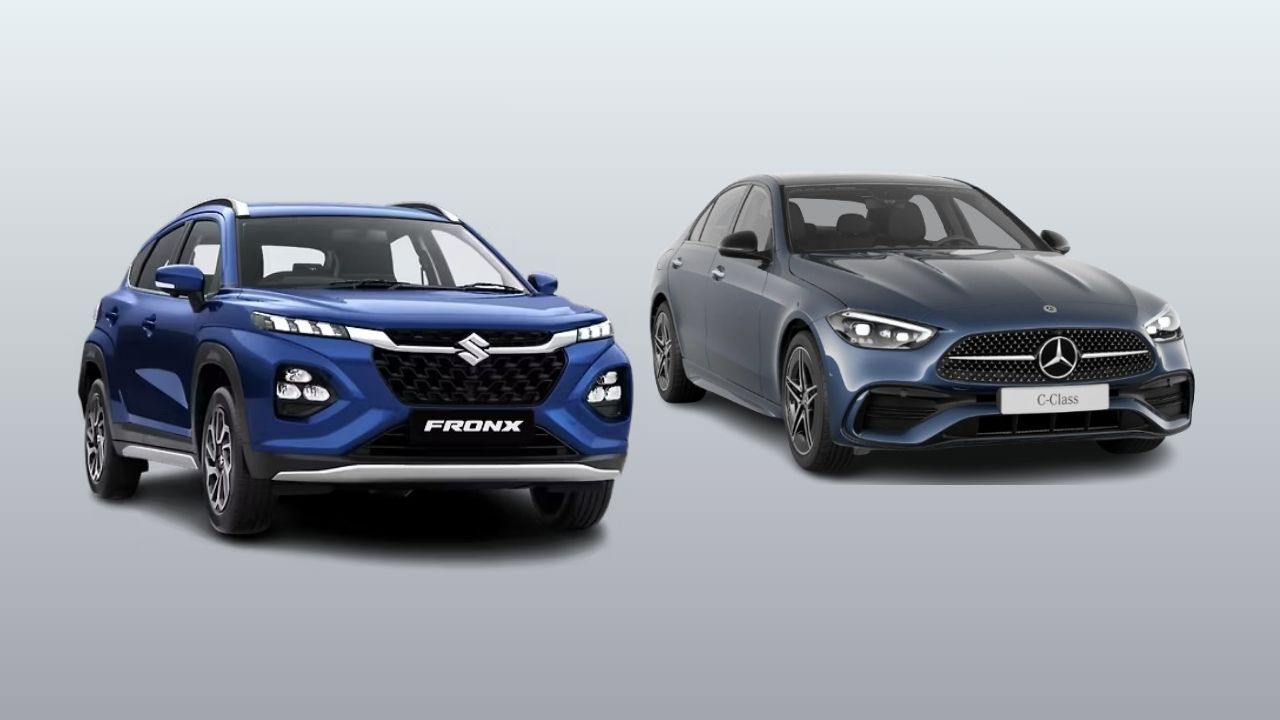
BMW 320d Stacks Up

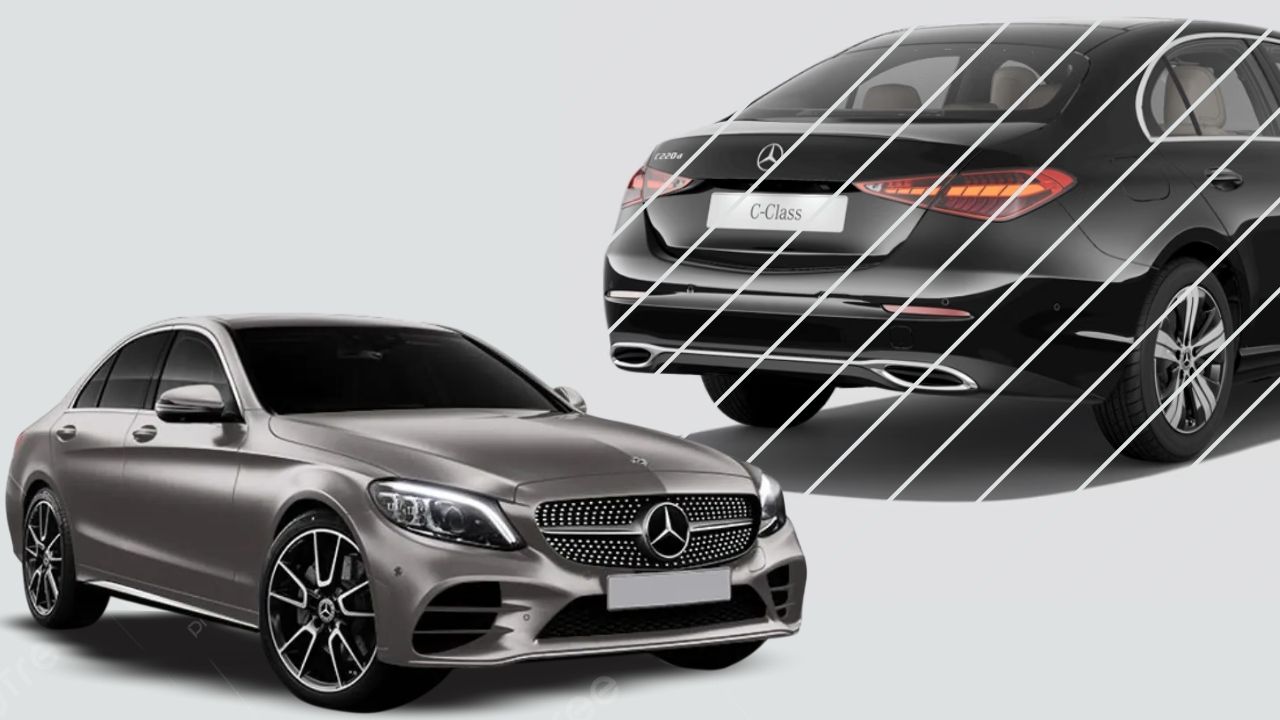
The F30-generation 320d gets BMW’s 2.0-litre diesel, producing around 190 bhp in most Indian-spec versions — giving it a clear power advantage over the C 220d’s 170 bhp. It also brings the sharper steering and rear-wheel-drive setup that made this generation of the 3 Series particularly engaging to drive. 

Where the Mercedes tends to have an edge is outright cabin refinement and that Edition C’s extra kit list. If outright driving involvement matters more to you than plush cabin trim, the 320d deserves a test drive before you commit to the Mercedes on badge alone.

Read More:-   Tata Nexon On-Road Price Lucknow — Best Compact SUV At This Price Point

Should You Buy the Used Mercedes Over the New Fronx?

Buy the Mercedes-Benz C 220d Edition C if: you do most of your driving on highways rather than potholed city roads where ground clearance matters, you have a maintenance buffer set aside beyond the purchase price, you value cabin refinement and highway comfort over warranty peace of mind, and you’re buying from a verified seller with a complete, checkable service history.

Buy the Fronx instead if: this is your only car and you can’t absorb a large unplanned repair bill, you need Maruti’s service network because you’re outside a metro with easy access to Mercedes-authorized centres, you drive on broken or flooded roads where 190mm of ground clearance genuinely matters, or you want the safety net of a manufacturer warranty on a car that’s never had another owner’s driving habits baked into it.

There’s no wrong answer here — but there is a wrong way to make this decision, and that’s comparing only the purchase price. The Fronx’s ₹14.24 lakh is close to the entire cost of ownership for the next several years. The C 220d’s similar sticker price is closer to the entry fee.

Reliable Platforms to Buy Used Luxury Cars

There are verified platforms online like Spinny and Cars24 who sell German luxury cars after inspection and full history, which matters far more on a nine-year-old luxury diesel than it does on a new hatchback. Since they both run their own inspection and certification process, you don’t have to worry and run your inspection.

While OLX and CarDekho owners list their used cars and you have to deal with them directly. So, it’s hard to inspect a nine-year old diesel luxury car regardless of what the seller claims. 
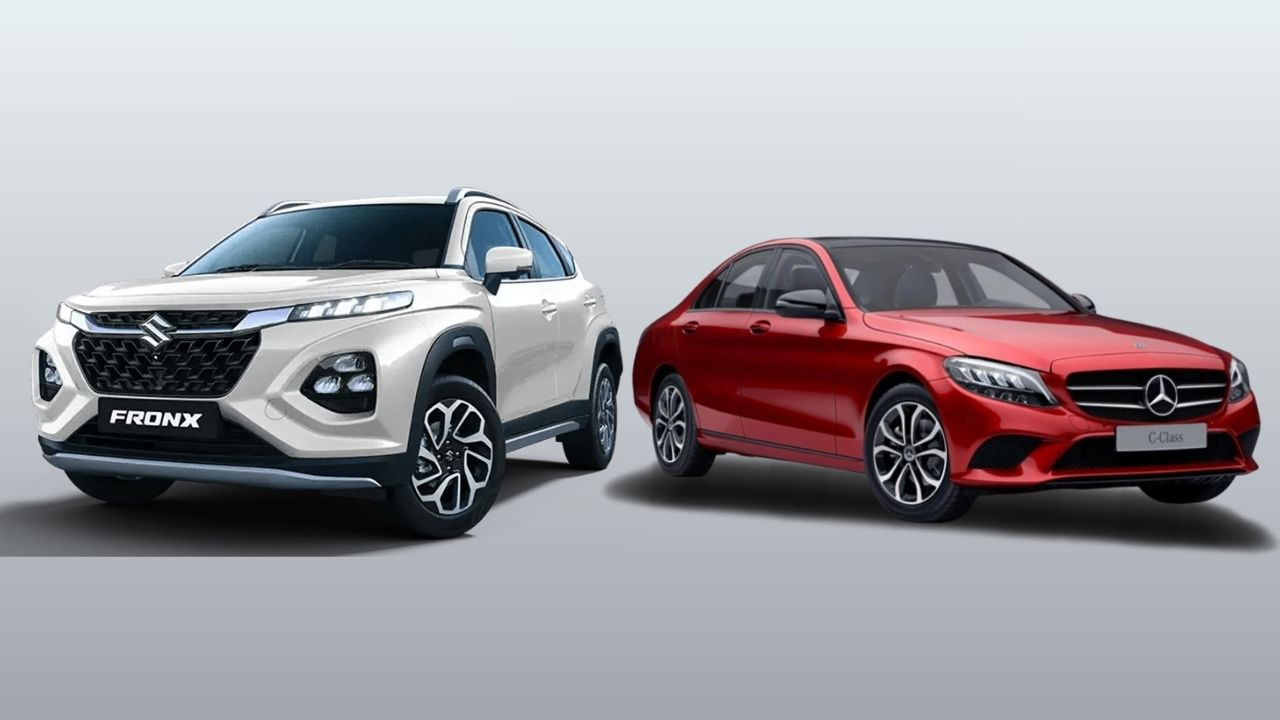
Luxury Cars

Ask specifically for: full service history from an authorized Mercedes-Benz workshop (not just a bill folder), confirmation of the exact transmission fitted, evidence of timely DPF and injector servicing, and a check on whether the car has ever been in an accident — a repainted panel on a nine-year-old car isn’t automatically a red flag, but undisclosed structural repair is.

Read More:-  Kia Carens CNG, Clavis CNG & Carnival Hybrid Pre-Bookings Open In India

Conclusion

If your comparison stops at “same price,” the Fronx and the Mercedes-Benz C 220d Edition C look like a toss-up. Run the comparison through five years of ownership instead, and the decision splits along one honest question: can you comfortably absorb a ₹40,000–₹80,000 repair bill if the Mercedes throws up a problem in year three of your ownership? 

If yes, the used luxury car is a genuinely compelling way to own a proper German sedan for hatchback-SUV money. If that number would hurt, the Fronx’s lower ceiling — even with its weaker engine and smaller boot — is the financially safer three-lakh-kilometre bet.

Alok Kabir

Alok is an experienced SEO Specialist skilled in blogging and SEO-friendly content creation. He also specializes in Content Optimization and Technical SEO, including website optimization, crawlability, indexing, site speed, and on-page improvements to enhance search rankings and online visibility.

Leave a Reply

Your email address will not be published. Required fields are marked *

0

Best Car Air Filters for Better Engine Performance & Save Your Repair Cost

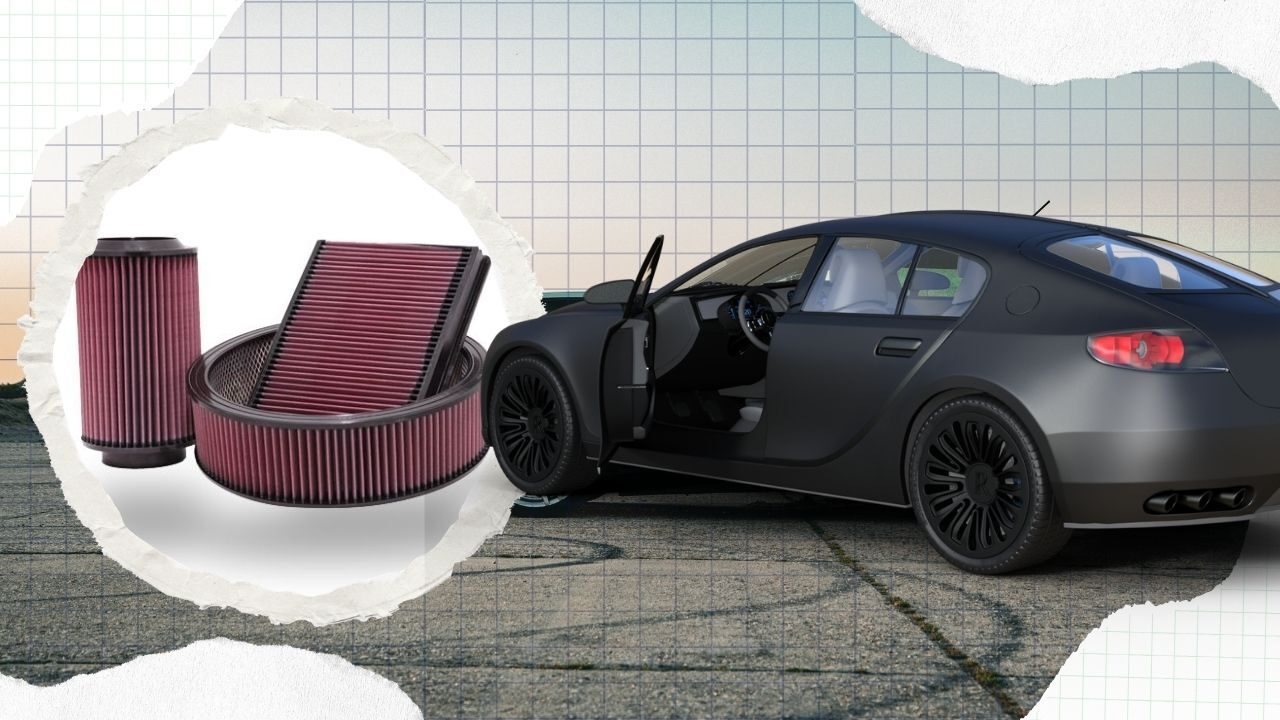
Best Car Air Filters for Better Engine

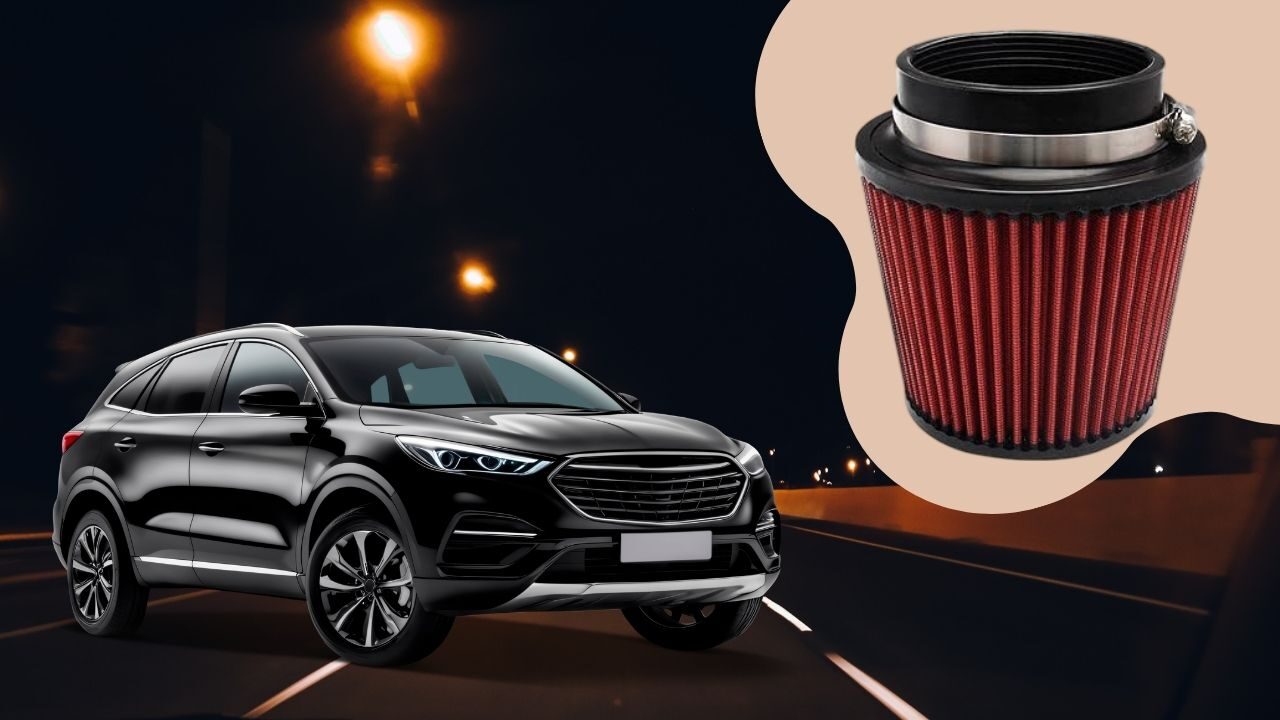
Your car’s mileage has dropped two or three kilometers per liter for no obvious reason. And the mechanic at your last service glanced under the hood and said the one line every mechanic says: “change your air filter.” Once you understand why the best car air filters for better engine performance can make your experience more exciting and comfy, you won’t get lazy next time.

It’s the cheapest item on the entire service invoice, and it’s also the one most owners skip, mostly because nobody explains what it actually does or which one is worth buying. A clogged filter starves the engine of oxygen, and the ECU compensates by dumping in more fuel to hold the same air-fuel ratio — which is exactly why a ₹300 part shows up later as a fuel-bill problem. 

This guide runs through the best car air filters available in India right now, what they actually cost, and which one fits your car and how you drive — because when it comes to car air filters for better engine performance, the brand name matters less than getting the right part number.

What Indian Market Has to Say

India’s aftermarket filter market is more fragmented than the brand names suggest. Industry estimates put counterfeit and substandard filters at roughly 15–20% of aftermarket volume, and the same “Bosch” or “K&N” listing can be priced anywhere from ₹80 on a wholesale portal to ₹5,000+ on a retail site, depending on whether it’s genuine, which vehicle it’s cut for, and who’s selling it. 

So treat every price below as a starting range tied to the exact model, not a fixed number — always match the part number to your car’s manual before you buy.

Engine Air Filter or Cabin Air Filter — Make Sure You’re Buying the Right One

Search “car air filter” on any Indian marketplace and roughly half the results that come back are cabin (AC) filters, not the engine air filter what we are talking about and they’re not interchangeable. 

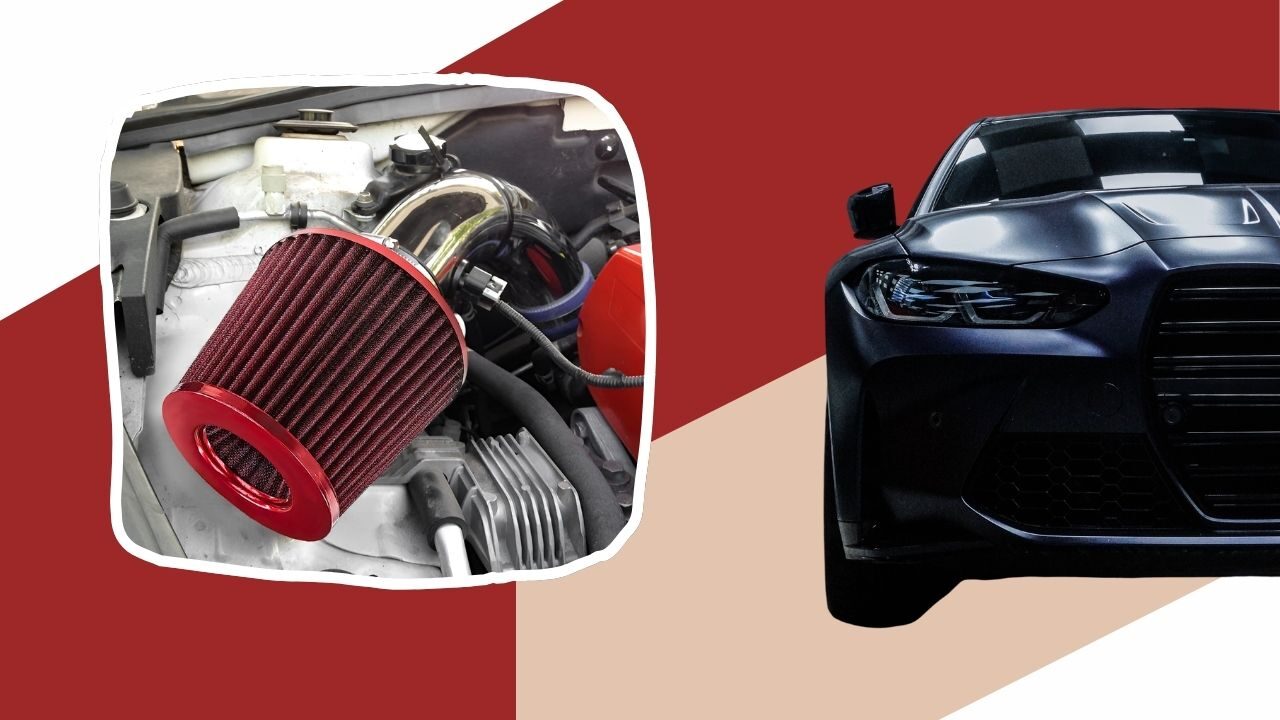
The engine air filter sits in a black plastic housing near the top of the engine bay and filters air going into combustion; a clogged one costs you mileage and throttle response, which is the problem this guide solves. 

The cabin filter sits behind the glovebox or under the dashboard and filters air blowing through your AC vents; a clogged one causes musty smells and weak airflow from the vents, not engine problems. 

Both are cheap, both should be checked at service intervals, but they’re different parts with different part numbers. So if a listing doesn’t specify “engine air filter” or give a part number that matches your owner’s manual, don’t assume it’s the one your engine needs.

Best Car Air Filters for Better Engine Performance: Top Picks Compared

These ten are picked for genuine OE relationships, real availability in India, and price transparency. Specs and prices are approximate; confirm the exact SKU for your car before ordering.

1. Purolator (Mahle Filter Systems India) — Best Overall 

  • Price: roughly ₹250–₹900 for hatchbacks and sedans, more for SUVs and diesel variants. 
  • Filter media: multi-layer paper/cellulose. 
  • Coverage: Maruti Suzuki, Hyundai, Tata, and Mahindra, since Mahle Filter Systems India — the joint venture behind this brand — already tools first-fit parts for most major Indian OEMs. 
  • Replacement interval: 10,000–15,000 km for a typical paper element. The upside is that you’re often buying the same part the factory used, at aftermarket pricing. 
  • Best for: owners who want a factory-identical replacement without paying performance-filter prices.

The downside is that smaller-town stores don’t always stock the full SKU range, so you may need to order online. 

Indian Market

2. Bosch — Best for Wide Vehicle Range 

  • Price: roughly ₹350–₹900 for common engine filters, climbing past ₹4,000 for some SUV and premium fitments. 
  • Filter media: micro-fiber and resin-treated paper. 
  • Coverage: about as broad as it gets — hatchbacks through premium SUVs and several imports. 
  • Best for: buyers who want a globally recognized name backed by a real Indian service network.

It’s manufactured in India under Bosch Germany’s process standards, so quality control is consistent across the range. The catch is that the price spread is wide enough that the brand name alone tells you little — check the exact part number, not just the box. Best for: buyers who want a globally recognized name backed by a real Indian service network.

3. MANN-Filter — Best European Engineering 

  • Price: roughly ₹500–₹2,500, higher on VW Group, Skoda, and Audi diesel fitments. 
  • Filter media: deep-pleat multi-layer paper built for higher dust-holding capacity. 
  • Coverage: strongest on European makes, though it also fits a decent range of Japanese, Korean, and Indian models. 
  • Best for: owners of German or European cars who want a factory-spec part rather than a generic cross-fit.

It’s engineered by the actual OE supplier to several European automakers, so fitment on those cars is exact. Distribution outside metro cities is thinner than Bosch or Purolator. 

Read More:- Thar Roxx Accessories to Buy Online That Actually Worth Buying in 2026 

4. K&N — Best for Performance and Long-Term Cost

  • Price: roughly ₹4,800–₹8,000+, among the priciest options here. 
  • Filter media: oiled cotton gauze — washable and reusable rather than disposable. 
  • Coverage: model-specific performance filters plus universal options. 
  • Best for: owners planning to keep the car 6+ years, or anyone chasing a small, real improvement rather than a marketing promise.

It doesn’t get replaced but gets cleaned and re-oiled roughly every 50,000 km, so the steep upfront cost spreads across the life of the car and can undercut five or six rounds of ₹300–₹900 paper replacements. The real gain is modestly higher airflow and slightly sharper throttle response, not a dramatic power jump — and oiling it incorrectly can throw off mass airflow sensor readings on some ECUs. 

5. Denso — Best OEM Match for Maruti Suzuki and Toyota

Price: roughly ₹300–₹1,200. Filter media: pleated paper. 

Coverage: strongest on Maruti Suzuki and Toyota platforms, where Denso is a first-fit supplier — so it’s close to a factory-identical part at aftermarket pricing. Coverage thins out fast for Hyundai, Tata, or Mahindra, so it’s a poor fit for anyone outside those two brands. 

Best for: Maruti Suzuki and Toyota owners specifically.

6. ACDelco — Best for Chevrolet Legacy Owners 

  • Price: roughly ₹300–₹1,000 where stocked. 
  • Filter media: standard pleated paper. 
  • Coverage: built around GM’s old India lineup — Beat, Spark, Cruze, Enjoy — from before GM exited India’s passenger car market in 2017. 
  • Best for: owners keeping an older Chevrolet running rather than switching brands.

It’s still the closest OE match for the roughly 1.5 million Chevrolet vehicles left on Indian roads, but dealer stock has thinned since the exit, so sourcing usually means ordering online rather than walking into a store. 

7. Mahle — Best Premium Tier (Purolator’s Sister Brand) 

  • Price: roughly ₹400–₹2,000+. 
  • Filter media: high-density pleated paper, with some models adding an activated-carbon layer. 
  • Coverage: broad, from the same Mahle Anand Filter Systems factories as Purolator, but positioned as the denser, higher-filtration tier of the two. 
  • Best for: owners who do a lot of highway or unpaved-road driving.

The extra density matters more on dusty highways or rural routes than in city traffic, where the price premium over Purolator often isn’t worth paying. 

8. Fram — Best for Imported or Less Common Models 

  • Price: roughly ₹300–₹1,500. 
  • Filter media: pleated paper, with build quality that varies noticeably across the range. 
  • Coverage: broad worldwide, but stronger for imported and CBU models than for mass-market Indian cars. 
  • Best for: owners of imported or less common models that Indian-specific brands don’t stock.

It’s one of the most recognized names globally, which makes cross-referencing part numbers easy, though the budget SKUs use a noticeably lighter frame than the mid-tier ones — check reviews for your specific part number before buying. 

9. UFI Filters — Best Italian OE-Spec Alternative 

Price: roughly ₹400–₹1,800 where available. 

  • Filter media: multi-layer paper tuned for the dust-holding demands of European emission-standard vehicles. 
  • Coverage: growing in India, where UFI now has both R&D and manufacturing presence, mostly supplying OEMs directly. 
  • Best for: owners who specifically want a European filtration brand outside the Bosch/Mann duopoly.

Retail availability is patchier than Bosch or Purolator — this is mostly an online purchase, not a shelf item. 

10. Manufacturer Genuine Filters (Maruti Suzuki, Hyundai, Tata) — Best for Warranty-Safe Replacement 

  • Price: roughly ₹200–₹900, depending on model and dealership margin. 
  • Filter media: whatever the OEM originally specified. 
  • Coverage: only fits the brand it’s sold under, with no cross-compatibility. 
  • Best for: owners still inside the manufacturer’s warranty period who don’t want any argument during a claim.

There’s zero ambiguity about warranty compliance since it’s the exact part the manufacturer lists, but it’s usually the priciest per-filter option once dealership margin is added, and it locks you into that one brand’s network. 

Read More:- Best Car Accessories for Thar Roxx You Should Buy in 2026

Purolator vs. Bosch: The Real Head-to-Head

These two are the strongest all-round picks, and the choice between them comes down to your car rather than brand loyalty. Purolator wins on price for mainstream Maruti Suzuki, Hyundai, and Tata models, because Mahle Filter Systems India already tools the exact part for those OEM contracts — you’re effectively buying the factory filter at aftermarket pricing. 

Purolator vs. Bosch

Bosch wins on breadth: if your car isn’t from those three or four brands, or you’re not sure which SKU fits, Bosch’s catalog and online cross-reference tools make it easier to land on the correct part without guessing. For a mainstream Indian hatchback or sedan, Purolator is the cheaper correct answer. For anything less common, Bosch is the safer one.

Signs You’re Actually Overdue for a Replacement

Most owners wait for a service reminder instead of watching for the actual signs, which is how a ₹300 fix turns into a habit of paying more at the pump for months. A visual check is the fastest test — pull the filter out and hold it up to a light; if you can’t see light through it, it’s overdue regardless of what the odometer says. 

Beyond that, watch for a drop in fuel economy that shows up gradually rather than overnight, a rough or hesitant idle, a faint sooty smell from the exhaust on start-up, and reduced acceleration that you’d normally blame on traffic or a tired driver. None of these symptoms are exclusive to a dirty air filter, but if two or more show up together and your last filter change was more than 12,000–15,000 km ago, it’s worth ruling out before you spend money diagnosing anything more expensive.

Which Air Filter Should You Actually Buy?

Start with your situation, not the brand name.

If you drive mostly in the city and want the cheapest correct fit, go with Purolator, or the OEM-linked brand for your car — Denso for a Maruti Suzuki or Toyota, ACDelco for an older Chevrolet. If your routes are mixed highway or rural and dustier than average, Mahle’s denser filter media earns its premium over standard Purolator. 

If you’re keeping the car six-plus years and want a small, real performance gain rather than a marketing claim, budget for a K&N as a one-time cost instead of five recurring ones. If you’re still inside the manufacturer’s warranty period, pay the premium for the genuine part — it removes any argument during a claim.

Wherever you buy — Amazon.in, Flipkart, Moglix, Carorbis, or a brand’s authorized dealer network match the exact part number to your car’s manual rather than trusting the brand name on its own. Given how much counterfeit and mislabeled stock circulates in India’s filter aftermarket, getting the fitment right matters more than which of these ten brands ends up under your hood.

Read More:- Best Brake Pads for Cars: Top Options for Safe Driving

Conclusion 

An effective car air filter isn’t going to be pricey and still make a difference. Many Indian car owners consider a good OE quality filter from the likes of Purolator, Bosch, Denso, Mahle etc to be sufficient for keeping the airflow/mileage/engine performance in check. The trick is finding the right part number for your car, rather than buying the priciest brand. 

If your car’s air filter looks dirty or you’re experiencing decreased gas mileage and reduced acceleration, changing it is one of the least expensive maintenance tasks you can perform. And with fake and mismatched filters abound in the aftermarket, sourcing from a trustworthy retailer and verifying the correct fitment is as important as the filter brand. 

0

Ram 1500 vs Chevy Silverado : Power, Price & Performance

Published May 12, 2025, 11:55 AM
Last Updated May 13, 2025, 11:04 AM

Towing and Payload Comparison of Ram 1500 vs Chevy Silverado

When you need a robust and reliable pickup truck,  names regularly arise: Ram 1500 and Chevy Silverado. Both are powerful, cutting-edge, and complete of features. But which one is better for you? In this guide, we evaluate the Ram 1500 vs Chevy Silverado in 2025. 

Let’s check out their engines, towing energy, gasoline use, consolation, tech capabilities, and safety. This will help you pick out the right truck.

Engine and Performance of Ram 1500 vs Chevy Silverado

The Ram 1500 in 2025 offers great engine choices. The base engine is a 3.6-liter V6. It gives about 305 horsepower. There are two new 3.0-liter twin-turbo engines. One gives 420 horsepower. The high-power one gives 540 horsepower. That’s a lot of speed and power. These replace the older HEMI V8 engine. All engines come with an 8-speed automatic transmission. The truck feels very fast on the road.

The Chevy Silverado also gives many choices. Its base engine is a 2.7-liter turbo with 310 horsepower. It also has a 5.3-liter V8 and a 6.2-liter V8. The biggest engine gives 420 horsepower. If you want diesel, there’s a 3.0-liter Duramax diesel engine with 305 horsepower. Chevy’s V8s come with a 10-speed automatic. The Silverado is strong and fast but not as powerful as the Ram’s 540-hp option.

Towing and Payload Comparison of Ram 1500 vs Chevy Silverado

Towing is definitely one of the big reasons people buy trucks. Chevy Silverado vs Ram 1500 — now, let’s take a look at the comparison.

The Chevy Silverado can haul up to 13,300 pounds. That’s the diesel engine, mind you. Up to 11,550 pounds towing is possible with the Ram 1500. All of which is to say, Chevy can tow more weight. That’s useful if you tow boats, trailers — or anything heavy, really.

For carrying things in the truck bed, the Ram 1500 can lug around up to about 2,370. The Chevy Silverado can haul about 2,260 pounds. These numbers are close. Each of the trucks can move more than a ton of weight.

So, if you have very heavy things to tow, go with the Silverado. But for most tasks, both have plenty of strength.

Fuel Economy

Using gas is good for your pocketbook. If you pick the diesel, then the Chevy Silverado is the better way to go here. It delivers around 24 miles per gallon (mpg) in the city and 29 mpg on the highway. That’s very good for a large truck.

With Chevy’s 2.7-liter gas engine, you can expect around 19 mpg city and 22 mpg highway. The larger V8 engines are worse — around 17 to 20 mpg.

The Ram 1500 is not available with a diesel in 2025. Its top mpg is provided by a 3.6-liter V6. It gets around 20 mpg city and 26 mpg highway. The turbo engines in the new Ram actually consume more fuel. The high-powered 540-hp engine gets around 15 mpg city and 21 mpg highway.

So for fuel savings, the Silverado’s diesel is the winner. Ram, however, still gets quite good mileage out of the V6.

Ram 1500 vs Chevy Silverado: Interior and Comfort

Both trucks have plenty of room in the interior. If you go with a bench seat, they can seat up to six. There’s plenty of room for legs and heads.

The ride is smoother in the Ram 1500. It uses coil springs in the rear, while Chevy has long used leaf steel springs. Ram also provides air suspension, which gives it a carlike feel.

Ram 1500 vs Chevy Silverado Interior and Comfort

Ram’s cabin is also more quiet and fancy. It uses nice materials like leather and wood in top models. The seats feel soft and comfortable.

The Chevy Silverado also has a nice interior. It got better in 2022 with big touchscreens and better seats. But it still feels a little more like a work truck. If you want a luxury feel, Ram is better.

Technology and Features

The Ram 1500 comes with a big 14.5-inch touchscreen. It also offers a 10.3-inch screen for the front passenger. The driver gets a 12.3-inch screen and a head-up display.

The Chevy Silverado offers a 13.4-inch screen in higher trims. It also has a 12.3-inch driver display. Lower trims have smaller screens.

Both trucks support Apple CarPlay and Android Auto. Ram does it wirelessly. Chevy uses Google built-in features.

Ram’s top trims have a 23-speaker Klipsch sound system. Chevy offers Bose audio in high trims. Both have USB ports, wireless charging, and cameras for parking.

Chevy also offers Super Cruise, a hands-free driving feature. It works on highways and even while towing. Ram has a feature called Active Driving Assist, but it is not fully hands-free.

So, Ram 1500 vs Chevy Silverado in tech? Ram has more screens and sound. Chevy has better hands-free driving.

Safety Comparison of Ram 1500 vs Chevy Silverado

Both trucks are safe. They have features like:

  • Forward collision alert
  • Blind spot warning
  • Lane keep assist
  • Rear traffic alert

They also have airbags and backup cameras.

The Chevy Silverado got a full 5-star rating from the government for crash safety. The Ram 1500 also got 5 stars, but only 4 stars in the front crash test.

So, Chevy has a small edge in crash safety. But both trucks keep you safe on the road.

Price and Value

Now let’s talk about money. The Chevy Silverado starts at about $37,845. That’s for the base Work Truck model. The Ram 1500 starts at around $40,000. That’s a bit more than Chevy.

As you go higher, both get more expensive. A fully loaded Chevy Silverado may cost up to $65,000. A top-end Ram 1500, like the Tungsten trim, can cost over $85,000.

Price and Value

So, Ram gives more luxury but also costs more. Chevy gives good value for money, especially in the mid-level trims.

In the Chevy Silverado vs Ram 1500 value game, it depends on what you want—fancy or functional.

Read Also : Subaru Outback vs Jeep Grand Cherokee: Don’t Buy Until You Read This!

Final Thoughts

Both the Ram 1500 and the Chevy Silverado are great trucks in 2025. They are strong, safe, and full of new features. Choose the Ram 1500 if you want:

  • A smoother ride
  • A fancier interior
  • More engine power

Choose the Chevy Silverado if you want:

  • Better towing
  • Lower starting price
  • Better fuel economy with diesel

So, in the end, it depends on what you need. The Ram 1500 vs Chevy Silverado debate has no one winner. Both trucks are awesome. Pick the one that fits your job, your style, and your budget.

0

Top 5 Cheapest Electric Cars in the USA (Full Price Breakdown Inside!)

Published Jul 29, 2025, 5:57 AM
Last Updated Apr 7, 2026, 10:47 AM

Electric Cars in the USA

Now it’s possible to buy Electric Vehicles at affordable prices with rising competition, growing demand, and tax credits. Many people want to save trees but some want to change their pollution-spreading behaviour. In this case, switching to electric vehicles is one of the changes. The high price barrier is stopping many people from buying EVs in the US. But now, without losing a bunch of money, you can switch from diesel or gas to Electric Vehicles. Here are some of the Top 5 Cheapest Electric Cars in the USA, which provide you with smart features, comfortable seats, extra safety, and a smooth run at a low price. 

They are cheap but they’re reliable and comfortable that you cannot regret buying. I’ve put together a list of the budget-friendly EV cars, but remember the price and rankings may vary over time. 

If you want to drive in a comfortable car for your needs that doesn’t bend your concerns over eco-friendly nature, you can switch to an EV. These top cheapest cars will not consume all of your money but provide you with a powerful engine and battery life to make you less worried.

Chevrolet Bolt EV– Best Value for Money

Chevrolet Bolt EV

Image Credit: Architectural Digest

In 2025, the Chevrolet Bolt EV is offering a 260-mile range and a solid build model under $20K after incentives. This car has fast charging support that will last for 100 miles. You will get a wonderful experience of smooth running and braking with one pedal driving. Standard Chevy safety assist will lessen your worry about any trouble. This advanced Chevrolet Bolt EV is providing a 10.2-inch infotainment touchscreen with a rear vision camera to ensure nothing can stop you from driving long routes.

The starting price is $26,500. You can buy at a lower price if you include the federal tax credit. Experience the real smooth turns and take joy while driving with a 259 EPA range.

Nissan Leaf – Affordable and Proven

Nissan Leaf

Image Credit: Alder

Nissan Leaf is offering an 8-inch touchscreen with NissanConnect, Apple CarPlay, Android Auto. E-Pedal mode makes it easy to drive, especially for beginners. Automatic emergency braking will be helpful in this traffic rush. The more safety, the lower the crash chances. Cargo area and rear seat legroom make it more comfortable for family trips. Whether it’s a small or a bigger trip, you must want the space in your car. 

Nissan Leaf delivers advanced tech features like forward collision warning and rear cross traffic alert to minimize the chances of accidents. The proven and tested standard safety EV in the market on which you can rely. $29,280 is the starting MSRP for this car. 

Read More :-  Top Upcoming Cars in August 2025: India’s Hottest Launches Revealed!

Mini Cooper SE Electric – Stylish Yet Budget-Friendly

Mini Cooper SE Electric

Image Credit: WIRED

A stylish car at an affordable price is rare, but this Mini Cooper SE Electric has everything. If you love sporty style cars but are concerned about gas or diesel, don’t worry, this EV is best for daily drives. You can have it for your daily comfort while driving in the city and parking almost anywhere. There’s no need for a big garage. 

This Mini retro-modern design is perfect for slaying an impression. It offers a 6.5-inch screen and dual-zone climate control. You can experience the high quality interior with a sleek exterior design. Its quick torque will blow your mind while driving. The outstanding performance will cost you $30,900. 

Hyundai Kona Electric – Comfort Meets Practicality

Hyundai Kona Electric

Image Credit: Carscoops

Hyundai Kona Electric is for folks who want more than just a simple EV. It offers a good range of power which can let you be free to go on the trip. You can go anywhere with Kona Electric as it delivers highway driving assist with lane centering, comfortable seating, and smart cruise control to make you a smart driver. 

The 10.25-inch touchscreen with 64kWh is great for highway trips. So, if you are going to travel a lot with your car then choose this comfortable and powerful EV to drive safely and reach your destination without having to worry about diesel and gas. It costs you $34,050 but the price may fluctuate according to the states.

Tesla Model 3 RWD – Affordable Luxury

Tesla Model 3 RWD

Image Credit: EV Central

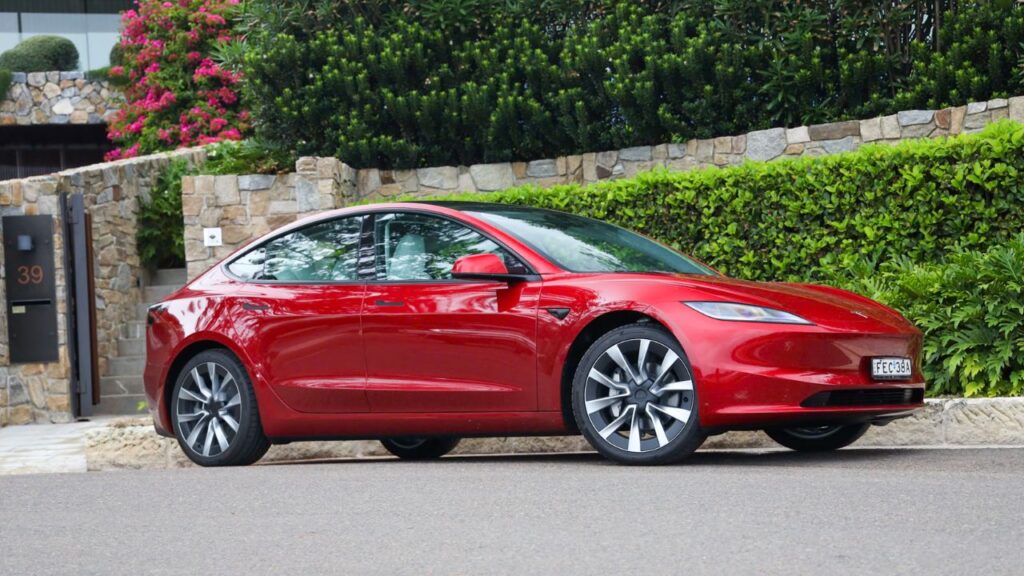
Tesla offers full self-driving + autopilot mode which makes you less worried about taking a wonderful trip. This one is included in luxury models but Tesla Model 3 RWD will cost you $38,990 which is affordable in terms of the sleek design and powerful features. It offers 15-inch landscape touchscreen, voice controls, glass roof, and access to the supercharge network of tesla. 

Which One Should You Buy?

This factor depends only upon your budget, and choice. If you want to drive comfortably in an EV at low cost, The Chevy Bolt EV is the best option.

If you want to drive around the city in a stylish EV, the Mini Cooper SE might be your vibe.

If you are looking for a stylish but also comfortable, tech optimized and budget friendly, the Hyundai Kona Electric is a solid all-rounder.

Now, if you can stretch your bank-balance, the Tesla Model 3 is the best option for long-term performance. 

Conclusion

You can find the best cars at cheap prices which are fueled with diesel or petrol but EVs are a bit higher in price. The growing concern for the EV is rising and many people want to switch into Electric cars from diesel cars. Now you can travel around the city with a Mini Cooper and the country with Kona Electric. These Top 5 Cheapest Electric Cars in the USA will offer you comfort and a wonderful ride with its top-tier performance and sleek design. All the cars have good features but some have advanced features but they can stretch your budget criteria to buy. 

0

Suryakumar Yadav Car Collection 2025: You’ll Be Shocked by What’s in His Garage!

Published May 31, 2025, 9:25 AM
Last Updated Apr 10, 2026, 7:17 AM

Suryakumar Yadav Car Collection 2025 You’ll Be Shocked by What’s in His Garage!

Suryakumar Yadav Car Collection makes fans look twice. The cricketer loves strong and fast cars. He shows them off with pride. His garage holds some of the best cars in India. It has both luxury and power. You will find big SUVs and sleek sports cars there. He has paid crores of rupees for these cars. He cares for each car with regular service. His love for cars matches his love for cricket. He keeps each car clean and ready to drive. Check out the rich collection of his cars below:

Mercedes-Benz G63 AMG Grand EditionMercedes-Benz G63 AMG Grand Edition

G63 AMD Grand Edition is his top car by price and power. It has a 4.0-liter V8 engine. It makes 585 brake-horsepower. This model of Mercedes-Benz can go from 0 to 100 km/h in about 4.5 seconds. The car costs about ₹2.45 crore in India. The body is boxy and bold. It has a rich black paint finish that looks sharp. Gold accents add extra style. He drives it in Mumbai traffic or on open roads. This car shows both strength and luxury.

Porsche 911 TurboPorsche 911 Turbo

Next is the sleek Porsche 911 Turbo. It has a 3.8-liter flat-six petrol engine. It makes around 580 hp and 750 Nm of torque. You can reach 100 km/h in just 2.7 seconds. The top speed is about 330 km/h. The car costs roughly ₹3.64 crore. It has a low ride height and wide body. The seats fit close to the ground. It hugs curves tightly on mountain roads. He uses it when he wants speed and style.

Mercedes-Benz GLS

Mercedes-Benz GLS

He also owns a large Mercedes-Benz GLS SUV. It has a 3.0-liter six-cylinder engine. The engine makes about 367 hp. The GLS seats seven people. He can take family and friends along. It costs about ₹1.3 crore in India. The interior feels like a living room. It has leather seats and wood trim. He uses it for long trips on highways. The ride feels smooth and calm.

Land Rover Defender

Land Rover Defender

The Land Rover Defender brings a sense of adventure to his collection. It is powered by a 3.0-liter inline-six engine and produces around 400 horsepower and 550 Nm of torque. It costs between ₹80.7 lakh and ₹1.22 crore. It can cross rivers and mud roads. It has high ground clearance and big tires. He can take it off-road in the Western Ghats or on beach trails. The seats are comfy for long drives. Its boxy shape is both old-school and modern.

Skoda Superb

Skoda Superb

He gives his parents a Skoda Superb. It costs about ₹39–42 lakh. It has a 2.0-liter turbo petrol engine. The engine makes 190 hp and 320 Nm of torque. The cabin feels big and bright. It has a wide backseat with leg room. He drives it to school matches or family events. It runs quietly on city roads. It shows he cares for family as well as speed.

Why Does He Loves These Cars?

Surya Kumar picks cars for fun and style. He plays cricket with bold moves. He drives cars with the same bold mind. He likes power under the hood. He likes the comfort inside too. He drives SUVs when he needs space. He drives sports cars when he wants speed. He cares for each car with regular checkups. He washes them by hand every week. He keeps the tyres and oil in top shape. He checks lights and brakes before every long trip.

Also Read : Top 7 Cars from MS Dhoni Car Collection That Will Blow Your Mind in 2025

Conclusion

Surya Kumar Yadav Car Collection shows his passion. It shows he likes both power and style. His garage has strong SUVs and fast sports cars. He owns cars that cost from ₹39 lakh to over ₹3 crore. He uses them for family trips, matches, and fun drives. He cares for each vehicle like a prized tool. His collection inspires young fans to dream big. It proves that hard work can buy the cars you love.

Frеquеntly Askеd Quеstions

Q.1. Which is thе most еxpеnsivе car in thе Surya Kumar Yadav Car Collеction?

Thе most еxpеnsivе car in his collеction is thе Porschе 911 Turbo. It costs around ₹3.64 crorе and offеrs top spееd, grеat dеsign, and world-class pеrformancе.

Q.2. How much is thе total worth of thе Surya Kumar Yadav Car Collеction?

Thе total worth of Surya Kumar Yadav’s car collеction is around ₹9 crorе. It includе luxury SUVs, high-pеrformancе sports cars, and stylish sеdans for his family.

Q.3. Doеs Surya Kumar Yadav buy nеw cars еvеry yеar?

No, Surya Kumar Yadav doеs not buy nеw cars еvеry yеar. Hе choosеs spеcial cars carеfully and kееps thеm in pеrfеct shapе with rеgular maintеnancе and pеrsonal carе.

2

What Monthly Salary Is Required to Buy a Tata Nexon?

Published Oct 27, 2026, 11:48 AM
Last Updated Oct 28, 2026, 12:40 PM

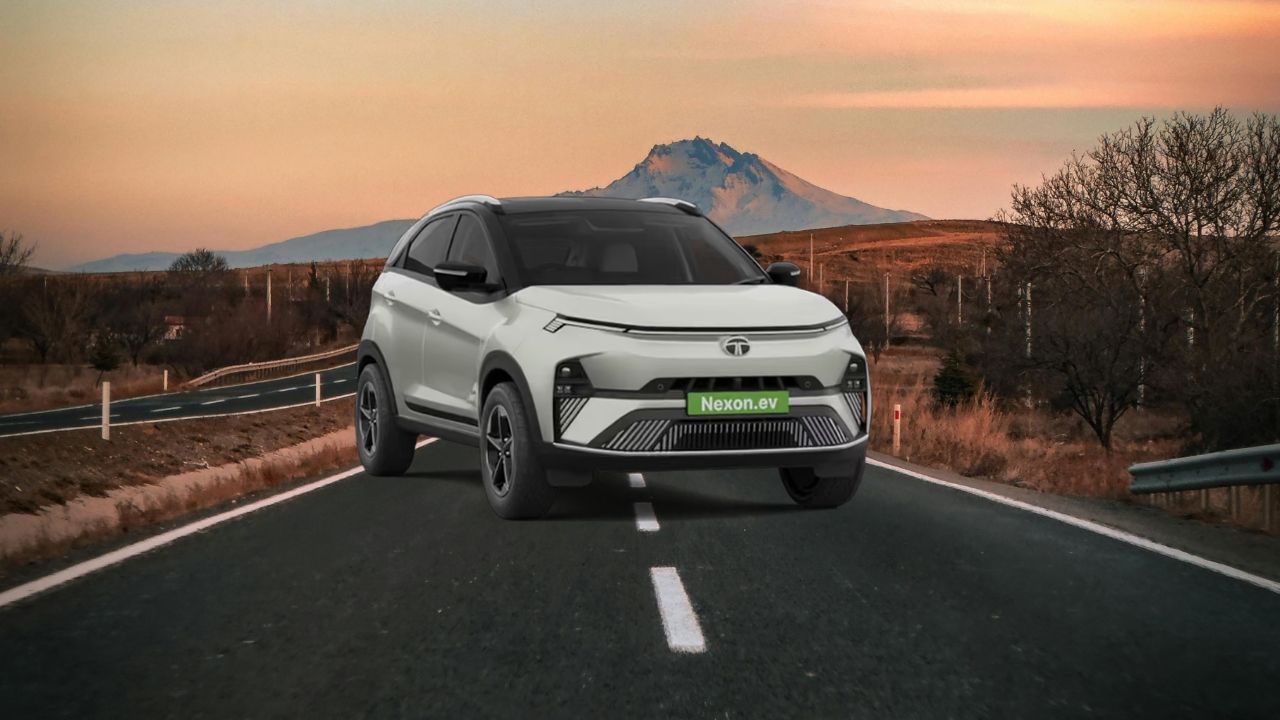
Tata Nexon

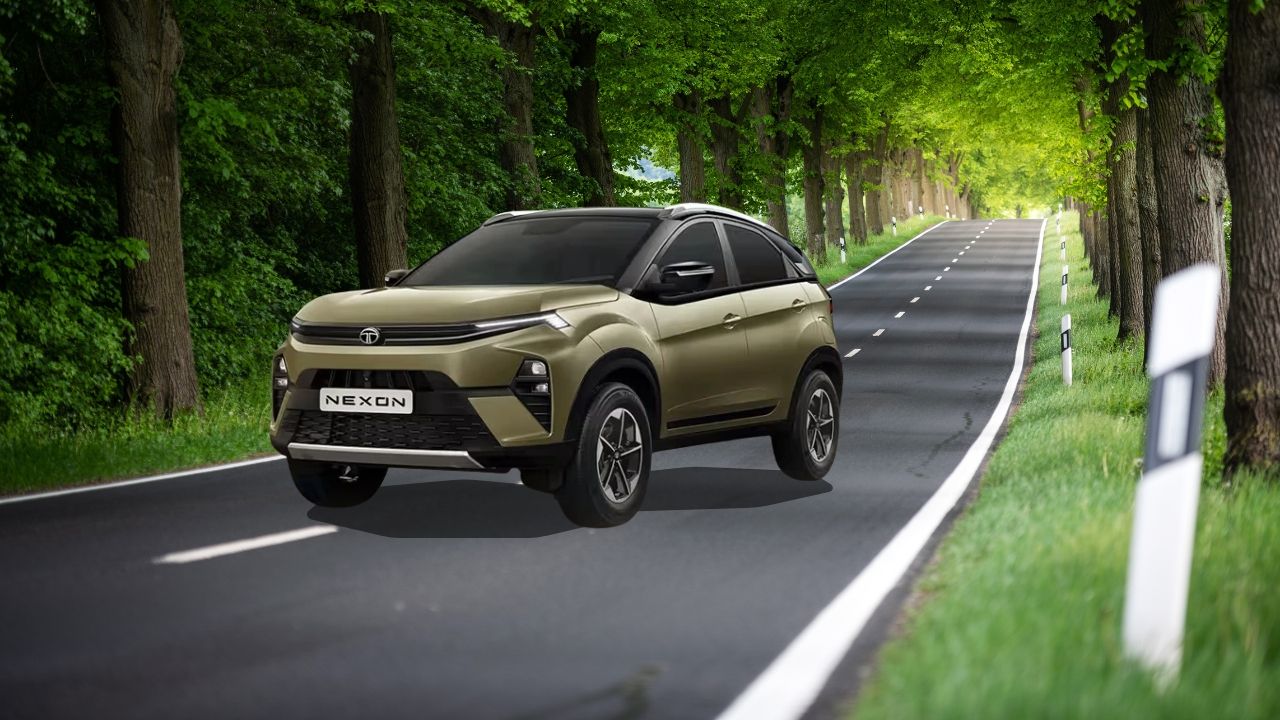
When you settle down with a stable job and wondering What Monthly Salary Is Required to Buy a Tata Nexon? Either you want to commute to the office daily or to go out with your family, both need a car which is reliable and gives better fuel efficiency. The Tata Nexon is one of the cheapest and reliable options in India. 

So you open a car website, see “Nexon from ₹7.4 lakh” and search for options to buy a Tata Nexon without wrecking your budget. The sticker price doesn’t answer that. The EMI does, and so does everything else the car costs you every month. Let’s figure out how.

What Monthly Salary Is Required to Buy a Tata Nexon?

To buy a base Nexon, your monthly salary needs to be around ₹35,000 to ₹40,000 for getting car loan approval, even if you get a personal loan the bank says yes after analyzing your credit score and take-home pay. If you already have another major EMI running then it could be difficult for you to pay car EMI. 

To afford it without feeling the pinch, you want closer to ₹70,000. Buying a mid-range Nexon which costs around ₹13 lakh on-road needs about ₹55,000 salary for approval and ₹1.1 lakh salary for your mind’s comfort. You can easily buy a Tata Nexon  fully loaded diesel automatic if you have more than 1 lakh salary in your hand monthly. 

These figures come from a 20% down payment, a 5-year loan at 9% interest. Banks approve your loan when your car EMI and other EMIs stay under 40% of your salary and the other 60% is going into your daily expenses. Financial planners prefer the car EMI to stay near 20% so it won’t be a burden for you.

Tata Nexon Price in 2026: Ex-Showroom vs On-Road

Tata Nexon base model comes at ₹7.40 lakh. This is the petrol manual variant and the top diesel variant is nearly ₹14.40 lakh ex-showroom, Fearless + PS Red #Dark AMT. Confirm the actual cost from a dealer in writing

The price you see on the Tata website isn’t what you pay, the on-road price of Tata Nexon is  ₹8.55 lakh to ₹17.29 lakh depending on registration, road tax, insurance, handling charges and variants. In Lucknow or Delhi, expect to add roughly 15% to the ex-showroom figure. Always base your salary math on the on-road number.

Tata Nexon Price

One variant matters for budget buyers. In May 2026 Tata launched the Pure+ PS at ₹9.59 lakh ex-showroom, billed as the cheapest car in India with a panoramic sunroof. It’s a sensible step up from the base trim for anyone who wants the feature-heavy Nexon without paying Fearless money.

You can plan to buy Tata Nexon when there’s a discount period. In March, Tata offered discounts of ₹55,000 and up to ₹75,000 this October. So ask your dealer for a current cash discount because other offers are valid only if you are eligible. Even ₹30,000 off trims your loan and nudges the required salary down.

Tata Nexon Features and Specs

Tata Nexon comes in petrol, diesel and factory-fitted CNG variants which affects the buyer choice. Both purchase price and running cost matters for an average class buyer.

Petrol Diesel CNG
Engine 1.2L turbo 1.5L 1.2L turbo
Power ~120 PS 115 hp ~100 PS
Gearbox 5/6-speed MT, AMT 6-speed MT, 6-speed AMT MT
Claimed mileage 17.0–17.4 kmpl ~23–24 kmpl (ARAI) 24 km/kg

The base Smart trims are bare-bones. The mid variants add the touchscreen, connected-car tech and better safety kit. Higher variants add a 360-degree camera, ADAS and TPMS. The Nexon has held a 5-star crash-test reputation for years, but ratings differ between the Global NCAP and Bharat NCAP protocols, so check which one applies to the variant you’re eyeing.

Tata Nexon EMI Options: Variant-Wise Numbers

Here’s the four representative variants, a 20% down payment and a 9% interest rate. At 9%, it’s ₹12,067 a month for a ₹7.5 lakh loan over 7 years on the base car. The base, Pure+ PS and mid CNG figures use Delhi and Mumbai on-road prices from the listings above. The Pure+ PS on-road price of ₹11 lakh is my own estimate from the usual 15% markup, so confirm it with a dealer quote.

Variant On-road (approx.) Down payment (20%) EMI, 4 yrs EMI, 5 yrs EMI, 7 yrs
Petrol Smart MT (base) ₹8.37 lakh ₹1.67 lakh ₹16,700 ₹13,900 ₹10,800
Petrol Pure+ PS (est.) ₹11.0 lakh ₹2.2 lakh ₹21,900 ₹18,300 ₹14,200
CNG Creative+ S MT ₹13.06 lakh ₹2.61 lakh ₹26,000 ₹21,700 ₹16,800
Diesel Fearless+ PS Red Dark AMT ₹17.29 lakh ₹3.46 lakh ₹34,400 ₹28,700 ₹22,300

Rates vary more than people expect. At 10.5%, lender rate sheets for EVs show roughly 8.25% to 8.9% at major banks, and ICE car loans usually sit in a similar band. A CIBIL score above 750 gets you the lower end. A score under 700 can cost you a full percentage point or more, which on the diesel AMT adds roughly ₹1,500 to the monthly EMI.

How Tenure and Down Payment Change the Maths

Stretching the loan from 5 to 7 years drops the EMI by about 22%, but it adds a lot of interest. On the CNG Creative+ S, the 7-year loan costs roughly ₹3.6 lakh in interest against about ₹2.6 lakh on the 5-year loan. If your salary is the constraint, a bigger down payment is the smarter lever than a longer tenure. Every extra ₹1 lakh you put down cuts the 5-year EMI by about ₹2,080.

The Salary Rules Banks and Planners Use

Banks look at something called the fixed obligation to income ratio. Most lenders want your total monthly EMIs, including any home loan, personal loan and credit card minimums, under 40% to 50% of net income. Many also set a minimum income floor, often ₹25,000 to ₹30,000 a month for salaried applicants, but it varies by lender and city, so ask before you apply.

Divide the 5-year EMI by 0.40 and you get the “approval” salary. Divide it by 0.20 and you get the “comfort” salary.

Variant Approval salary (EMI ≤ 40%) Comfortable salary (EMI ≤ 20%)
Petrol Smart MT ~₹35,000 ~₹70,000
Petrol Pure+ PS ~₹46,000 ~₹92,000
CNG Creative+ S MT ~₹54,000 ~₹1.08 lakh
Diesel Fearless+ PS AMT ~₹72,000 ~₹1.44 lakh

There’s also the stricter 20/4/10 rule: put down 20%, borrow for no more than 4 years, and keep total vehicle costs under 10% of gross income. Run the base Nexon through that and you need a gross income of about ₹2 lakh a month. Almost nobody buys a Nexon that way, and you don’t have to. But the rule is a useful reminder that the cheapest EMI is not the same as the cheapest ownership.

Notice how steeply the required salary climbs. Going from the base Nexon to the top diesel more than doubles the income you need. That’s the main reason to look hard at the middle of the range.

What the Car Costs After the EMI

An EMI is only one line in the budget. Once the car is in your parking spot, three more costs show up.

Fuel is the big one. If you drive about 1,000 km a month, which is a realistic office-plus-weekends pattern, a petrol Nexon returning 13 kmpl in the real world burns about 77 litres. At roughly ₹95 to ₹100 a litre, that’s ₹7,500 or so. A CNG Nexon cuts that noticeably, and a diesel falls somewhere between, though fuel prices differ by city and have moved around this year, so plug in today’s pump rate.

Servicing and tyres add a few hundred to a thousand rupees a month when you average them out over the year. Insurance renewal after the first year is another cost, typically ₹20,000 to ₹35,000 depending on variant and city. Parking, tolls and the odd repair make up the rest.

Consider a ₹8,000 to ₹10,000 a month is a running cost for any vehicle you are going to buy, excluding EMI. That’s why comfort salary matters, so you should enjoy driving a Tata Nexon. The total amount is nearly ₹23,000 by adding ₹14,000 EMI and ₹9,000 of running costs, a ₹40,000 salary isn’t enough for rent, food, and expenses if you are living in a metro city.

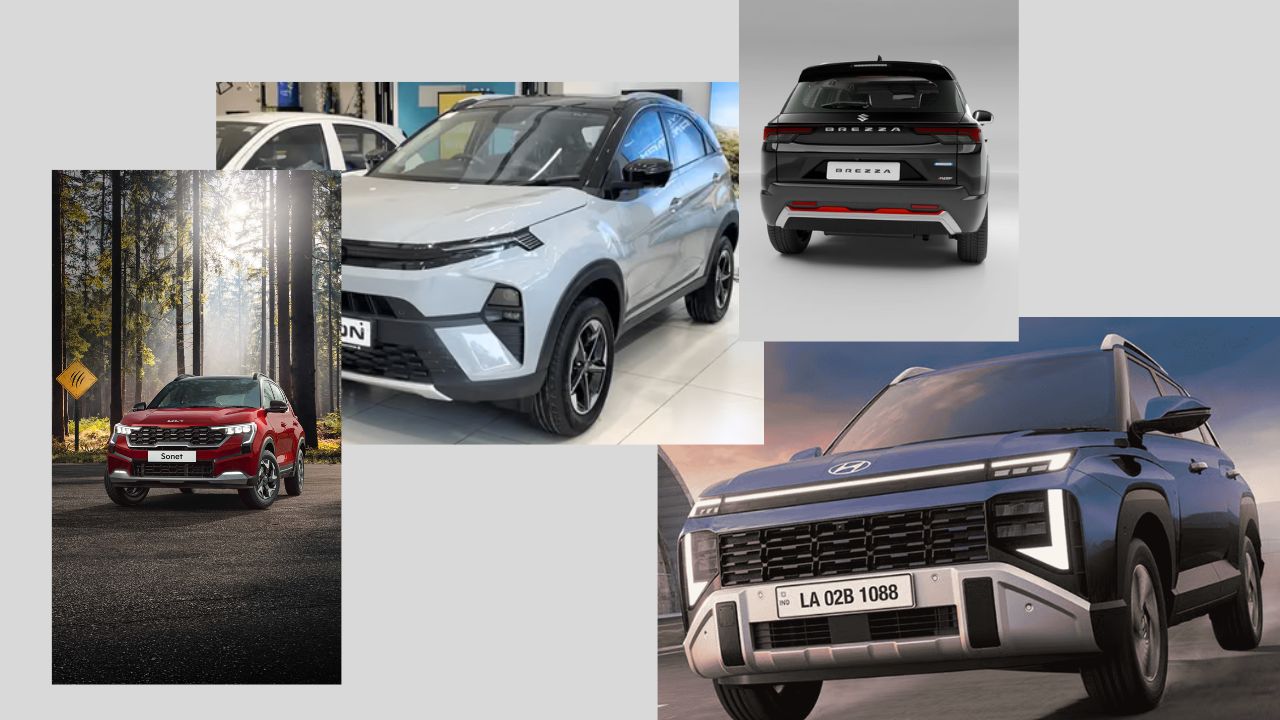
Tata Nexon vs Brezza vs Venue vs Sonet: Where It Sits

The choice of fuel types makes Nexon beat its rivals. The 2026 Maruti Brezza starting price is ₹7.4 lakh and the higher is ₹13.55 lakh ex-showroom. Its new 1.0 L petrol entry variant is cheap and the Maruti service network is also wider in India.

Tata Nexon vs Brezza vs Venue vs Sonet

The Hyundai Venue is listed at ₹8 lakh to ₹15.65 lakh, and the Kia Sonet at ₹7.41 lakh to ₹13.8 lakh. The Venue costs more to enter and gets the more advanced kit. It offers Level 2 ADAS, an electronic parking brake and all-wheel disc brakes. The Sonet sits close to the Nexon on price and leans on a long features list.

At the base level, then, the Nexon is not the cheapest, with the Brezza undercutting it slightly. Where it wins is breadth. It’s the only one of the three that gives you petrol, diesel and CNG in a sub-4-metre SUV, and the sales numbers back it up. The Nexon was the second highest-selling car in India in June 2026. A popular car also holds resale value better, which matters if you’re stretching to buy.

👉  What Salary Do You Need to Buy a Maruti Suzuki Swift in India?

Conclusion

Take-home under ₹35,000: skip the loan for now. Save for a larger down payment, or look at a used compact SUV instead. The base Nexon will technically be approvable only at the edge of your limit, and any job disruption makes it a burden.

Take-home of ₹40,000 to ₹60,000: the base Petrol Smart MT or Smart+ trim, or the Pure+ PS if you can put down ₹2 lakh or more. Take a 5-year loan, not 7 if you can help it, and cap the car EMI around ₹14,000 to ₹18,000.

Take-home of ₹60,000 to ₹1 lakh: this is the sweet spot. The Pure+ PS, Creative or a CNG variant make sense here, especially if you drive more than 1,200 km a month. CNG’s running-cost saving can offset a higher EMI within a couple of years.

Take-home above ₹1.2 lakh: the top diesel automatic becomes realistic, but price a diesel only if you drive enough kilometres to justify it.

Before you sign, do three things this week. Get the on-road quote in writing from two Tata dealers. Check your CIBIL score, because it decides your rate. And run the EMI at both 9% and 11%, so a rate surprise doesn’t blow up your plan. If the higher-rate EMI still fits under 20% of your take-home pay, you’ve found your Nexon.