
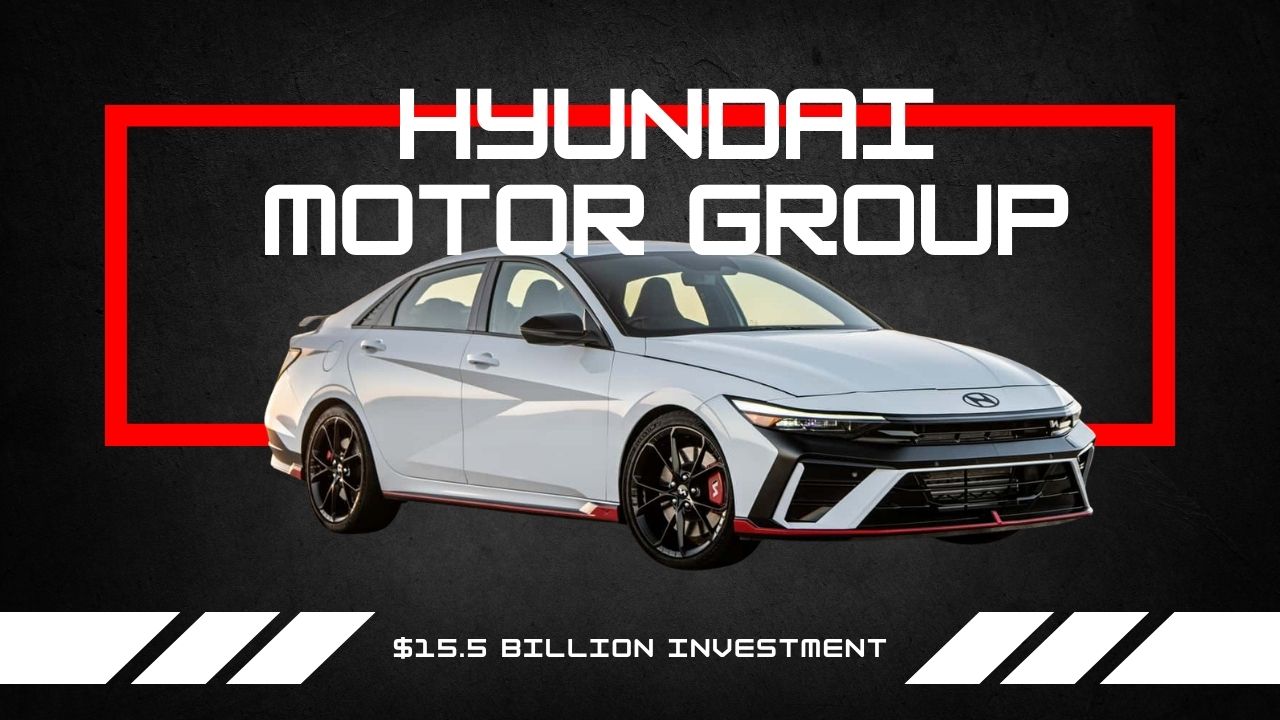
 Hyundai Motor Group has announced a $15.5 billion investment commitment between 2026 and 2032 to India. In Indian rupee, it is about ₹1.4 lakh crore which is one of the biggest long-term deals. If we turn back, Hyundai Motor India had earlier announced plans to invest Rs. 32,000 crore between 2023 and 2032, mainly for capacity and new models.
However, it’s not about building more cars anymore, it is the strategic plan of the company to strengthen manufacturing, technology, and expand future-mobility areas such as EV infrastructure, recycling and financing.
Why Hyundai is Betting Big On India
India is still the cheapest country for manufacturing which attracts global automakers more than its huge domestic demand. Hyundai targets low-cost manufacturing and export base which is why the company sees India as a core strategic market for its future growth. Committing such a large amount over seven years is a first step toward that future.
Since the investment expanded production at Hyundai Motor India and Kia India along with making a deeper roots on domestic sales. It also helps build stronger research capabilities in the country which means India is giving Hyundai two bigger assets: global supply chain and export strategy.
How The $15.5 Billion Invest In Hyundai and Kia Production
Hyundai’s plan not only focuses on vehicle assembly but also covers the entire automotive ecosystem. The new technology and EV infrastructure will grow rapidly and it impacts the buyers choices about cars and its rivals.
| Area | What it means |
| Manufacturing | Expanded production capacity at Hyundai Motor India and Kia India. |
| R&D | Around $700 million is planned for an Indian R&D centre, including a vehicle testing track. |
| Local suppliers | Stronger domestic supply chains and higher localisation of components. |
| EV ecosystem | Investment in EV charging, battery recycling and sustainable mobility. |
| Future mobility | Work on autonomous technology, software, financing and new mobility services. |
On Indian roads, every second car you see belongs to Hyundai Motor Group. Statistically, 1.4 million vehicles are prepared for India every year which includes 824,000 units at Chennai, 170,000 units at Pune and 431,000 units at Kia’s Anantapur plant.
And now Hyundai is trying to scale up the units with this investment. When new models are going to launch faster, it improves localisation and a stronger pipeline of Hyundai and Kia vehicles for both Indian buyers and export markets.
What Indian Car Buyers Can Expect
For Indian car buyers, the biggest benefit could be more choice and better-equipped cars. Hyundai has reportedly planned 26 model launches or updates in India by 2030, which could make the market far more competitive.
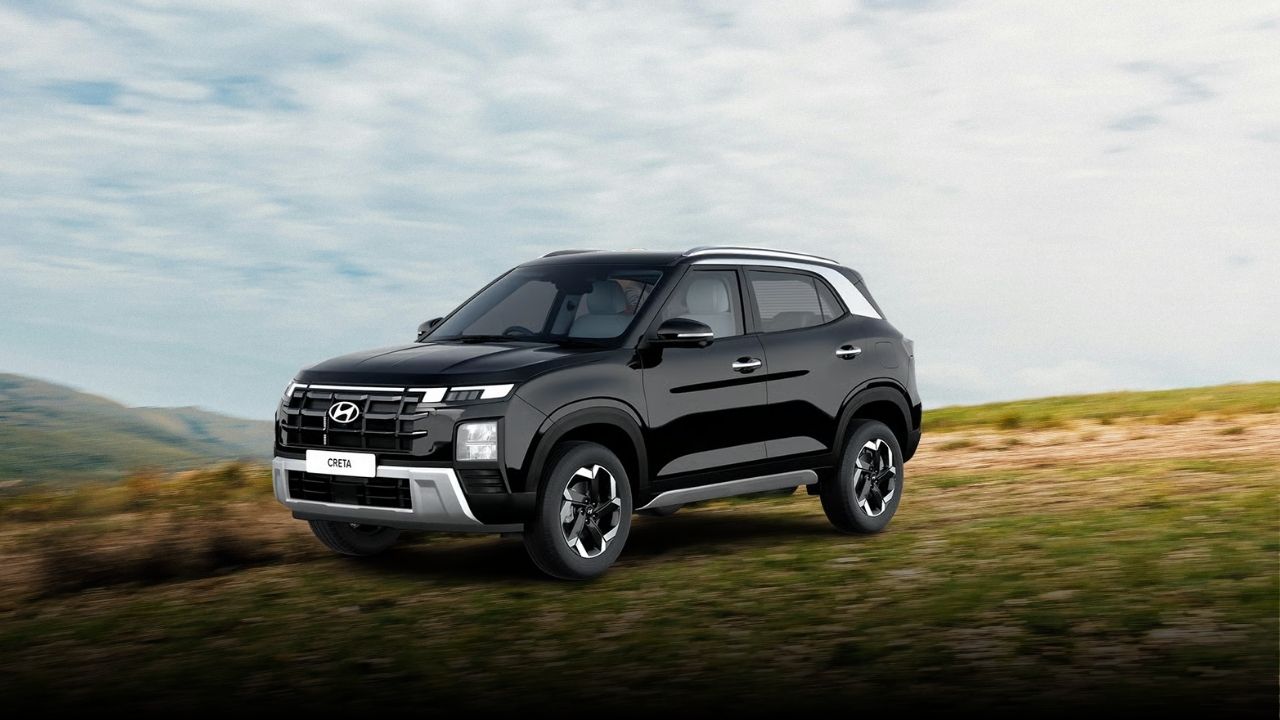
Buyers may see:
- Fresh models in both petrol and EV powertrain, more SUVs in affordable prices, and premium models.
- More options given to car buyers means people visit Hyundai and Kia showrooms first that increase localisation and keep prices competitive.
- Technology development offers more safety features, comfort and connectivity.
- EV infrastructure increases the support and servicing options which makes buyers not to think twice before buying an EV car.
Hyundai Motor Group Investment Impact On Maruti Suzuki, Tata Motors and Mahindra
Hyundai’s move will likely raise the competitive pressure across the Indian passenger-vehicle market. Roads are mostly filled with Maruti Suzuki, Tata, and Mahindra vehicles more than Hyundai. They probably respond with stronger manufacturing capacity, better localisation, and EV environment, not just with new models.
Maruti will get a bigger hit from this announcement because it loses its wider market of SUVs and export-oriented models which Hyundai is taking over with its production and export capabilities. Tata Motors EV space got affected from Hyundai’s charging infrastructure expansion.
Mahindra may need to accelerate its SUV and EV strategy, as Hyundai’s growing R&D base and product pipeline could challenge its position in premium and technology-focused segments.
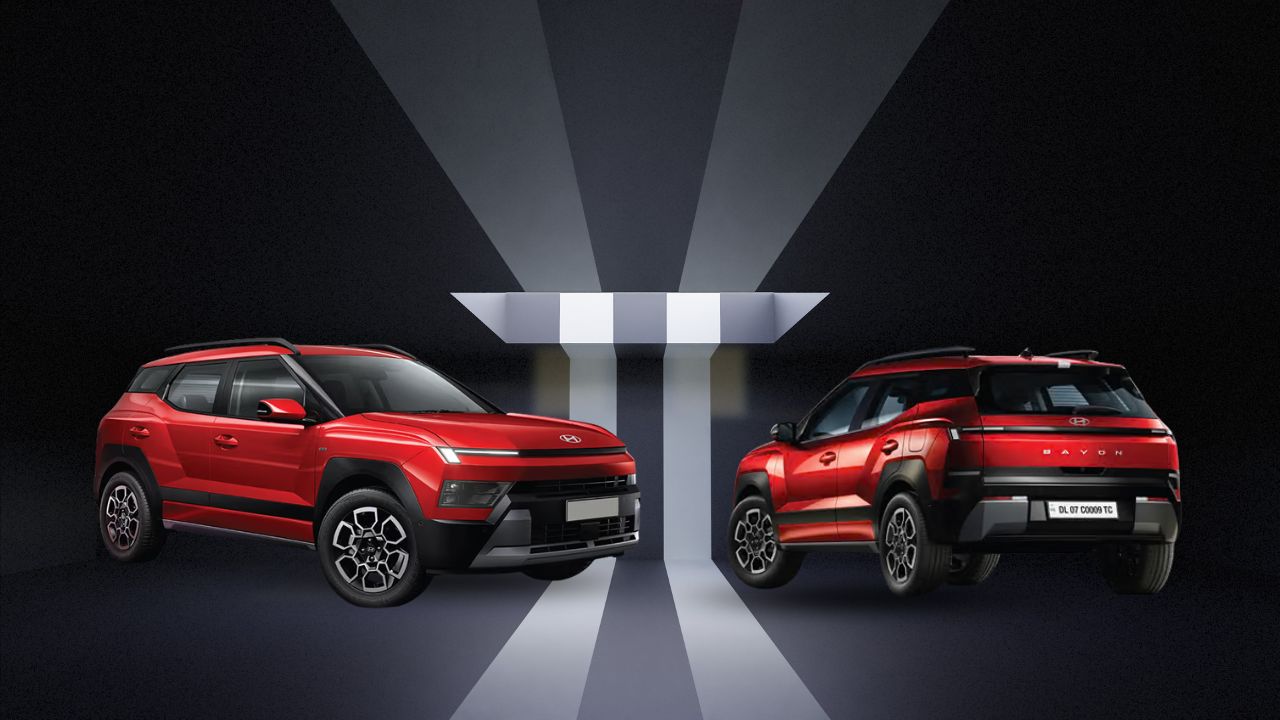
This is the major strategic shift for Hyundai with its investment of $15.5 billion in India. It is the company’s largest-ever commitment to an emerging market which is not going to just introduce new cars but also change the car industry forever. The company chooses India because it is a key global manufacturing and export hub.
Forbes India describes this investment as the company’s strategic move to regain the market in a new way. Car launches will not make a territory simply so they expand manufacturing capacity, strengthen R&D and build a deeper local supply chain. The company’s India plans were also framed as a political and strategic move because the announcement broke after a meeting between Hyundai Executive Chair Euisun Chung and Prime Minister Narendra Modi.
Explore Now :- October Car Offers: Which Discounts Save You Money
Conclusion
In the coming years, Hyundai and Kia are expected to announce more launches, dealerships, and growing EV charging networks. Hyundai’s Indian R&D operations are also going to cover the Indian market. It is becoming an investment entity in India to coordinate capital deployment and strategic partnerships.
Overall, this is much more than a routine Hyundai Motor Group investment announcement. If executed well, Hyundai’s $15.5 billion plan could reshape competition in India, benefit buyers with more advanced vehicles and further establish India as a major global automotive hub by 2032.
