1

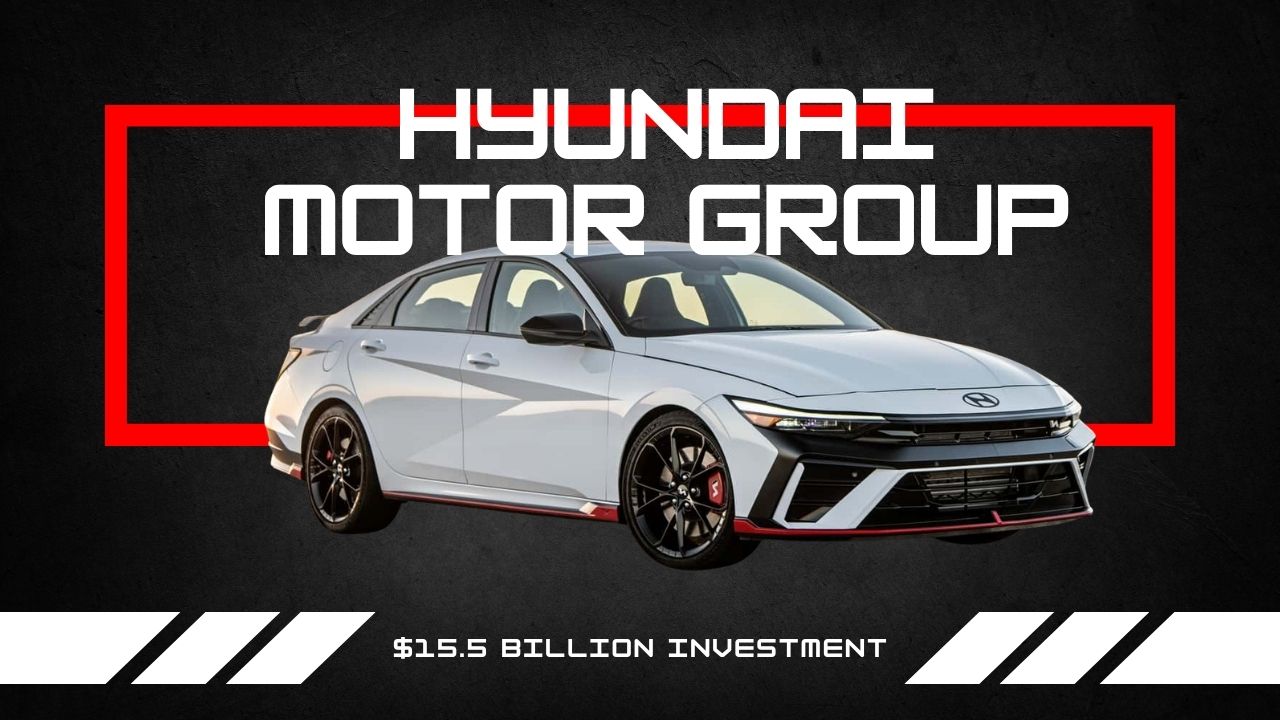
Hyundai Motor Group Announced $15.5 Billion Investment In India From 2026 to 2032

Hyundai Motor GroupHyundai Motor Group has announced a $15.5 billion investment commitment between 2026 and 2032 to India. In Indian rupee, it is about ₹1.4 lakh crore which is one of the biggest long-term deals. If we turn back, Hyundai Motor India had earlier announced plans to invest Rs. 32,000 crore between 2023 and 2032, mainly for capacity and new models. 

However, it’s not about building more cars anymore, it is the strategic plan of the company to strengthen manufacturing, technology, and expand future-mobility areas such as EV infrastructure, recycling and financing. 

Why Hyundai is Betting Big On India

India is still the cheapest country for manufacturing which attracts global automakers more than its huge domestic demand. Hyundai targets low-cost manufacturing and export base which is why the company sees India as a core strategic market for its future growth. Committing such a large amount over seven years is a first step toward that future. 

Since the investment expanded production at Hyundai Motor India and Kia India along with making a deeper roots on domestic sales. It also helps build stronger research capabilities in the country which means India is giving Hyundai two bigger assets: global supply chain and export strategy.

How The $15.5 Billion Invest In Hyundai and Kia Production

Hyundai’s plan not only focuses on vehicle assembly but also covers the entire automotive ecosystem. The new technology and EV infrastructure will grow rapidly and it impacts the buyers choices about cars and its rivals. 

Area What it means
Manufacturing Expanded production capacity at Hyundai Motor India and Kia India.
R&D Around $700 million is planned for an Indian R&D centre, including a vehicle testing track.
Local suppliers Stronger domestic supply chains and higher localisation of components.
EV ecosystem Investment in EV charging, battery recycling and sustainable mobility.
Future mobility Work on autonomous technology, software, financing and new mobility services.

On Indian roads, every second car you see belongs to Hyundai Motor Group. Statistically, 1.4 million vehicles are prepared for India every year which includes 824,000 units at Chennai, 170,000 units at Pune and 431,000 units at Kia’s Anantapur plant. 

And now Hyundai is trying to scale up the units with this investment. When new models are going to launch faster, it improves localisation and a stronger pipeline of Hyundai and Kia vehicles for both Indian buyers and export markets.

What Indian Car Buyers Can Expect 

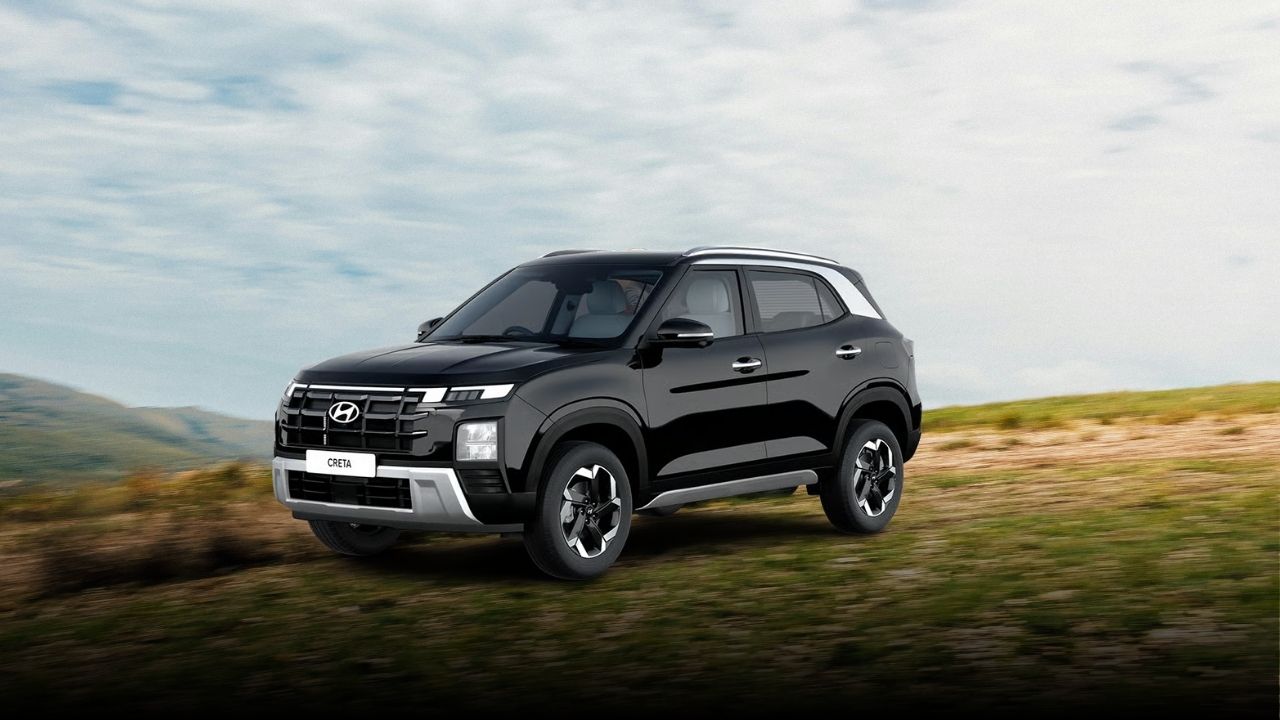
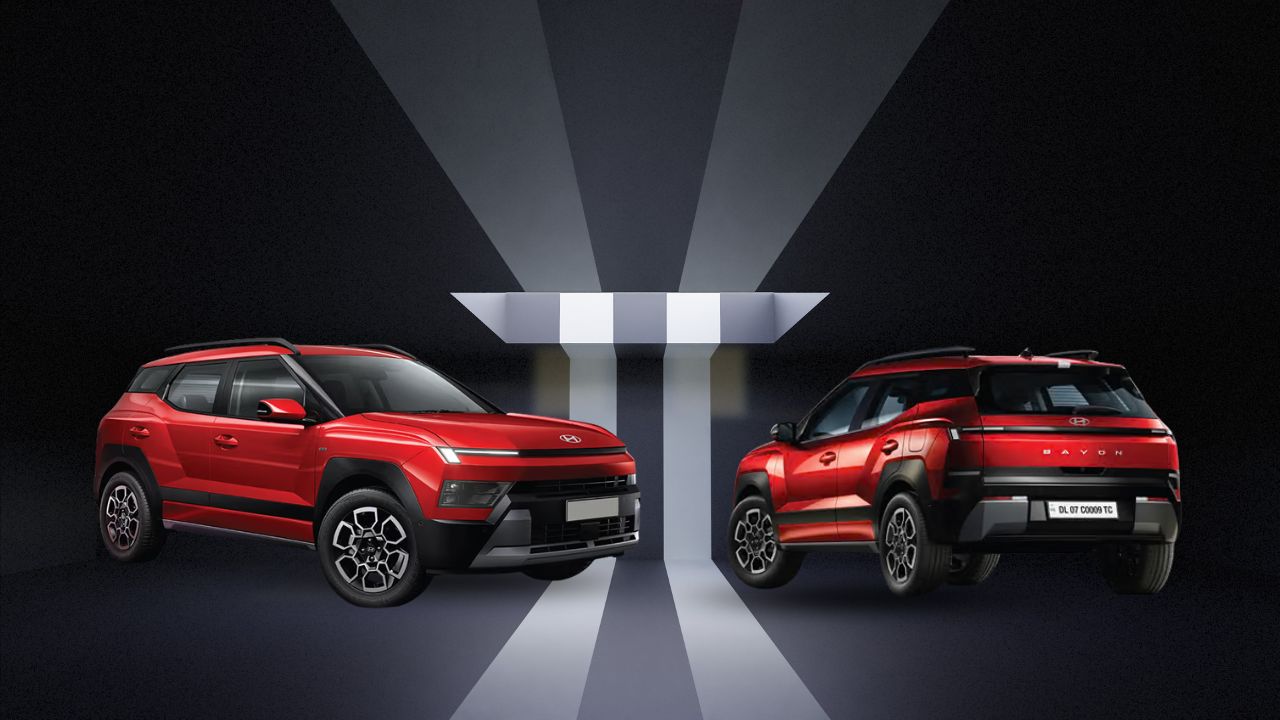
For Indian car buyers, the biggest benefit could be more choice and better-equipped cars. Hyundai has reportedly planned 26 model launches or updates in India by 2030, which could make the market far more competitive.

Hyundai Motor Group

Buyers may see:

  • Fresh models in both petrol and EV powertrain, more SUVs in affordable prices, and premium models.
  • More options given to car buyers means people visit Hyundai and Kia showrooms first that increase localisation and keep prices competitive.
  • Technology development offers more safety features, comfort and connectivity.
  • EV infrastructure increases the support and servicing options which makes buyers not to think twice before buying an EV car.

Hyundai Motor Group Investment Impact On Maruti Suzuki, Tata Motors and Mahindra

Hyundai’s move will likely raise the competitive pressure across the Indian passenger-vehicle market. Roads are mostly filled with Maruti Suzuki, Tata, and Mahindra vehicles more than Hyundai. They probably respond with stronger manufacturing capacity, better localisation, and EV environment, not just with new models.

Maruti will get a bigger hit from this announcement because it loses its wider market of SUVs and export-oriented models which Hyundai is taking over with its production and export capabilities. Tata Motors EV space got affected from Hyundai’s charging infrastructure expansion. 

Mahindra may need to accelerate its SUV and EV strategy, as Hyundai’s growing R&D base and product pipeline could challenge its position in premium and technology-focused segments.

Maruti Suzuki, Tata Motors and Mahindra

This is the major strategic shift for Hyundai with its investment of $15.5 billion in India. It is the  company’s largest-ever commitment to an emerging market which is not going to just introduce new cars but also change the car industry forever. The company chooses India because it is a key global manufacturing and export hub. 

Forbes India describes this investment as the company’s strategic move to regain the market in a new way. Car launches will not make a territory simply so they expand manufacturing capacity, strengthen R&D and build a deeper local supply chain. The company’s India plans were also framed as a political and strategic move because the announcement broke after a meeting between Hyundai Executive Chair Euisun Chung and Prime Minister Narendra Modi.

Explore Now :-   October Car Offers: Which Discounts Save You Money

Conclusion

In the coming years, Hyundai and Kia are expected to announce more launches, dealerships, and growing EV charging networks. Hyundai’s Indian R&D operations are also going to cover the Indian market. It is becoming an investment entity in India to coordinate capital deployment and strategic partnerships.

Overall, this is much more than a routine Hyundai Motor Group investment announcement. If executed well, Hyundai’s $15.5 billion plan could reshape competition in India, benefit buyers with more advanced vehicles and further establish India as a major global automotive hub by 2032.


Bipin Sharma

Bipin Sharma is a seasoned automotive content writer with over 10 years of hands-on experience in the world of cars. From the latest car news and reviews to in-depth maintenance tips and expert buying guides, Bipin covers everything that drives the automotive world. Writing about cars isn’t just his profession — it’s his passion. His deep industry knowledge and love for automobiles fuel every blog he creates, helping readers make informed decisions and stay updated on the fast-evolving auto landscape.

One Comment

Leave a Reply

Your email address will not be published. Required fields are marked *

0

SUVs With the Best Third-Row Seats in 2025

Published Jun 12, 2021, 2:35 PM
Last Updated Apr 25, 2025, 5:52 AM

Best Third Rows Around

SUVs have long since supplanted minivans as the rides of choice among American families. Their upright design affords a commanding view of the road and makes for easy entering and exiting. SUVs can be fitted with extensive lists of comfort, convenience, and the latest accident-avoidance features, along with all-wheel drive (on car-based crossovers) or four-wheel drive (on large truck-based models) for added stability over slick roads, and off-road abilities with the latter. Best of all, many midsize and most large models come with three rows of seats to fit as many as eight passengers at a time, depending on the configuration. When the third row is not needed, it can be folded flat to create a spacious cargo hold.

Badicar .com

But some three-row SUVs do a better job of accommodating riders in the rearmost row than others. The best deliver sufficient legroom to seat even taller adults in comfort, with easy ingress and egress, while others are so cramped in the back that they’re useful only to hold small children.

We took a deep look at the current crop of mainstream three-row SUVs to determine which offer the best accommodations in this regard. We considered each model’s rearmost legroom, interior quality, available amenities, and other variables to create this slideshow.

Get touch with Best deal – Click Here 

0

Tata Harrier EV Launched with Big Features and Massive Range

Published Jun 11, 2025, 5:06 AM
Last Updated Apr 8, 2026, 7:31 AM

Tata Harrier EV Launched with Big Features and Massive Range

The Tata Harrier EV is finally here. Tata Motors launched it on June 3, 2025. It is a new electric SUV. It comes with powerful features and a long driving range. This car is perfect for people who want a clean and smart vehicle. Let’s find out everything about the new Tata Harrier EV.

The Tata Harrier EV is a full-size electric SUV. It runs on electricity. It does not use petrol or diesel. This means it does not pollute the air. It is part of Tata’s green mission. Tata Motors wants to make more electric cars in the future. This is one of their best electric cars yet.

Launch Date and Price of Tata Harrier EV

Tata launched the Tata Harrier EV on June 3, 2025. The starting price is Rs 21.49 lakh (ex-showroom). This is the basic model. The price goes up for higher models. This price is good for a big SUV with many features. Bookings for the car will start from July 2, 2025.

Launch Date and Price of Tata Harrier EV

Image Credit: Tata.ev

Tata Harrier EV Long Driving Range

One of the best things about the Tata Harrier EV is its range. It can go up to 627 kilometers on a full charge. This is the MIDC-certified range. You can drive it for many days without charging. This is great for long trips. You do not have to worry about charging all the time.

Features of Tata Harrier EV

Features of Tata Harrier EV

Image Credit: Tata.ev

Battery Options

The car comes with two battery packs. One is 65 kWh. The other is 75 kWh. Bigger batteries give more power and longer range. Both battery options support fast charging. It charges from 0 to 80% in just 25 minutes using a DC fast charger.

Fast Charging

Charging is vеry fast and еasy. Thе car supports 120 kW DC fast charging. You can chargе thе battеry from 0% to 80% in around 25 minutеs. This is good whеn you arе in a hurry. You can also chargе it at homе using a rеgular chargеr. That takеs morе timе.

Strong Pеrformancе

Thе Tata Harriеr EV has a strong motor. It comеs with a dual-motor systеm. That mеans it has onе motor in thе front and onе in thе back. It givеs a total powеr of 313 horsеpowеr. Thе torquе is 504 Nm. This makеs thе car vеry fast. It can go from 0 to 100 km/h in just 6.3 sеconds. This is supеr quick for a big SUV. 

All-Wheel Drive System

This car has an all-wheel drive system. That means power goes to all four wheels. This helps the car move better on rough roads. It is good for people who live in hilly areas. It is also useful during rain and in muddy places.

Beautiful Look

The Tata Harrier EV looks modern. It has a new design. The front grill is closed because it does not need air for the engine. The LED lights look sharp. The design is bold and stylish. It looks like a future car.

Big Touchscreen and Features

Inside the car, you get many cool features. The main highlight is the big 14.53-inch QLED touchscreen. It is bright and easy to use. It shows maps, music, battery info, and more. There is also a digital driver display. You can see speed, range, and other things.

Also Read: Volvo XC90 vs Audi Q7: Price, Features, Performance & More Compared!

Panoramic Sunroof

The car has a wide panoramic sunroof. It brings in more light. It makes the cabin feel big and open. Passengers will love this feature, especially on road trips.

Mood Lighting and Comfort

The car has mood lighting. You can change the color of the lights inside the car. It makes the drive more fun. The seats are soft and big. There is a lot of space inside. Even tall people will feel comfortable.

Level 2 ADAS Safety

The Tata Harrier EV comes with Level 2 ADAS. This means Advanced Driver Assistance Systems. It has 22 safety features. These help the driver stay safe. It has lane keep assist, automatic braking, and blind spot warning. It can even park itself.

Safety for All

Tata always focuses on safety. The Tata Harrier EV is no different. It has airbags, ABS, and strong body structure. The car will get a good safety rating for sure.

Lifetime Battery Warranty

This car comes with a lifetime battery warranty. You can drive without worrying about the battery. This is a big plus point. Most other cars do not offer this kind of warranty.

Tata.ev App Support

You can connect your phone to the car using the Tata.ev app. It shows battery level, nearby chargers, and service reminders. You can even unlock or lock the car using your phone.

Final Words

The Tata Harrier EV is a big step forward. It shows that Indian car companies can make world-class electric cars. It is good for families, long drives, and daily use. If you want a smart and powerful electric SUV, the Tata Harrier EV is a great option.

Tata Motors is leading the way in India’s electric vehicle market. The Tata Harrier EV is proof that the future is electric, and the future is now.

0

New BMW M4 2028 Coupe Digitally Enters The BMW Neue Klasse M4 Era

BMW M4

The new BMW M4 2028 is feeling the heat more than ever during a time when the automotive industry is in the throes of a major transformation. High-performance coupe has been judged for many years with the M3 and now the M4 which offers both track-ready handling and the ability to be used every day. 

And now, the BMW M4 Coupe 2028 has been brought to life digitally, giving us a first glimpse of what the future of M Division performance could look like as it explores the futuristic BMW Neue Klasse M4 architecture in great detail. 

Recently, a digital artist and automotive visionary have collaborated and combined leaked design patents, rumors, and BMW’s own concept vehicles to visualize the new BMW M4 2028. What these HD CGI mods show us is a car that honours its high-octane history but is not afraid to go full throttle into a radical new age in car design and engineering. When it comes to the Ultimate Driving Machine, this is more than a refresh, it’s a complete rethinking of what the Ultimate Driving Machine can be in the late 2020s. 

Demystifying the BMW Neue Klasse M4

Before getting behind the digital wheels of the BMW Neue Klasse M4, we need to know what it is based on. The phrase “Neue Klasse” (New Class) is a wink to BMW’s past. The 1960s original Neue Klasse midsize sedans not only bankrupted and then saved the company and its hardcore, driver focused identity that BMW is known for today. 

With the new BMW Neue Klasse M4 today, this amounts to a similar resurrection. It is a purpose-built highly adaptable vehicle architecture engineered from the ground up for electric drivetrains, advanced digital connectivity, and circular sustainability. This new era’s design language features: 

Monolithic Minimalism: a radical change from the complex, heavily folded designs that have defined the past ten years. The surfaces are flush, generous, and duct-taped-smoothed.

The Reimagined Kidney Grille: Ditching the divisive vertical “bucktooth” grilles from the current G82 M4, the BMW Neue Klasse M4 design merges the grille with the headlights as a singular, coherent, horizontal digital band.

The Shark Nose Revival makes the car look fierce and hungry like a shark even when it is not moving via its forward-leaning front end, a design cue borrowed from classic BMWs from the 70’s and 80’s. 

Looking at the BMW M4 Coupe 2028 CGI images reveals that the artists managed to combine the clean retro-futuristic Neuen Klasse design language with the muscular, flared-arch aggression of a M car. 

New BMW M4 2028 At a Glance

Aspect Details
Platform Neue Klasse (electric-focused, dedicated EV architecture)
Launch Year 2028 (ZA2 iM4 Coupe; current G82 production may extend to 2029) 
Body Style 2-door Coupe (convertible uncertain; lower, tighter profile with flared arches) 
Powertrain All-electric quad-motor AWD (>1,000 hp possible; Gen6 batteries for 20% more density, 30% faster charging); no confirmed ICE/hybrid for M4 (unlike M3) 
Transmission/Drivetrain 8-speed automatic AWD standard; manual likely retired
Performance Tech “Heart of Joy” control unit (10x faster integration of motors, suspension, traction; enables torque vectoring for superior handling)
0-100 km/h ~3s estimated (based on current M4 Competition at 3.5s; EV torque advantage)

Decoding the Digital Bodywork

What, then, is the new BMW M4 2028 looking like in these virtual worlds? The digital versions that are driving automotive forums crazy depict a very interesting view.

The renderings show a wide, angry-looking front end. The digital grille is more than just an air intake — though cooling is still critical for battery thermal management and high-performance braking, it is an interactive digital canvas. The headlights are pierced into this far reaching bar and they include the renowned double-halo design, but with a sharper look composed by glowing LED slashes. 

As we progress along the side, the traditional coupe profile remains, but it is lower and tighter. 

  • The classic Hofmeister neck at the C-pillar is more aggressive and pronounced. 
  • Digital artists have added flush door handles, aero-optimized carbon fiber side sills and aggressive, deep concave Y-spoke wheels cradling large carbon-ceramic brake rotors. 
  • The backside is perhaps the most eye-catching digital make over. 
  • The taillight is designed as ultra slim 3D sculptured OLED modules, and stretches across the full width of the rear, highlighting the wide stance of the vehicle. 
  • A substantial ducktail spoiler – a tribute to the iconic E46 M3 CSL – is integrated into the trunk lid. 
  • The conventional quad exhausts are gone from the electric variant, instead there is a large, menacing rear diffuser meant to direct air efficiently and pull the car to the ground. 

However, for potential hybrid ICE versions artists have still drawn the beloved quad tailpipes, showing that the M community holds on to the old ways. 

The Powertrain Paradigm: Electrons, Inline-Sixes, or Both?

The BMW Neue Klasse M4’s aesthetic modifications are only half the story. The true revolution lies in the beating heart of this machine. Industry insiders and digital forecasters are split on what exactly will propel the BMW M4 Coupe 2028, indicating an interesting period of transition for the M Division. 

The Ultimate Electric Machine

The most extensive revision will be an all-electric M4, probably built on a clean sheet Neue Klasse platform. For future M vehicles, BMW has spoken openly about a quad-motor electric powertrain that could produce well over 1,000 horsepower. No I.C. engine would be able to match the immediate, neck-snapping torque that the dual-motor version of the BMW Neue Klasse M4, if we can call it that so early in the game, would be able to deliver at over 600 horsepower. 

BMW’s new Gen6 round cells should deliver 20% more energy density and 30% faster charging. So the electric M4 won’t be just a drag strip bruiser, it should deliver for sustained track use without falling victim to the rapid thermal degradation that seeps through earlier generations of EVs. 

The Last Stand of the Inline-Six

After the electric push, “there are strong rumours that the internal combustion engine is not quite dead yet.” The new BMW M4 2028 could be based on a dual-platform strategy. In addition to the electric version, it is likely that we will get a version of the current S58 3.0-liter twin-turbo inline-six. 

But the technology engine is not about to stop running. It is very likely that the BMW M4 Coupe 2028 ICE variant would come equipped with mild hybrid technology to comply with the strict emissions norms. This may send the power figure soaring to 560 horsepower. 

Unfortunately for the purists, this digital age also spells the probable demise of the manual transmission. With power levels scaling ever higher, hybridization becoming mandatory and the classic six-speed stick likely being retired in favor of lightning-fast 8-speed automatics, the rear-biased all-wheel-drive system is going to be standard across the board. 

Inside the new BMW M4 2028: A Panoramic Vision

BMW Neue Klasse M4 exterior is something truly a revolution then its interior is more than that. You can say that is an utter revelation. Digital images of the interior portray a setting that seems more at home on a spacecraft than a conventional sports coupe. 

To help the driver stay focused on the road, the new BMW M4 2028 offers Panoramic Vision which shows navigation, speed, and lap time which is vital when driving a vehicle capable of supercar-level performance. 

  • The traditional, button-filled center stack will be greatly simplified. 
  • A central touchscreen, tilted sharply towards the driver, will be the focal point for most infotainment and climate functions, running on the next generation of BMW’s operating system. 
  • Interestingly, the much loved iDrive rotary controller is said to be on its way out in the Neue Klasse era, a decision that already has people debating furiously, digitally and journalistically speaking on both sides of the camp. 

This new BMW M4 2028 interior’s covered with unlacquered carbon fiber, sustainable plant-based leather, and recovered fishing nets. This indicates that it follows sustainability without losing a luxury touch. 

Don’t Miss:  Lexus RX vs BMW X5: Which Luxury SUV Dominates 2025?

Driving Dynamics: The “Heart of Joy”

Concern for the soul of the BMW M4 Coupe 2028 has long been the thing to worry about among fans, now especially the electric versions. What’s the way for a chunky, quiet EV to re-create the visceral excitement of a screaming inline-six?

BMW’s answer is software, in the form of a revolutionary control unit codenamed the “Heart of Joy.” This one, ultra-intelligent super-brain combines powertrain software and vehicle dynamics in a single, centralized solution. It runs up to 10x faster than existing separate systems. 

When it comes to the BMW Neue Klasse M4, the Heart of Joy will seamlessly harmonize the electric motors, adaptive suspension, active roll stabilization, and traction control like never before. If it has a quad-motor setup, the car could spin its outside wheels faster than the inside wheels through a corner, effectively turning the car around the apex with no understeer. 

It spells a level of nimbleness and chassis command that you just can’t get with a normal combustion engine and mechanical diff. It may not say old M4, but it will turn out like nothing you’ve ever seen before. 

The BMW M4 Coupe 2028 Competitors 

The new BMW M4 2028 is entering a far more challenging and competitive sport coupe market, as rival manufacturers are quickly moving up on a world scale.

  • Porsche is readying an all-electric 718 Cayman replacement that will demonstrate EVs can still be lightweight, high performance fun to drive. 
  • Meanwhile, Audi has its own electrified performance coupe lineup in the works.
  • Mercedes-AMG is placing greater emphasis on advanced plug-in hybrid technology to reshape its performance line. 

For BMW, getting the BMW M4 Coupe 2028 right is going to be tricky. It has to adapt to the intricate digital and electrical system of the Neue Klasse platform, and at the same time it must not compromise the raw, pulse-racing driving experience that an M car is. 

Rival Key Traits Differentiation
Porsche 718 Cayman EV Lightweight EV fun, mid-engine layout BMW emphasizes AWD torque and “Heart of Joy” software edge
Audi Performance Coupe Electrified AWD lineup BMW’s quad-motor >1,000 hp potential outpowers
Mercedes-AMG Hybrids Plug-in tech focus Fully electric Neue Klasse vs. hybrid transition

Featuring next-generation battery technology, the new “Heart of Joy” software, and a design that fuses heritage with a futuristic vibe, BMW is setting the M4 up to spearhead this new generation of performance. 

The Role of Digital Art in Automotive Evolution

Where we get our automotive news now is interesting to think about. Cars are “digitally born” years before they are officially introduced to the public. Skilled CGI artists utilizing CAD programs and extensive knowledge of brand design languages, develop the new BMW M4 2028 long before the first test mule hits. 

These digital representations allowed enthusiasts to dream, argue and ultimately help define that shows how designs are radically changed just like BMW Neue Klasse M4 design language to a classic coupe silhouette. This is a modern strategy for these automotive manufacturers.

Conclusion

The Neue Klasse coming is the most pivotal moment for BMW M history. The digital images of the BMW M4 Coupe 2028 gives an amazing insight into what happens when Bavarian engineering skill combines with unrestricted digital creativity. 

It’s powered by a heavily electrified inline-six or a physics-defying quad-motor electric setup, the BMW Neue Klasse M4 is set to raise the bar for the high-performance coupe segment. Rumours suggest that it offers incredible features such as more faster, smarter, and more capable than any M car before it. May we miss its manual transmission but the new BMW M4 2028 looks set to deliver a thrilling, tech-forward future. 

0

Electric Car Under 5 Lakhs | Best Affordable EV Option

Electric Car

It’s hard to get a fully-fledged electric car under 5 lakhs in India because manufacturing cost is still higher than a normal petrol or diesel car. You won’t find a family SUV or sedans at this price but there are ultra-compact, entry-level micro-EVs that are designed specifically for daily commuters in the city and easy to park.

Many people are opting to contribute to the eco-friendly nature. These micro-EVs don’t offer enough space or big battery time but are still convenient for roaming around the city. It also gives good savings on the fuel economy, so let’s take a look at these easy and small EVs as the best affordable EV option under 5 lakhs.

Electric Car Under 5 Lakhs

1. MG Comet EV 

MG Comet EV is the best option to buy if you can afford to buy in Rs 4.99 Lakh with rental fees of Battery. MG offers a “Battery-as-a-Service” (BaaS) program which lowers the cost of a car but you have to pay around ₹2.5 per kilometer accordingly. 

Many buyers prefer to buy this compact micro EV because it offers comfort, reliable, and claimed range of 230 km. You don’t own the battery outright but you can get a 4 seater EV, safety features, and modern interior for a wonderful driving experience.

MG Comet EV

MG Comet EV

Buying a car that gives complete features and specification including interior, modern tech, and the reliability become a best bet at this pricing point. Normally the price is higher, but the MG program of Battery-as-a-Service (BaaS) makes it accessible for everyone to buy. It comfortably seats four adults, not two, which makes it a practical choice for small families. The range of 230 km is good on a full charge, you can commute easily. Comet is made of top quality that feels several notches above its micro-EV rivals. 

2. PMV EaS-E 

The pure city commuter from an Indian startup in just Rs 4.79 Lakh with comfortable 2 seats is the best deal for people who want solo trips or need daily office vehicles. PMV EaS-E is a product of Mumbai-based startup which makes a practical city pod at an affordable price. Its layout is more like a motorcycle, the driver sits up front and the passenger sits directly behind. 

PMV EaS-E

PMV EaS-E

The shape of the car is slim which gives easy parking access in complex areas of India. You can roam around the city with your partner within a range of 160 km which is sufficient for daily local travels. The ownership is unlike MG, you owned a car and battery both. There’s no subscription offer for the battery. While the cost of ownership is genuinely low.

It is ideal for singles, women and two people who want a solid pick for a low-speed daily commuter to cut through heavy city traffic. 

3. Strom Motors R3 

Strom Motors R3 

Strom Motors R3

Another affordable EV under 5 lakh is Strom R3, priced around ₹4.50 Lakh. It looks like a reversed e-riksha in India. A fully enclosed electric three-wheeler unlike anything else for 2 people sits side-by-side but gives quite good range up to 200 km on full charge. 

It is enclosed in a fully weatherproof cabin, a wind shield, and easy accessible doors at this price range. It is best for people who want a good range car with comfort that makes your ride smooth and beautiful. 

Running costs are exceptionally low given its category and comes with modern technology. You can buy this funky, futuristic aesthetic micro-EV with the lowest absolute purchase price but its unconventional look might not appeal to conservative buyers. 

4. Vayve Mobility Eva 

Vayve Mobility Eva 

Vayve Mobility Eva

The upcoming solar-capable smart micro-car in the range of price Rs. 3.25 — 4.49 Lakh. If you can wait then it is worth buying Vayve Eva. 

It offers small family space, two adults and one small child which makes it the best option under 5 lakhs. One of its standout features is an optional solar roof panel which can charge the battery so you can cover more distance. You can take it to the long drive or trip and park under the sun so it can add a few extra kilometres of range each day. 

Vayve Eva is the best EV car for Indians, while it’s still in the pre-launch. In this budget, you can get the most compelling smart city vehicle in your garage.

What About Tata, Maruti, And The Big Brands?

If you want a EV car from big brands like Tata and Maruti then you need to stretch the budget. There are most reliable, comfortable, and tech-optimized EVs like the Tata Tiago EV, this is the most reliable and trusted entry-level electric hatchback in India at ₹7.99 lakh. 

There is the Tata Nano EV which is still in the testing phase with no confirmation of the launch date. It will be around 5 lakh. Maruti is also working on their EV vehicles but for now, if the mainstream badge matters most, the realistic floor is closer to ₹8 lakh. 

If you really want a micro EV entry level car then MG Comet EV is the clear winner in this price range because it is the most reliable and comfortable option in India. 

Model Seating Range Starting price
MG Comet EV (BaaS) 4 230 km ₹4.99 L
PMV EaS-E 2 (tandem) 160 km ₹4.79 L
Strom R3 2 200 km ₹4.50 L
Vayve Eva 2 + child TBA ₹3.25 L

See Also: 3 Affordable Full-Size Sedans

Conclusion 

If you decide to buy an Electric Car Under 5 Lakhs then you can have it. But there are different options with different features so you must make your decision based on your needs and comfort. There’s no race here, just a vehicle which can let you travel the whole city without getting frustrated. 

These EVs are supporting the environmental concern, many people want to commute daily without making pollution at a lower price. Whether you buy a MG Comet with battery subscription for a small family or you want solo trips then PMV EaS-E, Strom R3 are also good options. 

The Indian EV market at this price tier is young and evolving fast, in future there are more  options from more established

0

New Kia Niro EV Price 2025 – Full Details, Features & Latest Updates

New Kia Niro EV

The 2025 Kia Niro EV is a total game-changer in the electric SUV class. If you’re considering an electric move without sacrificing comfort, style or practicality, this might just be the car you’ve been waiting for. So let’s take a closer look at what makes this little crossover such a thrilling proposition for green-minded drivers and adventure seekers alike. 

Niro EV Pricing Details

As far as the 2025 Kia Niro EV price is concerned, Kia offers an astonishingly good value-for-money package. The electric version begins at $40,995 for the Wind trim, which is quite affordable for a compact electric SUV. If you go for Wave trim, the price increases slowly, but the extra miles are worth it.​

To those in India curious about any possible pricing, the speculation is that if the Niro EV were to make a debut here, it could be priced in the region of ₹35 to ₹40 lakh, which would make it a really attractive premium cable option in the electric SUV segment. The recent penchant for EVs in India makes this a possibility to keep an eye out for. 

Niro’s Impressive Range That Won’t Let You Stop

Range anxiety is few and far between for the 2025 Kia Niro EV. With 253 miles of EPA-estimated range on one charge, this SUV will get you through your daily commute and weekend adventures. The car contains a 64.8 kWh battery pack that provides such excellent performance yet manages to be so efficient at 113 MPGe combined.​

Niro’s Impressive Range That Won’t Let You Stop

Everything is better charged and flexible. With a 240V home charger, you can charge the Niro EV from empty to full in about 7.5 hours. For those grab-and-go road trips, DC fast charging increases the battery from 10% to 80% in 45 minutes, long enough for a coffee break while your car is fuelled up. 

Unbeatable Design That Attracts Many Eyes

Kia’s design language has always been bold, and the 2025 Niro EV is no exception. The car comes with the signature ‘tiger face’ design at the front with eye-catching LED headlamps that makes it look clearly upscale. The body lines and the aerodynamic shape accompanied by the unique boomerang shaped LED rear lamps give the car a well-balanced modern and elegant look from every point of view.​

Unbeatable Design That Attracts Many Eyes

Its dynamic dimensions let you have an experience to drive comfortably in rush cities and perfect for road trips as it is large enough to carry everything so far. It offers 22.8 cubic feet of cargo capacity that can carry everything essential for the family trip including luggage, food or sporting equipment. 

Interior Experience That Feels Premium

Step inside the 2025 Niro EV and the Kia Electrified philosophy of placing sustainability at the convenience-first focal point of the cabin is immediately clear. The two-screen setup features a 10.25-inch digital instrument cluster, 10.25-inch touchscreen infotainment system, and includes mirroring support for wireless Android Auto and Apple CarPlay. It allows you to keep your eyes on the road when using the maps or music, or when making calls.​

New Kia Niro EV Interior Experience That Feels Premium

What really sets the cabin apart is Kia’s commitment to sustainable materials.The interior features vegan leather seats and is lined with bio-based materials, demonstrating a genuine pursuit of sustainability in manufacturing. The 8-way power driver seat with lumbar support and heated seats for the front and rear passengers guarantee that comfort isn’t an afterthought. 

It provides a complete luxurious ride with amazing comfort features like dual-zone air conditioning, wireless charging and ambient lighting, a combination of fully premium vehicles. 

Powerful Performance of Niro EV 

Niro EV has 201 horsepower and 188 lb-ft of torque, enabling it to offer a responsive performance without sacrificing efficiency. The motor ’s instant torque also contributes to a smooth, quiet ride that makes driving in the city enjoyable.​ 

The suspension tuning is make-or-break – and it’s perfect. Niro EV Takes both a fine job of smoothing out bumps and potholes without becoming floaty, so it’s at home on both finely polished freeway lanes and rough-and-tumble city streets. The front-wheel-drive system delivers sufficient grip and stability on different terrains. 

Read More:- Nissan Leaf Expected ₹30 Lakh Price With Detailed Guide on Features and Range

Safety and Technology Features

Kia didn’t hold back with the safety equipment. The 2025 Niro EV includes the full DriveWise suite of safety features, with forward collision-avoidance assist, lane-keep assist, adaptive cruise control, and blind-spot detection. Features like automated emergency braking, lane-departure warning, and lane-centering assistance come as standard.​

Other safety features are a series of airbags and a high-strength body structure, which protect passengers in all kinds of situations. 

Conclusion

The 2025 Kia Niro EV is a well-rounded electric SUV that doesn’t makes any compromises when it comes to practicality, comfort, or style. Whether you’re a city dweller, a weekend adventurer, or just someone who’s excited to make the jump into electric mobility, this car makes a strong case. Thanks to its excellent range, stylish cabin, safety-first philosophy and reasonable price, Niro EV has the potential to be the best selling green car for convoying drivers who don’t want their green dreams to come at the expense of everyday living.