1

Renault Duster Strong Hybrid E-Tech 160 Is Yours at ₹21,000

Published Oct 10, 2026, 10:23 AM
Last Updated Oct 13, 2026, 6:40 AM

Renault Duster Strong Hybrid is now available to book at ₹21,000 through its website and dealerships, and the full reveal comes on October 17, 2026. This figure is a deposit for the car to own but the showroom price is still not shared by Renault  and no variant list either.

Bookings officially opened on October 9, 2026, you are reserving a place in the delivery queue, not locking a price. The refund policy for the token amount hasn’t been published in anything, so ask the dealer to put it in writing before you pay.

The timeline is already fairly clear. The strong hybrid was promised by October 2026 at the time when turbo-petrol Duster was launched. Now this reveal fits that report perfectly before the Diwali. Expect deliveries around the festive season, though Renault hasn’t confirmed dates.

Renault Duster Strong Hybrid Specs: What Sits Under the Bonnet

This is Renault’s first E-Tech model in India, and the hardware is more sophisticated than most mid-size SUVs here. The Duster strong hybrid E-Tech 160 pairs a 1.8-litre petrol engine with two electric motors and a 1.4 kWh battery. The transmission is a multi-mode automatic. It isn’t a CVT, and it isn’t a conventional torque-converter automatic. Renault’s European hybrids use a clutchless dog-box design, and I’d confirm the India-spec details at the reveal.

Spec Duster Strong Hybrid E-Tech 160
Engine 1.8-litre petrol, hybrid
Electric motors Two
Battery 1.4 kWh
Combined output 160 PS (about 158 bhp)
ARAI mileage 29 km/l
Charging Self-charging, no plug
Dimensions (Duster, all variants) 4,343 mm long, 1,813 mm wide, 1,659 mm tall, 2,657 mm wheelbase
Price Not announced

The 160 PS figure is a combined output, and the pieces aren’t official yet. Expect a power range of 109 bhp, but one source shared a 49 bhp served by electric motor and 20 bhp through starter generator. Treat that as reported rather than confirmed until Renault publishes the breakdown. Also, hybrid power figures aren’t simply added together in real driving, so 160 PS doesn’t tell you how the car will feel at 100 km/h.
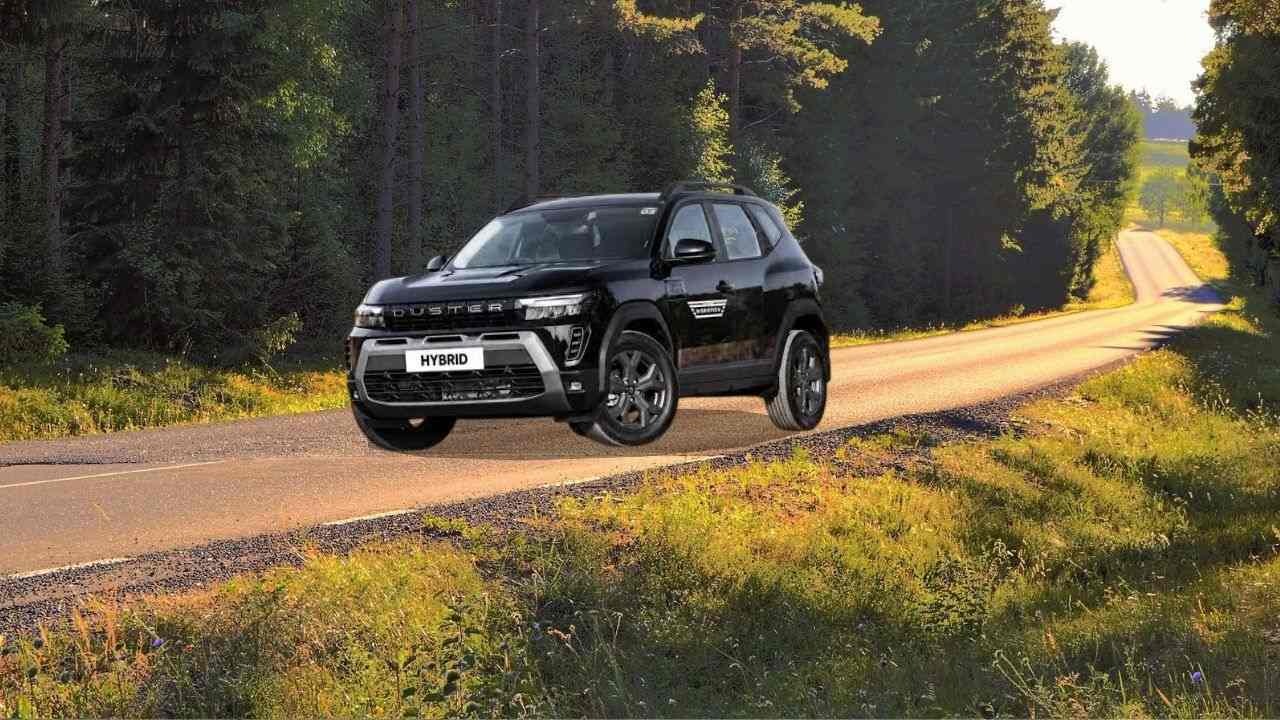
Renault Duster

The 1.4 kWh battery is small, and that’s deliberate. You don’t plug it in, so the car recharges through braking and the engine, and you’ll find the electric-only stretches are short, mostly crawling traffic and gentle cruising. It also means no change in your routine. You fill up at the same pump you always used.

Renault is building the car locally. Production is at its Oragadam plant near Chennai, backed by roughly 638 sales and service touchpoints across India. That network matters for a hybrid, because a technology this new needs dealers who can actually service it. 

The 29 kmpl Claim: Real Number or Brochure Number?

Renault announced an ARAI-certified 29 kmpl. ARAI figures come from a controlled lab cycle, so your Lucknow-to-Kanpur or Mumbai to Pune reality will differ. Expect the real-world number to land well below 29, and nobody has road-tested this car yet, so any “real-world mileage” claim you see before October 17 is speculation.

Suppose a petrol price is ₹100 per litre and your drive count is 15,000 km in a year. At 29 kmpl means 517 litres or roughly ₹51,700 a year. Now compare with Duster’s own turbo-petrol which gives 18.45 kmpl (claimed ARAI figure) which costs about ₹81,300 at the same 15,000 km. The gap is roughly ₹29,600 a year technically.
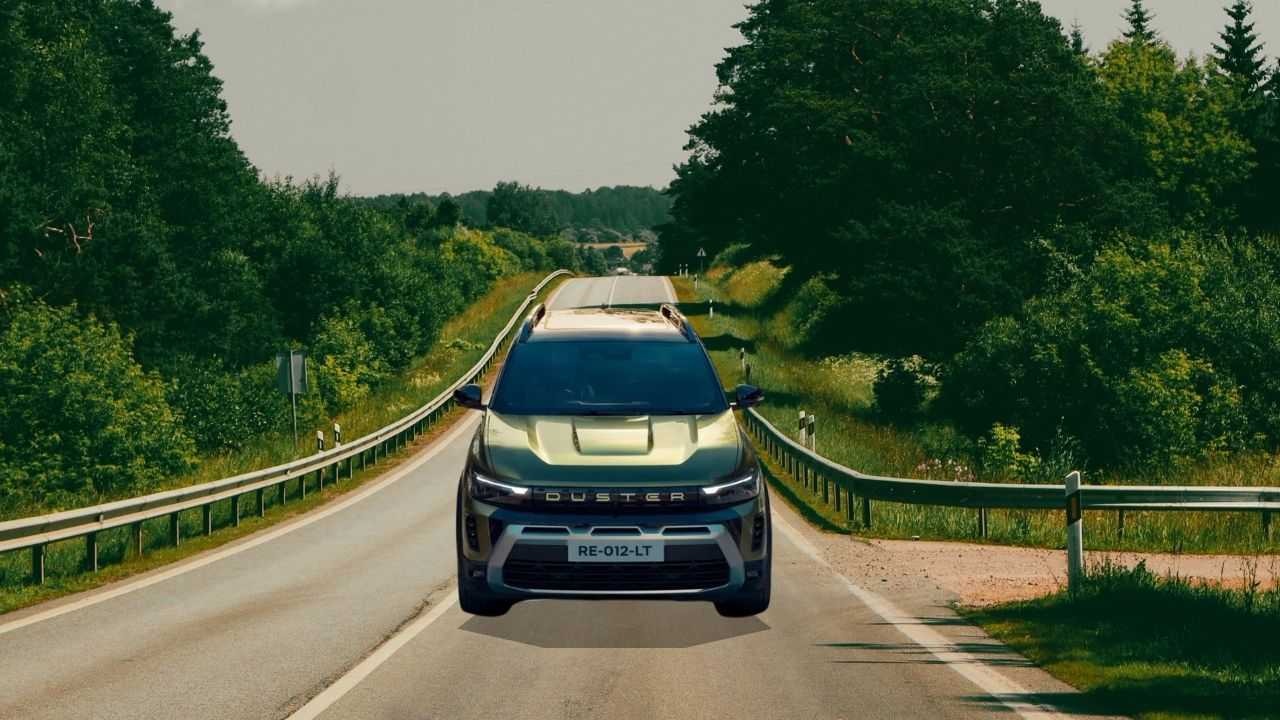
The 29 kmpl Claim

That gap decides whether the hybrid makes sense for you. Divide the extra price you’d pay for the hybrid over the equivalent turbo-petrol by about ₹30,000. A premium of ₹3 lakh takes around ten years to recover through fuel alone. It takes 5 years to cover Rs 1.5 lakh price difference, you can try this calculation replacing with your own annual driving kilometers and exact petrol price. 

Mileage is crucial because this is one thing which matters when it comes to saving. That’s why hybrids become a healthier option for everyone. Hybrid owners who mostly drive in city traffic may recover the extra cost sooner, but on highways it will take more time to take effect.

👉  Pre-Book Limited-Edition Mini Cooper S Comes With 3-Door Entry

Renault Duster Hybrid vs Toyota Hyryder: The Rival That Matters

Renault’s own positioning is aimed at people who might otherwise buy a diesel SUV. It’s pitched at customers considering alternatives to diesel SUVs. Diesel isn’t the real competition here, though. The strong-hybrid SUV you can buy today is the Toyota Urban Cruiser Hyryder, and its twin, the Maruti Suzuki Grand Vitara. The Hyryder is a badge-engineered sibling of the Grand Vitara and Victoris.

Renault Duster Hybrid Toyota Hyryder Strong Hybrid
Engine 1.8-litre petrol + 2 motors 1.5-litre Atkinson petrol hybrid
Combined output 160 PS 115 bhp (at launch)
ARAI mileage 29 km/l 27.97 km/l
Ex-showroom price Not announced ₹16.46 lakh to ₹19.76 lakh
Length / width / wheelbase 4,343 / 1,813 / 2,657 mm 4,365 / 1,785 / 2,600 mm

On paper the Duster wins on power and claimed efficiency. It’s about 4% better on the mileage claim, and the output gap is larger. The Hyryder wins on proof: it’s been on sale for years, its strong-hybrid system has an established record, and it comes with a known price list. 
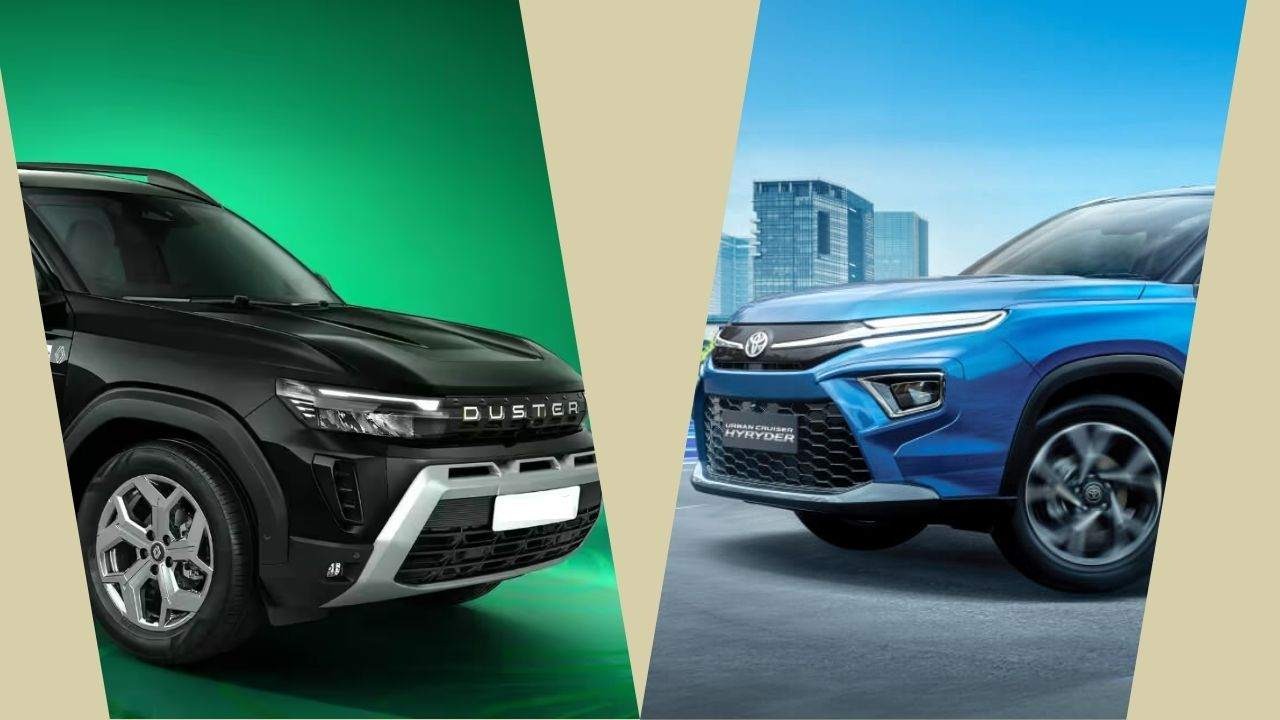
Renault Duster Hybrid vs Toyota Hyryder

The Duster is also slightly wider with a longer wheelbase, which could mean more cabin room, but Renault hasn’t published boot space, and the Hyryder’s own hybrid has a reputation for a limited boot, so check that number when it lands. The Hyryder’s strong-hybrid trim list is limited to the S, G(O) and V variants, so a Duster hybrid with a wider variant range would change the equation.

Hyundai’s Creta and Kia’s Seltos haven’t offered a hybrid so far. The Creta/Seltos pair uses a 158 bhp 1.5-litre turbo-petrol, which means the Duster Hybrid’s 160 PS lines up with their power while promising far better efficiency.

How Much Will the Duster Hybrid Cost? 

Renault hasn’t published a price. Here is what exists:

  • The turbo-petrol Duster launched at ₹10.49 lakh to ₹18.49 lakh ex-showroom.
  • Pre-launch estimates on Autocar India’s city pages showed the hybrid at roughly ₹23 to ₹24 lakh on-road, which is an estimate rather than a Renault figure.
  • The Hyryder strong hybrid runs ₹16.46 lakh to ₹19.76 lakh ex-showroom, which is the ceiling Renault has to beat or justify.

The hybrid will cost materially more than the top turbo-petrol. It carries two motors, a battery and a hybrid transmission, so expect it above ₹18.49 lakh ex-showroom, and the question is how far above. If it opens near the Hyryder’s top trim, it’s a real contest. If it lands at ₹20 lakh or more, the fuel savings stop covering the premium for most buyers.

 👉  Mahindra Sold 64,092 SUVs in September 2026: What Drove Up Mahindra Sale From 14% 

Conclusion

Book Renault Duster Strong Hybrid now if you plan to buy before the festive period ends and want your place in the queue, and you can get a written refund promise. Book now too if you do over 15,000 km a year in a city, since that’s where this powertrain pays back fastest.

Wait for the October 17 reveal if you haven’t set a firm budget, because ₹21,000 is small next to a price gap of several lakh. Wait if you want the manual-style driving feel, because Renault Duster Strong Hybrid car doesn’t offer a clutch pedal. And wait if boot space or rear-seat room matters to your family, since neither figure is out.

Alok Kabir

Alok is an experienced SEO Specialist skilled in blogging and SEO-friendly content creation. He also specializes in Content Optimization and Technical SEO, including website optimization, crawlability, indexing, site speed, and on-page improvements to enhance search rankings and online visibility.

One Comment

Leave a Reply

Your email address will not be published. Required fields are marked *

0

New Tata Sierra 2025 – Price, Features, Launch Date, and Electric SUV Details

Published Nov 13, 2025, 12:37 PM
Last Updated Apr 22, 2026, 11:41 AM

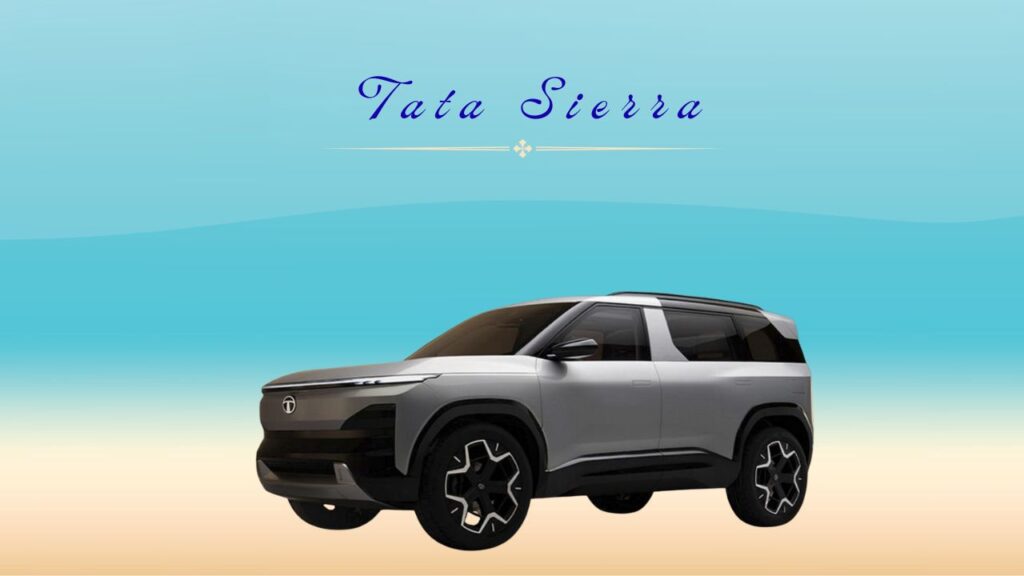
New Tata Sierra 2025

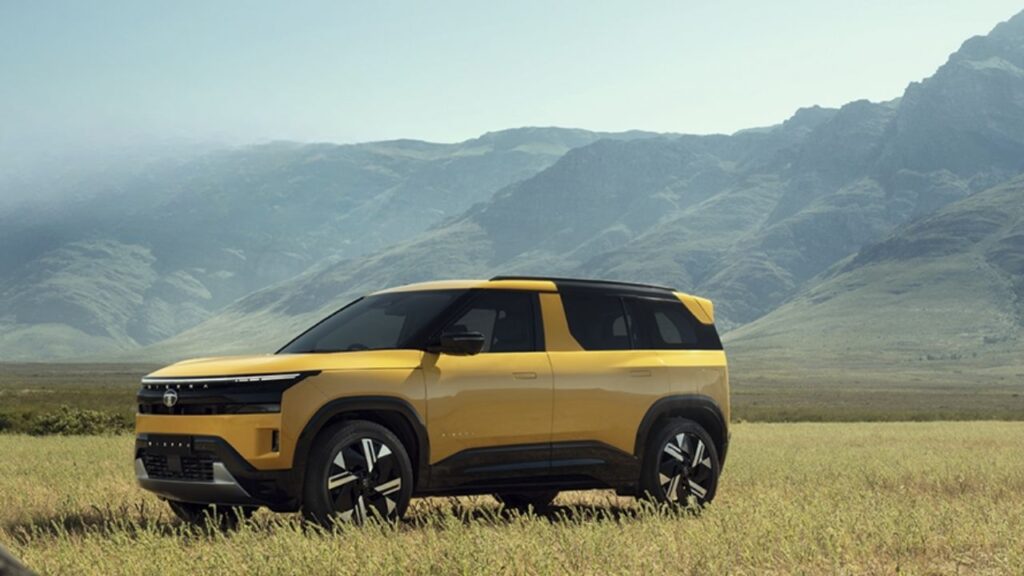
Tata is coming up with a bold comeback of an Indian automotive icon — New Tata Sierra 2025, re-imagined in the modern era of mobility. Packed with old-school cool and new-school tech, this Tata SUV blends the numb nostalgia for big SUVs with the company’s vision for a sustainable future. Based on Tata’s new design philosophy, the Sierra fuses retro aesthetics with futuristic technology and comes with top-notch safety features, the company claims luxury interiors, and smart connectivity. 

Launching electric variants highlights Tata Motors’ focus on enabling sustainable mobility and the future. With this eagerly awaited new model, the brand will captivate a whole new segment of forward-looking drivers, while also offering a true classic for the enthusiasts – a significant step in the brand’s rich heritage. 

Launch And Price Details

The Sierra is scheduled to be officially released on November 25, 2025, for both the internal combustion engine (ICE) models and prospective electric vehicle (EV) versions. At first, petrol and diesel variants will be offered, and an all-electric version, the Sierra EV, coming soon. 

Variant Estimated Price (₹)
Sierra Pure (Petrol) 15 lakh
Sierra Accomplished (Petrol) 25 lakh
Sierra EV (Electric) Starts at ~25 lakh

Excellent New Features of Tata Sierra 2025

Excellent New Features of Tata Sierra 2025

Image credit: Tatamotors

Amazing Exterior & Design

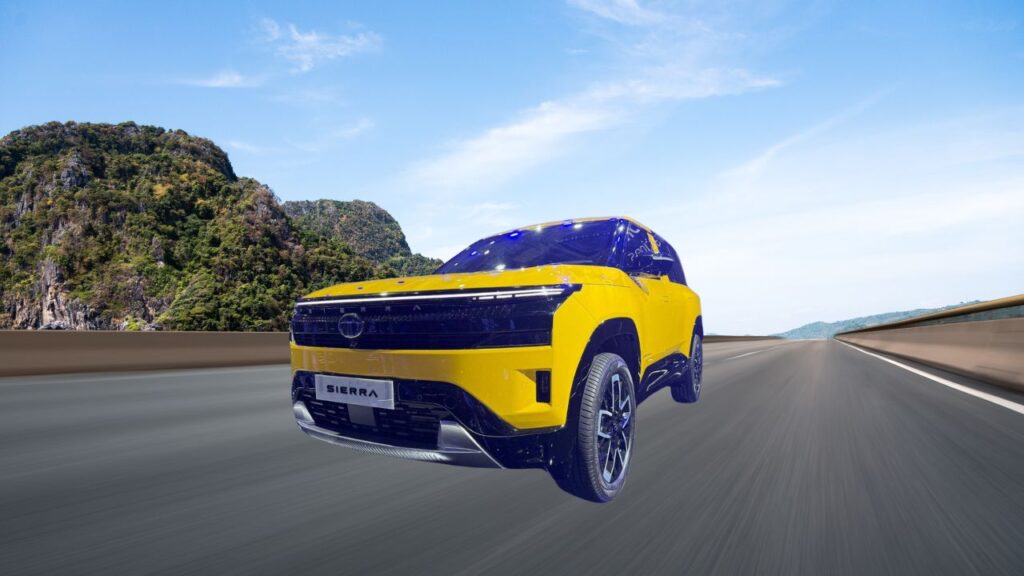
Inspired by the legendary Sierra, including modern interpretation, the design represents a glitchy retro-modern fusion. It sports a prominent black grille that grabs attention, smoked headlamps, and a daring LED light bar. Its smooth yet robust body is complemented by recessed door handles and thick body cladding, and the unique Sierra rear glasshouse brings a futuristic glint of nostalgia.

The design is complemented by big dual-tone alloy wheels which enhance its sportier stance. The connected LED tail lamps and clean rear design make this vehicle both timeless and forward looking. 

Interior

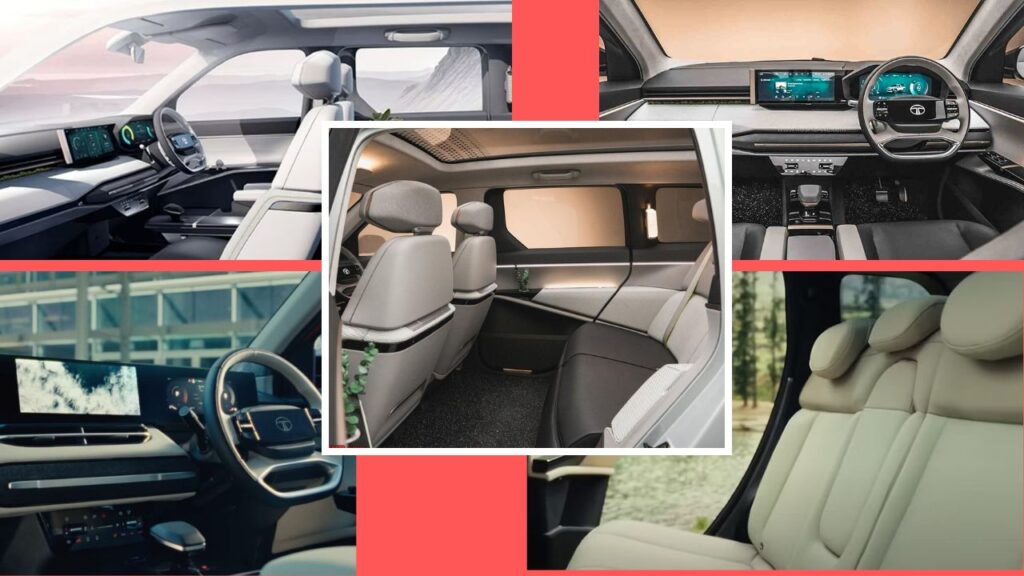
With a triple screen for the driver, the front passenger and infotainment, the Tata vehicle boasts a luxurious interior. It has a premium and sophisticated atmosphere, with a four-spoke steering wheel with the illuminated Tata logo. The cabin is treated to ambient lighting and quality materials for an upscale ambiance.

New Tata Sierra 2025 Interior

Image credit: Badicar

Rather than introducing a third row, the five-seater layout prioritizes comfort and room. Other features include a panoramic sunroof, multi-color ambient lighting, wireless charging, power and ventilation seats, JBL audio system and rear window sunshades that enhance the luxurious and comfortable driving experience. 

Safety

The vehicle Sports advanced safety features like up to 7 airbags, ABS with EBD, electronic stability control (ESC), and hill hold assist. And it has Level 2 ADAS features including adaptive cruise control, lane-keep assist, blind spot detection and autonomous emergency braking. 

Other features include a 360-degree camera, front and rear parking sensors, tire pressure monitoring system (TPMS), and it is expected to be Bharat NCAP 5-star compliant. 

Technology & Features

The car also boasts of modern-day features such as advanced infotainment systems with wireless Apple CarPlay and Android Auto connectivity. Comfortable living is ensured with dual-zone climate control and electrically operated, ventilated seats. Added convenience: It comes with electric ORVMs with an auto-folding function, a wireless charging pad and multiple drive modes.  

In addition, the vehicle features several drive modes to deliver different driving experiences, a wireless charger for convenience, and electrically adjustable and foldable side mirrors with heating option for practical application. 

Powertrains and Performance Of The Vehicle

Powertrains and Performance Of The Vehicle

Image credit: Badicar

Petrol & Diesel Engines

Components Petrol Diesel
Engine 1.5-litre turbo, 1.5-litre unit
Power 170 PS 118 PS
Torque 280 Nm  260 Nm
Speed 6-speed manual & 7-speed DCT automatic. similar

Electric (Sierra EV)

The car is for sale in two battery pack sizes, 55kWh and 65 kWh, with a possible 75 kWh pack in the higher trims. It is designed to compete with top electric SUV models and has a claimed range of around 450–500 km on a single charge. It also has fast charging technology that can charge the battery fully in 4-8 hours depending on the charger. 

As for its performance, front wheel drive comes as standard on the base model, and dual-motor all-wheel drive (AWD) is expected on higher trims. Distinct design touches for the electric vehicle (EV)- including a sealed grille, wheels optimized for aerodynamics and other EV-specific styling elements. 

Read More :- Honda Elevate – Price, Features, Mileage, and All You Need to Know

Conclusion

The Tata Sierra 2025 is bringing back an Indian automotive legend, but with completely modern sensibilities and the latest technology in safety and comfort. The ICE models are tailored for versatility and performance, whereas the Sierra EV provides an attractive electric range along with a host of cutting-edge features, making it stand out in the burgeoning mid-size premium SUV and electric SUV markets in India. 

0

The Ultimate Guide to the Best Compact SUVs in 2026: Drive Smart, Live Better

Best Compact SUVs in 2026

For now, if you find yourself at the crossroads in the market for a new vehicle — well, the best compact SUVs may be the sweet spot you were looking for. They fall short of the gargantuan size of full sized SUVs, but they have enough room and capability to allow you to have fun on your day to day commute as well as on your weekend jaunts. 

If you’re a city resident frustrated by gargantuan vehicles hogging parking spaces, a small family requiring practicality with a dash of style, or just someone who wants to find the best compromise between comfort and efficiency, the compact SUV segment has blossomed into something pretty remarkable. Let’s take a look at the best of the best for 2026 that are worthy of your consideration. 

The Champions of the Compact SUV World

Honda CR-V: The All-Around Achiever

Let’s begin with the Honda CR-V, which is always among the best compact SUVs in our ratings. It’s like the dependable buddy who shows up promptly, doesn’t whine, and actually cares if you’re comfortable or not.

​The CR-V is pretty well balanced in almost every way. It feels within reach at around $31,495 but doesn’t feel cheap. The 190-horsepower turbocharged 1.5-liter four-cylinder engine is paired with a continuously variable transmission. But here’s where it gets interesting: the hybrid model offers 204 horsepower for those seeking a bit more punch and better fuel economy. 

Honda CR-V

A sleek honeycomb-patterned dashboard and surprisingly roomy cockpit await inside. The front seats really do hold you in place on long drives, and the rear passengers aren’t squeezed — always a win. With the second row seats up, cargo space is an impressive 39 cubic feet; folding them down increases it to 76 cubic feet. For comparison, real-world gas mileage of the gasoline model is 28-31 mpg city and 34 mpg highway.

​What’s unique about the CR-V is not some singular standout attribute; it’s a collection of smart design decisions. The cargo floor, which is low all the way to the ground, is a back saver, the driver’s seat feels like home, and the ride quality soaks up bumps without being either too firm or too floaty. 

Nissan Rogue: Luxury on a Budget

For a bit of pampering without going broke, say hello to the 2025 Nissan Rogue Platinum, which rang the bell in overall 2025 testing. At a roughly $40,920 starting point for the Platinum trim, it offers truly premium feels that make sense for the price tag.

The interior of the Rogue is nothing if not impressive. Those NASA-designed zero-gravity seats aren’t marketing fluff—they’re really supportive and comfortable. The Aniline two tone leather with diamond shaped pleats and heavy stitching makes you feel that luxury car. Add the heated seats, heated steering wheel and the wireless phone charger and you’re ensconced in what turns out to be a rather posh mobile sanctuary. 

Nissan Rogue Technology

The 1.5-liter turbo three-cylinder engine makes 201 horsepower and 225 lb-ft of torque, and is a very refined powertrain. The Nissan Safety Shield 360 suite is standard and includes automatic emergency braking with pedestrian detection, blind spot alert and lane departure warning—well, Nissan’s eyes are on the road now, so you can relax.

​Bolts and nuts Cargo capacity is 74.1 cubic feet with the backseats folded down, and notably the rear doors open to nearly 90 degrees, making installation of child seats and getting in and out of the car incredibly easy. Fuel economy is 27-28mpg in the city and 34-35 on the highway. 

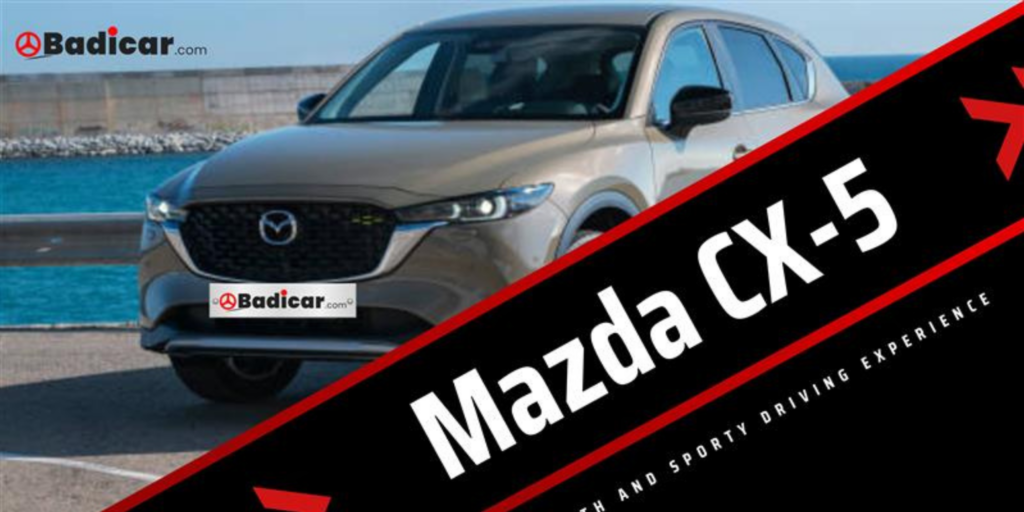
Mazda CX-5: The Driver’s Delight

If you like to drive and are not willing to compromise that for utility, the Mazda CX-5 is for you. He’s the shy, retiring party guest who reveals himself to be the most interesting interlocutor low-key, but truly extraordinary.

The CX-5 delivers an experience that feels worth more than its entry-level price of about $29,000. The non-turbo 2.5 engine makes 187 horsepower, but get the turbocharged variant (256 horsepower) and you’ll hit 0-60 in 6.2 seconds—really exciting for a family SUV. The six-speed automatic and standard all-wheel drive also make for a driving experience that’s responsive and fun, and that rivals what you get in vehicles that cost thousands of dollars more. 

Mazda CX-5 – Sporty Family SUV with Premium Interior

The cabin is as if someone went to luxury car cabs and took the best ideas. Materials are upscale, the design is intuitive, and that floor-hinged accelerator pedal (in lieu of the ubiquitous suspended one), well, that’s just a small detail that illustrates how Mazda thinks. Ride quality is exemplary—faults in pavement are muffled, road noise is minimal and cornering feels planted and confident.

​Fuel economy is 26-31 mpg on the highway depending on the engine choice and the turbo variant manages a respectable 30 mpg at highway speeds despite its extra power. 

A Quick Comparison Overview

Model Starting Price Top Engine Power Fuel Economy (Hwy) Cargo Space (Folded) Best For
Honda CR-V $31,495 190 hp (204 hybrid)​ 34 mpg 76 cu ft​ Overall balance and reliability​
Nissan Rogue $40,920 (Platinum) 201 hp 34-35 mpg​ 74 cu ft Luxury feel and comfort
Mazda CX-5 ~$29,000 256 hp (turbo) 27-31 mpg Smaller but designed Pure driving enjoyment

Budget Friendly Compact SUVs 

Budget friendly compact SUVs in India are Maruti Fronx, Venue, Urban Cruiser Taisor, and Kushaq. Please note that the prices quoted are ex-showroom and may vary based on the On variant and region. In addition, the on-road prices will also have other things like RTO charges, insurance and so on. 

Model Base Price (ex-showroom) Top Price (ex-showroom)
Maruti Fronx ₹6.85 Lakh ​ ₹11.98 Lakh 
Hyundai Venue ₹8.00 Lakh ​ ₹15.69 Lakh 
Toyota Taisor ₹7.21 Lakh  ₹12.06 Lakh 
Skoda Kylaq ₹7.55 Lakh  ₹12.80 Lakh 

Key specifications are available on complete details related to engines, mileage, standout features as on January 2026. 

Read More:- Hatchbacks Make a Comeback as GST 2.0 Tax Relief Boosts Demand in India

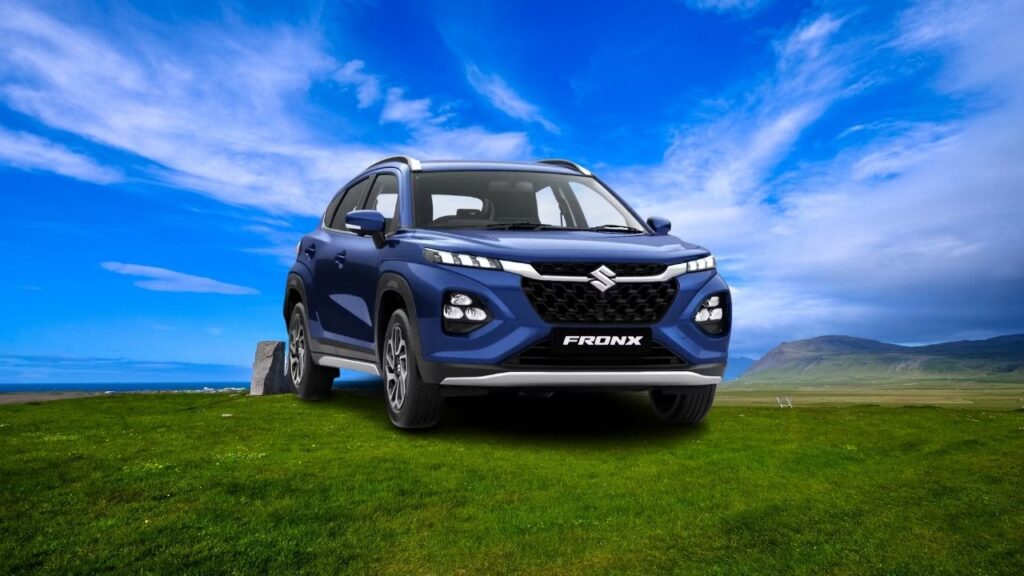
Maruti Fronx 

Engine options on the Maruti Fronx are the 1.2L petrol engine with 89 bhp and 21.79 kmpl (manual), and the 1.0L turbo-petrol engine with 99 bhp offering 21.5 kmpl, as well as a CNG variant.

Maruti Fronx

It also features premium amenities like a 9-inch touchscreen and 360-degree camera. 

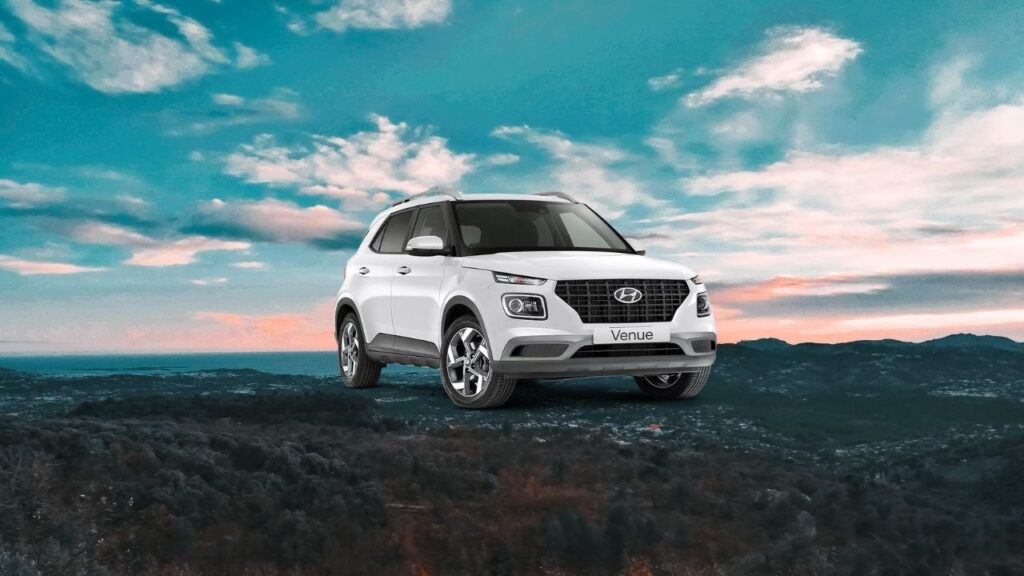
Hyundai Venue 

The car comes with three engine options – a 1.2L petrol engine putting out 82 bhp and delivering a mileage of 18.5 kmpl, a 1.0L turbo-petrol engine producing 118 bhp and giving a mileage of up to 20 kmpl (with a DCT), and a 1.5L diesel engine making 114 bhp and offering a mileage of up to 20.99 kmpl.

Hyundai Venue 

It packs world-class world premieres such as Level 2 ADAS, dual 10.25-inch screens and ventilated seats to improve comfort and safety. 

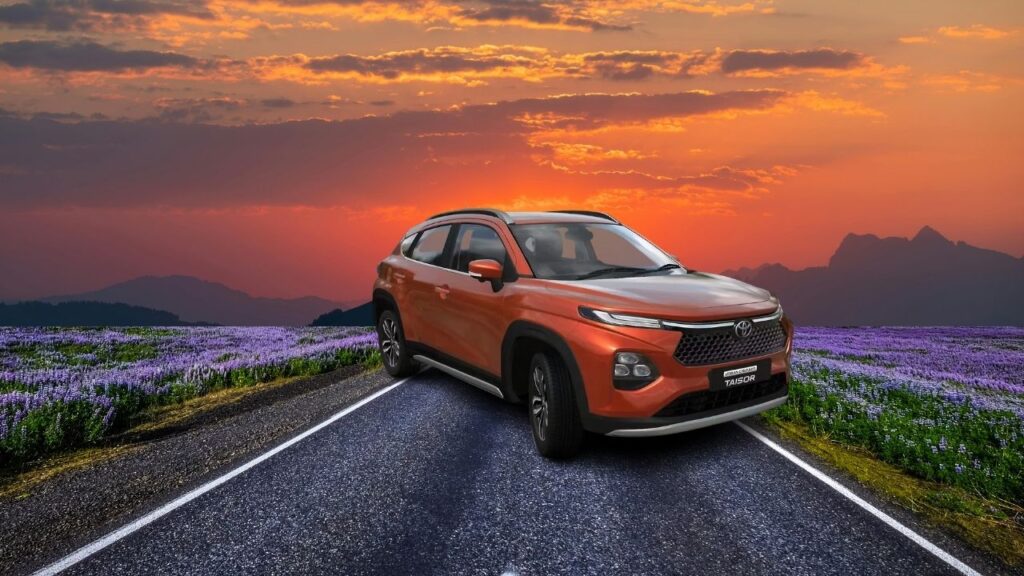
Toyota Taisor

The Fronx with a different badge is available in a 1.2L petrol/CNG engine as well as a 1.0L turbo-petrol engine options which provide an impressive mileage of 22.89 kmpl.

Toyota Taisor

It comes with the latest technologies, including projector LED headlights, and at an additional cost is available with an automatic transmission. 

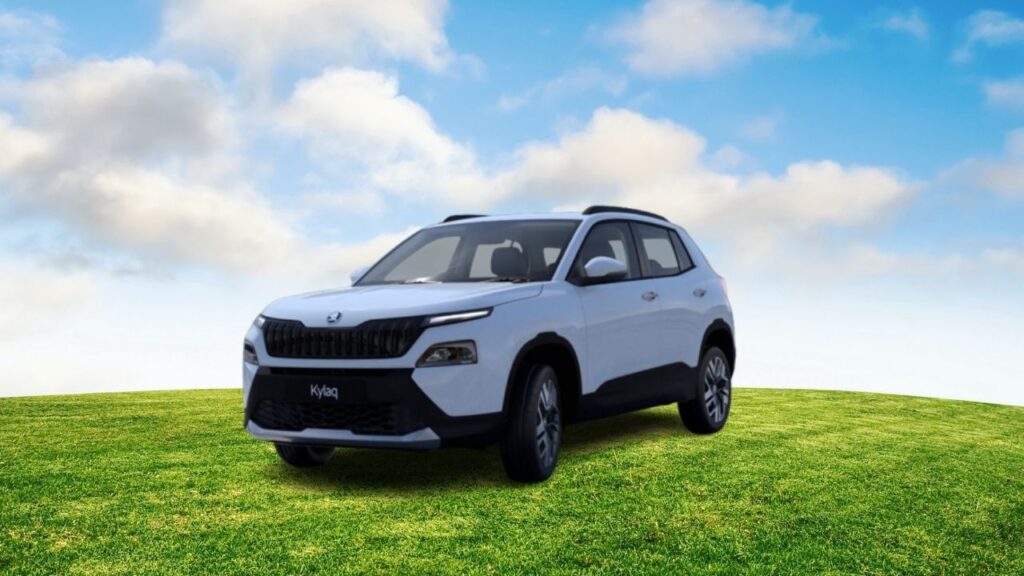
Skoda Kylaq 

The entry-level compact SUV has petrol variants and mileage is expected to be around 18-20 kmpl. Boasting “European build quality” it’s engineered on a potential 5-star safety rating. 

Skoda Kylaq

Engine and Mileage Comparison

Model Engines (Power) Mileage (ARAI, kmpl)
Fronx 1.2L Petrol /CNG (89/76 power), 1.0T (99 bhp) 20-22.89
Venue 1.2 litre petrol engine—82 power; 1.0T—118 power; 1.5D (114 bhp) 17.9-20.99 
Taisor Similar to Fronx 20-22.79 
Kylaq 1.0L TSI petrol variants 18-20 (expected) 

Conclusion

Selecting from these three comes down to what matters to you most. The Honda CR-V if you want the safe bet — a vehicle that performs well in every area without a significant trade-off. Get the Nissan Rogue If you want to pretend you’re driving something more luxurious than what you’re able to buy. Buy the Mazda CX-5 if you think driving a car should be fun, not just functional. 

The 2026 compact SUV segment has real options and to be honest, nothing in this class is really a bad buy. Any of these will get you through the next several years with a practical, yet engaging driving experience that can make even the most banal daily commutes feel purposeful. Your next vehicle adventure begins by deciding what matters most to you—and luckily, these SUVs make that choice particularly straightforward. 

0

Ertiga vs Carens: The Best 7-Seater Cars Are On The Edge

Published Mar 9, 2026, 7:49 AM
Last Updated Apr 7, 2026, 6:27 AM

Ertiga vs Carens

You don’t really know when it comes to 0-100 km/h timings or just how well a family car corners, after all you’re buying one with seven seats. Ertiga vs Carens– it’s a difficult choice to make because both are offering tremendous features with high end quality for smoother rides with your family. Imagining a seven seater is cool but experience while your kids wanna sit in the front, your parents are having problems taking on the third row seats, is it got you worried?

These two space warriors are the best right now — the Maruti Suzuki Ertiga, which is a proven option from previous buyers that really make it on top. And the seven-seater Kia Carens which has been the leader in the market. Let’s talk about further details of these cars and price.   

Easy Trips with Well-Defined Looks

Walk up to an Ertiga, and you know exactly what you’re getting. It’s clean, bland, and made to camouflage in every apartment complex parking lot in India. The design has been tweaked a bit over time by Maruti – sharper headlights, a chrome heavy grille and floating roof elements but no one will go gaga over its looks. And honestly? That’s fine. Ertiga buyers don’t want to be seen.

Ertiga Looks

Carens, however, is a double-take. Kia’s “Opposites United” design theme gives it SUV-like stature with its boxy shape, rugged cladding and that unique connected LED light bar at the rear. It looks excellent with its high end white and silver MPVs lining.

The Cabin that Made Specially for Families 

This is where things get interesting. The Ertiga’s cabin is nothing new. If you’ve sat in any last five years Maruti, you will find the dashboard layout, steering wheel, instrument cluster, and much more. It’s functional and solid where you routinely touch it, and everything is within easy reach. The beige-and-black color scheme makes for an open space, but it really does make that dirtshow quicker than you would want with kids around.

The Cabin that Made Specially

It’s like the Carens belong to a different era entirely. The twin 10.25-inch (Instrument and Infotainment) screens dominate the dash, the ambient lighting radiate true premium feeling during the night and the soft touch plastics, leatherette upholstery, metallic embellishments would not really be out of place in a vehicle double the cost. Kia’s UX is slick, responsive and really intuitive.

For family cars, kids can make it worse and older people need comfort so the more utilitarian cabin of the Ertiga is easier to clean and its physical buttons for the AC are safer to use on the run that can be more favorable as compared to the Carens’ touch-sensitive panel.

Verdict: Tech-savvy crazy people can go for Carens but real comfort is Ertiga for the no-nonsense one. 

Space Wars: The Real Challenge

Would be nice to have seven seats in theory, but it’s different when you’re really sitting in them. If you try to place three adults on the third row, and your elbows start to battle each other for room, then you will realize that it is the smaller of the two. 

The third row? Consider it a bonus, and not a feature. Kids on a short school run — sure, no problem. But have an adult sit back there for a highway haul and they’ll tell you. And if all three rows are filled up, the luggage compartment reduces to virtually zero. Take a roof carrier if you are really going somewhere.

Space Wars

The Carens is another kettle of fish. It’s wider, it’s longer, and the cabin feels it. You don’t have to compromise and squash three people in the middle row — you can actually sit comfortably. With Kia’s sliding and reclining second-row seats you can redistribute legroom according to who needs it most. 

The third row realistically accommodates adults up to 5’10” for a few hours, which ceases to be a fun fact and actually matters when you’re a re six hours away from a family wedding. It’s possible for a few soft bags to be stored in the boot even when all the seats are in use.

Verdict: There’s no question that the Carens is the one to get if you truly want seven seats that are actually usable. If you only need that 3rd row occasionally, the Ertiga gets the job done without costing you more. 

The Unexpected Thrill Of Hitting The Road

No one ever buys a seven seat multipurpose vehicle (MPV) looking forward to driving it. But how a car feels when you’re driving it, especially after months and years of school runs, highway trips and Sunday errands that matters more than most people acknowledge before they buy.

The Ertiga isn’t trying to dazzle you. Its 1.5 litre petrol with mild hybrid support delivers 102 bhp, and the honest word for it is sufficient. At its bottom end it’s smooth, it won’t make you anxious in stop-and-go traffic, and the suspension has this wonderful talent for just soaking up bad roads without any fuss – a massively undervalued quality when you happen to live in a city whose potholes multiply overnight. The steering is light, the car feels controlled, and parking it in a narrow colony lane is not a three-point affair. 

But the limitations are pretty well indicated on the open road. Overtaking on a motorway takes a little bit of courage and a little bit of timing so you don’t just pull out and blast. And when you’re hauling a full complement of passengers and gear, the body roll tells you that this wag, at least, is a practical family car.

Carens Looks

The Carens come with higher aspirations. You have three engine options: 1.0-litre naturally aspirated petrol with 115 bhp, punchy 1.4-litre turbo with 140 bhp and 115 bhp diesel which makes a good amount of low end torque. 

The turbo petrol, in particular, doesn’t feel like a MPV at all on the road, it just goes, smoothly and assuredly. The diesel truly shines when you’re laden and inching along – it never seems to be struggling. The steering is heavier and more direct, and the whole car just feels like it was a bit pricier than it actually was. 

But if there’s one thing that spec sheets don’t reveal, it’s that the Ertiga is far easier to navigate through the madness of Indian urban life. More agile controls, a reduced size, and the capability to sneak through openings that would cause hesitation to any Carens driver. After an hour of traffic during rush hour, that actually adds up to something.

Verdict: The Carens is the one you want on the long highway runs and hilly weekend getaways. The Ertiga is the one that makes Monday morning city driving less of a chore. 

Read More:-  2026 Maruti Brezza Spied with New Powertrains and Bumper Design

Pricing Value of Ertiga vs Carens

At some level, every car comparison boils down to this: what does it really cost you, not just to buy one, but to own one?

Pricing Value of Ertiga vs Carens

The Ertiga offers value for money from the word go. Available from around ₹8.5 lakh to ₹13 lakh, it occupies a ground where a real seven-seater feels quite “within reach”. The Carens starts with a price tag of ₹10.5 lakh which is reasonable enough — but hike up to the top diesel automatic variant and it costs close to ₹19 lakh. 

Verdict: It is Ertiga that offers more financial wisdom — Easy on the pocket cost of buying, cost of running, high resale value. The Carens demand a premium from you, and give you more in return. Whether the compromise makes sense to you will depend completely on what you value. 

Conclusion

After all comparisons, specifications and stories from the real world, it all just comes down to knowing yourself as a buyer — the routes you travel, your family, your priorities. 

Choose the Ertiga when you want a vehicle that just gets on with it. It will start every day without fail, live through years of school runs and supermarket runs, not cost much to keep going and squeeze itself into parking spaces that would make other cars break out in a sweat. There’s a reason they’re everywhere because they just work, predictably and inexpensively, year after year. It’s the kind of car you forget about, and that’s a compliment. 

Book the Carens if your family’s idea of a weekend is a heavy dose of miles. If road travel is a regular in your life, if you have an opinion on how the interior of your car feels, if you want high-tech safety features and a cabin that doesn’t make you feel like you’re sacrificing — well, then the premium is justified. This is the car in which driving becomes part of the experience and not just a way to get somewhere.

Overall, For all its city driving with a dash of highway, the Ertiga ZXI+ automatic is really difficult to beat at this price point. It gives you everything you want without asking you for too much. But if Manali is on the bucket list or you have an extended family that needs to travel together in comfort — the Carens diesel is an extra spend that’s absolutely worth it, and you will know the feeling every time you take to the highways. 

Both cars are right. They are simply responses to different questions. The secret is knowing exactly which question your life is asking.  

0

EMI vs Lease: Which Is Better If You Plan to Upgrade Your Car Every 3 Years 

EMI vs Lease

Car enthusiasts love to upgrade their cars frequently just like people upgrade their iPhone every year. The real difference is the money. EMI vs Lease are two very different versions of car loan, which one is better for you to take a car loan for actually buying a car is hard to understand. That’s why many people get confused and make the wrong decision.

So if you want to make the right choice for your car loan then read the full article to understand where each one fits. 

When you buy a car by taking a car loan, you have to pay the fixed amount monthly (principal + interest) over a tenure which is usually 3-7 years. When it’s fully repaid, you own the car outright. Until the loan closes, the bank holds a hypothecation on the vehicle but legally the car is yours from day one. This is Equated Monthly Installment (EMI). Higher monthly outgo because you’re paying off 100% of the car’s value plus interest. 

In Lease, however, you never own the car. You pay a rent to use it for a set amount of time then give it back, pay a residual value to buy it, or get into a new lease. The difference is the monthly fixed amount is lower than EMI because you don’t own it, you are just paying for depreciation for a period + interest + fees. There’s one catch – overage charges hit hard and sometimes bundle maintenance. So you have to be careful with mileage and maintenance.

Which Is Better in EMI vs Lease If You Plan to Upgrade Your Car Every 3 Year

In the EMI vs Lease option for buying a car, there’s no single answer yet. As it depends on your choice and income, here’s the thing to consider before making any decision.

Car Loan’s Core Problem With EMI on a 3-Year Cycle

Most car loans are structured for 5 to 7 years. The calculation behind them assumes you’ll hold onto the car long enough for the interest-heavy early payments to even out, and long enough for depreciation to slow down.

When you sell or trade in at year 3, you’re stepping out mid-loan. That means:

  • You’re still carrying a decent chunk of outstanding principal
  • You’ve paid a disproportionate amount of interest relative to how much of the car you actually “own”
  • The car’s resale value has already taken its steepest depreciation hit (new cars lose the most value in the first 2-3 years)

Put these together and you often end up underwater — owing more than the car is worth, or barely breaking even after resale. You then roll whatever gap exists into your next purchase, and the cycle repeats, sometimes getting worse each time.

Leasing Is a Good Option If You Upgrade Car in 3 Year

Leasing was built for exactly this kind of usage pattern. You’re not paying for the whole car — you’re paying for the depreciation that happens during the years you use it, plus interest on that portion, plus fees.

For someone upgrading every 3 years, this lines up almost perfectly with typical lease terms (24-36 months). A few real advantages:

Lower monthly payments than an EMI on the same car, since you’re not financing the full price. For example, if the car is worth ₹12 lakh today and is expected to be worth ₹7 lakh after 3 years, the lease payment is broadly based on the ₹5 lakh depreciation over those three years. 

When three years are completed, you can return the car to the leasing company and they’ll check mileage, damage and condition according to the contract. You don’t have to worry about negotiating a resale price. But if there’s any damage and higher mileage then you have to compensate for it. If you are eligible, the lease company can offer you a replacement/new-lease program. You still need to sign a new lease and meet the new contract’s approval and payment requirements. 

Lease is a good option if you are confused about EMI vs Lease if you are buying a new car. Many leases cover a new car while it’s still under the manufacturer’s warranty, which can reduce your exposure to unexpected repair bills for covered defects. 

The car resale value gets down right after it leaves the showroom. In one year, the retention by 60% is going to hit so if you don’t want to worry about car worth in three years, that risk is not on you anymore, its leasing company.

Probable Risk That You Must Know Before Considering Lease

There are some conditions that are set on the contract on lease while taking a car. Always remember that you never own a car. For example, you rent an apartment and the owner takes a security deposit. If you damage it, they won’t return it. Same happens with leasing, if mileage limits hit, damage that can cost much, you have to pay extra for it and in the end return it back.

If you drive over your allotted kilometers, you’ll pay a penalty per extra km so this adds up fast if you drive a lot. If you are buying it to travel out of the city then there’s no benefit in it.

Wear-and-tear charges always happen when you drive in rush areas or in traffic. Scratches, interior damage, anything beyond “normal use” can cost you at lease-end.

You build zero equity. As you give a rent every month. At the end of three years, you own nothing — not even a trade-in value to offset your next vehicle.

Long-term cost. If you ever decide to stop upgrading and just keep a car for 6-7 years, leasing back-to-back will almost always cost more than one EMI held to term.

Which One Saves Money If You Swap Cars in Few Years

Don’t just start comparing EMI vs Leasing on monthly payments. That’s a trap, use calculation and figure out the total cost for a confirmed set of periods. Let’s say you are buying a car for 3 years and then want to change it, total payment made over these years, lease end-fees if any, regular maintenance cost, driving habits are the effective majors that hit your total cost. 

Whichever number is lower for your driving habits and your market’s resale trends is your answer — not a generic rule of thumb.

Here’s a Maruti Suzuki Victoris LXI petrol example to calculate the total cost of your car by taking both EMI and Lease. Its current ex-showroom price is ₹15.13 lakh, while the estimated on-road price is around ₹17,50,000 (assume). 

EMI (5-year loan, 20% down, 9.5% interest)  Lease (3-year operating lease, bundled) 
Down payment  ₹3,50,000  No large down payment, security deposit which often refundable
Tenure  5 years = 60 months  60 months  
Monthly Pay ₹29,500  ₹32,700  
Total Cost ₹21.2L (include downpayment) ₹19,62L  
Ownership  Yes, you own the car after 5 years  No, unless you pay a separate buyout near residual value. 

If you want to buy Maruti Suzuki Victoris LXI petrol car on lease and later buyout then:

Option Monthly outflow Total paid (5 yrs) Ownership at end
EMI (loan) ~₹29,500 EMI + ₹3.5L down ~₹21.2L (down + EMI) Yes (you own; can resell)
Lease (no buyout) ~₹32,700 rental ~₹19.62L (rentals only) No (car returned)
Lease + buyout ~₹32,700 rental + buyout ~₹27.49L (rentals + buyout) Yes (after paying residual)

Buying An EV On Lease Is More Profitable Than EMI

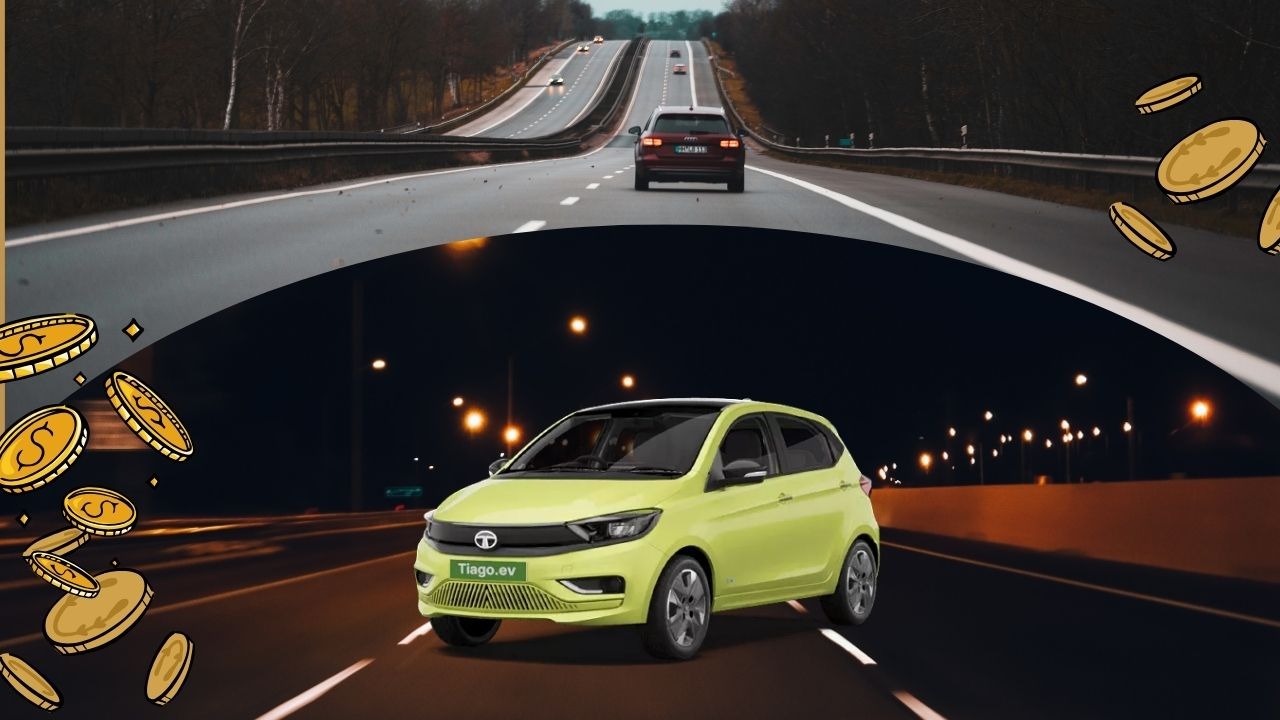
A 3‑year total cost comparison for a Tata Tiago EV using loan as EMI vs Lease. Let’s look into quick comparison on assuming numbers but you can swap this with your exact dealer quote and calculate the actual total cost using EMI calculator: 

Tata Tiago EV EMI (loan, 3 yrs) Lease (operating, 3 yrs)
On-road price used ₹8,90,000 ₹8,90,000
Down payment / initial ₹1,78,000 ~₹0 (small fee possible)
Monthly payment ~₹22,800 EMI ~₹20,000 rental
Total paid over 3 yrs (cash out) ₹9,98,800 (down + EMI) ₹7,20,000 (rentals)
Ownership at end Yes (you own) No (car returned)
Approx. 3‑yr resale / residual ~₹4,89,500 (you keep) ~₹4,89,500 (goes to lessor)
Net 3‑yr cost (cash out − asset value) ~₹5,09,300 ~₹7,20,000
Typical inclusions Loan only; insurance & maintenance separate Often includes insurance + maintenance (check contract)

Note: any price and figures mentioned above is assumed by the current price provided, you must check the actual amount by calculating it with your own variant, tenure, mileage and other terms.

Read More:-  What Your Car Loan Covers Beyond the Ex-Showroom Price 

Conclusion

When it comes to EMI vs Lease, leasing can be worth considering when predictable monthly costs and, depending on the lease, maintenance and other expenses may be bundled in. No ownership equity can make it expensive if your driving habits don’t match the contract. An EMI makes more sense if you want to own the car, drive it for 5–7 years or longer.

Before signing either agreement, calculate the total price you pay and compare the complete three-year cost of both options including interest, insurance, maintenance, taxes, lease fees, penalties and the car’s expected resale.

You can choose a lease for flexibility and frequent upgrades; choose an EMI when long-term ownership and building resale value matter more.

0

Zero Depreciation Car Insurance: Benefits, Coverage & Cost

Zero Depreciation Car Insurance

You back into a pole at 5 kmph. Bumper’s cracked, headlight’s gone. The garage quotes ₹50,000. Then your insurer settles the claim and pays out closer to ₹37,000. The other ₹13,000? Depreciation. So you must understand where Zero Depreciation Car Insurance will help. Your bumper and headlight are made of plastic and rubber, and every standard comprehensive policy in India applies a flat 50% cut to those parts, no matter how new the car is.

This is the exact gap that Zero Depreciation Car Insurance is built to close. It’s an add-on, not a separate policy that sits on top of your comprehensive cover and tells the insurer: don’t deduct depreciation on the parts you’re replacing, just pay the real repair bill, minus the deductible. For a car that’s still within its first few years, that difference in payout can run into thousands of rupees on a single claim.

Why Depreciation Reduces Your Insurance Claim 

The Insurance Regulatory and Development Authority of India (IRDAI) sets a standard age-based depreciation schedule that every insurer follows for a regular comprehensive claim. It looks like this:

Age of vehicle Depreciation on parts
Up to 6 months Nil
6 months – 1 year 5%
1 – 2 years 10%
2 – 3 years 15%
3 – 4 years 25%
4 – 5 years 35%
5 – 10 years 40%
Above 10 years 50%

On top of that age-based table, a few part categories get a fixed rate regardless of how old the car is: rubber, nylon and plastic parts, tyres, tubes and batteries are depreciated at a flat 50%, fibreglass components at 30%, and glass at 0% (glass is the one thing you always get paid for in full). 

Zero Depreciation Car Insurance

Bumpers, dashboards, trims, wiper blades, headlight housings — the parts that actually get damaged in a fender-bender mostly fall into that 50% bucket. That’s why even a fairly minor accident on a fairly new car can leave you covering a surprising chunk of the bill yourself.

Zero Depreciation Car Insurance cover essentially waives that deduction, so the claim tracks the garage invoice far more closely.

Coverage and Limits of Zero Depreciation Car Insurance 

It’s worth being precise here, because “zero depreciation car insurance” doesn’t mean zero deductions of any kind.

  • Metal, plastic, rubber and fibreglass parts replaced during an accident repair are paid in full (subject to your deductible), instead of at the depreciated rate.
  • Tyres and tubes are a common exception: even with zero depreciation, insurers typically still apply the standard 50% cut on tyres and tubes unless you’ve separately added a “Tyre Protect” cover. It’s an easy detail to miss when you’re comparing quotes.
  • Mechanical or electrical breakdown, and damage from regular wear and tear rather than an accident, still isn’t covered — Zero Depreciation Car Insurance only changes how accidental-damage claims are calculated, not what counts as a valid claim.
  • Most insurers cap how many zero-dep claims you can make in a policy year — some restrict it to two, while a handful of newer-generation plans from insurers like ICICI Lombard and Tata AIG are now marketing unlimited zero-dep claims. This varies enough between insurers and even between plans from the same insurer that it’s genuinely worth reading the policy wording rather than assuming.

Read More:-  How to Save Money on Car Insurance?

How Zero Depreciation Insurance Reduces Repair Costs

Go back to that ₹50,000 repair bill. Without Zero Depreciation Car Insurance, a 2-year-old car loses ₹13,000 to depreciation on that claim alone (50% off the plastic/rubber components, 10% off everything else). With Zero Depreciation Car Insurance, most of that comes back to you. Multiply that across the accidental fender-benders, chipped bumpers and cracked tail-lamps most cars pick up in city driving, and the add-on pays for itself fairly quickly on a newer vehicle.

Zero Depreciation Car Insurance

There’s a second, quieter benefit too: because you’re not fighting over depreciated part values, claims tend to settle with less back-and-forth with the surveyor. And if you eventually sell the car, having a clean repair history with OEM-grade parts (rather than a patchwork of cost-cut replacements) tends to help at resale.

Zero Depreciation Car Insurance Cost

Zero dep isn’t free — it adds roughly 10-25% to your own-damage premium, since it’s calculated as a percentage loading rather than a flat fee. For a 2025 Tata Nexon insured at an IDV of around ₹12 lakh, a standard comprehensive premium of about ₹7,800 rose to roughly ₹9,500 with Zero Depreciation Car Insurance added — an extra ₹1,700 for the year. 

That’s one illustrative example rather than a universal figure; your actual loading will depend on the car’s make, model, city (Delhi and Mumbai typically load higher than smaller towns), and the insurer’s own pricing, so treat it as a ballpark and get an actual quote before renewal.

Eligibility is the other cost-adjacent factor: most insurers restrict Zero Depreciation Car Insurance to vehicles up to 5 years old, though the exact cutoff varies by company — some extend it a year or two further for an additional loading.

Who Should Consider Zero Depreciation Cover? 

For a new car, or one still in its first three to five years, yes — this is close to a default recommendation. That window is when a car both depreciates fastest and gets into the most fender-benders, so the add-on is doing real work every time you make a claim. 

It’s an easy call for anyone on a car loan too, since lenders often prefer the vehicle stays fully protected until the EMIs are cleared, and for owners of premium or luxury cars, where part costs run high enough that even a 15-20% depreciation cut is a meaningful sum.

Zero Depreciation Car Insurance

Past the five-to-seven-year mark, the math flips. The car’s IDV has dropped enough that claim sizes shrink, the depreciation percentage is already near its ceiling anyway, and the extra premium starts looking like money spent on a cover you’re unlikely to use fully. 

At that stage, most owners are better off putting that premium toward a straightforward comprehensive policy and, if anything, an engine-protector or return-to-invoice add-on instead.

A Quick Checklist Before You Buy 

Don’t just add Zero Depreciation Car Insurance because the salesperson recommends it — actually check three things on the quote: how many zero-dep claims the policy allows per year, whether tyres and tubes are excluded from the waiver, and how much your own-damage premium actually rises with it added versus without. 

A ₹1,500-2,000 annual increase on a 2-year-old car is an easy yes. The same increase on a 6-year-old hatchback is worth doing the arithmetic on first.

Read More:- How to Renewal Car Insurance: Step-by-Step Guide (2026)

Conclusion

Zero Depreciation Car Insurance is among the few addons that actually come handy at the time of making a claim. For cars that are new or less than five years old, the higher premium often makes sense because it can greatly reduce your repair costs.  

Coverage limits, claim caps and exclusions differ between insurers, so it’s worth comparing the policy wording rather than assuming all zero-dep plans are created equal in terms of benefits. A couple of minutes checking the small print today could save you thousands on your next repair bill.