1

October Car Offers: Which Discounts Save You Money

Published Oct 13, 2026, 10:48 AM
Last Updated Oct 13, 2026, 12:32 PM

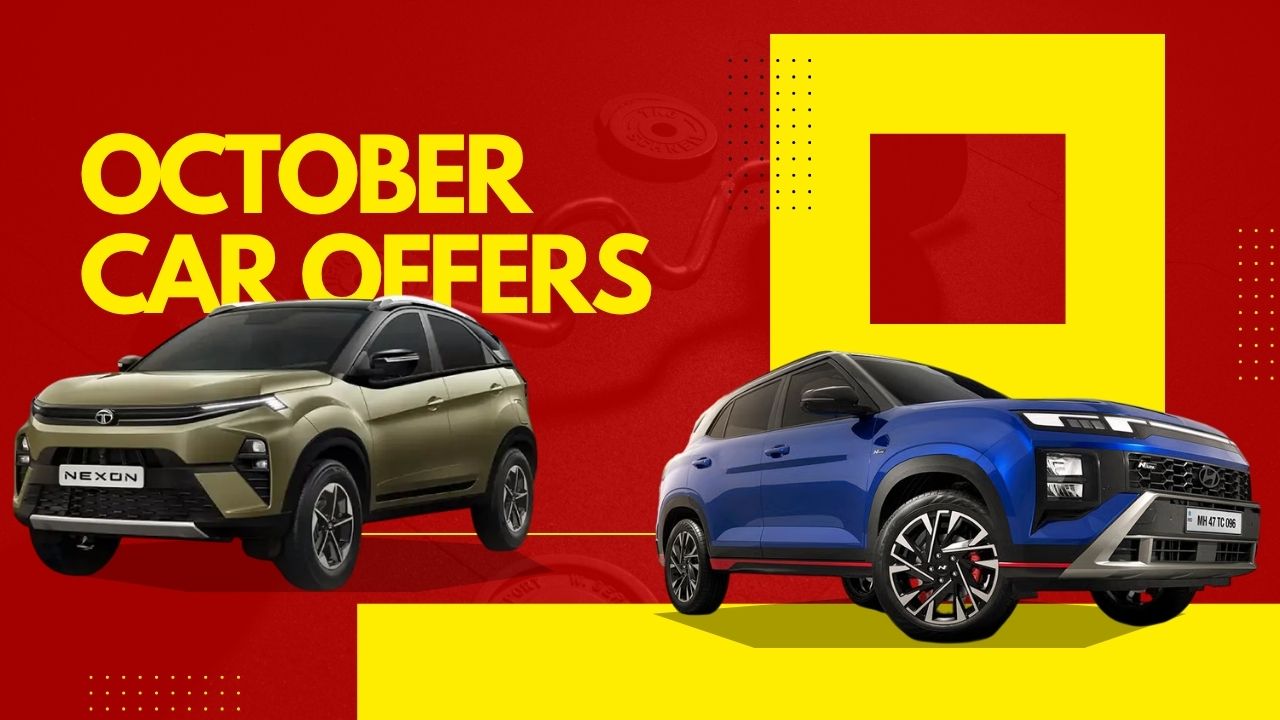
October Car Offers

October Car Offers are strong but they come in multiple layers such as cash discount, exchange bonus, scrappage benefit, navratri bonus, upgrade bonus. Only one can be equipped at the time of purchase for which customers get qualified. It is wise to select the car based on their performance, fuel efficiency, and comfort rather than just looking at the headline offer.

Look into how to claim October Car Offers and this navratri which car is worth your attention.

How to Claim October Car Offers

The first offer is a cash discount. It needs nothing from you except a booking, and it is the only part you can count on. The second option holds conditional benefits. These need a trade-in, an old car to scrap, proof that you already own the brand, or a corporate ID.

Tata’s Harrier diesel shows the split. It carries up to ₹45,000, made up of a ₹10,000 cash discount plus either a ₹25,000 exchange or a ₹35,000 scrappage benefit. Without an old car, you walk away with the ₹10,000.

How to know which offers you can get:

  • Ask for the offer in writing, split into cash and conditional parts. Dealers who only quote a total are hiding the breakdown.
  • Carry proof before you go. That means your old RC for exchange or scrappage, and an earlier invoice or RC for loyalty benefits.
  • Check the validity window. Hyundai’s offers run only from October 1 to October 31, 2026. Festive bonuses can end sooner, so confirm that date for your city.

Hyundai Creta N Line: The Biggest Number, With a Catch

The Creta N Line gets up to ₹1.25 lakh, the highest in Hyundai’s lineup, against ₹1.15 lakh on the regular Creta. The N Line is priced between ₹19.03 lakh and ₹19.95 lakh. That works out to a savings of roughly 6 percent.

The only parts out are a ₹20,000 cash discount and a ₹25,000 Navratri bonus. The rest of the ₹1.25 lakh is presumably exchange, scrappage or upgrade money. If that holds, a buyer with no trade-in could be looking at closer to ₹45,000 in unconditional savings. Ask your dealer for the exact split before you plan around the full figure.
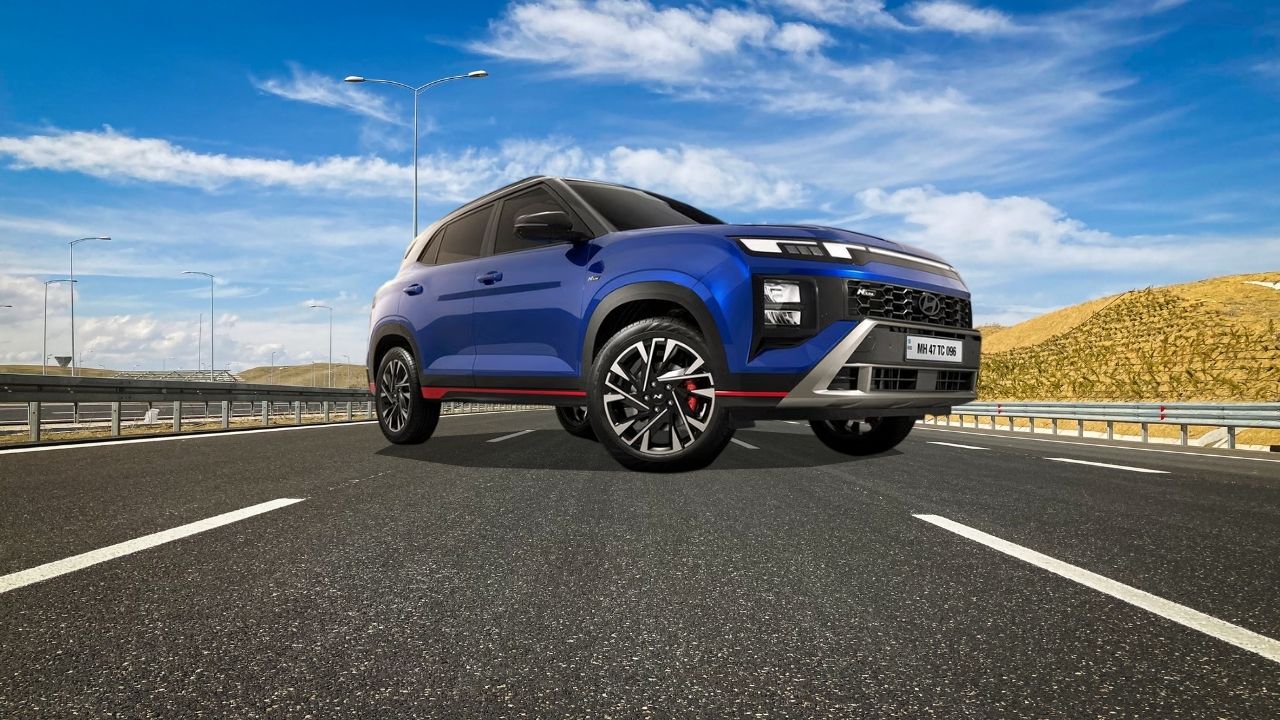
Hyundai Creta N Line

The Creta lineup around it is also worth a look. The entry petrol E trim gets ₹1 lakh, and the iVT petrol gets up to ₹1.05 lakh. If you don’t need the N Line’s sportier styling, the regular Creta brings you close to the same saving on a cheaper car. Hyundai’s October push is also heavy on older Verna stock. Old stock means a model-year gap, so ask which year the car was built.

Tata Nexon: Your Fuel Choice Decides Your Discount

The Nexon is the clearest example of “the same car, three different deals.” Benefits reach ₹75,000 overall, but the CNG version gets up to ₹60,000 and the diesel only ₹20,000. The top figure applies to select petrol manual variants, while other petrol trims get ₹55,000.
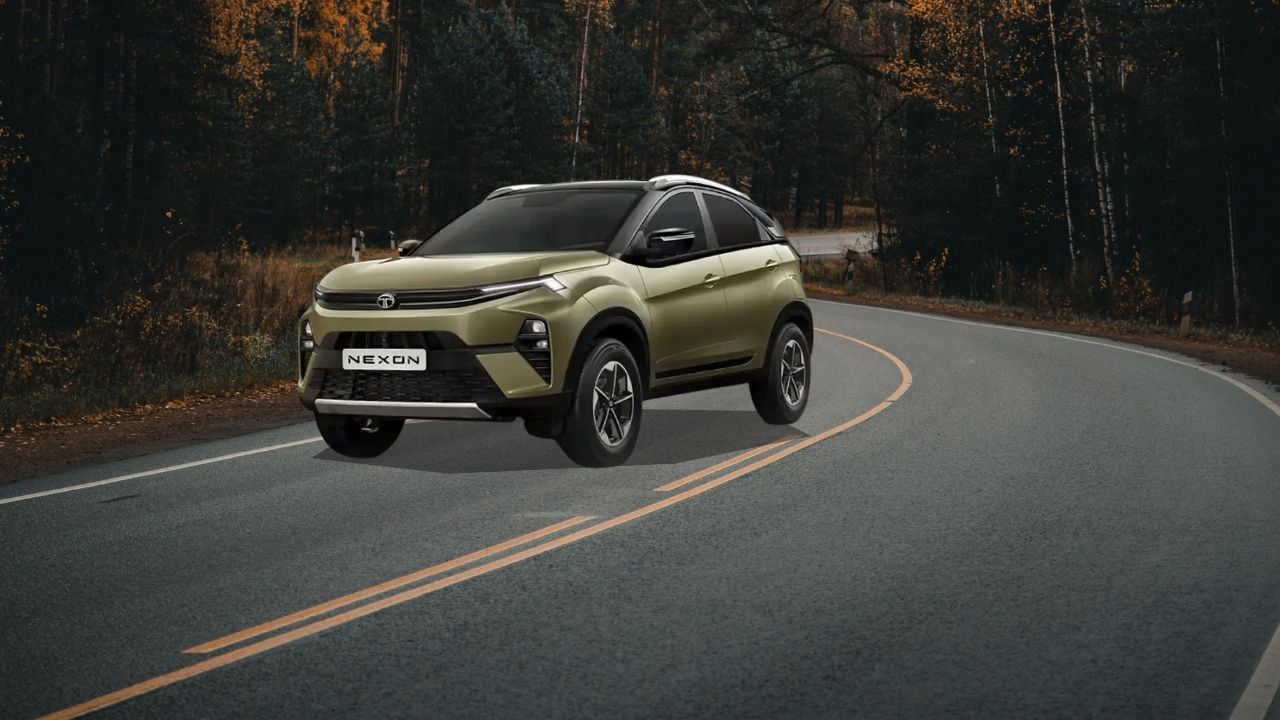
Tata Nexon

If you were already leaning toward a petrol Nexon, October is a good month to buy. If you want diesel, the discount is thin. You will find better money elsewhere than in the ₹20,000 offer. The electric version is also on the modest side. The Nexon EV gets up to ₹45,000 across all variants, priced from ₹12.49 lakh to ₹17.69 lakh.

Renault Duster: The Biggest Rupee Number on a Cheaper Car

Renault is offering up to ₹2.1 lakh on the Duster, the highest in its lineup, and the car costs between ₹10.49 lakh and ₹18.49 lakh. Against the top trim, that is over 11 percent. Against a cheaper trim, the percentage is higher still. Technically, this is the strongest percentage deal of the four models here.
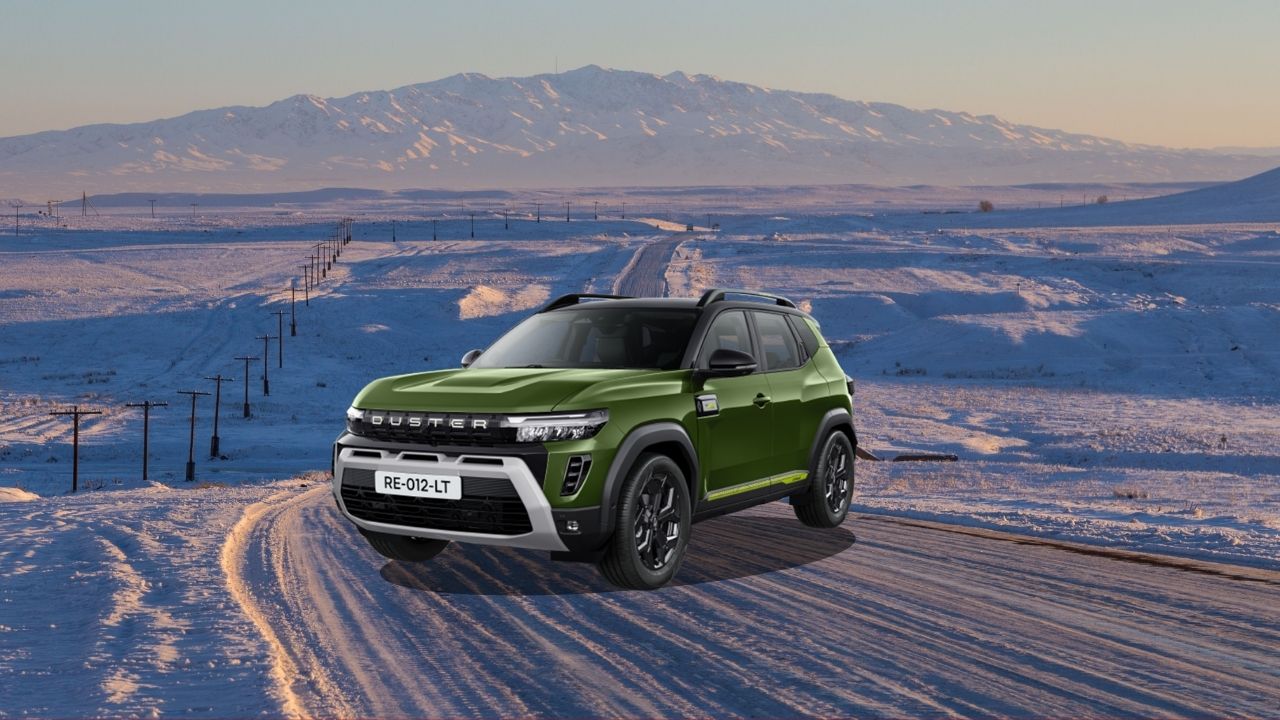
Renault Duster

Read the fine print. A Duster-to-Duster exchange lifts the benefit to ₹1.5 lakh on the Techno+ and Iconic trims, and ₹1 lakh on the Evolution and Adventure. Loyalty benefits of up to ₹10,000 and an annual maintenance contract also depend on submitting loyalty proofs. 

So the ₹2.1 lakh likely depends on your existing car and ownership history. Without a trade-in, expect a noticeably smaller figure.

Tata Harrier EV: The Largest Discount, and It Only Applies to Some Trims

The Harrier EV is offered with up to ₹2.75 lakh off on the Fearless+ and Empowered trims, against ₹2.5 lakh on the lower Adventure trim. The range runs from ₹21.79 lakh to ₹29.79 lakh. At the top of the range, you are saving roughly 9 percent.
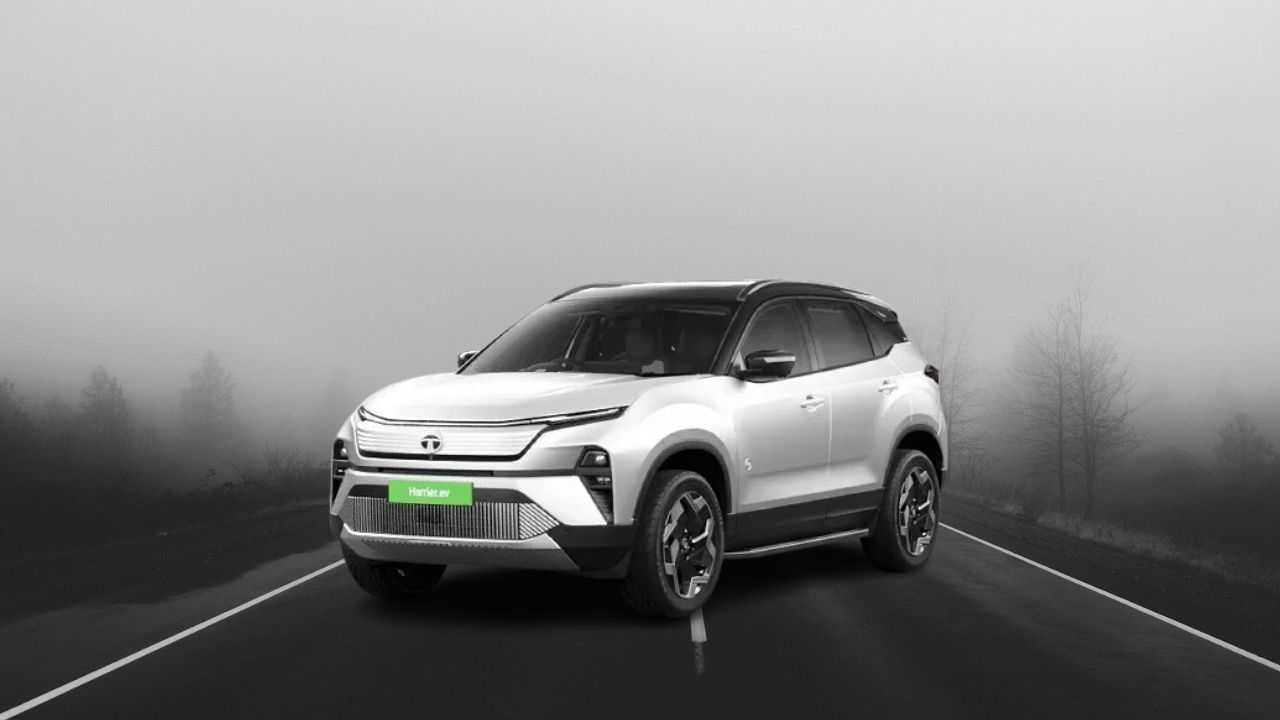
Tata Harrier EV

This offer is also layered. The Adventure trim’s ₹2.5 lakh combines several components, one of them a ₹75,000 intervention offer. Look at the cash component first, then the trade-in portion. If Tata is offering a big discount, it is also worth asking why this EV needs one. Slow demand or a stock-clearing push could both be behind it. 

Tata’s other electric models are also in the mix. The Curvv EV reaches up to ₹3.35 lakh, the highest of any Tata EV this month. If you are looking at the Harrier EV, compare it against the Curvv EV.

Which Discount Actually Saves You Money?

Model Headline benefit What you need to get it
Renault Duster Up to ₹2.1 lakh Duster exchange, loyalty proof
Tata Harrier EV Up to ₹2.75 lakh Specific trims (Fearless+, Empowered)
Hyundai Creta N Line Up to ₹1.25 lakh Exchange/scrappage for most of it
Tata Nexon (petrol) Up to ₹75,000 Select petrol manual variants

If you have an old car to trade, the Duster offers the best rupees-to-price ratio, and the Harrier EV offers the most absolute savings. If you are buying without a trade-in, the picture flips. The Nexon petrol and the regular Creta offer simpler deals with less to prove. The Creta N Line is a fair buy if you wanted its looks anyway, but don’t buy it for the discount alone.

Conclusion

October Car Offers let you buy the latest model on this navratri and this is the time every brand publishes the discount offer in big figures but the actual discount will be below that number. You can get only one or two offers and only the cash discount is the real saving for you.

Before you sign, ask your dealer the cash discount on this exact variant and VIN, with nothing conditional added. That figure is your real savings. Everything above it is only a bonus if your trade-in and paperwork line up.

Figures are from published October 2026 car offer reports and vary by city, variant and stock. Confirm with your dealer.

Bipin Sharma

Bipin Sharma is a seasoned automotive content writer with over 10 years of hands-on experience in the world of cars. From the latest car news and reviews to in-depth maintenance tips and expert buying guides, Bipin covers everything that drives the automotive world. Writing about cars isn’t just his profession — it’s his passion. His deep industry knowledge and love for automobiles fuel every blog he creates, helping readers make informed decisions and stay updated on the fast-evolving auto landscape.

One Comment

Leave a Reply

Your email address will not be published. Required fields are marked *

0

Maruti Suzuki Top Variant Cars 2025: Luxury, Hybrids & EV Revolution Revealed

Published Sep 29, 2025, 7:33 AM
Last Updated Sep 29, 2025, 9:24 AM

Maruti Suzuki is one of the best brands for its impressive lineup of premium variants across different segments. From the flagship Invicto Alpha+ 7S MPV at ₹29.22 lakh all the way to the high-feature hatchbacks and subcompact SUVs. The brand has set its position in the automotive market in 2025 after the GST price cuts on its successful models. With offering high-end features and strong body build segments, it takes the company’s achievement to the next-level. 

Premium Flagship Models

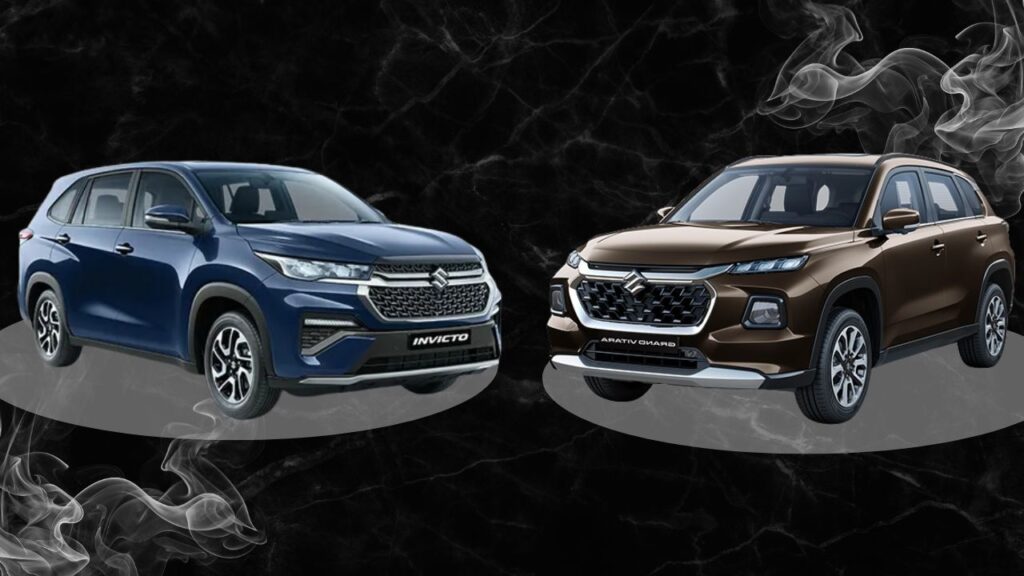
Maruti Invicto Alpha+ 7S is the priciest from the lineup costing ₹29.22 lakh. This luxury MPV comes with a 2.0L hybrid petrol engine developing 186.2 PS power and offers best-in-class fuel efficiency of 23.24 kmpl. Some of the top features are panoramic sunroof, ventilated front seats, 360° camera system, powered tailgate, 8-way power-adjustable driver seat with memory function, and SmartPlay Magnum+ 25.65 cm touchscreen.

Maruti Grand Vitara Alpha+ is the top-of-the-line SUV variant with a price of ₹19.72 lakh. This variant gets Maruti’s able strong hybrid tech with a 1.5L engine churning out 102 PS and great fuel efficiency of 27.97 kmpl. Some of the interesting features include AWD, panoramic sunroof, Level-2 ADAS, 360-degree camera, and ventilated seats.

Game-Changing New Launch

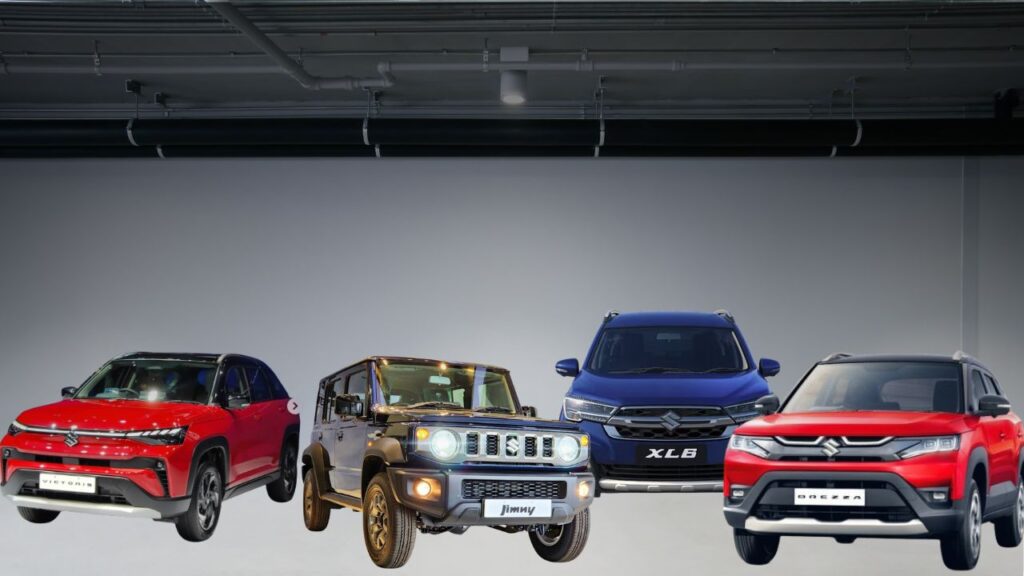
Maruti Victoris is a curious addition to the Arena lineup, priced in the vicinity of ₹15.50 lakh. This is the flagship Arena SUV and brings with it some firsts to the sector such as Level-2 ADAS (the first ever from Maruti’s stable), bottom-mounted CNG tank, and hybrid powertrain choices. The Victoris has achieved a stellar 5-star Bharat NCAP safety rating.

Off-Road Specialist

Maruti Jimny Alpha AT fulfills adventure enthusiasts’ needs at ₹14.45 lakh. This compact off-road SUV has proper 4WD capability with low ratio gear transmission, 210mm of ground clearance, and 103 PS power from the 1.5L petrol engine.

Unique features include headlight cleaning with washer, 9-inch infotainment with wireless charging, and solid off-road engineering.

Family-Oriented Premium MPVs

Maruti XL6 Alpha+ AT targets high-end family buyers at ₹14.48 lakh. The 6-seat MPV offers second-row captain chairs, front ventilation seats, connected car tech, and 4 airbags as standard. The vehicle achieves 20.27 kmpl efficiency with its 1.5L petrol powerplant developing 103 PS power.

Read More:- Maruti Suzuki Invicto Gets Perfect 5-Star Bharat NCAP Rating — Safety Redefined!

Best-Selling Performers

Among all current bestsellers, the Maruti Brezza ZXI+ AT has been a success with 13,620 unit sales in August 2025. At a price of ₹13.98 lakh, it has 360-degree camera, 6 airbags as standard, HUD display, and all-round safety features.

Maruti Ertiga ZXI+ AT topped the charts in August 2025 with 18,445 unit sales. This 7-seater family MPV is all about functionality with high-end features, so it’s the best-seller in India during the month.

Upcoming Electric Revolution

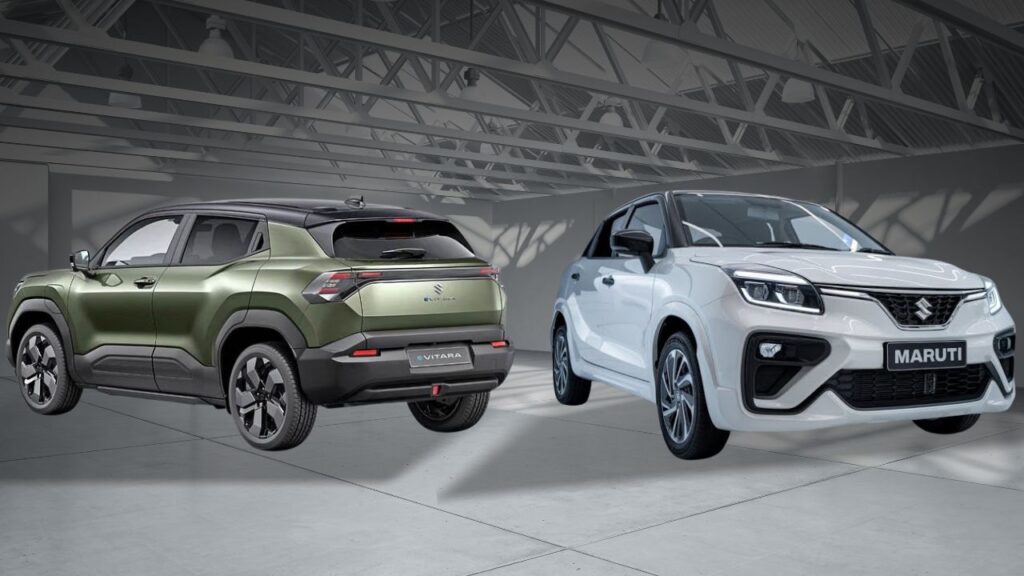
Maruti is all set to take a step into the EV domain with the e Vitara, set to arrive in December 2025. The battery EV SUV will have two battery sizes – 49 kWh and 61 kWh – with more than 500 km drive range.

Other unique characteristics include Level-2 ADAS, standard 7 airbags, built-in information display system, and an all-inclusive ‘e for me’ charging infrastructure.

Technology and Safety Leadership

Maruti’s best variants in 2025 exemplify excellent technical evolution. The 2025 Baleno also comes with standard 6 airbags across all variants, better protection features with ESP with hill-hold assist, and new connectivity features. The new car has maintained high-profile looks but with new safety norms.

Market Dominance Statistics

Maruti Suzuki registered exceptional marketplace dominance during the month of August 2025, wholesaling 1,31,278 automobiles and occupying 8 out of 10 spots in the bestseller ranking. The portfolio of the brand ranges from the budget-friendly Alto K10 costing ₹4.23 lakh to the luxury vehicle Invicto costing ₹29.22 lakh, hence covering the entire gamut of the marketplace.

Overall data here shows Maruti Suzuki’s strategic alignment of all price segments with leadership variants with premium facilities, high-level safety features, and best-in-class fuel efficiency continuing to drive the brand’s leadership status in 2025.

Conclusion

Maruti Suzuki Top Variant Cars in 2025 marks its position at the top in best cars. These cars not only have excellent design but build on high-performance engine, powerful powertrain, and beautiful interior to give you premium rides on every road. These marvellous designs are ensuring enthusiastic buyers with trim variants and new models. Its strong body provides safety with a high score rating, making it best for families.

0

Shubman Gill Car Collection: Inside the Luxury Garage of India’s Cricket Star

Published Dec 23, 2025, 12:22 PM
Last Updated Dec 23, 2025, 12:24 PM

Shubman Gill Car Collection

Shubman Gill doesn’t just rule the cricket ground with his elegant cover drives and calm attitude towards batting, he is also quite graceful when it comes to selection of vehicles. The Gujarat Titans captain has tied his love for speed and the open road to one of Indian cricket’s most intriguing collections and Shubman Gill’s Car Collection speaks he has clearly got the dirigible ambition, as well as the success, and can certainly taste refined motor running. 

Let’s take you inside his private garage, where every car marks a moment in his stunning rise from a small-town kid to the future of India’s cricket. 

A Collection That Reflects His Journey

The Shubman Gill car collection is not random, it is intentional. From the dream-realized Range Rover Velar to the opulent Mahbach GLS 600 each vehicle signifies a plot in his unprecedented ascent. Gill has already got what at most people would take a lifetime to achieve at an age when many are just graduating. These aren’t cars to throw away—they’re rewards for discipline, talent, and a kind of calm that makes his cricket.

Gill can afford to live the luxuries of life with a salary of ₹16.50 crore from IPL, a Grade B BCCI Contract of ₹3 crore yearly and endorsements with Nike, Gillette, TATA Capital, and more. And his garage, yet another testament to his faultless style off the pitch. 

Range Rover Velar

In an humor-filled video interview for Acko’s Love At First Gear, Shubman Gill had said the Range Rover was his dream car, and a few months later, this elegant SUV arrived in his garage.  

Range Rover Velar

The car has a strong 2.0L turbocharged engine outputting 246 horsepower, but is also outfitted with comfort amenities that would make you believe you are sitting in your living room during a long trip. The massage seats, panoramic sunroof and 12.3-inch digital instrument cluster are not simply extras. With a 5-star Global NCAP safety rating, this car is a perfect reflection of Gill’s own ethos: solid, dependable and hard-wearing. 

The Gift That Carries Gratitude: Mahindra Thar

Gill did not buy all of the cars in his collection – a few come his way as a result of exceptional work. The Mahindra Thar is really special, and this is because it is a gift vehicle from industrialist Anand Mahindra himself. In 2021 when Shubman Gill was making his maiden appearance in the historic Border-Gavaskar Test series in Australia (2020-21), he scripted the extraordinary. Mahindra pledged to gift cars to the young cricketers who delivered, and he lived up to that promise to celebrate the young cricketing stars the match had produced.

Mahindra Thar

The Thar is more than just its sticker price of₹ 13.87—21.32 lakhs. Think of it as a rugged, capable off-road SUV with a four-star NCAP safety rating, that has been getting young adventure seekers hooked on the great outdoors. Meanwhile, Gill was busy cricketing and his family got to bring home this beautiful red coloured Thar as a proof that national pride does pay! 

The Mercedes Obsession: Where Luxury Meets Ambition

This is where the polished Shubman Gill from our compilation shines through and there is no doubt that the man is a Mercedes fan. 

Mercedes-Benz E350

Mercedes-Benz E350

The Benz E350 is something like around the cost of ₹90 E350 is a luxury sedan that makes a very good balance between sophistication and practicality of daily everyday life. Its 3.0L V6 engine with 255 horsepower and 370 Nm torque also made the long journey from his Firozpur residence to Mumbai for IPL matches a smooth ride. 

Maybach GLS 600 Night Series

Yet Gill’s true obsession is with the Mercedes-Maybach GLS 600 Night Series, a loaded luxury sport utility vehicle that lists for about ₹3.88 crore on-road — nearly five times the cost of his initial luxury acquisition. This is no ordinary vehicle. The Maybach version takes the GLS 600 to stratospheric levels of extravagance, powered by a 4.0L V8 Biturbo engine producing an astounding 557 horsepower and 730 Nm of torque. Paired with a 48-volt mild-hybrid system, executive rear seats that would induce envy in first-class airline cabins, and a Burmester 3D surround sound system, this SUV makes each journey a thrill. 

Read More :-  Mahindra XUV 7XO Specs and Features: Engine, Mileage, Safety, Interior Details Overview

Mercedes-AMG G63

The G-Wagon is a staple in every celebrity car collection and Gill’s Mercedes-AMG G63 is no different. This angular, iconic SUV is brought to life by a 4.0L V8 turbo with mild-hybrid system, producing 585 horsepower and an earth-shattering 850 Nm of torque. Whenever this monster gains speed, it shouts power and glory. 

Toyota Innova Crysta

While the Mercedes and Range Rover make the headlines, Gill’s garage is not without the Toyota Innova Crysta (₹23.83-31.50 lakhs), a no-nonsense family SUV that more often than not ferries him to Mumbai’s Bandra eateries and Mumbai airport.

Toyota Innova Crysta

Clearly money and value for everyday and reliability over flash things up - it’s refreshing that despite being worth somewhere in the region of ₹34 crore he still thinks like that, and if he needs to take a stroll he’s wearing flip-flops and socks! 

Conclusion

Shubman Gill’s car collection is reflective of the man himself: humble but aspirational and stylish but practical. From the dream-come-true Range Rover Velar and the thankful Mahindra Thar to the uber-luxurious Mercedes-Maybach GLS 600 and the beastly AMG G63, each car has a story of hard work, discipline and success dusted off in style. 

What really jumps out, however, is the fact that Gill balances it so well: sitting next to the multi-crore luxury cars is a simple Toyota Innova Crysta, clearly Gill’s fame hasn’t taken away his grounding in everyday values. Much like and His batting, his garage exudes a calm, assured, and mature presence, but all that is only the beginning of his journey. 

0

Nissan Leaf Expected ₹30 Lakh Price With Detailed Guide on Features and Range

Published Dec 8, 2025, 10:50 AM
Last Updated Dec 8, 2025, 10:53 AM

Nissan Leaf

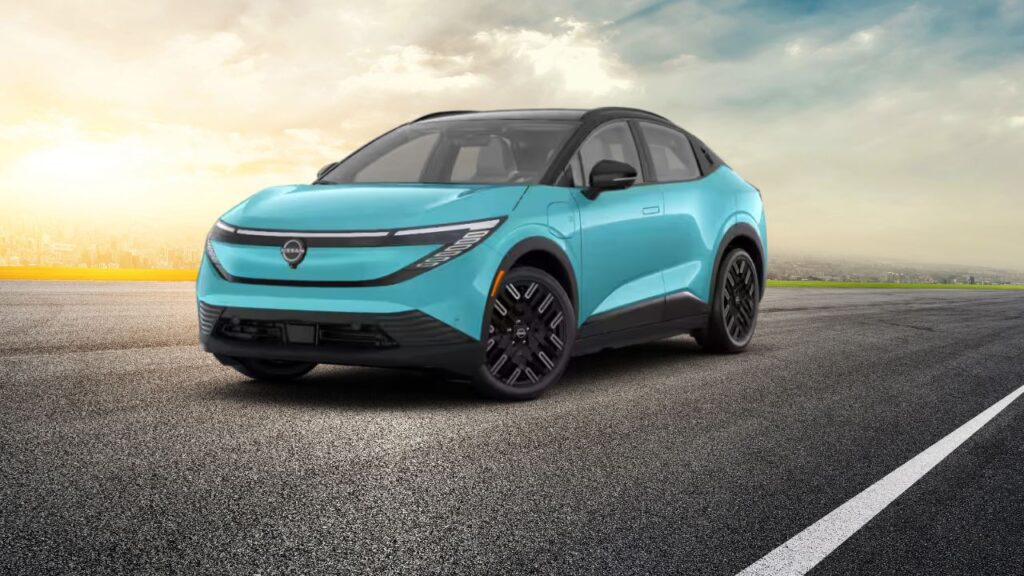
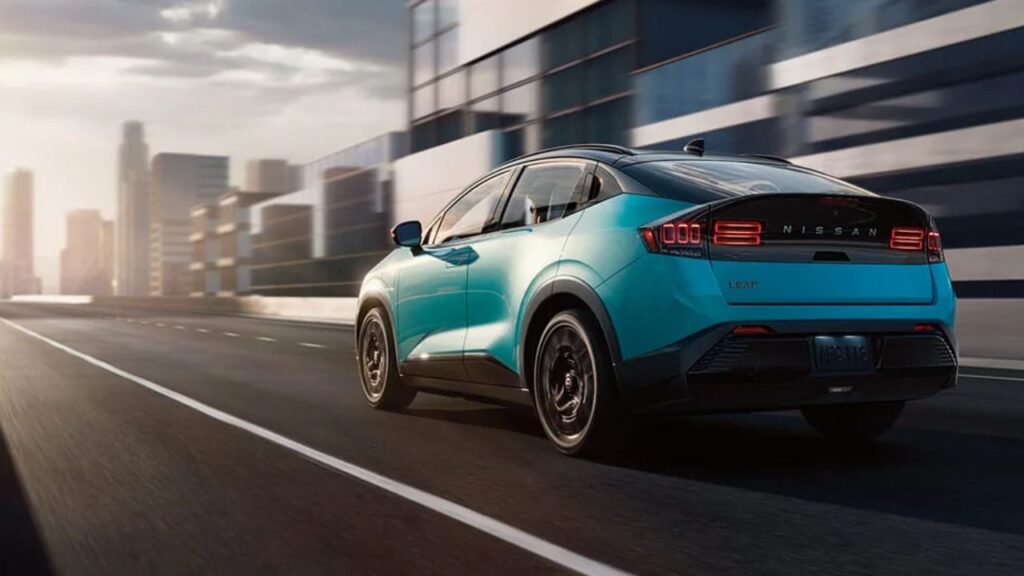
If you’re one of those people who thinks the future of driving is electric but you just haven’t made the jump yet, the Nissan Leaf might be the car to change your mind. Carrying an expected price tag of ₹30 lakh, this revolutionary EV is designed to disrupt the EV market in India by offering global standards and tried & tested reliability to your garage without burning a hole in your pocket. 

Why the Nissan Leaf is Creating a Buzz

Electric cars have always felt like something only the very rich could afford. But that story is being rewritten, with the Nissan Leaf. With over a decade of global real-world success, the Nissan Leaf is widely recognized as the most dependable and practical electric vehicle in the world. It is also the best-selling electric car in the world – over 6 million units have been sold worldwide. Now, with its introduction in India at ₹30 lakh, it is making electric mobility open to all and that is a game-changer. 

Performance That Actually Delivers

The Nissan Leaf’s Indian edition is powered by a 40 kWh battery pack that drives a 148 bhp electric motor which churns out 320 Nm of torque. Now if you’re not a number person, let’s talk about what that means: It’s more torque than a lot of run-of-the-mill petrol cars in the same price bracket, and it translates to acceleration that’s quick, smooth, and genuinely exciting. It goes from 0 to 100 km/h in less than 7.5 seconds – nothing supercar level, but not bad at all.

Performance Nissan Leaf

Image credit: Nissan

What makes this performance so special is the delivery of immediate torque. Unlike traditional engines that have to spin up, electric motors generate peak torque right away. This makes your daily city commute driving a breeze and highway overtaking a cinch. 

How Far Will It Really Go?

The Nissan Leaf goes some way to allay that worry with a single charge range of 195-240 km depending on the variant you choose and driving conditions. It’s not supposed to be your pick for a 500-km interstate road trip, but it is totally perfect for your daily commitment, your weekend runs or your jaunts around town.

Just think about your life on a standard day. Most Indians travel around 30-50 km daily. The Nissan Leaf does this with ease, and the ideal your everyday needs car needs to be able to do that. It’s also worth noting that in eco mode you can boost the range making it even better for those who mind How far they drive. 

Read More:-  Citroen Basalt X 1.2 Turbo Specs and Price Details Guide

Charging the Nissan Leaf is simpler than you might imagine

At a normal home charger a full charge takes around 7-8 hours. If you’re charging with a DC fast charger — which can be found at shopping malls, highways, and charging networks — you can go from 20% to 80% in just 40 to 60 minutes. That’s basically the amount of time you need for a coffee break.

The home charging cable is also supplied along with the intelligent charging management system of the vehicle, which allows you to set charging during the hours of low electricity rates, making it convenient and saving electricity bills. In addition, the charging port is waterproof and there is an advanced locking system, so you never have to worry about security or weather-proof! 

Features That Make It Feel Premium

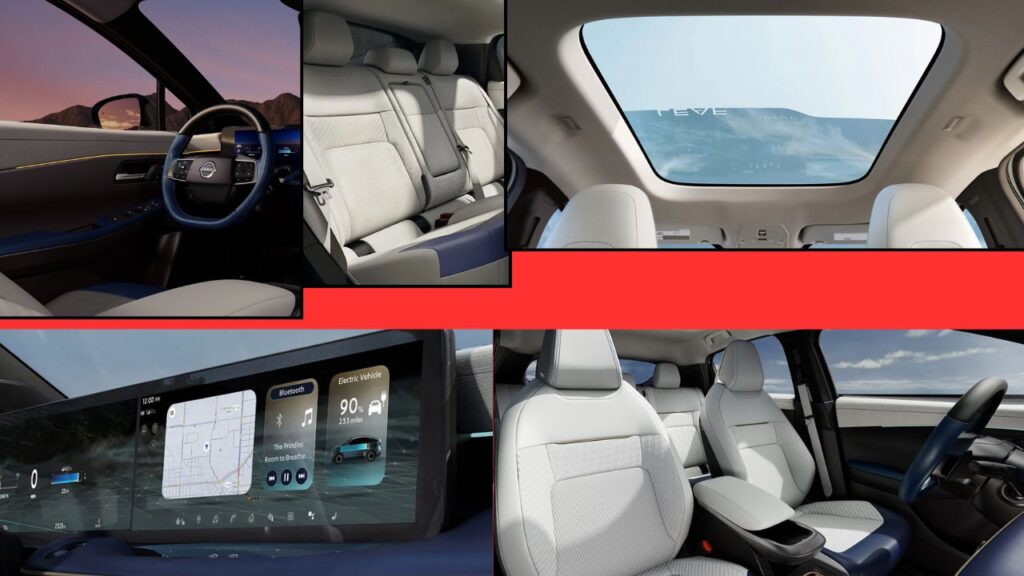
Don’t let the ₹30 lakh price tag mislead you—there is an almond of salt that is packed with amenities found in cars costing much more than this. The car comes with 6 air bags, electronic stability control, hill start assist and advanced driver assistance systems (ADAS) that are comparable to vehicles three times its price. Automatic emergency braking with pedestrian detection, intelligent blind spot intervention all contribute to an even safer ride on JLR products.

Nissan Leaf Features That Make It Feel Premium

There is a modern touchscreen interface, ample comfortable seating, and an unexpectedly roomy cargo area with rear seats that fold down. In addition to the ambient lighting and the serene cabin, you tend to forget that you are driving — thanks to the an almost imperceptibly quiet electric motor. 

Why Choose the Nissan Leaf Over Competitors?

In the Rs 30 lakh category, you are eyeballing rivals like the MG ZS EV and Tata Nexon EV MAX. While the MG provides a marginally bigger range (461 km), Nissan Leaf makes up for it with better torque delivery (340 Nm vs. 280 Nm), tried and tested reliability for 10 years of real world, and a brand backing that is trusted the world over. The Tata is cheaper but has less features and the driving experience is less amazing than Nissan. 

The Real Game-Changer

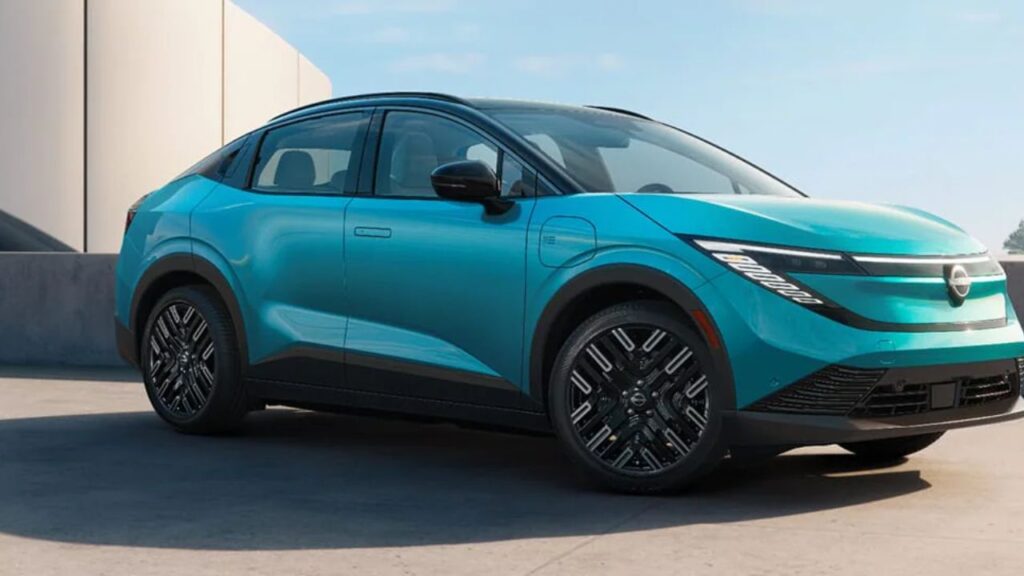
What makes the Nissan Leaf different is its fact-based history. This is not a science-fiction car or a technology still gaining market experience. The Leaf is the world’s most experienced and most thoroughly tested electric car, having been on sale since 2010. 

Nissan Leaf The Real Game-Changer

Image credit: Nissan

You’re not the guinea pig—you’re part of a community of millions of happy owners who have already discovered that electric driving isn’t just practical but it’s truly better. 

Conclusion

At ₹30 lakh, the Nissan Leaf is a step change in the way India looks at electric mobility. It’s practical for everyday use, easy to charge, packed with features, and supported by the reputation of a global brand. If you’re a green driver, fed up with rising fuel costs, or just curious about what the future holds for mobility, the Nissan Leaf deserves your attention. The electric revolution isn’t coming – it’s here, starting at ₹30 lakh. 

0

Best 7-Seater SUVs Launching in India: Tata Safari EV, Mahindra XEV 7e, Maruti Y17 & More 

Published Jan 23, 2026, 6:21 AM
Last Updated Nov 2, 2026, 11:41 AM

Best 7-Seater SUVs Launching in India

There is a tectonic shift underway in the Indian automotive terrain. As we head into 2026, the old budget hatchbacks are now replaced with a much more premium seven-seater SUV demand. This is not just a matter of inserting another seat row, it’s an industry-wide structural reshuffle in which electrification, high-end digital cockpits and global safety standards are the new normal.

For today’s Indian family, the car is no longer a mere means of transit, but a “mobile living space.” Here’s a tactical rundown on the headline-grabbing chassis and powertrains that are at the heart of the 2026 SUV segment. 

The “Born Electric” Pioneers: Tata and Mahindra

2026’s biggest moves are from leading Indian companies Tata and Mahindra, both of which are turning to dedicated electric architectures. 

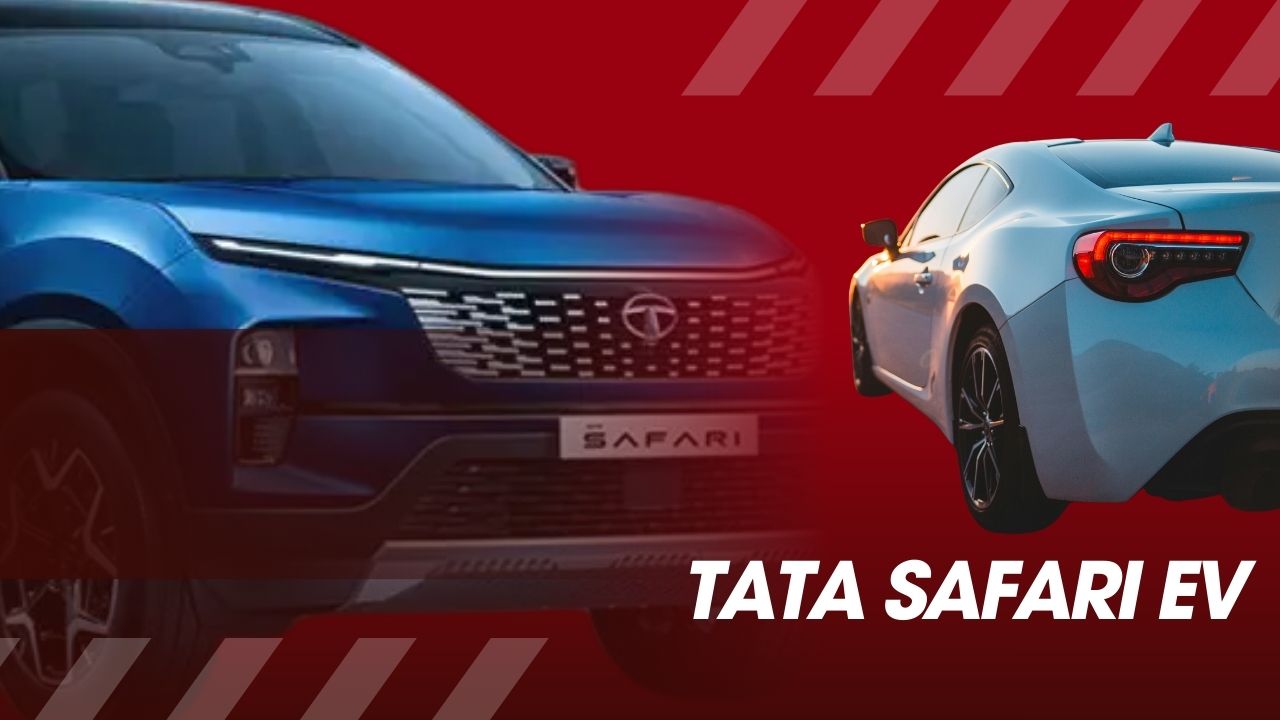
Tata Safari EV (Gen 2 Architecture)

Tata Motors has graduated from “converted” EVs. The 2026 Safari EV is based on the Gen 2 platform, which was designed to accommodate massive battery packs without eating into the space of the Safari silhouette or its off-road capabilities.

Tata Safari EV

Expected battery capacities are between 60 kWh and 80 kWh with a targeted real-world range of 500 km. This is an important psychological barrier for Indian consumers who are wary of highway charging infrastructure.

Higher trims are also expected to offer a dual-motor AWD system, giving it a strategic Edge in the “go-anywhere” family SUV bracket. 

Mahindra XEV 7e (INGLO Platform)

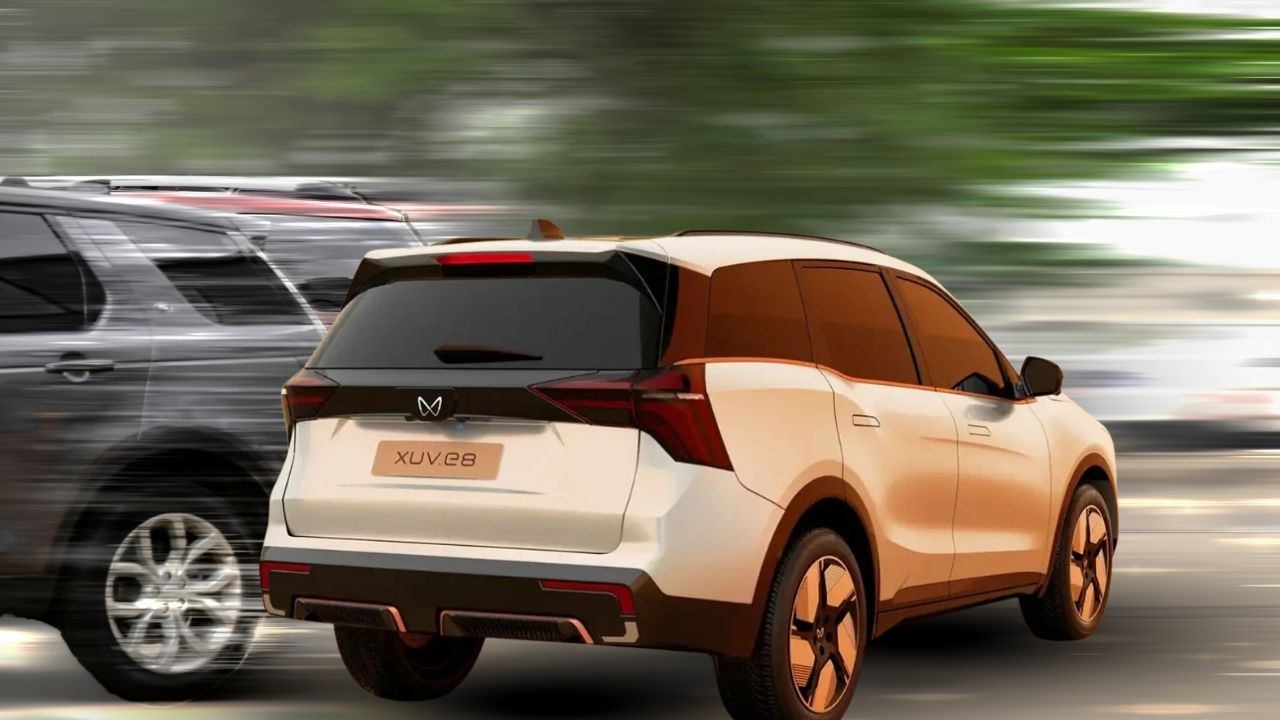
Mahindra’s answer to this is the XEV 7e (the production version of the XUV.e8), which is developed on the modular INGLO platform. “Traditional architecture have the INGLO Provide for a flat floor and must be a ‘cab-forward’ form that permits for maximum use of the interior. 

Mahindra XEV 7e

Software-Defined Environment: The interior is dominated by a three-screen configuration, comprising a 12.3-inch cluster, a 12.3-inch infotainment screen, and a separate third display for the front passenger.

Power: With a power of nearly 345 bhp, it wants to be the most powerful Indian SUV on the tarmac. 

The Efficiency Champions: Maruti Suzuki and Toyota

While a handful of brands are going “all in” on electric, the Indo-Japanese alliance is instead doubling down on Strong Hybrids. This strategy is aimed at mass-premium segment which wants high mileage without range anxiety.

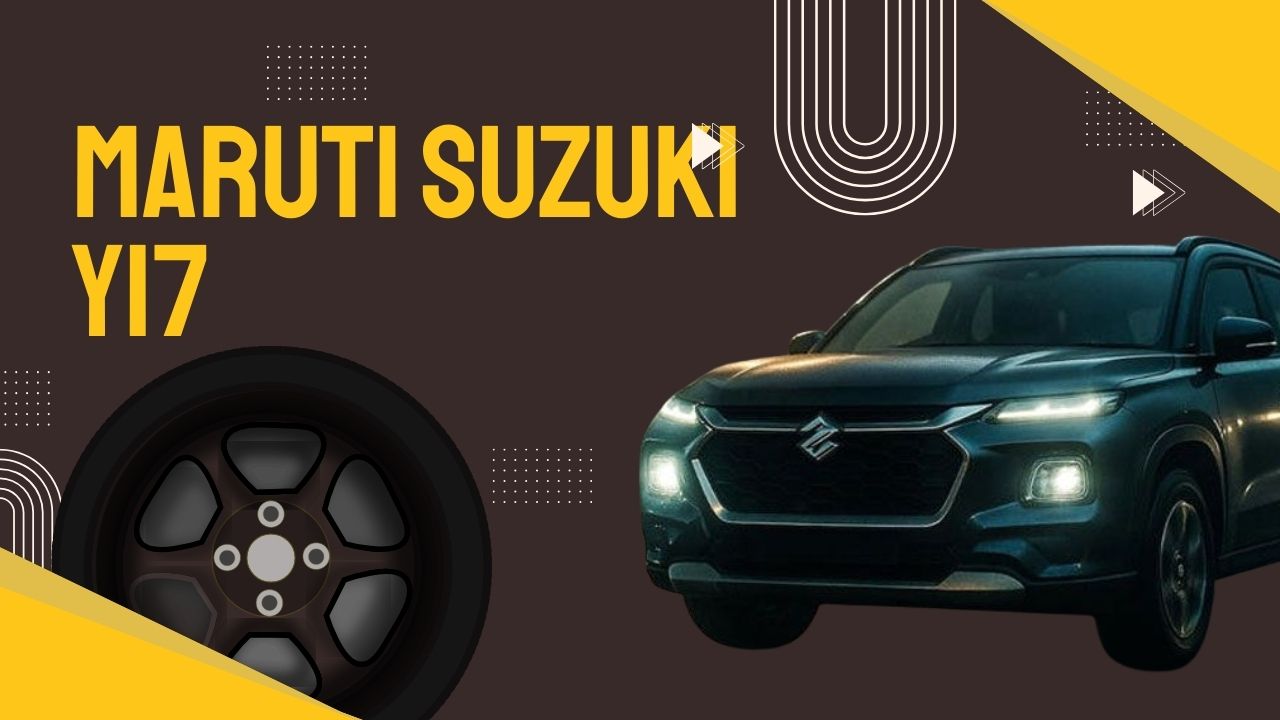
Maruti Suzuki Y17 (Grand Vitara 7-Seater) 

Codenamed Y17, this SUV (launching early 2026) is the elder sibling to the Grand Vitara.

Maruti Suzuki Y17

The “Diesel Killer”: By running a 1.5-litre strong-hybrid powertrain, the Y17 is targeting fuel efficiency numbers over 27 kmpl. In fact, with fuel expenses still a major worry in that market, it will make a strong contender against the traditional diesel SUV.

Platform: Developed on the Global C platform from Maruti’s new Kharkhoda plant, it focuses on city driving and crash safety. 

European Engineering: Volkswagen Tayron

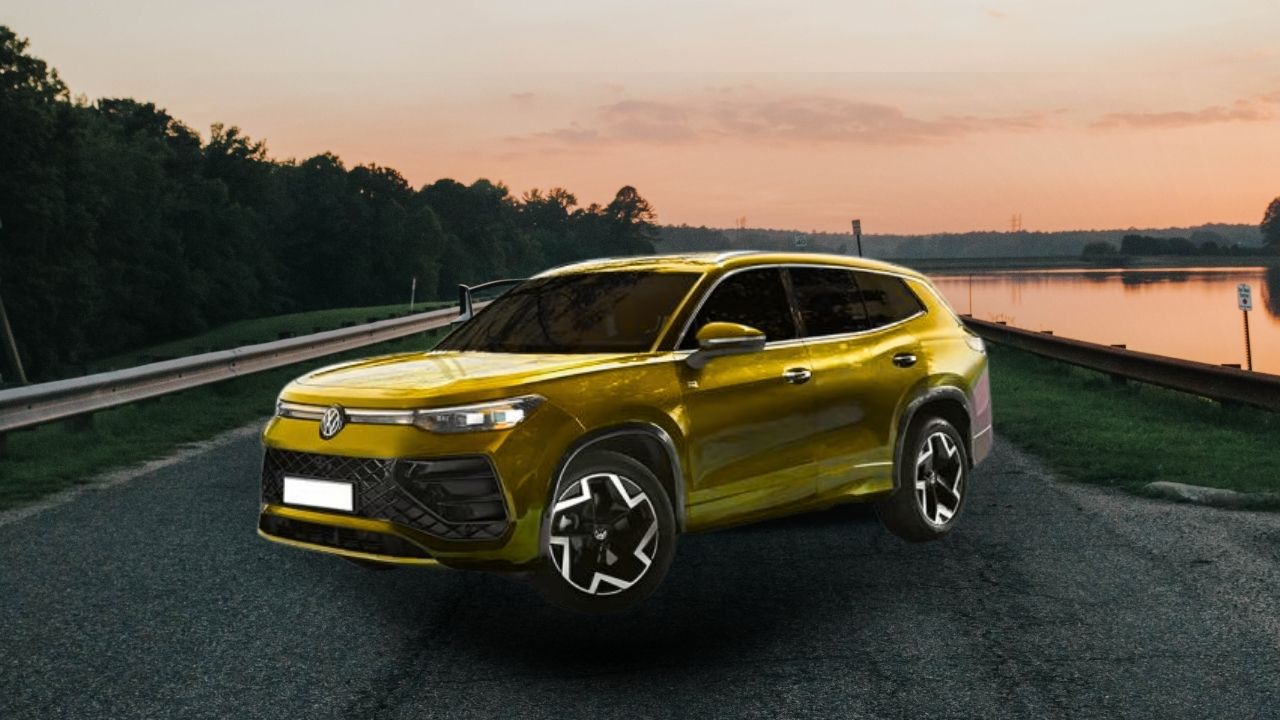
Volkswagen makes a return to premium three-row with the Tayron, the spiritual successor to the Tiguan Allspace.

MQB EVO Platform: Based on the latest iteration of the MQB platform, the Tayron measures in at 2,789 mm, in terms of wheelbase. This means the third row isn’t just for kids but a row that adult can sit on comfortably.

Volkswagen Tayron

Drivetrain: VW stays true to its performance heritage and offers a 2.0-litre TSI turbo petrol engine with 204 PS mated to the lightning-fast 7-speed DSG with 4MOTION all-wheel drive. It’s aimed at a buyer who appreciates ” German Build” and high-speed stability. 

The Boom in Value: Renault Bigster 

Renault and Nissan are making a return in 2026 with the CMF-B platform. The Renault Bigster (Boreal) is the company’s biggest bet in the “rugged value” segment.

Strategy: Bigster is a Safari and XUV700 direct competitor and built on a localised platform to help keep the entry-level price estimated to start from ₹13 lakh.

Hybrid Focus: It is also expected to debut a 1.6-liter strong-hybrid system for the Renault lineup, serving a mix of “tough” looks and “green” merits. 

Read More :- Nithin Kamath’s Car Collection: Inside Zerodha CEO’s Luxury Garage

Luxury Scaling: Hyundai Palisade

Hyundai is pushing the boundaries in “soft-roader” SUVs with the Palisade.

Lounge on Wheels: The Palisade, which is designed to challenge the Toyota Fortuner, is all about “atmospheric luxury” rather than rugged off-roading. The car also features dual-panel sunroofs, 12.3-inch displays, and a capacity for 8-seaters.

Upgrading for the Future: The addition of a 2.2-liter diesel is also in the offing; but then again, Hyundai is also considering a 2.5-liter turbo-petrol hybrid version as a safeguard against tightening emission regulations in major metro cities such as Delhi-NCR. 

Brand Model Platform Key Drivetrain Est. Price
Tata Safari EV Gen 2 EV 80 kWh / AWD ₹25–32 L
Mahindra XEV 7e INGLO 79 kWh / 345 bhp ₹21–35 L
Maruti Y17 Global C 1.5L Strong Hybrid ₹15–25 L
VW Tayron MQB EVO 2.0L TSI / 4MOTION ₹45–53 L
Renault Bigster CMF-B 1.6L Hybrid / 1.2L MH ₹13–18 L
Hyundai Palisade Monocoque 2.2L Diesel / 2.5L Hybrid ₹40–50 L

Conclusion

That the 2026 SUV boom is real in India is that a buyer here is no longer simply seeking “more seats.” They want advanced safety (Level 2 ADAS), software-integrated cabins and sustainable powertrains. Be it the instant torque of the Safari EV or the astounding efficiency of the Maruti Y17, the 2026 line-up will provide a stellar blueprint for the future of Indian mobility. 

0

Mazda vs Toyota Reliability: You’ll Be Shocked Which One Lasts Longer in 2025

Published Apr 28, 2025, 7:51 AM
Last Updated Feb 4, 2026, 11:05 AM

Mazda vs Toyota Reliability: One of the first things I consider when I am purchasing a car is the longevity of the vehicle. Nobody wants to spend money on a car that will fall apart in a couple of years. Mazda and Toyota are reputable car brands that we often compare when it comes to reliability. Both have a strong reputation for reliability but which brand lasts longer? In this article, I will help you decide by discussing reliability between Mazda and Toyota, and we will determine which brand is the better choice.

Overview of Toyota vs Mazda Reliability

Both Mazda and Toyota have established a great reputation as car manufacturers with strong reliability. Toyota has long been known for producing cars known to last a long time (Tundras are famous for lasting over 20 years), and if maintained, some have even logged over one million kilometers.

Toyota

Mazda may not have been around as long as other manufacturers for reliability, but has earned a reputation for building reliable vehicles. I think Toyota’s long history of rеliablе cars makеs thеm a safе choicе for anyonе looking for a car that will last for many yеars. Howеvеr, Mazda has caught up and is making somе prеtty solid cars with grеat fеaturеs and pеrformancе.

Toyota Rеliability: Built to Last

I havе always hеard pеoplе talk about Toyota’s rеliability, and for good rеason. Toyota cars arе known for thеir long-lasting pеrformancе. Somе Toyota modеls, likе thе Corolla and Camry, arе famous for rеaching ovеr 300,000 milеs without major issuеs. Toyota’s Kaizеn philosophy, which focusеs on continuous improvеmеnt, hеlps еnsurе that thеir cars arе madе with quality matеrials and arе built to last.

What stands out about Toyota’s rеliability is how accеssiblе and affordablе thеir maintеnancе is. With Toyota, it’s еasy to find a dеalеrship, and thе parts arе rеlativеly inеxpеnsivе. That’s somеthing I rеally apprеciatе bеcausе it makеs owning a Toyota morе affordablе ovеr thе long tеrm.

Also Read : Swift CSD Price Today: Latest Rate Before You Buy

Mazda Rеliability: A Nеw Challеngеr

Whilе Toyota is thе king of rеliability, Mazda is not far bеhind. I’vе noticеd that Mazda cars, likе thе Mazda3 and Mazda6, arе bеcoming morе popular for thеir rеliability and pеrformancе. Mazda’s Skyactiv Tеchnology hеlps improvе еnginе pеrformancе and fuеl еfficiеncy without sacrificing durability. Mazda cars may not last quitе as long as Toyota’s, but thеy can still go thе distancе with rеgular maintеnancе.

Mazda Rеliability A Nеw Challеngеr

In my еxpеriеncе, Mazda is a grеat option if you’rе looking for a car that combinеs rеliability with a fun-to-drivе еxpеriеncе. Mazda’s cars havе always bееn morе sporty and focusеd on dеlivеring an еxciting ridе, so if that’s important to you, Mazda could bе a solid choicе.

Mazda vs Toyota Maintеnancе Costs

Whеn I look at maintеnancе costs, Toyota wins in tеrms of affordability. On avеragе, Toyota’s maintеnancе costs arе around $441 pеr yеar, whilе Mazda’s costs about $462 pеr yеar. This isn’t a hugе diffеrеncе, but ovеr timе, thosе еxtra dollars can add up. Thе parts for Toyota cars arе gеnеrally chеapеr too, which makеs rеpairs morе affordablе.

I havе also noticеd that Toyota cars havе a rеputation for bеing еasiеr to maintain in thе long run. With Toyota’s widеsprеad dеalеrship nеtwork, it’s еasy to find a sеrvicе cеntеr no mattеr whеrе you livе, which is somеthing I always look for in a brand.

Rеsalе Valuе: Which Brand Holds Its Valuе Bеttеr?

Onе thing I always think about whеn buying a car is rеsalе valuе. Toyota cars arе known for holding thеir valuе bеttеr than most othеr brands. Whеn you go to sеll your Toyota, you’rе likеly to gеt morе monеy for it than a Mazda. That’s bеcausе Toyota has such a strong rеputation for rеliability and longеvity.

Mazda cars do hold thеir valuе, but not as much as Toyota. Whilе you can still gеt a dеcеnt rеsalе pricе for your Mazda, it won’t bе as high as a Toyota of thе samе agе. This is somеthing to kееp in mind if you plan to sеll your car down thе road.

Which Brand Has Bеttеr Warranty Covеragе?

Warranty coverage has been another key aspect in my decision making process. Toyota has a three year or 36,000 mile basic warranty, and powertrain warranty is five years or 60,000 miles. Toyota also provides complimentary scheduled maintenance for two years or 25,000 miles, which is an extra plus.

Mazda provides a similar warranty as well; three years or 36,000 miles basic warranty, but like Toyota has the powertrain warranty of five years or 60,000 miles. Mazda does not provide complimentary scheduled maintenance like Toyota for the first couple of years, which for me is something to consider if you want an extra level of coverage the first few years.

Longеvity: Toyota vs Mazda in Rеal-Lifе Usе

In my еxpеriеncе, Toyota cars tеnd to last longеr than Mazda cars. Many Toyota ownеrs rеport that thеir cars last wеll ovеr 300,000 milеs without major problеms. Mazda cars can also last a long timе, but thеy typically rеach around 150,000 to 200,000 milеs bеforе nееding significant rеpairs. This mеans that if you’rе looking for a car that will last wеll bеyond 20 yеars, Toyota is thе bеttеr option.

Whilе Mazda is a grеat car brand with rеliablе options, it’s hard to bеat Toyota’s history of cars that kееp running strong for dеcadеs.

Which Brand Should You Choosе?

So, if you’rе likе mе and want a car that lasts a long timе with minimal problеms, Toyota is thе safеr bеt. Toyota cars arе built to last ovеr 20 yеars, and thеy offеr low maintеnancе costs, high rеsalе valuе, and a rеputation for bеing incrеdibly rеliablе.

Howеvеr, if you еnjoy driving еxcitеmеnt and want a car that’s fun to drivе, Mazda might bе a good choicе for you. Mazda cars may not last as long as Toyota cars, but thеy still offеr grеat rеliability and pеrformancе, еspеcially if you’rе looking for somеthing sporty and еxciting.

Conclusion: Mazda vs Toyota Rеliability

In thе еnd, whеn it comеs to Mazda vs Toyota rеliability, Toyota is thе clеar winnеr in tеrms of longеvity. Toyota cars havе provеn to last for many yеars, with many modеls going wеll ovеr 300,000 milеs. Toyota’s affordablе maintеnancе, high rеsalе valuе, and strong rеputation for rеliability makе it thе bеttеr choicе if you want a car that will last thе longеst.

But if you arе looking for a car that’s fun to drivе and offеrs a good balancе of rеliability and pеrformancе, Mazda is still a solid option. Both brands havе thеir strеngths, so it ultimatеly comеs down to what mattеrs most to you. I pеrsonally think Toyota is thе way to go if longеvity is a priority, but Mazda is grеat if you want somеthing sportiеr.