0

New BMW M4 2028 Coupe Digitally Enters The BMW Neue Klasse M4 Era

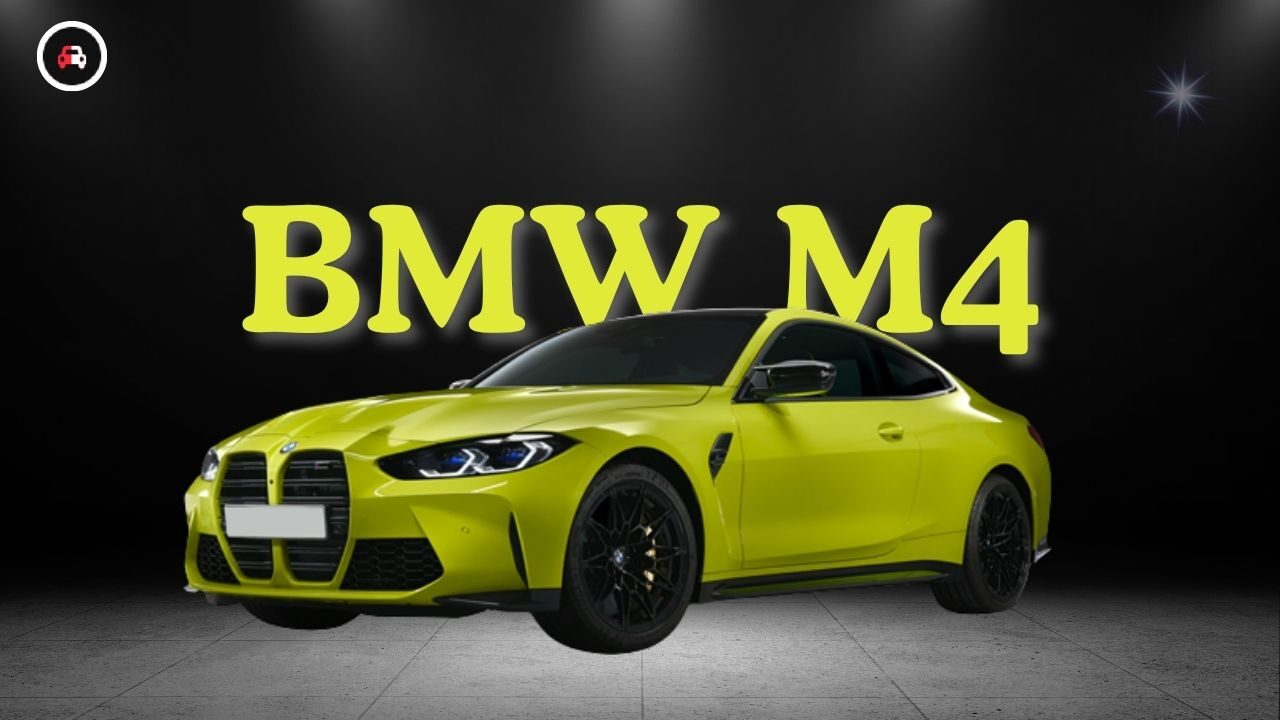
BMW M4

The new BMW M4 2028 is feeling the heat more than ever during a time when the automotive industry is in the throes of a major transformation. High-performance coupe has been judged for many years with the M3 and now the M4 which offers both track-ready handling and the ability to be used every day. 

And now, the BMW M4 Coupe 2028 has been brought to life digitally, giving us a first glimpse of what the future of M Division performance could look like as it explores the futuristic BMW Neue Klasse M4 architecture in great detail. 

Recently, a digital artist and automotive visionary have collaborated and combined leaked design patents, rumors, and BMW’s own concept vehicles to visualize the new BMW M4 2028. What these HD CGI mods show us is a car that honours its high-octane history but is not afraid to go full throttle into a radical new age in car design and engineering. When it comes to the Ultimate Driving Machine, this is more than a refresh, it’s a complete rethinking of what the Ultimate Driving Machine can be in the late 2020s. 

Demystifying the BMW Neue Klasse M4

Before getting behind the digital wheels of the BMW Neue Klasse M4, we need to know what it is based on. The phrase “Neue Klasse” (New Class) is a wink to BMW’s past. The 1960s original Neue Klasse midsize sedans not only bankrupted and then saved the company and its hardcore, driver focused identity that BMW is known for today. 

With the new BMW Neue Klasse M4 today, this amounts to a similar resurrection. It is a purpose-built highly adaptable vehicle architecture engineered from the ground up for electric drivetrains, advanced digital connectivity, and circular sustainability. This new era’s design language features: 

Monolithic Minimalism: a radical change from the complex, heavily folded designs that have defined the past ten years. The surfaces are flush, generous, and duct-taped-smoothed.

The Reimagined Kidney Grille: Ditching the divisive vertical “bucktooth” grilles from the current G82 M4, the BMW Neue Klasse M4 design merges the grille with the headlights as a singular, coherent, horizontal digital band.

The Shark Nose Revival makes the car look fierce and hungry like a shark even when it is not moving via its forward-leaning front end, a design cue borrowed from classic BMWs from the 70’s and 80’s. 

Looking at the BMW M4 Coupe 2028 CGI images reveals that the artists managed to combine the clean retro-futuristic Neuen Klasse design language with the muscular, flared-arch aggression of a M car. 

New BMW M4 2028 At a Glance

Aspect Details
Platform Neue Klasse (electric-focused, dedicated EV architecture)
Launch Year 2028 (ZA2 iM4 Coupe; current G82 production may extend to 2029) 
Body Style 2-door Coupe (convertible uncertain; lower, tighter profile with flared arches) 
Powertrain All-electric quad-motor AWD (>1,000 hp possible; Gen6 batteries for 20% more density, 30% faster charging); no confirmed ICE/hybrid for M4 (unlike M3) 
Transmission/Drivetrain 8-speed automatic AWD standard; manual likely retired
Performance Tech “Heart of Joy” control unit (10x faster integration of motors, suspension, traction; enables torque vectoring for superior handling)
0-100 km/h ~3s estimated (based on current M4 Competition at 3.5s; EV torque advantage)

Decoding the Digital Bodywork

What, then, is the new BMW M4 2028 looking like in these virtual worlds? The digital versions that are driving automotive forums crazy depict a very interesting view.

The renderings show a wide, angry-looking front end. The digital grille is more than just an air intake — though cooling is still critical for battery thermal management and high-performance braking, it is an interactive digital canvas. The headlights are pierced into this far reaching bar and they include the renowned double-halo design, but with a sharper look composed by glowing LED slashes. 

As we progress along the side, the traditional coupe profile remains, but it is lower and tighter. 

  • The classic Hofmeister neck at the C-pillar is more aggressive and pronounced. 
  • Digital artists have added flush door handles, aero-optimized carbon fiber side sills and aggressive, deep concave Y-spoke wheels cradling large carbon-ceramic brake rotors. 
  • The backside is perhaps the most eye-catching digital make over. 
  • The taillight is designed as ultra slim 3D sculptured OLED modules, and stretches across the full width of the rear, highlighting the wide stance of the vehicle. 
  • A substantial ducktail spoiler – a tribute to the iconic E46 M3 CSL – is integrated into the trunk lid. 
  • The conventional quad exhausts are gone from the electric variant, instead there is a large, menacing rear diffuser meant to direct air efficiently and pull the car to the ground. 

However, for potential hybrid ICE versions artists have still drawn the beloved quad tailpipes, showing that the M community holds on to the old ways. 

The Powertrain Paradigm: Electrons, Inline-Sixes, or Both?

The BMW Neue Klasse M4’s aesthetic modifications are only half the story. The true revolution lies in the beating heart of this machine. Industry insiders and digital forecasters are split on what exactly will propel the BMW M4 Coupe 2028, indicating an interesting period of transition for the M Division. 

The Ultimate Electric Machine

The most extensive revision will be an all-electric M4, probably built on a clean sheet Neue Klasse platform. For future M vehicles, BMW has spoken openly about a quad-motor electric powertrain that could produce well over 1,000 horsepower. No I.C. engine would be able to match the immediate, neck-snapping torque that the dual-motor version of the BMW Neue Klasse M4, if we can call it that so early in the game, would be able to deliver at over 600 horsepower. 

BMW’s new Gen6 round cells should deliver 20% more energy density and 30% faster charging. So the electric M4 won’t be just a drag strip bruiser, it should deliver for sustained track use without falling victim to the rapid thermal degradation that seeps through earlier generations of EVs. 

The Last Stand of the Inline-Six

After the electric push, “there are strong rumours that the internal combustion engine is not quite dead yet.” The new BMW M4 2028 could be based on a dual-platform strategy. In addition to the electric version, it is likely that we will get a version of the current S58 3.0-liter twin-turbo inline-six. 

But the technology engine is not about to stop running. It is very likely that the BMW M4 Coupe 2028 ICE variant would come equipped with mild hybrid technology to comply with the strict emissions norms. This may send the power figure soaring to 560 horsepower. 

Unfortunately for the purists, this digital age also spells the probable demise of the manual transmission. With power levels scaling ever higher, hybridization becoming mandatory and the classic six-speed stick likely being retired in favor of lightning-fast 8-speed automatics, the rear-biased all-wheel-drive system is going to be standard across the board. 

Inside the new BMW M4 2028: A Panoramic Vision

BMW Neue Klasse M4 exterior is something truly a revolution then its interior is more than that. You can say that is an utter revelation. Digital images of the interior portray a setting that seems more at home on a spacecraft than a conventional sports coupe. 

To help the driver stay focused on the road, the new BMW M4 2028 offers Panoramic Vision which shows navigation, speed, and lap time which is vital when driving a vehicle capable of supercar-level performance. 

  • The traditional, button-filled center stack will be greatly simplified. 
  • A central touchscreen, tilted sharply towards the driver, will be the focal point for most infotainment and climate functions, running on the next generation of BMW’s operating system. 
  • Interestingly, the much loved iDrive rotary controller is said to be on its way out in the Neue Klasse era, a decision that already has people debating furiously, digitally and journalistically speaking on both sides of the camp. 

This new BMW M4 2028 interior’s covered with unlacquered carbon fiber, sustainable plant-based leather, and recovered fishing nets. This indicates that it follows sustainability without losing a luxury touch. 

Don’t Miss:  Lexus RX vs BMW X5: Which Luxury SUV Dominates 2025?

Driving Dynamics: The “Heart of Joy”

Concern for the soul of the BMW M4 Coupe 2028 has long been the thing to worry about among fans, now especially the electric versions. What’s the way for a chunky, quiet EV to re-create the visceral excitement of a screaming inline-six?

BMW’s answer is software, in the form of a revolutionary control unit codenamed the “Heart of Joy.” This one, ultra-intelligent super-brain combines powertrain software and vehicle dynamics in a single, centralized solution. It runs up to 10x faster than existing separate systems. 

When it comes to the BMW Neue Klasse M4, the Heart of Joy will seamlessly harmonize the electric motors, adaptive suspension, active roll stabilization, and traction control like never before. If it has a quad-motor setup, the car could spin its outside wheels faster than the inside wheels through a corner, effectively turning the car around the apex with no understeer. 

It spells a level of nimbleness and chassis command that you just can’t get with a normal combustion engine and mechanical diff. It may not say old M4, but it will turn out like nothing you’ve ever seen before. 

The BMW M4 Coupe 2028 Competitors 

The new BMW M4 2028 is entering a far more challenging and competitive sport coupe market, as rival manufacturers are quickly moving up on a world scale.

  • Porsche is readying an all-electric 718 Cayman replacement that will demonstrate EVs can still be lightweight, high performance fun to drive. 
  • Meanwhile, Audi has its own electrified performance coupe lineup in the works.
  • Mercedes-AMG is placing greater emphasis on advanced plug-in hybrid technology to reshape its performance line. 

For BMW, getting the BMW M4 Coupe 2028 right is going to be tricky. It has to adapt to the intricate digital and electrical system of the Neue Klasse platform, and at the same time it must not compromise the raw, pulse-racing driving experience that an M car is. 

Rival Key Traits Differentiation
Porsche 718 Cayman EV Lightweight EV fun, mid-engine layout BMW emphasizes AWD torque and “Heart of Joy” software edge
Audi Performance Coupe Electrified AWD lineup BMW’s quad-motor >1,000 hp potential outpowers
Mercedes-AMG Hybrids Plug-in tech focus Fully electric Neue Klasse vs. hybrid transition

Featuring next-generation battery technology, the new “Heart of Joy” software, and a design that fuses heritage with a futuristic vibe, BMW is setting the M4 up to spearhead this new generation of performance. 

The Role of Digital Art in Automotive Evolution

Where we get our automotive news now is interesting to think about. Cars are “digitally born” years before they are officially introduced to the public. Skilled CGI artists utilizing CAD programs and extensive knowledge of brand design languages, develop the new BMW M4 2028 long before the first test mule hits. 

These digital representations allowed enthusiasts to dream, argue and ultimately help define that shows how designs are radically changed just like BMW Neue Klasse M4 design language to a classic coupe silhouette. This is a modern strategy for these automotive manufacturers.

Conclusion

The Neue Klasse coming is the most pivotal moment for BMW M history. The digital images of the BMW M4 Coupe 2028 gives an amazing insight into what happens when Bavarian engineering skill combines with unrestricted digital creativity. 

It’s powered by a heavily electrified inline-six or a physics-defying quad-motor electric setup, the BMW Neue Klasse M4 is set to raise the bar for the high-performance coupe segment. Rumours suggest that it offers incredible features such as more faster, smarter, and more capable than any M car before it. May we miss its manual transmission but the new BMW M4 2028 looks set to deliver a thrilling, tech-forward future. 

Bipin Sharma

Bipin Sharma is a seasoned automotive content writer with over 10 years of hands-on experience in the world of cars. From the latest car news and reviews to in-depth maintenance tips and expert buying guides, Bipin covers everything that drives the automotive world. Writing about cars isn’t just his profession — it’s his passion. His deep industry knowledge and love for automobiles fuel every blog he creates, helping readers make informed decisions and stay updated on the fast-evolving auto landscape.

Leave a Reply

Your email address will not be published. Required fields are marked *

Related Articles

1

2027 Volkswagen Virtus Facelift: New Design, Expected Price, Engines and Launch

2027 Volkswagen Virtus Facelift

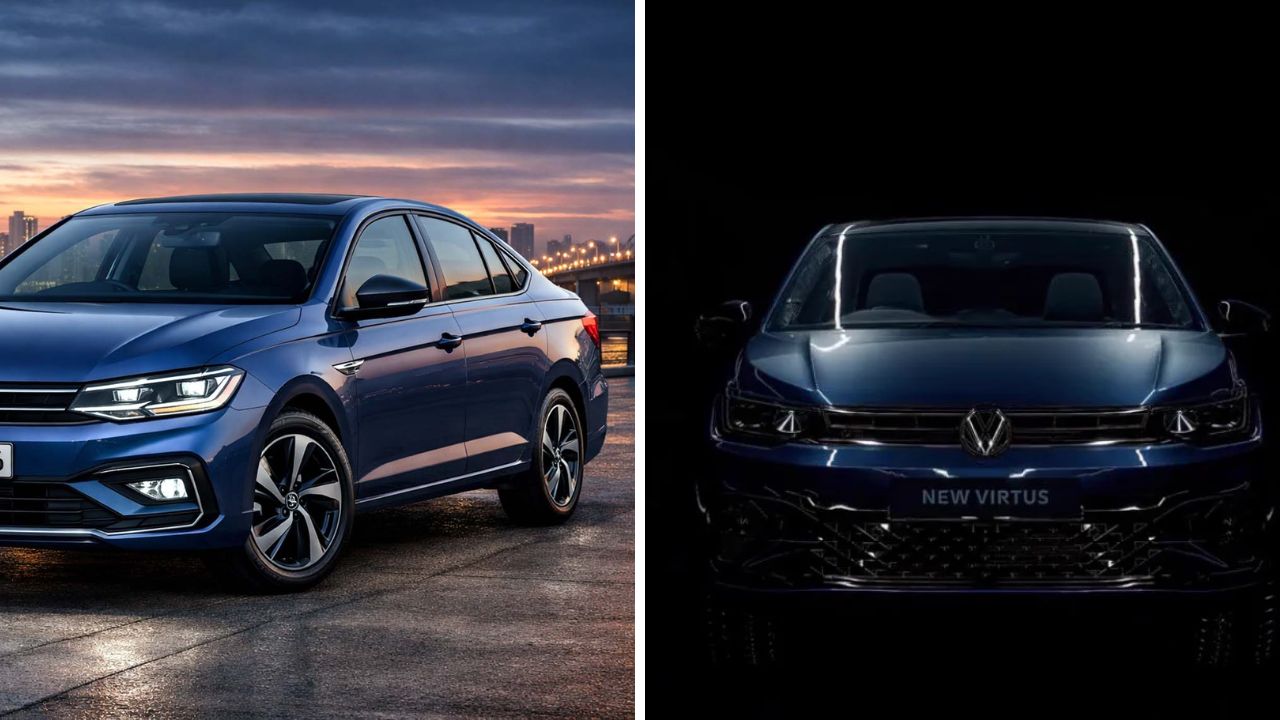
Volkswagen has shown the 2027 Volkswagen Virtus Facelift for the first time, and the sedan looks properly different at both ends. It isn’t a ground-up redesign. It’s a mid-life refresh for a car that drives better than most of its class but has started to look familiar next to newer rivals. Here’s what the teaser confirms, what’s still guesswork, and who should wait.

What’s New in the 2027 Volkswagen Virtus Facelift? 

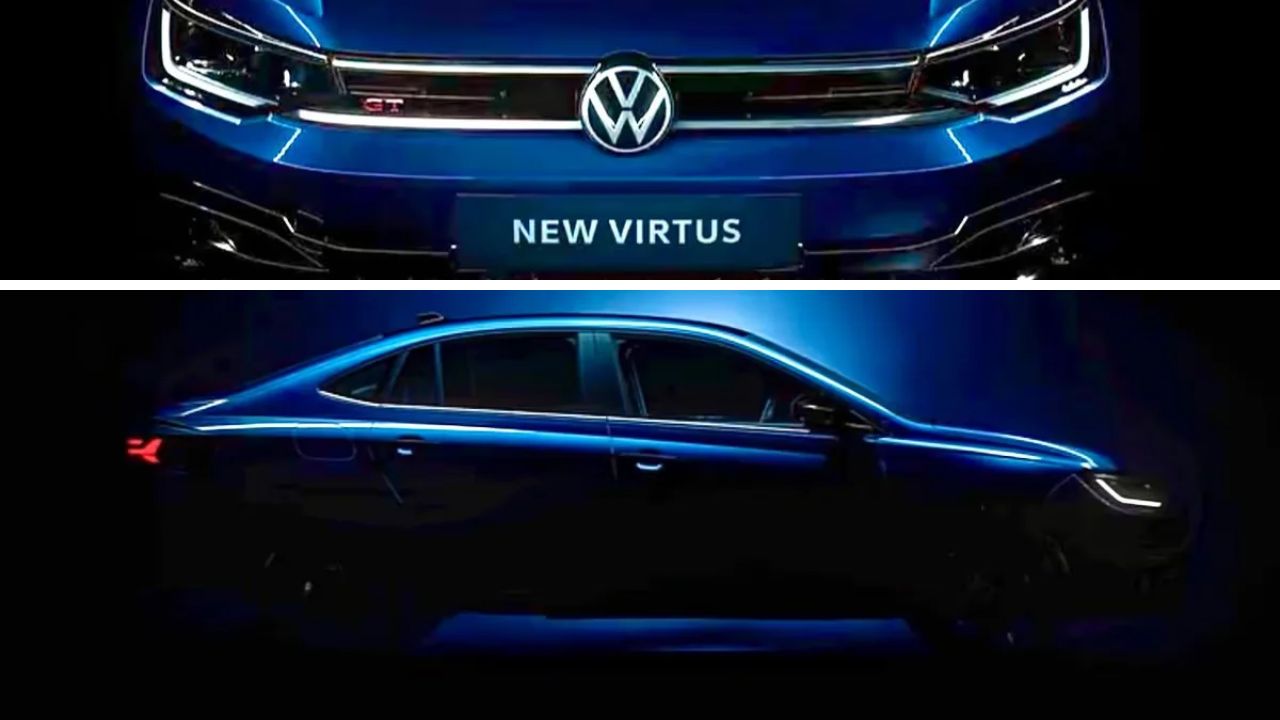
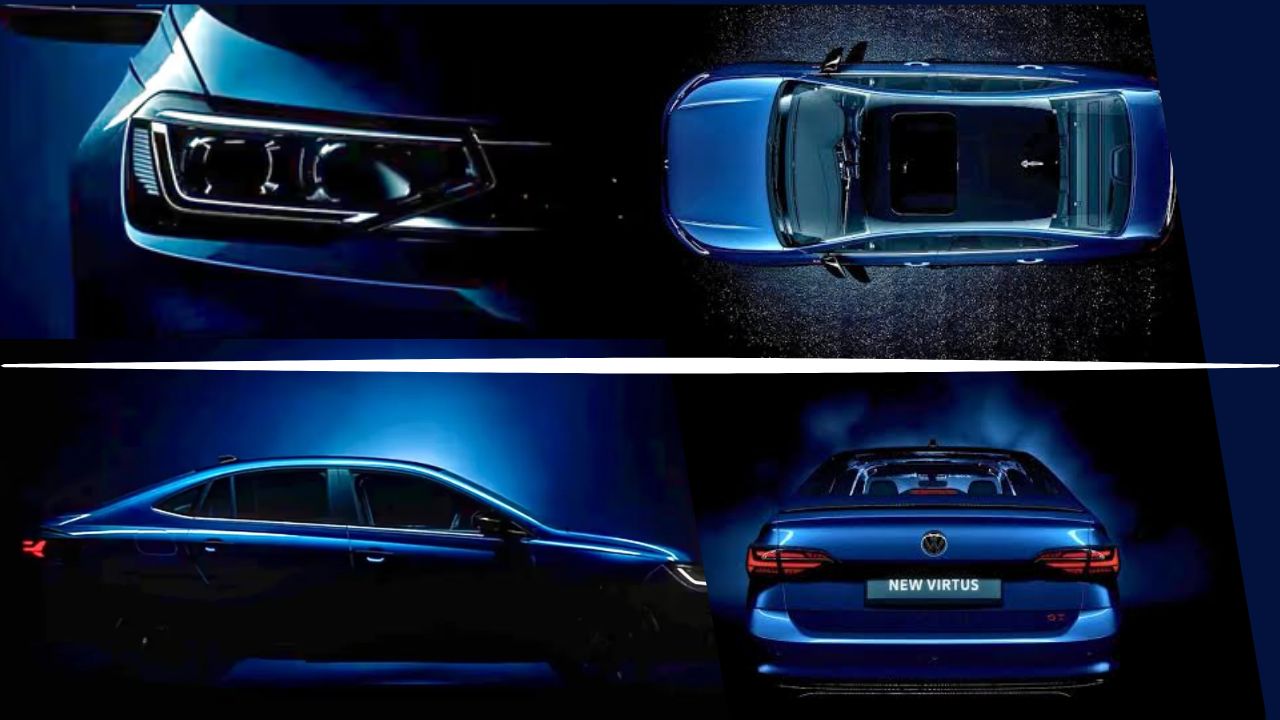
The teaser is short but clear on the exterior. There are also the new updated headlights, the new grille, new front and rear bumpers and new alloy wheels. The rear shot shows red LED split taillamps on a blue car, which gives the Virtus a lighter, more modern look at night.

Volkswagen hasn’t shown the cabin. Reports point to more features, but nothing is confirmed, so treat any “ADAS” or “panoramic sunroof” claims as rumours until the full reveal.

Will the Volkswagen Virtus GT Get New Updates? 

The Virtus GT line is the sporty end of the range. Today that means the GT Line on the 1.0 TSI and the GT Plus Sport on the 1.5 TSI. The teaser doesn’t show anything GT-specific. No new badge, no trim reshuffle, no unique wheel design.

Volkswagen Virtus Facelift

The signs point to a facelift soon. Volkswagen recently launched an Anniversary Edition based on the GT Plus Sport, a move that usually comes just before a model update. Until Volkswagen actually puts out the list of what’s coming, any talk about new GT badges or darkened trim is just a shot in the dark.

2027 Volkswagen Virtus: Expected Engines, Price and Launch Date 

So, what about the 2027 Volkswagen Virtus Facelift engines? It looks like we’re sticking with the same two turbo-petrol TSI options: the 1.0-litre and the 1.5-litre. Volkswagen is already compliant with emission standards all the way through to 2027. 

The current Virtus starts at about 10.75 lakh rupees and goes up to 19 lakh. Some outlets are guessing the updated version might kick off closer to 12 lakh. There’s rumour about an 8-speed auto for the 2027 Volkswagen Virtus Facelift 1.0-litre engine, though VW hasn’t confirmed anything yet.

So, the word on the street is that the 2027 Volkswagen Virtus Facelift should be ready to roll out around December of 2026. Now, VW might slap a 2027 model year designation on it, which could be why you saw that year mentioned above.

Know that 👉  Why Automakers Are Investing Billions in Electric Vehicles (EVs)

Volkswagen Virtus Facelift vs Skoda Slavia vs Honda City: What Changes? 

When you look at the Skoda Slavia, it’s kind of the immediate go-to comparison. They’re built on the same bones, use the same engines, and frankly, Skoda got its refresh out the door before this one. So, if this 2027 Volkswagen Virtus Facelift manages to look a bit more aggressive and lands at a similar price point, Volkswagen will definitely still be in the running. If the Slavia feels more complete for less, the Virtus loses its main selling point.

The Honda City plays a different game. It leans on refinement and, unlike the Virtus, offers a strong-hybrid version. The Virtus argument has always been the drive: the 1.5 TSI is the enthusiast’s choice, and the facelift keeps that intact.

Should You Wait for the New Virtus or Buy the Current Model? 

Wait if you want the GT Plus Sport and care about how it looks. The new lights and bumpers will outshine the old car and the pre-facelift of cars usually retards resale post launch. 

New Virtus

If you find yourself in the position of spotting a decent deal on a pre-facelift model, good timing could be an option. Dealers tend to clear out their stock before an update, and you’re not losing any mechanical bits.

Before handing over any cash smarter you must find out the final offer: the exact trim levels you’re hit with, the on-the-road price, and how much the booking deposit will be. We should see all this information become public knowledge in the coming weeks.

 👉  Mercedes-Benz GLC Electric: Premium Performance Meets Practical Compromises

Conclusion

The 2027 Volkswagen Virtus Facelift looks like a timely update, especially for buyers who want a fresher design without losing its fun-to-drive character. However, the new features, pricing and GT updates are still under wraps. If you’re not in a hurry, waiting for the official launch makes sense. But if you find a good discount on the current model, it remains a solid buy. 

0

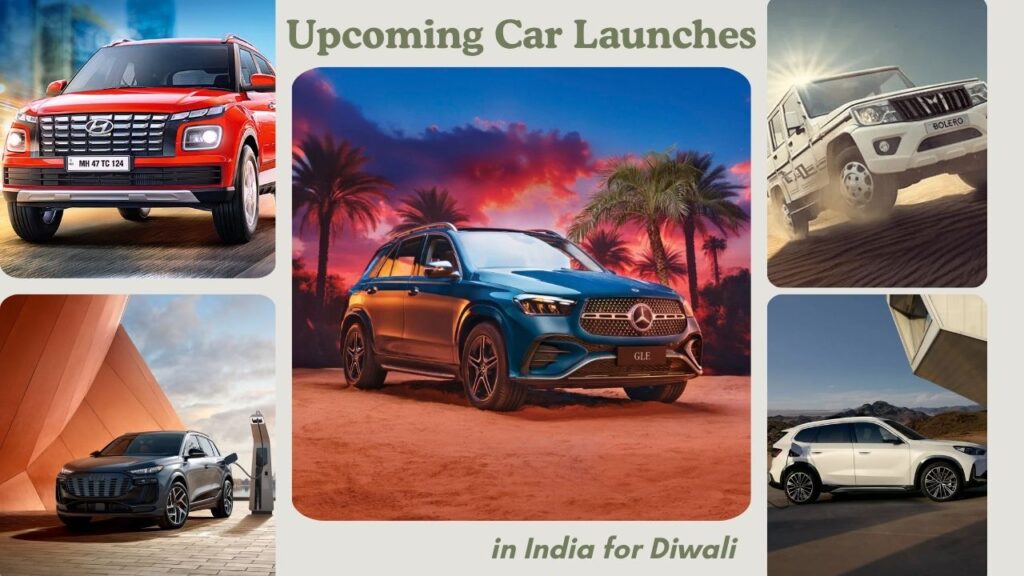
Upcoming Car Launches in India for Diwali 2025

Upcoming Car Launches in India

If you are on the verge of making a new car purchase or just want to stay abreast with the upcoming car launches in India, here is your one-stop guide to the top cars to look forward to this Diwali. 

Diwali 2025 marks the beginning of festivity in India and outdoor is full with Diyas, diyas at not alone that will illuminate the roads with a spectacular roster of new car launches India 2025 rolling out on the market this season. 

So, here are some upcoming vehicles India 2025 around Diwali 2025 which will be full of style, technology, and sheer driving excitement.

SUVs: The Showstoppers of Diwali 2025

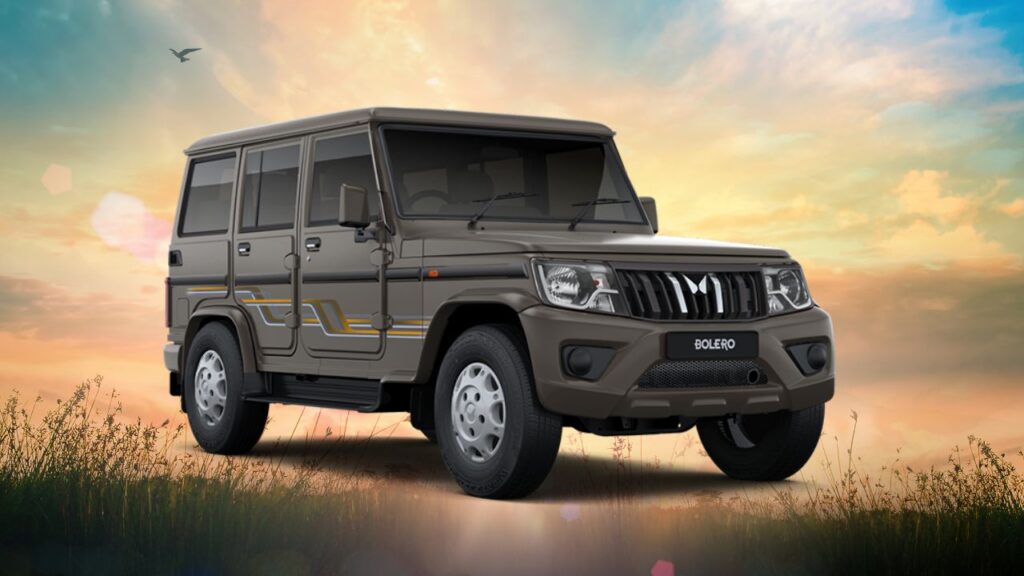
Mahindra Bolero (Facelift)

The iconic Mahindra Bolero is back with a new look and many added features. The 2025 refresh is more muscular with some blocky grille inserts and new bumpers that lend more modern, rugged look to the front-end design. Inside, you get a redesigned cabin with a contemporary dual-tone black-and-brown theme and a touchscreen infotainment system for more convenience. 

Mahindra Bolero

Image credit: Mahindra

Inside the bonnet, it runs on a 1.5L diesel motor that churns out a decent power of 75–100 bhp. Priced in the ₹10–12 lakh ballpark, the all new Bolero, is still the reliable, no-nonsense SUV we all love, only this time, there’s an added dollop of comfort and tech to make your driving experience that little bit better. 

Mahindra Bolero Neo (Facelift)

The Mahindra Bolero Neo (Facelift) is here to excite, being a mix of the classic Bolero’s rugged dependability and a new, contemporary aesthetic. Featuring a new grille, more aggressive bumpers and larger alloy wheels, it looks better than ever. Upgrades inside are just as impressive — a massive 10.25-inch touchscreen infotainment system with Android Auto, Apple CarPlay and more keeps you connected, while wireless charging, automatic climate control and ventilated seats boost the luxury factor. 

Mahindra Bolero Neo

Image credit: Mahindra

The 1.5L mHawk 100 diesel engine under the hood produces a potent 100 bhp and 260 Nm torque which promises a satisfying and trustworthy drive. Bolero Neo price: Bolero Neo is available in five variants and it is priced from ₹9.97 lakh to ₹12.18 lakh (ex-showroom). The Bolero Neo is, therefore, a revelation as it seamlessly integrates old-school ruggedness with modern-day convenience, making it a perfect choice for families who want to own a style statement in the form of an SUV but are not ready to compromise on reliability and safety? 

The 2025 Mahindra Thar

The 2025 Mahindra Thar is updated with some new features without losing its charm. Among recent updates: a body-colored grille, new color choices and useful touches such as a built-in rear camera and wiper. Inside, its more up to date with a 10.25 inch screen, a new steering wheel and a sliding armrest. AC vents and charging points are now standard for the rear passengers as well, so you can keep everyone cool and connected on those long journeys. Reliable and workhorse engine line-up continues under the hood with 2.0L petrol and 1.5L & 2.2L diesel variants, and RWD and 4×4 options to fuel your off-roading adventures.

The 2025 Mahindra Thar

Image credit: Mahindra

At a price ranging from ₹9.99 lakh to ₹16.99 lakh, the new Thar offers an ideal combination of exterior ruggedness and interior convenience, so that your adventure travels are as comfortable as they are exhilarating! 

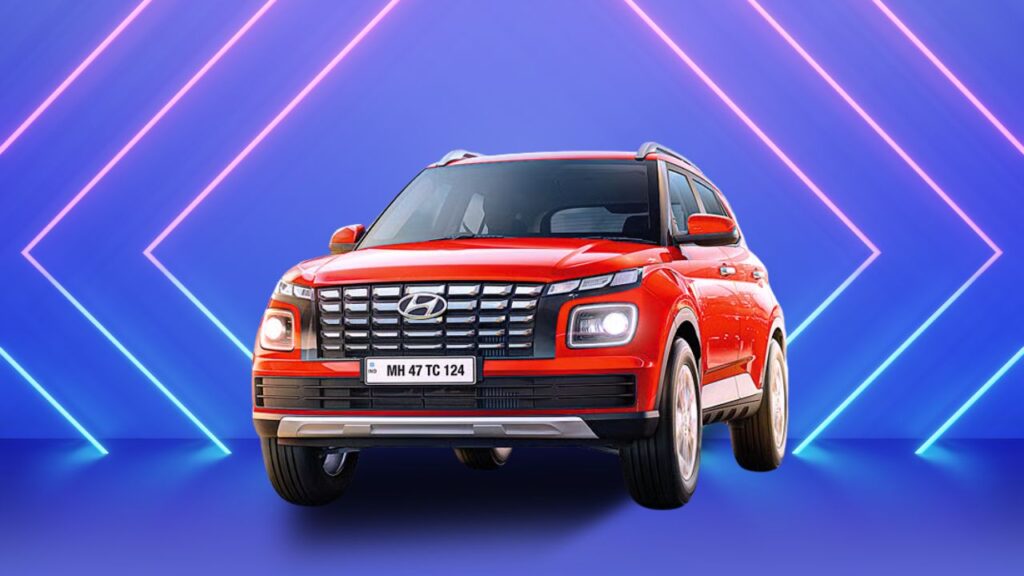
Hyundai Venue (Facelift)

Smarter, bolder the upgrades in its body end the the Venue 2025, bringing new life into the world of small SUVs. Dressed in the new “Sensuous Sportiness” design concept, it now features a modern split LED headlamps design that exudes more sophistication. Open the door and you’ll be welcomed by dual 10.2-inch curved displays — one for your instrument cluster and the other for your infotainment — so it’s clear priorities were tech and style. 

Hyundai Venue

Image credit: Hyundai

Ventilated seats, dual-zone climate control, and wireless smartphone connectivity put comfort on the forefront to keep you comfortable and connected no matter where you’re headed. Whatever your mood, there’s a vibe for you under the bonnet: 1.2L petrol engine, peppy 1.0L turbo petrol or muscular 1.5L diesel. With a price tag expected to be in the range of ₹8–14 lakh, the Venue 2025 will show you what a compact SUV can really be, combining space, style and funky features like none other. 

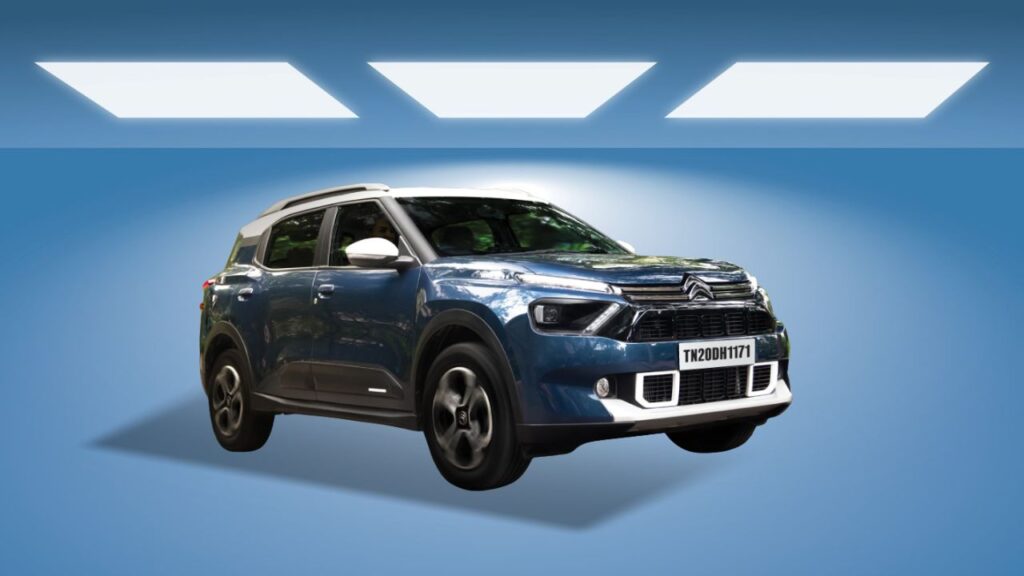
Citroën Aircross X (Updated Variant)

The Aircross X adds a touch of French elegance with a hint of luxury, making it one of the best options if you like to stand out from the crowd. It’s finished in a breathtaking new green color and comes equipped with full LED lighting that will make you want to take a look. Updated seats and new fabric help give both model highs and lows in style and comfort. 

Citroën Aircross X

Image credit: Citroen

If you’re into gadgets, the 360° camera and the Citroën “Cara AI” voice assistant that gets smarter and more useful with every trip will please you. You have the choice between a peppy 1.2L turbo petrol unit and a dependable 1.5L diesel unit that caters to varied driving requirements. Priced between ₹8.3–13.7 lakh, the Aircross X is an ideal choice for people who want to make a statement on the road by combining elements of style, comfort and creativity. 

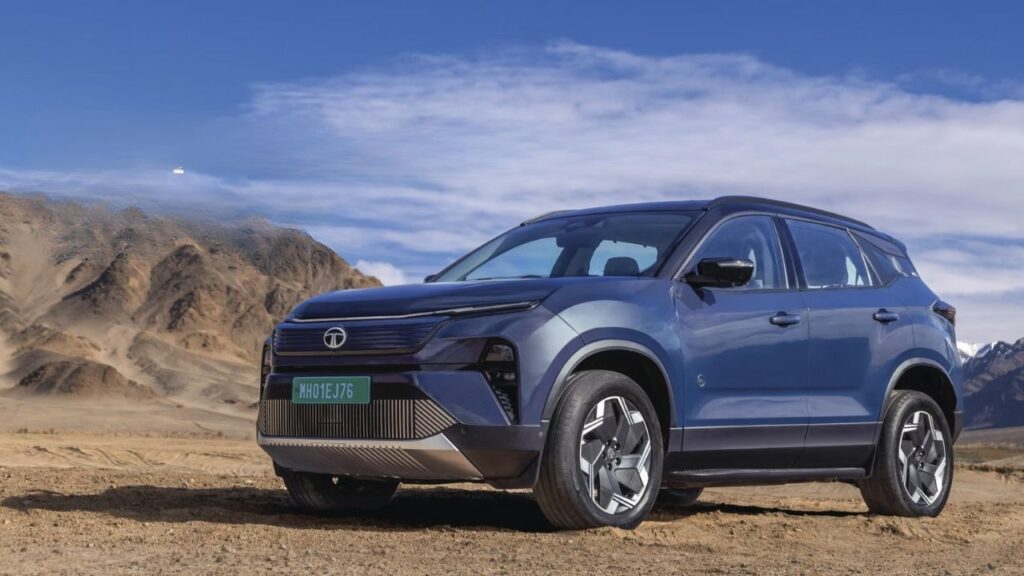
Tata Sierra EV

The legendary has returned, now as an electric wonder! The Sierra EV is designed to combine retro styling cues with modern-day technology, and as such, it’s one of the most unique electric SUVs on the market. Running on a 77 kWh battery, it has a good range of about 500 km, making sure you are set for long drives. 

Tata Sierra EV

Image credit: Tata

Go inside and you’re met with a futuristic triple-screen cockpit that shouts modernity. Equipped with Level-2 ADAS and other connectivity upgrades, this ute is not only cute but also filled with sweet tech features that make every drive safer and more enjoyable. Priced at around ₹18 to 24 lakh, the EV version of the Sierra is a true Made-in-India product that will not only the electric SUV segment but will also make you sit up and take notice. 

Maruti eVitara

Maruti Suzuki – who is it launching the eVitara, its first fully electric SUV, and it’s one of the most awaited launches in recent times. This EV is equipped with 49–61 kWh battery and offers a mind-blowing range of 426–500 km (WLTP), making it good for city drives and more. Comfort and technology are the name of the game inside, with a 10.25-inch touchscreen, a premium 10-speaker Infinity audio system and ambient lighting to set the mood. 

Maruti eVitara

Image credit: MarutiSuzuki

The front ventilated seats and wireless smartphone integration for convenience help, too. Reporting to be priced between ₹17–22.5 lakh, the eVitara will be launched on December 10, 2025. With this launch Maruti Suzuki takes a huge leap ahead from their reliable ICE cars to a future mankind smart, clean and sustainable mobility. Exciting times ahead!

Read More:- Top 10 Most Fuel-Efficient Cars in India Under ₹10 Lakhs You Must See in 2025

Luxury & Performance Cars: Sophistication Meets Speed

BMW iX (2025 Facelift)

The new iX is luxury redefined thanks to its electric and futuristic vibe. With battery capacities ranging between 94.8 and 109 kWh, it can travel as far as 750 km on a single charge making long journeys smooth sailing. Its twin-motor AWD setup offers 402 bhp, 400+ Nm of torque and more power and precision on the road.

BMW iX

Image credit: BMW

The redesigned LED headlamps and the sleek digital grille, along with an ultra-luxurious cabin exude class. The new BMW price is around ₹1.45 crore, it’s a radical declaration of innovation, sustainability, and hi-tech gadgetry.

The 2025 Audi Q6 e-tron

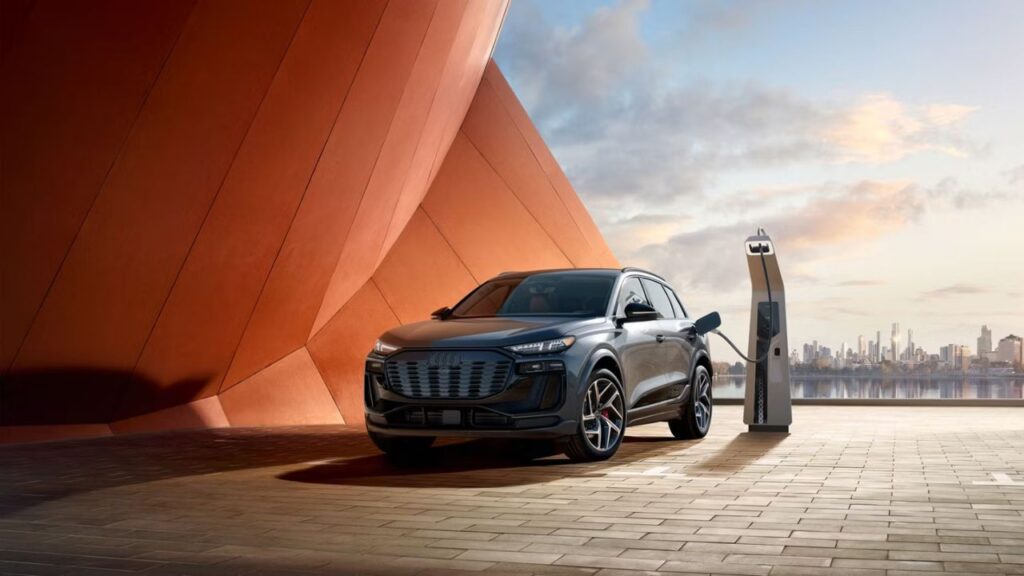
Audi raises its game in the luxury SUV segment with the Q6 e-tron flaunting a body that’s less blocky and more blinky and a cabin stacked to the gills with advanced tech. It comes in two variants with a 94.9 kWh battery — RWD (326 PS) and AWD (387–517 PS) – based on the driving style you prefer. With an impressive 600 – 640 km range, it is custom-made for long rides without the hassle of charging often. 

The 2025 Audi Q6 e-tron

Image credit: Audi

The triple-screen cockpit inside invokes futuristic vibes and the Bang & Olufsen sound system provides the best in audio. There’s safety, too, with ADAS Level-2 features. Priced at ₹1.0-1.1 crore, the Q6 e-tron is the ultimate luxury, performance and sustainability in an attractive package for the discerning buyer.

Mercedes-Benz CLA Electric (2025)

The Mercedes CLA Electric is here to disrupt the four-door coupe landscape with an ideal mix of looks, smarts, and range that impressed. With an 85 kWh battery, it has a range of 770–792 km (WLTP), which makes long road trips so much easier. There are two models available to choose from: the CLA 250+ RWD with 200 kW power, and the CLA 350 4MATIC which features a more potent 260 kW output. 

Mercedes-Benz CLA Electric

Image credit: Mercedez-Benz

It’s all next-level tech inside with the Mercedes MB.OS system (the infotainment system is AI-driven and even features ChatGPT for voice commands) . The Dolby Atmos Burmester ensures that your favorite tunes sound amazing. The CLA Electric is expected to be priced around ₹65 lakh. 

Porsche Macan EV (2025)

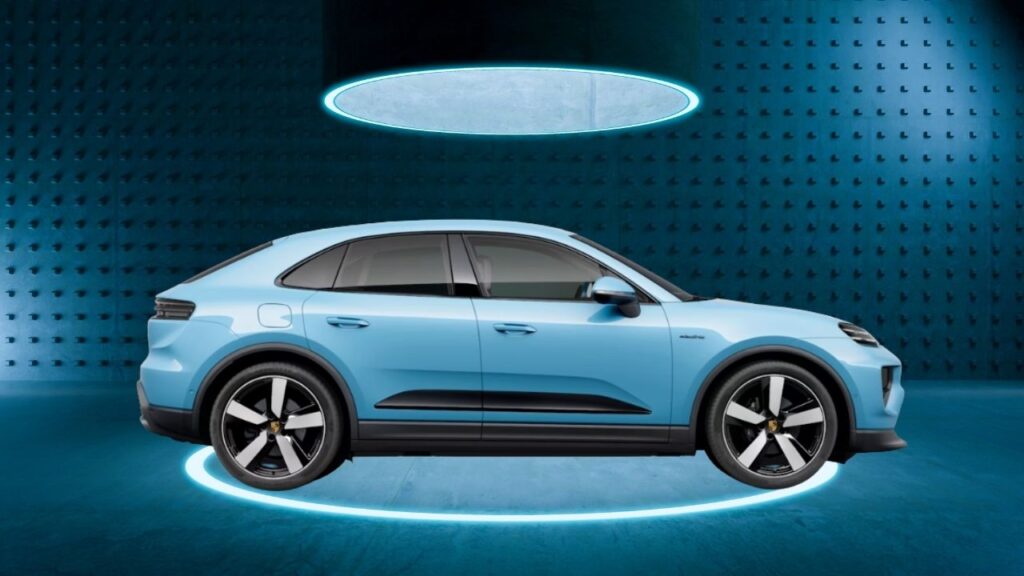
The new Porsche Macan offers 100 kWh battery, it boasts a striking range of 619–624 km, so you can make big miles in style. Standard (402 bhp), 4S (509 bhp) and Turbo (608 bhp) – there’s a variant for every adrenaline junkie. 0-100 km/h is a piece of cake, taking between 4.5 and 6 seconds depending on the variant.

Porsche Macan EV

Image credit: Porsche

From the dual 10.9” touchscreens to the AR head-up display and adaptive air suspension, every drive is luxurious and cutting edge. With prices starting from ₹1.22 to ₹1.69 crore, the Macan EV is at once dynamic, premium and undeniably Porsche. 

Quick Table for Upcoming Car Launches in India – Diwali 2025

The quick comparison table will help you know the key details for each car from different categories. Each model has a different price range with different features, buy the one which suits you better.

Model Type/Powertrain Key Highlights Expected Price (₹) Expected Launch
Mahindra Bolero (Facelift) SUV/Diesel New design, touchscreen infotainment, dual-tone interior 10–12 lakh Oct–Nov 2025
Mahindra Bolero Neo (Facelift) SUV/Diesel 10.25” infotainment, wireless charging, ventilated seats 9.97–12.18 lakh Oct 2025
Mahindra Thar (2025 Update) SUV/Petrol/Diesel New grille, 10.25” display, rear camera, 4×4 options 9.99–16.99 lakh Oct 2025
Hyundai Venue (Facelift) Compact SUV/Petrol/Diesel Dual 10.2” screens, ventilated seats, dual-zone climate 8–14 lakh Oct–Nov 2025
Citroën Aircross X SUV/Petrol/Diesel LED lights, Cara AI voice assist, 360° camera 8.3–13.7 lakh Oct 2025
Tata Sierra EV Electric SUV/Electric (77 kWh) 500 km range, triple screens, ADAS 18–24 lakh Nov 2025
Maruti eVitara Electric SUV/Electric (49–61 kWh) 426–500 km range, 10.25” display, ambient lighting 17–22.5 lakh Dec 10, 2025
Skoda Kushaq (Facelift) SUV/Petrol New grille, 360° camera, improved infotainment 11–19 lakh Oct 2025
BMW iX (2025) Luxury SUV/Electric (109 kWh) 750 km range, dual-motor AWD, digital grille 1.45 crore Oct–Nov 2025
Audi Q6 e-tron Luxury SUV/Electric (94.9 kWh) 640 km range, triple screens, ADAS 1.0–1.1 crore Nov 2025
Mercedes-Benz CLA Electric Luxury Sedan/Electric (85 kWh) 792 km range, MB.OS AI infotainment, Burmester audio 65 lakh Nov–Dec 2025
Porsche Macan EV Luxury SUV/Electric (100 kWh) 624 km range, 0–100 km/h in 4.5s, AR display 1.22–1.69 crore Oct–Nov 2025

Conclusion

This Diwali comes with a special line-up for car enthusiasts in India. The car market is heating up for Diwali next year, and winners include Tata, Hyundai, Honda, and Mahindra who are bringing in a new range of vehicles to cater to the diverse needs of customers across the country. Mahindra’s hard-hitting SUVs and Hyundai’s sleek city machines, all the way up to Tata’s ground breaking EVs and Bavarian luxury stalwarts like BMW, Audi, and Mercedes — fucking every flavour of car type basically.

Diesel car, tech packed EV, luxury sports car – all in Diwali 2023’s line-up. While the road ahead is promising, so is India’s automotive future. 

1

How Electric Cars Are Changing the Future of Transportation

Published Jun 13, 2026, 12:16 PM
Last Updated Nov 2, 2026, 5:04 PM

Electric Cars

For years petrol or diesel cars have dominated on the road, but now the future of transportation is shifting to Electric Cars. They are already in the market and become a practical choice for millions of people worldwide. People prefer EVs to buy in 2026 as they offer low running cost, advanced technology, and less expensive maintenance.

However, car makers are still working on the batteries to provide more range. That future is near when average people can also afford Electric Cars. Governments and automakers invest heavily in electrification for making charging accessible easily.

The Transportation Shift is Already Happening

The smarter, faster, comfortable transport will become Electric Cars in the future. So choose wisely before you’re going to buy a new car. The resale value also dropped of petrol and diesel cars and EVs offer excellent technology with good range of driving. 

Global electric vehicle sales crossed 17 million units in 2024. China alone put more EVs on the road last year than the entire world did in 2021. India’s EV two-wheeler and three-wheeler market is exploding, with four-wheelers catching up fast. Tata Nexon EV is no longer a novelty on Indian roads — it’s traffic.

The question isn’t whether Electric Cars will change transportation. They already are. So are you going to be ahead of that change, or scrambling to catch up?

Read More:- The Future of Electric Vehicles: What Drivers Need to Know

What Actually Changes When a Car Runs on Electricity

The engine disappears. Not just physically — the entire relationship between a driver and maintenance changes. No oil changes. No coolant flushes. No timing belt anxiety. An electric motor has roughly 20 moving parts. A combustion engine has over 2,000. That’s not a small difference — that’s a different category of machine.

Refuelling becomes recharging — and that changes your whole routine. You stop thinking about fuel the way you think about groceries. Instead, you plug in at home overnight. Your car is full every morning. The “range anxiety” people talk about? It’s mostly psychological — the average Indian commuter travels under 40 km a day. Even entry-level EVs handle that with room to spare.

The car becomes a software device. This is the part that surprises people most. EVs aren’t just cars with batteries — they’re computers on wheels. They get over-the-air software updates. Their performance can literally improve after you buy them. Tesla has pushed updates that added features and improved range on cars already sitting in someone’s garage. That’s unprecedented in automotive history.

What This Means for Roads, Cities, and Air

If your city’s electricity is primarily coal-generated, an EV charged there is still indirectly burning fossil fuel — just upstream. India is working to fix this. Renewable energy capacity is growing rapidly, and as the grid gets cleaner, every EV on that grid gets cleaner automatically, without any change from the owner. That’s a compounding advantage no petrol car can ever have.

But air quality? That improvement is immediate and local. No tailpipe means no exhaust in city traffic. Anyone who’s sat in Delhi or Lucknow traffic in summer knows exactly how much that matters at street level.

Urban noise also drops. Electric motors are nearly silent. A city with predominantly electric vehicles would be a fundamentally quieter place — and that has real mental health implications that researchers are only beginning to document.

You Know That:- Which Car Is Best: Petrol or Diesel?

Pricing Structure For Electric Cars

Transportation isn’t just about getting from home to office or one city to another. It’s an enormous economic engine and Electric Cars are rewiring it.

The fuel economy argument alone is stark. Running an EV in India typically costs around ₹1–1.5 per km in electricity. A petrol car costs ₹6–8 per km at current fuel prices. For someone driving 15,000 km a year, that’s a saving of ₹67,500 to ₹1.05 lakh annually — every year. The higher upfront cost of an EV starts looking very different when you do that math over five years.

Then there’s what this does to jobs. Petrol stations, engine mechanics, spare parts manufacturers — entire ecosystems built around combustion are under slow pressure. New ecosystems are being built: charging infrastructure, battery manufacturing, software engineers for automotive systems. The jobs aren’t disappearing, they’re migrating. But migration is uncomfortable for the people in the middle of it.

EV Batteries Are Still a Problem

Batteries are still a big problem for EV cars and people hesitate while buying an electric car because of this.

Recent reporting of child labor in Africa raises concern as this happened in Cobalt mines. The material is used in batteries along with lithium and manganese. Recycling infrastructure isn’t completed properly yet. This doesn’t mean that EVs are harmful for our environment, instead it pushed manufacturers for stronger policies on battery sourcing.

The technology is improving. Solid-state batteries, sodium-ion alternatives, and better recycling processes are all in active development. But “it’ll be better later” isn’t the same as “it’s fully solved now.”

Where The Future of Transportation is Going?

The trajectory is clear, even if the timeline isn’t perfectly predictable.

Several countries have set deadlines to phase out new petrol and diesel car sales — Norway by 2025 (already there), UK by 2035, India pushing hard toward electrification targets under its FAME scheme. Automakers globally are retooling factories. Maruti Suzuki, which long resisted full electrification, is now accelerating its EV lineup. When the most conservative, mass-market carmaker in India pivots, the direction of travel is settled.

What remains uncertain is speed and equity. If charging infrastructure will expand fast to reach Tier 2 and Tier 3 cities and cut the manufacturing costs with time to make a car affordable for middle-income buyers. 

Read More:- Car Maintenance Tips That Save Money And Valuable Time

Conclusion 

In a changing world, people are choosing cars with batteries rather than petrol or diesel. Electric Cars support sustainability and reshaping transportation, cities, and the global automotive industry. Adaptation of EVs are growing faster, despite facing challenges like battery production, recycling, and charging infrastructure.

The future of transportation is not a petrol or diesel car anymore. But Electric Cars are leading that transformation to a greener world. Although, it’s not limited to it, it offers advanced tech in a car, speed and comfort too.

0

Mahindra XUV 3XO REVX is Finally Here – Explore Its Fresh Styling, Engine Power and Features

Published Jul 9, 2025, 10:57 AM
Last Updated Apr 7, 2026, 6:24 AM

Mahindra XUV 3XO REVX is Finally Here

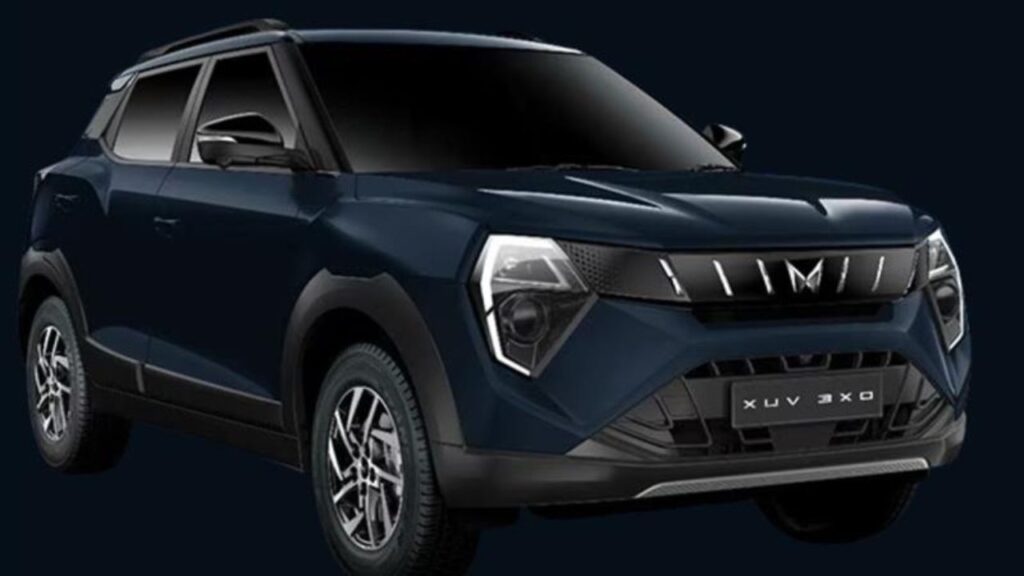
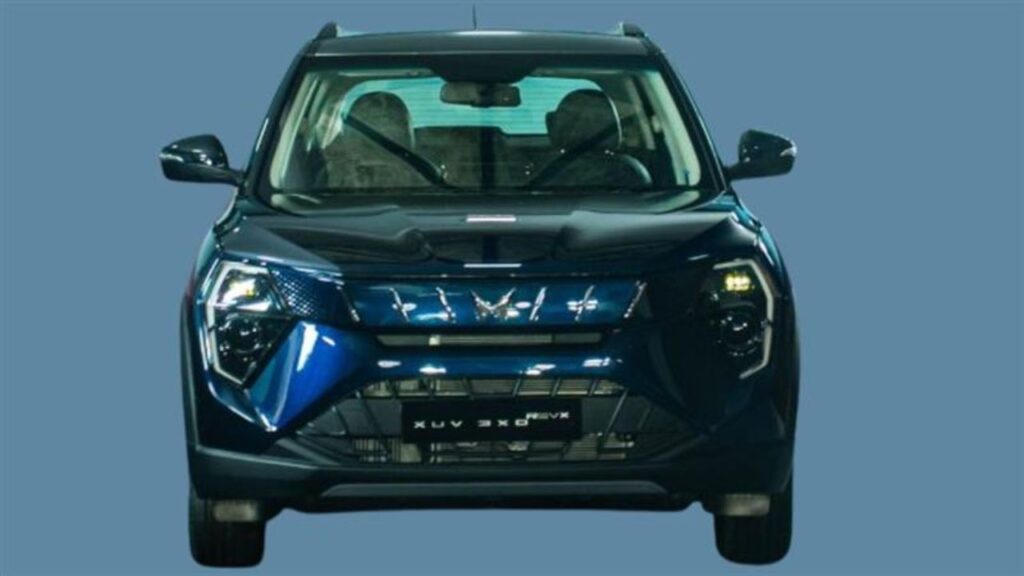
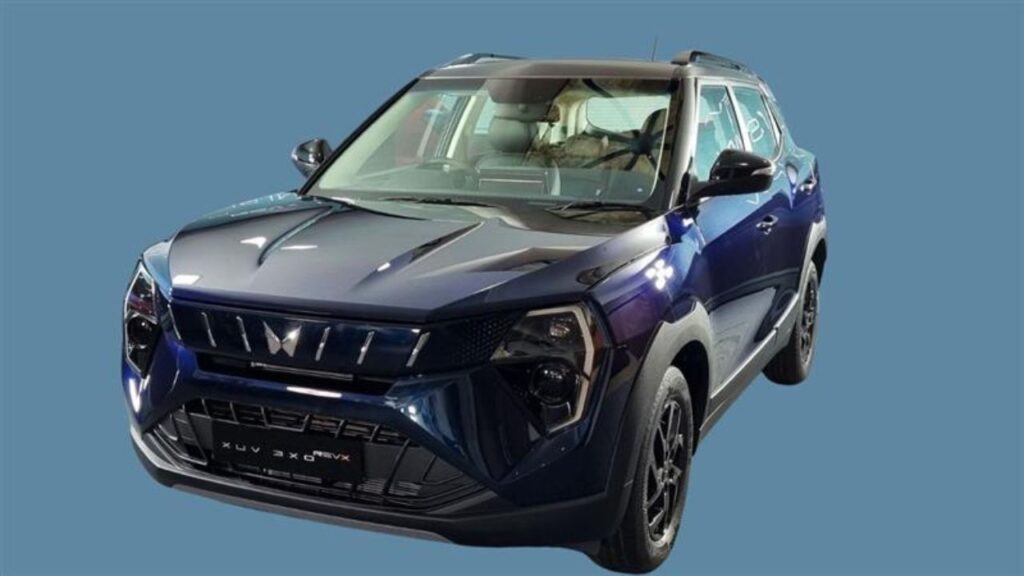
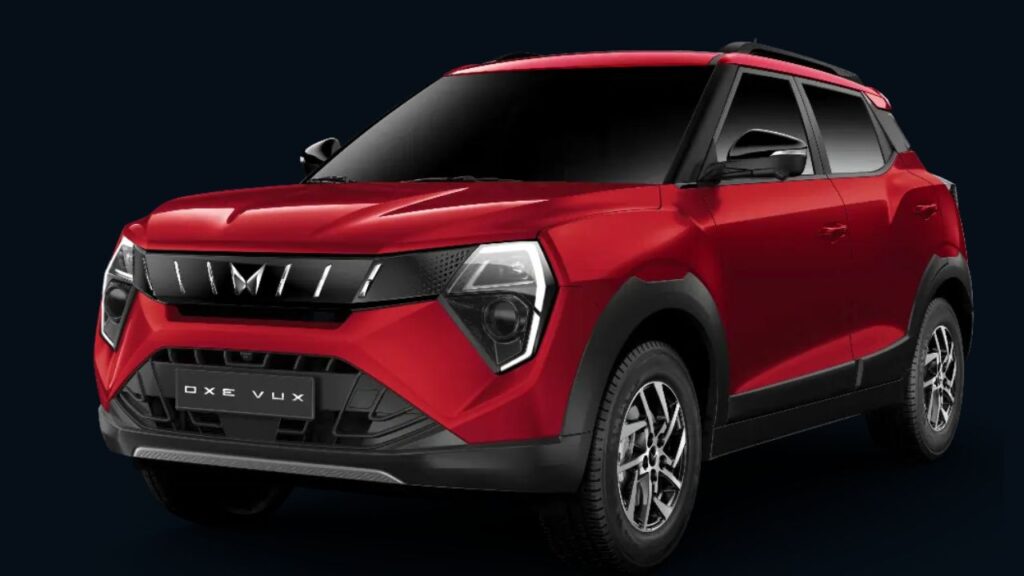
Mahindra is not lettingus take a breath, the new version of XUV 3XO SUV is here as Mahindra XUV 3XO REVX. Mahindra added mind blowing features in the new model such as design, engine, and its sporty interior. The car amazes your mood with its features that let you drive everywhere smoothly. There is a slight difference with its 1.2L turbo engines that are based only on petrol. Few changes have been made to acquire the best performance.

Mahindra swear to make strong contenders in the SUV world, it makes a great impression with its sporty looks and practical features. The combination hits the market.

Exterior Design 

Exterior Design

The minor front change of color in the panel that was black before, now looks more amazing with the dual-tone color scheme. The black colored roof with C-pillar has been added to the new version that goes unnoticed by anyone. 

The design pattern remains the same in the wheels with 16-inch black wheels that make a good impression. This premium look stands a chance among the coolest cars collections.

Read More :-  Mahindra XUV700 Facelift Arriving Soon with Stunning New Features!

Look & Interior Design

Look & Interior Design

Mahindra XUV 3XO REVX is designed with sporty interior look including panoramic sunroof, leatherette stitched seats, comfortable front pedal, 10.25-inch touch screen pad to control & instruct. 

Mahindra XUV 3XO REVX Pricing:

Mahindra XUV 3XO REVX Pricing

In India, there are three variants available REV M, M(O), and A that cost you around Rs. 10.32 lakh, Rs. 10.90 lakhs, and Rs. 15.26 lakhs respectively. 

0

Mercedes Benz CLA 250+ Real-World Range Tested

Published Jul 6, 2026, 12:31 PM
Last Updated Jul 22, 2026, 12:08 PM

Mercedes Benz

Every EV launch in India comes with a big, shiny range figure on the poster. The Mercedes Benz CLA 250+ arrived with one of the biggest yet — 792 km on the WLTP cycle. However, experienced EV buyers already know that these figures are just lab results, because it hasn’t been recorded with real-world conditions. 

So how much Mercedes Benz CLA 250+ can give you range on a Delhi-to-Jaipur road trip with AC on and the weightage of luggage. That’s what this blog covered so you will know exactly what you can get before buying it.

What Exactly is the CLA 250+

The CLA 250+ is the top electric variant of Mercedes Benz’s all-new CLA — the car that now replaces the A-Class Limousine, the EQA, and the EQB as the brand’s entry point in India. This car is built on Mercedes’ dedicated Modular Mercedes Architecture (MMA) platform, totally engineered from the ground-up electric architecture rather than adapted from a traditional petrol car, and that shows in almost every number on the specification sheet.

The CLA 250+ comes with an 85 kWh NMC battery and accelerates from 0 to 100 kmph in 6.7 seconds with an actual two-speed gearbox in CLA 250+ that helps the car accelerate quickly which is unusual in EVs. It offers a single rear-mounted electric motor that gives a total 272 horsepower and 335 Nm of torque. 

Mercedes Benz

And when you speed up on the highway, the taller second gear helps the motor spin more efficiently for that. It’s the same trick Porsche uses on the Taycan, except Mercedes has designed it mainly to increase driving range rather than boost performance. 

Mercedes Benz CLA 250+ making a fantastic appearance with a sleek four-door-coupe body. The CLA 250+ has a drag coefficient of just 0.21 — genuinely class-leading and helped along by flush door handles, a low coupe roofline, and a fastback tail. Add the 142-LED illuminated star grille, the connected LED light bars front and back, and a 101-litre frunk under the bonnet, and it’s clear Mercedes designed this car to be efficient first and dramatic second.

The Real-World Mercedes Benz CLA 250+ Range 

Mercedes’ claimed 792 km comes from the WLTP test cycle, which is a controlled, best-case scenario. Nobody actually drives like that. So look at what independent test drives have recorded instead:

Autocar India’s test drive averaged 6.3 km/kWh in real conditions, which works out to a real-world range of around 535 km on a full charge — still comfortably enough for most intercity trips in India without a single charging stop.

Evo India’s test, done over 65 km of mixed highway and countryside driving in the morning, returned a much stronger 8.1 km/kWh, translating to roughly 693 km of usable range. The car started that test showing 684 km on the cluster at 100% charge — already short of Mercedes’ claimed figure before a single kilometre was driven, which tells you how much WLTP numbers inflate expectations even before real-world driving comes into play.

Edmunds’ US test, run on the American-spec CLA 250+ using a strict 60% city / 40% highway cycle, recorded 434 miles (about 698 km) against an EPA estimate of 374 miles, meaning the car beat its own official number by 16%, which is the opposite of what usually happens with EVs.

A European test by electrive.com told a different story in cold weather: after 210 km of mostly motorway driving in Eco mode at 120 kmph with winter tyres fitted, the battery dropped from 91% to 44% working out to roughly 485 km of range on a full charge, and closer to 340 km if you’re only using the practical 10-80% charging window.

Overall, CLA 250+ can give you 500 — 690 km of range in real-world Indian driving conditions. Your city and highways trip, AC, and how much load you carry on your car is affecting the car. That’s still one of the longest real-world ranges available in this segment, even if it’s a fair distance from the number on the brochure.

Mercedes Benz

Charging Speed Matters As Much As Range

The 800V electrical architecture of the CLA 250+ is what allows it to support DC fast charging at up to 320 kW. In practical terms, a 10-80% charge takes about 20-22 minutes, and 10 minutes on a powerful charger gives you between 300 and 400 kilometers of range. This is genuinely useful on long drives — you’re not waiting an hour at a highway charging point, you’re grabbing a coffee and getting back on the road.

Home charging is a different, slower story — expect roughly 9-11 hours for a full charge on an 11 kW AC setup, which is fine for overnight charging but not something you’d rely on mid-journey.

Price and Variants in India

Mercedes Benz

All-electric CLA is introduced by Mercedes Benz now in India, there are three variants:


  • CLA 200 (Standard Range) — built on 58 kWh battery, offers a 542 km WLTP range, with producing 221 bhp, priced from ₹55 lakh (ex-showroom)
  • CLA 250+ (Long Range) — provides 85 kWh battery, powered up with 792 km WLTP range, this version claimed to give 268-272 bhp, priced from ₹59 lakh (ex-showroom)
  • CLA 250+ Launch Edition — same battery and motor as above but with the triple-screen MBUX Superscreen setup, the Launch Edition priced at ₹64 lakh (ex-showroom).

All versions are covered by an 8-year/160,000 km battery warranty, have a 5-star Euro NCAP safety rating, the same Level 2 ADAS package, a panoramic sunroof and run Mercedes’ new MB.OS software on an Nvidia Orin chip. Kick-off of deliveries for the CLA 250+ took place in April 2026, with the coupe already raking in 400-strong bookings before its official India launch.

Mercedes Benz CLA 250+ vs Other Premium Electric Sedans 

Against the BYD Seal, which sits close in price around ₹55 lakh, the CLA 250+ wins comfortably on outright range and charging speed, though the Seal remains the sharper value pick if range isn’t your top priority. Against the Tesla Model 3, which posted 339 miles (roughly 546 km) in Edmunds’ identical test cycle, the CLA pulled ahead by nearly 150 km — a meaningful gap for anyone doing frequent long drives. 

The Audi A6 e-tron Sportback came closer, at 402 miles (about 647 km) in the same test, making it the CLA’s nearest real competitor on range rather than the Tesla. And against the BMW iX1, which is smaller and less range-focused, the CLA is the better choice for anyone who drives themselves and wants to cover serious distance on a single charge — the iX1 makes more sense if you’re usually chauffeur-driven and want a smaller footprint in city traffic.

Conclusion 

The Mercedes Benz CLA 250+ won’t hit 792 km in your driveway, and no EV with a WLTP claimed range ever does. But even its more conservative real-world figure around 535 km — beats what most rivals manage at this price point, and its best-case figure of nearly 700 km puts it in territory very few electric sedans reach at all. 

If you’re cross-shopping electric luxury sedans in India right now, the CLA 250+ isn’t just a range leader on paper, it’s one of the few EVs where the real-world number still leaves you with range to spare.