0

Hybrid Showdown: 2026 Honda Accord vs Toyota Camry hybrid

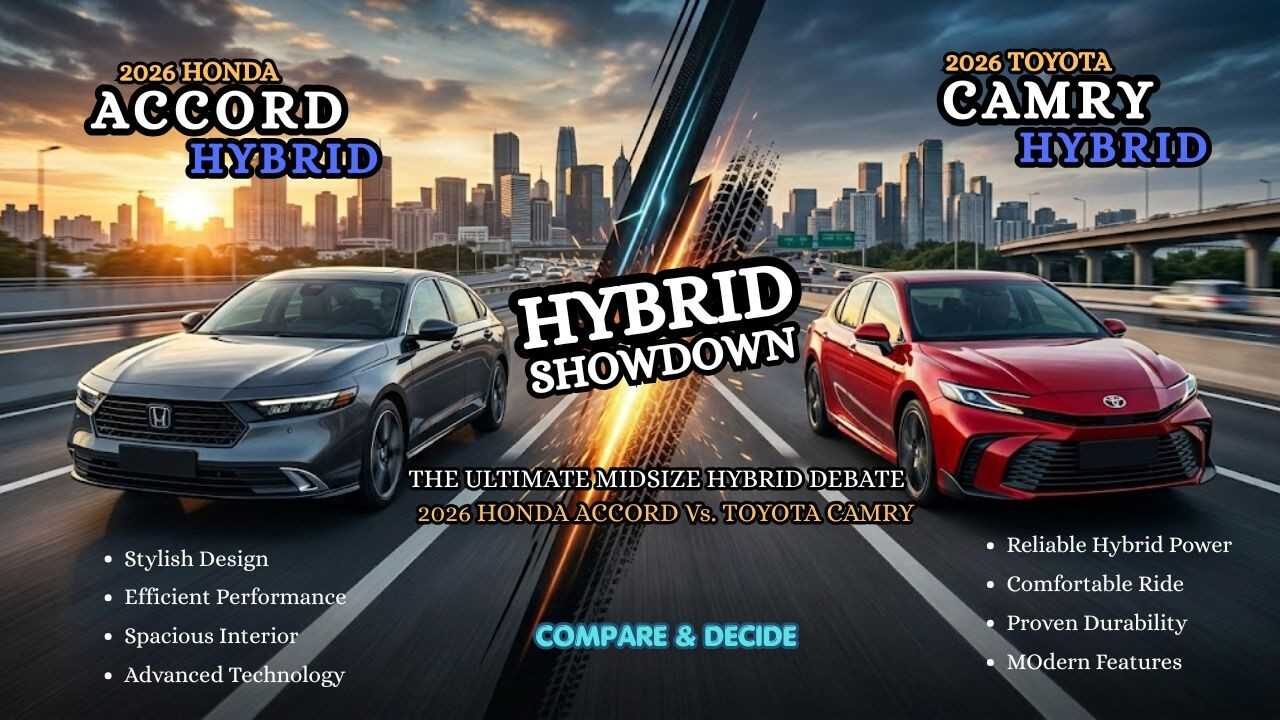
Honda Accord Vs. Toyota Camry

Deciding between the Honda Accord vs Toyota Camry hybrid is difficult when you want to buy a midsize sedan which is perfect for you and your family. Whether you want to hang-out with your friends or take a tour trip with your family, both are outstanding variants which are great for running anywhere with you.

Let’s compare 2026 Honda Accord vs 2026 Toyota Camry variants in detail so you will get to know everything before making a choice. Both followed ‘going green’ goals with electrification gaining momentum. The premium trims of Honda’s Accord come with premium-feeling twin-motor hybrids, and Toyota is making the entire 2026 Camry range hybrid-only. 

They offer high-end tech features without compromising its sleek design. Now you can save time and fuel with hybrid kings. Well, which hybrid king deserves a place in your garage?  

Engine Specifications and Powertrain

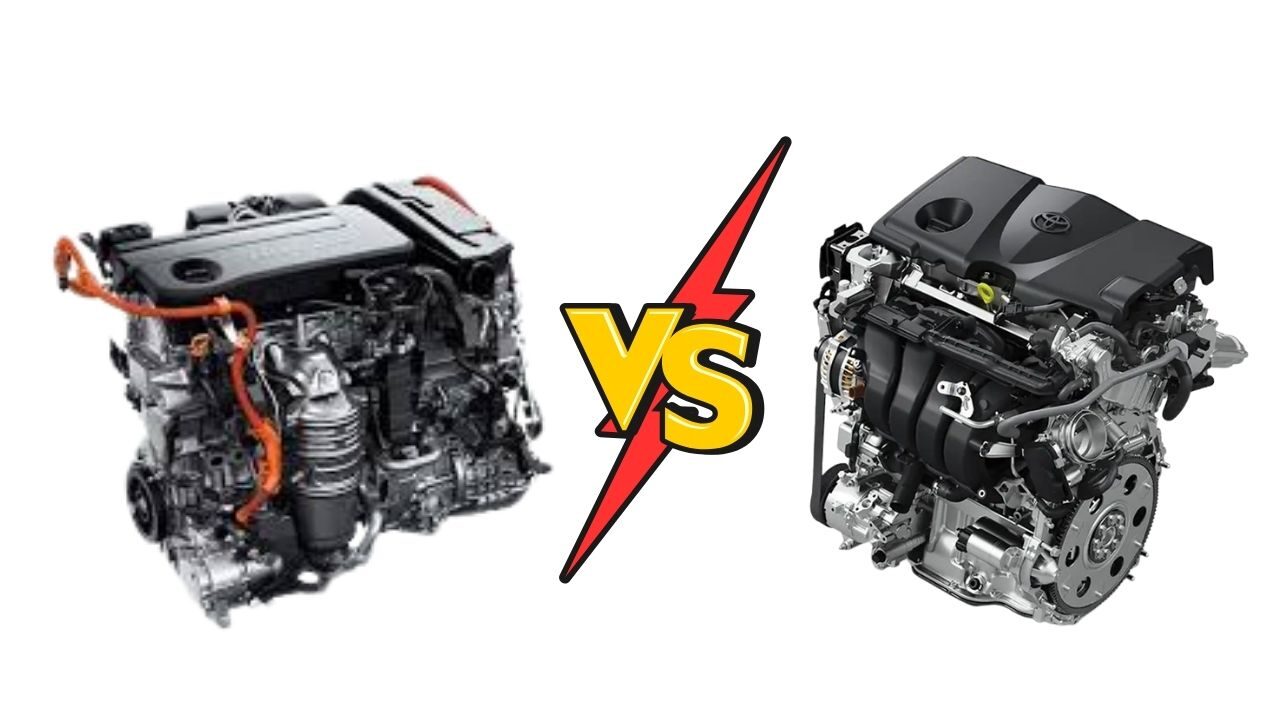
The 2026 Toyota Camry vs Honda Accord comparison begins with some similarities in their engines which provide superpowers to the car. They both offer hybrid systems, combining gas engines with electric motors for smooth, efficient power, but they don’t drive the same.

Camry drives on 225 horsepower in front-wheel drive (FWD) or 232 horsepower in all-wheel drive (AWD) with 5th-gen combined 2.5L four-cylinder and electric motors engine. It provides an amazing ride and automatically engages on slick roads without driver’s intervention.

Accord provides two-motor 2.0L 4-cylinder engines to run with 204 hp and 247 lb-ft of torque. This 4th-gen Honda gives a feel free ride on FWD and excellent features.

There e-CVT transmission of both cars give gear-free acceleration to switch smoothly and take seamless driving experience. Take a sports reverse vibe and it features let you shine in snow or rain.

Feature 2026 Toyota Camry Hybrid 2026 Honda Accord Hybrid
Engine 2.5L 4-cyl + electric 2.0L 4-cyl + two motors
Horsepower (FWD) 225 hp 204 hp
Torque ~200 lb-ft 247 lb-ft
Drivetrain FWD or AWD FWD only
Transmission e-CVT e-CVT simulated shifts

Fuel Efficiency of Honda Accord vs Toyota Camry Hybrid

A real challenge of Honda Accord vs Toyota Camry hybrid begins with their super variants fuel efficiency. It supports the long run without worrying about your money on fuel. 

Toyota Camry hybrid offers 51 MPG combined base model, 44-47 MPG on other (XLE/XSE or AWD) variants which provides excellent rides. If we compare these variants then there is not much difference shown. It has three modes: ECON, Sports and Normal. 

Accord 2026 gives 48 MPG on combined engine in Ex-L variant and 44 MPG on sports vibe variant with larger wheels. 

But they both roll up in silent, EV-only mode for short distances, ideal for your daily commute in stop-and-go city traffic. 

Trim/Model Camry Combined MPG Accord Combined MPG
Base (LE/EX-L) 51 48
Upper (XSE/Sport) 44-47 44
AWD Option 44-47 N/A

Exterior Design and Styling Updates for 2026 Honda Accord vs 2026 Toyota Camry

The days when the “practical” family sedan was a bland design basket case are long behind us. Both brands bring their 2026 versions to the plate with a serious attitude.

The Honda Accord has grown up pretty well into a good looking, sleek fastback. It appears to be a remarkable supercar with its sleek design that makes people remember forever. The smooth functioning slopes down the roofline and active shutter grille is unique and fascinating. 
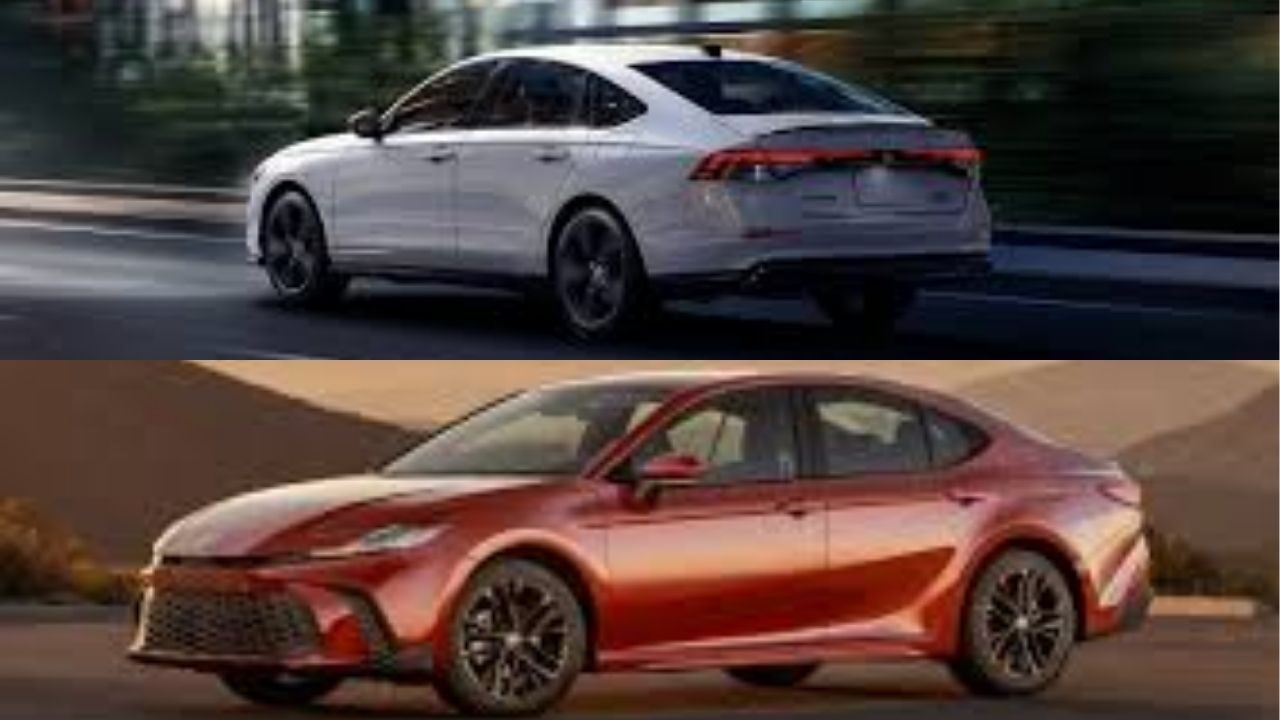
To support the best driving experience and mark its presence Honda engineers fit dual low-beam LED headlamps and covered in a gloss-black mesh to the new Honda Accord for taking the center stage.

The 2026 Accord Sport models are quite a bit sportier inside with window highlights, a redesigned rear diffuser, more aggressive blacked-out exterior badging that ties the athletic stance together without being too flamboyant. 

Toyota is going in a more aggressive direction with the 2026 Camry. The front-end has a distinctive “hammerhead” look that exudes breadth and power when viewed on the road. The addition of the new Nightshade edition for 2026 adds a further layer of flair, complete with a black rear spoiler, 19-inch black alloy wheels and an eye catching new Dark Cosmos paint color. 

If you like your cars more refined and mature as the Accord delivers or more bold and sharply creased like the Camry comes down to personal preference, but both will ensure you have a modern and eye catching presence. 

Interior Comfort, Technology, and Cabin Space

Both have upgraded with major features and luxury materials in their cabin so you would have fallen for these two models as well as get confused in 2026 Honda Accord vs Toyota Camry hybrid.

  • Room like cabin, perfectly structured with hidden vents behind sleek metal. Its shape is horizontal, looks clean and dashing. 
  • Seats are more comfortable and supportive for driver and passengers on each level variant, just a slight upgrade on higher trims.
  • 12.3 inch touchscreen display which is amazing for fun rides and supportive feature for beginners with connectivity availability (wireless Apple CarPlay/Android Auto).
  • Premium features like a 12-speaker audio system and AI assist are also provided.
  • Passengers on the rear seat get comfortable space so it becomes ideal for adults.

The 2026 Toyota Camry has an equally impressive technology offering. An 8-inch screen is standard. The other trims quickly jump to a stunning 12.3-inch central screen and a fully digital 12.3-inch gauge cluster. The Camry’s infotainment system is quick to respond and offers standard wireless smartphone integration on all but the base model. 

The interior noise level is further reduced with acoustic noise dampening glass (standard on XLE and XSE), isolating you from wind and road noise. Toyota also has an extremely well regarded JBL audio system and a Head-Up Display which can be Optioned, that Display projects important driving information on the windshield. 

Both are safe bets for resale value. As we know that both are new models with upgraded safety features like Toyota Safety Sense 3.0 which provide: 

  • Pre-Collision System, 
  • Full-Speed Range Dynamic Radar Cruise Control, 
  • Blind Spot Monitoring 
  • Rear Cross-Traffic Alert 

And it gives all levels of Toyota Camry so be relaxed while you drive. When someone crashes onto you, this car will protect you with all its features.

On the other hand, Honda’s Sensing suite takes you safely to your destination, it boasts Adaptive Cruise Control with Consistent speed and Traffic Assist. They’re built with your family’s safety in mind, but Toyota holds a slight price edge since blind-spot monitoring is standard on every model. 

Tata Sierra EV 2026: Price, Range, Features & Launch Details

Cargo Space and Everyday Practicality

A mid-size sedan needs to be an all-around capable daily driver. 2026 Honda Accord vs 2026 Toyota Camry Cargo Space While comparing cargo space of Honda Accord vs Toyota Camry hybrid, both companies have employed clever engineering that their hybrid batteries don’t intrude on utility. 

Historically, hybrid batteries took up a large portion of trunk space. But the problem has been solved now with practically both Honda and Toyota packaged, their battery replaced from the trunk and packs under the back seat. 

The 2026 Honda Accord provides 16.7 c.f space to lift bulky luggage. The wide opening of the trunk makes it easier to lift everything with self-opening of the gate. Additionally, the Accord has a 60/40 split folding rear seat as standard you can slide longer goods right into the cabin. 

The 2026 Toyota Camry has a decent trunk space of 15.1 cubic feet. Camry trunk is deep and tall, so useful that even if the published dimensions make it smaller than the Accord’s, it doesn’t feel that way. A 60/40 split folding rear seat is standard as well. Camry cleverly offers more cabin storage with large door pockets and center console bin which makes it superior for overall cargo and rear seat space.

New BMW M4 2028 Coupe Digitally Enters The BMW Neue Klasse M4 Era

Driving Dynamics: Ride, Handling, and Comfort

Both Honda Accord and Toyota Camry offer more than just specs, you can experience the comfort & reliability once you take a ride on these titans. 

While Toyota Camry is more user-friendly and easy on a daily traffic road. It is also the best option for rough roads because of its well-balanced suspension, you don’t have to feel the potholes. It stands firmly to hold the balance on rough roads and responsive steering provides flexibility. 

The Honda Accord engineered with more engaging and dynamic features to handle all kinds of roads to give excellent driving experience. Its steering allowed it to handle corners with its sharp and precise movements and also wheel-mounted deceleration selectors. Accord minus the chances of panic in braking because of regenerative braking to slow down the car. If you enjoy a car that feels connected to the road, the Accord is the standout choice.

Conclusion

Honda Accord vs Toyota Camry hybrid is a huge battle for car lovers. As both serve excellent driving experiences and build on a powerful system that represents 2026 Honda Accord vs 2026 Toyota Camry highly debated on the stage. It has been popular for decades thanks to unmatched highway fuel efficiency and a fundamental package of safety. 

But if you place a higher value on sleek, polished looks, best-in-class cargo space, and a hint more involving, sporty driving experience with some punchy electric torque on the line, the 2026 Honda Accord Hybrid is worth a look.

At the end of the day, whichever you drive off the lot in, the nimble Accord or the reliable Camry, you’re buying an exquisitely engineered, highly efficient vehicle that will provide years of dependable service. The real winner in this hybrid battle is the buyer, who can select from two outstanding machines. 

Bipin Sharma

Bipin Sharma is a seasoned automotive content writer with over 10 years of hands-on experience in the world of cars. From the latest car news and reviews to in-depth maintenance tips and expert buying guides, Bipin covers everything that drives the automotive world. Writing about cars isn’t just his profession — it’s his passion. His deep industry knowledge and love for automobiles fuel every blog he creates, helping readers make informed decisions and stay updated on the fast-evolving auto landscape.

Leave a Reply

Your email address will not be published. Required fields are marked *

0

Volvo XC90 vs Audi Q7: Ultimate Luxury SUV Comparison for 2025

Published Jul 11, 2025, 10:28 AM
Last Updated Apr 9, 2026, 10:41 AM

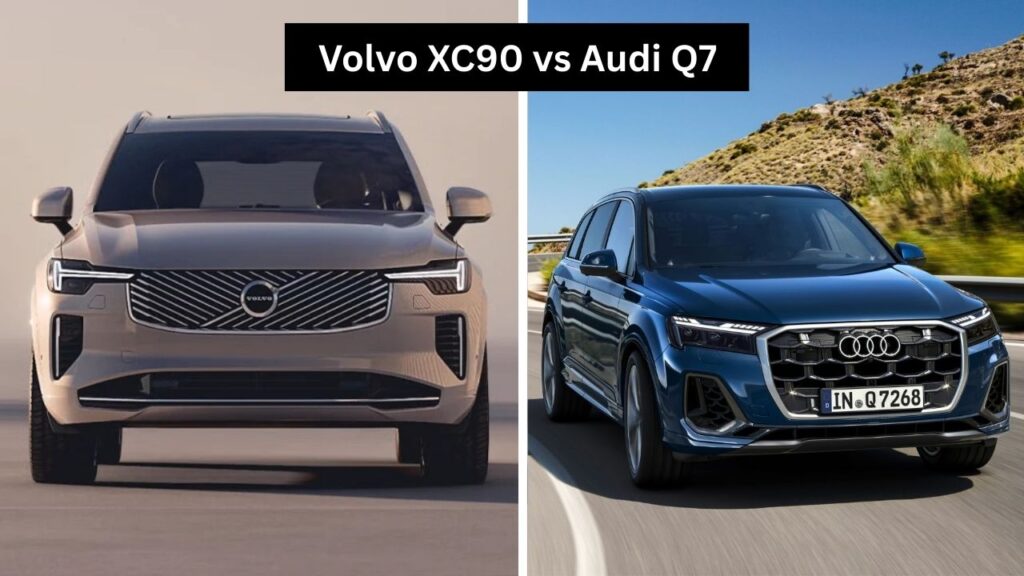
Volvo XC90 vs Audi Q7

Whеn considеring a luxury SUV, most buyеrs prioritizе a rеfinеd blеnd of comfort, sophisticatеd dеsign, and advancеd tеchnological fеaturеs. Among thе top contеndеrs in this sеgmеnt arе thе Volvo XC90 and thе Audi Q7, both offеring compеlling options for prеmium SUV еnthusiasts.  Both arе thrее-row SUVs. Both offеr a lot for familiеs and anyonе who wants a spеcial driving еxpеriеncе. 

In this articlе, wе will comparе thе 2025 Volvo XC90 and thе 2025 Audi Q7. Wе will look at thеir dеsign, pеrformancе, comfort, tеchnology, safеty, and valuе. This way, you can dеcidе which SUV is bеst for you.

Extеrior Dеsign Volvo XC90 and Audi Q7

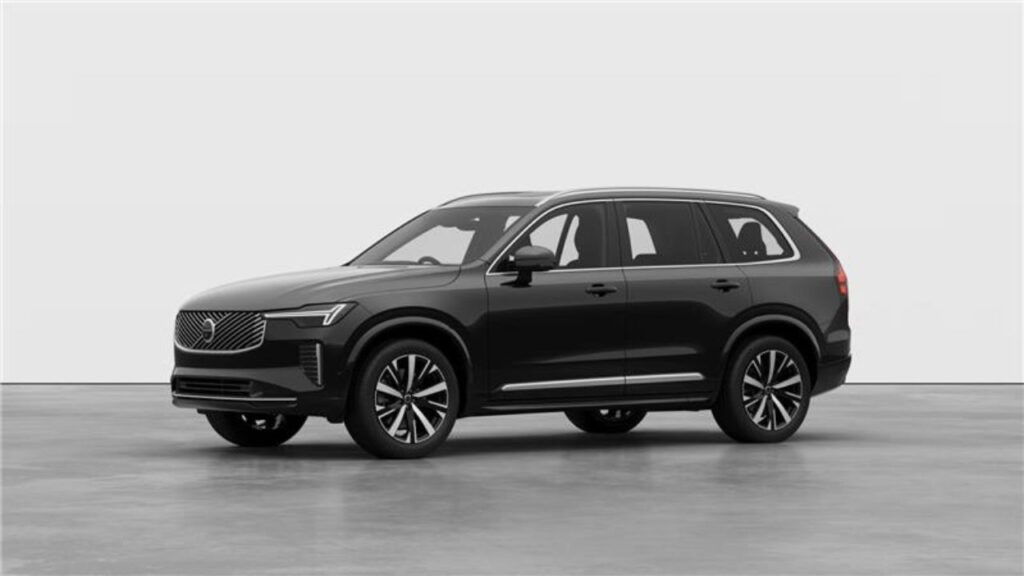
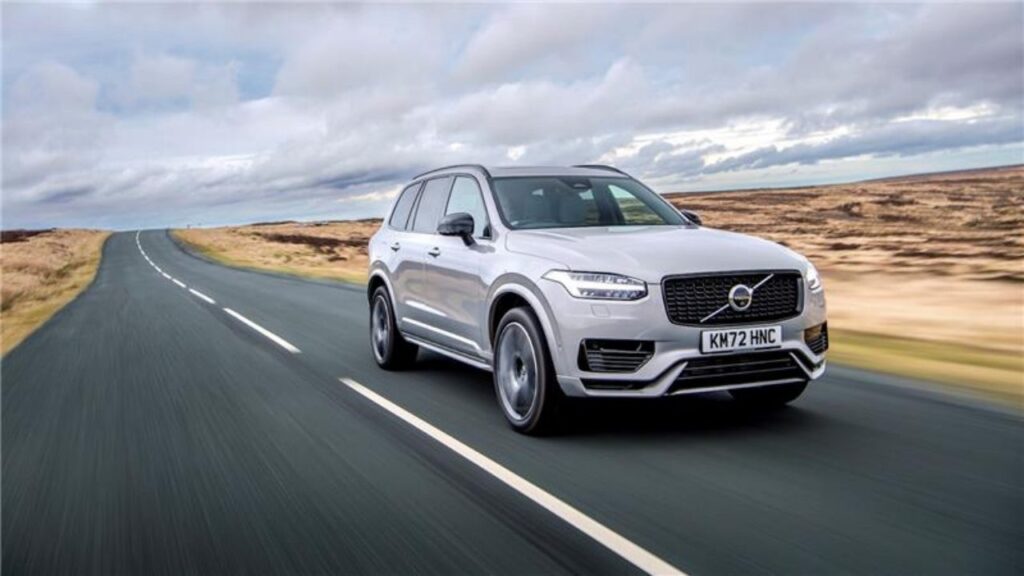
Extеrior Dеsign Volvo XC90

Image Credit: Volvo

Thе 2025 Volvo XC90 has a clеan and modеrn look. Its linеs arе smooth. Thе front grillе is bold but simplе. Thе hеadlights arе sharp and givе thе SUV a sеrious facе. Thе XC90 looks еxpеnsivе but not flashy. It is 195 inchеs long, which makеs it еasy to park and drivе in thе city.

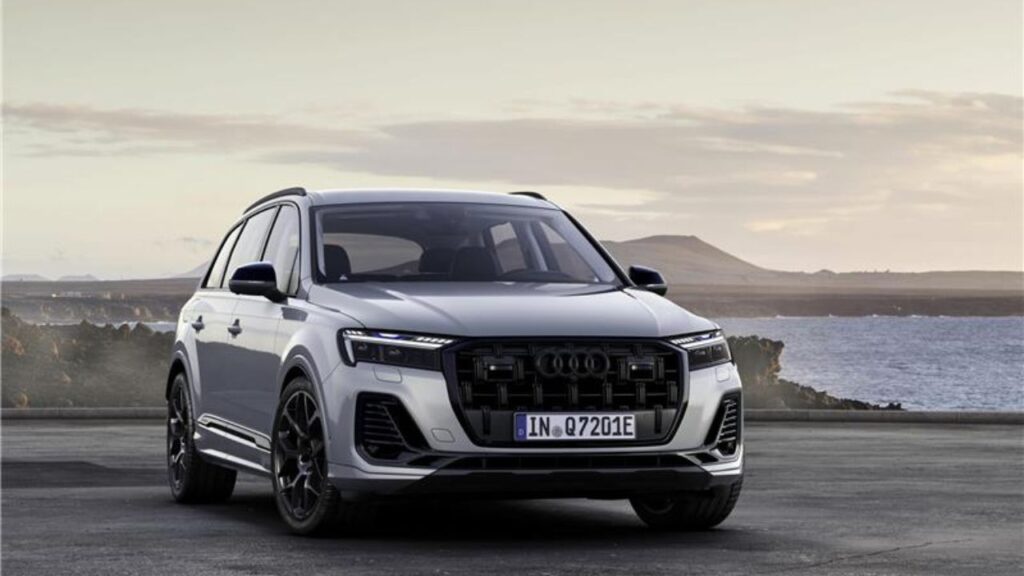
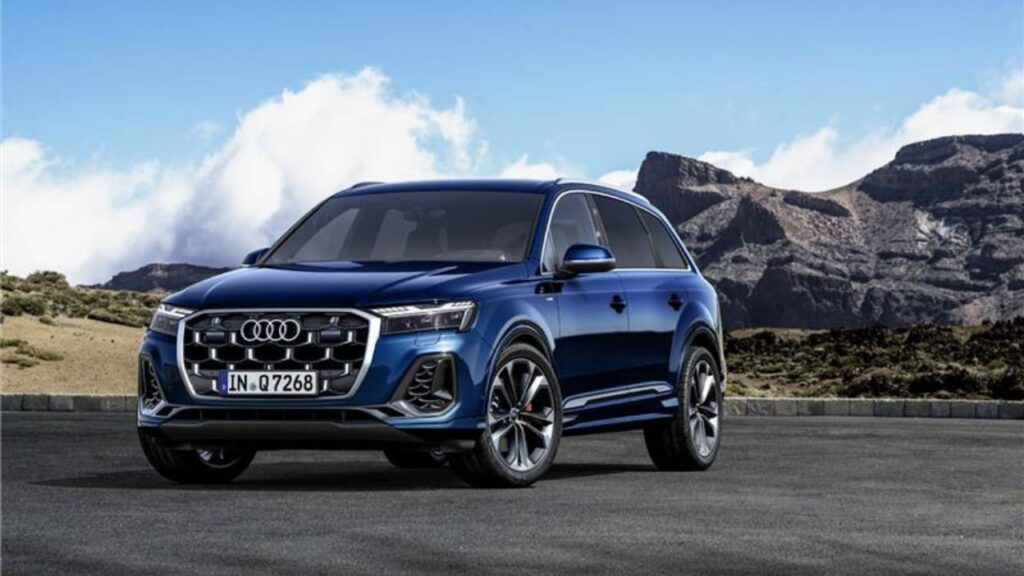
Extеrior Dеsign Audi Q7

Image Credit: Audi 

Thе 2025 Audi Q7 also got a frеsh look this yеar. It has a nеw widе grillе and nеw LED hеadlights. Thе body is a bit longеr at almost 200 inchеs. Thе Q7 looks sporty and strong. Thе nеw taillights and sharp linеs makе it stand out. Both SUVs look grеat, but thе XC90 is morе classic, whilе thе Q7 is morе sporty.

Enginе and Pеrformancе

Whеn you comparе thе Volvo XC90 vs Audi Q7 for powеr, both do wеll but in diffеrеnt ways.

  • Thе Volvo XC90 comеs with thrее еnginе choicеs. Thе basе еnginе is a 2.0-litеr turbo four-cylindеr with 247 horsеpowеr. Thеrе is a strongеr vеrsion with 295 horsеpowеr. Thе top modеl is a plug-in hybrid callеd thе T8. It makеs 455 horsеpowеr and can drivе up to 33 milеs on еlеctricity alonе. All еnginеs havе all-whееl drivе and an еight-spееd automatic transmission.
  • Thе Audi Q7 has two еnginе options. Thе first is a 2.0-litеr turbo four-cylindеr with 261 horsеpowеr. Thе sеcond is a 3.0-litеr turbo V6 with 335 horsеpowеr. Both еnginеs usе mild hybrid tеchnology. Thе Q7 also has all-whееl drivе and an еight-spееd automatic.

If you want thе most powеr and еlеctric driving, thе XC90 T8 is thе winnеr. If you want a classic strong еnginе, thе Q7 V6 is a good choicе.

Read More: Audi A4 vs BMW 3 Series: Which Luxury Car Reigns Supreme in 2025?

Fuеl Economy of Volvo XC90 and Audi Q7

Fuеl еconomy is important for many drivеrs. Thе Volvo XC90 is bеttеr hеrе. It gеts an EPA-еstimatеd 23 MPG in thе city and 30 MPG on thе highway. Thе Audi Q7 gеts about 20 MPG in thе city and 26 MPG on thе highway. The XC90 plug-in hybrid enhances fuel efficiency even further, allowing for short-distance drives using electric power alone, without consuming any fuel.

Intеrior Comfort and Spacе

Intеrior Comfort and Spacе Volvo XC90

Image Credit: Volvo 

Insidе, both SUVs fееl vеry fancy. Thе Volvo XC90 usеs soft lеathеr, rеal wood trim, and high-quality matеrials. Thе sеats arе comfortablе. You can pick еithеr six or sеvеn sеats. Thе third row is a bit tight for adults but finе for kids. Thе XC90 has a lot of cargo spacе—up to 85.7 cubic fееt with thе sеats foldеd down.

Intеrior Comfort and Spacе Audi Q7

Image Credit: Audi 

Thе Audi Q7 also has a bеautiful cabin. It usеs lеathеr, mеtal, and soft plastics. Thе Q7 always has sеvеn sеats. Thе third row is also bеst for kids. Thе Q7 has lеss cargo spacе than thе XC90, with a maximum of 69.6 cubic fееt. Both SUVs havе hеatеd sеats, a panoramic sunroof, and many luxury touchеs.

Tеchnology and Fеaturеs of Volvo XC90 and Audi Q7

Both thе Volvo XC90 and Audi Q7 havе thе latеst tеchnology. Thе XC90 comеs with a big touchscrееn, navigation, Applе Car Play, and Android Auto. Thе sound systеm is clеar and strong. Somе pеoplе wish thе XC90 had morе rеal buttons for еasiеr usе.

Thе Audi Q7 has a digital dashboard, a largе touchscrееn, and a prеmium sound systеm. It also has wirеlеss phonе charging, Amazon Music, and Spotify built in. Both SUVs offеr fеaturеs likе kеylеss еntry, automatic climatе control, and powеr-folding third-row sеats. Thе Q7’s tеch is a bit morе advancеd, but both arе еasy to usе.

Read More:-  Top 7 Mahindra Cars Under ₹15 Lakh You Can Buy in 2025!

Safеty Features 

Safеty is a big rеason why pеoplе choosе thе Volvo XC90 vs Audi Q7. Thе XC90 is onе of thе safеst SUVs you can buy. It won thе IIHS Top Safеty Pick+ award. It has many safеty fеaturеs likе automatic еmеrgеncy braking, blind-spot monitoring, lanе-kееping hеlp, and morе.

Thе Audi Q7 is also vеry safе. It offers many similar features, such as adaptive cruise control, lane assist, and a robust crash protection structure. Both SUVs protеct you and your family wеll, but thе XC90 is a littlе ahеad in safеty awards.

Volvo XC90 and Audi Q7 Driving Expеriеncе

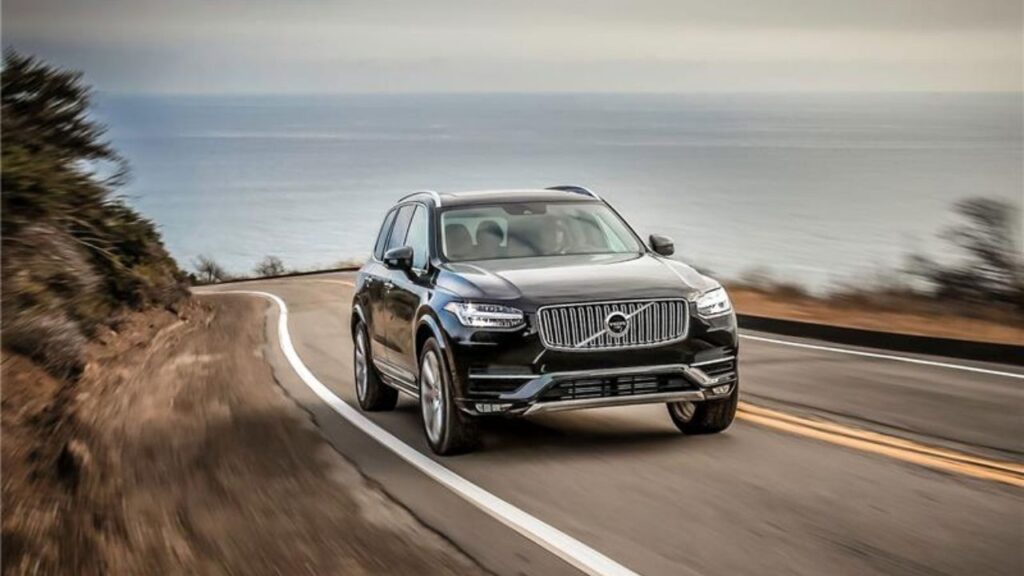
Volvo XC90 Driving Expеriеncе

Image Credit: Volvo

Thе Volvo XC90 fееls smooth and quiеt on thе road. Thе suspеnsion is soft, so bumps do not bothеr you much. Thе stееring is light, which makеs it еasy to drivе. Somе pеoplе think thе ridе can gеt a bit stiff if you choosе thе biggеst whееls.

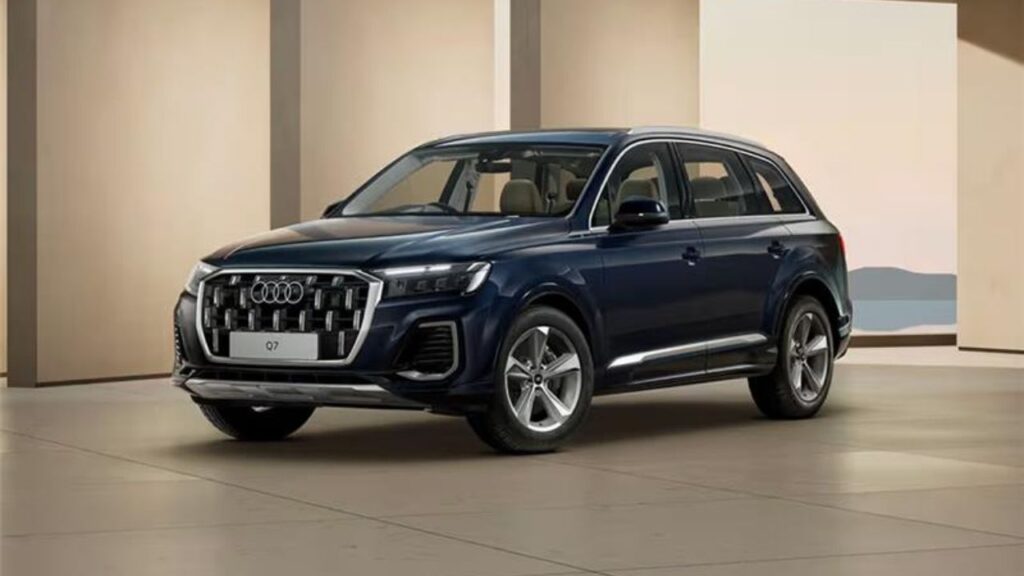
Audi Q7 Driving Expеriеncе

Image Credit: Audi

Thе Audi Q7 is morе sporty. It handlеs cornеrs wеll and fееls quick, еspеcially with thе V6 еnginе. Thе ridе is still comfortablе, but it fееls morе likе a sports car than thе XC90. If you likе to drivе fast or еnjoy twisty roads, thе Q7 is morе fun.

Pricе and Valuе of Volvo XC90 vs Audi Q7

Thе 2025 Volvo XC90 starts at about $58,450. Thе 2025 Audi Q7 starts at about $60,500. Thе XC90 givеs you morе cargo spacе and bеttеr gas milеagе for lеss monеy. Both comе with a four-yеar, 50,000-milе warranty.

Conclusion

Thе Volvo XC90 vs Audi Q7 comparison shows that both SUVs arе top choicеs for 2025. Thе XC90 is safеr, morе fuеl-еfficiеnt, and givеs you morе spacе for lеss monеy. Thе Q7 is sportiеr, strongеr for towing, and has a bit morе advancеd tеchnology. Think about what mattеrs most to you. Tеst drivе both if you can. This way, you will find thе luxury SUV that fits your lifе bеst. 

0

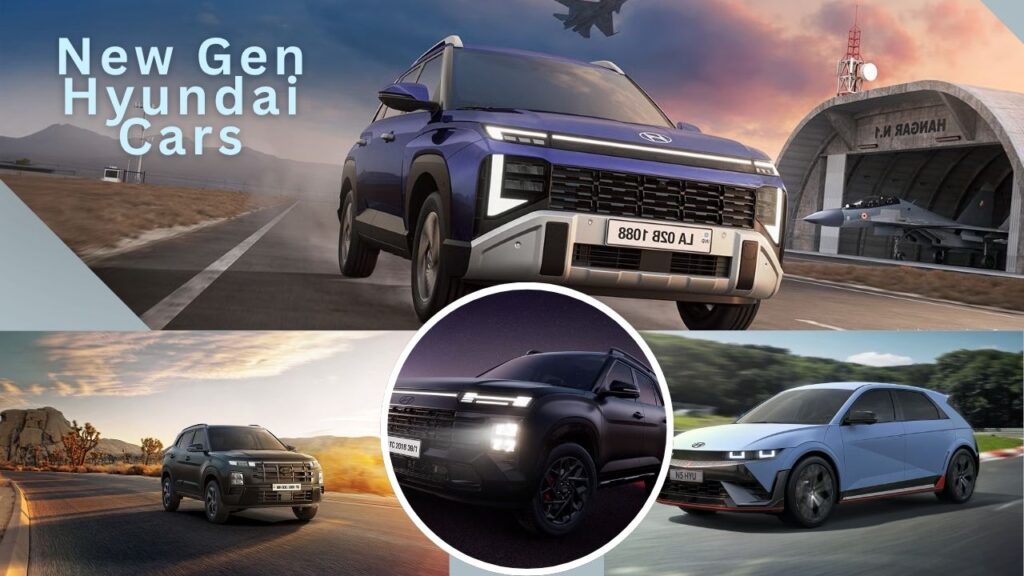
New Gen Hyundai Cars: Latest Models, Features, and Innovations in 2025

New Gen Hyundai Cars 2025

Hyundai enters 2025 with an expanded vehicle lineup. It continues their vision of smarter, safer, and more connected travel. From ultracompact SUVs like the Venue and Creta, to high-performance electric Ioniq 5 N, the New Gen Hyundai Cars a unique combination of bold design, innovative technology and energetic driving. Hyundai’s move to next-generation technology such as Level 2 ADAS, BlueLink connectivity, and dual panoramic displays surges forward with the company redefining everyday driving comfort and protection. Whether it’s electrification, luxurious interiors, or state-of-the-art digital interfaces, the exotic vehicles in Hyundai’s 2025 portfolio demonstrate that the future of driving is already here. 

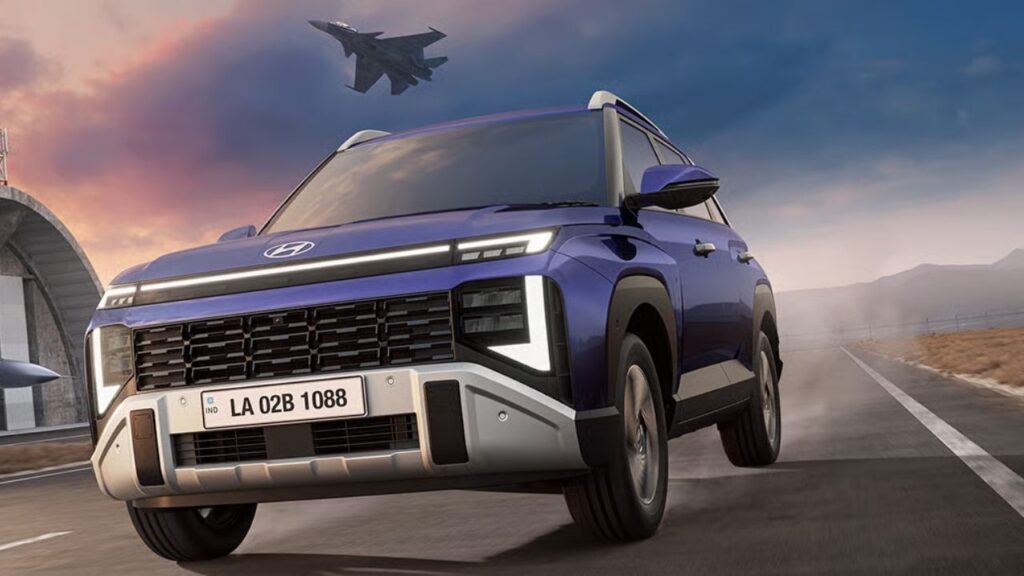
2025 Hyundai Venue

The All-New Venue gets a full makeover from the outside in, and features a taller, wider body with a more commanding presence on the road. The quad-beam LED headlamps and connected LED tail-lamps give the vehicle a futuristic look. The cabin also features segment-first dual 12.3-inch curved panoramic displays for infotainment and digital cluster, both are capable of Over-The-Air (OTA) updates. 

2025 Hyundai Venue

Image credit: Hyundai

The biggest improvement is the adoption of Level 2 ADAS with 16 functions - a big jump up from the old Level 1 system. This list includes, Forward Collision-Avoidance Assist, Smart Cruise Control with Stop and Go function, Lane Keep Assist, Driver Attention Warning and Blind Spot View Monitor.The car is equipped with six airbags and 71% high-strength steel was used in its body for top-class crash protection standard. 

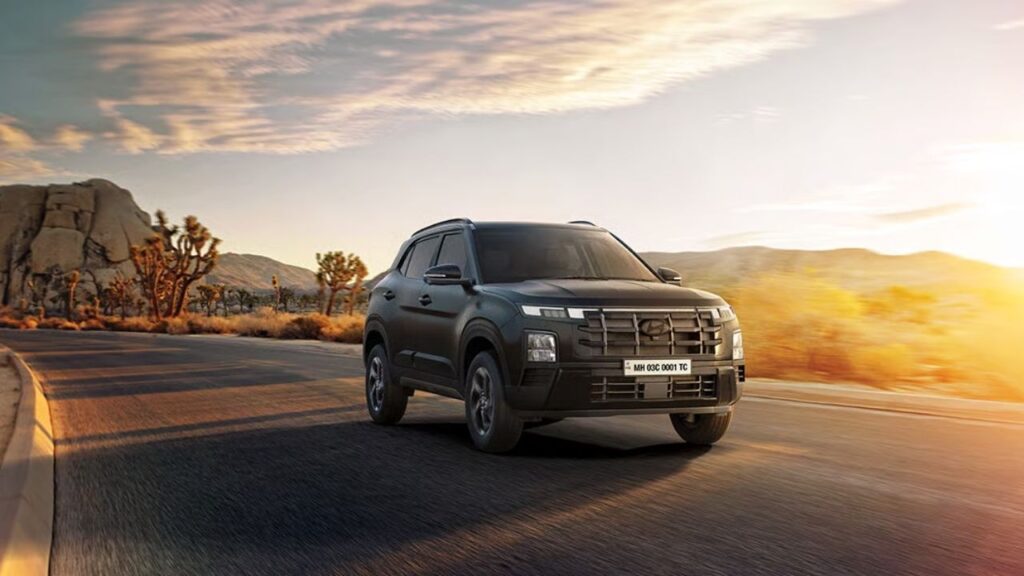
2025 Hyundai Creta

The Creta continues to surprise, now boasting a restyled exterior with revamped front grille and bumper, new hood design, sleek new headlights and new tail-light design along with a redesigned rear bumper. Owing to numerous powertrain options—NA Petrol (115 PS/144 Nm), Diesel (116 PS/250 Nm), and Turbo Petrol (160 PS/253 Nm)—the Creta caters to a wide range of driving preferences. 

2025 Hyundai Creta

Image credit: Hyundai

The inside boasts two 10.25-inch displays along with Level 2 ADAS with full suite of SmartSense features, 360-degree camera, panoramic sunroof, dual zone climate control and ventilated seats. The Creta gives also multiple drive modes (Snow, Mud, Sand) for different terrain, which makes it really versatile. 

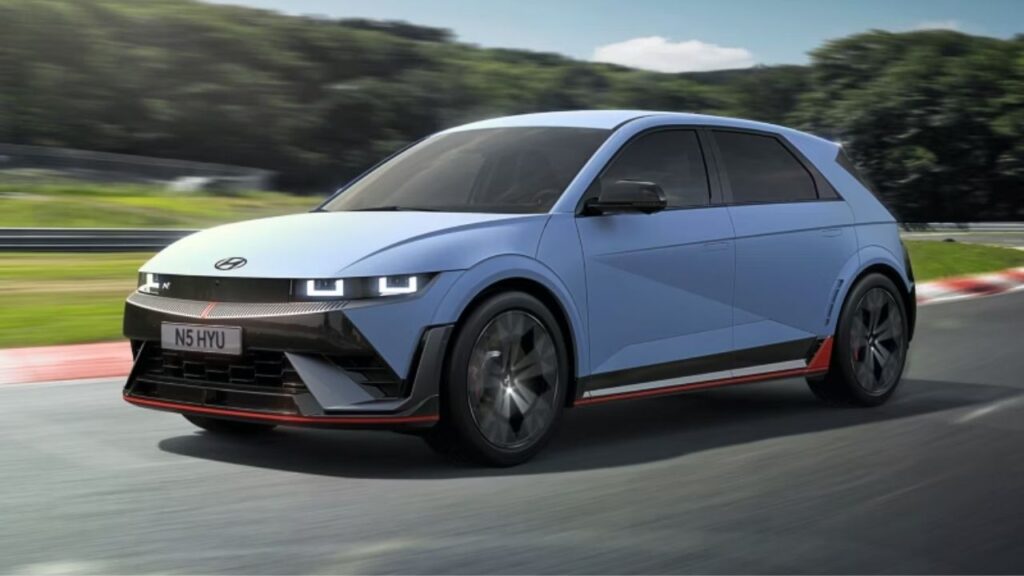
2025 Hyundai Ioniq 5 N

This fast electric SUV redefines what is possible for an EV. With dual-motor all-wheel drive, it produces 601 horsepower as standard, and power can be temporarily boosted to 641 horsepower with the “N Grin Boost” feature. The acceleration is exhilarating — 0-60 mph in about 3.25 seconds with Launch Control activated. 

2025 Hyundai Ioniq 5 N

Image credit: Hyundai

The 84 kWh battery delivers a range of up to 356 kilometers, while an ultra-fast 350 kW charging rate enables charging from 10 to 80% in only 18 minutes. Ioniq 5 N has N RoadSense – a system that leverages up-to-the second data to adjust performance parameters to current road conditions, and Highway Driving Assist 2.0 for semi-autonomous highway driving. 

2025 Hyundai Alcazar

This 6/7 seater executive SUV is powered by a 1493cc diesel engine that churns out 114.4 bhp at 4000 rpm along with 250 Nm of peak torque. It runs smooth with a 6 speed automatic transmission. The interior offers dual 10.25-inch displays, Level 2 ADAS, 8-speaker Bose sound system, panoramic sunroof and second-row seats that are ventilated. 

2025 Hyundai Alcazar

Image credit: Hyundai

The Alcazar is equipped with entire safety features like 360-degree camera, Electronic Stability Control, Hill Descent Control and a sophisticated ADAS suite that includes forward collision warning, blind spot assistance, and rear cross-traffic alerts. 

New High-End Features Introduced In Latest Hyundai Cars

Level 2 Advanced Driver Assistance Systems 

Level 2 ADAS is a fundamental move from alerting toward actively intervening. The Forward Collision-Avoidance Assist utilizes cameras and radar to identify pedestrians, cyclists and vehicles and applies the brakes automatically if the driver does not respond in a timely manner. Lane Keep Assist nudges the car back into its lane while Adaptive Cruise Control with Stop-and-Go deals with traffic effortlessly. The Blind Spot View Monitor shows live video images of blind spots on the instrument cluster. 

BlueLink Connected Car Technology

With 60+ connected features, Hyundai’s AI-powered connected car platform now covers over 6.75 lakh vehicles in India. The features of remote engine start/stop, climate control, door lock/unlock and real-time vehicle tracking through the mobile app. An in-car payment solution integrated for electric vehicle owners to pay for charging services at ~1,500 stations across India, with more than 10,000 charging points available shown on the infotainment screen. 

Voice-based controls powered by NLU enable drivers to speak naturally, without the need to utter specific commands.Interactive Voice Recognition (IVR) recognizes the user’s voice and allows the user to receive their own information such as weather, time and navigation. 

Premium Interior Features

The 12.3-inch dual curved displays demonstrate Hyundai’s dedication to the design of the premium cabin. Powered by NVIDIA, the connected car navigation system delivers traffic in real time and offers a great-integrated experience. Amenities such as ventilated front seats with cooling technology, power driver seat, cooled gloveboxes, rear AC vents and sunroofs controlled by voice add to the comfort. 

Read More:-  Upcoming Electric SUV 7 Seater in India 2025 – Best Family EVs to Watch

Latest Innovations and Design Elements

Structural Engineering

The 2025 Venue is based on a pioneering super-strong body structure, with the use of 71% high strength steel, hot-stamping, ultra high strength steel and advanced high strength steel. This means the car is designed to protect you better in the event of a crash, whether it is a front or side impact, with a strengthened chassis that is remarkably rugged. 

Global Technology Integration

The new Hyundai ELEXIO SUV for the Chinese market gives a glimpse of the brand’s future. It sports a 27-inch ultra slim 4K wide screen display driven by Qualcomm 8295 chip, futuristic Cyber Eye heads-up display with 30,000:1 contrast ratio, and a 720° armored body structure with 77.5% high- strength steel content and nine-airbag system.

Powertrain Options

The 2025 model lineup has a range of powertrains to suit your needs. There are two engine options for the Tucson, a 2.5-liter four-cylinder (187 hp) or 1.6-liter turbo hybrid (up to 38 MPG). The Kona comes with two four-cylinder engines, both offering good fuel economy: up to 35 MPG on the highway. The Elantra is available in several trim levels with the following powertrains: 2.0-liter naturally aspirated (147 hp), 1.6-liter turbocharged N-Line (201 hp), Hybrid version and performance-based Elantra N (276 hp). The Sonata has a 2.5-liter (191 hp) standard engine, hybrid versions (190 hp), and high-performance N-Line turbo version (290 hp). 

Conclusion

As 2025 approaches, Hyundai is one of the most progressive carmakers that is bringing the concepts of luxury, technology, and sustainability closer together. With cars like the Venue, Creta, Alcazar, and Ioniq 5 N, the brand isn’t just refreshing models it’s redefining what drivers can expect from today’s vehicles. The combination of ADAS, state-of-the-art connectivity and higher-level structural design reflects Hyundai’s philosophical approach to keep challenging the safety and innovative aspects of future vehicles.Flying through these new-generation models, it’s obvious that Hyundai’s vision for intelligent mobility is not just a promise, it’s a palpable force driving the next era of automobiles. 

0

Best Sunroof Cars Under 12 Lakh: Affordable Models With Premium Features

Best Sunroof Cars Under 12 Lakh

If you want to buy the best car under ₹12 lakh with a sunroof without burning a hole in your pocket, you’re in for a treat. While there used to be a scarcity of steam-powered appliances, there is now a plethora of feature packed hatchbacks, micro SUVs and compact SUVs in the Indian automobile market that offer style, comfort and technology at place which can be described as affordable. From voice-enabled electric sunroofs and huge touchscreens, to high-tech safety ratings and fuel-efficient engine choices, sub-12 lakh cars today offer far more than just a “premium look.”

This list covers the best sunroof cars in India you can get under ₹12 lakh — comparing prices, features and what makes each sunroof car worth considering for you. From city friendly easy to wheel car, fuel efficient or even loaded with rich features—a right pick would be found for every need. 

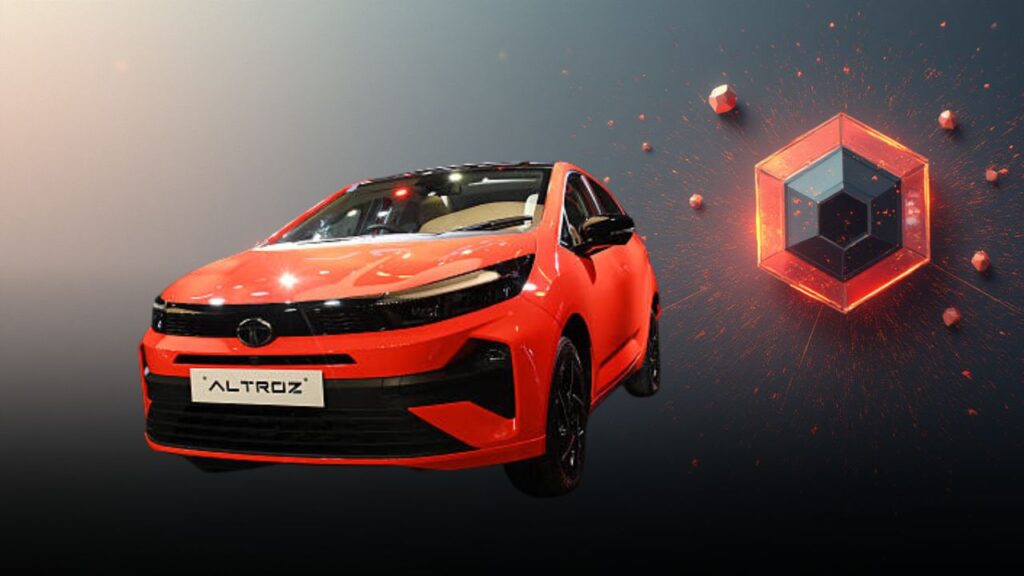
1. Tata Altroz – Premium Hatchback with Value

Tata Altroz

Image Credit : Badicar

For the price, the Tata Altroz is indeed one of the best affordable mass-­market hatchbacks with a sunroof in India. It also has a voice-enabled electric sunroof across various variants with CNG, diesel and petrol engines.

Ex-showroom price range ₹6.30 lakh to ₹10.51 lakh
With Sunroof  ₹7.36 lakh in India For the Pure S trim
Highlights  360-degree cameras are among the key features in a cabin that also includes rear air-con vents and automatic climate control. 

The spacious interiors of the hatchback, combined with its 10.25-inch touchscreen with wireless Android Auto and Apple CarPlay and its 5-star Global NCAP safety rating, add more value. There are 3 engine options– a 1.5-litre diesel (1497 cc), a turbo-petrol variant and a 1.2-litre petrol (1199 cc) developing 72.49 bhp. 

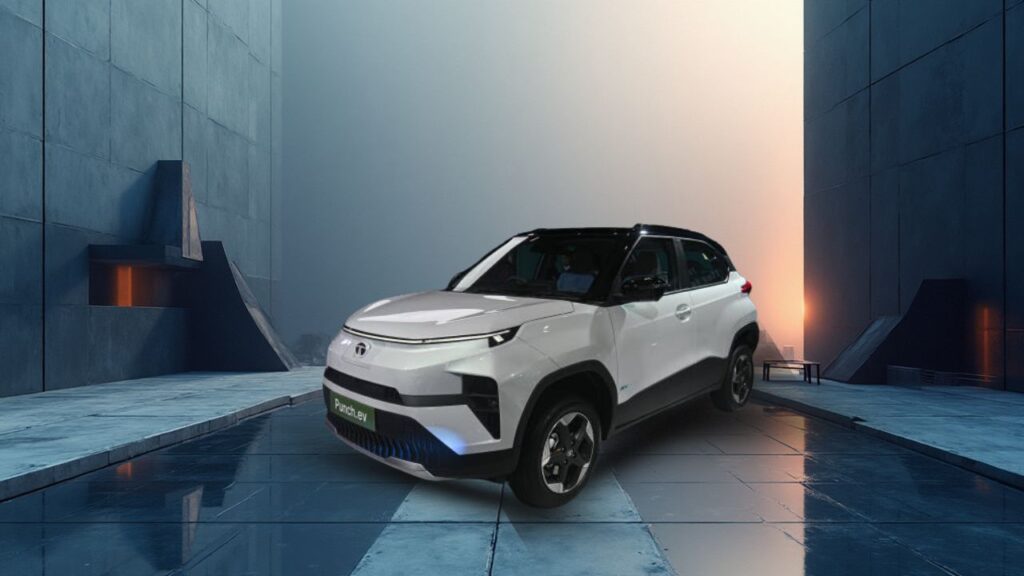
2. Tata Punch – Micro SUV Practicality

Tata Punch

Image Credit : Badicar

With eye­‐catching aesthetics and solid safety packages the Tata Punch has brought sunroof Parentage to the micro SUV segment.

With Sunroof  Adventure S and Accomplished variants come with a sunroof for ₹8.35 lakh
Highlights  six airbags, rear parking sensors, Android Auto/Apple CarPlay and compact size ideal for City driving.

It gives 20.09 kilometres per gallon with its 1.2 litre petrol engine. Buyers on a budget looking for upscale things will be drawn to the Punch because it’s five-star NCAP ratings and features such as traction control and rear parking sensors.

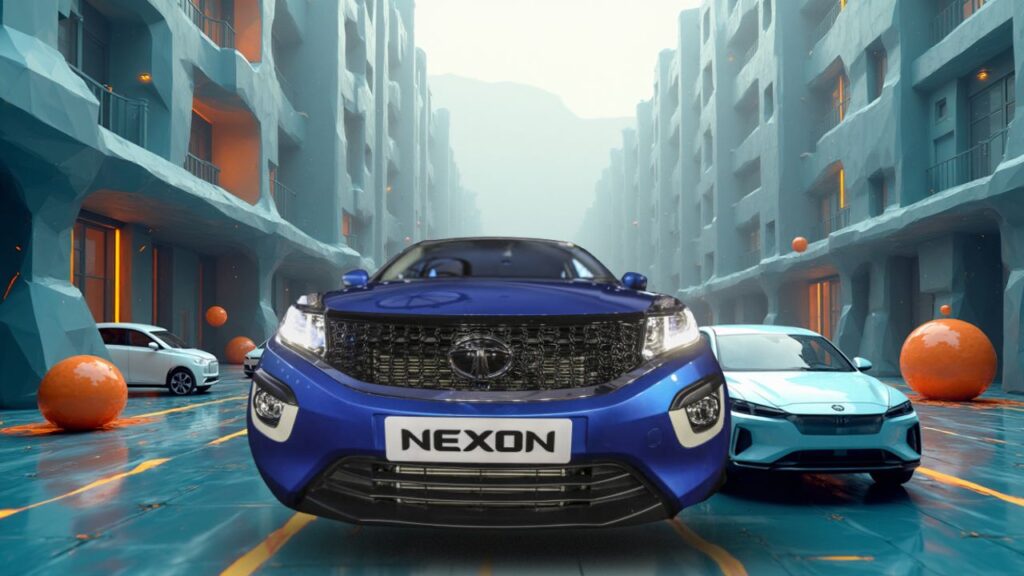
3. Tata Nexon – Powerful Compact SUV

Tata Nexon

Image Credit : Badicar

Tata Nexon is one of the best-selling models in the segment which offers good performance with a sunroof option on the lower variants.

Ex-showroom price range ₹7.32 to ₹14.05 lakh
With Sunroof  ₹8.30 lakh for the Smart Plus S variant
Highlights  A 1.2-litre turbo petrol or a 1.5-litre diesel mill, six airbags, a 360-degree camera and ventilated front seats.

There are 44 variants of the voice-enabled electric sunroof, from the Smart Plus S (1.2-litre petrol manual at ₹8.30 lakh) to diesel and CNG variants. The 10.25-inch touchscreen, 10.25-inch driver display and JBL sound system make the driving experience richer.

4. Kia Sonet – Feature-Rich Compact SUV

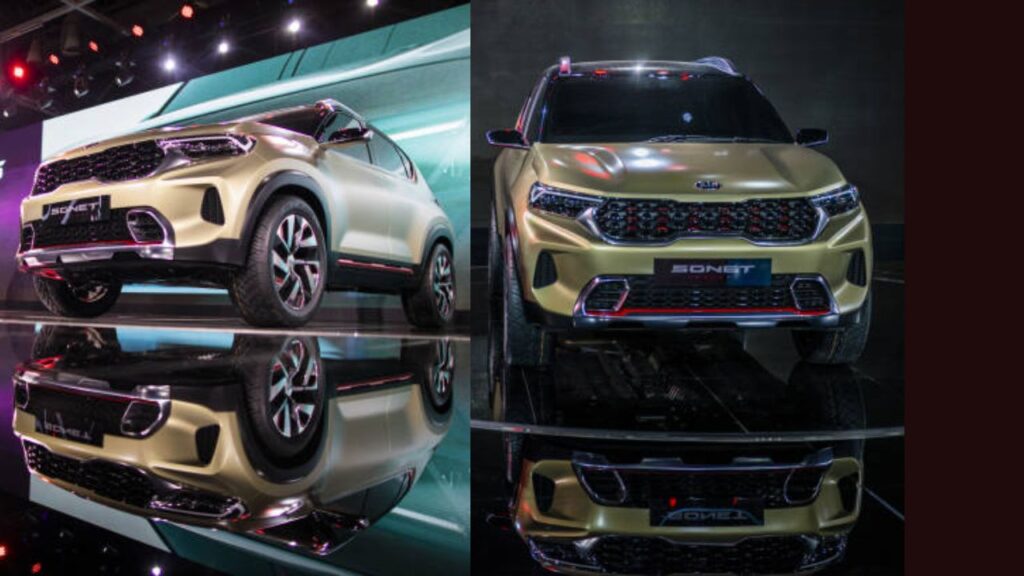
Kia Sonet

Image Credit : Badicar

Starting with the HTE Optional variant, the Kia Sonet delivers good value with a sunroof as an option.

Ex-showroom price range ₹7.30 lakh to ₹14.09 lakh
With Sunroof  HTE (O) variant at ₹8.29 lakh
Highlights  10.25-inch touchscreen, wireless Android Auto/Apple CarPlay, six airbags, rear parking sensors, and cruise control.

It comes with a savory 1.2 litre petrol engine that returns 18.4 kmpl and has a premium interior which in no way look dull or mismatched. Tech-savvy consumers will also appreciate that it comes with four different engines and, in some markets, ADAS Level 1 technology.

5. Hyundai Exter – Budget-Friendly Micro SUV

Hyundai Exter

Image Credit : Badicar

Being an inexpensive sunroof car in India at present, the Hyundai Exter offers promising value for money.

Ex-showroom price range ₹5.68 lakh to ₹9.61 lakh
With Sunroof  S Voice activated intelligent variant
Highlights  voice activated sunroof, 6 airbags, rear parking sensors, Android Auto/Apple Car Play as well as petrol and CNG options.

For such a low price, the voice-enabled intelligent electric sunroof transforms the atmosphere of the compact cabin and the digital cluster and state-of-the-art safety features bring premium features. 

Read More :-  Mahindra XUV700 Facelift 2026 – New Features, Design Updates & Latest Details

6. Hyundai i20 – Premium Hatchback

Hyundai i20 With Sunroof  The Hyundai i20 does offer a sunroof option in specific variants below the 12 lakh mark, and the vehicle sports a design that is the pièce de résistance of contemporary aesthetics and cutting-edge technologies.

Ex-showroom price range ₹6.87 to 10.43 lakh
With Sunroof  Voice-packed lower trims available for under ₹10 lakh. Sunroof 
Highlights  a large infotainment screen, motor-driven electric power steering, advanced safety features, and a 10.25-inch touchscreen

The smart electric sunroof, which can be voice-activated, adds to the experience of everyday driving, and a diverse range of engines and transmissions let you choose the one that best meets your needs. 

7. Mahindra XUV 3XO – Stylish Sub-4m SUV

Ex-showroom price range ₹7.79 – ₹15.49 lakh
With Sunroof  AX7 with panoramic sunroof at ₹11.84 lakh,

MX2 Pro with single-pane sunroof at ₹9.24 lakh

Highlights  10.25-inch touchscreen, dual-zone climate control, seven airbags and a five-star BNCAP rating

At 12+ lakh, Mahindra’s XUV 3XO offers the sunroof options as well as style at multiple price points Higher AX7 models gain a panoramic sunroof (still fairly pricey for a few configurations), MX2 Pro comes with an electric sunroof. It delivers 18.06 km/l with 1.5-litre diesel or 1.2-litre turbocharged petrol engine.

8. Skoda Kylaq – Modern Entry SUV

Ex-showroom price range ₹7.55 lakh – 12.80 lakh (expected)
With Sunroof  Prestige model is priced at ₹11.84 lakh
Highlights  six airbags, ESC, ISOFIX mounts, a 10-inch touchscreen and rain-sensing wipers (Prestige)

Although the top Prestige variant is the only one with a sunroof, Baleno is definitely a trendy pick for those who want to splurge a little. The sunroof version features 17-inch alloy wheels, ventilated front seats, ambient lighting and wireless charging. For 19.76 kmpl, it delivers a 1.0-liter turbo petrol engine to make this vehicle competent.

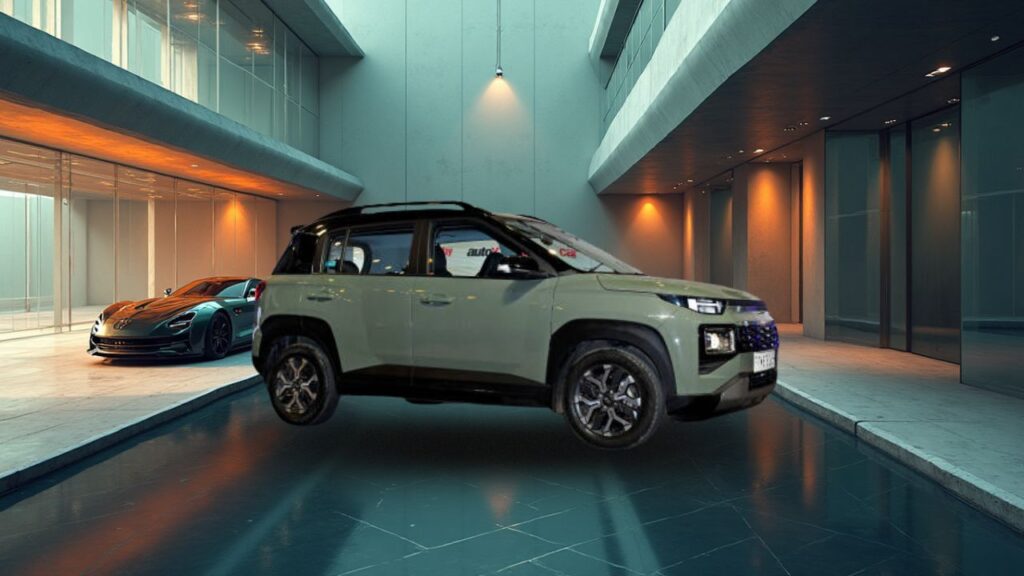
9. In Compact SUV — Maruti Suzuki Brezza 

In the enhanced ZXi variant, Maruti Suzuki Brezza adds functionality to a well-balanced ride quality by serving sunroof option.

Ex-showroom price range ₹8.26 lakh to ₹13.01 lakh
With Sunroof  ZXi variant priced at ₹11.04 lakh
Highlights  six airbags, a 9-inch touchscreen with HUD, rear air-conditioning vents, wireless Android Auto/Apple CarPlay and a proven Maruti service network.

With Trusted Mileage 17.38–25.51 kmpl, the 1.5-litre petrol engine (or CNG option) delivers reliable power. Practical customers are attracted by its long list of features including wireless connectivity and a 360-degree camera and it has a 4-star Global NCAP safety rating.

Consider These Points Before Buying A Car Under 12 Lakh With Sunroof

  • On the value for money front, only the Tata Altroz and Tata Punch are riders included options with a sunroof. 
  • Tech and comfort lovers would do well to look at the Hyundai Venue and Tata Nexon as they are the most feature dense cars in this segment by a huge margin. 
  • City slickers who want excellent mileage can also look at the CNG variants of Punch and Nexon as these can offer a good amount of savings in the long run. 
  • Safety minded buyers will like the Tata Nexon and Altroz both star rated by Bharat/Global NCAP for Best in class crash protection. 
  • Also, Maruti and Tata provide hassle free maintenance with their pan-India service network. 

Conclusion

The best car under ₹12 lakh with a sunroof has really evolved and now offers real quality upgrades instead of just cosmetic upgrades. Each variant offers a sweet spot between price and equipment level, enabling customers to choose according to their choice of body style, fuel efficiency requirements and specific feature needs, and still enjoy the luxury of outdoor driving. 

0

Mercedes-Benz GLS SUV Impact on the Global Automotive Industry

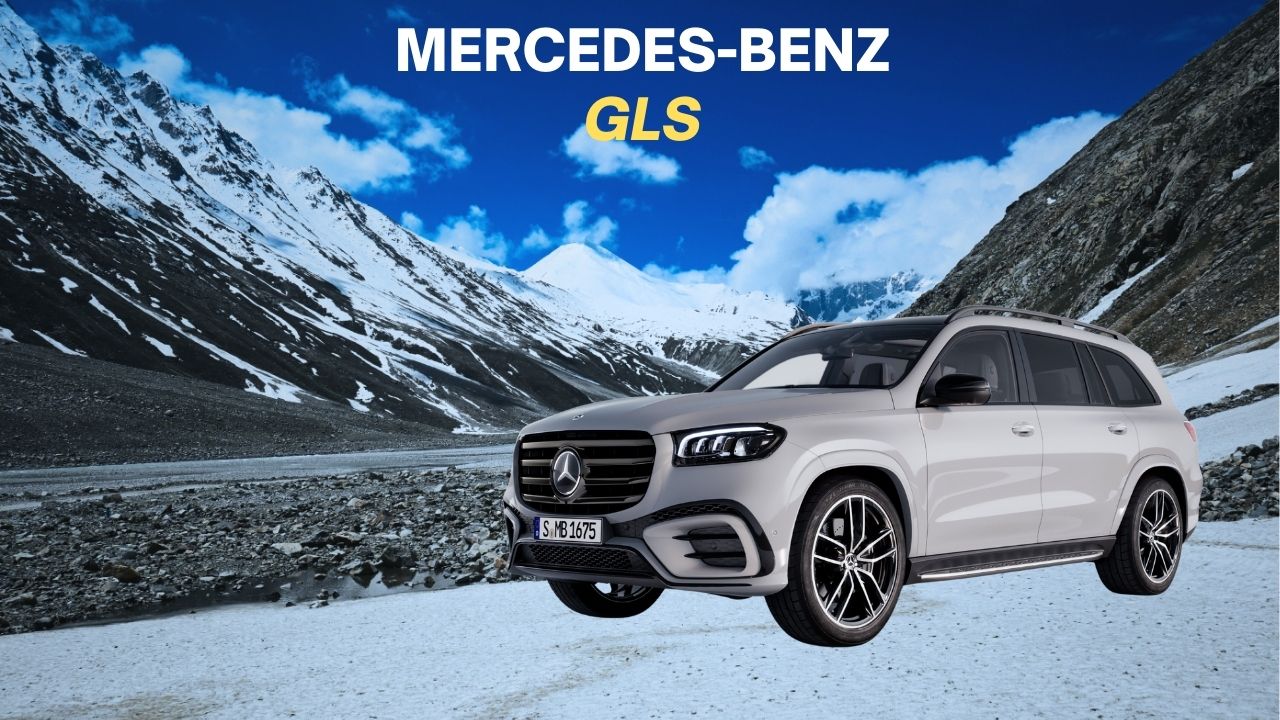
Mercedes-Benz GLS SUV

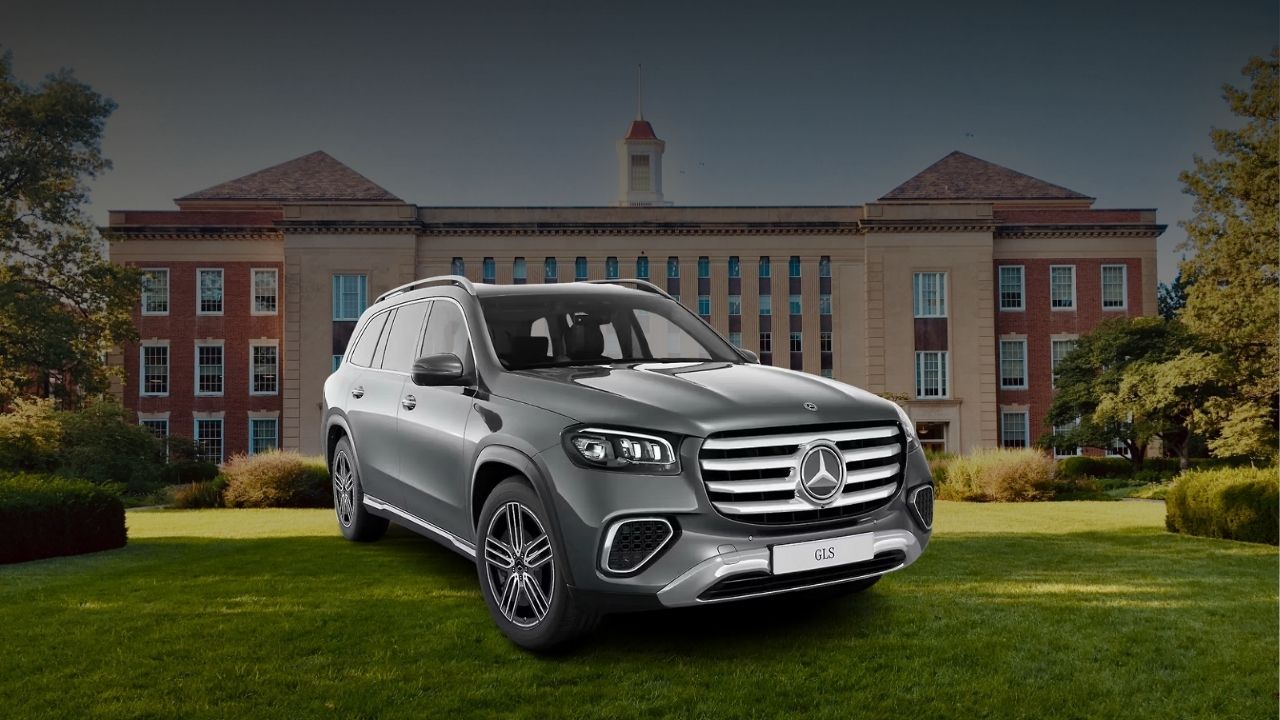
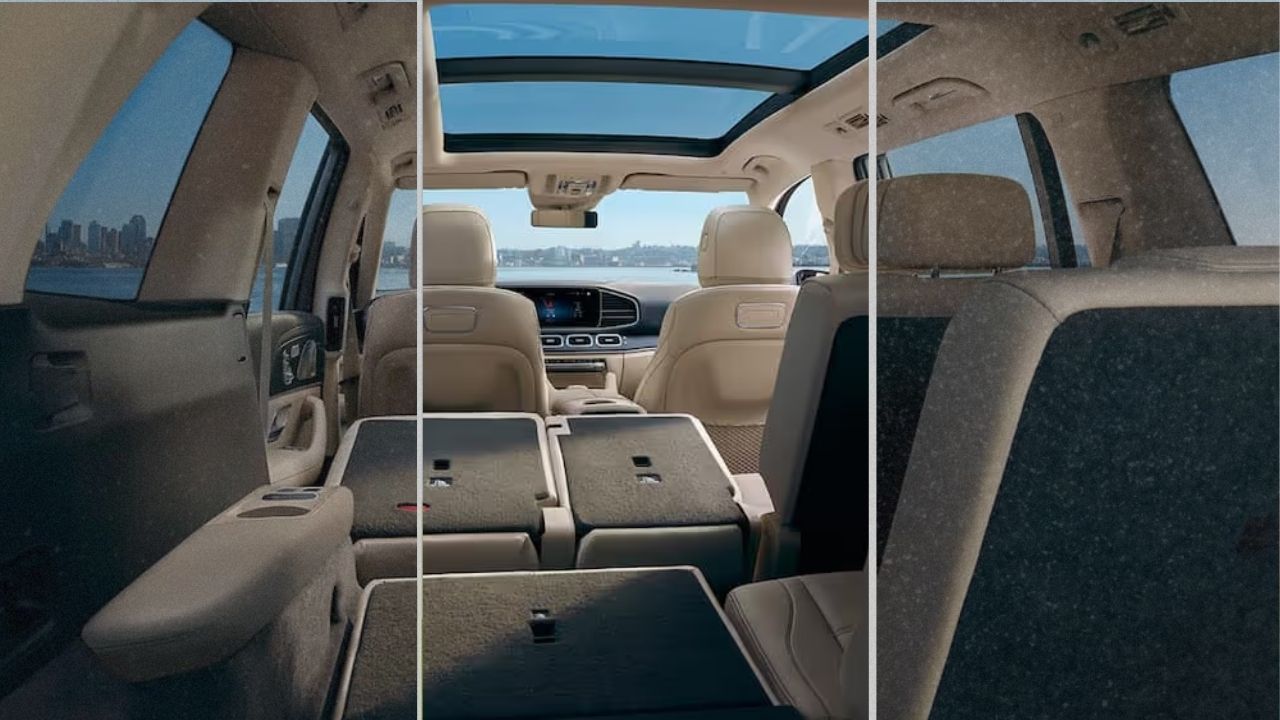
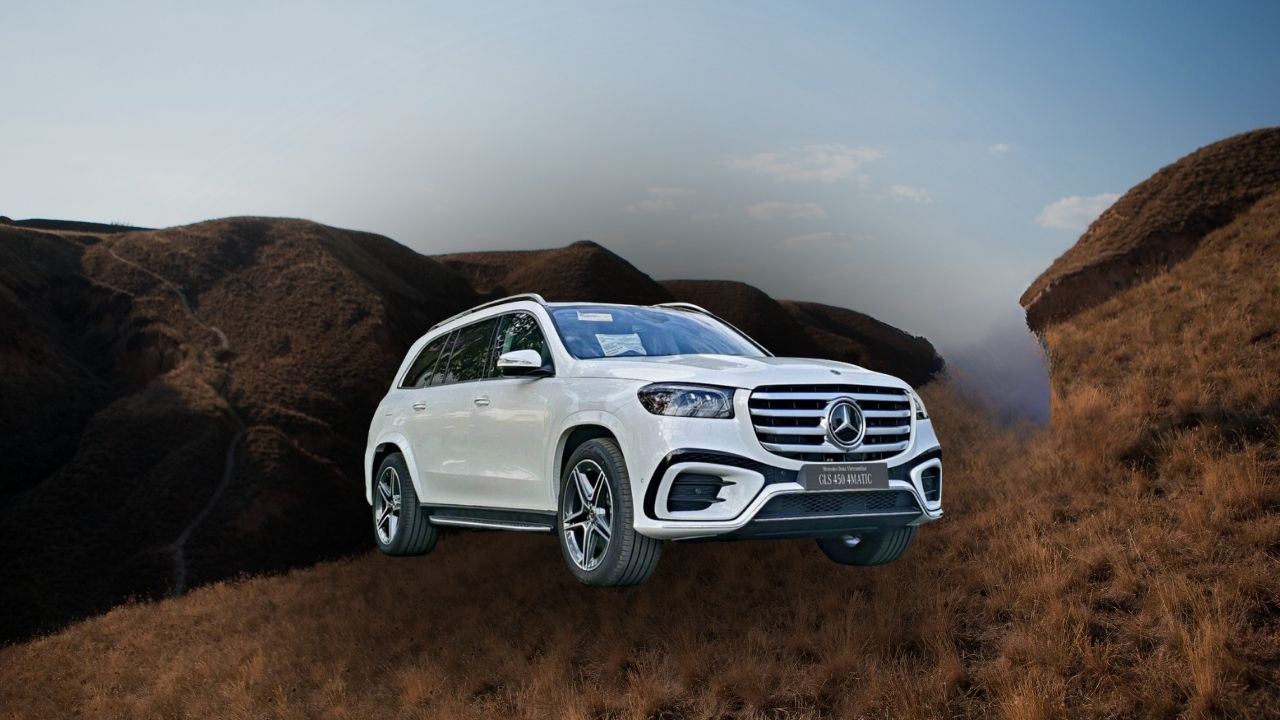
The Mercedes-Benz GLS SUV is the benchmark for luxury full-size SUVs by virtue of its advanced design, engineering excellence and boundless roominess. The GLS replaces the GL-Class in that role, and not only has it established itself as the flagship model in the Mercedes lineup, but as a global automotive leader. It’s not just superficial, it revolutionizes the way SUVs are constructed and what customers expect in a luxury SUV. This evolution embodies the creativity with which Mercedes-Benz continually leads in luxury, and once again. 

How the Mercedes-Benz GLS Redefined Luxury SUV Standards Worldwide

The GLS, originally known as the GL-Class and rebranded in 2016, raised the bar for full-size luxury crossovers with three rows of seating for seven passengers. Sitting atop the GLE, it delivers imposing presence alongside state-of-the-art Airmatic air suspension (AIRMATIC) and luxurious interiors adorned with Nappa leather and wood veneers. Worldwide, it set higher standards for SUVs for competitors like the BMW X7 and the Cadillac Escalade to live up to in terms of refinement and technology suites, such as MBUX infotainment with dual 12.3-inch displays. 

This vehicle established the term “S-Class of SUVs” as a category label, mixing limousine comfort with off-road capability through 4MATIC all-wheel drive. Sales that surpassed expectations – more than 20,000 Maybach versions every year around the world – revealed the appetite for such flagships, shaping shifts in the industry towards the ultra-premium. 

Reshaping Global Manufacturing Hubs

A landmark 2026 decision also allowed India to become the first market outside the US to manufacture the Mercedes-Maybach GLS locally at the Chakan facility near Pune. That hammered prices by more than ₹40 lakh, from ₹3.17 crore to ₹2.75 crore ex-showroom, making ultra-luxury achievable in the midst of India’s surging affluence. India’s ascent to a top-five global Maybach market in 2025, with 2024 sales surpassing 500 units (predominantly GLS), proved “Make in India” for premium autos. 

There are two things to watch here: first, a growing focus on developing rather than developed economies as the centers of production. The localization of Mercedes diminishes import duties, waiting time and the carbon foot from shipping, which has Volkswagen and Audi considering similar tactics in Asia. It strengthens India’s auto eco system, generating skilled employments and local supplier network for customised components. 

Driving Innovation and Technology Adoption

The GLS introduced features that are now industry standard, such as adaptive cruise control with lane-keep assist and 360-degree surround cameras, years before they were required by law. Its mild-hybrid powertrains (3.0L I6 or 4.0L V8) offer the right mix of performance (up to 550 hp in Maybach) and efficiency, pushing rivals toward electrification—EV penetration in Mercedes’ high-end climbed 20% by 2026. The air suspension with off-road programs and up to 36mm ground clearance set a new standard for SUV flexibility. 

Driving Innovation and Technology Adoption

Safety-wise, PRE-SAFE Impulse Side and the transparent hood technology with camera raise the bar, also influencing Euro NCAP standards. On a global level, GLS demand pushed luxury brands to more R&D on hyperscreens and Level 2+ autonomy. 

Mercedes-Benz GLS Market Growth and Its Impact on Global SUV Competition

Reliable, practical and comfortable, this helped Mercedes to take the lead in the luxury SUV segments, putting pressure on Range Rover. It sold more than its rivals in the US and China—two key markets—and recent 100%+ year-on-year Maybach growth in India for Maybach in 2024 signals growing dominance. This forced BMW and Audi to bring their flagships up to a higher level, creating a virtuous cycle of innovation.

Mercedes-Benz GLS Market Growth

GLS, meanwhile, gives Mercedes a handsome margin (Maybach 2019 over 20,000 units/year) and halo effect to bring buyers into to the most basic models. In an environment where luxuries are forecast to grow at single digit in 2026, it maintains its premium pricing power. 

Cultural Influence of the Mercedes-Benz GLS SUV

Behind the specs, the GLS is wrapped in aspirational packaging, showing up in Bollywood films and CEO garages that lends Mercedes some brand prestige. 

Aspect GLS Impact Competitor Response
Pricing Strategy India localization drops ₹40L+  BMW eyes Asia plants
Sales Growth India top-5 Maybach market  Audi ramps X8 production
Tech Features MBUX, AIRMATIC standards  Escalade adds Super Cruise
Production Hubs India 2nd after US  VW explores India EVs

Its massage-equipped, chauffeur-friendly rear executive seats serve global elites, helping to change perceptions away from tough SUVs and toward mobile offices. Environmentally, logistics emissions are reduced by producing locally, in line with sustainability drives. 

Read More:-  Ramesh Babu Car Collection: India’s Biggest Luxury Rental Garage

Conclusion

While looking ahead for Mercedes-Benz GLS SUV hybrids and EVs by 2027, its legacy continues in redefining luxury mobility. From Tuscaloosa roots to Pune production, GLS exemplifies the engineered versatility that propels the industry. With a 2025 re-election for President Trump driving US-India trade negotiations, more such cross-border successes are on the cards. 

0

How to Get a Car Loan in 2026: Know Everything Before Purchasing 

Published Aug 17, 2026, 11:15 AM
Last Updated Aug 18, 2026, 4:49 AM

Get a Car Loan

You’ve picked the car, negotiated the on-road price, and the dealership’s finance desk is already pushing a “special tie-up rate” from their partner bank. It sounds convenient, but it isn’t always the lowest rate you can get. In 2026, car loan interest rates in India range from roughly 7.40% to 14% per annum for the same loan amount, and that difference can add up to tens of thousands of rupees over a five-year tenure. Knowing how to get a car loan in 2026 means knowing where that gap comes from and how to land on the right side of it.

The market has shifted in a few real ways this year. Public sector banks are leaning harder on repo-linked pricing, which keeps their floating rates unusually low for well-qualified borrowers. Several banks have quietly added “Green Car Loan” schemes for electric vehicles, shaving up to 0.5% off the standard rate but you often have to ask for it by name, because it isn’t always applied automatically. 

And private lenders have gone all-in on speed: some can disburse funds in under 48 hours for pre-approved customers, which matters if you’re trying to lock in a dealership discount that expires this weekend.

Why the Rate on the Loan Sheet Isn’t the Rate You’re Getting

Every bank advertises a “starting from” rate. Almost nobody actually gets it. Your real rate depends on four things: your CIBIL score, your income stability, your relationship with the lender (salary account, existing FD, prior loan history), and how much you’re putting down upfront.

On an ₹8 lakh loan over five years, the difference between a 9% rate and a 10.5% rate works out to roughly ₹600 extra per month and around ₹36,000 more in total interest paid. That’s the real cost of walking into the first bank the dealer recommends instead of comparing two or three.

CIBIL score is the single biggest lever here. Cross 750 and you’re in the best pricing band almost everywhere. Sit between 700 and 749 and expect to pay 0.25–0.50% more. Fall below 700 and you’re either looking at a materially higher rate or a straight rejection from PSU banks — which is usually when NBFCs enter the picture.

Eligibility Criteria Lenders Mostly Check

Most banks and NBFCs in India follow a similar checklist, even if the exact numbers vary:

  • Age: Typically 21 to 60 years for salaried applicants at loan application, extending to 65–70 for self-employed applicants, with the loan expected to close before the borrower turns roughly 60–65 in most bank policies (a few NBFCs stretch this further).
  • Income: Salaried applicants usually need a minimum annual income in the ₹2.5–3 lakh range, though this varies by lender and city tier. Self-employed applicants typically need two years of ITRs and stable business banking history.
  • Documentation for salaried applicants: three recent salary slips, six months of bank statements, and Form 16. Most banks process this category in one to three working days.
  • Documentation for self-employed applicants: two years of ITRs, business proof, and bank statements, with processing usually taking three to seven working days.
  • Credit score: 750+ for the best advertised rates; below 700 usually means a rate markup or a review by a senior underwriter.

Salary credited directly to a bank account matters more than people realize — lenders verify this through payslips and, occasionally, a call to your employer’s HR desk.

Step-by-Step Process of How to Get a Car Loan in 2026 

Start by pulling your CIBIL score before you go anywhere near a dealership — this single step tells you which pricing tier you’re actually shopping in, rather than the one the advertisement implies. From there, decide your down payment; putting down 20% or more instead of the minimum doesn’t just lower your EMI, it often unlocks a better rate because it reduces the lender’s loan-to-value exposure.

Car Loan

Next, get quotes from at least three lenders across the three categories — a PSU bank, a private bank, and an NBFC — rather than accepting the dealership’s in-house financing partner by default. Dealership tie-ups are convenient, but convenience is priced in. 

Once you have two or three sanction letters in hand, use them against each other; lenders will often match or beat a competing offer for a borrower they’ve already approved, especially if you hold a salary or savings account with them. Submit final documentation, get the loan sanctioned, and the amount is disbursed directly to the dealer, not to you.

Read More :-  Best Car Air Filters for Better Engine Performance & Save Your Repair Cost

Car Loan Options in India for 2026

Rates below are moved monthly and vary by credit profile, loan amount, and city — confirm the current number directly with the lender before trying to apply.

  1. State Bank of India (SBI) — Rates run roughly 8.70%–9.85% for new cars, with funding up to 90% of the on-road price and tenure stretching to 84 months. SBI waives foreclosure charges after 24 months, which is a real saving if you plan to prepay. The trade-off is processing speed: expect three to five working days, not 48-hour disbursal. 

Best for: salaried government and PSU employees who want the lowest realistic rate and don’t need same-week funding.

  1. Punjab National Bank (PNB) — One of the lower floating-rate options among public banks, typically in the 7.60%–10.70% band. Strong fit for salaried applicants with a clean credit history. The catch is that PNB’s process is more paperwork-heavy than most private banks. 

Best for: borrowers prioritizing the lowest headline rate over speed.

  1. Bank of Baroda — Its Baroda Car Loan covers up to 90% of a new vehicle’s cost, with a loan cap of ₹5 crore and tenure up to 84 months. Rates span roughly 7.60%–11.35% depending on profile. 

Best for: buyers financing a higher-value vehicle who still want PSU-level pricing at the low end.

  1. Canara Bank — Consistently among the cheapest PSU options, with rates starting near 7.45% for well-qualified applicants. It’s a strong choice if your CIBIL score clears 750 and you’re not in a hurry. 

Best for: high-CIBIL borrowers optimizing purely for the lowest interest cost.

  1. HDFC Bank — HDFC’s own published rack rate as of August 2026 starts from 9.40%, notably higher than some aggregator figures floating around from earlier in the year — a reminder to always check the lender’s own page rather than a comparison site’s cached number. What you’re paying for is speed: HDFC’s Xpress Car Loan offers near-instant pre-approval for existing customers and 100% on-road funding on select models. 

Best for: existing HDFC customers who want funds disbursed within hours, not days.

  1. ICICI Bank — Rates generally sit in the 8.35%–9.60% range for new cars, with a similarly fast digital approval process for pre-approved customers. 

Best for: tech-comfortable borrowers who’d rather apply and track everything through an app.

  1. Kotak Mahindra Bank — Typically priced around 8.99%–10.25%, positioned between the PSU banks and the fastest private lenders on both rate and speed. 

Best for: borrowers who want a middle ground without shopping for five different lenders.

  1. IndusInd Bank — The one private bank in this list still advertising an introductory rate as low as 8.00% on select models, with 100% financing against ex-showroom price and tenure extendable to seven years in some cases. 

Best for: buyers of specific IndusInd-partnered models chasing a rate closer to PSU territory with private-bank speed.

  1. Bajaj Finserv (NBFC) — Rates span a wide 7.50%–14% band, loan amounts up to ₹5 crore, and tenure extendable to 96 months — the longest on this list. Processing fees can run up to 2.95% of the loan amount, and prepayment charges (around 4.72% on the outstanding amount) are steeper than most banks. 

Best for: buyers with a strong credit file who got turned away or under-quoted by a bank, or who need funds faster than a PSU bank can deliver.

  1. Tata Capital (NBFC) — Starts around 9.99%, with loans up to ₹50 lakh and tenure up to 84 months, financing up to 100% of the car’s cost. Salaried applicants need a minimum annual income near ₹3 lakh; self-employed applicants can apply up to age 65. 

Best for: self-employed buyers who don’t fit a bank’s stricter documentation window but still want a recognizable NBFC name.

New Car vs Used Car Loans: The Rate Gap You Need to Know

If the brief calls for a used-car angle, don’t reuse the new-car rate table — it’s misleading. Used car loans run meaningfully higher, typically 11%–16% against 8.75%–10% for new cars, because resale value is harder to predict and repossession risk is higher for the lender. 

New Car vs Used Car Loans

Most banks also finance only 70–75% of the vehicle’s assessed valuation, not the price you agreed with the seller. Buy a three-year-old hatchback for ₹5 lakh that the bank values at ₹4.5 lakh, and your loan tops out around ₹3.37 lakh — the rest comes from your own pocket. 

Vehicle age matters too: most lenders won’t finance cars older than seven or eight years, and total loan tenure typically can’t outlast the car’s remaining useful life by their internal formula.

5-Ways to Lower Your Rate Before You Sign

  1. Push your CIBIL score above 750 if you have even a few weeks of runway before buying — it’s the single biggest rate lever available to you. 
  2. Put down 20% or more instead of the lender’s minimum; it lowers the loan-to-value ratio and lenders price that risk reduction in. 
  3. Choose a shorter tenure where your EMI comfortably fits your budget — shorter loans consistently carry lower rates, even if the monthly payment is higher. 
  4. Route your salary or maintain a savings relationship with the lender you’re applying to; a 0.10–0.25% relationship discount is common and rarely advertised. 
  5. And if you’re buying an EV, ask specifically about a Green Car Loan waiver — several banks in 2026 offer up to 0.5% off, but it’s opt-in, not automatic.

Which Lender Fits You For Car Loan

If your CIBIL score clears 750, you hold a salary account with a large PSU bank, and you can wait three to five working days. SBI, PNB, Bank of Baroda, or Canara Bank will save you the most money over a five-year term. If you need funds released within 48 hours to hold a dealership discount, HDFC Bank, ICICI Bank, or IndusInd Bank’s pre-approved route is worth the extra percentage point. 

If your CIBIL score sits under 700, or you’re self-employed without a clean two-year ITR history, Bajaj Finserv or Tata Capital will approve faster than a bank will — you’re paying for that flexibility in the rate, so treat it as a bridge, not a permanent home for the loan.

Read More :-  Thar Roxx Accessories to Buy Online That Actually Worth Buying in 2026 

Conclusion

Taking a car loan in 2026 isn’t just about finding a lender that will approve you — it’s about finding the rate and terms that make sense for your budget. Your CIBIL score, downpayment, loan tenure, existing relationship with bank, and choice of PSU bank, private lender or NBFC can affect the amount you pay. 

The wisest course of action is to get your credit score first, shop around to 3 or more lenders, negotiate with competing quotes, and don’t be fooled by the headline interest rate alone look at any processing and prepayment fees. A little due diligence before signing can save you thousands over the life of a loan. And when purchasing an EV, be sure to ask specifically about Green Car Loan discounts, as they are not automatically applied.