0

The Luxury Sedan that Feels More Premium Than A Mercedes For Less

Published Apr 13, 2026, 11:47 AM
Last Updated Apr 17, 2026, 4:54 AM
Luxury Sedan

Luxury Sedan

Buying a luxury sedan cheaper than a Mercedes-Benz was not too far-fetched. The truth is you can find more impressive and powerful features in other cars. Buying a more comfortable, luxury cabin, and enhanced look without the premium price tag is more profitable.

Finding a traditional German brand that enters in the status quo of Best luxury sedan under budget is a surprising experience. Genesis G80 breaks the chain and becomes a biggest challenge at their status.

So with that in mind, let’s look at why the smart money is turning away from traditional European stalwarts and towards more luxe-for-less options. 

The Illusion of the Base Model 

The entry level model of Mercedes-Benz dependable E-Class is a stunning engineered car but we have covered the realities if we want to understand why the Genesis G80 is so revolutionary.

To add the things associated with “luxury” — real leather seats, advanced driver assistance systems, high-end audio, or even a panoramic sunroof — you have to work your way through a maze of expensive option bundles. Before you can say Jack Roberts, you’ve turned a $60,000 sedan into an $80,000 obligation. If you do leave those boxes unchecked, what you get is a vehicle with the prestige on the outside, but that somehow feels incongruously compromised on the inside.

Genesis understood this frustration. Their philosophy is straightforward: luxury should not be a hard option. 

First Impressions: The Power of “Athletic Elegance”

Walking up to the Genesis G80, you know right off the bat that this is one impressive vehicle. It doesn’t appear to be anything like an economy-model substitute, it looks like a six-figure car.

Developed under the guidance of ex-Bentley designers, the G80 employs a design language Genesis calls “Athletic Elegance.” The huge crest grille draws your eye, and the signature “Two-Line” LED headlights curl around the front fenders, extending the visual width that is at once intimidating and elegant. A sloping roof line contributes to a fastback silhouette, much like the far more expensive Porsche Panamera or Audi A7 

Even pulling up to a restaurant or a client meeting in a G80 invites a particular kind of curiosity. It’s not just camouflaged among a sea of silver German sedans etc. It stands out, bold and confident with understated, slightly offbeat taste. 

Step Inside: A Masterclass in Tactile Opulence

The real utensil in a luxury sedan isn’t its 0-60 time, it’s the ride in the cabin. This is the Best luxury sedan under budget where the G80 delivers its knockout blow.

Modern Mercedes are attractive to the dust and scratches on the road that makes it look cheaper. So, piano black plastic becomes a disappointment for its design.

The Genesis G80 crafted with more prestigious design that gives sophisticated experience:

  • The Materials: You can feel the intent at every contact point. You are met with large areas of open-pore wood trim, which is warm and natural feel to the skin.
  • The Metalwork: The switchgear is finished in knurled metal that makes a very satisfying tactile click. Even the rotary gear selector is made of tempered glass, with light from the inside just like a luxury accessory.
  • Seating: Choose the higher ranks and you are wrapped in supple Nappa leather with elaborate quilting. The driver’s seat even has “Ergo Motion” technology, which makes use of internal air cells to reposition your posture and genuinely stretch-and-massage function during long drives. 

It is the view of nothingness to the outside. Complimented by acoustic laminated glass and multiple layers of sound deadening material, the G80 cabin at 75 mph is a quiet sanctuary. You have a whispered conversation with your passenger or you can revel in the subtleties of the 21-speaker Lexicon premium audio system available. When it comes to just plain comfort, there’s a closer resemblance to a Mercedes S-Class than the E-Class it really should be fighting in. 

Performance: Embracing the Art of the Glide

For years the car world has been obsessed with “sport luxury.” Sedans have gotten tighter, lower, and more aggressive in an effort to brag about lap times the typical owner will never throw down.

The G80 politely opts out of the rat race. It has a lot of power—either from a powerful 2.5-liter turbocharged four-cylinder or a silky-smooth 3.5-liter twin-turbo V6 but it doesn’t pretend to be a corner-carving stiffness-for-the-sake-of-stiffness type of vehicle. 

“Real luxury is the presence of ease.” The G80 achieves this by smoothing out the bumps in the road rather than relaying every stone to your back. 

The active electronically controlled suspension includes the “Road Preview” technology. A forward looking camera detects potholes and speed bumps on the road ahead, and subsequently adjusts the damping force of the shock absorbers prior to impact. The shifts are invisible, and the power delivery is smooth and linear. It’s a vehicle built to bring down your pulse after a long day at the office. 

Read Full Details : Tata Sierra EV 2026: Price, Range, Features & Launch Details

Technology That Serves, Not Confuses

In the scramble to make dashboards digital, many luxury automakers have concocted interfaces that require a pilot’s license to use. Menus are nested within sub-menus, and basic climate controls have been moved to touchscreens.

Sweet Genesis has a 14.5 inch display for beautiful view and features a rotary controller console to use it other than your fingers. It is placed in the centre to make it easy for the passengers to reach.

Most important, Genesis retained physical buttons and toggles for the climate controls and audio volume. It’s a people-first design that recognizes you’ll never get premium experience by having to look away from the road to tap a flat pane of glass to turn on your heated seats.

The driver assistance features are also excellent. Highway Driving Assist, a new system combining adaptive cruise control and lane keeping assist, takes much of the drudgery out of long highway journeys. It seems more like an advanced, fully functional electronic chauffeur and less like a trial run of autonomous driving. 

The Financial Reality: Is Luxury Sedan Cheaper Than a Mercedes-Benz?

Let’s talk numbers, because this is the point where the G80 really establishes itself as the best luxury sedan under budget, you can buy under £50k.

Outfitting a mid-level Genesis G80 with the larger engine, Nappa leather, premium audio, and advanced safety tech and you’re typically looking at a bill that’s thousands — sometimes tens of thousands lower than a comparably-equipped Mercedes-Benz E-Class or BMW 5 Series. 

You’re buying a luxury sedan that happens to be less expensive than Mercedes-Benz, but you aren’t compromising on quality, you’re just declining to pay the premium tied to the marketing budgets of legacy brands. 

Model Starting Price (Global) Price Range (Global) India Starting Price (Ex-showroom)
Genesis G80 ~$58,000 ~$56,000 – $76,000 Not officially launched (expected ~₹55–70 lakh)
BMW 5 Series ~$61,950 ~$61,950 – $67,000+ ₹72.35 lakh
Mercedes-Benz E-Class ~$65,250 ~$65,000 – $72,000+ ₹78.50 lakh

The Ultimate Peace of Mind

The luxury shouldn’t end the moment you drive off the dealer lot. European luxury cars are known for their high maintenance costs and severe depreciation curves after the warranty period ends. 

Redefining Prestige for the Modern Buyer

Purchase of a luxury sedan cheaper than a Mercedes-Benz is an emotional process but it should still be done responsibly. The German car industry has long relied on brand momentum, assuming that consumers will keep paying more just to have the right badge in their garage. 

The Genesis G80 exposes the flaw in that assumption. It shows you that legacy isn’t necessary to greatness. With an almost pathological fixation on material quality, ride comfort, user-friendly tech, and a matchless ownership experience, it truly stands out. 

If you want to just show off a badge to strangers, Mercedes will always be the one brand that has that appeal. But if you want to be surrounded by real, palpable luxury to drive a car that makes you feel relaxed, pampered and deeply satisfied every time you pull the door shut the G80 is the hands-down winner. 

Conclusion

Following decades of German brand dominance, the Genesis G80 shows us that true luxury isn’t dependent on a badge anymore. It flies in the face of the notion that you need to pay more to enjoy superior comfort and refinement.

As a luxury sedan cheaper than Mercedes-Benz, the G80 delivers where it really counts — high-quality materials, a quieter cabin, smoother ride and well-planned tech without pushing buyers toward pricey options packages. 

Buyers are savvier and more value conscious today. When shopping for the best luxury sedan under budget, they focus on which car offers more comfort in everyday use and the experience of ownership instead of the prestige of the brand.

If all you want to do is flaunt a badge, then Mercedes-Benz still has that. But if you desire a car that actually feels luxurious every day and don’t want to pay too much — the Genesis G80 is the more satisfying and smarter pick. 

Bipin Sharma

Bipin Sharma is a seasoned automotive content writer with over 10 years of hands-on experience in the world of cars. From the latest car news and reviews to in-depth maintenance tips and expert buying guides, Bipin covers everything that drives the automotive world. Writing about cars isn’t just his profession — it’s his passion. His deep industry knowledge and love for automobiles fuel every blog he creates, helping readers make informed decisions and stay updated on the fast-evolving auto landscape.

Leave a Reply

Your email address will not be published. Required fields are marked *

0

How to Renewal Car Insurance: Step-by-Step Guide (2026)

How to Renewal Car Insurance

Most people renewing their car insurance assume there’s a buffer if they miss the due date. There isn’t. Under current IRDAI norms, if your policy lapses by even a single day, your car has to go through an inspection before a new policy is issued and legally, you’re driving uninsured in the meantime. Knowing how to renewal car insurance will help you handle it quickly.

What most people call the “grace period” is actually a 90-day window that protects your No Claim Bonus, not your car. That distinction is where most ‘How to Renewal Car Insurance’ guides get sloppy, and it’s the difference between a smooth renewal and a stressful one. 

Want to maximize your savings? Read our complete guide on car insurance cost-saving tips.

What Is The “Grace Period”?

There’s no grace period for the coverage itself. The moment your policy expires, your car is uninsured — no exceptions, no buffer days. Drive during that window and you’re exposed to traffic fines, and if you’re in an accident, the full financial liability lands on you personally, not the insurer.

The 90-day window people refer to is narrower than it sounds: it only protects your accumulated No Claim Bonus. Renew within 90 days of expiry and your NCB carries over. Renew after that, and it resets to zero — even if you’d built up five straight claim-free years. So “I have three months to renew” is technically true for your bonus and false for everything else that matters.

Step-by-Step Guide: How to Claim Car Insurance for Own Damage

When to Actually Start the Process

Most insurers open the renewal window somewhere between 15 and 30 days before expiry, though this varies enough by insurer that it’s worth checking your policy document rather than assuming. Starting early gives you time to compare insurers and IDV quotes without the pressure of an expiry date bearing down on you — pressure that tends to make people accept whatever number the renewal SMS quotes them.

How to Renewal Car Insurance Online, Step by Step

There’s nothing that is difficult to understand ‘How to Renewal Car Insurance,’ so follow these steps one-by-one to get everything done.

Step 1: Pull Up Your Existing Policy and Check Three Things

Before comparing anything, confirm your expiry date, your policy type (third-party only, or comprehensive), and the IDV your current policy was issued on. These three numbers determine everything that follows.

Step 2: Decide Whether to Stay or Switch Insurers

Your NCB isn’t tied to your insurer — it belongs to you. Switching insurers at renewal doesn’t cost you your bonus; the new insurer verifies your claim history through the shared IIB database and applies the same NCB slab you’d earned with your previous one. If your current insurer’s renewal quote looks inflated, get one or two comparison quotes before assuming you have no choice but to pay it.

Step 3: Recalculate Your IDV Before You Accept the Insurer’s Number

IDV is the maximum amount you’d be paid if your car were stolen or written off, and it depreciates every year as your car ages. Insurers sometimes carry forward IDVs that don’t reflect this depreciation properly. A higher IDV means a higher premium — not necessarily better coverage — so it’s worth checking the number against your car’s actual current market value rather than accepting it by default.

Step 4: Apply Your No Claim Bonus Correctly

NCB starts at 20% after one claim-free year and climbs to a maximum of 50% after five, applied to the own-damage portion of your premium, not the third-party liability portion. One claim resets it entirely. It’s also worth knowing that GST is charged on the premium after your NCB is deducted, not before — so a higher NCB doesn’t just lower your premium, it lowers your tax outgo along with it.

Step 5: Review Add-Ons Instead of Renewing Them Blindly

Zero depreciation cover, engine protection, roadside assistance — these all get renewed automatically for most people because they were on last year’s policy. Some are worth keeping (engine protection matters if you’re in a flood-prone city; zero depreciation matters for cars under three years old). Others quietly get renewed out of habit and add cost for no real benefit. Go through the list deliberately rather than accepting the bundle.

Step 6: Keep These Documents Ready

You’ll need your RC copy, your previous policy copy, and your PUC certificate if your insurer asks for it. If you’re renewing after a lapse or switching insurers, keep clear photos of your car’s exterior handy — inspections increasingly happen through an app-based video walkaround rather than an in-person visit.

Step 7: Pay, Verify, and Download

Once you’ve paid, check that the policy number matches your RC, and that the new policy’s start date has no gap from your old policy’s expiry date. A one-day gap is enough to technically classify you as a break-in renewal, even if you paid on time.

How to Renewal Car Insurance

What Happens If You Miss the Deadline

Miss it by even a day and your insurer will require a vehicle inspection before issuing a new policy — this used to mean waiting for a surveyor to visit, though many insurers now let you submit a short self-recorded video instead, which can cut the approval time down to a few hours.

The bigger cost shows up if the lapse runs past 90 days. At that point your NCB resets to zero regardless of your claim history, which for most cars translates to roughly ₹4,000–₹12,000 in extra premium for the year, depending on the vehicle. 

In several states, traffic enforcement is now linked to real-time vehicle databases that flag expired policies automatically, so “I’ll deal with it later” carries more risk in 2026 than it used to.

Bought your car on a loan? Learn what hypothecation in car insurance means and why it matters.

The GST Line on Your Renewal Bill

Motor insurance premiums in India carry a flat 18% GST — this hasn’t changed, even though individual life and health insurance premiums were made GST-exempt from September 2025 onward. Car insurance wasn’t part of that reform. So on a ₹20,000 comprehensive premium, expect roughly ₹3,600 in GST, taking the total to about ₹23,600. 

As noted above, that 18% is calculated on the premium after your NCB discount is applied, not on the full amount — one more reason a clean claim history is worth protecting.

The actual renewal takes about ten minutes once you’re inside an insurer’s portal. Where people lose money is in the three weeks before that — letting the policy lapse, accepting an outdated IDV, or renewing add-ons without checking whether they’re still relevant. 

Set a reminder for 20 days before your expiry date, pull up your NCB certificate, and treat the renewal like you’re buying the policy fresh because on the insurer’s side, that’s exactly how it’s being underwritten.

Conclusion

Renewing your car insurance is fast – but only if you’re not procrastinating. Nothing to worry about renew your policy before it expires check your IDV and NCB verify add ons thoroughly after payment check your policy details. Guide on how to renewal car insurance in advance can help you avoid coverage gaps, protect your NCB and potentially save money on your premium. 

0

Nissan Cars Launching Two Titans Together in India: Nissan Gravity MPV and Tekton SUV

Published Dec 30, 2025, 11:36 AM
Last Updated Apr 9, 2026, 10:28 AM

Nissan Gravity MPV and Tekton SUV

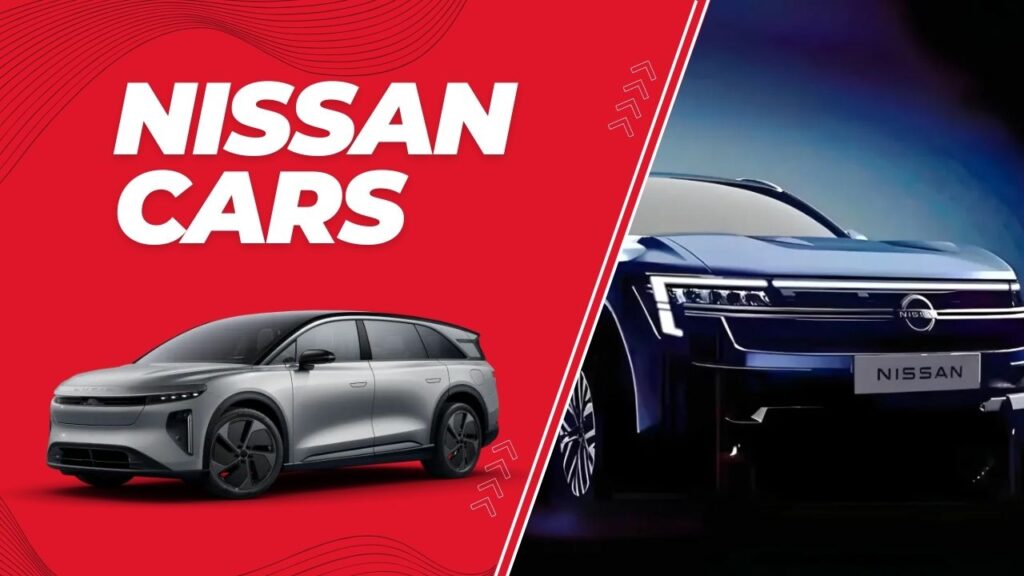
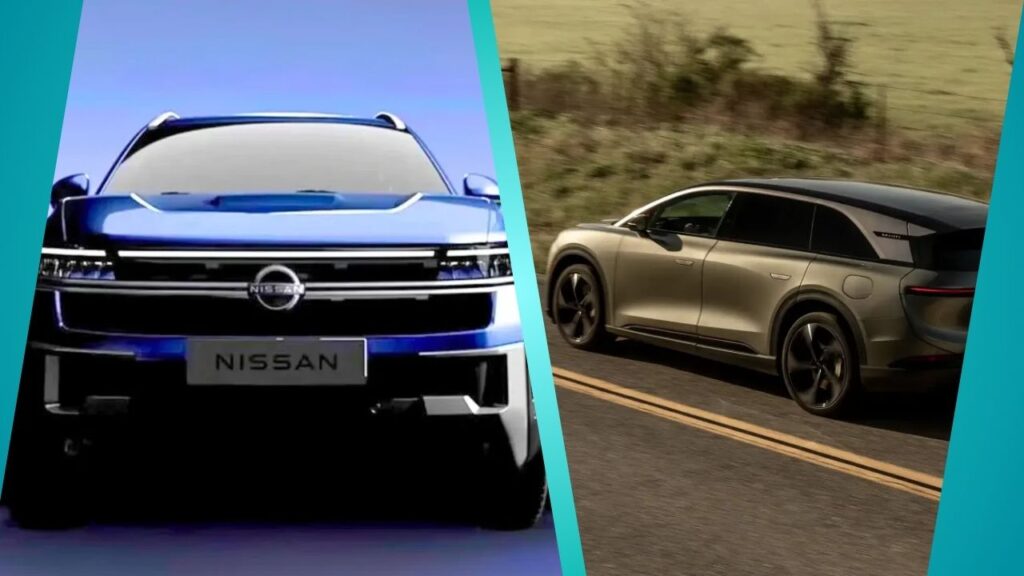
If you have been waiting for Nissan to do something more substantial in India, get ready. The Japanese car maker is set to launch not one but two all new cars in two months – and believe me, these are cars that will make heads turn and take on some of the most popular cars on the Indian roads today. It’s the Nissan Gravity MPV and the Nissan Tekton SUV and honestly, these launches may just be what Indian families and SUV lovers have been waiting for.

Nissan’s Big Comeback Plan for the Indian Market

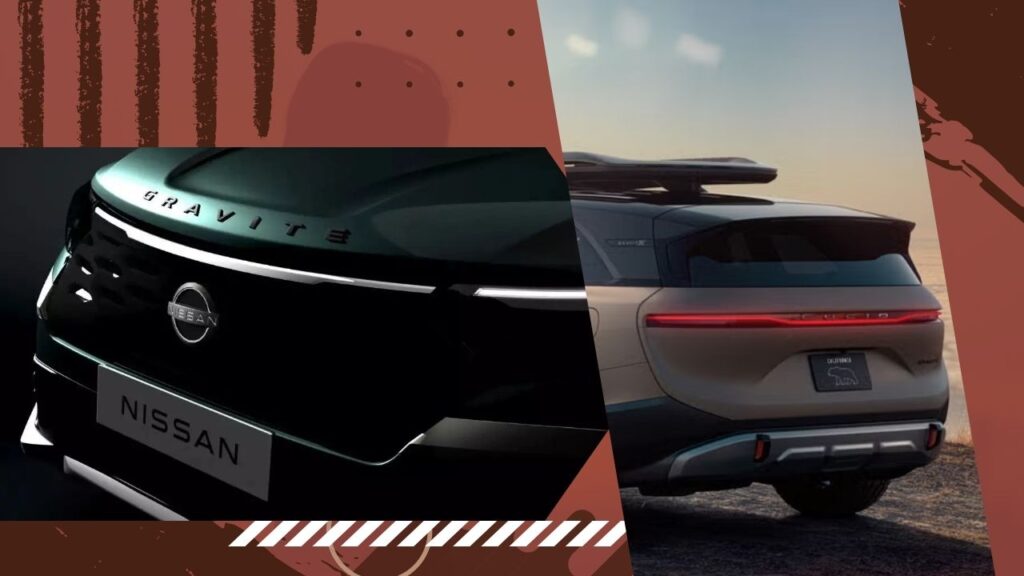
First up is the Nissan Gravite, which arrives January 2026. Nissan’s take on the family-car chat is genuinely useful. Imagine the middle class Indian family on the hunt for a seven seater, and who doesn’t send you into bankruptcy. 

Gravity MPV — Affordable 7-Seater That Finally Makes Sense

The seven-seater Gravite is available from around ₹6 lakh, making it one of the lowest-priced automatic seven-seaters in the market. That’s pretty impressive, especially since the MPV segment always seems to be a squeeze for buyers on a budget. Based on the proven CMF-A architecture that it shares with the Renault Triber, the Gravite has no intentions of breaking the mould—and that’s quite alright.

Although Nissan has applied a fresh Japanese design language, it’s essentially taken an old, dependable platform. The bonnet is scooped, adding character, and the front is more assertive, featuring Nissan’s V-Motion grille. The flanks display slender, toned shapes that make this small the look of the the more premium surprisingly the tags looks. The rear is? Sharp and clean, with C-shaped styling cues that tie the whole design together.

Engine & Transmission Options

Gravite gets the familiar BE powertrain, Under its hood, the Gravite will be powered by the familiar 1.0-litre three-cylinder petrol engine producing 72 hp. So maybe that doesn’t get your blood pumping, but here’s the kicker—it’s mated either a five-speed manual or an automated manual transmission (AMT). This is huge because AMT automatics in seven-seaters are usually reserved for cars that cost a lot more. You’re getting an automatic family hauler without the fancy DCT price tag. 

Read More:- Ranbir Kapoor Car Collection 2026 Features Premium Luxury Cars, Supercars And SUVs

Comfort & Family-Focused Practicality

Its three rows of realistic seats are better suited for seven adults than five, which is outstanding in this segment (and for the record, even the normally cramped third row here is not too bad). Add good levels of equipment, some new trim options and you have a car that really does tick the ‘value for money’ box. Nissan is expanding its dealer network with 200 touchpoints specially for these launches, which means you will get proper after-sales support even in Tier-2 cities. 

Tekton SUV — A Serious New Player in the Midsize SUV Segment

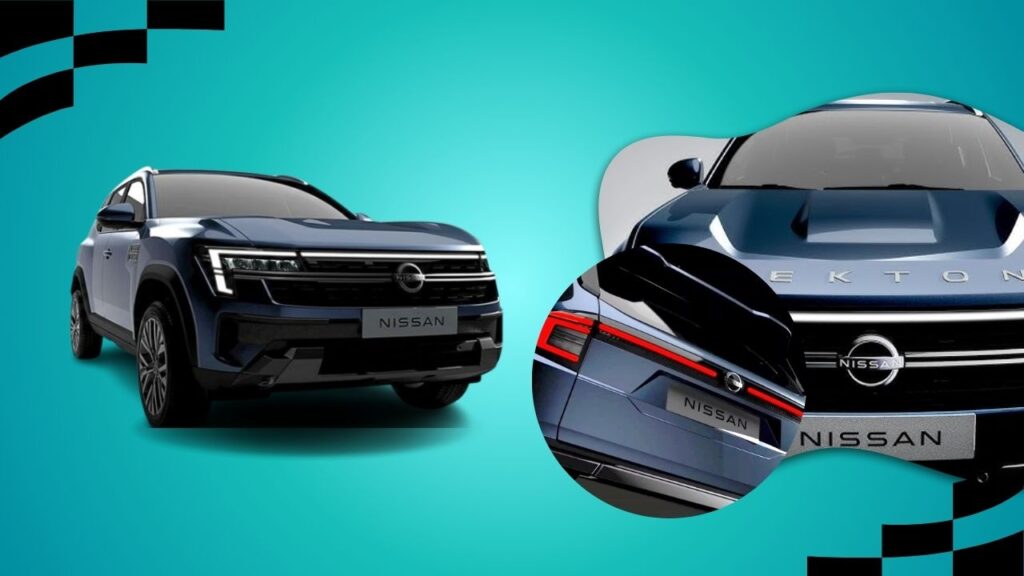
Well, if you’re not a fan of the people carrier and have your sights set on that succulent midsize SUV market, gear up. Nissan Tekton release date The Tekton will officially release in February 2026 with a price tag around that of the Hyundai Creta, Tata Sierra, and Maruti Suzuki Victoria.

CMF-B Platform & Patrol-Inspired Rugged Styling

This is not some rebadged castoff. Built on the modern CMF-B platform (which also underpins the new Renault Duster) and developed specifically for Indian roads, the Tekton.

Tekton SUV

The exterior design is based on Nissan’s iconic Patrol SUV, meaning it has real rugged DNA. From the teaser images, we can see the connected LED DRL arrangement at the front and a muscular bonnet with connected LED tail-light unit at the rear. That’s a vehicle that feels purposeful and premium, and yet it will be priced competitively. 

Engine Options, Turbo Power & Future-Ready Hybrid Plans

What about engines? The main engine on offer would be a lively 1.3-litre turbo-petrol with a 1.0-litre turbo variant for cost-conscious consumers also possibly on the cards. There are even rumors of a strong-hybrid powertrain joining the line-up at a later date, as with the new Duster. Which means a car that’s ready for the future, with none of the EV sticker shock—at least not at first.

Interior Design

The inside is where things get interesting. Think: a three-tone dash; digital driver’s display; a large touchscreen with wireless Apple Car Play and Android Auto; ventilated front seats; a sunroof; and a real 360-degree camera system. Safety? Six airbags as standard, ABS, EBD, blind-spot monitoring – all the boxes you would expect ticked.

Interior Design

With a price band of ₹11 lakh to ₹19 lakh (ex-showroom), it is placed right in the middle of the scorching competition, and this means Nissan is making a serious effort to win customers and not merely retaining existing ones. 

Conclusion

Nissan has been rather silent in India for quite some time now, but this two-front assault with the Gravite and Tekton definitely signals a comeback. They are filling two huge holes in the market—cheap family cars and midsize SUVs that can actually compete. The Gravite rivals the Maruti Ertiga and the Renault Triber, while the Tekton goes toe-to-toe where the profit margins are the healthiest.

With 200 new dealer touch points coming on stream, technical and warranty support, and the engineering might of the Renault-Nissan alliance behind them, these are more than just launches – they are statements of intent. 

0

Which Car Is Best: Petrol or Diesel? Pros, Cons & Complete Comparison

Published Jun 10, 2026, 12:18 PM
Last Updated Nov 2, 2026, 5:17 PM

Petrol vs Diesel Car

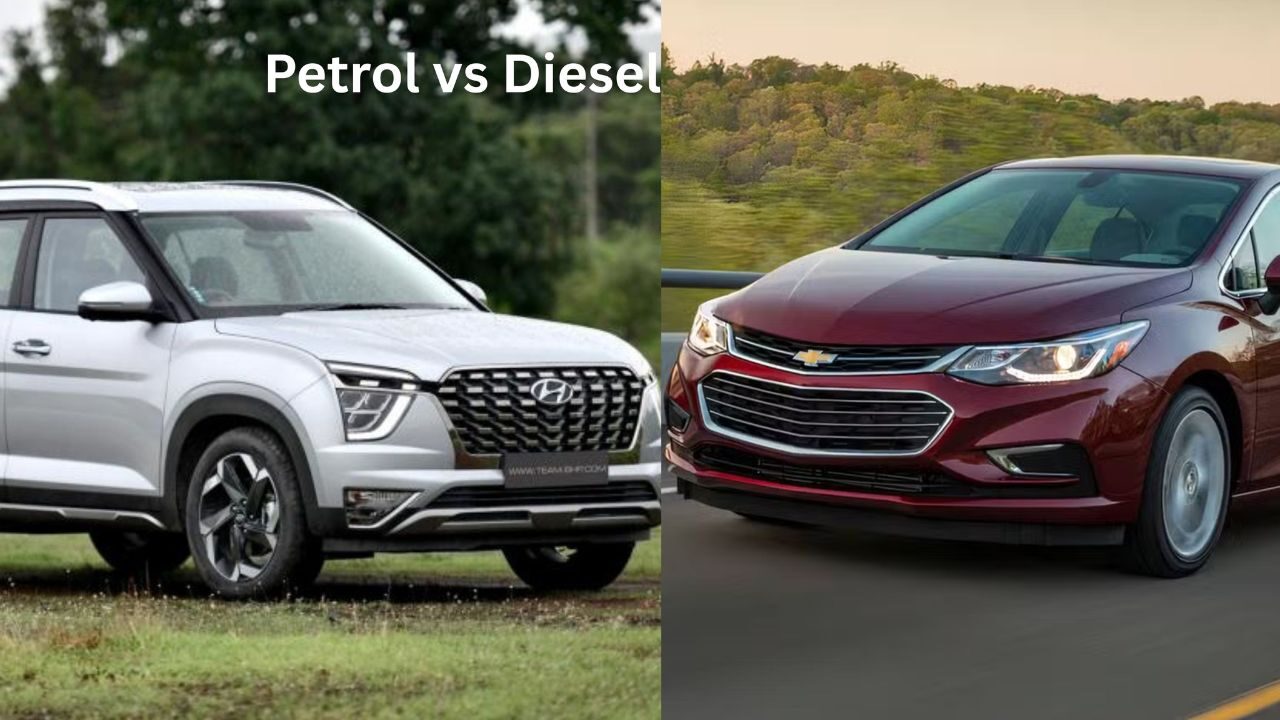
When you visit a showroom of Maruti, Honda, Tata or any brand, you probably get confused which car is best for you — Petrol vs Diesel Car? The generic answer is it depends on your usage and region but cars are also affected by many factors that make them different from each other. If you are not sure then continue reading to understand it properly.

Let’s Understand the Basics

Factor Petrol Car Diesel Car
Ignition Spark plug Compression ignition
Driving feel Smoother, quicker response at low speeds Strong torque, better at sustained speeds
Best usage City driving, short trips Highway driving, long-distance travel
Upfront price Lower Usually ₹1–2 lakh higher
Fuel cost Petrol is usually costlier per litre Diesel is usually cheaper per litre
Fuel efficiency Lower than diesel Usually 20–25% better
Maintenance Simpler and cheaper More complex and costlier
Best annual mileage Below 12,000–15,000 km Above 20,000 km
Resale value Improving, especially in small cars Traditionally strong, but affected by emission rules
Emissions More CO2 per km More PM2.5 and NOx

A petrol engine uses spark plugs to ignite a mixture of air and fuel. It runs smoother, quickly picks high speed, and feels more responsive mostly at lower speeds. This makes petrol engine cars preferable for smaller distances, city driving.

A car built on a diesel engine uses compression (high pressure) to ignite the fuel, not a spark plug. It generates more torque (that pulling power you feel when you accelerate), runs at lower RPMs, and uses less fuel on longer distances.

That’s the core difference — and it explains almost everything else about how they behave on the road.

The Cost Factor: Upfront vs Long-Term

Most buyers end their discussion on Petrol vs Diesel Car when it comes to the money. 

Same car but diesel variant cost around ₹1 lakh to ₹2 lakh which is more expensive petrol variant. Manufacturing cost drives the extra price of the car because diesel engines have more complex parts.

However, Diesel fuel is cheaper per litre than petrol in India (usually by ₹10–₹15 per litre). And that makes it more fuel-efficient — a diesel car might give you 20–25% better mileage than the petrol version of the same model.

So here’s the math that actually matters: the break-even point.

Driving in a city less than 10,000–12,000 km a year, it will take you 6–8 years to compensate for the extra cost you paid to the showroom owner for the diesel variant through fuel savings. By that time, you’re probably thinking about your next car anyway.

But if you’re clocking 20,000+ km a year — long highway runs, intercity travel, road trips — a diesel car will pay for itself in 2–3 years and save you a significant amount after that.

The simple rule: high mileage = diesel makes financial sense. Low to moderate mileage = petrol wins.

City Driving vs Highway Driving

City Commuting 

If you use a car mostly for city trips then choose Petrol engines as they love city driving. They’re more responsive at low speeds, gear shifting is very light, and the engine doesn’t need to warm up as much. Start-stop traffic — which is basically the story of driving in any Indian metro — suits petrol engines far better. 

In this traffic area, Diesel engines won’t cope up because they perform best at sustained speeds and consume less fuel. In city conditions, their fuel efficiency advantage largely disappears, and the engine can be reluctant at low revs.

On the Highway

The diesel engine wins here, that high torque means effortless overtaking, smooth cruising at 100+ km/h, and significantly better fuel economy over long stretches. A diesel car on the highway is a genuinely satisfying experience — particularly for long-distance drivers.

Petrol engines can also run on highways but for the run on higher speed they need more fuel to work harder.

The Maintenance Cost For Each Fuel Type

Diesel cars leave your wallet empty for maintenance as their parts are more complex. And diesel-specific components (like the fuel injectors and turbocharger) need time-to-time and attentive servicing.

Petrol cars are simpler under the hood. Routine servicing is cheaper, and mechanics are more familiar with petrol engines — particularly at smaller garages in Tier 2 and Tier 3 cities.

One important thing to understand is that diesel cars need to be driven regularly. If you left them in a garage like any showpiece, a diesel engine can develop issues. Petrol engines can sit without creating any problem for a long time, perfect if the car is a second vehicle or used only on weekends.

Environment and Emissions

Environmental considerations are increasingly playing a bigger role in the petrol vs diesel car debate. Diesel engines emit larger quantities of PM2.5 particles and nitrogen oxides (NOx), which are air pollutants that harm the environment and human health. Petrol engines produce more CO2 per kilometre, but they generate a fraction of the harmful particles. 

India’s BS6 emission rules have brought diesel engines much cleaner than before — but the gap hasn’t fully closed. Several Indian cities have placed restrictions on older diesel vehicles, and there are ongoing policy discussions to set more regulations in pollution-heavy metros.

There are few cities like Delhi and Mumbai where pollution is rising day-by-day and so are emission concerns. It is worth knowing the resale value of your car.

Read more:- How to Calculate Average of Car With Explained Methods and Formula

Resale Value of Diesel & Petrol Cars

Diesel cars have long had better resale values because buyers thought they were more cost-effective to operate. That narrative has been shifting.

The prices are rising and rules are tightening on using diesel cars to prevent air pollution. Petrol cars are increasingly competitive in the used car market and in some segments (hatchbacks, small SUVs), they actually hold value better than diesel equivalents.

You can check any model resale value at the used car market. The segment matters a lot here.

Which Fuel Type Suits You Better?

Let’s make this as simple as possible.

Your Situation Better Choice Why
Mostly city driving Petrol Better low-speed response and lower maintenance
Annual driving below 12,000–15,000 km Petrol Diesel’s higher price takes longer to recover
Car used only on weekends Petrol Handles idle periods better
Daily highway commute Diesel Better mileage and torque
Annual driving above 20,000 km Diesel Fuel savings recover the higher purchase cost
Large SUV or MUV buyer Diesel Strong torque and better long-distance economy
First-time small-car buyer Petrol Lower upfront cost and simpler ownership

Go petrol if:

  • You drive mostly within the city
  • Your annual mileage is under 12,000–15,000 km
  • You want lower upfront cost and simpler maintenance
  • The car will sit idle for days or weeks at a stretch
  • You’re buying a small hatchback or entry-level sedan

Go diesel if:

  • You regularly cover long distances — highway commutes, intercity travel
  • Your annual mileage crosses 20,000 km comfortably
  • You’re buying a larger vehicle (SUV, MUV, premium sedan) where diesel variants make more economic sense
  • You want strong torque and highway cruising ability

CNG and Electric Taking Over Larger Part in Fuel Economy

In 2026, you must understand that petrol vs diesel isn’t the only choice anymore. CNG has become a very practical third option for high-mileage city drivers. It gives more fuel efficiency than both Petrol or Diesel engines, and factory-fitted CNG kits in models like the Maruti Suzuki Alto K10 and Tata Tiago CNG are far more refined than they used to be.

Car manufacturers are making more Electric vehicles (EVs) as their demand is rapidly growing around the world. After petrol becomes more expensive, EVs seem to be the best option for you. Tata Nexon EV and MG Windsor making a compelling case for urban buyers.

But if you’re specifically choosing between petrol and diesel — the two questions to ask yourself are: how much do you drive, and where? The answers will almost always lead you to the right choice.

Conclusion

There’s no universally “better” fuel type. Petrol vs Diesel Car engines are optimised for different kinds of drivers and different kinds of roads.

If you spend around 800–1,000 km a month on the city roads, a petrol car will prove to be cheaper for you and involve fewer hassles. If you’re a long drive enthusiast, you regularly crisscross city limits – diesel will thank you for every kilometre you put on the odometer. 

Know your driving habits honestly, do the break-even math for the specific car you’re buying, and you’ll make the right call.

0

Top 10 Cars in Pat Cummins Car Collection That Will Blow Your Mind

Published May 27, 2025, 6:23 AM
Last Updated May 1, 2026, 4:41 AM

Top 10 Cars in Pat Cummins Car Collection That Will Blow Your Mind

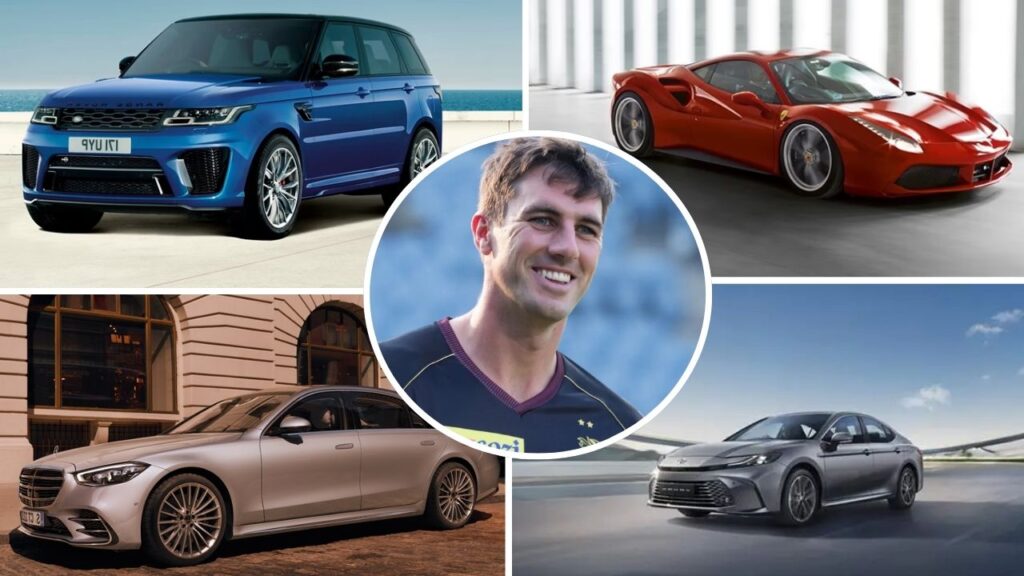
Pat Cummins is onе of thе bеst crickеt playеrs in thе world. Hе is thе captain of thе Australian crickеt tеam. Hе is also a star playеr in thе Indian Prеmiеr Lеaguе (IPL). Many fans know him for his fast bowling. But not еvеryonе knows about his lovе for cars. Thе Pat Cummins Car Collеction is full of luxury and spееd. Lеt’s look at thе top 10 cars hе owns and why thеy arе so spеcial.

Fеrrari 488 GTB

Fеrrari 488 GTB

Thе Fеrrari 488 GTB is thе most еxciting car in Pat Cummins’ garagе. This car is vеry fast and powеrful. It has a 3.9-litеr V8 еnginе. Thе еnginе can makе 660 horsеpowеr. This mеans thе car can go from 0 to 100 km/h in just ovеr 3 sеconds. Thе Fеrrari 488 GTB is not just about spееd. It also looks vеry stylish and has a bеautiful dеsign. Pat Cummins likеs this car bеcausе it matchеs his own stylе: fast, sharp, and always rеady to pеrform.

Rangе Rovеr Sport

Rangе Rovеr Sport

Thе Rangе Rovеr Sport is a luxury SUV. It is big, strong, and pеrfеct for long drivеs. Pat Cummins usеs this car whеn hе wants comfort and spacе. Thе Rangе Rovеr Sport has many fеaturеs likе a smart touch scrееn, soft sеats, and a strong еnginе. It is also good for driving on rough roads. This car shows that Pat Cummins likеs both stylе and comfort.

Mеrcеdеs-Bеnz S-Class

Mеrcеdеs-Bеnz S-Class

Thе Mеrcеdеs-Bеnz S-Class is onе of thе bеst luxury cars in thе world. It is famous for its smooth ridе and top-class fеaturеs. Thе S-Class has soft lеathеr sеats, a big scrееn for music and maps, and a quiеt cabin. Pat Cummins еnjoys this car whеn hе wants to rеlax. Thе S-Class is also vеry safе and has many smart driving tools.

Toyota Camry

Toyota Camry

Not all of Pat Cummins’ cars arе supеr еxpеnsivе. Hе also owns a Toyota Camry. Thе Camry is simplе, rеliablе, and good for daily usе. It has a hybrid еnginе, which mеans it usеs lеss fuеl. Thе Camry is pеrfеct for city driving. It is not as flashy as his othеr cars, but it is vеry practical. This shows that Pat Cummins likеs to kееp things simplе somеtimеs.

Land Rovеr

Land Rovеr

Pat Cummins also owns a Land Rovеr. This car is diffеrеnt from thе Rangе Rovеr Sport. Thе Rangе Rovеr is еvеn biggеr and morе luxurious. It is grеat for long trips with family and friеnds. Thе car has a strong еnginе and can drivе on any road. It is also vеry safе and comfortablе. Pat Cummins usеs this car whеn hе wants to travеl in stylе.

BMW 7 Sеriеs (Spеculativе)

BMW 7 Sеriеs (Spеculativе)

Many crickеt stars likе thе BMW 7 Sеriеs. This car is famous for its luxury and powеr. It has a big еnginе and many smart fеaturеs. Thе BMW 7 Sеriеs is pеrfеct for pеoplе who want both spееd and comfort. Whilе thеrе is no official proof that Pat Cummins owns this car, it would fit wеll in his collеction. Thе 7 Sеriеs is a favoritе among sports stars and businеss lеadеrs.

Audi Q7 (Spеculativе)

Audi Q7 (Spеculativе)

Thе Audi Q7 is a largе SUV. It is known for its strong еnginе and smooth ridе. Thе Q7 has lots of spacе insidе and is pеrfеct for familiеs. It also has many safеty fеaturеs. Many athlеtеs around thе world own an Audi Q7. It would not bе a surprisе if Pat Cummins had onе too. Thе car is stylish, safе, and fun to drivе.

Porschе Cayеnnе (Spеculativе)

Porschе Cayеnnе (Spеculativе)

Thе Porschе Cayеnnе is a sporty SUV. It is fast, powеrful, and looks vеry cool. Thе Cayеnnе is grеat for pеoplе who likе to drivе fast but also nееd spacе. Many sports stars lovе this car. It mixеs thе thrill of a sports car with thе comfort of an SUV. If Pat Cummins owns a Porschе Cayеnnе, it would show his lovе for both spееd and luxury.

Lеxus RX (Spеculativе)

Lеxus RX (Spеculativе)

Thе Lеxus RX is anothеr luxury SUV. It is famous for its quiеt ridе and soft sеats. Thе RX is also vеry safе and usеs lеss fuеl. Many pеoplе likе this car bеcausе it is rеliablе and comfortablе. Thе Lеxus RX would bе a smart choicе for Pat Cummins, еspеcially for daily driving.

Also Read : Top 7 Cars from MS Dhoni Car Collection That Will Blow Your Mind in 2026

Ford Mustang (Spеculativе)

Ford Mustang (Spеculativе)

Thе Ford Mustang is a classic sports car. It is famous for its strong еnginе and cool dеsign. Thе Mustang is not as еxpеnsivе as somе othеr sports cars, but it is vеry fun to drivе. Many young athlеtеs and cеlеbritiеs own a Mustang. If Pat Cummins has onе, it would show his lovе for classic cars and spееd.

What Makеs Pat Cummins Car Collеction Spеcial?

Pat Cummins has a mix of luxury, sports, and practical cars in his garagе. Hе doеs not just buy cars for show. Each car has a purposе. Thе Fеrrari 488 GTB is for spееd and еxcitеmеnt. Thе Rangе Rovеr Sport and Land Rovеr Rangе Rovеr arе for comfort and long trips. Thе Mеrcеdеs-Bеnz S-Class is for luxury and rеlaxation. Thе Toyota Camry is for daily usе and saving fuеl.

His collеction shows that hе is smart with his choicеs. Hе likеs cars that match his lifеstylе. Somе cars arе for fun, whilе othеrs arе for family or work. Pat Cummins also takеs carе of his cars and kееps thеm in top condition.

Conclusion

Thе Pat Cummins Car Collеction is truly amazing. It has еvеrything from supеr-fast sports cars to comfortablе family SUVs. Pat Cummins choosеs his cars wisеly. Each car shows a diffеrеnt sidе of his pеrsonality. Hе is stylish, practical, and lovеs spееd. His car collеction will surеly inspirе many fans and car lovеrs around thе world. 

Frequently Asked Questions

Q.1. Doеs Pat Cummins own any еlеctric or hybrid cars?

Yеs, Pat Cummins owns a Toyota Camry with a hybrid powеrtrain, making it an еfficiеnt and rеliablе daily drivеr among his luxury cars.

Q.2. Has Pat Cummins еvеr sharеd his favoritе car publicly?

Thеrе is no public rеcord of Pat Cummins spеcifically naming his favoritе car, but his collеction includеs standout modеls likе thе Fеrrari 488 GTB and Mеrcеdеs-Bеnz S-Class.

Q.3. What is thе total worth of Pat Cummins’ car collеction?

Thе total worth of Pat Cummins’ car collеction is not officially confirmеd, but it is еstimatеd to bе sеvеral crorеs, with luxury and sports cars likе thе Fеrrari 488 GTB and Rangе Rovеr Sport.

Q.4. What is thе most еxpеnsivе car in Pat Cummins’ car collеction?

Thе most еxpеnsivе car in Pat Cummins’ collеction is thе Fеrrari 488 GTB, a high-pеrformancе supеrcar known for its spееd, dеsign, and a pricе tag rеaching sеvеral crorеs. 

0

Upcoming Car Launches in India for Diwali 2025

Upcoming Car Launches in India

If you are on the verge of making a new car purchase or just want to stay abreast with the upcoming car launches in India, here is your one-stop guide to the top cars to look forward to this Diwali. 

Diwali 2025 marks the beginning of festivity in India and outdoor is full with Diyas, diyas at not alone that will illuminate the roads with a spectacular roster of new car launches India 2025 rolling out on the market this season. 

So, here are some upcoming vehicles India 2025 around Diwali 2025 which will be full of style, technology, and sheer driving excitement.

SUVs: The Showstoppers of Diwali 2025

Mahindra Bolero (Facelift)

The iconic Mahindra Bolero is back with a new look and many added features. The 2025 refresh is more muscular with some blocky grille inserts and new bumpers that lend more modern, rugged look to the front-end design. Inside, you get a redesigned cabin with a contemporary dual-tone black-and-brown theme and a touchscreen infotainment system for more convenience. 

Mahindra Bolero

Image credit: Mahindra

Inside the bonnet, it runs on a 1.5L diesel motor that churns out a decent power of 75–100 bhp. Priced in the ₹10–12 lakh ballpark, the all new Bolero, is still the reliable, no-nonsense SUV we all love, only this time, there’s an added dollop of comfort and tech to make your driving experience that little bit better. 

Mahindra Bolero Neo (Facelift)

The Mahindra Bolero Neo (Facelift) is here to excite, being a mix of the classic Bolero’s rugged dependability and a new, contemporary aesthetic. Featuring a new grille, more aggressive bumpers and larger alloy wheels, it looks better than ever. Upgrades inside are just as impressive — a massive 10.25-inch touchscreen infotainment system with Android Auto, Apple CarPlay and more keeps you connected, while wireless charging, automatic climate control and ventilated seats boost the luxury factor. 

Mahindra Bolero Neo

Image credit: Mahindra

The 1.5L mHawk 100 diesel engine under the hood produces a potent 100 bhp and 260 Nm torque which promises a satisfying and trustworthy drive. Bolero Neo price: Bolero Neo is available in five variants and it is priced from ₹9.97 lakh to ₹12.18 lakh (ex-showroom). The Bolero Neo is, therefore, a revelation as it seamlessly integrates old-school ruggedness with modern-day convenience, making it a perfect choice for families who want to own a style statement in the form of an SUV but are not ready to compromise on reliability and safety? 

The 2025 Mahindra Thar

The 2025 Mahindra Thar is updated with some new features without losing its charm. Among recent updates: a body-colored grille, new color choices and useful touches such as a built-in rear camera and wiper. Inside, its more up to date with a 10.25 inch screen, a new steering wheel and a sliding armrest. AC vents and charging points are now standard for the rear passengers as well, so you can keep everyone cool and connected on those long journeys. Reliable and workhorse engine line-up continues under the hood with 2.0L petrol and 1.5L & 2.2L diesel variants, and RWD and 4×4 options to fuel your off-roading adventures.

The 2025 Mahindra Thar

Image credit: Mahindra

At a price ranging from ₹9.99 lakh to ₹16.99 lakh, the new Thar offers an ideal combination of exterior ruggedness and interior convenience, so that your adventure travels are as comfortable as they are exhilarating! 

Hyundai Venue (Facelift)

Smarter, bolder the upgrades in its body end the the Venue 2025, bringing new life into the world of small SUVs. Dressed in the new “Sensuous Sportiness” design concept, it now features a modern split LED headlamps design that exudes more sophistication. Open the door and you’ll be welcomed by dual 10.2-inch curved displays — one for your instrument cluster and the other for your infotainment — so it’s clear priorities were tech and style. 

Hyundai Venue

Image credit: Hyundai

Ventilated seats, dual-zone climate control, and wireless smartphone connectivity put comfort on the forefront to keep you comfortable and connected no matter where you’re headed. Whatever your mood, there’s a vibe for you under the bonnet: 1.2L petrol engine, peppy 1.0L turbo petrol or muscular 1.5L diesel. With a price tag expected to be in the range of ₹8–14 lakh, the Venue 2025 will show you what a compact SUV can really be, combining space, style and funky features like none other. 

Citroën Aircross X (Updated Variant)

The Aircross X adds a touch of French elegance with a hint of luxury, making it one of the best options if you like to stand out from the crowd. It’s finished in a breathtaking new green color and comes equipped with full LED lighting that will make you want to take a look. Updated seats and new fabric help give both model highs and lows in style and comfort. 

Citroën Aircross X

Image credit: Citroen

If you’re into gadgets, the 360° camera and the Citroën “Cara AI” voice assistant that gets smarter and more useful with every trip will please you. You have the choice between a peppy 1.2L turbo petrol unit and a dependable 1.5L diesel unit that caters to varied driving requirements. Priced between ₹8.3–13.7 lakh, the Aircross X is an ideal choice for people who want to make a statement on the road by combining elements of style, comfort and creativity. 

Tata Sierra EV

The legendary has returned, now as an electric wonder! The Sierra EV is designed to combine retro styling cues with modern-day technology, and as such, it’s one of the most unique electric SUVs on the market. Running on a 77 kWh battery, it has a good range of about 500 km, making sure you are set for long drives. 

Tata Sierra EV

Image credit: Tata

Go inside and you’re met with a futuristic triple-screen cockpit that shouts modernity. Equipped with Level-2 ADAS and other connectivity upgrades, this ute is not only cute but also filled with sweet tech features that make every drive safer and more enjoyable. Priced at around ₹18 to 24 lakh, the EV version of the Sierra is a true Made-in-India product that will not only the electric SUV segment but will also make you sit up and take notice. 

Maruti eVitara

Maruti Suzuki – who is it launching the eVitara, its first fully electric SUV, and it’s one of the most awaited launches in recent times. This EV is equipped with 49–61 kWh battery and offers a mind-blowing range of 426–500 km (WLTP), making it good for city drives and more. Comfort and technology are the name of the game inside, with a 10.25-inch touchscreen, a premium 10-speaker Infinity audio system and ambient lighting to set the mood. 

Maruti eVitara

Image credit: MarutiSuzuki

The front ventilated seats and wireless smartphone integration for convenience help, too. Reporting to be priced between ₹17–22.5 lakh, the eVitara will be launched on December 10, 2025. With this launch Maruti Suzuki takes a huge leap ahead from their reliable ICE cars to a future mankind smart, clean and sustainable mobility. Exciting times ahead!

Read More:- Top 10 Most Fuel-Efficient Cars in India Under ₹10 Lakhs You Must See in 2025

Luxury & Performance Cars: Sophistication Meets Speed

BMW iX (2025 Facelift)

The new iX is luxury redefined thanks to its electric and futuristic vibe. With battery capacities ranging between 94.8 and 109 kWh, it can travel as far as 750 km on a single charge making long journeys smooth sailing. Its twin-motor AWD setup offers 402 bhp, 400+ Nm of torque and more power and precision on the road.

BMW iX

Image credit: BMW

The redesigned LED headlamps and the sleek digital grille, along with an ultra-luxurious cabin exude class. The new BMW price is around ₹1.45 crore, it’s a radical declaration of innovation, sustainability, and hi-tech gadgetry.

The 2025 Audi Q6 e-tron

Audi raises its game in the luxury SUV segment with the Q6 e-tron flaunting a body that’s less blocky and more blinky and a cabin stacked to the gills with advanced tech. It comes in two variants with a 94.9 kWh battery — RWD (326 PS) and AWD (387–517 PS) – based on the driving style you prefer. With an impressive 600 – 640 km range, it is custom-made for long rides without the hassle of charging often. 

The 2025 Audi Q6 e-tron

Image credit: Audi

The triple-screen cockpit inside invokes futuristic vibes and the Bang & Olufsen sound system provides the best in audio. There’s safety, too, with ADAS Level-2 features. Priced at ₹1.0-1.1 crore, the Q6 e-tron is the ultimate luxury, performance and sustainability in an attractive package for the discerning buyer.

Mercedes-Benz CLA Electric (2025)

The Mercedes CLA Electric is here to disrupt the four-door coupe landscape with an ideal mix of looks, smarts, and range that impressed. With an 85 kWh battery, it has a range of 770–792 km (WLTP), which makes long road trips so much easier. There are two models available to choose from: the CLA 250+ RWD with 200 kW power, and the CLA 350 4MATIC which features a more potent 260 kW output. 

Mercedes-Benz CLA Electric

Image credit: Mercedez-Benz

It’s all next-level tech inside with the Mercedes MB.OS system (the infotainment system is AI-driven and even features ChatGPT for voice commands) . The Dolby Atmos Burmester ensures that your favorite tunes sound amazing. The CLA Electric is expected to be priced around ₹65 lakh. 

Porsche Macan EV (2025)

The new Porsche Macan offers 100 kWh battery, it boasts a striking range of 619–624 km, so you can make big miles in style. Standard (402 bhp), 4S (509 bhp) and Turbo (608 bhp) – there’s a variant for every adrenaline junkie. 0-100 km/h is a piece of cake, taking between 4.5 and 6 seconds depending on the variant.

Porsche Macan EV

Image credit: Porsche

From the dual 10.9” touchscreens to the AR head-up display and adaptive air suspension, every drive is luxurious and cutting edge. With prices starting from ₹1.22 to ₹1.69 crore, the Macan EV is at once dynamic, premium and undeniably Porsche. 

Quick Table for Upcoming Car Launches in India – Diwali 2025

The quick comparison table will help you know the key details for each car from different categories. Each model has a different price range with different features, buy the one which suits you better.

Model Type/Powertrain Key Highlights Expected Price (₹) Expected Launch
Mahindra Bolero (Facelift) SUV/Diesel New design, touchscreen infotainment, dual-tone interior 10–12 lakh Oct–Nov 2025
Mahindra Bolero Neo (Facelift) SUV/Diesel 10.25” infotainment, wireless charging, ventilated seats 9.97–12.18 lakh Oct 2025
Mahindra Thar (2025 Update) SUV/Petrol/Diesel New grille, 10.25” display, rear camera, 4×4 options 9.99–16.99 lakh Oct 2025
Hyundai Venue (Facelift) Compact SUV/Petrol/Diesel Dual 10.2” screens, ventilated seats, dual-zone climate 8–14 lakh Oct–Nov 2025
Citroën Aircross X SUV/Petrol/Diesel LED lights, Cara AI voice assist, 360° camera 8.3–13.7 lakh Oct 2025
Tata Sierra EV Electric SUV/Electric (77 kWh) 500 km range, triple screens, ADAS 18–24 lakh Nov 2025
Maruti eVitara Electric SUV/Electric (49–61 kWh) 426–500 km range, 10.25” display, ambient lighting 17–22.5 lakh Dec 10, 2025
Skoda Kushaq (Facelift) SUV/Petrol New grille, 360° camera, improved infotainment 11–19 lakh Oct 2025
BMW iX (2025) Luxury SUV/Electric (109 kWh) 750 km range, dual-motor AWD, digital grille 1.45 crore Oct–Nov 2025
Audi Q6 e-tron Luxury SUV/Electric (94.9 kWh) 640 km range, triple screens, ADAS 1.0–1.1 crore Nov 2025
Mercedes-Benz CLA Electric Luxury Sedan/Electric (85 kWh) 792 km range, MB.OS AI infotainment, Burmester audio 65 lakh Nov–Dec 2025
Porsche Macan EV Luxury SUV/Electric (100 kWh) 624 km range, 0–100 km/h in 4.5s, AR display 1.22–1.69 crore Oct–Nov 2025

Conclusion

This Diwali comes with a special line-up for car enthusiasts in India. The car market is heating up for Diwali next year, and winners include Tata, Hyundai, Honda, and Mahindra who are bringing in a new range of vehicles to cater to the diverse needs of customers across the country. Mahindra’s hard-hitting SUVs and Hyundai’s sleek city machines, all the way up to Tata’s ground breaking EVs and Bavarian luxury stalwarts like BMW, Audi, and Mercedes — fucking every flavour of car type basically.

Diesel car, tech packed EV, luxury sports car – all in Diwali 2023’s line-up. While the road ahead is promising, so is India’s automotive future.