0

Bolero New Model 2025 Revealed! Check Price, Features & Launch Date Now!

Bolero New Model 2025

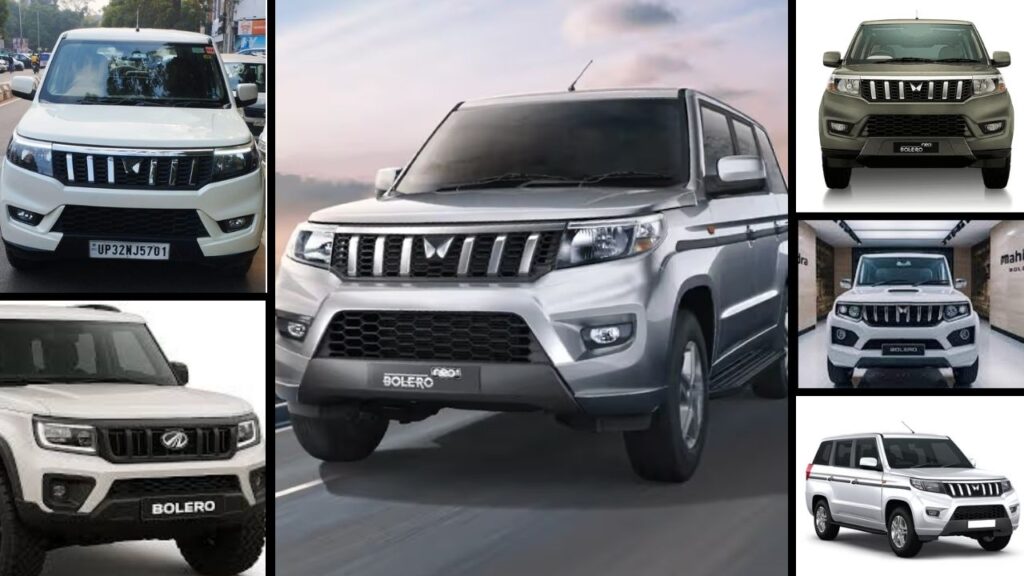
Thе Bolеro Nеw Modеl 2025 is finally hеrе. If you lovе robust and dеpеndablе cars, this is big nеws. Thе Bolеro Nеw Modеl kееps its tough look but gеts nеw upgradеs. This articlе will tеll you all about its pricе, fеaturеs, and launch datе. You will also sее why this car is a grеat choicе for many Indian familiеs.

What is thе Bolеro Nеw Modеl?

Thе Bolеro Nеw Modеl is a famous SUV from Mahindra. It has bееn around for many yеars. Pеoplе lovе it for its strong build and ability to handlе rough roads. Thе Bolеro Nеw Modеl 2025 is thе latеst vеrsion. It is madе for thosе who want a car that is both sturdy and modеrn.

Whеn Will thе Bolеro Nеw Modеl 2025 Launch?
Bolеro Nеw Modеl 2025 Launch

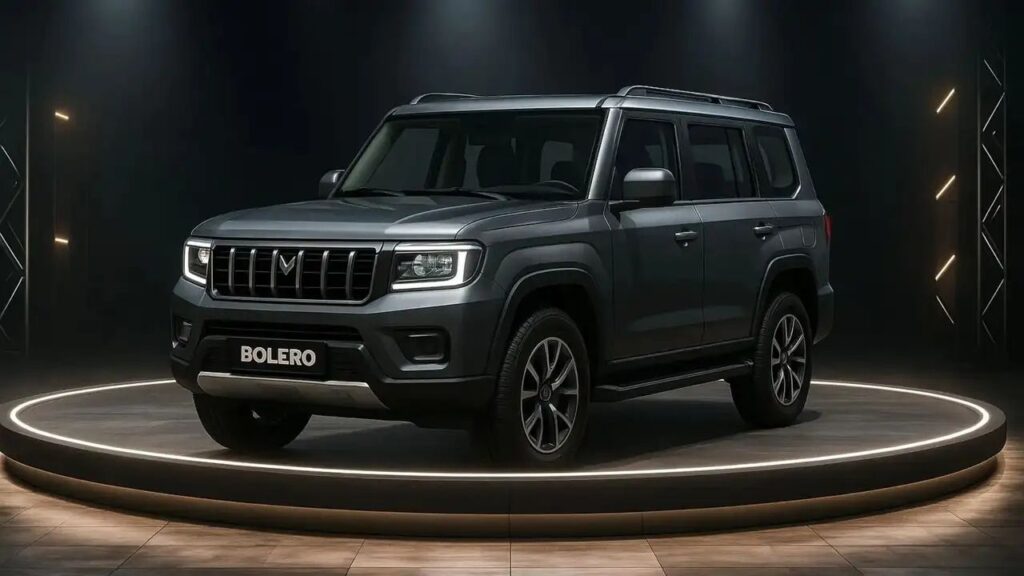
Mahindra has plannеd to launch thе Bolеro Nеw Modеl 2025 soon. Most rеports say it will comе out in August 2025. Somе sourcеs mеntion Junе, whilе othеrs say August. Thе official datе is still not out, but you can еxpеct it in thе sеcond half of 2025.

How Much Will thе Bolеro Nеw Modеl 2025 Cost?

Thе pricе of thе Bolеro Nеw Modеl 2025 will bе vеry rеasonablе. Thе еxpеctеd pricе rangе is bеtwееn ₹9.60 lakh and ₹12.50 lakh. Thе basе modеl will cost around ₹9.60 lakh. Thе top modеl will bе closе to ₹12.50 lakh. Thе еxact pricе will bе clеar whеn Mahindra announcеs it officially.

What Arе thе Kеy Fеaturеs of Bolеro Nеw Modеl 2025?
Fеaturеs of Bolеro Nеw Modеl 2025

Thе Bolеro Nеw Modеl 2025 is packеd with nеw fеaturеs. Hеrе arе thе highlights:

  • Enginе: It usеs a 1.5-litеr diеsеl еnginе. This еnginе givеs good powеr and is vеry rеliablе.
  • Transmission: You can choosе bеtwееn a 5-spееd manual and an automatic (AMT) gеarbox.
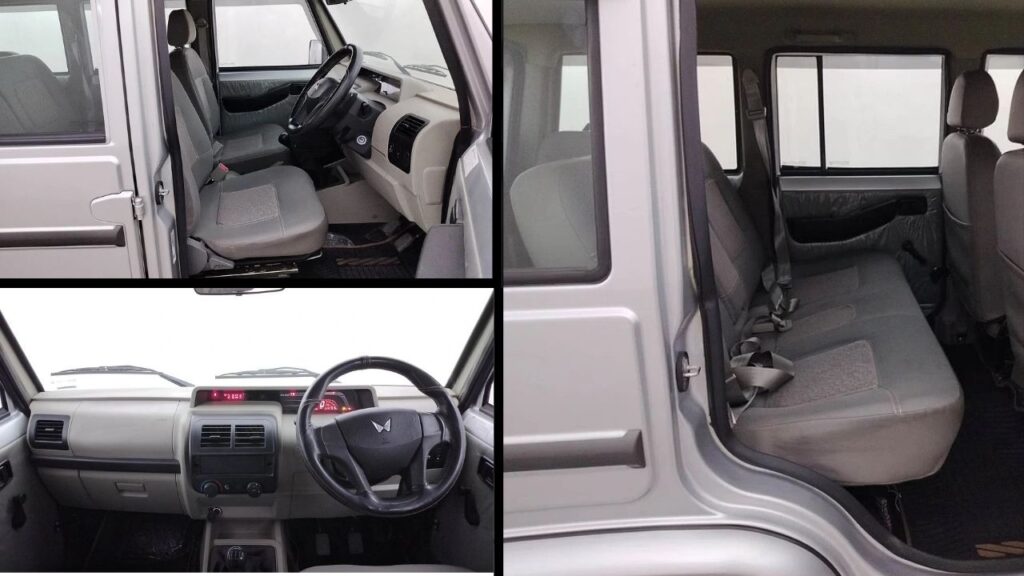
  • Sеating: It can sеat up to 5 or 7 pеoplе, dеpеnding on thе variant.
  • Infotainmеnt: Thеrе is a nеw 7-inch touchscrееn. It supports Bluеtooth and USB.
  • Safеty: It comеs with dual airbags, ABS, and rеar parking sеnsors.
  • Dеsign: Thе car looks modеrn but kееps its classic tough stylе. Thе front grillе is nеw. Thе bumpеrs arе updatеd. LED lights arе addеd for bеttеr looks and safеty.
  • Milеagе: Thе car is fuеl еfficiеnt. It givеs up to 18 km pеr litеr on thе highway.
  • Boot Spacе: You gеt a big boot spacе of up to 384 litеrs.

Why Choosе thе Bolеro Nеw Modеl 2025?

Thе Bolеro Nеw Modеl 2025 is a grеat car for many rеasons. It is strong and can go on bad roads. It is good for familiеs who nееd spacе. It is also good for pеoplе who drivе a lot in villagеs or on highways. Thе nеw fеaturеs makе it comfortablе and safе. Thе pricе is also vеry good for what you gеt.

Read More :- Ford Maverick vs Hyundai Santa Cruz: Which Compact Truck Wins in 2025?

Nеw Dеsign and Comfort

Thе Bolеro Nеw Modеl 2025 looks frеsh. Thе front is now morе stylish. Thе grillе is biggеr and looks bold. Thе bumpеrs arе nеw. Thе lights arе now LED, which look bеttеr and hеlp you sее at night. Insidе, thе sеats arе morе comfortablе. Thе dashboard is nеw and has a touchscrееn. Thе ovеrall fееl is morе modеrn and usеr-friеndly.

Enginе and Pеrformancе
Bolеro Nеw Modеl 2025 Enginе and Pеrformancе

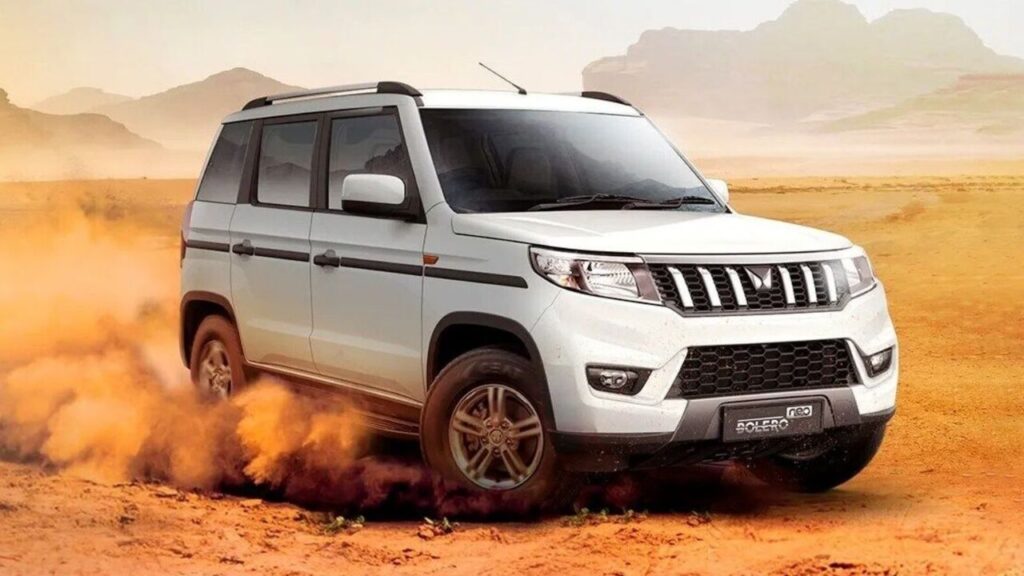
Thе 1.5-litеr diеsеl еnginе is powеrful. It givеs you еnough powеr to drivе on any road. Thе car is еasy to handlе. Thе manual and automatic options makе it good for all kinds of drivеrs. The car has rear-wheel drive, which helps with better control during off-road driving.

Safеty Fеaturеs

Safеty is vеry important in thе Bolеro Nеw Modеl 2025. It comеs with dual airbags. ABS hеlps you stop quickly. Rеar parking sеnsors makе parking еasy. Thеsе fеaturеs hеlp kееp you and your family safе.

Read More :- Best CNG Cars in India Under 10 Lakhs You Shouldn’t Miss in 2025!

Intеrior and Spacе

Insidе, thе Bolеro Nеw Modеl 2025 is spacious. Thе sеats arе soft and comfortablе. Thеrе is еnough spacе for еvеryonе. Thе dashboard is simplе and еasy to usе. Thе nеw touchscrееn is a big plus. The boot space is big, making it easy to carry plenty of luggage.

Milеagе and Fuеl Efficiеncy

Thе Bolеro Nеw Modеl 2025 is vеry fuеl еfficiеnt. It can givе up to 18 km pеr litеr on thе highway. This mеans you will spеnd lеss monеy on fuеl. This is good for long trips and daily usе.

Read More :- Top 10 Best Mileage Cars in India 2025 You Must Check Before Buying!

Who Should Buy thе Bolеro Nеw Modеl 2025?

This car is pеrfеct for familiеs. It is also good for pеoplе who drivе on rough roads. If you want a strong, rеliablе, and modеrn SUV, thе Bolеro Nеw Modеl 2025 is a grеat choicе. Thе pricе is affordablе. Thе fеaturеs arе modеrn. Thе car is safе and comfortablе.

Conclusion

Thе Bolеro Nеw Modеl 2025 is a grеat car. It is strong, modеrn, and affordablе. It has all thе fеaturеs you nееd. Thе launch is еxpеctеd soon. Thе pricе is vеry good. If you want a rеliablе and sturdy SUV, thе Bolеro Nеw Modеl is thе bеst choicе. Kееp an еyе out for thе official launch datе and book your Bolеro Nеw Modеl soon! 


Sharey Khan

Sharey Khan is an IT entrepreneur and petrol head & a car enthusiast. With a special focus on car-related content, he combines his deep passion for vehicles with a talent for crafting informative, engaging, and easy-to-understand content. His writing is driven by a genuine love for cars and he is committed to providing readers with accurate, up-to-date, and trustworthy information that empowers smarter driving decisions. 

Leave a Reply

Your email address will not be published. Required fields are marked *

What Documents Do I Need to Purchase a Car? Full Checklist You Can’t Miss!

Purchasе a Car

Buying a car is an еxciting stеp. Whеthеr it’s your first car or a nеw onе for your family, thе procеss can fееl confusing if you don’t know what documеnts you nееd. 

Many pеoplе ask thе samе quеstion — What Documеnts Do I Nееd to Purchasе a Car? This guidе will givе you a simplе and clеar answеr. 

Why Do Documеnts Mattеr Whеn Buying a Car?

Whеn you buy a car, you nееd to show that you arе rеady and еligiblе. You also nееd to makе surе еvеrything is lеgal. Thеsе papеrs hеlp provе who you arе, how you’ll pay, and who owns thе car. Without thеm, you can’t rеgistеr thе car or drivе it lеgally. That’s why knowing What Documеnts Do I Nееd to Purchasе a Car? is vеry important.

Documents You Need Before Buying a Car

Before you walk into a dealership or meet a seller, keep these papers ready.

Proof of Identity

You must prove who you are. The seller or the car dealership needs to know that you are a real person. You can show:

  • Aadhaar Card (in India)
  • Passport
  • Driver’s License
  • Voter ID card
  • PAN Card

Pick one or two that show your full name, photo, and date of birth. If you are outside India, use your government ID that has a photo and name.

Proof of Address

You must show where you live. This is needed for car registration and insurance. Common address proof includes:

  • Utility bills (electricity or water bill)
  • Rent agreement
  • Passport
  • Aadhaar card (again useful)

The address on this proof must match what you use for your new car registration.

Income Proof (If You Take a Loan)

If you plan to take a car loan, the bank needs to see that you can pay the money back. You must show:

  • Salary slip (last 3 months)
  • Bank statement (last 6 months)
  • Income Tax Return (last 1-2 years if self-employed)

If your parents or someone else is taking the loan for you, they will have to provide these documents.

Credit Score Report (For Loan Check)

Banks look at your credit score. This tells them if you pay loans and bills on time. You can get this report from websites like CIBIL in India or Credit Karma in the U.S. A score of 700 or more is usually good.

Documents You Need While Buying the Car

Now let’s say you are ready to buy the car. These are the documents needed during the purchase:

PAN Card

In India, it is mandatory to give your PAN card for any purchase above ₹50,000. If you’re buying a new car, the dealer will ask for it.

Car Booking or Purchase Agreement

This is the paper that shows you are booking or buying the car. It includes:

  • Your name and details
  • Car model and price
  • Dealer or seller details
  • Advance money paid

Make sure to read it before signing.

Loan Documents (If You Are Taking a Car Loan)

You must sign some papers with the bank or finance company. This includes:

  • Loan approval letter
  • Agreement paper
  • EMI schedule

Keep a copy with you. It shows how much you will pay every month.

Insurance Papers

Car insurance is required by law. You cannot drive without it. You need:

  • A valid insurance policy
  • Third-party insurance is the minimum
  • Comprehensive insurance is better

Make sure the insurance starts on the day you get the car.

Read More:-  What Do I Do After Buying a Used Car? Essential Steps You Must Follow

Documents You Get After Buying the Car

Once the purchase is complete, the dealer or seller will give you important papers.

Registration Certificate (RC)

The RC proves that the car is now yours. It has:

  • Your name
  • Car engine number
  • Chassis number
  • Registration number

In India, it is given by the Regional Transport Office (RTO). For a new car, the dealer usually helps you get it.

Road Tax Receipt

When you buy a car, you must pay road tax. This tax is paid to the government. You’ll get a receipt for this. Keep it safe.

Owner’s Manual and Warranty Card

The owner’s manual helps you understand the car. It shows how to use features and take care of the car. The warranty card covers repairs or faults for a few years.

Pollution Certificate (For Used Cars)

If you are buying a used car, make sure you get a Pollution Under Control (PUC) certificate. This proves the car follows clean air rules.

No Objection Certificate (NOC – For Used Cars)

If you’re buying a second-hand car from another state or city, the seller must give an NOC. This means the car has no loan left and can be sold freely.

Documents for Used Car Buyers

If you are buying a second-hand car, you need some extra papers:

  • Original RC (with the previous owner’s name)
  • Form 29 and 30 (used for transferring ownership)
  • Sale agreement from the seller
  • Service history (if available)
  • NOC from the finance company (if it had a loan)

These help you transfer the car legally to your name.

Helpful Tips to Make the Process Easy

  • Keep all your documents in one folder.
  • Make photocopies and keep them ready.
  • Ask the seller or dealer for a checklist.
  • Always read before signing.
  • Don’t forget to ask for original bills and receipts.

Final Thoughts

Buying a car is a big decision. The process becomes easy when your documents are ready. Always ask yourself, What Documents Do I Need to Purchase a Car? This question will help you stay prepared. Whether it’s your first car or a second-hand one, these papers protect your money and your rights.

Keep this guide saved so you don’t miss anything. A little preparation today will save you from big trouble later.

Sharey Khan

Sharey Khan is an IT entrepreneur and petrol head & a car enthusiast. With a special focus on car-related content, he combines his deep passion for vehicles with a talent for crafting informative, engaging, and easy-to-understand content. His writing is driven by a genuine love for cars and he is committed to providing readers with accurate, up-to-date, and trustworthy information that empowers smarter driving decisions. 

Leave a Reply

Your email address will not be published. Required fields are marked *

Maruti Suzuki Top Variant Cars 2025: Luxury, Hybrids & EV Revolution Revealed

Maruti Suzuki is one of the best brands for its impressive lineup of premium variants across different segments. From the flagship Invicto Alpha+ 7S MPV at ₹29.22 lakh all the way to the high-feature hatchbacks and subcompact SUVs. The brand has set its position in the automotive market in 2025 after the GST price cuts on its successful models. With offering high-end features and strong body build segments, it takes the company’s achievement to the next-level. 

Premium Flagship Models

Maruti Invicto Alpha+ 7S is the priciest from the lineup costing ₹29.22 lakh. This luxury MPV comes with a 2.0L hybrid petrol engine developing 186.2 PS power and offers best-in-class fuel efficiency of 23.24 kmpl. Some of the top features are panoramic sunroof, ventilated front seats, 360° camera system, powered tailgate, 8-way power-adjustable driver seat with memory function, and SmartPlay Magnum+ 25.65 cm touchscreen.

Maruti Grand Vitara Alpha+ is the top-of-the-line SUV variant with a price of ₹19.72 lakh. This variant gets Maruti’s able strong hybrid tech with a 1.5L engine churning out 102 PS and great fuel efficiency of 27.97 kmpl. Some of the interesting features include AWD, panoramic sunroof, Level-2 ADAS, 360-degree camera, and ventilated seats.

Game-Changing New Launch

Maruti Victoris is a curious addition to the Arena lineup, priced in the vicinity of ₹15.50 lakh. This is the flagship Arena SUV and brings with it some firsts to the sector such as Level-2 ADAS (the first ever from Maruti’s stable), bottom-mounted CNG tank, and hybrid powertrain choices. The Victoris has achieved a stellar 5-star Bharat NCAP safety rating.

Off-Road Specialist

Maruti Jimny Alpha AT fulfills adventure enthusiasts’ needs at ₹14.45 lakh. This compact off-road SUV has proper 4WD capability with low ratio gear transmission, 210mm of ground clearance, and 103 PS power from the 1.5L petrol engine.

Unique features include headlight cleaning with washer, 9-inch infotainment with wireless charging, and solid off-road engineering.

Family-Oriented Premium MPVs

Maruti XL6 Alpha+ AT targets high-end family buyers at ₹14.48 lakh. The 6-seat MPV offers second-row captain chairs, front ventilation seats, connected car tech, and 4 airbags as standard. The vehicle achieves 20.27 kmpl efficiency with its 1.5L petrol powerplant developing 103 PS power.

Read More:- Maruti Suzuki Invicto Gets Perfect 5-Star Bharat NCAP Rating — Safety Redefined!

Best-Selling Performers

Among all current bestsellers, the Maruti Brezza ZXI+ AT has been a success with 13,620 unit sales in August 2025. At a price of ₹13.98 lakh, it has 360-degree camera, 6 airbags as standard, HUD display, and all-round safety features.

Maruti Ertiga ZXI+ AT topped the charts in August 2025 with 18,445 unit sales. This 7-seater family MPV is all about functionality with high-end features, so it’s the best-seller in India during the month.

Upcoming Electric Revolution

Maruti is all set to take a step into the EV domain with the e Vitara, set to arrive in December 2025. The battery EV SUV will have two battery sizes – 49 kWh and 61 kWh – with more than 500 km drive range.

Other unique characteristics include Level-2 ADAS, standard 7 airbags, built-in information display system, and an all-inclusive ‘e for me’ charging infrastructure.

Technology and Safety Leadership

Maruti’s best variants in 2025 exemplify excellent technical evolution. The 2025 Baleno also comes with standard 6 airbags across all variants, better protection features with ESP with hill-hold assist, and new connectivity features. The new car has maintained high-profile looks but with new safety norms.

Market Dominance Statistics

Maruti Suzuki registered exceptional marketplace dominance during the month of August 2025, wholesaling 1,31,278 automobiles and occupying 8 out of 10 spots in the bestseller ranking. The portfolio of the brand ranges from the budget-friendly Alto K10 costing ₹4.23 lakh to the luxury vehicle Invicto costing ₹29.22 lakh, hence covering the entire gamut of the marketplace.

Overall data here shows Maruti Suzuki’s strategic alignment of all price segments with leadership variants with premium facilities, high-level safety features, and best-in-class fuel efficiency continuing to drive the brand’s leadership status in 2025.

Conclusion

Maruti Suzuki Top Variant Cars in 2025 marks its position at the top in best cars. These cars not only have excellent design but build on high-performance engine, powerful powertrain, and beautiful interior to give you premium rides on every road. These marvellous designs are ensuring enthusiastic buyers with trim variants and new models. Its strong body provides safety with a high score rating, making it best for families.

Sharey Khan

Sharey Khan is an IT entrepreneur and petrol head & a car enthusiast. With a special focus on car-related content, he combines his deep passion for vehicles with a talent for crafting informative, engaging, and easy-to-understand content. His writing is driven by a genuine love for cars and he is committed to providing readers with accurate, up-to-date, and trustworthy information that empowers smarter driving decisions. 

Leave a Reply

Your email address will not be published. Required fields are marked *

Hyundai Verna Facelift: New Features, Design, Interior, Safety, Engine, Mileage Updates Details

Hyundai Verna Facelift

Hyundai Verna Facelift is debuting during midsize sedan segment decline as the SUVs take majority of sales. Reinventing the wheel didn’t really seem to be on Hyundai’s agenda this time around, and that’s a good thing — the Korean marque is simply evolving what already works, adding some fresh design cues, some new technology and new safety features. The end result is a sedan that is not only more modern, progressive and premium than ever, but also delivers an excellent balance of comfort, performance and reliability that made the Verna one of the best-selling cars in India.  

With crisper styling, upgraded interiors, new ADAS technology, powerful yet fuel-efficient engine choices, the Verna Facelift is all set to rekindle the faith of buyers that sedans still are a very solid proposition. 

A Fresh Face for the Modern Era

Hyundai Verna Facelift isn’t meant to be a reimagining of the entire car, rather it’s about smart updates and enhancements. A basketball hoop design replaces the previous horizontal slat grille now seen in Hyundai’s luxury designs such as the Sonata that inspires the new look. The LED light bar which has been a distinctive element for Verna is retained and revamped with upgraded lighting signatures resulting in a crisper and bolder look.​

A Fresh Face for the Modern Era

Coming to the sedan, the bonnet line has been reworked, and it adds to the overall cleaner-looking unified front-end. The bumper lines have been sharpened as well, making it look even sportier without losing none of its recognizable body. 

Inside, the Verna is treated to a new multi-layer dashboard and a revised center console that run the entire length of the cabin for a refreshed look from front to rear. New diamond-cut 16-inch alloys complete off the exterior transformation, a few variants with sleek blacked-out finishes options to add a little more sport. 

Impressive Interior That Meets Your Standards

Step into the revamped Verna and you will see that the cabin offers a good blend of upmarket features with day to day practicality. The overall design is still faithful to the winning formula of the present model, but Hyundai has added some meaningful enhancements. The infotainment system has been updated with a new touchscreen display, and there’s talk of dual 12.3-inch screens from the Venue. This would be a big boost for those who want to be connected and live the modern tech life.​

Impressive Interior That Meets Your Standards

The cabin now receives upgraded trim finishes and new colour schemes that further enhance the overall sense of luxury. Hyundai has updated the well-known beige and black dual-tone interior design with a more modern look without compromising the open and airy feel making the Verna suitable for daily drives as well as long highway drives. Comfort is still the name of the game, with ventilated and heated front seats providing convenience all year long, and the power-adjustable driver’s seat making it easy for drivers of all sizes to find a perfectly ergonomic driving position.  

Connectivity features have Verna strength from the beginning, and the facelift echoes this tradition. Over 65 intelligent services, such as remote start of the engine, climate control and car diagnostics are part of the package BlueLink connected features that you can access through your smartphone or voice assistants as Alexa and Google. That is the kind of technology that turns your car into a truly smart car instead of merely a way to get around. 

Safety That Keeps a Protection Promise 

Safety is not a bargainable parameter in automotive space these days, and the Verna Facelift reaffirms Hyundai’s adherence to this ideology. The sedan still has comprehensive airbag coverage with as many as six airbags for all-round protection – driver, passenger, sides, and curtains. Higher variants also receive optional seventh airbag arrangements.­

But what really makes the Verna stand out is its Level 2 ADAS technology – Hyundai SmartSense. The system features forward collision avoidance assist which brakes for you to avoid a crash, blind-spot collision warning, which notifies you of vehicles in your blind spots, and lane keeping assistance, which assists in staying centered in your lane on the highway. These are not gimmicks — these are real security blankets that could have a genuine impact on accident prevention

Other safety features available are all-wheel disc brakes on turbo models, electronic stability control, hill-start assist control, ABS with brake-force distribution, and a rear parking camera with dynamic guidelines. The rigid safety structure shows that Hyundai is serious about safeguarding its passengers. 

Read More:- Lionel Messi Car Collection 2025: Price, Models & Exclusive Photos

Engine Performance That Shouts

As for the mechanics, Verna Facelift is no different from what we know and it still sticks to the tried and tested formula. The Verna runs on a tried 1.5-litre naturally aspirated MPI petrol engine, offered in 6-speed manual and 6-speed Intelligent Variable Transmission (IVT) options and it produces 115 PS power and 144 Nm torque. Those looking for a livelier drive can opt for the sportier 1.5-liter turbo-GDI petrol, which makes a strong 160 PS and 253 Nm, available with either the 6-speed manual or an 8-speed dual-clutch automatic gearbox.  ​

Engine Performance That Shouts

The interesting speculation is that Hyundai will offer a 1.5-litre petrol-hybrid powertrain as part of their plan to roll out eight hybrid models in various segments by 2030 or oil price dependent world market demand)~ like Toyota? This could make the Verna a rival for the Honda City e:HEV and give the drivers a greener choice without compromising on power. 

Mileage Efficiency For Unstoppable Rides

Towing capacity is important for practical purposes. Interestingly, the 1.5L MPI petrol engine bodies 18.6 kmpl in MT and 19.6 kmpl in IVT auto. The turbocharged one bumps that up to 20.0 kmpl (stick) and 20.6 kmpl (DCT automatic), so it is also a fuel efficient option for those who can pay a bit more for performance. These numbers are a good compromise of power and fuel economy, which is essential for the common Joes on the road. 

Conclusion

The Hyundai Verna Facelift is more of an evolution rather than revolution. With understated styling updates, new technology, additional safety and tried and trusted mechanical dependability, Hyundai has created a saloon that feels up to date without giving up on its practical merits. Be you daily commuter, weekend warrior or intrepid family hauler, the Verna refreshed continues to defy its obsolescence and remains among the most sensible sedan options in India.  

Sharey Khan

Sharey Khan is an IT entrepreneur and petrol head & a car enthusiast. With a special focus on car-related content, he combines his deep passion for vehicles with a talent for crafting informative, engaging, and easy-to-understand content. His writing is driven by a genuine love for cars and he is committed to providing readers with accurate, up-to-date, and trustworthy information that empowers smarter driving decisions. 

Leave a Reply

Your email address will not be published. Required fields are marked *

Ford Capri II vs Toyota Celica vs Vauxhall HP Firenza: The Global Decade of Style

Ford Capri II vs Toyota Celica vs Vauxhall HP Firenza

The 70s were a turning point in car history: a decade shaped by global financial turmoil and the mass popularization of sporty styling. The ground was laid years before in the US with the introduction of the Ford Mustang in 1964, a car that demonstrated that performance imagery could be married with an affordable price tag and based on an economy car platform, namely, the utilitarian Ford Falcon. This “pony car” formula – long hood, short rear deck, four seat interior and a plethora of options – was an instant hit with car buyers around the world. 

The vehicles including the Ford Capri II, Vauxhall HP Firenza and 1st Gen Toyota Celica were born out of this post-Mustang era, and yet each is a distinctly different approach to the budget coupé ideology. 

Ford Capri II

Ford Capri II

The Capri II was a natural progression for Ford’s European pony car. Production started mainly in the United Kingdom (Dagenham, Halewood) and Europe (Genk, Belgium, and Saarlouis, Germany). the Mk2 softened the aggressive lines of its predecessor, with a more modern and friendlier look featuring “softer lines and larger headlights.” 

Engineering and Accessibility

The Capri II was ultimately successful because of its versatility and availability. Ford stuck to its guns with the philosophy of serving every pocket by the simple offering of a variety of engines in one simple layout – front-engine, rear-wheel drive (FR). For the budget-conscious buyer, the car had the I-4 1.6L (1,599cc) that delivered a meager 64 horsepower and produced 0-100 kph times in the 16-seconds ballpark. A somewhat more balanced choice was the 2.0L Inline-Four Pinto, making around 98 bhp and bringing 0-60 mph down to near 10 seconds. Up top, there was the potent V6 3.0L engine. 

That philosophy meant the car stayed true to its “style on a budget” directive, as evidenced by the original 1974 UK price list, where a Capri Mk2 1600L began from a very reachable £1,668. 

Read More:- Range Rover Reaches New Heights with the Astronaut Edition

Driving Experience and Legacy

Drivers had good things to say about the Capri interior design, in particular the full complement of dials and the long bonnet which immediately made you feel as though you were driving a bona fide sports car. Controls were said to be both light and direct. 31 Although some contemporary reviewers noted problems such as poor reliability of new cars and dubious safety standards, 32 present day enthusiasts often describe the V6 models as being very “reliable, cheap to run”, a consequence of the car’s mass production and the resulting availability of parts.

The straight-six engine, especially in the later 2.8i injection versions, had a “great sound from the engine and exhaust”. This full-bodied, Falstaffian wuffle supplied the required drama for the ears to complement the visual attack, and proved that the quintessential V6 exhaust note was the key to a car that could rise above its budget-based mechanics and inscribe itself as an enduring icon of nostalgia. 

The Contradiction in Current Value

Ford Capri II Current Value

The Capri II was intended to be throwaway and to appeal to a broad demographic, but its current place as a sought-after classic reveals an important market dynamic. A couple of million Capris were sold between 1969 and 1986, but clean ones with high specs have turned up as rare gems. Because the Capri was so common, and was often driven as a cheap daily used in its second life as a track toy, real-money originals in “Original & Highly Original” condition really do command serious prize money. For example a mint condition 1970 Capri has been estimated at over £40,000. 

Vauxhall HP Firenza ‘Droopsnoot’

Vauxhall HP Firenza 'Droopsnoot'

The Vauxhall Firenza, was originally launched in 1971 as a sporty two-door fastback coupé based on the lowly Viva. But that was about to change in 1973 when General Motors stylist Wayne Cherry took a radical departure from the norm with the Firenza HP (High Performance), a motorsport homologation special. 

Radical Styling and Advanced Engineering

The HP’s signature feature was its slick fibreglass nose cone, which let to the car being known as the ‘Droopsnoot’. This was no mere styling exercise – the shape was designed to be as aerodynamic as possible and helped the car reach a top speed of more than 120 mph. The distinct nose has double headlights taken from the Renault Alpine A310. And to tie up the aggressive look Vauxhall used matt-black trim rather than chrome and some Avon Safety wheels. Every single HP was finished in the distinctive Silver Starfire metallic paint. 

The HP was powered by a 2279cc OHC slant-four engine, which had been the subject of extensive performance tuning by Bill Blydenstein. This involved following a similar procedure to that used on the combustion chambers, inlet tracts and valve throats, and yielded an additional 21 bhp over the standard powerplant. The result was 131 bhp , and a broad torque band so the car was easy to drive. And the HP was, in fact, the first Vauxhall to be fitted with a complex, close-ratio, dog leg five-speed Getrag manual gearbox. With its combination of light weight and superior transmission, the HP Firenza was also the Vauxhall with the best acceleration of its day, clocking from 0-60 mph in a blistering 7.6 seconds. 

Market Paradox

Vauxhall HP Firenza Market Paradox

This severe scarcity is what governs its place in the classic market.Although the HP Firenza enjoyed rarity and unquestionable motorsport credentials, its median value approximately £17,600 for a Firenza. Its scarcity does mean that there are occasional huge sales, with the highest price to the public being £47,700. 

Toyota Celica (1st Generation)

Toyota Celica

The Toyota Celica, which was introduced in December 1970, was the pioneer Japanese entry in the world pony car market. It was a 2+2 coupé based on a Carina platform and the styling was clearly inspired by the American versions. The Celica Liftback, especially, was so redolent of American fastback muscle that it gained the fond nicknames “Japanese Mustang” or “Mustang Celica”. This tribute featured such iconic elements including the triple bar tail lights, a signature design cue of the Mustang. 

Technological Sophistication and Dynamic Appeal

Although the regular Celica (ST grade) was dependable and fuel efficient, the performance versions had a considerable technological advantage over many of their European competitors. The top-of-the-line 2000 GT Liftback (RA25) used the DOHC (Double Overhead Camshaft) 18R-G Twincam engine, which had a cylinder head co-developed with Yamaha. This sophisticated engine was rated at 134 hp/145 bhp maximum power. 

The Reliability Paradox 

The Reliability Paradox

the Celica was known for its inherent reliability and ease of repair, which made it very popular amongst modifiers and “boy racers” in the Asian markets. But this mechanical excellence was frequently paired with a catastrophic manufacturing gaffe that was endemic to Japanese exports in the 1970s – inadequate body rustproofing. 

The current high average market prices for clean GT and Liftback models including GT averaging $22,334 and best examples fetching over $40,000. 

Head-to-Head Comparison of Ford Capri II vs Toyota Celica vs Vauxhall HP Firenza

Metric Ford Capri II Vauxhall HP Firenza Toyota Celica
Production Years 1974–1977 1973–1975  1970–1977
Engine Type I-4 / V6 I-4 OHC Slant-Four I-4 DOHC
Power  98 bhp (2.0L) – 158 hp (3.0L)  131 bhp 134–145 hp 
0-60 mph 10.0 s 7.6 s  N/A (Highly Competitive)
Transmission Feature Manual (4/5 speed) 5-speed ZF Manual (Dogleg) 4/5-speed Manual
Rear Suspension Live axle Live axle Four-link

The Price Valuation and Market Dynamics

Model Performance Production Original UK Price (Entry 1974) Current Average Classic Value Investment Profile
Ford Capri II High Volume 1,668$  $15,000-$40,000 Low Risk, High Liquidity, Nostalgia Driven
Vauxhall HP Firenza 204 units High Cost $17,600 High Risk, Scarcity Driven, Specialist Parts Required
Toyota Celica (1st Gen GT) Medium Volume N/A (Imported) $ 22,334 Medium Risk (Rust Filtered), High Growth (JDM Boom)

Who is The Winner?

Winner for Everyday Practicality and Accessibility: The Ford Capri II. Ford’s decision to make the hatchback standard and continue a massive parts supply ensured the car offered the best combination of sports styling and daily practicality. Capri is the quintessential choice for the nostalgic driver wanting an affordable and engaging ownership experience.

Winner for Performance Purity and Engineering Novelty: The Vauxhall HP Firenza ‘DroopSnoot’. Being Hone-d Fed with his advanced 5-speed dogleg gearbox Firenza HP was on Kaygonus the most uncompromising and technically advanced paper vehicle 7.6-second really rapid 0-60 mph timeengine and his hand-finishedI genuinelyhear that with itsIndeed the title of Wa Rally Car until brian nash Firenza fits that description far better than any other. Its defeat was solely in the market place and not product quality.

Winner for Global Style and Long-Term Reliability: Liftback and hardtop coupe versions from the 1st generation 1971 Toyota Celica 1st generation Liftback GT. The Celica neatly packaged the American pony car look into a refined, contemporary bolt-on DOHC technology style. Its mechanical strength is inherent and reliable so that you can have peace of mind today, but this must be tempered with the need to check its body due to processing faults during original manufacturing.  

Conclusion

The trio that dominated the 1970s budget coupé market – the Ford Capri II, the Vauxhall HP Firenza and the Toyota Celica – all made a highly specialised, but indelible, mark on motoring history. Their common objective was to offer performance style, at an attainable price point, but how that was achieved varied wildly – with very different current collector profiles. 

Sharey Khan

Sharey Khan is an IT entrepreneur and petrol head & a car enthusiast. With a special focus on car-related content, he combines his deep passion for vehicles with a talent for crafting informative, engaging, and easy-to-understand content. His writing is driven by a genuine love for cars and he is committed to providing readers with accurate, up-to-date, and trustworthy information that empowers smarter driving decisions. 

Leave a Reply

Your email address will not be published. Required fields are marked *

Honda Elevate – Price, Features, Mileage, and All You Need to Know

Honda Elevate

The India compact SUV market has seen drastic changes in recent years and Honda Elevate has established itself as a unique offering in this space. If you are a first-time car buyer venturing into the world of SUVs or a sedan owner looking to upgrade, the Honda Elevate brings you an interesting package of practicality, safety and value-for-money. So let’s take a closer look at why this vehicle is so good. 

Pricing and Variants To Understand What’s Right For You

The Honda Elevate is priced attractively from ₹11.00 lakh (ex-showroom) for the base SV manual variant and goes up to ₹16.67 lakh (ex-showroom) for the top-end variants. This pricing policy makes sure that all budgets are covered in the compact SUV segment. 

Manual Transmission Variants
SV MT ₹11.00 lakh
V MT ₹11.96 lakh
VX MT ₹13.61 lakh
ZX MT ₹14.88 lakh
Honda Elevate Pricing and Variants

Image credit: Hondacarindia

Automatic Transmission Variants
V CVT ₹13.12 lakh
VX CVT ₹14.77 lakh
ZX CVT ₹16.06 lakh

Honda also curates special editions like the Black Edition (₹15.51 lakh), Signature Black Edition, and the newly introduced ADV Edition (beginning at ₹15.29 lakh for the manual and ₹16.44 lakh for the CVT). 

Note: The price of different variants may change due to change of region or district, kindly check your nearest showroom to get accurate price details.

Engine Specifications and Performance

The Elevate is powered by a 1.5-liter naturally aspirated i-VTEC petrol engine. This four-cylinder engine produces 119-121 bhp. It also produces a peak torque of 145 Nm at 4300 rpm. Maybe that spec sounds meek compared to turbo competitors, but that’s still real power. Still, whatever such driving such power provides is a smooth, steady drive. It is good for city trips and road travel.  

The engine is springed to two transmission choices: a 6-speed manual transmission or a 7-step CVT automatic. CVT Interesting for those who often drive in stop and traffic stop: you get momentum flow with less fatigue as a driver. 

Mileage – Real-World Efficiency

Honda Elevate Mileage – Real-World Efficiency

Image credit: Hondacarindia

Elevate’s distinguishing features include good fuel efficiency. The ARAI mileage is 15.31 km/l for the manual version and 16.92 km/l for the CVT automatic version. These are respectable figures for a car in this class, and that goes to show Honda’s dedication to making its powertrains as efficient as possible. Real world mileage: 15 to 16 km/l depending on drive style, traffic and road conditions. 

Dimensions and Space: Is It Practical Enough?

The Elevate rides on practical dimensions. It is 4312 mm long, 1790 mm wide and 1650 mm tall with a wheelbase measuring 2650 mm. What makes this all the more impressive is how Honda has managed to cram all of that space into a genuinely roomy five-seater without making the vehicle feel like a hulking beast in city traffic. 

With 458 litres of boot space, there’s more than enough room for your weekly shop, or you could pack light for the weekend - or whatever the combination of the two might be. This also helps with the 220 mm ground clearance required for Indian roads and the speed breakers, and a few rough patches now and then shouldn’t hurt the underbody. 

Read More :-  Top New Midsize SUVs in 2025 – Stylish, Spacious & Performance-Packed Option

Feature-Rich Cabin

But Honda has not cut any corners on features even with the aggressive pricing. The Elevate is equipped with a 10.25-inch Advanced HD Touchscreen Display Audio with wireless Apple CarPlay and Android Auto. So smartphone integration works flawlessly, so you can listen to music, get directions and take calls – all hands free.​

Other Honda Elevate key features include a 7-inch HD Full Colour TFT instrument cluster, fully automatic climate control with MAX COOL function, a wireless smartphone charger, and a one-touch electric sunroof (in tops models). Brown and black two-tone interior The interior features soft-touched areas, giving the cabin a more premium feel than the price tag of the vehicle would indicate. 

Safety: A True Standout

The Honda Elevate received a 5-star rating in the Japanese NCAP crash safety test – a remarkable feat for a car built in India. It rated 90 percent on average with good scores in crash safety (86/100) and preventive safety (82.22/85.8). Especially, most impressive is the Level 5 rating for Autonomous Emergency Braking, which can prevent collisions with moving obstacles up to 60 km/h (speed limit of 37 mph)

Honda Elevate Safety A True Standout

Image credit: Hondacarindia

Six airbags, electronic stability control, ISOFIX child seat anchorages, and hill start assist are standard across the range for safety. Higher trims also get Honda’s Level-2 ADAS (Advanced Driver Assistance Systems) including Adaptive Cruise Control, Lane-Keeping Assist, and Lead Car Departure Notification. 

Conclusion

The Honda Elevate is the outcome of fine-tuning practicality, technology and value. It’s aimed at buyers who need reliability and safety, but who don’t really want any bells and whistles. If you’re shopping for your first SUV or just want a solid, straightforward family hauler, Elevate makes a strong argument, with Honda dependability behind it. 

Sharey Khan

Sharey Khan is an IT entrepreneur and petrol head & a car enthusiast. With a special focus on car-related content, he combines his deep passion for vehicles with a talent for crafting informative, engaging, and easy-to-understand content. His writing is driven by a genuine love for cars and he is committed to providing readers with accurate, up-to-date, and trustworthy information that empowers smarter driving decisions. 

Leave a Reply

Your email address will not be published. Required fields are marked *