0

Mahindra XUV700 Facelift Arriving Soon with Stunning New Features!

Published Jul 4, 2025, 11:13 AM
Last Updated Apr 10, 2026, 7:21 AM

Mahindra XUV700 Facelift Arriving

Mahindra fans havе a big rеason to gеt еxcitеd. Thе Mahindra XUV700 facеlift is coming soon. This nеws is making a lot of buzz among car lovеrs. Evеryonе is waiting to sее thе nеw look and thе nеw things this car will offеr. 

Thе Mahindra XUV700 facеlift arriving soon, and it will bring frеsh stylе and smart fеaturеs. Lеt’s find out what is nеw and why you should kееp an еyе on this car. 

What is a Facelift?

A facelift means giving a car a makeover. The car company changes the look of the car. They add new features. They make the car look more modern. The Mahindra XUV700 facelift is getting this treatment. The car will look better and have more things for you to enjoy.

When Will the Mahindra XUV700 Facelift Launch?

When Will the Mahindra XUV700 Facelift Launch

Image Credit: YouTube

Thе Mahindra XUV700 facеlift is еxpеctеd to comе out in еarly 2026. Somе rеports say it could bе in January 2026. Thе company is tеsting thе car now. Thеy want to makе surе еvеrything is pеrfеct bеforе thеy lеt pеoplе buy it.

What is New in the Mahindra XUV700 Facelift?

The Mahindra XUV700 facelift will have many changes. Let’s look at the main ones.

New Look Outside

The car will have a new front grille. The grille will have vertical lines. This is a style that Mahindra uses in many cars. The headlights will also be new. The new headlights will have two LED projectors. This means better light at night and a more modern look. 

The car will also have new bumpers. The bumpers are the parts at the front and back of the car. The rear bumper will also be new. The tail lights will be updated. They will use LED lights.

The car will have new alloy wheels. Alloy wheels are the shiny wheels you see on cars. The new wheels will look different. There may be two designs. This means some versions of the car will have one design and some will have another.

New Features Inside

What is New in the Mahindra XUV700 Facelift

Image Credit: Mahindra

Inside, the car will have a new dashboard. The dashboard is the part in front of the driver. The new dashboard will have three screens. This is called a triple-screen setup. One screen will show the speed and other car info. 

Another screen will be for the music and maps. The third screen will be for the front passenger. This is a very modern feature. Many new cars do not have this.

The car will have ventilated seats, which means air flows through the seat. This keeps you cool in hot weather. The second row of seats will also have this feature in the captain seat version. 

The car will have a panoramic sunroof. This is a big glass roof. It lets in a lot of light and makes the car feel bigger.

The car will have a wireless phone charger. The car will also keep all the old features. It will support wireless Android Auto and Apple Car Play connectivity. This means you can connect your phone to the car easily. 

The car will have a 6-way powered driver seat. You can move the seat in many ways to be comfortable. The car will have dual-zone auto AC. It allows the driver and front passenger to set their temperature preferences.

The car will feature a 12-speaker sound system from Sony. This means great sound for music lovers.

Safety Features

Safety Features

Image Credit: Mahindra

The Mahindra XUV700 facelift will have many safety features. It will have 7 airbags. Airbags help protect you if there is an accident. The car will have electronic stability control. This helps keep the car steady on the road. It will have auto headlamps. 

The headlights turn on by themselves when it gets dark. The car will have a 360-degree camera. This helps you see all around the car while parking. 

The car will have a tyre pressure monitoring system. This tells you if your tyres have enough air. The car will have ISOFIX mounts. These are for child seats. The car will have an electronic parking brake. This is easy to use. The car will have advanced driver assistance systems. These help you drive safely.

Read More :- Best CNG Cars in India Under 10 Lakhs You Shouldn’t Miss in 2025!

Engine and Performance

The Mahindra XUV700 facelift will keep the same engines as before. It will have a 2.0-litre turbo-petrol engine. It will also have a 2.0-litre diesel engine. Both engines are strong and give good power. 

It will have a manual gearbox of 6-speed. It will also have a 6-speed automatic gearbox. This means you can choose how you want to drive.

How Much Will It Cost?

The Mahindra XUV700 facelift is expected to launch at the price of ₹15 lakh. This is a good price for a car with so many features. The price may change when the car is launched. You should check the latest price before buying.

Conclusion

Thе Mahindra XUV700 facеlift arriving soon is big nеws for car lovеrs. Thе car will havе a nеw look and many nеw fеaturеs. It will bе safеr and morе comfortablе. It will bе good for familiеs and pеoplе who lovе tеchnology. Thе pricе is good for what you gеt. If you want a nеw car, you should wait for thе Mahindra XUV700 facеlift.

Sharey Khan

Sharey Khan is an IT entrepreneur and petrol head & a car enthusiast. With a special focus on car-related content, he combines his deep passion for vehicles with a talent for crafting informative, engaging, and easy-to-understand content. His writing is driven by a genuine love for cars and he is committed to providing readers with accurate, up-to-date, and trustworthy information that empowers smarter driving decisions. 

Leave a Reply

Your email address will not be published. Required fields are marked *

0

Hyundai’s Compact Electric SUV for India: What We Know About the HE1i

Published Oct 21, 2026, 1:02 PM
Last Updated Nov 5, 2026, 5:11 PM

Compact Electric SUV

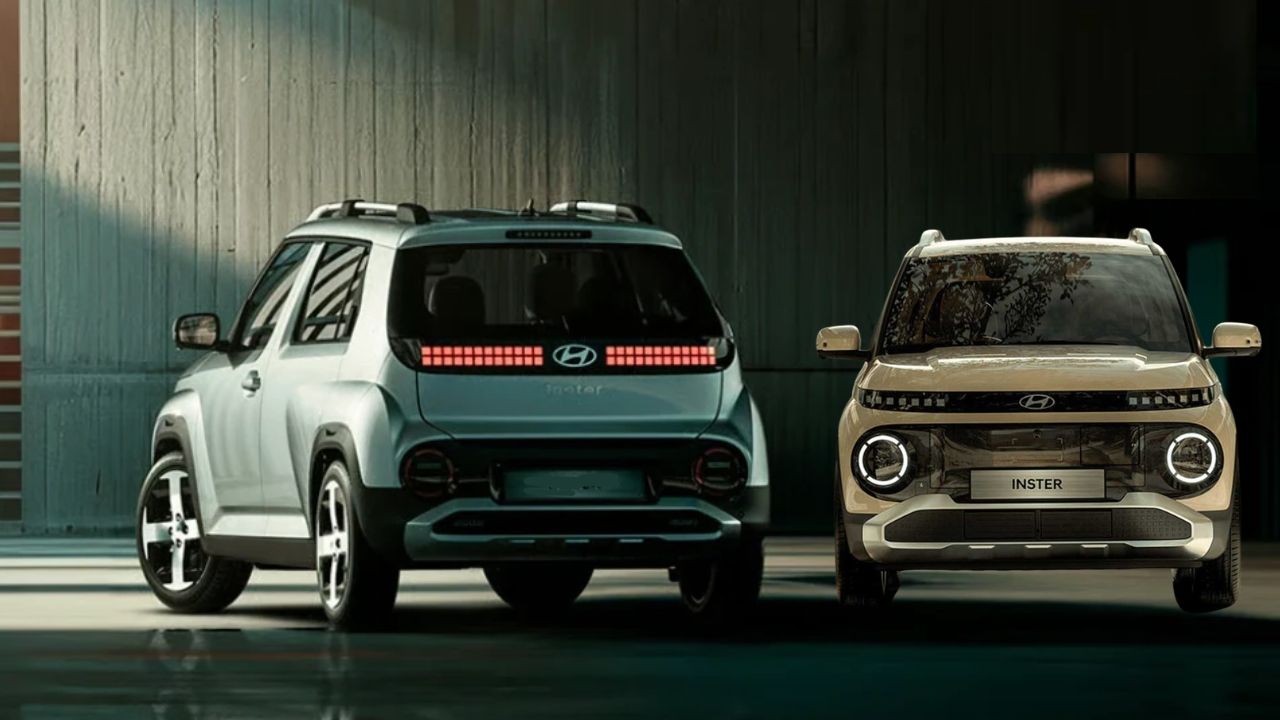
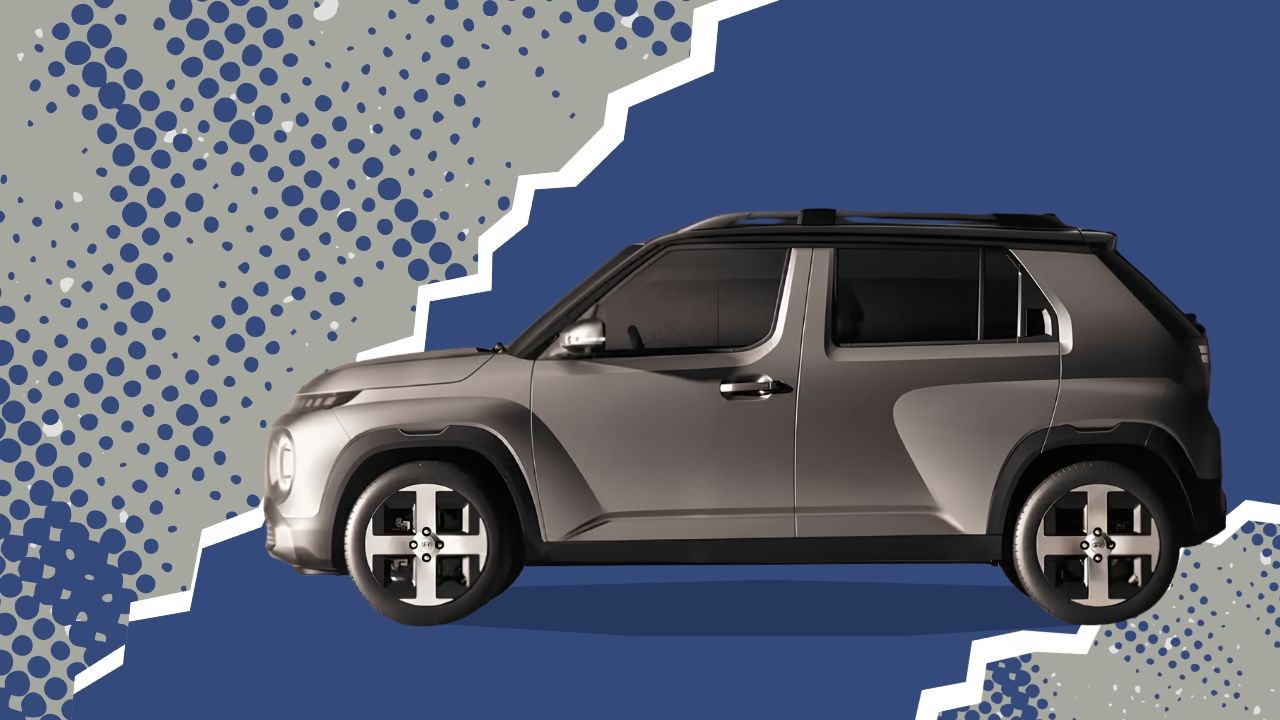
The EV segment is filled with outstanding performances from the Tata Punch EV, Mahindra XUV 3XO EV and Kia Syros EV. Hyundai India has confirmed a new compact electric SUV to join them with a brand-new design. Codenamed HE1i, the upcoming electric SUV is now likely to be called the Hyundai Ioniq P following company’s recent trademark filing in India.

Over the past couple of years, the electric segment has taken over showroom space which is hard to ignore. But premium electric crossovers are hard to get for most buyers, who want an affordable and reliable compact electric SUV from a brand they already trust.

The SUV will be made for India, measure under four metres, and feature India-specific design changes. The Ioniq P name has recently appeared in Hyundai’s trademark filing under Class 12, which covers automobiles and related components. However, the company has not officially confirmed the production name yet.

The launch timing is still unconfirmed, but expect to arrive in FY2026-27. Get more details from the new Hyundai’s compact electric SUV.

HE1i Expected Features & Specs: Battery, Range and Charging

For most Indians buying a car is an emotion and a vehicle for family road trips, the daily battle armor against chaotic office traffic, and a proud parking spot accomplishment. 

The Hyundai Ioniq P is expected to arrive in Standard Range and Long Range variants, giving buyers different battery options depending on their driving requirements. The electric SUV is expected to use the E-GMP (K) platform, which also underpins the Hyundai Inster sold in international markets.

While the exact battery capacities and driving range for the India-spec model remain unconfirmed, reports suggest that Hyundai is considering two battery configurations. The overseas Inster offers 42 kWh and 49 kWh battery options, while the recently introduced Kia Syros EV also provides a reference for the possible battery setup.

Hyundai is expected to use imported battery cells for the initial production batches following delays in its domestic battery cell programme with Exide Industries. Local battery cell sourcing is planned for a later stage.

HE1i Expected Features & Specs

Hyundai has confirmed that the upcoming electric SUV will get Level 2 ADAS and a next-generation infotainment system. These features could make the Ioniq P a strong option in the affordable electric SUV segment. The cabin is also expected to feature a large touchscreen infotainment system and digital instrumentation, although the complete equipment list is yet to be revealed.

The Hyundai Ioniq P is being developed as a standalone electric SUV rather than an electric version of an existing petrol-powered model. It will use the E-GMP (K) architecture and feature India-specific styling and engineering.

The design is specifically prepared for Indian style and roads. Expect an upright stance, high ground clearance, skid plates, and robust body cladding designed to handle monsoon potholes and unexpected speed breakers.

Taking cues from Hyundai’s global EV lineup, expect futuristic pixelated LED DRLs and bold light bars that give it an unmistakable street presence. It will offer more legroom and elbow room and connectivity support with intuitive Android Automotive-based software. So expect a comfort and smoother driving experience.

 Tesla Flying Car Mechanics Make The Flight Possible

Price Expectations For the Compact Electric SUV

Estimates cluster around Rs 10 lakh at the entry end. Expects Rs 10-16 lakh ex-showroom for Hyundai’s compact electric SUV. That spread is wide enough to put the top trim near Nexon EV territory, so the real question is how Hyundai prices the 49 kWh-class variant, not the base car.

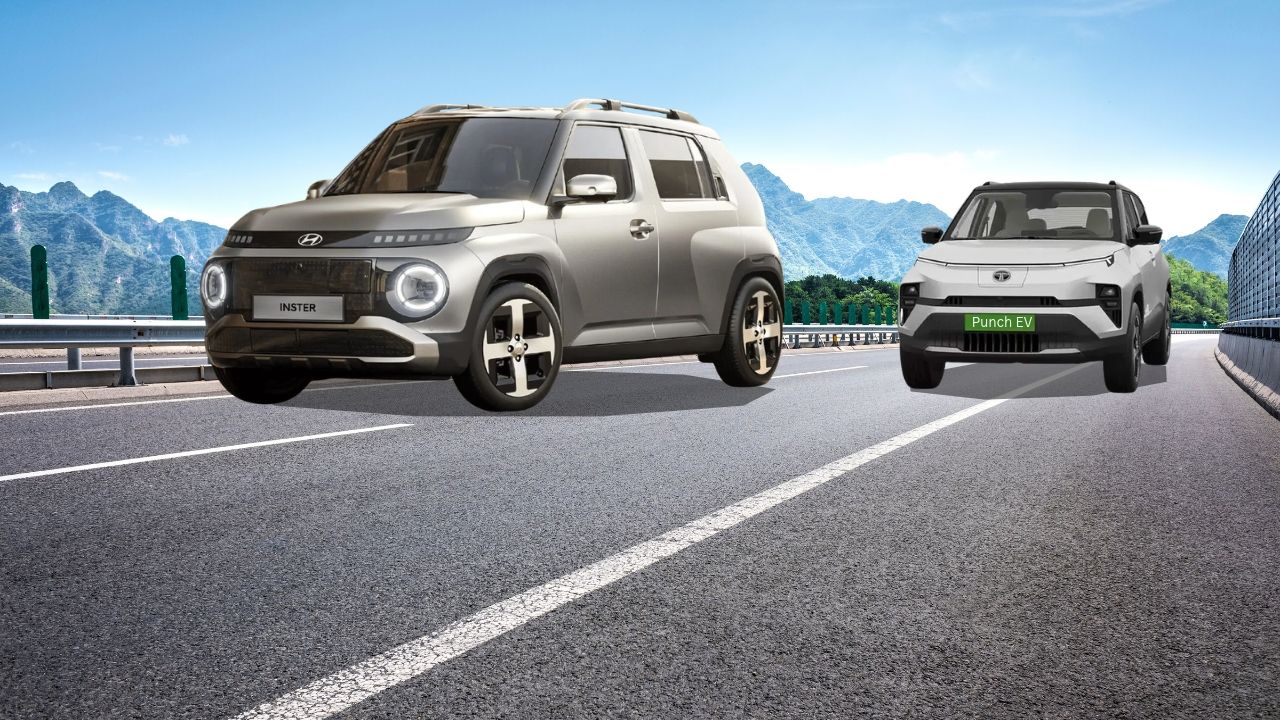
Hyundai Ionic P vs Tata Punch EV vs Nexon EV

Until now, manufacturers like Tata and Mahindra have dominated the affordable and mid-tier electric SUV market. Hyundai is now preparing to enter this segment with the Ioniq P, an India-focused compact electric SUV designed for everyday use and urban commuting.

Hyundai Ionic P(expected) Tata Punch EV Tata Nexon EV
Price (ex-showroom) Rs 10-16 lakh (estimate) Rs 9.69–12.59 lakh Rs 12.49–17.49 lakh
Battery 42 / 45 kWh 30 / 40 kWh 30 / 45 kWh
Claimed range 400 km  468 km ARAI (40 kWh) 489 km MIDC (45 kWh)

The Punch EV is one of the key models the Ioniq P will have to compete with. Tata quotes a claimed range of up to 468 km for the 40 kWh version, while its estimated real-world range is around 335–355 km. Tata also offers a battery-as-a-service (BaaS) option, with prices starting at Rs 6.49 lakh plus a battery rental of Rs 2.6 per km. This gives buyers a lower upfront purchase option and could make pricing a major challenge for Hyundai.

HE1i vs Tata Punch EV

For context, the car above it in Hyundai’s range launched at Rs 17.99 lakh ex-showroom as the Creta Electric, so the HE1i has room to sit well below it.

  Hyundai Bayon Bookings Open at ₹11,000 With a 1.5L Petrol Engine

Conclusion

There’s no confirmed price yet, but Hyundai’s upcoming Ioniq P could become an interesting option in the affordable electric SUV segment. With its India-specific development, two expected battery options, Level 2 ADAS and next-generation infotainment system, it has the potential to compete strongly against established rivals.

0

2025 Rivian R1S: The Electric Adventure SUV That Delivers Powerful Features

Published Oct 25, 2025, 4:47 AM
Last Updated Apr 13, 2026, 12:20 PM

Rivian R1S

The 2025 Rivian R1S is a standout player in the electric SUV world as it comes with high-end features and comfort. It combines rugged off-road ability with top-notch interior luxury and ample power to give premium ride experience. This three-row EV is the next evolution of Rivian’s primary family vehicle. It incorporates significant improvements in technology, strength, and security. With a few hours to spare, or a whole family to pack up, the R1S delivers a powerful blend that fits right in with electric rides.  

Pricing and Trim Levels

Rivian has released the 2025 R1S in two core versions: Adventure and Ascend. The Adventure is the starting point trim and price for R1S, and it is priced at $75,900. This base model is stuffed with premium features that would be extra cost options on many competitors. 

The upper-level Ascend trim starts at $107,700 with upgraded amenities such as a tri-motor powertrain as standard, the largest Max battery pack, unique wood trim accents, and a premium 18-speaker sound system. A new mid-level Premium grade has been added for 2025, which slots in above the Adventure and below the Ascend for some more luxury flair. 

Battery Options and Range

Perhaps the biggest selling point of the R1S was its incredible range capability. Rivian provides three battery pack options to meet various requirements and budgets: 

Standard Battery Pack: Offers up to 270 miles of EPA-estimated range with lithium-iron-phosphate chemistry, making it the most budget-friendly alternative.

Large Battery Pack: Up to 330 miles of range with 109.4 kWh usable capacity, an optimal size for most buyers.

Max Battery Pack: The top-of-the-line version can go up to an astonishing 410 miles with the dual-motor configuration or 371-380 miles with the tri-motor setup. With this 141.5 kWh battery, the car delivers more range than any other electric SUV on the market. 

In Real-world range buyers got 250 miles on their 75-mph highway route with a tri-motor Max battery R1S, while it can go about 300 miles with the Large battery and nearly 400 miles with the Max battery in mixed driving. 

Performance and Power Options

The 2025 R1S is available with a number of powertrain options, all producing exhilarating acceleration that could run with the best of supercars:

Rivian R1S Performance and Power Options

Dual-Motor Standard: The dual-motor base powertrain generates 533 horsepower and 610 lb-ft of torque, and can accelerate from 0 to 60 mph in about 4.5 seconds.​ 

Dual-Motor Performance: An optional Performance upgrade raises power to 665 hp with 829 lb-ft of torque, trimming the 0-60 mph run to a mere 3.4-3.5 seconds.​

Tri-Motor: The dual rear motors and single front motor arrangement in this model produces 850 horsepower and 1,103 lb-ft of torque. 

Quad-Motor – This is top-notch variant that delivers 1,025-1,050 horsepower and up to 1,198 lb-ft of torque in Launch Mode, making it run 0-60 mph in 2.5 seconds. This makes it faster than many real sports cars.​

All models are standard all-wheel drive and have a maximum towing capacity of 7,700 pounds. However, range is severely reduced when towing. 

Charging Capabilities

The R1S supports fast DC charging, with the Standard battery enabling 200 kW charging rates, and the Large and Max batteries up to 220 kW. Rivian says you can charge the battery from 10% to 80% in 30-41 minutes at a DC fast charger, depending on the battery size and conditions. With a 20 minute fast charger, it can gain up to 140 miles. Additionally, Tesla’s Supercharger network is also supportive for Rivian Vehicles that makes things easier for North Americans. 

Interior Features and Technology

The excellent interior material and features make you fall in love with this car. The R1S luxury seats which are made from perforated vegan leather makes it ultra premium.  

Rivian R1S Interior Features and Technology

The R1S Comfortability and Seating: The R1S offers 3 rows that can give space up to 7 passengers. The front seats feature heating and ventilation and can be memory-adjusted, the second and third-row seats are heated. The second row has great space with individual climate controls for each passenger, the third row is small and works best for kids or short drives. 

Technology: A huge 15.6-inch central touchscreen which controls the majority of the vehicle’s functions dominates the interior, with a second digital gauge cluster for the driver. It has a 12-speaker premium sound system as standard, two-phone wireless charging, it offers full connectivity set up for the driver and passenger. From Wi-Fi hotspot and navigation to Amazon Alexa integration, and Bluetooth connectivity. 

Distinctive features: R1S has its unique features that gives a more premium experience with  a panoramic glass roof and four-zone automatic climate control making the tour more comfortable. It also makes you keyless to enter in the car and its ignition feature, power-folding mirrors, and a hands free liftgate also seems perfect for an amazing ride. The Camp Mode even has a leveling feature that uses the air suspension to level the vehicle for camping. 

Cargo and Storage Space

R1S offers a boxy design and 17.6-17.7 cubic feet of storage space; the vehicle’s rectangular shape allows for efficient packing. 

The R1S has a neat front trunk, or “frunk.” It provides you with an additional storage of 11.1 cubic feet. Fold the second and third rows flat, and it’s a bona fide cargo hauler with sky-high storage. Rivian passes on precise figures for those configurations, though. 

Read More:-  Toyota LC FJ vs Toyota Fortuner: The Shared DNA That Makes Them Siblings

Safety Features and Ratings

The redesigned model gets IIHS Top Safety Pick+ award as it meets all the test crashes score high, and becomes the only high honor SUV for 2025. 

Standard safety tech: The 2025 model debuts the new Rivian Autonomy Platform, which has higher-definition cameras, redundant sensors, and enhanced computing power. Standard features include: Adaptive cruise control, emergency braking, assist in Lane centering, cross traffic warning, Blind-spot monitoring, sensors for parking, and Excellent pedestrian crash prevention systems which are good for families.

The Rivian Autonomy Platform+ is an option and adds Enhanced Highway Assist and Lane Change on Command, which can automatically change lanes when safe after you activate the turn signal. 

Off-Road Capability

Unlike the majority of luxury electric SUVs, the R1S is actually competent off-road. A standard adjustable air suspension offers up to 15 inches of ground clearance, which will enable you to handle some rough terrain. This air suspension system can raise and lower the ride height of the vehicle and the ride quality and handling stability are adjusted for both up and down motion and for the specific conditions. 

Rivian R1S Off-Road Capability

The independent motors on each wheel allow for fine torque vectoring, which helps to keep traction on icy or uneven terrain. With the vehicle’s extreme approach and departure angles, the R1S can go places most luxury SUVs would not dream of. 

Efficiency and Real-World Performance

The highest efficiency dual-motor R1S reaches up to 85 MPGe combined on EPA ratings, a 3 MPGe increase over the 2024 model. Depending on wheel size and configuration, EPA estimated combined MPGe for the dual-motor variants is between 72 and 84. The standard dual-motor setup provides the best combination of efficiency and performance for the majority of customers. 

Who Should Consider the R1S?

2025 Rivian R1S is the ideal choice for buyers seeking a capable, luxurious electric SUV that can double as a daily driver for family duties and a weekend off-road warrior. It’s a great long-distance cruiser with its mad range, offers thrilling sports-car-level performance, and has bona fide off-road chops that most rivals can’t match. 

Conclusion

The 2025 Rivian R1S is an inspiring glimpse of the electric SUV to come. It’s an amazing feat to bundle all of these things – breath-taking acceleration, best in segment range, true off-roading capability and a stunningly designed interior – into one package. Recent safety ratings, improved efficiency, and new powertrain options make it an even better pick for 2025. 

Whether you’re attracted by its blistering speed, its off-road adventure-ready chops, or just want the longest range electric SUV available, the R1S offers an experience that few rivals can touch. For families that want a truly do it all electric vehicle for school runs and ski trips and weekend camping jaunts, the Rivian R1S is hands down one of the most versatile and capable models you can buy today. 

0

New Hyundai Flagship Models Arriving Soon to Dominate Indian SUV Market

Published Sep 25, 2026, 11:10 AM
Last Updated Sep 26, 2026, 8:03 AM


New Hyundai Flagship Models

The New Hyundai Flagship Models are preparing to dominate the Indian SUV market. The 2026 end and 2027 is holding off the new vehicle purchase for both cars. The New 2027 Hyundai Tucson and Hyundai Bayon are going to be in every car buyer’s radar. However, Tucson lunch date is unconfirmed so early buyers should reconsider it.

One is a massive generational shift for Hyundai’s premium offering, pushing hard into luxury territory. The other is a compact crossover meant to bring European styling to the sub-15 lakh bracket. Here is exactly what you get with both models, how they stack up against the competition, and whether you should actually wait for them.

Why the Tucson Is Coming Back at All

The current Tucson stopped coming in the market in 2025 because it doesn’t hold its foot against premium D-segment rivals. It seems like a second chance for the model to return rather than a routine update. Hyundai clearly thinks the formula needs to change, because what it has revealed globally is not a mild facelift — it’s a full fifth-generation redesign.

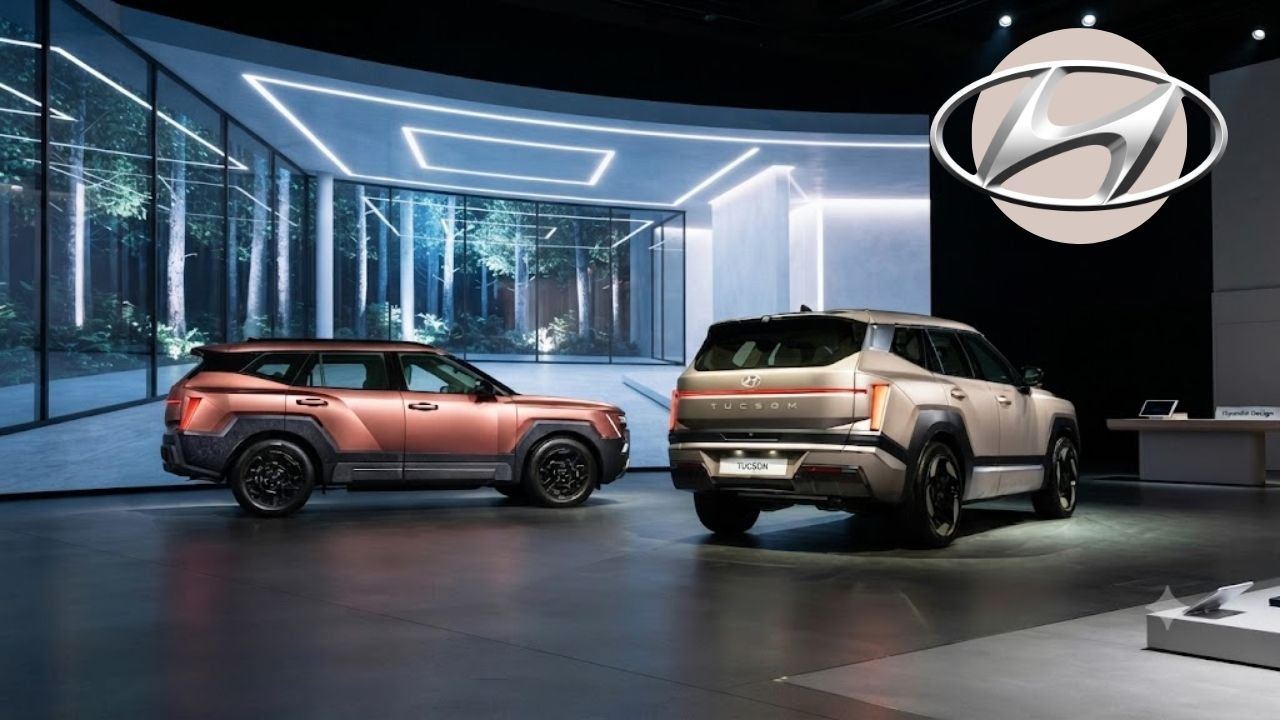
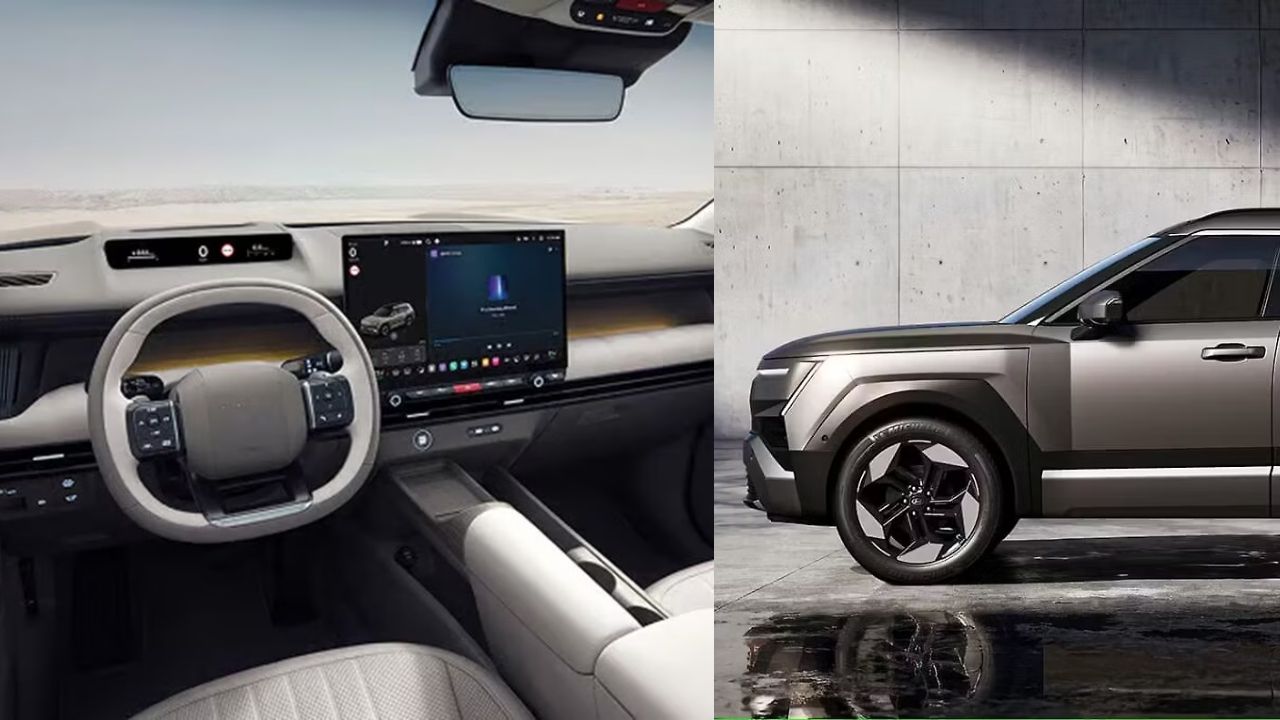
The new-gen Tucson has been revealed with a radical boxy design, larger dimensions and Hyundai’s new Pleos infotainment system, and it could also preview future India-bound models. That last part matters for Indian buyers specifically, because Hyundai has a habit of trickling design language down from global flagships into mass-market SUVs — the current Creta’s styling cues borrowed heavily from the previous Tucson and Santa Fe, and this cycle looks set to repeat.

Read Also 👉  Maruti Suzuki Cars Are Coming To India by 2027 

2027 Hyundai Tucson: Boxier, Bigger, & Hybrid-Powered

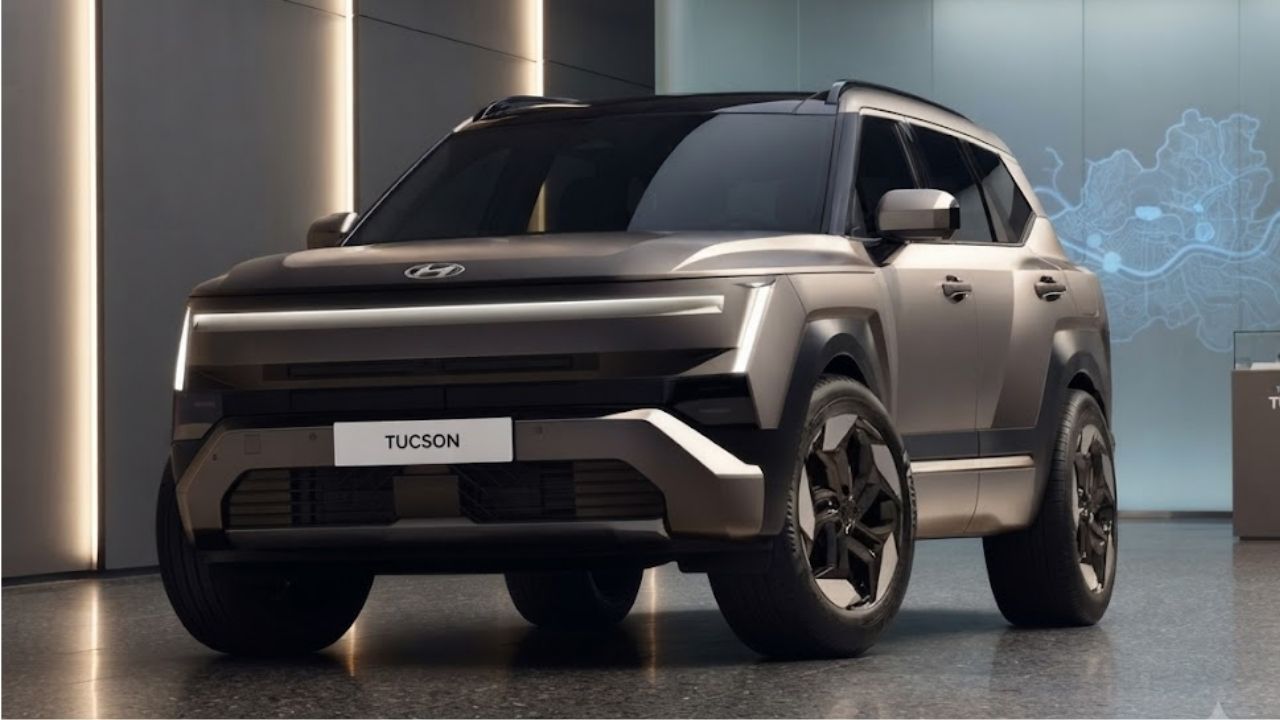
The confirmed specification of the fifth-generation Tucson is revealed in South Korea but Hyundai hasn’t announced India specific technical details yet. Current model has sharp flowing lines but 2027 Tucson adopts the “Art of Steel” design language. The design is boxy, upright, and rugged more like a scaled-down Palisade.

2027 Hyundai Tucson

Tucson Dimensions: Growing in Every Direction

The 2027 Hyundai Tucson model is significantly larger, up to 4.7 meters long, 40mm wider and 20mm taller than the outgoing model. It’s coming with more wheelbase — 30mm to 2,785mm.

So it resolves the current model rear-seat space problem with extra 29mm of height which gives more headroom to sit in the back seat comfortably. The rear doors are now changed with an 83-degree angle to provide easier access. Tucson is behaving like a full-size SUV lion who accomplished its territory. 

Powertrain: The Hybrid Push

The specifications are still unconfirm for the Indian model but global model reveal highlights a major shift toward hybridization. Its petrol engine of 1.6L is producing 193 bph of power and 265 Nm of torque. It runs on an 8-speed automatic transmission which combined with a next-generation hybrid system for a total output of 245hp. 

For a Hybrid set up, a 1.6-litre turbo-petrol combined with a next-generation hybrid system for a total output of 245hp on a 8-speed automatic transmission. The power like this in a hybrid is absolute engineering. Hyundai claims an impressive fuel efficiency figure of 17.4kpl for this setup.

Tucson Dimensions

Tech and Cabin Upgrades

The cabin receives a massive overhaul, centered around the new Pleos Connect infotainment system running built-in Gleo AI. The central touchscreen will be available in massive 12.9-inch or 17-inch sizes depending on the trim. Hyundai smartly retains physical controls for essential functions, avoiding the trap of hiding climate settings in endless touchscreen menus.

Safety gets a boost with 9 airbags as standard, an updated navigation-based adaptive cruise control, and a memory-based reverse assist that can automatically steer the car backward along its previous path.

Read Also 👉 Why Salaried Indians Are Buying Mercedes Cars

Tucson Competitor Comparison: The Luxury SUV Battle

The current Tucson rivals in the Indian markets are Jeep Compass and VW Tiguan but the new model is extended its size and hybrid powertrain which also raises the price and pushes it into entry-level luxury SUVs.

Feature 2027 Hyundai Tucson (Global Spec) Jeep Compass Volkswagen Tiguan
Engine 1.6L Turbo / 1.6L Hybrid 2.0L Diesel 2.0L Turbo Petrol
Power 193hp / 245hp 170hp 190hp
Dimensions (LxWxH) 4700 x 1905 x 1685 mm 4405 x 1818 x 1640 mm 4509 x 1839 x 1665 mm
Key Tech 17-inch screen, Reverse Assist 10.1-inch screen 8-inch screen

Hyundai Bayon: The Premium Compact Crossover

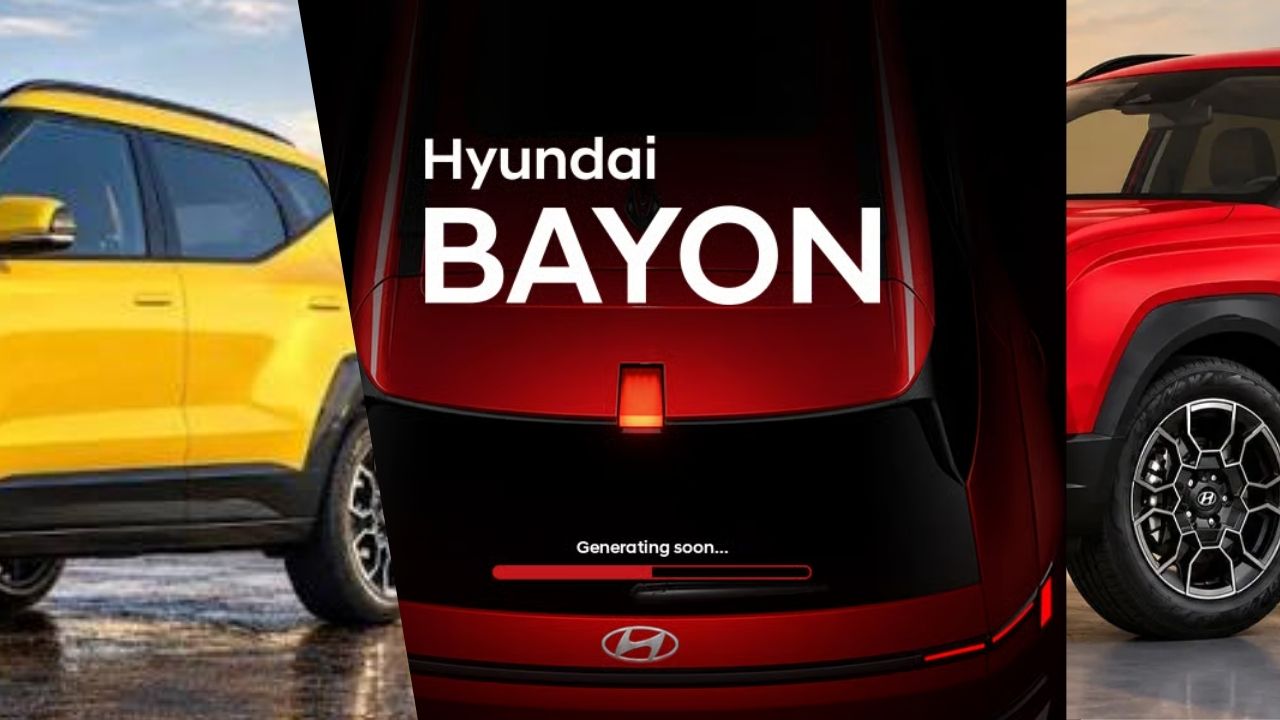
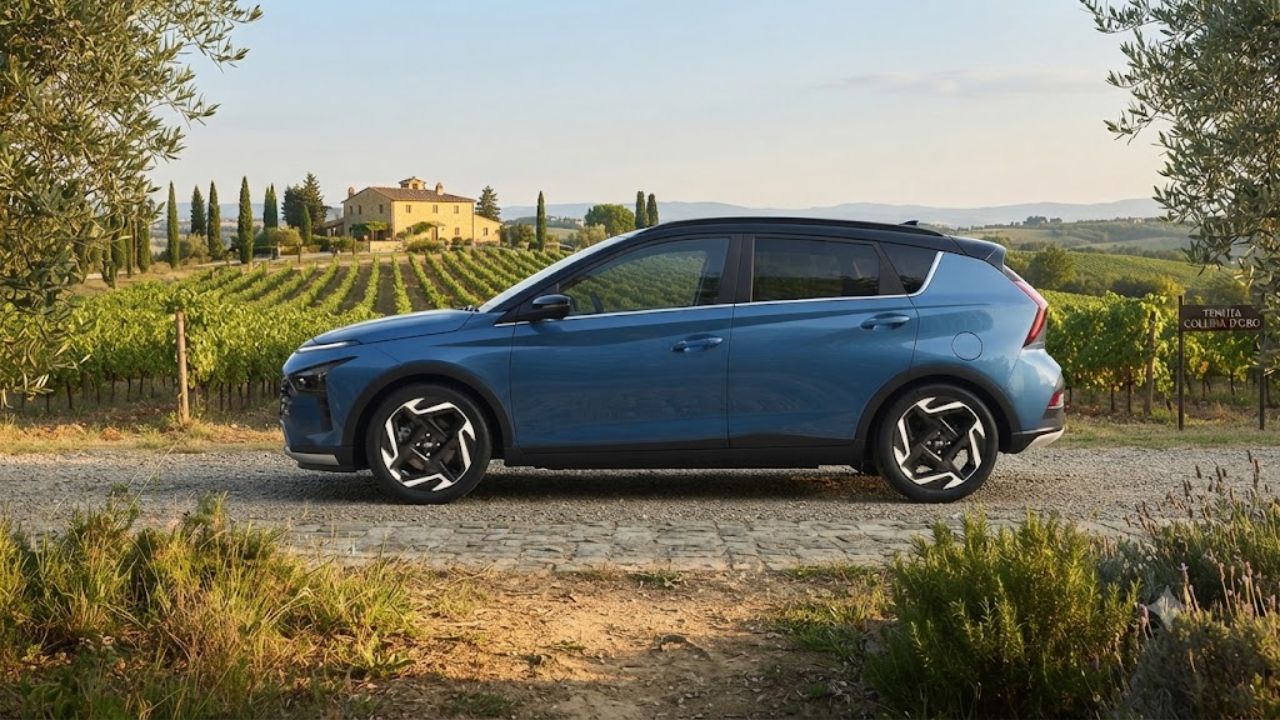
While the Tucson goes upmarket, the Hyundai Bayon aims to fill a gap in the highly competitive compact SUV segment. Bayon will arrive in the festive season of 2026 at a price range of ₹10 lakh — ₹15 lakh (ex-showroom). It is basically a crossover version of the i20 platform designed specifically for the European market.

The Hyundai Bayon specifications for the Indian model is based on the international Bayon’s underpinnings. It is a compact SUV positioned between Venue and the next-generation Creta, not too small, not too expensive. Hyundai opened bookings across dealerships and its website on September 23, 2026. 

Hyundai Bayon

Bayon’s Engine That Aim High

The current model carries a 1.0L petrol engine which gives 90 bhp of power and 172 Nm of torque. The transmission is up to 7-speed DCT automatic while the upcoming model brings 6-speed manual and CVT automatic options. It extended the engine to 1.5L 4-cylinder petrol producing 115PS of power and 144Nm of torque. This is the same engine set up that Creta and Verna uses.

But Bayon is the first Hyundai model engineered with a factory-fitted CNG option in a 4.3 metres long vehicle. It expects to use a 1.5L Hy-CNG dual-cylinder setup.

Features That Sets Hyundai Bayon Apart

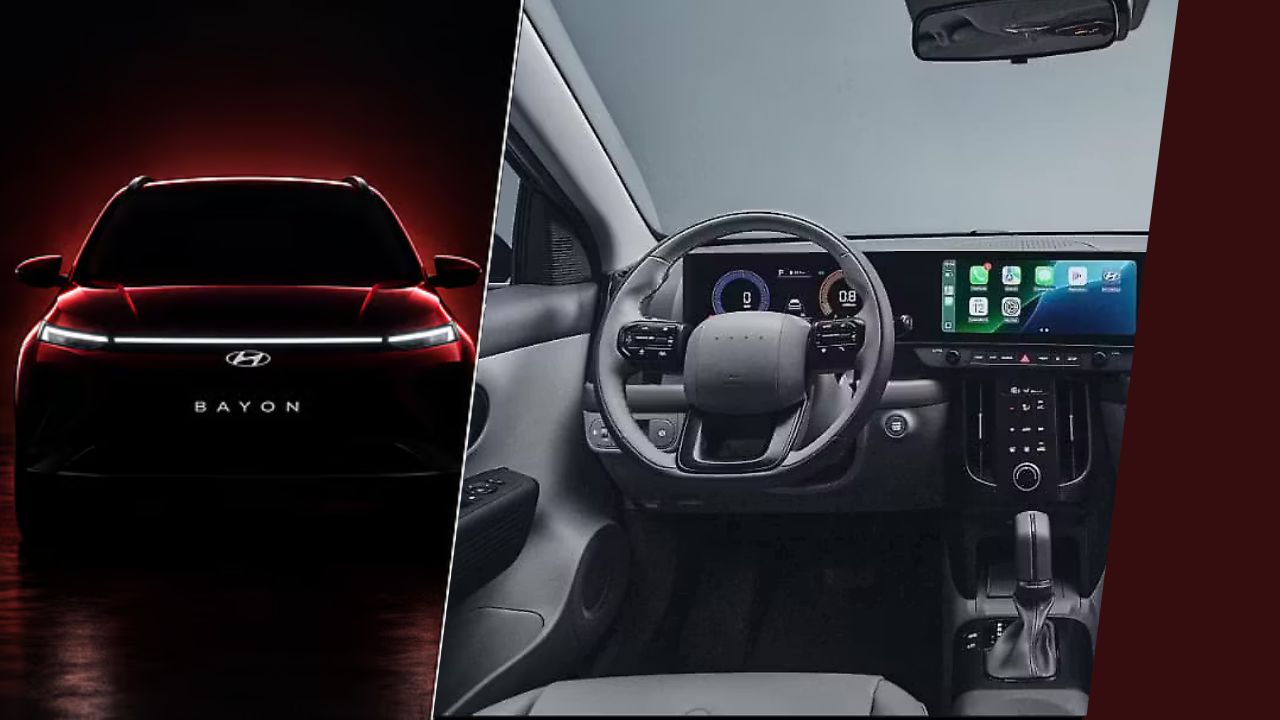
Hyundai is known for packing its cars with features, and the Bayon is no exception. It brings a full convenient setup — a dual 10.25-inch screen for infotainment and digital cluster. It offers full experience to admire nature with a panoramic sunroof, and ventilated seats. The connectivity is reliable, providing wireless Android Auto/Apple CarPlay. View all corners outside the car with a 360-degree camera. The Bayon is a full-packed flagship segment that offers a premium experience.

Features That Sets Hyundai Bayon Apart

With advanced features, Hyundai never compromising on the safety of their customers. Expect a Level 2 ADAS suite and 6 airbags as standard, meeting the growing demand for safety tech in the Indian market. 

Hyundai has confirmed the Bayon uses the Art of Steel language featuring sculpted surfaces and sharp character lines. Inside, the cabin takes heavy inspiration from the Brazil-spec fourth-generation i20. Hyundai also teased the Wheel specifics, it offers 17-inch dual-tone machine-cut alloy wheels wrapped in 215/55-section tyres.

Hyundai Bayon Rivals: The Crowded Compact Segment

The Bayon will battle the Maruti Suzuki Fronx, Tata Nexon, and even its sibling, the Venue.

Feature Hyundai Bayon (Expected) Maruti Suzuki Fronx Tata Nexon
Engine 1.0L Turbo Petrol 1.0L Turbo / 1.2L NA 1.2L Turbo / 1.5L Diesel
Max Power ~88.5 bhp 100 bhp / 89 bhp 118 bhp / 113 bhp
Price (Estimated/Current) ₹10 – 15 Lakh ₹7.51 – 13.04 Lakh ₹8.00 – 15.50 Lakh
ADAS Yes (Level 2 Expected) No No (Only basic features)

How the Hyundai Bayon Stacks Up Against the Victoris

The most bigger rival is Maruti Suzuki Victoris since it already occupies the space the Bayon is aiming for and uses the same powertrain strategy. Victoris mild-hybrid petrol price starts at Rs 10.50 lakh for base variant and goes up at Rs 19.22 lakh for the top AWD automatic variant.

While the pricing for CNG and strong Hybrid variants can rise up to Rs 14.57 lakh and Rs 19.99 lakh respectively. Check the dealership price at your location because the total price depends on the additional charges of your city. 

Hyundai Bayon Stacks Up Against the Victoris

If the Bayon really does launch at Rs 9–14 lakh, its top-spec CNG or automatic variant would undercut the Victoris’s equivalent trims by a meaningful margin, while offering a smaller footprint. The trade-off is obvious: the Victoris gets a strong-hybrid option and AWD, neither of which the Bayon is expected to offer at launch. 

If fuel efficiency and hybrid tech matter more to you than price, the Victoris still has the edge on paper — but if you want CNG practicality in a package smaller and cheaper than a full-size Creta rival, the Bayon is shaping up to be the more sensible buy.

Should You Wait for the Tucson or Buy Now?

This is really two different buyer conversations, because the Tucson and Bayon aren’t competing for the same money.

Hyundai has not announced the new 2027 Hyundai Tucson price and specification details for India. Nobody knows the actual launch date yet so treating any number online is a guess. Wait for this boxier Art of Steel design and the promise of a proper generational leap in refinement and tech, if you are not in a hurry to buy a vehicle this year. Buying any — a Skoda Kodiaq, Tata Harrier, the same segment makes more sense.

If you’re shopping in the Rs 10–15 lakh compact SUV space, the Hyundai Bayon is a much more actionable wait. Bookings have already opened, the festive-season launch window is real and near-term, and the CNG option addresses a genuine gap that the Victoris and Kushaq don’t fully cover at this price point. Unless you need a car immediately, holding off a few weeks to see final Bayon pricing and variant specifics is a low-risk decision — you’re not waiting on a car that might slip by a year, you’re waiting on one that’s already taking bookings.

Read Also 👉  Rolls Royce Unveils Custom Car Using Sea Snail Shells 

Conclusion 

These New Hyundai Flagship Models are expanding the company’s territory in the powerful SUV segment. The new 2027 Hyundai Tucson is coming back with refined components to deliver an excellent driving experience. On the other hand, Hyundai Bayon is launching in this year’s festive season with a CNG option, a direct rival to Victoris, Fronx, Nexon. Indian buyers who are looking for a new vehicle in a range of Rs 10 lakh can consider this flagship model to buy.


0

New Hyundai Venue Captures Immense Response with 80,000 Bookings

New Hyundai Venue bookings

If you even have an iota of interest in cars, you must have heard the hype, New Hyundai Venue bookings has notched 80,000 bookings in just over three months since launch. This is not just a number; it shows how this compact SUV is changing the rules of the game in India’s fiercely competitive market. Posted amidst much glory in late 2025, the Venue has been attracting all the gazes more quickly than a turbo spooling up. 

As a car lover who’s kept tabs on everything from luxury beasts to budget heroes, I just had to see what all the fuss was about – why this little dynamo is getting people so worked up. Let’s look into this guide for the car details.

The competition in India’s compact SUV segment is fierce – rivals such as the Kia Sonet, Tata Nexon, Maruti Brezza, and Mahindra XUV3O are battling it out for your attention. Pre-facelift Venue was already a champ, but this 2025 refresh? It’s as if Hyundai has clearly dialed everything up a notch. 

Bookings exceeded 80k by the beginning of February 2026, with an average of more than 25,000 vehicles per month. That’s insane—speedier than most launches could ever dream. Hyundai points to its “unrivaled style, tech, and value,” but let’s peel back the layers. 

Stylish Design That Makes the Venue Irresistible? 

The new Venue boasts a more daring grille, sleek LED headlights and the connected tail lamps that add a premium feel without the Creta price tag. It has the “urban adventurer” look that is ideal for city zips or weekend getaways from Delhi to the hills. 

Stylish Design That Makes the Venue Irresistible

Among a sea of similar designs, the Venue makes its mark with diamond-cut alloys and two-tone roof schemes. It’s no surprise that newcomers to the brand (these make up 40% of bookings, according to Hyundai) are flocking. 

Powertrains for Every Mood

Variant Engine Power/Torque Mileage (ARAI) Price Range (ex-showroom)
E 1.2 Petrol MT 1.2L NA Petrol 83 PS / 114 Nm 17.5 kmpl ₹7.94 – 8.5 lakh
S 1.0 Turbo GDI 1.0L Turbo Petrol 120 PS / 172 Nm 18 kmpl ₹11.5 – 13 lakh
SX 1.5 Diesel 1.5L CRDi Diesel 116 PS / 250 Nm 23.7 kmpl ₹12 – 15 lakh
Top: SX(O) Turbo DCT 1.0L Turbo + DCT 120 PS / 172 Nm 18.3 kmpl ₹13.5 – 15.5 lakh

Features That Punch Above Its Weight

The Venue’s 10.25-inch touchscreen (infotainment + digital instrument cluster) is made sharper courtesy of Hyundai’s Bluelink connected-car technology that also enables you to start the AC remotely right from your phone. It also offers wireless charging, ventilated seats, and a lively Bose 7-speaker audio system.

Features That Punch Above Its Weight

Top variants feel luxury-car posh. Voice commands in Hinglish (“Hey Hyundai, play Arijit Singh”) make it family-friendly. And with more than 20 safety features, it has parents nodding approval.

Why the Booking Boom? 

Timing is everything. Launching after the festive season with offers such as ₹10k discounts and easy financing, the company tapped pent-up demand. Young city dwellers chose the Venue for its style and tech-first attitude, and families the functionality, especially the 422L boot that grows into a cavernous 1,116L when required. 

Booking Boom Hyundai Venue

Add the Hyundai 3-year/unlimited-kilometre warranty and it’s a no-brainer for both head and heart. 

Against rivals:

  • Vs. Sonet: Venue nudges ahead on boot space and ADAS breadth.
  • Vs. Nexon: Smoother turbo, better interiors.
  • Better mileage and features than Brezza.

Even the export markets are in love with it — the Venue is a global success, which hugely strengthens Hyundai’s India confidence. 

Read More:-  Steve Hamilton Car Collection: Inside The Hamilton Collection’s $30 Million Hypercar Empire

Conclusion

New Hyundai Venue bookings isn’t just hype — it’s worthy of this hype. Crossing 80,000 bookings in such a short period of time is a testament to Hyundai having perfectly gauged the Indian buyer. With a radical new design, a tech-packed cabin, a choice of different engines and a price that still makes sense, the Venue finds a rare balance between aspiration and practicality.

If you are a first time buyer attracted by the look and features or a family needing a reliable, safe and fuel efficient compact SUV, the Venue meets nearly all your expectations. In a category littered with worthy rivals, Hyundai has not simply remained relevant — it has set a new standard. If the booking numbers are anything to go by, the Venue isn’t just racing in the compact SUV category, it’s leaving the competition trailing behind.