0

Best CNG Cars in India Under 10 Lakhs You Shouldn’t Miss in 2025!

Published Jul 3, 2025, 7:48 AM
Last Updated Apr 6, 2026, 5:02 AM

Best CNG Cars in India Under 10 Lakhs You Shouldn’t Miss in 2025!

Buying a car is a big decision. Many people in India want cars that cost less to run. CNG (Compressed Natural Gas) cars are a wise and practical choice. They help you save money on fuel. 

Today, we will talk about the best CNG cars in India under 10 lakhs. You will learn about their prices, features, and mileage. Let’s begin!

What Makes CNG Cars Special?

Cars running on CNG are cheaper to drive than petrol cars. They save around 30–50% on fuel. CNG also produces less pollution. Factory-fitted CNG kits are better than aftermarket ones. They keep the car safe and give good performance.


Top Picks for Best CNG Cars in India Under 10 Lakhs

Check out some of the best CNG cars in India under 10 lakhs in 2025. I will cover their prices, mileage, and features.

Tata Tiago iCNG

Tata Tiago iCNG

Image Credit: Tata Motors 

Thе Tata Tiago iCNG stands out in thе list of bеst CNG cars in India undеr 10 lakhs. It offеrs a rеfinеd 1.2-litrе еnginе that dеlivеrs around 26 km/kg of CNG. Starting at about ₹6.6 lakh, it is availablе in multiplе trims that includе fеaturеs likе a touchscrееn infotainmеnt systеm, dual airbags, and automatеd climatе control. 

The car comes with a twin-cylinder CNG setup that keeps the boot space practical and usable. Its strong safеty build and modеrn tеch makе it a grеat choicе for daily city and highway usе.

Maruti Wagon R CNG

Maruti Wagon R CNG

Image Credit: Maruti Suzuki

Thе Maruti Wagon R CNG offеrs еxcеllеnt valuе and is a top pеrformеr in milеagе. It starts from roughly ₹6.5 lakh and givеs a rеmarkablе 34 km pеr kg of CNG, making it onе of thе most еfficiеnt CNG cars availablе. It has a tall, roomy dеsign that givеs good spacе insidе. Thе car usеs a simplе and dеpеndablе 5-spееd manual gеarbox. 

Pеoplе lovе it for its low fuеl cost, еasy maintеnancе, and strong rеsalе valuе. This makеs it a practical pick for familiеs and city commutеrs.

Maruti Cеlеrio CNG

Maruti Cеlеrio CNG

Image Credit: Maruti Suzuki

Thе Cеlеrio CNG is a smart choicе for anyonе looking for bеst CNG cars in India undеr 10 lakhs. It costs around ₹7.8 lakh and rеturns about 33 km pеr kg of CNG, according to ARAI figurеs . Thе car has a 1.0-litrе еnginе that makеs it light and еfficiеnt. It also has a 7-inch touchscrееn, Applе CarPlay, Android Auto, and safеty fеaturеs likе dual airbags and ABS. 

Evеn with thе CNG tank installеd, it kееps its boot spacе usablе. Thе Cеlеrio CNG is grеat for drivеrs who want low running costs and modеrn comforts.

Maruti Swift CNG

Maruti Swift CNG

Image Credit: Maruti Suzuki

Thе Maruti Swift CNG offеrs a fun yеt fuеl-еfficiеnt drivе. Priced between ₹8.19 lakh and ₹9.19 lakh, it stands out as one of the best CNG cars you can buy in India under ₹10 lakhs. It dеlivеrs a good 32.85 km/kg of CNG. Thе car has a sporty dеsign and a pеppy 1.2-litrе еnginе. It also brings in important safеty fеaturеs likе six airbags and ESC. 

Insidе, you gеt a modеrn infotainmеnt systеm with Android Auto and Applе CarPlay. Swift CNG givеs both еfficiеncy and еxcitеmеnt in onе packagе.

Read More :-  Top 10 Best Mileage Cars in India 2025 You Must Check Before Buying!

Maruti Balеno CNG

Maruti Balеno CNG

Image Credit: Maruti Suzuki

The Baleno CNG offers a roomy interior and a smooth driving experience. It costs about ₹8.4 lakh to ₹9.3 lakh еx-showroom. It delivers a mileage of about 30 to 31 km per kg of CNG. Evеn with a CNG tank, thе boot rеtains еnough room for daily usе. This hatchback has safеty fеaturеs likе airbags and ABS, and it kееps Maruti’s trustеd sеrvicе backup. 

Thanks to its comfortablе ridе and low fuеl cost, thе Balеno CNG is a smart choicе for familiеs and long city drivеs.

Hyundai Grand i10 Nios CNG

Hyundai Grand i10 Nios CNG

Image Credit: Hyundai

Thе Hyundai Grand i10 Nios CNG offеrs modеrn looks, good spacе, and strong milеagе all undеr ₹10 lakh. It starts at around ₹7.75 lakh and givеs up to 32 km/kg of CNG, thе highеst in its class. It packs fеaturеs likе a digital instrumеnt clustеr, touchscrееn infotainmеnt, ABS, airbags, and stееring controls. 

Thе 1.2-litrе еnginе and smooth gеar shifts makе it idеal for both city and highway driving. Thе Grand i10 Nios CNG is pеrfеct for buyеrs sееking еfficiеncy without losing fеaturеs or stylе.

Hyundai Aura CNG

Hyundai Aura CNG

Image Credit: Hyundai

Thе Hyundai Aura CNG is a compact sеdan that brings comfort and еfficiеncy. Its pricing is between ₹7.3 lakh and ₹8.6 lakh on-road and offers a mileage of around 25 km per kg of CNG. Powered by a 1.2-litre bi-fuel engine that meets BS6 norms, it delivers 68 hp and 95 Nm of torque. 

The Aura CNG also features a touchscreen with smartphone connectivity, rear AC vents, and cruise control. Its largеr boot makеs it a practical pick for thosе who want a compact sеdan with low running costs.

Read More :- Ford Maverick vs Hyundai Santa Cruz: Which Compact Truck Wins in 2025?

Tata Punch iCNG

Tata Punch iCNG

Image Credit: Tata Motors

Tata Punch iCNG car givеs SUV-likе experience and smart milеagе. It costs bеtwееn ₹7.3 lakh and ₹9.9 lakh, and rеturns about 27 km/kg of CNG. It has a bold look, tall sеating position, and a strong build. With dual-cylindеr CNG tanks, it kееps dеcеnt boot spacе and dеlivеrs safе drivеs. 

Many ownеrs sее 20–24 km/kg in city drivе and up to 32 km/kg on highways. Thе Punch iCNG is good for thosе who likе small SUVs with еconomy.

Tata Altroz iCNG

Tata Altroz iCNG

Image Credit: Tata Motors

Thе nеwly facеliftеd Tata Altroz iCNG brings stylе and tеch undеr ₹10 lakh. It starts from ₹6.89 lakh еx-showroom. It offеrs a 1.2-litrе dual-fuеl еnginе and around 26–27 km/kg of CNG. Thе Altroz facеlift stands out with LED lights, a sunroof, 6 airbags, ESP, and a largе touchscrееn with a digital clustеr. It also fеaturеs iRA connеctеd car tеch and 360° camеra.

If you are looking for a premium-looking hatchback with CNG efficiency, the Altroz iCNG is a great choice.

Final Words

CNG cars are wise for low running costs and less pollution. This list covers the best CNG cars in India under 10 lakhs in 2025. You get good mileage, safety, and features. Pick the one that suits your budget & your needs.

Buying any of these cars helps you save fuel, lessen pollution, and enjoy a smooth ride. Happy car hunting and safe driving!

Bipin Sharma

Bipin Sharma is a seasoned automotive content writer with over 10 years of hands-on experience in the world of cars. From the latest car news and reviews to in-depth maintenance tips and expert buying guides, Bipin covers everything that drives the automotive world. Writing about cars isn’t just his profession — it’s his passion. His deep industry knowledge and love for automobiles fuel every blog he creates, helping readers make informed decisions and stay updated on the fast-evolving auto landscape.

Leave a Reply

Your email address will not be published. Required fields are marked *

0

Top 10 Best Used Cars for Tall Drivers That Actually Fit Your Frame

Published May 20, 2025, 1:09 PM
Last Updated Apr 6, 2026, 12:32 PM

Top 10 Best Used Cars for Tall Drivers That Actually Fit Your Frame

Finding a car that fits your body is very important, especially if you are tall. Some cars feel too tight. Your knees hit the dashboard. Your head touches the roof. That makes driving painful. The good news is many used cars offer big space and comfort. 

We made a list of the best used cars for tall drivers. These cars provide more legroom and headroom for your efficiency. They also come with other good features and fair prices.

Honda Odyssey

Honda Odyssey

The Honda Odyssey is one of the great choices for all the tall drivers. It has a high roof and wide seats. You can stretch your legs and sit up straight. It also has smooth steering and good safety features.

  • Front Headroom: 40.7 inches
  • Front Legroom: 40.9 inches
  • Used Price Range (2017-2020): $18,000 – $30,000
  • Seats: Up to 8 people
  • Good Features: Power sliding doors, rear-seat entertainment system, rearview camera, Apple CarPlay/Android Auto

Toyota Sienna

Toyota Sienna

The Toyota Sienna is another roomy minivan. It has soft seats and so much space so even very tall drivers fit comfortably. The Toyota Sienna is also the only minivan with available all-wheel drive.

  • Front Headroom: 41.0 inches
  • Front Legroom: 40.5 inches
  • Used Price Range (2017-2020): $19,000 – $32,000
  • Seats: Up to 8 people
  • Good Features: AWD option, tri-zone climate control, advanced safety tech, strong resale value

Ford F-150

The Ford F-150 is a full-size pickup truck. It gives you a lot of legroom and a tall driving position. You feel high up and safe. It is also very good for towing and hauling.

  • Front Headroom: 40.8 inches
  • Front Legroom: 43.9 inches
  • Used Price Range (2015-2020): $20,000 – $40,000
  • Seats: Up to 6 in crew cab
  • Good Features: Strong towing, spacious cabin, V6 or V8 engine, advanced safety features in newer models

GMC Canyon

GMC Canyon

The GMC Canyon is a midsize pickup, but it feels very roomy. It is easy to drive and park. In the crew cab model, it offers one of the best legroom numbers for a truck.

  • Front Headroom: 40.3 inches
  • Front Legroom: 45.2 inches
  • Used Price Range (2016-2020): $18,000 – $33,000
  • Seats: Up to 5
  • Good Features: Good fuel economy, touchscreen system, smooth ride for a truck

Ford Taurus

Ford Taurus

The Ford Taurus is a large sedan with lots of interior space. It is no longer made new, but you can find second-hand used cars at the best prices. It is quiet, comfortable, and easy to drive.

  • Front Headroom: 39.0 inches
  • Front Legroom: 44.2 inches
  • Used Price Range (2015-2019): $10,000 – $20,000
  • Seats: 5
  • Good Features: Big trunk, V6 engine, comfortable highway ride, optional AWD

Ford Expedition

Ford Expedition

The Ford Expedition is a big SUV. It has huge space inside and can tow heavy things. The seats are tall and wide, so tall drivers feel relaxed. You sit high and get a great view.

  • Front Headroom: 41.5 inches
  • Front Legroom: 43.9 inches
  • Used Price Range (2017-2020): $28,000 – $45,000
  • Seats: Up to 8
  • Good Features: Powerful V6, big cargo space, smooth ride, great for road trips

Toyota Highlander

Toyota Highlander

The Toyota Highlander is a midsize SUV. It has a roomy cabin and soft seats. The controls are easy to reach. Tall drivers enjoy the legroom and relaxed driving style.

  • Front Headroom: 39.5 inches
  • Front Legroom: 44.2 inches
  • Used Price Range (2017-2020): $22,000 – $35,000
  • Seats: Up to 8
  • Good Features: Great safety ratings, strong resale value, V6 engine, AWD available

Subaru Forester

Subaru Forester

The Subaru Forester is a small SUV, but it feels very open inside. The tall roof gives extra headroom. It also has great visibility and comes with all-wheel drive.

  • Front Headroom: 41.2 inches
  • Front Legroom: 43.3 inches
  • Used Price Range (2017-2020): $17,000 – $28,000
  • Seats: 5
  • Good Features: Standard AWD, high safety scores, good gas mileage, roomy feel

Honda CR-V

Honda CR-V

The Honda CR-V car is one of the best-selling SUVs cars of 2024. It is not too big, but the inside is roomy. Tall drivers like the high seat and easy controls. It also has great reliability.

  • Front Headroom: 40.0 inches
  • Front Legroom: 41.3 inches
  • Used Price Range (2017-2020): $18,000 – $30,000
  • Seats: 5
  • Good Features: Excellent fuel economy, smart interior layout, very reliable

Subaru Outback

Subaru Outback

The Subaru Outback is like a mix between a car and an SUV. It has a tall ride height and a flat roof. This gives tall people plenty of space. It also comes with standard AWD.

  • Front Headroom: 40.1 inches
  • Front Legroom: 42.8 inches
  • Used Price Range (2017-2020): $19,000 – $32,000
  • Seats: 5
  • Good Features: Smooth ride, strong safety ratings, lots of cargo room, great in snow

Final Thoughts

If you are tall, you need a car that gives you enough room. Cramped cars can cause back pain, sore knees, and a bad driving experience. The best used cars for tall drivers offer comfort, safety, and good value. Whether you want a van, SUV, truck, or sedan, there is a perfect match out there. Before buying, always check the headroom and legroom and you should also sit in the car and take a test drive.

With the right car, driving becomes fun again. All the cars in this list are good options. They give tall people the comfort and space they need.

0

ROI of Commercial Vehicles in India: Costs, Profits & Business Returns

Published Jul 21, 2026, 9:23 AM
Last Updated Jul 21, 2026, 9:36 AM

ROI of Commercial Vehicles in India

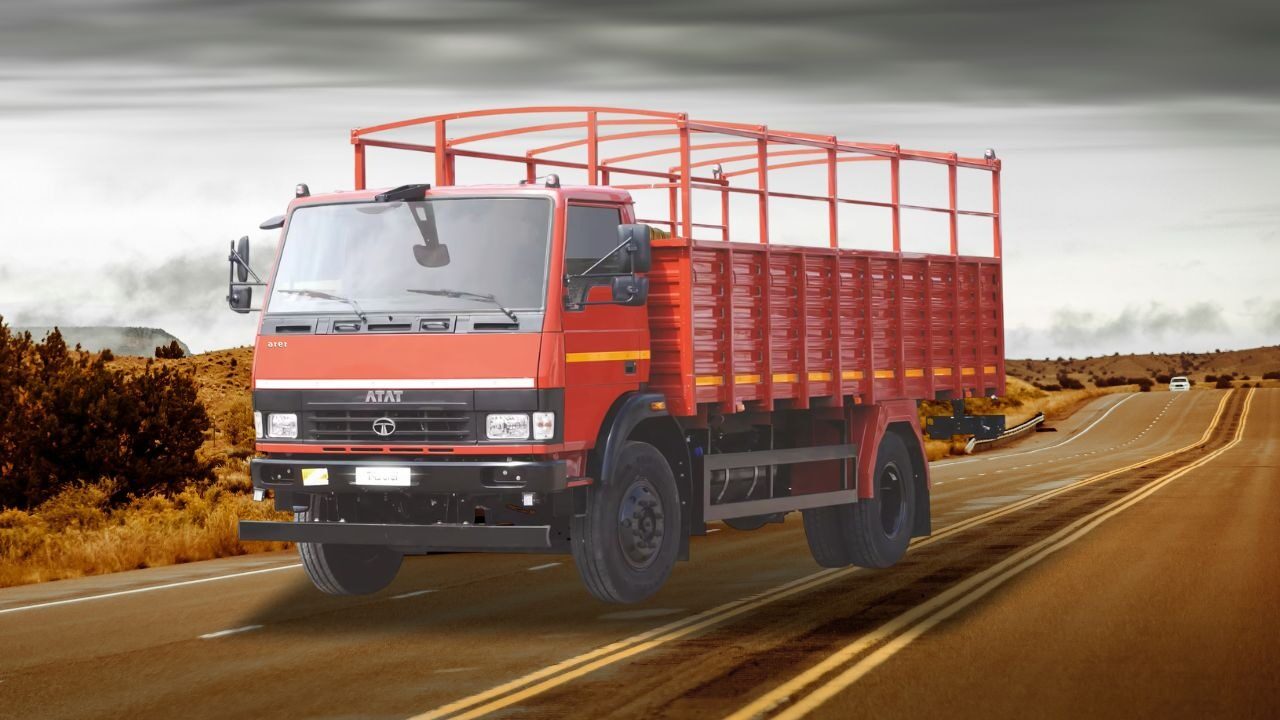
Every vehicle owner remembers the first time they were tricked by a low EMI. The vehicle looked affordable, the loan tenure looked comfortable, and six months later the same person was staring at a fuel bill that had quietly become their biggest monthly expense. The ROI of Commercial Vehicles in India is not a purchase decision. It is a cash flow decision which comes along with a vehicle. And treating it any other way is how companies wind up with a money-losing asset rather than a money-making one. 

Prices of diesel are remaining at ₹96-₹98 per litre in most Indian cities while a few like Andhra Pradesh have crossed the ₹105 mark. For owners of trucks, tempos and pickups, that number has an immediate bearing on profitability, since fuel costs can make up 40 to 55% of a commercial vehicle’s lifetime operating cost. The initial purchase price, although significant, is generally a more fixed and predictable cost. That is why the first thing every buyer should assess isn’t the sticker price, it’s how much the car will cost to operate on a daily basis.  

What “Cost” Actually Means for a Commercial Vehicle

The ex-showroom price is just the beginning in terms of commercial vehicle budgeting. For instance, India’s best-selling mini truck for last-mile deliveries, Tata Ace, is priced from ₹3.99 lakh to ₹6.69 lakh (ex-showroom) based on the variant. The Ashok Leyland Dost range meant for heavier loads begins from ₹6.68 lakh to ₹ 10.34 lakh, with the ROI of Commercial Vehicles in India and ROI of Commercial Vehicles in India variant priced higher. 

However, the total cost you pay once after including the cost of the registration, insurance, and state roads taxes is higher. Additional charges like these typically add 8 to 12% to the sticker price, so it’s important to plan for more than the sticker price. 

Where ROI of Commercial Vehicles in India Lost

The bigger expense begins after the vehicle hits the road. Fuel, driver salaries, regular maintenance, tire replacement, insurance, permits and unforeseen repairs all contribute to the cost of monthly operations, and unlike EMI, these costs can fluctuate widely. 

Tires and engine components of long distance or heavy-duty vehicles are under greater stress and wear out faster. Therefore, a model with a lower purchase price may cost you more during the life of the product. This is why experienced fleet managers look at cost per kilometre rather than the bare purchase price, since it gives a more accurate sense of fuel efficiency, maintenance, depreciation and other operating costs.

Where the Profit Actually Comes From

ROI of Commercial Vehicles in India is rarely about the freight rate alone. It comes from utilisation, which is a polite way of saying: how many days a month is the vehicle actually earning instead of sitting idle. A truck that runs 24 days a month will always beat a cheaper truck that runs 15 days a month, even if the second one has a lower EMI. Idle time is the single biggest silent killer of ROI of Commercial Vehicles in India, whether it’s caused by a breakdown, a driver shortage, or simply poor route planning.

The second lever is load efficiency. Businesses that consistently run at 60 to 70% of a vehicle’s rated payload capacity are effectively paying full fuel and maintenance costs for a fraction of the earning potential. Matching the vehicle class to the actual cargo pattern, rather than buying one size up “just in case,” is one of the most underrated ROI decisions a business owner makes. A Bada Dost bought for loads that a standard Dost could easily handle is dead capital sitting on four wheels.

The third lever, and the one almost nobody talks about, is resale value. Tata and Ashok Leyland vehicles tend to hold value better in the Indian secondary market simply because spare parts and service networks are everywhere, which matters enormously when a five-year-old truck needs to be sold to fund the next purchase. A vehicle that’s cheap to maintain throughout its life is also, almost always, the one that resells for a fair price later.

The Financing Trap Nobody Warns You About

Commercial vehicle loans in India typically run at interest rates a couple of points higher than passenger vehicle loans, reflecting the higher risk lenders associate with commercial use. A longer tenure lowers the EMI on paper but stretches interest payments across more months, which quietly increases the total cost of ownership. 

The smarter approach, and one that experienced fleet owners follow without exception, is to size the loan against realistic monthly earnings rather than against the maximum EMI a bank is willing to approve. Banks will always approve more than a business can comfortably repay, because the risk sits with the borrower, not the lender.

Note: Diesel prices, vehicle pricing, and interest rates change frequently and vary by state and lender. Always confirm current on-road prices, fuel rates, and loan terms with authorised dealers and banks before making a purchase decision.

BS6 Compliance and the Long-Term Cost Angle

Every new commercial vehicle sold in India today runs on BS6 emission regulation, which has pushed upfront vehicle costs compared to the older BS4 generation but has also improved fuel efficiency in most modern engines. 

For a business calculating ROI over a five to seven year holding period, this trade-off usually works in the buyer’s favour, since better mileage compounds into meaningful fuel savings over tens of thousands of kilometres. The mistake to avoid is buying an older, non-compliant vehicle secondhand purely to save on the initial price, since resale restrictions and rising fuel costs can erase that saving within a couple of years.

Read More:-  Best Cars for Daily Office Commute: Top Comfortable & Fuel-Efficient Cars

Diesel, CNG, or Electric: The ROI Angle, Not the Trend Angle

CNG variants of vehicles like the Dost and Ace are gaining traction in Indian cities specifically because CNG remains meaningfully cheaper than diesel per kilometre, even after accounting for the lower fuel efficiency compared to diesel engines. For businesses running fixed intracity routes with reliable access to CNG stations, this can genuinely lower the cost per kilometre. 

Electric commercial vehicles are still a smaller piece of the market, and while running costs are lower, the higher upfront price and patchy charging infrastructure outside major metros mean the ROI case only works cleanly for businesses with short, predictable routes and access to depot charging. This isn’t a case of one fuel type being universally better. It’s a case of matching fuel type to route pattern, which is the same discipline that governs every other part of this decision.

The Real Formula for Business Owners

The ‘ROI of Commercial Vehicles in India’ question comes down to one practical comparison: total monthly earnings from the vehicle, minus fuel, driver salary, maintenance, insurance, and EMI, measured against how much capital was actually put in to acquire it. 

A vehicle that looks expensive but stays on the road every working day, carries near its full rated load, and holds resale value will consistently outperform a cheaper vehicle that spends a third of its life in the workshop. 

In Indian commercial transport, the businesses that make money aren’t the ones that bought the cheapest truck. They’re the ones that bought the right truck for their actual freight pattern and ran it hard, every single day, for years.

Conclusion 

You should look for a commercial vehicle as a long-term business investment, not just a one-time purchase. The ROI could improve if you choose the right payload capacity, use recommended fuel, and try not to exceed the speed. Before making a decision, compare the total cost of ownership to understand the exact ROI of Commercial Vehicles in India. 

The most profitable commercial vehicle is the one which delivers lower cost per kilometre, spends more time on the road, and has strong resale value.

0

How Often Should You Service Your Car? | Complete Maintenance Guide

How Often Should You Service Your Car?

There is one number on your windshield that has a label that tells you. Your owner’s manual says something else. The mechanic around the corner herbalists a third. And your neighbor who’s been driving the same model for the past six years without a single breakdown, laughs its all three. So How Often Should You Service Your Car? 

For the majority of vehicles, a general service every 5,000 to 10,000 kilometers (or about every six months) is a good starting point. But that number is a moving target based on the age of your car, how you drive, the type of oil it uses, and what the manufacturer actually recommends. So let’s get into the details, rather than relying on a one size fits all rule. 

Start With Your Owner’s Manual, Not the Internet

It could be saying the obvious, but this is the step that most people ignore. Each car has its own maintenance schedule specific to the engine, transmission and model’s quirks. A turbocharged engine has different requirements than a naturally aspirated engine. A vehicle using full synthetic oil can pretty much go longer between oil changes than one using conventional oil. 

Manufacturers devote a lot of time and testing to determining these intervals, so using the manual as your baseline rather than an afterthought will help you avoid overpaying for unnecessary services or skipping ones that are important. 

The Two Types of Servicing You Should Know About

Car maintenance generally falls into two buckets, and understanding the difference helps you plan both your time and your budget.

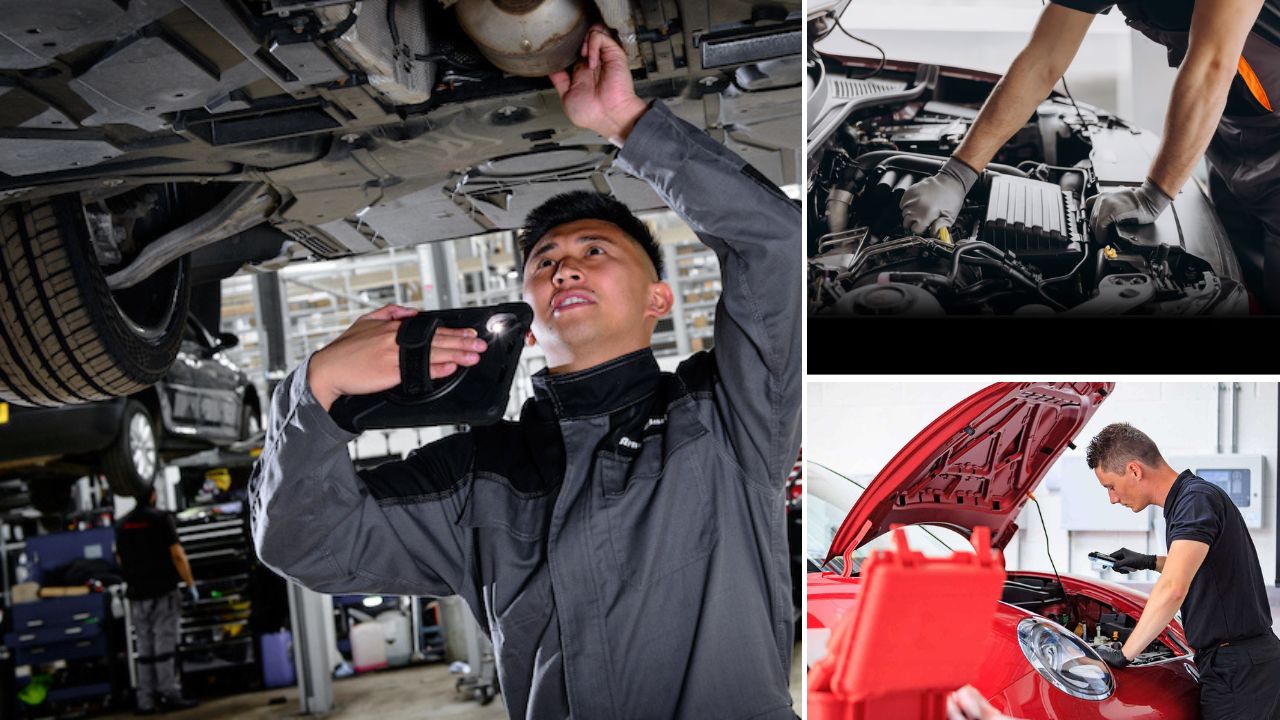
Minor service is normally more common and more simple: changing engine oil and oil filter, inspection of brake pads, refilling of fluids, tyre checks and a quick visual of belts and hoses. It’s a normal tune-up that makes your car drive right every day. 

Minor service and Major services

How Often Should You Service Your Car?

Major services are definitely more in depth, maybe once a year or 9,300 to 12,400 miles under most conditions. This involves changing the air filter, spark plugs, brake fluid, coolant, and occasionally the timing belt (subject to mileage). It’s more thorough, takes longer and of course costs more, but it’s not having it done that people seem to really run into trouble later on. 

Mileage Matters, But So Does Time

Even if you’re not behind the wheel of your car very often, it still needs maintenance. Oil deteriorates chemically over time, not just as a result of use. Rubber seals become dry, brake fluid takes in moisture from the air, and batteries drain by sitting idle. 

Being parked in your driveway for half a year because you went full-time work-from-home doesn’t mean your car is fine just because you didn’t move the odometer. A vehicle that is left to sit is usually in worse condition than a vehicle that is driven regularly and serviced according to the schedule. 

Read More:- How to Check Tire Pressure Correctly: Guide For Car Owners

How Your Driving Habits Change the Equation

Not all driving is the same, and this is where most general advice falls down. If you’re among those who drive under so-called “severe driving conditions,” your vehicle requires more frequent maintenance than the average advice indicates. This includes: 

  • Frequent short trips, especially under 10 minutes, which don’t let the engine reach optimal temperature
  • Stop-and-go city traffic on a daily basis
  • Driving in extreme heat, cold, or dusty environments
  • Towing trailers or carrying heavy loads regularly
  • Driving on unpaved or rough roads often

If two or more of these apply to your daily routine, it’s probably best to service nearer the shorter end of your manufacturer-recommended interval, or maybe even a little sooner. 

Signs Your Car Is Telling You Something, Regardless of Schedule

A good maintenance schedule still has limitations. Cars usually send out warnings when something is about to go wrong and it’s worth listening. 

How Often Should You Service Your Car?

Listen for any changes in the engine noise, particularly knocking, ticking or rattling sounds. A burning odor from oil, rubber, or something electrical is never to be dismissed. If your vehicle drifts to one side when you brake, or the steering feels looser than normal, then it’s telling you it needs some attention. The dashboard warning light is the clearest indicator, but even a small decrease in fuel efficiency or a rougher idle could be a sign of something that needs looking at before it becomes costly. 

Trust your body’s signals more than a rigid timeline. A car that’s making noise and needs to be serviced in three weeks shouldn’t wait three weeks. 

The Cost of Skipping Service (It’s More Than Money)

It’s easy to defer a service, especially when finances are tight or you have a busy life. But maintenance deferrals tend to compound. The small oil change you skip may cause more engine wear, which leads to a much more costly repair down the road. Skimping on worn brake pads can also put damage rotors, turning a simple brake pad replacement into a bigger (and pricier) ordeal. And beyond cost, there’s the safety aspect: brakes, tires and steering parts are not places you want surprises. 

Regular car maintenance is not just to keep your car running; it’s also to help with resale value. When you decide to sell off the car, both in terms of price and in how quickly the car sells.

Building a Simple Routine for How Often Should You Service Your Car?

The best maintenance schedule is the one that you can actually keep up with. Some practical tips: 

Keep a little notebook or a note on your phone with the date and mileage of your last service. Mark a recurring calendar alert to peek at fluid levels and tire pressure every six months, even when you’re not due for service. Find a mechanic you trust and stay with them—they get to know your car’s history and notice trends you might not catch. 

Read More:-  How to Improve Gas Mileage: 15 Proven Tips That Actually Save Fuel

Conclusion 

There is no ideal frequency of How Often Should You Service Your Car? that applies to every vehicle and owner, but there is a smart approach: Use the baseline value recommended by the manufacturer. Modify this according to your real driving habits/conditions, and never ignore the signs your car gives you on the way. 

Treat servicing as an investment rather than an expense, because a well-maintained car isn’t just more reliable, it’s safer, more efficient, and worth more when it’s time to let it go.

0

2025 Rivian R1S: The Electric Adventure SUV That Delivers Powerful Features

Published Oct 25, 2025, 4:47 AM
Last Updated Apr 13, 2026, 12:20 PM

Rivian R1S

The 2025 Rivian R1S is a standout player in the electric SUV world as it comes with high-end features and comfort. It combines rugged off-road ability with top-notch interior luxury and ample power to give premium ride experience. This three-row EV is the next evolution of Rivian’s primary family vehicle. It incorporates significant improvements in technology, strength, and security. With a few hours to spare, or a whole family to pack up, the R1S delivers a powerful blend that fits right in with electric rides.  

Pricing and Trim Levels

Rivian has released the 2025 R1S in two core versions: Adventure and Ascend. The Adventure is the starting point trim and price for R1S, and it is priced at $75,900. This base model is stuffed with premium features that would be extra cost options on many competitors. 

The upper-level Ascend trim starts at $107,700 with upgraded amenities such as a tri-motor powertrain as standard, the largest Max battery pack, unique wood trim accents, and a premium 18-speaker sound system. A new mid-level Premium grade has been added for 2025, which slots in above the Adventure and below the Ascend for some more luxury flair. 

Battery Options and Range

Perhaps the biggest selling point of the R1S was its incredible range capability. Rivian provides three battery pack options to meet various requirements and budgets: 

Standard Battery Pack: Offers up to 270 miles of EPA-estimated range with lithium-iron-phosphate chemistry, making it the most budget-friendly alternative.

Large Battery Pack: Up to 330 miles of range with 109.4 kWh usable capacity, an optimal size for most buyers.

Max Battery Pack: The top-of-the-line version can go up to an astonishing 410 miles with the dual-motor configuration or 371-380 miles with the tri-motor setup. With this 141.5 kWh battery, the car delivers more range than any other electric SUV on the market. 

In Real-world range buyers got 250 miles on their 75-mph highway route with a tri-motor Max battery R1S, while it can go about 300 miles with the Large battery and nearly 400 miles with the Max battery in mixed driving. 

Performance and Power Options

The 2025 R1S is available with a number of powertrain options, all producing exhilarating acceleration that could run with the best of supercars:

Rivian R1S Performance and Power Options

Dual-Motor Standard: The dual-motor base powertrain generates 533 horsepower and 610 lb-ft of torque, and can accelerate from 0 to 60 mph in about 4.5 seconds.​ 

Dual-Motor Performance: An optional Performance upgrade raises power to 665 hp with 829 lb-ft of torque, trimming the 0-60 mph run to a mere 3.4-3.5 seconds.​

Tri-Motor: The dual rear motors and single front motor arrangement in this model produces 850 horsepower and 1,103 lb-ft of torque. 

Quad-Motor – This is top-notch variant that delivers 1,025-1,050 horsepower and up to 1,198 lb-ft of torque in Launch Mode, making it run 0-60 mph in 2.5 seconds. This makes it faster than many real sports cars.​

All models are standard all-wheel drive and have a maximum towing capacity of 7,700 pounds. However, range is severely reduced when towing. 

Charging Capabilities

The R1S supports fast DC charging, with the Standard battery enabling 200 kW charging rates, and the Large and Max batteries up to 220 kW. Rivian says you can charge the battery from 10% to 80% in 30-41 minutes at a DC fast charger, depending on the battery size and conditions. With a 20 minute fast charger, it can gain up to 140 miles. Additionally, Tesla’s Supercharger network is also supportive for Rivian Vehicles that makes things easier for North Americans. 

Interior Features and Technology

The excellent interior material and features make you fall in love with this car. The R1S luxury seats which are made from perforated vegan leather makes it ultra premium.  

Rivian R1S Interior Features and Technology

The R1S Comfortability and Seating: The R1S offers 3 rows that can give space up to 7 passengers. The front seats feature heating and ventilation and can be memory-adjusted, the second and third-row seats are heated. The second row has great space with individual climate controls for each passenger, the third row is small and works best for kids or short drives. 

Technology: A huge 15.6-inch central touchscreen which controls the majority of the vehicle’s functions dominates the interior, with a second digital gauge cluster for the driver. It has a 12-speaker premium sound system as standard, two-phone wireless charging, it offers full connectivity set up for the driver and passenger. From Wi-Fi hotspot and navigation to Amazon Alexa integration, and Bluetooth connectivity. 

Distinctive features: R1S has its unique features that gives a more premium experience with  a panoramic glass roof and four-zone automatic climate control making the tour more comfortable. It also makes you keyless to enter in the car and its ignition feature, power-folding mirrors, and a hands free liftgate also seems perfect for an amazing ride. The Camp Mode even has a leveling feature that uses the air suspension to level the vehicle for camping. 

Cargo and Storage Space

R1S offers a boxy design and 17.6-17.7 cubic feet of storage space; the vehicle’s rectangular shape allows for efficient packing. 

The R1S has a neat front trunk, or “frunk.” It provides you with an additional storage of 11.1 cubic feet. Fold the second and third rows flat, and it’s a bona fide cargo hauler with sky-high storage. Rivian passes on precise figures for those configurations, though. 

Read More:-  Toyota LC FJ vs Toyota Fortuner: The Shared DNA That Makes Them Siblings

Safety Features and Ratings

The redesigned model gets IIHS Top Safety Pick+ award as it meets all the test crashes score high, and becomes the only high honor SUV for 2025. 

Standard safety tech: The 2025 model debuts the new Rivian Autonomy Platform, which has higher-definition cameras, redundant sensors, and enhanced computing power. Standard features include: Adaptive cruise control, emergency braking, assist in Lane centering, cross traffic warning, Blind-spot monitoring, sensors for parking, and Excellent pedestrian crash prevention systems which are good for families.

The Rivian Autonomy Platform+ is an option and adds Enhanced Highway Assist and Lane Change on Command, which can automatically change lanes when safe after you activate the turn signal. 

Off-Road Capability

Unlike the majority of luxury electric SUVs, the R1S is actually competent off-road. A standard adjustable air suspension offers up to 15 inches of ground clearance, which will enable you to handle some rough terrain. This air suspension system can raise and lower the ride height of the vehicle and the ride quality and handling stability are adjusted for both up and down motion and for the specific conditions. 

Rivian R1S Off-Road Capability

The independent motors on each wheel allow for fine torque vectoring, which helps to keep traction on icy or uneven terrain. With the vehicle’s extreme approach and departure angles, the R1S can go places most luxury SUVs would not dream of. 

Efficiency and Real-World Performance

The highest efficiency dual-motor R1S reaches up to 85 MPGe combined on EPA ratings, a 3 MPGe increase over the 2024 model. Depending on wheel size and configuration, EPA estimated combined MPGe for the dual-motor variants is between 72 and 84. The standard dual-motor setup provides the best combination of efficiency and performance for the majority of customers. 

Who Should Consider the R1S?

2025 Rivian R1S is the ideal choice for buyers seeking a capable, luxurious electric SUV that can double as a daily driver for family duties and a weekend off-road warrior. It’s a great long-distance cruiser with its mad range, offers thrilling sports-car-level performance, and has bona fide off-road chops that most rivals can’t match. 

Conclusion

The 2025 Rivian R1S is an inspiring glimpse of the electric SUV to come. It’s an amazing feat to bundle all of these things – breath-taking acceleration, best in segment range, true off-roading capability and a stunningly designed interior – into one package. Recent safety ratings, improved efficiency, and new powertrain options make it an even better pick for 2025. 

Whether you’re attracted by its blistering speed, its off-road adventure-ready chops, or just want the longest range electric SUV available, the R1S offers an experience that few rivals can touch. For families that want a truly do it all electric vehicle for school runs and ski trips and weekend camping jaunts, the Rivian R1S is hands down one of the most versatile and capable models you can buy today. 

0

Badicar Exclusive: Maruti Suzuki’s Creta-Rival SUV Launching on September 3 – Full Specs & Features!

Published Jul 18, 2025, 12:36 PM
Last Updated Jul 21, 2025, 5:58 AM

Maruti Suzuki Creta Rival SUV

Maruti Suzuki will launch its new midsize SUV, likely named Escudo on 3 September  2025. The company plans to sell this five‑seater model through its Arena dealership network. Maruti officially targets buyers who seek a spacious SUV below the Grand Vitara, but above the popular Brezza. The Escudo will directly challenge rivals like the Hyundai Creta and Kia Seltos.

The starting price will be approximately ₹9.75 lakh ex‑showroom, making it one of the most affordable midsize SUVs in India. Higher trims, packed with extra features, may cost up to ₹15 lakh. In major cities, the on‑road price could reach around ₹11 lakh, depending on taxes and insurance.

Escudo will ride on Suzuki’s Global C platform, similar to the Grand Vitara and Toyota Urban Cruiser Hyryder. Its body will be slightly longer, offering more cabin space and a bigger boot. Spy shots suggest a bold, upright front grille, split LED headlamps, and LED light bar at the rear.

Beneath the bonnet, the Escudo is expected to feature the well-known 1.5-litre naturally aspirated petrol engine. It will be offered with a choice of either a 5-speed manual transmission or a 6-speed automatic gearbox. Maruti will also offer a factory‑fit CNG variant. Unlike the Grand Vitara, it may skip the strong‑hybrid powertrain to keep costs down.

Read More : Tata Most Expensive Cars in the World 2025: The Luxury You Didn’t Expect from Tata!

The cabin promises modern features such as a large 10‑inch touchscreen with wireless Android Auto and Apple CarPlay, an all‑digital instrument cluster, ventilated front seats, panoramic sunroof, and wireless phone charging. This would represent the largest screen ever offered in an Arena‑sold Maruti.

Safety equipment looks strong, with six airbags, ABS with EBD, Electronic Stability Control, hill‑hold assist, all‑wheel disc brakes, and a 360° camera system. Higher trims may even offer Level‑1 ADAS features. 

The Escudo steps into a highly competitive segment, directly challenging rivals like the Hyundai Creta which features a 10.25-inch display and Level-2 ADAS alongside the Kia Seltos, Skoda Kushaq, Volkswagen Taigun, Honda Elevate, and MG Astor. Maruti hopes the Escudo’s strong feature set, roomy interior, and affordable pricing will help it stand out in a crowded field.

This launch marks a key moment in Maruti’s SUV strategy for 2025. Alongside the e‑Vitara electric SUV, due by Diwali, the Escudo will significantly expand the brand’s presence in the midsize and EV segments.